22 Umbrella Storage Ideas for 2026
Umbrellas are essential for rainy days, but storing them can be tricky when your entryway has limited space. Wet fabric, dripping water, and awkward handles can quickly create clutter near the front door. The right storage solution keeps umbrellas organized, allows them to dry safely, and makes your entrance look more inviting. From compact wall-mounted holders to decorative floor stands, these umbrella storage ideas offer practical options for homes of every size.
Where Should You Place Umbrellas In a Small Entryway?
In a small entryway, the best place for umbrella storage is near the front door, where everyone can reach it without walking through the house with a wet umbrella. Look for an unused wall, a narrow corner, or the space beside a shoe rack. Wall-mounted holders are excellent when floor space is limited, while slim stands work well in tight gaps between furniture and the doorway.
Consider placing a waterproof tray beneath your umbrella holder to collect dripping water and protect your flooring. Keep frequently used umbrellas within easy reach, and store seasonal or spare umbrellas somewhere less prominent. If possible, choose a ventilated design that lets damp umbrellas dry instead of trapping moisture in an enclosed container.
1. Wall Rack
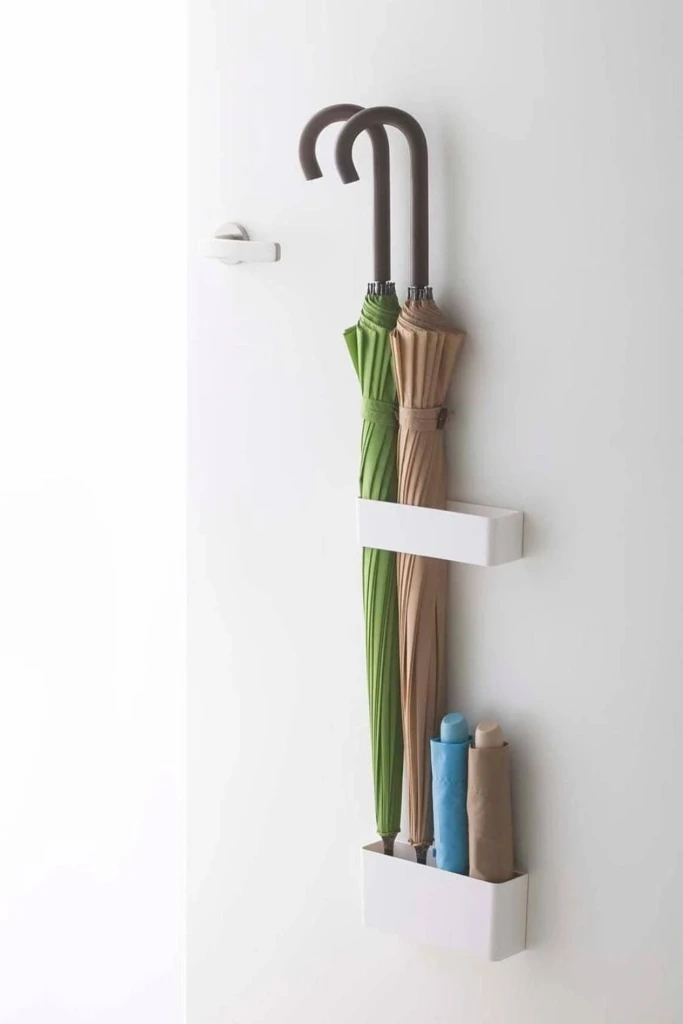
A wall rack is a space-saving solution for homes where every inch of floor space matters. Attach a sturdy rack near the entrance and use individual hooks or clips to hold folded umbrellas vertically. This arrangement keeps umbrellas off the ground and makes them easy to grab when heading outside.
Choose a rack with enough clearance for long handles and wider folded umbrellas. If you have children, install a few lower hooks so they can put away their own belongings. A small drip tray or removable waterproof mat beneath the rack can help manage water from recently used umbrellas.
2. Mesh Stand
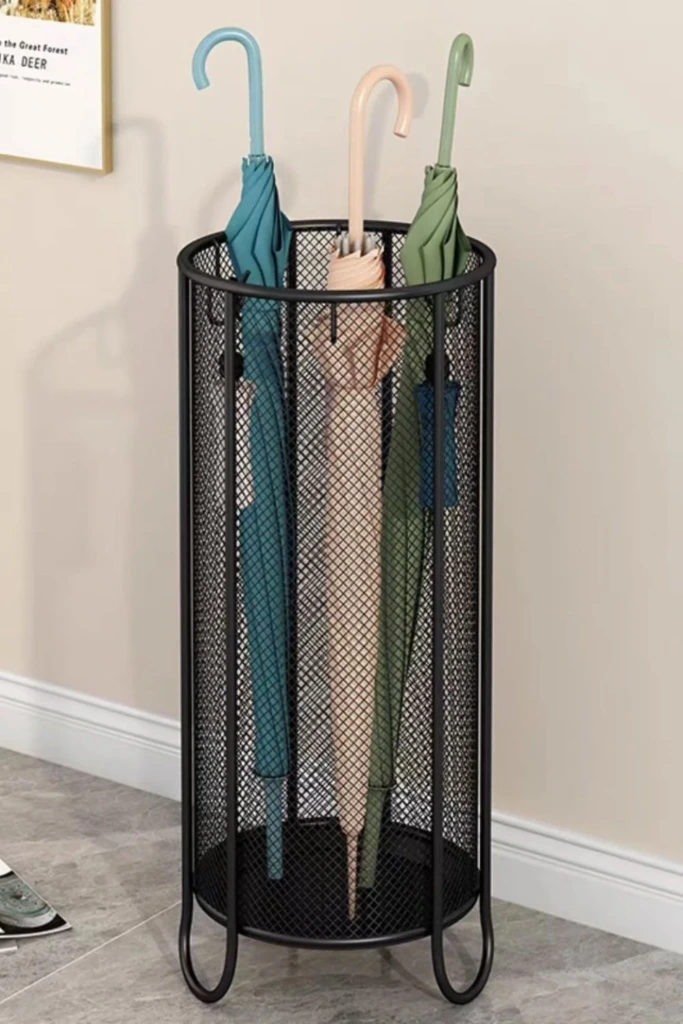
A mesh umbrella stand combines simple storage with excellent airflow. Its perforated sides allow air to circulate around damp umbrellas, helping them dry more efficiently than they would in a solid, enclosed container.
Metal mesh designs suit contemporary, industrial, and minimalist interiors. Select a model with a stable base and a water-resistant finish to prevent rust or floor damage. For added convenience, look for a removable bottom tray that can be emptied and cleaned regularly. This option is especially useful for households that frequently use several umbrellas during rainy weather.
3. Entry Rack
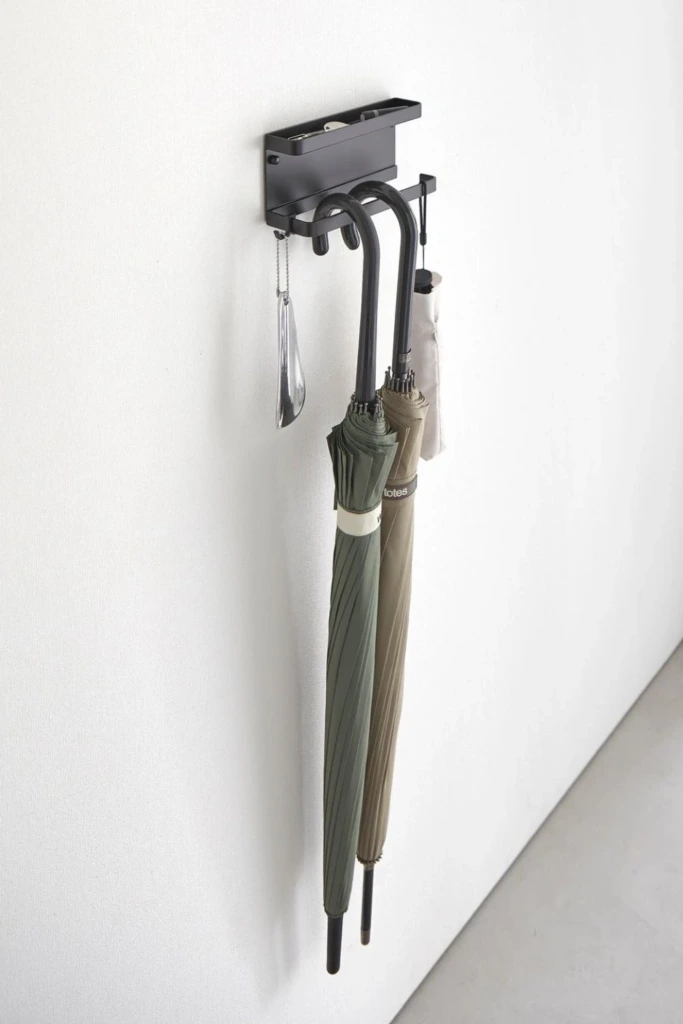
An entry rack can bring several everyday essentials together in one organized location. Depending on its design, it may include umbrella compartments, coat hooks, shelves, or a space for shoes and bags.
This multifunctional option works particularly well in busy family homes because it reduces the number of separate organizers needed near the entrance. Measure your available space before buying, paying attention to the depth of the rack and the clearance required to open the door. Keep wet umbrellas in a dedicated section with a waterproof base so their moisture does not reach coats, bags, or footwear.
4. Wave Rack
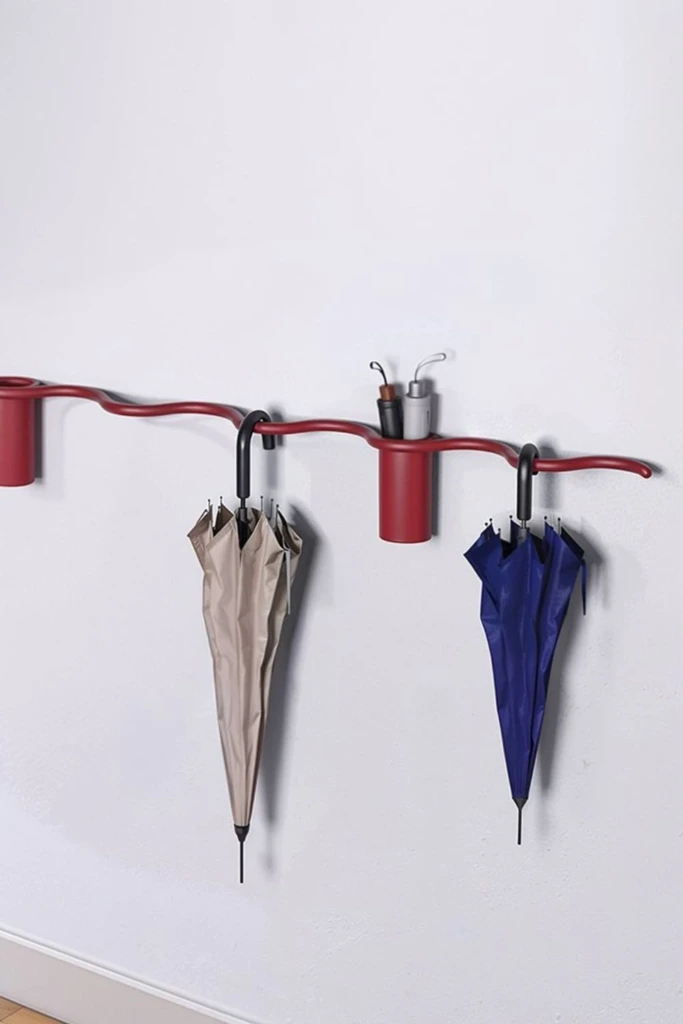
A wave rack adds a decorative touch to umbrella storage through its curved or flowing silhouette. Instead of looking like an ordinary utility holder, it becomes a small design feature near the entrance.
Look for a freestanding model with curved slots or repeating arches that separate umbrellas and keep them upright. Metal versions often complement modern interiors, while softer finishes can work in more relaxed spaces. Because the shape may have an open structure, check that the base is wide enough to support longer umbrellas without tipping. Pair it with a discreet water-catching tray for everyday practicality.
5. Hook Stand
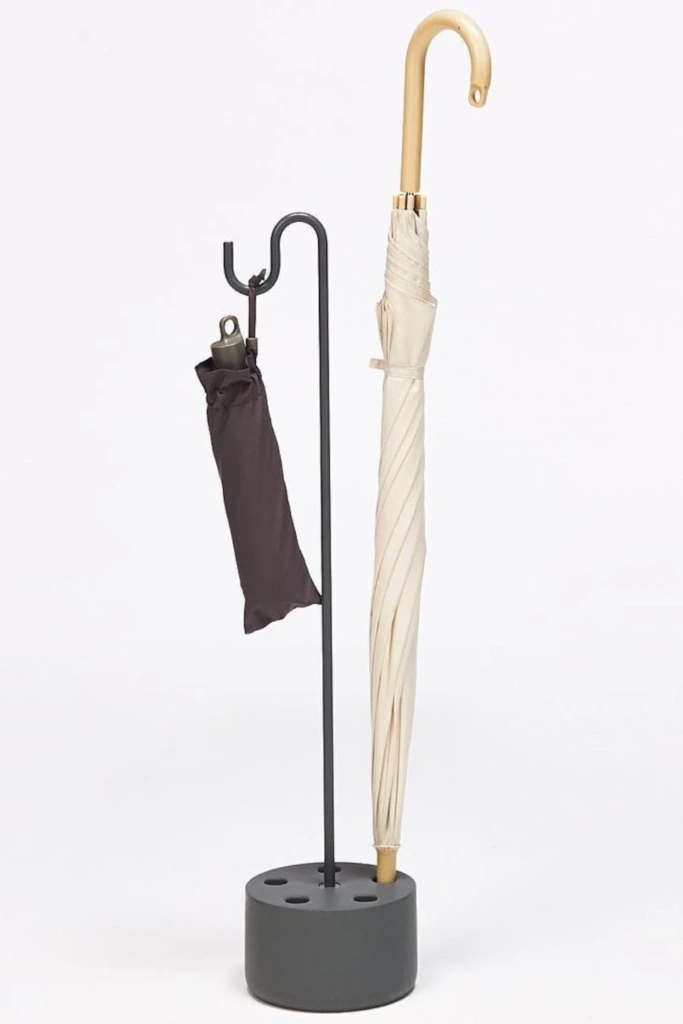
A hook stand offers an easy way to organize umbrellas with looped handles. Its upright frame provides several hanging points, allowing umbrellas to remain separated instead of leaning against one another in a corner.
This design is useful for households with multiple family members or visitors. Assigning a hook to each person can make it easier to identify umbrellas when leaving home. Choose hooks that are rounded and sufficiently deep to hold handles securely. Since hanging umbrellas may swing or shift when the stand is bumped, position the unit away from narrow walkways and door swings.
6. Slat Holder
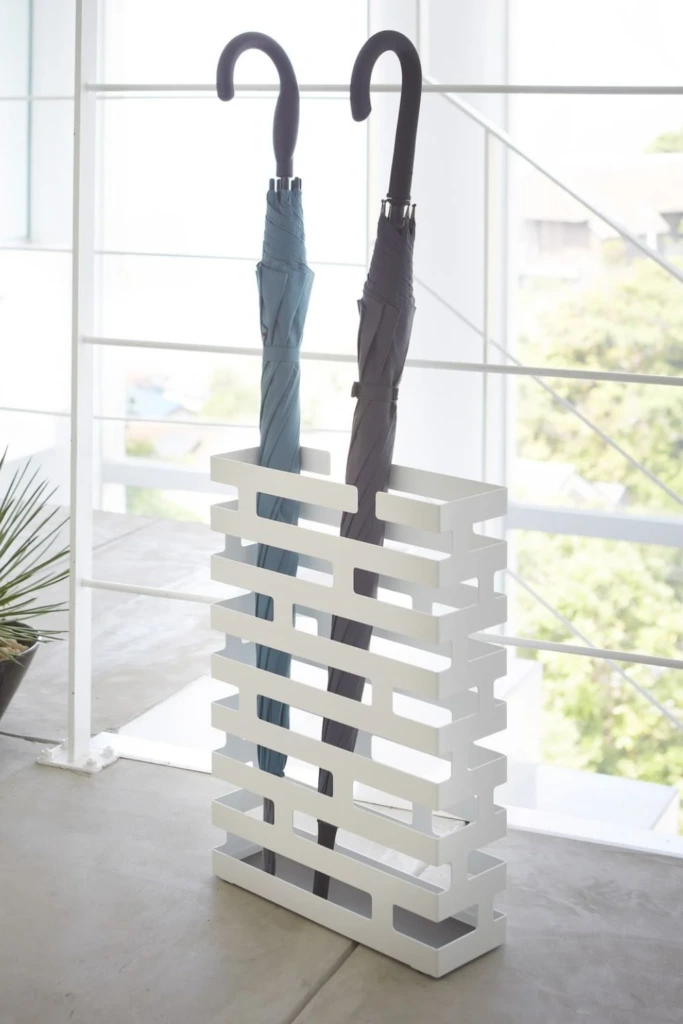
A slat holder uses spaced vertical or horizontal bars to create a structured place for umbrellas. The gaps between the slats provide ventilation, while the framework helps keep umbrellas upright and organized.
Wooden slat holders can introduce warmth into a natural or Scandinavian-style entryway, whereas metal versions offer a more contemporary appearance. Make sure the openings are wide enough for the umbrellas you own but narrow enough to prevent them from leaning excessively. A removable liner or drip tray is a useful addition, particularly if the holder sits on wood flooring or beside a fabric-covered bench.
7. Ring Stand
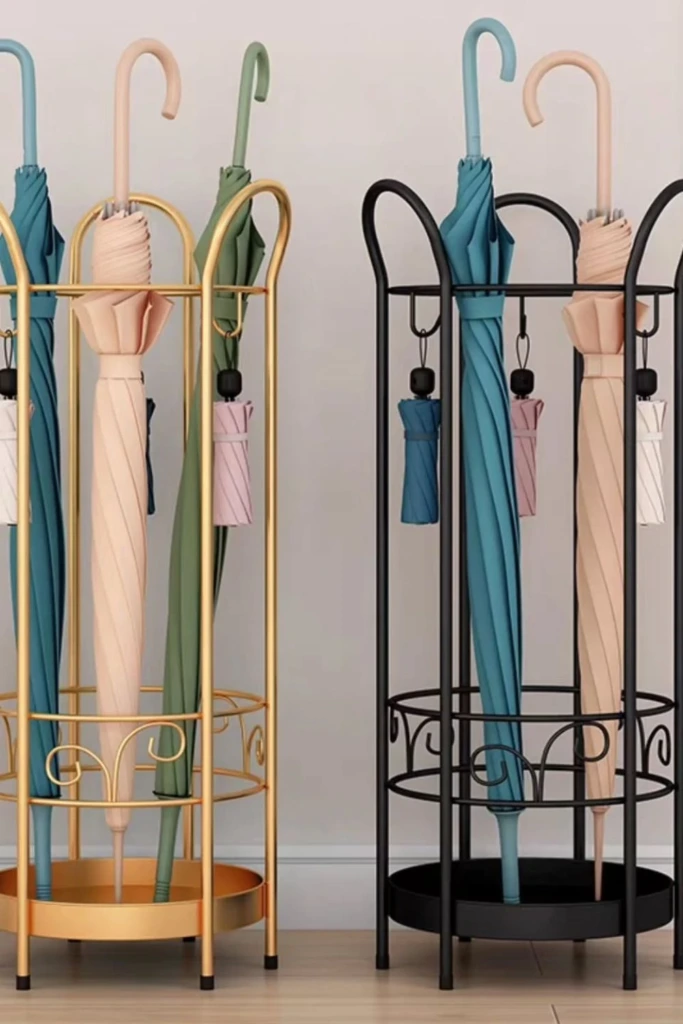
A ring stand uses circular openings to keep umbrellas separated and upright. Each ring provides a defined place for an umbrella shaft, reducing the likelihood of handles becoming tangled together.
This style works well for households that own different umbrella sizes or want a tidy, symmetrical arrangement. Choose a design with openings large enough for your umbrellas without allowing them to slide through. A weighted base improves stability, especially when the stand holds several long umbrellas. For the best results, select a rust-resistant material and check whether the lower section can collect water without leaving the interior constantly damp.
8. Pocket Rack
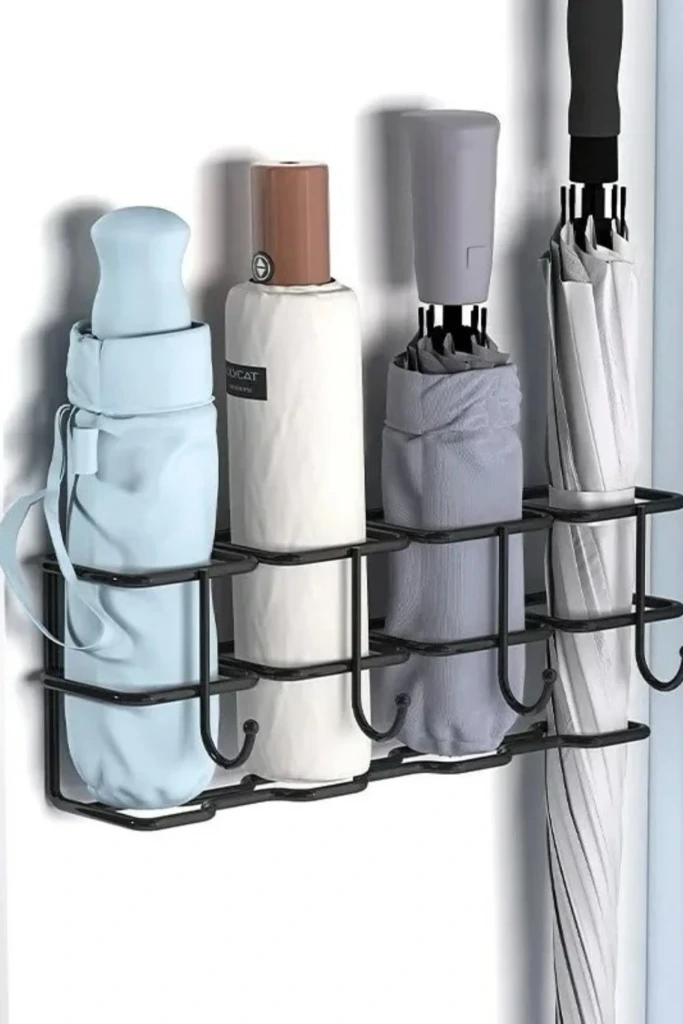
A pocket rack stores umbrellas in individual compartments rather than allowing them to crowd together. These pockets may be made from fabric, mesh, plastic, or a combination of materials, depending on whether the organizer is designed for wall mounting or floor use.
This arrangement is particularly helpful for separating children's umbrellas, compact travel styles, and full-length models. If you choose a fabric organizer, make sure it can dry completely and is easy to remove for cleaning. For wet umbrellas, breathable materials and a waterproof collection area are preferable to sealed pockets that can retain moisture.
9. Sleeve Cover
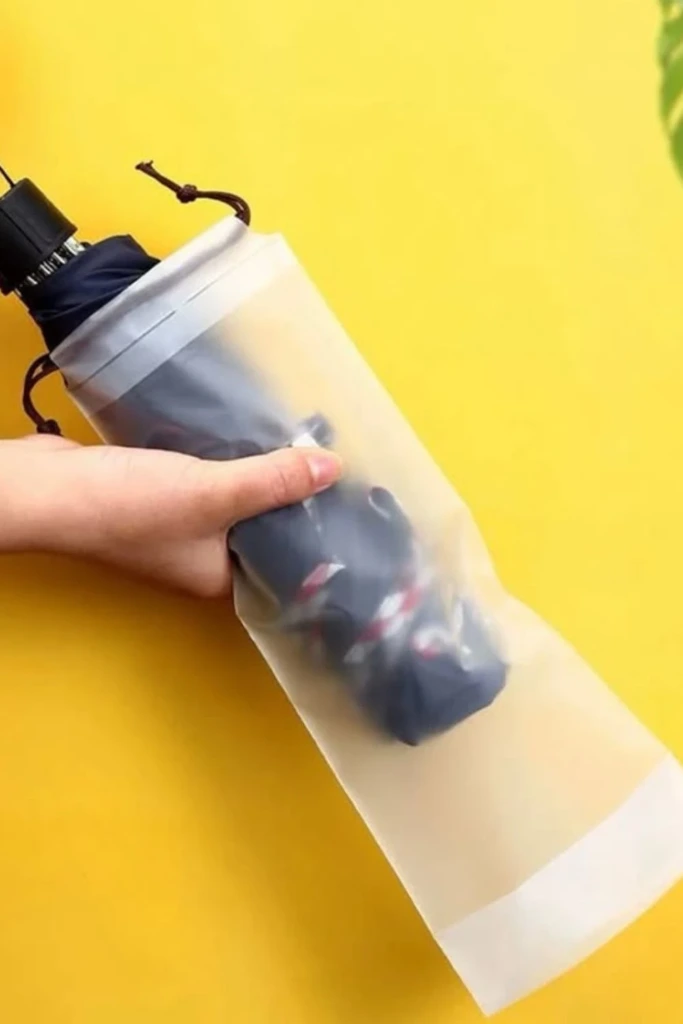
A sleeve cover protects an umbrella when it is stored or carried, helping prevent it from catching on other belongings or transferring dirt to nearby items. Some umbrellas come with fitted sleeves, while reusable covers can be purchased separately.
For everyday storage, choose a cover that is easy to remove and clean. A water-absorbing sleeve can be convenient for transporting a recently used umbrella, but it should not remain wet in a closed bag or cupboard. Remove the umbrella from its cover when you get home and let both pieces dry thoroughly. This helps reduce musty odors and discourages mold growth.
10. Loop Stand
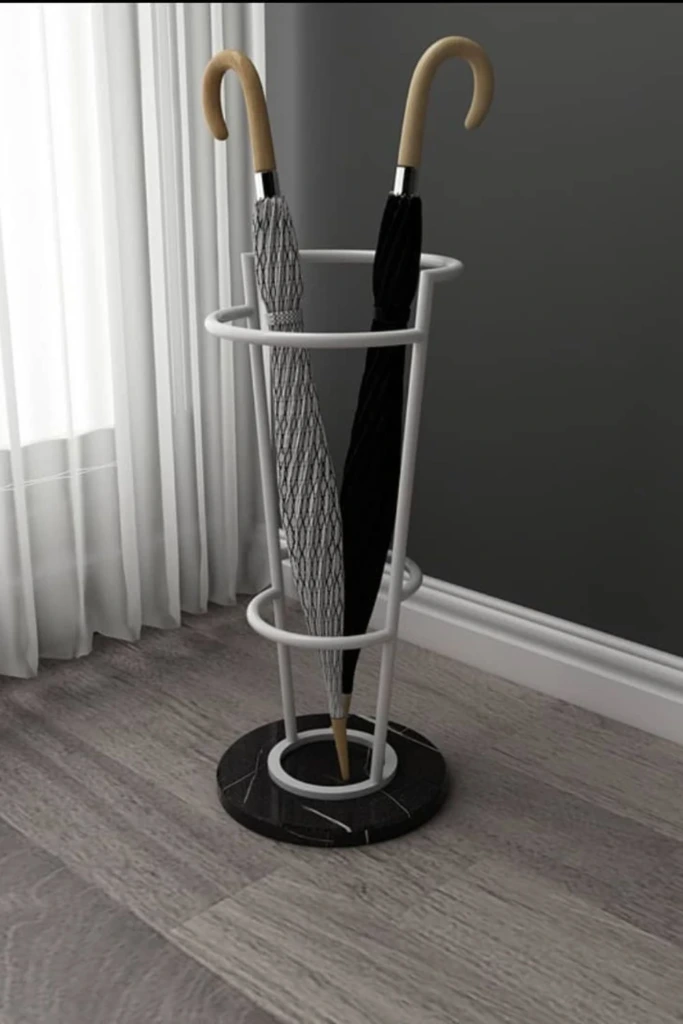
A loop stand features hanging loops or circular supports designed to hold umbrellas by their handles or shafts. Its open construction makes it easy to see what is stored and retrieve a particular umbrella without moving everything else.
This style can suit a narrow entrance because it generally takes up less space than a large storage cabinet. Look for a sturdy frame with smooth edges and securely attached loops. If the stand is tall, confirm that its base provides enough support for heavier umbrellas. Keep a small tray beneath it to collect water and avoid placing the stand where hanging umbrellas obstruct the doorway.
11. Color Stand
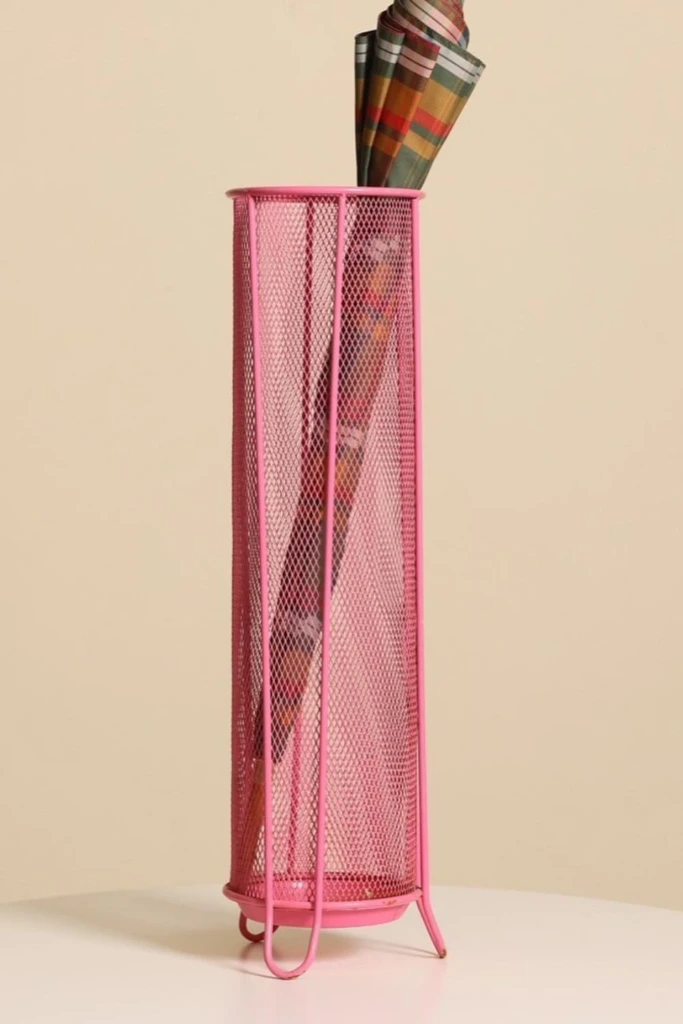
A colorful umbrella stand can turn a practical household accessory into an accent piece. Bright red, mustard yellow, teal, or cobalt blue can bring energy to a neutral entryway, while muted green or terracotta may create a softer, more natural effect.
Choose a shade that complements your existing furniture, wall color, or door. If your hallway already contains several bold colors, a simple stand in a coordinated tone can keep the space from feeling crowded. Beyond appearance, prioritize a stable structure, easy-to-clean surfaces, and adequate capacity for your household's umbrellas. A good design should remain useful long after seasonal decorating trends change.
12. Sculptural Stand
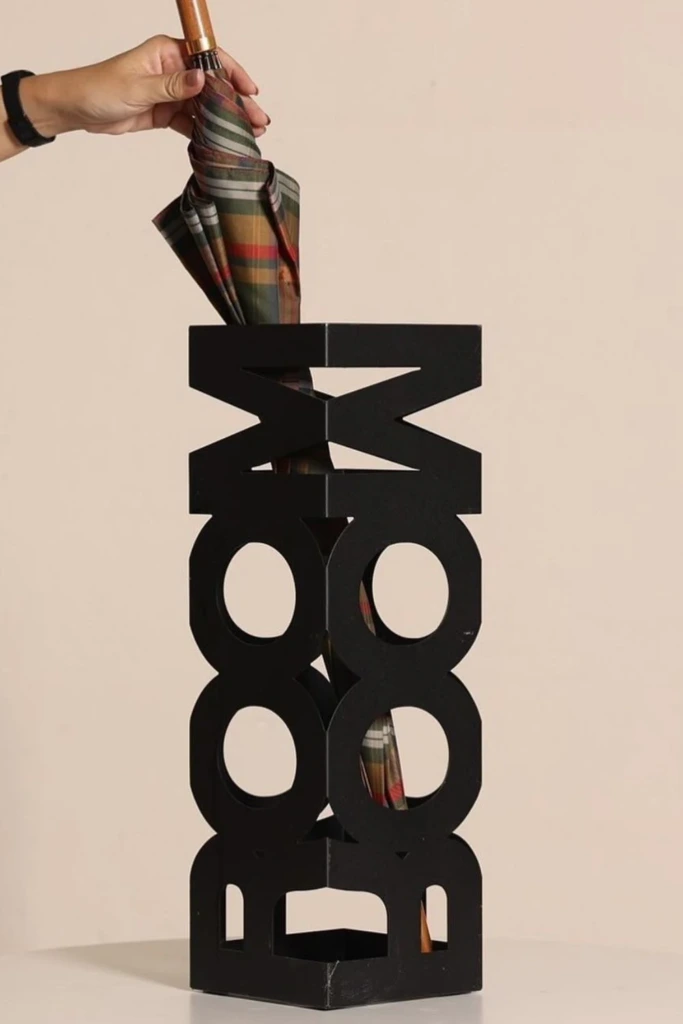
A sculptural umbrella stand combines storage with artistic form. It may feature geometric openings, an abstract silhouette, an unusual outline, or an arrangement of curved metal elements that makes it look more like decorative furniture than a basic container.
This option is ideal for an entryway where you want functional accessories to contribute to the overall design. Choose a shape that complements your interior without making the entrance difficult to navigate. Open designs provide ventilation, while solid sculptural containers may need a removable drip tray or liner. Check the stand's weight and stability before placing several heavy umbrellas inside it.
13. Wall Pocket
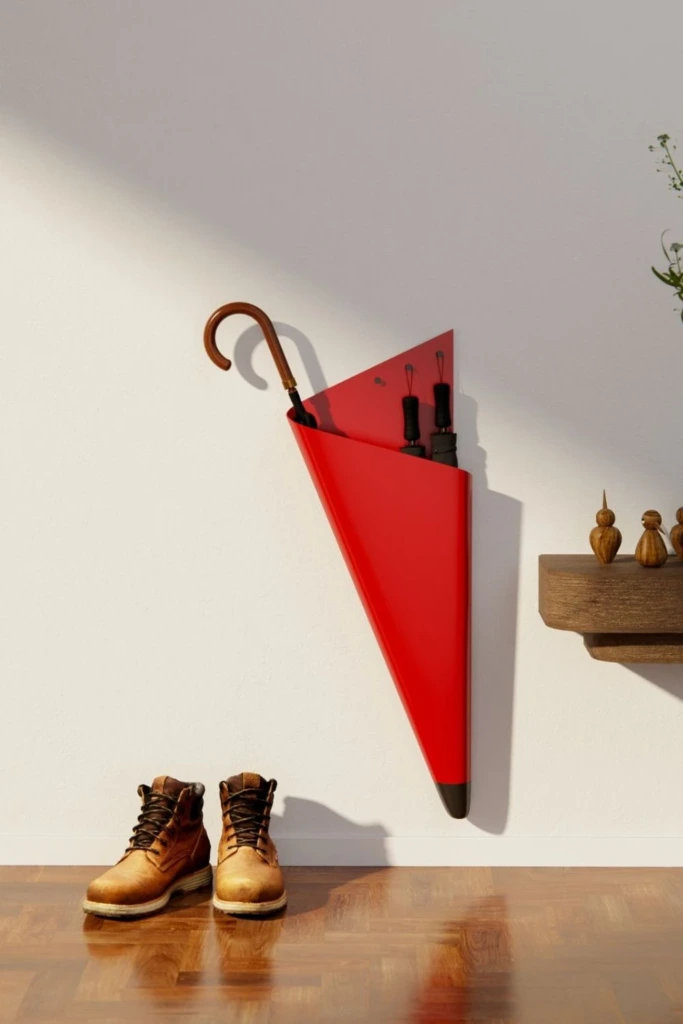
A wall pocket is a compact organizer that attaches to a wall or the inside of a suitable cupboard. It can hold a folded umbrella horizontally or vertically, depending on its shape, making it useful in entrances with almost no spare floor area.
Choose a pocket with enough depth to support the umbrella securely and a material that can withstand regular use. Wall-mounted options are best for lightweight, mostly dry umbrellas unless the product is specifically designed to handle dripping water. For damp umbrellas, position a separate waterproof tray below the pocket or allow the umbrella to dry in a designated ventilated area before returning it to storage.
14. Slim Holder
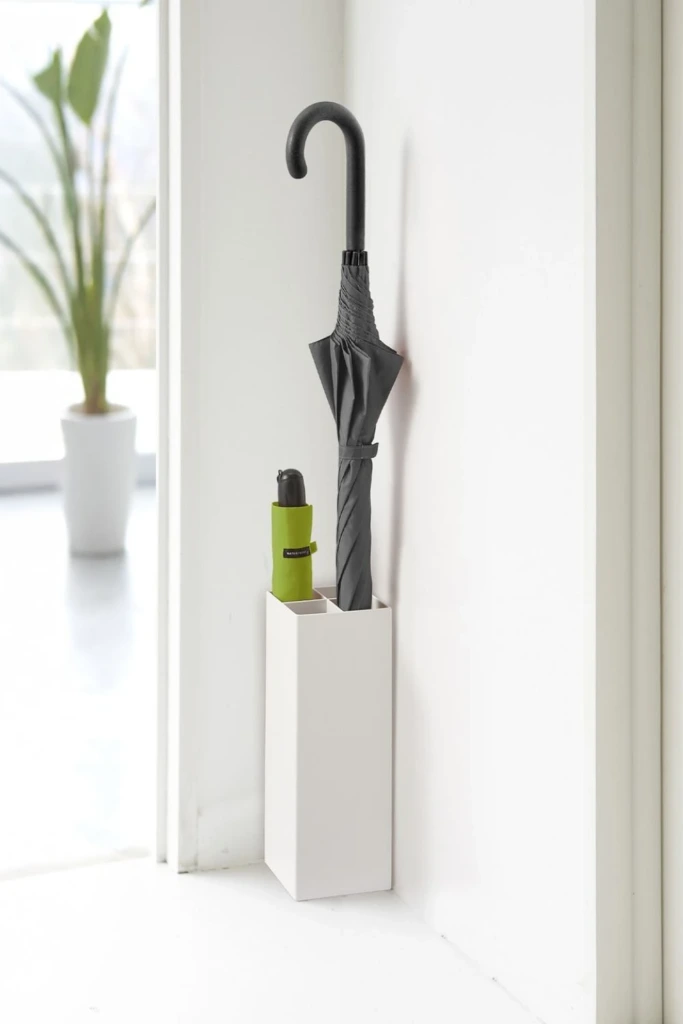
A slim umbrella holder is designed to fit into narrow gaps that larger stands cannot accommodate. Its tall, compact profile makes it suitable for apartments, small hallways, and entrances where furniture must remain close to the wall.
Before purchasing one, measure the available width and depth rather than relying on product photos. A narrow holder should still have a sufficiently broad or weighted base to prevent tipping. Look for vertical dividers that separate umbrellas and a removable tray that makes cleanup simple. If your household regularly uses long umbrellas, check the holder's height to ensure the handles remain easy to reach.
15. Cabinet Rack
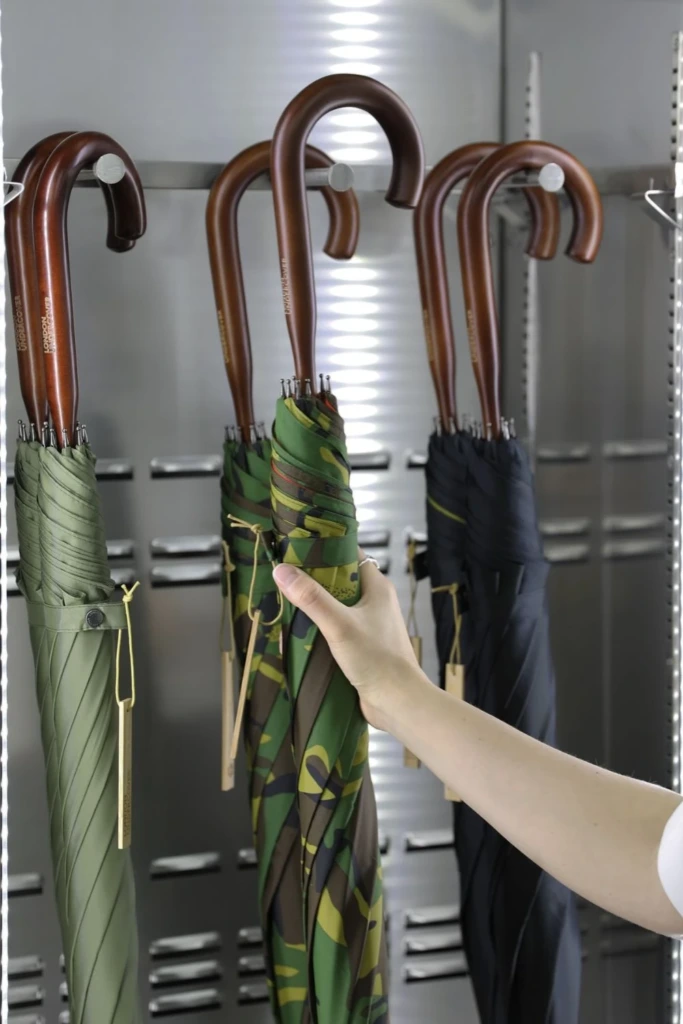
A cabinet rack provides concealed umbrella storage for anyone who prefers a clean, uncluttered entrance. The cabinet may contain a dedicated umbrella compartment alongside shelves for shoes, bags, keys, or other daily essentials.
This solution is most suitable for umbrellas that are already dry. Placing dripping umbrellas inside a closed cabinet can trap humidity and damage the interior finish over time. If you prefer cabinet-style storage, look for ventilated doors, a waterproof lower compartment, or a removable drip tray. Keep wet umbrellas outside the cabinet until they have dried, then return them to their designated place.
16. Slot Cabinet
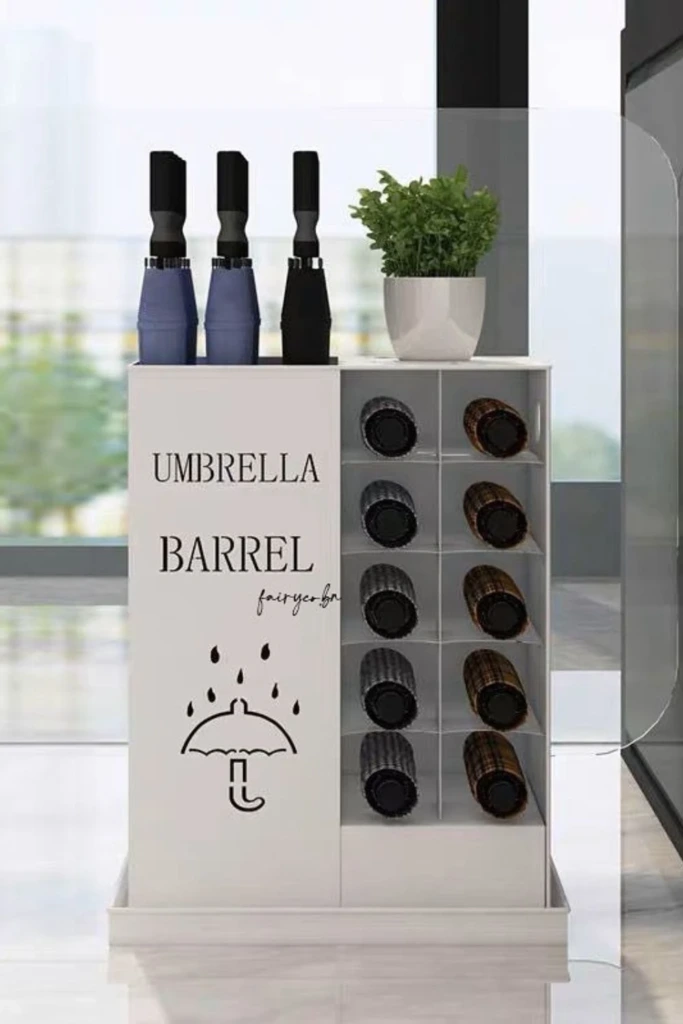
A slot cabinet uses narrow vertical compartments to organize umbrellas individually. The slots prevent umbrellas from falling against one another and can make it easier to keep different sizes separated.
This type of storage is a good choice for larger households, shared entrances, or homes that regularly accommodate guests. Some designs resemble slim shoe cabinets, while others have open compartments specifically for umbrellas. Measure your longest umbrella before choosing a model, and confirm that each slot is wide enough for bulky folded canopies. A moisture-resistant interior and accessible drainage tray can make the cabinet easier to maintain.
17. Drying Rack
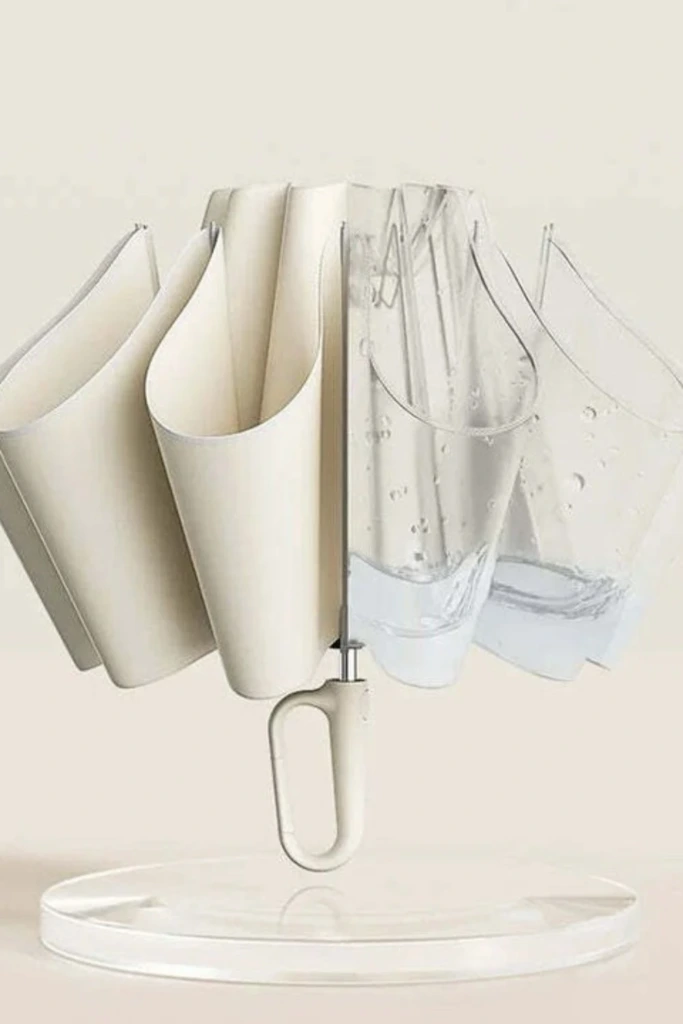
A drying rack provides a dedicated place for wet umbrellas to air out before they return to permanent storage. Unlike a closed holder, a well-designed drying rack leaves enough space around each umbrella for moisture to evaporate.
Position the rack near the entrance, preferably on a hard floor that can tolerate occasional splashes. Open the umbrellas only if you have sufficient room and the manufacturer's instructions permit indoor drying in that position. Otherwise, leave them partially or fully closed as directed, with enough separation for air to circulate. A waterproof mat underneath the rack helps protect the floor, and regular cleaning prevents accumulated water and debris from becoming unpleasant.
18. Entry Shelf
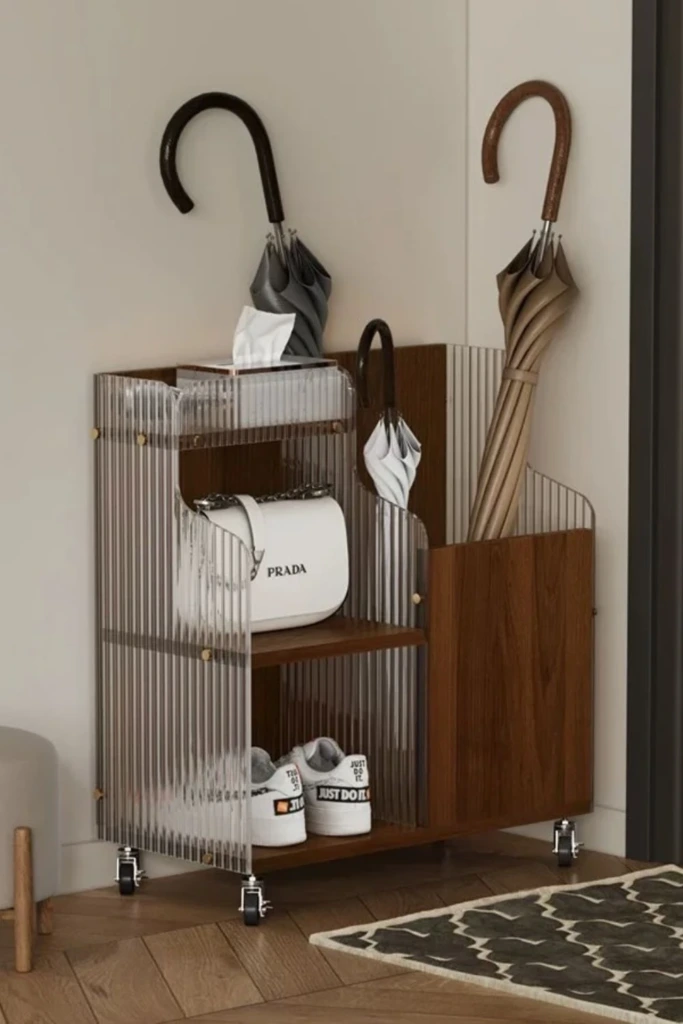
An entry shelf can accommodate compact umbrellas while providing a convenient surface for keys, sunglasses, mail, or other everyday items. A deep shelf may hold folded umbrellas horizontally, while a narrow shelf with hooks underneath can combine storage for umbrellas and small accessories.
For long umbrellas, consider placing a shelf above a separate vertical holder rather than trying to fit everything on one surface. Keep frequently used items within easy reach and avoid overloading wall-mounted shelves. If umbrellas are stored on an open shelf, make sure they are dry before placing them there to prevent moisture from damaging the finish or nearby belongings.
19. Cone Stand
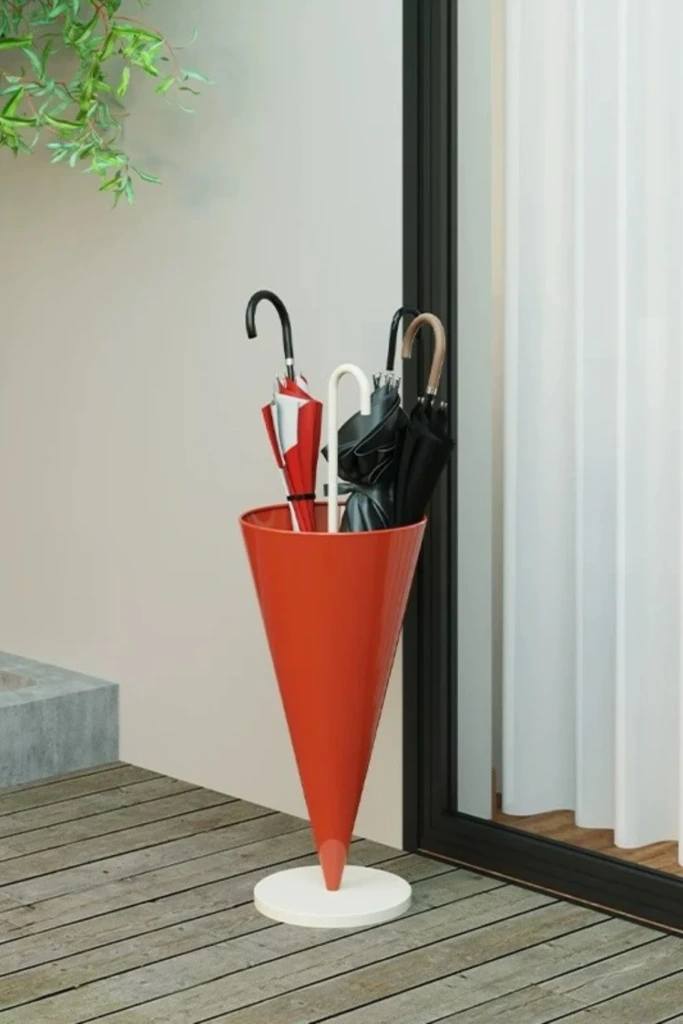
A cone stand features a tapered shape that narrows toward the bottom or top, giving the entryway a simple, streamlined appearance. Its vertical form can hold several umbrellas while occupying relatively little floor space.
Cone-shaped stands are available in materials such as metal, plastic, and ceramic-inspired finishes. The right choice depends on your interior style and how many umbrellas you need to store. Check that the opening accommodates wider canopies and bulky handles, and make sure the base is stable enough to prevent tipping. If the interior is solid, use a removable waterproof insert or tray to simplify cleaning and manage collected water.
20. Wood Block
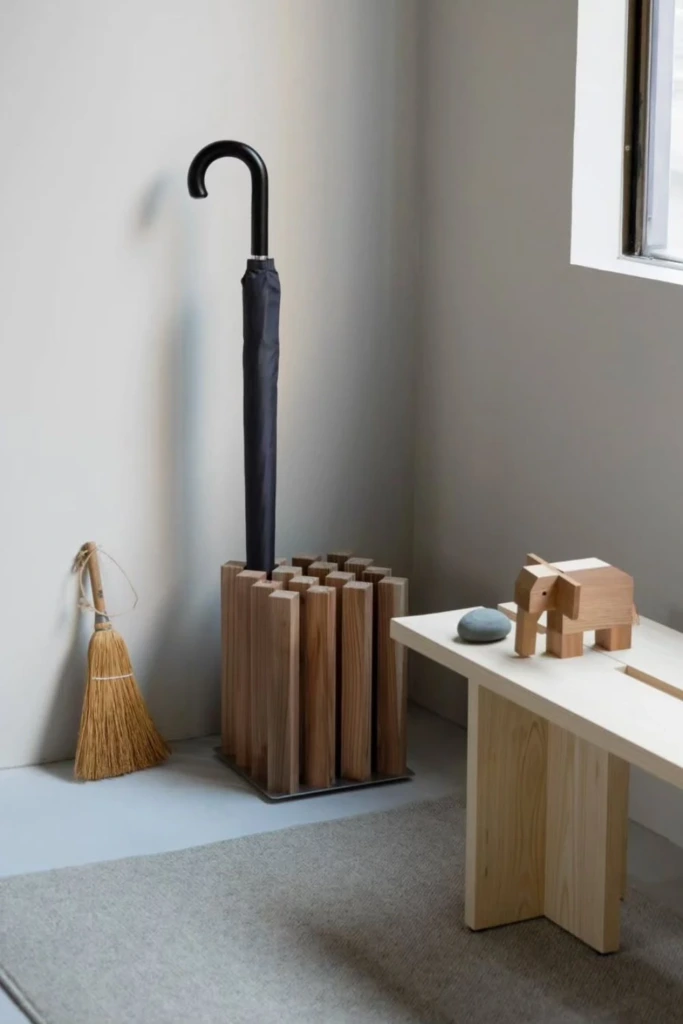
A wooden umbrella holder can add natural texture to an entryway while keeping umbrellas organized. Some designs use a solid block with drilled openings, while others feature a wooden frame or a combination of wood and metal.
This style works well in rustic, minimalist, and Scandinavian-inspired homes. Choose a design made from durable, well-finished wood and inspect whether its openings provide enough room for your umbrella shafts. Since prolonged moisture can stain or damage wood, avoid putting dripping umbrellas directly into untreated compartments. A removable waterproof insert is especially useful, and regular drying helps preserve the finish.
21. Woven Basket
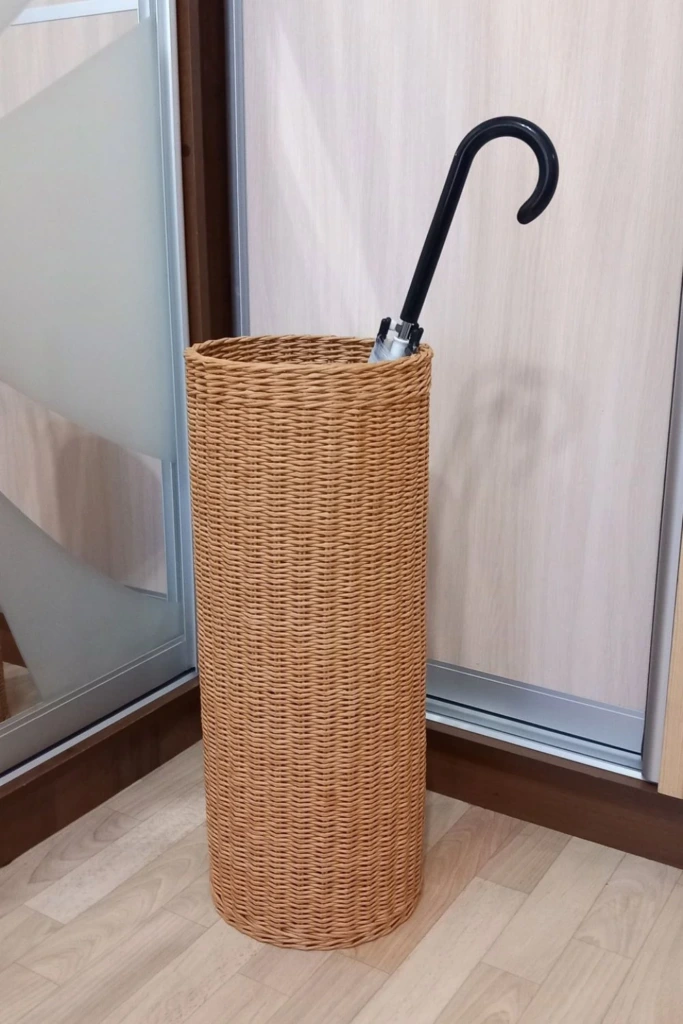
A woven basket offers a relaxed, decorative way to store umbrellas near the front door. Natural fibers create a warm, welcoming look, while synthetic woven materials often provide greater resistance to everyday wear.
Select a tall basket with a sturdy shape so that long umbrellas remain upright rather than spilling over the sides. Because many woven materials can absorb water, line the basket with a removable waterproof container if you intend to use it for damp umbrellas. Even with a liner, avoid leaving standing water inside. Empty the liner regularly, clean the basket as needed, and allow everything to dry completely before returning umbrellas to storage.
22. Gold Frame
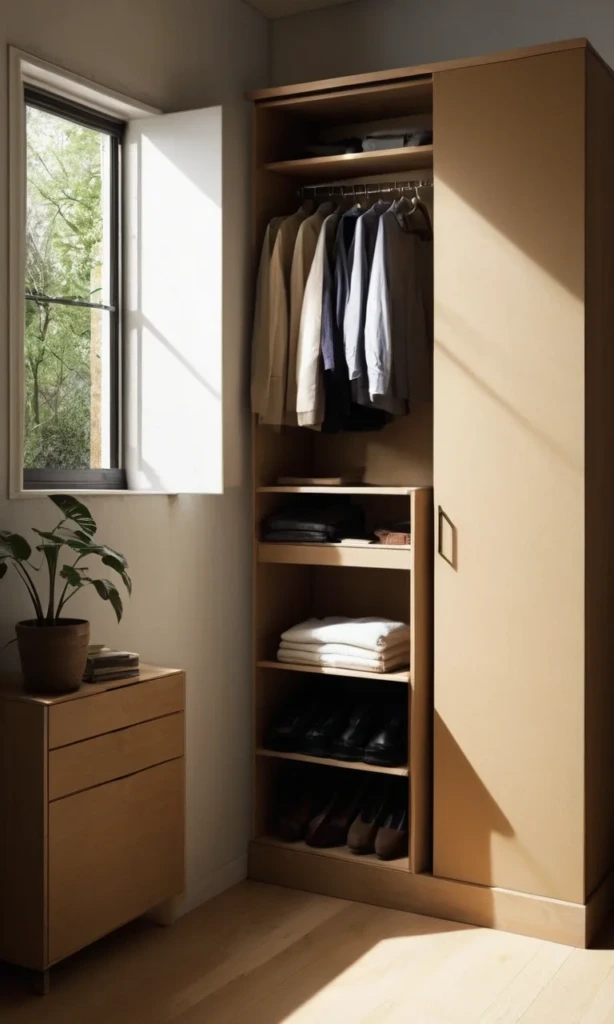
A gold-frame umbrella stand adds a touch of elegance to an entryway. Its metallic finish can complement brass door hardware, warm lighting, framed artwork, or other gold-toned accessories without requiring a major decorating change.
Choose between polished gold for a glamorous look and brushed or muted finishes for a more understated appearance. Open-frame designs can feel visually lighter than solid containers, which is helpful in smaller entrances. Before buying, consider the frame's stability and the finish's resistance to moisture. A separate drip tray protects the floor and helps keep water away from metal components that may corrode if their coating becomes damaged.
FAQs
Choosing the right umbrella storage system depends on the available space, the number of umbrellas in your household, and whether you need somewhere to dry wet umbrellas or simply keep them organized. The following answers cover two common concerns when planning an efficient entryway.
How do you store umbrellas so they dry properly?
The best way to dry umbrellas is to give them enough ventilation and prevent water from collecting around the fabric. After using an umbrella, shake off excess rain outdoors when practical, then place it in a designated drying area with a waterproof tray or mat underneath.
Follow the manufacturer's instructions about whether the umbrella should be opened, partially opened, or kept closed while drying. Avoid leaving wet umbrellas tightly packed in a basket, sleeve, or enclosed cabinet because trapped moisture can encourage unpleasant odors and mold. Keep umbrellas separated so air can move around them, and empty the collection tray regularly. Once the fabric and frame are thoroughly dry, move the umbrellas into their usual storage location.
What is the best umbrella storage option for small entryways?
For most small entryways, a wall-mounted rack is an excellent choice because it uses vertical space instead of taking up valuable floor area. It works particularly well when only a few folded umbrellas need to be stored.
If you have several long umbrellas, a slim freestanding holder may be more practical, provided it fits safely beside the door. A narrow entry rack with hooks and shelves is another option when you also need somewhere for coats, bags, or shoes. Choose a design that matches your actual storage needs rather than one that occupies more space than necessary. Whichever style you select, make sure wet umbrellas can drain and dry without damaging the floor or surrounding furniture.
Final Thoughts
Organized umbrella storage keeps your entryway cleaner, protects your floors, and makes rainy-day routines easier. Wall racks, slim holders, mesh stands, and compact drying racks are practical choices for smaller homes, while sculptural stands, woven baskets, and gold-frame designs can add decorative appeal. Start by measuring your available space, deciding how many umbrellas you need to accommodate, and choosing a solution that allows wet umbrellas to dry properly. With a little planning, even a small entrance can remain tidy, functional, and welcoming throughout the year.