22 Above Fridge Storage Ideas for 2026
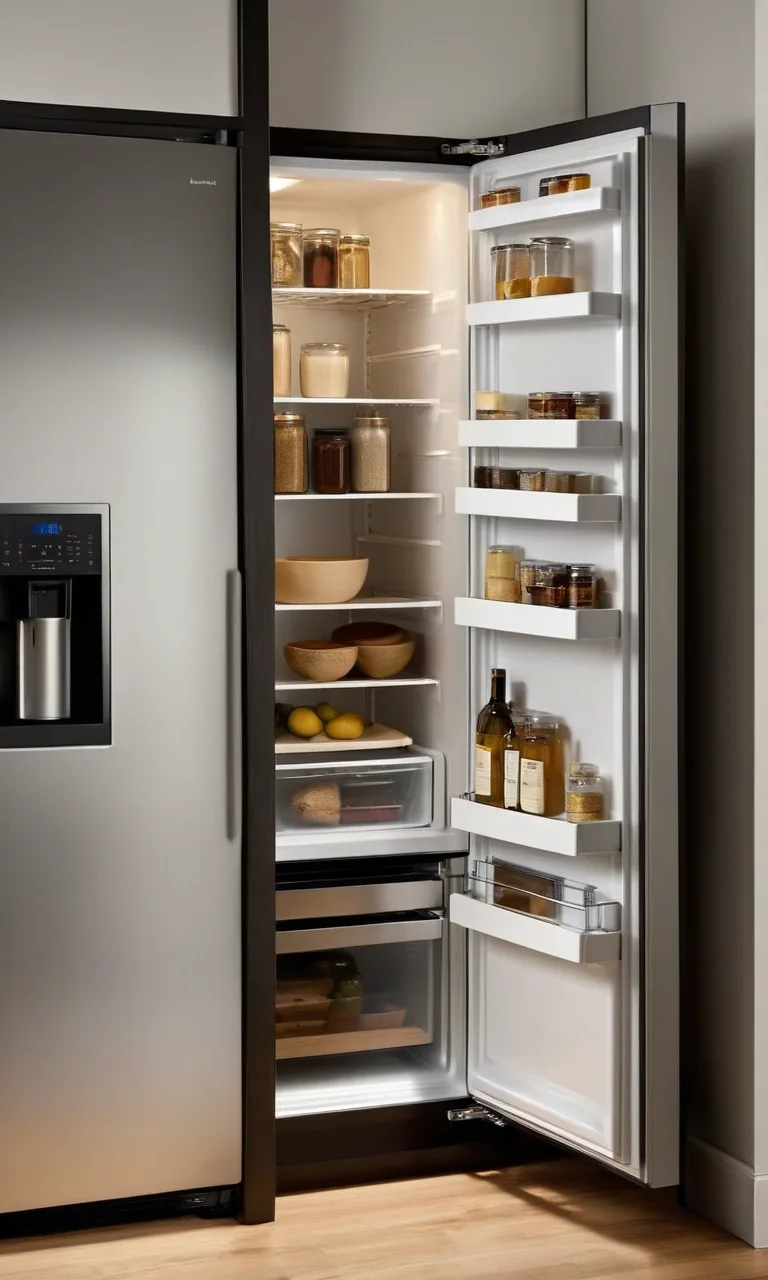
Making the most of a small kitchen often means looking beyond the usual cupboards and drawers. When shelves are full and countertops are crowded, the space above your refrigerator can provide valuable room for extra storage. With a little planning, this overlooked area can become both practical and attractive.
Whether you need somewhere to keep baking equipment, organize pantry supplies, or display decorative pieces, there are several ways to put this space to work. The best solution depends on your kitchen layout, available clearance, and the items you want to store.
From built-in cabinetry to simple baskets and custom shelving, these above fridge storage ideas offer inspiration for kitchens of different sizes and styles.
What Are the Best Above Fridge Storage Ideas for Small Kitchens?
The most effective above fridge storage solutions combine easy organization with safe, convenient access. Depending on your layout, you could install cabinets, add open shelves, or use containers to make an existing cupboard more functional.
This area is particularly useful for lightweight kitchen accessories, extra serving dishes, baking trays, and supplies you only need occasionally. Dividers can keep flat items upright, while labeled bins prevent small objects from getting lost in deep cupboards.
Before choosing a design, measure the available height and width, check the refrigerator manufacturer's ventilation requirements, and consider how easily you can reach the storage. Avoid placing heavy or fragile items where retrieving them could cause an accident.
1. Built-in Cabinets
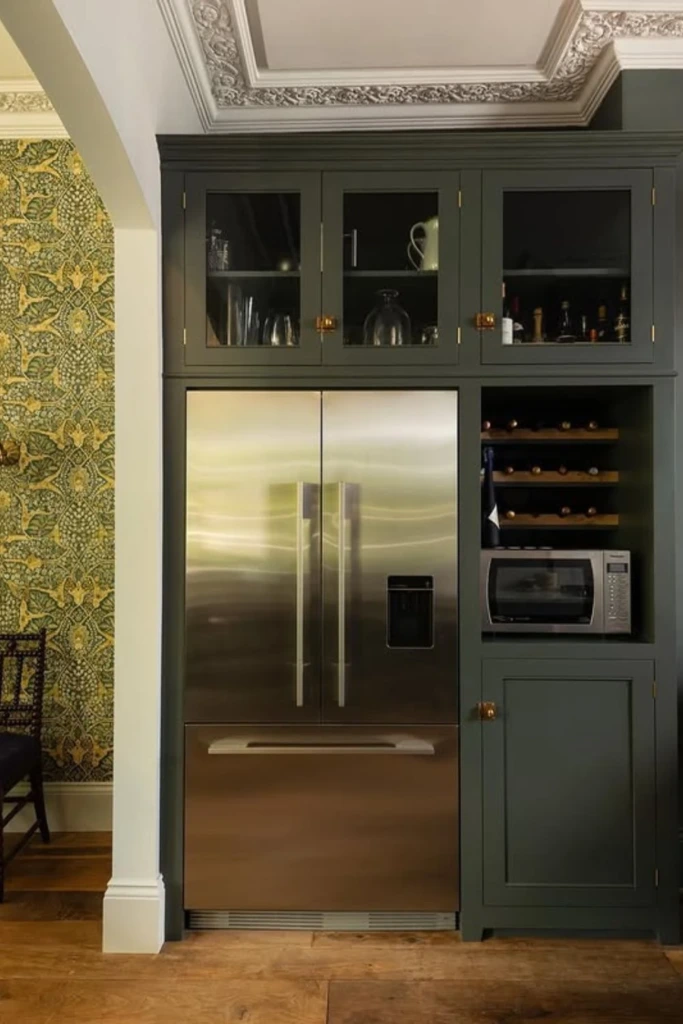
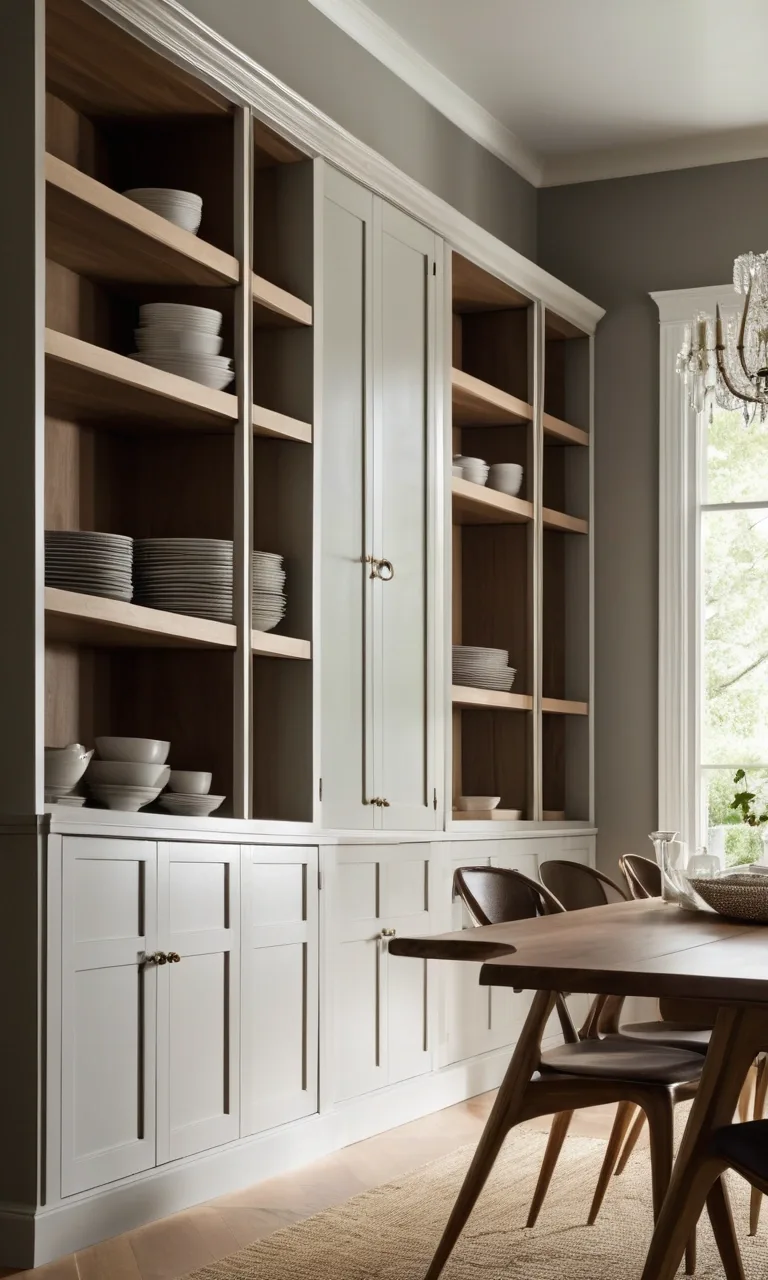
Built-in cabinets create a seamless appearance by extending your kitchen's existing cabinetry above the refrigerator. This approach provides concealed storage and helps eliminate the awkward gap that often collects dust and miscellaneous belongings.
You can divide the interior into sections for serving dishes, spare glasses, baking accessories, or seasonal kitchen equipment. Glass-front doors can showcase attractive pieces, while solid doors keep everyday clutter out of sight.
For a polished finish, match the cabinet doors, hardware, and colors to the surrounding units. If you're planning a kitchen renovation, custom cabinetry can make this area look like an intentional part of the overall design.
2. Floating Shelves
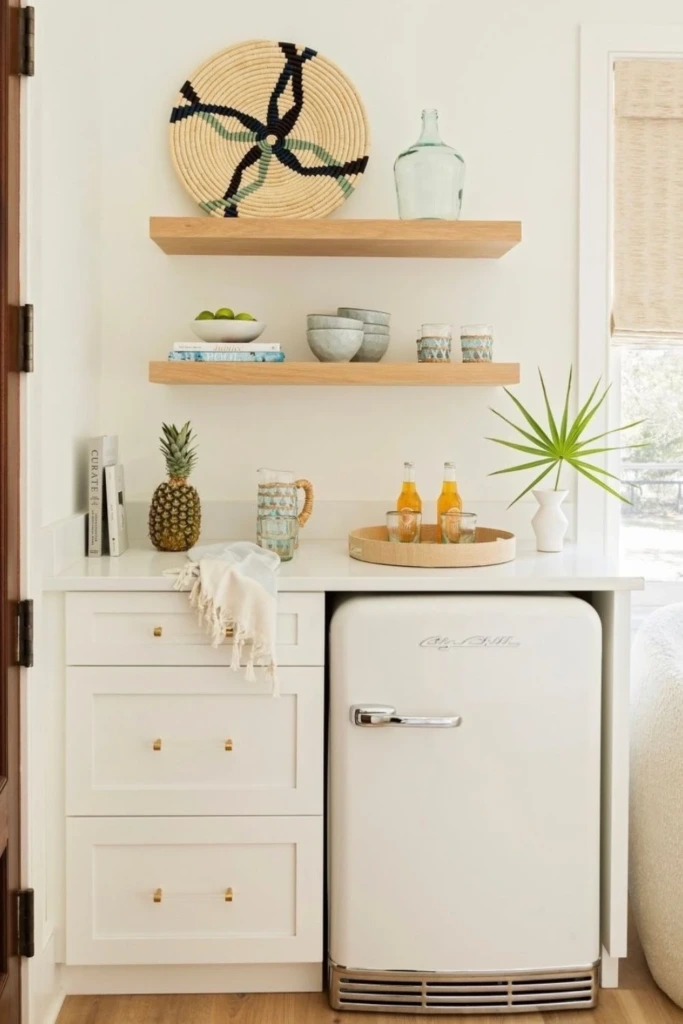
Floating shelves offer a straightforward way to add storage without installing a full cabinet. A couple of well-positioned wooden shelves above the refrigerator can hold lightweight bowls, cookbooks, decorative containers, or occasional-use dishes.
Choose a finish that complements your countertops or cabinetry to create a coordinated appearance. Natural wood works particularly well in warm, minimalist, and farmhouse-inspired kitchens.
Keep frequently used items on the lower shelf and reserve higher positions for decorative objects. Make sure the shelves are securely mounted into suitable wall supports and positioned so they don't interfere with appliance ventilation or maintenance access.
3. Side Shelves
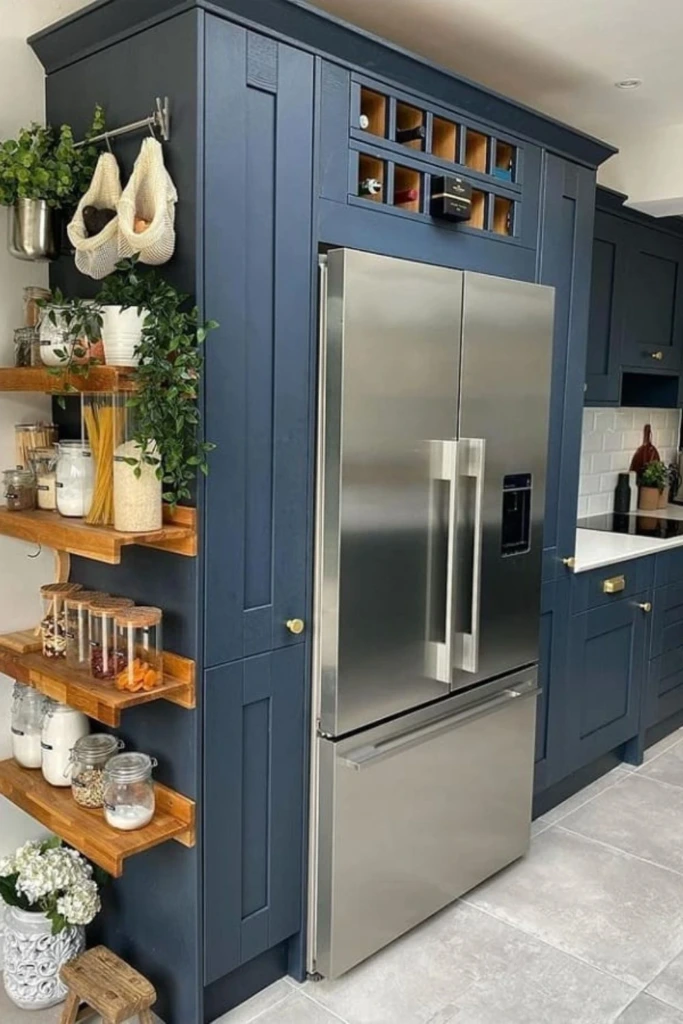
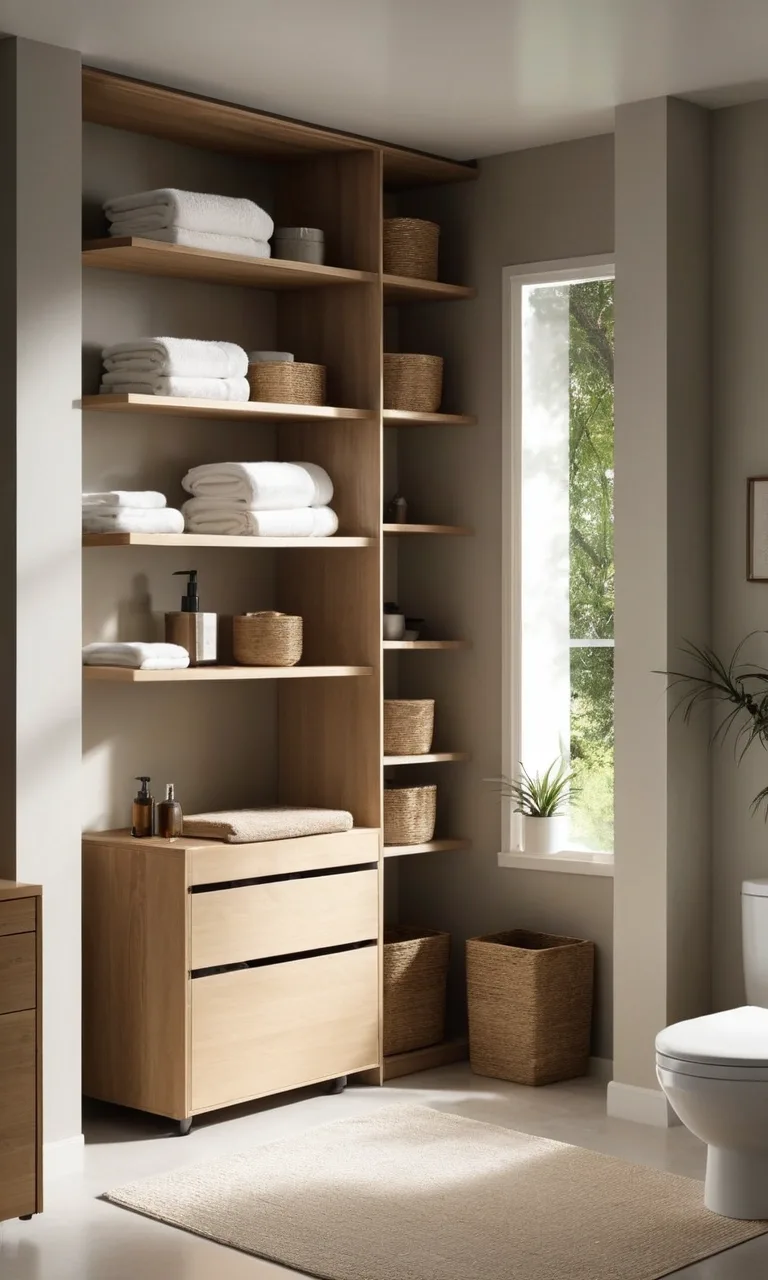
The narrow wall or cabinet panel beside a refrigerator can provide additional storage when the main cupboards are already full. Slim shelves make use of this vertical area without requiring a large footprint.
Depending on their depth, these shelves can accommodate spice jars, small pantry containers, mugs, or cooking essentials. Group similar items together so everything has a designated place.
For a tidy result, measure the available clearance before installation and choose shelves that won't obstruct nearby doors or walkways. A consistent arrangement of containers also makes a small storage section look more organized.
4. Tray Dividers
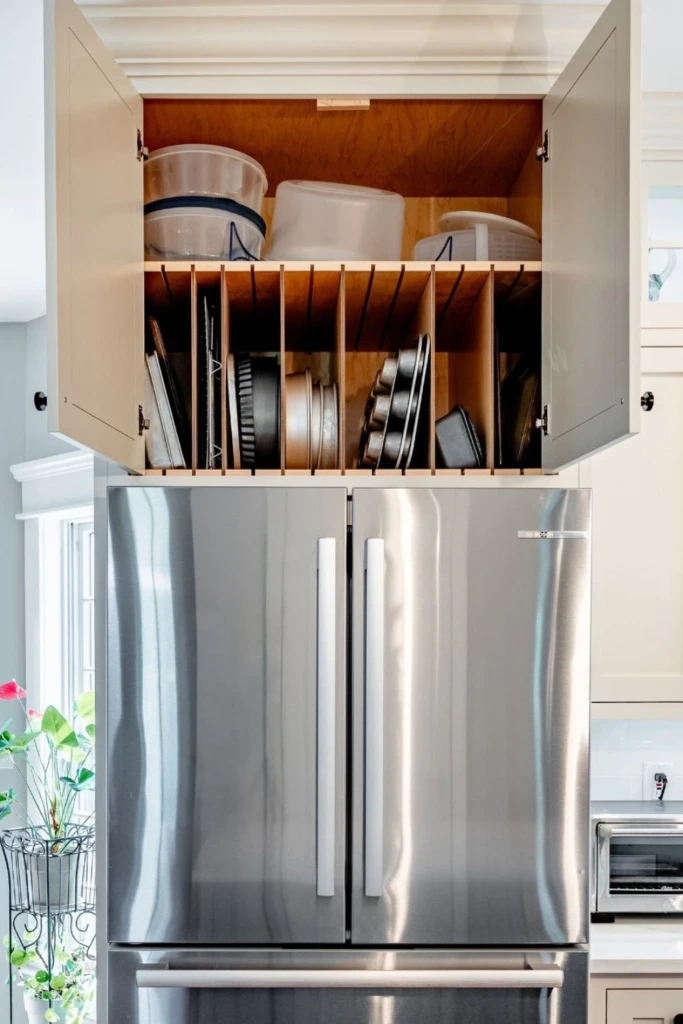
Baking sheets, serving trays, and cutting boards can be difficult to organize when stacked horizontally. A cabinet fitted with vertical dividers offers a more convenient alternative.
Each item slides into its own compartment, making it easier to find the correct tray without lifting an entire stack. This arrangement is especially useful for deep cabinets above a refrigerator, where larger pieces can otherwise become awkward to reach.
Adjustable dividers allow you to customize the spacing for different tray sizes. You can also use a ready-made organizer that fits the cabinet interior.
Keep heavier trays low enough to lift comfortably, and make sure the dividers are stable enough to prevent the contents from tipping over.
5. Clear Bins
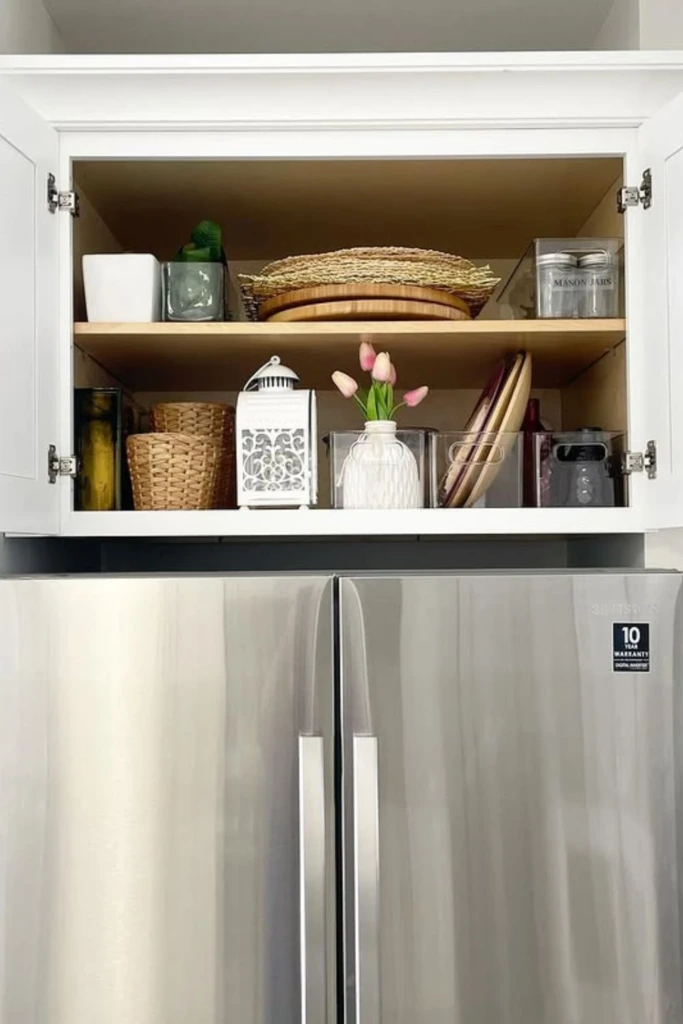
Deep cabinets often become disorganized because smaller items disappear behind larger ones. Transparent storage bins help solve this problem by keeping related belongings together and making their contents easy to identify.
Use separate containers for baking accessories, spare food-storage lids, lightweight serving items, or miscellaneous kitchen supplies. Labels can make each category even easier to locate.
Handles are particularly helpful when a container needs to be pulled forward from a high shelf. Choose bins that fit the cabinet's width and depth, leaving enough room to remove them without catching on the frame.
Avoid overfilling containers, especially when you must lift them down from above head height.
6. Display Niche
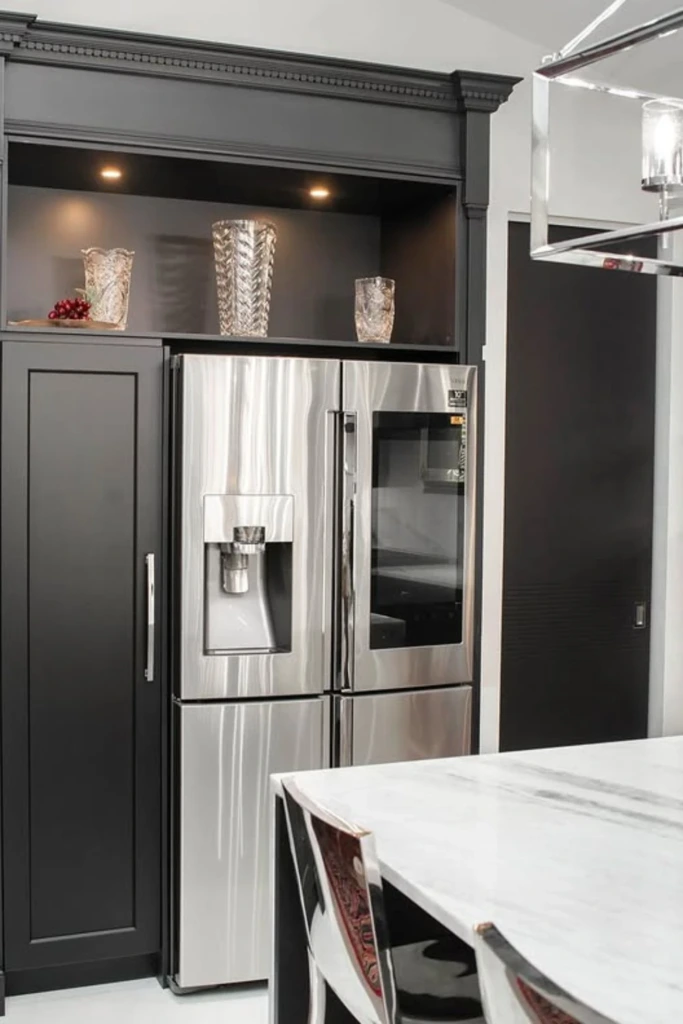
A recessed display niche can turn the area above a refrigerator into an architectural feature rather than simply another storage compartment.
Use the niche to showcase a few attractive serving bowls, ceramic pitchers, decorative vases, or other pieces that complement your kitchen. A built-in light can add visual interest if it is suitable for the location and installed safely.
The key is to avoid overcrowding the display. A small selection of larger objects generally looks more intentional than numerous tiny accessories competing for attention.
This idea works especially well when the refrigerator sits within a wall of cabinetry, allowing the niche to blend naturally into the surrounding design.
7. Wine Storage
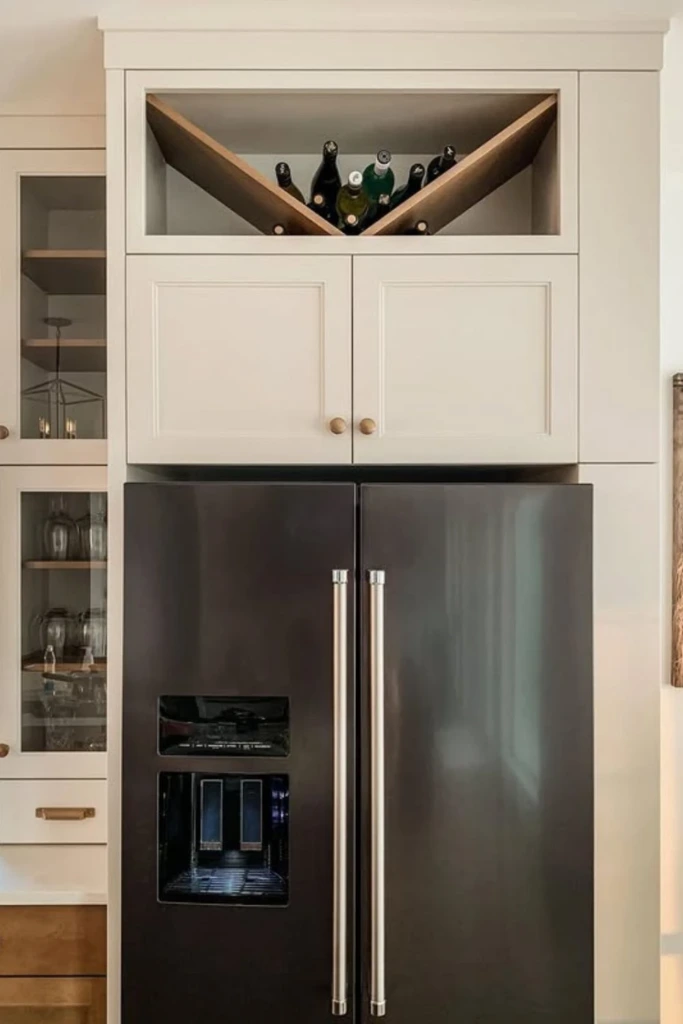
If you enjoy collecting wine bottles, a dedicated rack can make an existing cabinet more orderly. Individual compartments prevent bottles from rolling into one another and help you keep track of your collection.
A wooden cross-divider or purpose-built bottle organizer can work inside a suitably sized cabinet. Measure each compartment carefully to ensure your bottles fit without being forced into place.
However, the area above a refrigerator may experience additional warmth. Wine quality can suffer from unsuitable temperatures and temperature fluctuations, so this location is generally better avoided for long-term wine storage. A cooler, temperature-stable cabinet or dedicated wine storage unit is a more suitable choice for valuable bottles.
8. Bottle Racks
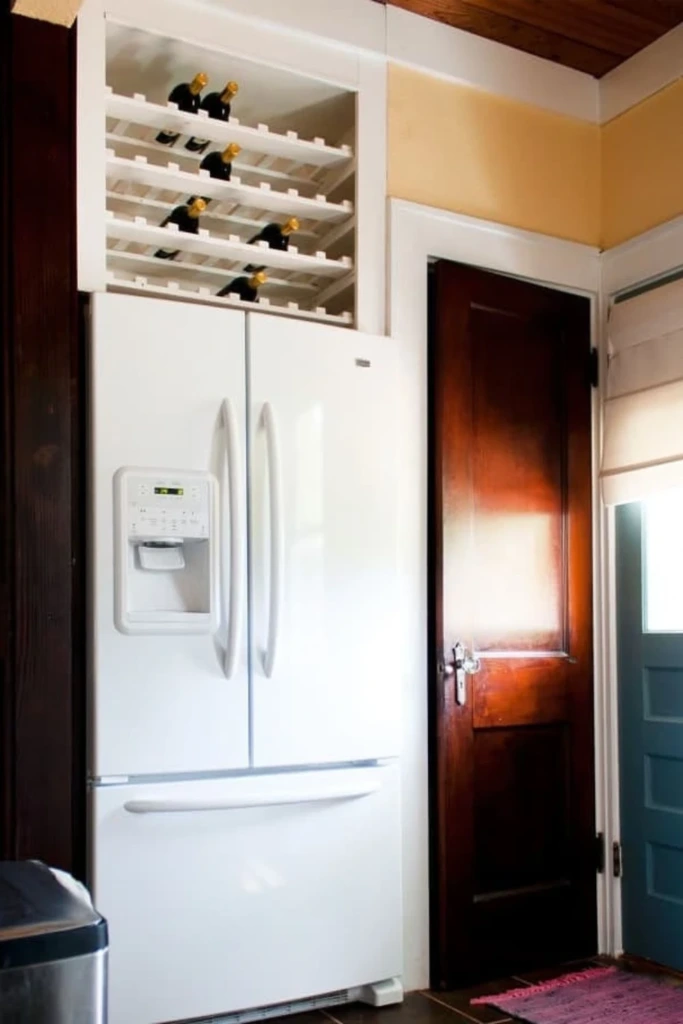
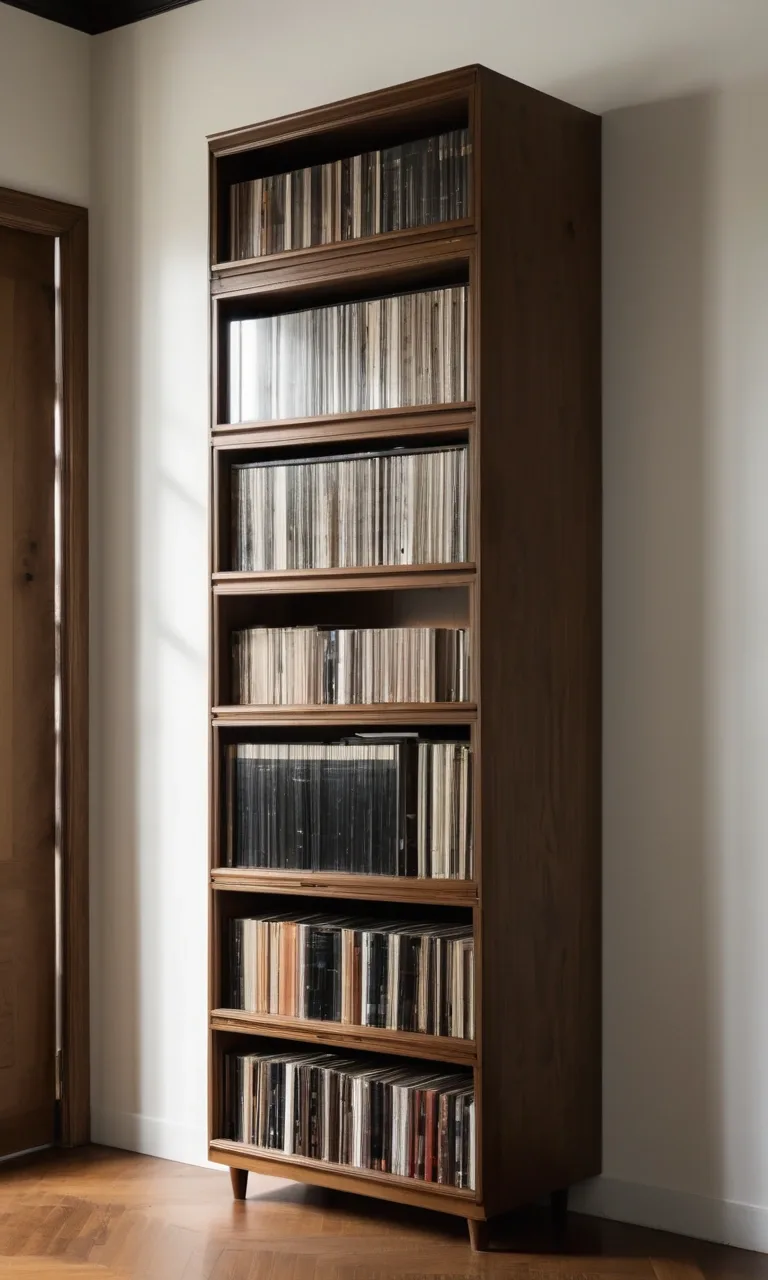
A multi-level bottle rack provides a structured way to organize bottles when a dedicated beverage cabinet isn't available. Depending on the design, it can hold wine bottles or other suitable beverage containers in individual spaces.
Horizontal compartments can keep compatible bottles stable and make labels easier to read. A compact wooden rack may also add a decorative touch when integrated into an existing cabinet.
Before choosing this option, consider the weight of the fully loaded rack and whether the shelf can support it. Because the storage is elevated, keep the contents manageable and avoid storing glass bottles where they could fall during removal.
For temperature-sensitive drinks, choose a location away from refrigerator exhaust heat.
9. Wine Shelf
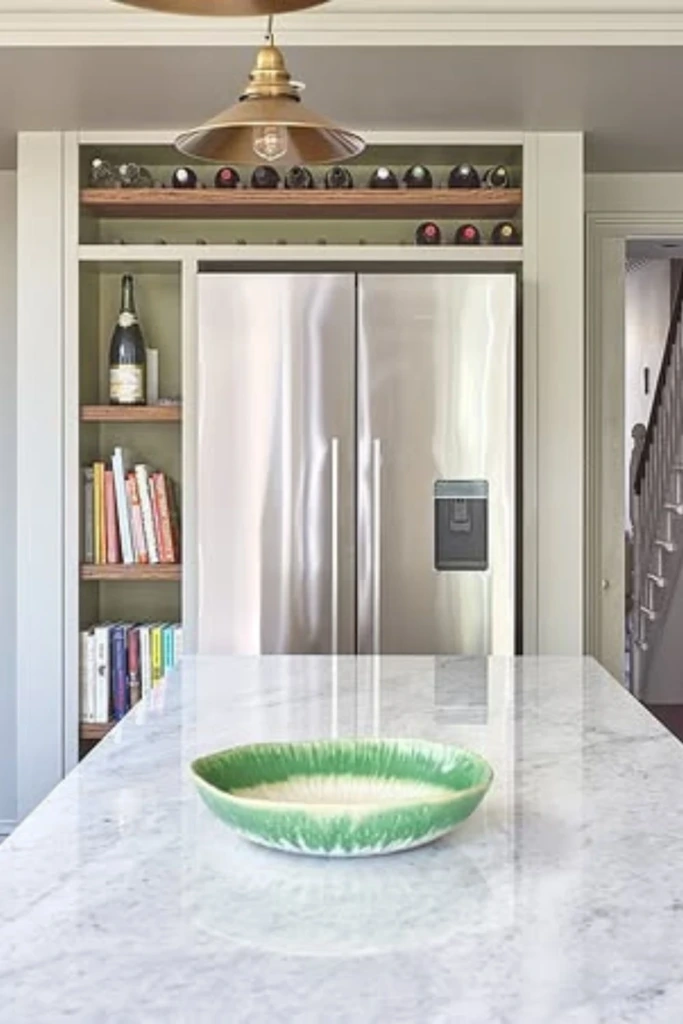
A narrow shelf can display a small selection of bottles while keeping the arrangement visually simple. This design may suit kitchens where the refrigerator sits between cabinets and a full-size storage unit would feel too bulky.
A shallow shelf with a secure front rail helps prevent bottles from rolling off. The shelf should be level, firmly anchored, and designed to support the combined weight of its contents.
For decorative purposes, you could instead display empty bottles or attractive drinkware. If you intend to store wine for drinking, remember that the warm environment above a refrigerator may be unsuitable for preserving its quality.
10. Storage Bins
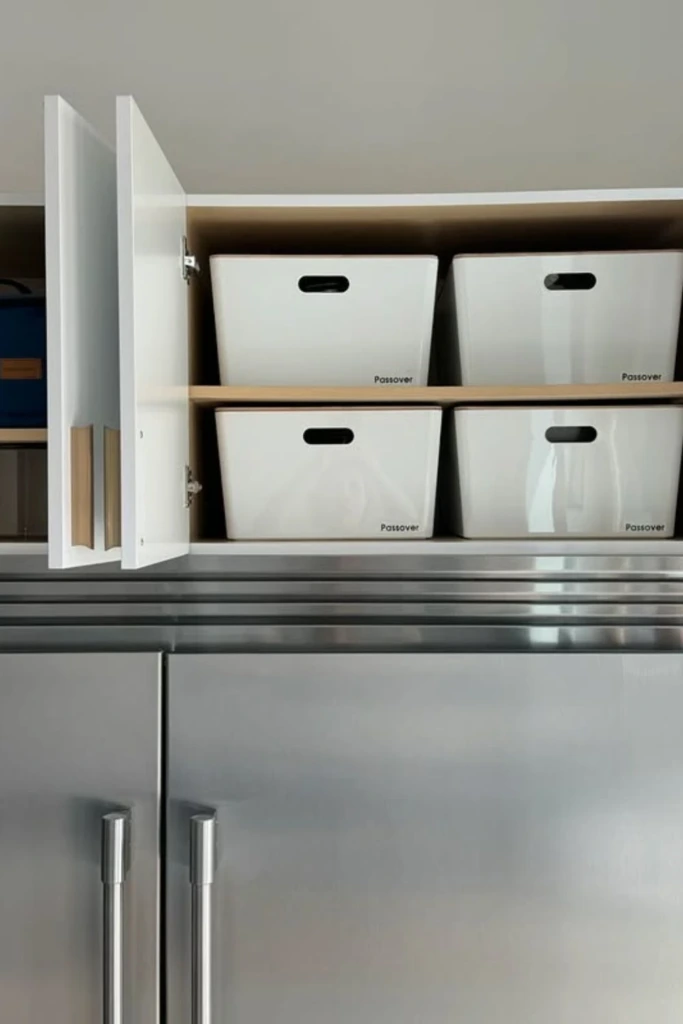
Storage bins are an easy way to bring order to an otherwise cluttered cabinet. Rather than placing unrelated belongings together, assign each container a specific purpose.
One bin might hold spare kitchen towels, another could contain baking accessories, and a third might store lightweight serving utensils or seasonal table decorations.
Matching containers create a consistent appearance, while removable bins make it easier to retrieve items from deep shelves. Lightweight materials are generally more convenient for elevated storage than heavy baskets or rigid boxes filled with dense objects.
Use labels on the front of each container and keep heavier belongings on lower shelves whenever possible.
11. Pantry Extension
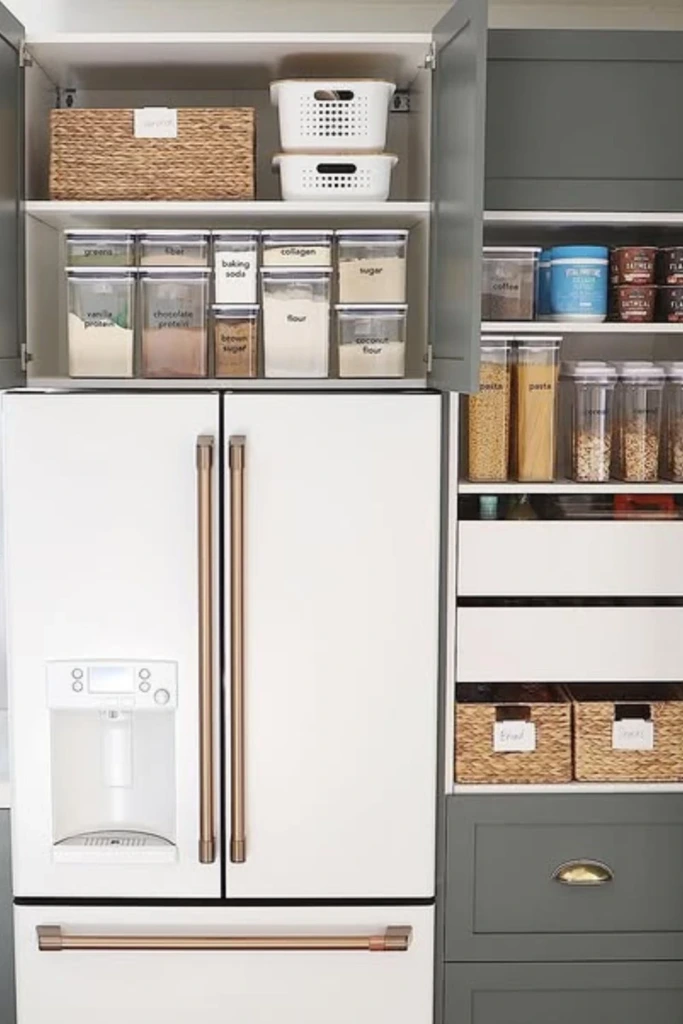
The cabinet above your refrigerator can provide additional pantry capacity when organized around the foods and ingredients you use occasionally.
Dry goods such as pasta, rice, flour, and sugar can be arranged in sealed, clearly labeled containers, provided the cabinet remains cool, dry, and suitable for food storage. Keeping similar ingredients together makes it easier to check quantities before shopping.
You could dedicate one shelf to baking supplies and another to backup pantry staples. Transparent containers help you see what remains without opening every package.
Because refrigerators release heat during normal operation, check the temperature in this cabinet before storing temperature-sensitive ingredients. Avoid placing heat-sensitive foods, oils, or products requiring cool storage in a location that becomes warm.
12. Basket Display
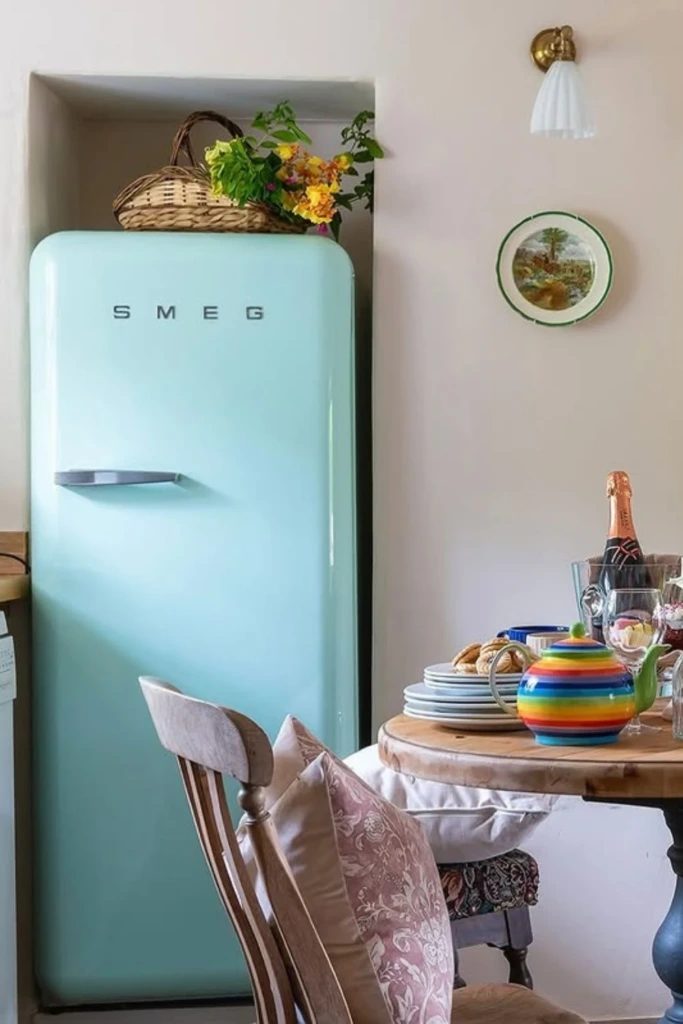
Woven baskets combine useful storage with natural texture, making them a good choice for kitchens with rustic, farmhouse, or relaxed contemporary decor.
A basket placed above the refrigerator can hold spare tea towels, lightweight table linens, seasonal decorations, or other items that don't need to be accessed every day. Natural fibers also introduce warmth into a space dominated by hard surfaces.
Choose a basket that fits securely within the available area rather than balancing one precariously on a narrow surface. A handled design can make removal easier, particularly when the basket is stored inside a cabinet.
If you want a decorative touch, select a simple basket in a color that complements your kitchen. Avoid adding heavy objects or unstable decorations that could fall when the basket is moved.
13. Open Shelving
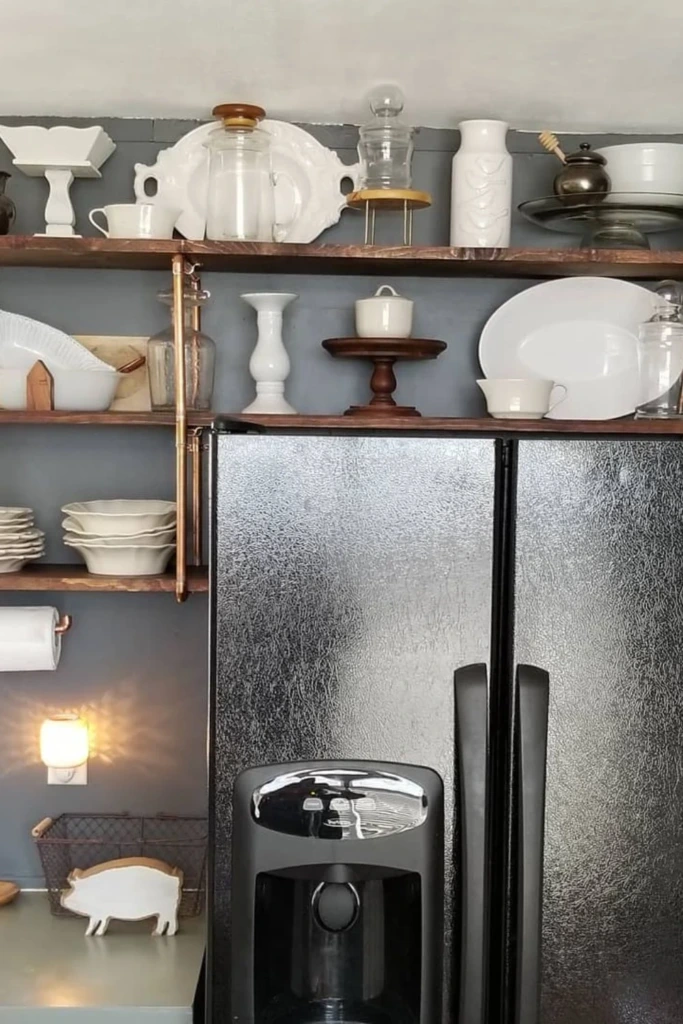
Open shelving makes kitchen accessories visible and accessible while providing an alternative to closed cabinets. Sturdy shelves above the refrigerator can accommodate selected serving pieces, bowls, cookbooks, or lightweight decorative objects.
For everyday convenience, place frequently used items at a comfortable height and reserve upper shelves for things you need less often. Arrange objects in small groups to maintain a balanced appearance.
Wooden shelves with suitable metal brackets can complement many kitchen styles, but the supports must be appropriate for the wall and the expected load. Avoid assuming that a shelf is strong enough simply because it looks substantial.
Open storage also requires occasional dusting, so keep items you use regularly or can clean easily in this area.
14. Arch Shelving
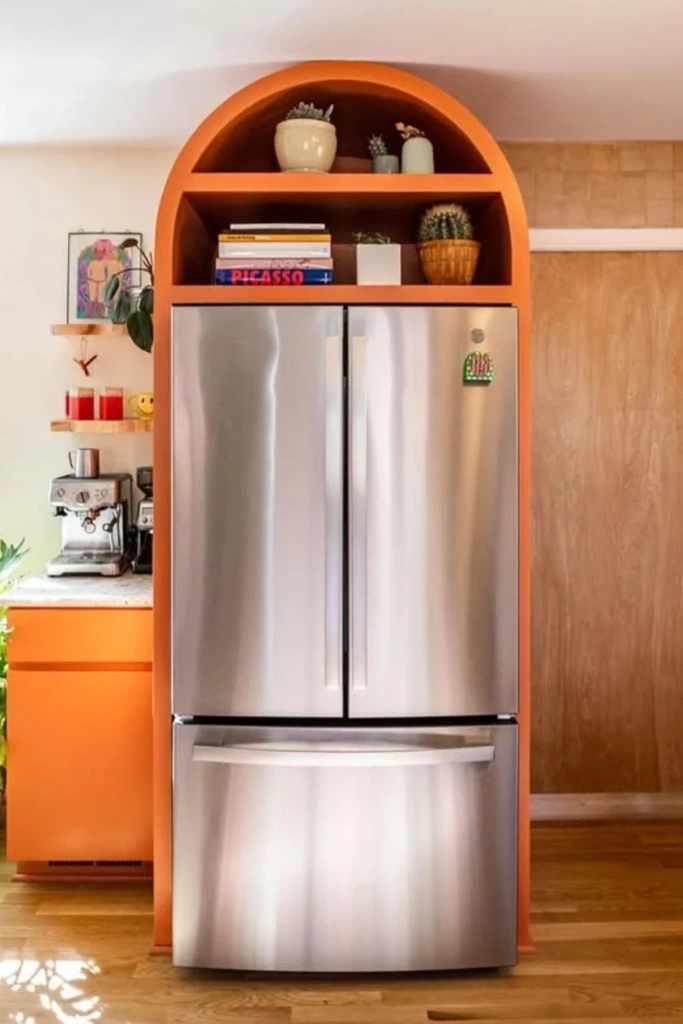
Arched shelving introduces a softer shape to a kitchen dominated by rectangular cabinets and appliances. The curved frame can make the refrigerator wall feel more decorative while providing additional space for selected belongings.
Depending on the dimensions, the shelves can hold cookbooks, small plants, ceramics, or other lightweight accessories. A restrained arrangement allows the arch itself to remain a focal point.
This design is particularly attractive when incorporated into custom cabinetry or a built-in refrigerator surround. Matching the finish to nearby cabinets creates continuity, while a contrasting material can make the feature stand out.
Before installing an arched unit, confirm that the design leaves adequate clearance around the refrigerator and doesn't interfere with its ventilation or servicing requirements.
15. Top Styling
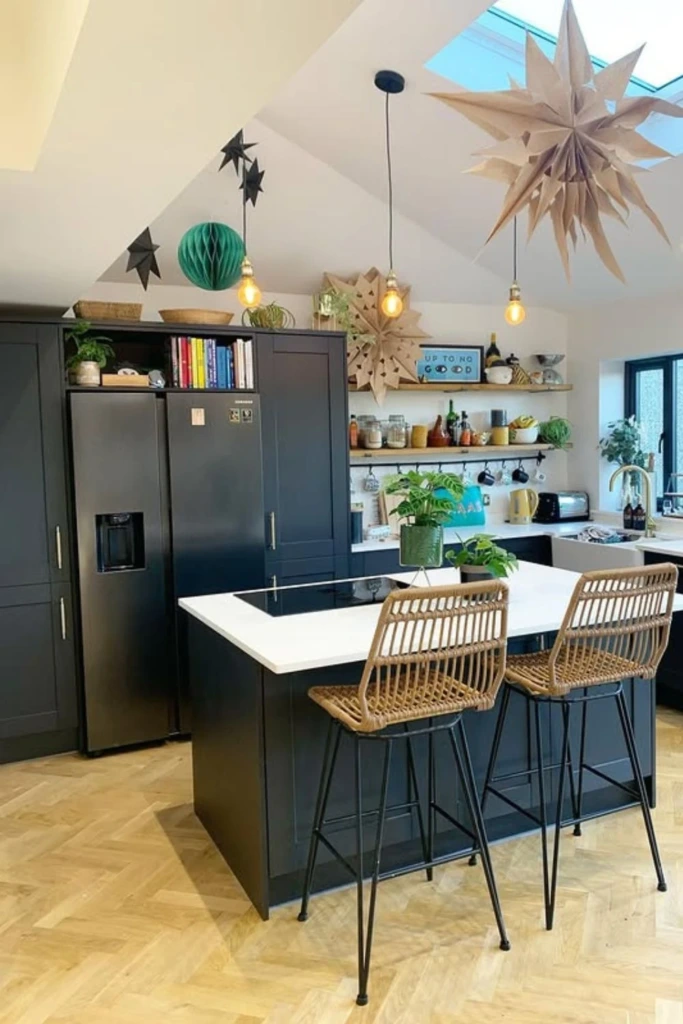
If your refrigerator is positioned beneath tall cabinetry, the space above the cabinet enclosure may offer a place for occasional-use decorative items.
A few neatly arranged baskets, selected cookbooks, or lightweight ornaments can help the area feel intentional. Repeating colors and materials already present in the kitchen creates a cohesive look.
Avoid turning this spot into a general dumping ground for shopping bags, packaging, and miscellaneous belongings. Keeping the arrangement simple makes it easier to clean and maintain.
Also consider the height of the display. Objects that are difficult to retrieve safely should remain decorative rather than being used for items you need frequently.
16. Slim Shelves
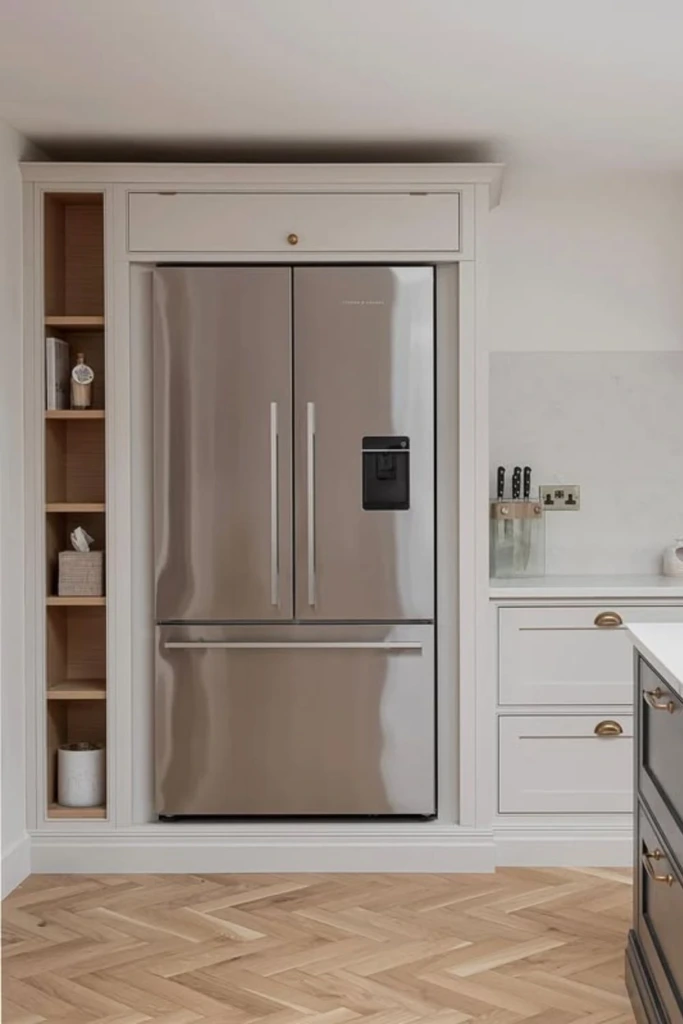
Narrow shelves are useful when a kitchen has a small vertical gap beside the refrigerator or within its surrounding cabinetry.
These compact units can accommodate spice jars, small containers, mugs, and lightweight pantry accessories, depending on their depth. Adjustable shelf spacing makes it easier to fit different items without wasting valuable room.
Keep the arrangement practical by grouping similar objects together and leaving enough clearance to remove containers comfortably. A consistent set of jars or baskets can help a narrow storage area look neat.
Measure the gap before buying or building shelves, and check that the installation won't obstruct refrigerator doors, cabinet handles, or nearby walkways.
17. Glass Cabinets
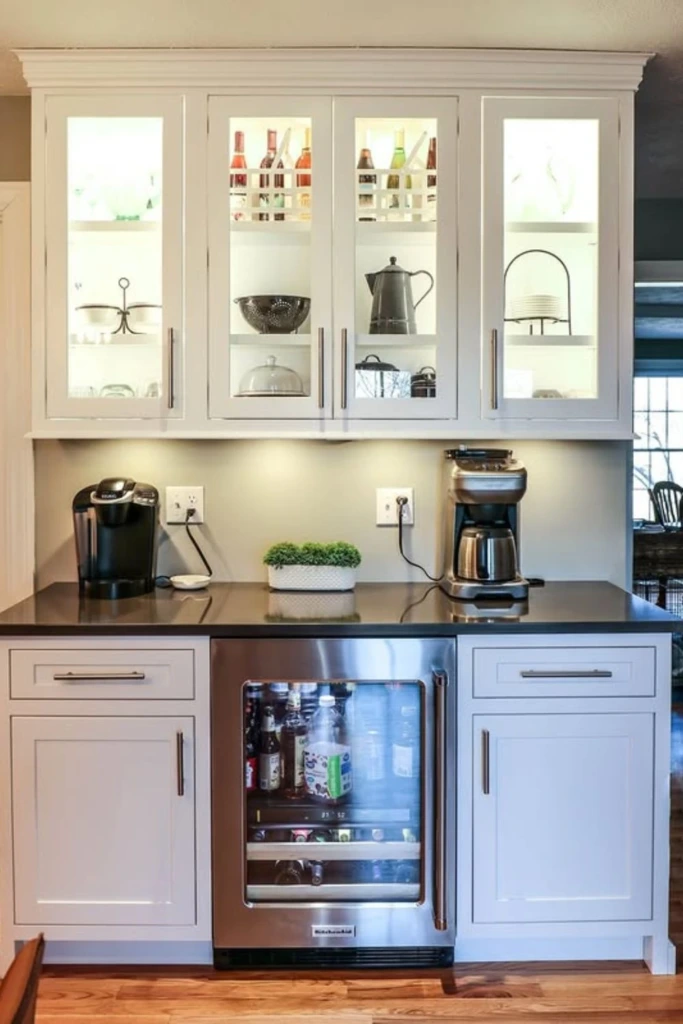
Glass-front cabinets offer a balance between concealed storage and an open, decorative appearance. They allow you to display attractive dishware while protecting it from some of the dust that collects on open shelves.
Use the cabinet for coordinated glassware, serving bowls, special-occasion dishes, or other items that don't need to remain hidden. Group similar pieces together and avoid filling every shelf completely.
Interior lighting can make the display more noticeable, provided the fixtures are appropriate for the cabinet and installed safely. Choose lighting that doesn't introduce excessive heat around stored items.
Glass doors can make a tall cabinet feel less visually heavy, especially when paired with light-colored finishes and a simple arrangement of objects.
18. Bar Shelves
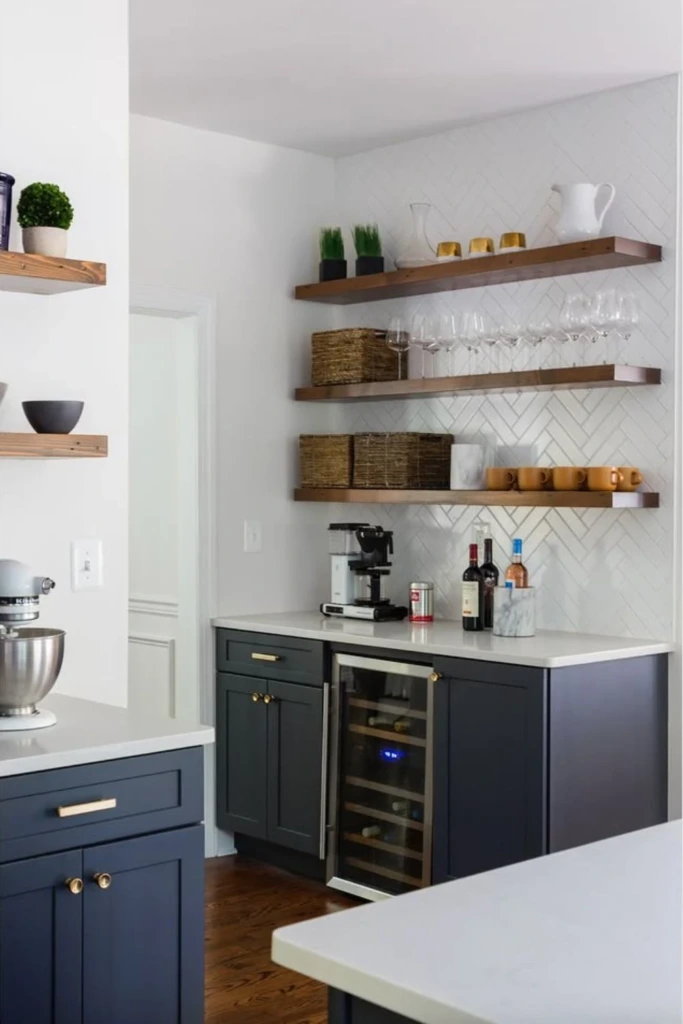
A small beverage station can be created with shelves near the refrigerator, provided the surrounding layout offers enough room for safe access.
Depending on your needs, the shelves could hold mugs, drinking glasses, beverage accessories, and lightweight containers. A dedicated tray can keep smaller items grouped together, while hooks beneath a suitable shelf may provide extra space for compatible mugs.
Keep frequently used drinkware within comfortable reach and avoid placing heavy glassware on a high shelf. If the area is intended for preparing drinks, a nearby countertop is useful for providing a stable working surface.
Remember that the shelves must be securely installed and should not restrict appliance ventilation or access to refrigerator controls.
19. Color Display
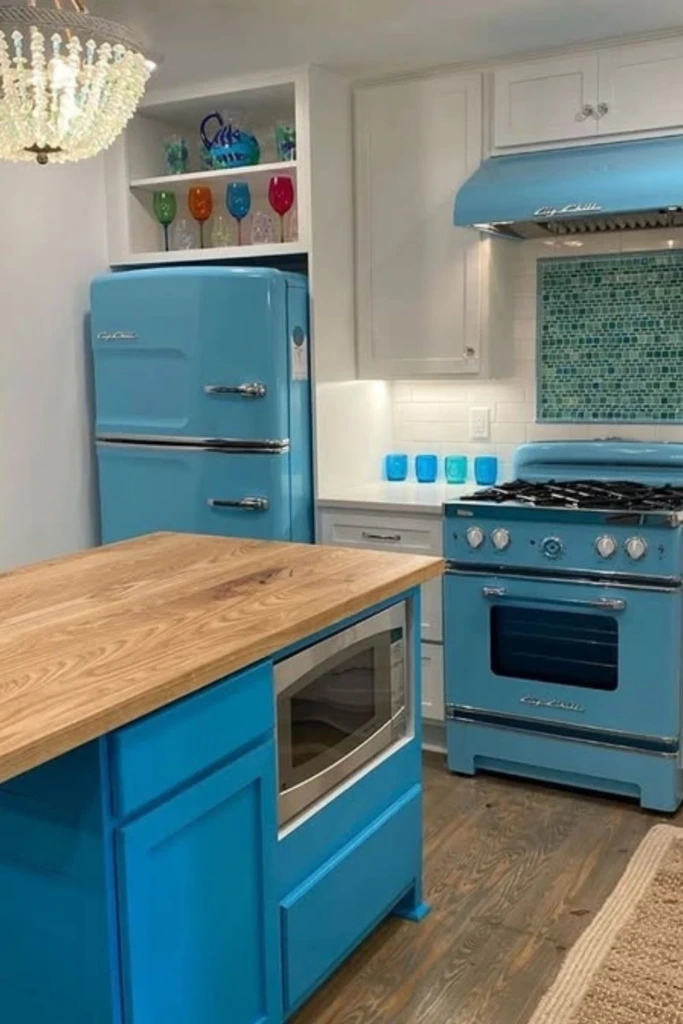
Colorful dishware can make an above-fridge cabinet more interesting without requiring additional decorative accessories.
Arrange mugs, bowls, glasses, or serving pieces by color to create a coordinated display. You could use a single accent color against neutral cabinetry or combine a few complementary shades for a livelier look.
Built-in cubbies are particularly useful because each section can hold a specific category of objects. This keeps the arrangement organized and reduces the temptation to fill the area with unrelated belongings.
Choose pieces that are practical to store at the available height. Attractive items used occasionally are often better suited to upper cabinets than everyday dishes that need frequent handling.
20. Plant Styling
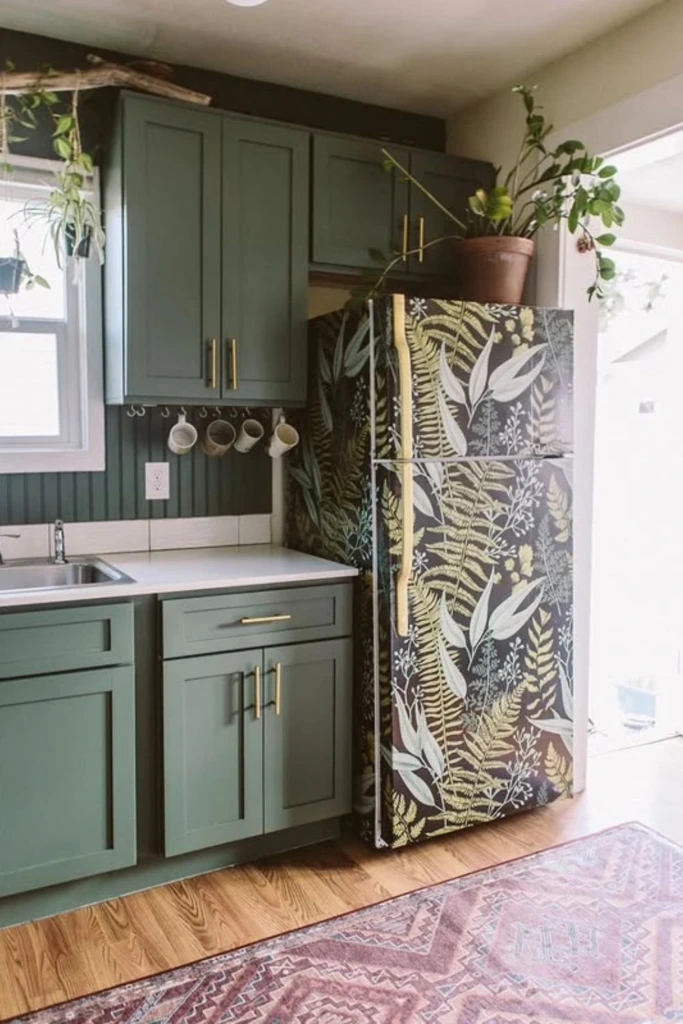
Greenery can soften the appearance of a kitchen filled with cabinets, metal appliances, and hard countertops. A plant placed on a suitable shelf or designated surface above the refrigerator can introduce natural color and texture.
Trailing plants may work in a well-lit location where their foliage can hang freely without blocking ventilation or interfering with nearby cabinet doors. Select a species suited to the available light and keep the container manageable in size.
Use a lightweight, stable planter with a waterproof saucer or another appropriate method of protecting the surface from moisture. Water plants carefully to prevent spills around electrical components and the refrigerator.
Because the top of a refrigerator may become warm, check the actual conditions before selecting a plant. Many plants prefer more stable temperatures and indirect light, so a nearby shelf or windowsill may be a better location.
21. Pan Organizer
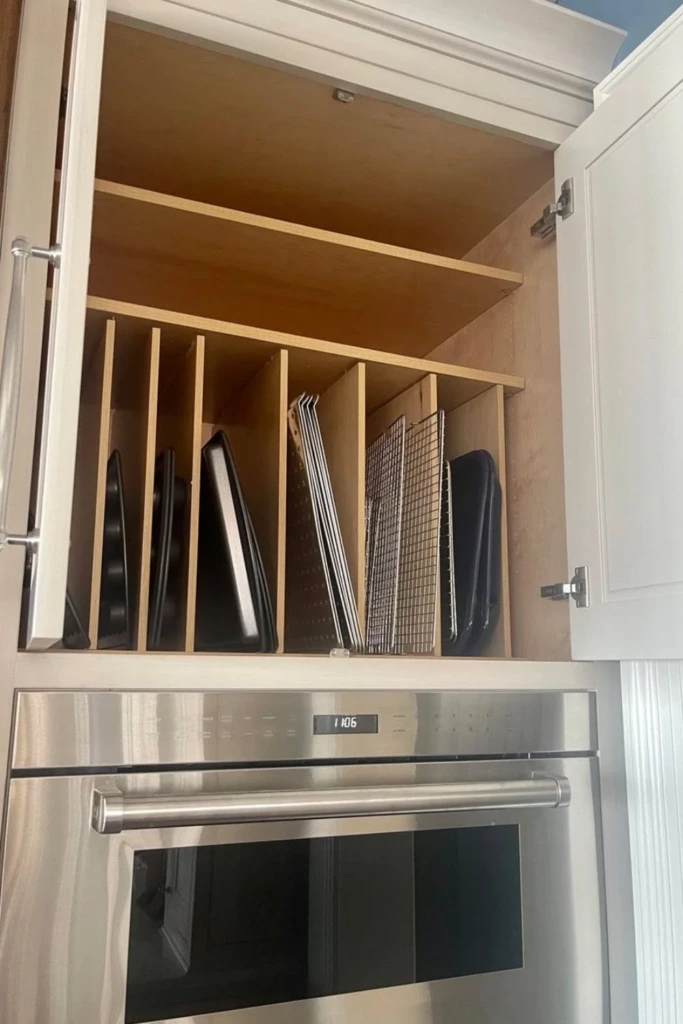
Pans, baking trays, and cooling racks can take up considerable room when stacked together. A vertical organizer helps separate these items and makes individual pieces easier to retrieve.
Install a suitable divider inside an existing cabinet above the refrigerator, or choose an adjustable rack that fits the available dimensions. Each compartment can hold a tray or rack upright, reducing the need to lift and rearrange a heavy stack.
This approach is particularly useful for protecting nonstick cookware from unnecessary scratching and keeping bulky baking equipment orderly.
Before installation, measure the height and depth of the cabinet to confirm that your longest trays fit comfortably. Store heavy pans lower down when possible, and use an organizer that can support their weight without shifting.
22. Sheet Storage
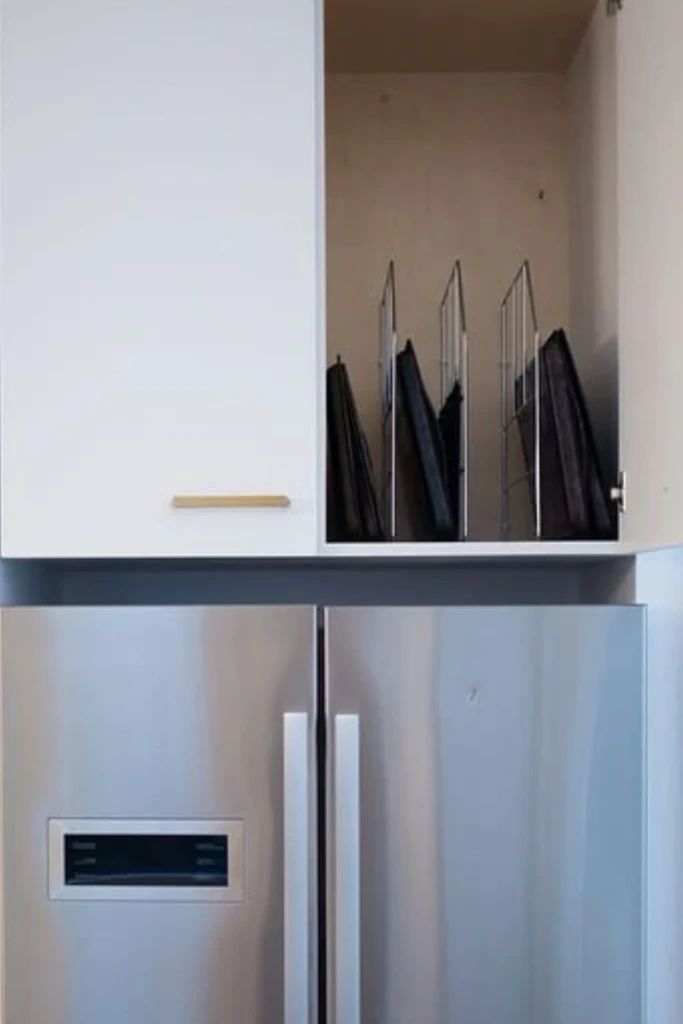
Large sheet pans and cutting boards often become difficult to manage in deep cabinets. A dedicated vertical storage system can make better use of the cabinet's height while keeping each item separate.
Slim wire dividers, adjustable racks, or fitted wooden partitions can create individual slots for baking sheets, cooling racks, and appropriately sized boards.
This setup allows you to remove one item without disturbing everything stored beside it. It also makes it easier to identify the right tray when preparing meals or baking.
Check the organizer's dimensions before purchasing and ensure that the cabinet is deep enough for the largest item. If the cabinet is positioned high above the refrigerator, keep the contents lightweight and avoid storing anything that would be difficult to lift down safely.
What should not be stored above the fridge?
Avoid storing items that can be damaged by heat, including temperature-sensitive foods, certain cooking oils, medicines, and other products that require controlled storage conditions. The space above a refrigerator can become warmer than the surrounding room, depending on the appliance design and ventilation.
Heavy appliances, bulky cookware, and fragile glass objects are also poor choices for high shelves because retrieving them can be awkward and potentially dangerous.
Keep flammable materials away from heat sources, and never block the refrigerator's required ventilation openings. Always follow the manufacturer's instructions for clearance and safe use.
Lightweight serving accessories, spare kitchen linens, and occasional-use items are generally more practical choices, provided the storage area remains suitable for them.
How can you organize deep cabinets above the fridge effectively?
Start by removing everything from the cabinet and grouping belongings into categories. Discard damaged items, relocate anything you use daily, and keep only suitable belongings in this elevated space.
Next, measure the cabinet and select organizers that make the most of its depth. Transparent bins are helpful for grouping smaller objects, while labeled containers make it easier to identify their contents at a glance.
Use vertical dividers for baking trays, cutting boards, and sheet pans so that each item has a designated slot. Pull-out bins can also improve access to the back of a deep cabinet.
Finally, arrange the contents according to weight and frequency of use. Keep heavier objects on lower, more accessible shelves and reserve the highest areas for lightweight items you rarely need. Review the cabinet occasionally to prevent clutter from building up again.