25 DIY Dog Toys Ideas for 2026
Making homemade dog toys is a fun way to keep your furry companion entertained without spending a fortune on store-bought products. With a few everyday supplies, you can create toys that encourage exercise, provide mental stimulation, and strengthen the bond between you and your dog.
The best DIY dog toys match your pet’s size, chewing habits, and favorite activities. Some dogs love pulling and chasing, while others prefer searching for treats or working through simple puzzles. Choosing the right project can make playtime more rewarding for both of you.
Before starting, remember that homemade toys require regular inspection. No material is completely safe for every dog, particularly powerful chewers, so supervise play and remove damaged items promptly.
What Materials Are Safe to Use for Homemade Dog Toys?
Choosing suitable materials is the first step toward making a homemade toy your dog can enjoy. Look around your home for clean, durable supplies that are appropriate for your pet’s size and play style.
Cotton fabric: Clean, sturdy cotton can be useful for braided tug toys, provided your dog does not swallow loose fibers.
Fleece: Soft fleece is easy to cut into strips and braid into lightweight toys for supervised play.
Old denim: Strong denim fabric can work for dogs that enjoy carrying or gently tugging soft toys.
Food-safe rubber: An appropriately sized, undamaged rubber toy can serve as the base for treat-dispensing projects.
Plain cardboard: Clean cardboard boxes are useful for supervised sniffing and foraging activities.
Dog-safe food ingredients: Plain pumpkin, suitable fruits, and unsweetened dog-safe yogurt can be used for occasional frozen treats.
Avoid materials that splinter, contain toxic coatings, or break into pieces your dog might swallow. Remove buttons, zippers, staples, plastic caps, and other small components before beginning a project.
If your dog is a determined chewer, avoid leaving homemade fabric, rope, or plastic toys with them unattended. Durable does not mean indestructible, and even carefully constructed toys can fail.
How to Make Dog Toys More Interesting?
A toy becomes more appealing when it encourages your dog to use natural behaviors such as sniffing, chasing, carrying, and problem-solving. You do not need complicated equipment to introduce variety into your pet’s daily routine.
Try these simple strategies:
Introduce food rewards: Hide a few pieces of your dog’s regular kibble in an appropriate puzzle or snuffle activity.
Offer different textures: Alternate between soft fabric toys, suitable rubber toys, and supervised cardboard games.
Change the challenge: Begin with easy puzzles so your dog can succeed before introducing more difficult versions.
Rotate playthings: Keep some toys out of sight and bring them back on another day to renew interest.
Match the activity to your dog: Energetic dogs may enjoy interactive tugging or chasing games, while dogs that prefer quiet activities might appreciate sniffing and licking challenges.
Keep sessions short when introducing a new toy. Watch your dog’s behavior and adjust the difficulty if they become frustrated, overly excited, or begin chewing materials rather than playing appropriately.
1. Weave Poles
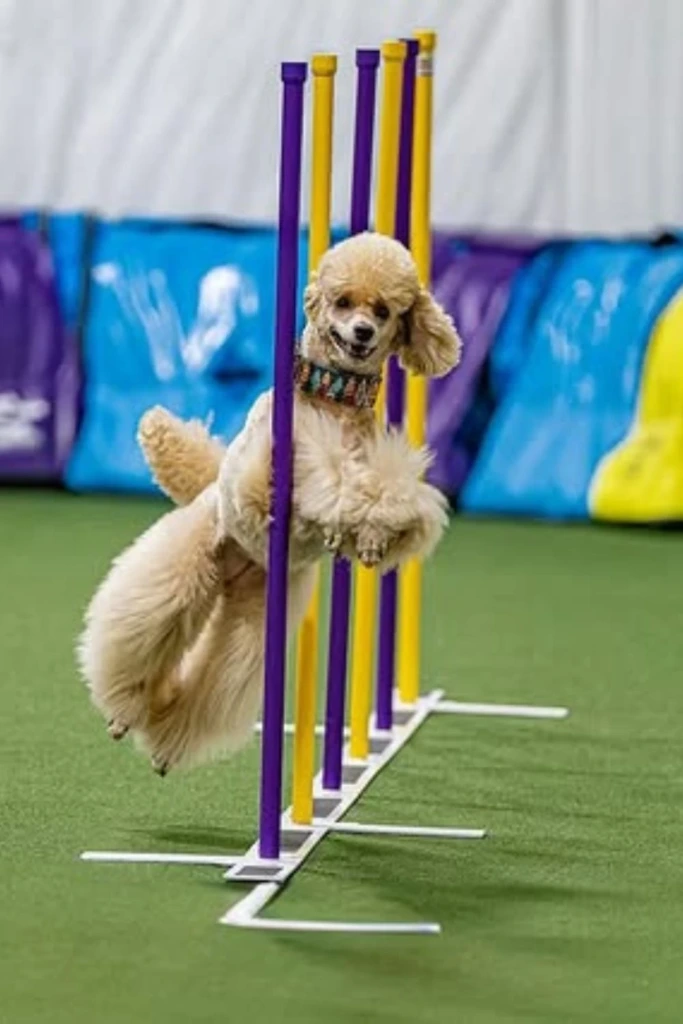
Weave poles offer a simple way to combine movement, coordination, and training. They are particularly useful for dogs that enjoy learning new actions and following their owner's cues.
To make a basic practice course, arrange sturdy poles or purpose-made training markers in a straight line with generous gaps between them. Make sure every pole is stable and has no sharp edges.
Guide your dog through the spaces slowly, using praise and small treats as rewards. Gradually introduce a smoother path once your pet understands the activity.
Keep the setup low-pressure and suitable for your dog's age, mobility, and fitness. This is an activity for supervised movement, not an obstacle course to rush through.
2. Wrapped Stick
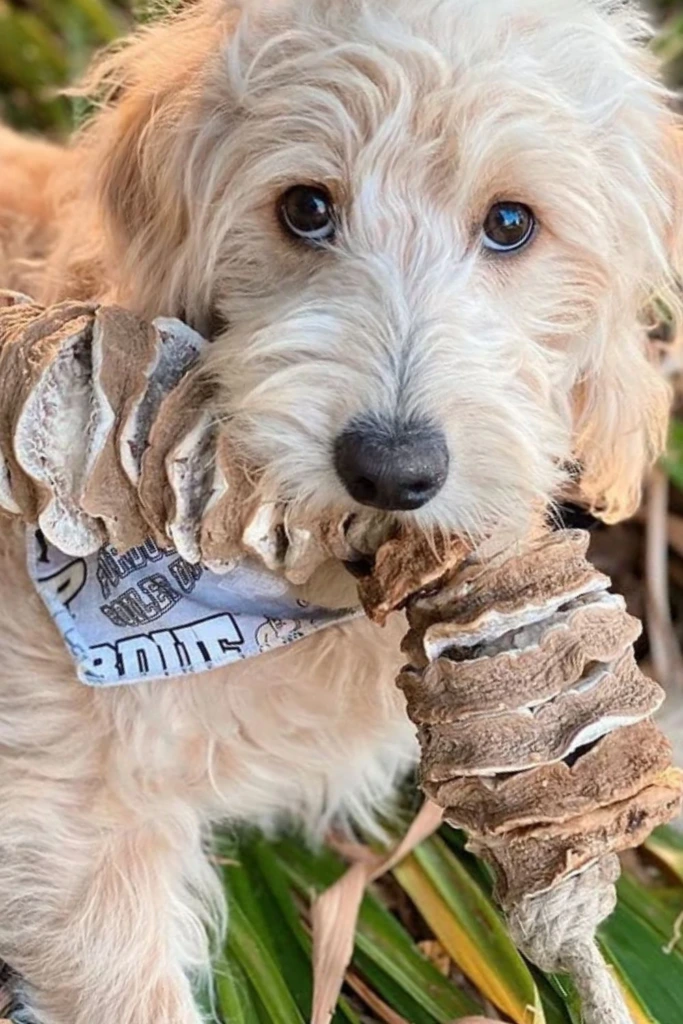
Some dogs enjoy carrying sticks, but natural branches can splinter and injure the mouth. A fabric-wrapped object may provide a softer alternative for interactive play, although wrapping alone cannot make an unsafe stick chew-proof.
For a safer project, use a purpose-made, dog-appropriate rubber stick toy and wrap a small amount of fleece around the outside for a supervised game. Secure the fabric so that it cannot easily slide off, and remove the covering if your dog starts pulling threads loose.
Avoid brittle wood, painted branches, and sticks with sharp points. Never allow your dog to chew through a covering or swallow pieces of the underlying material.
3. Rope Knots
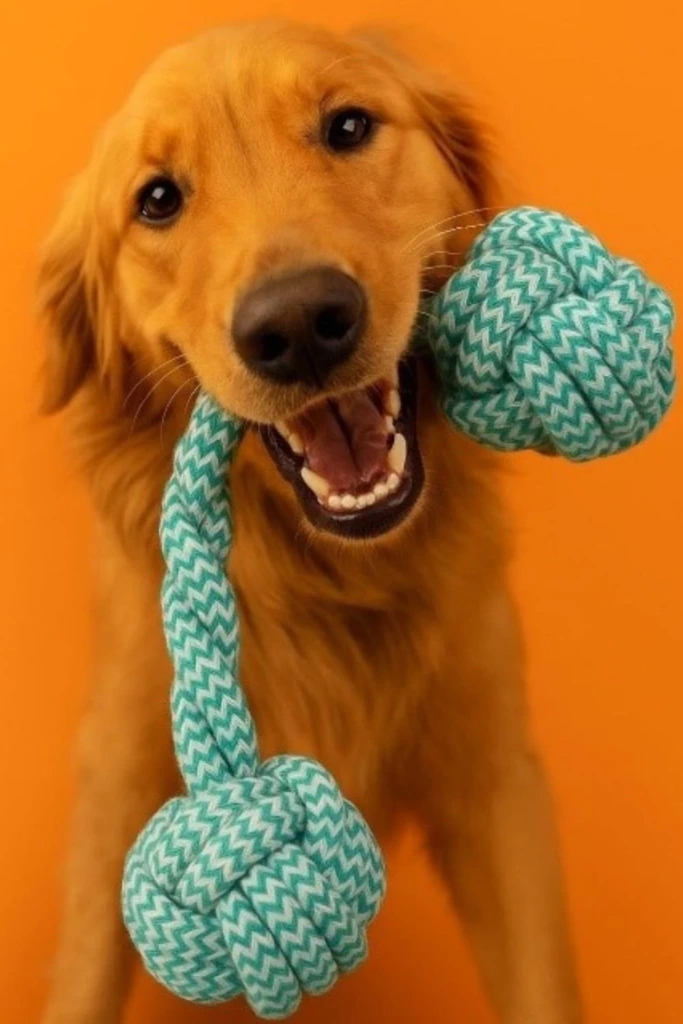
A knotted rope toy is a classic choice for dogs that enjoy interactive pulling games. It is inexpensive to make and can be adapted to different sizes, provided the finished toy is suitable for your dog's mouth.
Use clean cotton rope and tie several secure knots, leaving comfortable sections for you and your dog to grip. Select a thickness that is easy to hold without creating a choking hazard.
Play tug gently and allow your dog to release the toy between rounds. Rope toys should be used under supervision because loose fibers can be swallowed, potentially causing serious intestinal problems.
4. Loop Ring
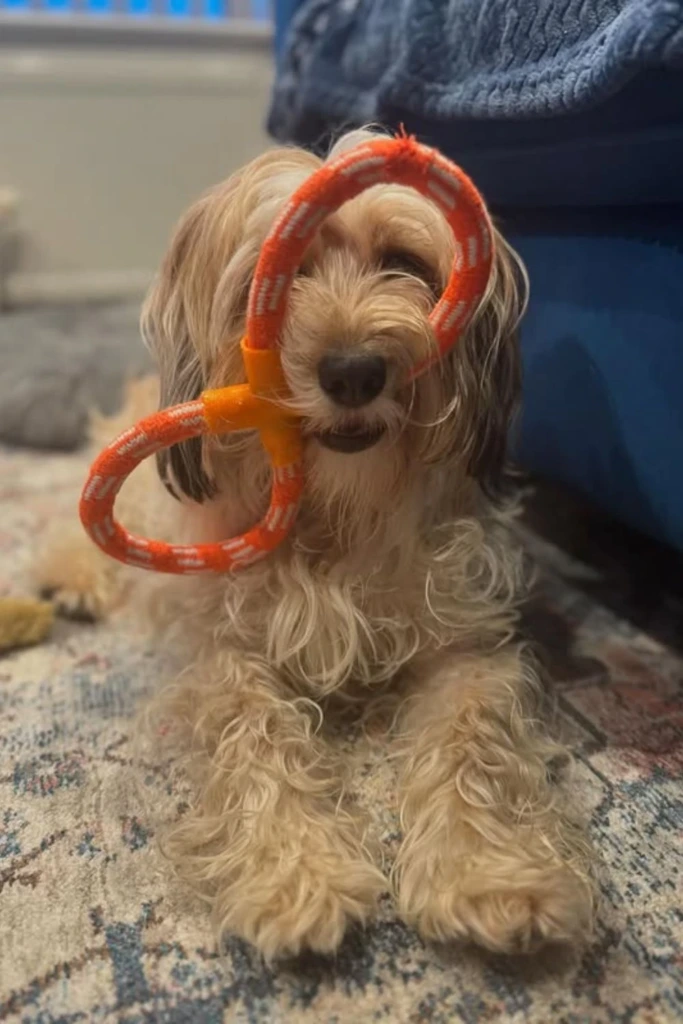
A loop-shaped toy offers multiple gripping points and can make interactive games more engaging. It is especially useful when your dog enjoys holding an object while you gently move the other end.
To create one, bend a length of suitable cotton rope into a large loop and secure the ends with tight knots. Check that the knots cannot loosen and that the loop is large enough to prevent your dog from getting its jaw or head trapped.
Use the toy for brief, supervised tug sessions rather than leaving it available for unsupervised chewing. Replace it if the rope becomes frayed or the loop starts to unravel.
5. Bottle Chew
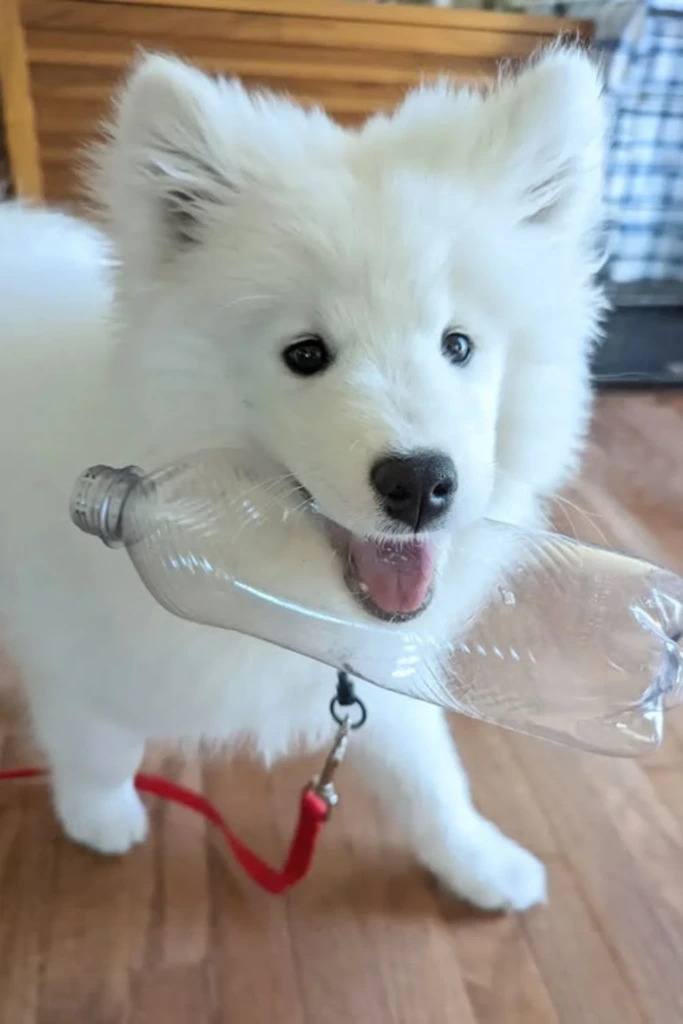
The crinkling sound of a plastic bottle can interest curious dogs, but an ordinary empty bottle is not a safe chew toy. A determined chewer may puncture the plastic and create sharp edges or swallow fragments.
For a safer alternative, choose a commercially manufactured, appropriately sized crinkle toy designed for dogs. If you use an empty bottle for a brief sensory game, keep it intact, remove the cap and ring, supervise closely, and take it away at the first sign of biting or crushing.
Never leave a bottle with a dog that tends to destroy objects. Do not use bottles that have contained chemicals or other unsuitable substances.
6. Tug Rope
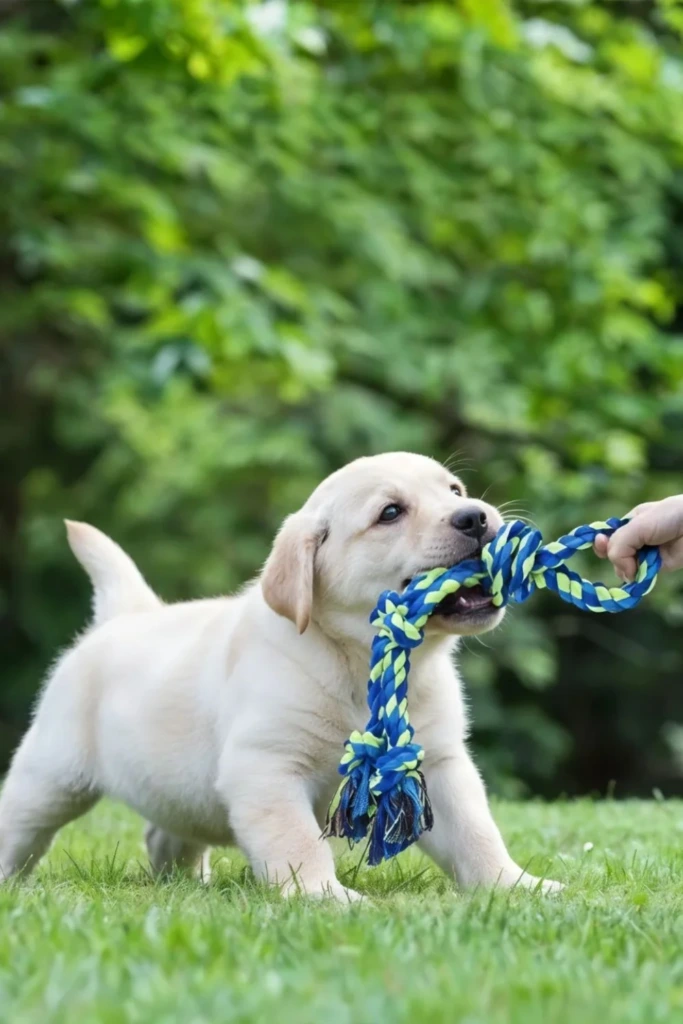
A homemade tug rope can turn excess energy into a structured game. It is a good option for dogs that enjoy interacting with their owners and responding to simple cues.
Cut several long strips of sturdy fleece or use clean cotton rope, then braid the material tightly and secure both ends with substantial knots. Make the toy an appropriate size for your dog, without long loose strands that can become tangled.
Keep tugging controlled and avoid jerking your dog's neck or lifting them off the ground. Let your dog release the toy on cue and take breaks whenever excitement becomes excessive.
7. Ball Strap
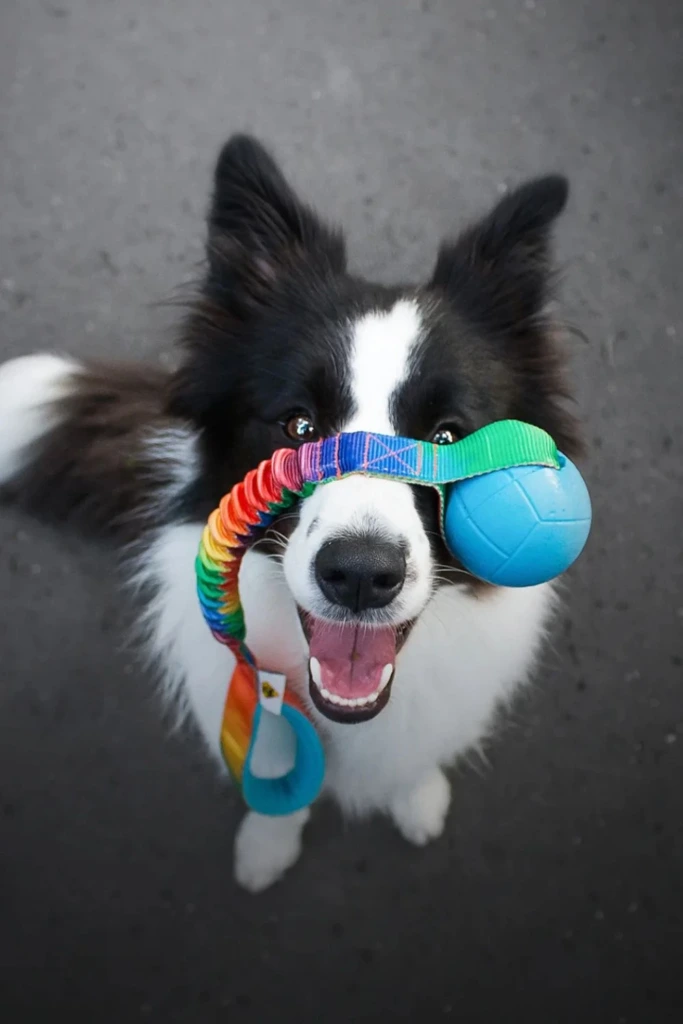
Some dogs prefer toys that move rather than objects that sit still. A ball attached to a handle can add movement to a game of fetch or encourage short bursts of interactive play.
Start with a durable, dog-safe ball of the correct size and a sturdy, purpose-made attachment. Check every connection before use to ensure that the ball cannot detach and become a choking hazard.
Move the toy along the ground to encourage chasing, then reward your dog for returning it. Avoid swinging a ball attached to a strap near your dog's face or allowing them to run while tangled in a loose handle.
8. Puzzle Mix
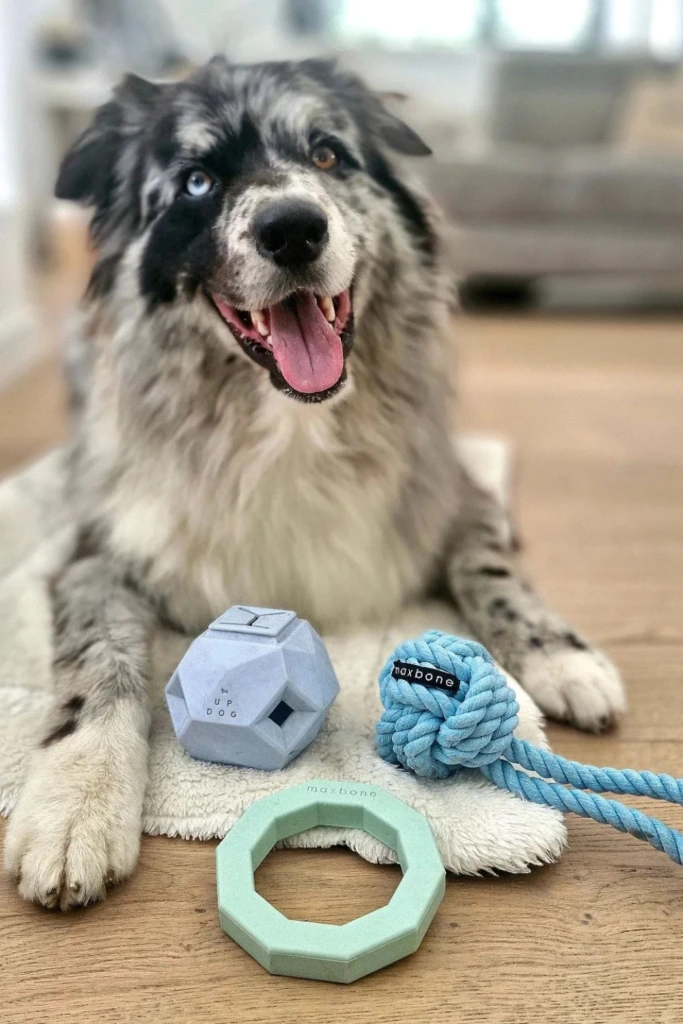
Puzzle toys give dogs a chance to solve a problem in exchange for a reward. Combining a suitable treat-dispensing toy with a separate interactive play activity can provide variety without making the game overwhelming.
Use a sturdy rubber puzzle toy with openings appropriate for your dog's food. Place a few pieces of kibble inside and let your dog work out how to retrieve them.
Choose a design that cannot be chewed apart easily, and do not add strings or small attachments that could come loose. Start with a simple challenge, then adjust the difficulty according to how comfortably your dog solves it.
9. Handle Plush
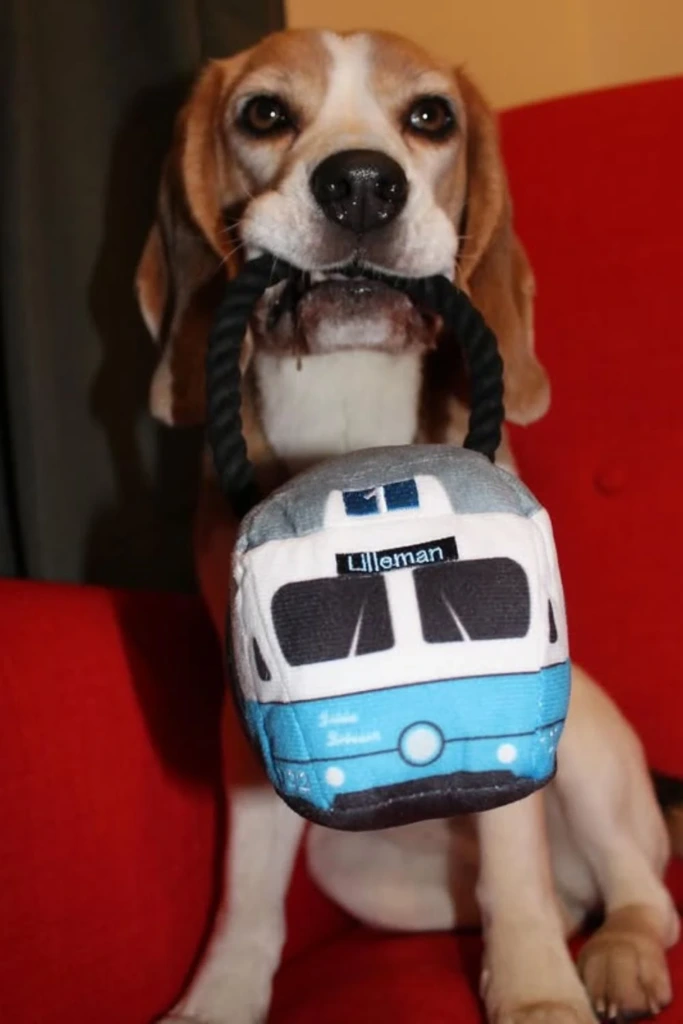
A soft toy with a handle can be convenient for dogs that enjoy carrying their belongings from room to room. It can also make gentle indoor fetch more manageable.
Use a sturdy plush toy made for dogs, preferably without plastic eyes, buttons, or other detachable decorations. If adding a fabric handle, attach it securely with reinforced stitching and inspect the seams frequently.
This project is most appropriate for gentle players. Dogs that immediately rip open stuffed toys should use a more suitable toy under direct supervision rather than a plush design with additional attachments.
10. Fabric Ball
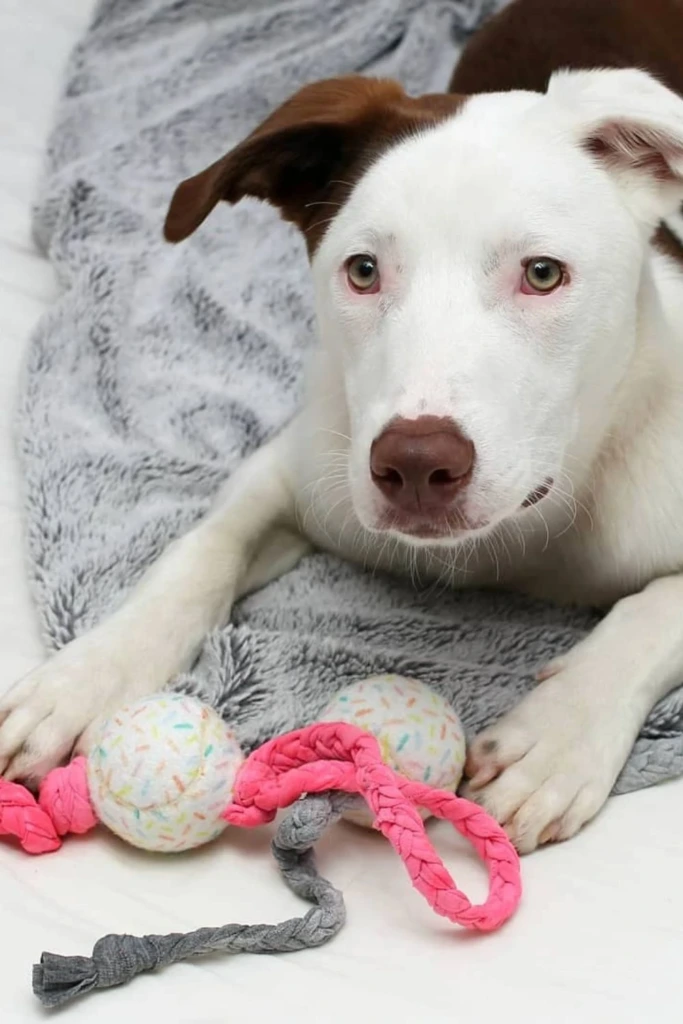
A fabric ball provides a soft texture that many dogs enjoy carrying around the house. It can be useful for gentle games when a hard ball would bounce too far or create too much noise indoors.
To make a simple version, use several layers of clean fleece and stitch them into a compact ball with reinforced seams. Avoid stuffing the toy with loose fibers, foam, or small pieces that your dog could swallow if the fabric tears.
Keep the ball large enough that it cannot fit entirely into your dog's mouth. Use it for supervised play and replace it as soon as the stitching opens.
11. Ring Stack
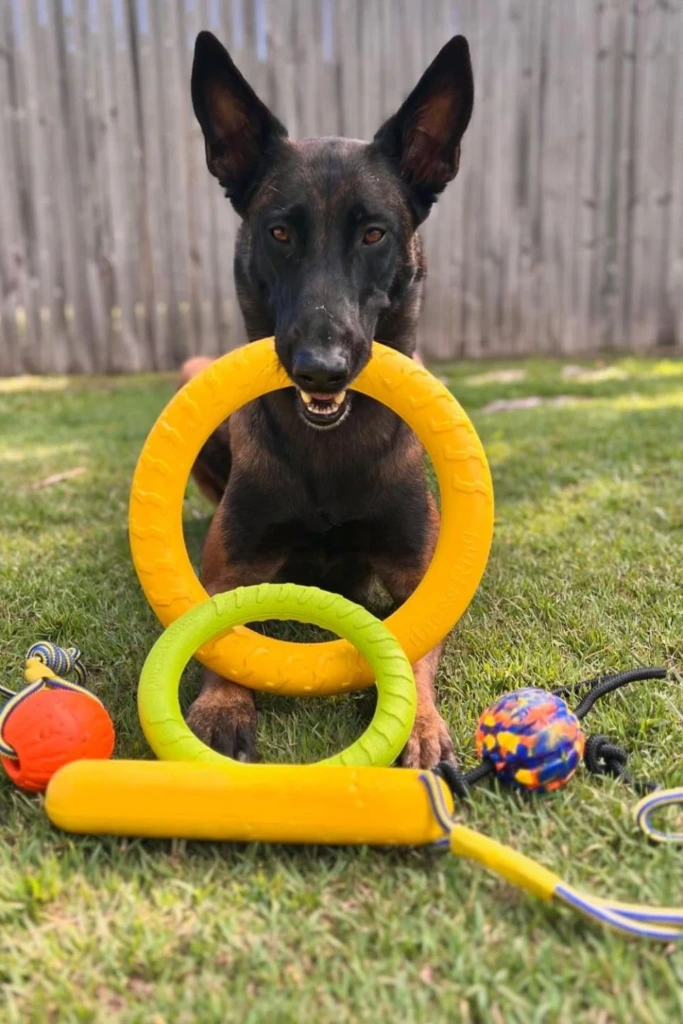
A collection of appropriately sized rings can introduce variety into playtime. Dogs can pick up individual rings, carry them between locations, or interact with them during a supervised training session.
For this project, select durable, dog-safe rubber rings rather than craft rings, metal hoops, or small plastic accessories. Offer one or two at a time and choose sizes that cannot become lodged in the mouth.
You can encourage your dog to pick up a ring and bring it back in exchange for praise or a treat. Remove any ring that cracks, splits, or becomes small enough to swallow.
12. Texture Bundle
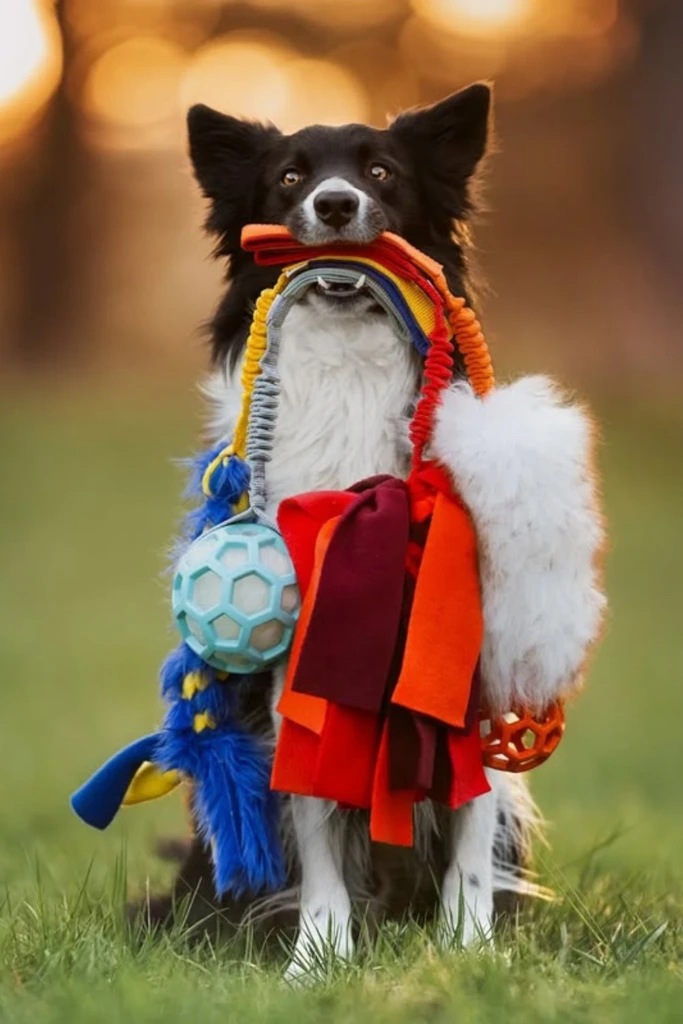
A texture bundle introduces several different surfaces into one supervised play activity. This can help you discover whether your dog prefers soft fleece, sturdy fabric, or a rubber object.
Gather a few suitable dog toys with different textures and arrange them together during an interactive session. If you want to create a single bundle, use only components that can be attached securely and cannot be pulled apart into swallowable pieces.
Avoid combining loose strings, small rubber pieces, bells, buttons, or other detachable objects. Simpler designs are often easier to inspect and maintain.
13. Rope Garland
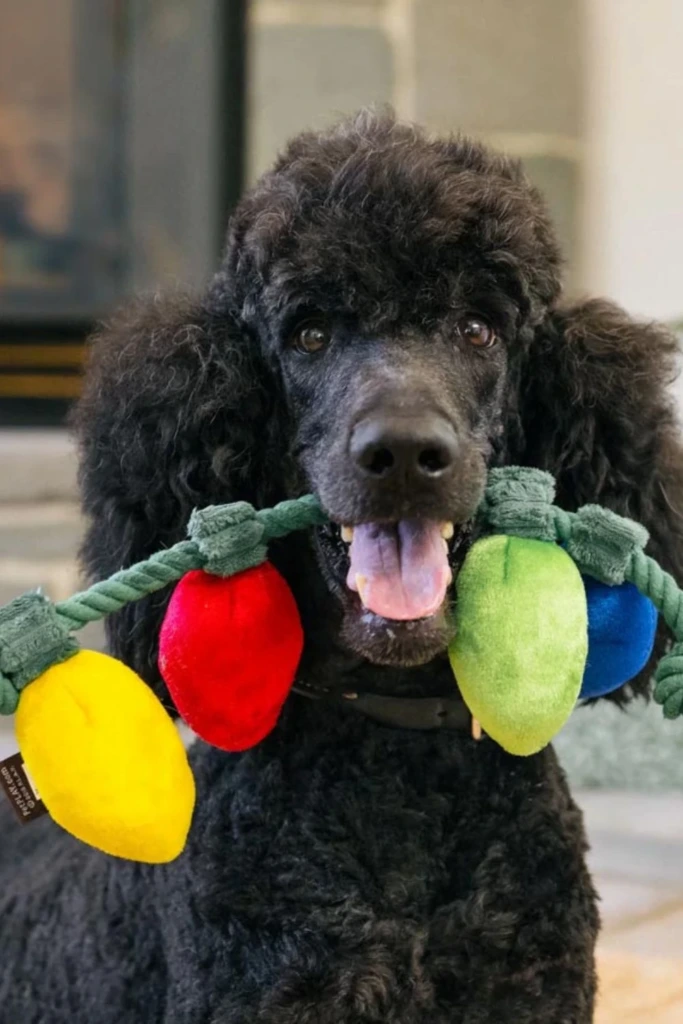
A rope garland is a playful way to present several large, soft targets for dogs that enjoy carrying and shaking their toys. It can also be used as a supervised enrichment activity in a spacious indoor area.
Use a strong, appropriately sized rope with securely attached, dog-safe fabric shapes. Make sure the individual pieces cannot slip off or separate during normal play.
Keep the toy away from furniture, electrical cables, and narrow spaces where your dog could become tangled. Because multiple attachments create additional failure points, inspect the entire garland before every session.
14. Fleece Tug
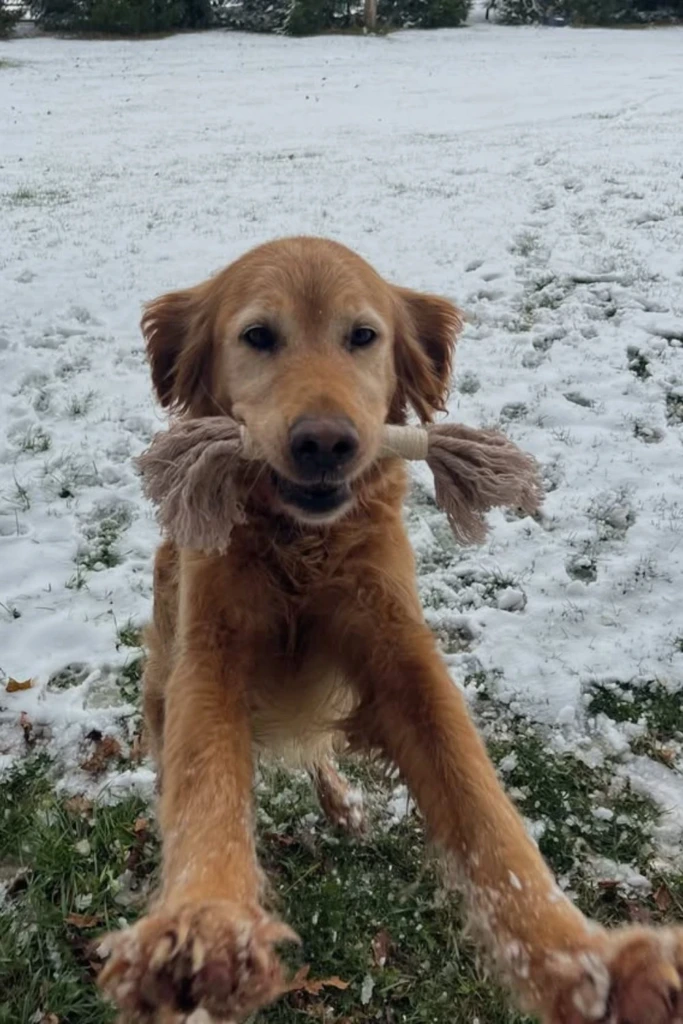
Fleece tug toys are simple to assemble and offer a soft grip for interactive games. They are especially convenient when you want a lightweight toy that is easy to store between play sessions.
Cut several wide strips of clean fleece, align them, and braid them tightly. Secure both ends with knots that cannot easily loosen, then check the finished length and thickness against your dog's size.
Use the toy for short tug sessions with plenty of breaks. Wet or muddy fleece should be cleaned and dried thoroughly, and any toy with torn strips or exposed threads should be discarded.
15. Crochet Plush
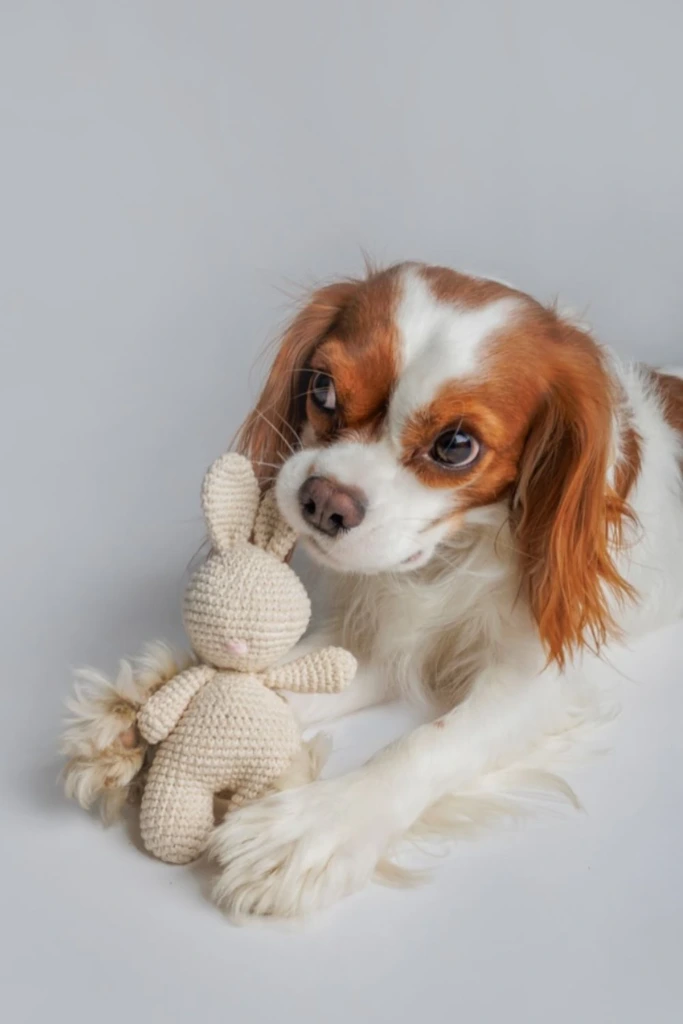
A crocheted toy can be a thoughtful handmade project for dogs that prefer soft objects. It also allows you to customize the shape, size, and color.
Choose a pattern made with sturdy, washable yarn and tightly worked stitches. Keep decorative features simple, avoid plastic eyes and buttons, and use minimal filling so there is less loose material if the toy gets damaged.
Crochet toys are generally better suited to gentle play than aggressive chewing. Supervise your dog closely, particularly if they tend to unravel knitted or crocheted objects.
16. Treat Tower
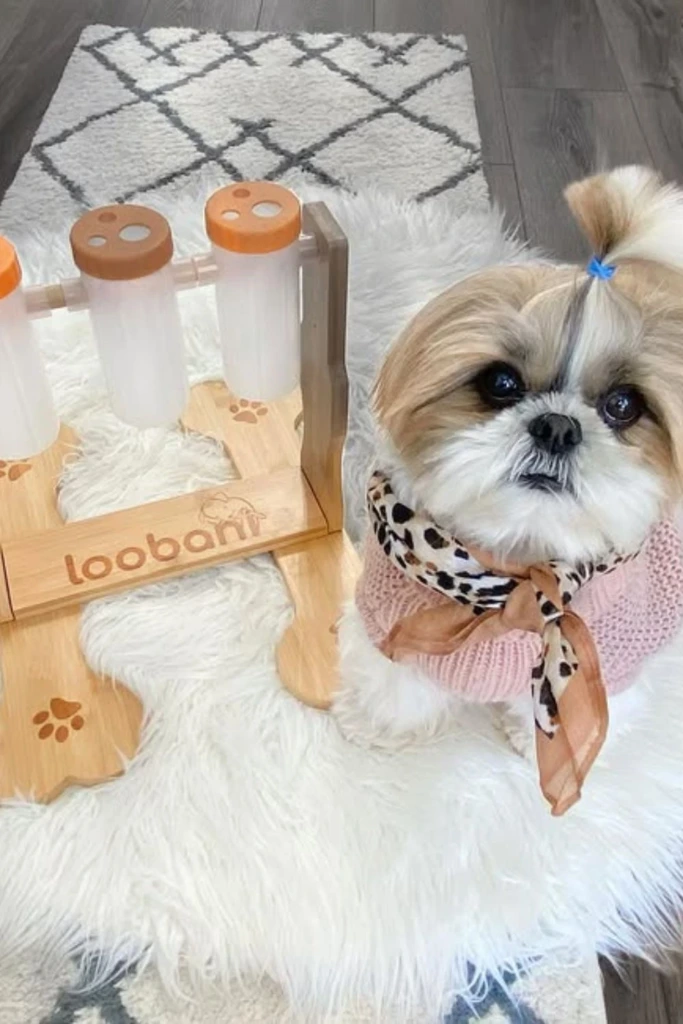
A treat tower can turn snack time into a problem-solving activity. The goal is to encourage your dog to discover how a small movement releases a reward.
For a safer homemade version, use a stable, wide-based food puzzle made from dog-safe, durable materials. Place a few pieces of kibble in accessible compartments that your dog can nudge or manipulate to retrieve.
Avoid wooden constructions with exposed screws, sharp edges, splinters, or narrow openings that could trap a nose or paw. Never leave your dog alone with a homemade mechanism, and stop the activity if your pet starts biting or dismantling the structure.
17. Snuffle Towel
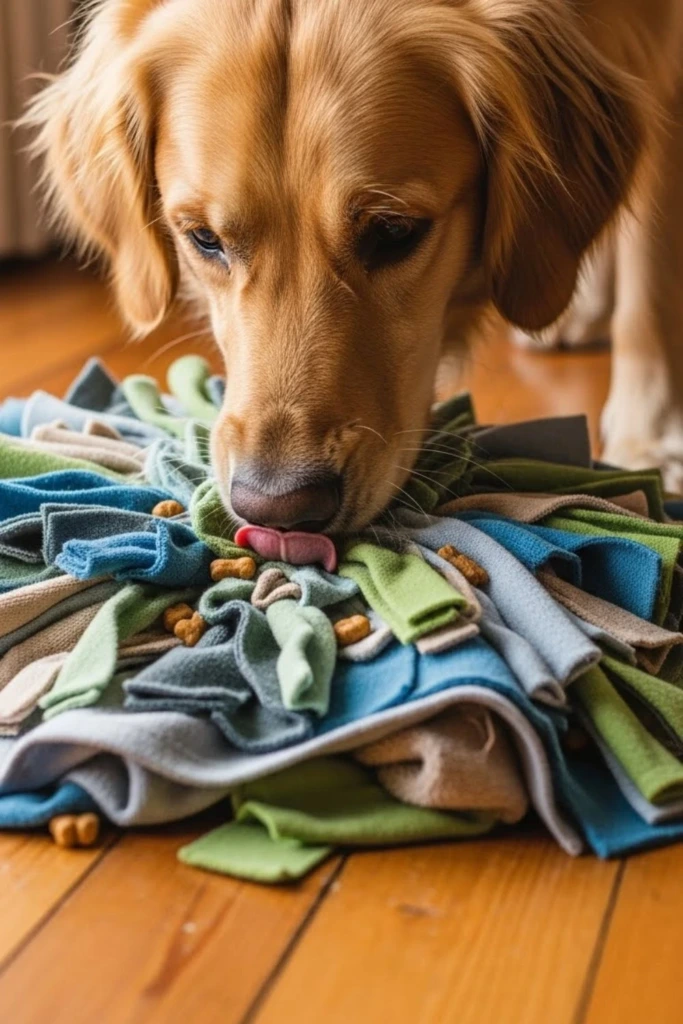
A snuffle towel encourages dogs to use their noses to find food instead of eating everything from a bowl immediately. It is an easy enrichment activity that requires little preparation.
Spread a clean towel on a flat surface and hide a few pieces of your dog's regular kibble among loose folds. Let your pet sniff out the food at their own pace.
Keep the folds loose enough that your dog can retrieve the treats without biting or tearing the fabric. Supervise throughout the activity and remove the towel when the food is gone, especially if your dog likes to chew textiles.
18. Cardboard Maze
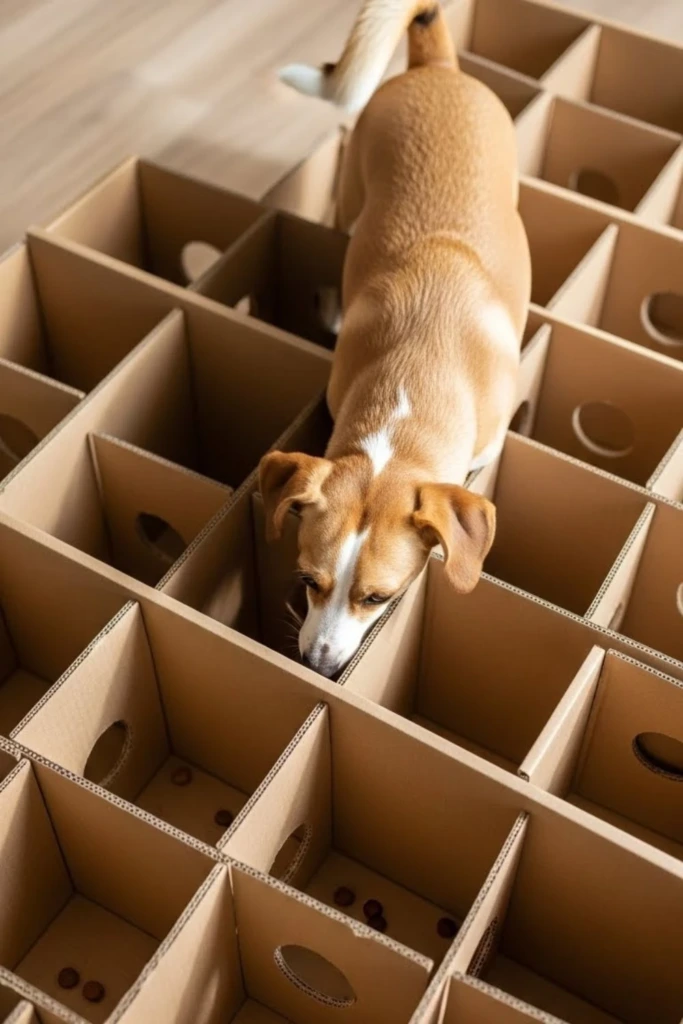
A cardboard maze offers a low-cost way to encourage sniffing and exploration. It is particularly useful for dogs that enjoy investigating new objects and searching for hidden rewards.
Take a clean cardboard box and create several wide openings that allow your dog to reach inside comfortably. Place a small amount of kibble in accessible areas and let your pet explore the arrangement.
Use plain cardboard without staples, tape, plastic coatings, or sharp edges. Watch closely for chewing and remove the maze if your dog begins swallowing cardboard rather than searching for food.
19. Sock Braid
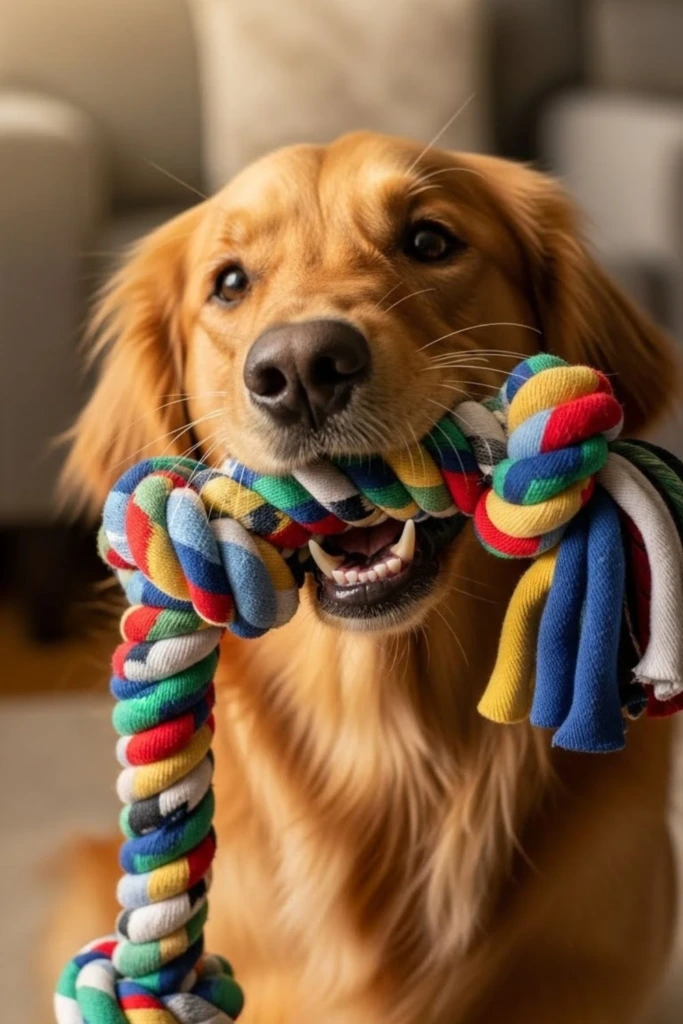
Old socks can be repurposed into a simple fabric tug toy for dogs that enjoy carrying soft objects. This project is easy to assemble, although its suitability depends on your dog's chewing habits.
Use several clean, intact socks made from sturdy fabric. Braid them together tightly and secure the ends so that the strands do not separate easily.
Avoid socks with holes, elastic components that can loosen, or small decorations. Never use a sock braid as an unattended chew toy, because swallowed fabric can cause an intestinal obstruction.
20. Frozen Lick
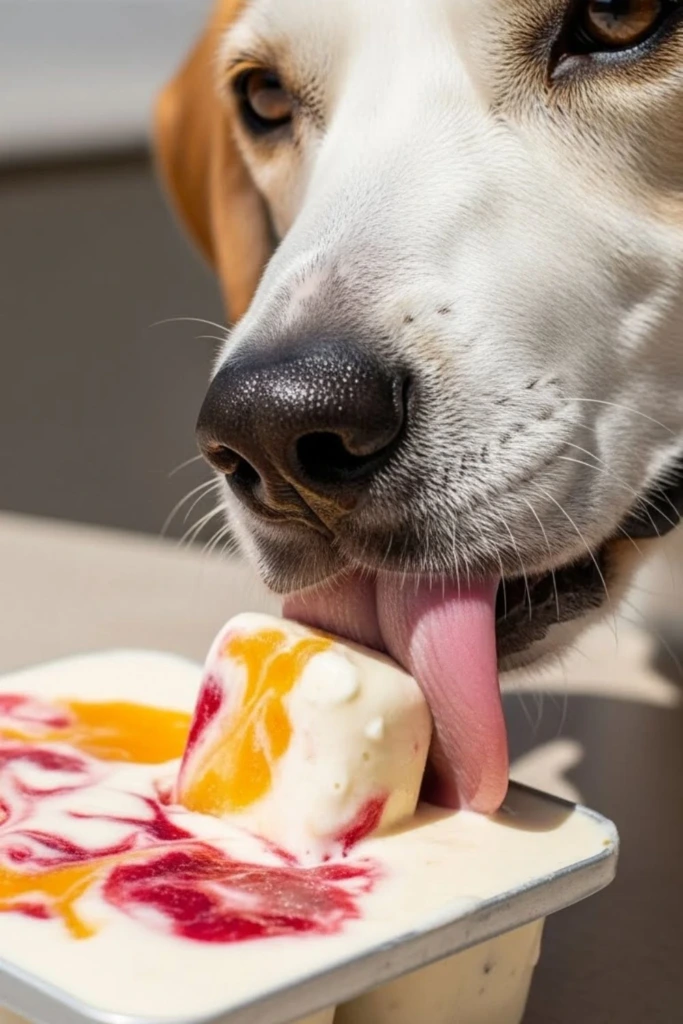
Frozen treats provide a refreshing activity, particularly on warm days. Licking can also give some dogs a quiet alternative to more energetic play.
Mix a small amount of plain, unsweetened yogurt with a dog-safe ingredient such as mashed banana or plain pumpkin. Check that every ingredient is suitable for your pet, then freeze a thin layer in a shallow, freezer-safe dish.
Offer a portion appropriate for your dog's size and dietary needs. Avoid xylitol, chocolate, grapes, raisins, and ingredients that are unsafe for dogs. Do not use a frozen treat so hard that it could damage teeth, and supervise while your dog enjoys it.
21. Bottle Roller
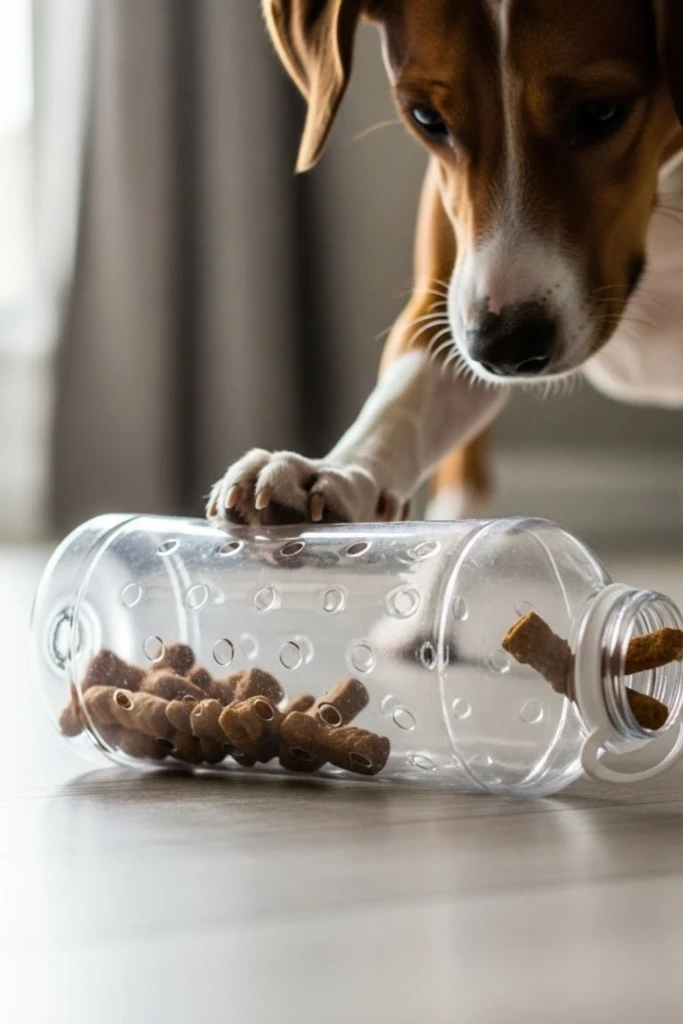
A treat roller encourages dogs to move an object to release food. It can provide mental stimulation for pets that enjoy activities involving movement and rewards.
The safest approach is to use a durable, commercially manufactured treat-dispensing toy with openings designed for your dog's food. Add a small portion of kibble and demonstrate how moving the toy releases the treats.
Although a plastic bottle with holes may seem like an easy alternative, cutting it can leave sharp edges, and chewing can create dangerous fragments. Avoid homemade bottle rollers for dogs that bite or crush plastic. Clean the dispenser regularly and check for cracks before use.
22. Scent Box

A scent box makes use of a dog's natural ability to investigate smells. It can be assembled from a clean cardboard box and a few safe items, making it an accessible enrichment project for many households.
Place loosely crumpled plain paper inside the box and hide a few pieces of kibble between the layers. Encourage your dog to sniff around and locate the food rather than rushing to retrieve it.
Use only plain, untreated paper without staples, glossy coatings, or plastic inserts. Keep the box in an open area where your dog can explore comfortably, and supervise the activity to prevent swallowing paper or cardboard.
Change the location of the treats between sessions to maintain interest. For dogs that are prone to eating non-food objects, use a purpose-made snuffle mat instead.
Are DIY dog toys safe for aggressive chewers?
Some homemade toys can be suitable for powerful chewers during closely supervised play, but no DIY material is guaranteed to withstand every dog. Strong teeth and persistent chewing can quickly damage fabric, rope, plastic, and even some rubber toys.
Choose toys specifically designed for your dog's size and chewing strength whenever possible. Avoid homemade toys with stuffing, detachable components, loose threads, or pieces that can be swallowed. If your dog destroys toys within minutes, consult your veterinarian about safer enrichment options.
How long should a homemade dog toy last before you replace it?
There is no fixed lifespan for a homemade dog toy. Its condition depends on the materials, construction, frequency of use, and the way your dog plays.
Inspect toys before and after each session. Replace them immediately if you notice torn seams, frayed fibers, exposed filling, cracked plastic, sharp edges, loose knots, or missing pieces.
Even a toy that looks mostly intact may no longer be safe if an attachment has loosened. When in doubt, remove it rather than waiting for obvious damage.
23. Love this idea? Save it for later.
Homemade dog toys can be an enjoyable way to add variety to your pet's routine while making use of suitable materials you already have at home. Save your favorite projects so you can return to them when your dog needs a new activity.
Remember that the best toy is not necessarily the most elaborate or expensive. A simple sniffing game, a supervised tug session, or a suitable food puzzle may be more rewarding than a complicated craft.
24. Hi, I'm Jenny
I share practical ideas for making everyday life easier, more organized, and more enjoyable. From simple DIY projects to useful household tips, the goal is to make creative activities approachable and worthwhile.
Found something useful?
Keep your favorite dog enrichment ideas somewhere easy to find. A small collection of suitable activities can help you vary your pet's routine, encourage positive play, and make better use of everyday materials.
Before trying a new project, consider your dog's size, chewing strength, and individual needs. Supervision and regular safety checks are essential, even when a toy is handmade with care.
25. More from DIY
If you enjoy making useful things at home, consider exploring other practical DIY projects, including pet furniture, cat enrichment activities, and simple household crafts. Choose projects that suit your available materials, skill level, and budget, and adapt each idea to your household's needs.