26 DIY Dog House Ideas For 2026
Building a dog house yourself gives you the freedom to create a shelter that suits your pet’s size, habits, and surroundings. Whether you need a simple outdoor retreat, a stylish indoor hideaway, or a weather-resistant structure for year-round use, a thoughtful design can make a big difference in your dog’s comfort.
The best DIY dog house projects balance appearance with practical features. Your dog needs enough room to move, protection from rain and wind, suitable airflow, and a surface that stays dry. Choosing durable materials and planning for the local climate will also help your project last longer.
In this collection, you’ll discover 26 creative dog house ideas, from affordable pallet shelters to insulated cabins and space-saving indoor designs. Each option offers inspiration for creating a comfortable spot your furry companion can enjoy.
What Makes a Dog House Truly Comfortable?
A comfortable dog house should provide shelter without trapping excessive heat or moisture. Start by measuring your dog while standing and resting so the finished structure offers enough room to enter, turn around, stretch out, and lie down naturally.
Floor elevation is particularly important for outdoor shelters. A raised platform helps prevent rainwater from seeping inside and reduces contact with damp ground. Adequate ventilation also matters, especially during warm weather, because enclosed spaces can become dangerously hot.
Consider the entrance position, roof overhang, insulation, and location before cutting your materials. Place the shelter somewhere protected from strong winds and direct afternoon sunlight when possible. For colder conditions, use dry bedding and suitable insulation while ensuring your dog can still enter and exit comfortably.
The goal is to create a safe resting place that matches your dog's needs and remains practical to clean and maintain.
What Material to Use for a Dog House?
Material selection influences durability, temperature control, maintenance, and overall cost. Exterior-grade wood is a popular choice because it is easy to cut, customize, and repair. Properly sealed plywood and weather-resistant lumber can work well for outdoor construction when the design includes suitable drainage and protection from rain.
Plastic can be lightweight and easy to clean, but thin panels may become brittle or provide little insulation. Metal components can strengthen a structure, although exposed metal surfaces may become extremely hot in direct sunlight.
For a wooden project, choose materials intended for the environment where the house will stand. Sand rough edges, cover exposed fasteners, and use pet-safe finishes that are fully cured before your dog enters. Avoid splintered boards, sharp corners, and wood treatments that could expose your pet to harmful chemicals.
A durable roof, moisture-resistant floor, and secure joints are just as important as the main wall material. These details help protect the shelter and reduce the need for frequent repairs.
1. Seasonal Styling
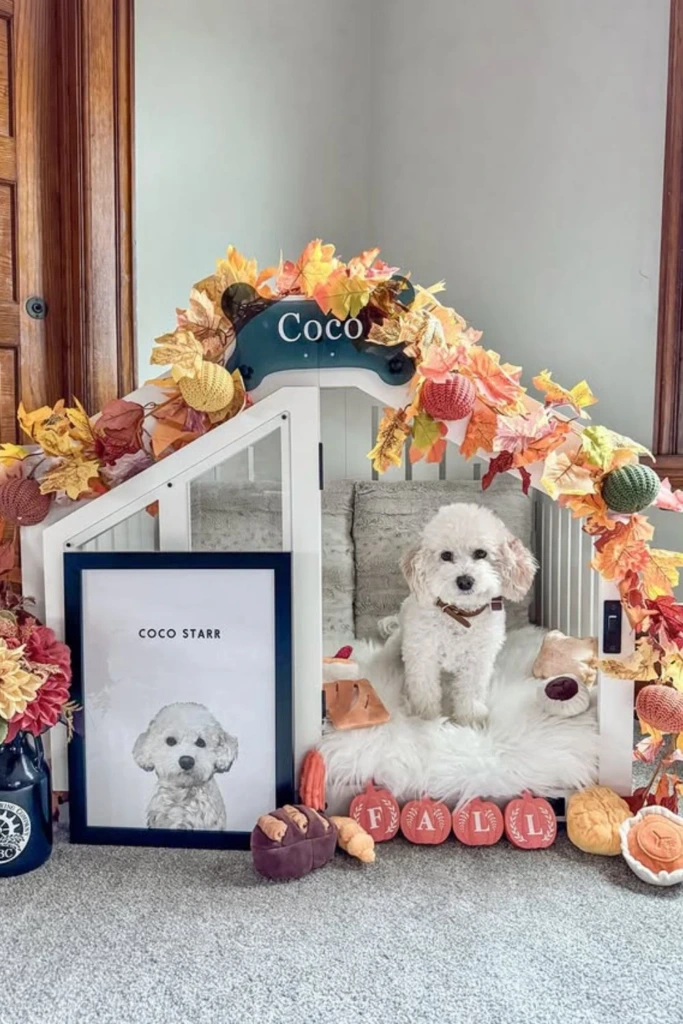
Give an indoor dog house a seasonal makeover without changing its basic structure. A wooden frame can become a cozy winter retreat with a washable cushion, a soft blanket, and a small decorative nameplate.
For spring and summer, lighter fabrics and removable accessories can create a fresh appearance. Choose decorations that cannot easily be chewed off or swallowed, and keep the sleeping area free from loose strings and small objects.
Removable details make maintenance easier because you can wash the bedding and clean the structure whenever necessary. Keep decorative lights and electrical cords out of your dog's reach.
This approach works especially well for smaller breeds and indoor pets whose resting spaces are part of the home's overall décor.
2. Holiday Theme
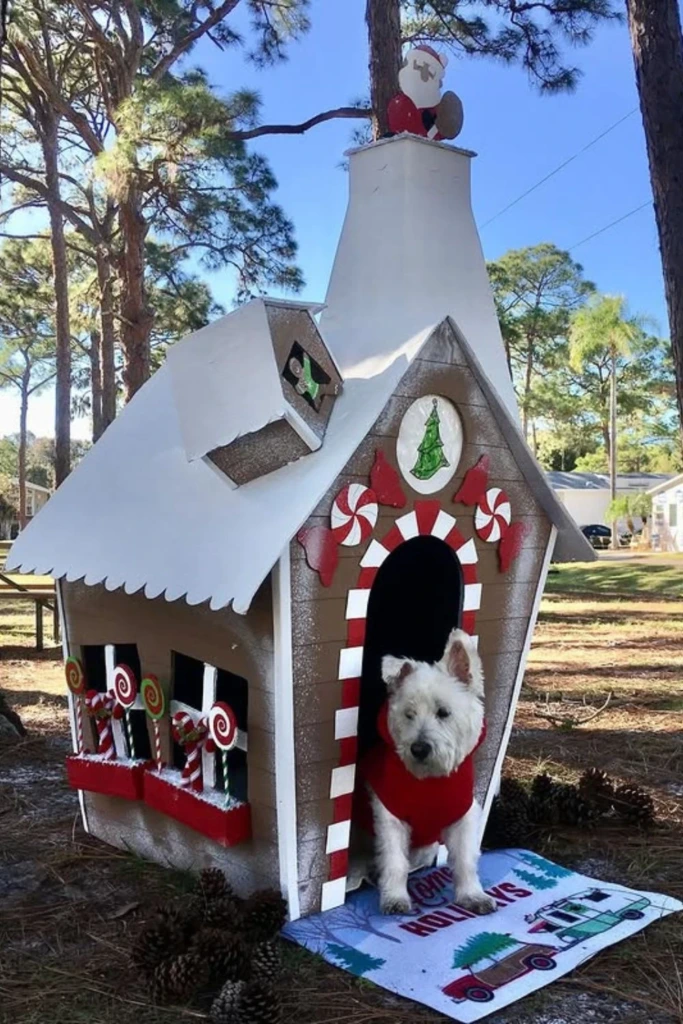
A festive dog house can add personality to your yard during the holiday season. Paint the exterior in cheerful colors, add contrasting trim, or create a simple roof design inspired by a gingerbread cottage.
Lightweight decorative panels can suggest windows, shutters, or a chimney without making the structure unnecessarily heavy. Use exterior-rated paint and weather-resistant materials if the shelter will remain outdoors.
Keep the sleeping area comfortable and uncluttered rather than filling it with ornaments. Avoid breakable decorations, exposed wires, toxic artificial snow, and anything your dog might chew or swallow.
A holiday-themed shelter is most successful when its decorative features can be removed easily after the celebration and the underlying structure remains suitable for everyday use.
3. Modern Shelter
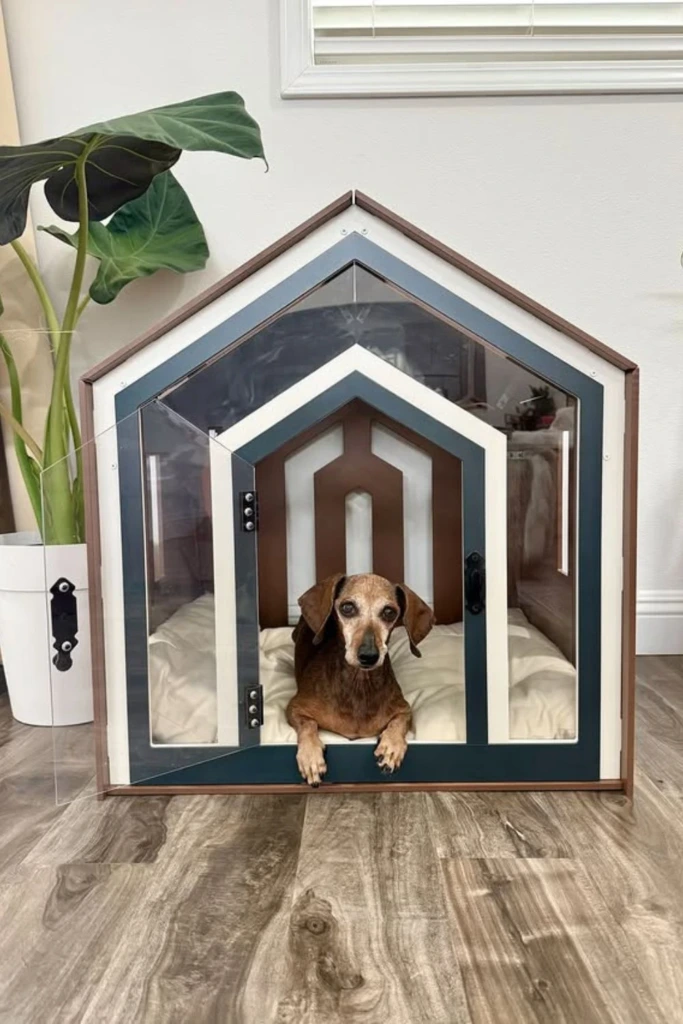
A contemporary dog house can combine clean geometry with practical construction. Straight edges, a simple pitched roof, and a neutral finish create a design that looks at home beside modern furniture or minimalist landscaping.
Plywood panels can form the main structure, while appropriately selected acrylic inserts may introduce natural light in an indoor setting. For outdoor use, prioritize weatherproof construction, ventilation, and protection from direct sun over decorative transparency.
Choose a cushion that fits the interior without blocking the entrance. A restrained color palette can make the shelter look polished without requiring expensive materials.
This design is ideal for owners who want their pet's space to complement a modern home while still functioning as a comfortable resting place.
4. Crate Upgrade
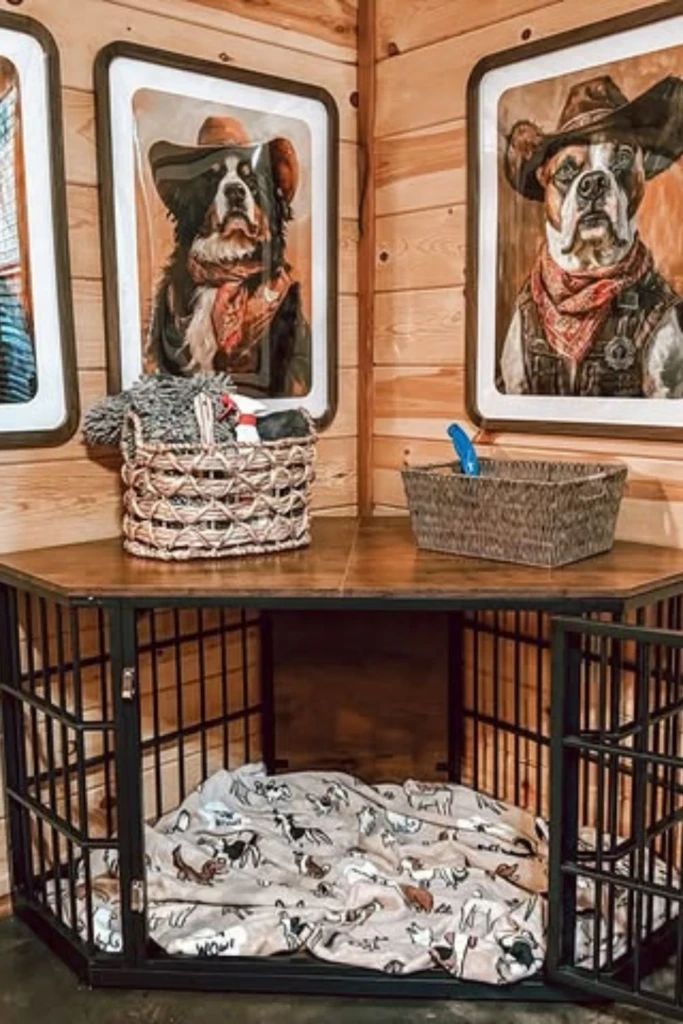
If your dog already feels comfortable in a crate, you can improve its appearance by building a furniture-style enclosure around it. A wooden frame and sturdy top can turn an ordinary wire crate into a piece that resembles a side table.
Measure the crate carefully and leave enough space for airflow, door operation, and access during cleaning. The original crate should remain stable, and the furniture surround must not interfere with its safety features.
Use smooth panels, secure brackets, and a top strong enough for its intended purpose. Avoid placing heavy objects where they could fall into the crate or create a hazard.
This project works well in living rooms, home offices, and other indoor spaces where you want your dog's resting area to blend naturally with the furniture.
5. Fabric Shelter
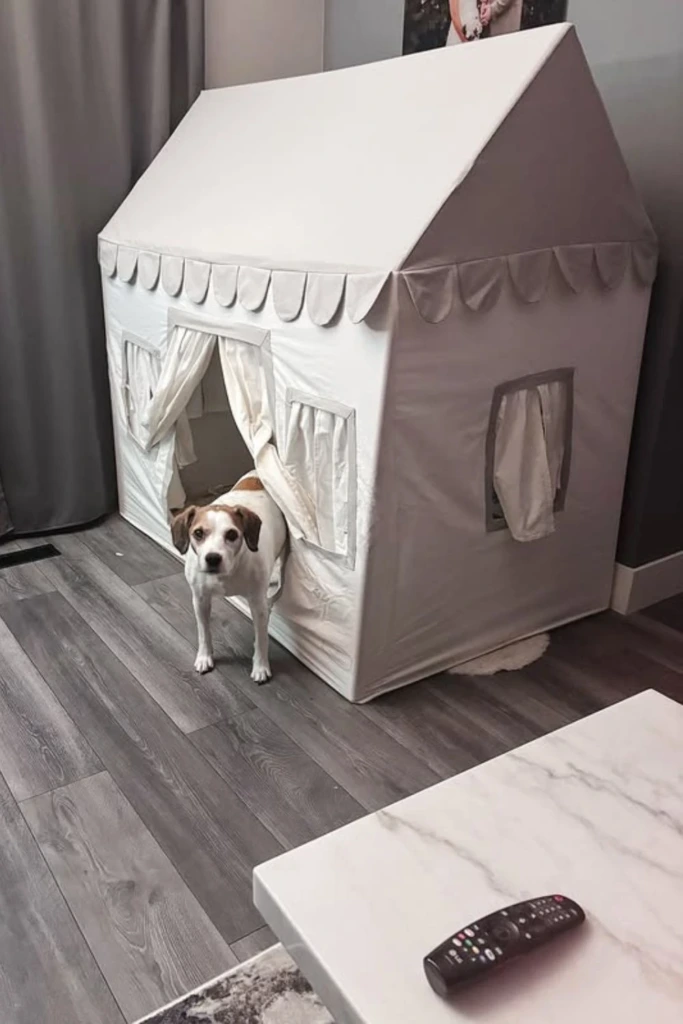
A fabric dog shelter offers a lightweight alternative to a permanent wooden structure. It can be made with a simple frame and washable fabric panels, creating a private nook for a dog that enjoys a covered sleeping space.
PVC tubing or a purpose-built collapsible frame can support the fabric. Make sure the structure cannot tip over easily, and select durable material that can withstand scratching and routine cleaning.
An open entrance encourages airflow, while a removable cushion provides additional comfort. If you add a fabric doorway, keep it loose enough for your dog to pass through without difficulty.
Fabric shelters are particularly useful in apartments, temporary living arrangements, or homes where a bulky dog house would take up too much room. They are generally best suited to indoor use rather than severe weather.
6. Furniture Crate
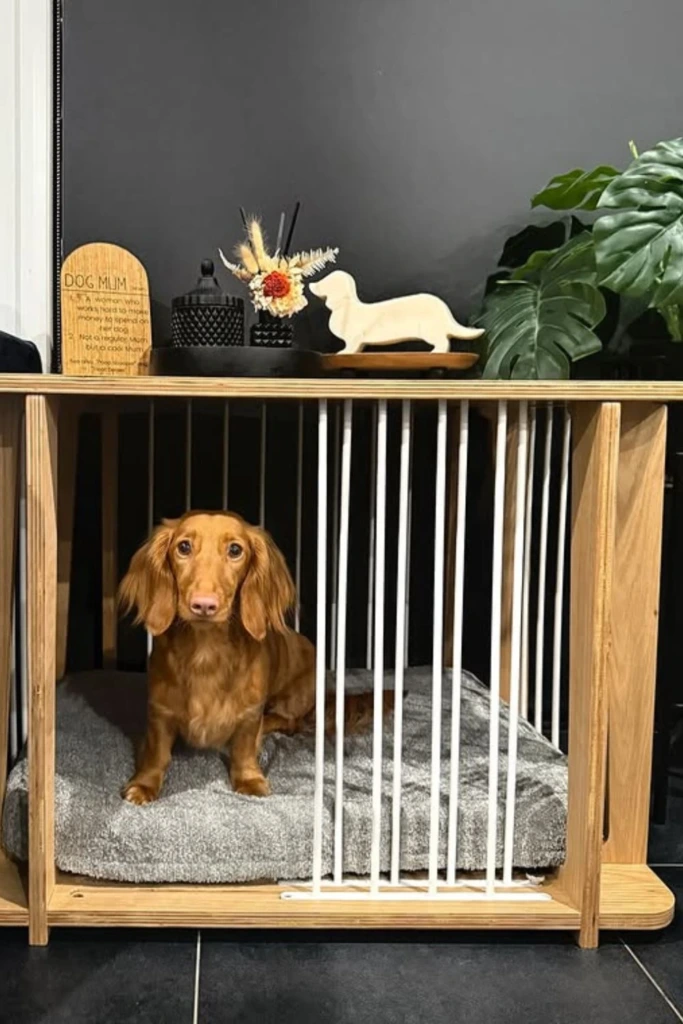
A furniture-style dog crate can serve two purposes in a shared living area. Vertical wooden bars or appropriately spaced metal rods provide an attractive enclosure while allowing air to circulate.
Build the frame around the dimensions of a suitable crate or design a secure enclosure specifically for your dog. Use durable lumber, carefully finished edges, and a stable top that can support only the weight it is designed to carry.
Check that the openings cannot trap your dog's head, paws, or collar. The enclosure should allow comfortable movement and should never be used to confine a dog that is distressed by restricted spaces.
This design is especially practical for smaller dogs and households that want to combine pet furniture with useful everyday surfaces.
7. Wicker Retreat
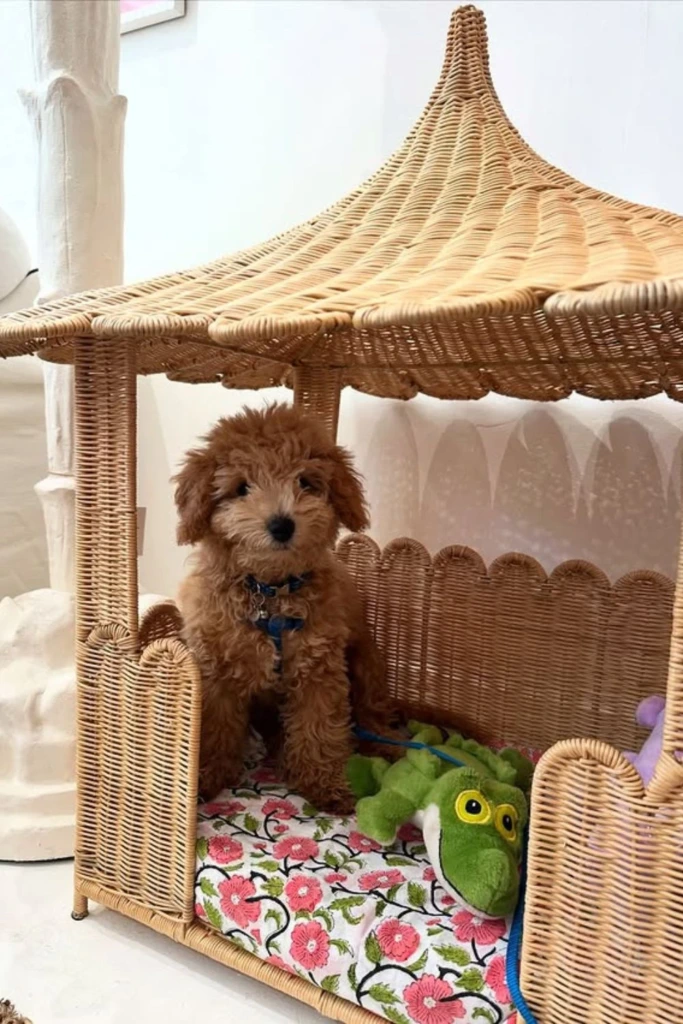
Wicker and rattan bring a natural texture to indoor pet spaces. A rounded woven structure can create a sheltered, nest-like appearance that feels lighter than a conventional wooden box.
You can use a purpose-built pet-safe woven shell or attach suitable woven material to a stable frame. Inspect the construction regularly for loose strands, broken pieces, and sharp edges that could injure your dog.
Add a removable cushion that fits securely inside without obstructing the entrance. Choose washable materials so that fur, dust, and everyday dirt can be removed easily.
This idea is best for small dogs that live indoors and do not tend to chew or dismantle woven objects. For determined chewers, a more robust material may be the safer option.
8. Outdoor Kennel
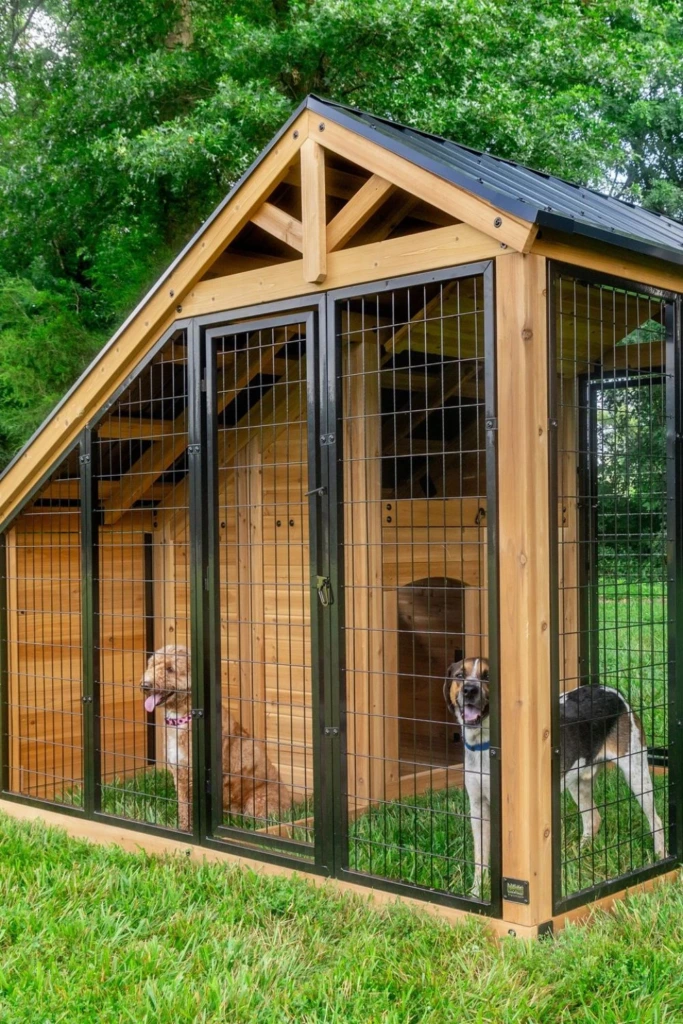
An outdoor kennel combines a sheltered sleeping area with an enclosed exercise space. This arrangement allows a dog to move around, stretch, and rest without having unrestricted access to the entire yard.
The sleeping compartment can be constructed from weather-resistant lumber, while strong welded-wire panels form the surrounding run. A sloped roof helps direct rainwater away from the enclosure, and a raised floor reduces moisture problems.
Provide enough space for your dog to walk, turn, and lie down comfortably. The fencing, gates, and latches should be secure, with no gaps or sharp edges that could cause injury.
Include shade, fresh water, and a dry resting area. An outdoor kennel should supplement regular exercise, attention, and companionship rather than serve as a place where a dog is left unattended for extended periods.
9. Backyard Bedroom
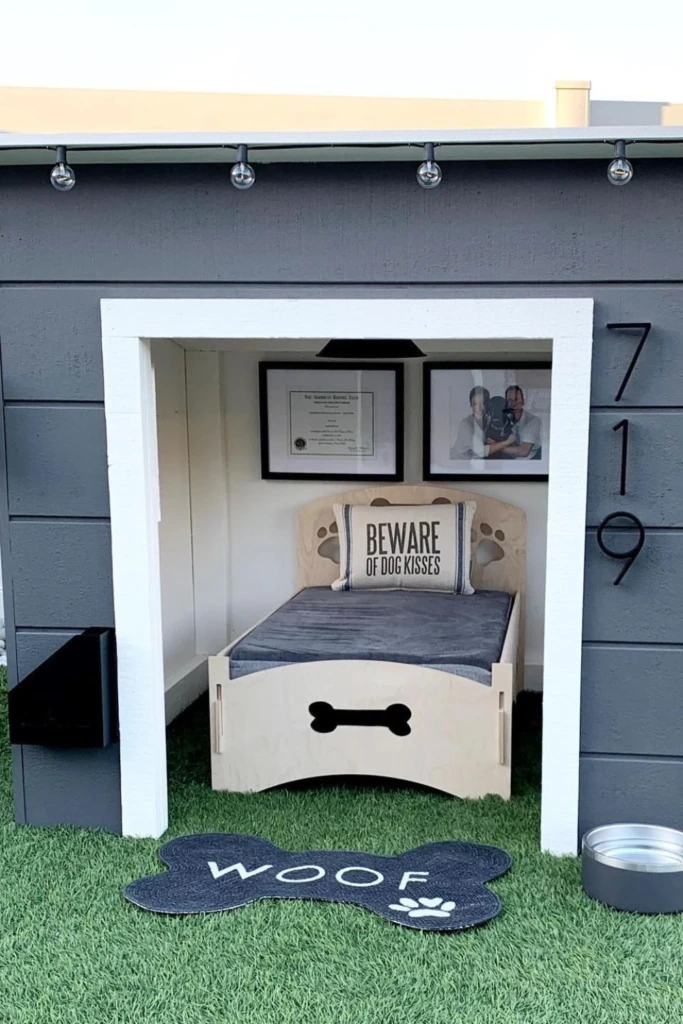
Turn a quiet corner of your yard into a comfortable outdoor sleeping area with a traditional house-shaped shelter. A deep roof overhang, raised base, and weather-resistant walls help protect the interior from ordinary rain and ground moisture.
Use exterior-grade materials and seal vulnerable joints to limit water penetration. The entrance should be large enough for your dog to pass through easily, while the interior should accommodate comfortable resting positions.
Provide bedding that suits the climate and can be removed for washing. Check the floor after rain to make sure moisture is not collecting underneath the cushion.
This design works well in fenced yards where dogs enjoy spending supervised time outdoors. Place it in a location with reliable shade and protection from harsh weather, and always provide access to an appropriate indoor or sheltered space when conditions become unsafe.
10. Mobile Shelter
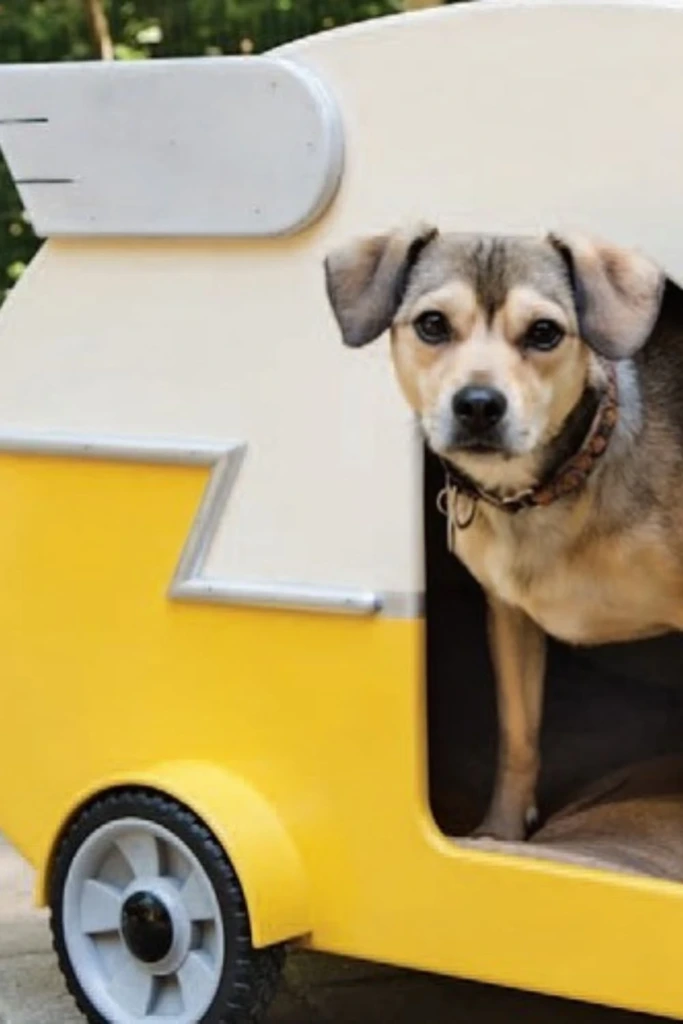
A rolling dog house offers flexibility when the sun, rain, or changing yard conditions make a fixed shelter inconvenient. By fitting a lightweight structure with suitable wheels, you can reposition it without lifting the entire unit.
Build the main shell from manageable wooden panels and use locking casters rated to support the finished weight. Reinforce the base so movement does not loosen the joints or cause the shelter to wobble.
The wheels should lock securely whenever the house is stationary. Make sure the entrance remains level and that your dog cannot accidentally push the structure into motion.
This option is useful for patios and spacious yards where shade changes throughout the day. It is especially suitable for medium-sized dogs if the frame, base, and wheels are engineered for the dog's weight and the shelter's dimensions.
11. Porch Design
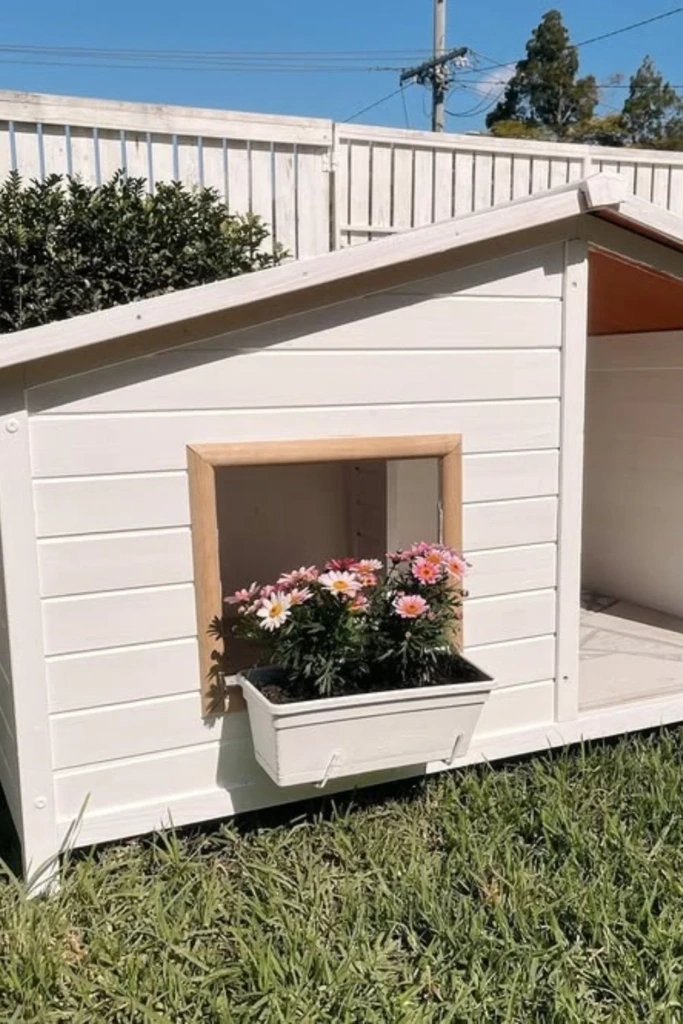
A dog house with an attached porch creates separate spaces for resting and enjoying fresh air. The enclosed section offers protection, while the open platform gives your dog a shaded place to sit or lie down.
Build the sleeping compartment with weather-resistant panels and use a roof arrangement that covers both areas appropriately. Raise the base above the surrounding ground and direct runoff away from the entrance.
The porch should have a nonslip surface and enough room for your dog to rest without blocking access to the sheltered compartment. Smooth all edges and make sure the platform can support your pet comfortably.
This layout is a useful choice for backyards where dogs enjoy watching their surroundings. It provides more variety than a basic box while keeping the sleeping area relatively compact.
12. Slatted Shelter
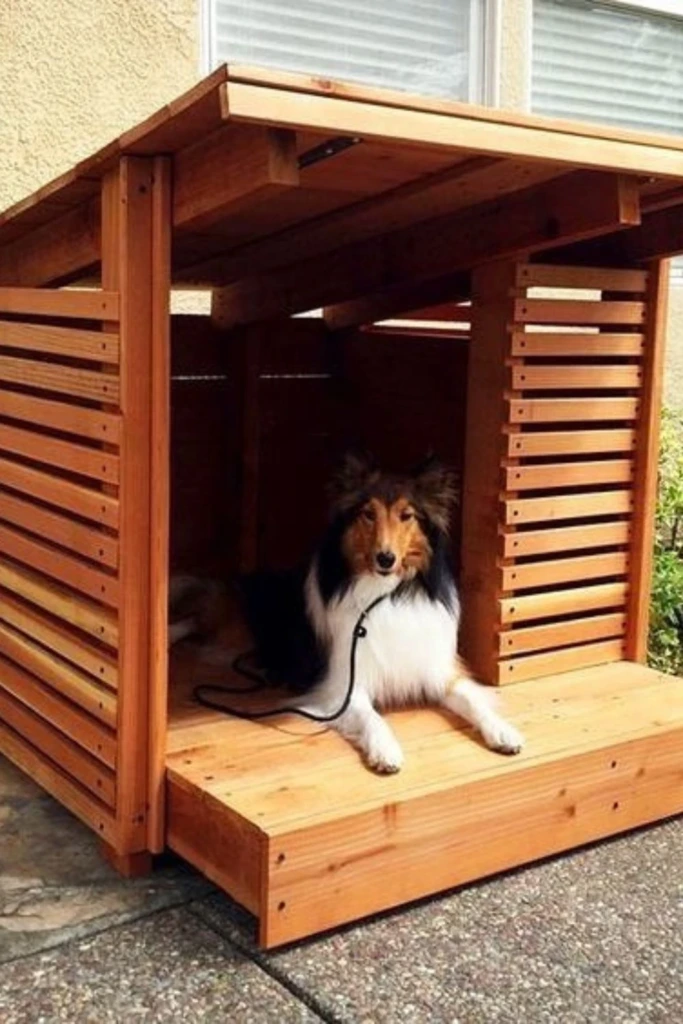
A slatted dog house uses spaced panels to encourage air circulation. It can be particularly useful in warm climates where a completely enclosed structure may retain too much heat.
Choose weather-resistant lumber and arrange the slats to provide shade without leaving openings large enough for your dog to become trapped or exposed to hazards. A solid roof and a raised, moisture-resistant floor can improve protection from rain and damp ground.
Remember that ventilation alone does not make a shelter safe in extreme heat. Position the structure in a shaded location and provide fresh water and access to a cooler environment.
This design suits yards in mild or warm conditions, especially when the primary objective is creating a shaded retreat rather than a fully enclosed winter shelter.
13. Crate Corner
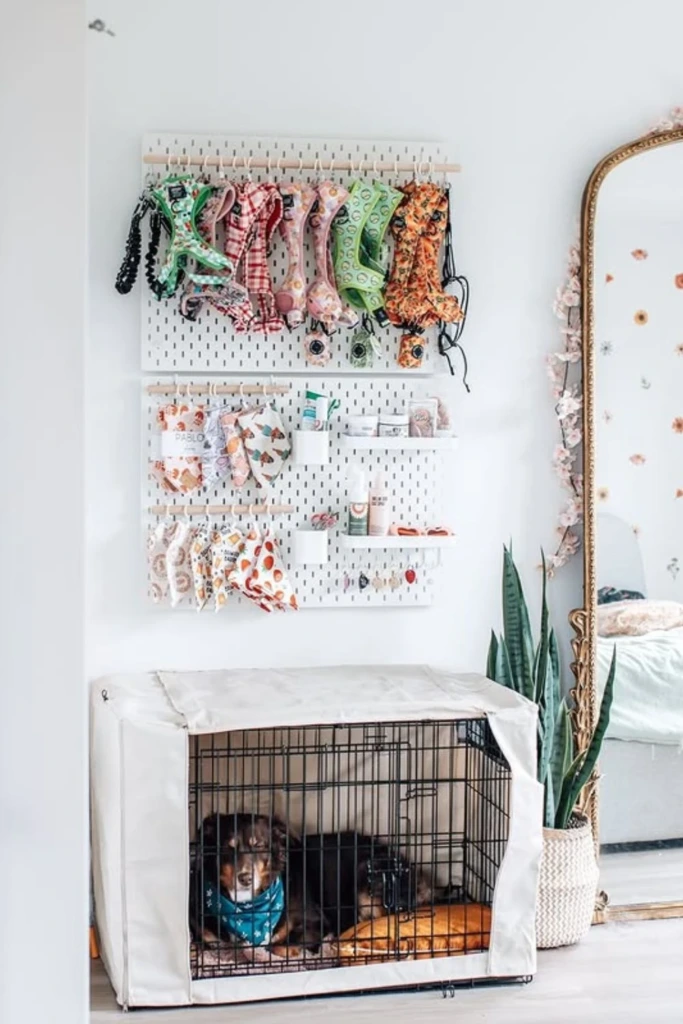
A dedicated crate corner keeps your dog's belongings organized while creating a familiar place to rest. Instead of building an entirely new structure, you can arrange a crate with a fitted cover and nearby storage for toys, leads, and grooming supplies.
Use a breathable cover that does not obstruct the crate's ventilation. Keep the front accessible and avoid placing heavy objects on top unless the crate is specifically designed to support them.
A wall-mounted pegboard or nearby shelf can hold lightweight accessories, provided everything is securely installed and beyond your dog's reach. Add a washable mat or suitable bedding inside the crate.
This is a practical solution for small homes where every square foot matters. It also makes daily routines easier because the items you need for walks and care remain close to your dog's resting place.
14. Bed Frame
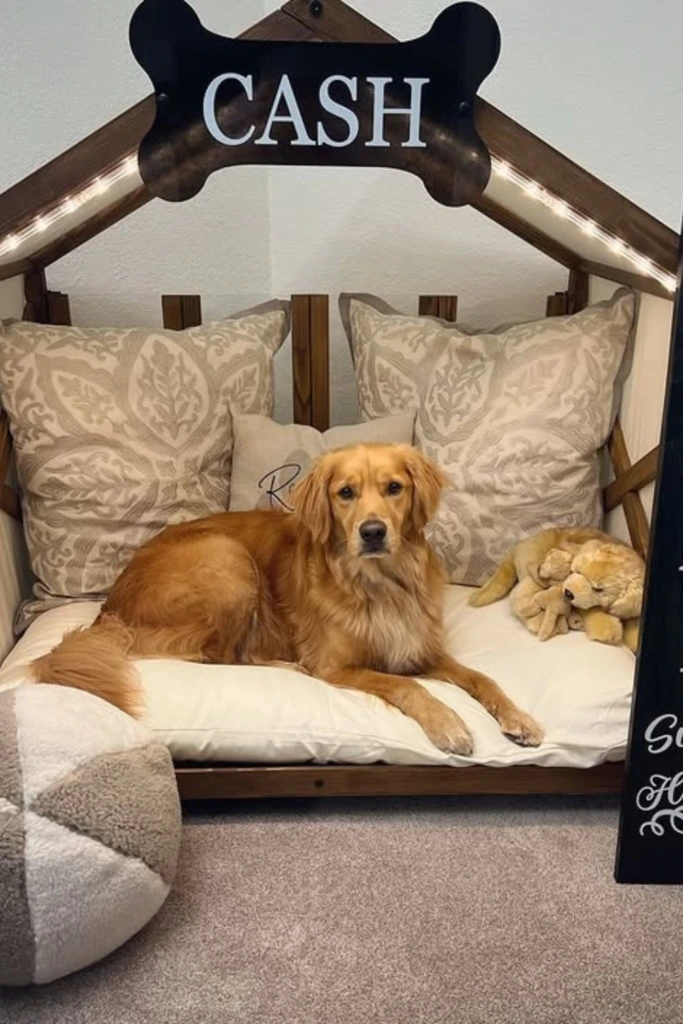
A house-shaped bed frame provides a sense of enclosure without completely closing off the sleeping area. Its open front makes it easy for a dog to enter, while the simple frame creates a distinctive feature in a bedroom or living room.
You can build the structure from smooth, sanded lumber and finish it with a minimal roof outline. Measure the mattress first so the frame supports it properly without leaving large gaps around the edges.
Soft bedding is the main comfort feature, so choose a washable mattress with enough support for your dog's size and sleeping habits. If you want decorative lighting, use securely installed, low-voltage components and keep all cords inaccessible.
This design works well for indoor dogs that enjoy having a defined sleeping area. It also offers a straightforward project for DIY enthusiasts who prefer a simple build over a fully enclosed house.
15. Entry Focus
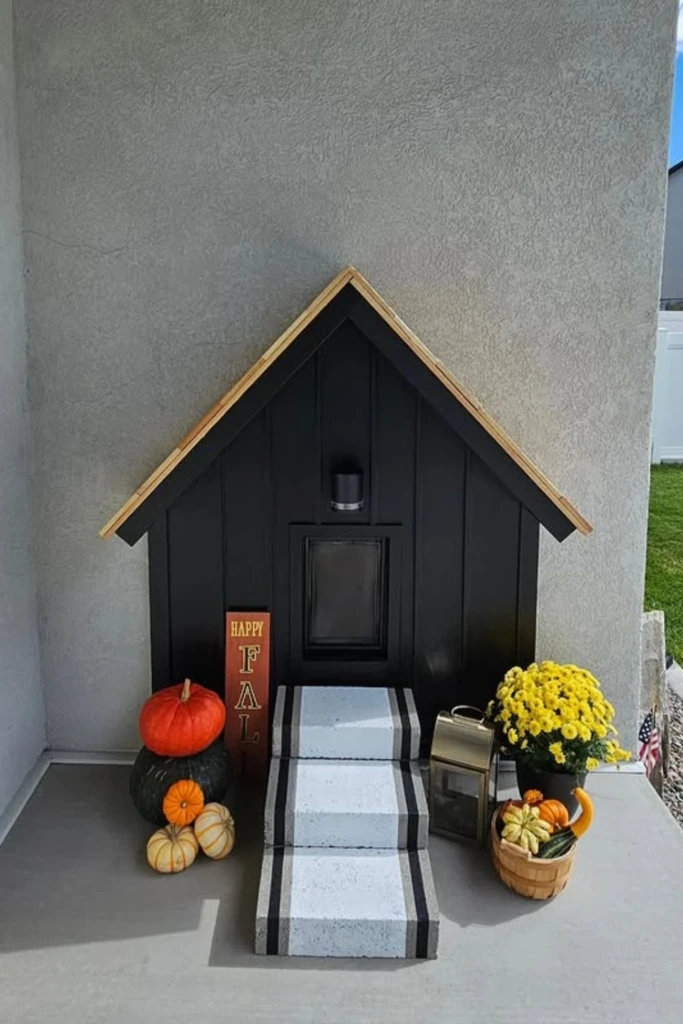
A dog house designed around a clear front entrance can look intentional and attractive on a porch or beside a garden path. A centered doorway, contrasting exterior finish, and sloped roof create a traditional miniature-house appearance.
Plan the opening around your dog's shoulder height and body width, allowing comfortable passage without making the shelter unnecessarily exposed. Smooth the doorway edges and avoid raised thresholds that could become tripping hazards.
Exterior paint and weather-resistant panels can help the structure coordinate with your home's color scheme. A slightly elevated base and a roof that extends beyond the walls offer additional protection from rain.
This compact style suits smaller porches and outdoor corners where a large kennel would be impractical. Keep the entryway clear so your dog can move in and out without difficulty.
16. Built-In Nook
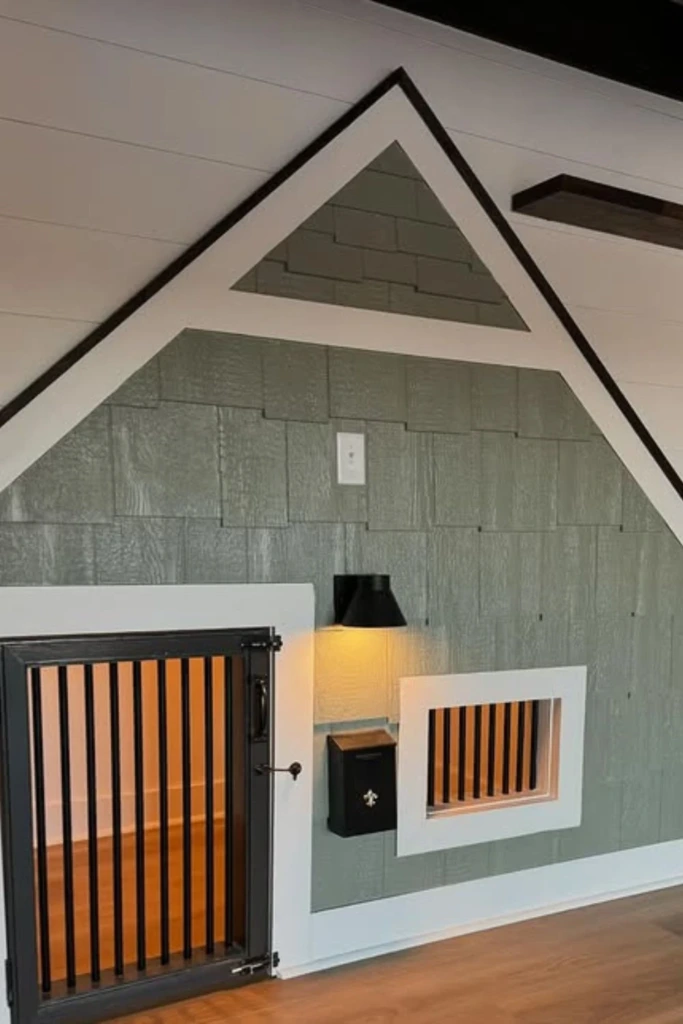
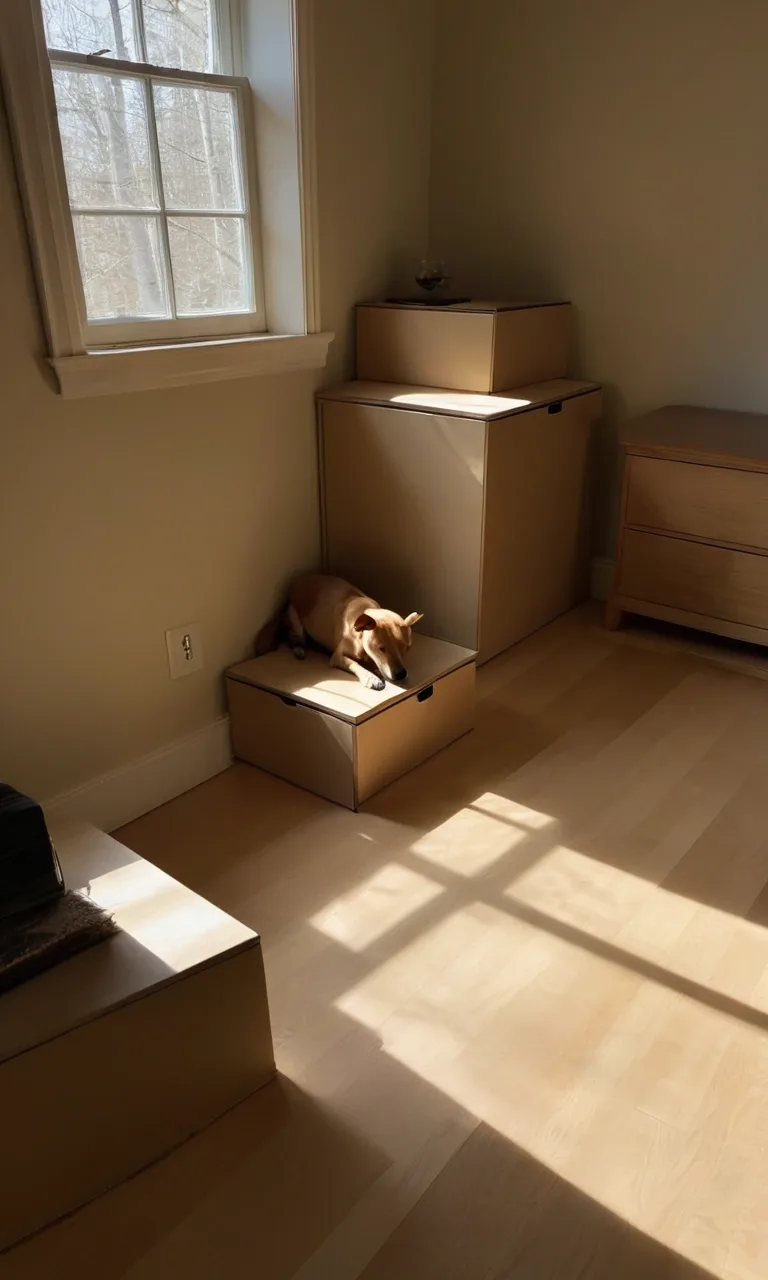
An unused area beneath a staircase or within suitable built-in cabinetry can become a dedicated indoor dog nook. This approach makes efficient use of existing space while giving your pet a quiet place away from busy household activity.
Before modifying the area, check for wiring, plumbing, ventilation requirements, and any structural restrictions. Create a smooth, accessible opening and finish the interior with durable flooring that can be cleaned easily.
A removable cushion, a secure gate when appropriate, and good airflow help make the nook more practical. Avoid enclosing the space so tightly that heat builds up or your dog feels trapped.
This option works best for dogs that enjoy quiet resting areas. The finished space should remain easy for an adult to access for cleaning, inspection, and emergencies.
17. Smart Access
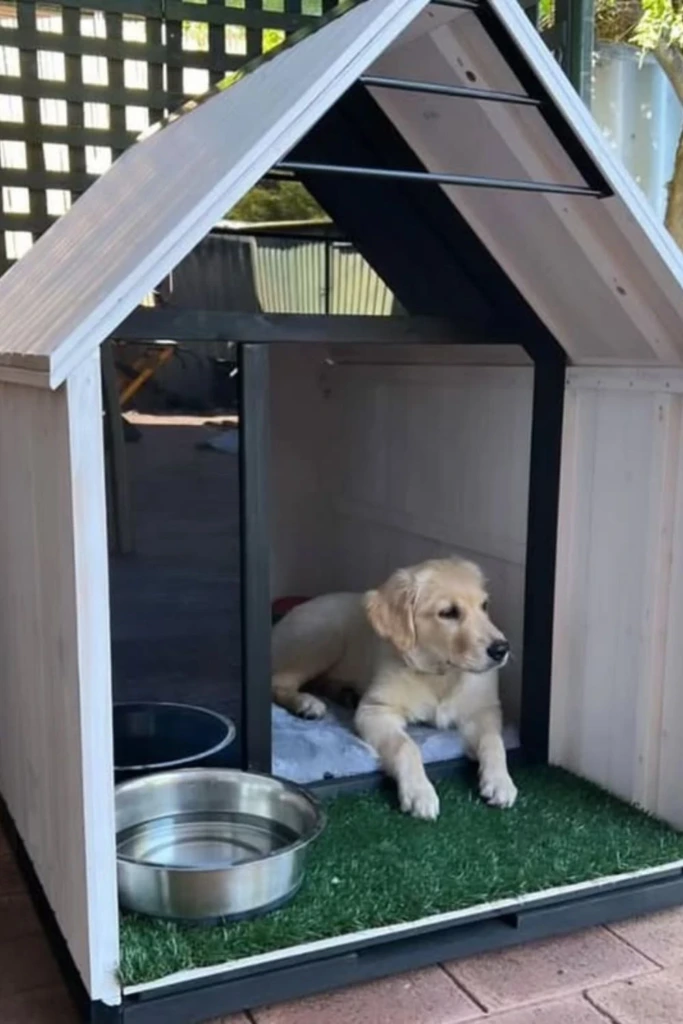
A dog house with an opening roof or accessible front panel simplifies routine maintenance. Instead of reaching through a narrow doorway, you can open the structure to remove bedding, wipe surfaces, and inspect the floor.
Build a sturdy frame with hinges designed for the roof's weight. Use reliable support hardware to keep any raised panel from falling unexpectedly, and ensure that moving parts cannot pinch paws or fingers.
A broad entrance also makes the shelter easier for larger dogs to use. Include a sloped roof, weather-resistant joints, and an elevated floor if the structure will stay outdoors.
This design is ideal for owners who want to make cleaning a regular, convenient task. Good access helps you spot moisture, damaged materials, pests, or worn bedding before they become bigger problems.
18. Indoor Cottage
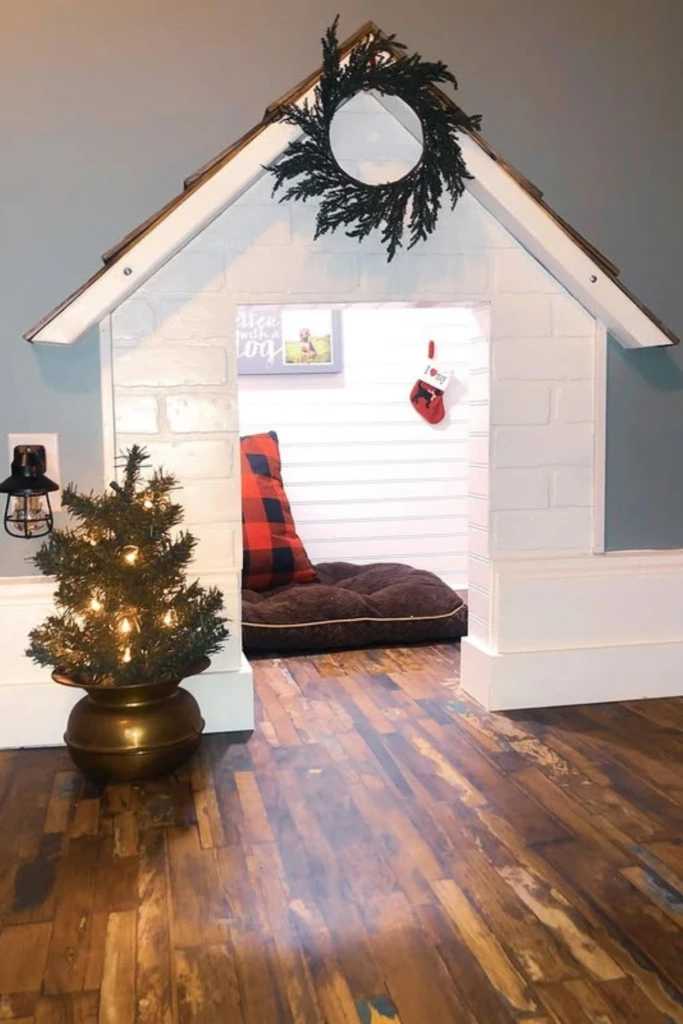
An indoor cottage-style dog house can turn an ordinary corner into an inviting resting space. Decorative wall panels, a simple pitched roof, and a roomy entrance create the appearance of a tiny home without requiring a complicated build.
Construct the frame from smooth, durable materials and make sure the opening is appropriate for your dog. Decorative brick-pattern panels or painted details can add character without making the structure heavy.
Keep the interior simple, with a comfortable washable cushion and enough room for your dog to stretch out. If you add lighting, use pet-safe installations that do not produce excessive heat and cannot be chewed.
This style suits dogs that prefer a covered indoor retreat. Position it away from noisy appliances and busy walkways so your pet can rest without constant disturbance.
19. Modern Porch
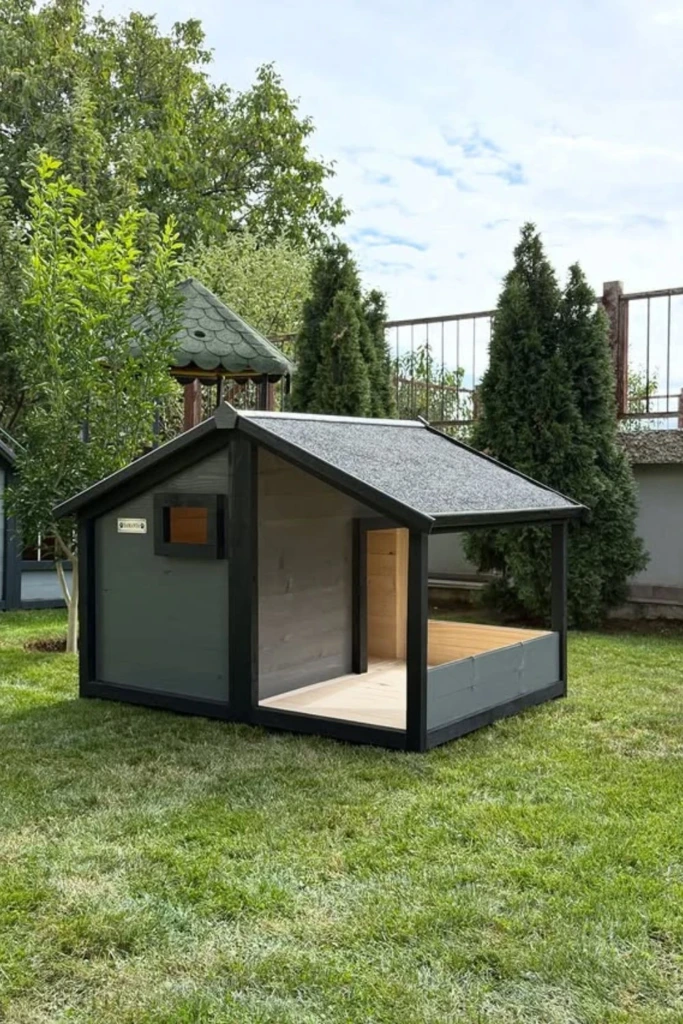
A modern dog house with an extended porch combines a protected sleeping compartment with an open lounging area. Straight lines, a low-profile roof, and a raised deck can create a contemporary look while improving everyday usability.
Use outdoor-rated panels and sturdy framing, paying attention to roof drainage and the points where the porch joins the main structure. A raised platform helps reduce contact with standing water, while a roof overhang provides additional shade.
Choose a nonslip surface for the deck and leave enough space for your dog to enter and exit comfortably. The sleeping section should have suitable ventilation and should not become excessively hot during sunny weather.
This design is appropriate for medium and large dogs when built to the correct dimensions. It is a good choice for owners who want an attractive backyard feature that serves a genuine purpose.
20. Cabinet Crate
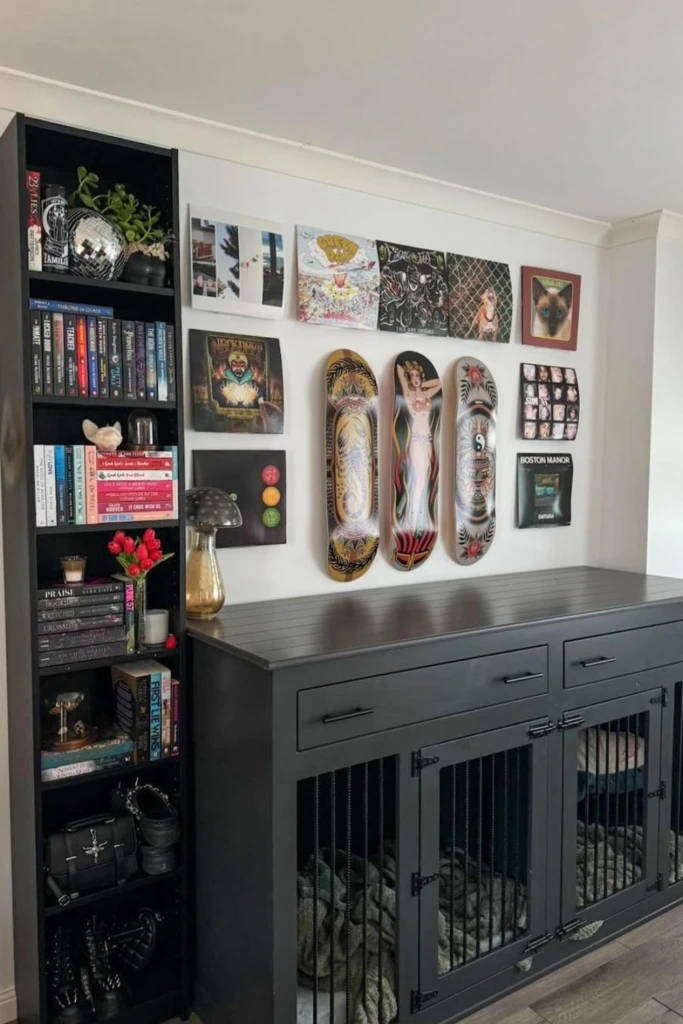
A cabinet-style crate conceals the visual clutter of pet equipment while offering useful storage. A long furniture unit can accommodate one or more appropriately sized crates, with shelves or drawers nearby for accessories.
Start by measuring the crates and planning the cabinet around their actual dimensions. Allow sufficient clearance for doors, ventilation, and cleaning, and ensure that the enclosure cannot restrict access to the crate entrances.
Plywood, reinforced framing, and secure metal doors can form a durable unit. The top should support only the load for which it was designed, and stored items should not be able to fall inside.
This solution works particularly well in shared living spaces where pet furniture needs to blend with existing cabinets and consoles. The most important consideration is preserving your dog's comfort and safety while adding storage.
21. Pallet Build
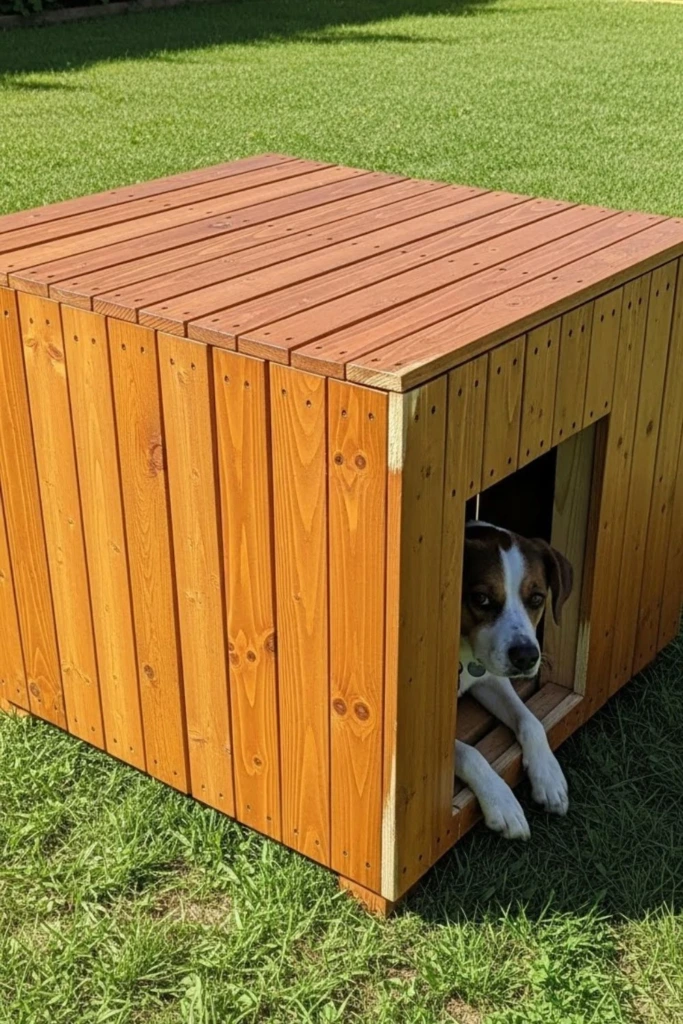
Reclaimed pallets can be a budget-friendly starting point for a DIY dog house, provided the wood is suitable for reuse. A basic structure with a raised floor, enclosed walls, and a simple roof can be assembled from carefully selected boards.
Inspect pallets for chemical contamination, spills, mold, damaged wood, and signs of pest infestation. Avoid pallets with unknown treatments or questionable histories. Disassemble usable boards carefully, remove old fasteners, and sand rough surfaces before construction.
Seal the finished exterior with an appropriate pet-safe, weather-resistant coating after allowing it to cure fully. Cover gaps that could admit rain, and reinforce the frame where the roof and floor attach.
A pallet dog house is useful for owners working with limited budgets and basic tools. However, reclaimed wood varies in quality, so never assume that every discarded pallet is safe for a pet shelter.
22. Insulated Box
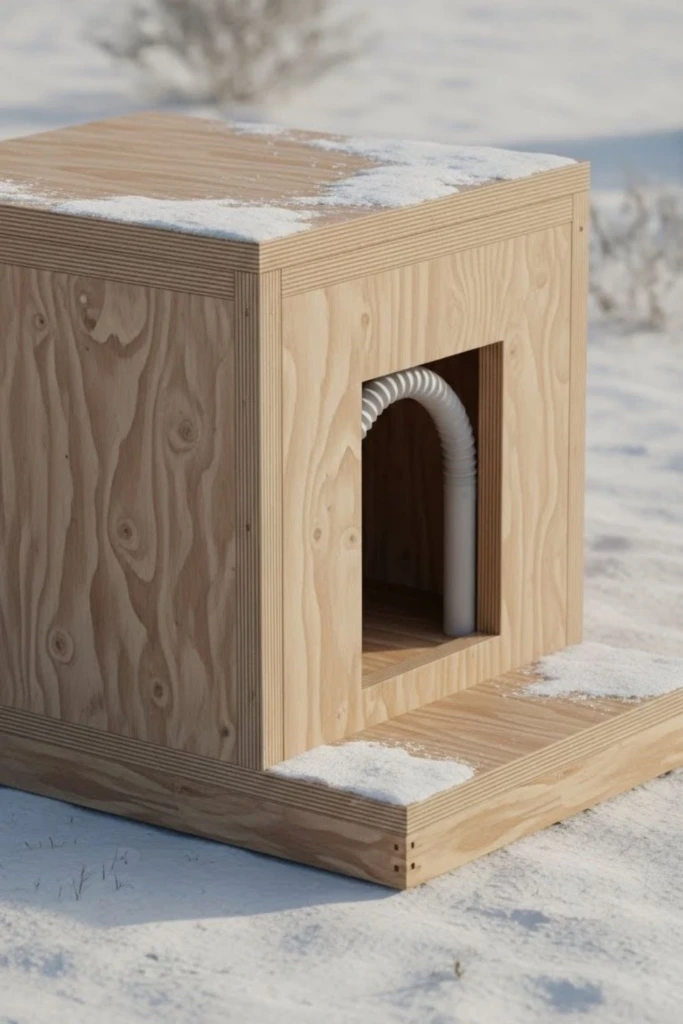
A compact insulated dog house can provide better protection from cold weather than a large structure with many exposed joints. Its simple shape makes it easier to construct, seal, and maintain.
One option is to place suitable insulation between durable inner and outer wall panels. Cover all insulation completely so your dog cannot chew it, scratch it loose, or swallow pieces. A smaller entrance and well-fitted joints can also reduce drafts.
Raise the floor above wet ground, use a weather-resistant roof, and make sure the interior remains dry. Ventilation is still necessary, even during winter, because moisture can accumulate inside an enclosed shelter.
This design is useful in regions with cold winters, but insulation alone does not make an outdoor house suitable for every dog or temperature. Monitor your pet closely and provide a warmer indoor alternative whenever conditions become too harsh.
23. Rooftop Deck
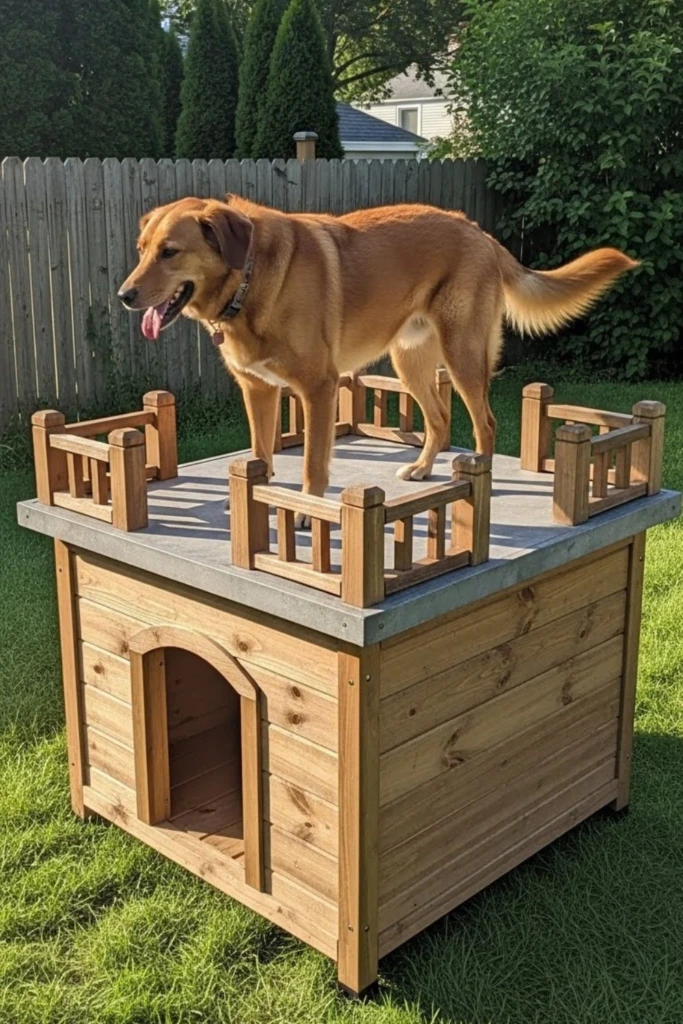
A dog house with a reinforced flat roof creates two usable levels: a sheltered area underneath and an elevated resting platform above. Some dogs enjoy watching their surroundings from a raised position, making this an interesting alternative to a conventional single-level design.
Build the upper deck only if the structure can safely support your dog's weight and movement. Reinforce the frame, provide a stable nonslip surface, and install appropriately designed guardrails to reduce the risk of falls.
Keep the roof waterproof and make sure rainwater drains away instead of pooling on the platform. Access should be gentle and secure if a ramp or steps are included.
This concept works best in enclosed yards for dogs that can comfortably use the elevated space. Avoid rooftop access for pets with mobility difficulties or those likely to jump from unsafe heights, and supervise initial use.
24. Fold Flat
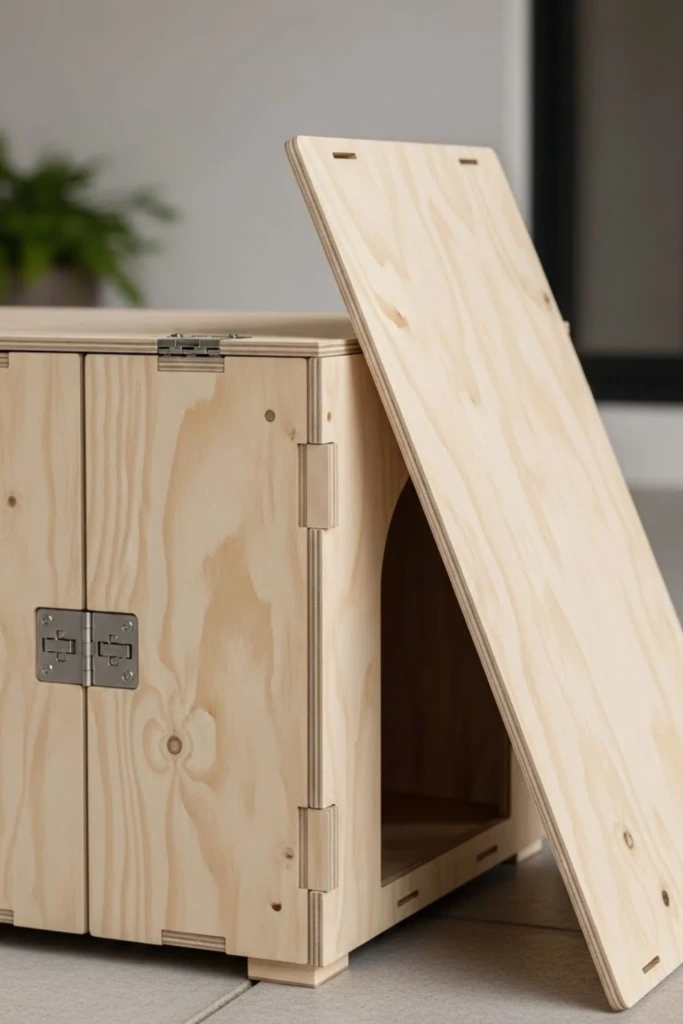
A foldable dog house is a practical option when a permanent structure is unnecessary or storage space is limited. Hinged panels allow the shelter to collapse for transport or seasonal storage.
Lightweight plywood, sturdy hinges, and a removable roof can form the basic construction. Design the joints so the shelter locks securely in its open position and does not fold unexpectedly when your dog moves inside.
Smooth the panel edges and inspect the hinges for pinch points. The finished structure should remain stable on the ground, and any removable components must fit securely during use.
This design suits renters, travelers, and households that need a temporary sheltered area. It is best used when the structure can be assembled safely and checked before each use rather than treated as a substitute for a permanent weatherproof shelter in severe conditions.
25. Earth Shelter
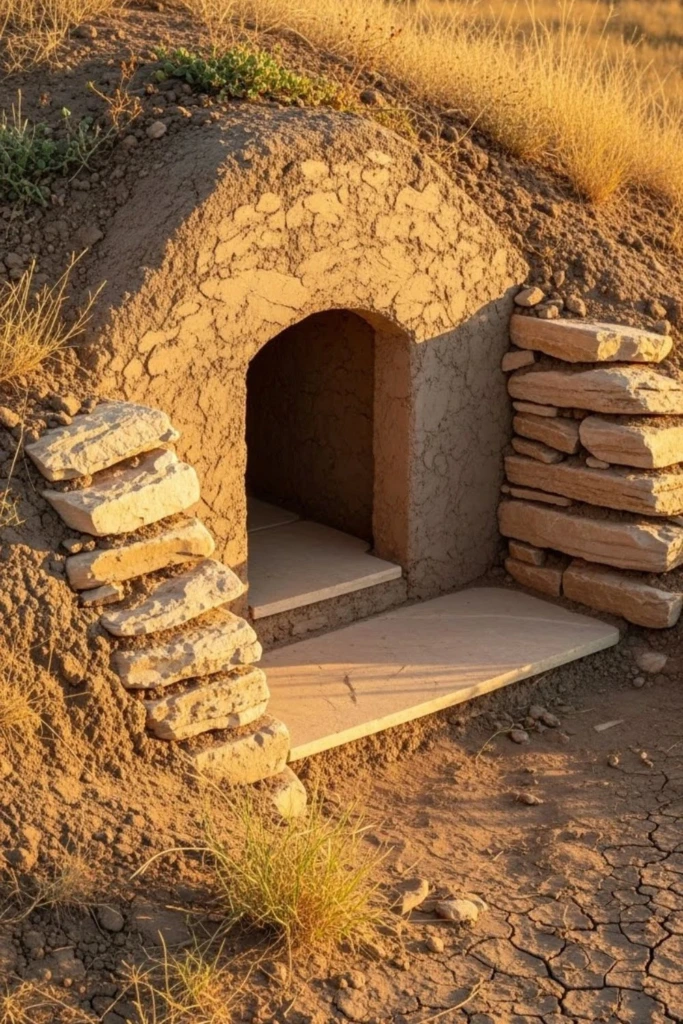
An earth-sheltered dog house uses surrounding soil to help moderate temperature changes. Depending on the design and site, partially recessed walls may reduce exposure to direct sunlight and provide a more stable environment than a lightweight surface-level structure.
Drainage is the most important planning consideration. Water must not collect around the walls or enter the sleeping compartment, and the floor should remain above the level where groundwater could reach it.
Use durable materials designed for contact with soil, and have the structure properly supported against pressure from the surrounding ground. Never bury ordinary wooden panels or a makeshift box without considering collapse, moisture, and ventilation risks.
This concept may suit hot, dry locations where ground conditions and construction methods make it practical. Because excavation and buried structures introduce additional hazards, careful site assessment and appropriate construction expertise are essential.
26. Heated Den
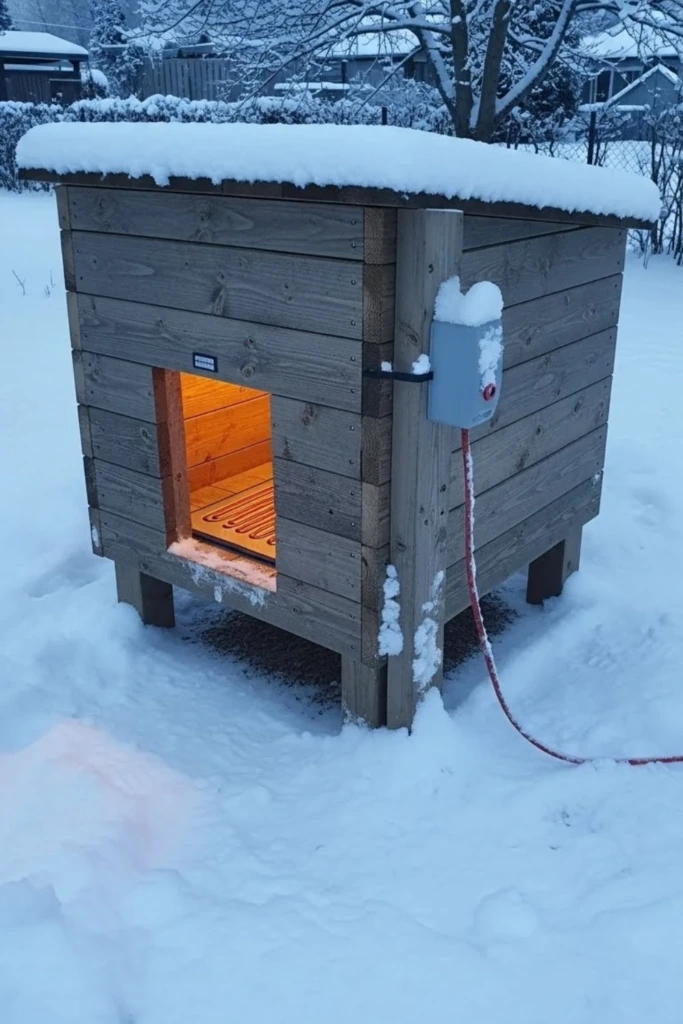
A heated dog house may be considered for genuinely cold environments, but it requires careful attention to electrical and fire safety. Start with a well-insulated, weather-resistant shell and a raised floor that remains dry.
If supplemental heat is necessary, use a purpose-built pet heating product with appropriate temperature regulation, chew-resistant protection, and manufacturer-approved installation. Never use exposed heating coils, improvised wiring, or ordinary household heaters inside a dog house.
Route approved cables through protected conduits and keep connections away from rain, standing water, and chewing. Inspect the equipment frequently and make sure the dog can move away from the heated surface.
This approach may help in conditions where ordinary insulation is insufficient, but a heated shelter should not replace suitable indoor accommodation during severe weather. Puppies, elderly dogs, short-coated breeds, and pets with health concerns may require additional protection.
How Do You Choose the Right Dog House Before Building One?
Begin with your dog's measurements, sleeping habits, and ability to move comfortably. The shelter should provide enough interior room to stand, turn around, and lie down while avoiding excessive unused space that makes temperature management more difficult.
Next, consider the climate and location. Outdoor houses need weather-resistant construction, drainage, and suitable ventilation, while indoor designs can prioritize appearance, washable bedding, and efficient use of space.
Choose materials that are durable, easy to clean, and safe for animals. Think about whether you need insulation, a removable roof, a raised platform, or wheels for repositioning.
Finally, assess how much time your dog will spend in the shelter. A simple indoor sleeping nook has different requirements from a structure intended for regular outdoor use. The best design is one that meets your pet's needs rather than merely matching your preferred style.
What Are the Most Common DIY Dog House Mistakes People Make?
One frequent mistake is choosing the wrong dimensions. A shelter that is too cramped restricts movement, while an unnecessarily large enclosure may be harder to keep warm in cold weather.
Poor ventilation is another problem, particularly in hot climates. Without adequate airflow and shade, interior temperatures can rise quickly. Placing the house directly on damp ground can also encourage water intrusion, rot, and mold.
Using unsuitable materials can shorten the structure's lifespan or expose your dog to hazards. Splintered boards, protruding nails, accessible insulation, unstable roofing, and finishes that have not cured properly should all be avoided.
Other common oversights include failing to plan drainage, ignoring roof maintenance, and making the entrance too narrow. Some owners also forget that bedding needs regular cleaning and that outdoor dogs require shade, fresh water, and protection from extreme weather.
Careful measurements, appropriate materials, sound construction, and regular inspections will help you avoid these problems and create a dog house that is both attractive and functional.