20 Lawn Mower Storage Ideas for 2026
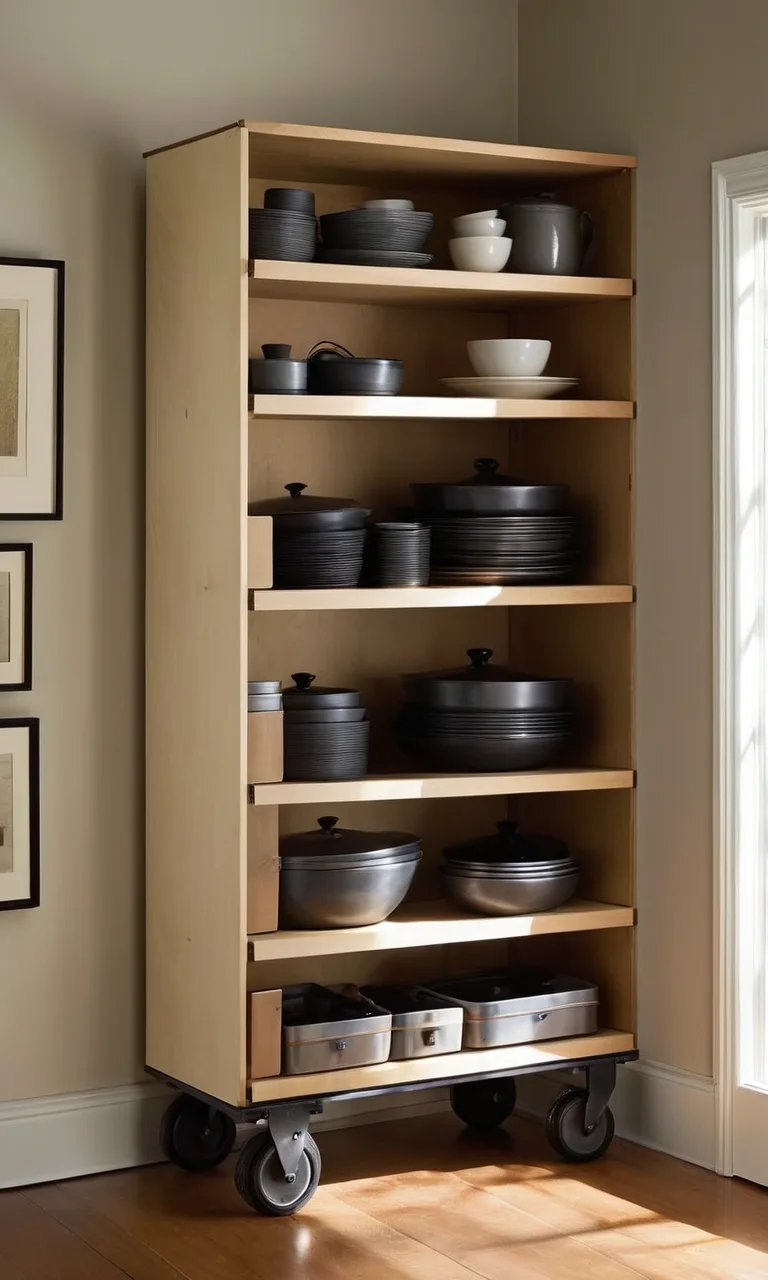
Keeping your lawn mower in the right place protects it from rain, dust, excessive sunlight, and accidental damage. Good storage also frees up valuable space in your garage or garden shed, making lawn care equipment easier to access whenever the grass needs trimming. Whether you have a compact electric mower or a large riding model, there are plenty of practical ways to organize your equipment without sacrificing outdoor space.
From homemade storage solutions to purpose-built sheds, these lawn mower storage ideas offer options for different budgets, garden layouts, and equipment sizes.
1. DIY Lawn Mower Storage
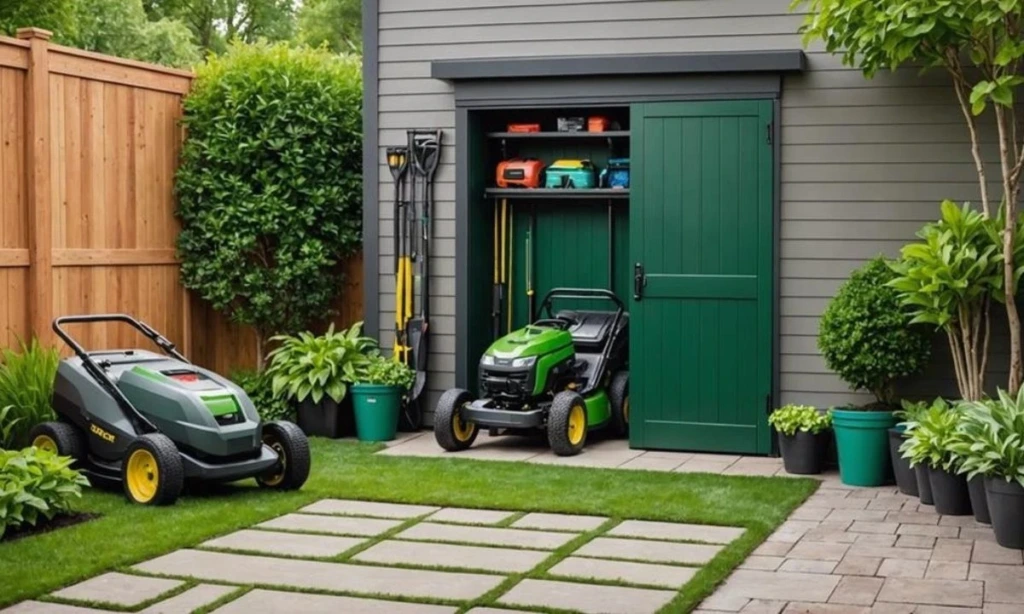
Building your own lawn mower storage area can be an affordable way to create a solution that fits your available space. A simple wooden enclosure, a small lean-to shelter, or a compact storage structure beside the garage can work well for many homeowners. Before choosing a design, measure your mower's width, height, and length, allowing additional room to maneuver it in and out.
Use weather-resistant materials such as treated lumber, exterior-grade plywood, or suitable outdoor panels. A sloping roof helps direct rainwater away, while a raised floor reduces contact with damp ground. Include ventilation openings to prevent moisture from accumulating inside.
If you plan to store a gasoline mower, make sure the space is appropriately ventilated and away from ignition sources. Keep fuel and other flammable materials in approved containers and follow the manufacturer's storage instructions. For a basic project, prioritize a sturdy frame, a convenient entrance, and a secure latch rather than complicated decorative features.
2. Lawn Mower Storage Ideas
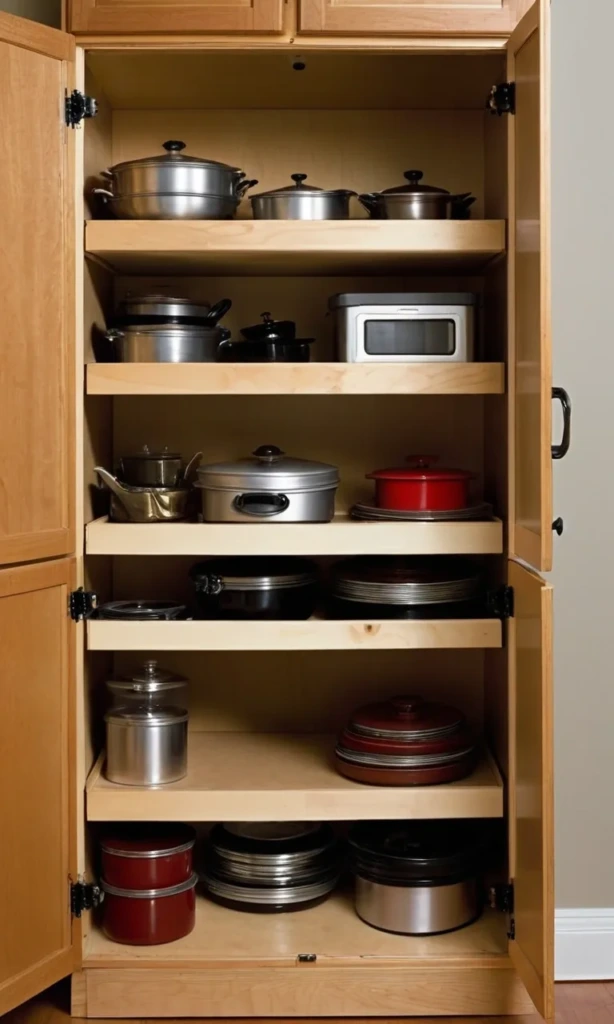
The best storage arrangement depends on your mower type, outdoor space, and how frequently you use your equipment. A small push mower may fit inside a narrow cabinet or deck box, while a riding mower generally needs a wider shed or workshop with a ground-level entrance.
Consider these factors when comparing storage options:
Available space: Measure the intended location and leave enough clearance for opening doors and moving the mower.
Weather protection: Choose materials and construction that can withstand your local rainfall, humidity, sunlight, and wind.
Accessibility: Position frequently used equipment near a convenient path to the lawn.
Security: Look for sturdy doors and compatible locking hardware if theft is a concern.
Ventilation: Prevent damp air from becoming trapped around metal components and electrical equipment.
Additional organization: Use shelves, hooks, or separate compartments for accessories without obstructing the mower.
The following designs demonstrate how different structures can accommodate lawn mowers while keeping the surrounding garden or garage more organized.
3. Narrow Shed
A narrow shed is useful when the available outdoor space is limited to a side passage, a strip beside the house, or an unused area along a fence. Its slim footprint makes it possible to store a push mower without dedicating a large portion of the garden to a separate building.
Choose a design with a wide enough door for your mower's handlebars and wheels. A hinged door that opens fully or a sliding door can improve access in tight locations. Inside, small shelves can hold gloves, spare blades, and other lawn care supplies.
A narrow shed works best when its dimensions are planned around the actual equipment. Avoid making the interior so tight that removing the mower becomes an awkward daily task. A level base and a waterproof roof will also help protect the machine throughout the year.
4. Uplifted Metal Shed
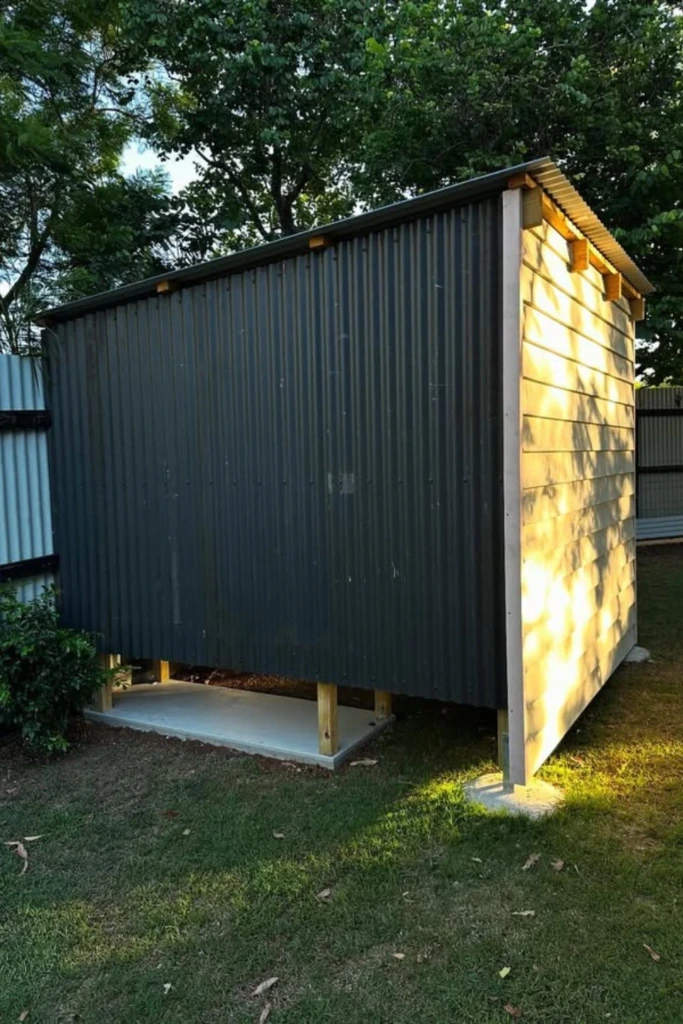
An elevated metal shed provides a defined storage space while helping keep the structure's base away from wet soil. It can be particularly useful in gardens where surface water collects after heavy rain, provided the foundation and elevation are designed for local conditions.
Galvanized or appropriately coated metal panels can offer durable protection against outdoor exposure. The raised base should support the combined weight of the mower and stored accessories without shifting or flexing. A short ramp makes loading and unloading easier, especially for heavier machines.
Pay attention to ventilation and condensation. Metal enclosures can experience significant temperature changes, which may encourage moisture to form inside. Vent openings, suitable roof construction, and a dry foundation can help reduce this problem. Secure the structure properly against wind and follow its installation instructions rather than relying on the shed's weight alone.
5. Poolside Cabinet
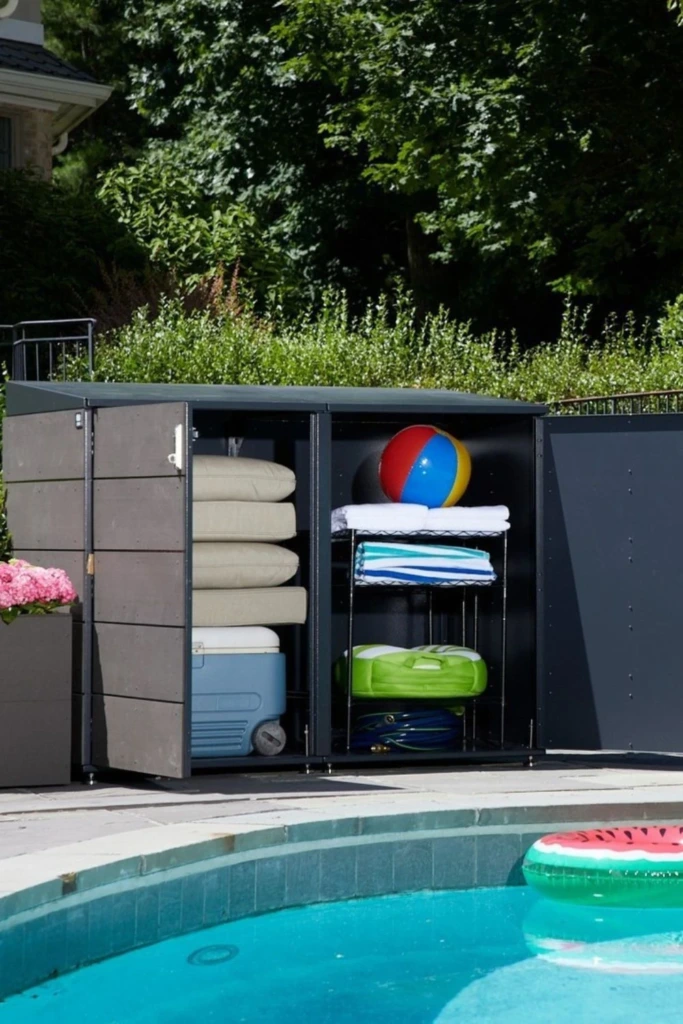
A poolside cabinet can provide a convenient storage location for a compact lawn mower when the pool area also borders a lawn or garden. Its neat exterior can blend with outdoor furniture, fencing, and other garden features while concealing equipment that might otherwise remain visible.
Choose a cabinet specifically designed for outdoor use, with moisture-resistant materials, sturdy doors, and enough internal clearance for the mower. A small push mower may fit comfortably, but larger machines will usually require a dedicated shed instead.
Location matters around a swimming pool. Keep gasoline-powered equipment, fuel containers, and electrical charging equipment away from splashes and areas where children gather. The cabinet should not obstruct pool access, emergency equipment, drainage, or required safety barriers. For an electric mower, follow the manufacturer's guidance on storing batteries in a dry, temperature-appropriate environment.
6. Double-Level Shed
A double-level shed makes use of vertical space by combining a main storage area with an upper section for lightweight tools and accessories. This arrangement can be helpful when the mower shares a shed with rakes, watering equipment, garden supplies, and seasonal items.
Keep the mower on the lower level so it can be rolled directly through the entrance. Use the upper area for items such as empty plant pots, spare gloves, or boxed accessories rather than heavy machinery. A properly supported shelf or loft can provide extra capacity without increasing the shed's footprint.
The upper storage platform must be securely constructed and suitable for its intended load. Keep the entrance and walking area clear, and avoid placing loose objects where they could fall onto the mower. This design is most practical for homeowners who need additional organization but have limited room to expand outward.
7. Wall Mount
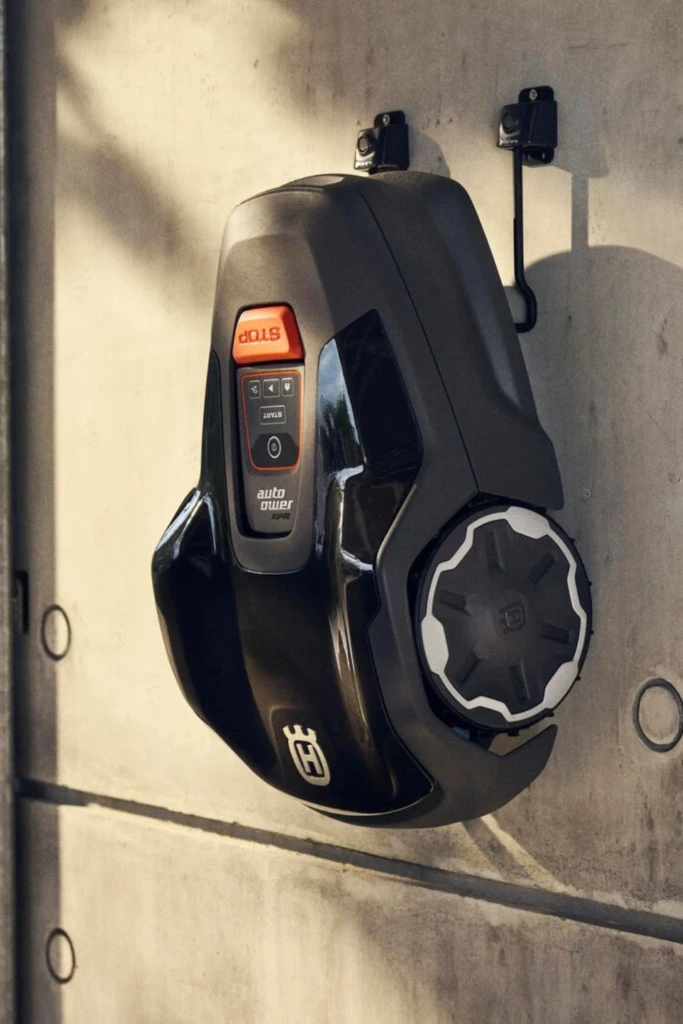
A wall-mounted storage system can work well for lightweight, compatible lawn mowers or for equipment that can safely be suspended according to its manufacturer's instructions. It also helps reclaim floor space in a garage or utility area where several garden tools compete for room.
Before installing a wall mount, check the mower's weight, shape, and approved storage positions. Attach the mounting hardware to suitable structural supports rather than relying on drywall or weak paneling. The brackets must be rated for the equipment and installed according to their specifications.
Many conventional push mowers are better stored on the floor because of their weight, awkward shape, or fluid-handling requirements. Never lift a mower onto a wall bracket unless the arrangement is explicitly suitable for that model. For most households, wall hooks are more appropriate for accessories such as trimmers, extension cords, and hand tools.
8. Classic Shed
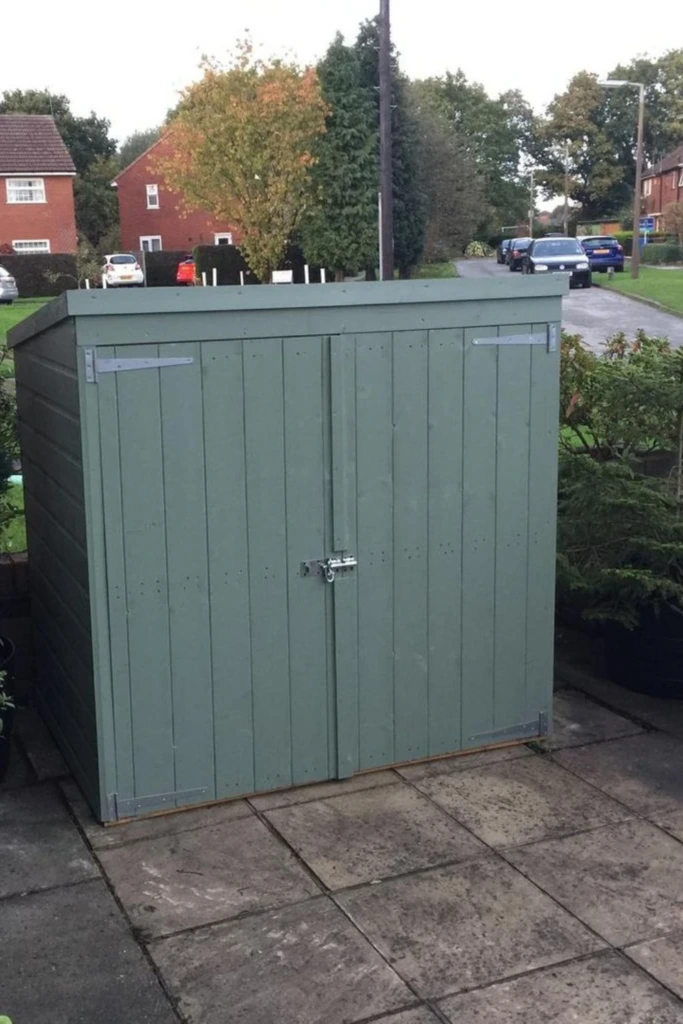
A classic garden shed remains one of the most versatile ways to protect a lawn mower. It offers an enclosed space for equipment, provides shelter from the elements, and can accommodate additional garden essentials without requiring a separate storage structure.
Wooden sheds offer a traditional appearance and can be customized with shelves, hooks, and work surfaces. Metal versions are often chosen for their durable panels, while resin sheds can provide a low-maintenance alternative. Select a size that fits your mower and leaves enough room to move safely around it.
Build the shed on a stable, well-drained foundation, and check that its doors are wide enough for the machine. Keep the interior organized so long-handled tools cannot fall against the mower. Regularly inspect the roof, door hardware, and floor for signs of wear or water intrusion.
For gasoline models, follow the manufacturer's instructions for fuel handling and long-term storage. A shed should not be treated as a substitute for appropriate ventilation or safe fuel management.
9. Vertical Cabinet
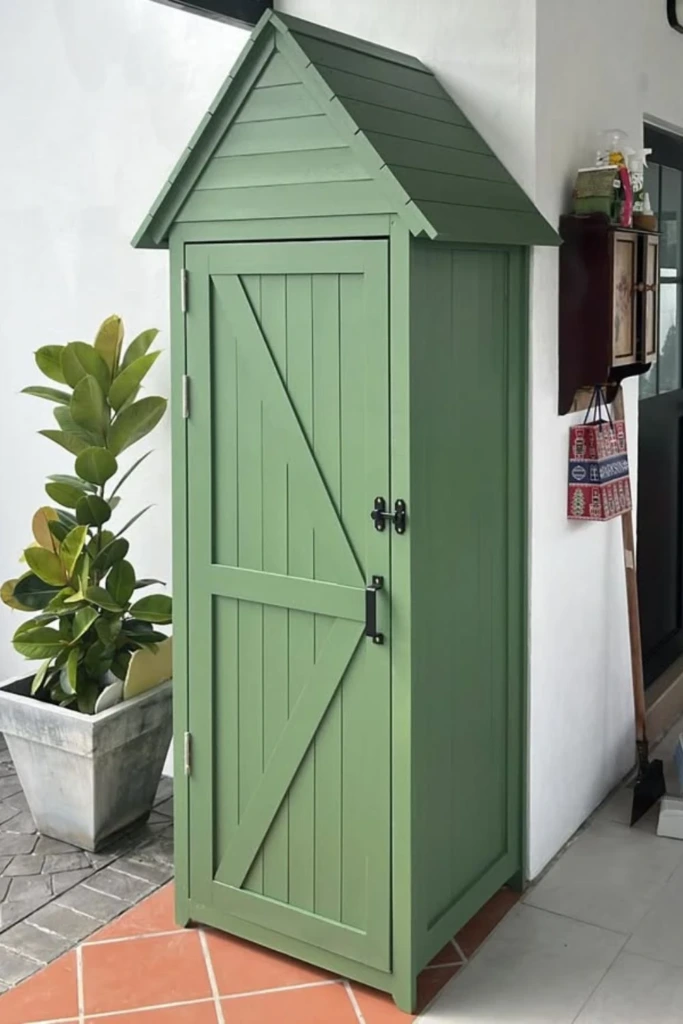
A vertical cabinet is a space-efficient option for storing smaller lawn care equipment in a garage, covered patio, or outdoor utility area. Its tall, compact design can make use of an otherwise underutilized corner while keeping supplies organized behind closed doors.
This option is best suited to compact electric mowers or other equipment that fits within the cabinet's dimensions and can be stored safely in the manufacturer's recommended position. Measure the full machine, including its handle, and check whether the handle folds down before choosing a cabinet.
Adjustable shelves can accommodate maintenance products, gloves, and small accessories. Keep heavier items on lower shelves and leave sufficient clearance around the mower. If the cabinet sits outdoors, choose weather-resistant construction and provide protection against rain entering through the doors or ventilation openings.
Do not force a full-size mower into a cabinet designed for lightweight tools. The equipment should be easy to remove without tipping shelves or damaging the enclosure.
10. Deck Box
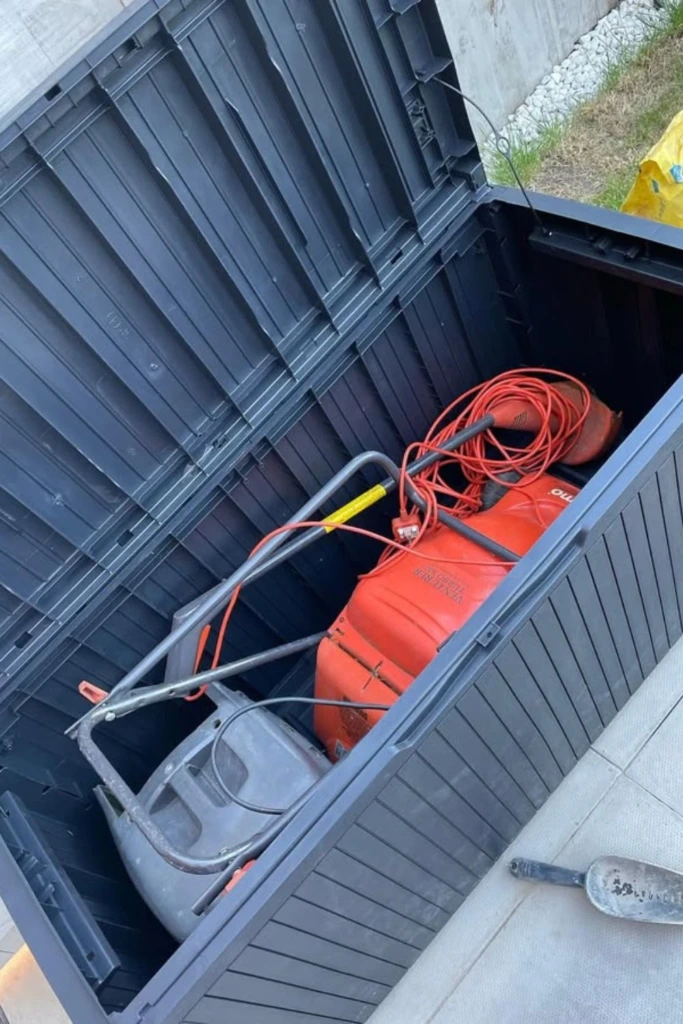
A deck box offers a discreet way to store compact lawn equipment on a patio, deck, or covered outdoor area. These boxes are commonly used for cushions and gardening supplies, but a sufficiently large model may also accommodate a small mower if its internal dimensions and construction are appropriate.
Look for a box with a reinforced base, a lid that opens easily, and materials rated for outdoor exposure. Check the manufacturer's weight limits and verify that the mower will fit without pressing against the lid or obstructing ventilation.
A deck box is generally more suitable for a small push mower or selected accessories than for a heavy machine. Keep the interior dry, and avoid placing a recently used mower inside while it is hot or wet. Electric mower batteries should be handled and stored according to the manufacturer's recommendations.
If the box is exposed to direct sunlight or heavy rain, inspect it periodically for cracks, water entry, or deterioration. A sheltered position can help extend its useful life.
11. Resin Shed
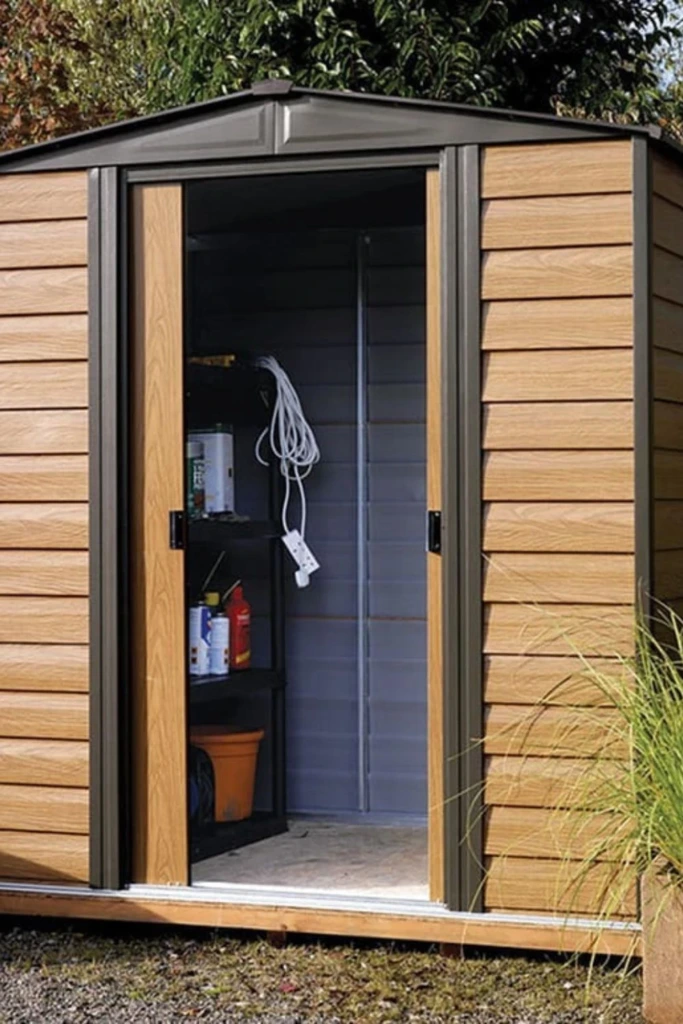
A resin shed is a practical choice for homeowners who prefer outdoor storage with relatively little routine maintenance. These sheds are made from molded plastic materials, often with reinforced sections, and are available in sizes ranging from compact tool cabinets to larger enclosures suitable for lawn mowers.
Resin construction generally does not require the same repainting or rust prevention associated with some other materials. However, the quality of the roof, floor, door seals, and structural reinforcement varies by model, so compare specifications before buying.
Choose a unit with enough floor space for your mower and a doorway that permits easy access. A floor kit or prepared foundation can help create a stable surface, while suitable anchoring reduces the risk of movement in strong winds.
Ventilation is still important, especially in humid climates. Keep the shed organized, prevent water from collecting underneath, and follow the manufacturer's recommendations for loading and assembly. A resin shed can also accommodate smaller garden tools, provided they do not interfere with moving the mower in and out.
12. Horizontal Shed
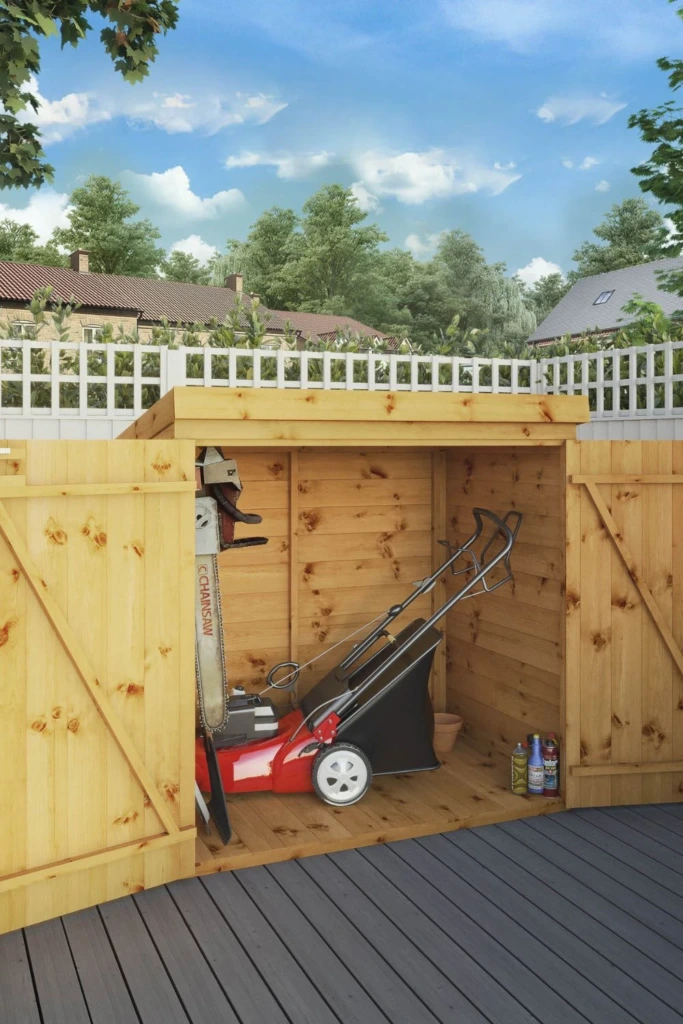
A horizontal shed has a low, wide profile that can fit beneath certain windows, along a fence, or beside a garage. Its shape makes it useful for storing equipment that is easier to roll into a broad enclosure than lift into a tall cabinet.
Depending on its dimensions, the interior may accommodate a compact mower along with a few accessories. Wide-opening doors help simplify access, while a low threshold makes it easier to move the machine across the entrance.
Before purchasing one, confirm that the mower fits in both its operating and folded configurations. Some low-profile sheds have limited headroom, so check the height of the handlebars and any protruding controls. If the shed will be positioned outdoors, make sure its roof sheds water effectively and that the base is level.
This design is particularly appealing when a full-height shed would look oversized or block a window. Keep the surrounding area clear enough to open the doors completely and maneuver the mower without damaging nearby plants or walls.
13. Full-Size Workshop
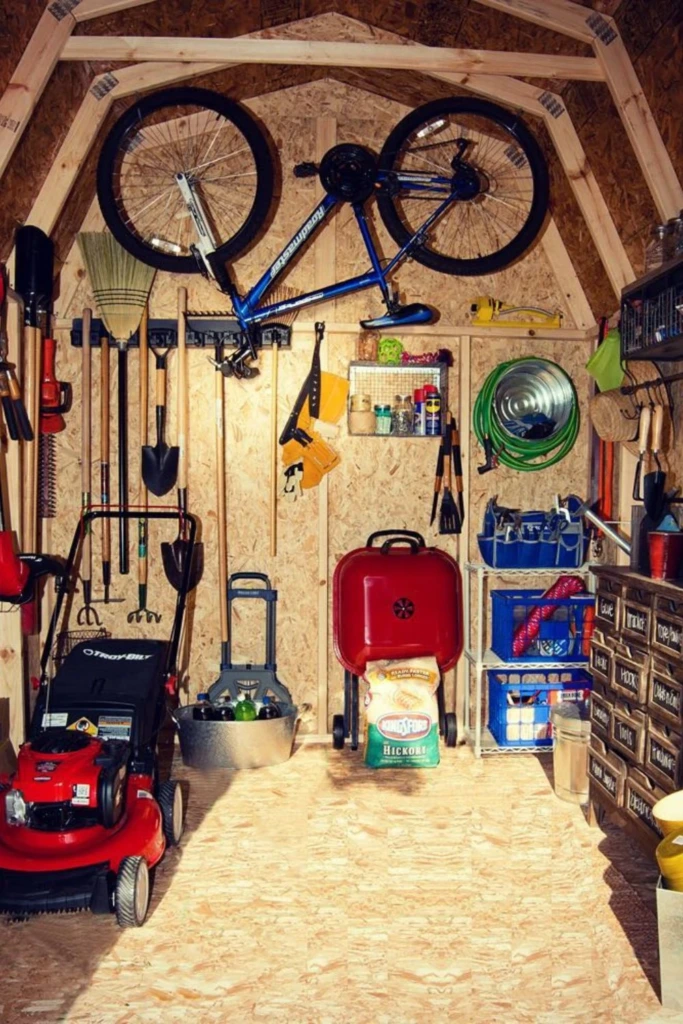
A full-size workshop is ideal for homeowners who have several pieces of outdoor equipment or want a dedicated place for lawn maintenance and small projects. In addition to housing a lawn mower, it can provide space for a workbench, spare parts, garden tools, and maintenance supplies.
Plan the interior around the largest machine first. A riding mower needs a generous entrance, adequate turning space, and a floor capable of supporting its weight. Smaller push mowers benefit from having a designated parking area that does not interfere with the workbench or other equipment.
Good lighting, sturdy shelving, and clearly separated storage zones make the workshop more functional. Keep frequently used tools within reach and reserve secure cabinets for items that should not be accessible to children.
If the workshop houses gasoline-powered equipment, consider ventilation, ignition hazards, and local building and fire-safety requirements. Fuel should be stored only in approved containers and in an appropriate location. For battery-powered mowers, provide a suitable charging area that follows the manufacturer's instructions.
A well-organized workshop does more than hide equipment. It creates a practical environment where lawn care, repairs, and seasonal preparation can happen without cluttering the rest of the property.
14. Wall Rail System
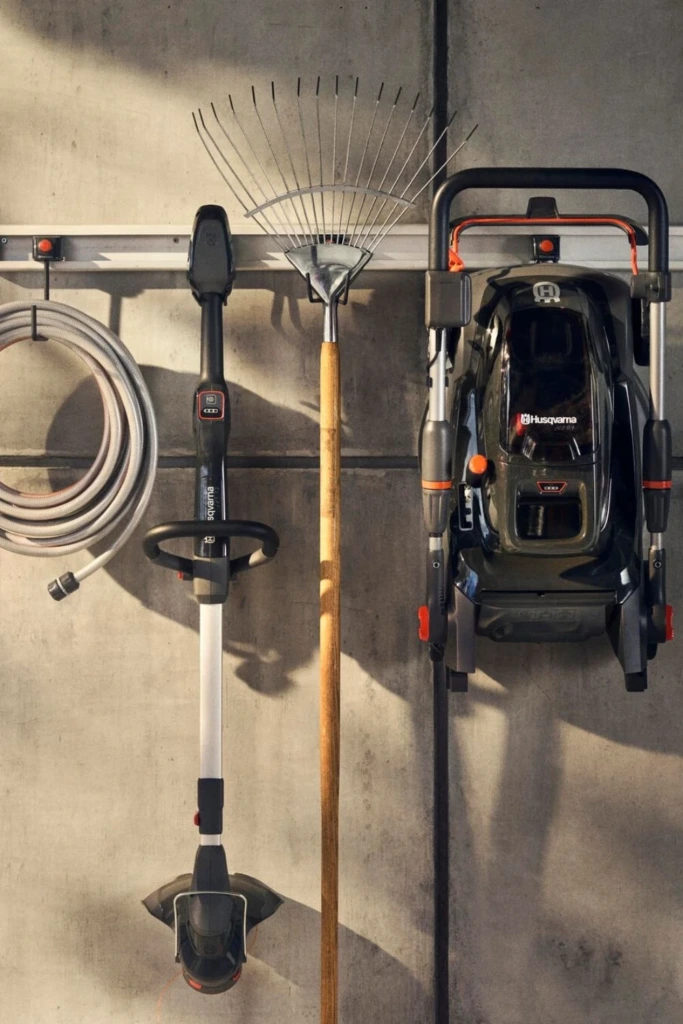
A wall rail system uses horizontal tracks and compatible hooks or brackets to organize garden tools along a garage or shed wall. It is an excellent way to clear the floor around a parked lawn mower and keep frequently used accessories easy to find.
Install the rails at a convenient height and fasten them to structural supports according to the manufacturer's specifications. Select attachments designed for the weight and shape of each item rather than assuming that every hook can hold every tool.
Use the system for lightweight accessories such as rakes, brooms, hoses, extension cords, and protective equipment. Keep sharp tools positioned securely and away from the mower's path. Heavier items require appropriately rated brackets and secure mounting points.
Although wall rails are useful for organization, they are not automatically suitable for hanging a complete mower. Store the machine on a stable floor unless the rail system is specifically designed and approved for that purpose. Leaving a clear parking zone beneath the rails helps make the entire storage area more accessible.
15. Workshop Shed
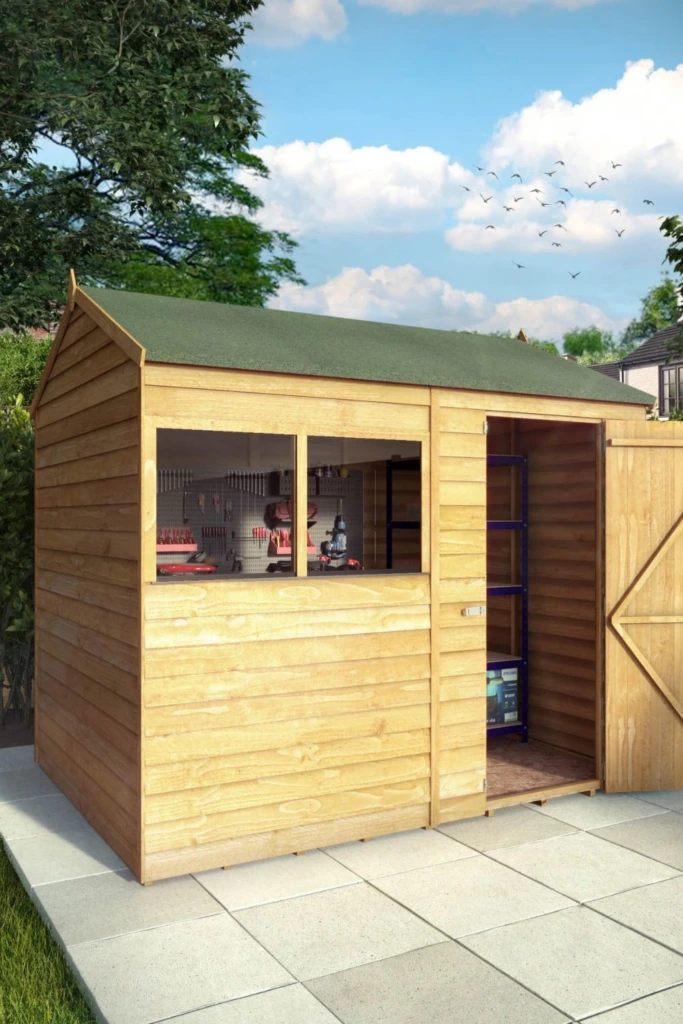
A workshop shed combines the weather protection of an outdoor storage building with the functionality of a small work area. It can be especially useful for people who maintain their own gardens and want a place to organize equipment, replace accessories, and carry out routine tasks.
Divide the shed into separate zones for mower parking, tools, and maintenance supplies. Position the mower near the entrance so it can be moved without navigating around a workbench. Shelves and cabinets can hold small parts, while a sturdy bench provides a surface for suitable repair jobs.
Choose a shed with sufficient height and floor area for the equipment you own. A riding mower requires considerably more room than a compact push mower, and the entrance must accommodate the machine's full width.
A durable floor, good lighting, and effective ventilation improve everyday usability. Keep the working area free from loose cords, spilled fluids, and tripping hazards. If the shed includes electrical outlets or charging equipment, have installations completed in accordance with applicable safety requirements.
16. Wall Panel Storage
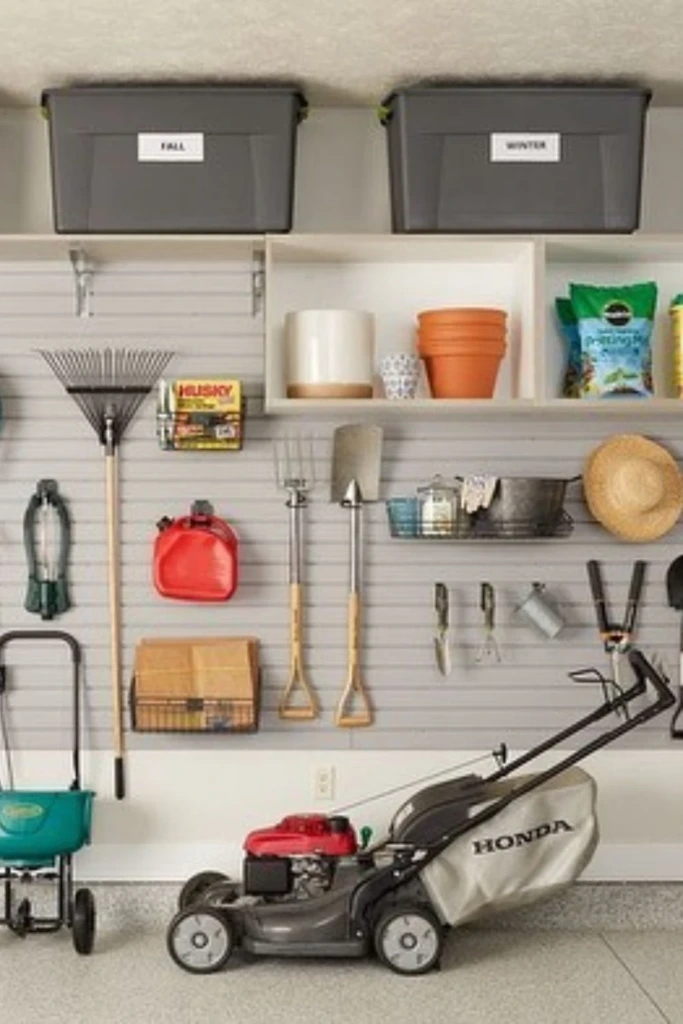
Wall panel storage uses a perforated board, slotted panel, or similar mounting surface to arrange tools vertically. It is an affordable way to organize the smaller items that tend to accumulate around lawn mowers, including hand tools, measuring equipment, gloves, and replacement accessories.
Choose a panel designed for the weight of the items you intend to hang. Secure it to suitable supports and use compatible hooks, baskets, or holders. Arrange frequently used tools at an accessible height, keeping sharp or heavy equipment firmly secured.
A labeled layout can make it easier to return items to their proper places after mowing. You can also group accessories by task, separating lawn maintenance tools from general workshop supplies.
Wall panels work best as a complement to floor-level mower storage rather than a replacement for it. Keep enough clearance around the machine to remove it easily, and avoid mounting objects where they could fall onto the mower. In an outdoor shed, choose materials and fixings that can tolerate the expected humidity and temperature changes.
17. Double Bay Shed
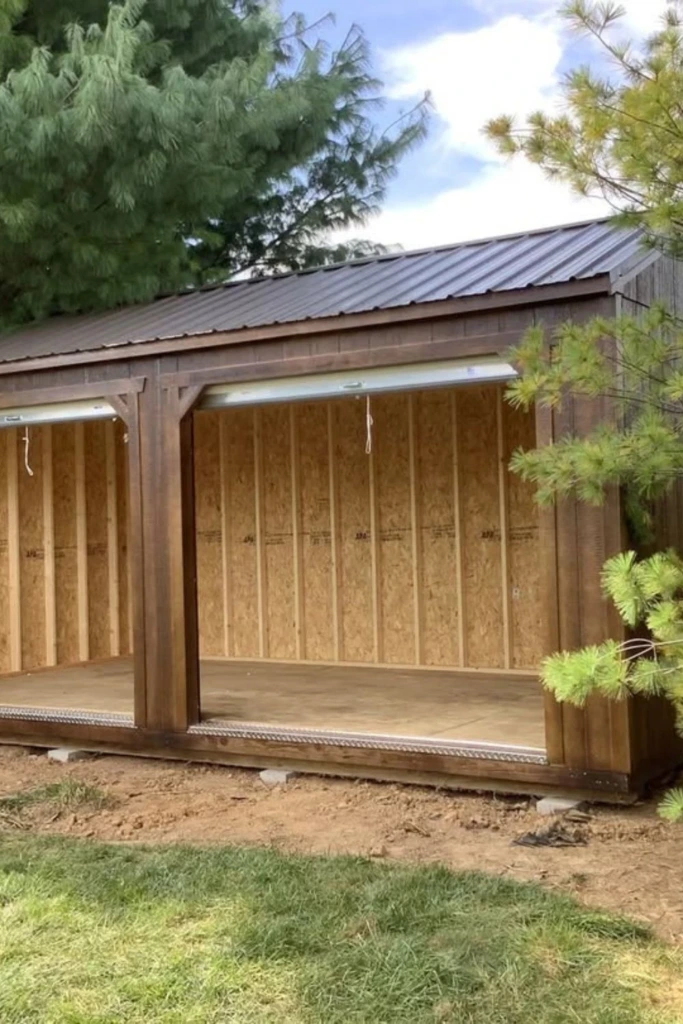
A double bay shed provides two separate storage areas within one larger structure. It can be useful for households with multiple mowers, a riding mower and a push mower, or a mower that shares space with bicycles and other bulky equipment.
The two bays can be arranged for different purposes. One side might serve as the main mower parking area, while the other holds gardening tools, seasonal supplies, and maintenance accessories. Alternatively, separate bays can keep different machines organized and reduce the need to move one item to reach another.
Check the entrance width, interior dimensions, and structural requirements before selecting a design. If you own a riding mower, account for turning space and any ramp needed to enter the building. Doors should open fully without colliding with nearby walls, vehicles, or fences.
A shared roof and common walls may be more space-efficient than building two separate sheds. However, the foundation must be suitable for the structure, and the finished layout should preserve clear access to both bays. Good lighting and designated parking positions make the additional capacity more useful.
18. Under-Bench Storage
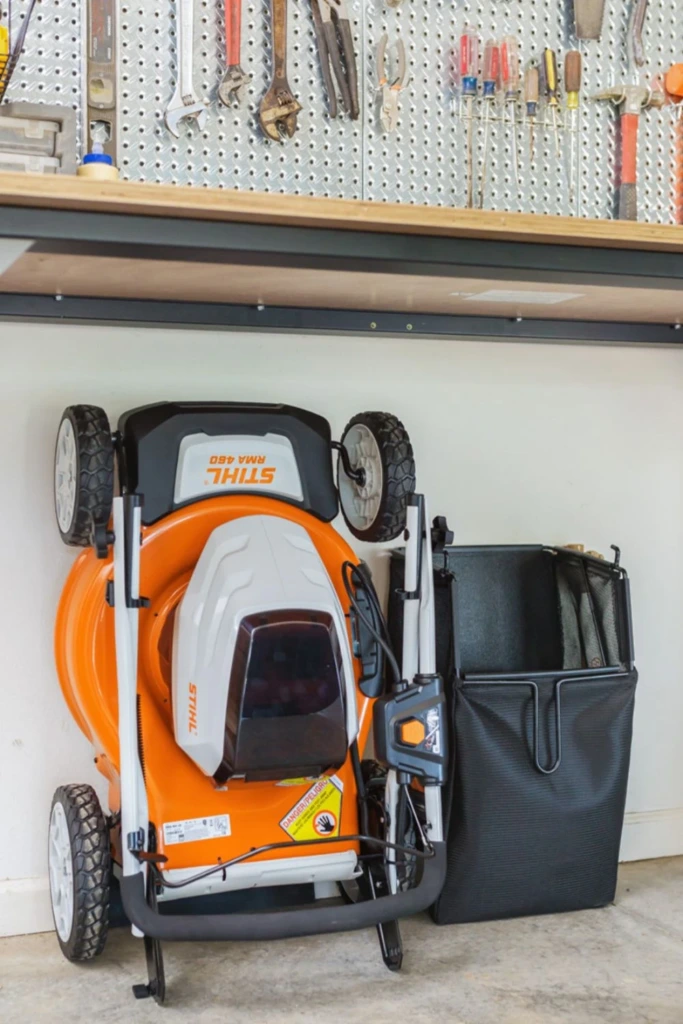
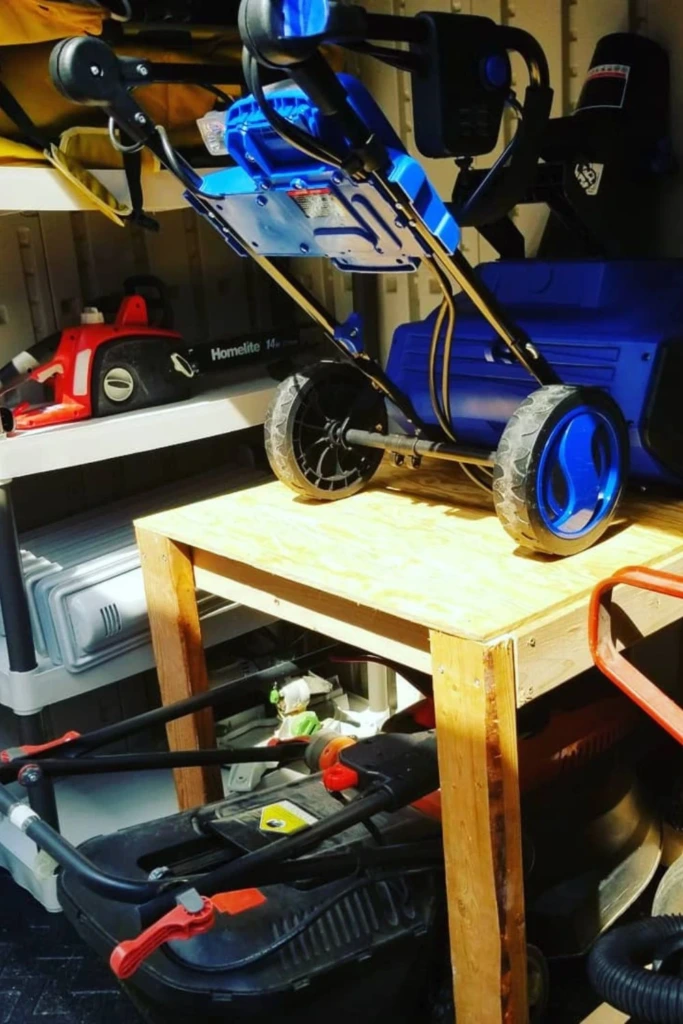
Under-bench storage turns the space beneath a workbench into a practical parking area for a compact lawn mower. This can be a smart option in a garage or workshop where floor space is limited but a sturdy bench is already available.
Start by measuring the clearance beneath the bench, including the height of any lower shelves or crossbars. The mower should roll in and out without catching its handles or controls on the structure. If the handlebars fold, confirm that they can be lowered safely according to the manufacturer's instructions.
Keep the area beneath the bench free from loose hardware, cords, and objects that could obstruct the wheels. Small bins on nearby shelves can hold accessories without crowding the parking space. Avoid storing heavy items overhead if they could fall onto the mower.
This arrangement works best for smaller machines rather than large riding mowers. Make sure the workbench remains stable and that the mower does not block access to electrical outlets, tools, or emergency exits. If the bench is in a damp garage, use a dry, level surface and check the equipment regularly for moisture.
19. Corner Shed
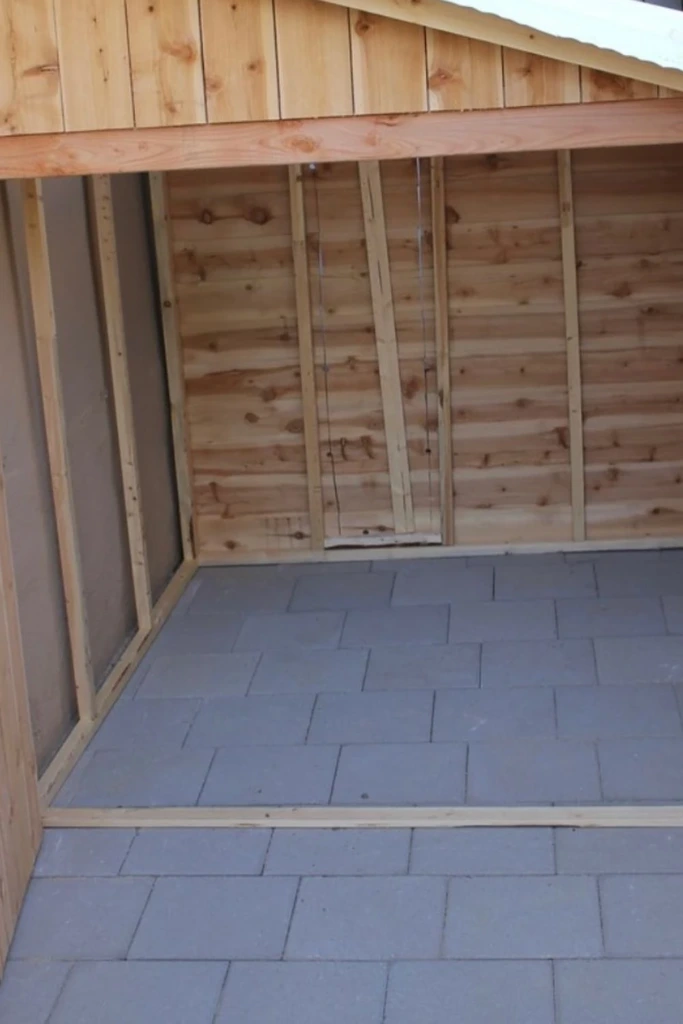
A corner shed makes use of an area that might otherwise remain empty, such as the meeting point between two garden fences or an unused corner beside the house. Its placement can preserve the more open parts of the yard for seating, planting, or outdoor activities.
Some corner sheds have angled fronts or compact footprints that fit neatly into awkward spaces. Choose a design that provides enough internal room for your mower, and check that the entrance faces a path where the machine can be maneuvered comfortably.
Prepare the base carefully so the structure sits level and water drains away from it. Leave enough clearance around the doors and ensure that nearby fences, shrubs, or walls do not prevent access. A secure roof and suitable weather-resistant materials help protect the equipment through changing seasons.
Corner sheds are particularly useful for push mowers and compact garden tools. Larger equipment may require a conventional rectangular shed because angled walls can reduce the usable interior space. Planning the layout before installation helps prevent the storage area from becoming difficult to reach.
20. Side Bump-Out
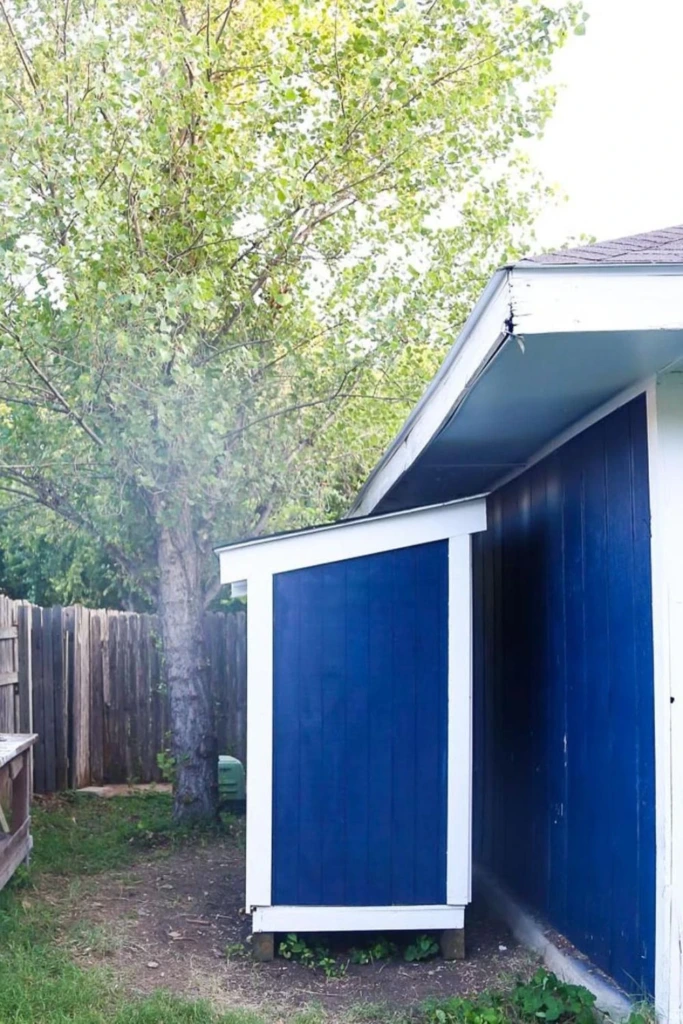
A side bump-out extends an existing garage, shed, or workshop to create a dedicated storage compartment. Rather than replacing the entire building, this approach adds usable space along one side and can provide a convenient home for a lawn mower.
A bump-out can be designed around a specific machine, with a dedicated doorway and enough room for related equipment. Keeping the mower in its own compartment also helps prevent it from taking up the main garage floor, where vehicles, bicycles, and household storage may already compete for space.
Before starting construction, check local building regulations, property boundaries, drainage, and any applicable permitting requirements. The extension needs a suitable foundation, weatherproof connections to the existing structure, and a roof that directs water away from both buildings. If the new compartment will be attached to a house or garage, consider structural integrity and fire-safety requirements.
Plan the entrance around the mower's actual dimensions and allow additional room for handling. Include ventilation appropriate to the equipment being stored, and arrange shelves or hooks so they do not obstruct the doorway. A professionally planned bump-out can create a permanent storage solution while keeping the original garage or shed more organized.
Final Thoughts
The right lawn mower storage solution should protect your equipment while making everyday lawn care easier. A compact deck box or narrow shed may suit a small garden, while a workshop, double bay shed, or side bump-out offers more room for larger machines and additional tools.
Measure your mower before choosing a design, prepare a stable and well-drained base, and pay attention to ventilation and safe fuel or battery storage. With a little planning, you can keep your lawn mower accessible, reduce clutter, and make better use of your available outdoor space.