27 Board Game Storage Ideas for 2026
Board games bring people together, but keeping every box, card, and playing piece organized can be tricky when your collection starts to grow. Without a proper storage system, boxes pile up, small components disappear, and finding a particular game becomes a frustrating task.
The good news is that you don't need a dedicated game room to keep everything in order. From compact organizers for small apartments to attractive furniture that displays your favorite games, there are plenty of ways to create a storage system that suits your home.
These 27 board game storage ideas offer practical solutions for different spaces, budgets, and collection sizes, helping you keep games accessible, protected, and ready for your next game night.
1. Rolling Cart
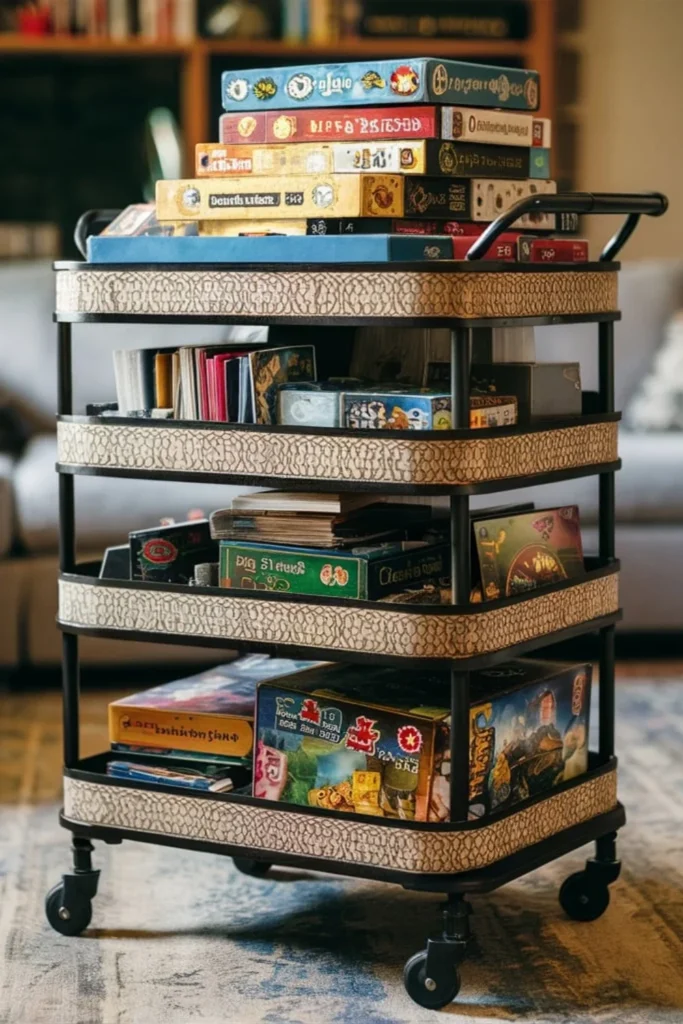
A rolling cart is a flexible storage solution for households that enjoy playing games in different rooms. Choose a sturdy model with multiple shelves so you can separate large board game boxes, card games, and smaller accessories.
Keep frequently played games on the easiest-to-reach shelf and reserve the lower levels for heavier boxes. Locking wheels are especially helpful because they prevent the cart from moving while someone is retrieving a game.
When game night begins, simply roll the collection into the living room or dining area. Once everyone has finished playing, move it back to its usual spot.
2. Color-Coded Drawer System
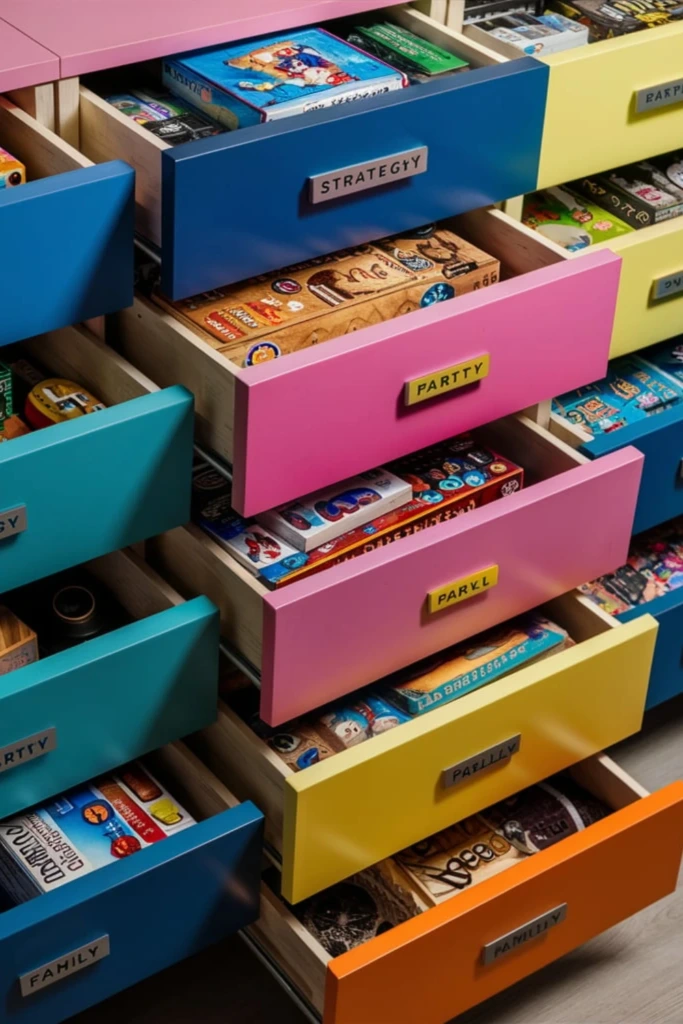
A color-coded drawer organizer makes it easier to sort a large collection without relying entirely on memory. You can assign different colors to family games, strategy games, children's activities, and quick card games.
Choose a drawer unit with compartments large enough for your most commonly used boxes. Add labels to identify the contents, particularly if several drawers look similar.
This system works well in playrooms, hobby spaces, and bedrooms where you want a clear place for everything. It can also encourage children to return games to the correct drawer after playing.
3. Clear Bags for Small Pieces
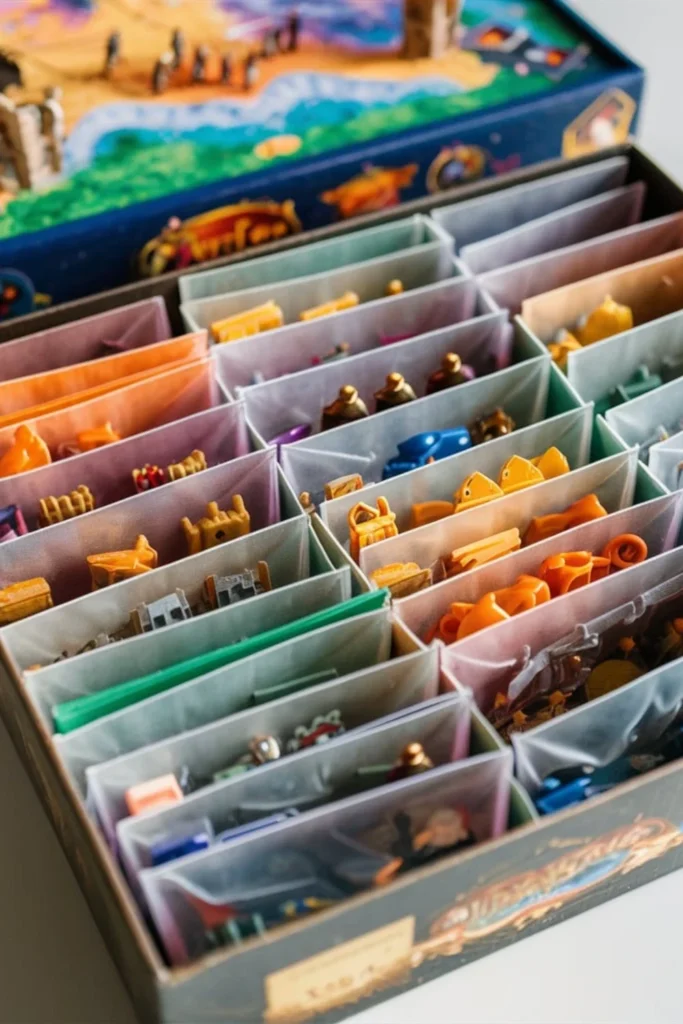
Loose dice, tokens, pawns, and cards can quickly become mixed together when a game box is opened or moved. Small resealable bags provide an inexpensive way to keep these components organized.
Separate the pieces by game, then use additional bags for different categories of components when necessary. Store the bags inside their corresponding boxes so everything remains together.
For games with many accessories, label each bag with the component name or use a simple printed inventory. This makes setup and cleanup faster and reduces the chance of losing important pieces.
Choose bags that are appropriate for the components, and keep small parts away from young children who could swallow them.
4. Vintage Crates on Wheels
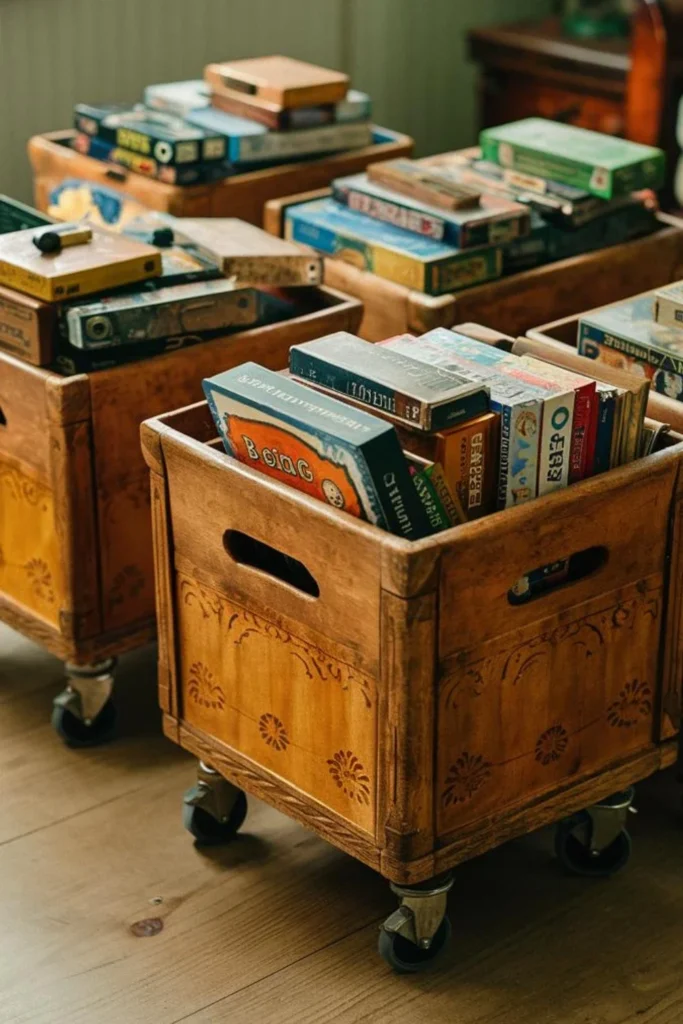
Vintage wooden crates offer a rustic alternative to conventional storage furniture. They can hold board game boxes while adding character to a living room, hobby corner, or family play area.
Look for crates with enough depth to accommodate your collection without forcing boxes into place. Before using an older crate, check for splinters, loose boards, exposed nails, and signs of damage.
Adding suitable caster wheels makes the crate easier to move when cleaning or rearranging the room. Make sure the wheels are securely attached and appropriate for the combined weight of the crate and games.
You can leave the wood natural for a traditional appearance or paint it to coordinate with your existing furniture.
5. Freestanding Storage Drawer System
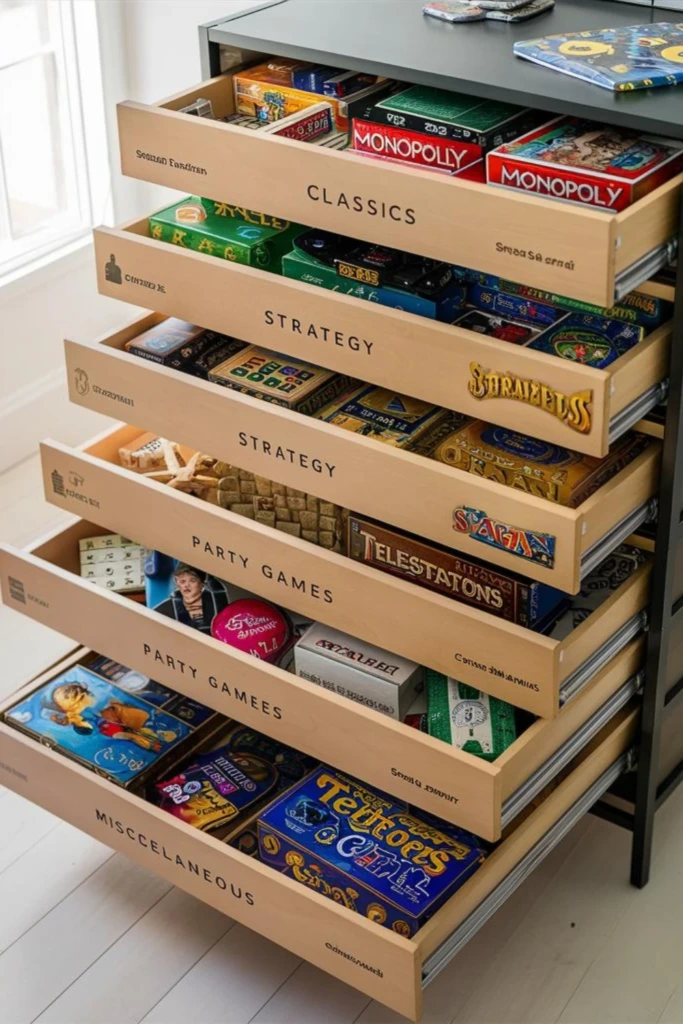
A freestanding drawer cabinet is useful when you need substantial storage but don't want to install permanent shelving. Models with drawers of different heights can accommodate everything from compact card games to larger game boxes.
Measure your collection before choosing a unit. Some board games are considerably wider or taller than standard storage drawers, so checking the internal dimensions is essential.
Use one drawer for frequently played games and another for less commonly used titles. Labels on the drawer fronts make the collection easier to navigate.
Place the cabinet on a level surface and avoid overloading drawers, particularly if the unit is lightweight or made from plastic.
6. Media Console Storage
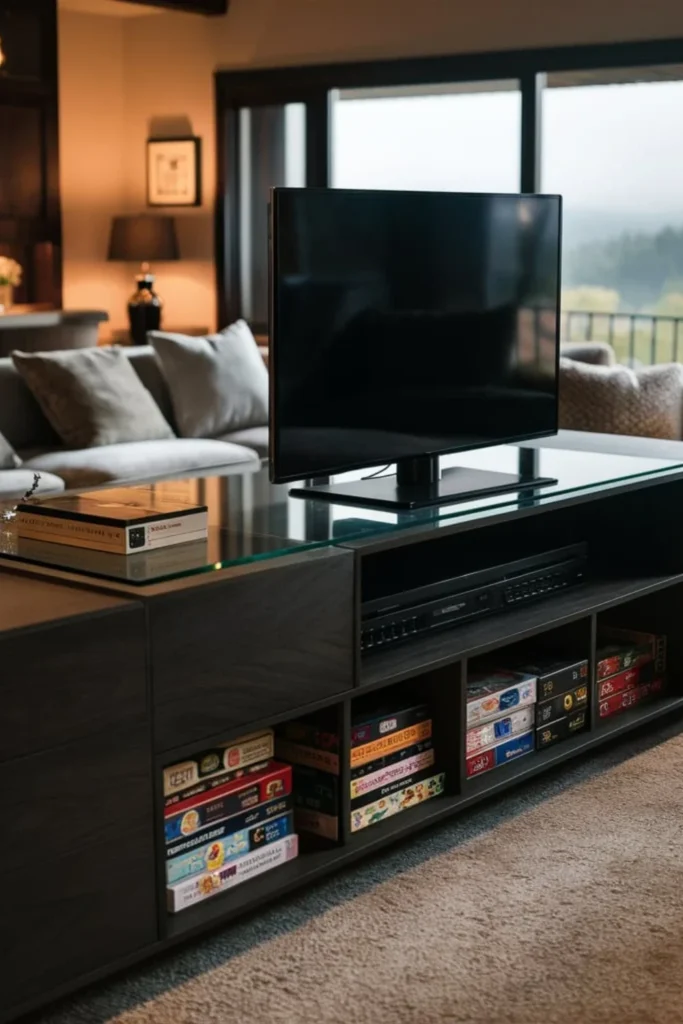
A media console can double as a discreet home for board games, especially in a living room where additional furniture needs to look intentional.
Store games behind cabinet doors to keep the room looking tidy, or use open compartments for attractive boxes that you want to display. Adjustable shelves are particularly useful because board game packaging varies widely in size.
You can also designate one section for card games, score pads, pencils, and other accessories used during game night.
Before arranging the collection, check that the console's shelves can support the weight. Leaving a little room around the boxes makes it easier to remove games without disturbing everything else.
7. DIY Baskets and Ziploc Bags
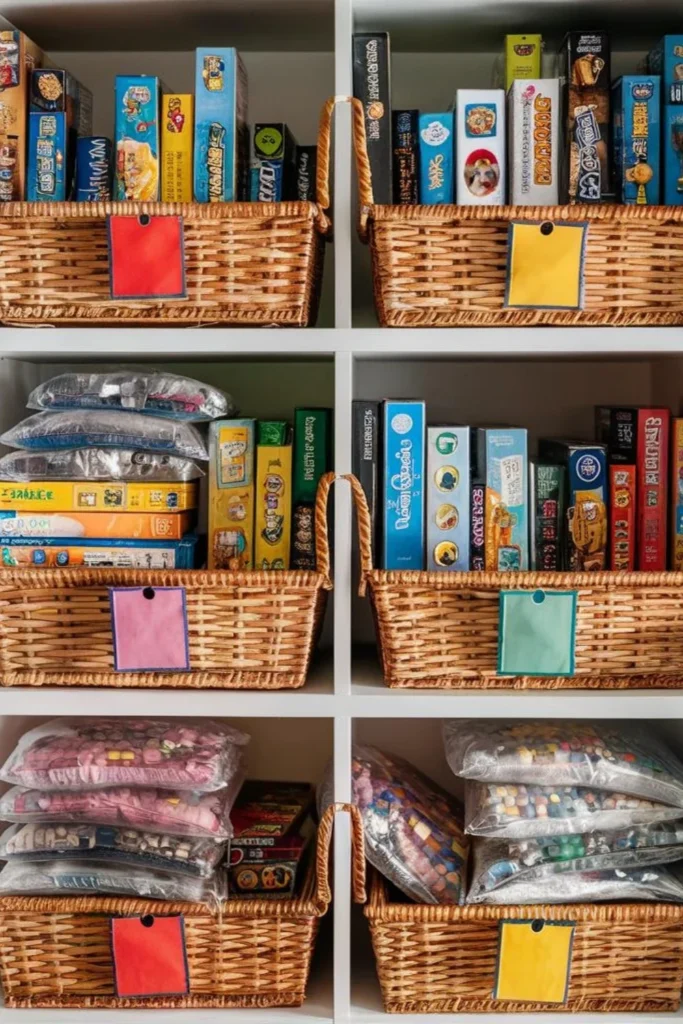
Combining baskets with resealable bags creates a simple storage system that works well for mixed collections. The bags keep small pieces together, while the baskets provide a convenient container for carrying and sorting games.
Choose baskets that fit your shelves, cabinets, or closet compartments. You can organize them by game type, player age, or how often each game is used.
For example, one basket might contain quick games for short breaks, while another holds family favorites for weekends. Label the front of each basket so everyone can identify its contents.
This approach is particularly helpful when original boxes are bulky or when you need to keep accessories together in a shared family space.
8. Repurposed Ladder Shelf
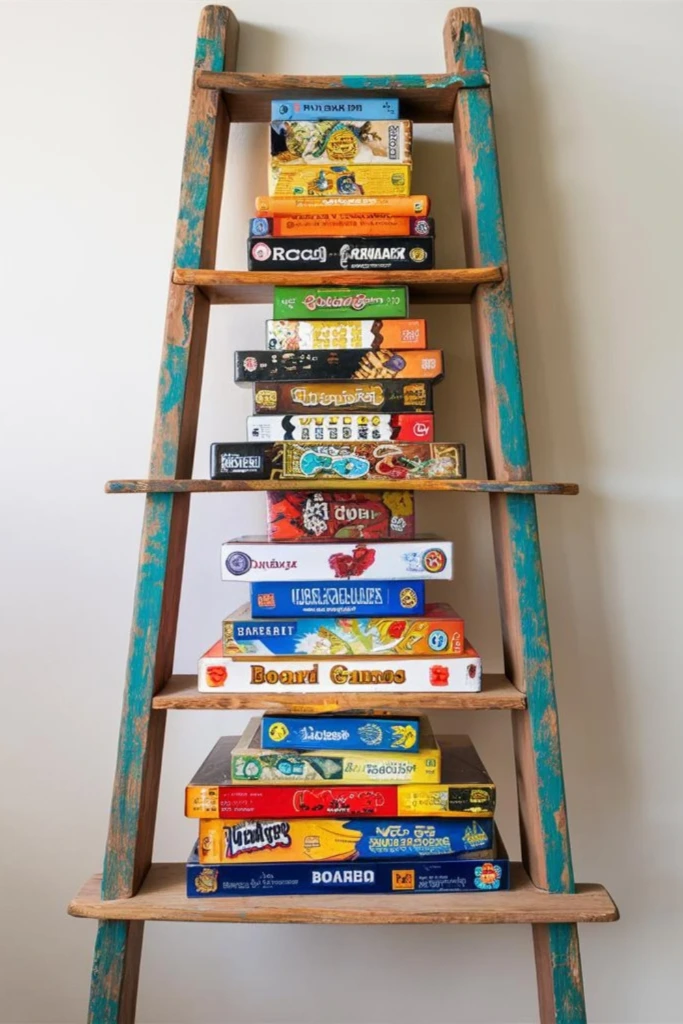
A ladder-style shelf can turn a spare wall into an attractive display for your board game collection. Its open design makes it easy to see the available games without opening cabinets or moving several boxes.
If you already own a suitable shelving ladder, check that it is designed to hold the intended weight. For a DIY project, use properly sized boards and secure the structure according to its design.
Arrange games by size or category to create a balanced appearance. Keep heavier boxes on lower shelves and avoid placing delicate or unstable items near the edge.
Because ladder shelves can be prone to tipping, secure the unit to the wall when appropriate, especially in homes with children or pets.
9. Hanging Closet Organizer
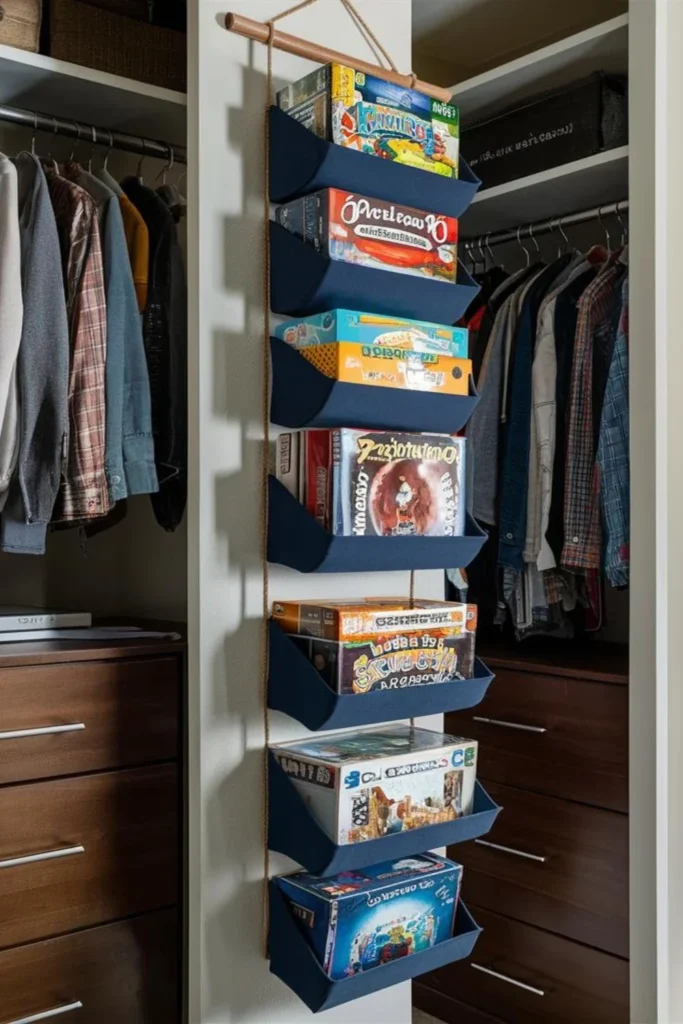
A hanging closet organizer makes use of vertical space that might otherwise go unused. Fabric or sturdy compartment-style organizers can hold smaller board games, card games, and accessories without taking up much floor area.
Hang the organizer from a closet rod or use a compatible over-door model. Check the weight rating before filling the compartments, since multiple game boxes can become surprisingly heavy.
Sort the games so that the ones you use most often are easy to reach. Small labels can help distinguish similar compartments and make cleanup simpler.
This option is especially useful in apartments, bedrooms, and shared play areas where adding another cabinet is not practical.
10. Storage Coffee Table
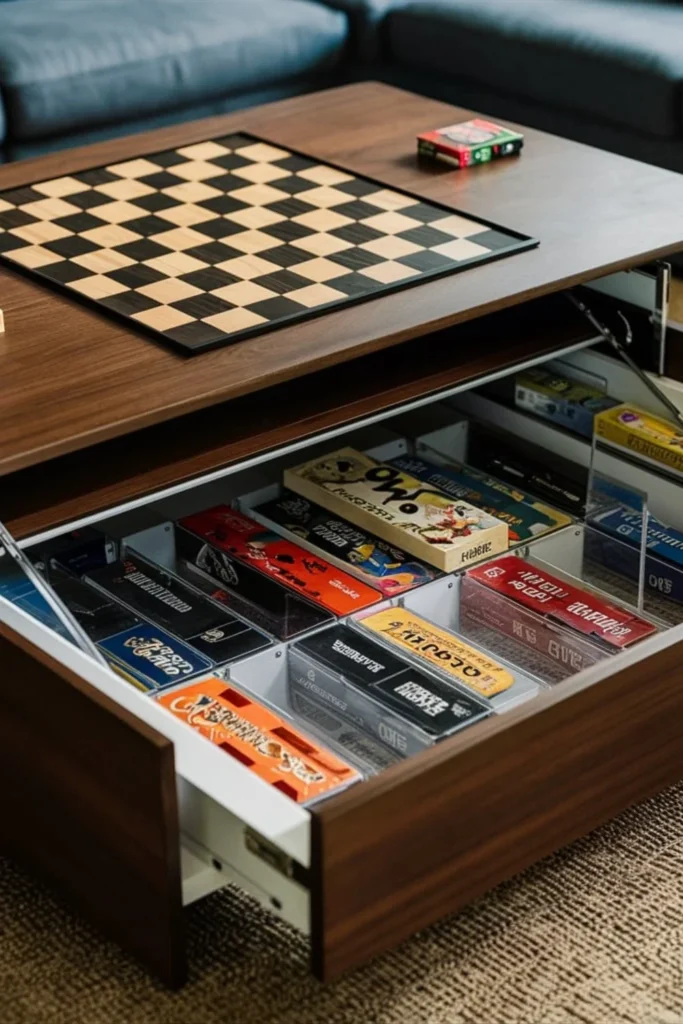
A coffee table with a lift-up top or built-in compartments provides convenient storage for games played in the living room. Instead of keeping boxes on a separate shelf, you can store them close to the area where everyone gathers.
Look for a table with enough internal height to accommodate your largest frequently used games. Compartments are helpful for separating board games from remotes, magazines, and other everyday items.
A lift-top design may also provide a useful surface for snacks, score sheets, or smaller games, depending on the table's construction.
Keep the storage area organized rather than stacking every box together. A little planning makes it easier to retrieve a game without emptying the entire table.
11. Storage Bench
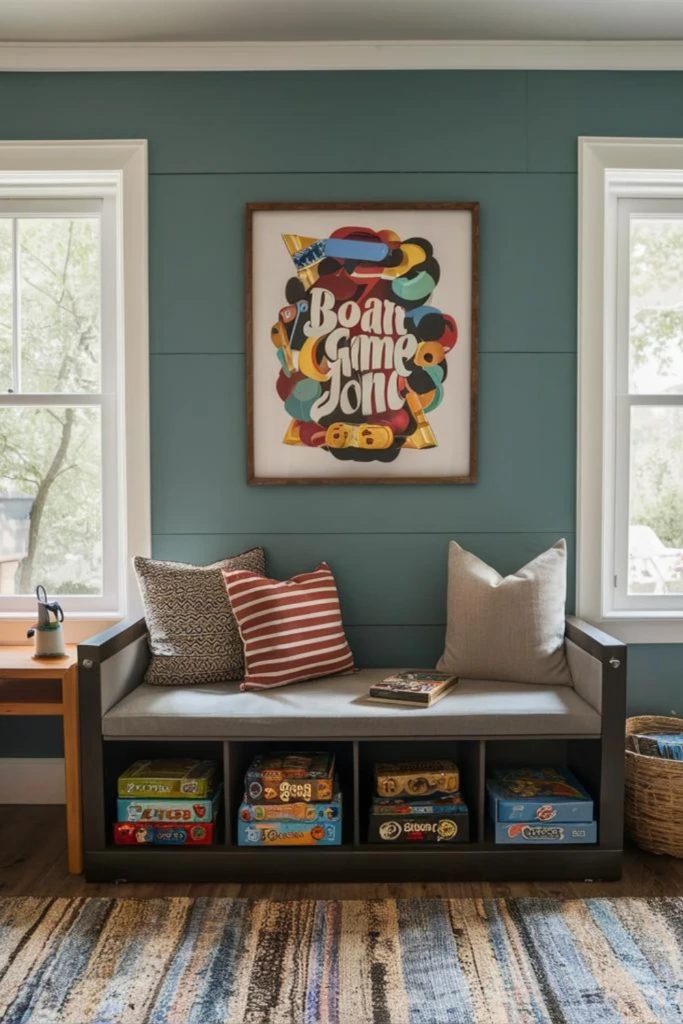
A storage bench combines seating with hidden space for your collection. It can work particularly well near a window, along a wall in a playroom, or beside a dining area.
Choose a bench with an interior large enough for the boxes you intend to store. If you already have a suitable bench, removable containers or dividers can help make its interior more manageable.
Use smaller bins for card games and accessories, leaving the larger boxes arranged separately. This prevents loose pieces from disappearing beneath heavier items.
If children will use the bench, consider a design with a lid that is safe to operate and does not close unexpectedly. Keep the bench within its recommended weight capacity when using it for seating.
12. Game Board Storage Art
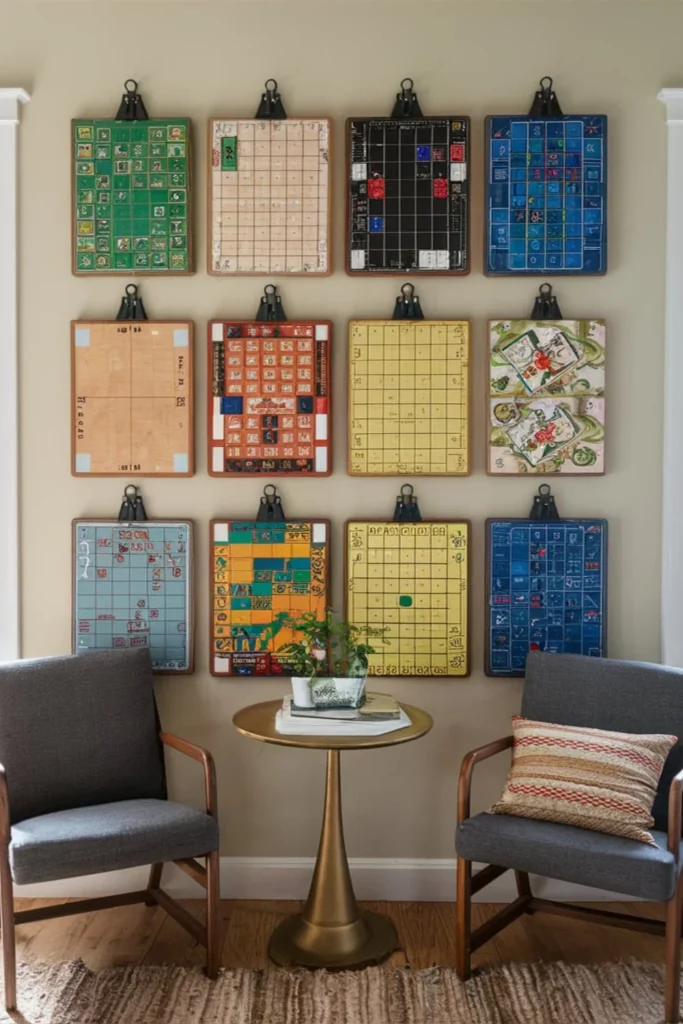
Some game boards have colorful designs that can make interesting wall decorations. Displaying a favorite board turns a hobby into part of your room's decor while freeing up shelf space.
Choose a board that can be displayed safely without damaging its surface. Suitable clips, picture rails, or frames can help hold it in place, depending on the board's material and shape.
Keep the playing pieces, cards, and instructions in a labeled box or bag stored elsewhere. That way, the game remains complete and ready to use.
This idea works best for boards you enjoy looking at and do not need to access every day. Make sure the mounting method is secure and will not crease, scratch, or permanently alter the board.
13. Transparent Storage Boxes
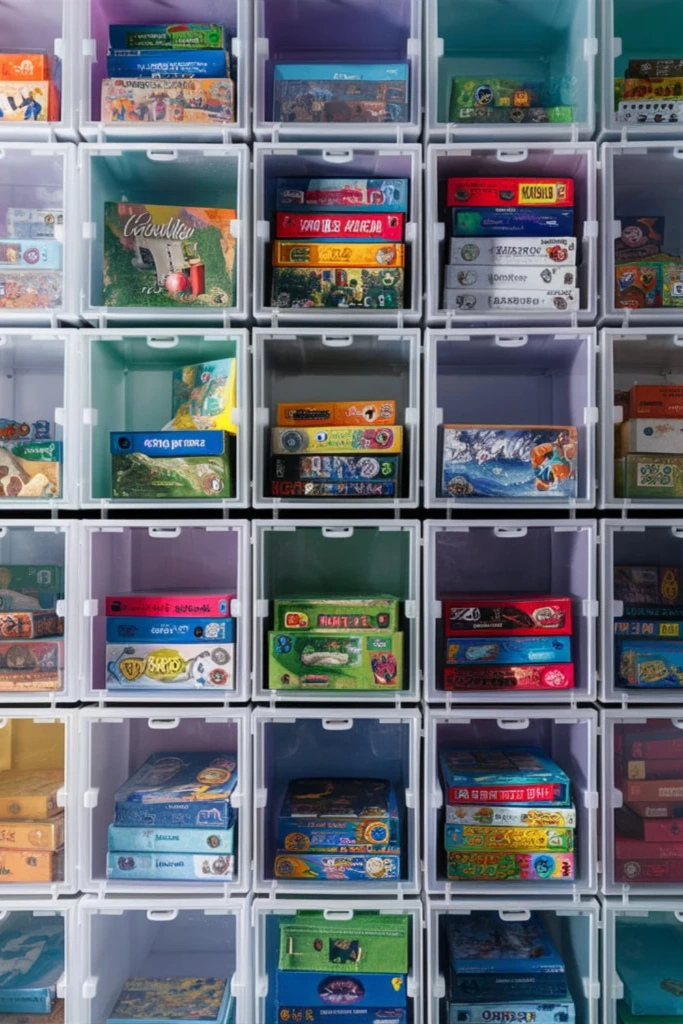
Clear storage boxes make it easy to identify games without opening multiple containers. They are particularly useful when you have removed games from their original packaging or need to group accessories together.
Choose boxes with dimensions that suit your collection and lids that close securely. If you plan to stack them, make sure the containers are designed for stacking and that the lower boxes can support the load.
Add labels to the front or top with the game name and a brief description of the contents. Clear plastic helps with visibility, while labels provide a quick way to locate a particular title.
Keep the boxes away from excessive heat and direct sunlight to help protect cardboard packaging, printed materials, and plastic components.
14. Toy Box Treasure Chest
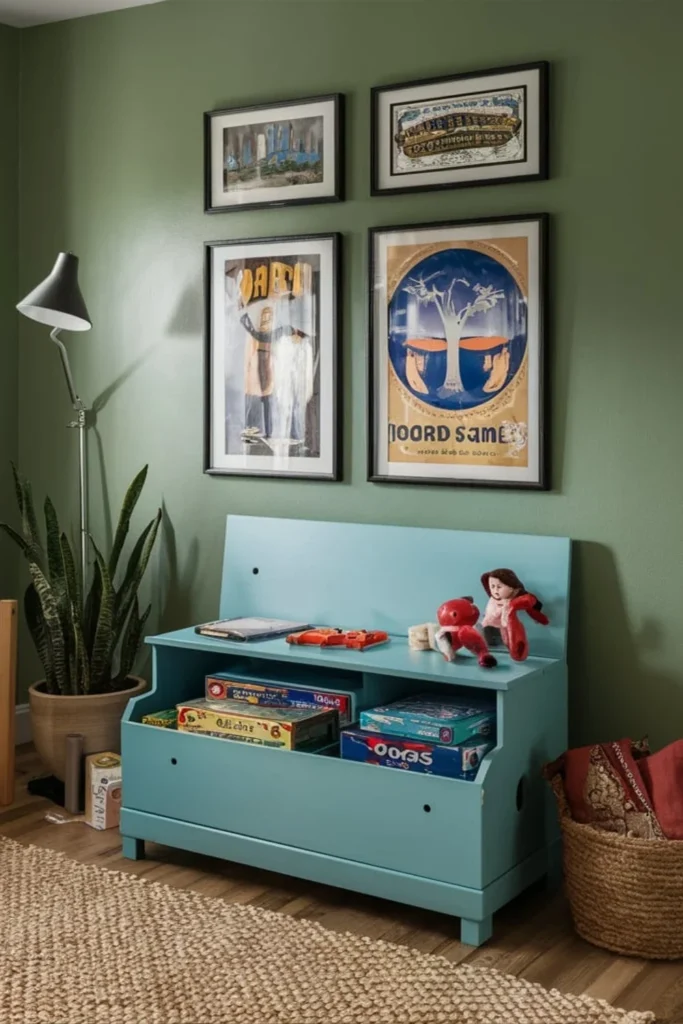
A toy chest can provide generous storage for a family collection, especially in a children's bedroom or playroom. Its large interior is useful for keeping several games together when individual shelf space is limited.
Choose a chest with dimensions that fit your available floor area. You can organize the inside with smaller containers to prevent card games, accessories, and loose components from getting mixed together.
Place frequently played games near the top so children can reach them without removing the entire collection. Store heavier boxes at the bottom and avoid filling the chest beyond a manageable weight.
For households with young children, select a model with child-safe hinges or a lid designed to reduce the risk of accidental finger injuries.
15. Kids Toy Organizer with Bins
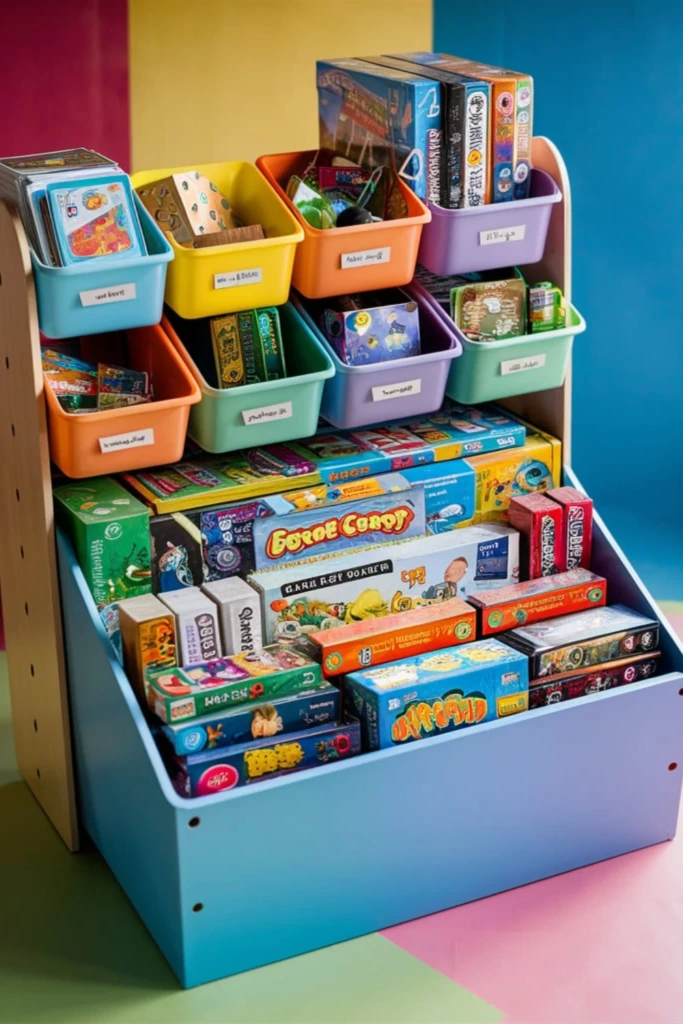
A children's toy organizer with removable bins can make board game storage more approachable for younger family members. Each bin can hold a different category of games, making it easier to find an activity and put it away afterward.
Use larger bins for boxed games and smaller ones for card games, dice, or other accessories. Check the dimensions carefully, since many toy organizers are designed for loose toys rather than full-size board game boxes.
Place the games children use most often in accessible compartments. Add picture labels for younger children who may not yet recognize written titles.
This system works best when every game has a designated location and the organizer remains easy to reach without climbing or pulling out heavy containers.
16. Slide-Out Cabinet Shelves
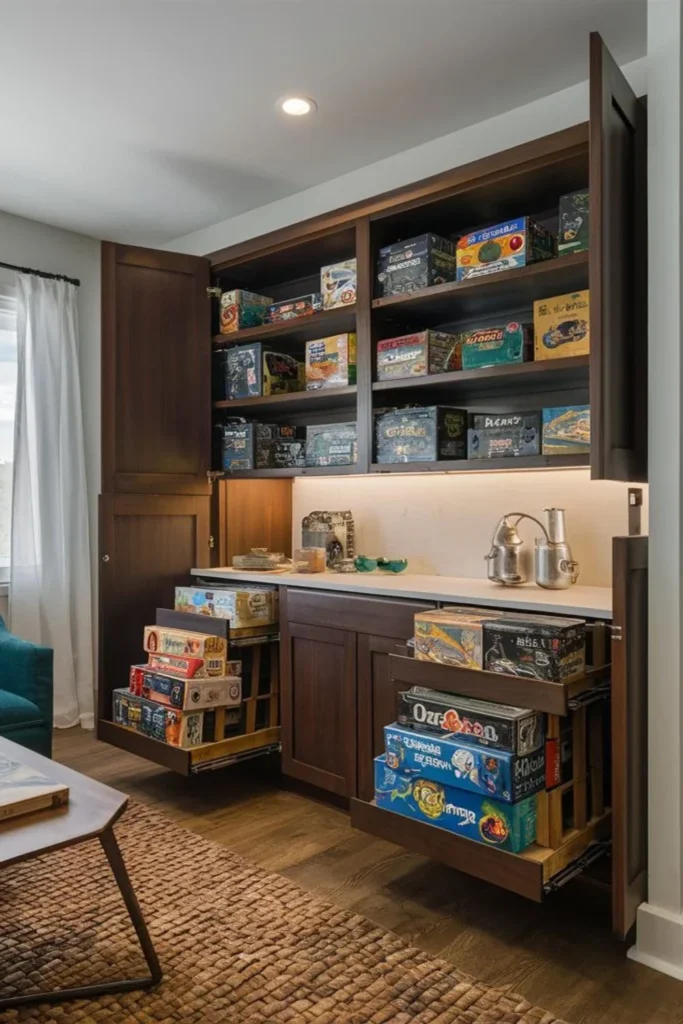
Slide-out shelves can make deep cabinets much more useful for board game storage. Rather than reaching over a stack of boxes, you can pull the shelf forward to see the collection.
Measure the cabinet's width, depth, and available height before selecting sliding hardware. The installed shelf must have enough clearance to move freely and must be rated for the weight of the games.
Arrange boxes in a single layer where possible, with frequently used titles toward the front. Different shelf heights can accommodate small card games and larger board game boxes.
If installation requires drilling or modifying cabinetry, follow the hardware manufacturer's instructions and check that the cabinet structure can support the additional load.
17. Plastic Drawer Storage
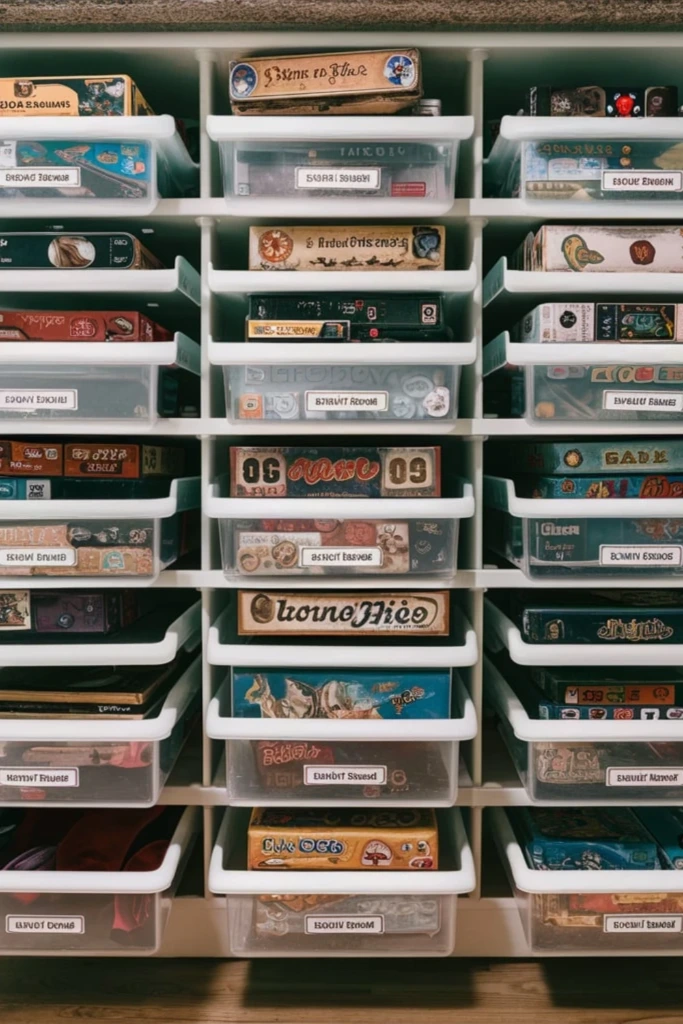
Plastic drawer units offer an affordable way to organize games and accessories without purchasing a large cabinet. They are available in different configurations, making them suitable for compact collections or dedicated game corners.
Use wider drawers for boxed games and smaller compartments for cards, dice, score sheets, and replacement components. Labels help distinguish the contents, especially when the drawers are opaque.
For heavier collections, choose a sturdy unit with drawers that slide smoothly when loaded. Avoid stacking the unit higher than its design allows, and place it on a stable, level surface.
Plastic drawers are particularly convenient when you want an easy-to-clean storage option that can be rearranged as your collection changes.
18. Natural Bamboo Storage Boxes
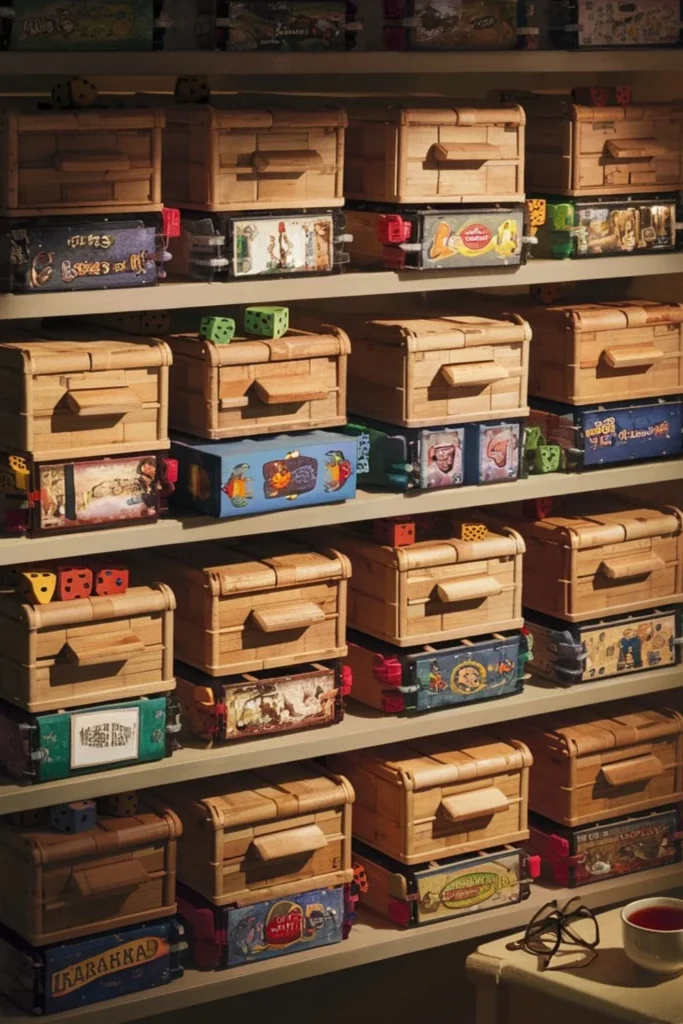
Bamboo storage boxes provide an attractive way to organize small game components while complementing natural or minimalist decor. Compact boxes originally intended for tea, stationery, or craft supplies can often be repurposed for dice, tokens, and card-sized accessories.
Choose boxes with enough room for the items without forcing them inside. If a game includes several types of pieces, use separate compartments or small inner containers to keep everything organized.
Add labels to identify the game or component category. This is especially helpful if several bamboo boxes look alike.
Use these containers primarily for smaller accessories rather than oversized game boxes. Keep them dry and clean to help preserve the material and the components stored inside.
19. Elegant Home Fashion Cabinet
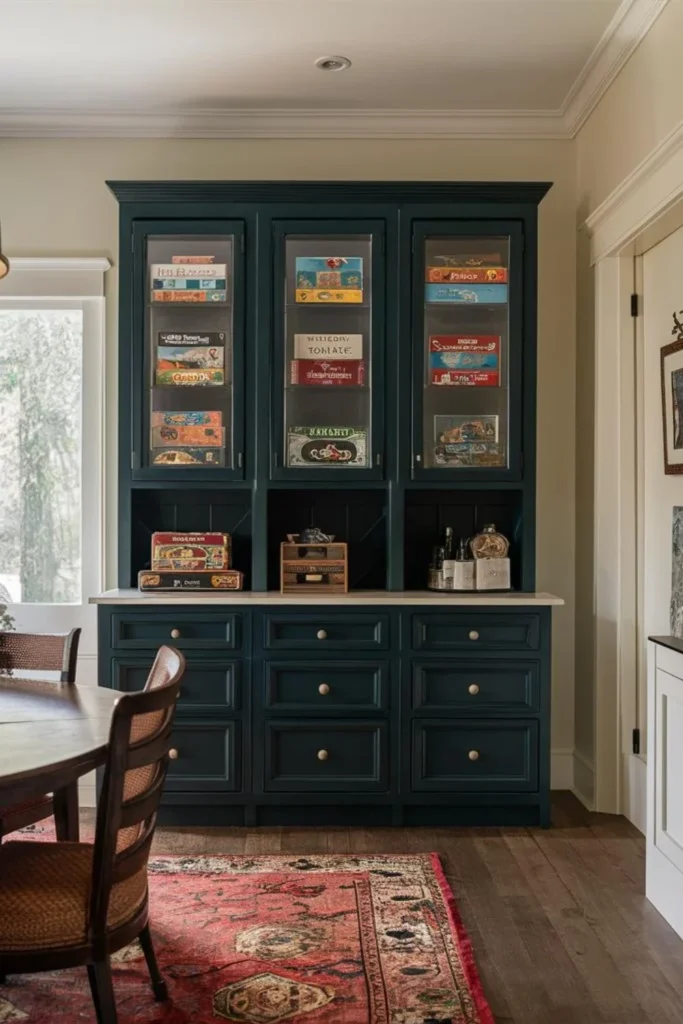
A decorative cabinet with doors can store a board game collection without making the room feel like a dedicated play space. It is a good choice for living rooms, home offices, and multipurpose rooms where appearance matters as much as practicality.
Look for adjustable shelves or compartments with sufficient height for your largest boxes. Closed doors help reduce dust and conceal visual clutter, while internal organization keeps the games easy to retrieve.
Arrange the collection by category or frequency of use, placing heavier games on lower shelves. You can reserve a small section for card games, score pads, and accessories.
Choose a cabinet that matches your furniture and fits comfortably into the available space. A well-planned arrangement keeps your collection accessible while maintaining a polished look.
20. UTEX Kids Multi Activity Table
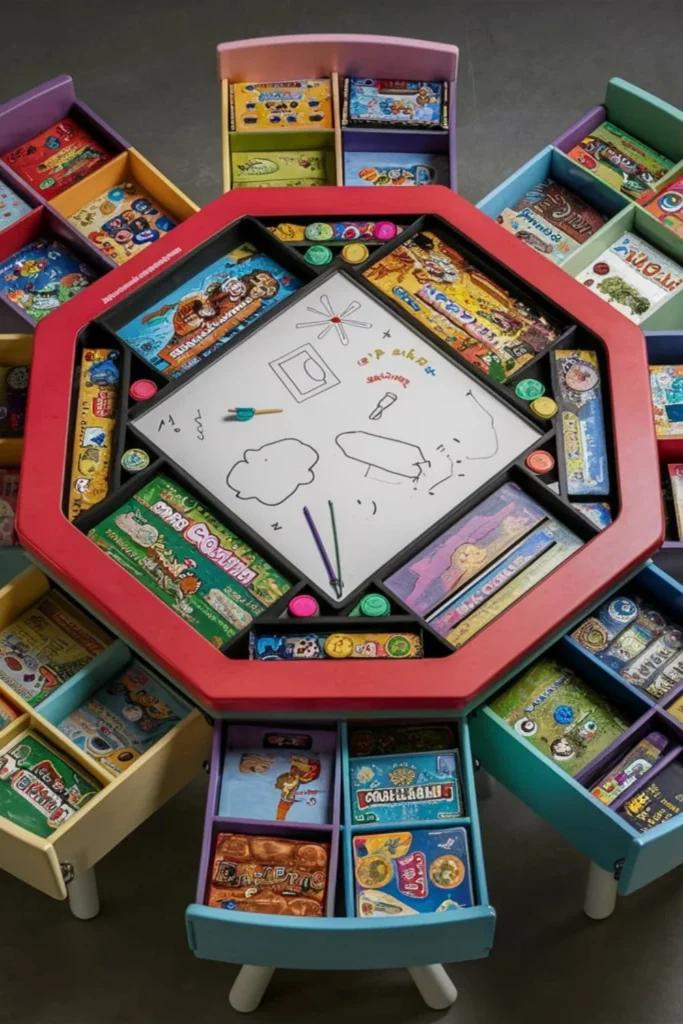
A children's activity table with pull-out storage bins can give board games a dedicated home in a playroom or bedroom. The built-in compartments keep games close to the area where children play and make cleanup part of the routine.
The UTEX Kids Multi Activity Table is one option to consider if its dimensions and storage layout suit your needs. Before buying, check the manufacturer's current specifications, bin sizes, and intended age range.
Use the compartments for appropriately sized games, cards, and accessories rather than assuming every full-size box will fit. Keep small pieces contained in labeled bags or smaller organizers.
A table like this is most useful when the storage bins remain easy for children to open, remove, and return without assistance.
21. Ottoman/Trunk
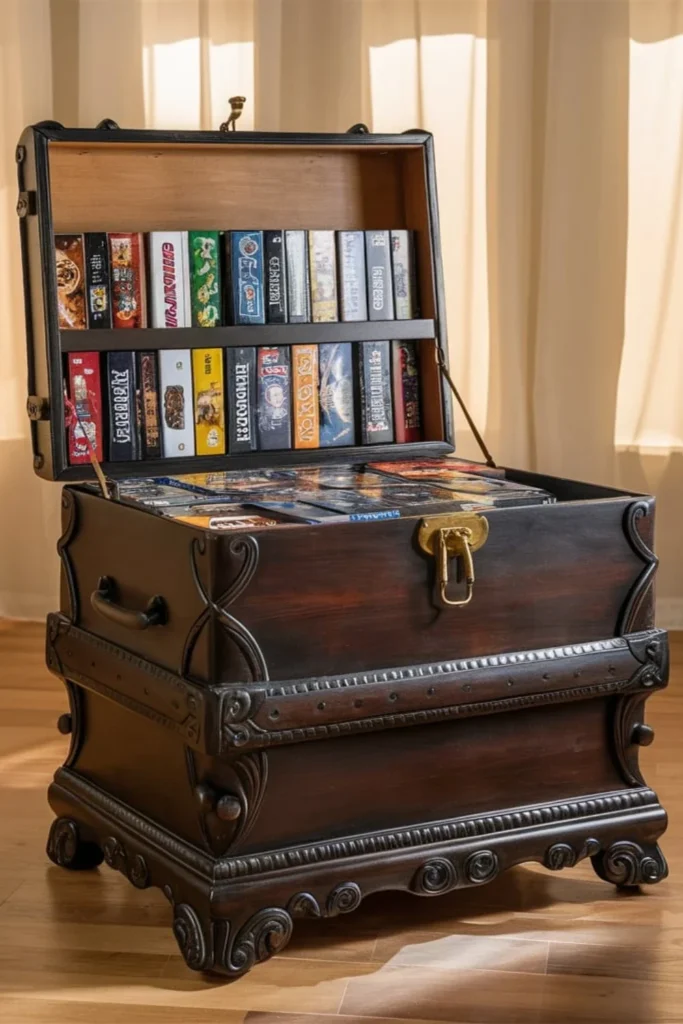
An ottoman or storage trunk can hide a board game collection while serving another purpose in the room. Depending on the design, it may provide extra seating, a footrest, or a convenient place to keep games near the sofa.
Choose a model with a spacious interior and a lid that is easy to open safely. Measure the storage compartment rather than relying only on the furniture's exterior dimensions.
Arrange the games in neat layers, keeping frequently used titles near the top. Smaller containers can hold card games and accessories so they do not become scattered between larger boxes.
If the ottoman doubles as seating, check its stated weight limit. A stable design and suitable lid mechanism are especially important in homes with children.
22. Kitchen Tray Rack
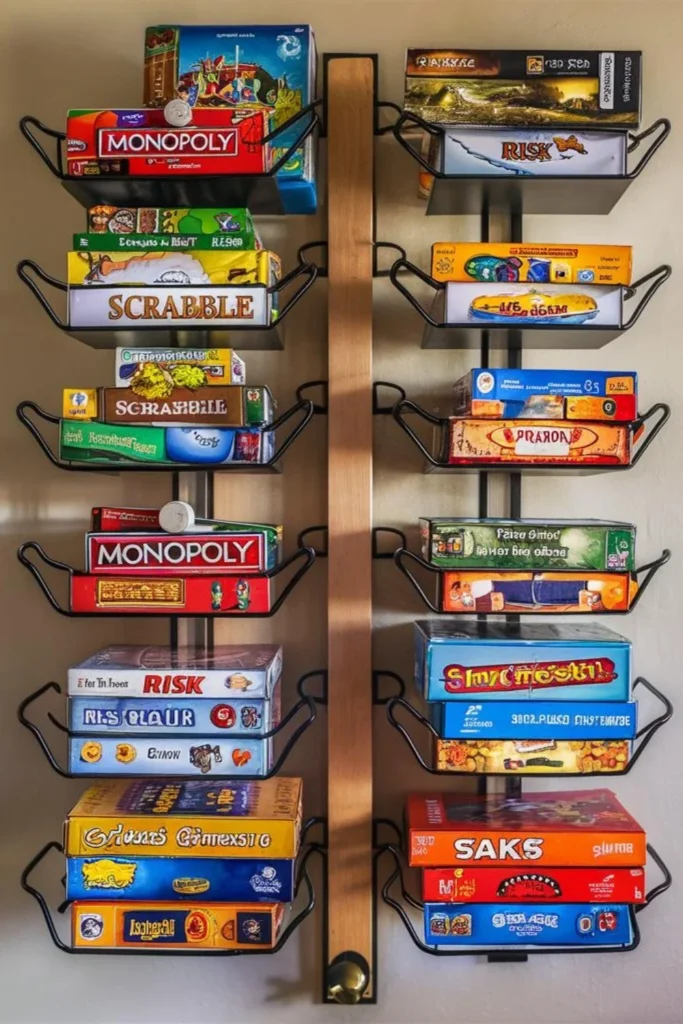
A kitchen tray rack can be repurposed to store certain board games vertically. Originally intended for baking trays or cutting boards, its separate slots may help keep compatible game boxes upright and easy to identify.
Choose a rack with compartments wide enough for the boxes you want to store. Some games may be too thick or tall for this method, so check the fit before arranging the entire collection.
Place the rack inside a cabinet, on a sturdy shelf, or in another suitable location. Keep boxes supported so they do not lean excessively or slide out when another game is removed.
This approach is particularly useful for flat, rectangular boxes that fit neatly into the available slots and for collections where you want to avoid stacking games on top of one another.
23. In a Bookcase
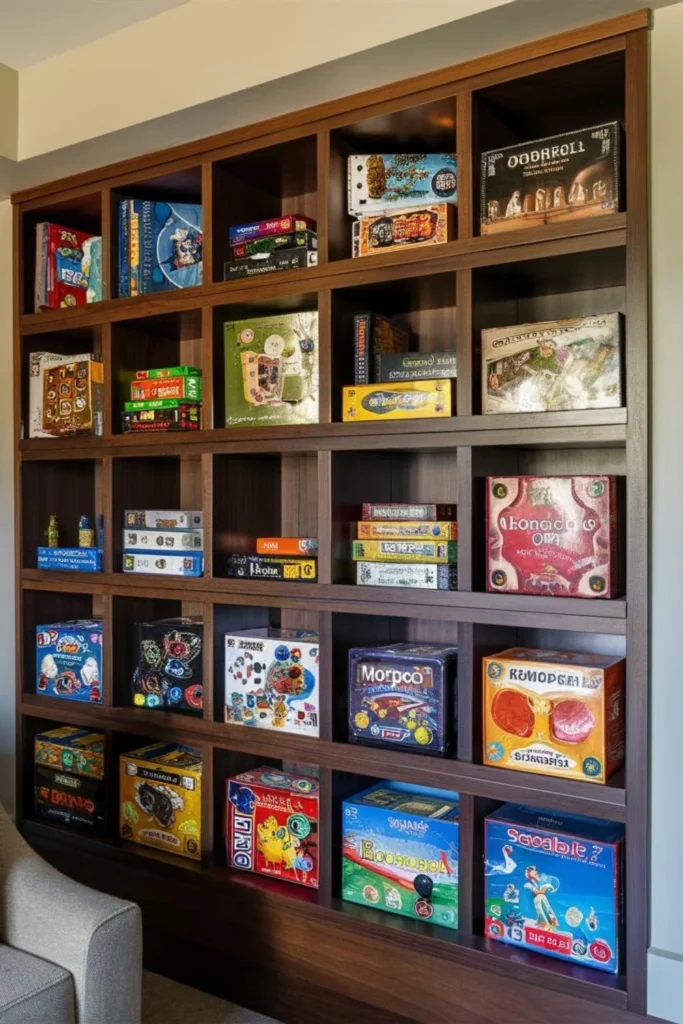
A bookcase is one of the most adaptable options for storing board games because it offers clearly defined shelves and easy visibility. A cube-style unit, such as an IKEA KALLAX, can be especially convenient for separating games into individual compartments.
Measure the shelf openings before purchasing a bookcase or rearranging an existing one. Large strategy games, oversized boxes, and expansion sets may need wider or taller spaces than standard books.
Arrange games vertically when their boxes support that orientation and the contents will remain secure. Otherwise, stack them carefully, placing heavier boxes underneath lighter ones.
Group the collection by genre, player count, or frequency of use. The result can function as both practical storage and a display of your favorite games.
24. On a Trolley
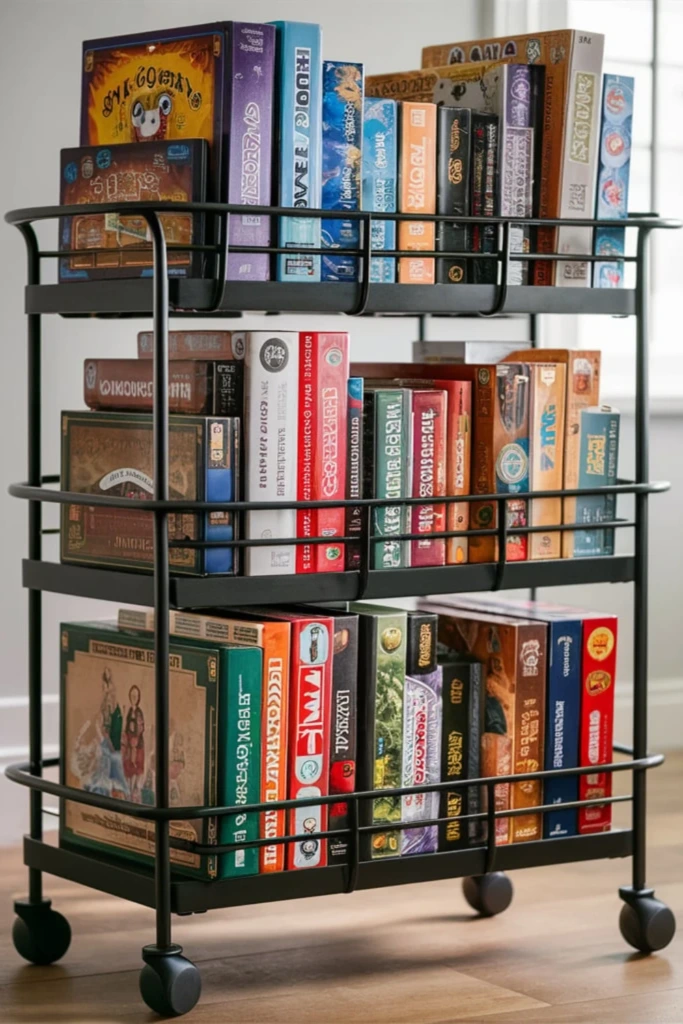
A multi-shelf trolley is a practical option when your collection needs to move around the house. It can carry games from a storage area to the dining table, living room, or wherever you plan to play.
Select a trolley with shelves deep enough to support the boxes and wheels suited to your flooring. Locking wheels help keep the cart stationary during use.
Place heavier games on the lowest shelf and lighter boxes or accessories above them. This arrangement helps maintain stability and makes the trolley easier to move.
For a small collection, a compact trolley can replace a permanent cabinet. For a larger collection, it works well as a mobile station for the games you play most frequently.
25. In a Glazed Cupboard
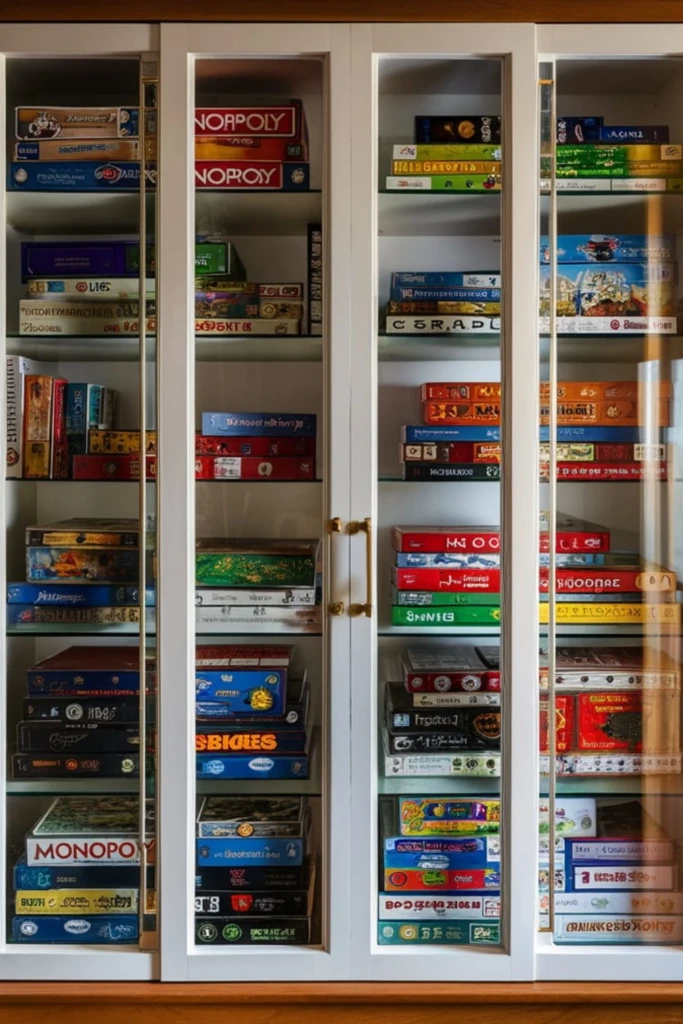
A glass-fronted cupboard allows you to display your collection while keeping the games contained behind doors. It is particularly appealing when the box artwork is colorful or when your collection forms part of your hobby-room decor.
Arrange the games by size, theme, or color to create a cohesive display. Adjustable shelves can help accommodate boxes of different heights, while closed doors make it easier to keep dust away.
Avoid overcrowding the shelves, since tightly packed boxes can be difficult to remove without damaging their corners. Make sure the cupboard is stable and that its shelves are rated for the weight of the collection.
If the cabinet receives strong sunlight, consider a different location to help prevent fading of printed boxes and game boards.
26. Storage Bed
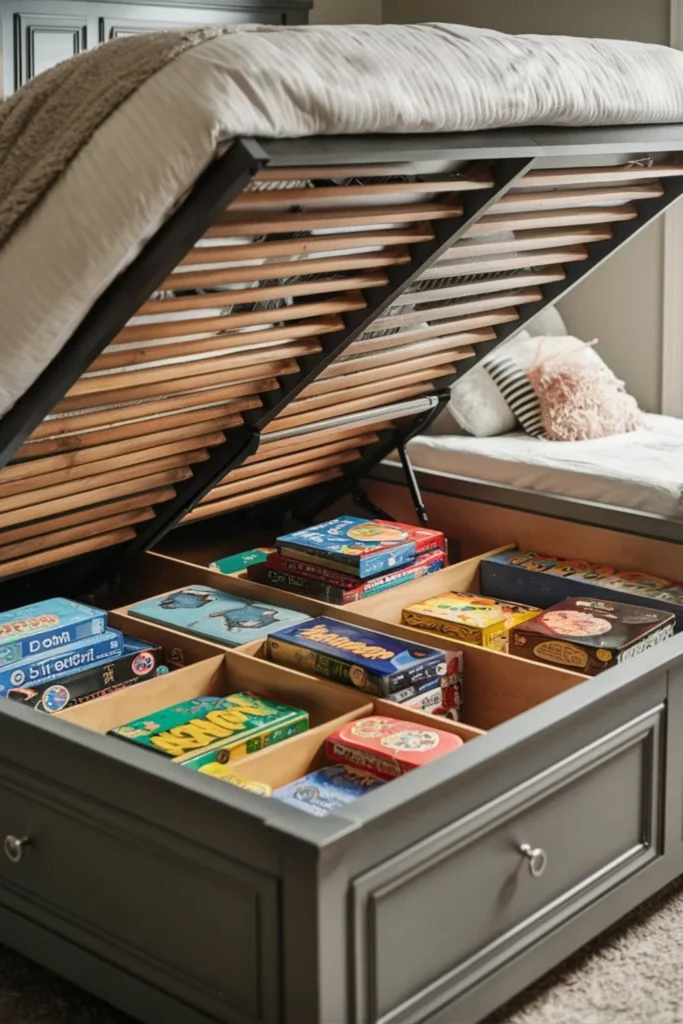
The space beneath a bed can provide valuable storage when bedroom floor space is limited. A bed with built-in drawers or a lift-up storage base offers a convenient place for games that are not needed every day.
Measure the available compartment dimensions and compare them with your largest boxes. Low-profile under-bed containers are another option when your existing bed has enough clearance.
Use labeled containers to separate games by category and keep small accessories inside their original boxes or sealed bags. Store frequently played games near the front so you can retrieve them without moving everything else.
Keep the storage area dry and reasonably clean, and avoid placing heavy containers where they could be difficult to lift safely.
27. Index Card Boxes
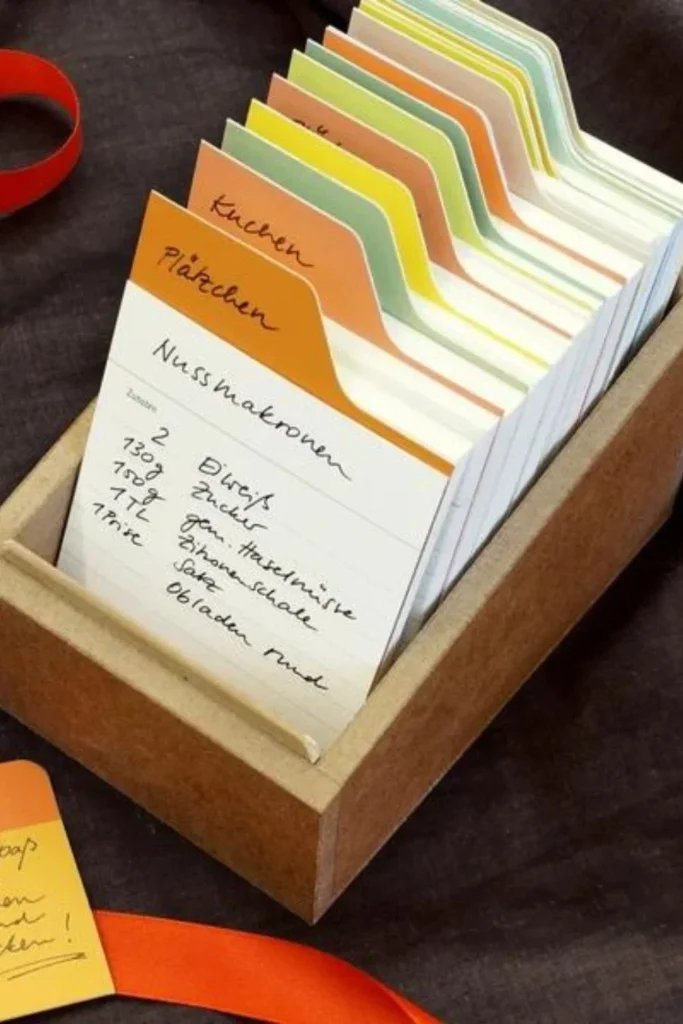
Index card boxes are useful for organizing compact games and individual components that do not require a full-size board game box. Their simple rectangular shape makes them easy to arrange inside drawers, cabinets, and on shelves.
Use one box for each small game or dedicate separate boxes to dice, tokens, cards, and other accessories. Label the outside clearly so you can identify the contents without opening every container.
For card games, check that the cards fit comfortably and that the lid closes without bending their edges. If necessary, use protective sleeves or a box with slightly more internal space.
This method is inexpensive, easy to expand, and particularly helpful for keeping small items together when larger games have numerous loose components.
The best board game storage system is one that fits your space, protects your collection, and makes it easy for everyone to find and return their favorite games. Whether you choose a rolling cart, a bookcase, a set of labeled bins, or hidden storage inside everyday furniture, a little organization can make game nights more enjoyable and cleanup much less stressful.