No Pantry? Clever Hidden Kitchen Storage Ideas for 2026
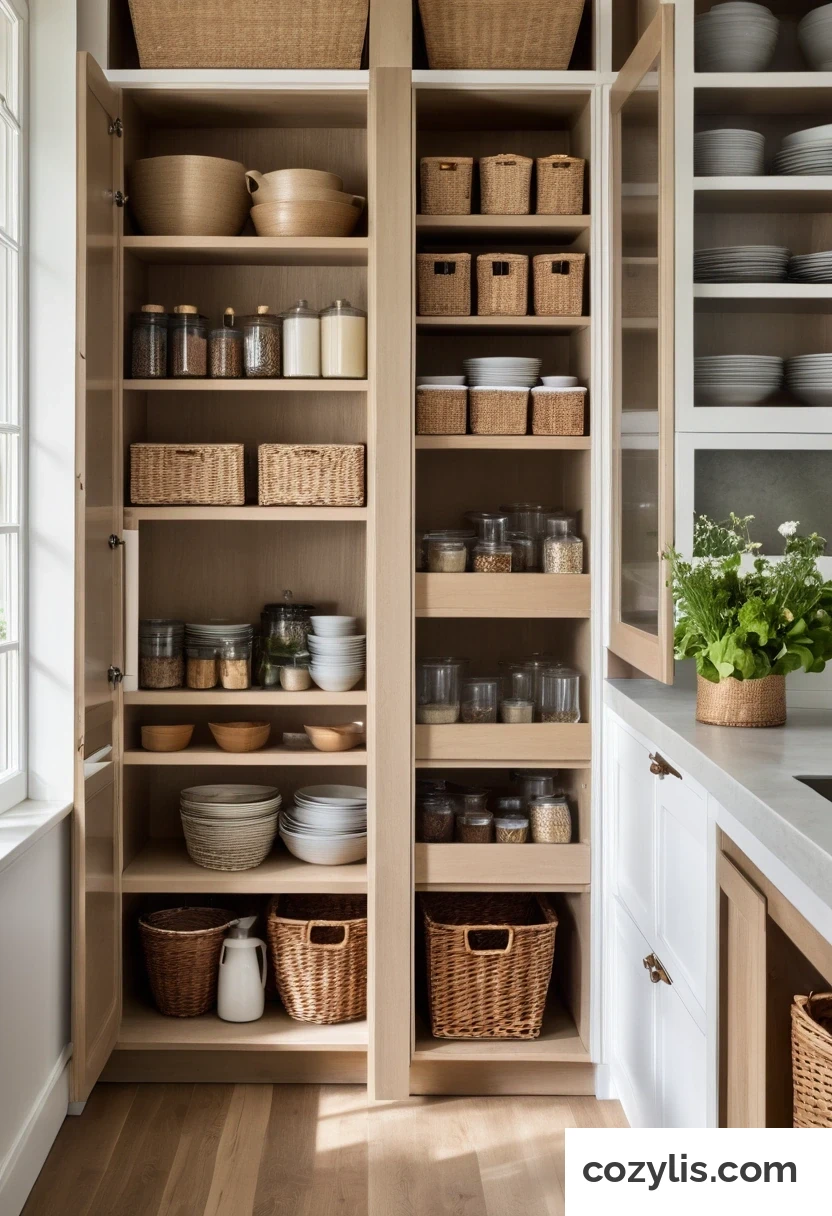
If you have been searching for no pantry storage ideas, you are in the right place: every idea below is easy to adapt to your space and budget. A kitchen without a pantry can quickly become cluttered with groceries, cookware, and everyday essentials. When cabinets are already full, finding space for extra food, small appliances, and cleaning supplies becomes a daily challenge. Fortunately, you don't need a major renovation or expensive custom cabinetry to create practical storage.
The best hidden kitchen storage ideas for 2026 focus on making better use of furniture, overlooked cabinet space, empty walls, and nearby rooms. With a few thoughtful changes, even a compact kitchen can become more organized, functional, and visually appealing.
Why freestanding furniture works better than waiting for built-ins
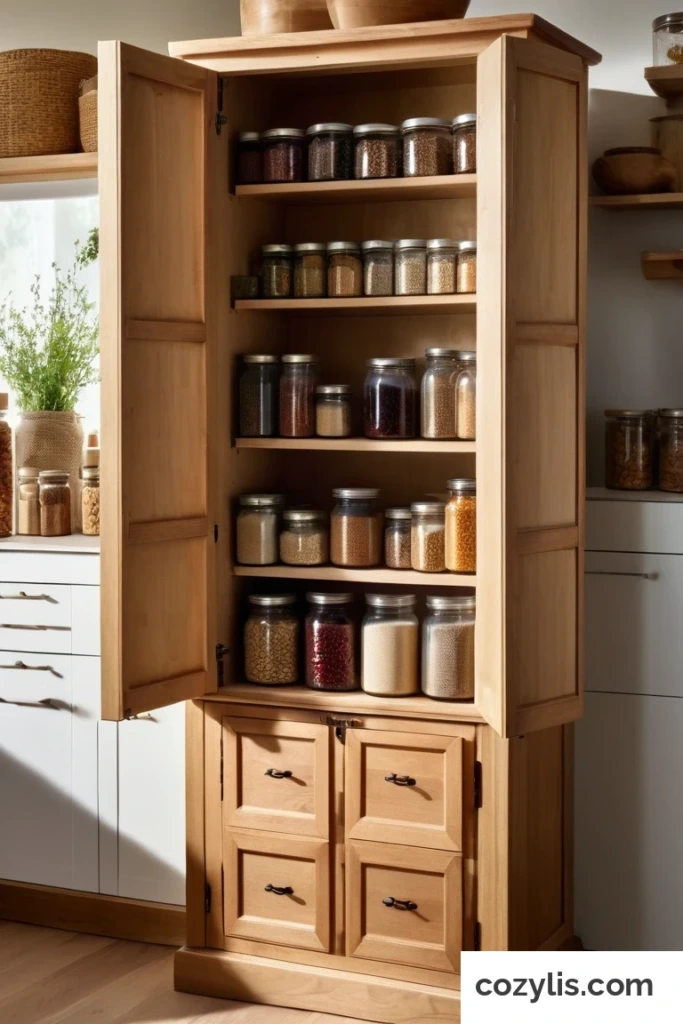
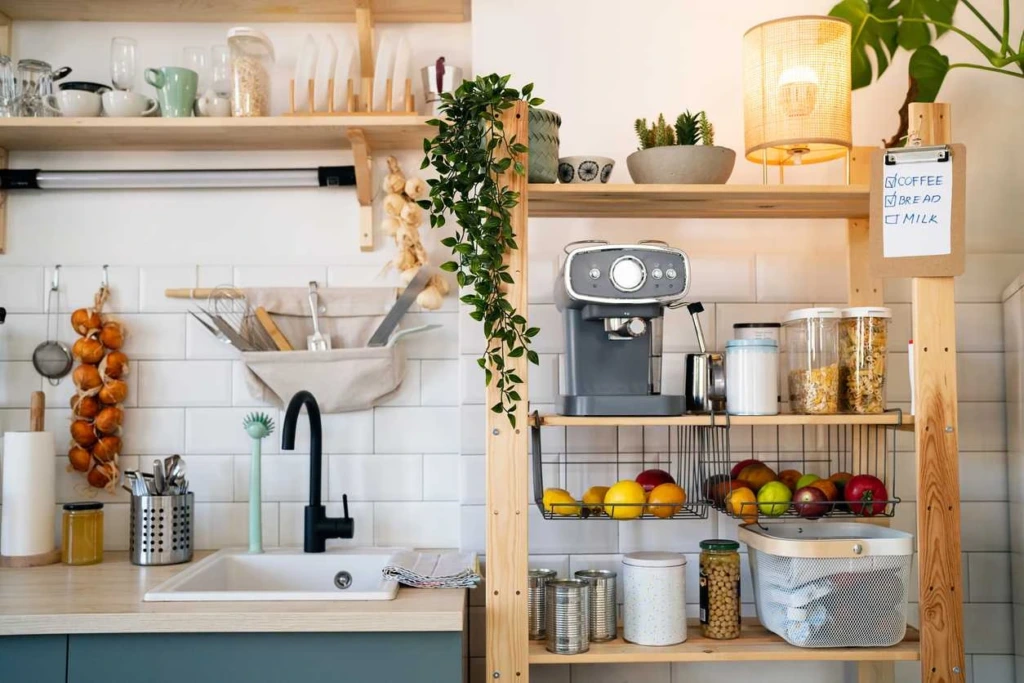
Custom pantry cabinets can be expensive, require professional installation, and take up valuable floor space. Freestanding furniture offers a simpler alternative that provides additional storage without permanently changing your kitchen layout.
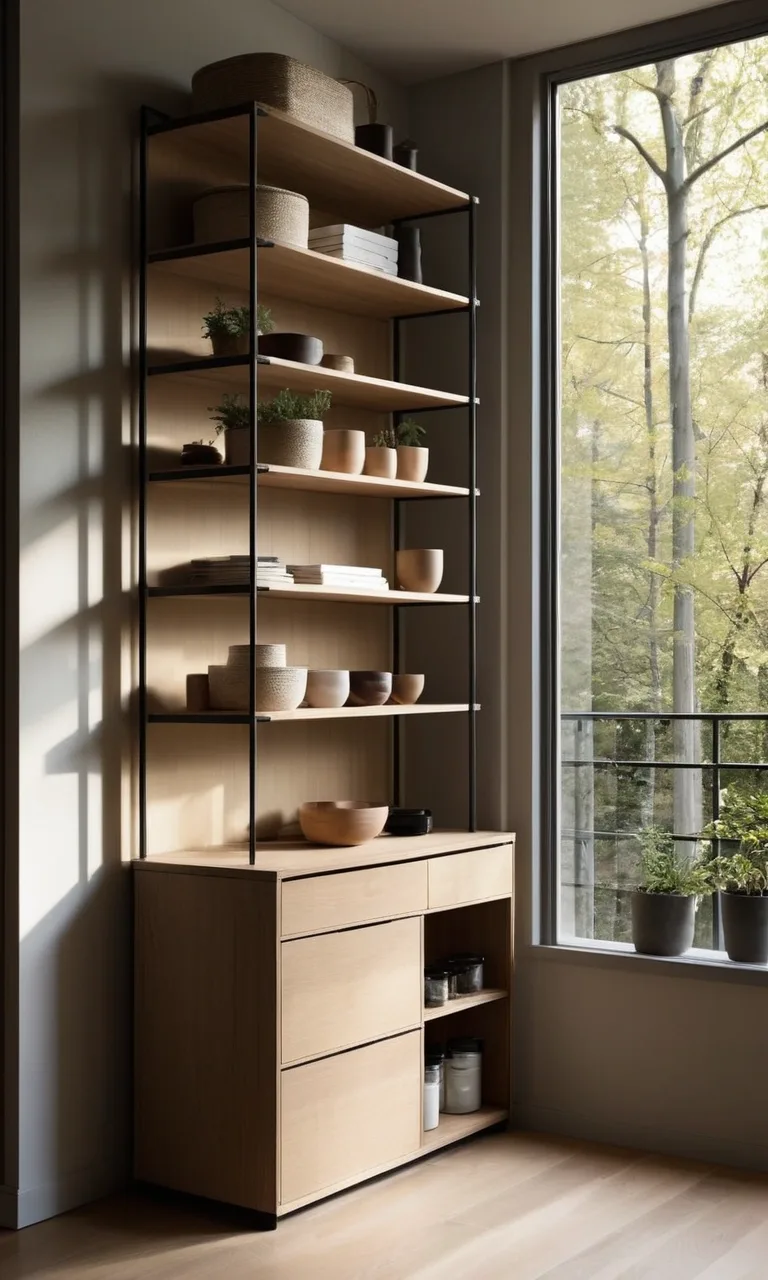
A tall storage cabinet, vintage hutch, or narrow cupboard can function as a pantry while complementing your existing decor. These pieces are especially useful in rental homes because they can be moved or repurposed whenever necessary.
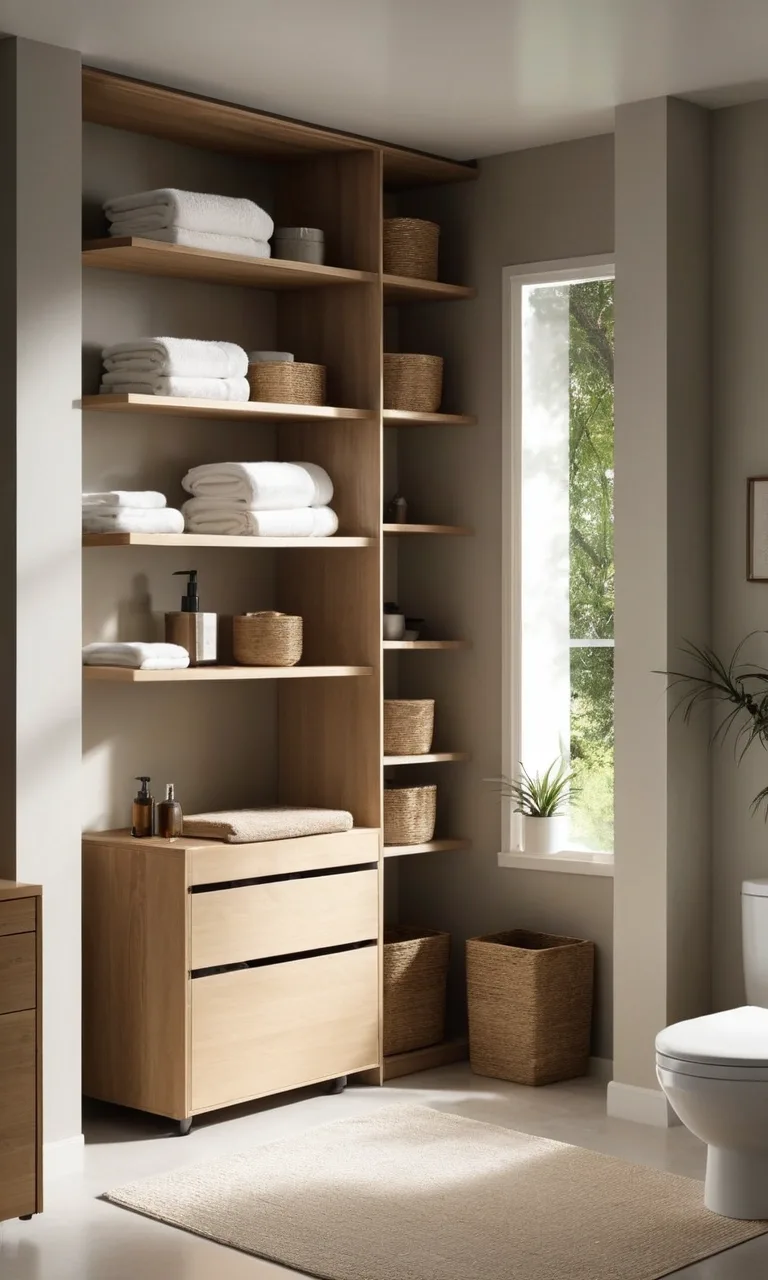
One practical option is a slim cabinet with adjustable shelves. It can accommodate canned foods, cereal boxes, snacks, and baking ingredients while fitting into an unused corner. Choosing furniture with doors also keeps everyday clutter hidden, creating a cleaner appearance.
For kitchens with limited floor space, consider a narrow rolling cart that slides between the refrigerator and a nearby cabinet. These compact organizers are useful for storing spices, bottled sauces, and other small packaged items. Before purchasing one, measure the available gap carefully and allow enough clearance for smooth movement.
Repurposing existing furniture is another budget-friendly approach. An old bookshelf can become a food storage station with the addition of baskets, containers, and decorative panels. A sideboard placed along an empty wall can hold pantry staples while providing extra surface space for serving or meal preparation.
To make freestanding storage more effective, organize items according to how frequently you use them. Keep everyday ingredients at eye level, heavier supplies on lower shelves, and occasional-use products toward the top.
Safety is equally important. Tall cabinets should be secured to the wall using appropriate anti-tip hardware, especially in homes with children. Heavy items should remain on lower shelves to improve stability.
Freestanding furniture offers flexibility that permanent installations cannot always provide. Instead of waiting for a complete kitchen remodel, you can introduce useful storage immediately and adjust the arrangement as your needs change.
How islands and base cabinets become invisible reserve zones
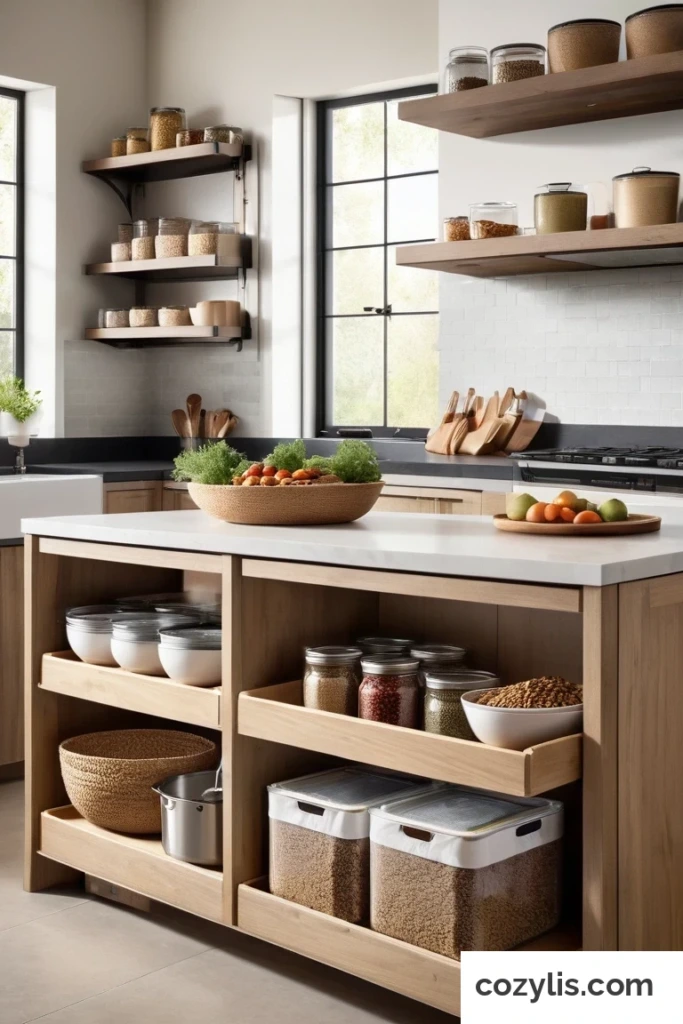
Kitchen islands and lower cabinets often contain more storage potential than homeowners realize. Although these areas are commonly used for cookware and utensils, strategic organization can transform them into discreet pantry alternatives.
An island with deep drawers provides an excellent location for storing dry goods, food containers, and kitchen accessories. Drawer dividers help separate different categories, while stackable containers make better use of available depth.
If your kitchen island includes open shelving, decorative baskets can conceal packaged foods and smaller essentials. Matching baskets create a consistent appearance while allowing you to access items without searching through crowded cabinets.
Another effective approach involves installing pull-out organizers inside existing base cabinets. These sliding shelves bring items forward, making it easier to reach products stored toward the back. They are particularly helpful for canned foods, jars, and baking supplies that might otherwise become forgotten.
Corner base cabinets can also become valuable storage areas. Rotating trays and specialized corner organizers make awkward spaces more accessible, reducing the need to bend or reach into dark cabinet interiors.
For households that purchase groceries in larger quantities, consider dedicating one lower cabinet to reserve supplies. Extra pasta, rice, flour, and unopened packaged foods can remain there until the primary containers need refilling.
The space beneath a kitchen island's overhang may offer another opportunity. Where seating clearance allows, shallow enclosed compartments can hold placemats, serving accessories, or infrequently used kitchen equipment. Any modification should preserve comfortable legroom and avoid interfering with the island's structure.
You can also improve existing cabinets without replacing them. Shelf risers create additional levels for smaller items, while removable organizers separate cleaning products from food storage areas. Avoid placing food alongside household chemicals, even when both are stored in closed containers.
For the best results, measure cabinet openings and internal dimensions before buying accessories. A pull-out shelf that fits the cabinet interior may still be difficult to install if hinges or door frames obstruct its movement.
By organizing islands and base cabinets around specific purposes, you can create substantial hidden storage without making the kitchen look crowded.
Wall-mounted solutions that free up every inch of counter space
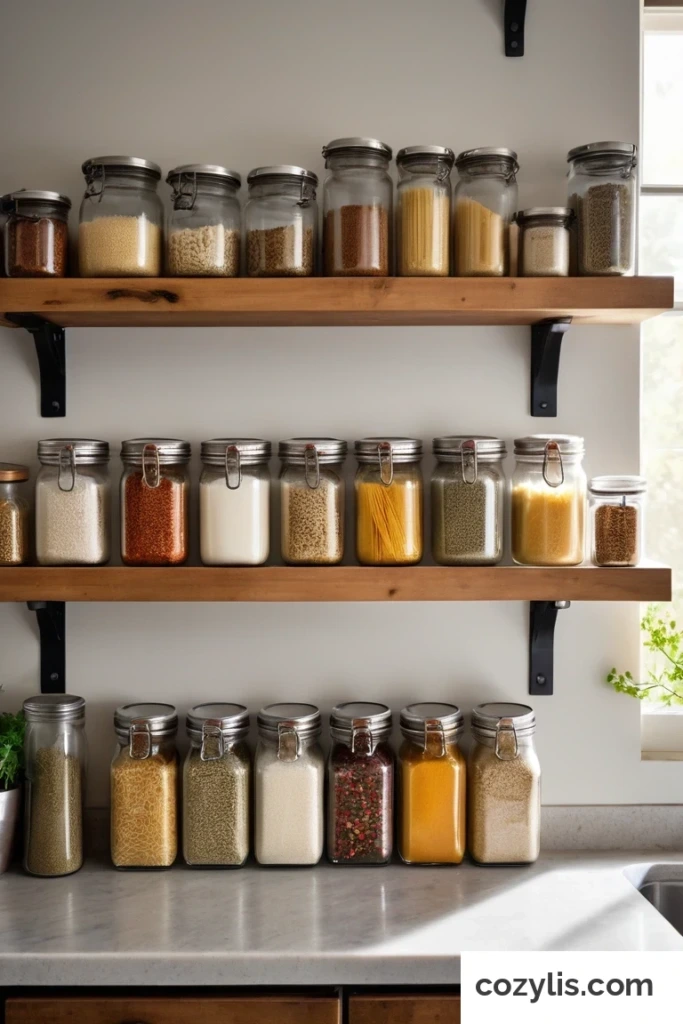
When floor space and cabinets are limited, vertical storage becomes one of the most effective ways to organize a kitchen without a pantry.
Unused walls, narrow sections beside cabinets, and the space above countertops can accommodate practical organizers that keep essential items accessible without occupying valuable work surfaces.
Floating shelves are a popular choice because they provide flexible storage while maintaining an open appearance. They work particularly well for frequently used ingredients, lightweight containers, and everyday dishes.
For a less cluttered look, choose matching jars or baskets and avoid filling every shelf completely. Leaving a little open space helps the arrangement feel intentional rather than overcrowded.
Wall-mounted rails with hooks can hold measuring cups, cooking utensils, and lightweight kitchen tools. Magnetic knife strips may also free up drawer space, provided they are installed securely and positioned safely away from children.
Pegboards offer another adaptable solution. Their movable hooks, small shelves, and hanging baskets allow you to rearrange storage whenever your kitchen routine changes.
If you prefer concealed storage, shallow wall cabinets can provide additional room for spices, tea, coffee, and packaged snacks. Cabinets with simple doors blend into the surrounding kitchen design while keeping their contents out of sight.
The inside surfaces of existing cabinet doors are also worth considering. Slim racks can hold spice jars, foil boxes, or lightweight cleaning accessories without taking up shelf space. Make sure these organizers do not prevent the doors from closing properly.
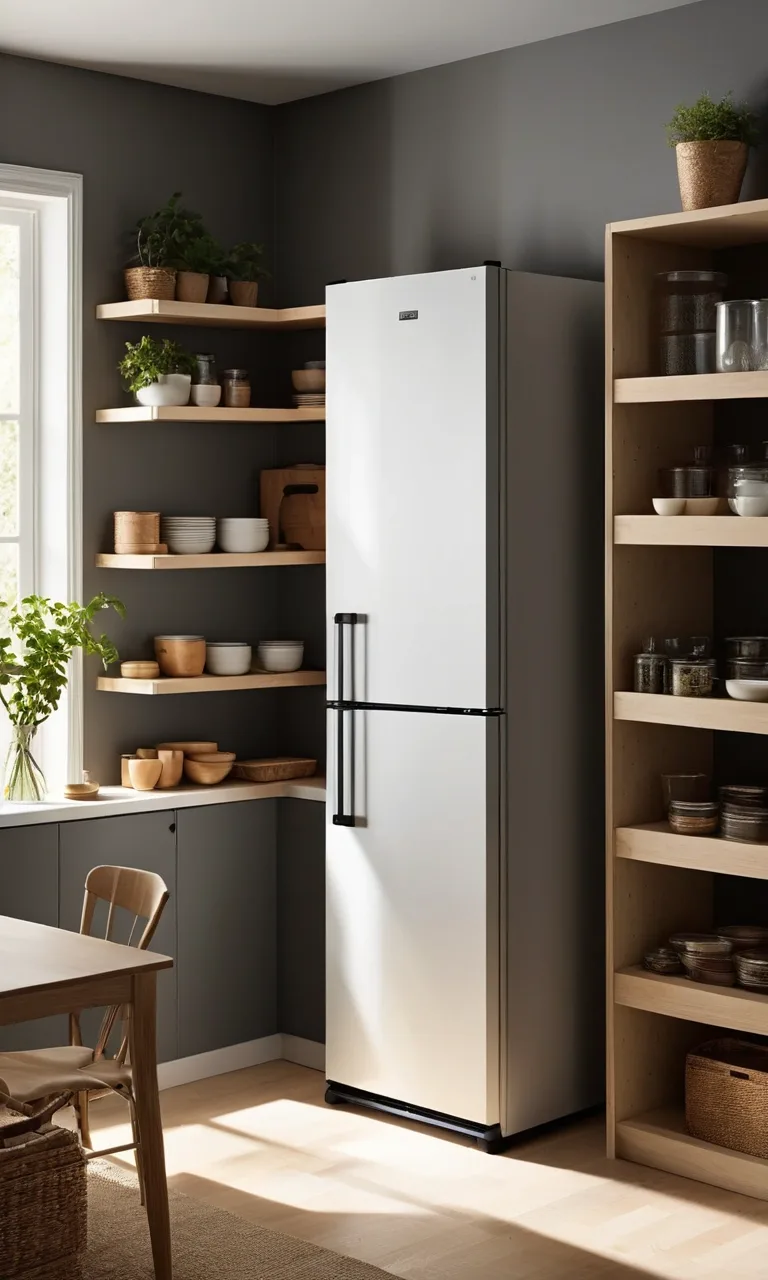
Another overlooked area is the space above the refrigerator. A securely installed cabinet or shelf can hold lightweight, occasionally used items, such as extra serving dishes or seasonal kitchen accessories. Avoid storing temperature-sensitive foods in areas exposed to excess heat.
Wall-mounted storage should always be matched to the wall material and the weight of the items it will support. Appropriate anchors, screws, and mounting hardware are essential for preventing shelves or cabinets from becoming unstable.
The goal is not to cover every wall with storage. Instead, select a few useful locations that improve organization while preserving the kitchen's comfortable, open atmosphere.
When storage belongs outside the kitchen entirely
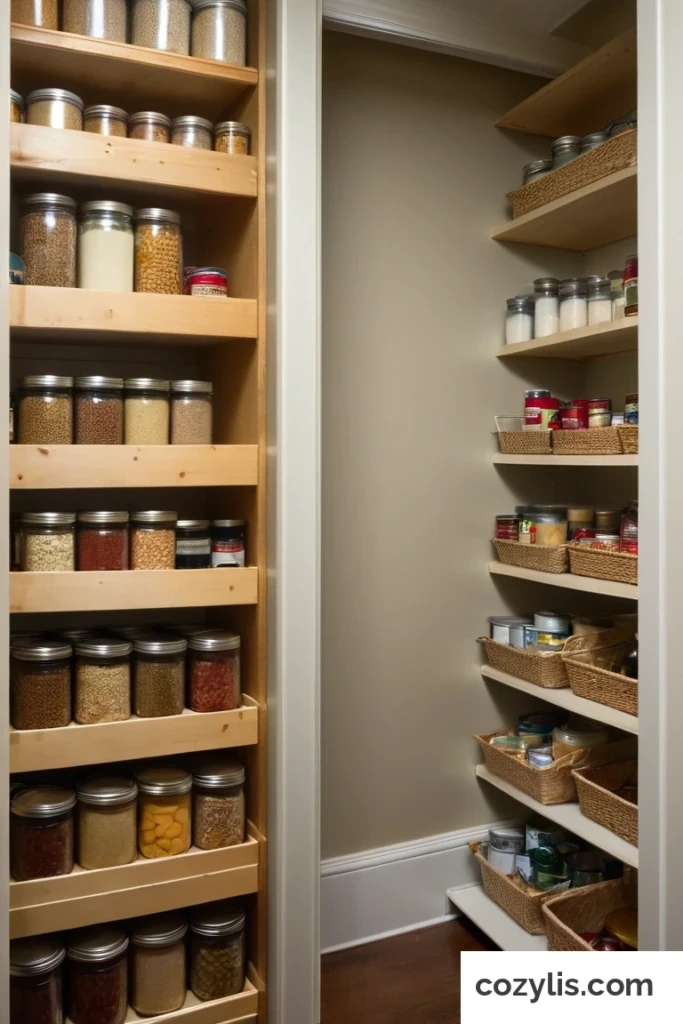
Sometimes the most practical solution to a kitchen without a pantry is to store certain supplies somewhere else in the home.
If nearby rooms have unused cabinets, closets, or wall space, they can provide additional storage without requiring changes to the kitchen itself.
A dining room sideboard is an excellent option for storing extra tableware, unopened packaged foods, and entertaining essentials. Because these items are not needed during every cooking session, keeping them outside the kitchen rarely affects daily convenience.
A hallway closet can also become a compact pantry with the addition of adjustable shelving and labeled containers. Grouping products into categories makes it easier to locate ingredients and monitor supplies.
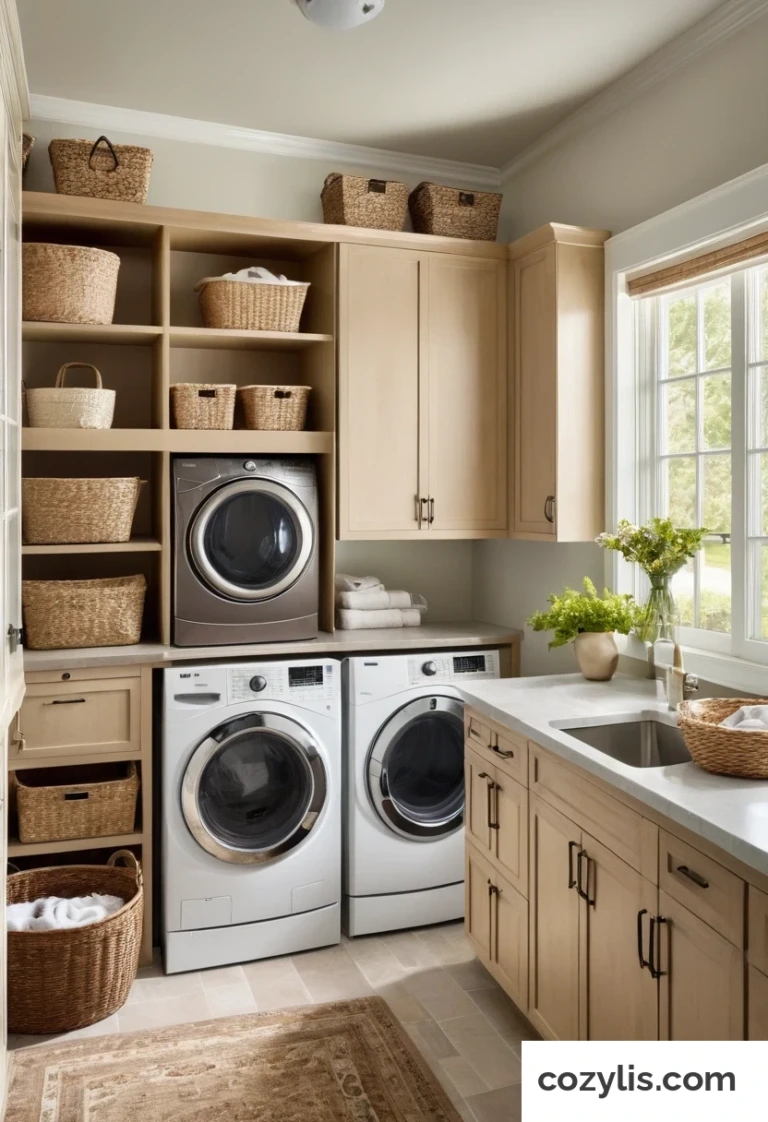
For homes with an adjacent laundry room or utility space, a dedicated shelving unit may accommodate backup groceries and household essentials. However, food should be stored away from detergents, chemicals, excessive moisture, and heat-producing appliances.
A small breakfast station outside the main kitchen is another creative possibility. A console table or enclosed cabinet can hold coffee supplies, tea bags, mugs, and packaged breakfast items, reducing congestion around kitchen countertops.
If you have a garage or basement, these areas may be suitable for storing certain nonfood kitchen supplies. Temperature fluctuations, humidity, and pests can make them unsuitable for many food products, so check storage conditions before moving groceries there.
When creating an overflow pantry, accessibility should remain a priority. Store frequently used ingredients in the kitchen and reserve secondary spaces for bulk purchases, duplicate supplies, and occasional-use items.
Clear labels and simple inventory habits can prevent unnecessary purchases. Keeping a small list of backup groceries helps you identify what is available before shopping.
The most successful storage systems also consider the distance between rooms. A nearby dining area or hallway is usually more convenient than a distant storage location, especially for products used several times a week.
By extending storage beyond the kitchen, you can keep cooking areas organized without sacrificing the convenience of having essential supplies available when needed.
A missing pantry doesn't have to limit your kitchen's functionality. Freestanding cabinets, organized islands, wall-mounted solutions, and nearby storage spaces can all help create a more efficient home without costly construction.
The key is to choose solutions that fit your available space, daily habits, and storage needs. Start by organizing one overlooked area, then expand your system as necessary. With thoughtful planning, even a kitchen without a traditional pantry can offer plenty of convenient, hidden storage in 2026. We hope these no pantry storage ideas help you create a more organized, functional home.
Rolling Carts and Slim Pull-Out Organizers
Narrow gaps are some of the most overlooked storage spots in a kitchen. The space between the refrigerator and the wall, beside the stove, or at the end of a cabinet run is often just 6 to 10 inches wide, which is perfect for a slim rolling cart. These carts slide out to reveal several shelves of canned goods, spices, oils, and snacks, then disappear again when you push them back in.
A three-tier utility cart on wheels is another flexible option. Park it in a corner and fill it with baskets for bread, potatoes, onions, and grab-and-go snacks. Because it moves, you can roll it next to the counter while cooking and tuck it away when guests arrive. Choose carts with locking wheels and a raised lip on each shelf so items stay put.
Over-the-Door and Inside-Cabinet Organizers
Every door in or near the kitchen can become storage. An over-the-door rack with adjustable baskets holds spices, sauces, snacks, and small jars without taking up any floor space. Use it on a nearby closet, a laundry room door or even the back of a basement door if it opens close to the kitchen.
Inside existing cabinets, tiered shelf risers, under-shelf baskets, and stackable bins double usable space. Door-mounted racks inside base cabinets are ideal for foil, wraps, and cutting boards, freeing up shelves for food. Lazy Susans in corner cabinets bring items at the back within easy reach and reduce forgotten, expired groceries.
How to Decide What to Store Where
Before buying organizers, sort your groceries into three groups. Everyday items such as breakfast cereals, oils, coffee, and spices should live closest to where you use them, ideally at eye level in the kitchen. Weekly items such as baking supplies, pasta, and canned goods can sit in lower cabinets, an island, or a rolling cart. Bulk and backup stock belongs farther away, such as in a hall closet, a garage shelf, or under a bed in labeled bins.
Clear, airtight containers make it easy to see what you have and keep dry goods fresh. Label everything, including expiry dates for opened products, and keep a running shopping list on the inside of a cabinet door. These small habits make a kitchen without a pantry feel organized and easy to manage.
Quick Pantry Alternatives at a Glance
- Freestanding pantry cabinet or tall bookcase with doors
- Kitchen island with deep drawers or open baskets
- Slim rolling cart beside the refrigerator
- Wall-mounted open shelves with labeled jars
- Over-the-door rack on a nearby closet door
- Dining room sideboard or hutch for backup stock
- Garage or basement shelving for bulk purchases
Conclusion
Not having a pantry does not mean living with cluttered counters. With freestanding cabinets, smarter island storage, wall shelves, slim rolling carts and a little help from nearby rooms, you can create a functional food storage system in almost any kitchen. Start with the items you use every day, add one or two organizers at a time, and adjust as you learn what works best for your household.