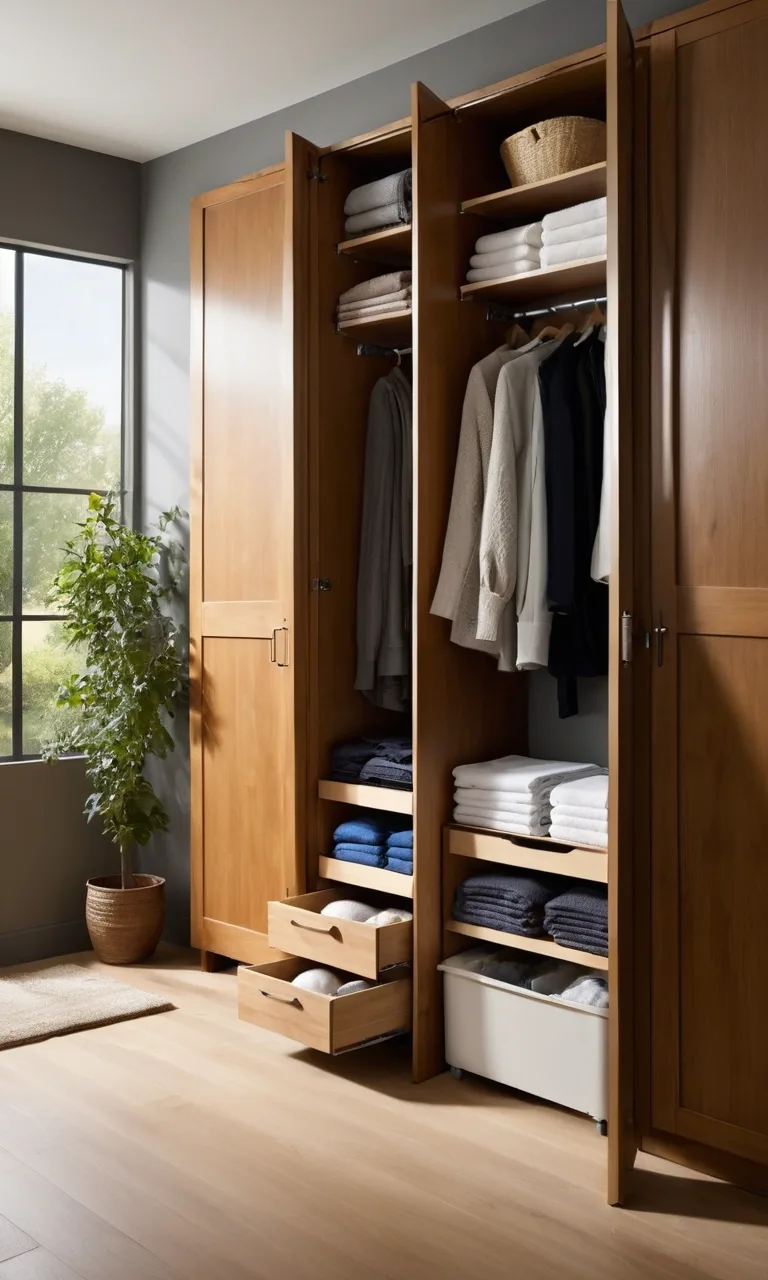
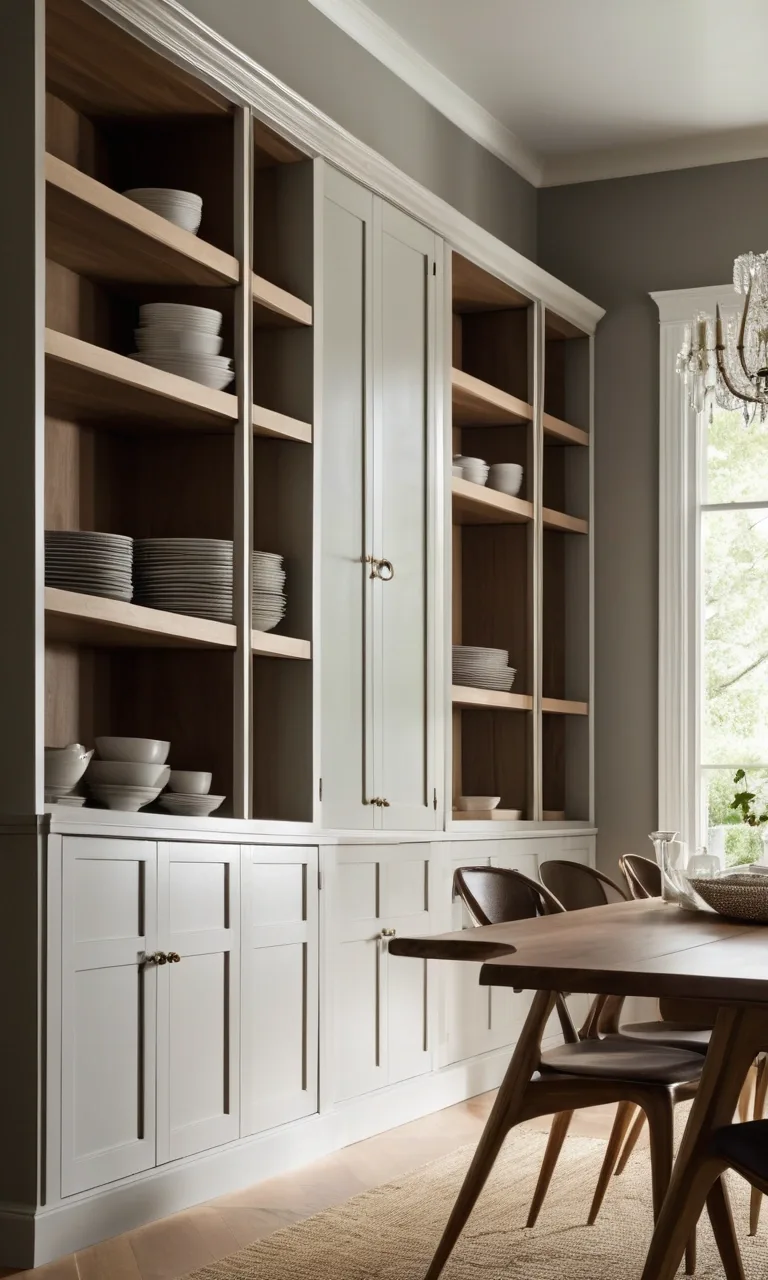
16 Balcony Storage Ideas for 2026
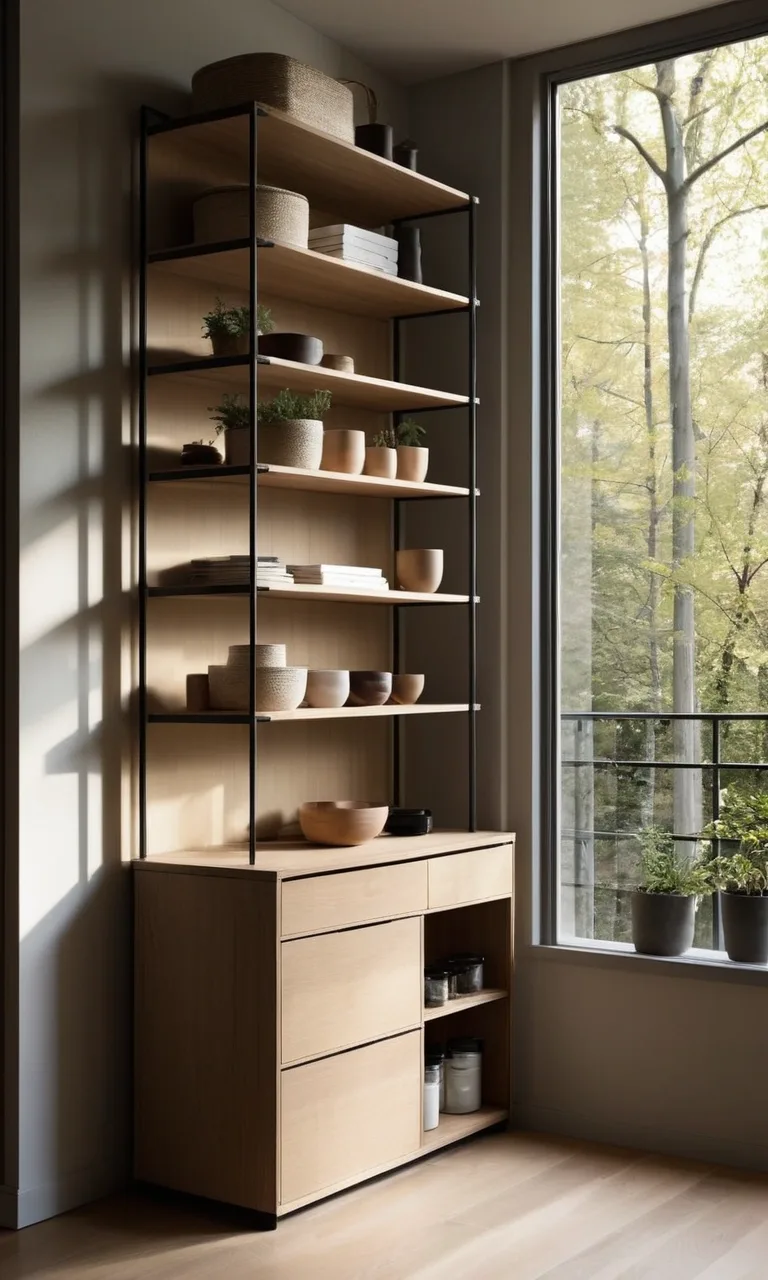
A balcony can be more than a place to enjoy fresh air. With the right storage solutions, even a narrow outdoor space can accommodate gardening supplies, cushions, cleaning products, and everyday essentials without feeling crowded. The key is to choose furniture and organizers that fit your balcony's dimensions while standing up to outdoor conditions. These 16 balcony storage ideas combine practical organization with attractive design, helping you create a tidy space that remains comfortable and inviting.
How Can You Add Hidden Storage to Your Balcony Setup?
Hidden storage makes a balcony look organized by keeping everyday items out of sight. Instead of filling the floor with plastic bins and scattered accessories, consider furniture that serves two purposes, such as storage benches, compact cabinets, and tables with drawers.
Start by identifying what you need to store. Gardening tools, spare plant pots, outdoor cushions, and small maintenance supplies may each require different arrangements. Choose waterproof or weather-resistant containers for items exposed to moisture, and keep delicate belongings in a protected indoor location during severe weather.
Make the most of vertical space by installing suitable wall cabinets or shelves where permitted. If your balcony is rented, freestanding organizers can provide similar benefits without permanent alterations. Always leave enough room for doors to open, plants to grow, and people to move around safely.
1. Slim Vertical Closet
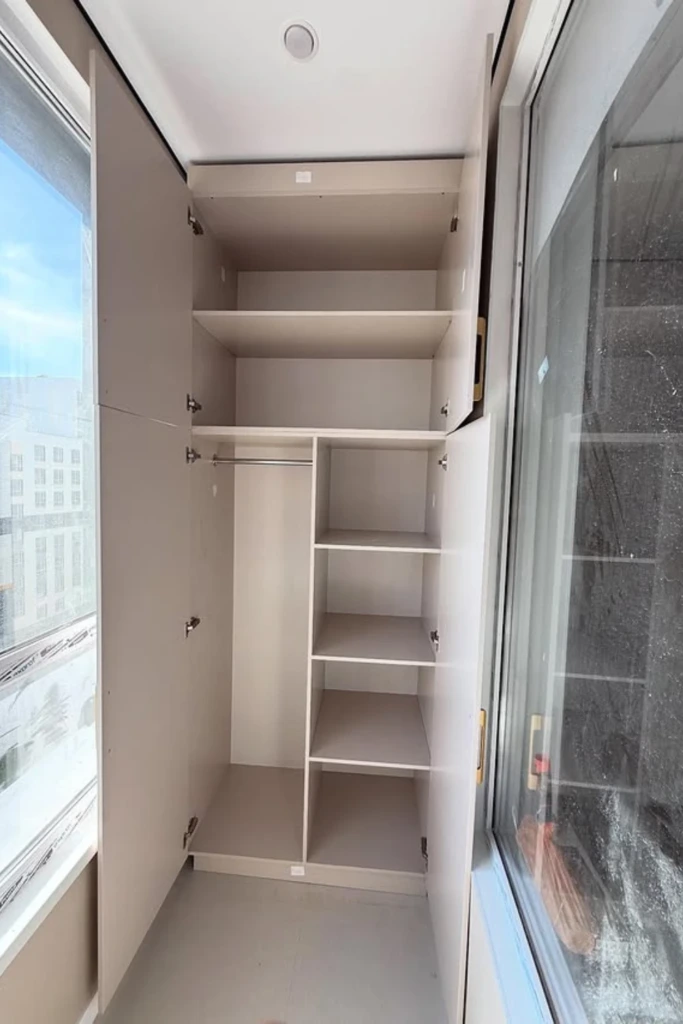
A slim vertical closet is an excellent choice for balconies where floor space is limited. Its tall, narrow design offers useful storage without taking up the area needed for seating or walking.
Use the shelves to organize watering cans, gardening gloves, small pots, cleaning cloths, and other lightweight supplies. Adjustable shelving makes it easier to accommodate items of different heights, while a closed door creates a cleaner appearance.
Look for a model designed specifically for outdoor use, with UV-resistant materials and adequate ventilation where needed. Secure the closet against tipping, especially on exposed balconies. Before purchasing one, measure the available width, depth, and height to ensure it fits comfortably.
2. Garden Tool Cabinet
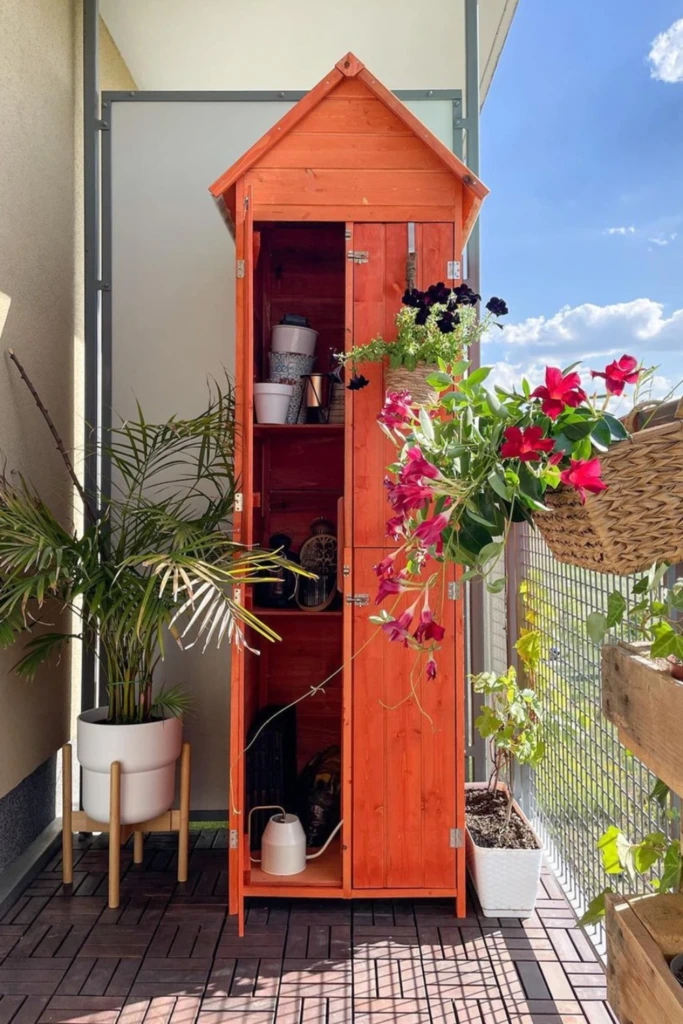
A garden tool cabinet keeps your gardening equipment together instead of spreading it across the balcony. It provides a designated place for hand trowels, pruning shears, plant food, spare gloves, and other supplies used to maintain potted plants.
Choose a cabinet with separate compartments or hooks so tools remain easy to find. A taller model may accommodate longer-handled tools, while a compact cabinet works well for a small collection of essentials.
Weather-resistant resin, treated timber, and appropriately protected metal are practical material choices. Keep sharp tools secured and store fertilizers or garden chemicals according to their labels, away from children and pets. Avoid storing damp tools in a tightly sealed cabinet because trapped moisture can encourage corrosion and mildew.
3. Wall Cabinet Setup
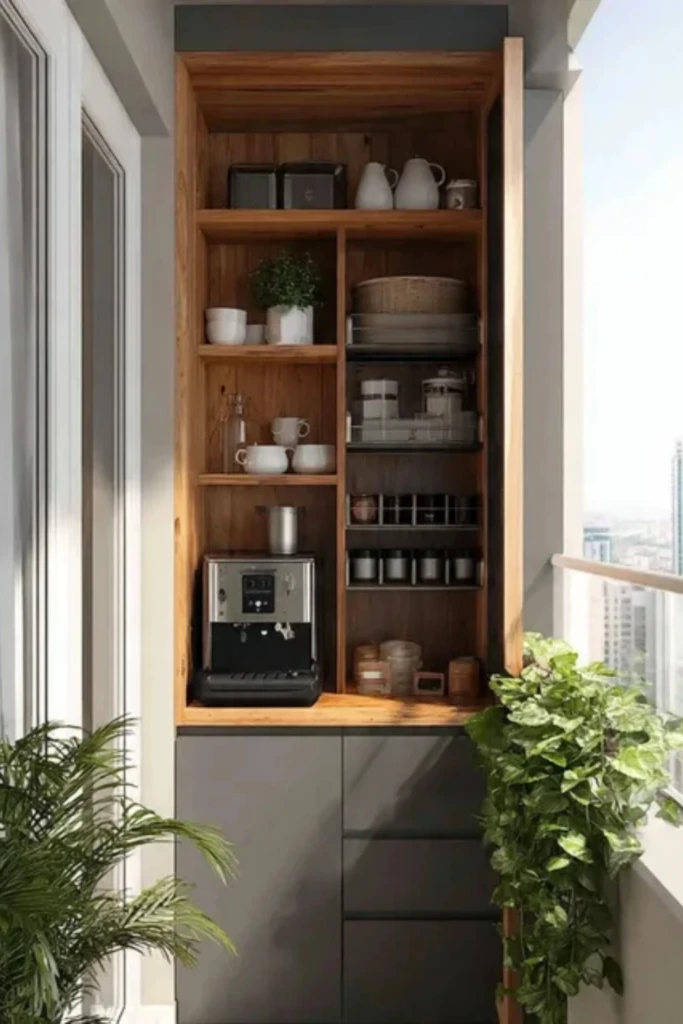
Wall-mounted cabinets free up valuable floor space while providing concealed storage for smaller balcony accessories. They work particularly well above a compact work surface or in an unused corner where a freestanding unit would feel bulky.
Use the interior for lightweight items such as plant labels, spare string, gardening gloves, and small watering accessories. Group similar belongings in containers to prevent clutter from building up inside.
Installation requires careful planning. Check that the wall can support the cabinet and its contents, and use fixings suitable for the wall material and outdoor environment. In apartments, confirm whether drilling is allowed and whether the balcony wall is suitable for mounting. Keep cabinets away from areas where falling objects could injure someone below.
4. Console With Storage
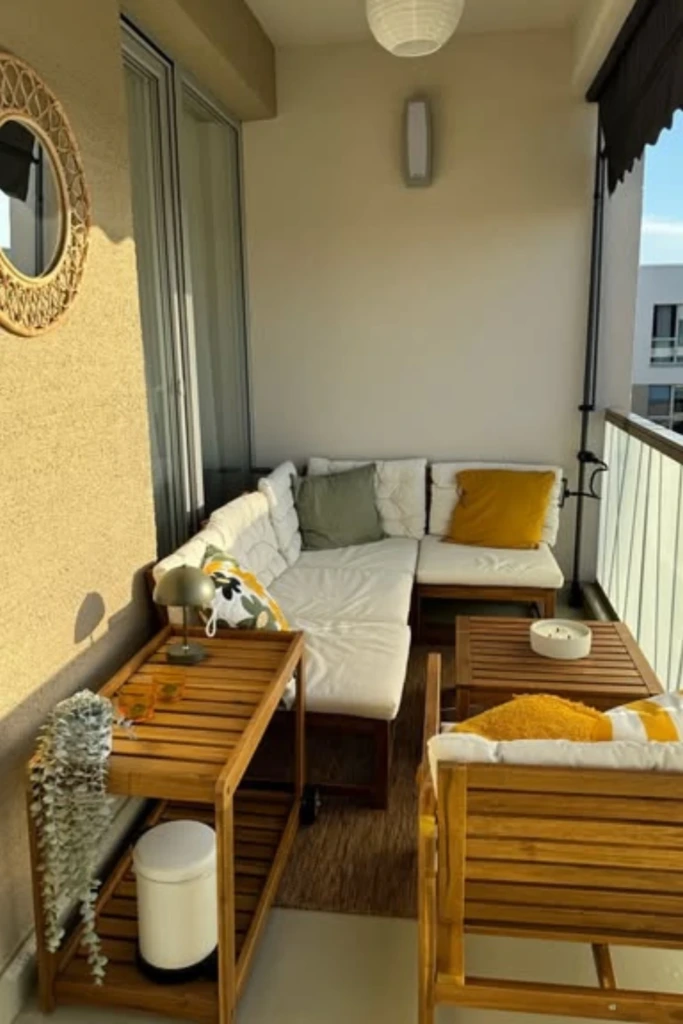
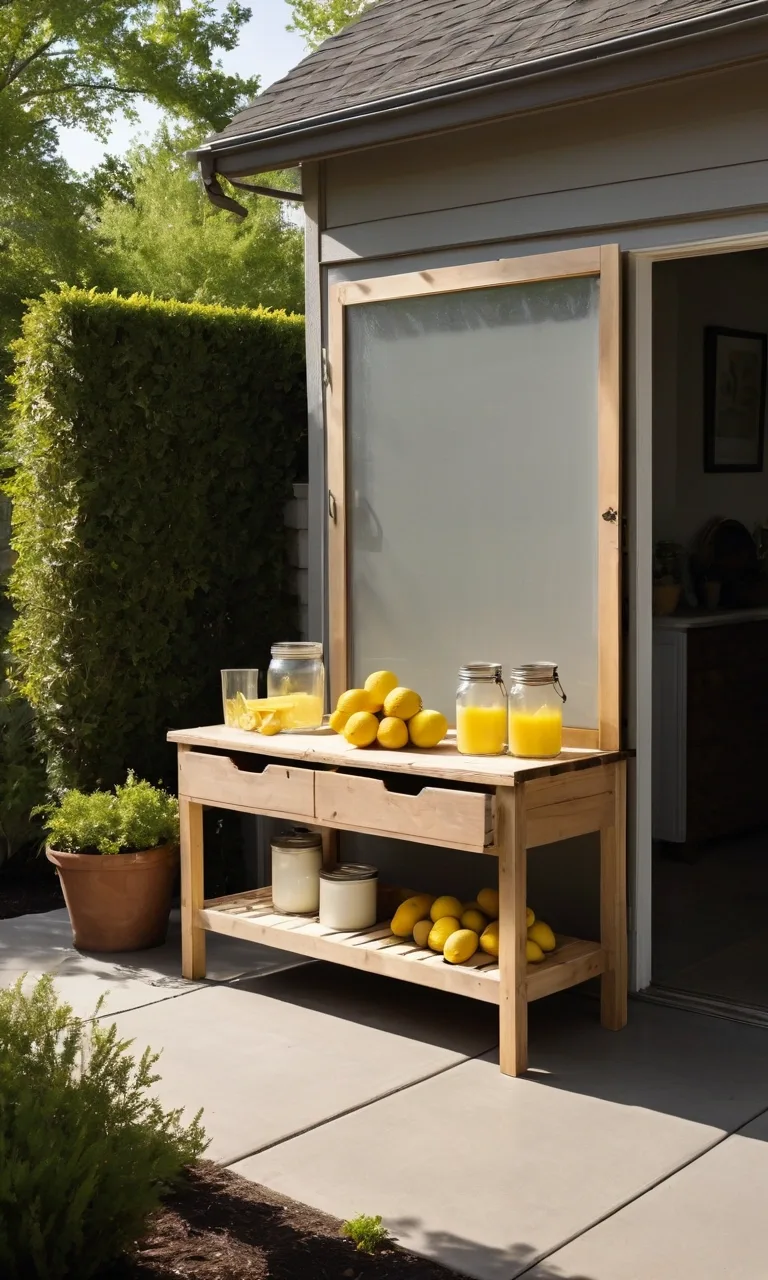
A narrow console table offers a convenient surface for decorating your balcony while providing room to store useful items. Depending on its design, it may include drawers, a lower shelf, or enclosed cupboards.
Place the console against a suitable wall to preserve the central walking area. The top can hold a small potted plant, lantern, or tray for outdoor accessories, while the storage section keeps spare napkins, gardening supplies, and other compact belongings organized.
Choose a shallow design for a tight balcony and make sure it does not obstruct doors or access routes. Materials such as powder-coated metal, outdoor-rated timber, or weather-resistant resin can work well. Avoid leaving delicate decorative objects on the surface during heavy rain or strong winds.
5. Vertical Wall Planters
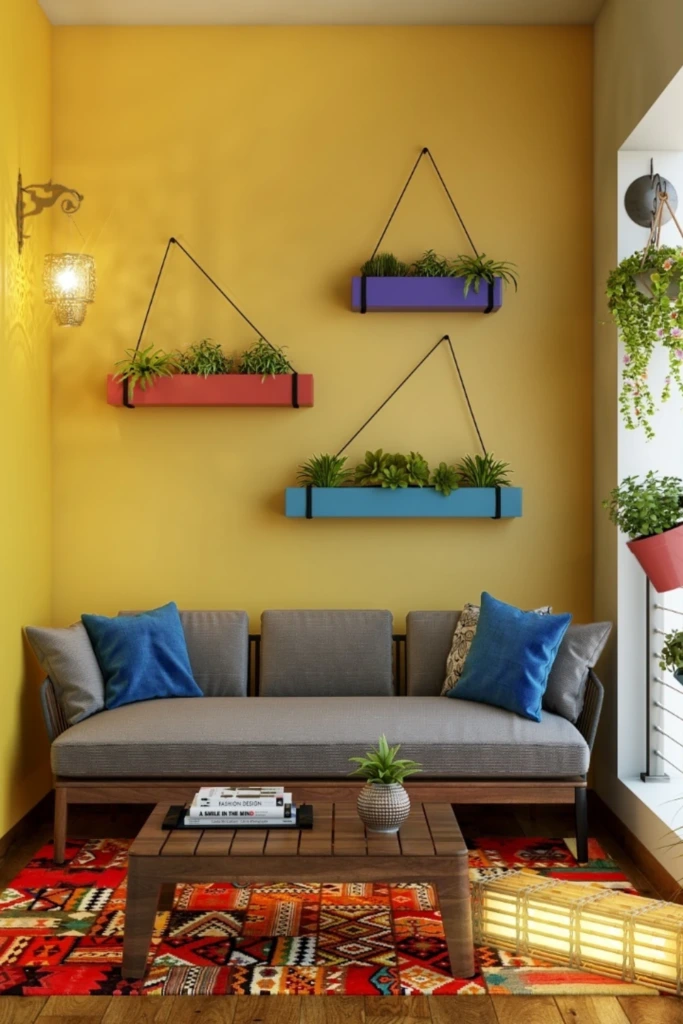
Vertical wall planters turn an unused wall into a productive growing area. They are especially helpful when you want greenery but have little room for large pots on the floor.
Arrange herbs, trailing plants, or compact flowering varieties in tiered planters or modular wall-mounted containers. Some systems include small pockets for gardening accessories, although their primary purpose is to display and grow plants rather than store household belongings.
Choose plants suited to your balcony's sunlight and wind exposure. Ensure the mounting system can support the combined weight of the planters, soil, and water, and use appropriate drainage to prevent standing water. Protect the wall from moisture and confirm that irrigation runoff will not damage neighboring balconies or create a slipping hazard.
6. Built-In Wall Shelves
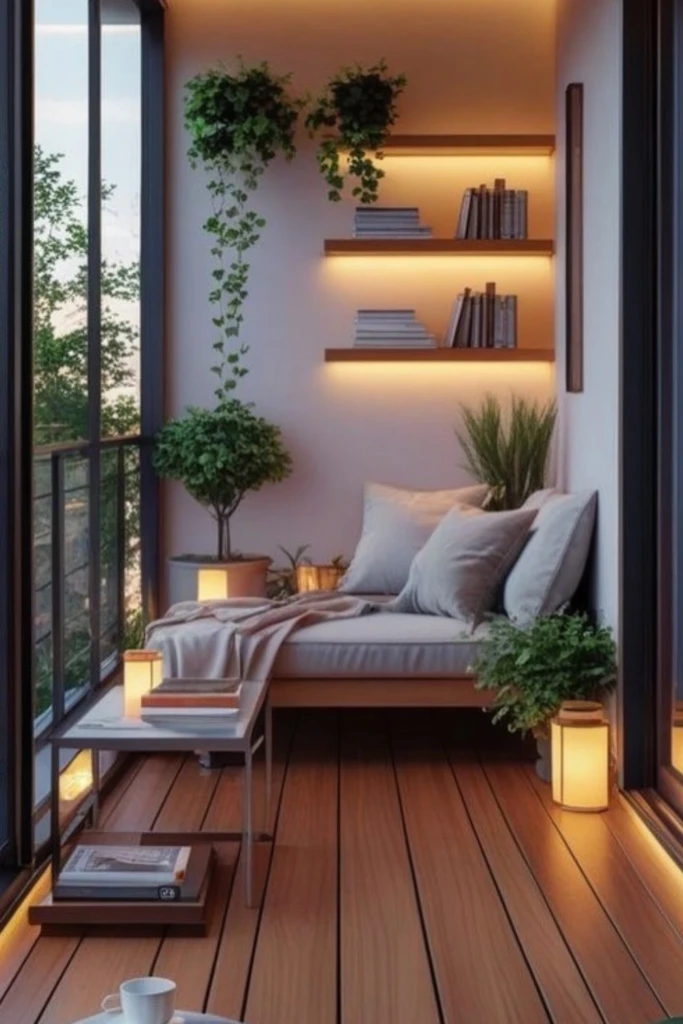
Built-in wall shelves make use of vertical space and provide flexible storage for plant pots, decorative objects, and frequently used balcony accessories. They can also help establish a more intentional design by creating a consistent arrangement along one wall.
Install a few shelves at different heights to accommodate items of varying sizes. Use sturdy, outdoor-suitable materials and keep heavier objects on lower shelves whenever possible. Small baskets or trays can group loose accessories and prevent the shelves from looking untidy.
If you cannot make permanent changes, freestanding shelving units offer a convenient alternative. Whichever option you choose, consider exposure to sunlight, rain, and wind. Avoid placing shelves where objects could fall over the railing, and never overload a shelf beyond its rated capacity.
7. Bench With Compartments
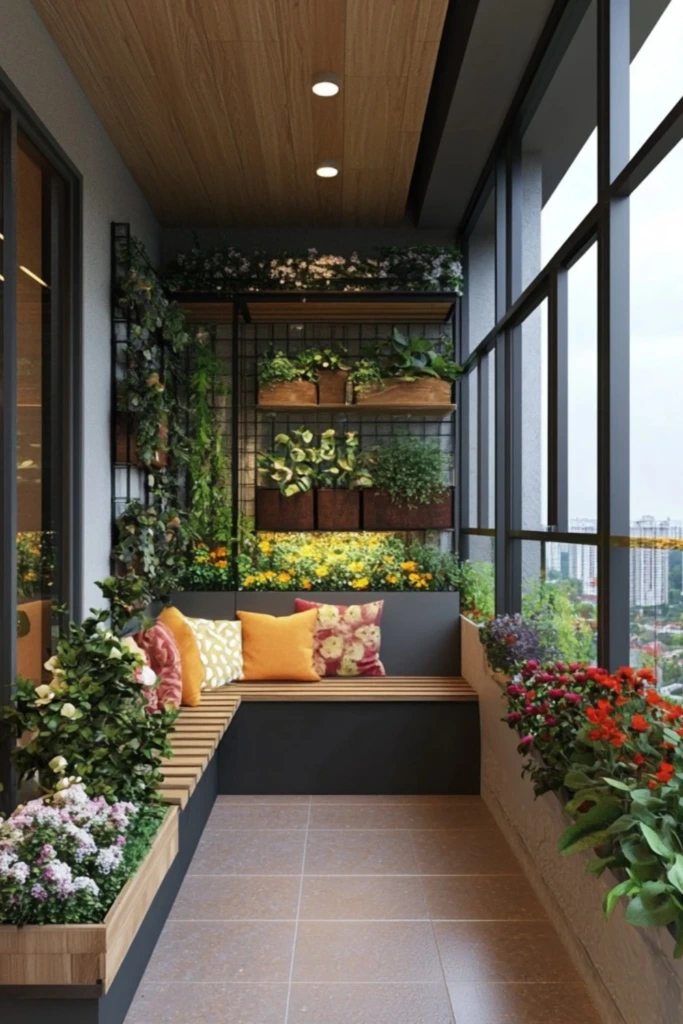
A storage bench combines comfortable seating with a useful place to keep balcony essentials. It is a practical option for households that want somewhere to sit without sacrificing additional floor space for a separate storage unit.
Use the compartment beneath the seat for outdoor cushions, folded throws, gardening gloves, or small accessories. Dividers and fabric organizers help keep the contents separated, while a hinged lid provides quick access.
Select a bench with weather-resistant construction and a lid that opens easily without trapping fingers. Ventilation is beneficial when storing fabrics, as it helps reduce moisture buildup. For cushions and other items that must remain dry, use waterproof storage bags or bring them indoors during prolonged wet weather.
8. Low Profile Cabinet
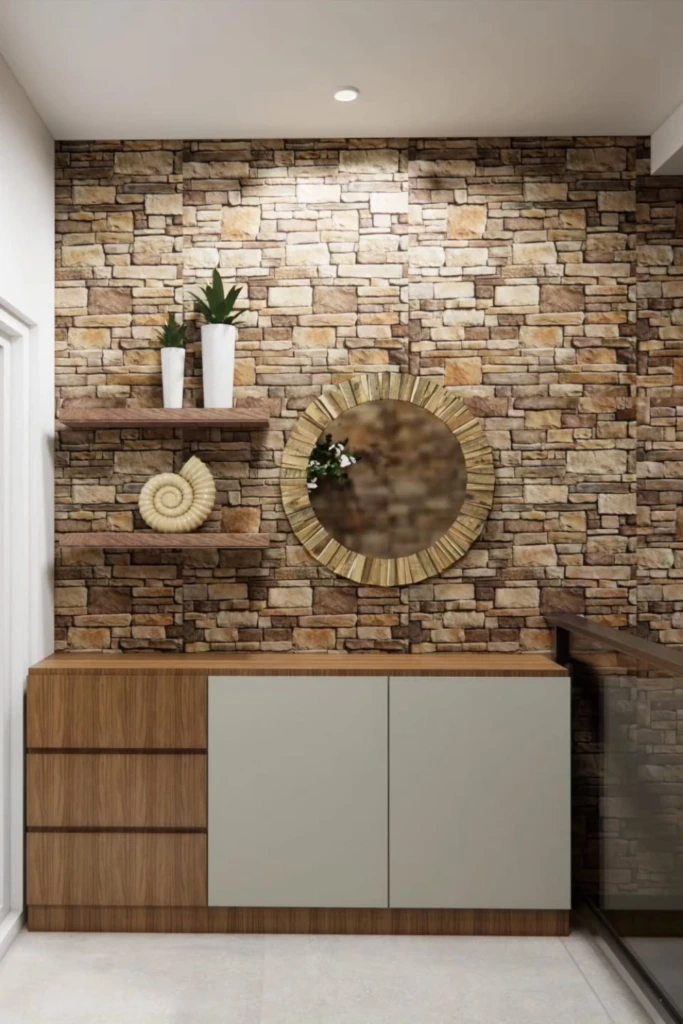
A low profile cabinet provides accessible storage while keeping the balcony's overall appearance open. Its horizontal shape works well beneath a window, along a wall, or beside a seating area where a taller cabinet might feel imposing.
Store compact plant pots, small tools, outdoor table accessories, and other items that do not require much vertical clearance. The top can also serve as a display surface for a lightweight planter or weather-resistant decoration, provided the cabinet is designed to support it.
Look for a unit with secure doors, sturdy construction, and feet that keep the base from sitting directly in standing water. Leave enough clearance to open the doors fully, and avoid placing the cabinet where it blocks drainage channels or access to utility equipment.
9. Under-Stair Storage Box
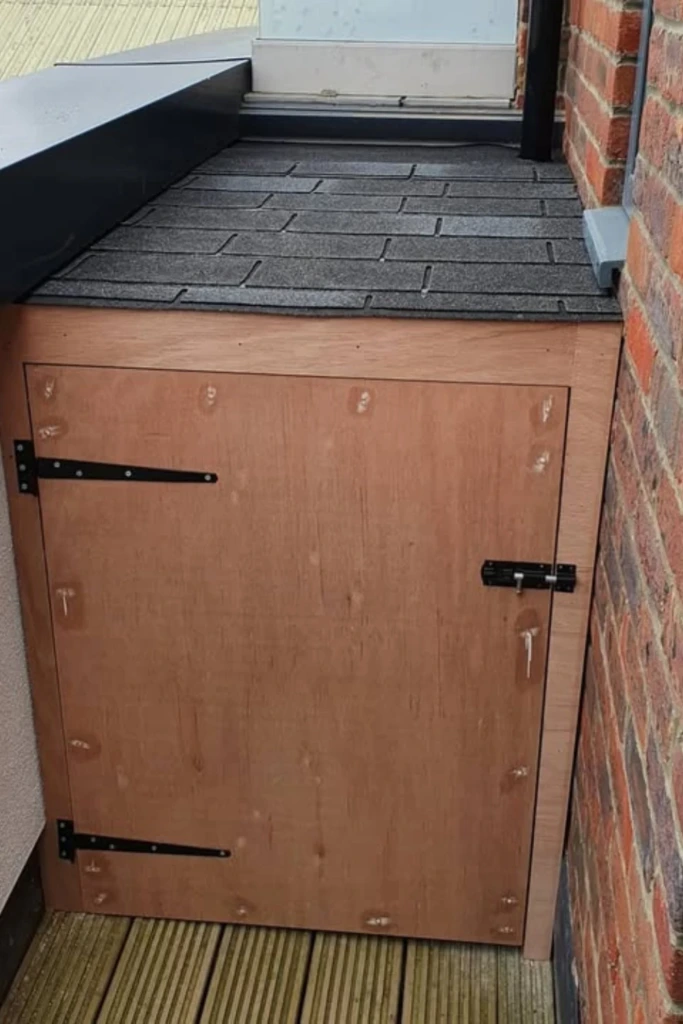
If your balcony has stairs, a raised platform, or a stepped layout, the area beneath it may provide an opportunity for additional storage. A fitted box or purpose-built compartment can turn an otherwise unused section into a practical organizing zone.
Use the space for small gardening supplies, spare pots, outdoor accessories, or other items that fit comfortably. A hinged access panel or removable lid makes it easier to retrieve belongings without moving nearby furniture.
Measure the available area carefully, including any sloping sections and structural supports. Select materials that can withstand the local weather, and make sure the enclosure does not interfere with stair access, ventilation, drainage, or maintenance. If the space is exposed to rain, protect stored items with suitable waterproof containers.
10. AC Unit Cover
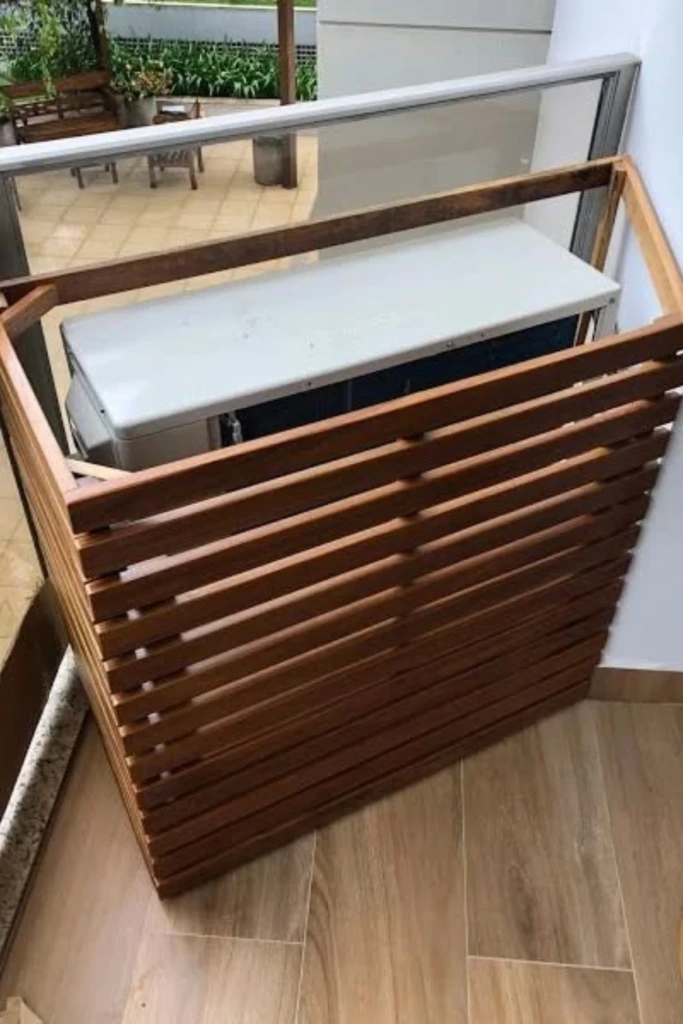
An air-conditioning unit can look visually out of place on a balcony, but an appropriately designed cover can make the surrounding area appear neater. Some covers also include a shelf-like top or nearby storage space for lightweight decorative items.
The most important consideration is airflow. Never enclose an outdoor AC unit in a standard cabinet or place objects where they block its intake or exhaust. Restricted ventilation can reduce performance and potentially damage the equipment.
Choose a cover specifically designed for your type of outdoor unit and follow the manufacturer's clearance requirements. Keep the area accessible for servicing, and do not use the cover as a storage shelf unless its design explicitly permits that use. If you need additional organization, place a separate slim cabinet nearby without obstructing the equipment.
11. Lift-Top Bench Storage
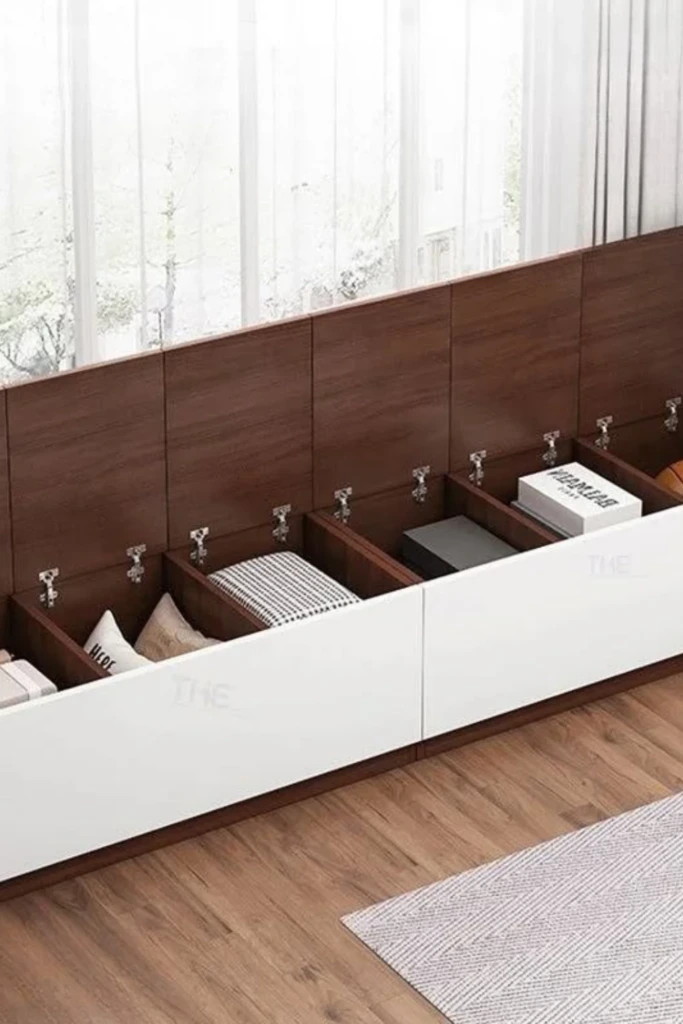
A lift-top bench makes stored belongings accessible without requiring a separate door or drawer. Simply raise the seat to reach the compartment beneath, making this design particularly useful when the balcony has limited room for swinging cabinet doors.
Store folded cushions, small gardening accessories, or lightweight outdoor items inside. Dividing the compartment with removable organizers can make it easier to locate specific belongings and keep the interior tidy.
Choose a model with weather-resistant materials and a lid that opens smoothly. Safety hinges or controlled-lift mechanisms can prevent the seat from dropping unexpectedly. If you plan to store fabrics, ensure the compartment stays dry and has adequate ventilation. Position the bench on a stable surface and leave enough space to lift the lid fully.
12. Full-Height Cabinet
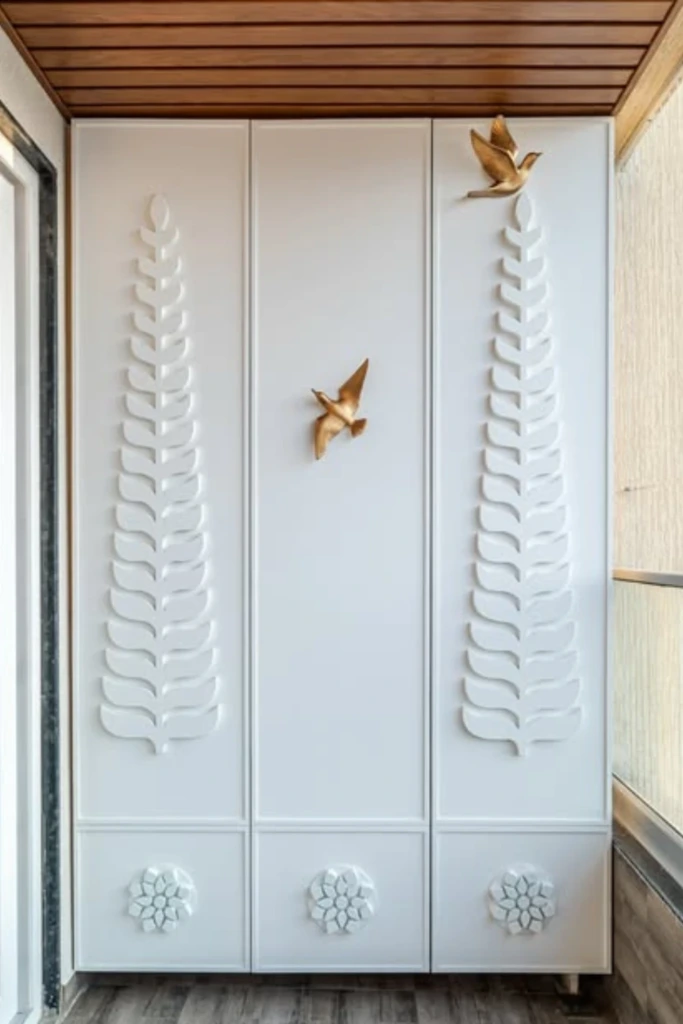
A full-height cabinet offers substantial storage capacity while using relatively little floor area. It is suitable for balconies where several categories of belongings need a dedicated home, including gardening supplies, plant pots, watering equipment, and outdoor maintenance tools.
Organize the interior by frequency of use. Keep everyday essentials on easily accessible shelves and place less frequently needed items higher up, provided they are light enough to lift safely. Adjustable shelves can accommodate tall bottles or bulky accessories as your storage needs change.
For outdoor placement, choose a cabinet with weather-resistant construction, secure doors, and a stable base. Tall units should be anchored or otherwise secured against tipping, particularly in windy locations. Measure the height carefully and make sure the cabinet will not interfere with overhead structures, windows, or access to essential equipment.
13. Overhead Wall Cabinets
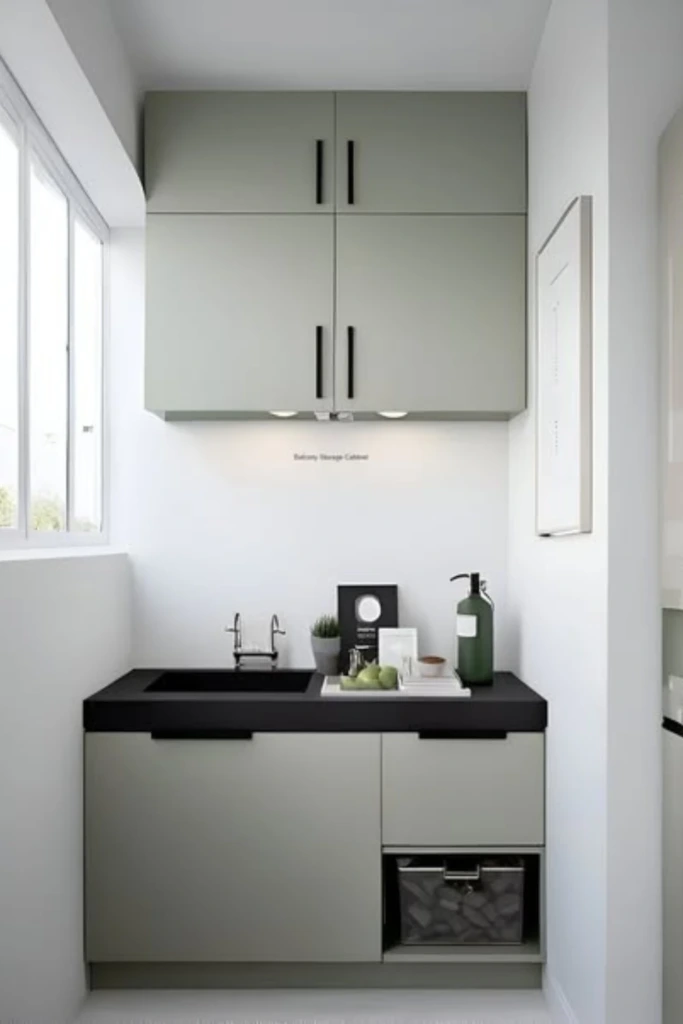
Overhead wall cabinets use space above the main activity area, allowing you to keep small belongings off the floor. They can be particularly useful on narrow balconies where additional furniture would make movement difficult.
Use them for lightweight accessories such as plant labels, gardening gloves, spare ties, and compact maintenance supplies. Keeping similar items together in small containers makes the most of the available shelves and prevents loose objects from becoming difficult to retrieve.
Before installing overhead storage, assess the strength of the wall and use suitable mounting hardware. Keep the cabinets securely closed and avoid storing heavy objects above seating areas. In exposed locations, select weather-resistant units and make sure rainwater cannot collect around the fittings. If permanent installation is not permitted, consider a tall freestanding organizer instead.
14. Open Shelf Styling
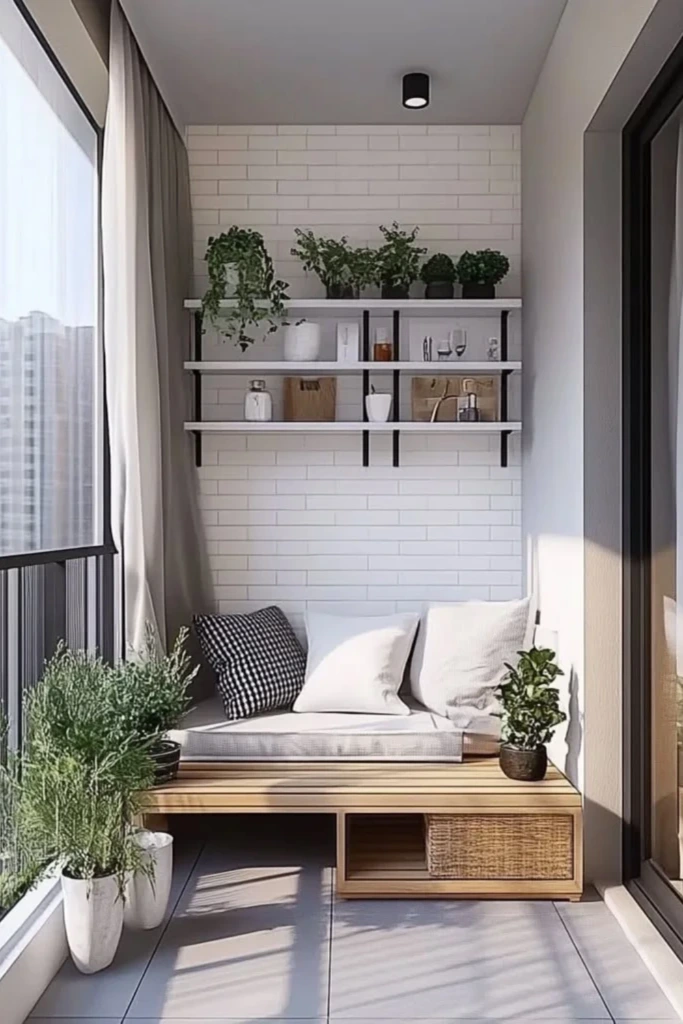
Open shelves provide storage without the visual weight of a row of closed cabinets. They are a good option when you want your balcony to feel decorative and organized at the same time.
Arrange a combination of small plants, attractive pots, watering accessories, and practical containers on the shelves. Matching baskets can conceal less attractive items while preserving the open appearance. Repeating a few colors or materials creates a coordinated look without requiring expensive furniture.
Keep the arrangement functional rather than overcrowded. Leave room to water plants and remove items easily, and position heavier belongings on the lower shelves. Outdoor-rated shelving is essential if the unit will be exposed to the elements. Secure the structure against wind and avoid placing fragile decorations near the railing.
15. Hidden Bench Compartments
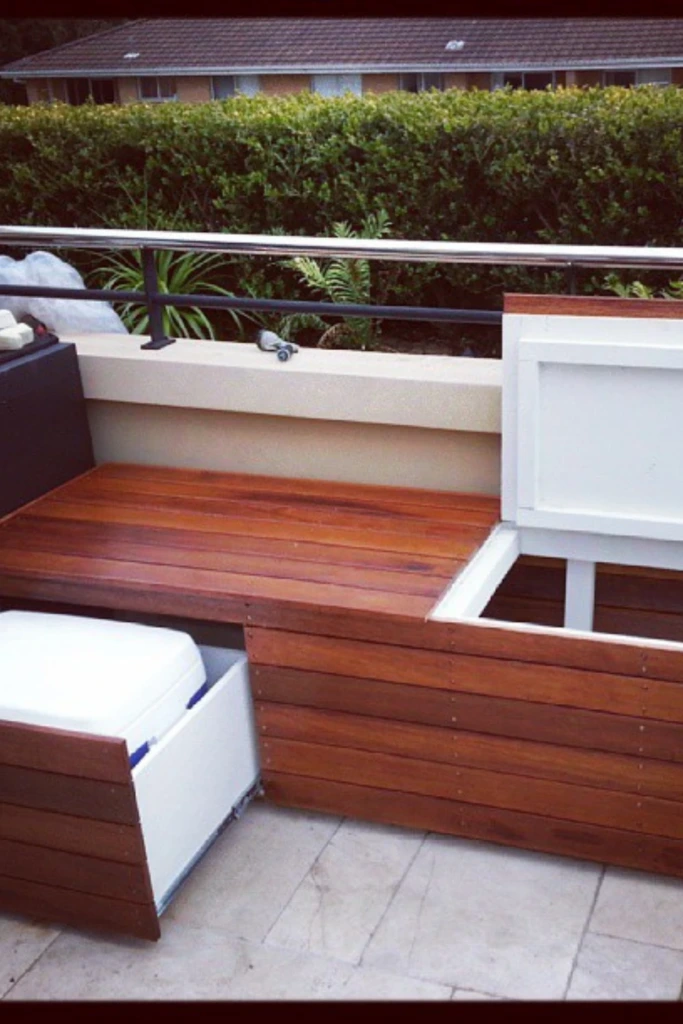
A bench with concealed compartments provides a discreet way to store items while maintaining a comfortable seating area. Unlike a conventional storage box, it can blend into the balcony design and serve as a permanent part of the furniture arrangement.
Use the compartments for small cushions, folded outdoor textiles, gardening accessories, or seasonal decorations. If the bench contains multiple sections, assign each one a purpose so you can find items quickly without emptying the entire space.
Choose a design that provides convenient access and is suitable for outdoor conditions. Removable liners or waterproof bags can offer additional protection for stored belongings. Check the interior occasionally for dampness, dust, or insects, and allow fabrics to dry fully before putting them away. Leave sufficient space around the bench for comfortable seating and easy access to its compartments.
16. Slim Utility Rack
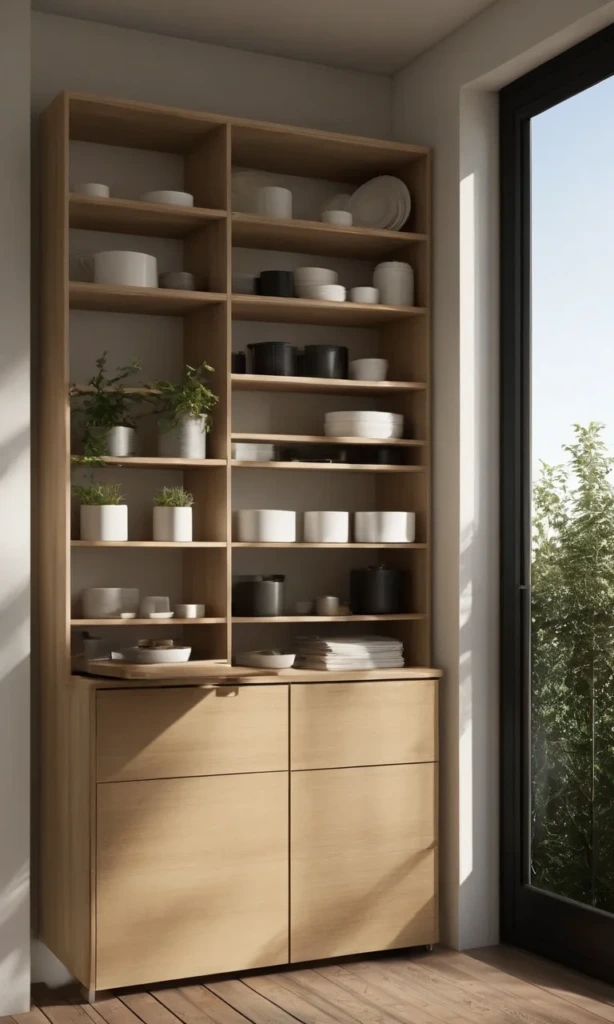
A slim utility rack offers simple, accessible storage for everyday balcony essentials. Its narrow footprint makes it suitable for awkward gaps beside cabinets, near a utility area, or along a wall that cannot accommodate larger furniture.
Depending on the design, the rack can hold watering cans, small plant pots, cleaning supplies, and gardening accessories. Models with several tiers make vertical use of the available space, while hooks can keep lightweight tools within reach.
Select a rack made from corrosion-resistant metal, outdoor-rated resin, or another material suited to your climate. A freestanding model should have a stable base, and taller racks may need securing in windy conditions. Keep heavier objects on lower levels and avoid stacking items where they could fall onto people or neighboring properties.
FAQs
Choosing the right balcony storage depends on your available space, local weather, and the belongings you want to organize. The following answers address common concerns about creating a functional outdoor storage area.
Can Hidden Storage Work on a Very Small Balcony?
Yes, hidden storage can work particularly well on a small balcony because it reduces visible clutter without requiring numerous separate organizers. The best approach is to select compact, multipurpose pieces rather than trying to fit several cabinets into a limited area.
A narrow vertical cabinet can use an unused corner, while a storage bench combines seating and organization in one footprint. Wall-mounted shelves may also help, provided the installation is safe and permitted. For extremely tight spaces, consider a small weather-resistant box that fits beneath an existing table or a slim rack positioned against a wall.
Before buying anything, measure the balcony and mark out the furniture dimensions on the floor. Account for door movement, walking space, drainage, and access to utility equipment. Avoid storing so many items that the balcony becomes difficult to use. The goal is to make essential belongings easier to manage while preserving the space's primary purpose as an outdoor retreat.
What Materials Last Long Outdoors?
The most suitable outdoor storage material depends on the amount of sun, rain, humidity, and wind your balcony experiences. Choosing a material designed for outdoor conditions helps prevent premature deterioration and reduces maintenance.
UV-resistant resin: Lightweight, easy to clean, and generally resistant to moisture. Higher-quality outdoor models are preferable because prolonged sunlight can damage some plastics.
Powder-coated metal: A practical choice for modern cabinets and utility racks. Look for corrosion-resistant construction and inspect the coating for scratches that could allow rust to develop.
Stainless steel: Useful for fittings and selected outdoor storage products, although corrosion resistance varies by grade and exposure to salty air.
Treated timber: Offers a natural appearance and works well for benches, cabinets, and shelving when the wood is suitable for outdoor use and maintained according to its finish.
Outdoor-rated composite materials: Can provide a wood-like appearance with relatively low maintenance, depending on the product's composition and construction.
Regardless of material, good design matters. Look for secure joints, suitable hardware, effective drainage, and a stable base. Keep storage units away from standing water, follow the manufacturer's maintenance instructions, and use waterproof containers for belongings that must remain dry.
Final Thoughts
A well-organized balcony does not need bulky furniture or complicated renovations. Slim cabinets, vertical shelving, storage benches, and carefully selected utility racks can create useful space for everyday belongings while keeping the area comfortable and attractive. Start with the items you need to store, choose weather-resistant solutions that suit your balcony's dimensions, and keep walkways and drainage clear. With a thoughtful arrangement, even a small balcony can become a tidy, practical extension of your home.