21 Renter Friendly Storage Ideas for 2026
Living in a rental often means learning how to do more with less space. Closets can be cramped, kitchen cabinets may lack room for essentials, and everyday belongings can quickly take over countertops and floors.
Adding storage seems like an easy fix until you remember the restrictions that come with renting. Drilling holes, installing permanent fixtures, or making structural changes may violate your lease or put your security deposit at risk.
Fortunately, you can create a more organized home without committing to permanent renovations. The right combination of movable furniture, clever organizers, and overlooked spaces can make even a small apartment feel more functional.
These renter-friendly storage ideas offer practical ways to keep your belongings accessible, reduce clutter, and make the most of the space you already have.
How Can Renters Add More Storage Without Making Permanent Changes?
The easiest way to increase storage in a rental is to rethink how you use your existing space. Instead of relying on built-in cabinets and shelves, look for opportunities behind doors, beneath beds, inside awkward corners, and along unused vertical surfaces.
Freestanding shelving units, stackable containers, rolling carts, and removable hooks can provide additional storage without requiring permanent alterations. Over-the-door organizers are particularly useful for bedrooms, bathrooms, and kitchens where floor space is limited.
Multifunctional furniture can also help. A storage bench provides seating and a place for shoes, while an ottoman with a removable lid can conceal blankets, books, or other household items.
Before installing anything, check your lease and the manufacturer's instructions. Even adhesive products can damage certain paint finishes, and some supposedly removable fixtures require specific surfaces to work safely.
With a flexible setup, you can keep your home organized now and move most of your storage solutions to your next place.
1. Wall Rack
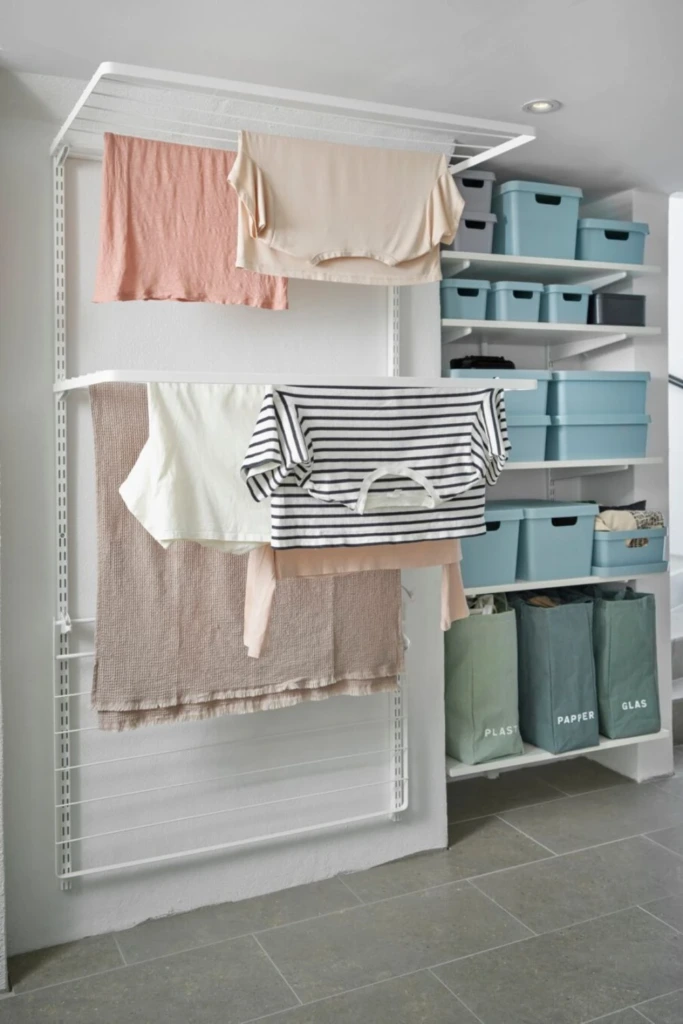
A foldable drying rack can make laundry easier to manage when your rental has limited space for hanging clothes. Choose a freestanding or tension-supported model if you cannot attach fixtures to the wall, or consider a wall-mounted version if your landlord permits installation.
Position the rack in a laundry corner, bathroom, or another well-ventilated area where damp clothes can dry without blocking walkways. A folding design is especially convenient because it can be tucked away when not in use.
You can also use the surrounding area to organize laundry essentials. A small rolling cart can hold detergent, fabric care products, clothespins, and washing accessories, keeping everything together instead of scattered around the room.
For delicate garments, select a rack with enough space between the bars to allow airflow. Avoid placing wet laundry directly over electrical appliances or on surfaces that could be damaged by moisture.
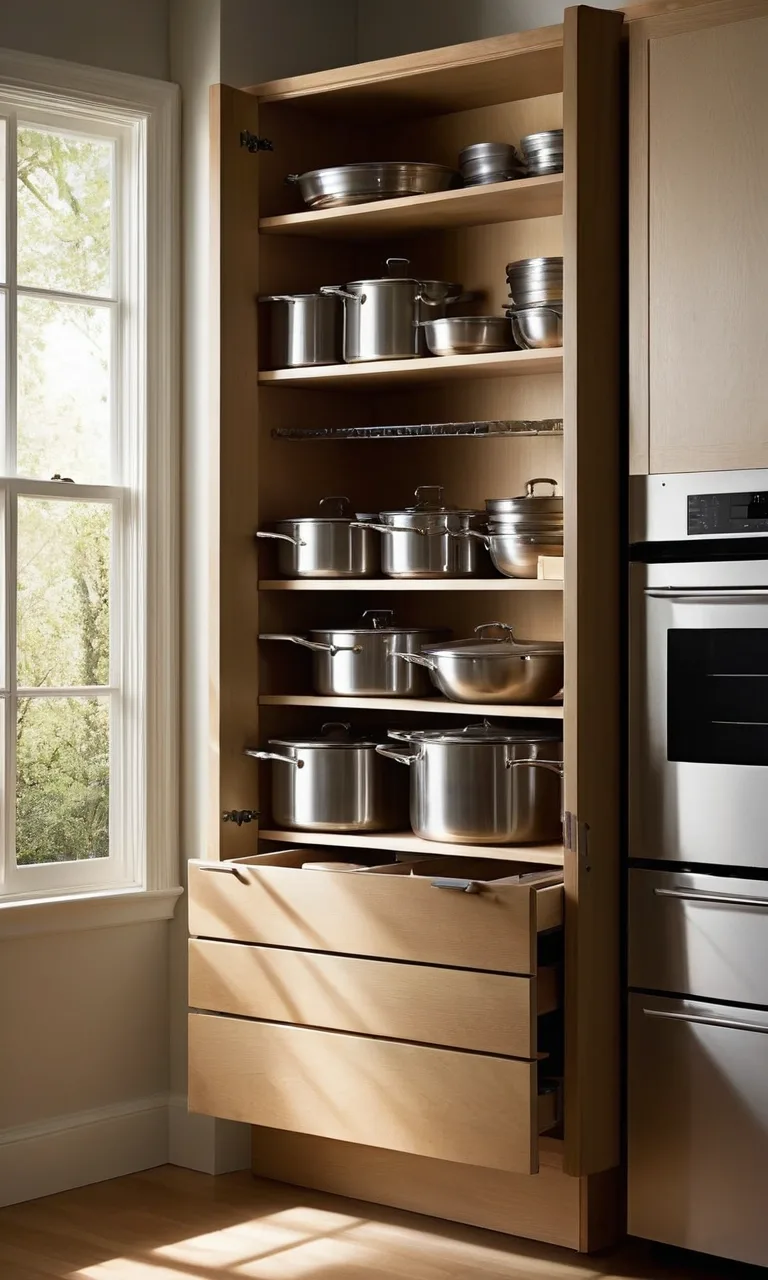
2. Pull-Out Pantry
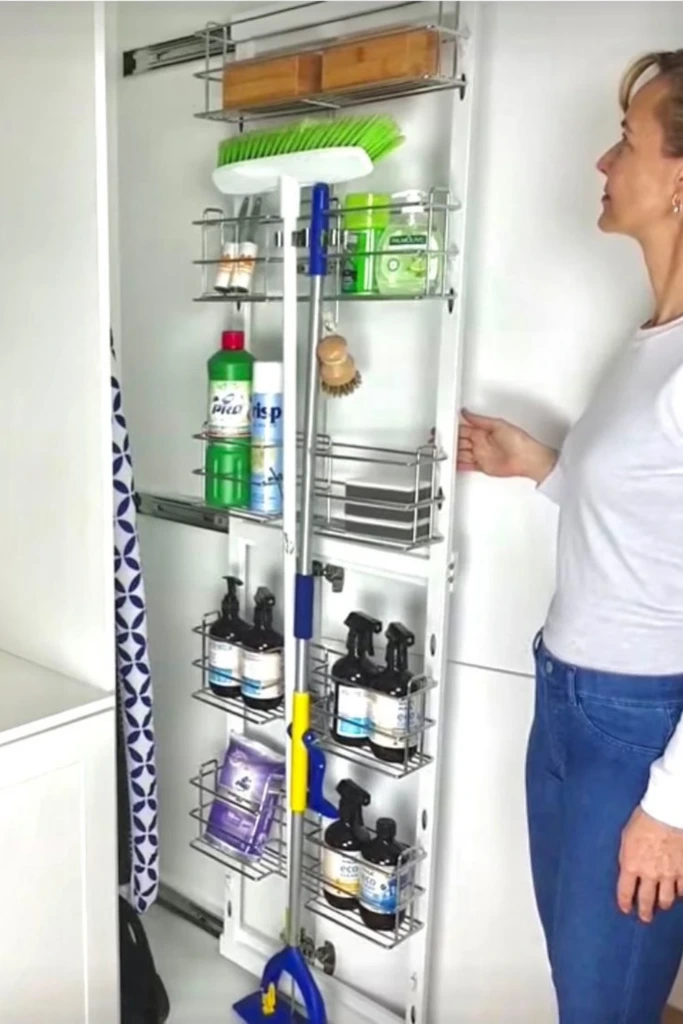
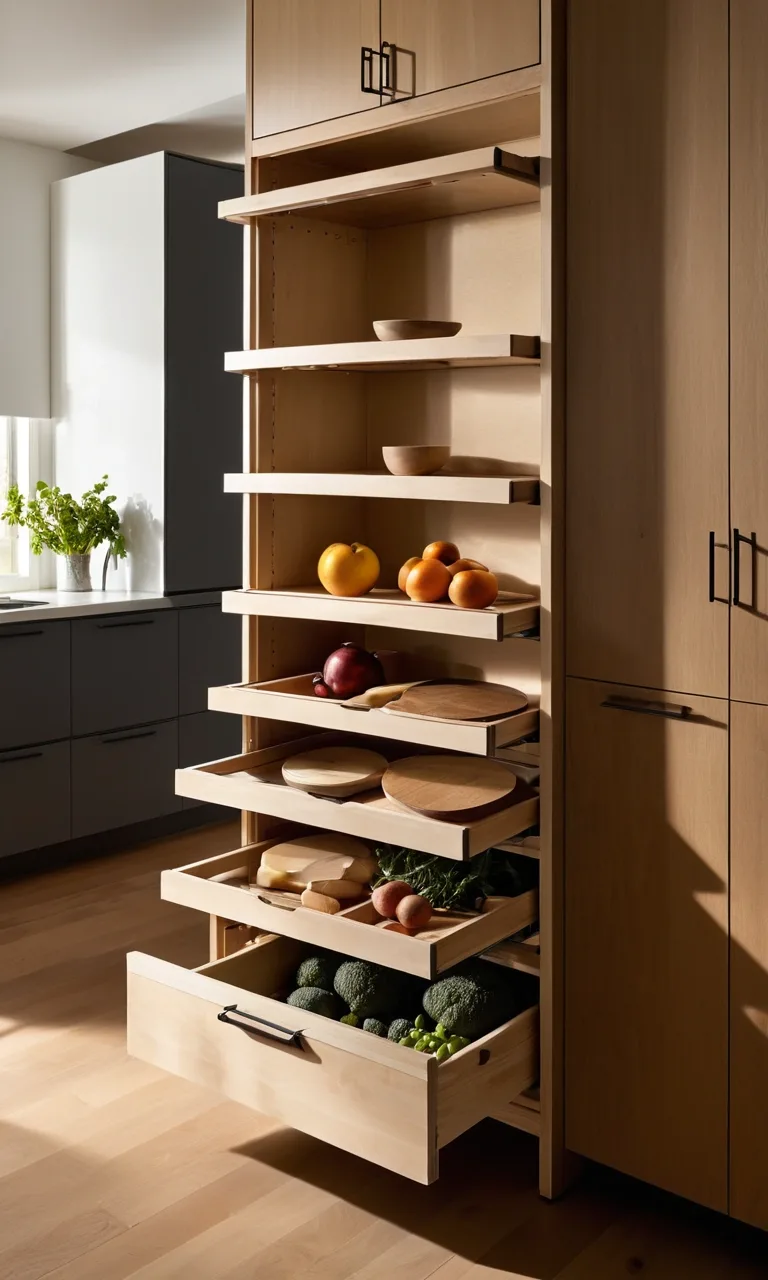
The narrow spaces beside refrigerators, washing machines, or kitchen cabinets can offer useful storage opportunities. A slim pull-out organizer turns one of these overlooked gaps into an accessible place for frequently used supplies.
Look for a rolling unit with several tiers that fits comfortably into the available opening. Depending on its design, it can hold cleaning products, pantry staples, dishwashing accessories, or household refills.
Organize each level according to purpose. Keep frequently used items near the top, heavier bottles toward the bottom, and small accessories inside containers so they do not slip through wire shelves.
Measure the width, depth, and height of the gap before buying an organizer. Remember to leave enough clearance for cabinet doors, appliance access, and ventilation where necessary.
This approach is particularly useful for renters who need more storage but cannot install additional cabinetry.
3. Shoe Tower
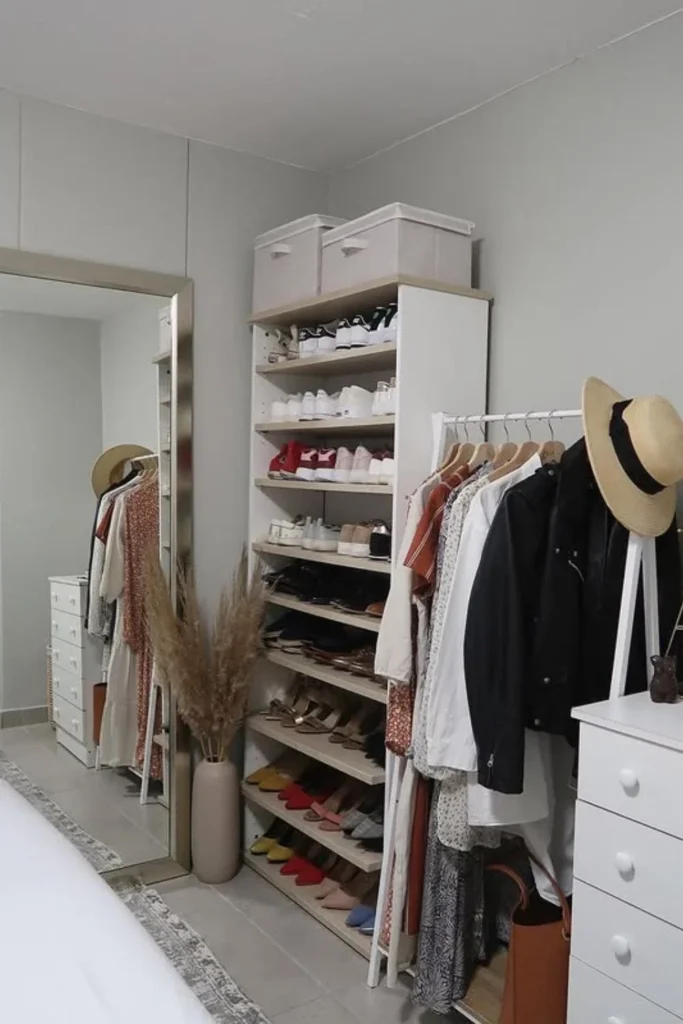
Shoes can quickly crowd a small entryway, bedroom, or closet. A vertical shoe tower helps solve the problem by storing pairs in a compact footprint instead of spreading them across the floor.
Choose a narrow shelving unit that accommodates the types of footwear you own. Adjustable shelves can make room for everything from flat shoes and sneakers to taller boots.
Arrange everyday footwear on the easiest-to-reach levels and reserve higher shelves for occasional or seasonal pairs. Small baskets on top can hold shoe-care supplies, insoles, or accessories.
If your bedroom lacks a proper closet, placing a shoe tower beside a portable clothing rack can create a simple dressing area. Matching the finishes of these pieces also helps the arrangement look intentional rather than cluttered.
For heavier collections, select a stable unit and follow its weight limits. Securing tall furniture may be important for safety, so use an approved method that complies with your rental agreement.
4. Wall Library
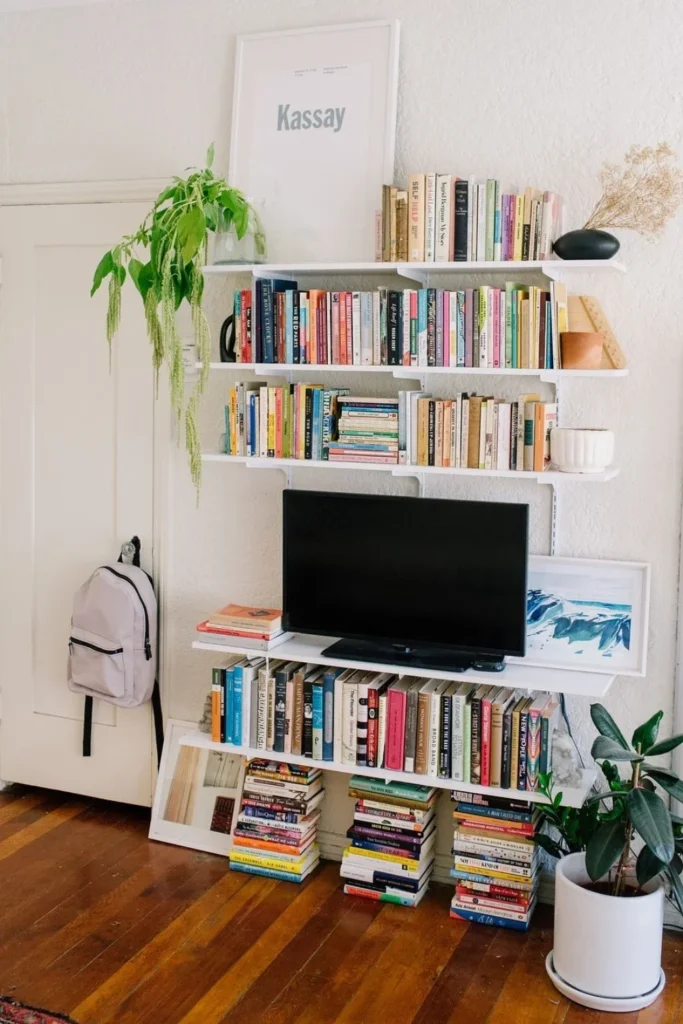
Books, magazines, framed photographs, and decorative objects can occupy valuable floor space when stored on tables or bulky bookcases. A wall library offers another way to organize these belongings while keeping the room open.
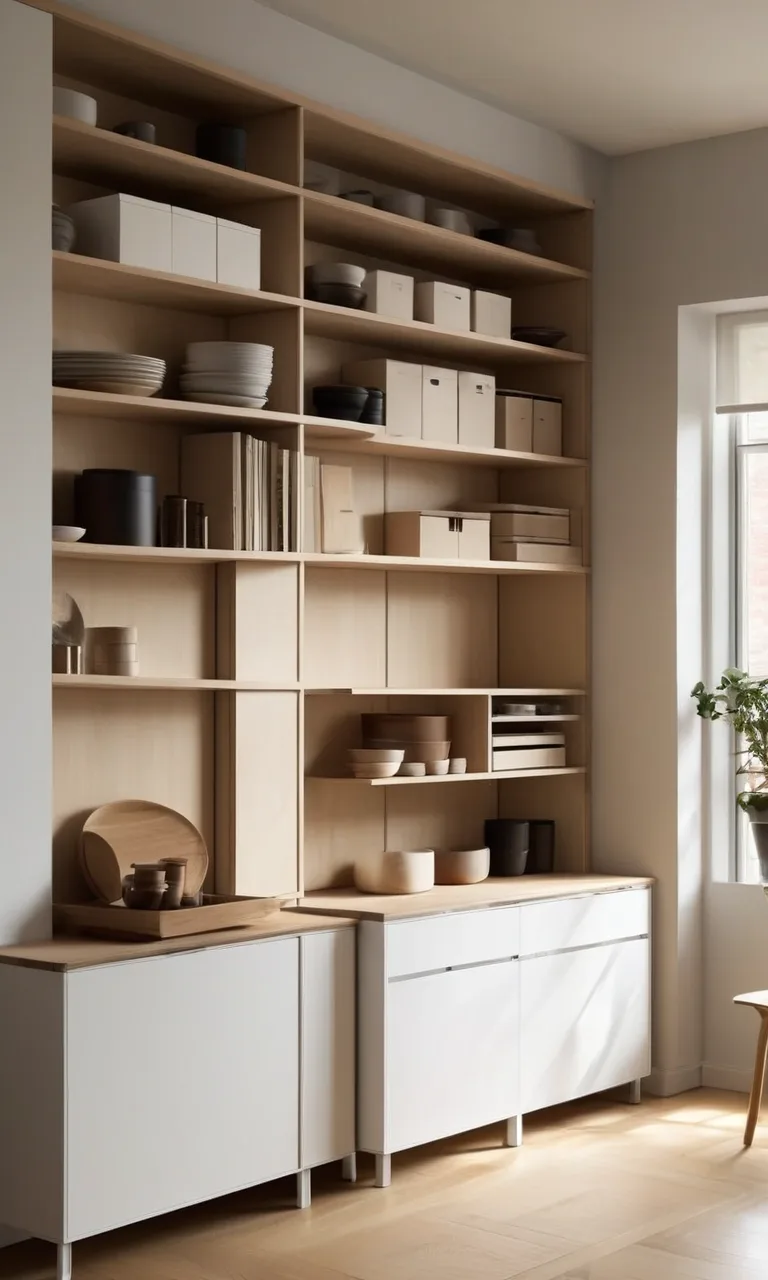
For a completely removable setup, use a freestanding bookcase positioned against the wall. If your landlord allows wall-mounted shelves, install them according to the manufacturer's specifications and ensure they are suitable for the weight of your books.
Arrange heavier books on lower shelves and lighter decorative pieces above them. You can group books by subject, size, or color to make the collection easier to navigate.
In a small living room, a compact bookcase above or beside a desk can double as a workspace organizer. Baskets on the lower shelves can conceal notebooks, chargers, and loose paperwork.
Avoid overloading shelves, and leave enough room around electronics and other equipment for proper ventilation. A well-planned book storage area can add personality to your home without making it feel crowded.
5. Hidden Cabinet
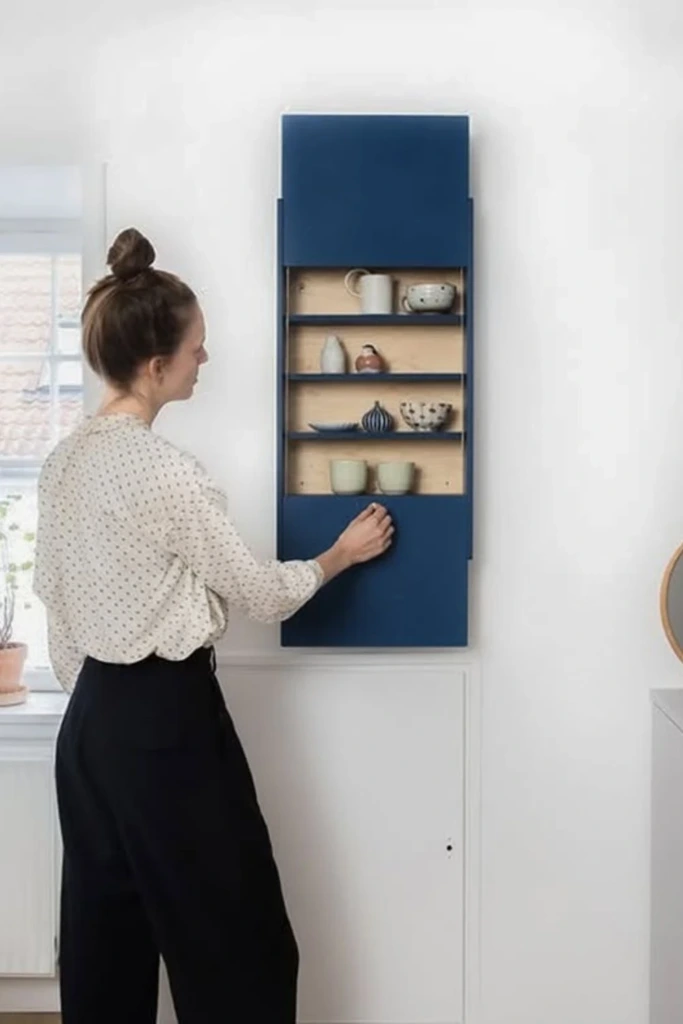
Small kitchens often lack dedicated places for mugs, spices, tea supplies, and other everyday essentials. A compact cabinet can help contain these items and free up valuable countertop space.
Renters who cannot install a permanent cabinet can use a freestanding storage cupboard or a narrow countertop organizer instead. Look for a design with adjustable shelves so the interior can accommodate different item sizes.
Position the unit near a coffee maker, breakfast area, or another convenient spot where its contents will be used regularly. Keep frequently needed items within easy reach and place less-used supplies higher up.
Inside the cabinet, small bins can separate tea bags, seasoning packets, napkins, and other loose items. Clear containers are particularly helpful when you want to identify contents without opening every box.
Choose a cabinet that fits the room's proportions and does not interfere with doors, windows, or walking paths. The goal is to add useful storage without introducing another bulky obstacle.
6. Kitchen Station
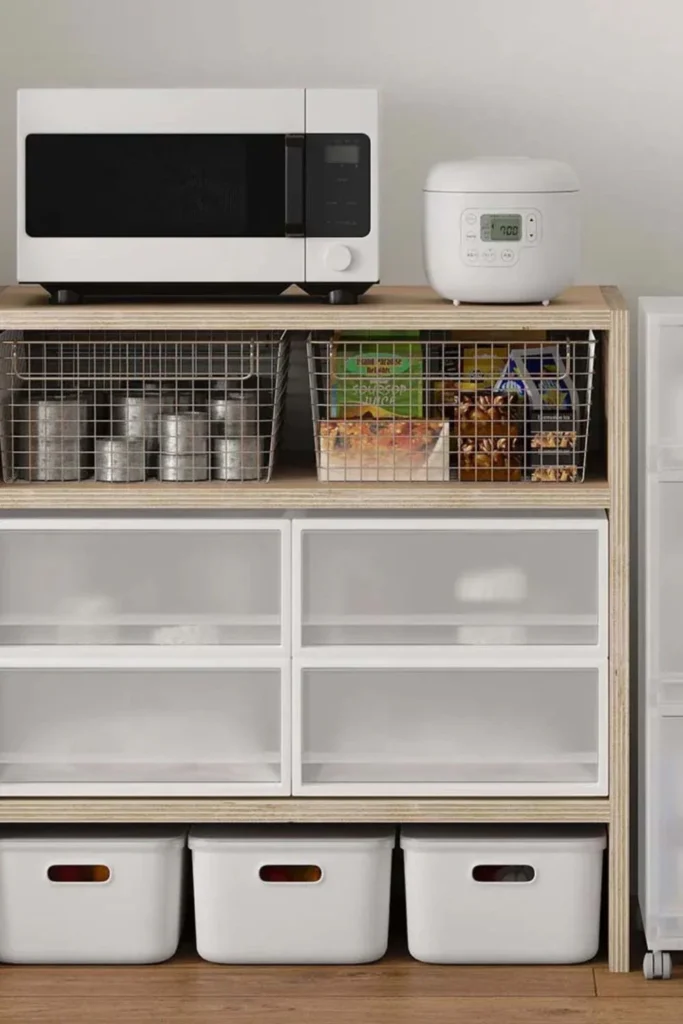
When countertop space is limited, a dedicated kitchen station can bring appliances, pantry supplies, and cooking accessories together in one organized area.
A sturdy freestanding shelving unit can support small appliances such as a microwave or rice cooker, provided the unit is designed for their weight and the appliances have adequate ventilation. Check electrical requirements and manufacturer recommendations before arranging appliances on shelves.
Use baskets and containers on lower levels for dry foods, spare utensils, wraps, and other cooking essentials. Grouping similar items together makes meal preparation more efficient and reduces the need to search through several cabinets.
A narrow rolling cart can provide additional storage beside the main unit. It works well for frequently used ingredients, kitchen towels, or cooking tools and can be moved when you need more working room.
Measure your available space before choosing the furniture, especially if the kitchen has a narrow passage. Keep appliance cords accessible, avoid blocking outlets, and store heat-sensitive items away from hot equipment.
A thoughtfully arranged kitchen station can make a small rental kitchen feel considerably more practical.
7. Pegboard Wall
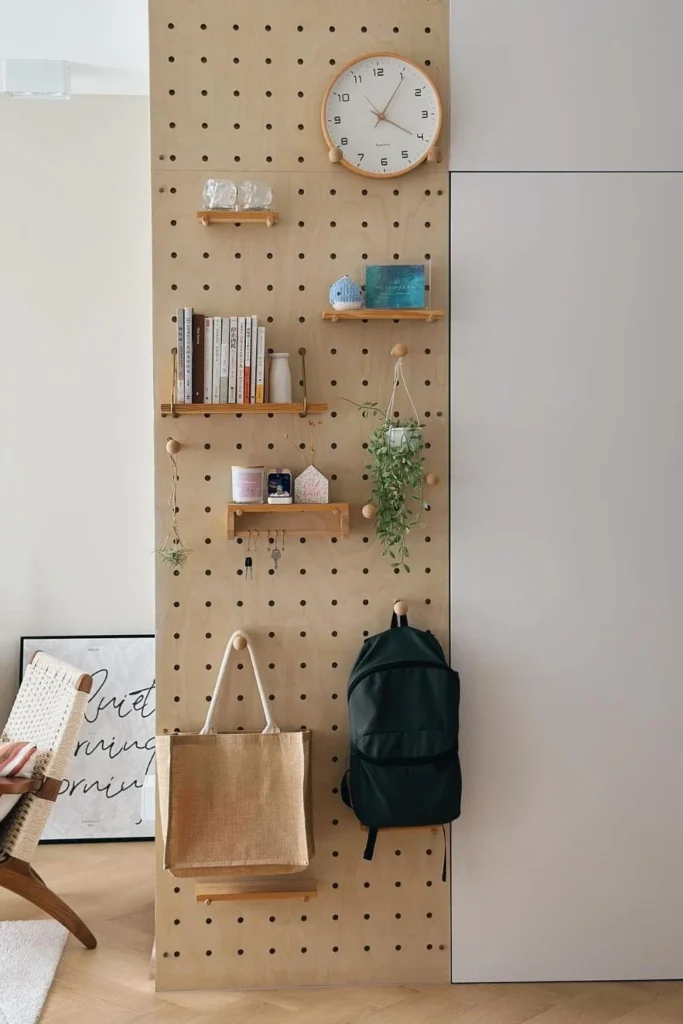
A pegboard creates a flexible organizing system for everyday belongings. Depending on its size and accessories, it can accommodate keys, headphones, small bags, craft materials, stationery, and lightweight decorative objects.
For renters who want to avoid drilling, consider a freestanding pegboard, a desktop version, or a removable organizer designed for the intended surface and load. Adhesive mounting systems should be used only within their stated weight limits.
Arrange hooks, baskets, and small shelves according to your routine. For example, an entryway board can hold keys and reusable shopping bags, while a home-office version can keep scissors, cables, and stationery close at hand.
Keep frequently used objects at a comfortable height and group smaller items in containers to prevent visual clutter. You can also change the layout whenever your storage needs evolve.
A pegboard is especially useful for belongings that are awkward to store in drawers but need to remain easy to find. Choose a size that fits the available area without overwhelming the room.
8. Entry Rack
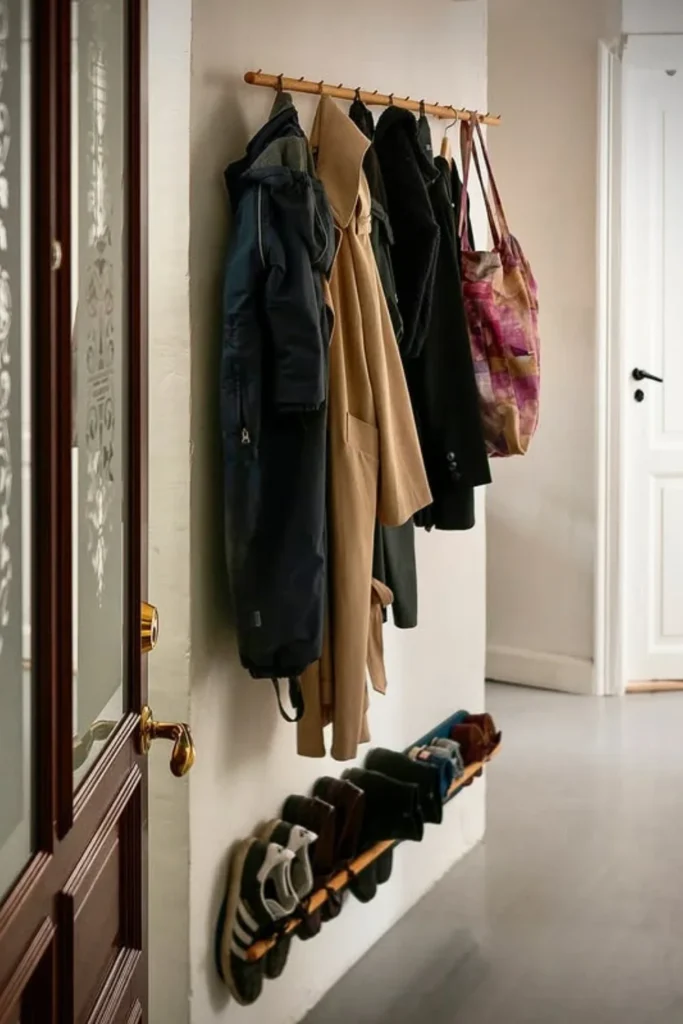
The entrance is often the first place where clutter appears. Coats, tote bags, umbrellas, and shoes tend to collect there because they are the items people reach for most often.
A compact entry rack gives these belongings a designated home. A freestanding coat stand or an over-the-door hook organizer can provide hanging space without permanent installation.
Pair the rack with a small shoe bench or a lightweight shoe shelf. If space is extremely limited, a slim basket underneath a console table can hold slippers, gloves, or reusable bags.
Keep the most frequently used items within easy reach and store occasional accessories elsewhere. Limiting each hook to a few belongings also helps prevent the area from becoming overcrowded.
For a narrow hallway, measure the clearance around the door before selecting furniture. A practical entryway should make coming and going easier, not obstruct movement through the home.
9. Cube Shelves
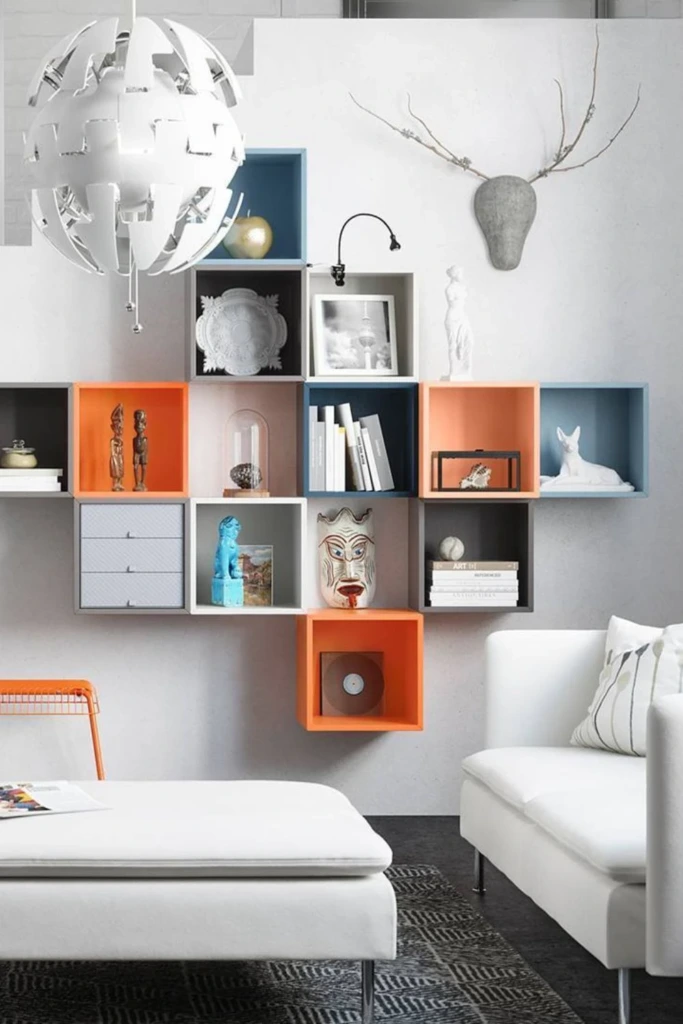
Cube shelving is a versatile option for organizing a living room, bedroom, or home office. Each compartment creates a separate storage zone, making it easier to divide books, accessories, documents, and miscellaneous belongings.
Choose a freestanding cube organizer that fits your available floor space. You can leave some compartments open for decorative objects and place fabric bins or baskets in others to conceal smaller items.
For example, one cube might hold books, another could store electronic accessories, and a third could contain spare blankets. In a workspace, labeled containers can keep stationery and paperwork separated.
Combining open compartments with matching baskets helps maintain a consistent appearance without requiring every item to be displayed.
Pay attention to the unit's dimensions and load capacity before purchasing it. Place heavier items in lower compartments and follow the manufacturer's instructions for stability, particularly if the organizer is tall.
Cube shelves are useful because they can be rearranged or repurposed as your needs change, making them a practical long-term investment for renters.
10. Sink Organizers
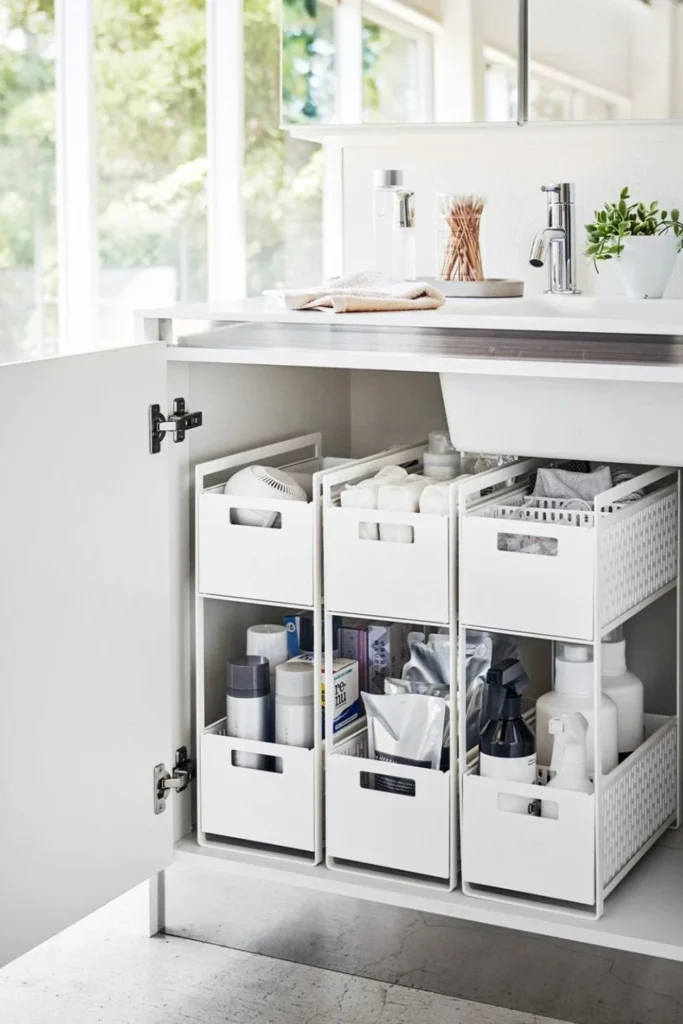
The cabinet beneath a kitchen or bathroom sink often becomes difficult to manage because pipes interrupt the available space. Bottles end up crowded together, and smaller cleaning supplies can disappear behind larger containers.
A tiered under-sink organizer can make better use of this awkward area. Select a model with dimensions that accommodate the plumbing, and measure the cabinet before buying it.
Sliding baskets are convenient because they bring stored items forward instead of requiring you to reach into the back of the cupboard. Use the lower level for taller bottles and the upper level for sponges, cloths, replacement soap, or other smaller supplies.
You can also use waterproof bins to group products by purpose, such as bathroom cleaning, dishwashing, or personal care.
Keep containers upright and check periodically for leaks. Cleaning chemicals should remain in their original packaging and be stored according to their labels, away from children and pets.
A simple organizer can make an otherwise frustrating cabinet easier to use without requiring any changes to the rental property.
11. Utility Board
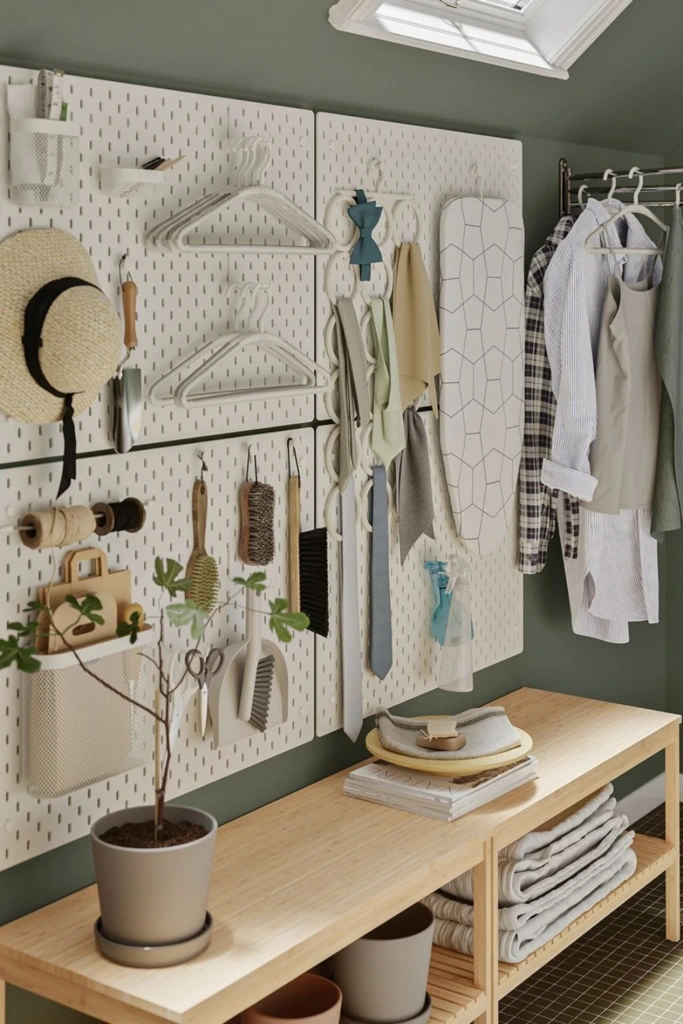
Small accessories, household tools, and daily essentials often take up more drawer space than expected. A utility board gives these items a visible, organized location.
A freestanding board or a removable hanging system can work well in a laundry area, dressing corner, or home office. Depending on its design, it may accommodate hooks, baskets, clips, and small containers.
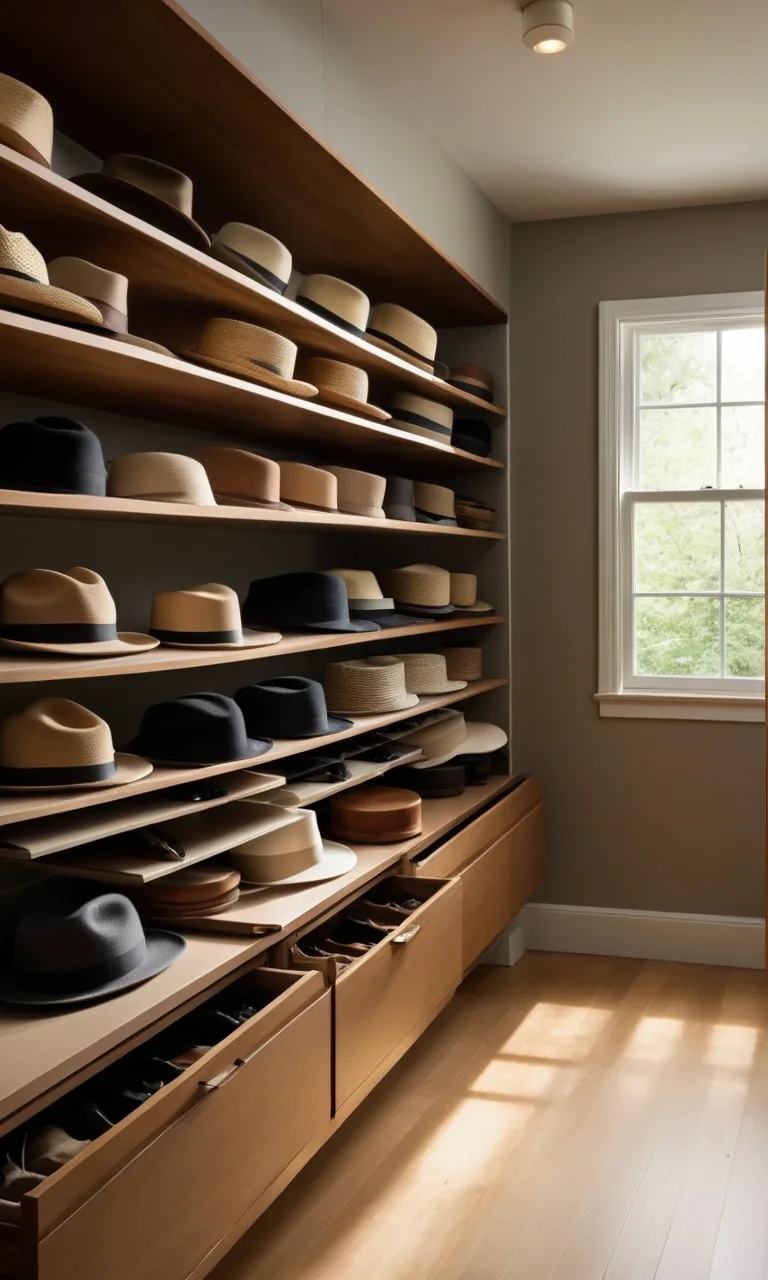
Use the hooks for items such as hats, brushes, scissors, measuring tapes, or lightweight cleaning accessories. Small containers can hold loose supplies that would otherwise collect at the bottom of drawers.
Organize the board around your daily routine. In a dressing area, keep accessories together; in a utility space, arrange frequently used tools where they are easy to reach.
If you need to store heavier objects, choose a system specifically designed for their weight rather than relying on ordinary adhesive hooks.
The main advantage of a utility board is flexibility. You can reposition compatible accessories as your needs change and keep frequently used items visible without filling every drawer.
12. Stair Storage
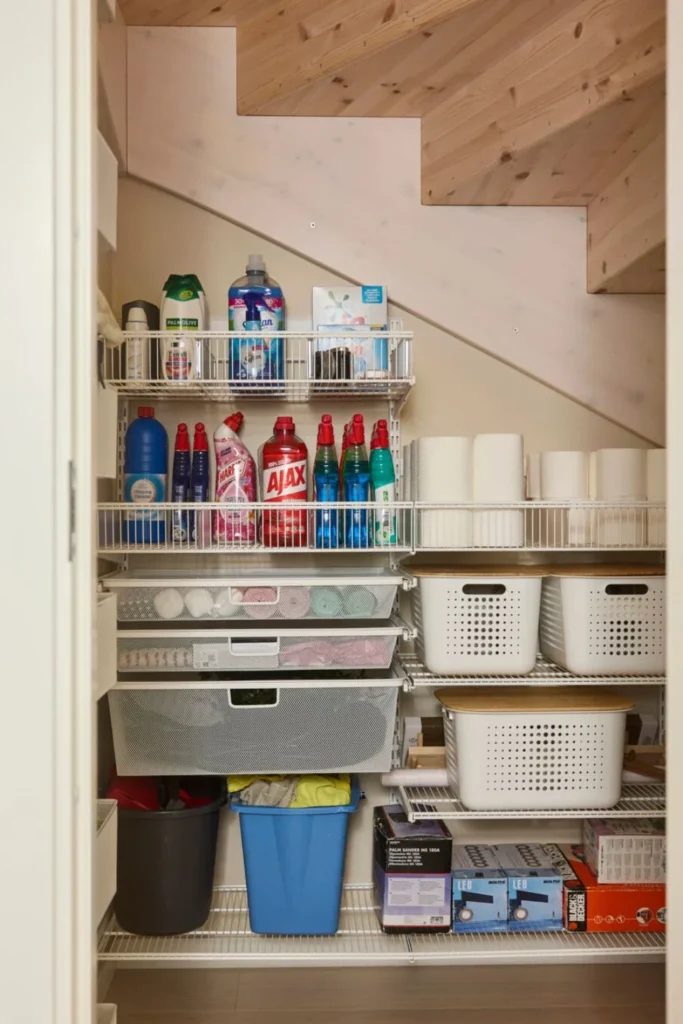
If your rental includes stairs, the space beneath them may offer an opportunity for additional storage. Its sloping shape can make ordinary furniture difficult to fit, but carefully selected shelving or compact containers can use the available area efficiently.
Freestanding shelves are a flexible option because they can be removed when you move. Choose units that fit beneath the slope without obstructing the staircase, nearby doors, or walkways.
Use clearly labeled boxes for seasonal decorations, spare linens, books, or household supplies. Keep regularly used belongings near the front and place items you rarely need toward the back.
Low storage bins work particularly well in areas where the ceiling becomes too short for standing shelves. You can also use a small drawer unit to organize accessories and other compact items.
Keep the staircase and its exits clear, and avoid storing anything that creates a tripping hazard. If the under-stair area contains electrical equipment or access panels, leave sufficient clearance for inspection and maintenance.
When arranged thoughtfully, this overlooked area can provide useful storage without adding another cabinet to an already busy room.
13. Mug Cabinet
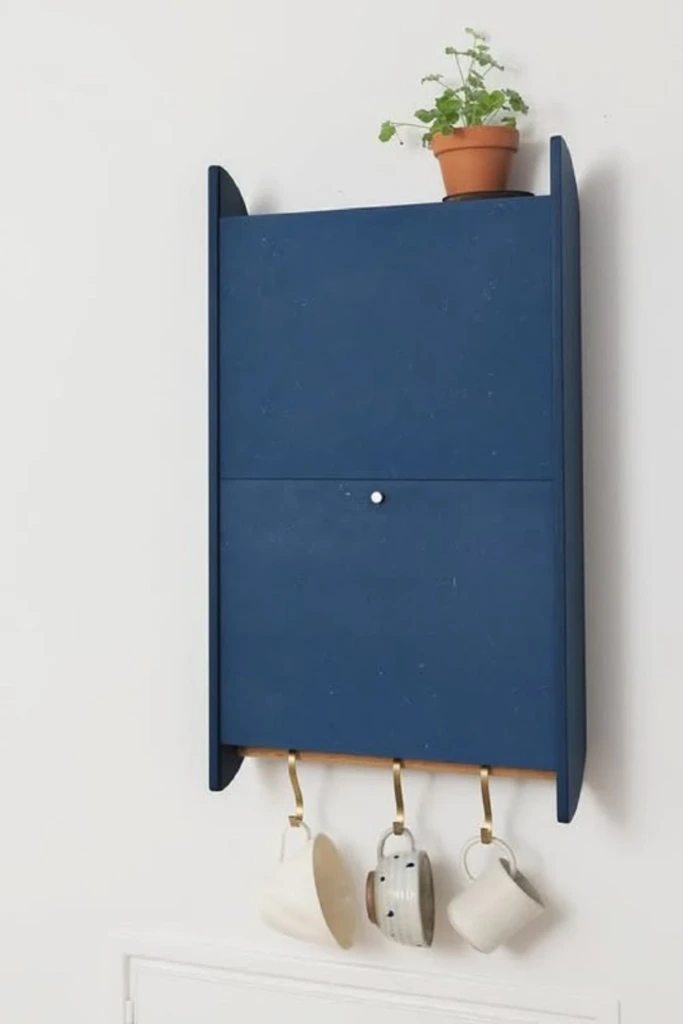
Mugs and drink-making supplies can easily take over a small kitchen counter. A compact coffee station helps keep everything together while making the morning routine more convenient.
A freestanding shelf or small cabinet can hold mugs, tea, coffee, sugar, and other essentials. Some designs include hooks beneath a shelf, allowing cups to hang below while keeping the upper surface available for additional supplies.
Place the station near your coffee maker or kettle, leaving adequate clearance around appliances and keeping electrical cords away from water.
Inside the cabinet, use small containers to separate tea bags, coffee filters, sweeteners, and stirring accessories. Reserve one shelf for less frequently used items so the everyday essentials remain accessible.
If the kitchen is particularly small, a compact countertop organizer may be more practical than a separate furniture piece.
Choose a style that complements your existing kitchen furnishings. Even a modest drink station can make the space feel tidier by giving mugs and related supplies one consistent home.
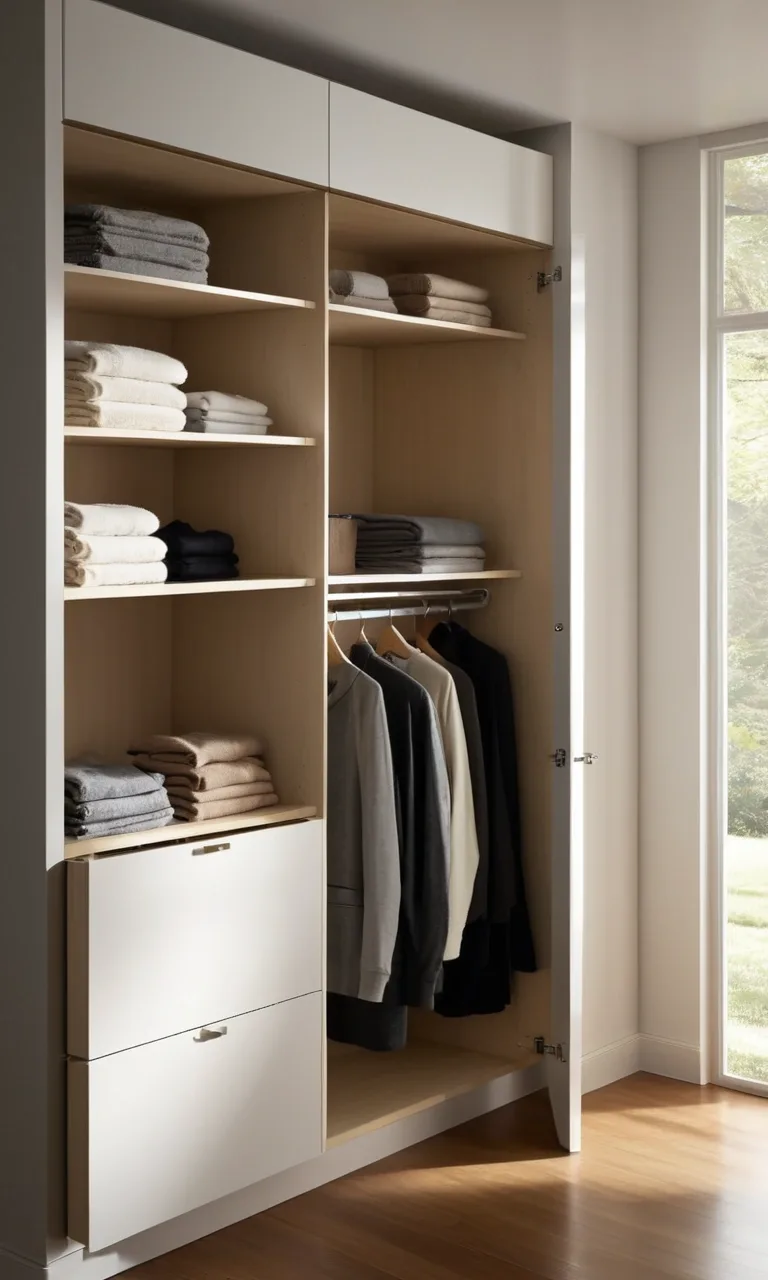
14. Open Wardrobe
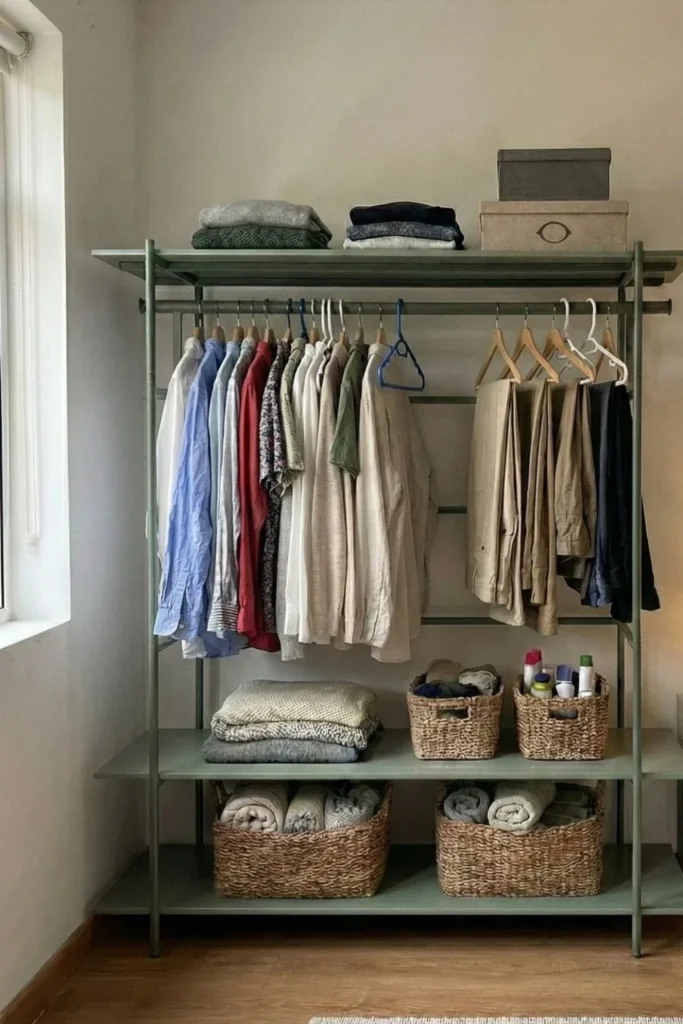
When a rental bedroom has a small closet or no built-in wardrobe, a freestanding clothing rack can provide a practical alternative.
Look for a sturdy design that combines a hanging rail with shelves or a lower storage compartment. This arrangement accommodates shirts, jackets, folded garments, shoes, and accessories in one compact area.
Use matching baskets on the lower shelves for socks, workout clothes, belts, and other small items. Fold sweaters and seasonal garments neatly in bins or on dedicated shelves rather than overcrowding the hanging rail.
The upper shelf can hold lightweight storage boxes containing occasional-use accessories or off-season clothing. Keep heavier belongings lower down to improve stability.
Because an open wardrobe leaves clothing visible, maintaining a simple arrangement makes a noticeable difference. Group garments by type or color and leave enough room between hangers for easy access.
If you prefer a less exposed appearance, add fabric storage boxes or a freestanding garment cover designed for the rack. This provides a cleaner look while keeping everything movable when your lease ends.
15. Tool Station
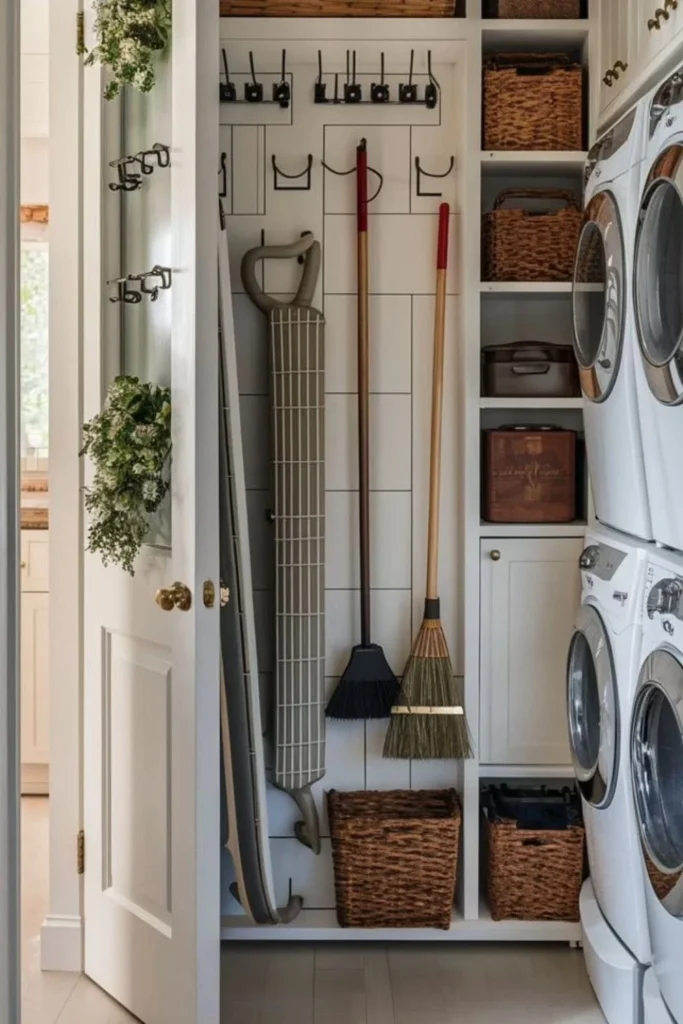
Brooms, mops, dustpans, and other cleaning equipment can be surprisingly difficult to store in a small home. Without a designated location, they tend to lean against walls or occupy valuable closet space.
A compact tool station solves this by keeping long-handled equipment upright and grouped together. A freestanding utility rack or a portable cleaning caddy is a good choice when permanent wall fixtures are not allowed.
Choose a rack with clips or holders that match the handles of your cleaning tools. A nearby shelf or basket can store cloths, spare sponges, gloves, and other accessories.
Keep cleaning products separate from everyday household items, and follow their labels for safe storage. Tall tools should be secured in their holders rather than left where they might fall into a walkway.
If you have a narrow utility cupboard, measure the interior before choosing a rack. Some slim organizers fit beside a washing machine or behind a door without requiring a dedicated storage room.
A well-organized tool station makes cleaning supplies easier to find and helps keep the rest of the home free from scattered equipment.
16. Storage Grid
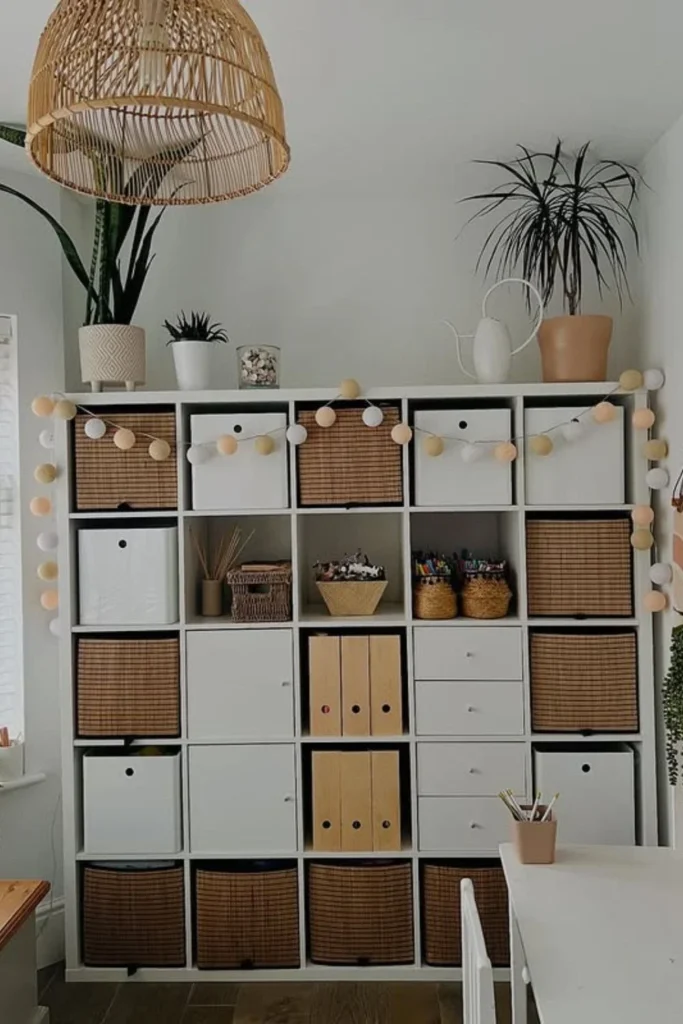
A storage grid offers a structured way to organize belongings that would otherwise spread across desks, counters, or shelves. Its individual compartments can accommodate books, paperwork, craft supplies, household accessories, and storage baskets.
A freestanding grid unit works particularly well in a rental because it can be repositioned without altering the walls. Select a size that fits the room and leaves enough space for doors, chairs, and other furniture to move comfortably.
Assign each compartment a specific purpose. For instance, one section can hold stationery, another can contain documents, and another can store small electronics or hobby materials.
Use open compartments for frequently accessed items and closed bins for belongings you would rather keep out of sight. Labels are useful when several people share the same storage system.
In a home office or multipurpose room, a grid organizer can also help separate work supplies from personal belongings.
Avoid filling every compartment simply because space is available. Leaving some room for future additions keeps the arrangement flexible and prevents the unit from becoming another place where clutter accumulates.
17. Door Pantry
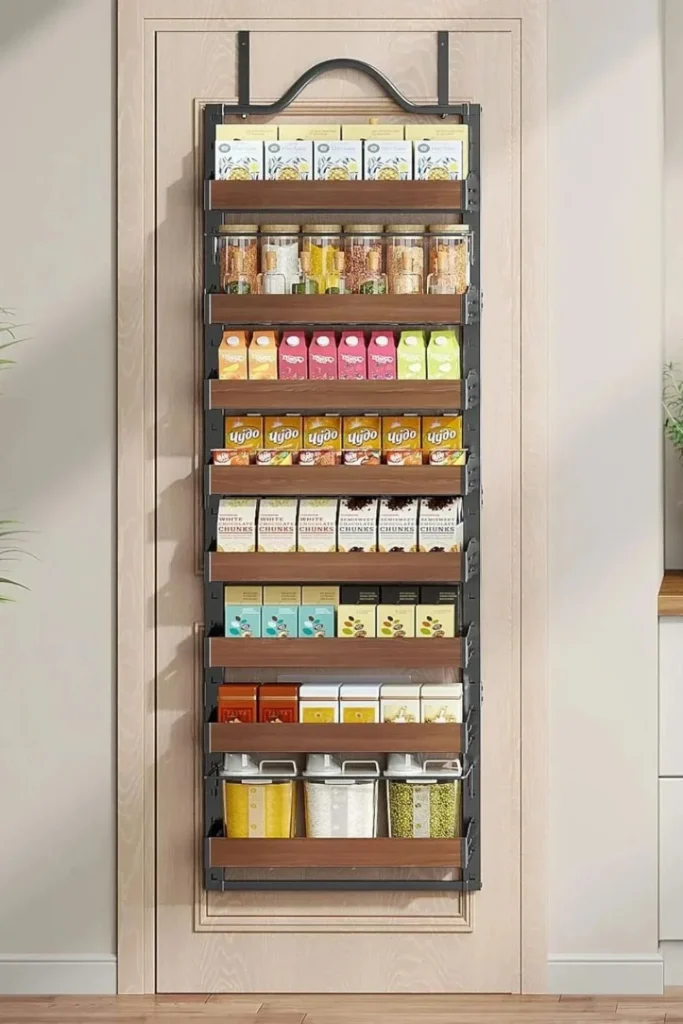
A small kitchen can benefit from using the back of a door for additional storage. An over-the-door pantry organizer creates compartments for items that might otherwise occupy crowded cupboards or countertops.
Choose a rack designed for the specific door you intend to use. Check its dimensions, weight limits, and clearance requirements to ensure the door can still open and close without hitting nearby cabinets or appliances.
Narrow shelves are useful for spices, tea packets, baking accessories, and small packaged foods. Keep heavier containers on lower levels and lighter items above them, following the organizer's weight guidelines.
Group products by category so you can find what you need quickly. Small baskets can prevent seasoning packets or snack bars from slipping between shelves.
If you store food in the organizer, keep it away from excessive heat, moisture, and direct sunlight where appropriate. Avoid placing fragile glass containers in locations where opening or closing the door could make them fall.
For renters, an over-the-door solution can be particularly valuable because it uses an existing surface rather than requiring additional cabinets or permanent construction.
18. Mudroom Rack
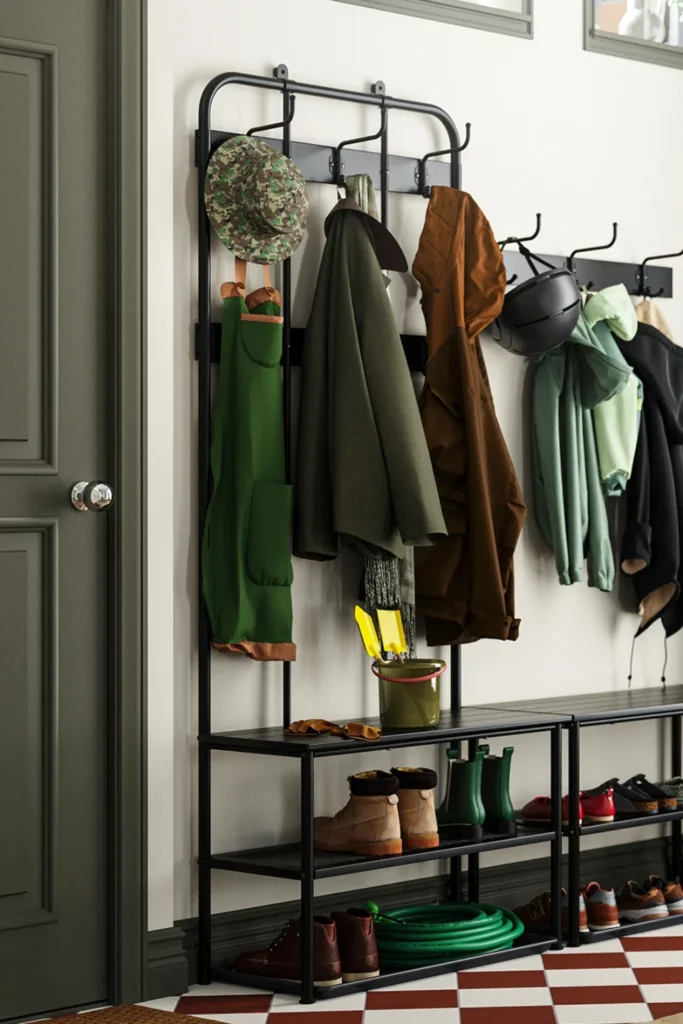
You do not need a dedicated mudroom to create an organized landing area near the entrance. A small bench, shoe shelf, and coat rack can perform a similar function in an apartment hallway or entry corner.
Choose a bench with built-in storage if you need a place to conceal shoes, bags, or outdoor accessories. Alternatively, a simple freestanding bench with an open shelf underneath can keep everyday footwear off the floor.
A nearby coat stand or over-the-door hook organizer provides space for jackets, hats, and reusable shopping bags. Use a separate basket for umbrellas, gloves, or other small accessories.
If several people share the home, assigning each person a hook or basket can make the area easier to maintain. Store frequently used belongings near the entrance and move occasional items elsewhere.
Select furniture that suits the width of your hallway. The arrangement should leave a clear path through the entrance and should not interfere with doors.
A compact drop zone helps prevent outdoor belongings from spreading into the living room and makes leaving home less stressful.
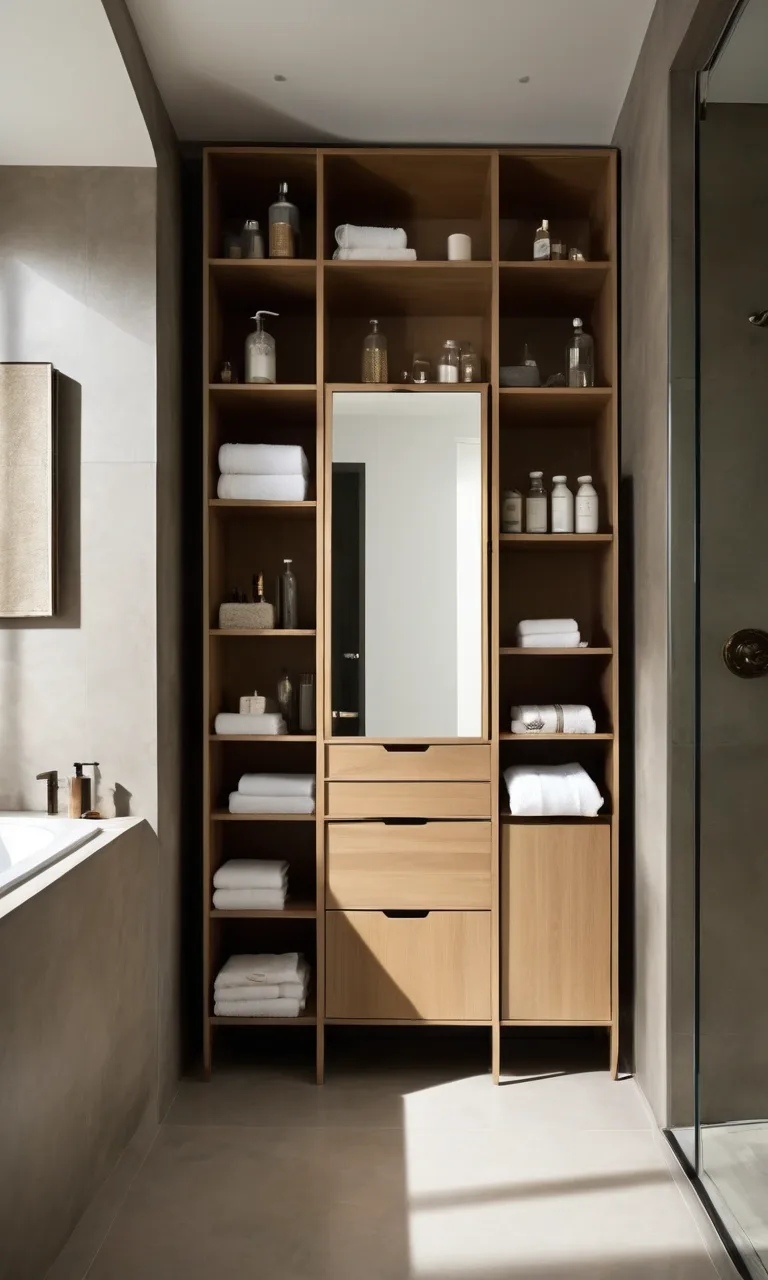
19. Corner Tower
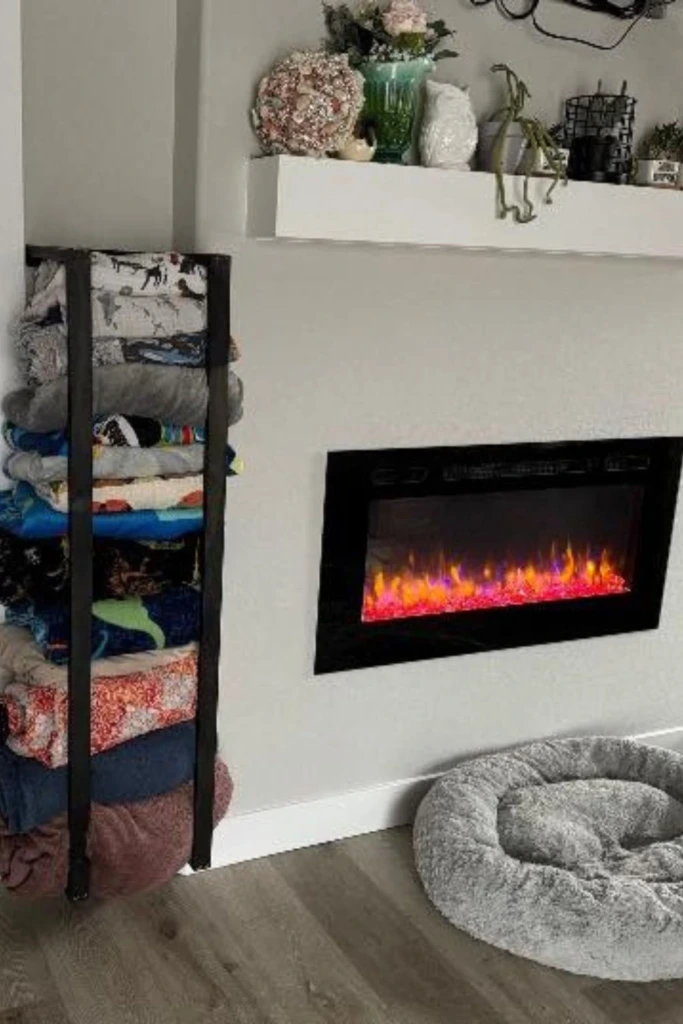
Corners are easy to overlook when planning storage, particularly in small bedrooms and living rooms. A tall, narrow shelving tower can turn one of these unused areas into a convenient place for everyday belongings.
Choose a freestanding corner unit or a slim shelving tower that fits the available dimensions. Measure the space carefully, taking account of skirting boards, nearby doors, and any furniture that might restrict access.
Use the shelves for folded towels, blankets, sweaters, books, or decorative accessories. Baskets on the lower levels can hold laundry, spare linens, or small items that would otherwise be scattered around the room.
Keep frequently used belongings at a comfortable height and reserve the upper shelves for lightweight items you access less often.
In a bathroom, choose materials suited to humid conditions. In bedrooms, fabric bins can help keep clothing accessories organized without adding visual clutter.
A corner tower is especially useful when a full-size bookcase or cabinet would make the room feel crowded. Its narrow footprint provides storage while leaving more of the floor available for movement.
20. Supply Pantry
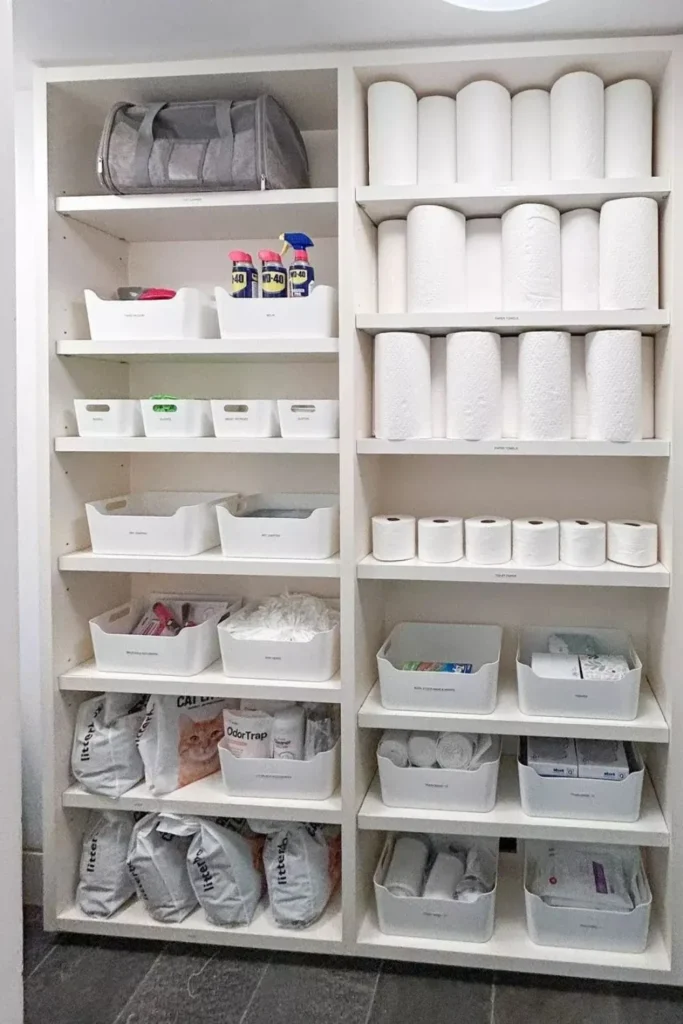
Household essentials can quickly overwhelm a small closet when cleaning products, toiletries, paper goods, and replacement supplies are stored without a clear system.
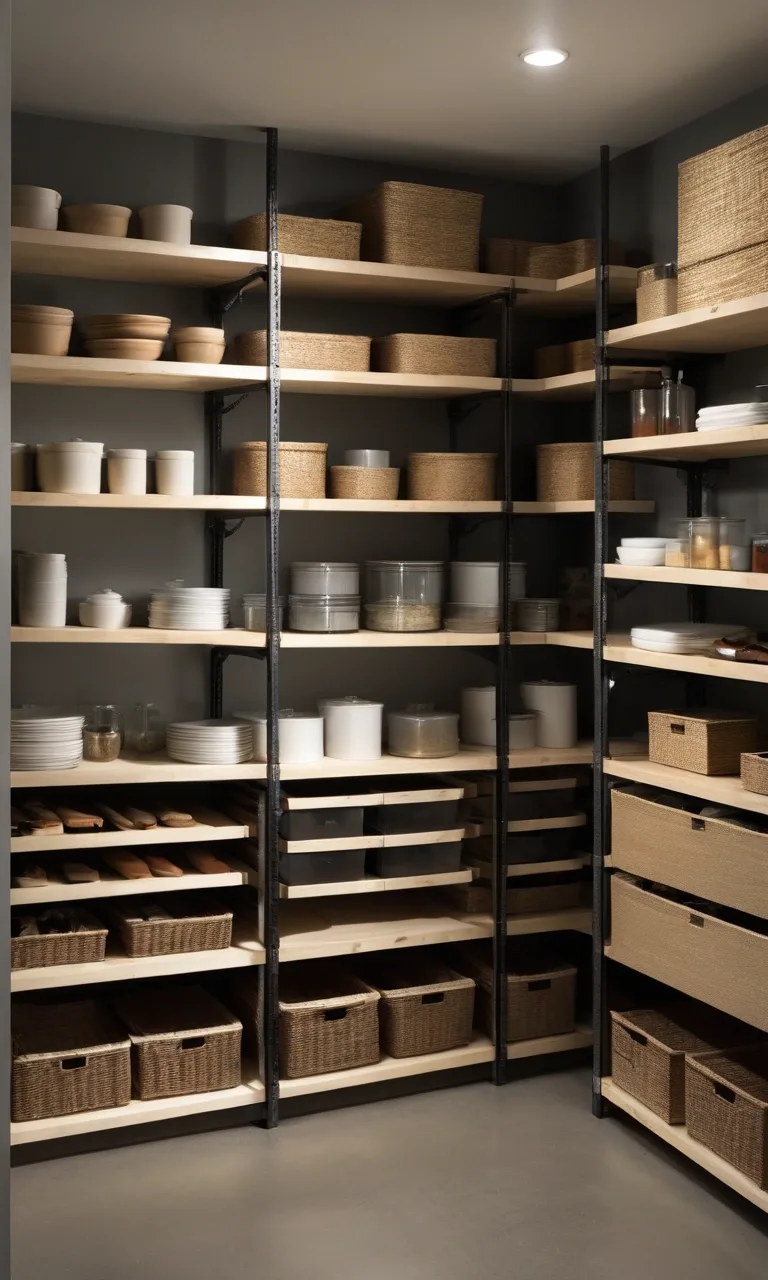
A dedicated supply pantry brings these items together on shelves or inside a freestanding cupboard. You can create one in a laundry area, utility closet, hallway cupboard, or another suitable location.
Use larger shelves for bulky items such as paper towels and tissue packs. Smaller bins are better suited to batteries, spare light bulbs, cleaning cloths, and other compact supplies.
Labeling containers makes it easier to find items and identify when replacements are needed. You can also keep a small inventory of frequently used products to avoid buying duplicates.
Store heavier supplies on lower shelves and keep hazardous products in their original containers, following label instructions. Household chemicals should be kept away from food, children, and pets.
If your storage area is limited, avoid purchasing excessive quantities simply because they are on sale. Keeping only practical amounts of essential supplies can free up considerable room.
An organized supply pantry saves time, reduces unnecessary purchases, and makes routine household tasks easier to manage.
21. Shower Shelves
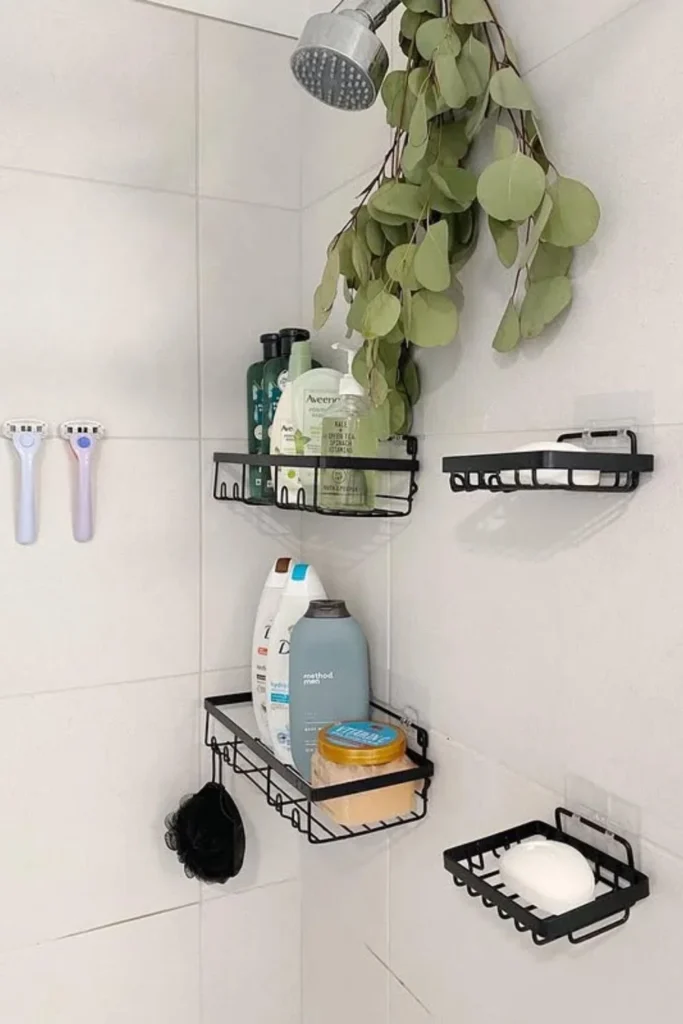
Shampoo bottles, body wash, conditioners, and skincare products can quickly crowd the edges of a bathtub or shower. Additional shower storage keeps these items accessible without spreading them across every available surface.
For a rental bathroom, look for tension-mounted shower caddies, hanging organizers, or adhesive shelves specifically designed for wet environments. Select products compatible with your tile or shower surface and follow the manufacturer's installation instructions.
A corner caddy can make good use of otherwise empty space. Place heavier bottles on lower shelves when the design permits, and reserve smaller compartments for soap, razors, and other lightweight accessories.
Avoid placing shelves where they interfere with the shower controls or create an obstacle while bathing. Make sure the organizer allows water to drain rather than collecting moisture beneath bottles.
Inspect adhesive fixtures periodically for signs of loosening, especially when they support heavy containers. Replace or reposition them if they become unstable.
For additional flexibility, a hanging shower caddy can be removed easily when you move or when the bathroom needs cleaning.
A simple storage solution helps maintain a tidier shower while keeping essential products within comfortable reach.
Can renters add storage without drilling into walls?
Yes. Renters can create additional storage using many products that do not require permanent wall modifications.
Freestanding shelves, rolling carts, storage benches, stackable bins, over-the-door racks, tension-mounted organizers, and portable clothing rails are all practical options. Removable hooks may also be useful for lightweight items when they are compatible with the wall surface.
However, not every supposedly renter-friendly product is damage-free. Adhesive fixtures can pull off paint, and tension-mounted products can leave marks if installed incorrectly. Always check the product's weight limits and installation requirements.
Review your lease before making changes, particularly if you plan to attach anything to walls, ceilings, doors, or tiles. When in doubt, ask the property owner or manager for permission.
The most reliable approach is to prioritize movable storage and choose permanent fixtures only when they are permitted and properly installed.
What is the easiest way to add storage in a small apartment?
Start by identifying spaces that are currently underused. The area beneath your bed, the backs of doors, empty corners, and narrow gaps beside cabinets can often accommodate additional storage.
Next, choose organizers that match the belongings you need to store. Under-bed containers work well for seasonal clothing and spare bedding, while vertical shoe racks, rolling carts, and compact shelving can help organize frequently used items.
Multifunctional furniture is another useful choice. Storage ottomans, benches with compartments, and bed frames with drawers can provide extra capacity without introducing several separate pieces of furniture.
It also helps to group similar belongings together and remove items you no longer need. Adding containers alone will not solve overcrowding if every space remains filled with things you rarely use.
For the best results, measure your available space before purchasing anything and choose storage that can adapt to changing needs. A few carefully selected organizers often work better than filling a small apartment with bulky furniture.