21 Basement Storage Ideas for 2026
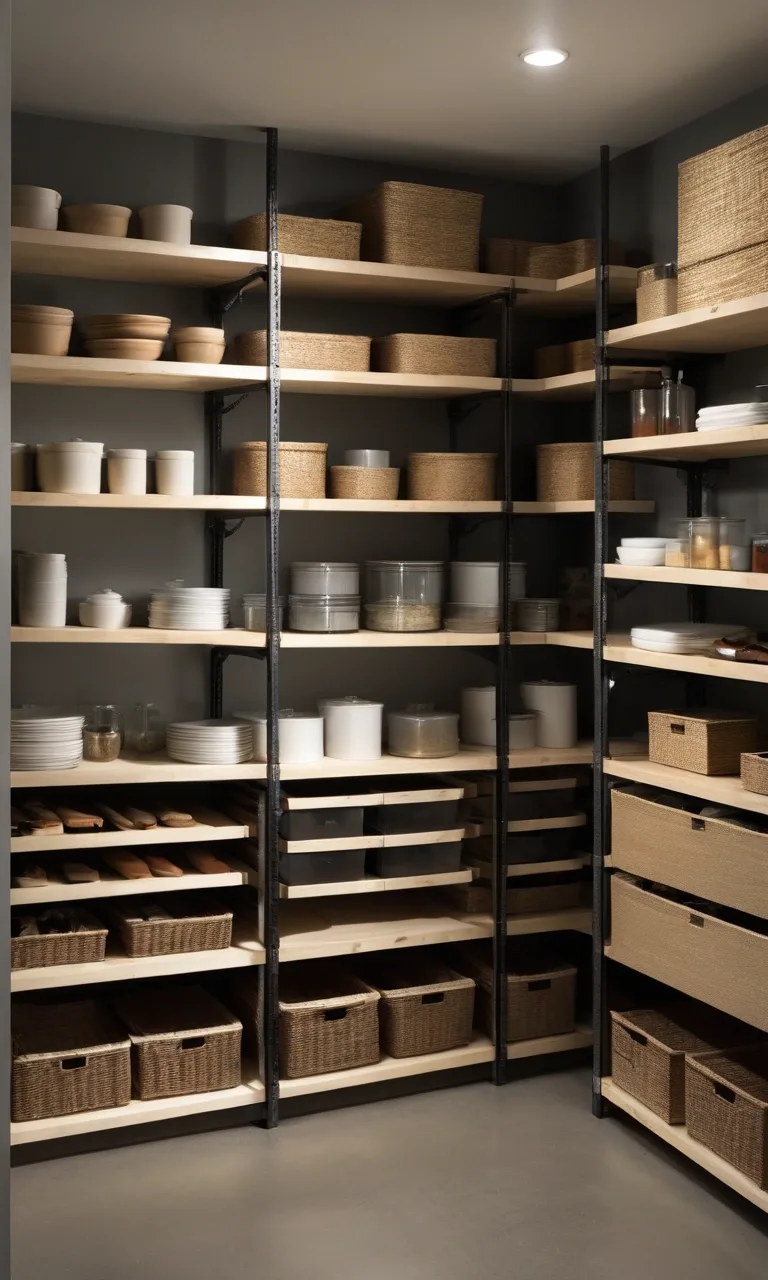
A basement can provide valuable extra storage, but without a proper system, it quickly fills with forgotten boxes, unused furniture, and scattered household supplies. Finding what you need becomes frustrating, and clutter can make the entire space feel smaller.
The good news is that organizing your basement doesn't require an expensive renovation. With practical shelving, suitable containers, and a thoughtful layout, you can create storage that works for your home.
Whether you have an unfinished basement, a cozy family room, or a multipurpose space, these 24 basement storage ideas will help you use every available corner while keeping your belongings organized and accessible.
What Do People Store in Basements?
Basements are commonly used for belongings that aren't needed regularly but still deserve a dedicated place. Holiday decorations, camping equipment, sports accessories, spare household supplies, and seasonal clothing are popular examples.
Many homeowners also keep tools, extra kitchen appliances, children's toys, and furniture in their basements. Finished basements may include storage for books, entertainment equipment, board games, and hobby supplies.
However, basement conditions matter. Excess moisture can damage fabrics, paper, electronics, and wooden furniture. Before storing valuable possessions, check for leaks, improve ventilation where necessary, and monitor humidity. A dehumidifier can help maintain suitable conditions.
The most effective approach is to organize items according to how frequently they're used, how much space they occupy, and whether they require protection from moisture.
1. Clear Bin System
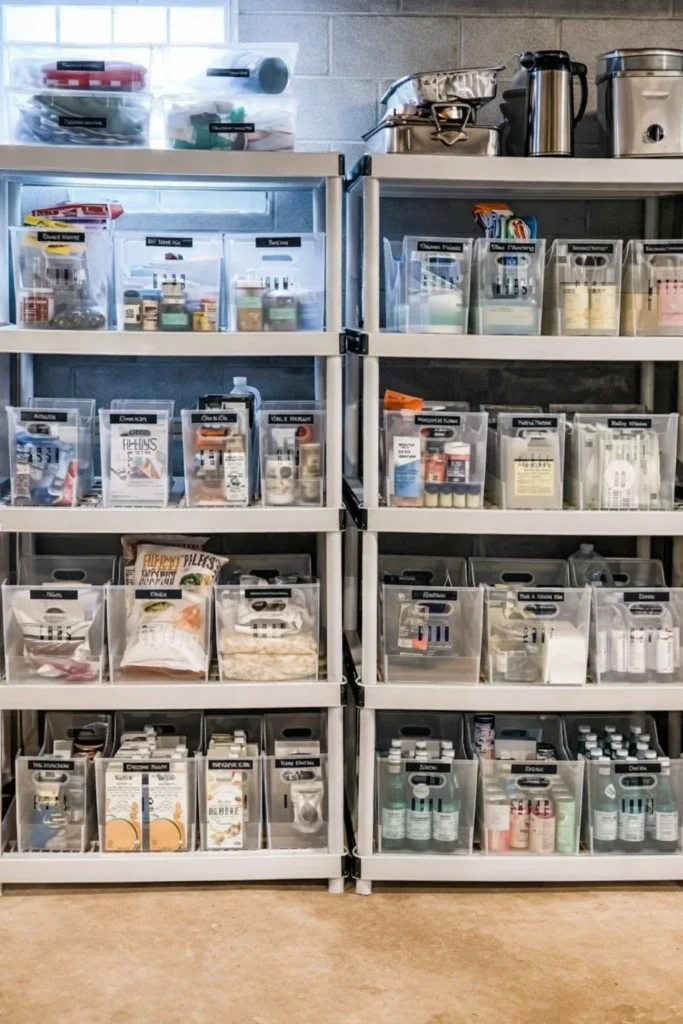
Transparent storage containers make basement organization much easier because you can identify their contents without opening every lid.
Arrange clear plastic bins on sturdy shelves, keeping similar belongings together. For example, dedicate separate containers to holiday decorations, household accessories, and craft materials.
Choose containers with secure lids and add large labels to the front. Place heavier items on lower shelves and frequently used supplies at a comfortable height.
This system is particularly useful for unfinished basements where practical storage matters more than decorative finishes.
2. Labeled Memory Bins
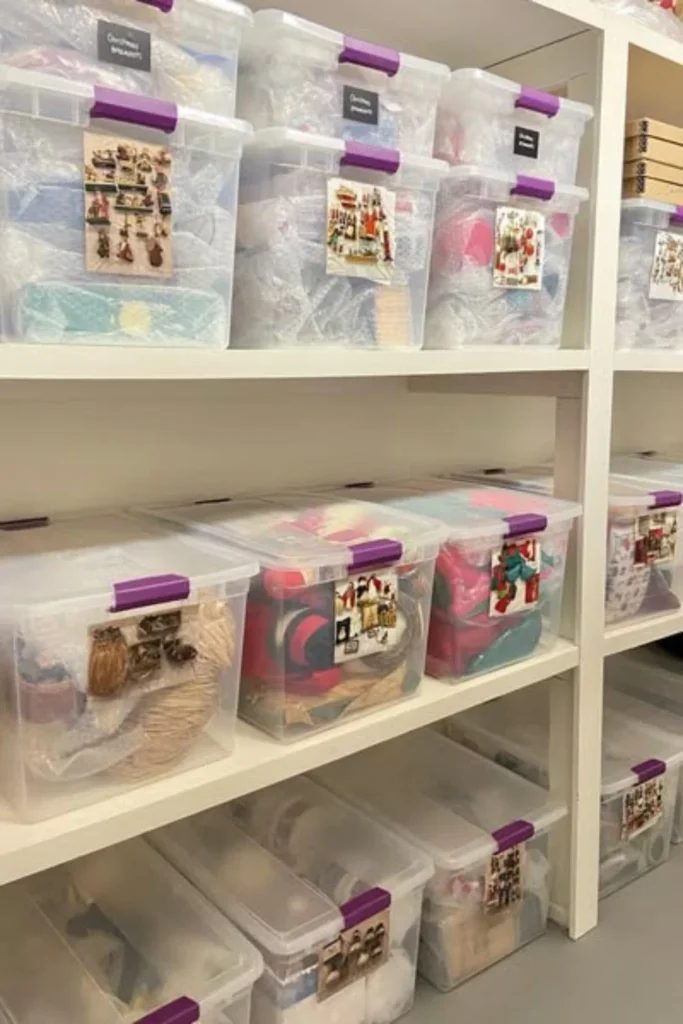
Family photographs, childhood artwork, keepsakes, and meaningful souvenirs often accumulate over the years. Giving these possessions dedicated containers prevents them from getting mixed with ordinary household clutter.
Organize keepsakes by family member, occasion, or year. Use acid-free materials for delicate photographs and documents, and separate fragile objects with protective padding.
Label each container clearly so you can locate particular memories without searching through multiple boxes.
Because basements can experience humidity changes, valuable photographs, important documents, and irreplaceable keepsakes are generally safer in a dry, climate-controlled living area.
3. Category Shelf Zones
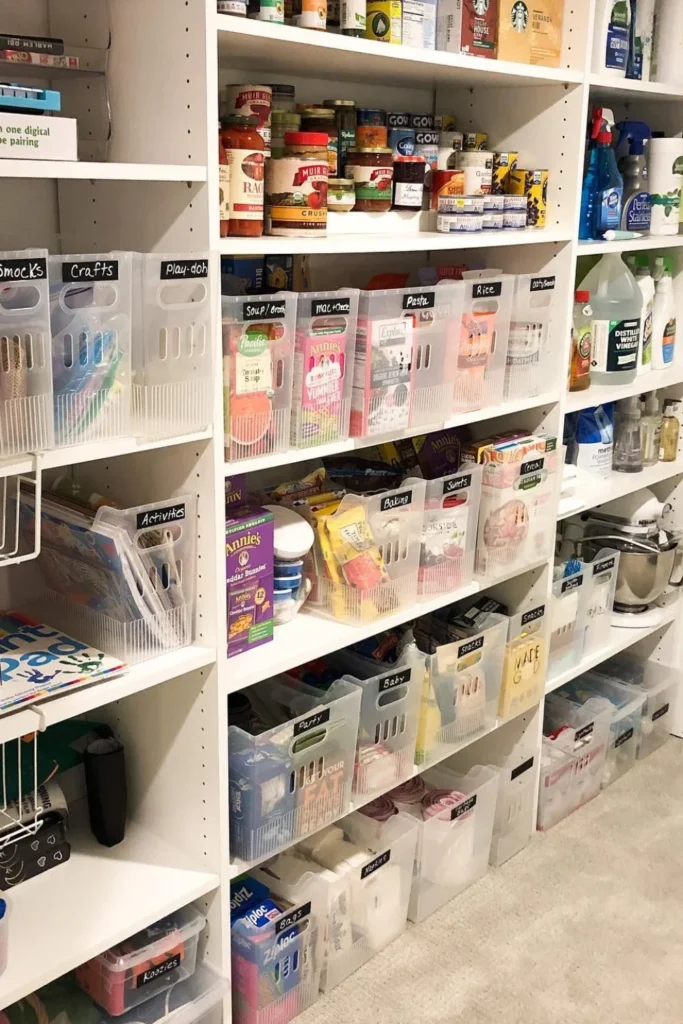
Dividing basement shelving into specific sections creates a predictable place for everything.
Instead of mixing cleaning products, sports equipment, and seasonal supplies on the same shelves, assign a separate area to each category.
For instance, one section might contain home maintenance accessories, another could hold party supplies, and a third could accommodate hobby materials.
Use shelf labels and smaller organizers to prevent loose items from spreading. Keep frequently needed supplies toward the front.
A category-based layout also makes it easier to notice when supplies are running low or when unnecessary items have accumulated.
4. Bulk Storage Wall
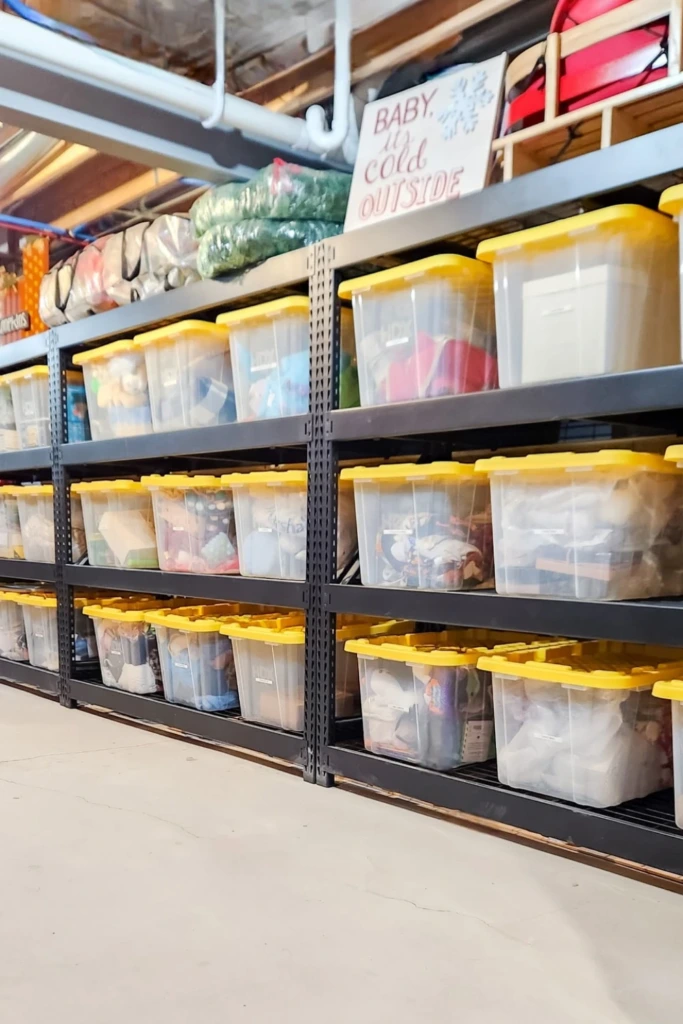
An empty basement wall can become a highly efficient storage area with the addition of heavy-duty shelving.
Install durable racks capable of supporting large containers, equipment, and household supplies. Adjustable shelves are especially helpful because they accommodate belongings of different heights.
Keep the lowest levels available for heavier objects, while lighter seasonal items can occupy upper shelves.
Leave sufficient space between shelving units for comfortable movement and access.
For safety, follow the manufacturer's weight limits and anchoring instructions. This arrangement is ideal for households that need substantial storage without filling the entire basement floor.
5. Built-In Cabinets
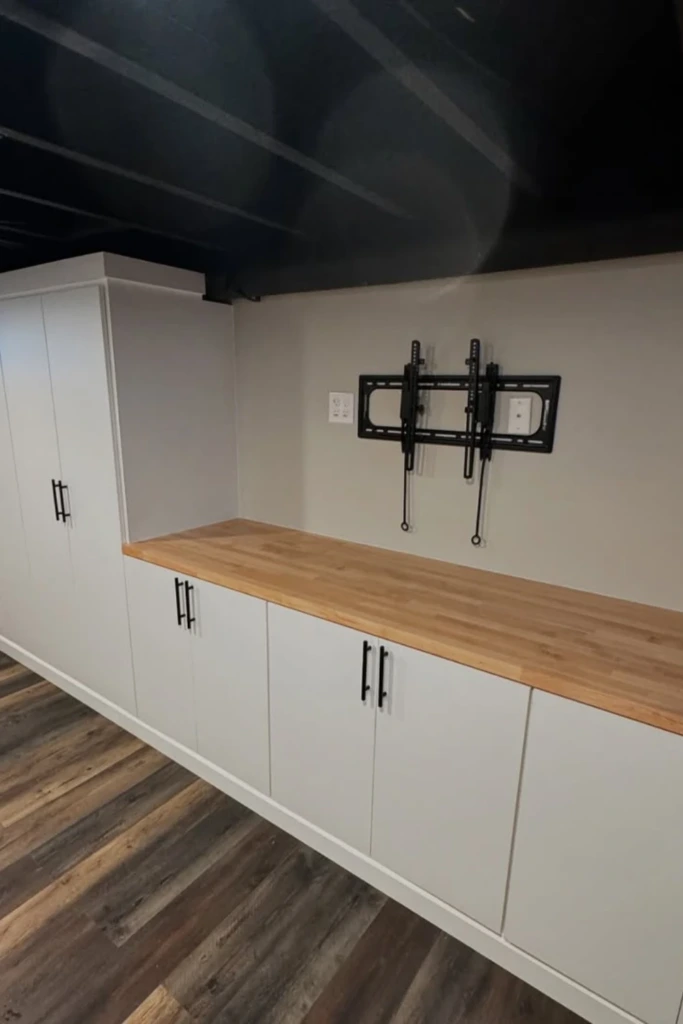
Built-in cabinets offer an attractive solution for finished basements where storage needs to complement the surrounding décor.
Custom cabinetry can fit around structural columns, unusual wall dimensions, and existing architectural features.
Combine drawers, cupboards, and adjustable interior shelves to accommodate everything from board games to household accessories.
A durable countertop above lower cabinets can also serve as a convenient surface for organizing projects or folding laundry.
Choose materials appropriate for the basement's moisture conditions. Simple cabinet fronts and coordinated hardware can create a polished appearance without overwhelming the room.
6. Kid-Safe Storage
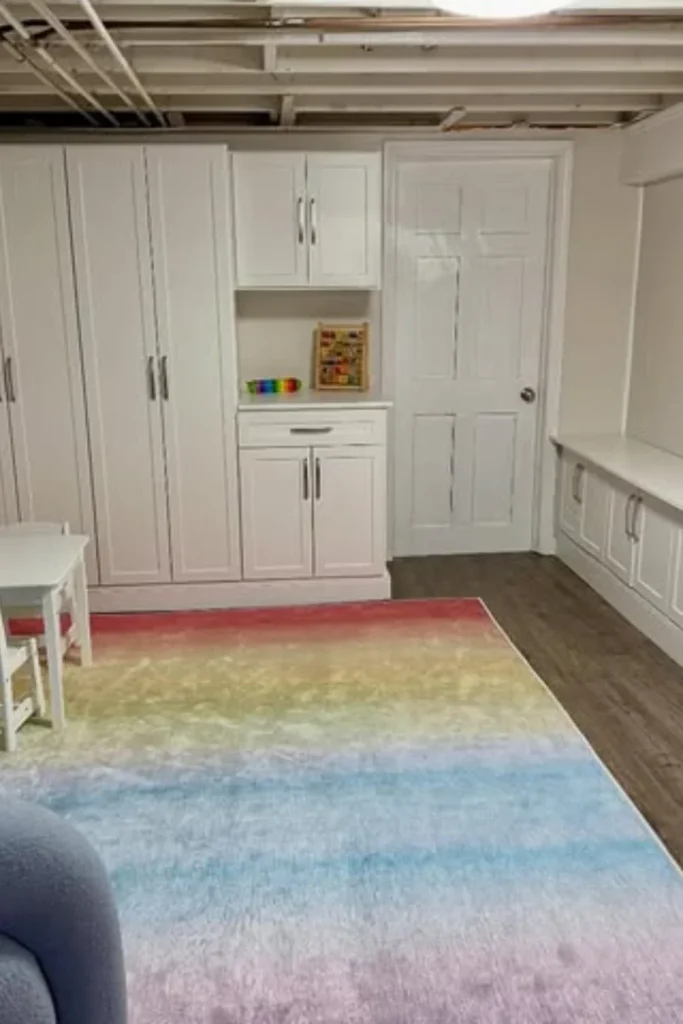
When a basement doubles as a children's activity area, storage should encourage independence while reducing potential hazards.
Low shelving, lightweight bins, and accessible drawers allow children to retrieve toys and put them away without constant assistance.
Organize toys into simple categories such as building blocks, art supplies, puzzles, and pretend-play accessories.
Secure tall furniture to the wall, avoid unstable stacking, and keep heavy objects out of children's reach.
Rounded furniture corners and easy-to-open storage containers can make the area more comfortable for younger family members.
7. Hidden Display Storage
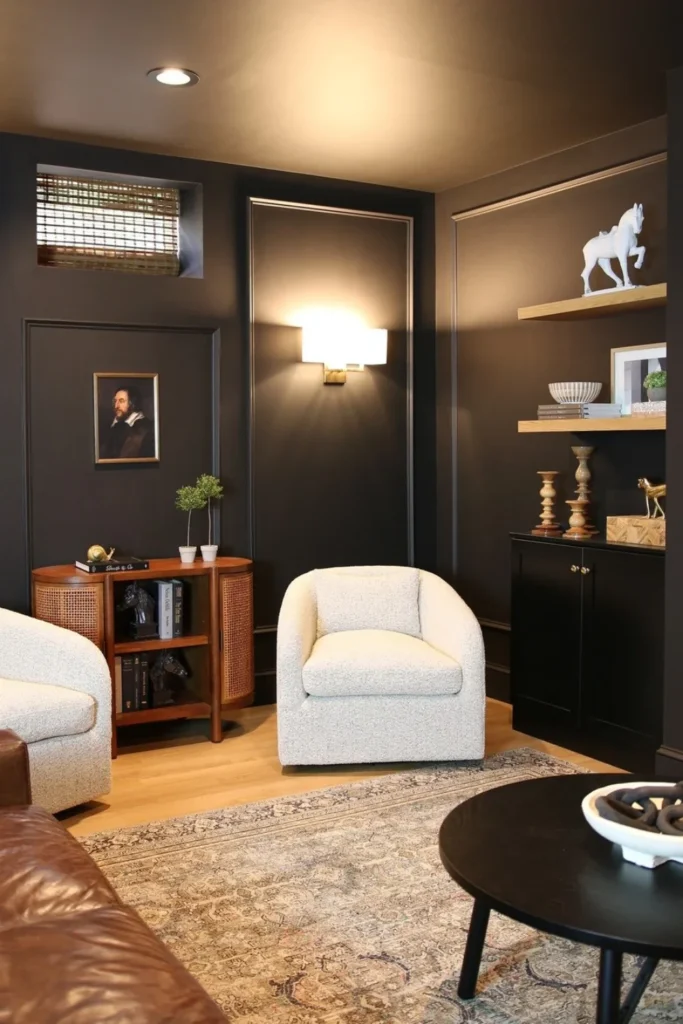
A finished basement doesn't have to look like a traditional storage room.
Combining concealed cabinets with carefully arranged open shelving allows you to keep practical belongings nearby while maintaining an inviting atmosphere.
Store less attractive items, such as cables, extra accessories, and miscellaneous supplies, behind cabinet doors.
Use open shelves for decorative objects, framed photographs, plants suited to the lighting conditions, and favorite books.
Keeping displays relatively simple helps the room feel organized rather than crowded.
This approach works particularly well in basement lounges, guest rooms, and entertainment areas.
8. Furniture Does Double
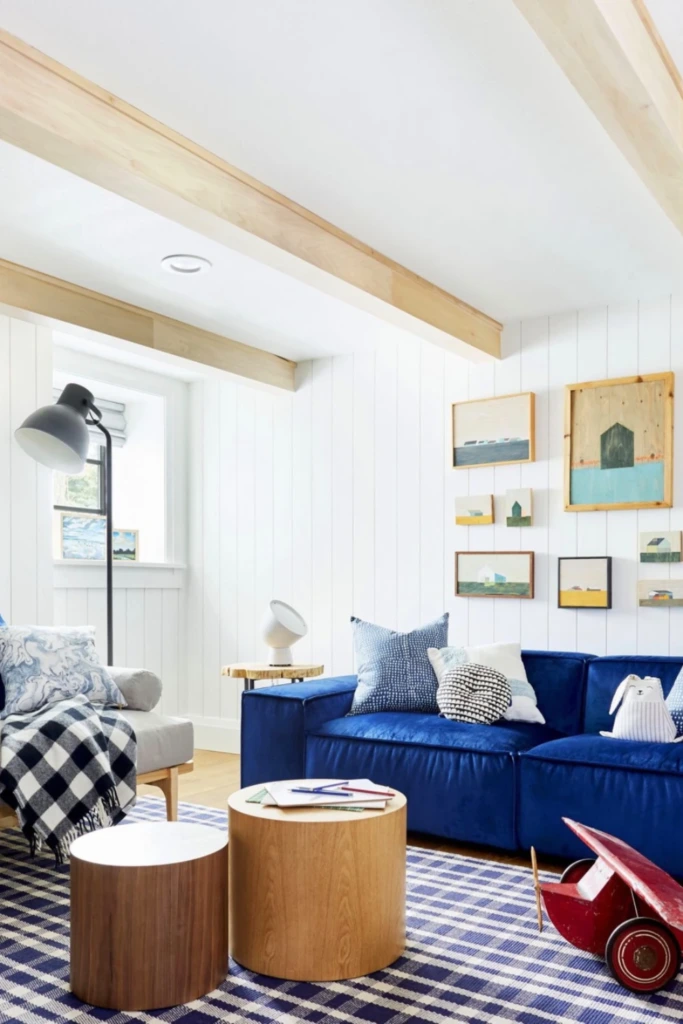
Multipurpose furniture is an excellent option when you want additional storage without sacrificing valuable floor space.
Consider ottomans with removable lids, coffee tables with drawers, or benches featuring compartments beneath their seats.
These pieces can accommodate blankets, gaming accessories, children's toys, and other frequently used belongings.
A storage sofa or sectional with built-in compartments can also be useful in a compact basement family room.
Choose furniture that provides comfortable everyday use rather than selecting it solely for its storage capacity.
The goal is to make the room more functional without introducing unnecessary pieces.
9. DIY Shelf Build
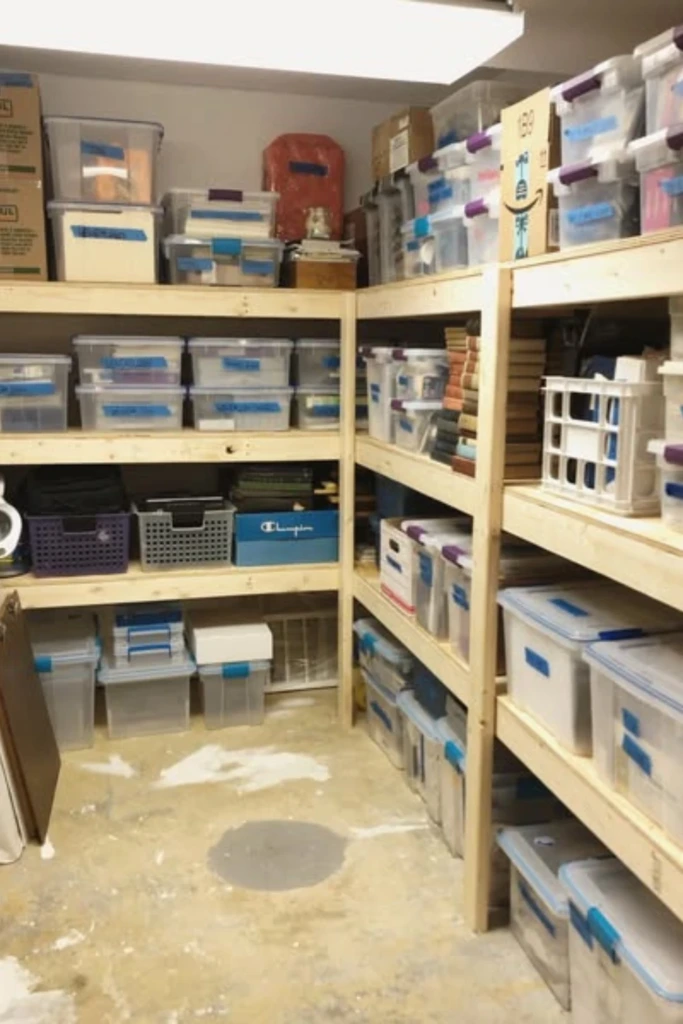
Building your own shelves allows you to customize storage around your basement's exact dimensions.
Basic lumber, appropriate fasteners, and a carefully planned design can create a practical shelving system for tools, containers, and household equipment.
Measure the available wall space and your largest storage bins before deciding on shelf dimensions.
Choose construction materials suitable for the basement environment, and keep wood away from direct contact with damp concrete.
Secure the structure properly and design it for the weight it will carry.
DIY shelving can be particularly useful in unfinished basements where standard furniture doesn't fit the available space.
10. Wire Rack Rows
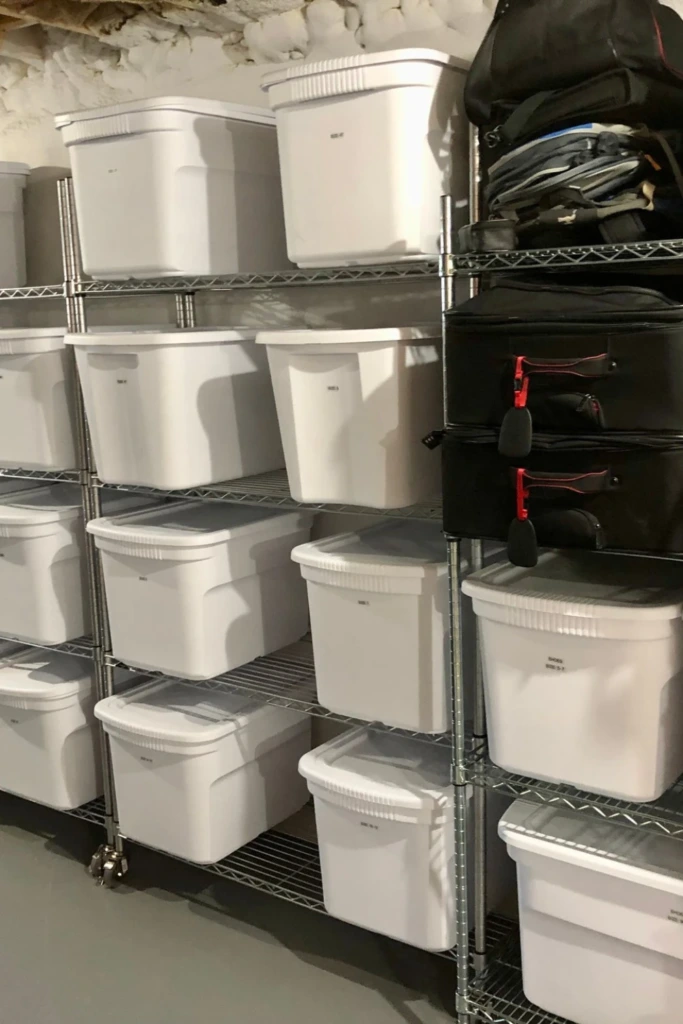
Wire shelving is a practical choice for utility areas because its open construction allows air to circulate around stored belongings.
Adjustable metal racks can accommodate containers of different sizes and make it easier to reorganize your basement as storage needs change.
Choose corrosion-resistant finishes when moisture is a concern, and use plastic shelf liners for small objects that might otherwise fall through the gaps.
Arrange multiple racks in rows while maintaining clear walking paths.
If you prefer movable shelving, select units with locking casters and follow the manufacturer's loading guidelines.
Wire racks are especially useful for organizing household supplies, equipment, and frequently accessed storage bins.
11. Custom Wall Shelves
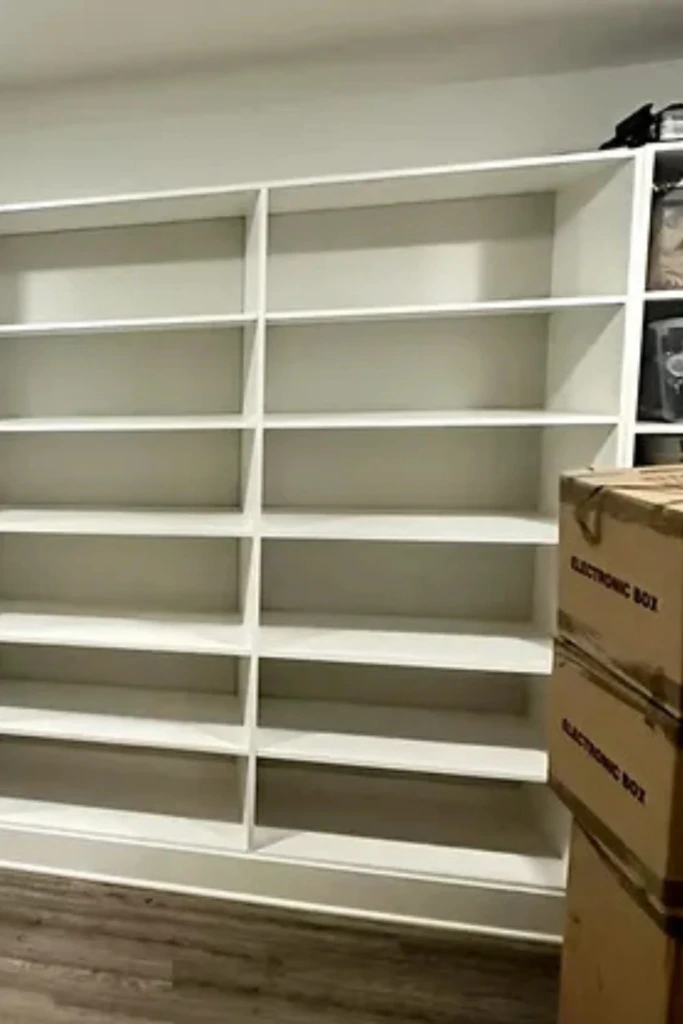
Custom wall shelving makes it possible to use awkward spaces that standard furniture might leave empty.
Shelves can be designed around narrow wall sections, structural features, or recessed areas.
Combine different shelf depths and heights to accommodate books, decorative accessories, baskets, and larger containers.
For finished basements, painting shelves to coordinate with the walls creates a cohesive appearance.
Use suitable brackets and anchors, and avoid overloading wall-mounted shelves.
This option is particularly helpful when you want additional storage without placing bulky cabinets across the floor.
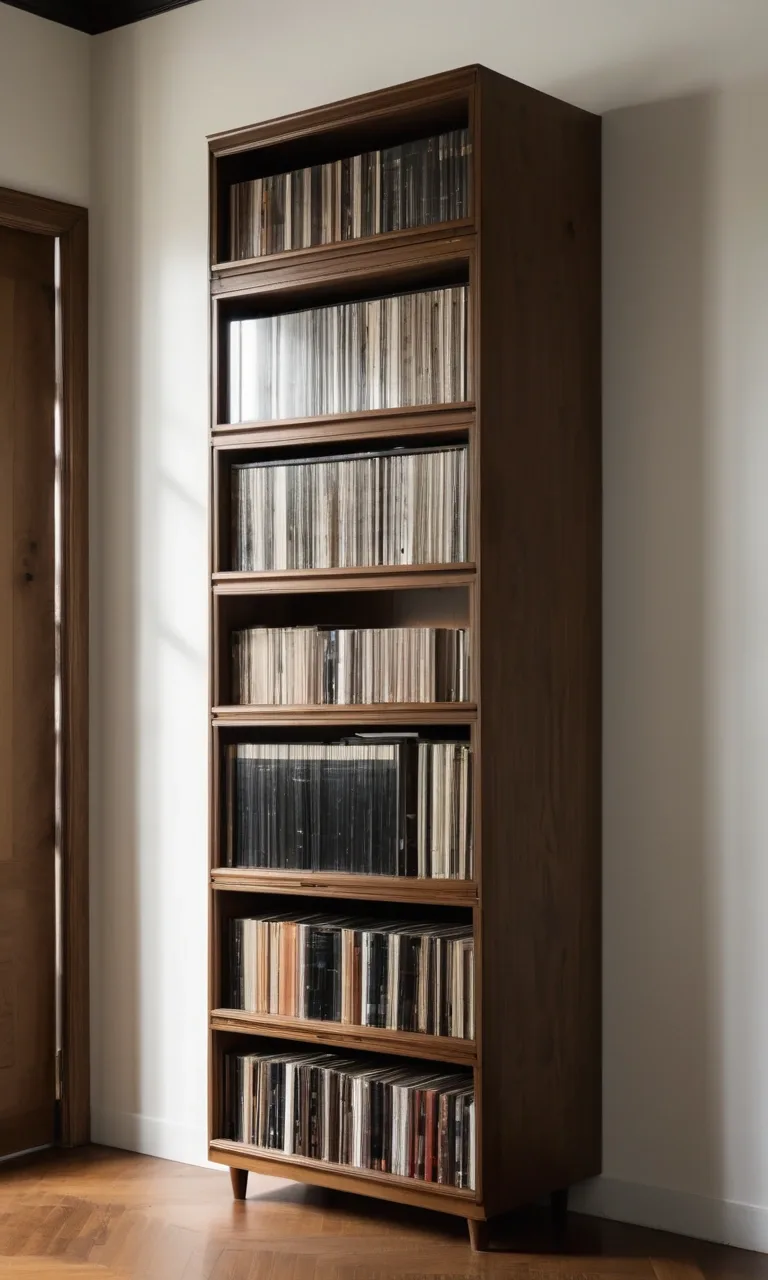
12. Library-Style Storage
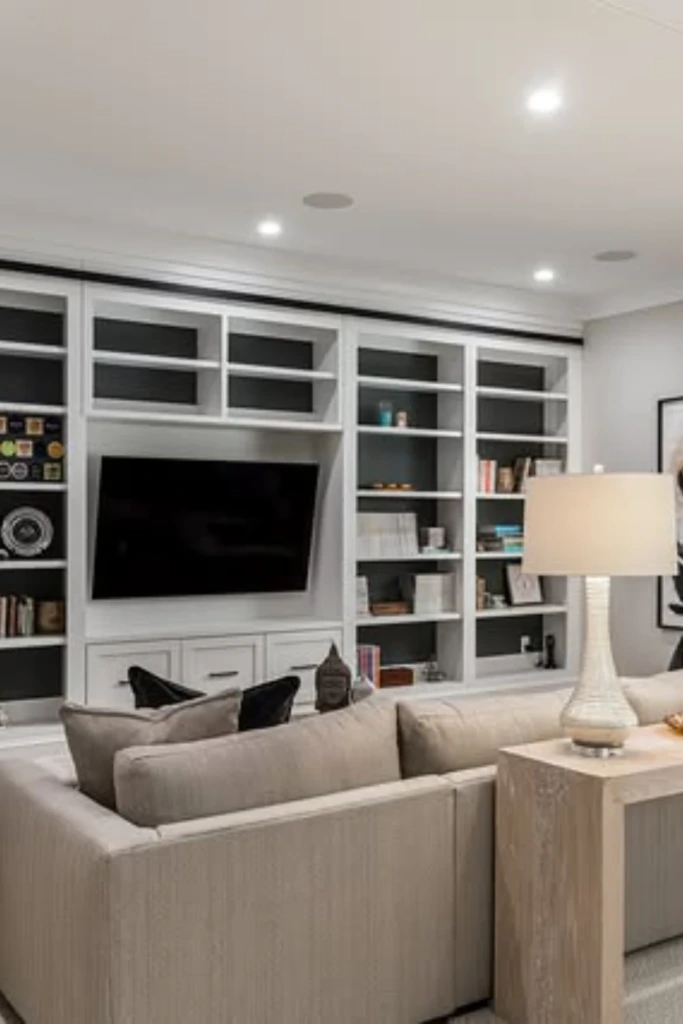
A basement reading room or entertainment space can benefit from an entire wall dedicated to books and related accessories.
Tall bookcases provide space for novels, magazines, board games, decorative collections, and family photographs.
Arrange heavier books on lower shelves and reserve upper levels for lighter items.
Adjustable shelving makes it easier to accommodate different book sizes as your collection grows.
Add comfortable seating and focused reading lights to make the space more welcoming.
In humid basements, control moisture carefully before storing large book collections, since paper is especially vulnerable to damp conditions.
13. Media Wall Storage
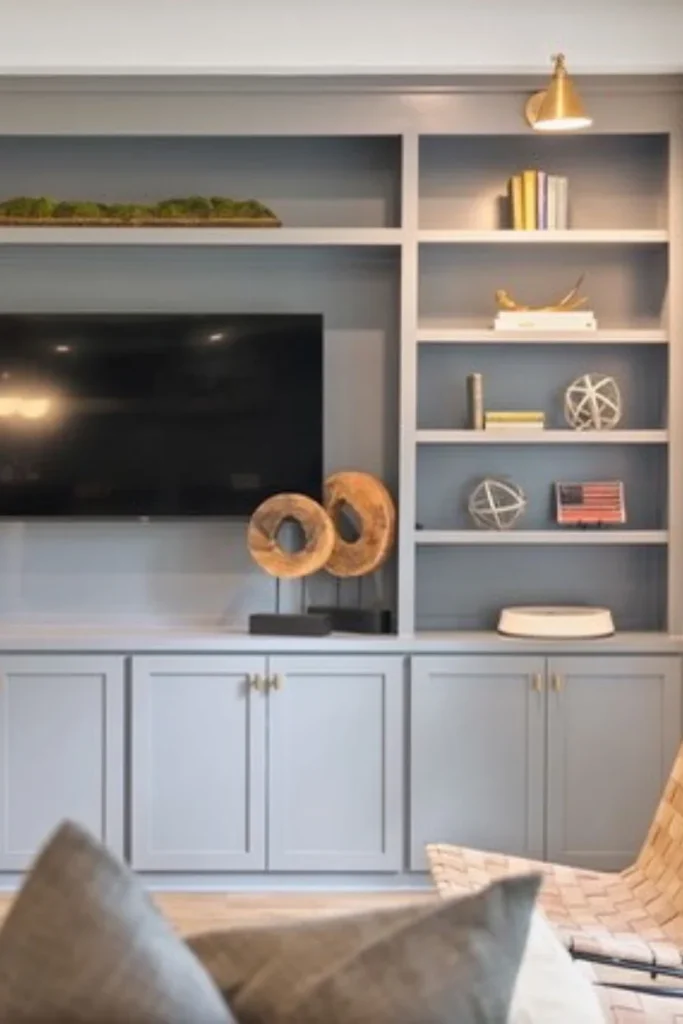
A well-organized media wall can turn a basement entertainment area into a comfortable gathering space.
Position cabinets or shelves around the television to accommodate gaming consoles, speakers, movies, and entertainment accessories.
Closed compartments are useful for hiding controllers, spare cables, and other small items.
Include ventilation openings or appropriate clearance around electronic equipment to prevent overheating.
Cable organizers and labeled connections can make future equipment changes much easier.
Choose a layout that leaves the screen at a comfortable viewing height and doesn't crowd the surrounding seating area.
14. Staircase Storage Nook
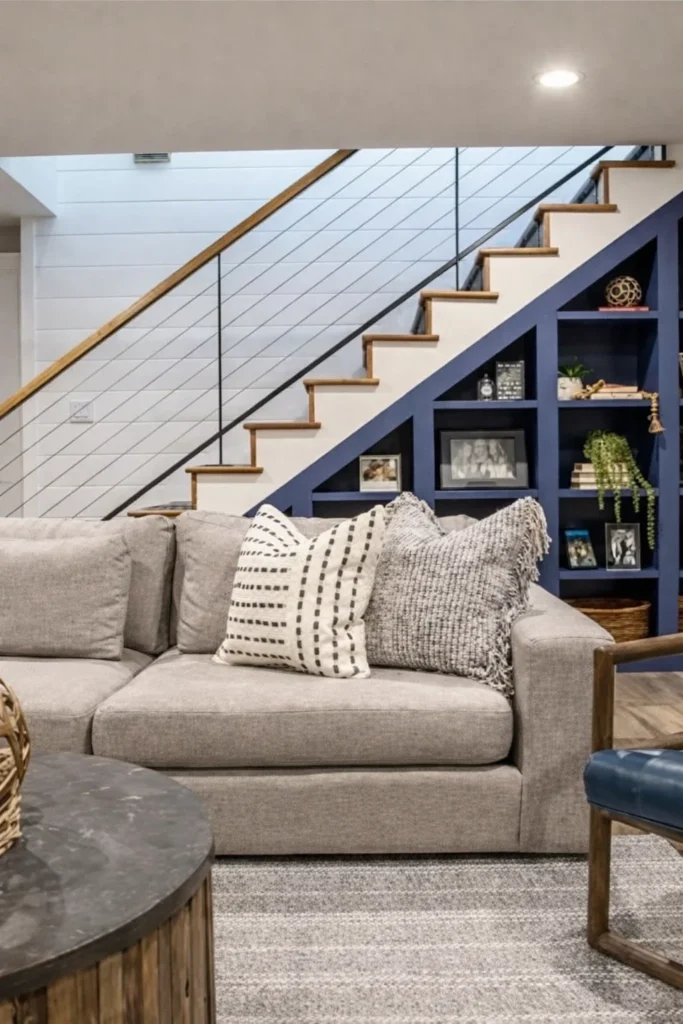
The area beneath basement stairs is often overlooked, even though it can provide useful additional storage.
Depending on the staircase design, you may be able to install shallow cabinets, pull-out drawers, or open shelving.
Use the tallest section for larger belongings and the shorter areas for smaller containers.
Built-in lighting can make deeper compartments easier to access.
Before modifying the space, check for electrical wiring, plumbing, structural elements, and any fire-safety requirements.
A carefully designed staircase nook can store a surprising amount without occupying additional floor space.
15. Under-Stair Pantry
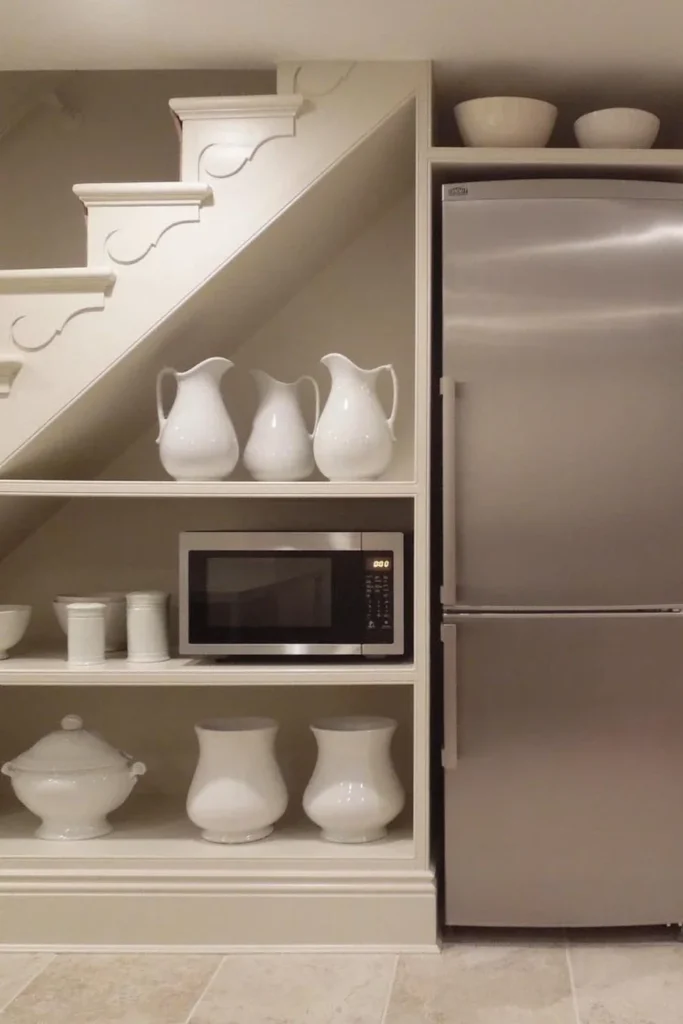
If your kitchen lacks storage, a dry, suitable basement area beneath the stairs may provide room for overflow pantry supplies.
Install shelves for sealed, shelf-stable food, serving dishes, and kitchen appliances that aren't used every day.
Organize supplies by category and place items with earlier expiration dates toward the front.
Avoid storing food directly on the floor, and use pest-resistant containers where appropriate.
Temperature and humidity are particularly important. Only use this space for food if conditions remain suitable for the products being stored.
Good lighting and accessible shelving will make the pantry more convenient.
16. Playroom Wall Storage
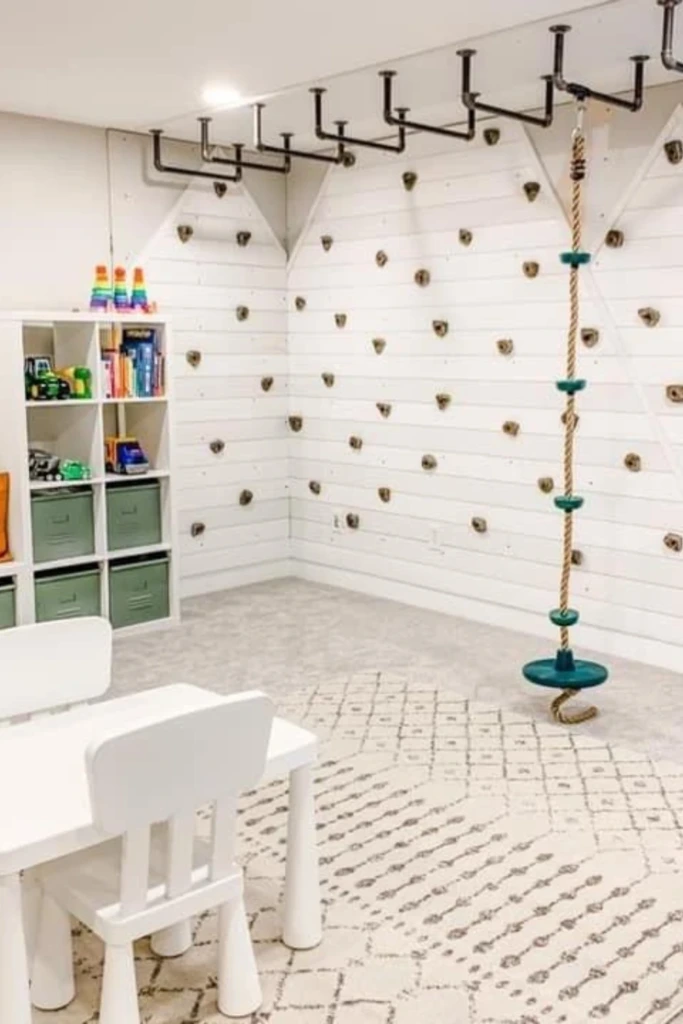
Wall-mounted storage helps keep the center of a basement playroom available for movement and activities.
Use cubbies, shallow shelves, and secure cabinets to organize toys, books, puzzles, and creative materials.
Color-coded containers can help children recognize where their belongings belong.
Keep everyday toys within easy reach and reserve higher storage for adult-managed supplies.
Consider rotating toys periodically instead of displaying everything at once. This can reduce clutter and make cleanup less overwhelming.
Ensure shelves are properly anchored and that the arrangement doesn't create climbing hazards.
17. Seasonal Swap Shelves
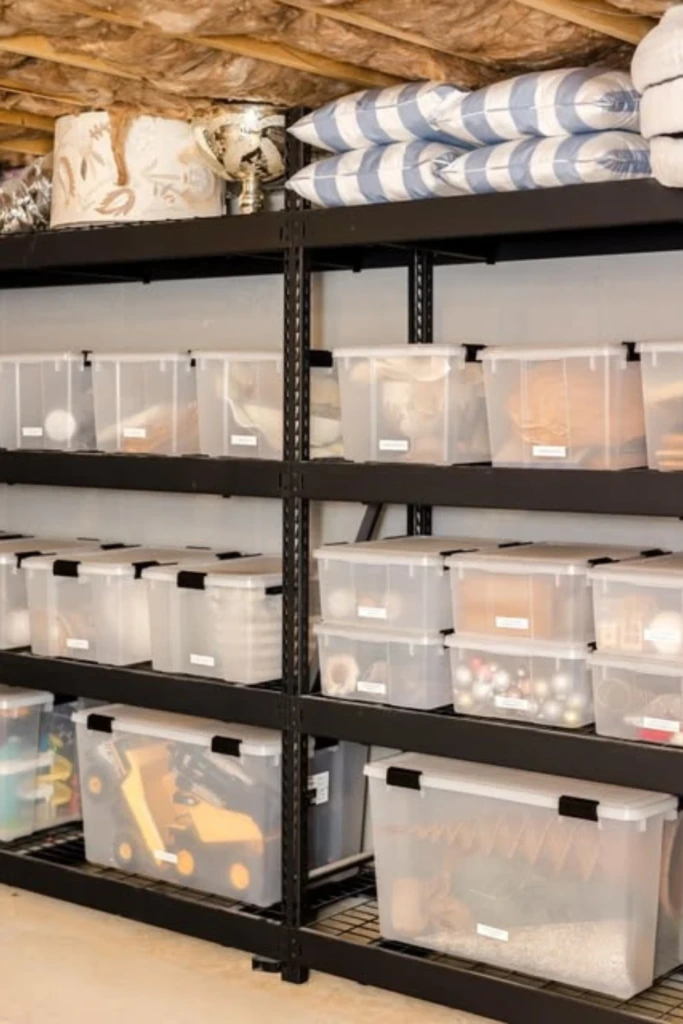
Seasonal belongings can consume a large amount of storage space, especially when decorations, outdoor equipment, and clothing are mixed together.
Create a dedicated shelving area for items used only during certain months.
Separate winter accessories, summer equipment, holiday decorations, and seasonal household textiles into clearly marked containers.
Position the current season's belongings where they're easiest to reach, then move them to less accessible shelves when they're no longer needed.
This rotating system helps prevent unnecessary searching and keeps everyday storage areas available for frequently used items.
18. Labeled Zone Storage
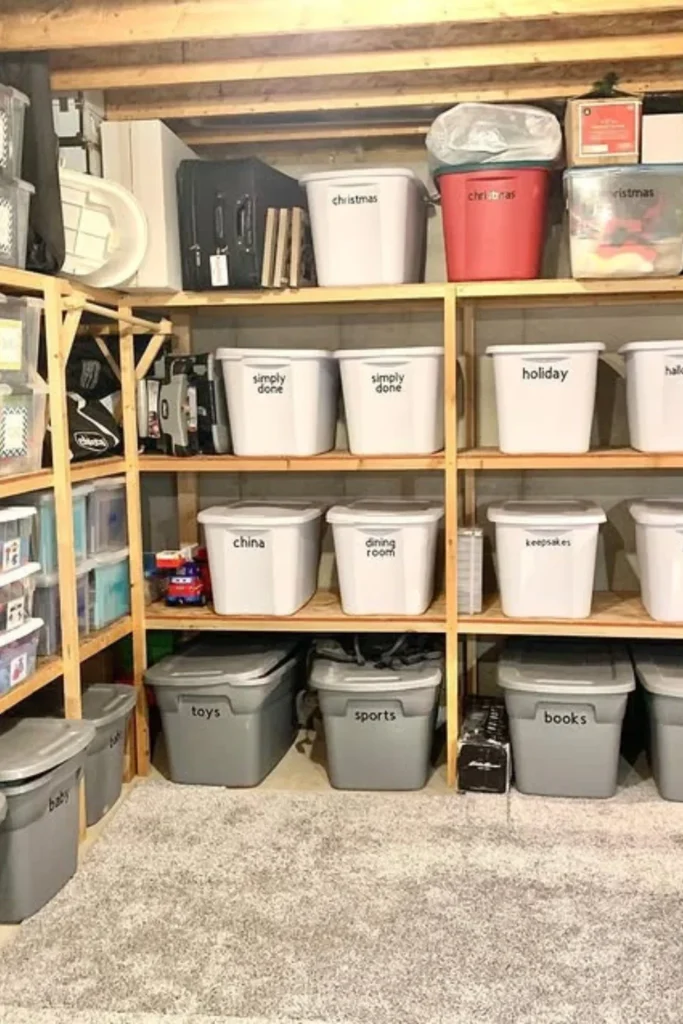
A large basement becomes easier to manage when its storage areas are divided into clearly identified zones.
You might create separate sections for home repairs, recreation, seasonal decorations, and household overflow.
Place a visible label on each shelving unit and use smaller labels for individual containers.
For particularly large storage collections, consider numbering the bins and maintaining a simple digital inventory.
A consistent labeling system helps everyone in the household return belongings to the correct place.
It also makes future decluttering much easier because each category can be reviewed independently.
19. Framed Media Storage
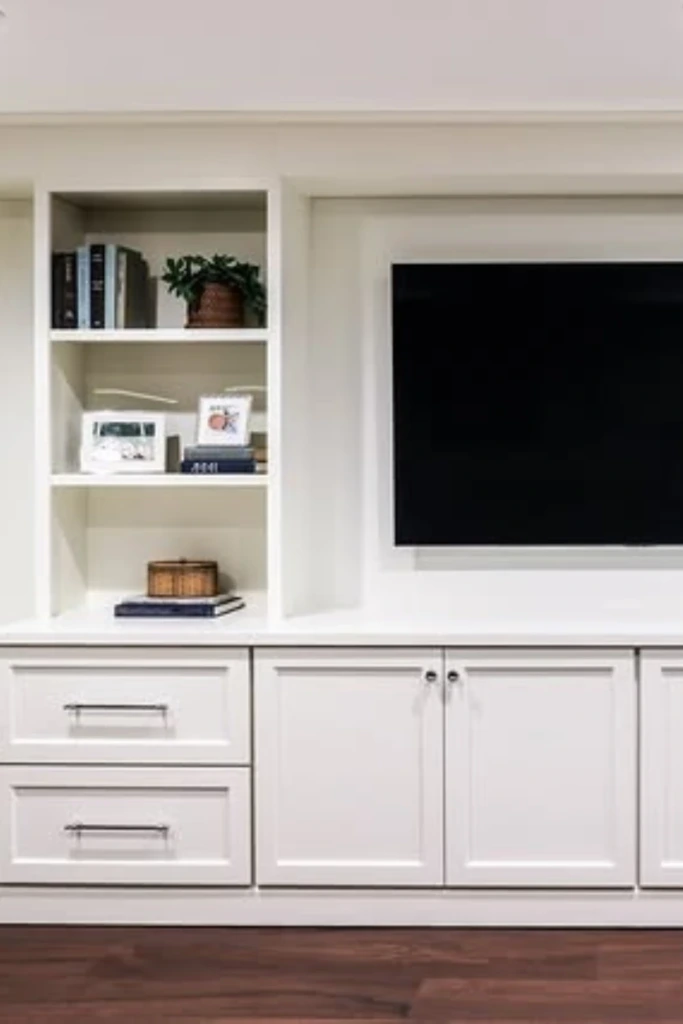
Storage surrounding a television can create a built-in appearance while keeping entertainment essentials organized.
Consider placing cabinets beneath the screen and matching shelves on either side.
Use drawers for remotes, gaming accessories, and small electronics, while reserving open shelves for books and decorative pieces.
A balanced design can make the television feel integrated into the room rather than dominating the entire wall.
Include appropriate airflow for electronic devices and avoid placing heat-producing equipment inside tightly enclosed compartments.
Soft lighting around the shelving can enhance the atmosphere without creating distracting reflections on the screen.
20. Pantry-Style Bins
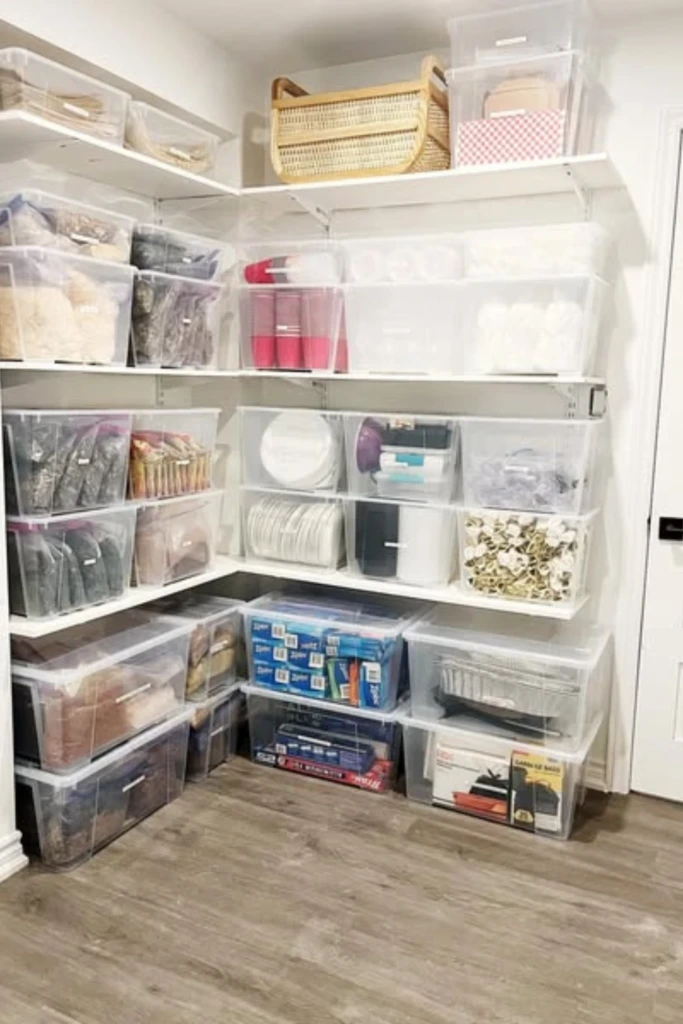
Pantry-inspired organization isn't limited to food storage. The same approach can work beautifully for basement household supplies.
Use matching containers, baskets, or stackable bins to organize craft materials, party decorations, cleaning accessories, and other smaller belongings.
Choose shallow containers for frequently accessed items so nothing becomes buried at the back.
Adjustable shelving allows you to change the arrangement as your needs evolve.
Labels are especially helpful when using opaque bins.
Keep chemicals in their original containers, follow label instructions, and store incompatible products separately rather than mixing them into general household storage.
21. Bookcase Base Storage
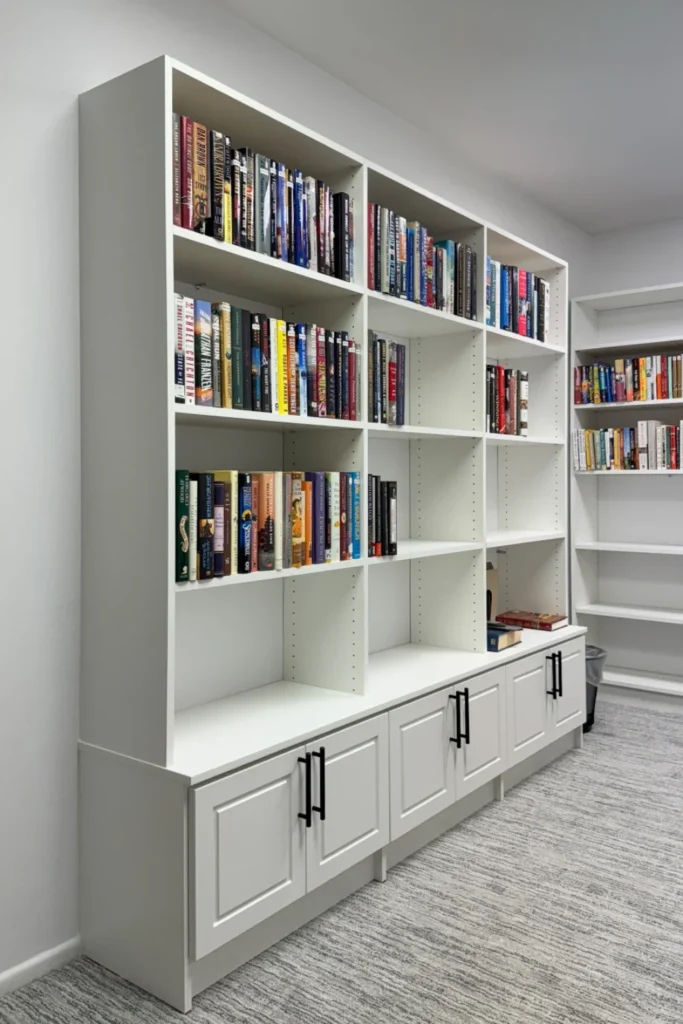
Combining open bookcases with lower cabinets provides a useful balance between