25 Hoodie Storage Ideas for 2026
Hoodies are comfortable, versatile, and easy to wear throughout the year, but storing a growing collection can quickly become a challenge. Their thick fabric, bulky hoods, and oversized cuts take up more room than ordinary T-shirts. Before long, shelves become crowded, drawers refuse to close, and finding your favorite sweatshirt turns into a daily hassle.
The good news is that you can organize your hoodies without investing in a larger wardrobe. A few thoughtful changes, such as folding garments vertically, adding shelf dividers, or using unused wall space, can make your existing storage work much harder.
Whether you own a handful of everyday sweatshirts or collect hoodies in different colors and styles, these practical ideas will help you create an organized system that suits your space, habits, and budget.
How Do You Store Hoodies Without Taking Too Much Closet Space?
The key to storing hoodies efficiently is to avoid treating every garment the same way. Lightweight zip-ups, oversized fleece sweatshirts, and thick winter hoodies all have different storage needs.
Start by separating the hoodies you wear regularly from those reserved for colder weather or special occasions. Fold bulky pieces and place them in drawers, on shelves, or inside appropriately sized containers. Vertical folding is particularly useful because it allows you to see several garments without moving an entire stack.
If you prefer hanging your hoodies, choose sturdy hangers and leave enough room between garments. Shelf dividers, fabric organizers, and storage baskets can also prevent folded clothing from spreading across the closet.
Before buying additional organizers, measure your available shelves and drawers. Making better use of the space you already have is often more effective than adding more storage furniture.
1. Layered Shelving
<AsyncImage query="organized bedroom closet multiple levels shelving folded hoodies sweatshirts storage" aspectRatio="5:4" width="100%"/>
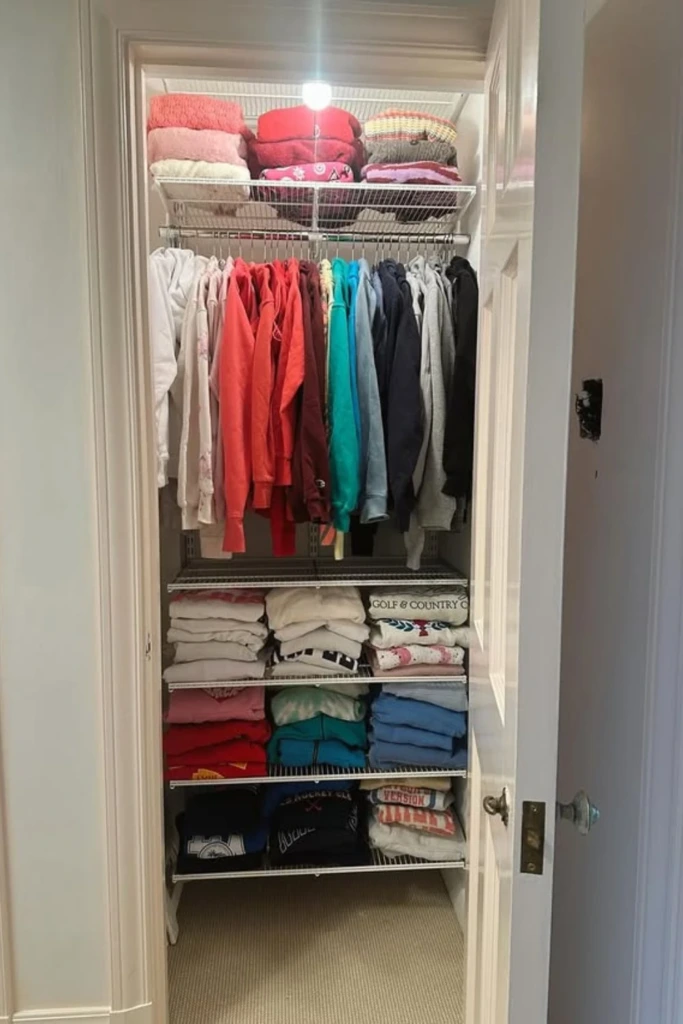
Layered shelving makes use of vertical space while giving different types of hoodies their own places. Instead of crowding everything onto one shelf, arrange your collection across several levels.
Install adjustable shelves if your closet allows it. Keep frequently worn sweatshirts at eye level, reserve another shelf for heavier fleece styles, and use the highest level for seasonal garments.
Fold each hoodie into a consistent shape and group similar pieces together. This arrangement makes it easier to locate specific items and prevents tall piles from becoming unstable. If you have limited room, narrow shelves can provide useful storage without occupying much floor space.
2. Wooden Hangers
<AsyncImage query="wooden clothes hangers neatly organized hoodies hanging in modern wardrobe" aspectRatio="5:4" width="100%"/>
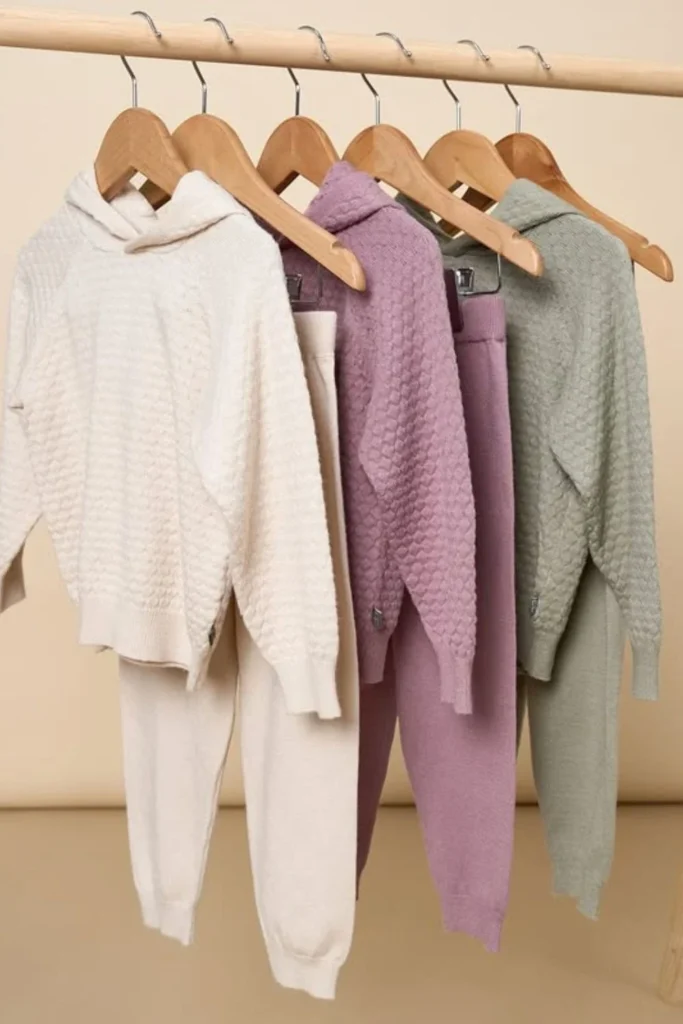
Hanging hoodies can make an overcrowded shelf feel more manageable, especially when you want to see your options at a glance. Wooden hangers provide a sturdy surface for many sweatshirts and help maintain a more structured appearance inside the wardrobe.
Choose hangers with broad, smooth shoulders for heavier garments. Avoid forcing several thick hoodies into a narrow section of the closet, as compressed clothing becomes harder to remove and may wrinkle.
Give each hoodie its own hanger and arrange the garments by style, color, or frequency of use. For especially heavy sweatshirts, folding may be preferable because prolonged hanging can stretch the shoulders.
3. Color Stacks
<AsyncImage query="folded hoodies organized by color on open closet shelves neutral pastel black white sweatshirt stacks" aspectRatio="5:4" width="100%"/>
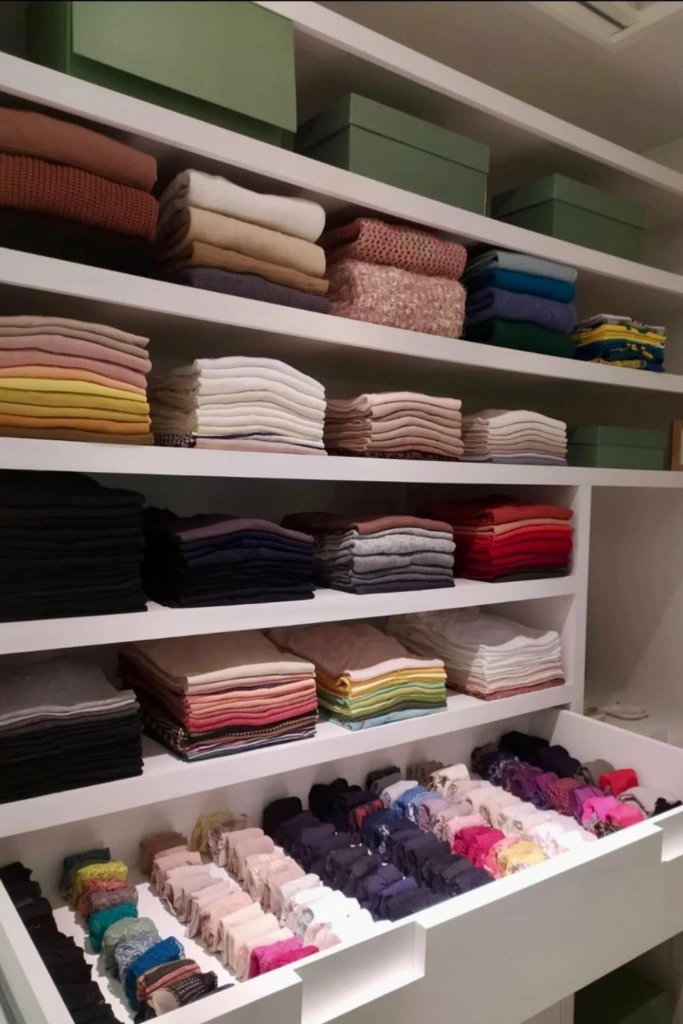
Color-coordinated stacks turn an ordinary closet shelf into a more organized display. They also make it easier to find a particular sweatshirt when you already know which color you want to wear.
Fold your hoodies into similarly sized rectangles and create separate groups for light neutrals, dark shades, and brighter colors. You can also organize them by design or fabric if that suits your wardrobe better.
Keep each pile relatively short so you can remove one garment without disturbing everything underneath. If your collection is large, dedicate individual shelves to different color groups rather than trying to fit every hoodie into a single stack.
4. Drawer Stacks

<AsyncImage query="neatly folded graphic hoodies stacked horizontally inside wide dresser drawer clothing organization" aspectRatio="5:4" width="100%"/>
Drawers are useful for storing hoodies when you want to keep clothing out of sight while maintaining easy access. Wide drawers work particularly well for bulky sweatshirts because they provide room for thicker fabric without forcing garments into narrow spaces.
Fold each hoodie into a compact rectangle, keeping the hood and sleeves tucked neatly inside. Arrange the pieces in short stacks or rows according to how much drawer height you have available.
If your hoodies feature distinctive prints or graphics, consider folding them so their designs are easy to identify. Drawer dividers can help separate lightweight pullovers from heavier winter pieces and prevent everything from becoming mixed together.
5. Open Rack
<AsyncImage query="minimal freestanding black metal clothing rack displaying oversized hoodies sweatshirts in bedroom" aspectRatio="5:4" width="100%"/>
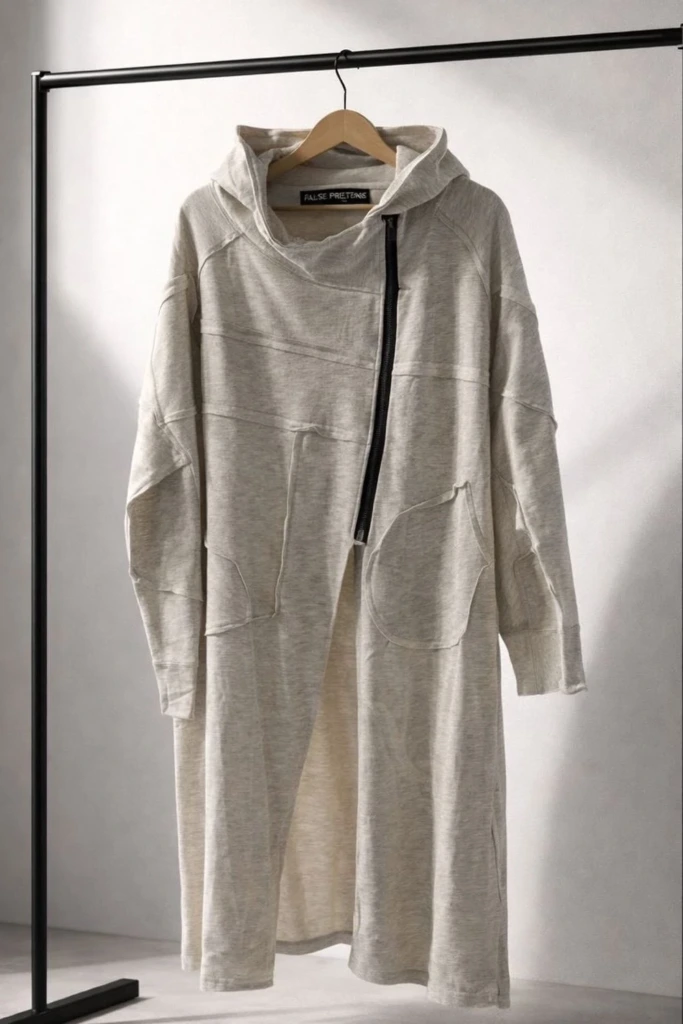
An open clothing rack provides extra hanging space without requiring changes to your existing wardrobe. It is especially useful for oversized hoodies, long sweatshirt dresses, and zip-up styles that you prefer to hang.
Place a freestanding rack against an available wall or in an unused bedroom corner. Use sturdy hangers and leave enough space between garments to prevent thick sleeves and hoods from becoming tangled.
An open rack can also serve as a temporary home for the hoodies you wear most often. Keep the selection limited and return less frequently used pieces to drawers or shelves to avoid making the room look crowded.
6. Shelf Sections
<AsyncImage query="closet shelves divided into small neat stacks of folded sweatshirts fleece hoodies" aspectRatio="5:4" width="100%"/>
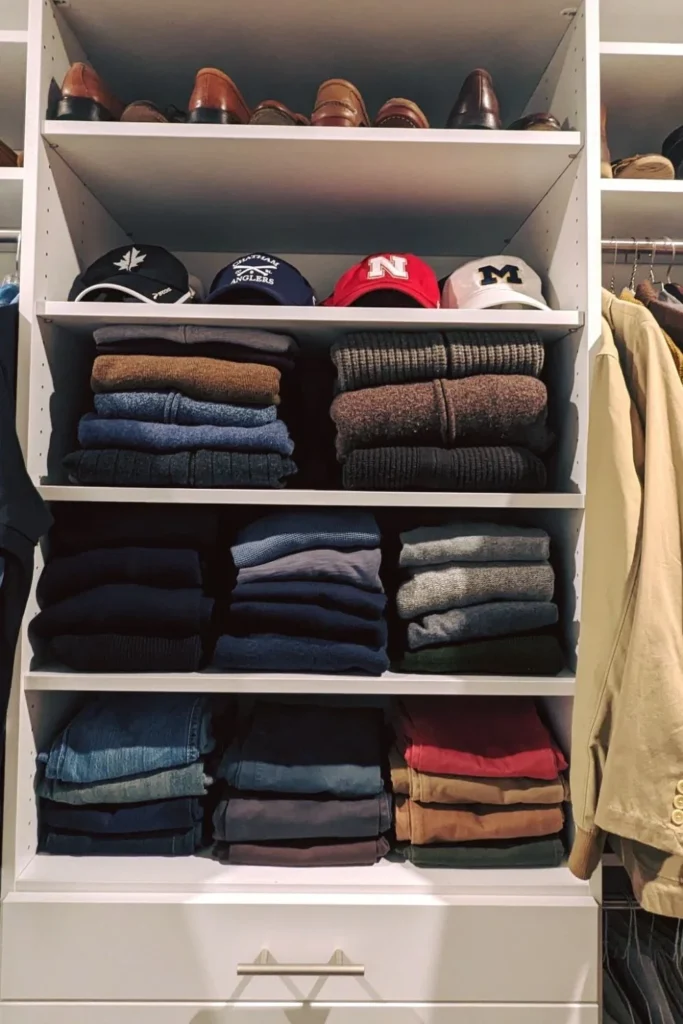
Dividing your shelving into smaller sections makes bulky clothing easier to manage. Instead of creating one large pile, assign each area a specific purpose.
For example, one section can hold lightweight hoodies, another can accommodate thick fleece sweatshirts, and a separate shelf can store clothing you only use during colder months.
Fold garments consistently and avoid building stacks so high that removing one piece causes the rest to slide. Small groups are easier to maintain and make it simpler to return each hoodie to its proper place after laundry day.
7. Hoodie Display

<AsyncImage query="stylish bedroom wall mounted clothing rod displaying two graphic streetwear hoodies on hangers" aspectRatio="5:4" width="100%"/>
Some hoodies are worth displaying rather than hiding inside a crowded closet. A small wall-mounted clothing rod creates a convenient place for favorite graphic sweatshirts, limited-edition designs, or pieces that complement your room's style.
Choose a suitable wall and install a rod or hanging system that can safely support the combined weight of the garments. Use matching hangers to create a coordinated appearance.
Display only a few hoodies at a time. You can change the selection whenever your preferences or the weather change, while the rest of your collection stays folded away. This idea works particularly well in bedrooms, dressing areas, and personal studios.
8. Color Hanging
<AsyncImage query="wardrobe rail hoodies hanging neatly in rainbow color order black grey beige white blue green pink" aspectRatio="5:4" width="100%"/>
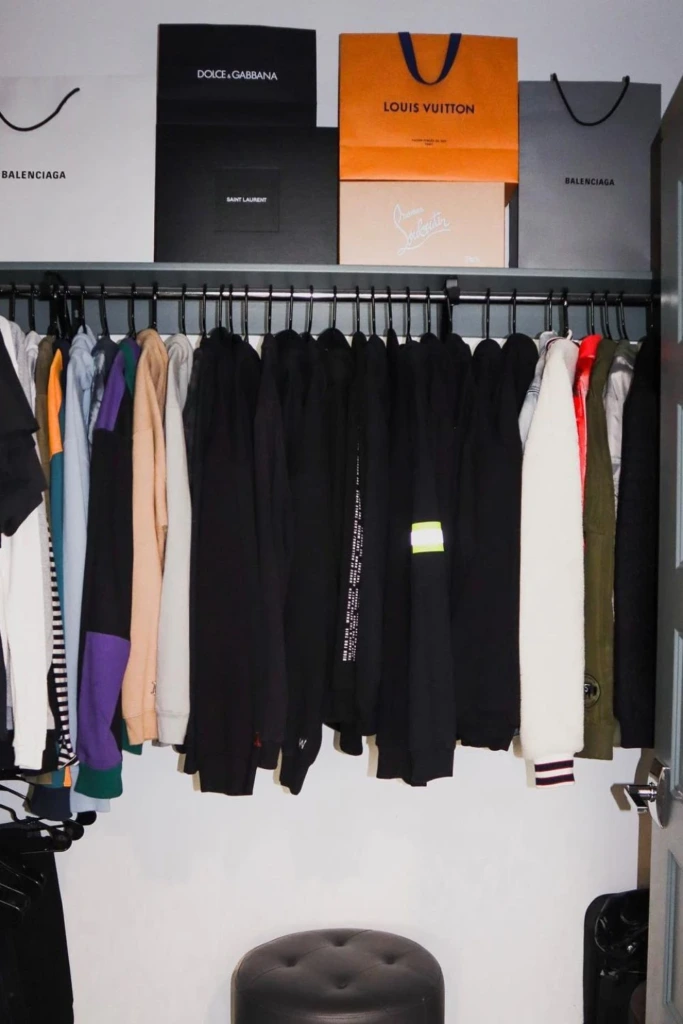
Arranging hanging hoodies by color gives your wardrobe a consistent look and makes outfit selection quicker. Rather than searching through a random mixture of garments, you can move directly to the shades you prefer.
Start with a color sequence that makes sense to you. You might group black, navy, and charcoal together, followed by neutral tones and brighter colors. Alternatively, arrange everything from light to dark for a gradual transition.
Use hangers that suit the weight of your clothing and distribute the garments evenly along the rail. Color grouping is especially effective when you have several similar hoodies and need a quick way to distinguish them.
9. Corner Shelves

<AsyncImage query="L shaped corner shelving unit in walk in closet folded sweatshirts hoodies organized" aspectRatio="5:4" width="100%"/>
Corners are often overlooked when organizing a wardrobe, even though they can accommodate useful storage. Corner shelves make these areas practical for folded hoodies, accessories, and seasonal clothing.
An L-shaped shelving unit or wraparound shelves can create additional storage in a walk-in closet or bedroom. Arrange hoodies in compact piles and reserve separate sections for different fabrics or styles.
Keep frequently worn pieces within comfortable reach. Higher shelves are better suited to lightweight seasonal storage that you do not need every day, while lower areas can hold other items you use regularly. Measure the corner before purchasing furniture to ensure the shelves fit without obstructing doors or walkways.
10. Rolling Rack
<AsyncImage query="rolling garment rack with wheels organized hoodies hanging on black metal rack bedroom" aspectRatio="5:4" width="100%"/>
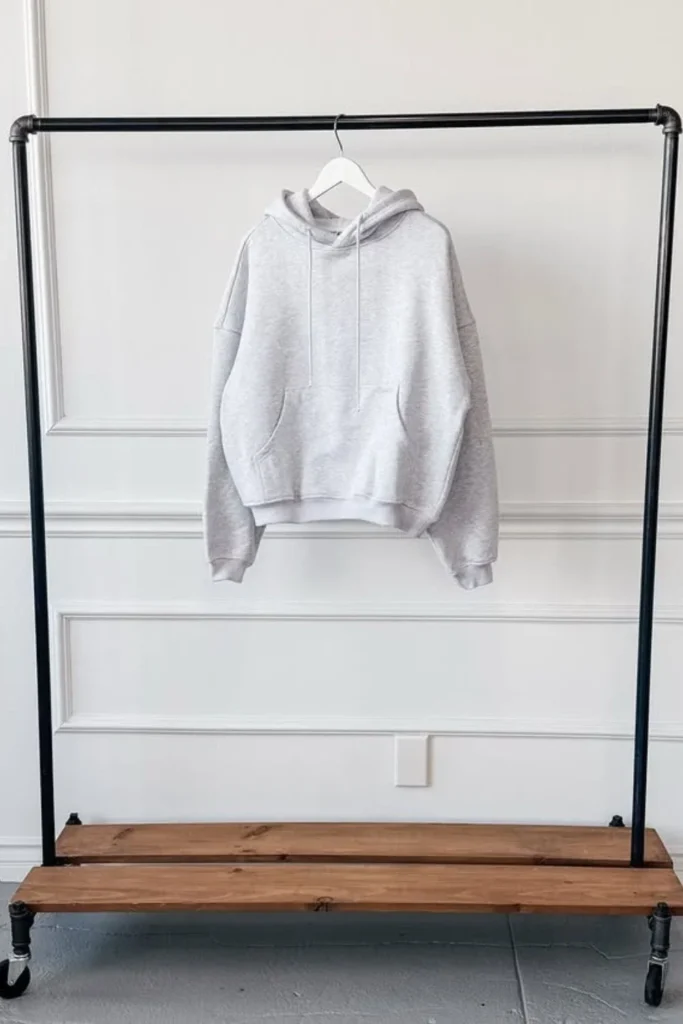
A rolling clothing rack is a flexible option when your storage needs change throughout the week. Because it can move between rooms, it works well for bedrooms, laundry areas, and dressing spaces.
Hang your most frequently worn hoodies on the rail and use any built-in lower shelf for folded sweatshirts or accessories. Distribute heavier garments evenly so the rack remains stable when moved.
Look for locking wheels and a sturdy frame, particularly if you plan to store thick winter clothing. When the rack is not needed, you can move it into a convenient corner. Keep the number of hanging garments manageable so everything remains easy to access.
11. Shade Order
<AsyncImage query="closet clothes rail hoodies arranged in smooth light to dark gradient shades neutral grey black white beige" aspectRatio="5:4" width="100%"/>
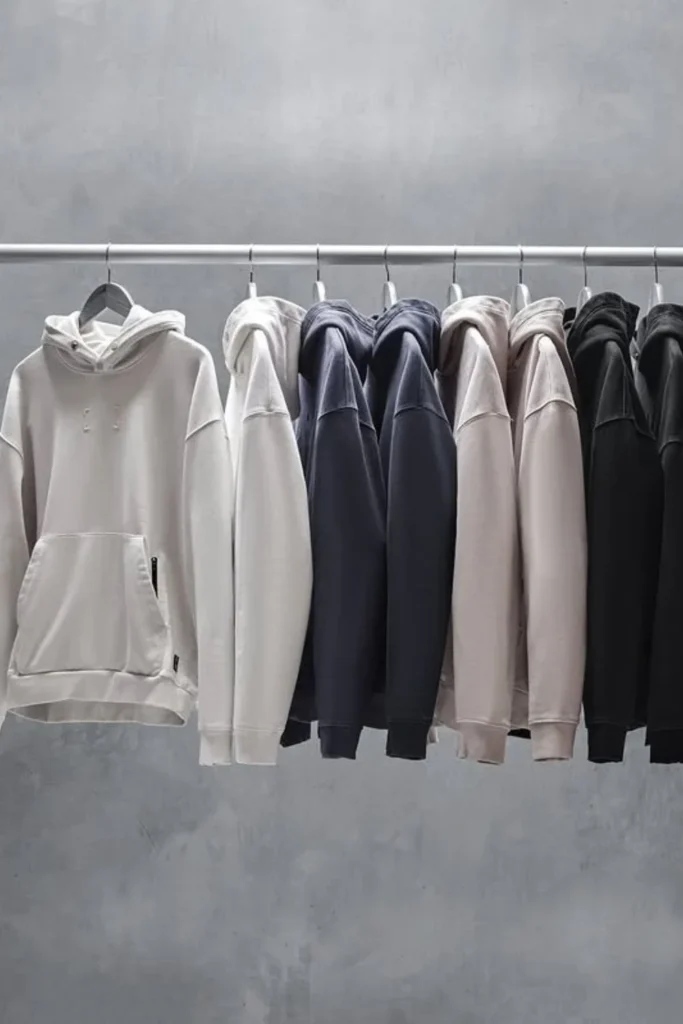
A shade-based arrangement takes color organization a step further by placing similar tones next to one another. The result is a visually balanced wardrobe that is also simple to navigate.
Arrange your hoodies in a progression, such as white, cream, beige, light gray, darker gray, navy, and black. Insert other colors wherever they fit naturally into your collection.
Matching hangers can make the arrangement look more uniform, but consistent spacing matters just as much. This approach is useful when you own multiple versions of the same hoodie in slightly different shades and want to identify the right one quickly.
12. Storage Bins
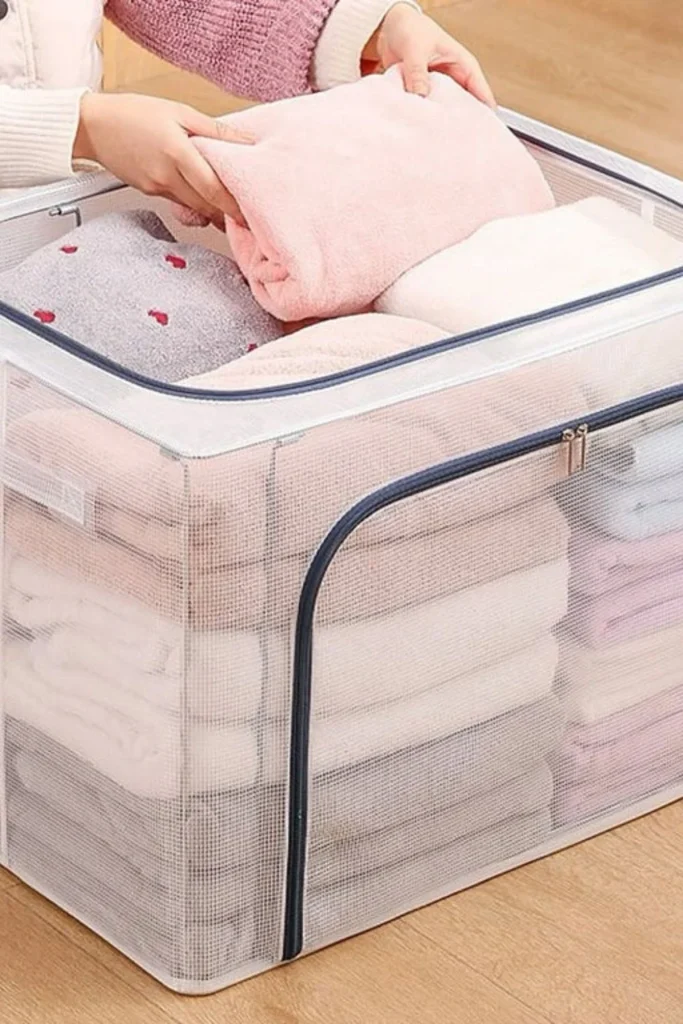
<AsyncImage query="breathable fabric storage bins with neatly folded winter hoodies on wardrobe shelf" aspectRatio="5:4" width="100%"/>
Storage bins help prevent seasonal hoodies from taking over the space reserved for everyday clothing. They are particularly useful for thick winter sweatshirts that you may not need during warmer months.
Fold each garment before placing it inside a clean, appropriately sized container. Clear-sided or labeled bins make it easier to identify the contents without opening every box.
Under-bed containers, wardrobe shelves, and closet cabinets can all accommodate suitable bins. Choose breathable storage when practical, and make sure garments are completely dry before putting them away. For long-term storage, keep containers in a cool, dry place away from direct sunlight and damp conditions.
13. Wall Hooks
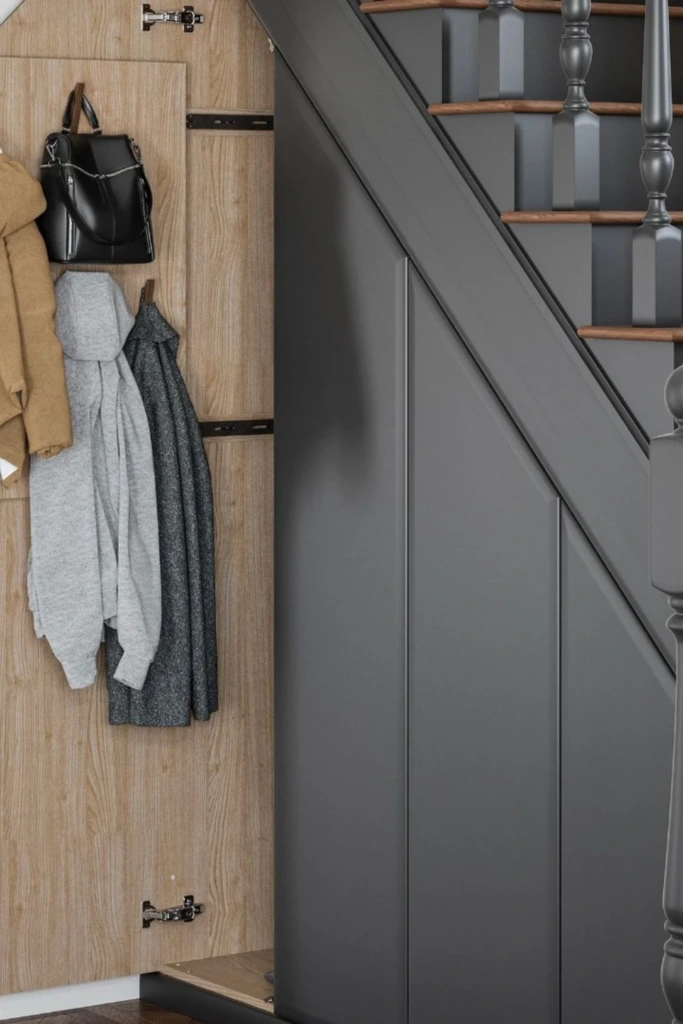
<AsyncImage query="wooden wall mounted coat hook rack holding casual hoodies in tidy bedroom entryway" aspectRatio="5:4" width="100%"/>
Wall hooks offer a simple solution for hoodies that you reach for almost every day. They provide a designated place for garments that would otherwise end up on chairs, beds, or door handles.
Install a row of hooks near your bedroom door, hallway, or dressing area. Select hooks that can support the weight of your sweatshirts and use suitable wall fixings for the surface.
Assign one hook to each hoodie rather than hanging several garments together. This keeps the clothing easier to grab and helps it air out between wears. If space permits, add a small shelf above the hooks for hats, bags, or other everyday accessories.
14. Travel Packing

<AsyncImage query="compact rolled hoodie packed neatly inside open travel suitcase with packing cubes" aspectRatio="5:4" width="100%"/>
Hoodies can occupy a surprising amount of suitcase space, particularly when you are packing for a trip that requires several layers. Rolling or compact folding can help you organize them alongside the rest of your clothing.
Lay the hoodie flat, fold the sleeves inward, and roll the body from the bottom toward the hood. You can then place it inside a packing cube or lightweight travel pouch to keep it separate from smaller items.
For thick fleece hoodies, compare rolling with flat folding to see which method uses less space in your particular suitcase. Avoid compressing delicate fabrics excessively, and remember that packing cubes organize clothing rather than eliminating its actual volume.
This technique is helpful for weekend trips, longer holidays, and backpacking when you want an extra layer without letting bulky clothing dominate your luggage.
15. Hanging Cubes
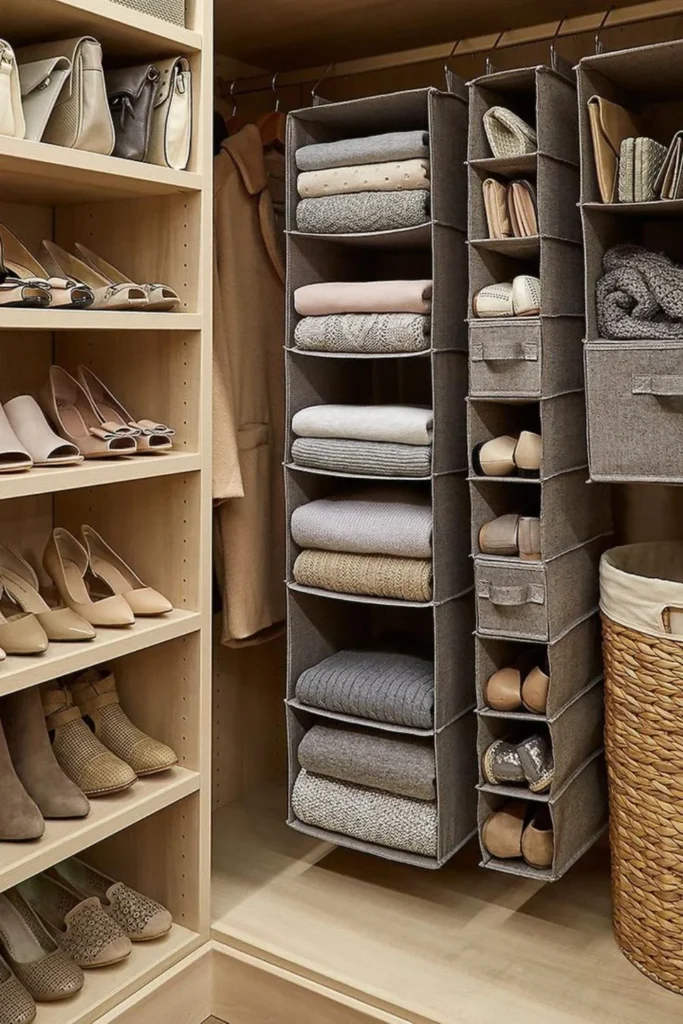
<AsyncImage query="fabric hanging closet organizer cubbies filled with neatly folded hoodies sweatshirts" aspectRatio="5:4" width="100%"/>
A hanging fabric organizer adds several compartments to a closet without requiring permanent shelving. It hangs from the existing clothes rail and turns unused vertical space into small storage sections.
Fold your hoodies into compact rectangles and place a manageable number in each compartment. Keep heavier sweatshirts in the lower sections when the organizer's construction and weight limits allow it.
You can dedicate different compartments to lightweight pullovers, zip-up hoodies, and seasonal pieces. This arrangement works well in rental homes or small bedrooms where installing additional shelves may not be practical.
Before purchasing one, check its dimensions and weight capacity. An organizer that is too narrow or flimsy may not accommodate bulky hoodies comfortably.
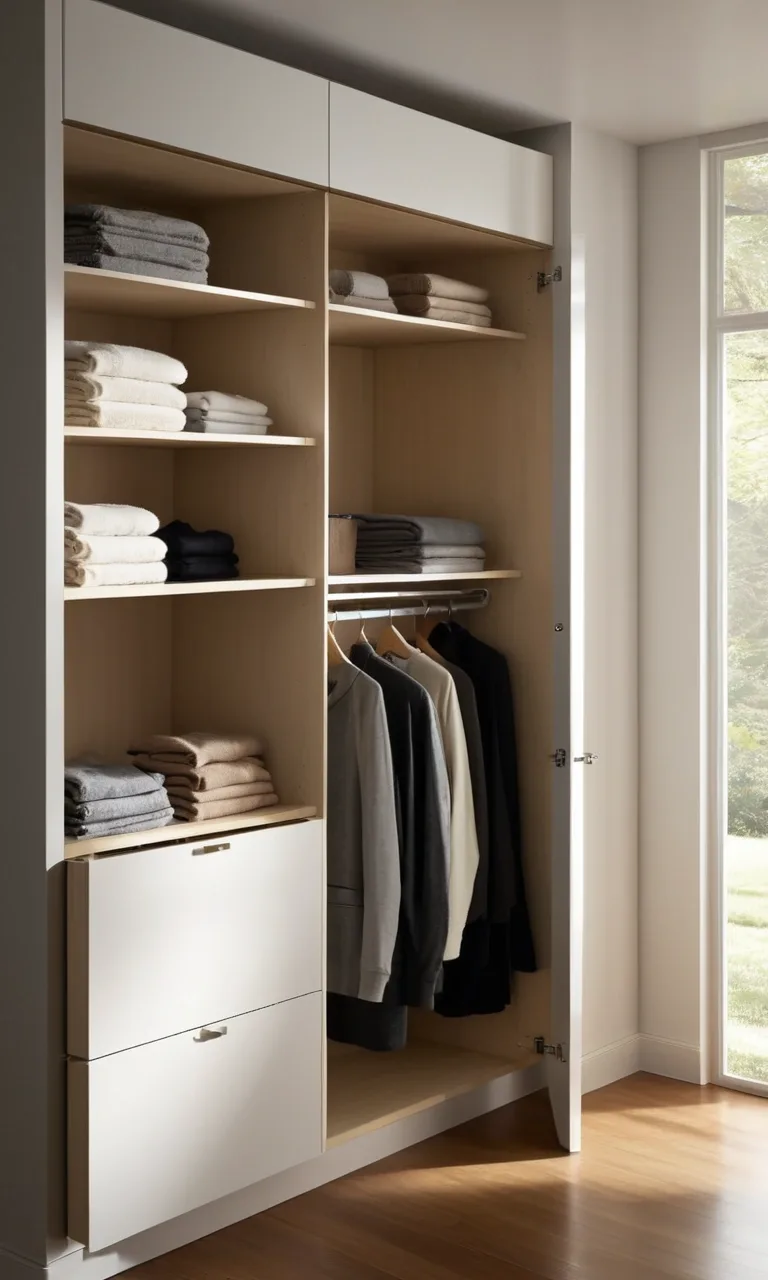
16. Wardrobe Zones

<AsyncImage query="organized wardrobe with separate sections hanging jackets folded hoodies shelves drawers modern closet" aspectRatio="5:4" width="100%"/>
Creating dedicated wardrobe zones helps prevent hoodies from becoming mixed with shirts, jackets, and other clothing. Each category has a defined storage area, making the entire closet easier to maintain.
Start by reviewing your existing wardrobe and deciding how much space your hoodie collection needs. Reserve a shelf, drawer, or portion of the hanging rail specifically for sweatshirts.
Place heavier hoodies on shelves if you want to reduce the risk of shoulder stretching, and hang lighter pieces when convenient. Keep frequently worn garments at an accessible height and move occasional-use clothing to less prominent areas.
You can create these zones using built-in wardrobes, modular furniture, drawer dividers, or simple storage baskets. The best arrangement is one that matches the amount of clothing you own and remains easy to use every day.
17. Entry Hooks
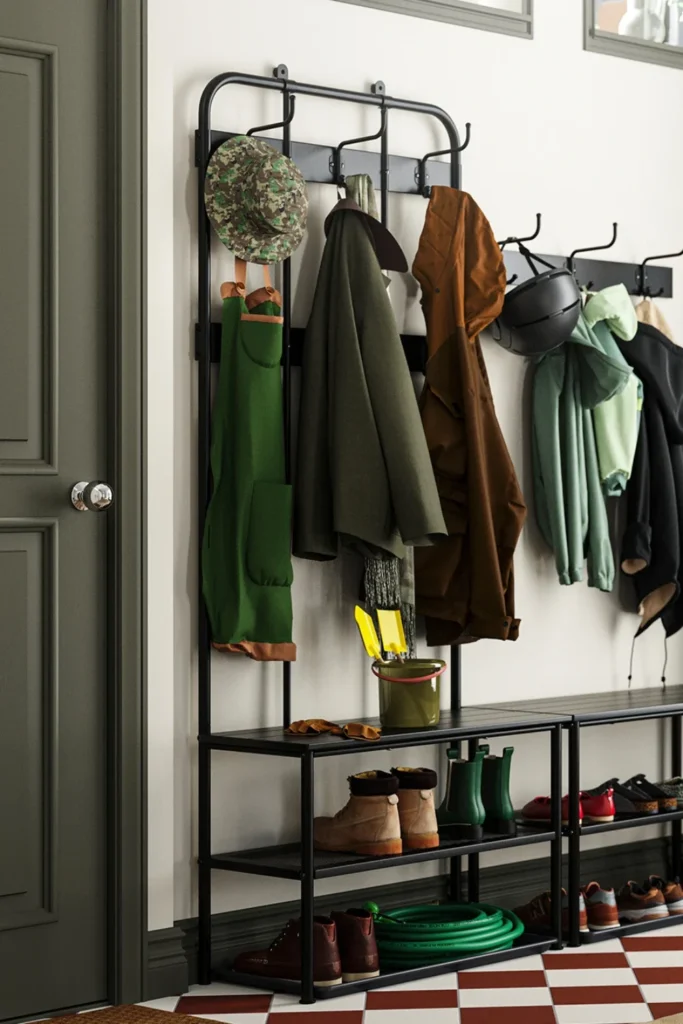
<AsyncImage query="organized entryway wall hooks above narrow shoe bench with casual hoodies and bags" aspectRatio="5:4" width="100%"/>
Entryway hooks provide a convenient storage point for hoodies you regularly wear when leaving home. Instead of carrying them back to a bedroom closet every time, you have a dedicated place near the door.
Mount a sturdy hook rack above a shoe bench or slim storage cabinet. Give each family member their own hook or designate separate hooks for different garments.
The bench can provide extra room for shoes, while a nearby shelf can hold keys, hats, or bags. This arrangement is particularly useful in compact homes where there is no separate mudroom.
Keep the area limited to frequently used outerwear. Moving out-of-season clothing elsewhere will help the entryway remain tidy and prevent the hooks from becoming overloaded.
18. Hoodie Stand
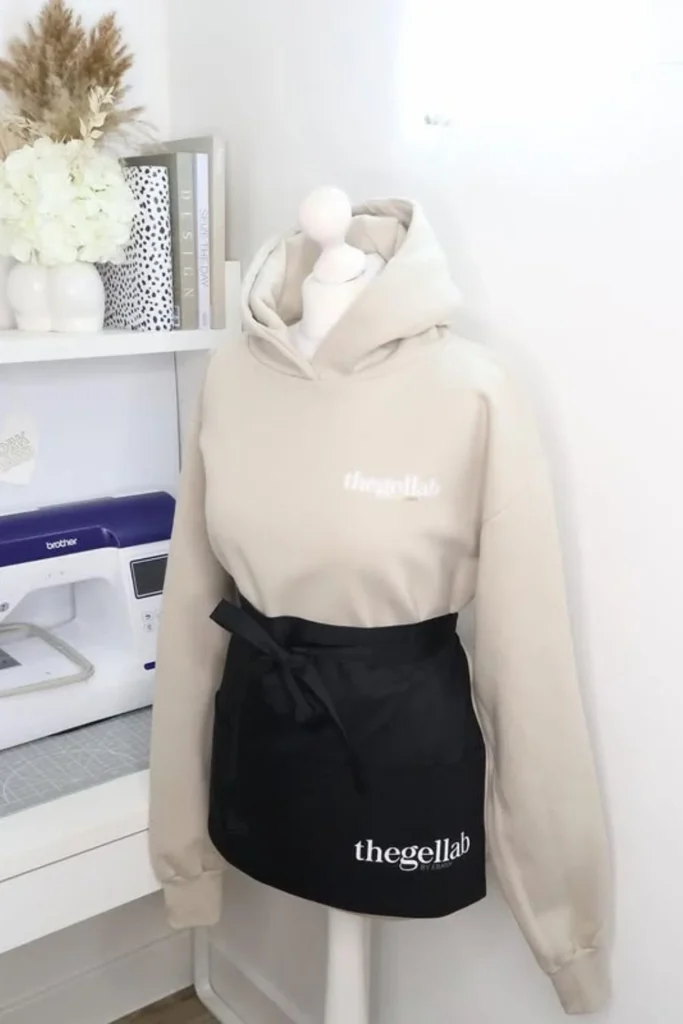
<AsyncImage query="hoodie displayed on minimalist dress form mannequin in modern bedroom clothing display" aspectRatio="5:4" width="100%"/>
A dress form or clothing mannequin offers a creative way to display a favorite hoodie. Rather than keeping a statement piece folded away, you can turn it into part of your room's decor.
Place a lightweight dress form in a bedroom corner, dressing area, or creative studio. Drape the hoodie over it naturally, making sure the fabric sits comfortably without pulling on the garment.
This method is most suitable for a special piece that you wear often or enjoy displaying. It is not the most space-efficient option for storing a large collection, so keep your remaining hoodies organized in drawers, shelves, or a wardrobe.
Choose a stable stand and position it where it will not interfere with movement around the room.
19. Mirror Hanger
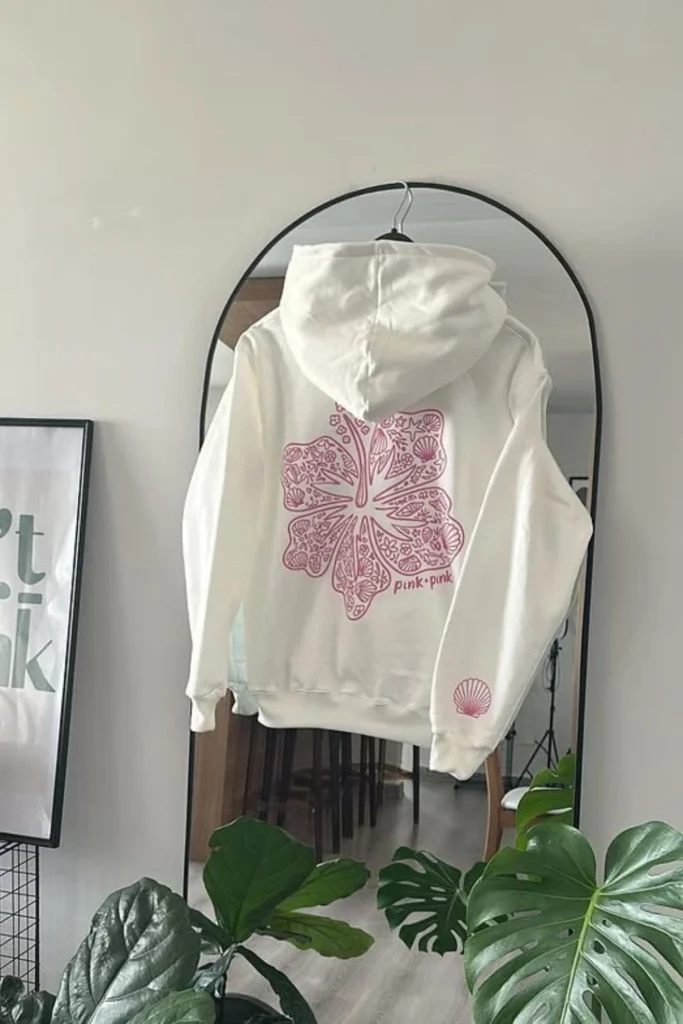
<AsyncImage query="single stylish graphic hoodie hanging on decorative hook beside full length mirror in bedroom" aspectRatio="5:4" width="100%"/>
A mirror-side hanging spot combines everyday convenience with a simple decorative touch. It gives you a place to keep tomorrow's hoodie ready while adding a clothing detail to your dressing area.
Install a suitable wall hook beside a full-length mirror or use a purpose-designed over-door hanger nearby. Avoid attaching heavy garments directly to a mirror frame unless it is specifically designed to support them.
Choose one hoodie that complements your room or matches an outfit you plan to wear. Keeping the display limited to a single garment prevents the area from looking crowded.
This setup is particularly useful when getting dressed in the morning because your chosen sweatshirt remains visible and easy to reach.
20. Shelf Dividers
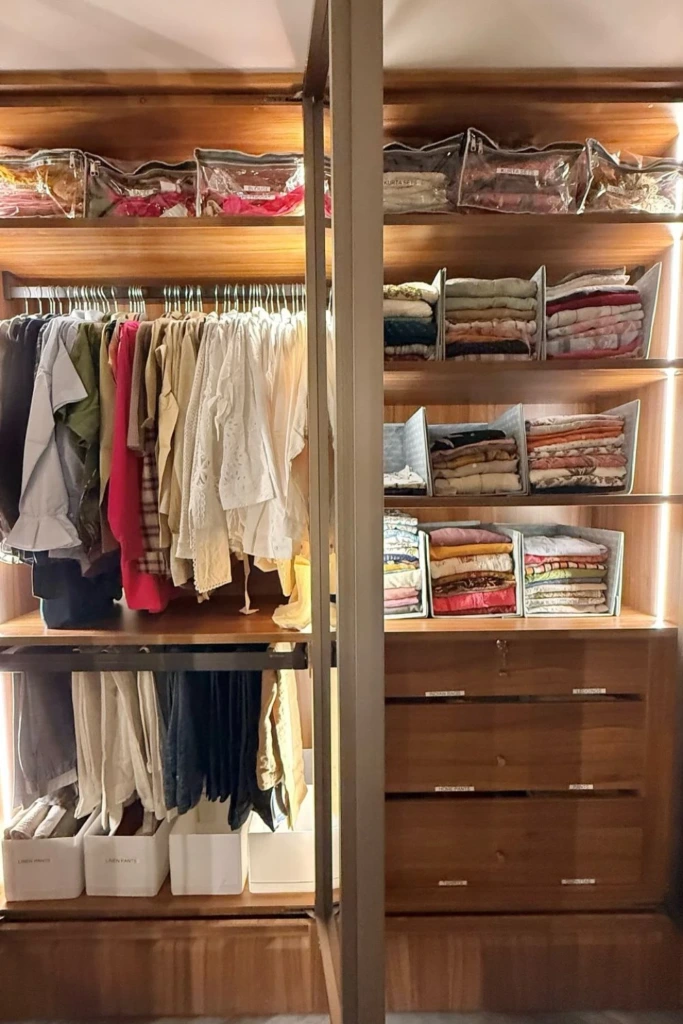
<AsyncImage query="closet shelf with clear acrylic dividers separating stacks of folded hoodies and sweatshirts" aspectRatio="5:4" width="100%"/>
Shelf dividers help keep bulky hoodies from spreading into neighboring stacks. They are especially useful on deep or wide shelves where folded clothing tends to lean or slide.
Position the dividers to create individual sections for different hoodie categories. Fold each garment to a similar size and keep the stacks low enough that you can remove pieces without pulling everything apart.
Clear acrylic dividers offer a subtle appearance, while metal or other sturdy designs may suit heavier storage needs. Choose a style that fits the shelf depth and remains stable under normal use.
With separate sections for different colors, fabrics, or sizes, you can return clean laundry to its proper place without reorganizing the entire shelf.
21. Minimal Hanging
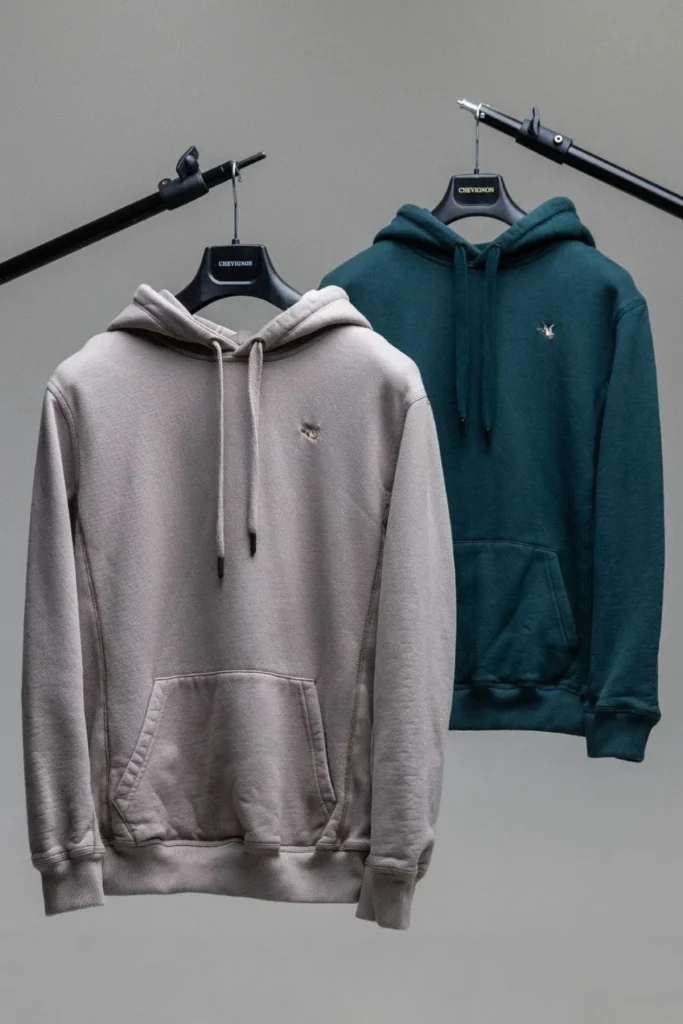
<AsyncImage query="minimal capsule wardrobe three premium neutral hoodies spaced evenly on wooden hangers clothing rail" aspectRatio="5:4" width="100%"/>
Minimal hanging focuses on keeping a small selection of hoodies visible rather than squeezing an entire collection onto one rail. It is a useful approach for people who prefer a simplified wardrobe or want their favorite pieces within easy reach.
Choose the hoodies you wear most frequently and place them on sturdy hangers with enough space between garments. Store the remaining pieces folded in drawers or on shelves.
This arrangement makes it easier to see what you own and helps prevent clothing from becoming compressed along the rail. It can also encourage more intentional wardrobe choices because the items you use regularly remain prominent.
Rotate the selection as the weather changes or your clothing preferences shift. A smaller, carefully chosen display is often easier to maintain than a crowded rack.
22. Flat Folding
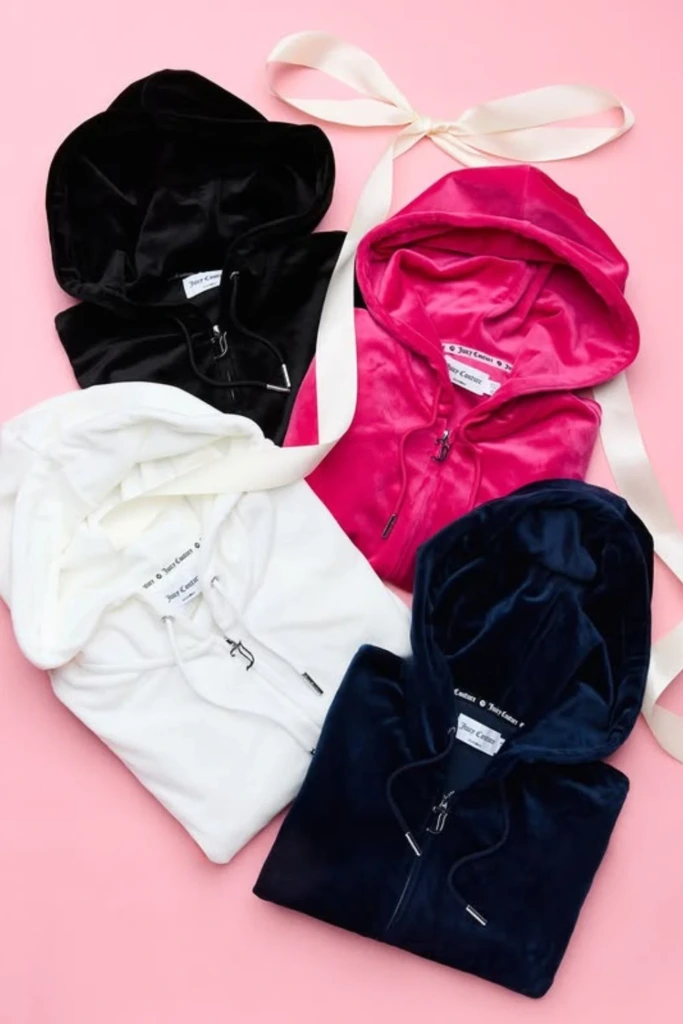
<AsyncImage query="neatly flat folded hoodies stacked evenly on white wardrobe shelves minimalist clothing organization" aspectRatio="5:4" width="100%"/>
Flat folding is a reliable method for organizing hoodies on shelves, in drawers, or inside storage containers. It keeps the garments compact while making them easier to stack.
Lay the hoodie on a flat surface, smooth out the fabric, and fold the sleeves toward the center. Fold the sides inward, then fold the body into a rectangle that fits your available storage space. Arrange the hood so it lies flat rather than creating a bulky lump.
Try to use the same folding method for every garment in a stack. Uniform shapes make better use of shelf space and reduce the chance of uneven piles toppling over.
For thick sweatshirts, avoid building excessively tall stacks. Smaller piles are easier to access and help keep the garments underneath from becoming heavily compressed.
23. Cubby Storage
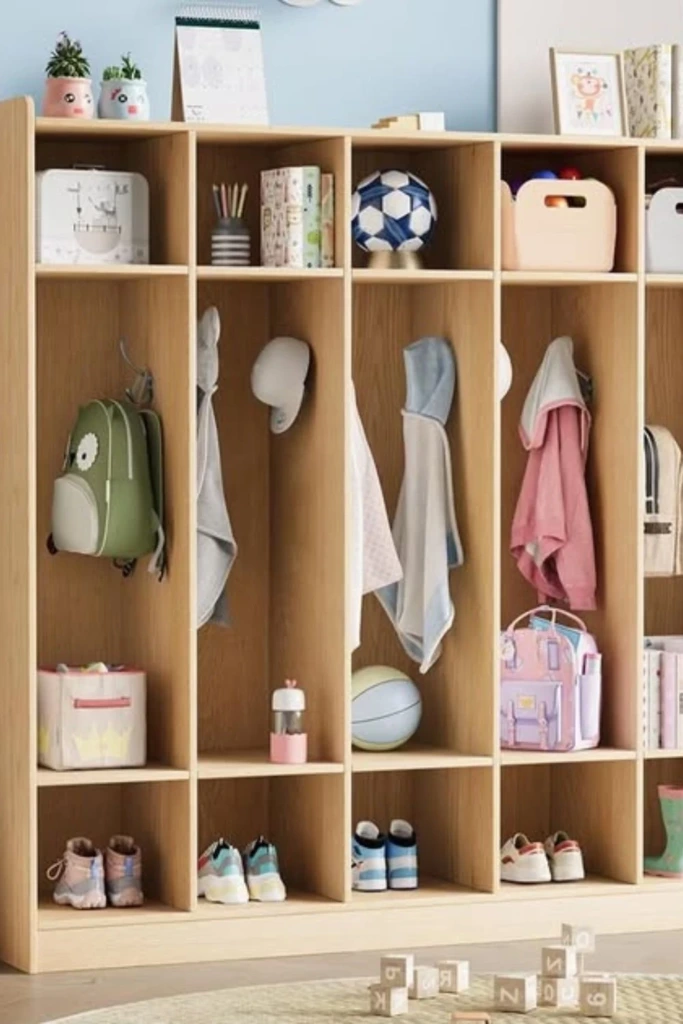
<AsyncImage query="open cube shelving unit with separate compartments for folded hoodies sweatshirts and casual clothing" aspectRatio="5:4" width="100%"/>
Cubby storage gives each group of hoodies a clearly defined compartment. Unlike a single large shelf, a cube organizer naturally separates clothing and reduces the likelihood of garments becoming mixed together.
Use a modular cube unit in a bedroom, shared wardrobe, or entryway. Fold hoodies to fit the dimensions of each compartment and reserve individual cubes for different colors, fabrics, or family members.
Smaller compartments work well for lightweight sweatshirts, while larger cubes can accommodate thicker garments. If the unit includes enough space, use a few sections for backpacks, hats, or other accessories.
The main advantage is that every item has a designated home. Returning a hoodie after washing becomes much easier when you do not have to rebuild a large, unstable pile.
24. Hoodie Rotation
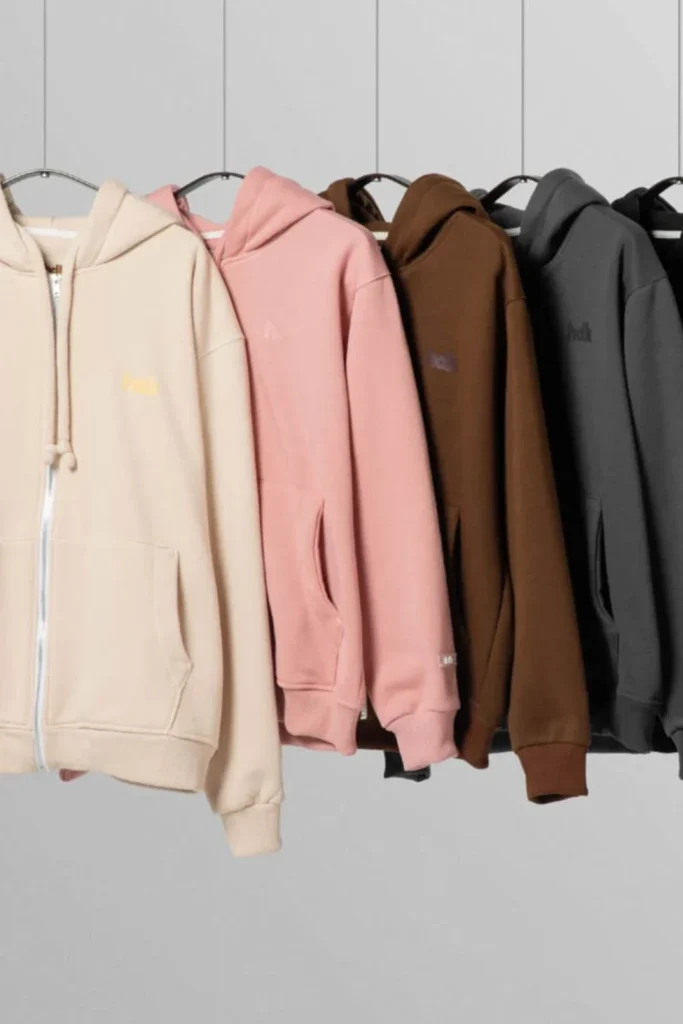
<AsyncImage query="organized wardrobe rail with everyday hoodies and folded seasonal sweatshirts stored on upper shelf" aspectRatio="5:4" width="100%"/>
A hoodie rotation system helps keep your closet manageable when you own more sweatshirts than you can comfortably store in one place. Rather than keeping every piece in the main wardrobe, maintain a smaller selection that reflects your current needs.
Choose the hoodies you wear most often and place them on the main rail or an accessible shelf. Fold the remaining garments and store them in labeled bins, drawers, or less frequently used closet sections.
Change the selection when the weather shifts, your schedule changes, or you want to wear different styles. There is no need to follow a strict rotation calendar; simply replace pieces whenever your current selection no longer suits your needs.
This approach makes the most of limited storage while ensuring that less frequently worn hoodies remain available when you want them.
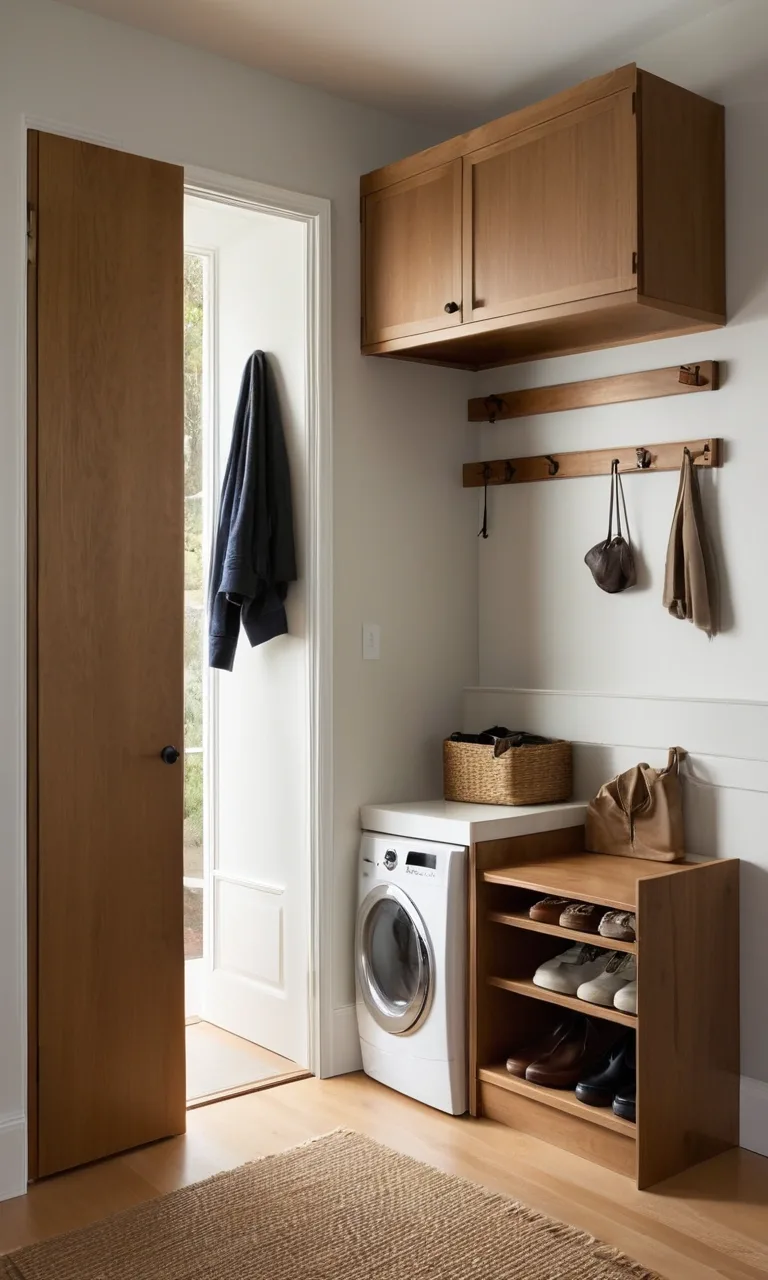
25. Mudroom Hooks
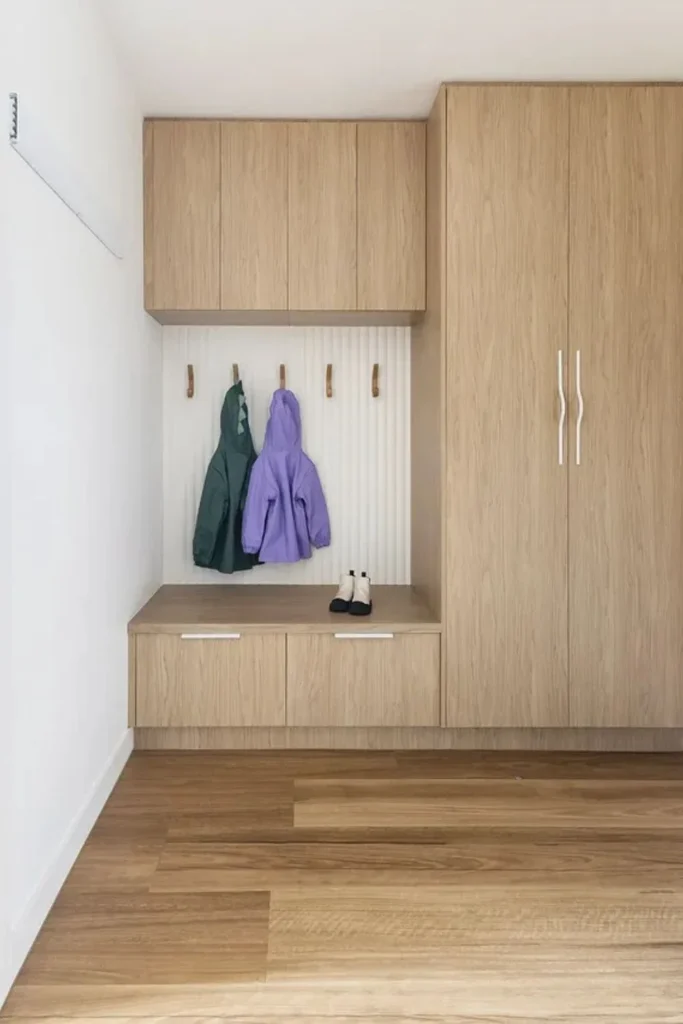
<AsyncImage query="small mudroom with sturdy wall hooks holding hoodies above wooden entry bench and shoe storage" aspectRatio="5:4" width="100%"/>
Mudroom hooks create a practical landing place for hoodies near the entrance of your home. They are particularly helpful for families, students, or anyone who frequently changes layers before going outside.
Install a row of sturdy hooks above a bench or shoe cabinet. Space them far enough apart that thick hoods and sleeves do not overlap excessively, and use appropriate wall anchors for the surface.
Each person can have a designated hook, or you can separate everyday hoodies from other outerwear. A bench underneath provides a convenient place to sit while putting on shoes, while lower storage can hold footwear or bags.
Allow damp garments to dry before returning them to enclosed storage. Keeping the hooks organized and limiting the number of items displayed will help the entryway stay functional rather than becoming another cluttered area.
What is the most space-efficient way to store multiple hoodies in a small closet?
Vertical folding is one of the most useful options for making the most of limited drawer and shelf space. Instead of stacking garments in tall piles, fold each hoodie into a compact rectangle and arrange the pieces upright when the drawer or container allows it.
This makes more of your collection visible at once and reduces the need to move several garments just to reach one at the bottom. Shelf dividers and small storage bins can further improve organization by separating different styles or colors.
If your closet has very little drawer space, consider hanging a few lightweight hoodies and folding bulkier sweatshirts on shelves. The best solution depends on your collection, the depth of your storage areas, and how frequently you wear each piece.
How do you store hoodies so they don’t lose their shape?
For heavy hoodies, folding is often the safer long-term option because the weight of the fabric can gradually pull on the shoulders when garments remain on hangers. Fold the sleeves inward, smooth out the body, and place the hoodie on a clean shelf or in a drawer without compressing it excessively.
If you prefer hanging, choose broad, sturdy, or padded hangers that distribute the garment's weight more evenly. Avoid narrow wire hangers, which can create pressure points and distort the shoulder area.
Before storing hoodies for an extended period, make sure they are completely dry and free of dirt. Keep them in a clean, dry location away from excessive heat and sunlight. For delicate prints or special fabrics, follow the care label to determine the most suitable storage method.
Proper folding, sensible stacking, and appropriate hangers can help your hoodies remain comfortable, presentable, and ready to wear.