21 Backpack Storage Ideas for 2026
Backpacks are everyday essentials, but finding a convenient place to keep them can be surprisingly difficult. Between school bags, work backpacks, travel gear, and sports equipment, it's easy for an entryway or bedroom to become crowded.
A practical storage system can make a noticeable difference. Whether you have a spacious mudroom or a small apartment, the right setup keeps backpacks accessible, protects them from damage, and makes daily routines more manageable.
These 23 backpack storage ideas offer creative solutions for different spaces, budgets, and family needs. From simple wall hooks to custom storage cabinets, there's an option for almost every home.
What is the Best Way to Store Backpacks at Home?
The most effective backpack storage method depends on how frequently you use your bags, the available space, and the number of people in your household.
For everyday backpacks, accessible wall hooks, individual cubbies, and designated entryway stations are particularly practical. They allow bags to be put away quickly without taking up valuable floor space.
Backpacks used less frequently can be stored on closet shelves, inside breathable fabric containers, or in dedicated storage compartments. Before putting them away for extended periods, make sure they are clean and completely dry.
Choose storage that supports the weight of your bags, provides adequate ventilation, and allows everyone to reach their belongings comfortably.
1. Low Wall Hooks
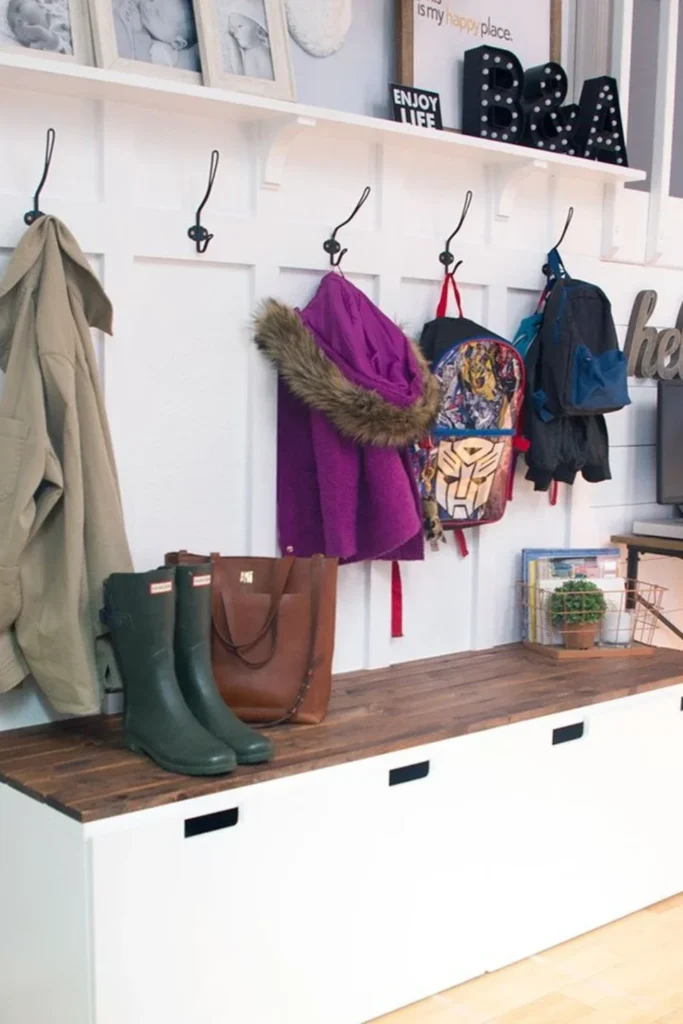
Low-mounted wall hooks are an affordable way to organize backpacks, particularly in households with younger children.
Install durable hooks at a height that allows kids to hang their school bags independently. Position them near the entrance, inside a mudroom, or along an unused hallway wall.
Choose hooks with rounded edges and secure them into wall studs or suitable anchors to support loaded backpacks. Giving each family member a dedicated hook can make the system easier to maintain.
A small shoe rack or bench underneath creates a convenient place for other everyday essentials.
2. Carry-All Storage Bag
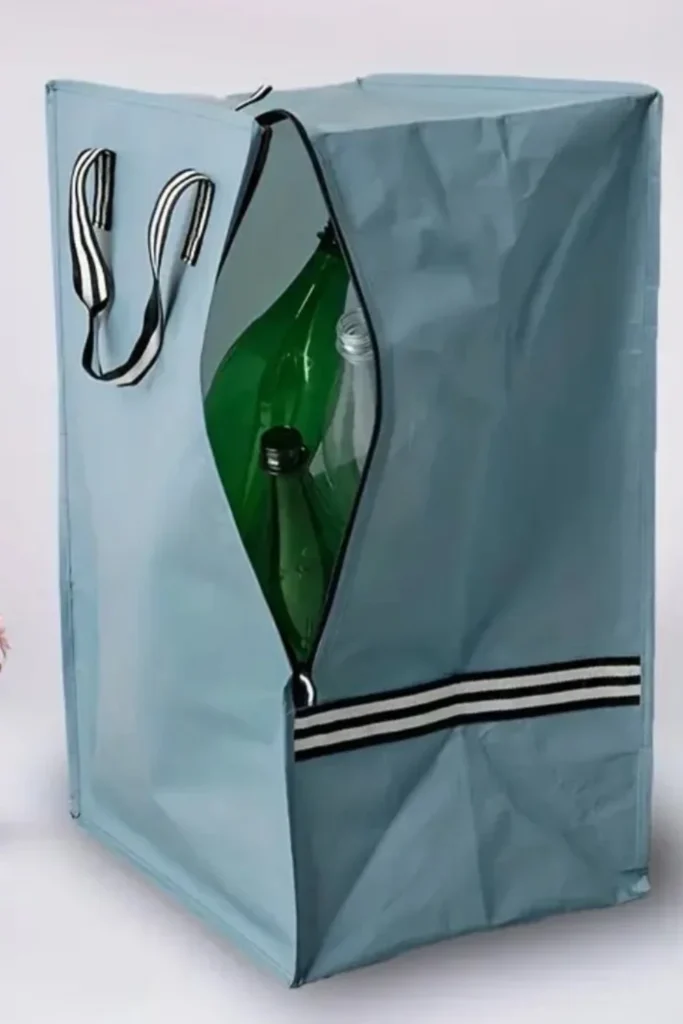
A large storage tote provides a convenient solution for backpacks that aren't needed every day.
Choose a roomy, breathable fabric container that can accommodate several empty backpacks without compressing them excessively. Clean each backpack, loosen its straps, and arrange the bags neatly inside.
This approach is useful for storing seasonal school bags, lightweight hiking packs, and spare travel backpacks.
Place the container on a closet shelf or inside a dry storage cabinet. Adding a label helps identify the contents without opening every bag.
Avoid sealing damp backpacks inside airtight containers, as trapped moisture can encourage unpleasant odors and mildew.
3. Built-In Drop Zone
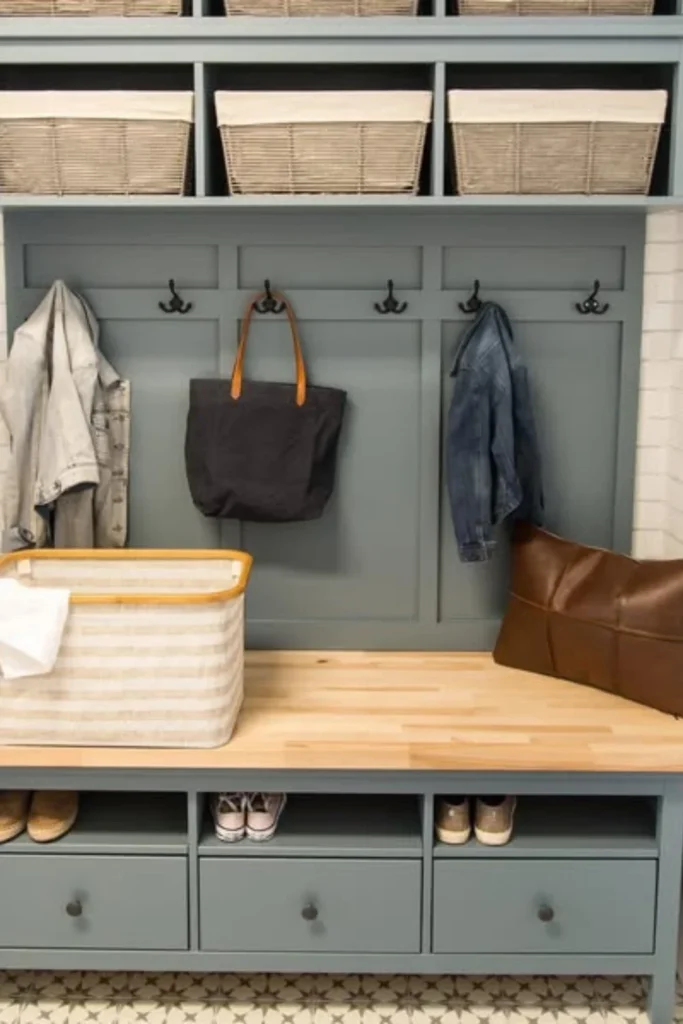
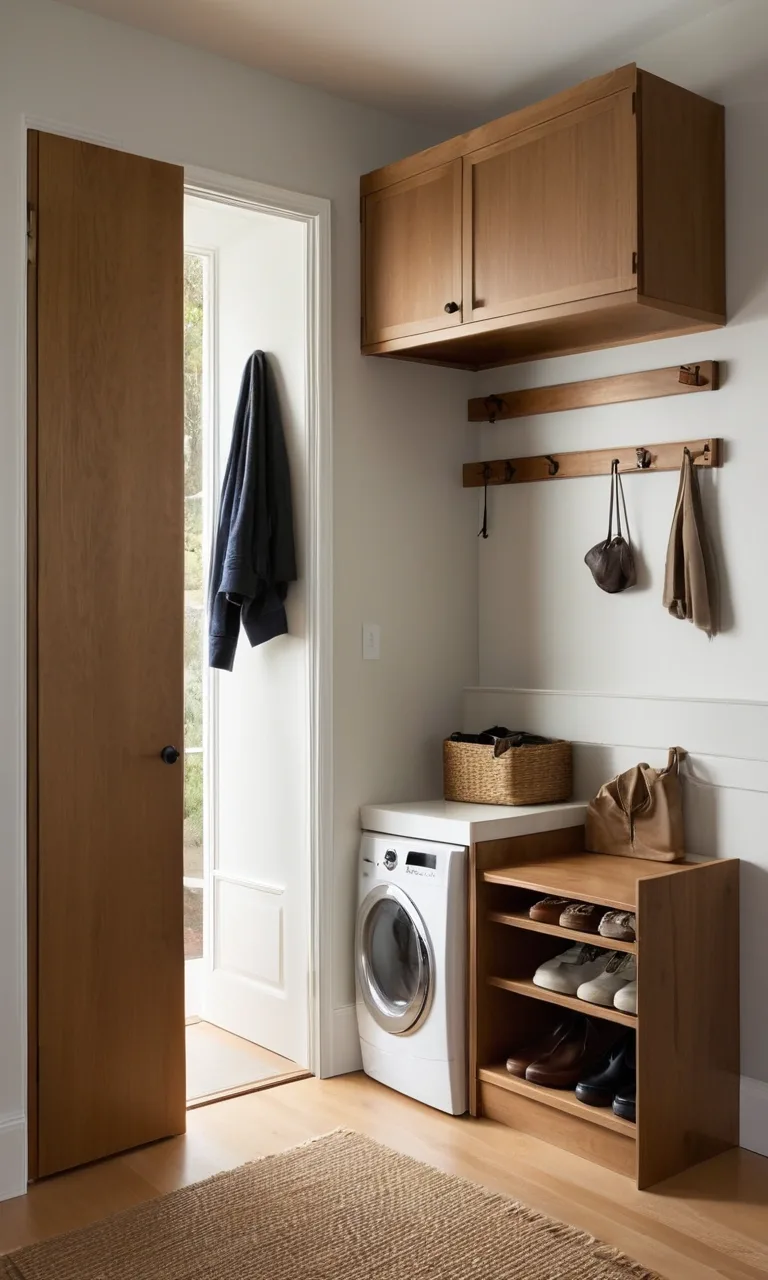
A built-in drop zone brings backpack storage and everyday organization together in one dedicated area.
Consider installing a combination of wall hooks, open compartments, drawers, and lower shoe shelves. Each section can serve a specific purpose, making it easier to keep belongings separated.
A built-in arrangement works especially well in mudrooms, family entrances, and larger hallways.
Include a bench for changing shoes and small drawers for keys, school supplies, or accessories. Durable, wipe-clean materials are helpful in spaces that experience frequent use.
For a cohesive appearance, coordinate the cabinetry with the surrounding walls and flooring.
4. Open Cubby Wall
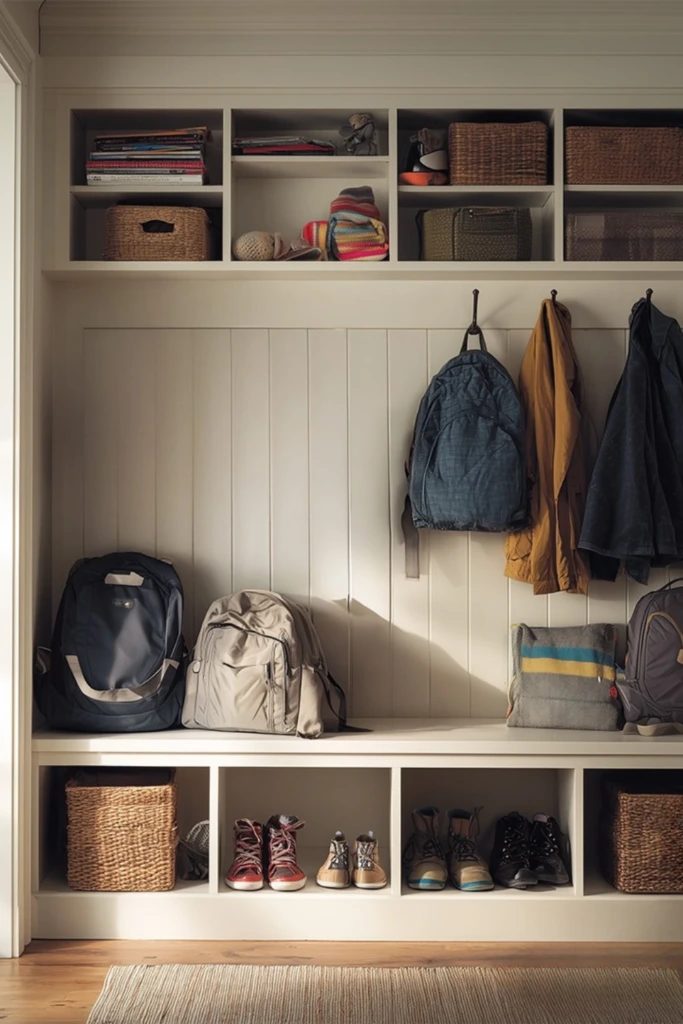
An open cubby wall offers organized storage without hiding backpacks behind cabinet doors.
Divide the wall into individual compartments, making sure each opening is large enough for a backpack to fit comfortably. Wider cubbies are especially useful for bulky school bags or sports backpacks.
Assigning a compartment to each household member prevents bags from becoming mixed together.
You can also incorporate smaller baskets for water bottles, lunch bags, and other accessories.
Open storage encourages good habits because everything has a visible location. However, keeping the compartments relatively uncluttered is important for maintaining an orderly appearance.
5. Lighted Bench Hooks
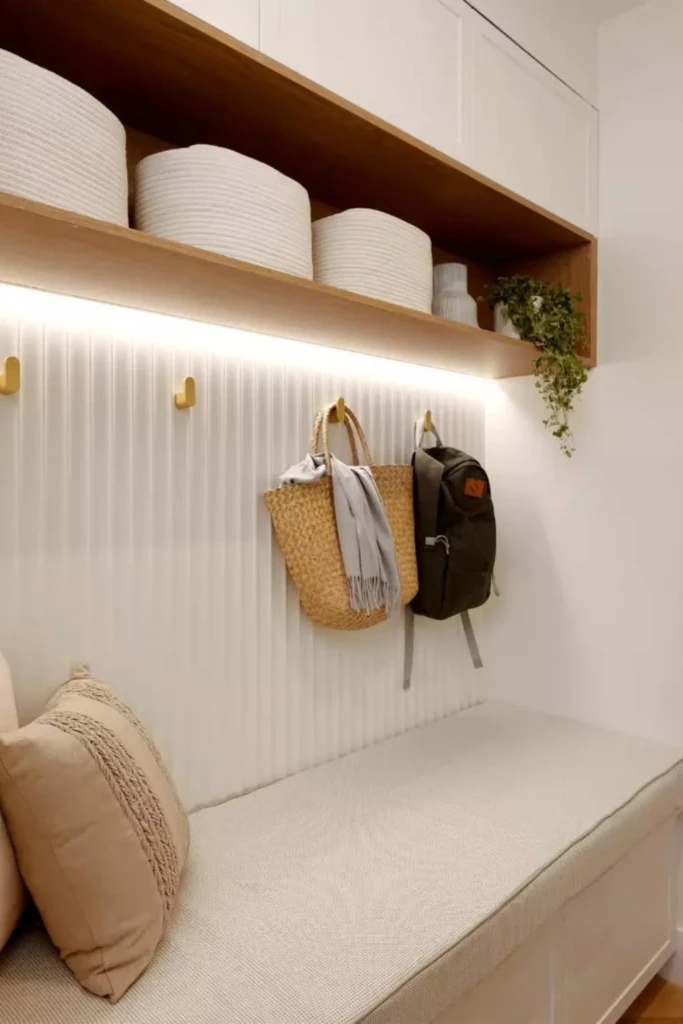
Combining backpack hooks with a bench creates a useful storage area that serves several purposes.
Install a row of sturdy hooks above a comfortable bench, leaving enough vertical clearance for backpacks to hang without resting awkwardly on the seat.
A bench with built-in compartments provides additional space for shoes, reusable shopping bags, or seasonal accessories.
For extra convenience, consider adding an LED light beneath an overhead shelf. This can improve visibility in darker entryways and make the storage area more inviting.
Use lighting designed for furniture installation and keep wiring protected from hanging straps and everyday movement.
6. Structured Bag Organizers
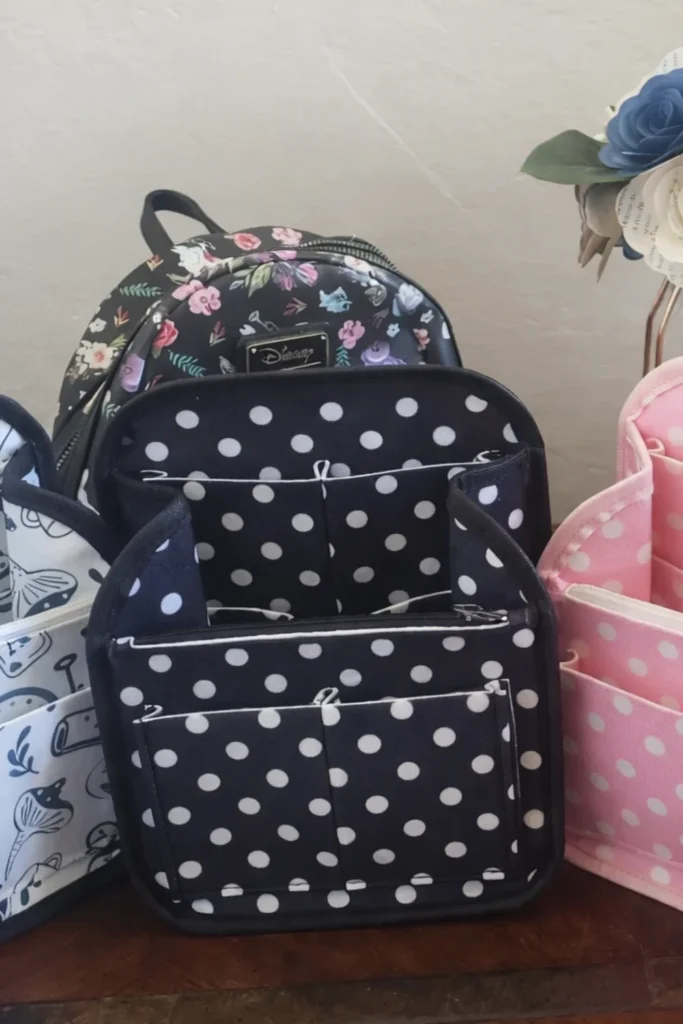
Structured organizers are useful for backpacks that tend to collapse when placed on shelves.
These accessories help bags maintain a more upright position, making it easier to arrange several backpacks side by side.
Choose organizers that fit the dimensions of your bags without stretching the fabric or placing pressure on zippers.
They work particularly well inside wardrobes, bedroom cabinets, and walk-in closets.
For backpacks with delicate materials or padded compartments, avoid overstuffing the organizers. Leaving some breathing room helps preserve the bag's original shape.
7. Locker-Style Storage
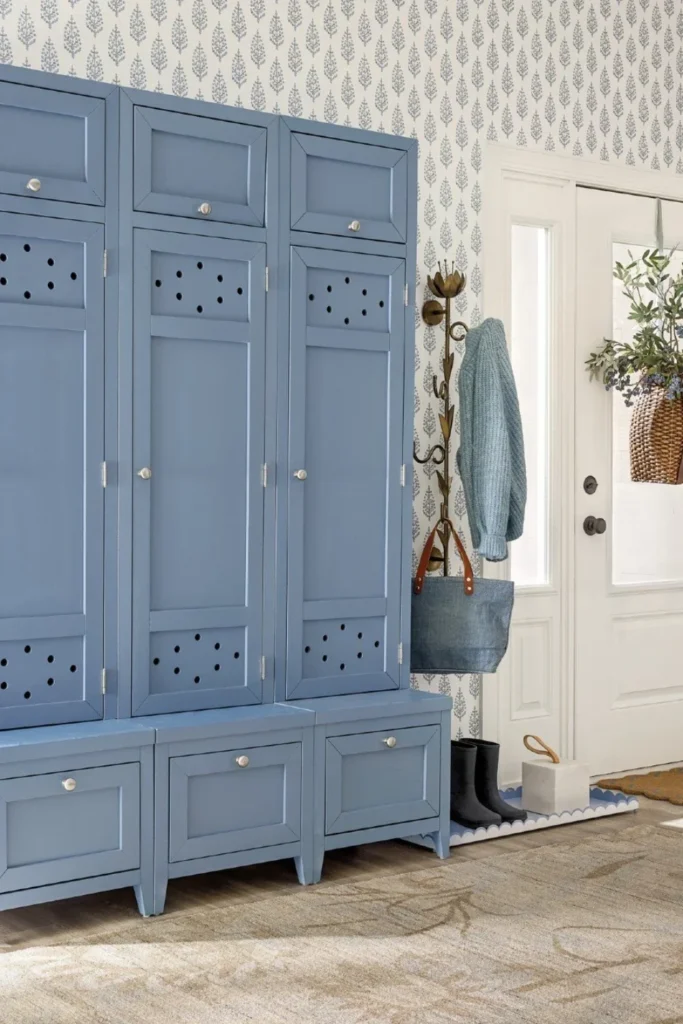
Locker-style cabinets create individual storage spaces while keeping shared areas visually organized.
This solution is especially helpful for families with multiple children or households where everyone carries different equipment.
Assign a locker to each person and include hooks, shelves, or small containers inside. Labels or different colored accessories can help younger children identify their sections.
Look for cabinets with ventilation openings, particularly when storing gym bags or backpacks that may occasionally become damp.
Locker-style storage can suit modern mudrooms, utility rooms, and dedicated family organization areas.
8. Wood Panel Hooks
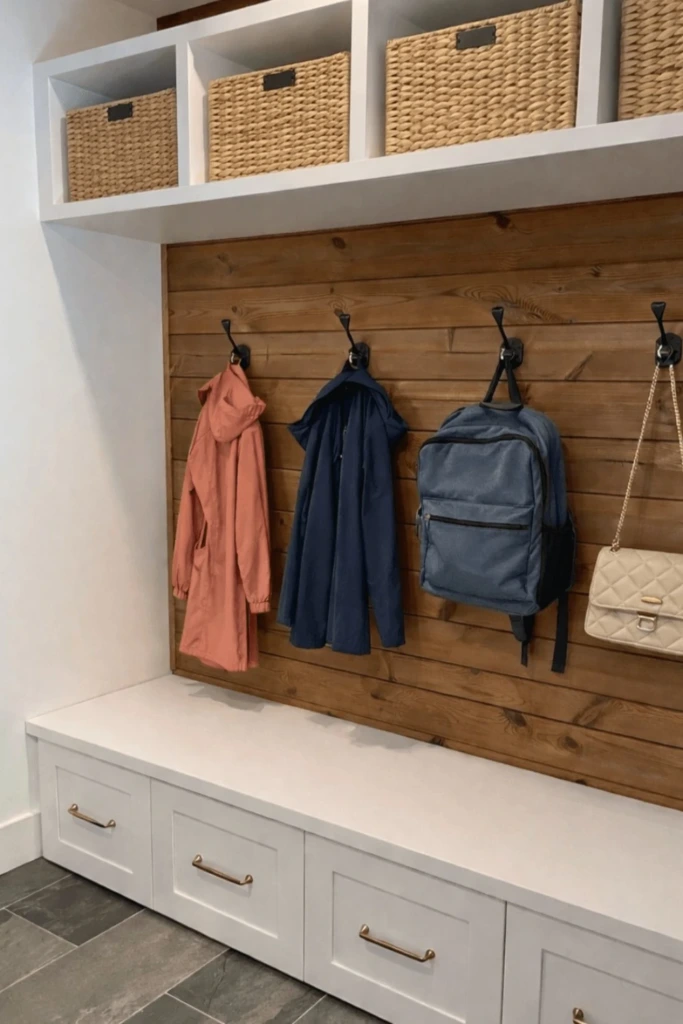
A wooden backing panel transforms ordinary backpack hooks into a more polished storage feature.
Attach a properly supported wood panel to the wall and install heavy-duty hooks at comfortable intervals. The panel creates a unified appearance and can help distribute loads when securely fastened to the wall framing.
Choose natural wood for a warm, rustic look or painted timber for a contemporary finish.
This design works well in entryways, bedrooms, and mudrooms.
You can extend the panel upward to include a narrow shelf or combine it with lower cabinetry for additional storage.
9. Pegboard Wall Setup
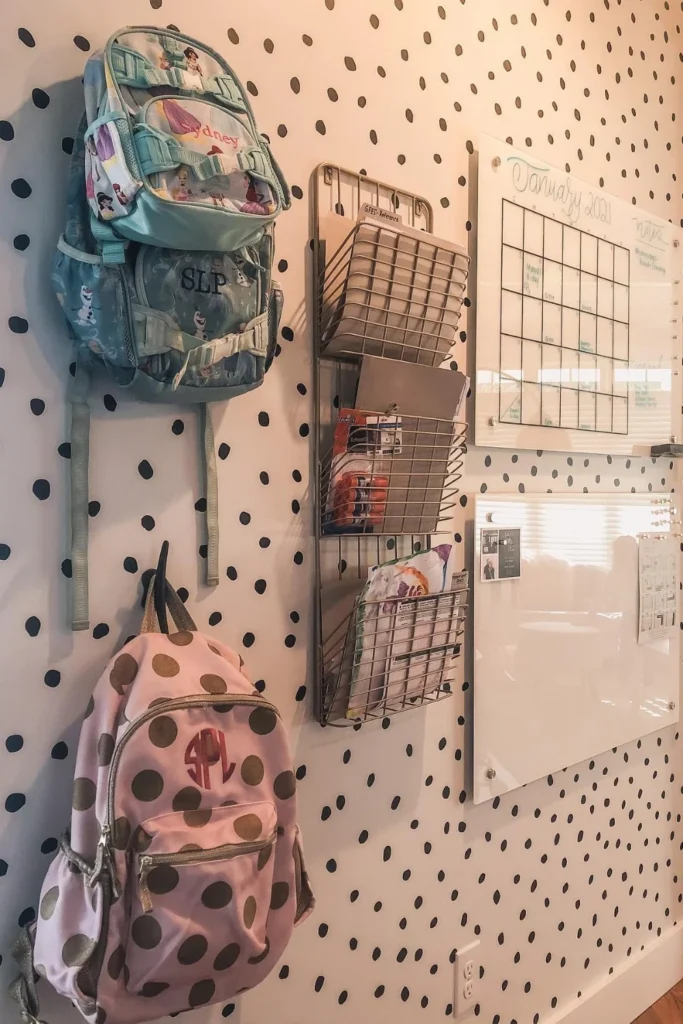
A pegboard offers flexible backpack storage that can change as your needs evolve.
Install a sturdy pegboard system with hooks rated for the weight of your backpacks. Add baskets or small shelves to organize accessories such as notebooks, headphones, and stationery.
One major advantage is the ability to rearrange components without installing an entirely new storage system.
A pegboard can work particularly well beside a study desk or inside a child's bedroom.
For heavy school bags, select a load-rated system and appropriate wall fixings rather than relying on lightweight decorative pegboard hooks.
10. Gear Room Wall
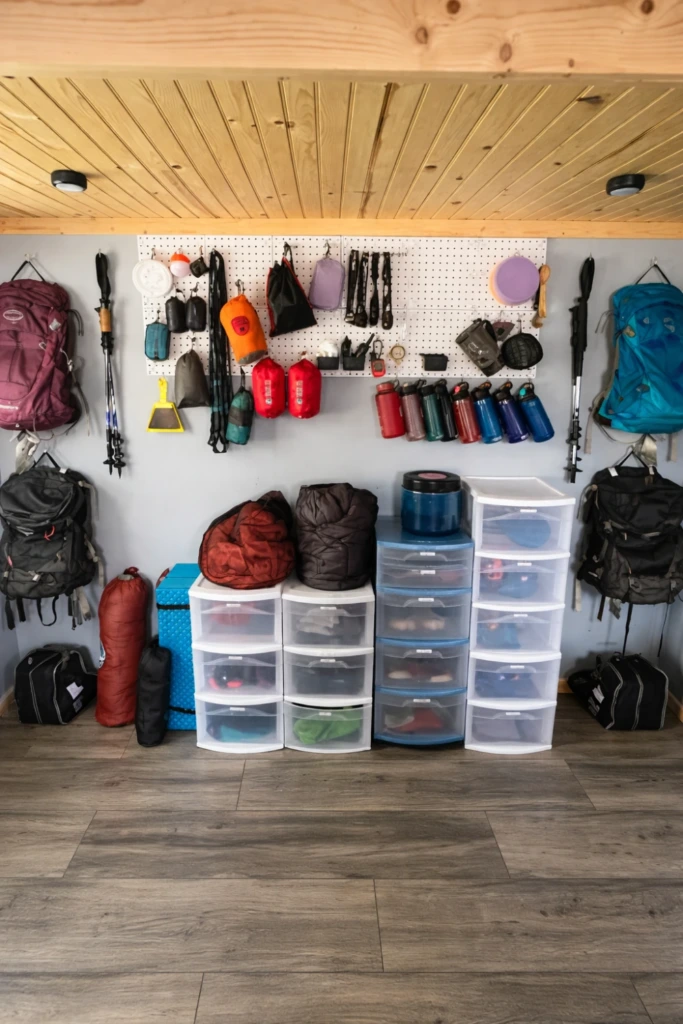
A dedicated gear wall is a practical option for households with outdoor equipment, sports bags, and travel backpacks.
Choose an available wall in a utility room, basement, or equipment storage area. Install strong hooks, adjustable shelving, or wall-mounted rails to accommodate different bag sizes.
Keep hiking backpacks, helmets, protective equipment, and accessories in separate sections.
Clear containers are helpful for organizing smaller items such as gloves, straps, and camping accessories.
Make sure the space stays dry and adequately ventilated, particularly if outdoor equipment is regularly exposed to rain or moisture.
11. Slim Wall Rail
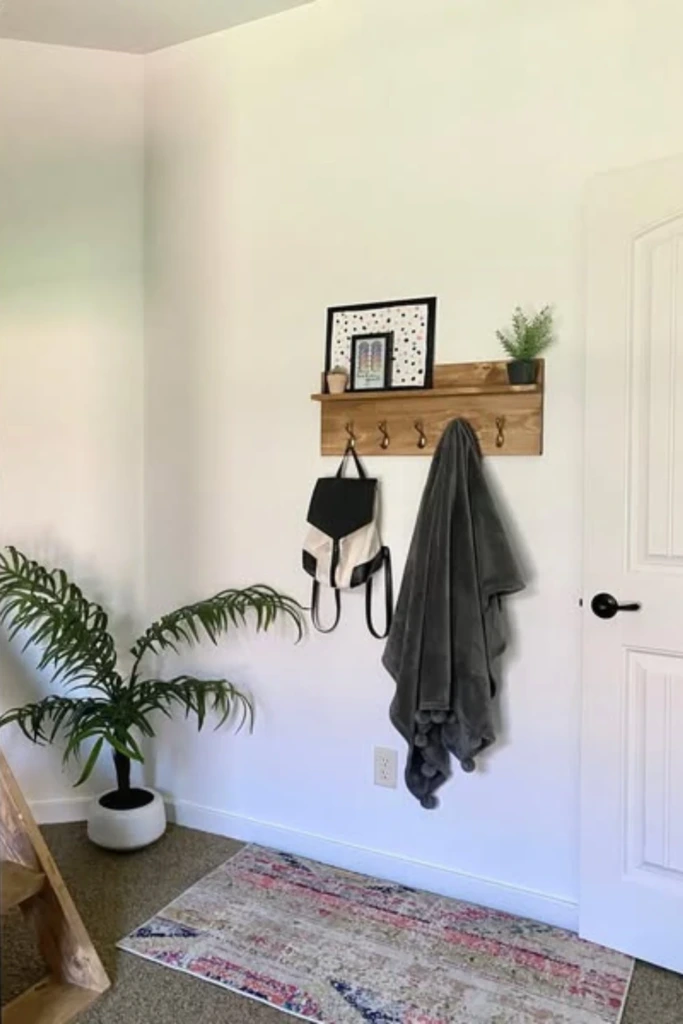
A slim wall rail makes use of narrow areas without requiring bulky furniture.
Mount a compact rail with several hooks along an entryway wall, behind a bedroom door, or in an unused hallway section.
Choose a design that projects only a short distance from the wall, while still providing enough clearance for backpack straps.
This approach is particularly useful in apartments and smaller homes where floor space is limited.
Avoid placing oversized backpacks in areas where they could obstruct doors, stairways, or walking routes.
12. Kids Cubby Station
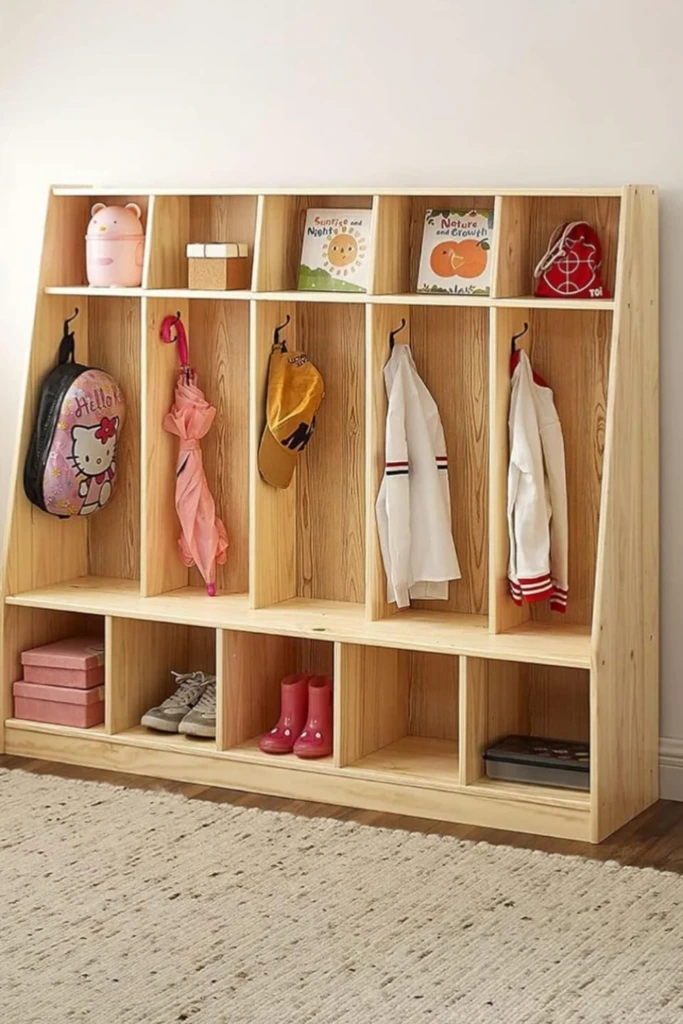
A children's cubby station encourages independence by giving school essentials a consistent home.
Create individual compartments with accessible hooks, open shelves, and small storage baskets. Position the most frequently used sections at a height children can comfortably reach.
Personalized name labels or simple picture labels can make the system easier for younger kids to follow.
Consider including a designated spot for lunchboxes and school paperwork so important items are easier to find in the morning.
Choose furniture with rounded corners and secure tall units to the wall to reduce tipping hazards.
13. Hanging Cubby Slots
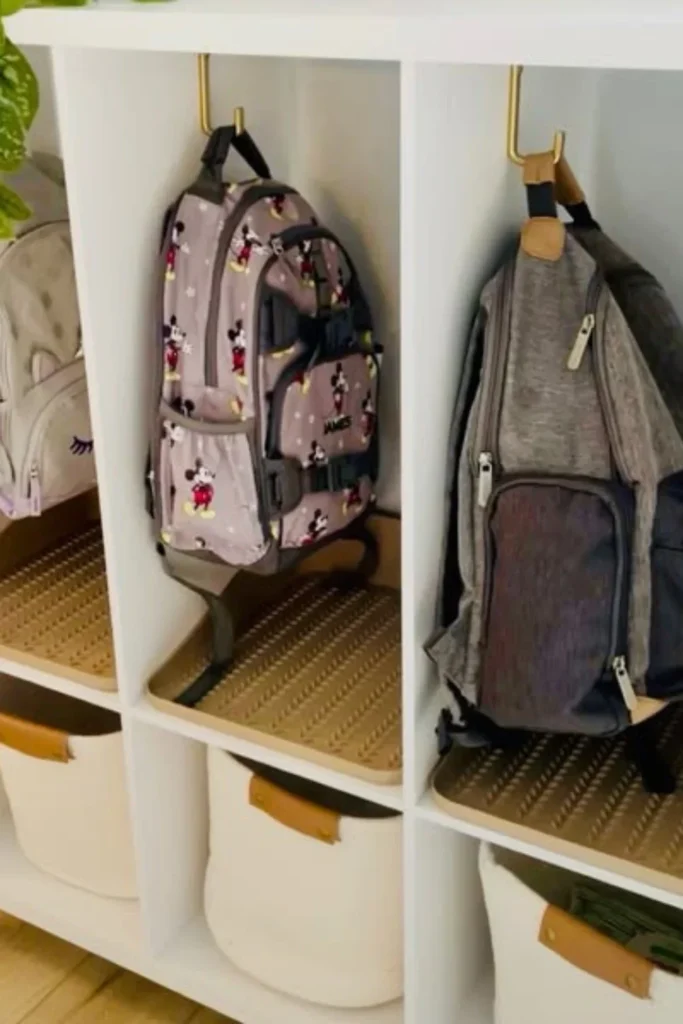
Hanging cubby slots combine the benefits of individual compartments with the convenience of hooks.
Instead of stacking backpacks on shelves, install a hook inside each compartment so the bag remains suspended and separated from neighboring items.
This arrangement can reduce tangled straps and make it easier to identify individual bags.
Include a small shelf or basket beneath each hanging space for accessories.
Hanging cubbies are especially effective in shared entryways, family organization walls, and mudrooms where several backpacks need to be stored together.
Make sure the compartments provide enough depth and height for the bags to hang naturally.
14. Corner Hook Zone
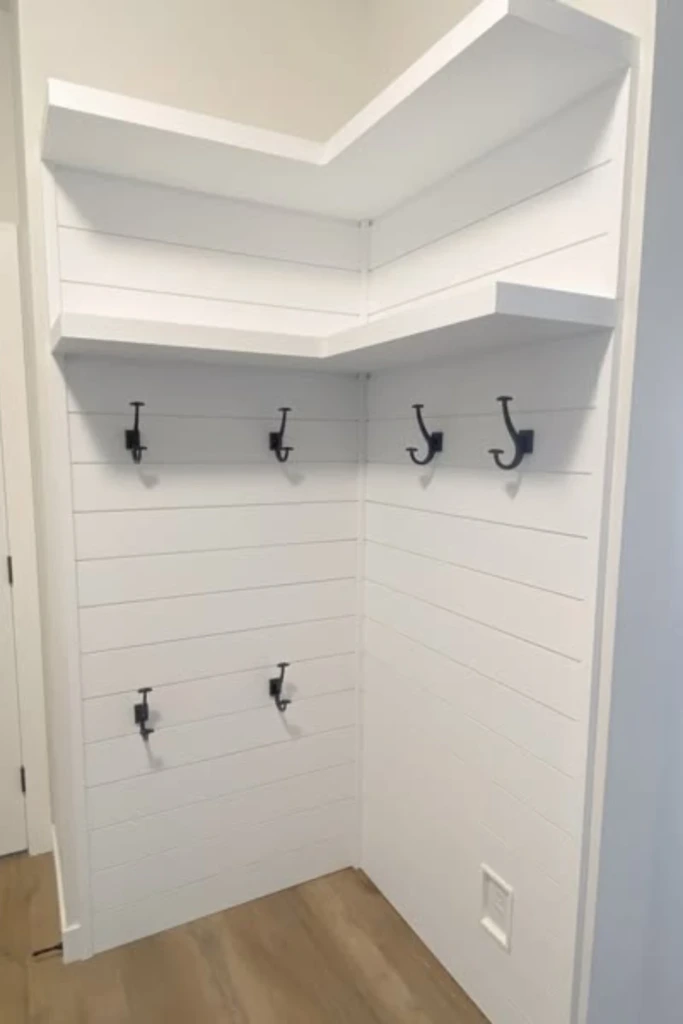
An unused corner can become a practical backpack storage area with minimal changes.
Install hooks along one or both adjoining walls, arranging them at different heights to accommodate bags of various sizes.
Staggering the hooks helps prevent bulky backpacks from overlapping.
For additional storage, add a small corner shelf above the hooks for lightweight accessories or decorative items.
This setup works well in compact hallways, bedroom corners, and entryways where traditional cabinets would take up too much space.
Keep the hooks positioned so hanging backpacks do not interfere with nearby doors or furniture.
15. Floating Peg Display
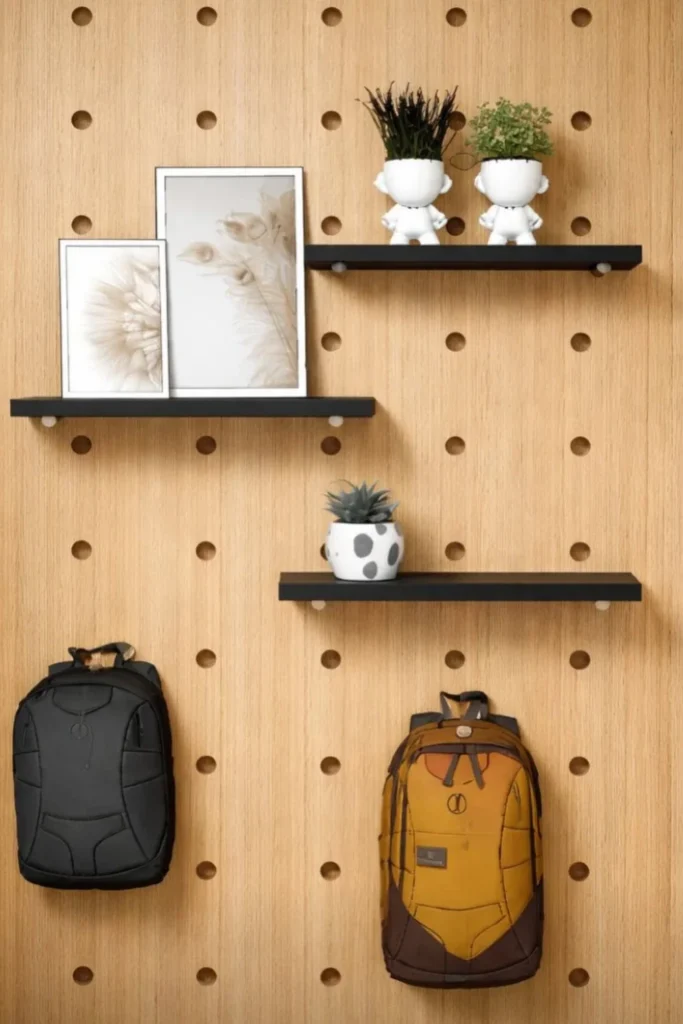
A floating peg display combines everyday storage with a decorative wall arrangement.
Use wooden pegs, a wall-mounted pegboard, or a combination of floating shelves and hooks to create an organized display.
Hang frequently used backpacks on the lower pegs while reserving upper shelves for books, framed photographs, or small decorative objects.
Choose finishes that complement the room's furniture for a consistent appearance.
This idea is particularly suitable for home offices, teenagers' bedrooms, and contemporary living spaces.
Ensure decorative pegs are designed to support the weight of backpacks rather than using lightweight display hardware.
16. Freestanding Rack Unit
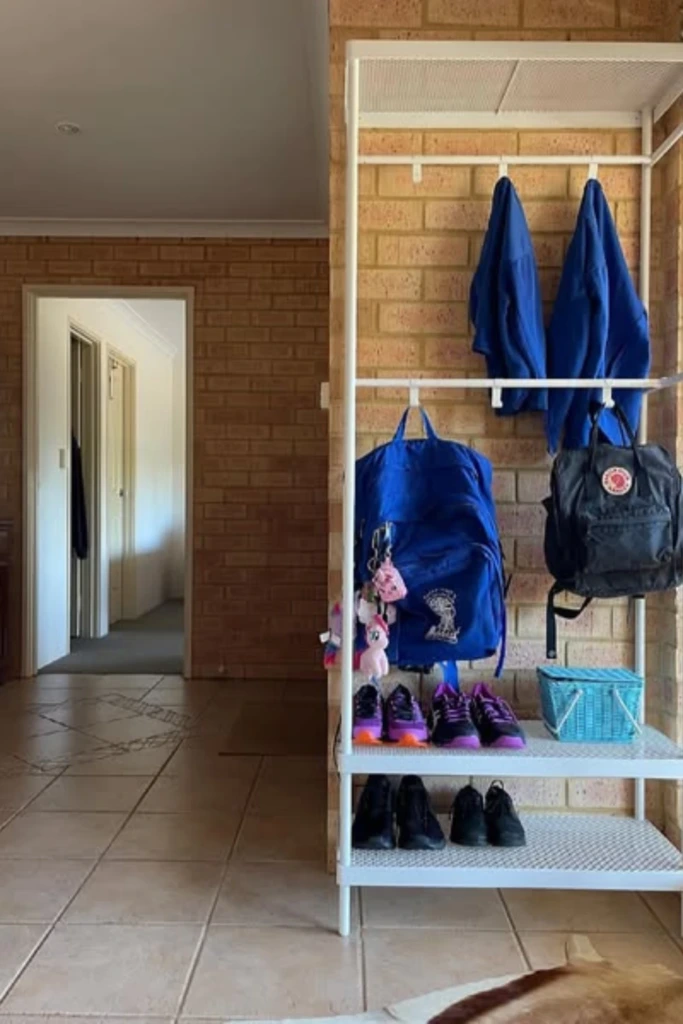
A freestanding storage rack is a convenient alternative when drilling into walls isn't practical.
Choose a rack with a sturdy frame, backpack hooks, and lower shelves for shoes or accessories.
This option can be especially useful in rental homes, dorm rooms, or spaces where storage arrangements may change.
Position the rack near the main entrance or inside a bedroom for easy access.
Look for a design with a wide, stable base and follow the manufacturer's anti-tip instructions. Avoid hanging several heavy backpacks on one side, as uneven weight can make some units unstable.
17. Closet Gear Station
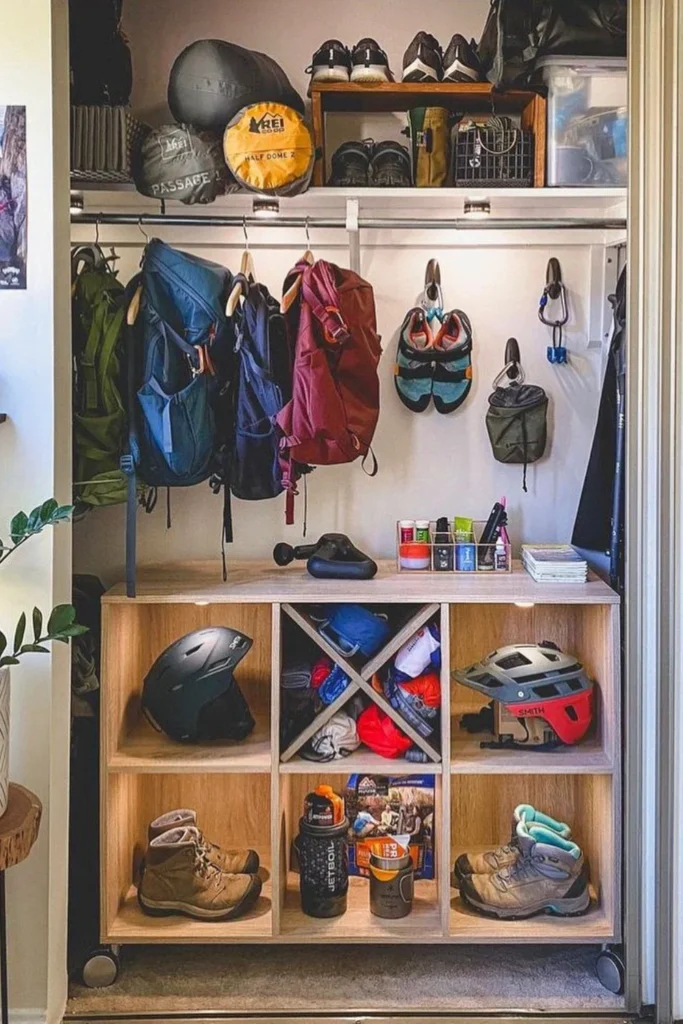
A closet gear station keeps backpacks and related accessories organized behind closed doors.
Dedicate one section of a wardrobe or utility closet to bags, using hooks, adjustable shelves, or a hanging rail.
Arrange everyday backpacks at an accessible height and reserve higher shelves for occasional-use items.
Small containers can hold travel accessories, sports equipment, or spare straps.
If the closet is deep, battery-operated motion-sensor lighting may make it easier to find items.
Leave enough space between bags to prevent compression and allow air to circulate.
18. Ladder Style Stand
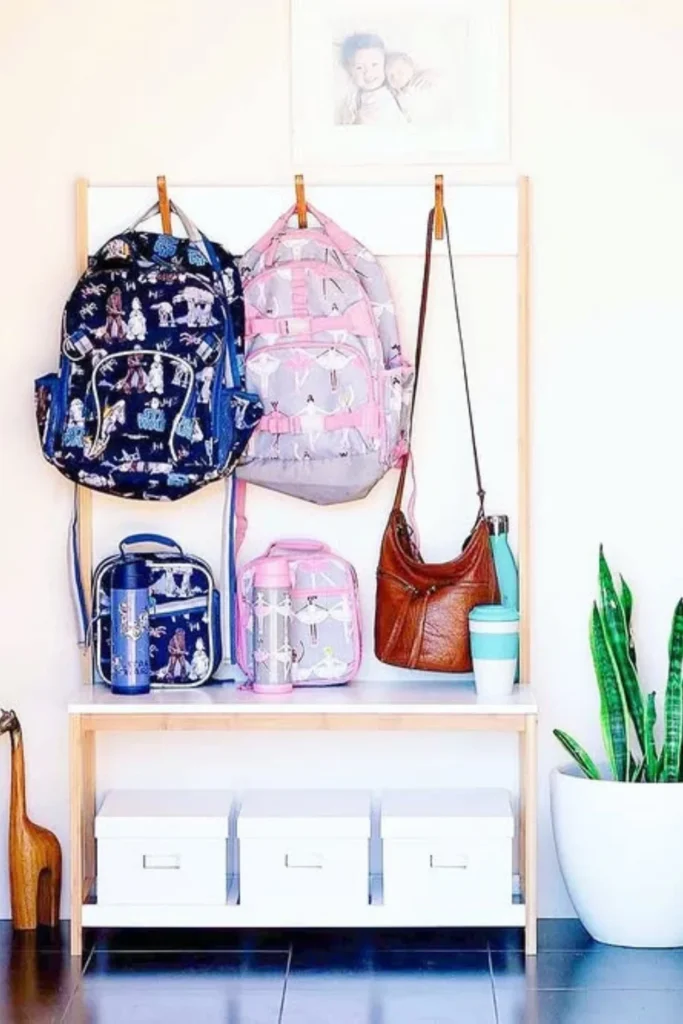
A ladder-style stand offers an attractive way to organize lightweight backpacks without installing a large storage cabinet.
Choose a stable leaning or freestanding ladder rack with broad rungs or suitable hanging hooks.
Arrange bags at different heights, keeping heavier items lower to maintain stability.
This solution can work in bedrooms, casual living areas, and small entryways where storage furniture is also part of the decor.
A nearby basket can hold accessories that would otherwise collect on the floor.
Use a purpose-built storage ladder and secure it according to the manufacturer's instructions. Decorative ladders may not be strong enough to support loaded backpacks.
19. Hallway Cubby Pair
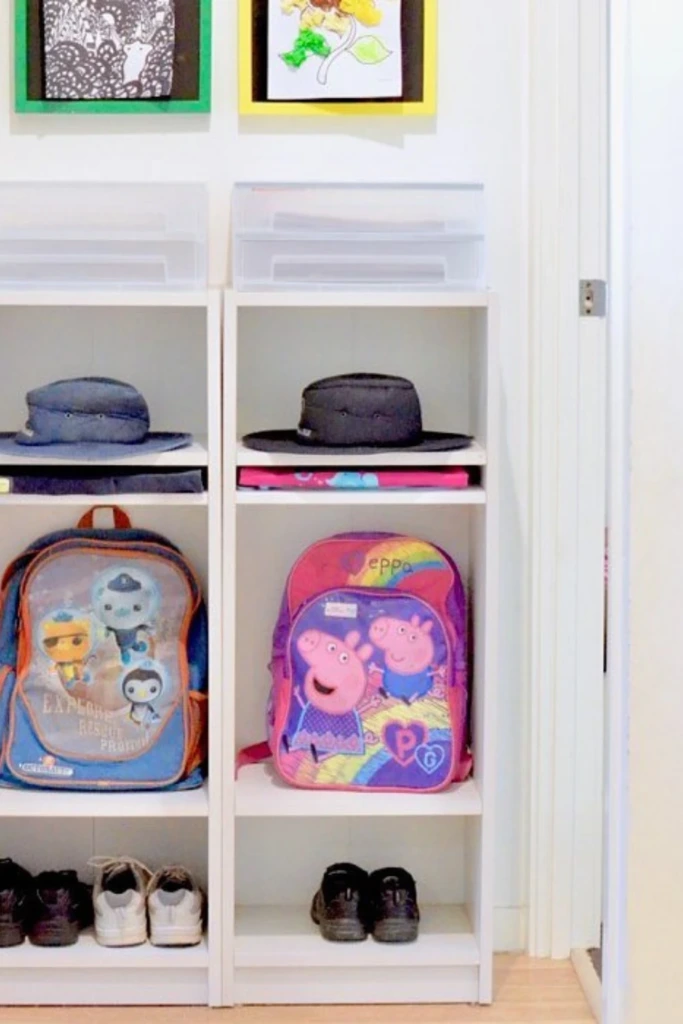
A pair of tall cubby units can create an efficient backpack station in a narrow hallway.
Position the units side by side or within available wall recesses, giving each one a clear storage purpose.
Use the middle compartments for backpacks, lower sections for footwear, and upper shelves for less frequently needed items.
Matching finishes help the arrangement feel like part of the hallway rather than an assortment of separate furniture pieces.
Before installation, measure the hallway carefully to ensure adequate walking clearance.
Anchoring tall cubbies to the wall is particularly important in homes with children.
20. Soft Hook Rail
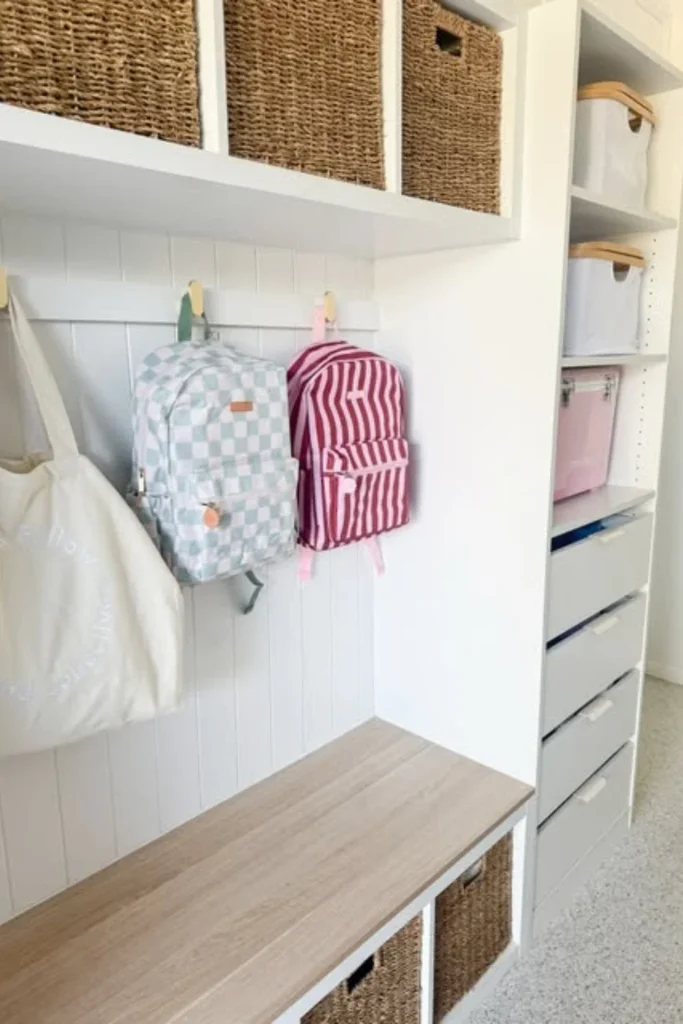
A rail fitted with smooth, rounded hooks provides a simple storage solution that is gentle on backpack straps.
Choose hooks without sharp edges or rough surfaces that could catch on fabric.
Install the rail at a convenient height and space the hooks far enough apart for each backpack to hang freely.
This design suits minimalist entryways, children's bedrooms, and compact mudrooms.
A narrow bench or low basket underneath can provide additional storage without making the area feel crowded.
For heavy bags, use the backpack's reinforced top handle when the manufacturer recommends it for hanging.
21. Personal Locker Cubes
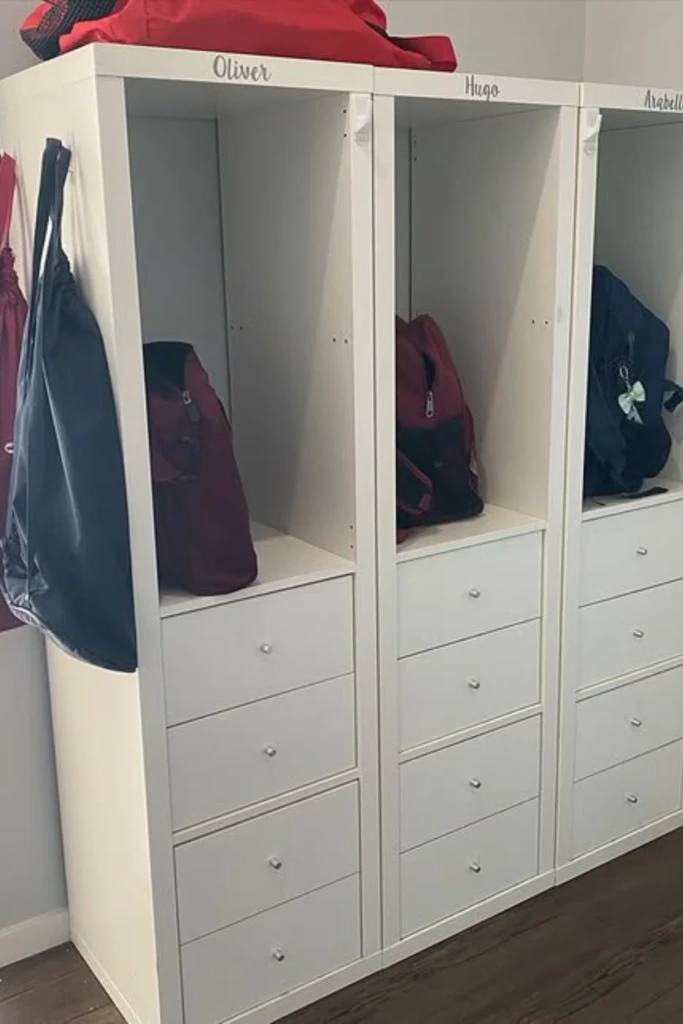
Personal locker cubes make shared storage easier by giving every family member an assigned space.
Design a series of vertical compartments with enough room for backpacks, jackets, and daily accessories.
Include small drawers or baskets for items that are