23 Car Organization Ideas for 2026

A clean, organized car makes everyday driving more comfortable, whether you're commuting to work, running errands, or taking a family road trip. However, keeping everything tidy can be challenging when shopping bags, chargers, snacks, and personal belongings constantly accumulate.
The good news is that you don't need expensive accessories or a complete vehicle makeover to create an organized space. A few practical storage solutions and simple habits can make a noticeable difference.
These 23 car organization ideas for 2026 will help you maximize available space, keep essential items accessible, and prevent everyday clutter from taking over your vehicle.
How Do You Organize Your Car?
Start by completely emptying your vehicle, including the glove compartment, center console, door pockets, and trunk. Remove unnecessary belongings, throw away rubbish, and clean surfaces before deciding what should go back inside.
Next, separate your belongings into categories such as daily essentials, cleaning supplies, emergency equipment, and occasional-use items. Assign each category a convenient storage location based on how frequently you need it.
Choose organizers that fit your vehicle without blocking seat belts, airbags, pedals, or visibility. Secure heavier objects in the trunk so they cannot move during sudden braking.
The goal is to create a manageable system that makes your car easier to use and maintain.
1. Trunk Zones
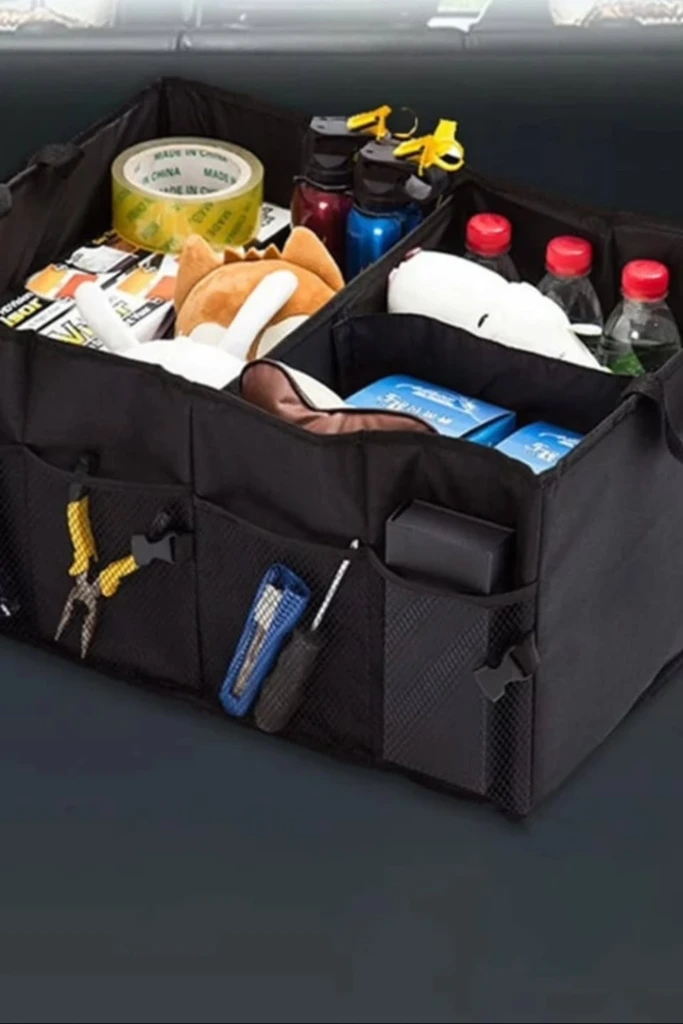
Dividing your trunk into dedicated storage areas makes transporting different belongings much easier. Instead of placing everything together, use a compartmentalized trunk organizer to separate shopping bags, vehicle supplies, sports equipment, and emergency essentials.
Adjustable dividers are particularly useful because they accommodate items of different sizes. Choose a sturdy organizer with a nonslip base or attachment straps to prevent unnecessary movement.
Keep frequently used belongings near the trunk opening while storing occasional-use supplies farther inside. This arrangement makes loading and unloading more convenient.
2. Layered Packing
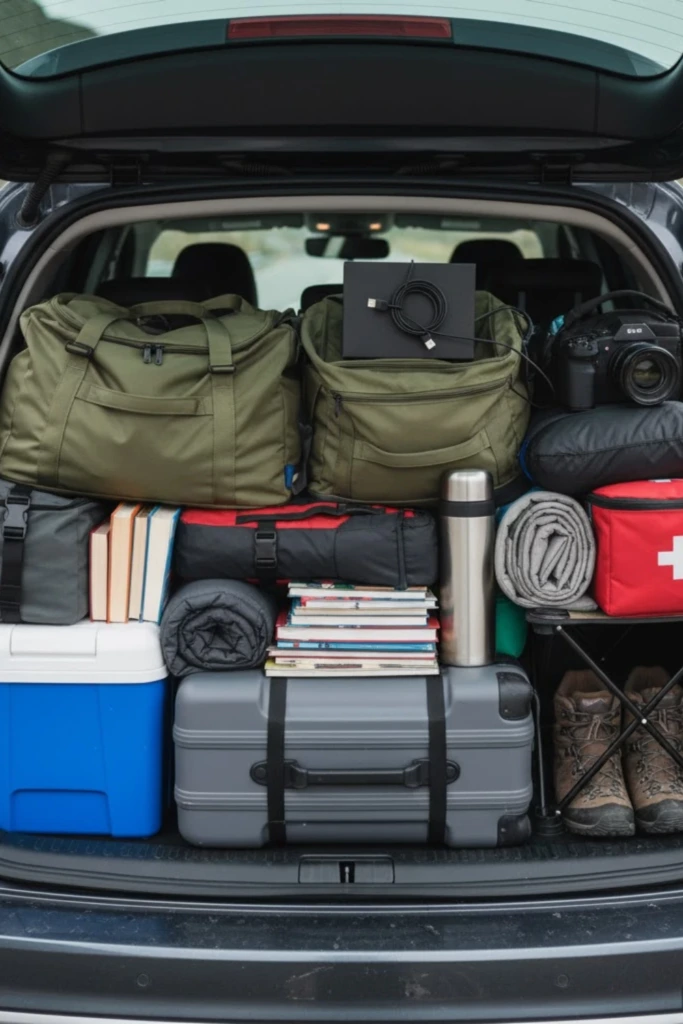
Packing your trunk strategically can help you fit more belongings without creating a disorganized pile. Start with sturdy, heavy items at the bottom, then arrange lighter bags and softer belongings above them.
Place items you'll need during the journey in accessible positions rather than underneath luggage. Packing cubes or smaller containers can help separate clothing, snacks, and travel accessories.
Avoid stacking belongings above the rear seatbacks unless they are properly restrained. Securing your luggage is especially important during long trips, when sudden stops could cause unsecured objects to shift.
3. Seat Control
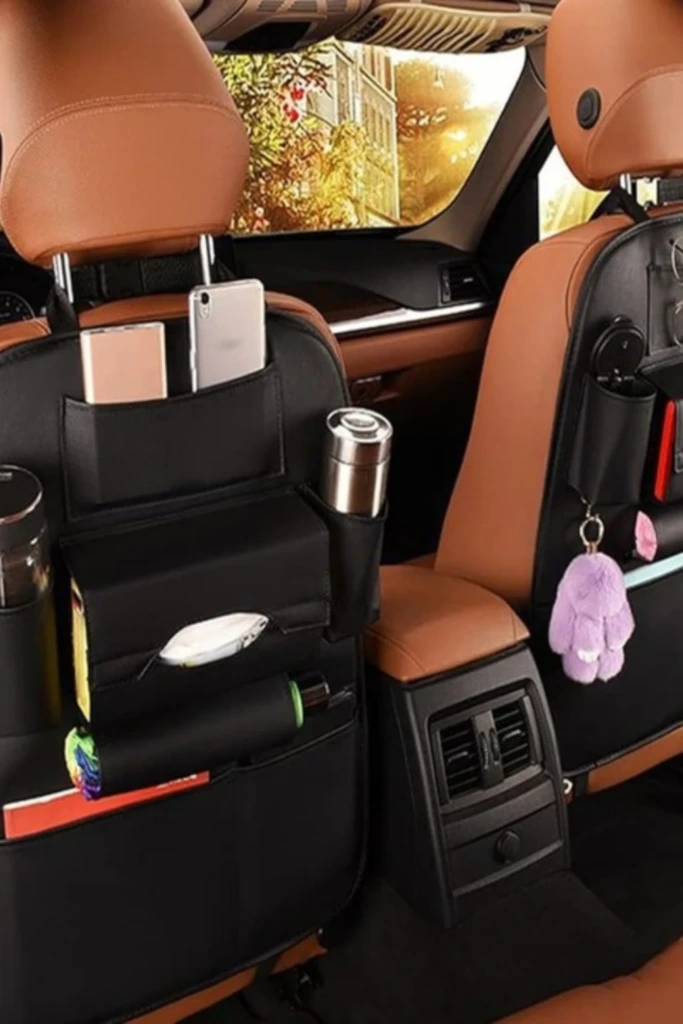
The backs of front seats offer valuable storage space that often goes unused. A well-designed seat-back organizer can hold books, tissues, small toys, charging cables, and other passenger essentials.
Look for organizers with multiple pocket sizes and adjustable straps. Mesh compartments make it easier to identify contents, while wipe-clean materials are useful for families with children.
Install the organizer securely and avoid overloading it. Make sure it doesn't interfere with seat adjustments, side airbags, or passengers' legroom.
This solution is especially practical for keeping the backseat neat during daily school runs and longer journeys.
4. Grocery Hold
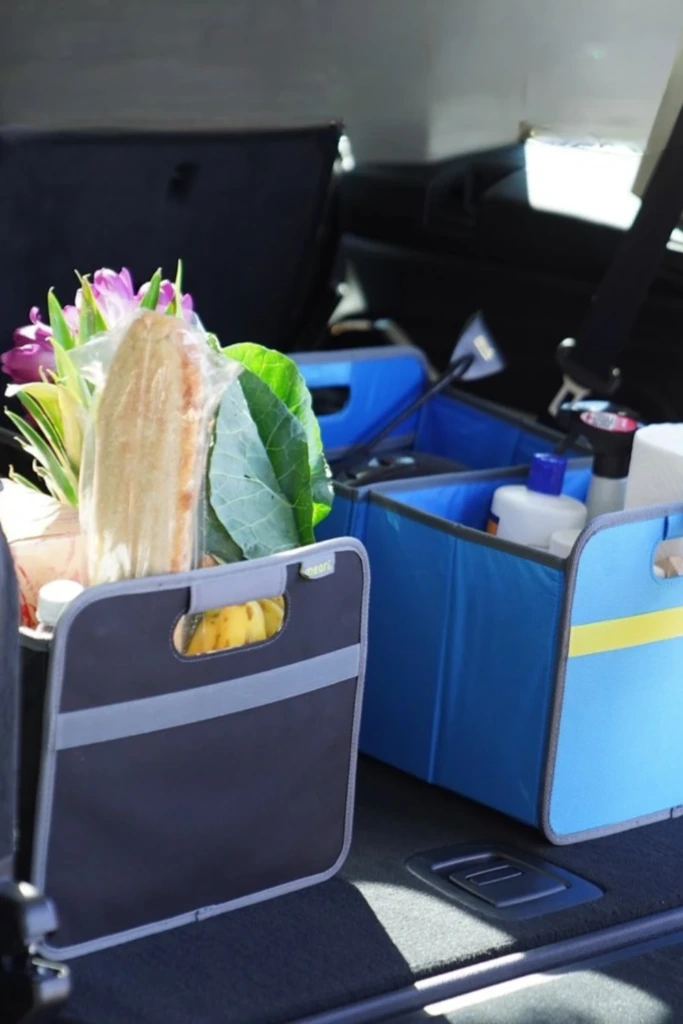
Transporting groceries becomes easier when bags have a stable place to sit. Collapsible shopping crates, insulated grocery bags, and divided storage bins help prevent products from tipping over or rolling around.
Use separate containers for fragile foods, heavy bottles, and refrigerated products. An insulated cooler is helpful when carrying temperature-sensitive groceries, particularly during warm weather.
Choose containers that fold flat when not needed so they don't permanently occupy valuable trunk space.
Secure the containers before driving, and remove perishable groceries promptly when you reach home.
5. Hygiene Kit
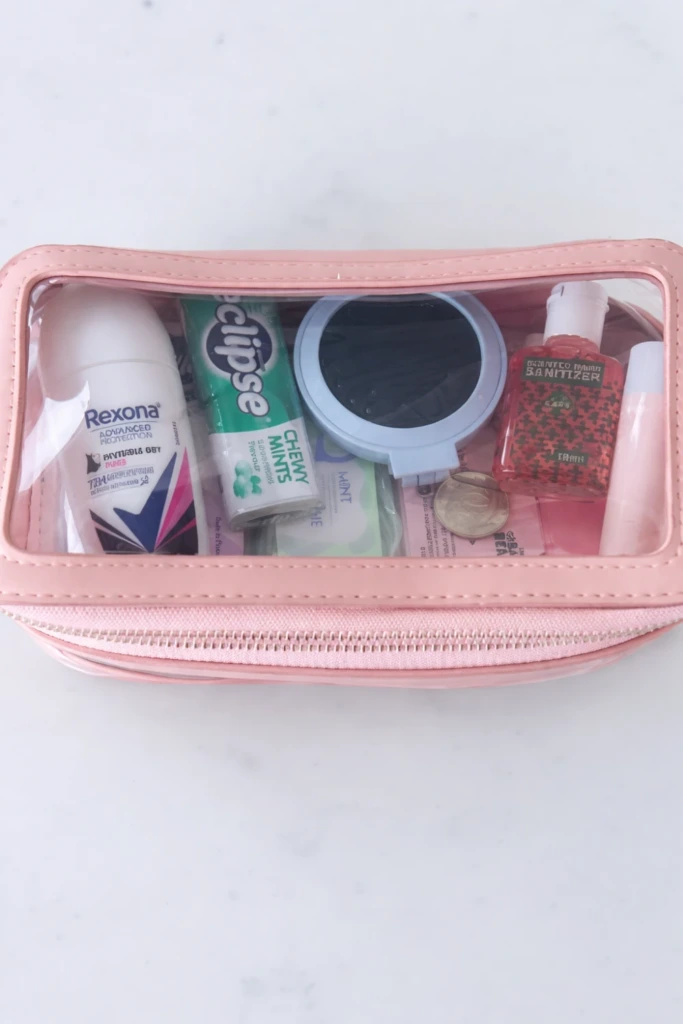
Keeping a small personal-care kit in your car can make unexpected messes easier to handle. A compact waterproof pouch is ideal for organizing tissues, wet wipes, hand sanitizer, and other hygiene essentials.
Select travel-sized products to conserve space, and keep them together rather than distributing them across different compartments.
A small pouch can fit inside the glove compartment, a secured console compartment, or a passenger organizer.
Check product labels for storage-temperature requirements, since parked vehicles can become extremely hot or cold. Replace damaged or expired supplies when necessary.
6. Grab Storage
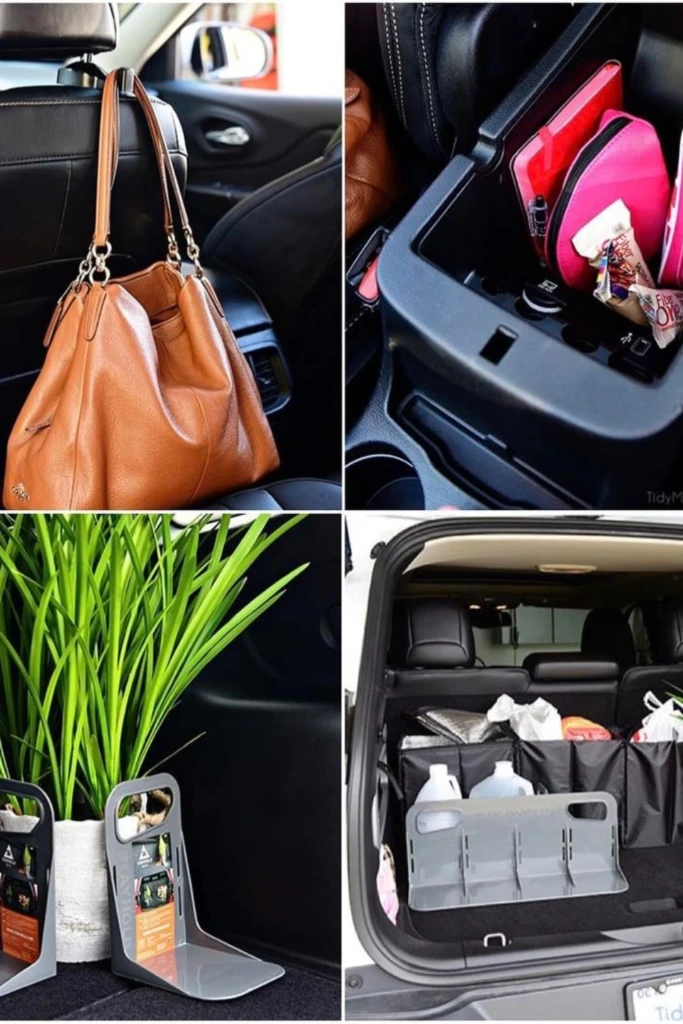
Everyday items are easier to manage when they have convenient, designated storage spots. Small hanging organizers, secured hooks, and compact baskets can help keep reusable bags, accessories, and lightweight belongings off the floor.
For example, a properly fitted headrest hook may hold a lightweight shopping bag, while a small trunk basket can contain reusable totes or cleaning cloths.
Choose accessories specifically designed for automotive use and follow their weight limits.
Avoid hanging heavy or hard objects where they could strike passengers during sudden braking. Keeping storage solutions simple and secure is more useful than filling every available space.
7. Console Pockets
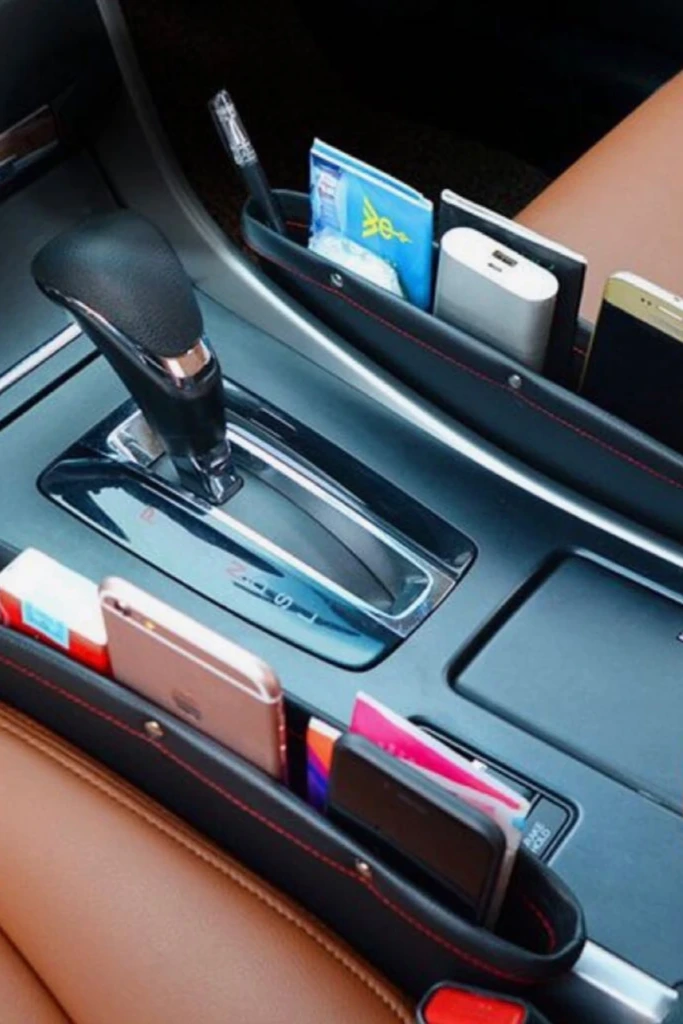
The space around your center console can be useful for storing small everyday essentials. Slim organizers designed for specific vehicle models may provide additional compartments for parking cards, charging cables, and other lightweight accessories.
Before buying one, measure the available space and check whether the accessory could interfere with the seats, parking brake, or other controls.
A shallow console tray can also help organize smaller items without requiring extra attachments.
Keep the driver's immediate surroundings free from loose objects, particularly anything that could fall into the footwell or interfere with driving.
8. Kid Station
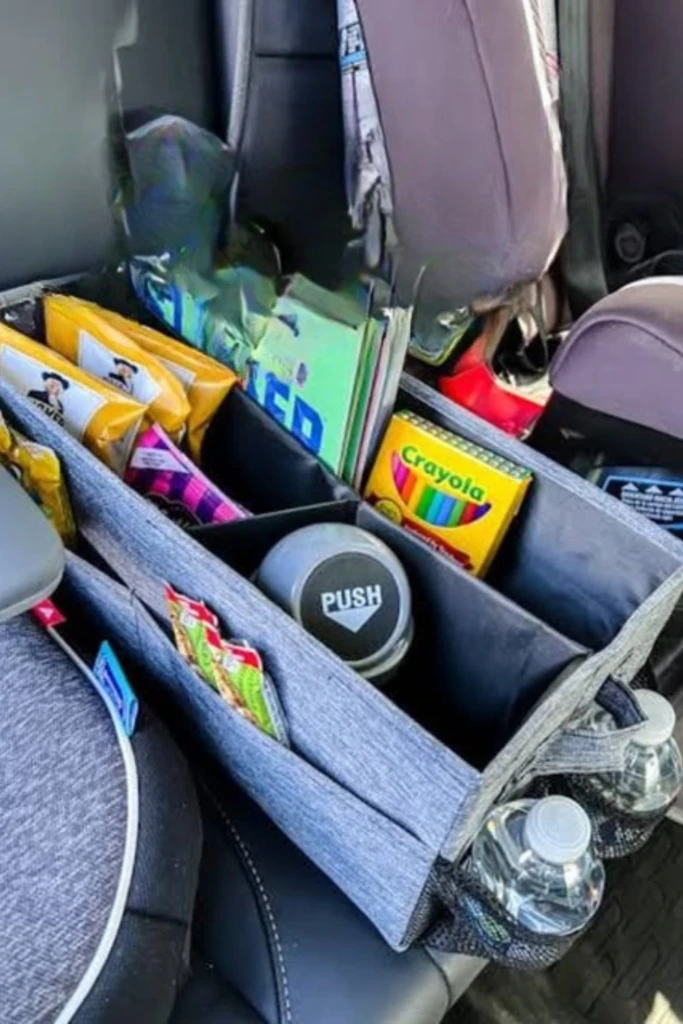
A dedicated activity area can make family car journeys more manageable. Use a securely attached backseat organizer to store age-appropriate books, soft toys, tissues, and other travel essentials.
Choose lightweight activities that children can use while remaining properly seated and buckled.
Separate entertainment items into small compartments so children can find what they need without emptying an entire bag.
For younger children, keep potentially hazardous small objects out of reach. Avoid attaching accessories to child safety seats unless their manufacturer specifically approves them.
A simple activity station can reduce clutter while making travel more enjoyable for everyone.
9. Essentials Pouch
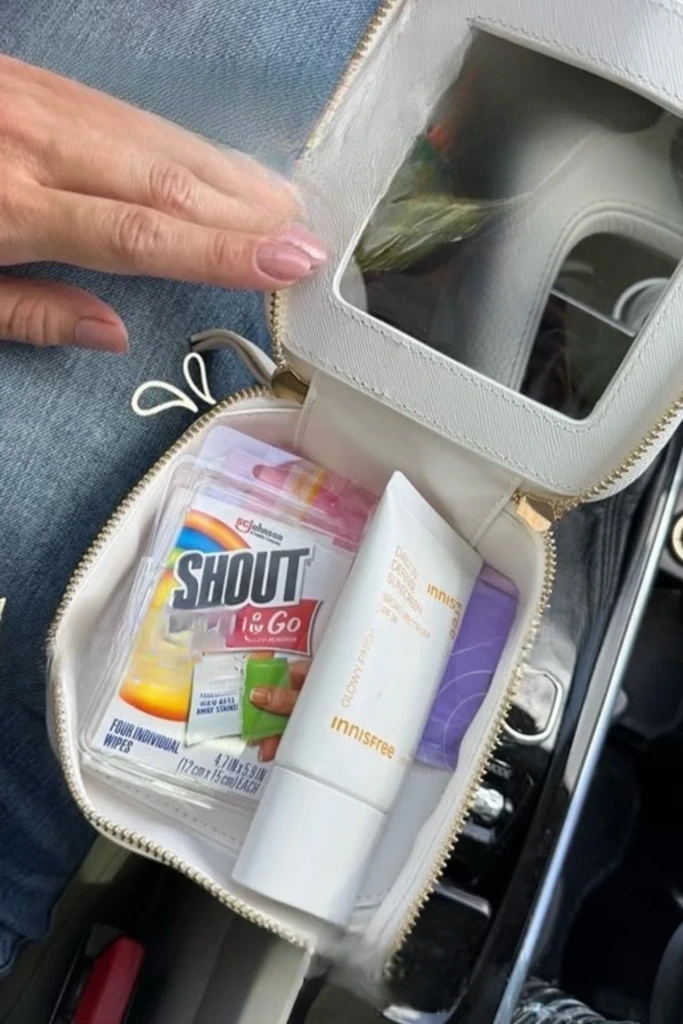
A small essentials pouch is useful for keeping personal belongings together during busy days. Include items such as a spare charging cable, tissues, a reusable shopping bag, and a compact notebook.
Choose a pouch with internal pockets so smaller accessories don't collect at the bottom.
A zippered design helps prevent belongings from spilling when the vehicle moves. Store it in a secure compartment where it won't become a distraction.
You can also create separate pouches for workdays, travel, or family outings, allowing you to switch between them without reorganizing the entire car.
10. Category Buckets
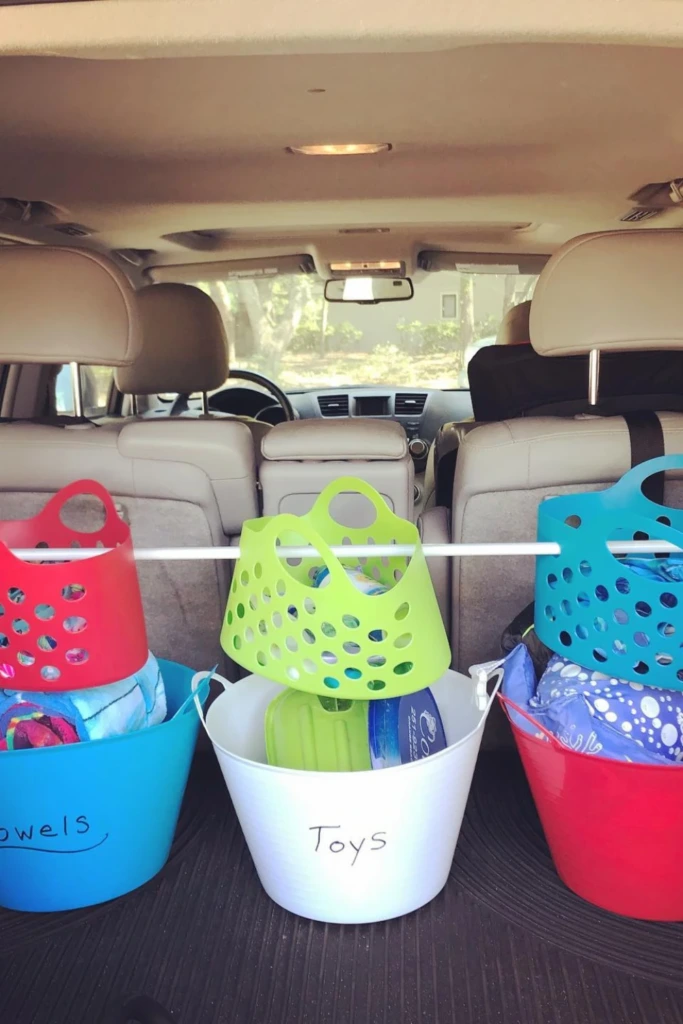
Small storage buckets or handled containers can help organize belongings for different activities. Assign one container to outdoor supplies, another to sports accessories, and another to frequently used family items.
Lightweight plastic containers are easy to clean, making them suitable for sandy toys, muddy accessories, or damp outdoor equipment.
Labels or different container colors make categories easy to identify.
Choose stackable or nesting containers when trunk space is limited, and secure them during travel. Removable buckets are especially convenient because you can carry an entire category of supplies into your home at once.
11. Mini Boxes
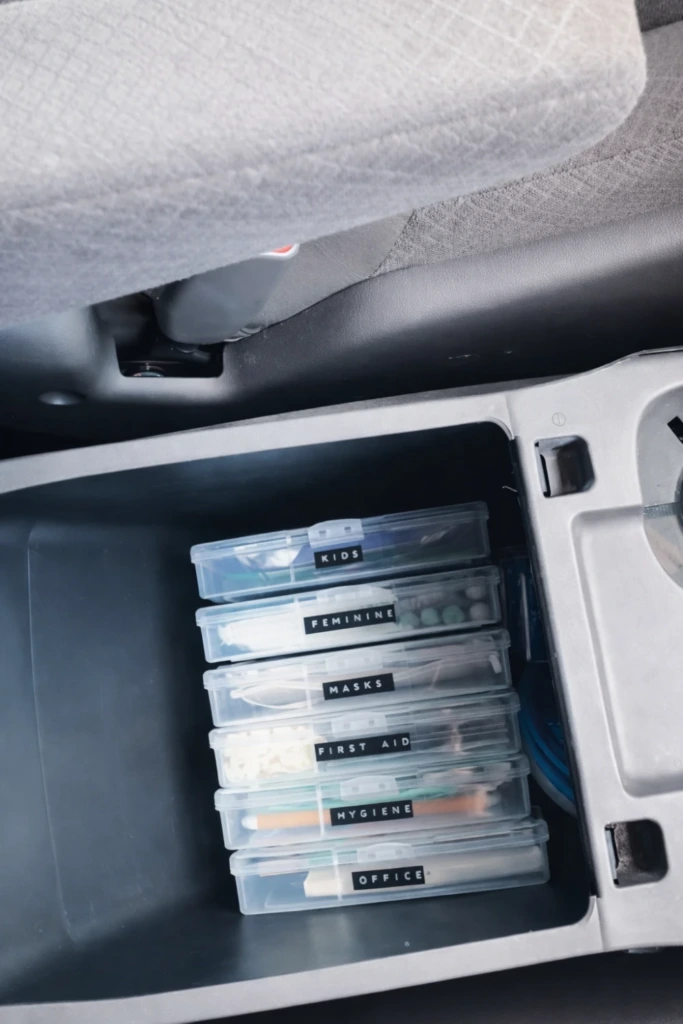
Tiny belongings are often the hardest things to keep organized. Small compartment boxes provide separate spaces for items such as spare cables, stationery, coins, and miscellaneous accessories.
Transparent containers allow you to check their contents without opening every lid.
Choose boxes with secure closures and rounded edges that fit neatly inside an existing compartment.
Avoid filling the car with unnecessary duplicates. A few carefully selected containers are usually more effective than numerous boxes that consume valuable storage space.
12. Bulky Balance
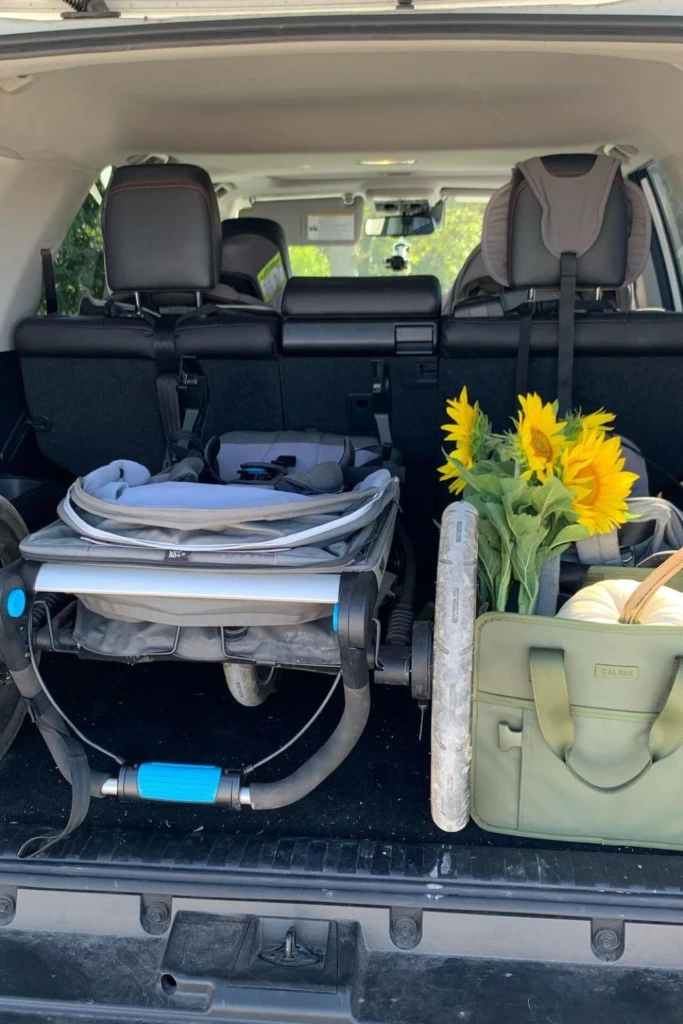
Large belongings such as strollers, folding chairs, and sports bags require thoughtful placement. Start by measuring the trunk and identifying where each bulky item fits best.
Position heavier equipment low and secure it using appropriate cargo restraints. Fold collapsible items whenever possible to create additional room.
Soft bags can fit around larger objects, but they shouldn't be relied upon to restrain heavy equipment.
If you regularly transport the same items, establish a consistent loading arrangement. This saves time and reduces the need to rearrange everything before each trip.
13. Go Kit
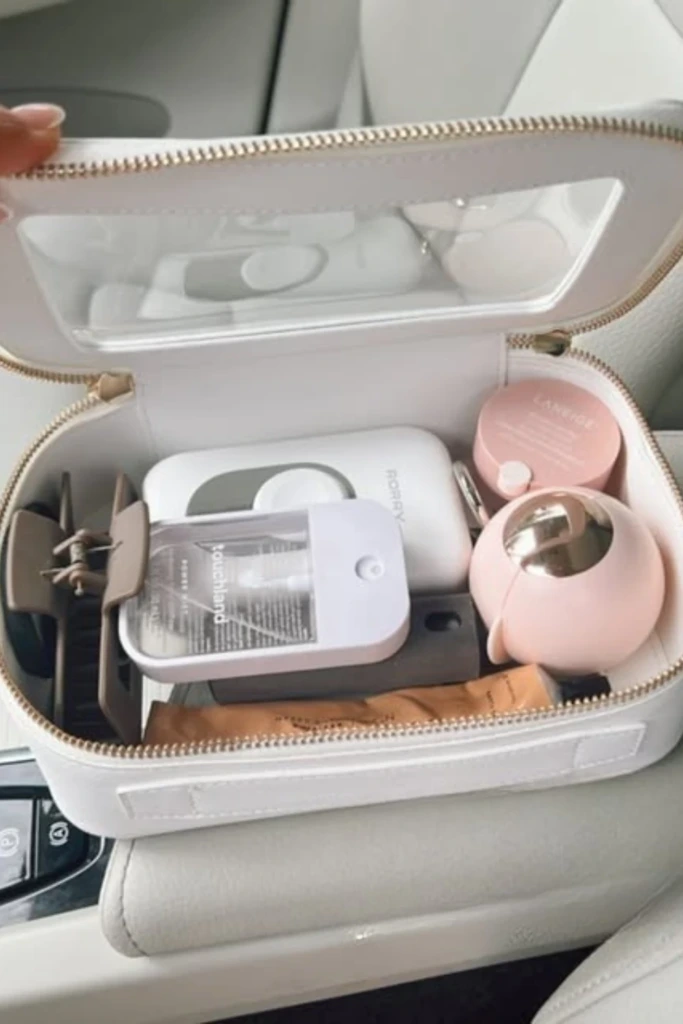
A ready-to-use travel kit can simplify mornings and spontaneous outings. Fill a compact organizer with everyday necessities such as a spare charging cable, tissues, a pen, and a small reusable bag.
Keep the contents focused on things you genuinely use away from home.
Choose a durable pouch that fits in a secured storage compartment. A removable design makes it easy to transfer the kit between vehicles or carry it into another location.
Review the contents occasionally and remove items that are no longer useful. Avoid storing cosmetics, medications, or other temperature-sensitive products in the vehicle for extended periods.
14. Pouch Stacking
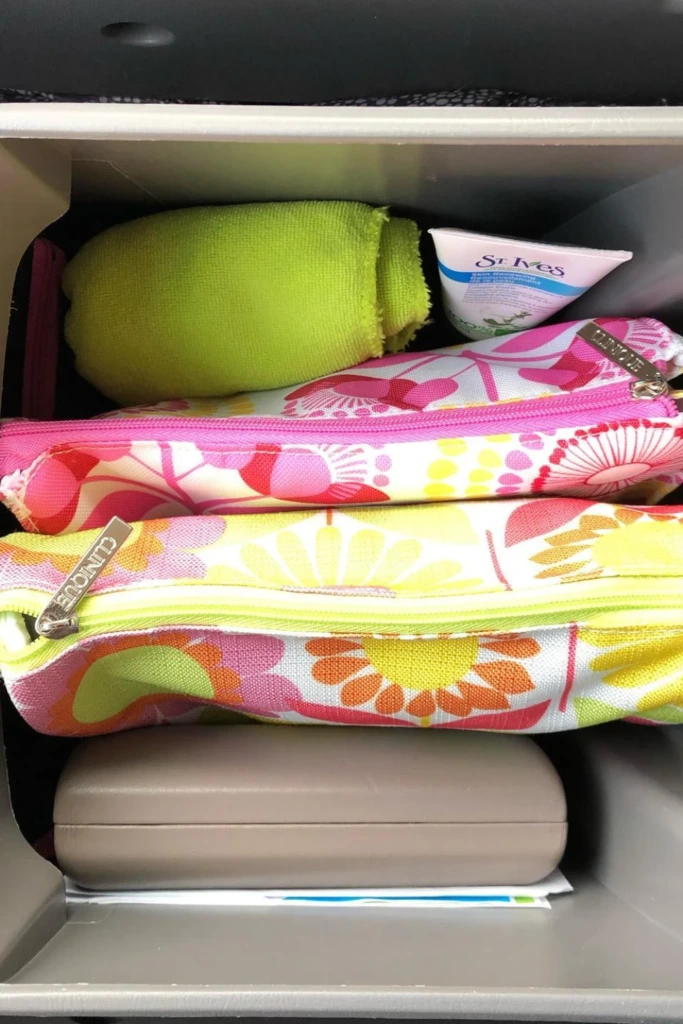
Soft zippered pouches are an excellent alternative to rigid containers when storage space is irregular or limited.
Use different pouches for electronics, personal accessories, cleaning materials, and travel supplies. Distinct colors or small labels make it easier to recognize each category.
Arrange the pouches inside a larger compartment according to how frequently you need them.
Keep the most commonly used pouch accessible and store less frequently needed items underneath.
Avoid stacking them so tightly that compartment lids cannot close properly. Flexible organizers work best when they simplify access rather than create additional layers of clutter.
15. Emergency Kit
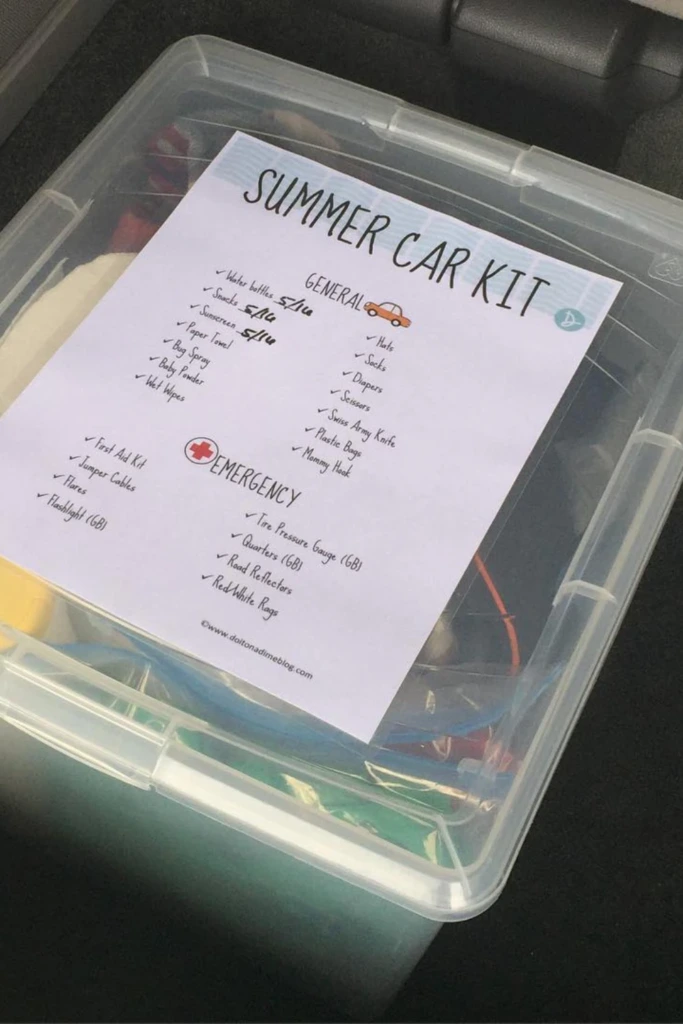
A well-prepared emergency kit is one of the most valuable things to keep in your vehicle. Include supplies appropriate to your driving conditions, such as a flashlight, reflective warning equipment, first-aid materials, and a portable phone charger.
Depending on your vehicle and local requirements, you may also need jumper cables, a tire inflator, or basic roadside tools.
Store everything in a durable container secured inside the trunk. Organize supplies by purpose so you can locate them quickly.
Inspect the kit periodically, check batteries, and replace expired first-aid products. Make sure essential safety equipment remains accessible even when the trunk is full.
16. Diaper Caddy
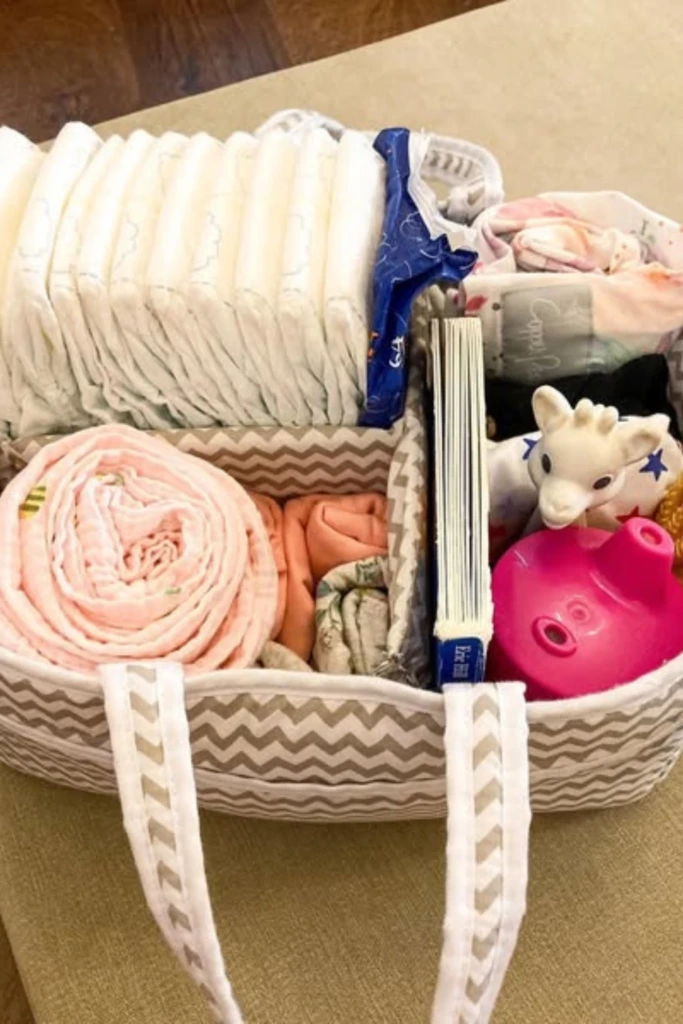
Parents traveling with babies can benefit from a dedicated diaper organizer. A compact caddy with several compartments can hold diapers, wipes, changing pads, disposable bags, and spare clothing.
Keep clean clothes in a separate pouch to protect them from spills and moisture.
Choose a lightweight, easy-to-carry container so you can take the entire kit with you during stops.
Secure the caddy in the trunk or another suitable storage area rather than leaving it loose near passengers. Refill supplies after outings and avoid storing products that could deteriorate in extreme temperatures.
17. Trash Control
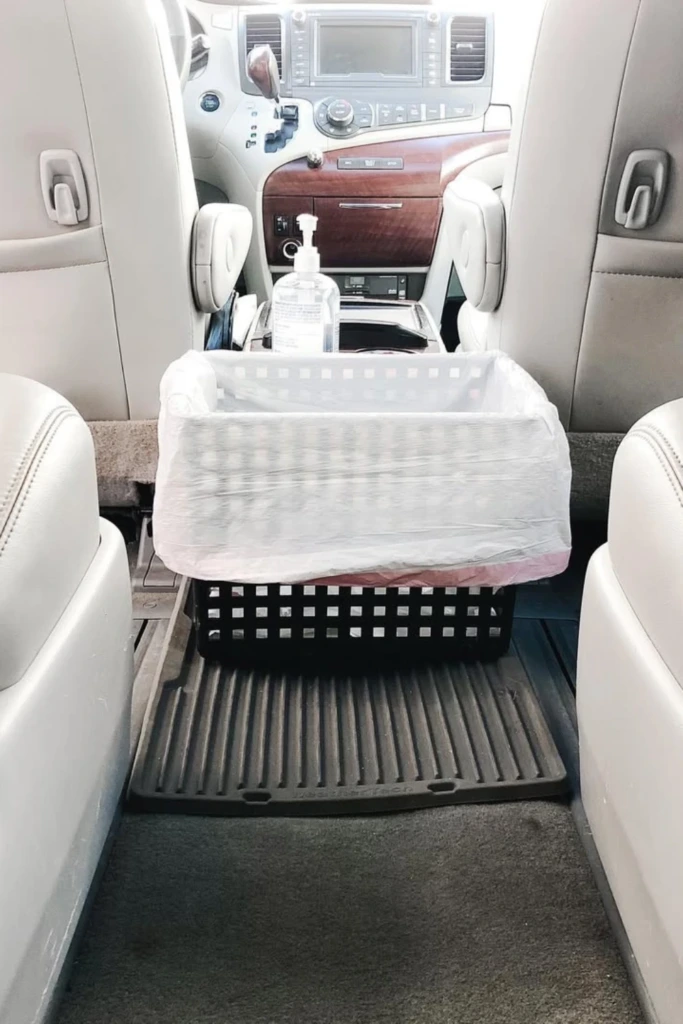
One of the simplest ways to maintain a tidy car is to provide a convenient place for rubbish. A compact, leak-resistant car trash container helps collect receipts, wrappers, used tissues, and other small waste.
Choose a model with a secure lid and removable liner for easier cleaning.
Position it where passengers can reach it safely without interfering with driving controls or foot space.
Empty the container regularly, especially after trips involving food. A consistent rubbish-disposal habit prevents small messes from spreading throughout the vehicle.
18. Labeled Stack
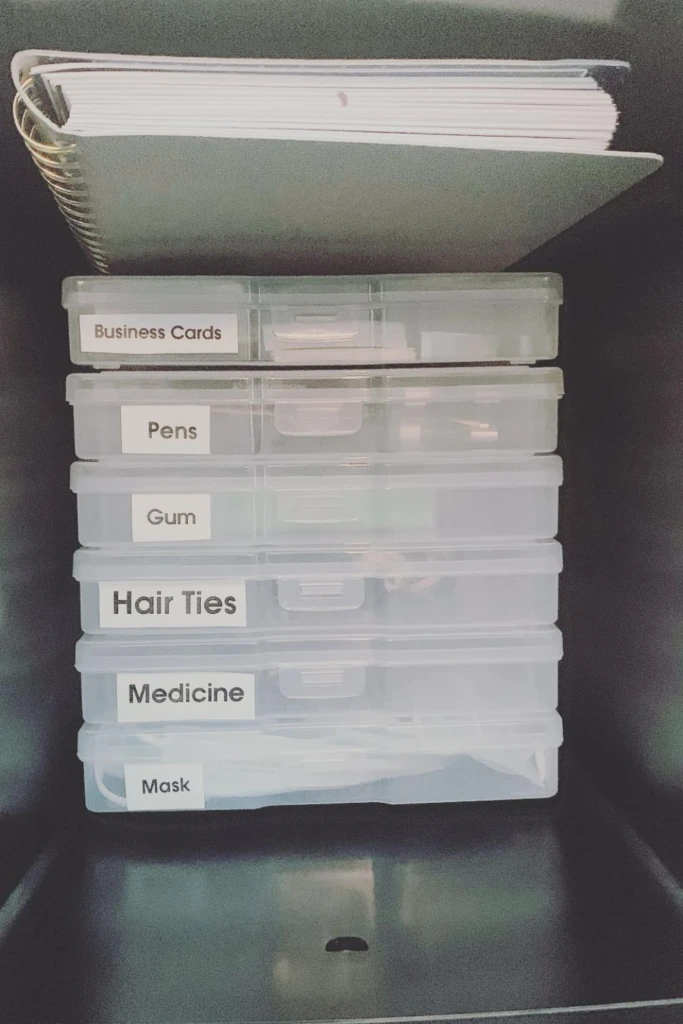
Labels can make compact storage systems easier to maintain. Use small, clearly marked containers to separate occasional-use accessories, spare cables, cleaning cloths, and other lightweight supplies.
Choose containers that fit together without wasting space. Transparent lids are helpful when you want to see what's inside immediately.
Keep stacks low and place them inside secured storage areas so they cannot topple while driving.
Use short, recognizable labels rather than complicated categories. The easier your storage system is to understand, the more likely everyone using the car will maintain it.
19. Glove Sorting
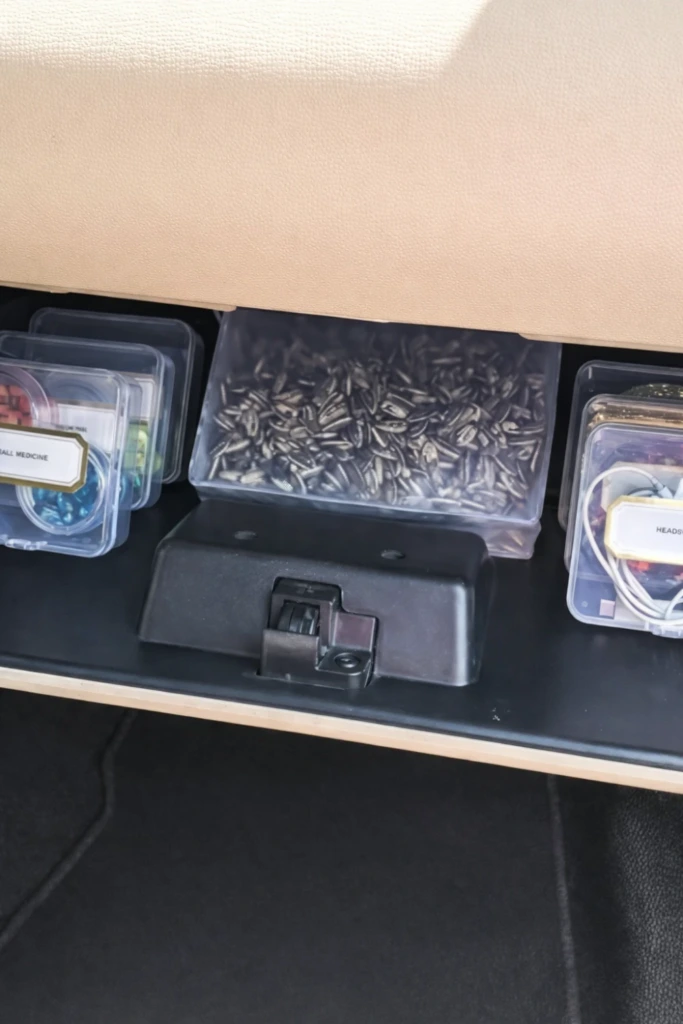
The glove compartment often becomes a collection point for receipts, manuals, cables, and miscellaneous items. Organizing it into a few simple sections makes important documents easier to locate.
Use a slim document wallet for registration papers, insurance information, and other necessary vehicle records.
A small pouch can hold spare charging accessories, while another compartment can accommodate tissues or lightweight supplies.
Keep the vehicle owner's manual accessible and avoid storing unnecessary sensitive documents.
Make sure the glove compartment closes completely and doesn't contain so many items that essential paperwork becomes difficult to retrieve.
20. Cold-Weather Kit
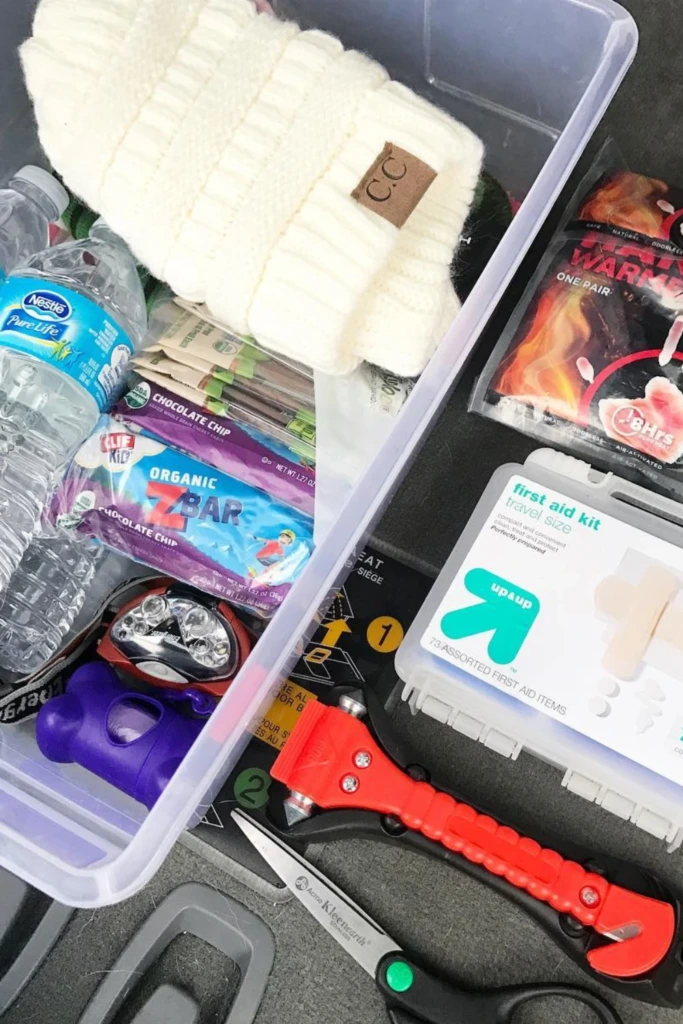
Drivers in colder climates should consider preparing a seasonal supply kit. Useful items may include warm gloves, a blanket, an ice scraper, a flashlight, and additional winter clothing.
For longer journeys through remote areas, consider suitable nonperishable snacks and other supplies based on local weather conditions.
Keep everything in a secure, weather-resistant container inside the trunk.
Check the kit before winter begins, replace depleted supplies, and make sure any stored equipment remains in good condition.
During warmer months, remove unnecessary winter items to free up storage space for other seasonal needs.
21. Drawer System
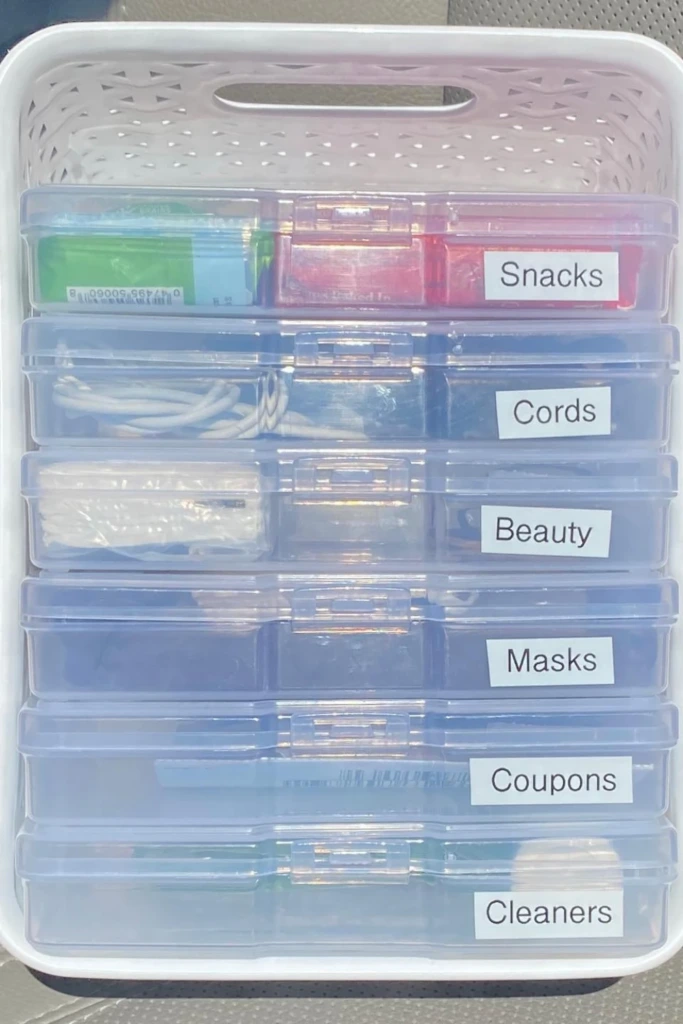
A compact drawer organizer can provide structured storage for people who regularly carry multiple categories of supplies.
Small drawers are useful for lightweight tools, charging accessories, cleaning materials, and other items that need separation.
Choose an automotive-compatible unit that can be securely mounted or restrained inside the cargo area.
Avoid placing freestanding household drawer towers on passenger seats or floors, where they could move during driving.
Clearly labeled drawers make it easier to return belongings to their proper places. This system is particularly useful for frequent travelers and people who use their vehicles for work.
22. Coin Control
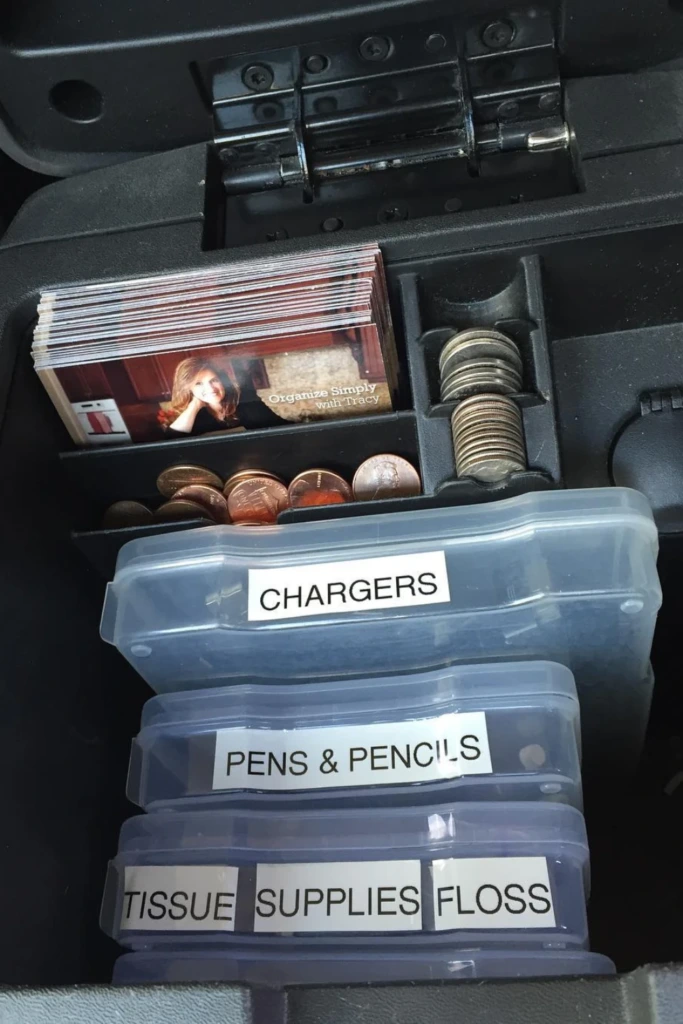
Loose coins can quickly accumulate in cup holders, door compartments, and center consoles. A small coin holder provides a convenient solution.
Choose a compact container with a secure lid or divided sections for different denominations.
Keep only a reasonable amount of change for parking or other occasional expenses.
A separate small pouch can hold parking tokens or other lightweight payment accessories.
Place the holder inside a closed compartment so coins cannot scatter into the driver's footwell. Periodically remove excess change to prevent unnecessary accumulation.
23. Cup Command
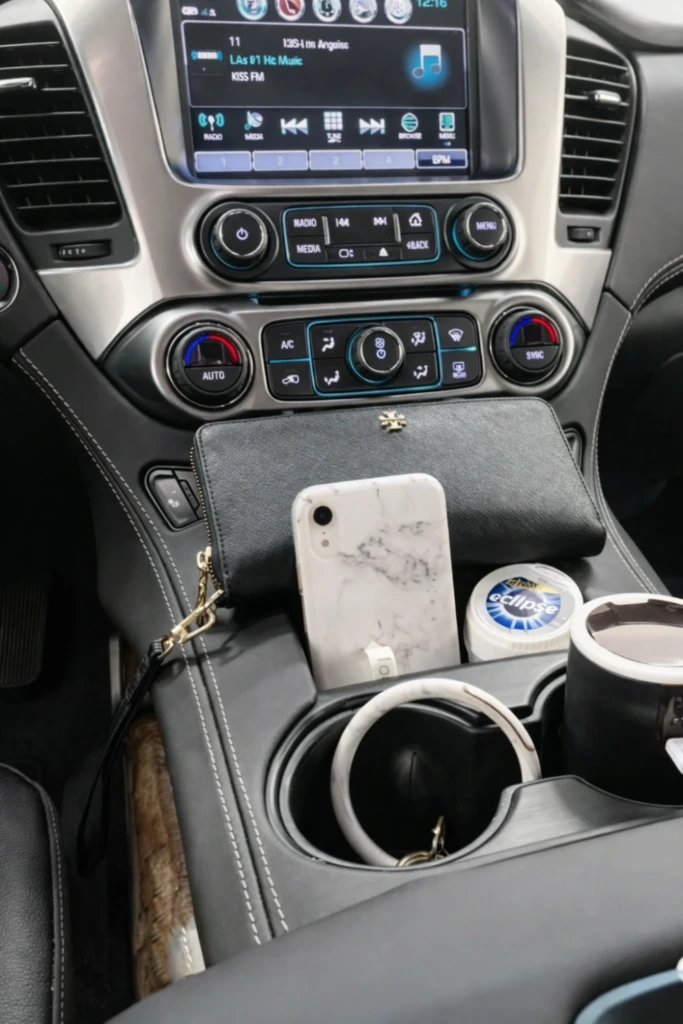
Cup holders are useful storage features, but they work best when their main purpose remains clear.
Reserve at least one accessible holder for beverages and consider using another for a properly fitted, lightweight organizer if your vehicle has spare capacity.
A removable cup-holder insert can accommodate small accessories without allowing them to slide around.
Choose a design that doesn't obstruct gear controls, visibility, or comfortable access to essential vehicle functions.
Clean cup holders regularly to remove spills, dust, and crumbs. Keeping this small area organized can make the entire center console look noticeably neater.
How do I keep my car organized long term?
The easiest way to maintain an organized car is to establish a few simple routines. Remove rubbish whenever you leave the vehicle, return frequently used belongings to their assigned compartments, and take unnecessary items indoors.
Spend a few minutes each week checking the trunk, glove compartment, and center console.
Avoid storing things in the car simply because there is available space. Keep your organization system practical and adjust it whenever your daily needs change.
Regular maintenance is much easier than repeatedly dealing with large amounts of accumulated clutter.
What’s the biggest mistake people make with car organization?
A common mistake is purchasing too many storage accessories before deciding what actually needs to stay in the vehicle.
Extra containers can make a small interior feel even more crowded, particularly when they occupy passenger space or block existing compartments.
Begin by removing unnecessary belongings and identifying the items you genuinely need. Then select a few appropriately sized organizers that solve specific storage problems.
Prioritize safety, accessibility, and ease of cleaning over appearance alone. A successful car organization system should make everyday driving simpler without introducing new clutter or hazards.