26 Dresser Organization Ideas for 2026
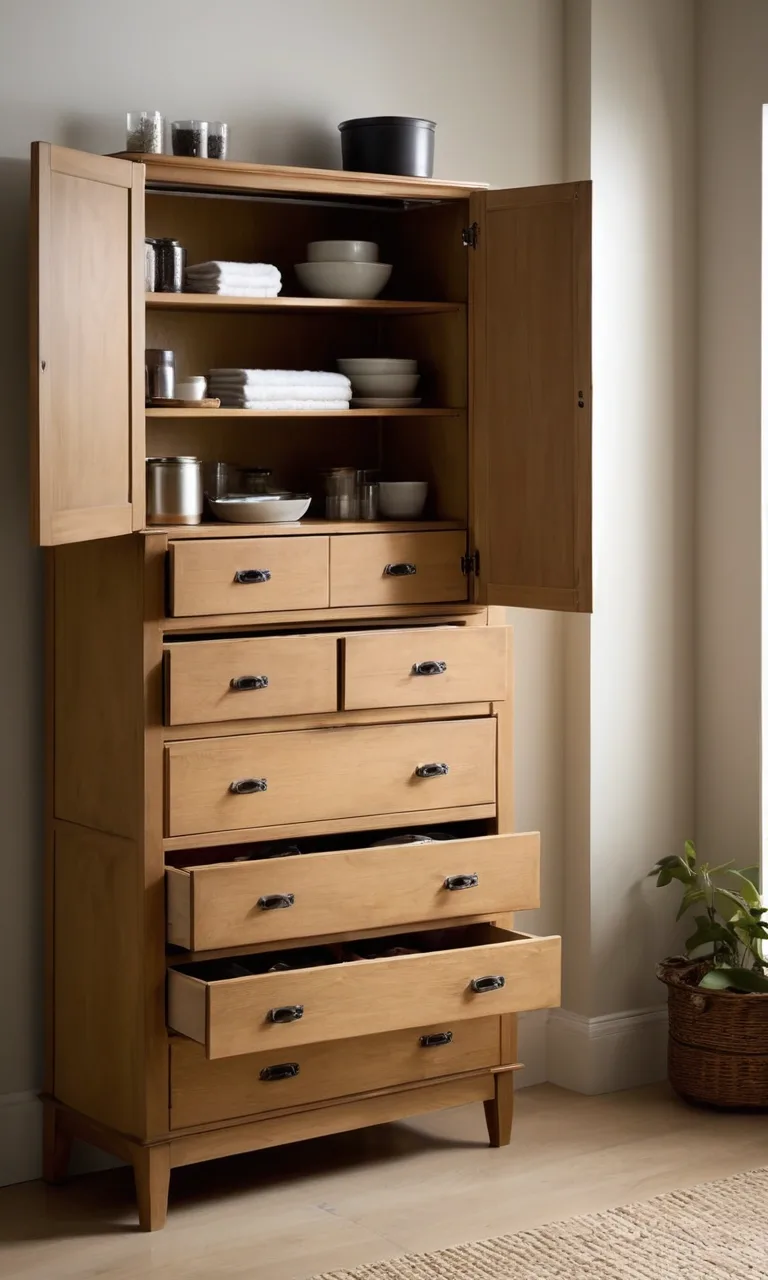
A well-organized dresser can make your bedroom feel more spacious, peaceful, and inviting. But when drawers are overflowing with clothes and the top is covered with everyday essentials, even finding a simple pair of socks becomes frustrating.
The good news is that you don't need a bigger dresser or expensive storage accessories to create a functional space. A few smart organizing techniques can completely change how you store clothing, accessories, and personal belongings.
Whether you're dealing with limited drawer space, a crowded dresser top, or clothing that never seems to stay folded, these 26 dresser organization ideas will help you create a practical system that's easy to maintain.
How to Organize a Dresser Without Losing Space?
Organizing a dresser efficiently starts with understanding what you actually need to store. Empty each drawer, sort your belongings into categories, and remove anything that no longer fits or gets used.
Next, measure your drawers before choosing organizers. Adjustable dividers, compact storage bins, and upright folding techniques can help you use the available space without making drawers difficult to open.
Keep frequently worn clothing in the easiest-to-reach drawers and move occasional items to lower compartments. The goal is to create enough structure that everything has a designated place while leaving room for easy access.
1. Drawer Zoning
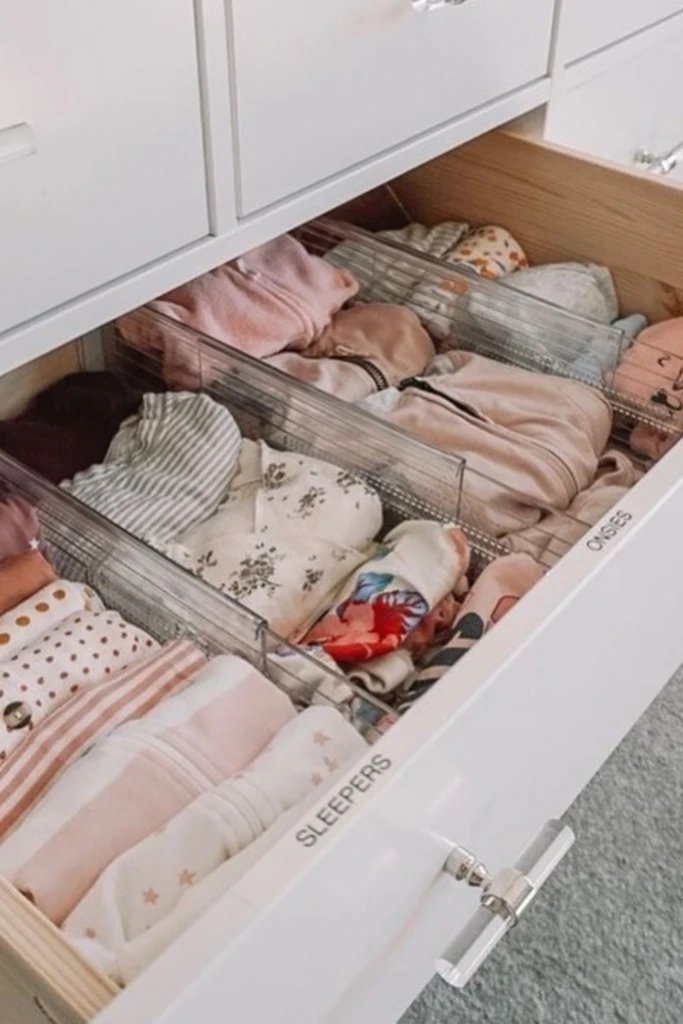
Creating dedicated zones inside your drawers prevents different clothing categories from becoming mixed together.
Divide larger drawers into sections for underwear, socks, sleepwear, and other small essentials. Adjustable drawer dividers are especially useful because you can change the layout whenever your storage needs evolve.
For a simple DIY alternative, use small cardboard boxes or repurposed containers to create separate compartments.
This approach works particularly well in shared dressers and children's bedrooms, where multiple clothing categories need to fit into limited space.
2. Vertical Rolling
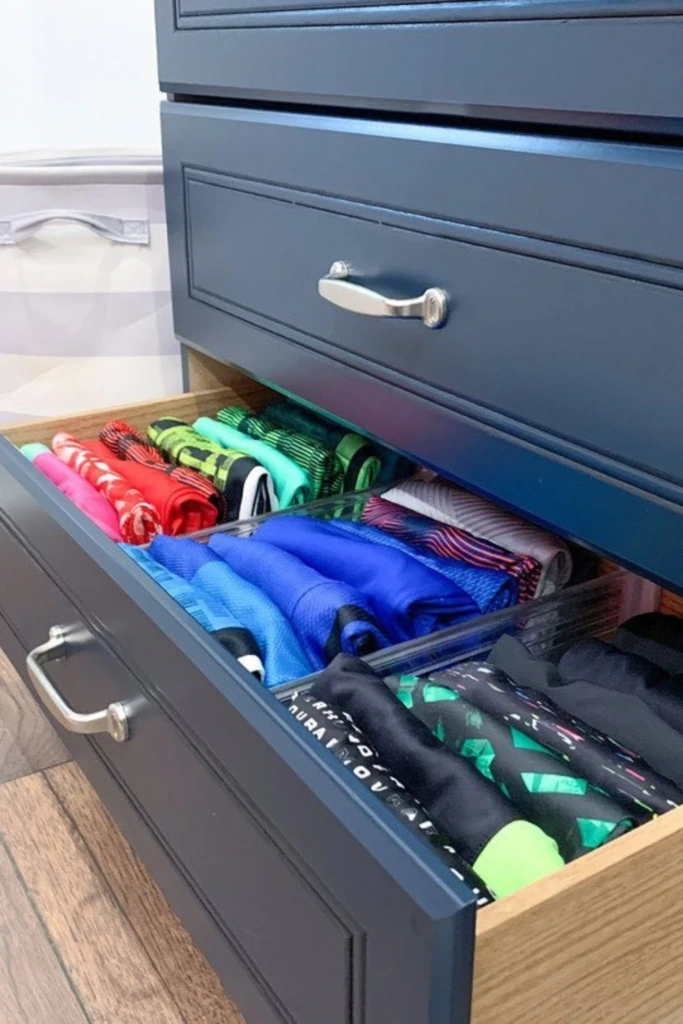
Rolling clothes vertically is an effective way to organize flexible garments while keeping individual pieces easy to identify.
Instead of placing clothing in horizontal piles, roll each item into a compact shape and arrange the rolls in rows. This technique works especially well for leggings, workout clothes, pajamas, and lightweight T-shirts.
Small fabric bins can keep the rolls from shifting when drawers open and close.
Avoid rolling delicate fabrics that wrinkle easily. For those pieces, traditional folding or hanging may be a better choice.
3. Clear Labeling
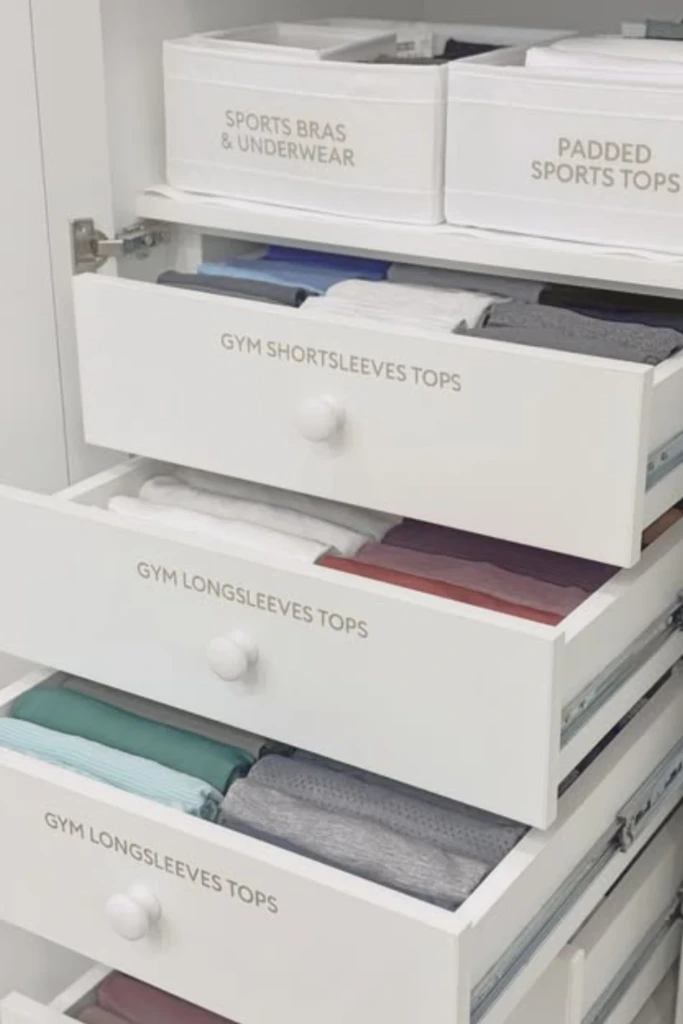
Labels make dresser organization easier to maintain, particularly when several people use the same storage space.
Add small labels to drawer interiors, storage bins, or divider sections to identify categories such as socks, accessories, and everyday tops.
For children's dressers, consider combining words with simple pictures so younger kids can recognize where their belongings go.
Removable labels are a practical choice because they allow you to adjust your storage system without leaving permanent marks on furniture.
4. Controlled Styling
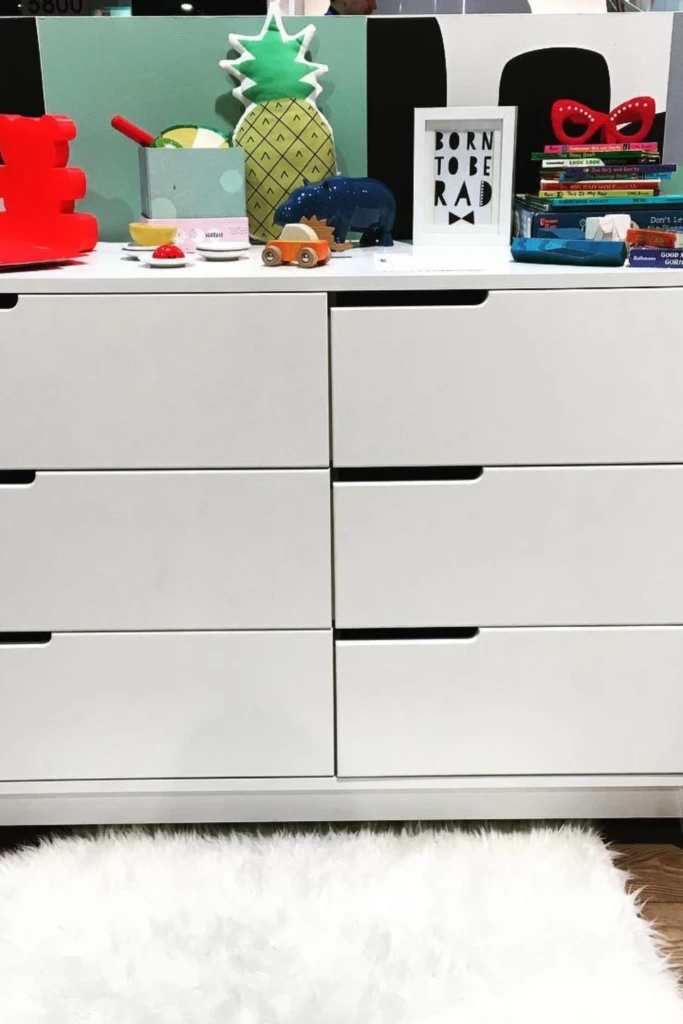
A beautifully styled dresser doesn't require a large collection of decorative objects.
Choose a few meaningful pieces, such as a framed photograph, a small vase, or a decorative bowl, and arrange them with enough space between each item.
Try grouping accessories in odd numbers or mixing objects of different heights to create visual interest.
Keep the center or one side of the dresser relatively open so you still have a convenient surface for everyday activities.
The result is a dresser that feels thoughtfully decorated rather than overcrowded.
5. Soft Categorization
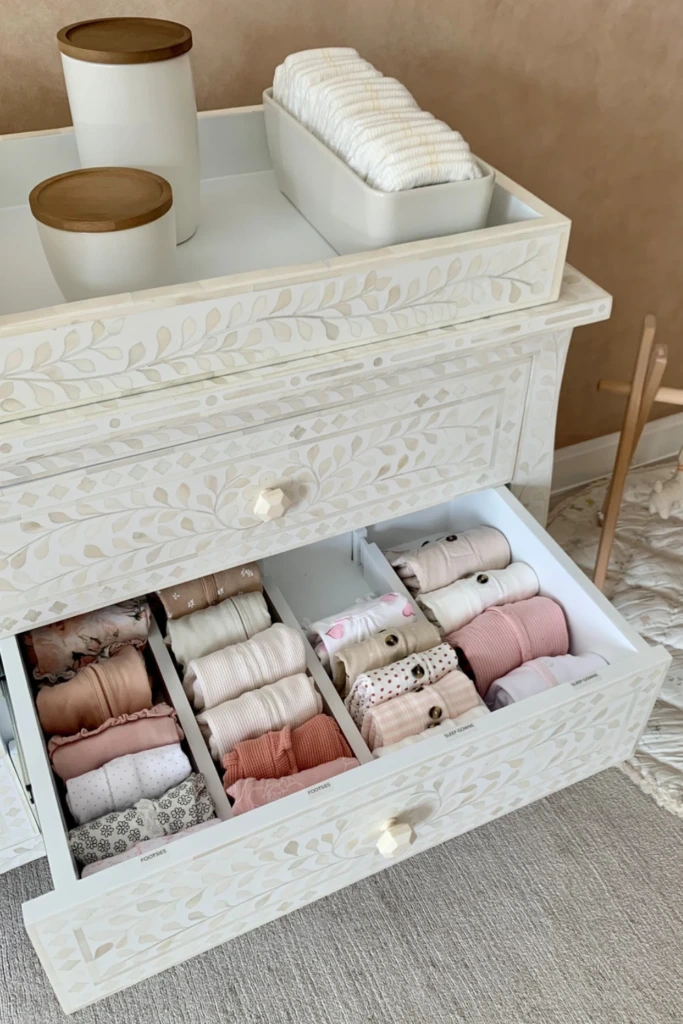
Soft categorization involves separating clothing into manageable groups without creating an overly complicated organization system.
Use flexible fabric organizers to divide drawers into categories such as casual tops, sleepwear, undergarments, and seasonal basics.
Unlike rigid plastic containers, fabric dividers can adapt to slightly different drawer dimensions and are gentle on delicate materials.
This method is especially helpful for baby clothing, lightweight garments, and items that change frequently throughout the year.
Choose neutral-colored organizers for a coordinated appearance that doesn't compete with your clothing.
6. Color Grouping
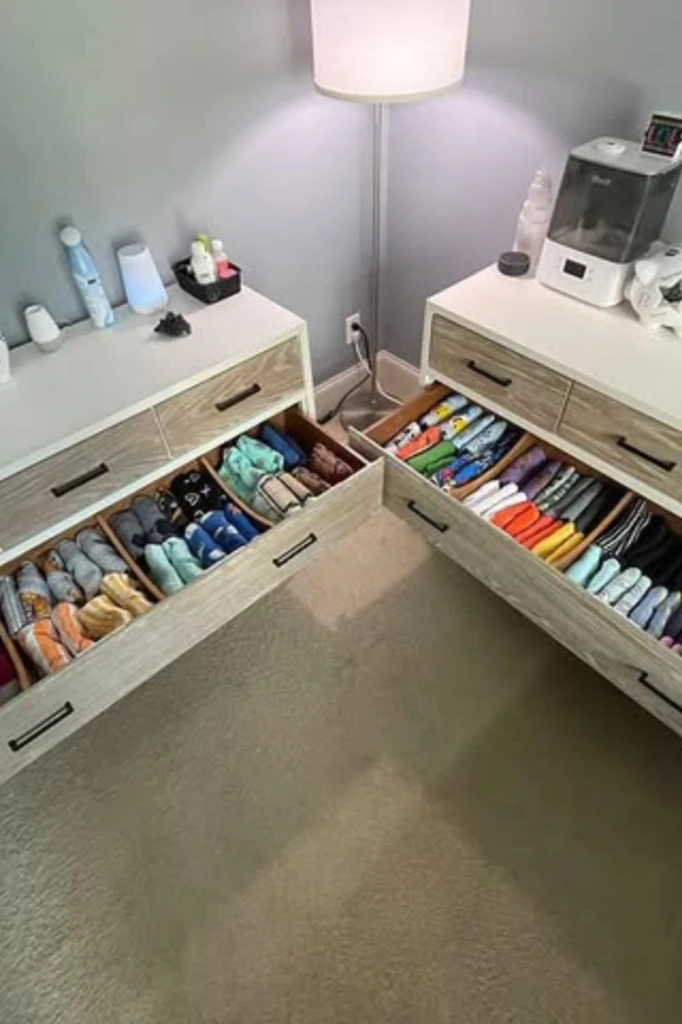
Arranging clothes by color makes drawers visually appealing and helps you locate specific pieces more quickly.
Start by separating similar clothing types, then organize each category from lighter shades to darker ones.
For example, you might arrange white shirts first, followed by beige, gray, blue, and black pieces.
Color grouping works best when combined with another organizing method, such as upright folding or drawer dividers.
You don't need a perfectly coordinated wardrobe to make this technique useful. Even grouping a few common colors can make your drawers easier to navigate.
7. File Folding
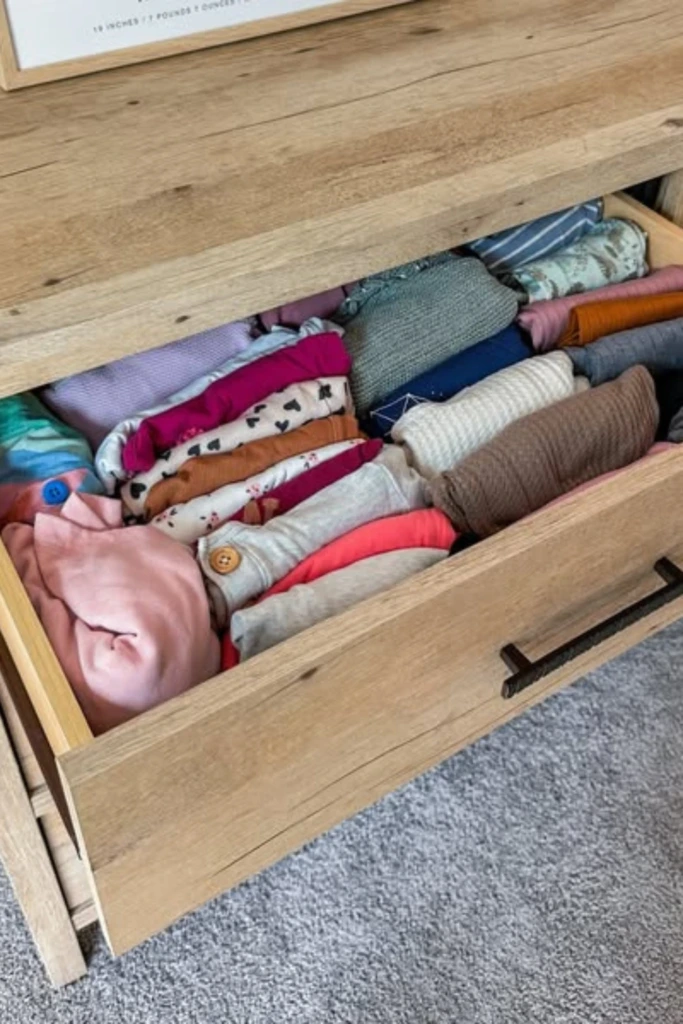
File folding is one of the most practical ways to maximize visibility inside dresser drawers.
Instead of stacking folded clothes on top of one another, fold each garment into a compact rectangle that can stand upright.
Arrange the pieces in rows so you can see every item when you open the drawer.
This method is especially useful for T-shirts, shorts, leggings, and lightweight sweaters.
The key is adjusting the fold size to match your drawer's height. Clothes should fit comfortably without being compressed against the top.
8. Hybrid Storage
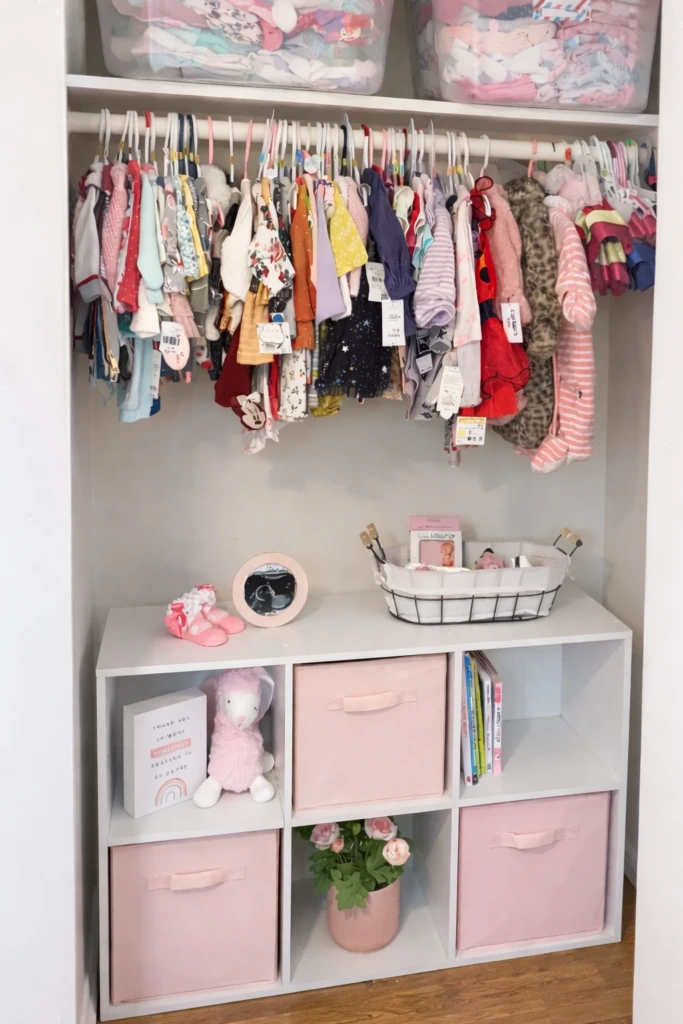
Combining different storage methods can help you organize a wardrobe that contains clothing of various sizes and materials.
Use dresser drawers for smaller folded garments while reserving closet rods for dresses, jackets, and wrinkle-prone clothing.
You can also place compact drawer units inside a closet to create extra storage without adding another large piece of bedroom furniture.
For children's clothing, hanging complete outfits above a small drawer organizer makes getting dressed more convenient.
Hybrid storage allows you to choose the most suitable space for each item rather than forcing everything into dresser drawers.
9. Outfit Sections
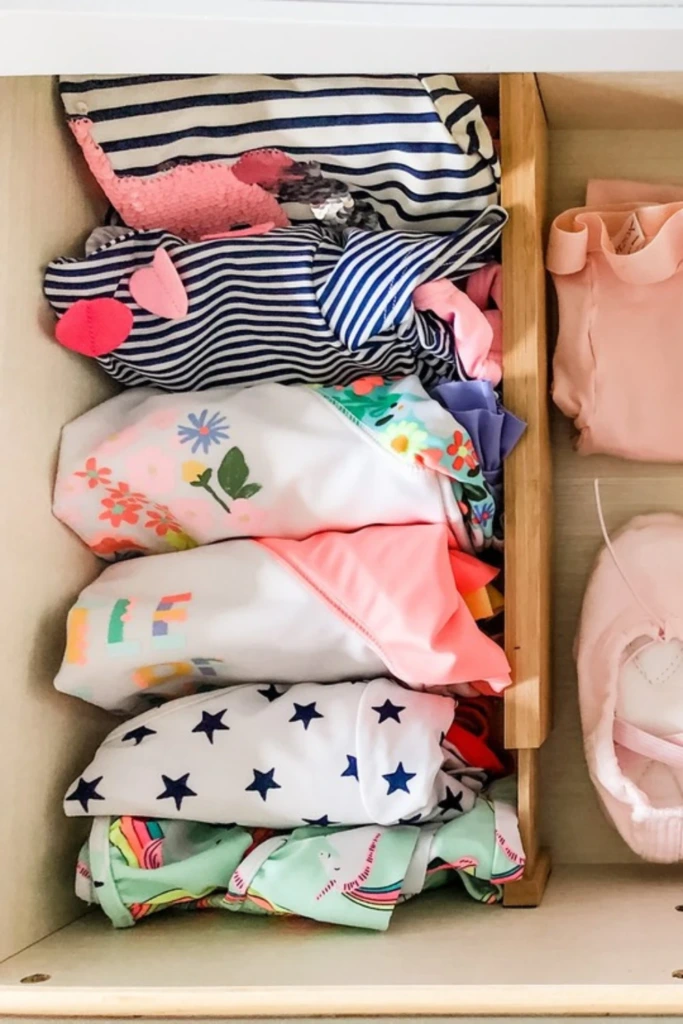
Organizing clothing according to how it's worn can simplify busy mornings.
Create separate sections for work clothes, casual outfits, exercise clothing, and sleepwear.
You can also dedicate a drawer or compartment to coordinated outfits that you frequently wear together.
For young children, preparing several outfits in individual sections can make independent dressing easier.
Keep delicate or special-occasion garments separate from heavily used clothing to reduce unnecessary handling and help preserve their condition.
10. Bin Containment
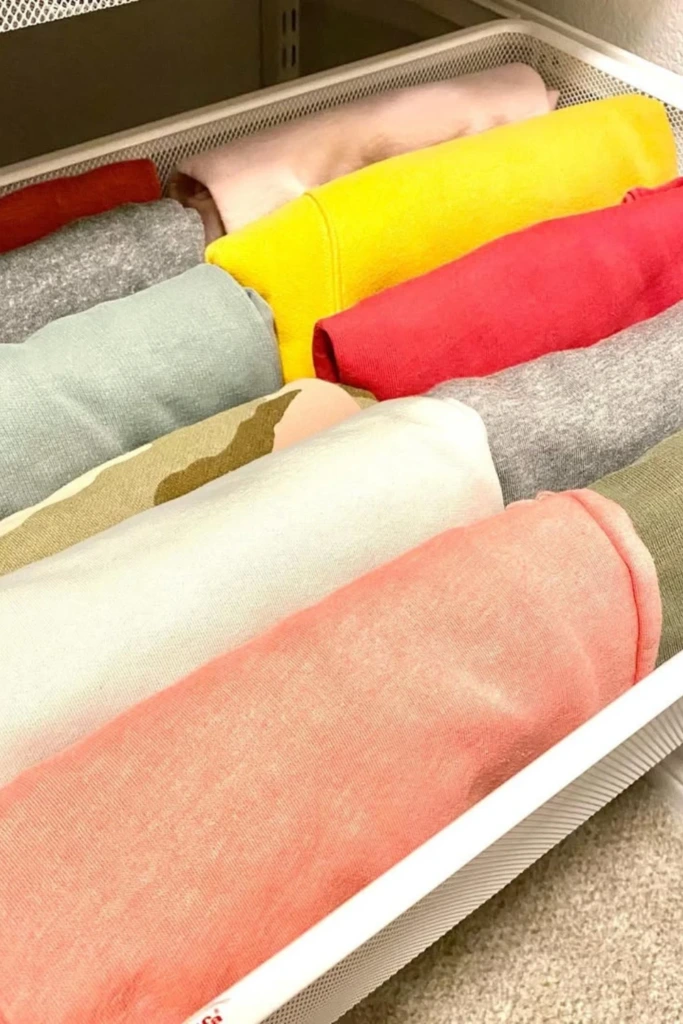
Storage bins are useful for preventing small garments from spreading across wide drawers.
Choose shallow fabric, mesh, or plastic bins that fit comfortably inside your dresser.
Use individual containers for socks, underwear, scarves, or other accessories that tend to become tangled.
For larger clothing items, wider bins can help maintain neat rows of folded garments.
Measure the interior dimensions of your drawers before purchasing containers, and avoid bins that are so tall they interfere with closing the drawer.
11. Compartment Control
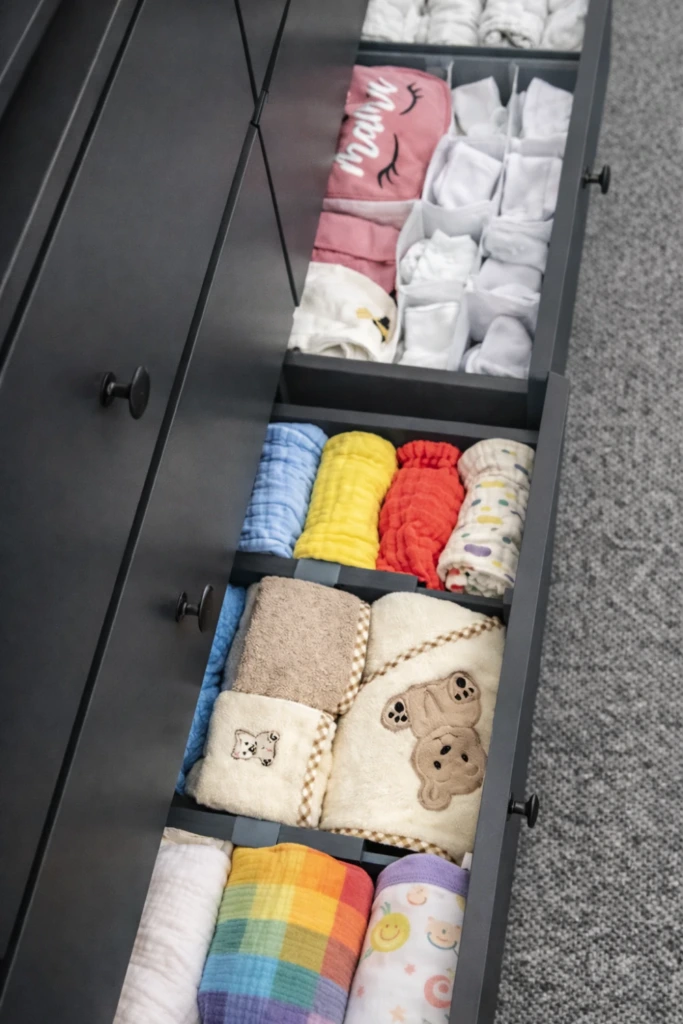
Small accessories can quickly create disorder when they're stored without separation.
Compartment organizers provide individual spaces for jewelry, hair accessories, belts, and other compact belongings.
Adjustable organizers are particularly useful because you can create larger or smaller sections depending on what you own.
For jewelry, consider fabric-lined compartments that help protect delicate surfaces from scratches.
Keeping each category in its own compartment also makes it easier to notice duplicates and prevent unnecessary purchases.
12. Drawer Expansion
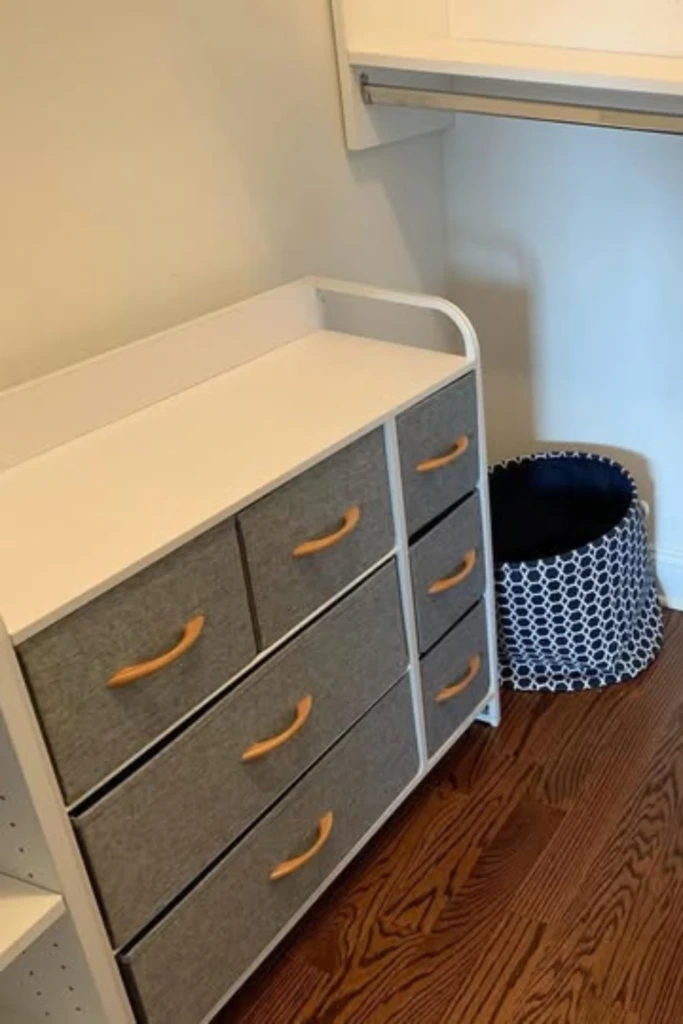
When your existing dresser cannot accommodate everything, adding supplementary drawers may be more practical than replacing the entire unit.
A narrow drawer tower inside a closet can hold seasonal clothing, extra accessories, or items that don't need to be accessed every day.
Under-bed drawer containers are another option for bedrooms with limited floor space.
Choose storage units that suit the available dimensions and remain stable during use.
Keep frequently worn clothing in your main dresser and use additional drawers for less frequently needed belongings.
13. Tray Anchoring
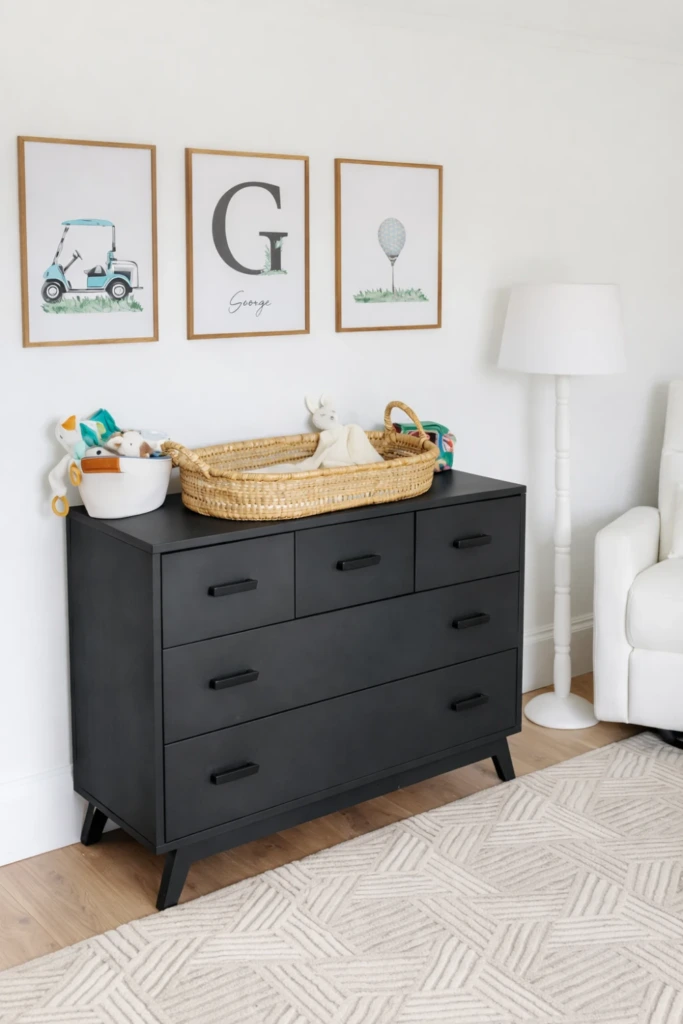
A decorative tray can turn a cluttered dresser top into an organized display.
Place everyday accessories such as watches, perfume bottles, and jewelry inside a tray rather than spreading them across the surface.
Choose a tray with raised edges to help prevent smaller objects from rolling away.
Wooden trays create a warm, natural appearance, while ceramic or metal designs suit more contemporary bedrooms.
Limit the tray to items you regularly use so it remains functional instead of becoming another place for miscellaneous clutter.
14. Deep Drawer Planning
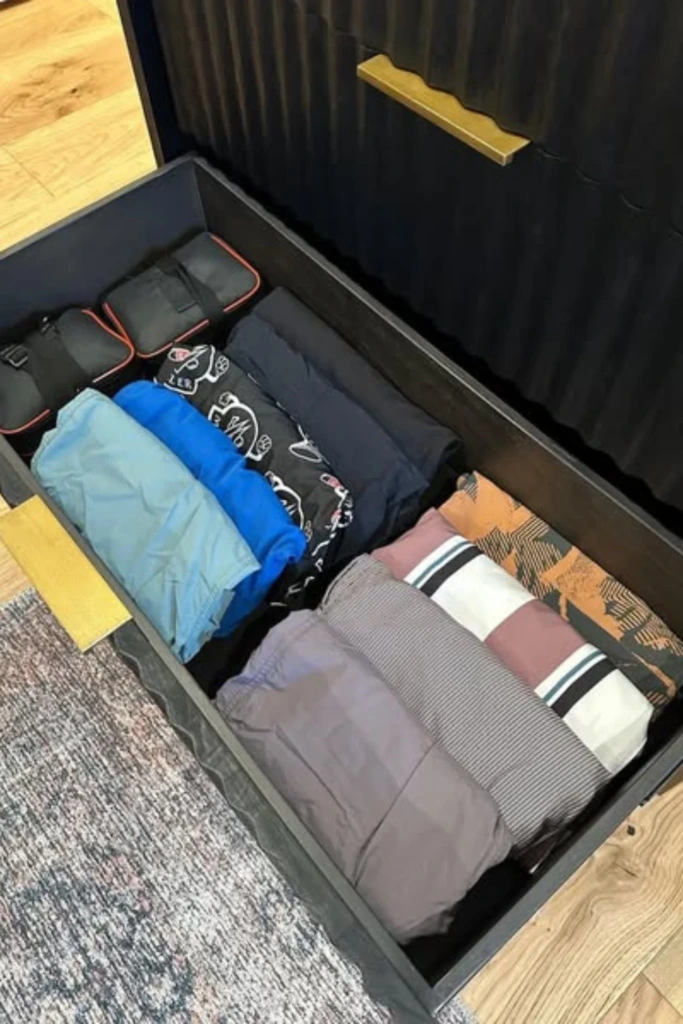
Deep dresser drawers offer valuable storage capacity, but they require thoughtful arrangement to prevent clothing from becoming buried.
Use larger compartments to separate bulky garments such as sweatshirts, jeans, and winter accessories.
Fold heavier clothing into stable shapes and place frequently used pieces toward the front.
For very deep drawers, stackable organizers may be useful, provided the upper layer can be removed easily and the drawer still closes smoothly.
Avoid filling every inch. Leaving a little extra room makes clothing easier to retrieve without disturbing neighboring items.
15. Category Mapping
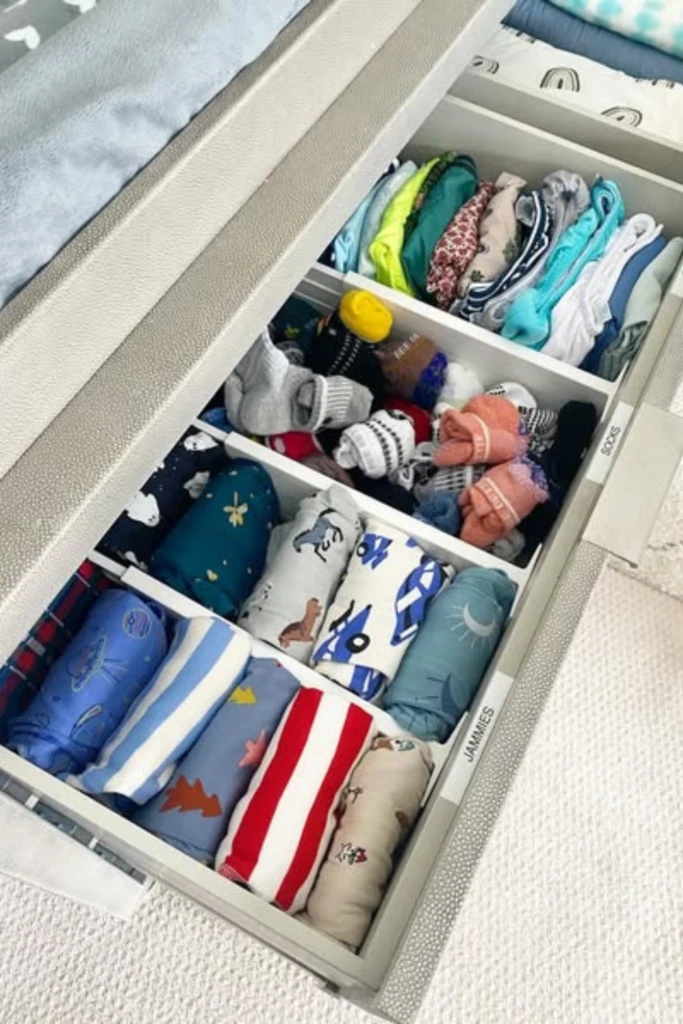
A category map gives every drawer a clear purpose, making your organization system more predictable.
Assign specific drawers to clothing groups based on how often you use them.
For example, the top drawer might contain underwear and socks, the middle drawers could hold shirts and casual clothing, and the bottom drawer could store pajamas or seasonal items.
If a drawer contains multiple categories, use dividers to establish clear boundaries.
Once you create a layout that works, return items to their assigned locations after laundry day to keep the system consistent.
16. Uniform Folding
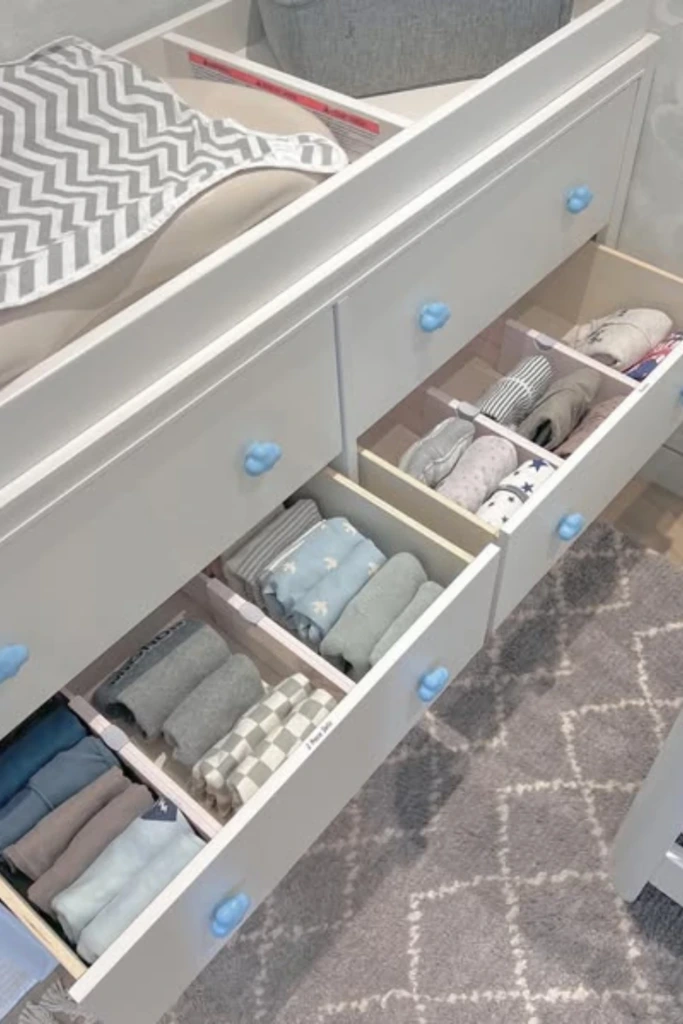
Consistent folding creates a cleaner appearance and helps clothing fit more efficiently inside drawers.
Choose a folding method that produces similarly sized shapes for garments within the same category.
For example, fold T-shirts into compact rectangles and arrange them upright in evenly spaced rows.
You can use a simple folding board if you find it difficult to achieve consistent results by hand.
Uniform folding is particularly helpful in shared dressers because everyone can follow the same straightforward method.
17. Minimal Surface
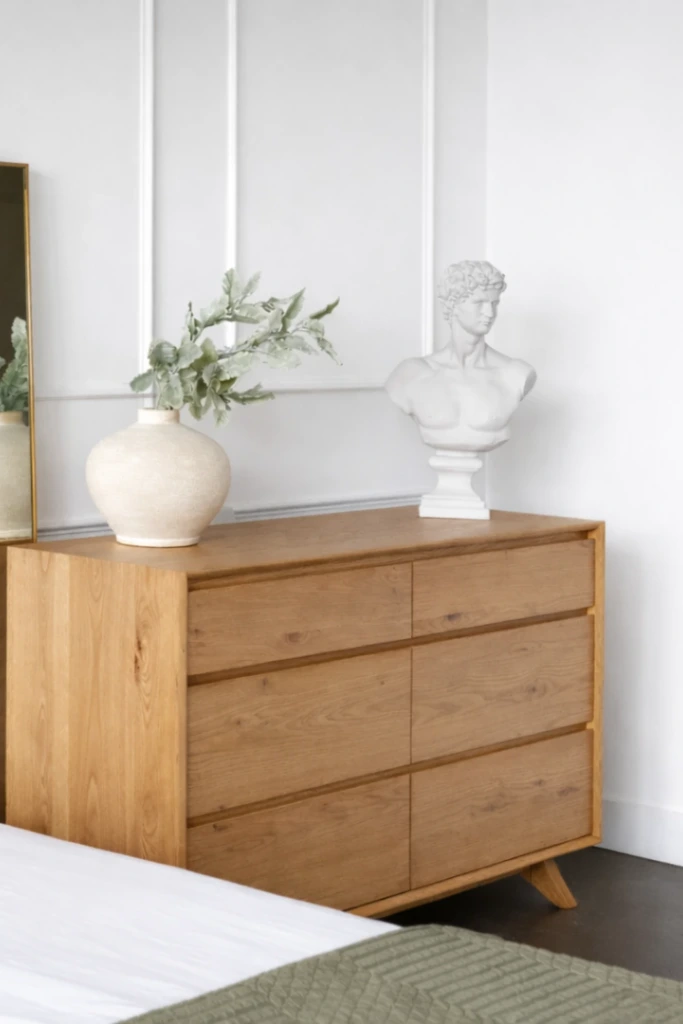
Keeping your dresser top mostly clear can make the entire bedroom feel more organized.
Begin by removing objects that belong elsewhere, including paperwork, loose clothing, and unnecessary packaging.
Choose a few practical or decorative essentials to keep on display, such as a lamp, jewelry dish, or small plant.
Leave enough open surface for temporary everyday use without encouraging permanent clutter.
A minimalist dresser doesn't have to look empty. The goal is to create a comfortable balance between usefulness and decoration.
18. Sectioned Storage
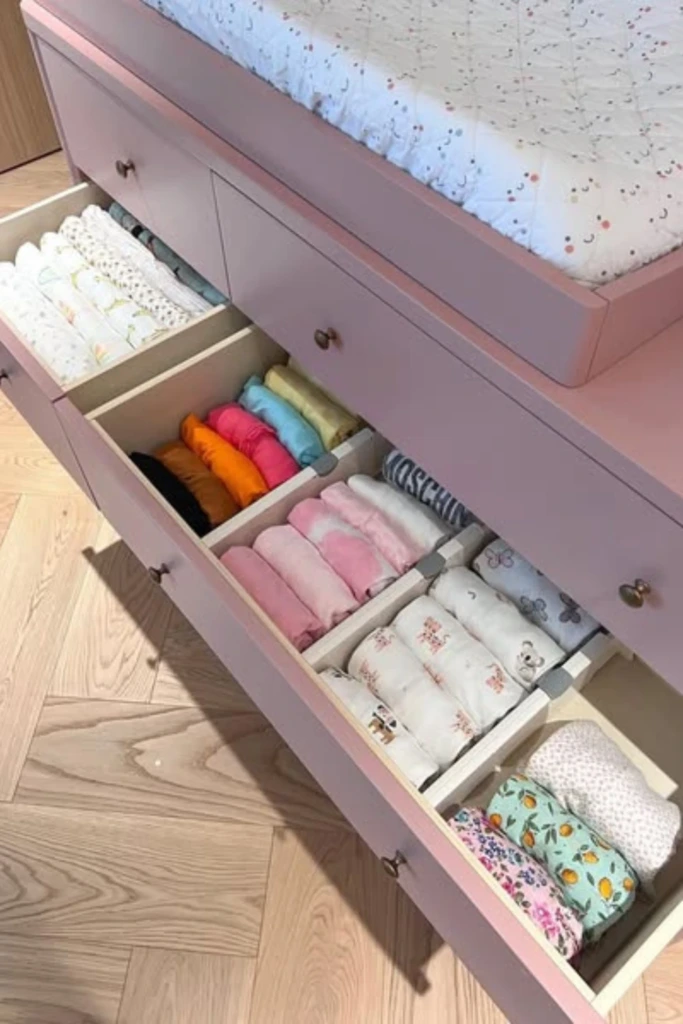
Sectioned storage is ideal for wide drawers that hold several different types of clothing.
Install adjustable dividers to create separate areas for folded shirts, shorts, undergarments, or accessories.
Choose dividers that fit securely without placing excessive pressure on the drawer walls.
For deeper drawers, taller dividers can help prevent clothing from leaning into neighboring sections.
This setup allows you to remove individual items without disturbing the rest of the drawer, making daily maintenance much easier.
19. Layered Drawers
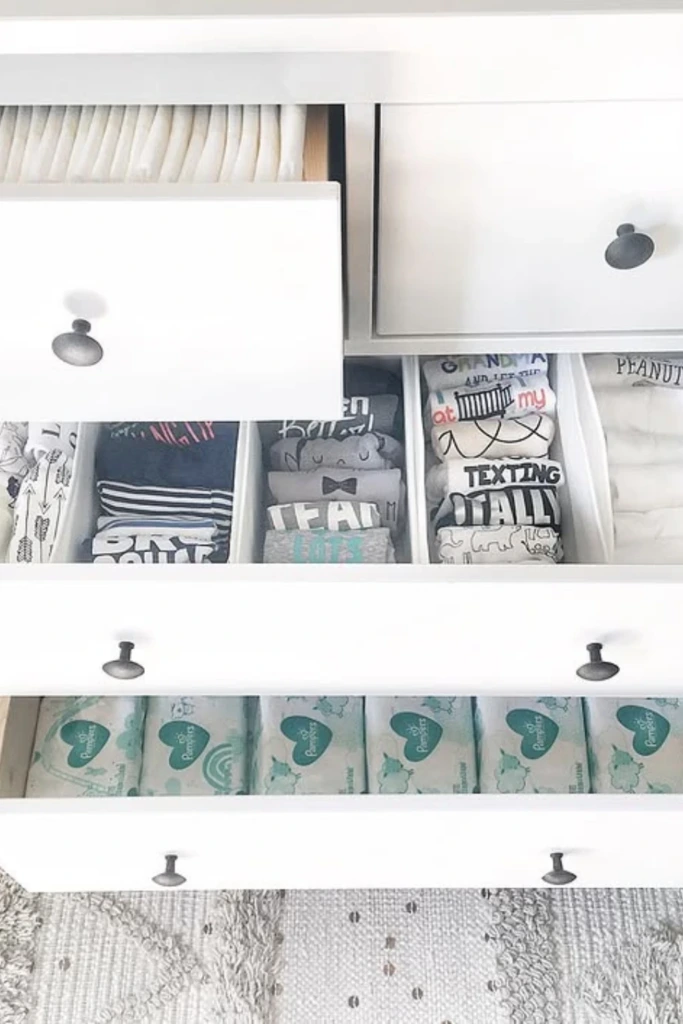
Organizing a dresser by drawer level can improve accessibility and make daily routines more efficient.
Store the items you reach for most often in upper or middle drawers, depending on the dresser's height and what feels comfortable to access.
Use lower drawers for heavier garments, extra pajamas, or clothing that isn't needed as frequently.
Within each drawer, arrange clothing so the most commonly used pieces are easiest to reach.
This approach is particularly useful for tall dressers, where bending or reaching repeatedly can become inconvenient.
20. Product Grouping
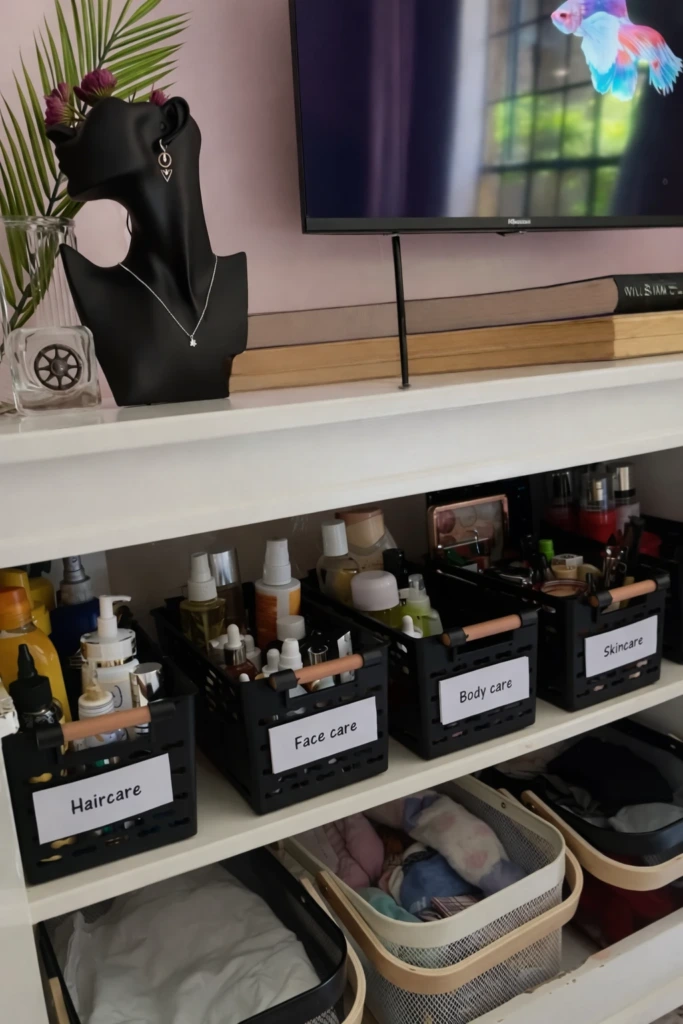
Personal care products often accumulate on dresser tops, especially when bedroom storage doubles as a vanity area.
Group similar products together so your morning and evening routines feel more organized.
Use one small container for skincare essentials, another for hair accessories, and a separate dish for frequently worn jewelry.
Keep bottles upright and use washable trays to protect furniture from accidental spills.
Products that are sensitive to heat or sunlight should be stored according to their packaging instructions rather than displayed near sunny windows.
21. Tiered Inserts
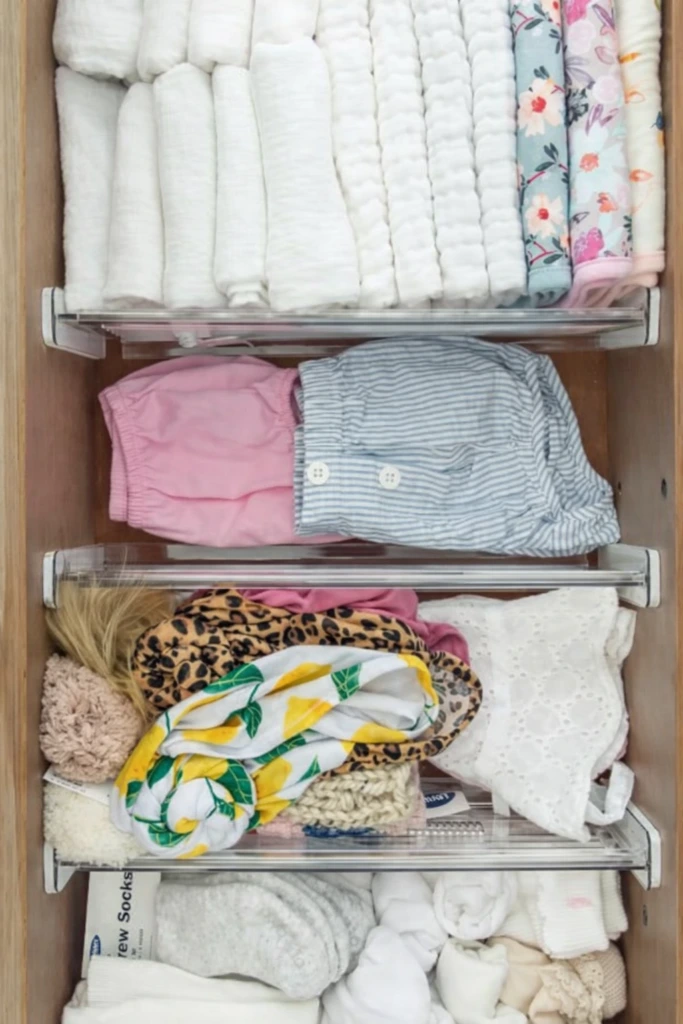
Tiered inserts can improve visibility when you're organizing small accessories or shallow storage compartments.
These organizers create raised levels that make items toward the back easier to see.
They're especially helpful for watches, small beauty products, and compact accessories that might otherwise disappear behind larger objects.
Before purchasing an insert, check the drawer's interior height and make sure the raised sections won't prevent it from closing.
For deeper drawers, consider removable stacking trays instead, allowing you to access items stored underneath.
22. Color Blocking
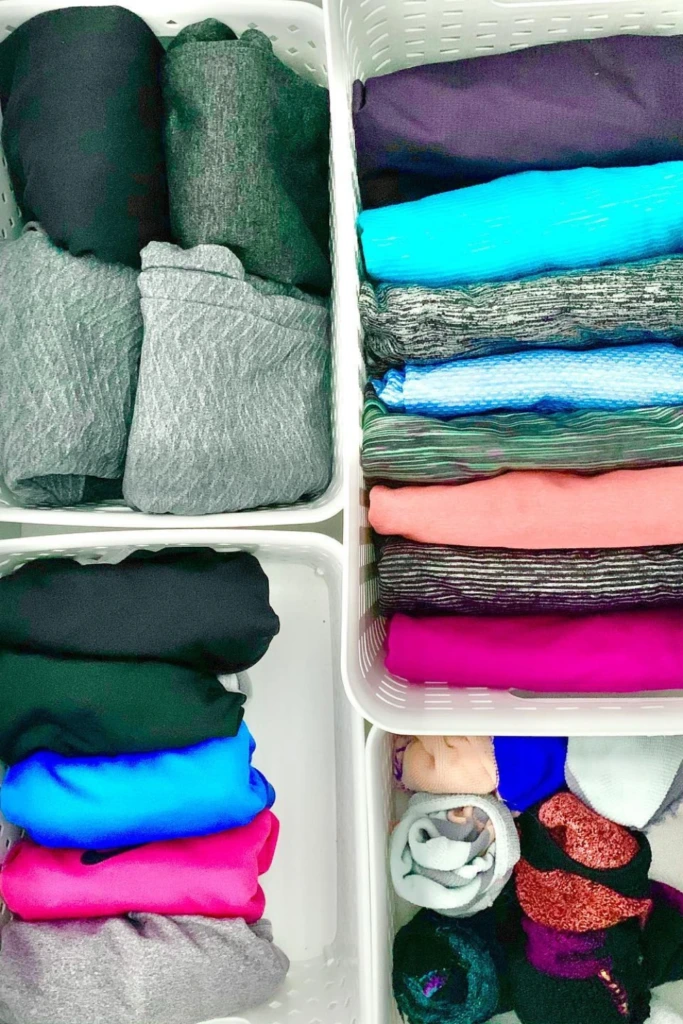
Color blocking creates distinct visual sections within a drawer by keeping clothing of similar colors together.
Unlike a gradual light-to-dark arrangement, this method focuses on separating recognizable color groups.
You might dedicate one compartment to white clothing, another to dark neutrals, and a third to brighter colors.
This approach works particularly well for wardrobes containing many similar garments, such as basic T-shirts or workout clothes.
Use dividers or small bins to keep the color groups separated as clothing is added and removed.
23. Monochrome Sorting
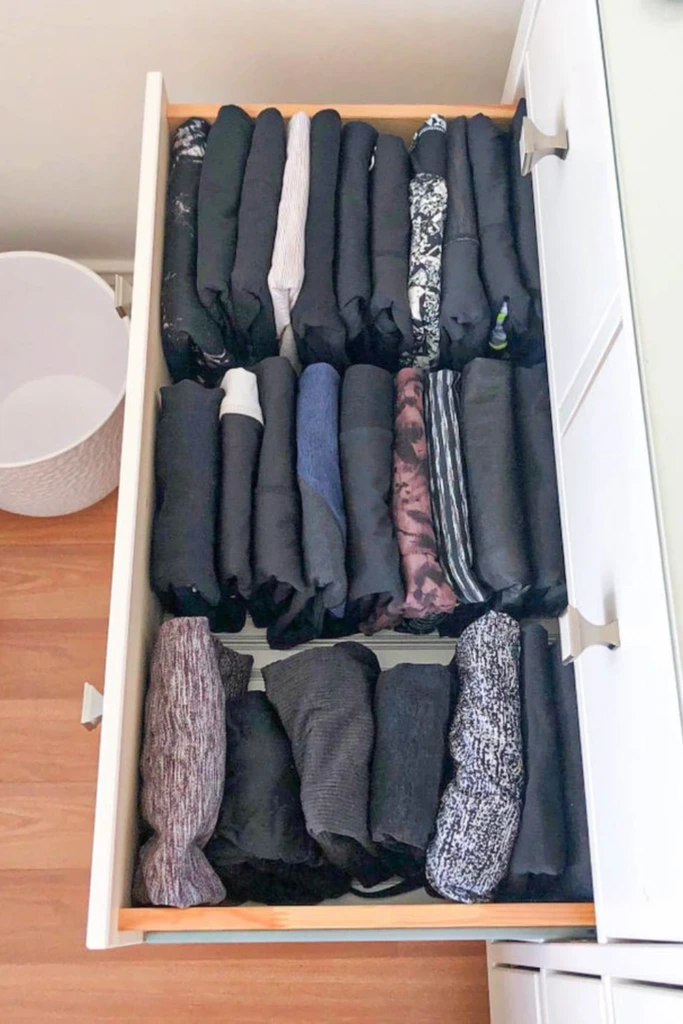
A wardrobe built around neutral or similar colors can benefit from organizing clothing by subtle shade differences.
Separate black, charcoal, gray, beige, and cream garments into individual groups.
Within each group, sort by clothing type or fabric weight so similar-looking pieces remain easy to distinguish.
For example, keep black leggings separate from black T-shirts rather than combining them in one large section.
This method creates a coordinated appearance while reducing the time spent searching through nearly identical clothing.
24. Balanced Sections
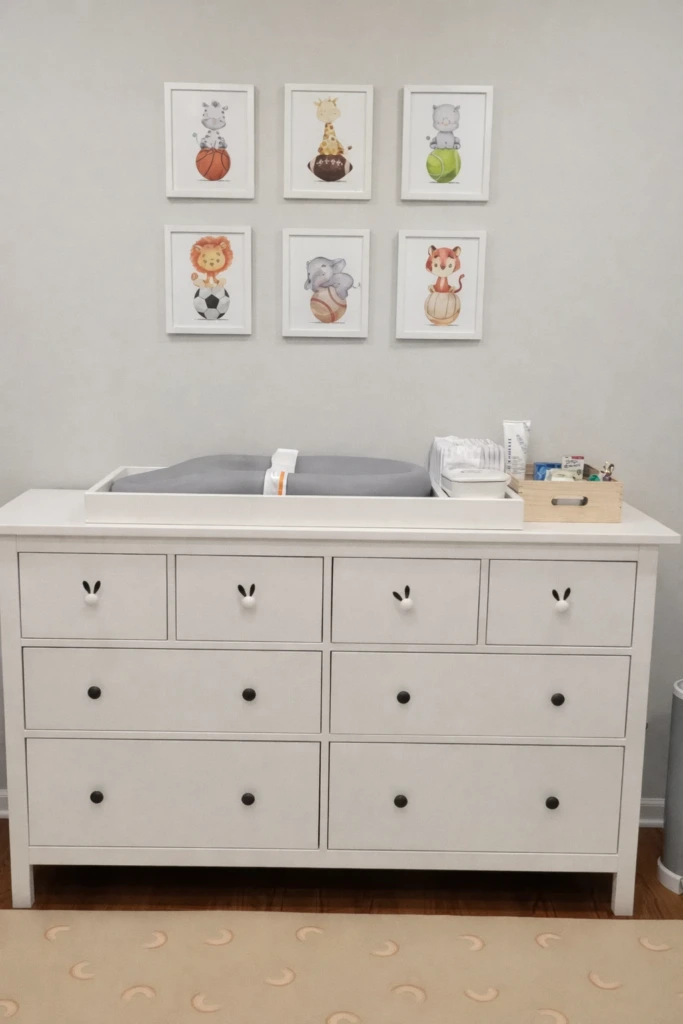
An organized drawer should distribute clothing according to the space each category actually requires.
Instead of creating equal-sized compartments, adjust the sections based on the volume of items you own.
A collection of thick socks may require more space than a small selection of lightweight scarves, for example.
Use adjustable dividers so you can expand or reduce compartments as your wardrobe changes.
Leave enough room for garments to be removed comfortably, and avoid compressing bulky items into sections that are too narrow.
25. Shallow Sorting
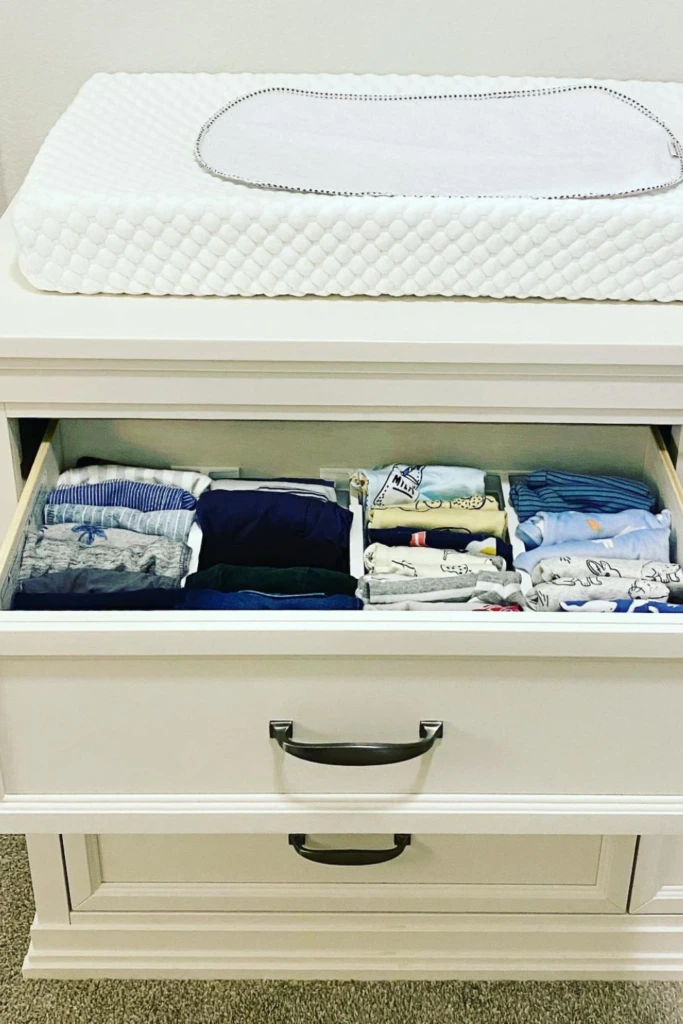
Shallow drawers are ideal for smaller essentials because they allow you to see most items without creating multiple layers.
Use compact organizers to separate underwear, socks, jewelry, and hair accessories.
Arrange frequently used items near the front and keep less common accessories toward the back.
For very small objects, choose compartments that prevent pieces from sliding around.
This approach works particularly well in top dresser drawers, where quick access to daily essentials can make mornings easier.
26. Mixed Zoning
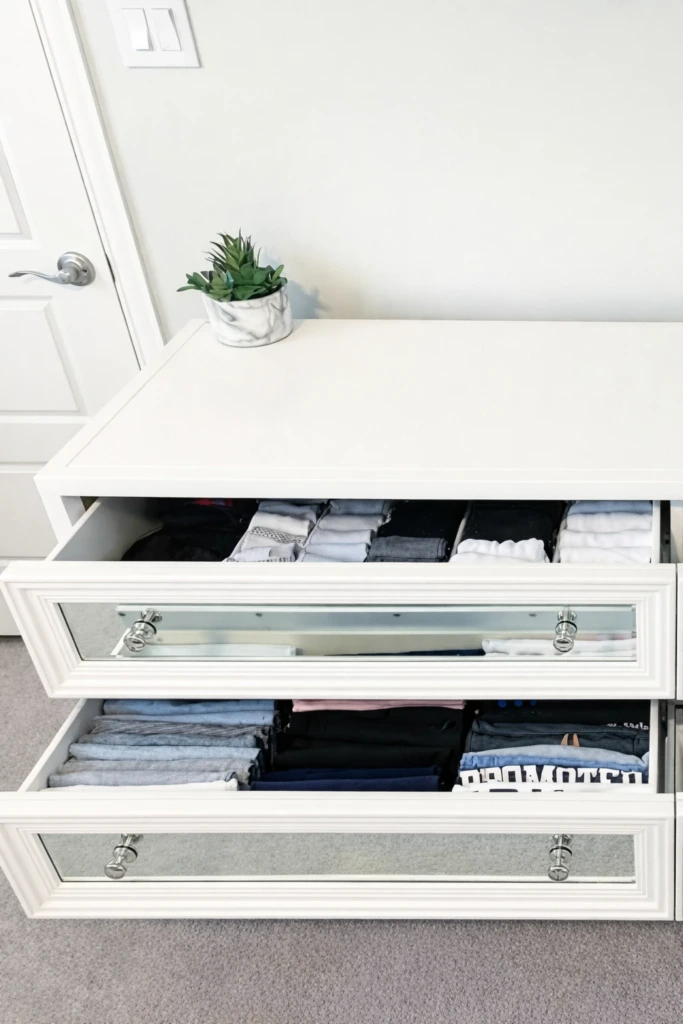
Not every item in your dresser needs the same type of organizer.
Mixed zoning combines open storage areas with smaller divided compartments to accommodate different clothing categories.
For example, one side of a drawer can hold neatly folded T-shirts, while the other contains a fabric organizer for socks and underwear.
You can also combine upright folding with compact bins for accessories that cannot be folded.
The advantage of mixed zoning is flexibility. It allows you to design each drawer around its contents rather than relying on one organizing technique for everything.
How many items should go in one dresser drawer?
The ideal number of items depends on the drawer's dimensions, the thickness of your clothing, and how the garments are folded.
A shallow drawer might comfortably hold several rows of lightweight T-shirts, while the same space could accommodate only a few bulky sweaters.
Rather than focusing on a specific number, make sure the drawer closes smoothly and individual items can be removed without pulling everything else out.
If clothing is tightly compressed or difficult to access, reduce the contents or reorganize them into smaller sections.
What should not be stored in a dresser?
Dressers are generally best suited for folded clothing, lightweight accessories, and personal items that can be stored safely in enclosed drawers.
Avoid storing damp clothing, leaking products, food, or anything that could attract pests or damage the furniture.
Very heavy objects may overload drawers, while oversized blankets and bulky bedding can consume space better used for everyday clothing.
Delicate garments that wrinkle easily may also be better stored on hangers.
For safety, avoid overloading upper drawers, follow the furniture manufacturer's weight recommendations, and secure dressers to the wall using appropriate anti-tip hardware.
A practical dresser organization system should make your belongings easier to find, protect your clothing, and fit naturally into your daily routine. With a few well-chosen storage methods and regular upkeep, even a small dresser can become a highly functional part of your bedroom.