17 Lunch Box Organization Ideas for 2026
Packing lunch every morning shouldn't feel like solving a puzzle. Yet between mismatched containers, missing lids, and snacks that won't fit, even a simple meal can become frustrating.
A well-organized lunch box makes a noticeable difference. It helps protect delicate foods, keeps different ingredients separated, and makes it easier to prepare satisfying meals without wasting space.
The good news? You don't need an expensive collection of containers or a complicated meal-prep routine. A few practical storage solutions and a consistent packing system can simplify your mornings.
Whether you're preparing school lunches, organizing meals for work, or packing food for family outings, these 17 lunch box organization ideas will help you create a routine that's convenient, tidy, and easy to maintain.
What are the Best Containers for Lunch Box Organization?
The best lunch containers combine practical compartments, secure closures, and convenient sizes. They should comfortably hold your usual meals without taking up unnecessary room inside your lunch bag.
Bento-style boxes are particularly useful because their divided interiors provide designated spaces for different foods. Reusable silicone cups, small leak-resistant containers, and stackable snack boxes offer additional flexibility.
When choosing containers, consider how easily they open, whether they are dishwasher-safe, and how much cabinet space they require. For children, lightweight designs with manageable latches are especially helpful.
Food safety matters, too. Use insulated lunch bags with adequate ice packs for perishable foods, and choose containers specifically designed for hot meals when necessary.
The right combination of containers makes packing easier while keeping everything accessible and neatly arranged.
1. Built-In Meal Zones
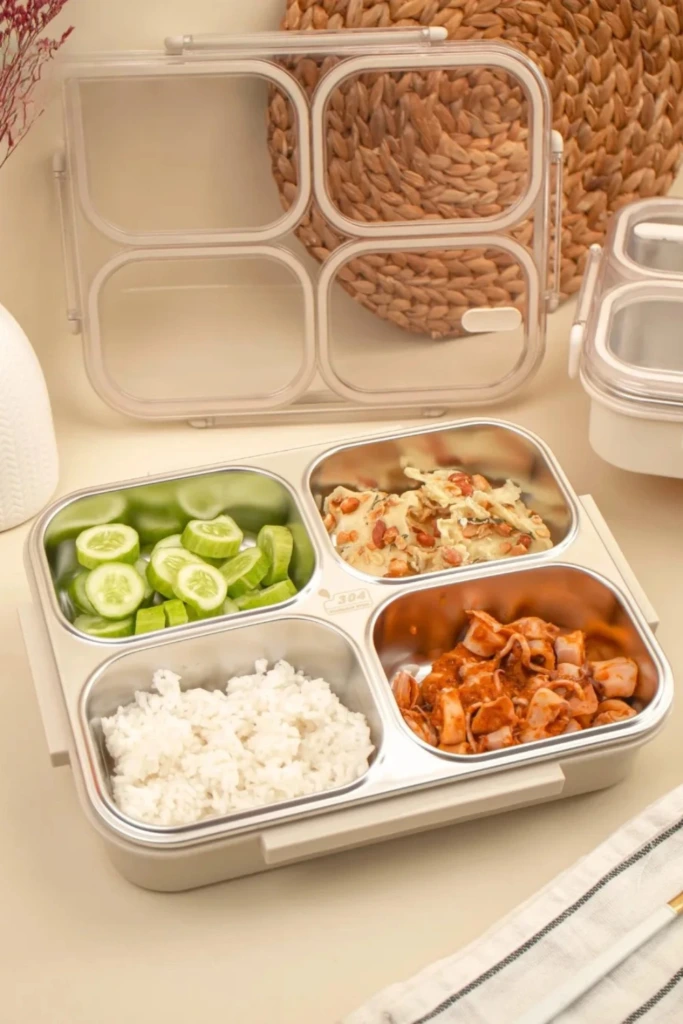
A lunch box with permanent compartments provides a straightforward way to organize different foods without needing several separate containers.
Choose a design with a spacious area for sandwiches, wraps, or rice dishes and smaller sections for vegetables, fruit, and snacks.
Built-in dividers are especially convenient for anyone who prefers foods to remain separate throughout the day.
For meals containing sauces or juicy ingredients, check whether the lid creates an individual seal around each compartment. Ordinary dividers may not prevent liquids from moving between sections.
A stainless steel or BPA-free plastic bento box with a simple layout can make everyday packing feel effortless.
2. Size-Sorted Storage
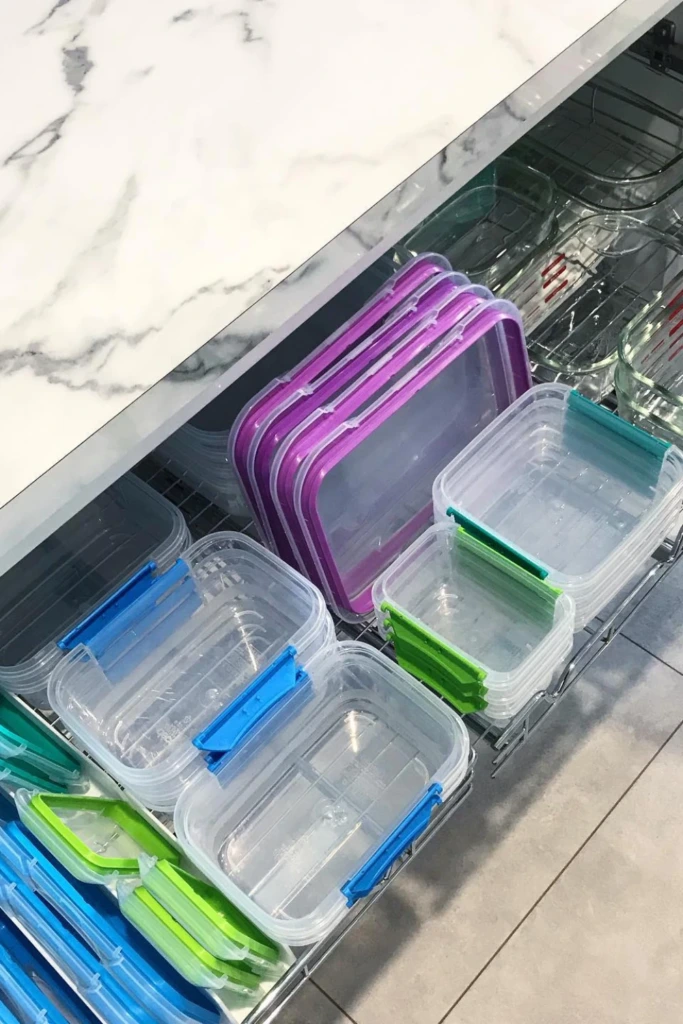
An organized lunch routine begins before food even enters the lunch box. Keeping your containers arranged by size makes it easier to find exactly what you need.
Dedicate one kitchen drawer or cabinet section to lunch containers. Place larger boxes toward the back, medium-sized containers in the middle, and smaller snack containers within easy reach.
Store matching lids together in a shallow organizer or upright rack.
If you have limited storage space, choose containers that nest inside one another when empty.
This approach prevents overflowing cabinets and reduces the time spent searching for matching pieces during busy mornings.
3. Modular Snack Layers
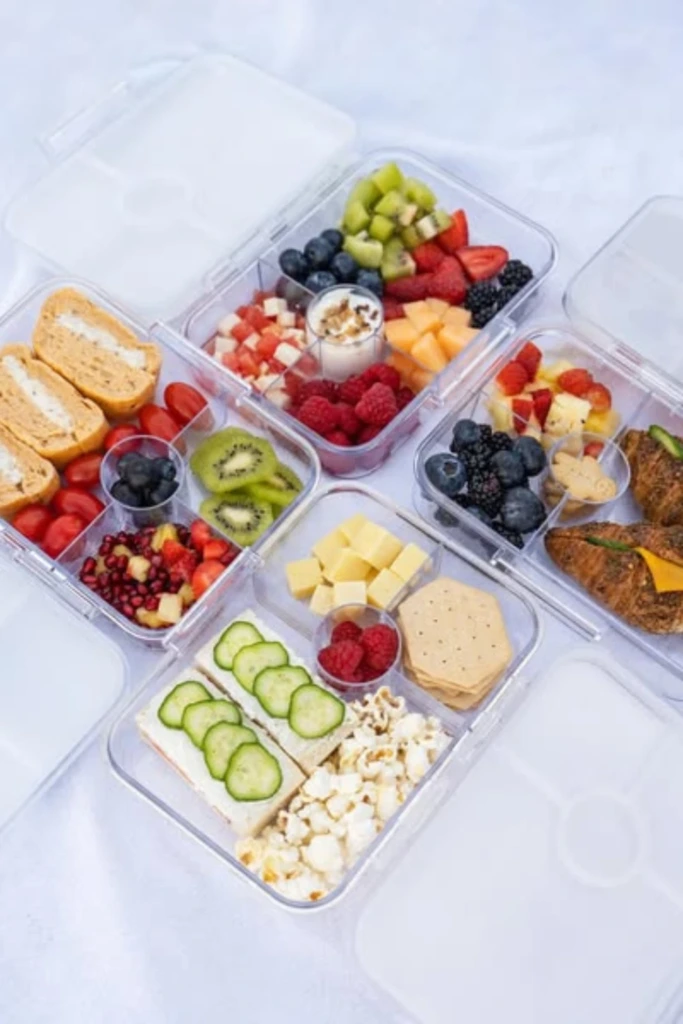
Modular containers are ideal when your lunch changes from day to day. Instead of relying on one fixed arrangement, you can combine smaller containers according to the meal you're packing.
For example, use a rectangular container for a sandwich, a compact box for fruit, and a tiny sealed cup for dressing or dip.
Look for pieces with similar dimensions so they fit efficiently inside your lunch bag.
Transparent containers are particularly useful because you can identify their contents without opening every lid.
This flexible system works well for adults who meal-prep and families who need different lunch combinations throughout the week.
4. Color-Coded Sections
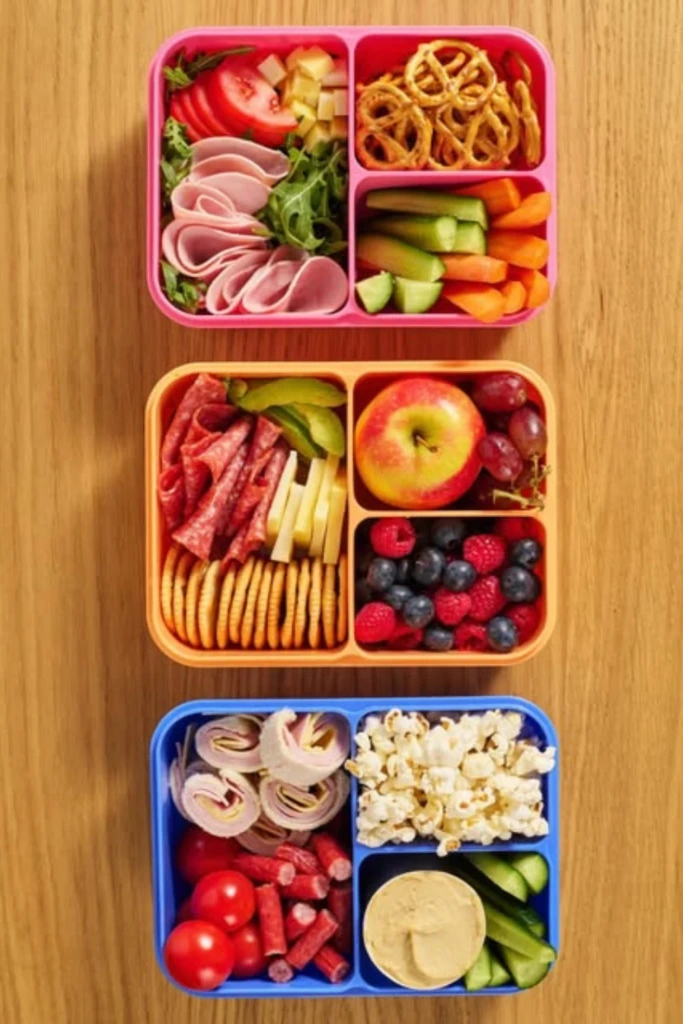
Color coding can make lunch preparation more enjoyable, particularly for younger children learning to pack their own meals.
Assign different colors to particular food categories. Green might represent vegetables, red could indicate fruit, and blue could hold crackers or other snacks.
You can achieve this with colorful silicone liners, reusable snack cups, or a compartmentalized lunch box with contrasting sections.
The system also helps children recognize where different foods belong, encouraging independence during lunch preparation.
Keep the arrangement simple rather than introducing too many colors or complicated rules. The purpose is to make packing easier, not create another task.
5. Mini Cup Control
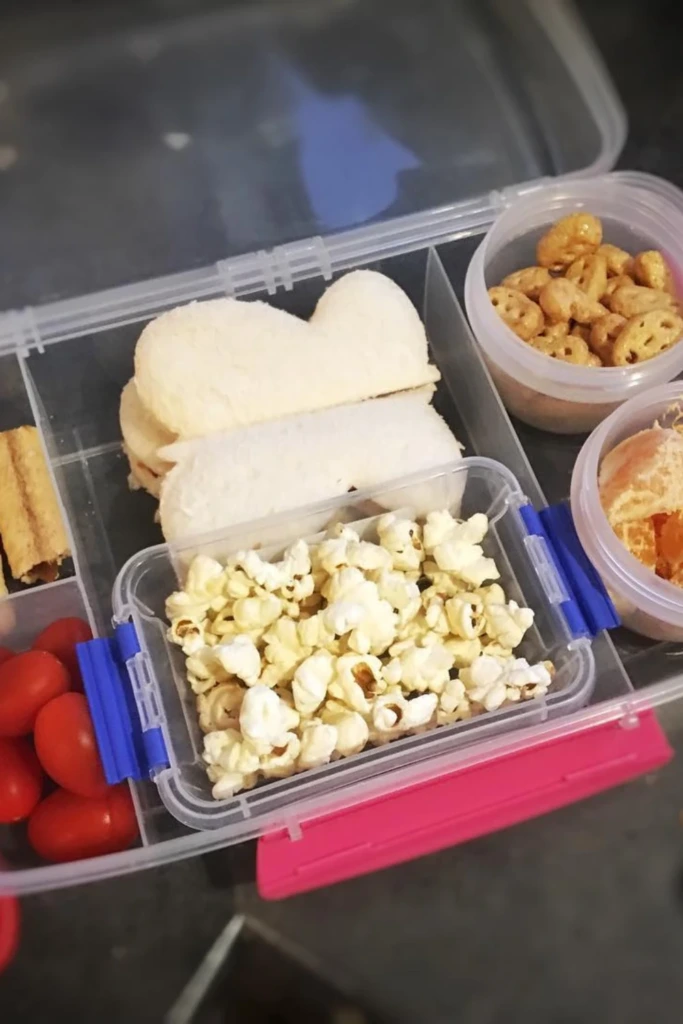
Small ingredients often become scattered inside larger lunch compartments. Reusable mini cups provide an easy solution.
Place food-safe silicone cups inside a bento box to separate berries, cheese cubes, crackers, or bite-sized vegetables.
These inserts are particularly helpful when you want to divide a large compartment without purchasing an entirely new lunch container.
Choose flexible cups that fit snugly and can be washed thoroughly after use.
For wet foods such as yogurt, hummus, or salad dressing, use a small container with its own secure lid instead of an open cup.
With just a few inserts, one lunch box can accommodate many different meal combinations.
6. Grab-And-Go Drawer
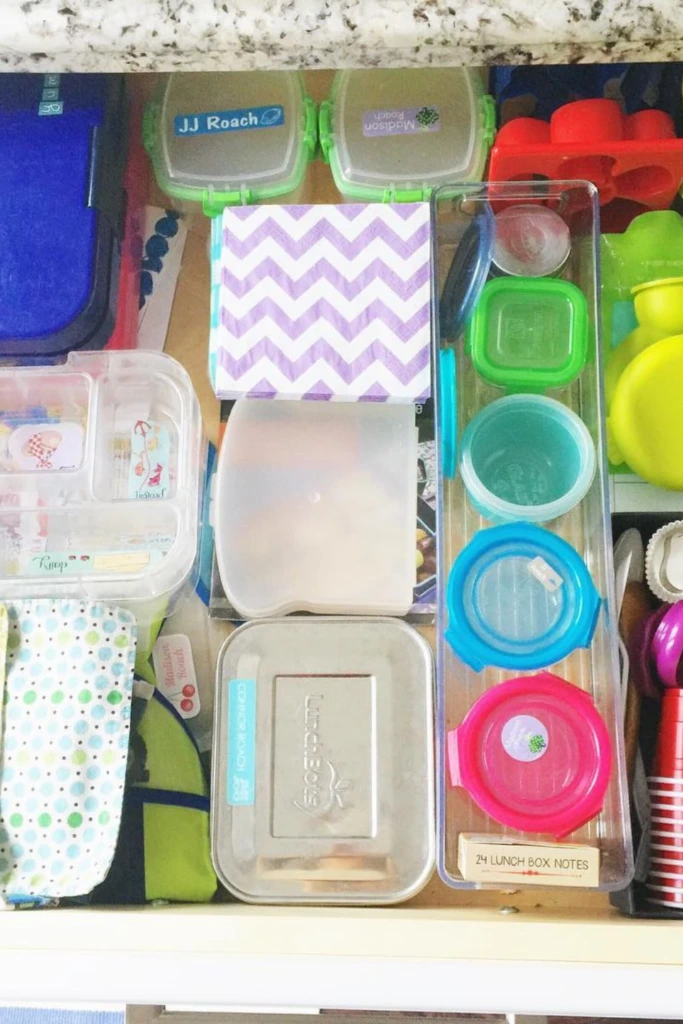
A dedicated lunch-packing drawer can transform a cluttered kitchen corner into a convenient preparation station.
Choose a drawer close to your usual food-preparation area and fill it with everyday essentials such as lunch containers, reusable utensils, napkins, silicone cups, and food picks.
Use adjustable dividers to give each category its own space.
Keep frequently used supplies near the front and reserve the back for occasional accessories.
If children help prepare their lunches, arrange suitable items at a height they can comfortably reach.
A well-planned drawer keeps supplies together, reduces unnecessary searching, and makes the morning routine more predictable.
7. One-Box Balance
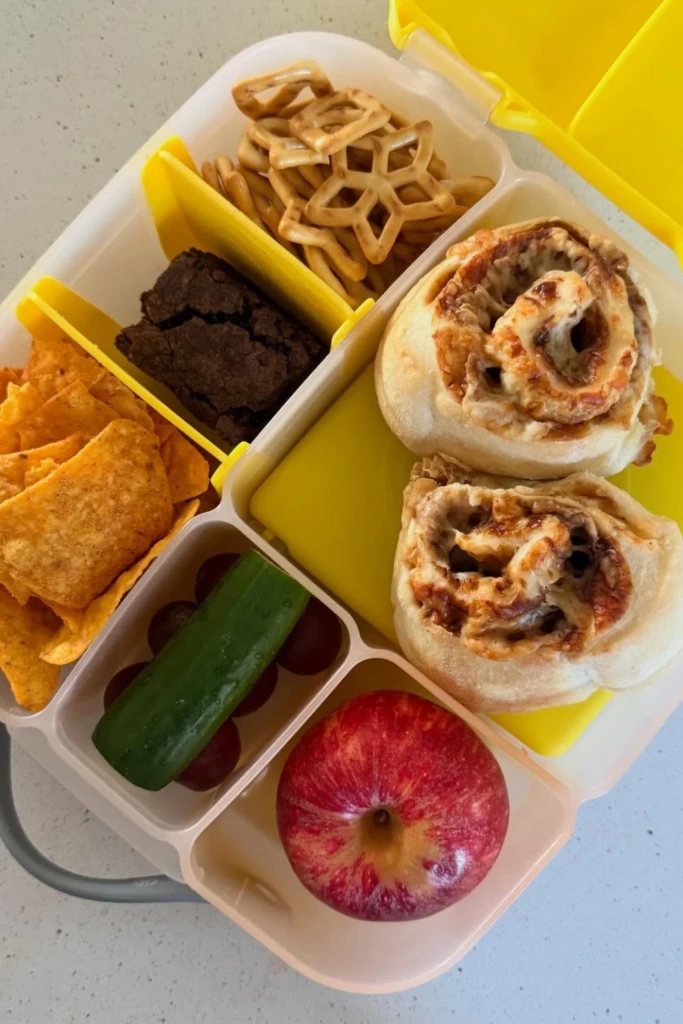
Using one divided lunch box instead of multiple separate containers can make packing and carrying meals much simpler.
Choose a container with a generous main compartment and several smaller sections.
The larger space can hold a sandwich, pasta salad, or another main dish, while the remaining compartments accommodate fruit, vegetables, and complementary snacks.
Consider appetite and nutritional needs when deciding how much food to include. Compartment sizes should guide organization rather than dictate exact portions.
This arrangement also reduces the number of individual lids and containers that need washing after lunch.
For school days, work lunches, and short trips, a single well-designed box is often all you need.
8. Mix-And-Match System
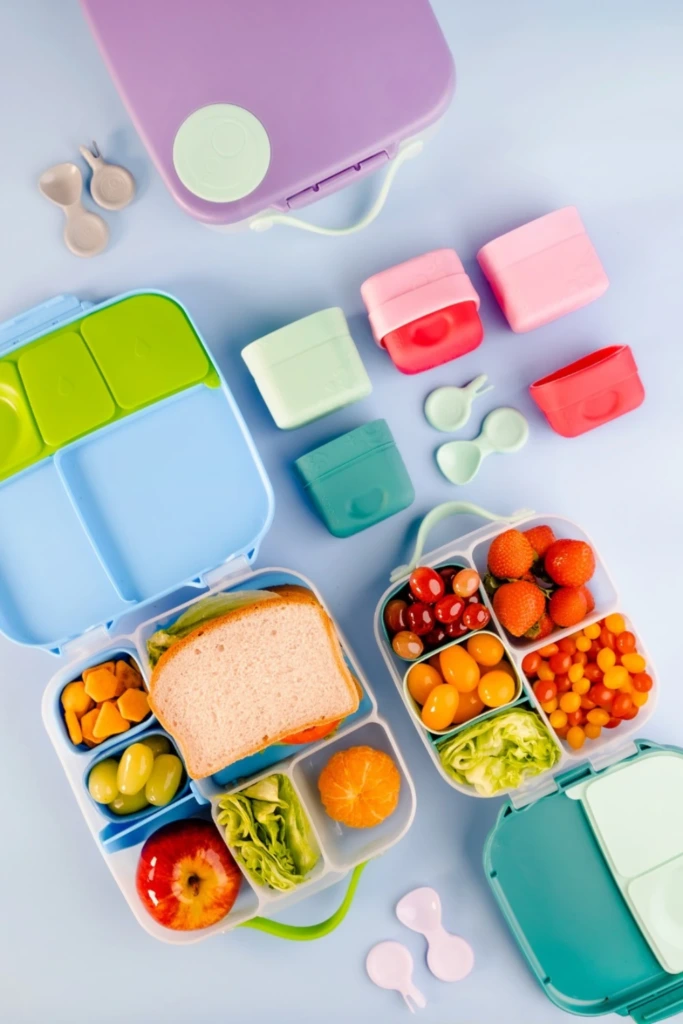
A flexible lunch-packing system allows you to reuse the same containers for different meals without constantly rearranging your storage space.
Start with one or two dependable lunch boxes and add a small selection of interchangeable inserts.
On sandwich days, use the main compartment for bread-based meals and smaller cups for sides. For snack-style lunches, replace the arrangement with several compact containers.
Choose accessories that fit your existing boxes rather than buying pieces that only work with one specific meal.
Neutral-colored containers paired with a few colorful inserts can also create a coordinated appearance.
The biggest advantage is adaptability: your lunch setup can change without requiring an entirely new collection of supplies.
9. Shelf-Based Grouping
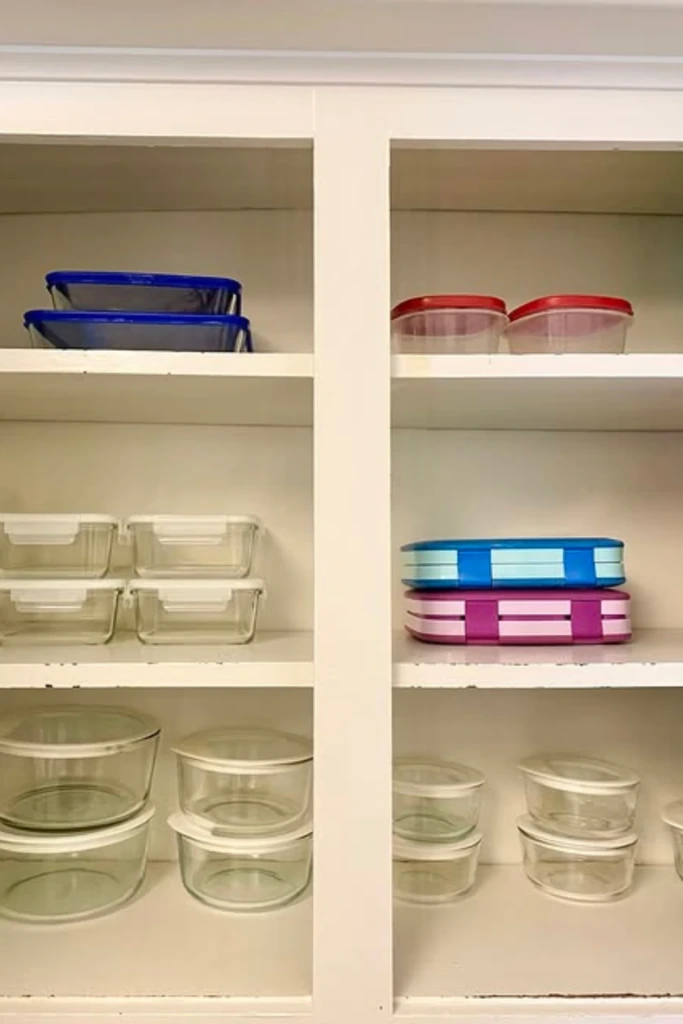
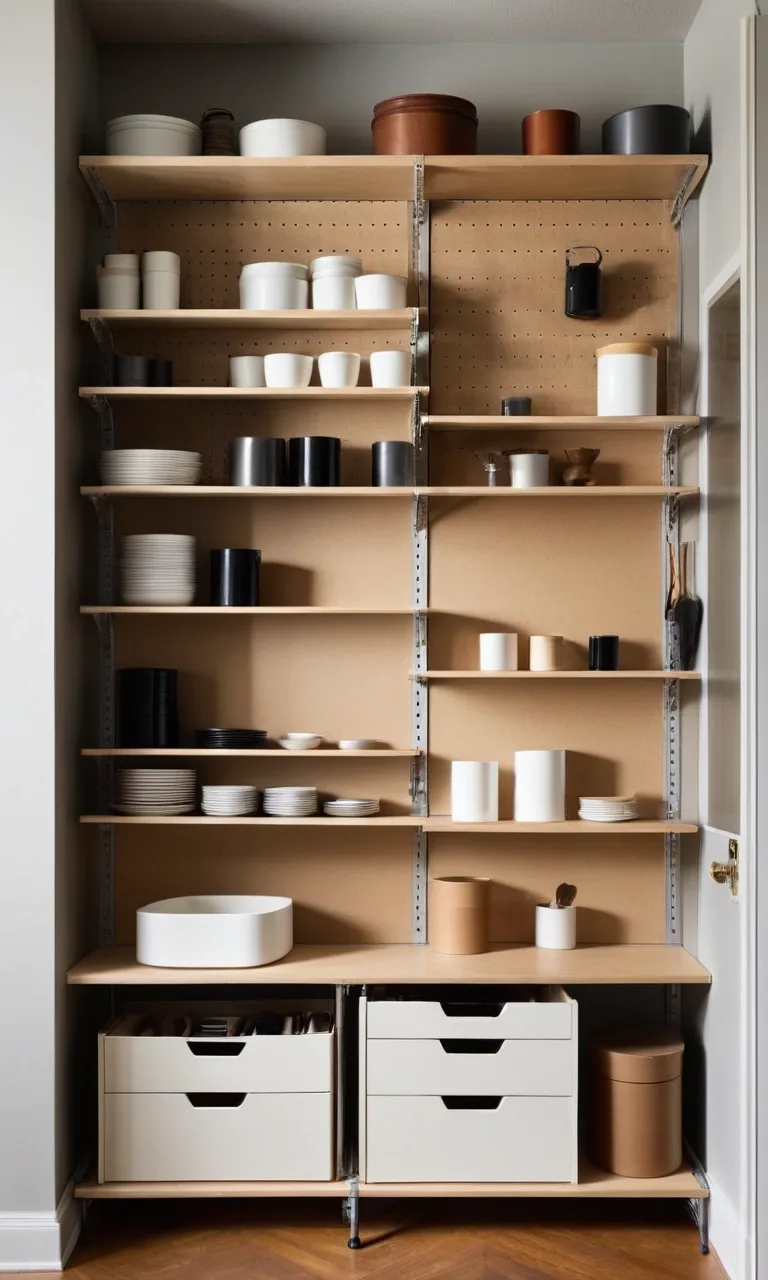
Kitchen shelves can quickly become overcrowded when lunch boxes, meal-prep containers, and lids are stored without a clear system.
Divide your cabinet into practical categories. Keep everyday lunch boxes on the most accessible shelf, larger meal-prep containers on another, and spare accessories in a labeled bin.
Stack containers of the same shape together whenever possible.
Avoid creating excessively tall piles, especially with heavier glass containers, because they can be difficult to retrieve safely.
Shelf risers can provide additional usable space in deeper cabinets.
Grouping similar items makes your collection easier to manage and helps you recognize which containers are actually being used.
10. Stacked By Purpose
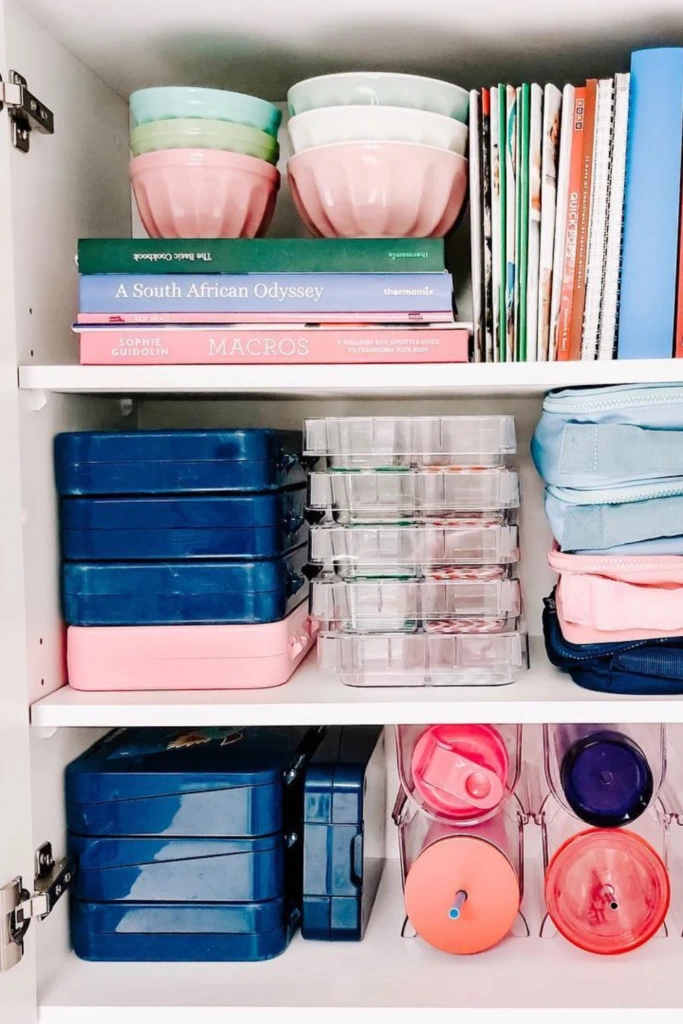
Not every lunch container serves the same purpose. Some are ideal for school, while others are better suited to office meals, picnics, or travel.
Organizing containers according to their intended use can save time when preparing different types of lunches.
Create separate stacks for everyday lunch boxes, larger food-storage containers, and occasional travel containers.
Place the items you use most frequently at the front of the cabinet.
If multiple family members have their own lunch boxes, assign each person a designated storage area.
This practical arrangement eliminates unnecessary sorting and keeps your storage system aligned with your daily routine.
11. Vertical Lid Control
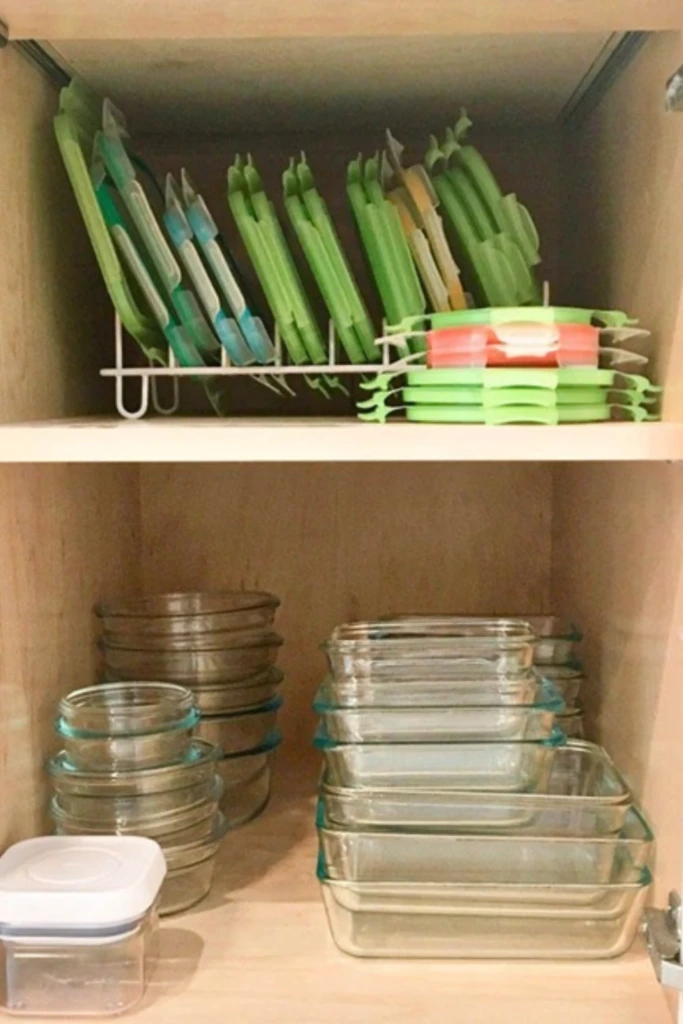
Loose container lids are one of the most common causes of kitchen storage frustration.
Instead of piling them horizontally, arrange them upright in a compact lid organizer, dish rack, or adjustable drawer divider.
Separate lids by size and shape so matching pieces are easy to identify.
For containers with unusual lids, consider keeping each lid attached to its corresponding base if storage space allows.
Discard damaged lids that no longer seal correctly, and recycle unmatched pieces where local facilities accept them.
A vertical storage system makes better use of narrow spaces and prevents lids from disappearing beneath stacks of containers.
12. Repeatable Lunch Formula
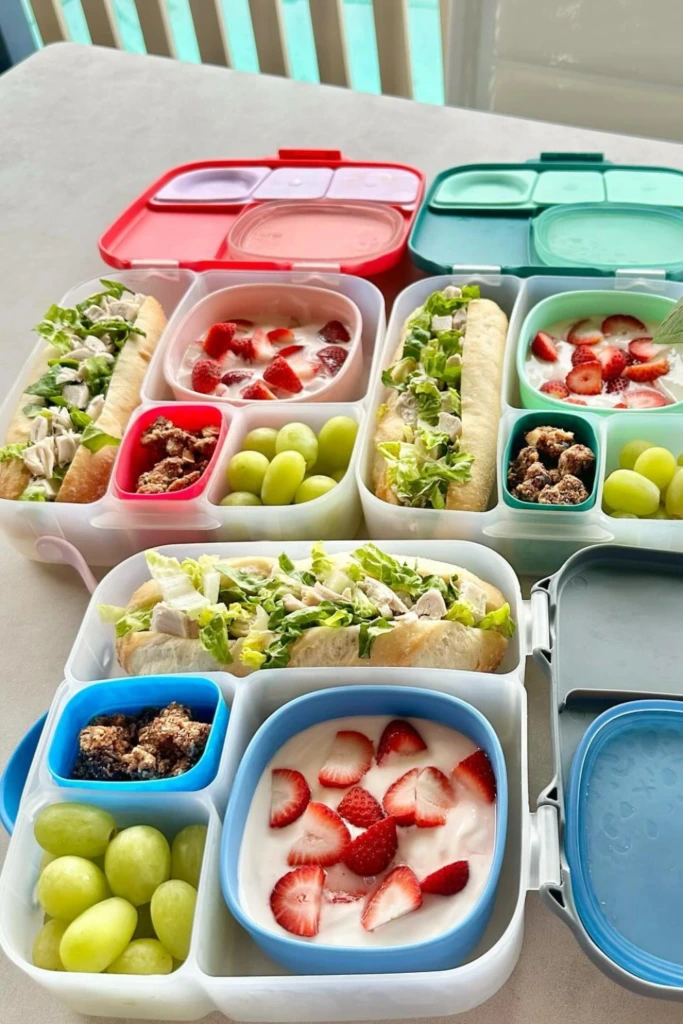
Creating a familiar lunch-packing routine can reduce the amount of planning required each morning.
Choose a basic meal structure that works for your household, such as a main dish, a fruit, a vegetable, and an additional snack.
Use the same container arrangement regularly while changing the actual foods to provide variety.
For example, one day might include a chicken wrap, cucumber slices, strawberries, and crackers. Another could feature a bean salad, carrot sticks, grapes, and cheese.
You can prepare certain ingredients ahead of time and store them safely in the refrigerator until needed.
A repeatable structure provides consistency without forcing everyone to eat identical meals every day.
13. Accessory Sorting
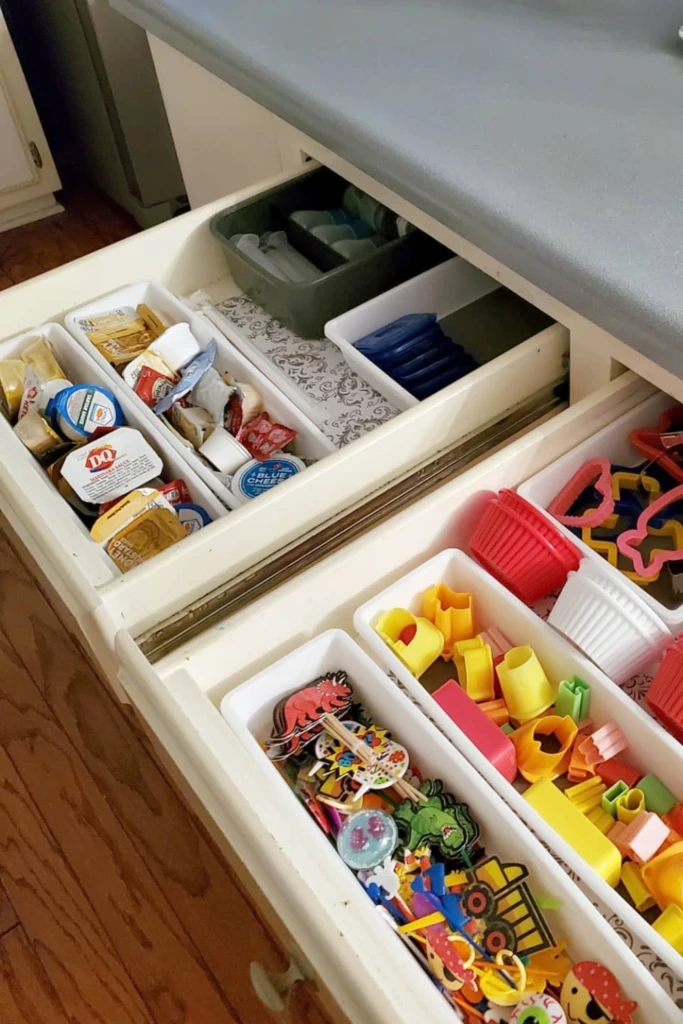
Lunch accessories are small, but they can create considerable clutter when mixed together in one drawer.
Separate reusable utensils, silicone liners, sandwich cutters, food picks, and miniature containers into individual compartments.
Small drawer trays or repurposed organizers work well for keeping these items visible.
Store sharp cutters and tiny accessories safely away from young children. Avoid small decorative food picks for children who may put them in their mouths.
Only keep accessories that you regularly use, and remove duplicates that take up unnecessary space.
When everything has a designated location, adding finishing touches to a packed lunch becomes quick and convenient.
14. Brand-Based Stacks
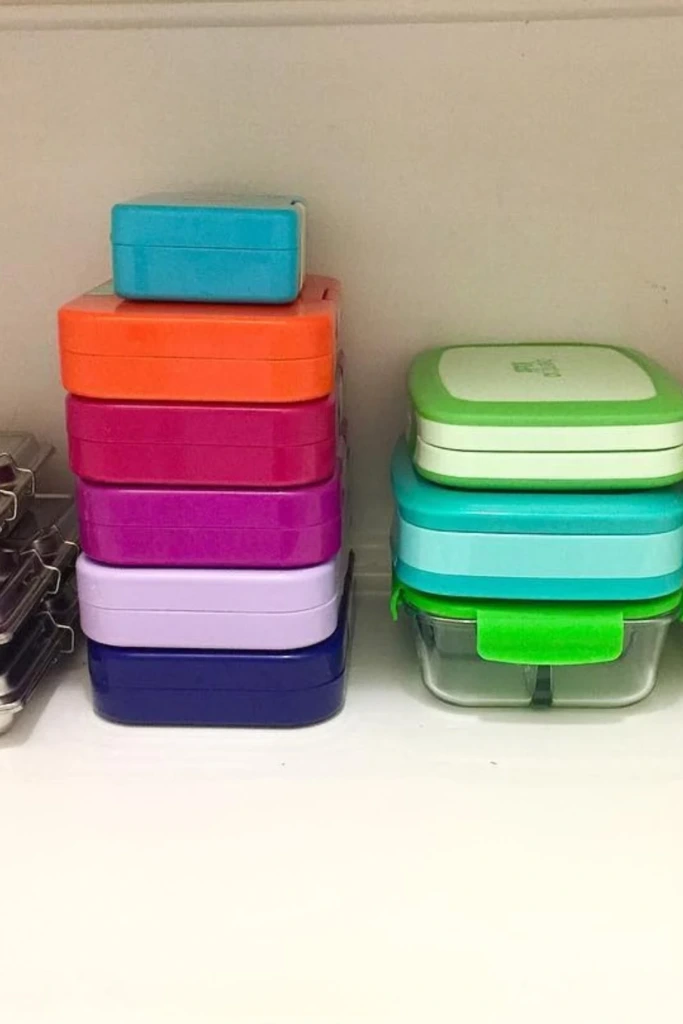
If your household owns lunch boxes from several manufacturers, keeping each collection together can prevent confusion.
Different brands often use slightly different dimensions, lid mechanisms, and compartment inserts, even when their products appear similar.
Create a separate stack or cabinet section for each container system.
Keep compatible lids and accessories nearby so you don't waste time trying to fit pieces that weren't designed to work together.
If you eventually replace older containers, consider choosing a consistent range with interchangeable components.
This method is particularly helpful for families managing several lunch boxes with different designs.
15. Portion-Smart Layout
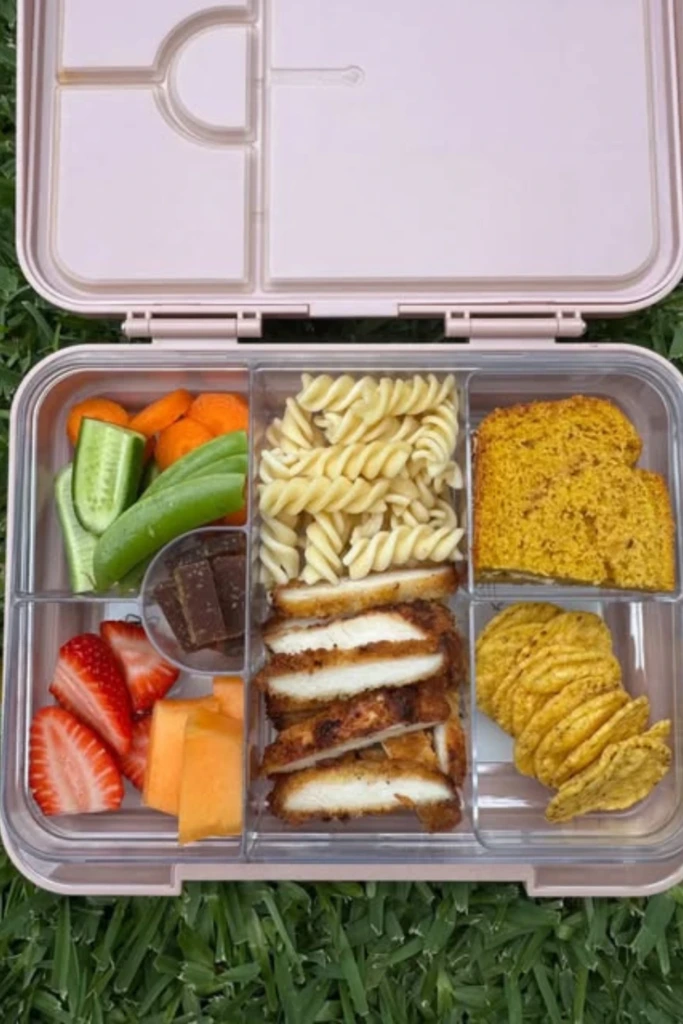
An efficiently packed lunch provides enough food to satisfy hunger without overcrowding the container.
Begin with the main meal and arrange additional foods around it according to the available space.
Use larger compartments for sandwiches, rice, pasta, or other substantial dishes. Smaller sections are useful for fresh produce, nuts where appropriate, and complementary snacks.
Avoid forcing extra food into a tightly packed compartment, especially when delicate items could become crushed.
Individual appetite, age, activity level, and dietary requirements should determine portion sizes rather than the appearance of the box.
A thoughtful layout keeps food appealing and can help reduce uneaten leftovers.
16. Pre-Packaged Pairing
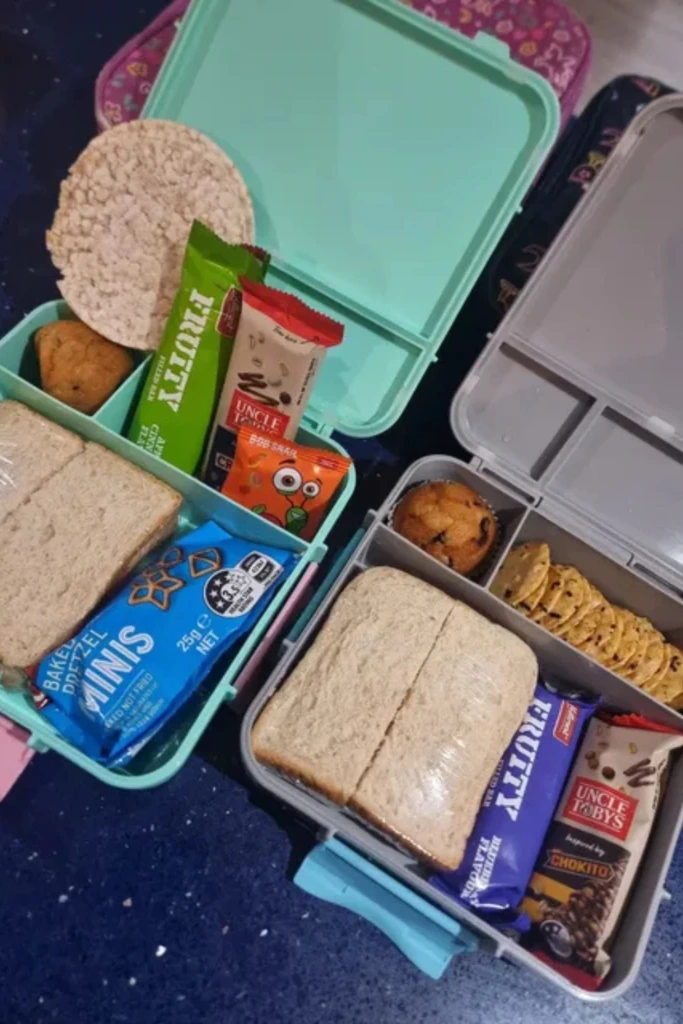
Not every lunch needs to be prepared entirely from scratch. Combining homemade foods with convenient packaged options can be a practical choice on demanding days.
Pack a homemade sandwich, wrap, or leftover main dish alongside individually portioned crackers, yogurt, or another ready-to-eat item.
Choose packaged foods based on nutritional needs, ingredients, and convenience rather than appearance alone.
Keep unopened items together in one section so they don't shift around or crush softer foods.
If you're packing refrigerated products, maintain appropriate cold storage until lunchtime.
This balanced approach makes it possible to prepare an organized lunch even when you have limited time.
17. Balanced Bento Routine
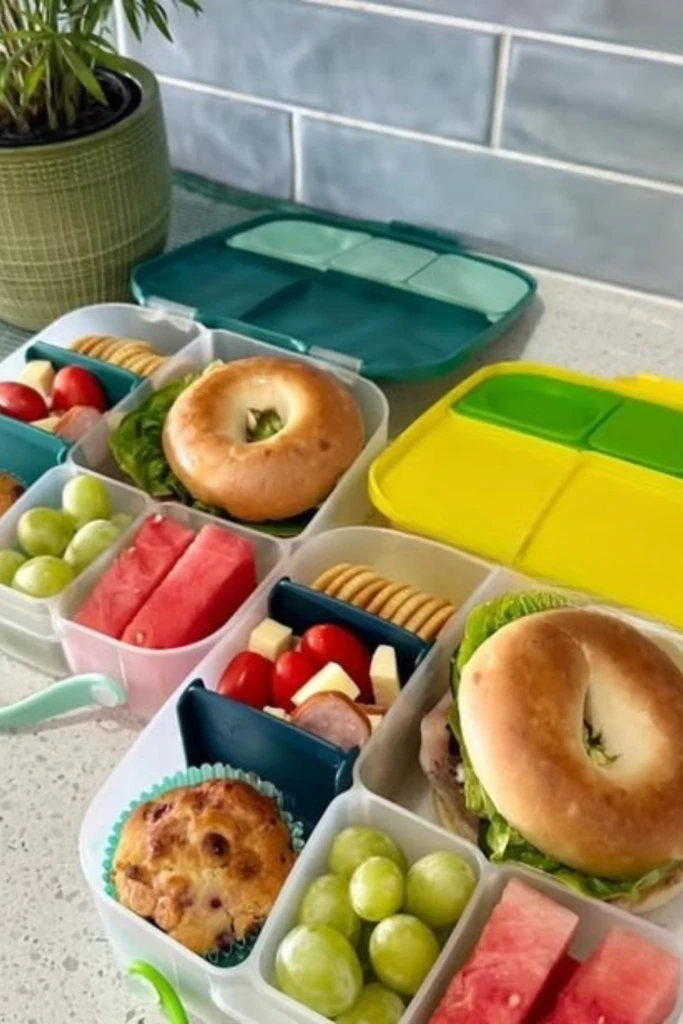
A bento-style lunch routine brings together food variety, simple presentation, and practical organization.
Begin by selecting a main dish that provides satisfying energy, then add fruits, vegetables, and other foods that complement the meal.
Arrange ingredients so delicate foods are protected and moist items don't make dry foods soggy.
You can prepare washable produce, portion dry snacks, and organize clean containers the evening before to make mornings easier.
For children, involve them in choosing suitable foods for each compartment. Giving them a few options can encourage participation and help reduce unwanted leftovers.
Over time, a familiar bento routine can make lunch preparation quicker while keeping meals interesting and enjoyable.
How many containers do you actually need?
The ideal number depends on how often you pack lunch, how many people you're preparing food