21 DIY Dog Bed Ideas for 2026
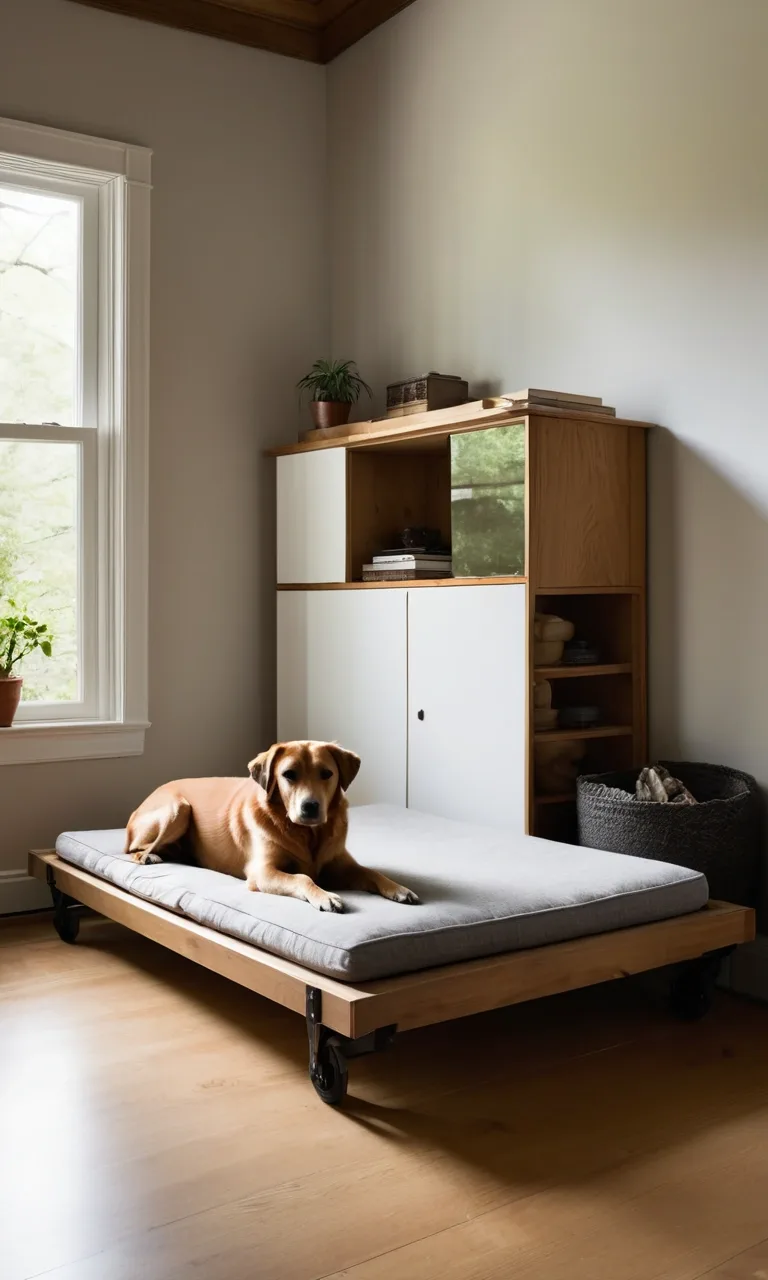
A comfortable dog bed doesn't have to come with a hefty price tag. With a few affordable materials, some creativity, and a little effort, you can create a resting spot that suits your dog's sleeping habits and fits beautifully into your home.
Making a dog bed yourself also gives you more control over its size, cushioning, durability, and appearance. Whether your companion loves curling up in a soft nest, stretching out across a mattress, or lounging outdoors, there's a design worth trying.
The best DIY dog bed is one that combines comfort with practical features. Consider your dog's size, age, chewing habits, and preferred sleeping position before choosing a project. From simple fabric cushions to elevated wooden frames, these ideas offer inspiration for creating a cozy place your furry friend can enjoy every day.
How to Choose the Right Bed Size for Your Dog?
Start by observing how your dog usually sleeps. Dogs that curl into a ball may appreciate a compact bed with raised edges, while those that stretch their legs need a wider, more open sleeping surface.
Measure your dog while they're lying in their usual sleeping position. Add enough extra space around the measurements to allow them to stretch, turn, and change positions comfortably. If you're making a bed for a crate, measure the available floor space inside the crate before cutting any materials.
Consider the bed's height, too. Puppies, senior dogs, and pets with limited mobility may find a low-profile design easier to access than a tall platform.
Before assembling everything, check that the finished dimensions provide sufficient room without wasting space. A properly sized bed should feel inviting and stable, allowing your dog to rest without slipping off the edges.
What Is the Best Material for a Dog Bed?
The right material depends on your dog's needs and the environment where the bed will be used. Dense foam offers a supportive foundation, while washable fabrics make everyday cleaning much easier.
For older dogs, supportive foam or a suitable orthopedic mattress may provide more comfortable cushioning than loose stuffing. Small dogs that enjoy warmth may prefer fleece, plush fabric, or padded sides. Dogs that chew or dig require a more durable design with securely enclosed filling and reinforced seams.
For outdoor beds, choose weather-resistant fabric and materials that dry quickly. Elevated designs can improve airflow underneath the sleeping surface, which may help dogs that overheat easily.
Whenever possible, use a removable cover that can be washed separately. Avoid exposed staples, sharp corners, loose cords, and small detachable decorations that could become chewing or swallowing hazards. Inspect homemade beds regularly and replace damaged materials before they create a risk.
1. Luxury Comfort

A luxurious dog bed combines a supportive base with cushioned sides that create a comfortable place to curl up. This design is particularly appealing to smaller dogs that enjoy resting their heads against a soft bolster.
Begin with a firm foam mattress, then build padded sidewalls using upholstery foam or batting enclosed in fabric. A removable outer cover makes the finished bed easier to maintain.
You can personalize the design with contrasting piping, decorative stitching, or your dog's name embroidered onto the cover. Choose durable upholstery fabric that feels pleasant against the coat and can withstand regular use.
The result is a polished, furniture-inspired bed that provides both comfort and a coordinated look for your living space.
2. Cozy Cave
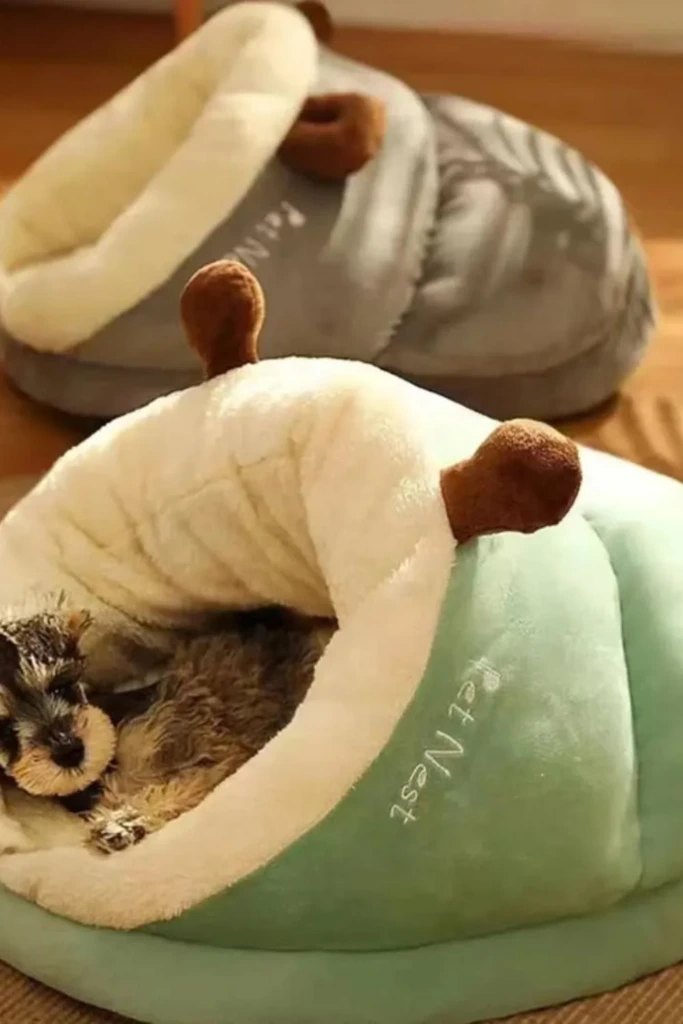
Some dogs love burrowing beneath blankets or squeezing into sheltered spaces. A cave-style bed recreates that snug feeling with a soft sleeping area and a flexible fabric canopy.
Make the base from supportive foam and construct the hood from fleece or another lightweight, washable material. The cover should remain flexible enough for your dog to enter and leave without difficulty.
Keep the opening generous and ensure the canopy cannot collapse over your dog's face. Avoid heavy materials that trap excessive heat, particularly if your pet already sleeps warm.
This design works especially well for small dogs that enjoy quiet corners and covered sleeping spaces. A removable canopy also makes cleaning and seasonal adjustments more convenient.
3. Chunky Knits
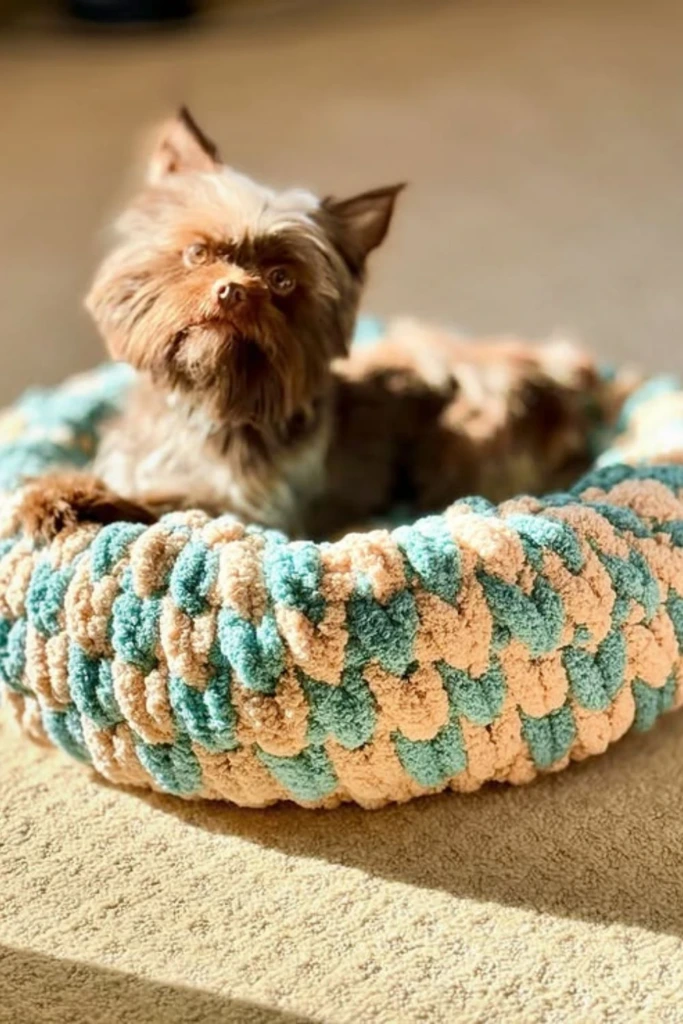
A chunky knitted or braided dog bed brings texture and a relaxed, handmade appearance to your home. It's a particularly attractive option for small dogs that prefer curling up rather than stretching across a large mattress.
You can create the outer ring using thick yarn, braided fleece strips, or fabric made from old blankets. Arrange the material into a circular shape, then stitch the layers securely together.
Add a separate cushion in the center so your dog has a comfortable place to rest. Keep the filling fully enclosed and check the stitching frequently, especially if your pet likes to chew or pull at fabric.
Choose washable materials and avoid yarn or decorative fibers that could unravel into long strands. This project is best suited to dogs that use their bedding gently rather than treating it as a toy.
4. Clean Lines
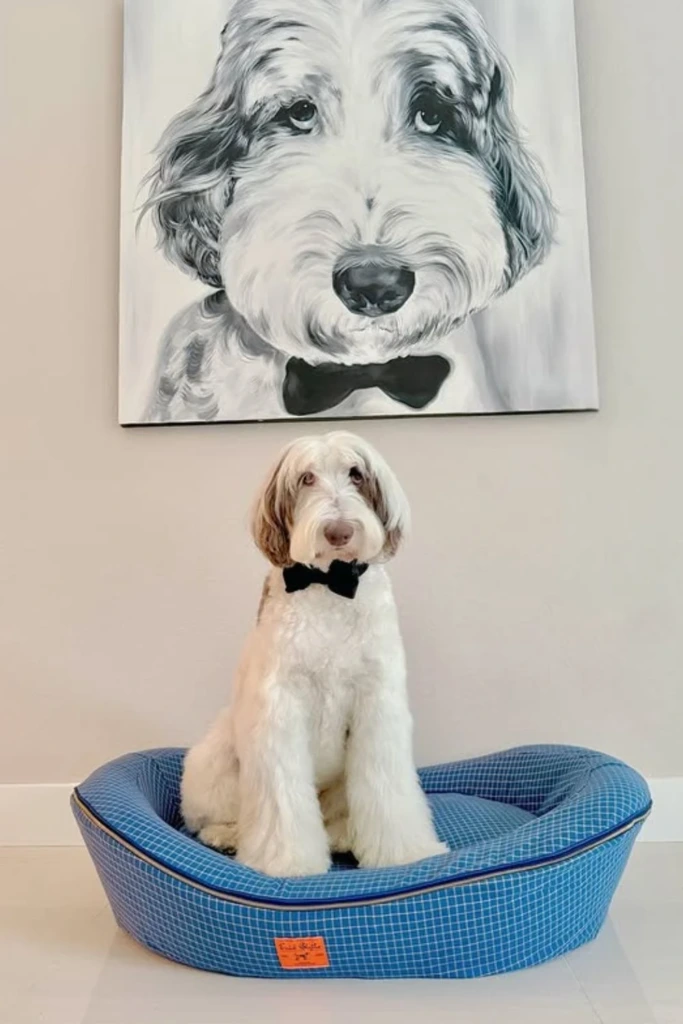
A dog bed with straight edges and a structured silhouette is ideal for contemporary interiors. Its simple shape can fit neatly beside a sofa, beneath a window, or along a wall without making the room feel crowded.
Cut a rectangular foam base to the required dimensions and add padded bolsters along the sides if your dog enjoys resting its head on an elevated edge. Upholstery fabric or heavy-duty canvas helps the bed maintain a tidy appearance.
For a practical finish, sew a fitted cover with a zipper or another secure closure. Choose a color that complements your furniture while concealing everyday dirt and loose fur.
This style suits dogs that appreciate a defined sleeping area but don't necessarily need a deeply cushioned nest.
5. Sweater Upcycle
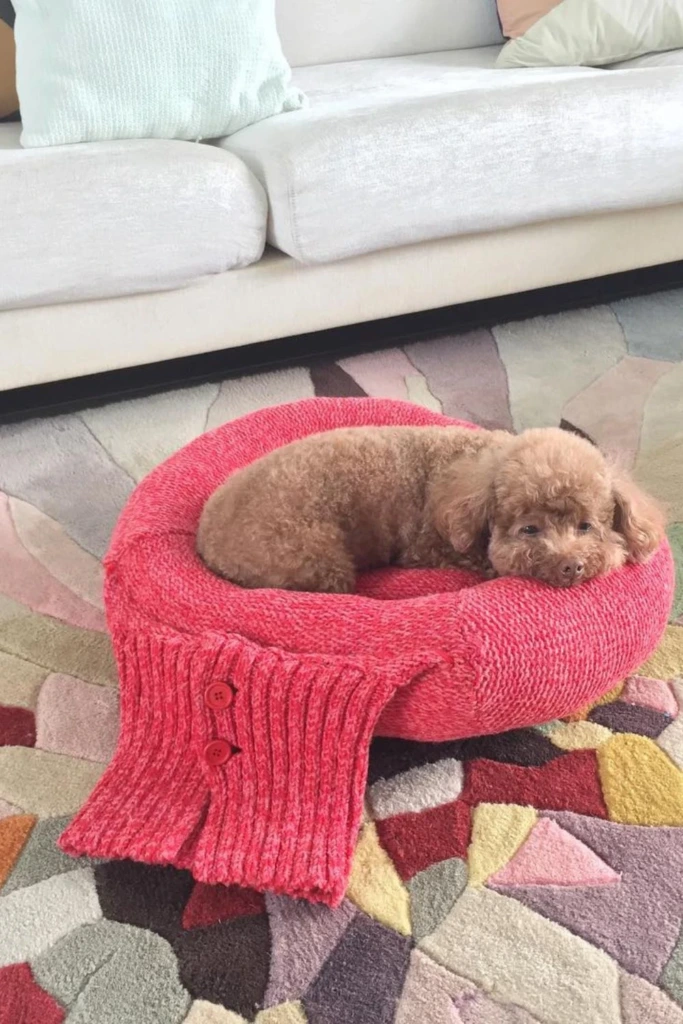
An old sweater can become a charming homemade dog bed, giving an unused garment a second life. The soft fabric provides a familiar texture, while the sleeves can form a raised ring around the sleeping area.
Start with a clean sweater in good condition. Place a suitable cushion or securely enclosed padding inside the body, then fill the sleeves with soft material to create the surrounding bolster.
Arrange the sleeves into a circular shape and sew the connections firmly so they won't separate during use. Close every opening securely to prevent your dog from pulling out the filling.
Choose a sweater without loose buttons, dangling threads, or decorations that could be swallowed. This budget-friendly project works best for small dogs that enjoy soft, rounded beds.
6. Wooden Frame
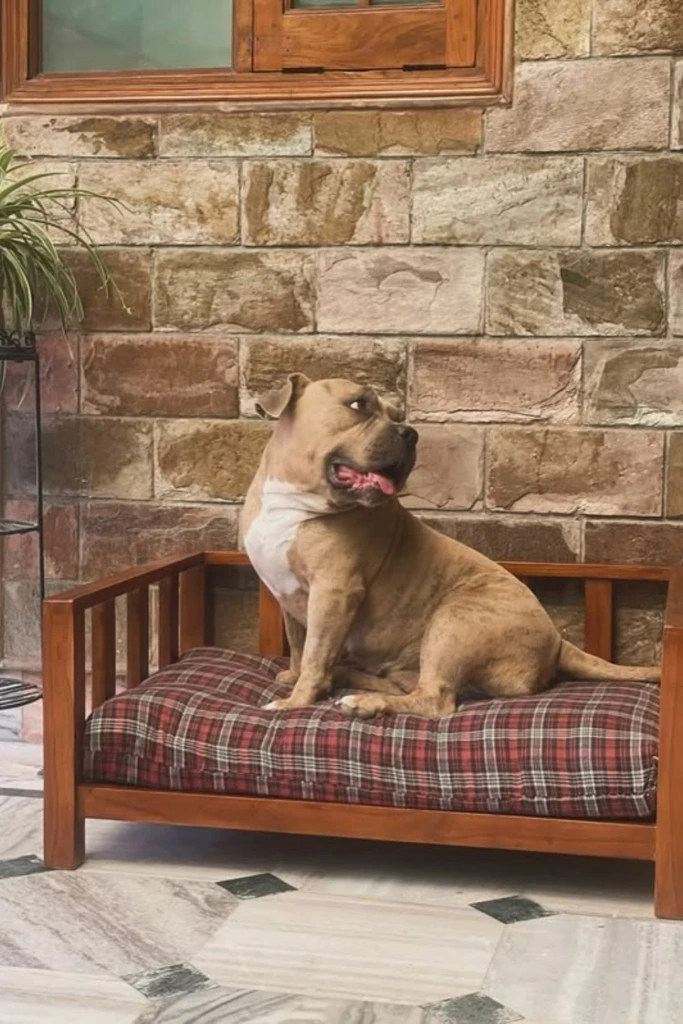
A wooden dog bed offers a sturdy foundation and can be customized to match your home's furniture. It is especially useful when you want a defined sleeping area with a replaceable mattress.
Build a rectangular frame using smooth, properly prepared boards. Keep the platform low enough for your dog to climb onto comfortably, and sand all edges to remove splinters. Secure the joints with suitable fasteners and check that the finished structure does not wobble.
Place a well-fitted cushion or mattress inside the frame. The mattress should remain stable rather than sliding around whenever your dog gets up or lies down.
For covered patios, use appropriately weather-resistant wood and finishes. Keep the sleeping surface dry, and inspect the frame periodically for loose hardware or damaged areas.
7. Plush Nest
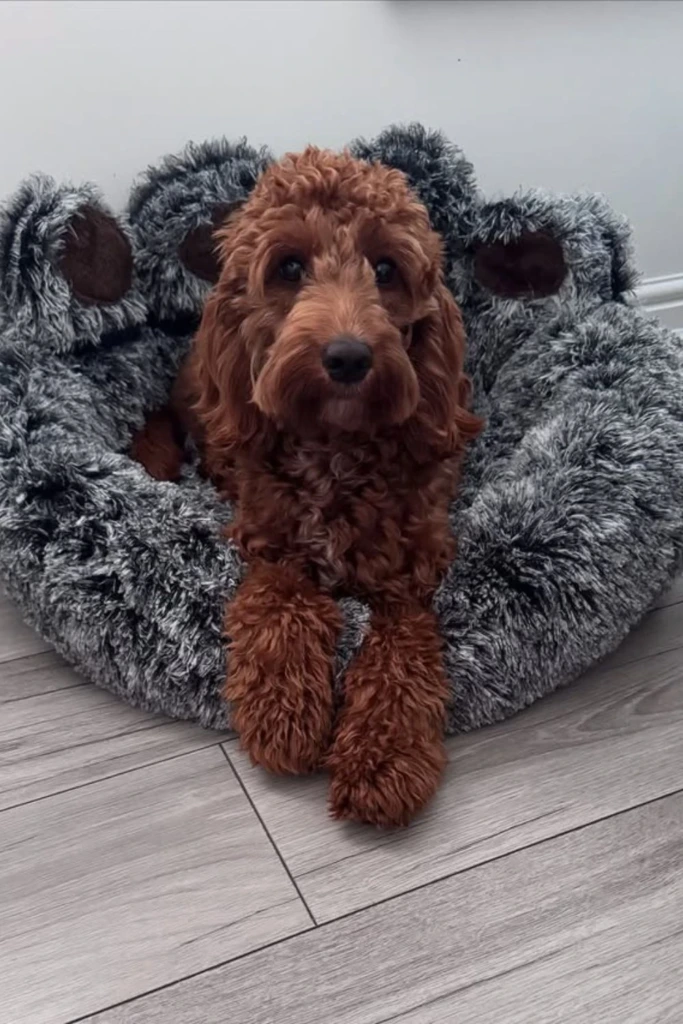
A plush nest bed creates a soft, enclosed resting space for dogs that enjoy leaning against cushions. Its rounded shape and padded perimeter can make the sleeping area feel especially inviting.
To build one, prepare a central cushion and surround it with a thick, padded ring. Faux fur or soft upholstery fabric gives the bed a fluffy appearance, while a washable cover makes routine cleaning easier.
Keep the middle cushion supportive enough that your dog doesn't sink uncomfortably into the filling. The raised sides should provide a comfortable place to rest the head without restricting movement.
This design may suit dogs that prefer curling up in a sheltered position. However, choose securely sewn materials for pets that tend to chew or pull at plush bedding.
8. Warm Corner
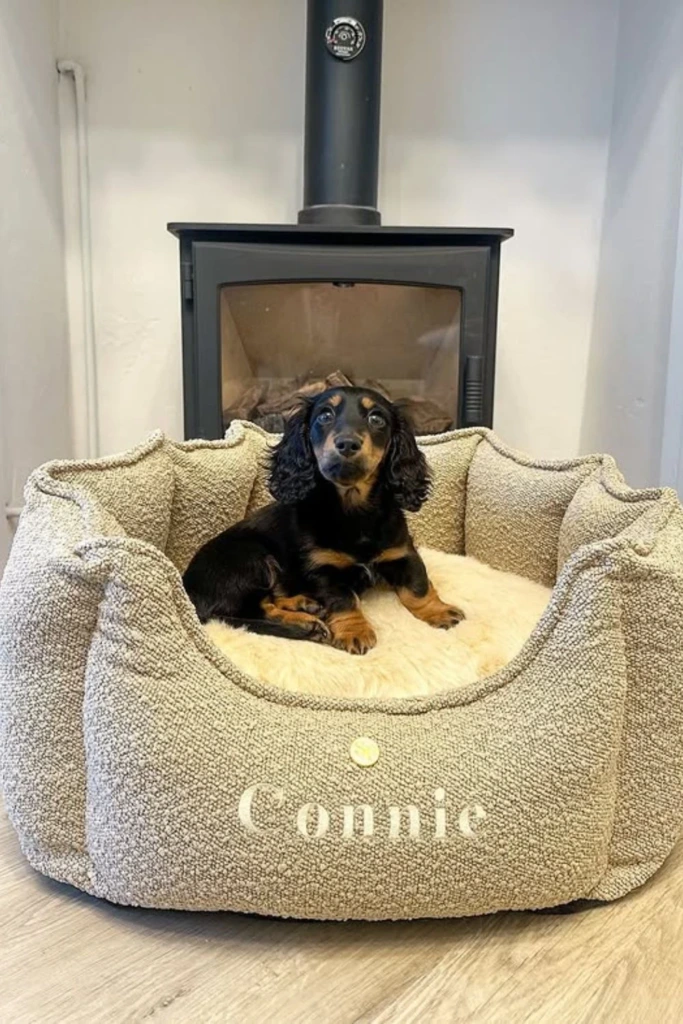
A deep-sided bed can provide a cozy retreat during cooler weather, particularly for dogs that prefer soft surfaces rather than bare floors.
Use a firm base and construct padded sides tall enough to reduce drafts around the sleeping area. Finish the interior with a soft cushion that can be removed for washing or replaced when it becomes worn.
A woven outer fabric can add texture and help the bed blend with rustic or traditional decor. For additional personalization, consider a simple embroidered label or a contrasting fabric border.
Position the bed in a comfortable indoor location away from cold drafts. Never place bedding directly beside a heater, stove, or open flame, since fabric and filling can overheat or catch fire.
9. Statement Piece
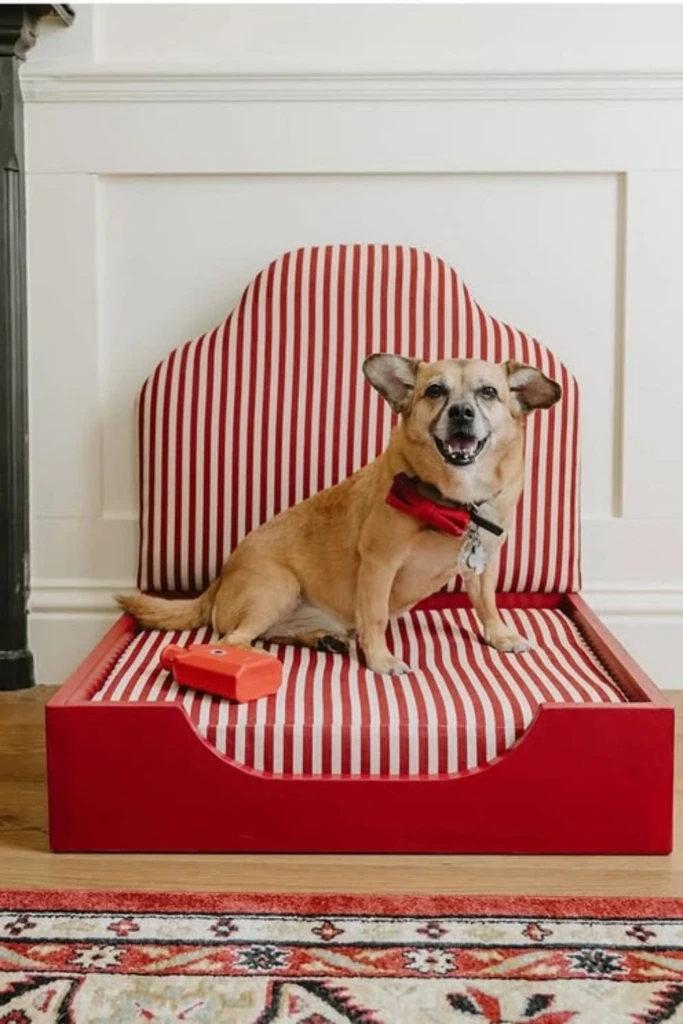
A statement dog bed combines practical sleeping space with the appearance of a small piece of furniture. It can work particularly well in living rooms where pet accessories are part of the overall decor.
Build a shallow wooden base and attach a padded back panel that allows your dog to lounge against it. Make sure the frame is stable and that the front remains open for easy access.
Cover the padded sections with durable upholstery fabric, then add a removable mattress to simplify cleaning. You can use complementary colors, decorative trim, or a fabric pattern that echoes other furnishings in the room.
Keep the structure appropriately sized for your dog. Decorative details should never interfere with movement or create sharp edges and chewable components.
10. Woven Basket
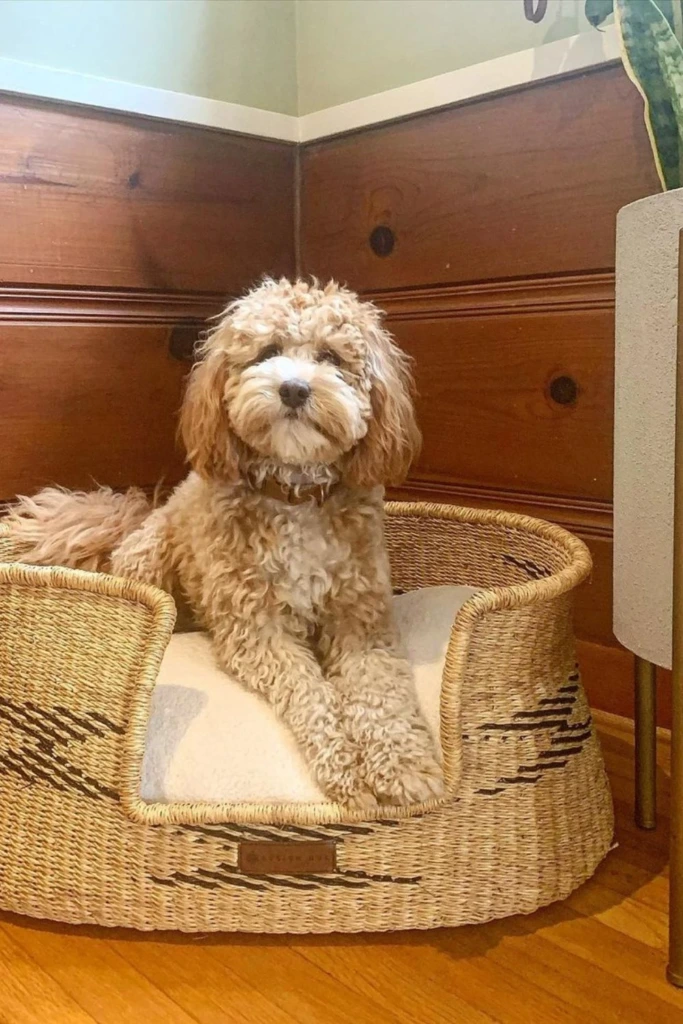
A woven basket can be transformed into an attractive dog bed with very little construction. Natural materials such as wicker or rattan offer a warm, textured appearance that works well in many interiors.
Choose a sturdy basket that provides enough room for your dog to lie down and turn around. Check the inside carefully for protruding wires, broken reeds, rough edges, or loose pieces that might injure your pet.
Add a fitted cushion or a firm foam pad to cover the bottom. A removable cushion cover makes cleaning easier and allows you to change the bed's appearance without replacing the basket.
This idea is most appropriate for dogs that don't chew furniture or woven materials. For persistent chewers, a durable fabric bed or a solid-sided alternative is generally a safer choice.
11. Soft Curves
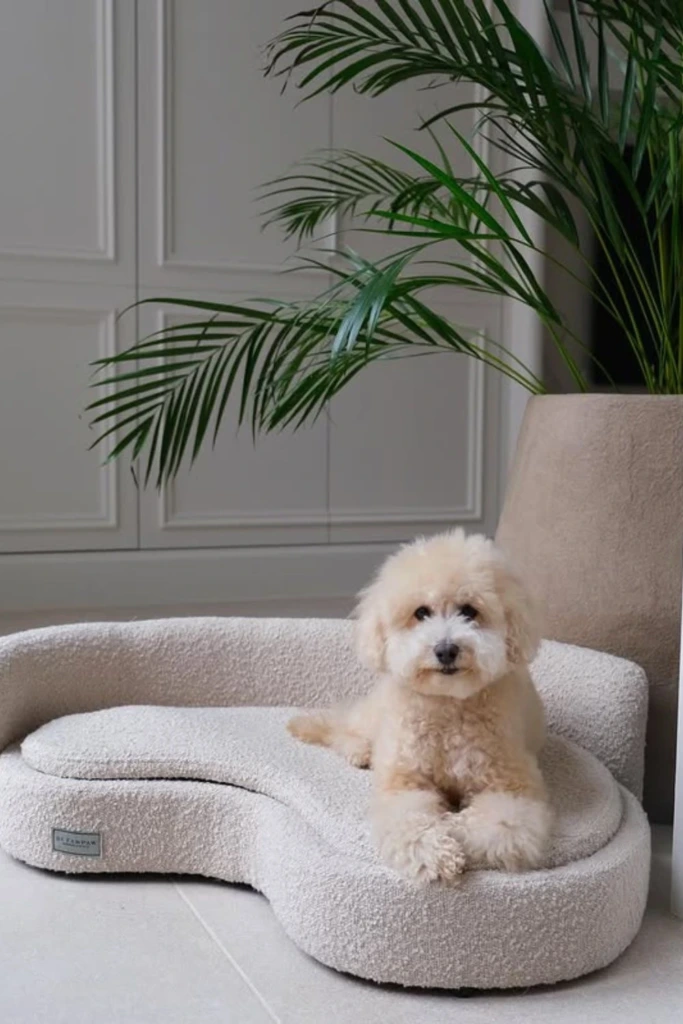
A curved dog bed offers a softer alternative to traditional rectangular designs. Its rounded silhouette can complement modern furniture while providing a spacious surface for dogs that prefer stretching out.
Cut suitable upholstery foam into a broad curved shape, or arrange several foam sections to create a smooth outline. Cover the base with fleece, boucle-style fabric, or another comfortable textile that is suitable for regular cleaning.
Keep the sleeping surface relatively low to the floor so smaller dogs and pets with limited mobility can climb on and off more easily. Secure the cover carefully to prevent bunching beneath your dog's body.
A simple curved cushion can also be placed on a stable platform if additional height is needed. Make sure any raised base remains level and does not create a tripping hazard.
12. Flat Base
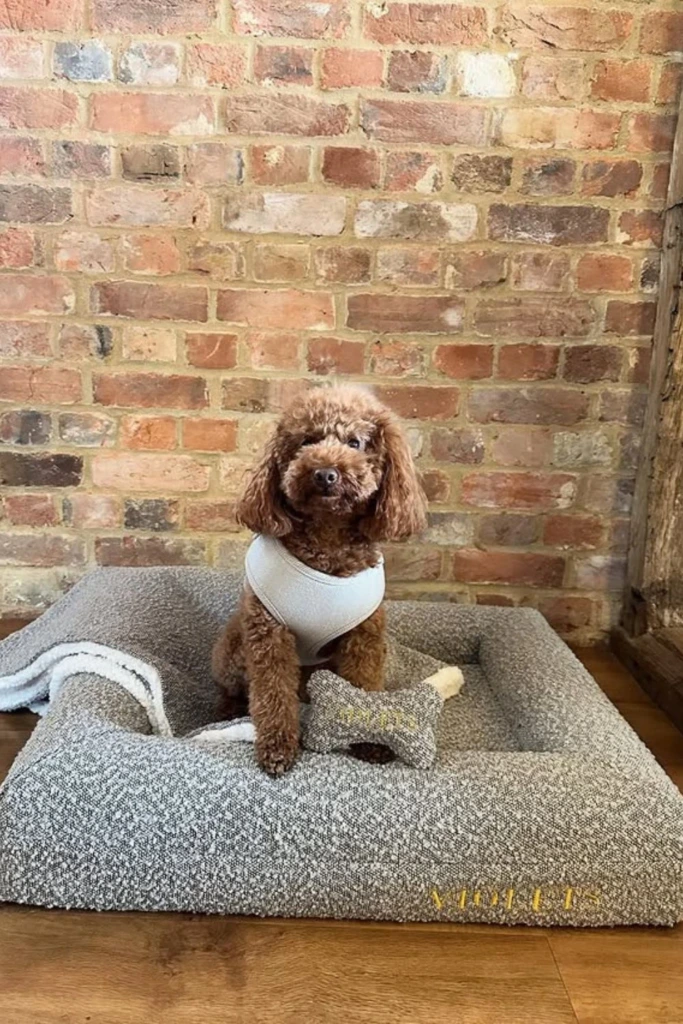
A flat mattress-style dog bed is a practical choice for pets that dislike raised sides or frequently change sleeping positions. Its uncomplicated construction also makes it one of the easiest DIY projects to complete.
Measure the available space, cut dense foam to the required size, and cover it with durable fabric. Use a removable cover with a secure closure so you can wash it without dismantling the entire bed.
The mattress should provide enough cushioning to keep your dog comfortable while maintaining its shape under their weight. Thicker or more supportive foam may be useful for larger dogs, while lighter pets may need less material.
A flat design is also convenient for senior dogs that find bolsters difficult to climb over. Check the foam regularly for compression, tears, or uneven areas, and replace it when it no longer offers adequate support.
13. Family Spot
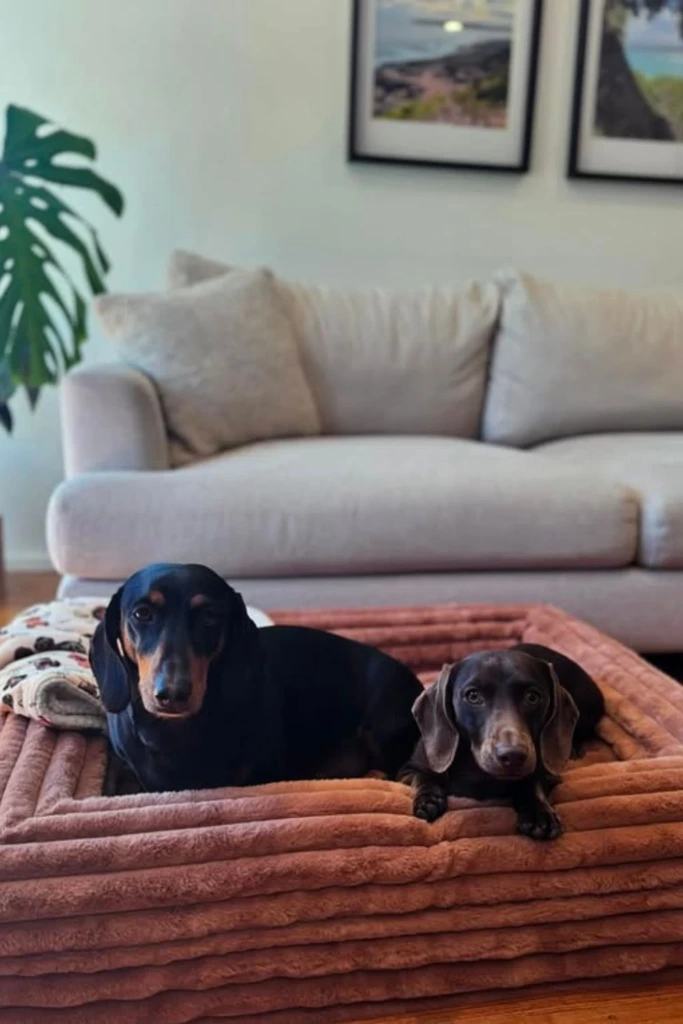
A wide dog bed gives pets plenty of room to relax near their favorite people. It can also be useful in multi-dog households where compatible dogs enjoy sharing a sleeping area.
Create a broad base by combining suitable foam layers or arranging folded blankets inside a sturdy fabric cover. Ensure the layers stay in place rather than shifting or forming uncomfortable lumps.
Use strong, washable fabric that can handle regular contact with paws, fur, and everyday dirt. A low-profile design makes it easier for dogs to enter and leave the bed.
Measure the finished surface carefully so each dog has enough room to rest comfortably. Even pets that usually sleep together may appreciate separate spaces when they want privacy or a different amount of room.
14. Bed Frame

A framed dog bed can create a sofa-like resting place for dogs that enjoy lounging with their heads elevated. The raised back offers a comfortable place to lean while keeping the front open for access.
Build a low, stable foundation and attach a padded back panel using secure fasteners. Cover exposed wooden surfaces with smooth, pet-safe finishes, and make sure there are no sharp corners or gaps where paws could become trapped.
Place a fitted mattress on the base, adding a removable blanket if your dog likes extra softness. The cushion should remain in position when your pet climbs on or off.
This design can be customized with different fabrics, colors, and frame finishes. Keep the overall height appropriate for your dog's size and mobility rather than prioritizing appearance alone.
15. Curved Lounge
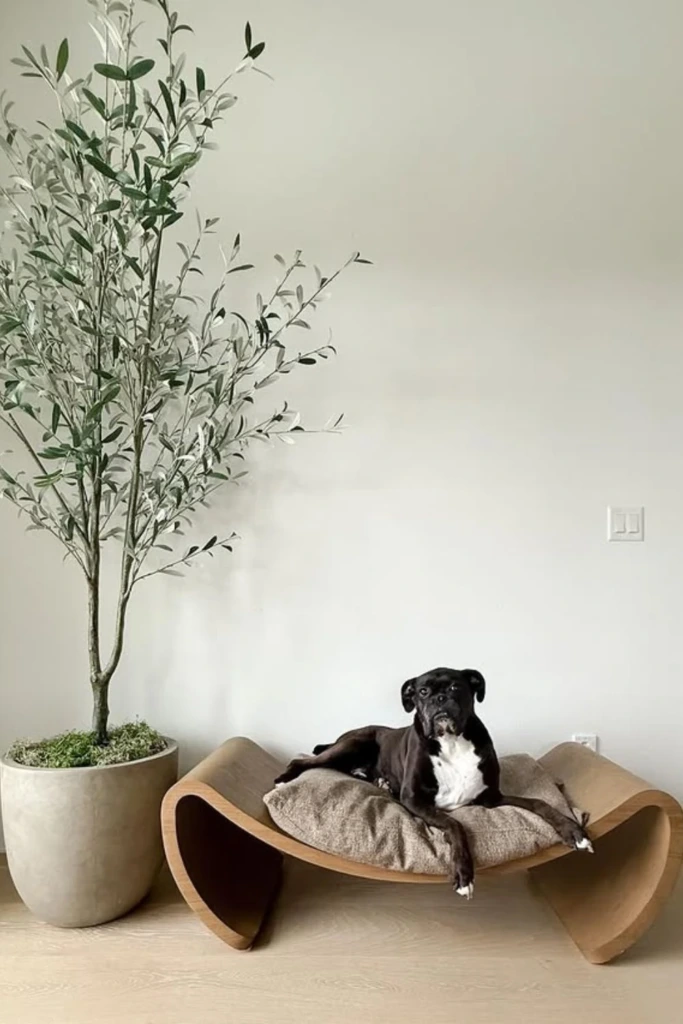
A curved lounge bed brings a furniture-inspired look to a pet's resting area. Its open sides provide plenty of room for stretching, while a gently shaped base can lift the mattress slightly above the floor.
Use pre-cut curved wooden panels or carefully shaped plywood to form the foundation. Sand the surfaces thoroughly, secure the structure, and confirm that it remains stable before adding the cushion.
Choose a mattress that follows the base's shape without leaving large gaps along the edges. A removable cover allows you to clean the sleeping surface and replace worn fabric when necessary.
This style works well in quiet corners where the bed can remain in place. Ensure the entrance is low enough for your dog to use comfortably, particularly if they are older or have joint problems.
16. Crate Fit
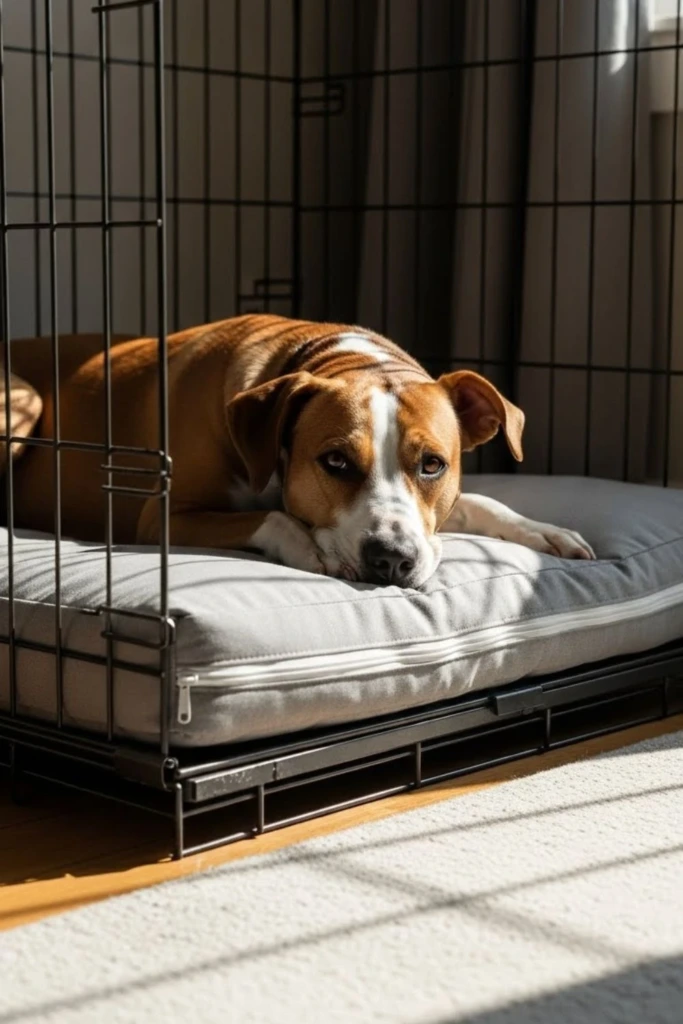
A properly fitted crate mattress gives your dog a comfortable surface without taking up unnecessary space. Unlike a loose cushion, a correctly sized bed is less likely to bunch up or obstruct movement inside the crate.
Measure the interior floor dimensions carefully, accounting for any corners or fittings that reduce the available space. Cut firm foam to fit and enclose it in a durable, removable cover.
Avoid excessive thickness if it makes the crate feel cramped or raises your dog too close to the top. The mattress should lie flat, leave adequate room for movement, and allow the crate door to operate normally.
Choose materials that suit your dog's chewing habits. If your dog destroys bedding or swallows fabric, use caution and supervise initial use rather than leaving damaged or loose materials inside the crate.
17. Elevated Airflow
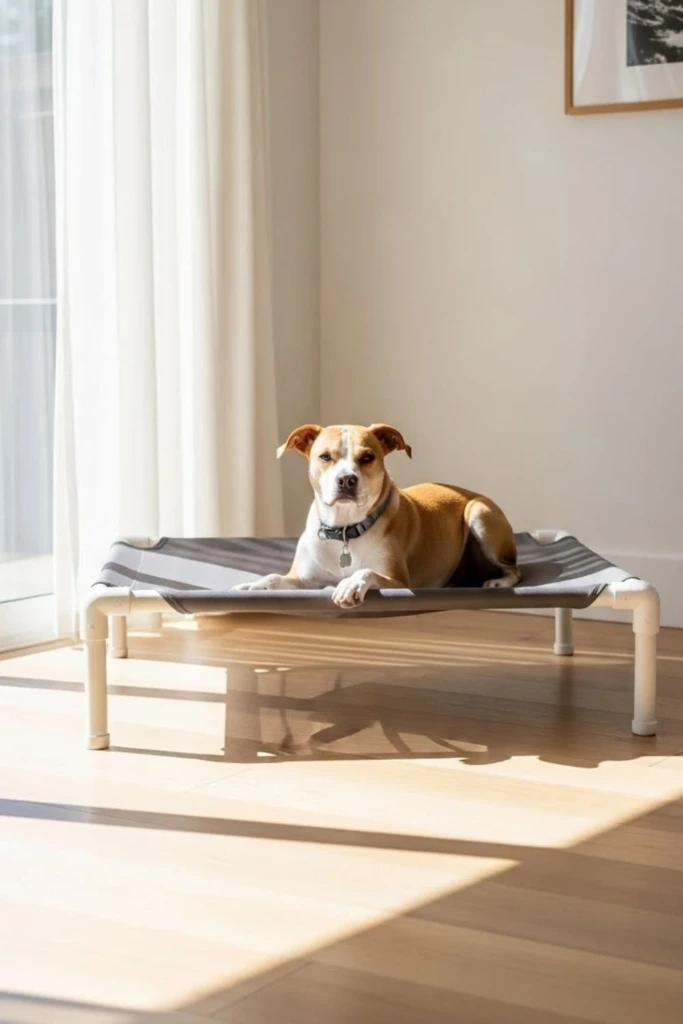
An elevated dog bed raises the sleeping surface above the floor, allowing air to circulate underneath. This can be particularly helpful for dogs that become uncomfortable on thick, heat-retaining cushions.
Build a sturdy frame from suitable PVC components or prepared wood, then attach strong, breathable fabric across the top. The fabric should be tensioned securely so it supports your dog's weight without sagging excessively.
Smooth all contact surfaces, reinforce the joints, and test the completed frame for stability before allowing your dog to use it. Select fabric rated for the expected load and resistant to tearing.
Raised beds can be useful indoors or outdoors, provided the materials suit the environment. Keep the platform low enough for easy access, and consider adding a separate thin cushion if your dog needs extra padding.
18. Outdoor Tough
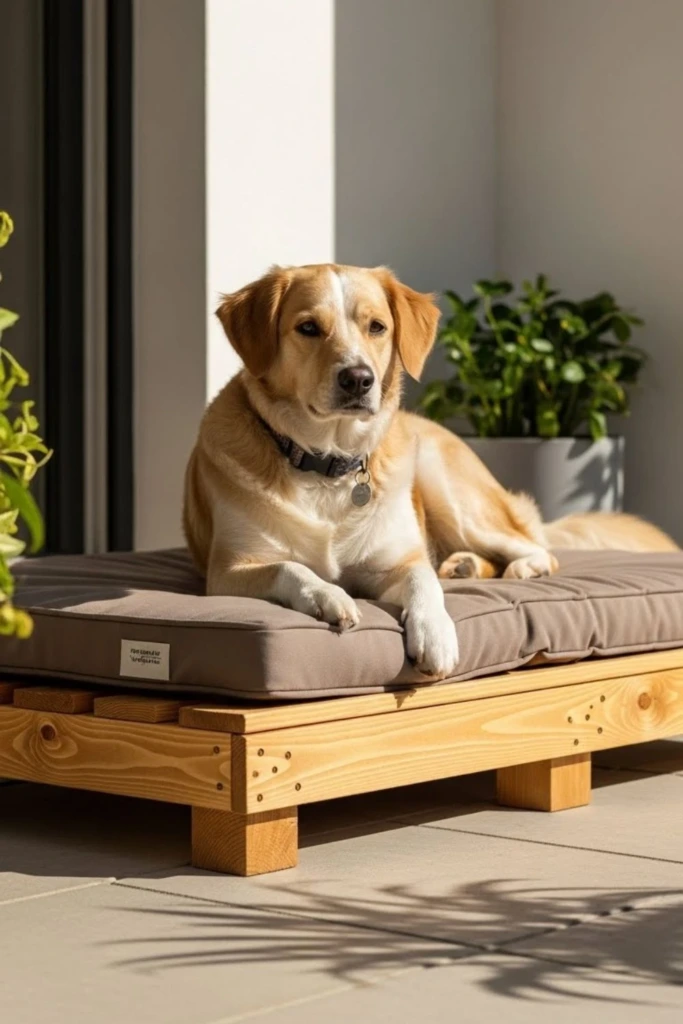
A homemade outdoor dog bed should withstand changing weather while remaining comfortable and easy to clean. A properly prepared wooden pallet base can be one option for a covered patio or sheltered yard.
Start with a sound pallet or a purpose-built wooden platform. Avoid wood with unknown chemical contamination, damaged boards, protruding nails, or splinters. Sand rough areas and use a suitable outdoor finish, allowing it to cure completely before use.
Add a weather-resistant cushion with a removable cover and quick-drying filling. Even water-resistant materials can retain moisture, so bring the cushion indoors during heavy rain and allow it to dry thoroughly after exposure to damp conditions.
Keep the bed stable and close to ground level. Inspect it regularly for loose boards, mold, insects, and deteriorating fabric, replacing damaged parts promptly.
19. Cooling Layer
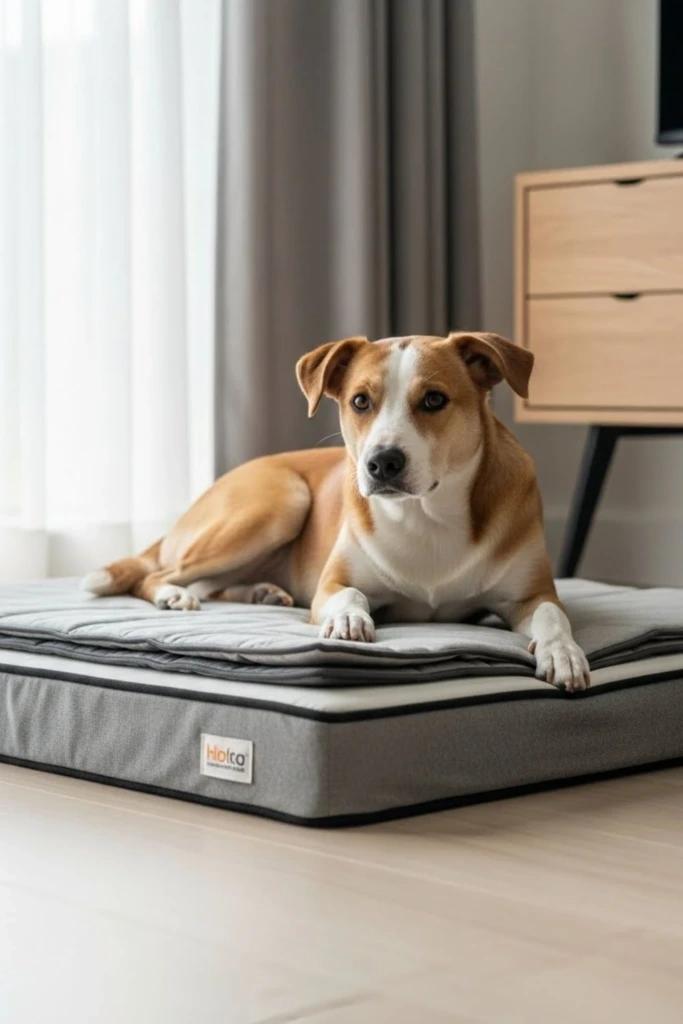
A cooling dog bed can make warm-weather naps more comfortable, particularly for dogs that prefer a cushioned surface but become too hot on thick mattresses.
Begin with a flat foam base and add a pet-appropriate cooling mat designed for your dog's size and weight. Choose a removable top layer so you can switch between cooling and warmer bedding as the seasons change.
Follow the cooling mat manufacturer's instructions, including any restrictions on chewing, cleaning, placement, and supervision. Avoid homemade chemical-filled cooling packs or materials that could leak if punctured.
A cooling layer can supplement other sensible measures, such as access to shade, fresh drinking water, and a comfortably ventilated room. It should never replace appropriate care during hot weather.
20. Under Desk
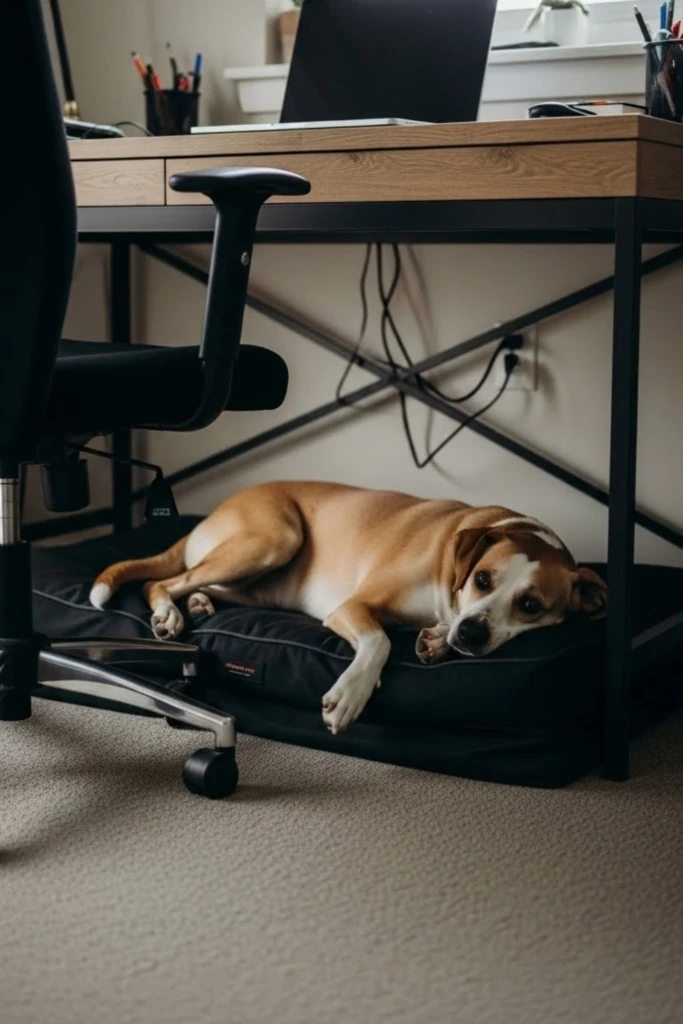
A slim dog bed that fits beneath a desk gives your companion a comfortable place to settle while you work. This arrangement is especially useful for dogs that like staying close to their owners throughout the day.
Measure the available clearance beneath the desk, allowing enough room for the bed and your dog to move comfortably. Cut a relatively thin foam mattress and cover it with sturdy fabric that is easy to vacuum or wash.
Keep the edges flat so the bed slides into position without catching on furniture. Avoid placing it where chair wheels, cables, or moving desk components could injure your pet.
Choose a breathable cover and enough padding for your dog's size. The finished bed should provide a defined resting spot without blocking your workspace or restricting your dog's ability to leave.
21. Travel Ready
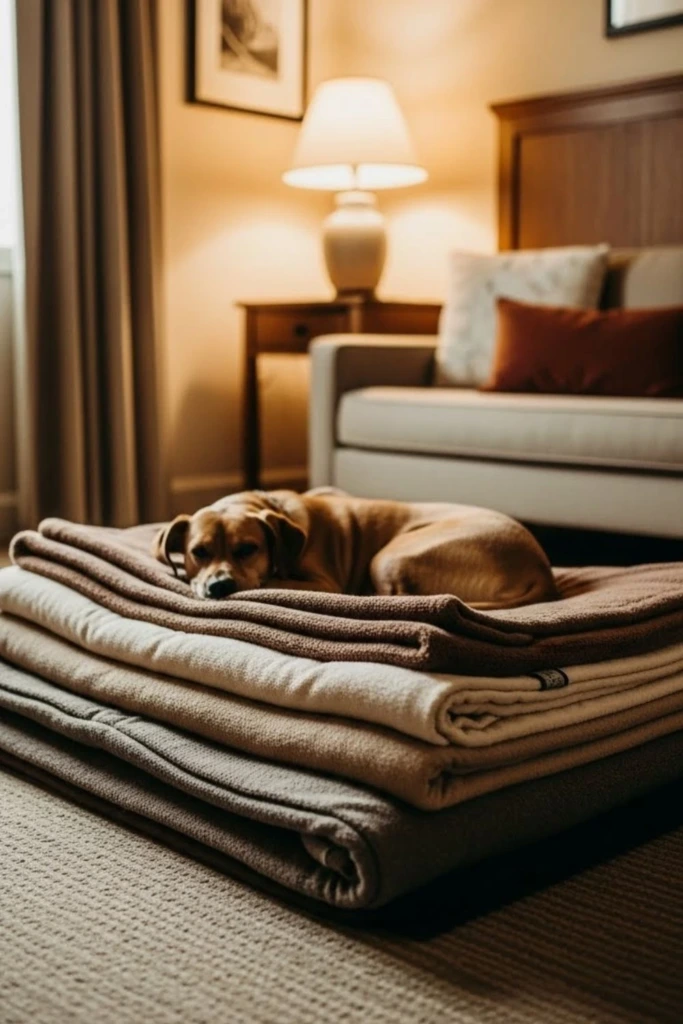
A portable dog bed helps maintain a familiar sleeping routine during road trips, hotel stays, camping weekends, and visits to friends or family.
For a simple version, layer durable blankets or cushioning material and stitch the sections together to reduce shifting. Alternatively, make a foldable mattress with several connected fabric panels that can be packed flat.
Select lightweight materials that dry quickly and fit easily into your travel bag. A washable outer cover is particularly useful after outdoor adventures or stays in unfamiliar places.
Introduce the bed at home before traveling so your dog has time to become familiar with its texture and smell. During trips, place it in a secure, quiet location away from doorways and other hazards.
A portable bed doesn't need to be bulky to be comfortable. Prioritize a stable sleeping surface, easy cleaning, and convenient storage.
Can I make a DIY dog bed if my dog chews everything?
Yes, but a dog that chews aggressively needs a more carefully selected design. Ordinary cushions, loose stuffing, exposed zippers, and weak seams can become hazards if your pet tears them apart.
Consider a simple mattress with a tough, securely fastened cover or a well-constructed elevated bed made from appropriate materials. Keep filling, fasteners, and decorative components inaccessible wherever possible.
No homemade bed is completely chew-proof. Introduce it while supervising your dog, inspect it frequently, and remove it immediately if the material begins to break apart. If your dog repeatedly swallows bedding, discuss the behavior with a veterinarian and avoid leaving chewable bedding unsupervised.
How long does a DIY dog bed usually last?
The lifespan of a homemade dog bed depends on the materials, construction quality, frequency of use, and your dog's behavior. A well-made bed used by a dog that rests gently may remain comfortable for years, while persistent chewing, digging, and scratching can damage one much sooner.
Dense foam, reinforced seams, sturdy covers, and washable materials generally make maintenance easier. Outdoor beds may need more frequent repairs because sunlight, moisture, and temperature changes can weaken fabrics and wood.
One advantage of building a bed yourself is that you can often replace a worn cover, repair a seam, or install fresh cushioning without rebuilding the entire structure.
Inspect the bed regularly for flattened padding, loose threads, exposed filling, broken frame components, and damp areas. Repair or replace damaged parts promptly to keep your dog's sleeping space comfortable and safe.