26 DIY Home Decor Ideas for 2026
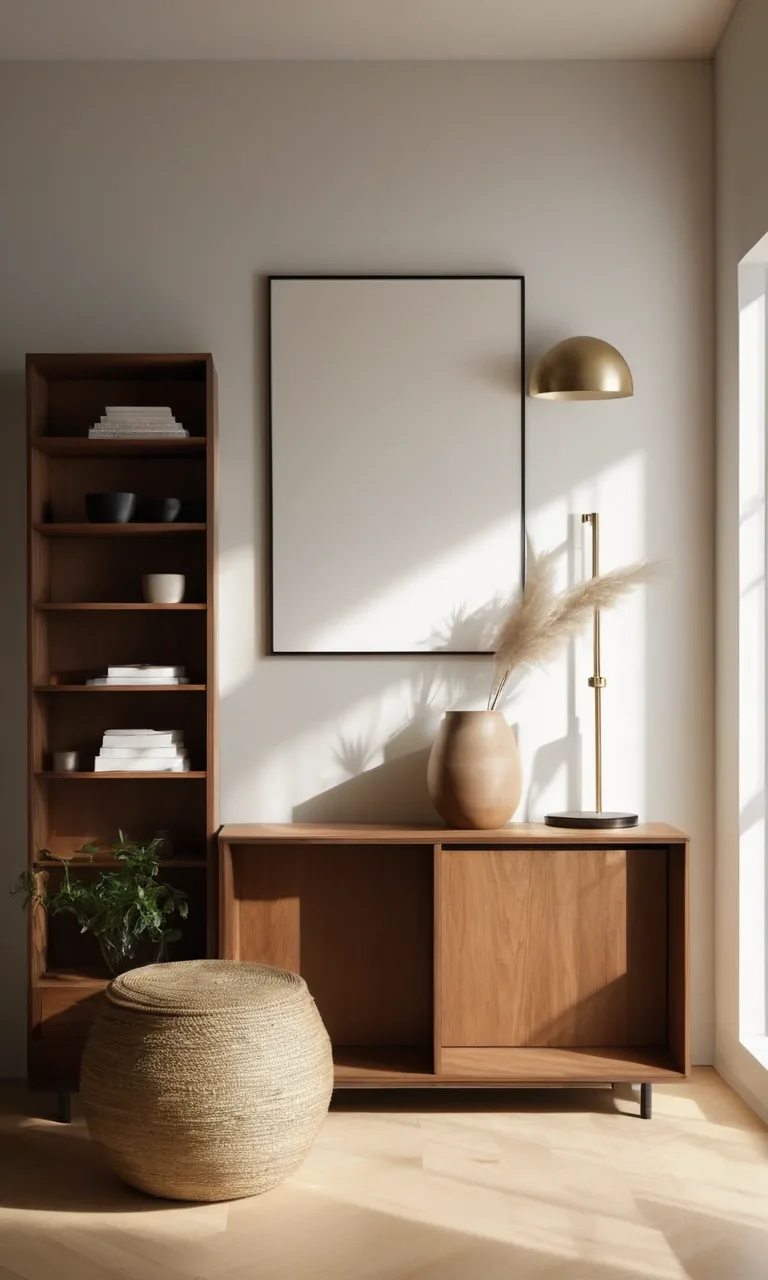
Making your home look beautiful doesn't require expensive furniture, professional designers, or a complete renovation. Sometimes, a few creative changes can transform an ordinary room into a comfortable, welcoming space that reflects your personality.
DIY home decor allows you to experiment with colors, textures, lighting, and furniture arrangements while keeping expenses manageable. Whether you're decorating a small apartment, updating your bedroom, or refreshing your living room, simple projects can make a noticeable difference.
The best approach is to focus on details that improve both appearance and everyday comfort. From handmade wall features to cozy lighting arrangements, these 26 DIY home decor ideas for 2026 offer practical inspiration for creating a home you'll enjoy spending time in.
1. Layered Dining Glow
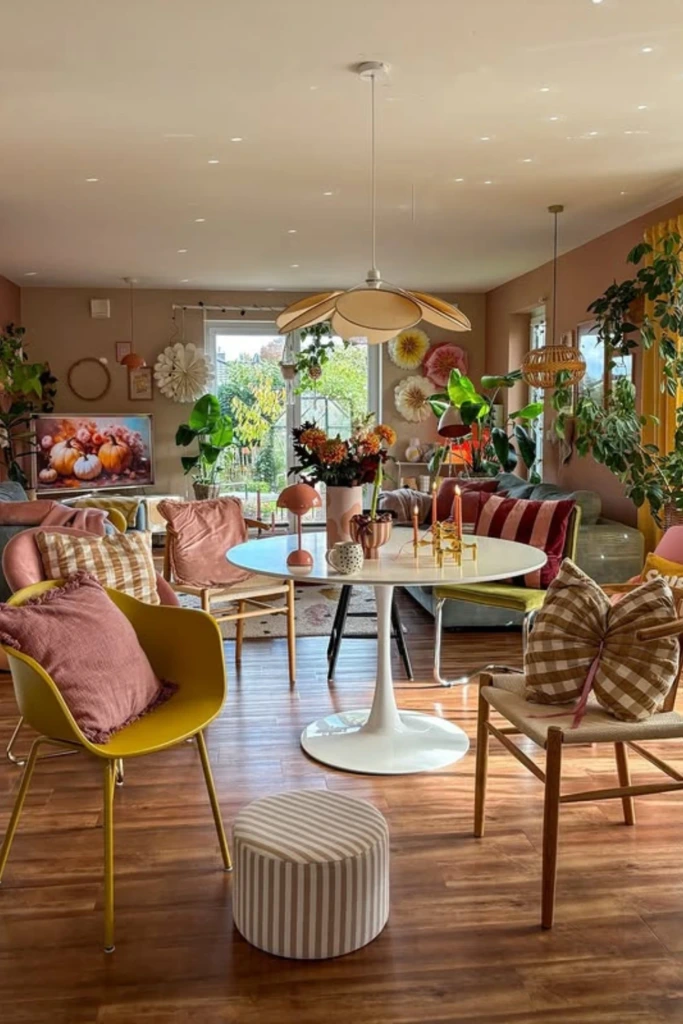
A dining area becomes more inviting when lighting comes from several sources rather than one bright ceiling fixture. Combining different light levels creates a pleasant atmosphere for family dinners and special occasions.
Install a pendant above the dining table and complement it with battery-operated candles or a small lamp on a nearby sideboard. Warm-white bulbs can make the room feel comfortable without producing excessive brightness.
For an affordable DIY touch, decorate glass jars with twine and place flameless LED candles inside. These handmade accents bring gentle illumination to the table while keeping the arrangement simple and attractive.
2. Cozy Neutral Layers
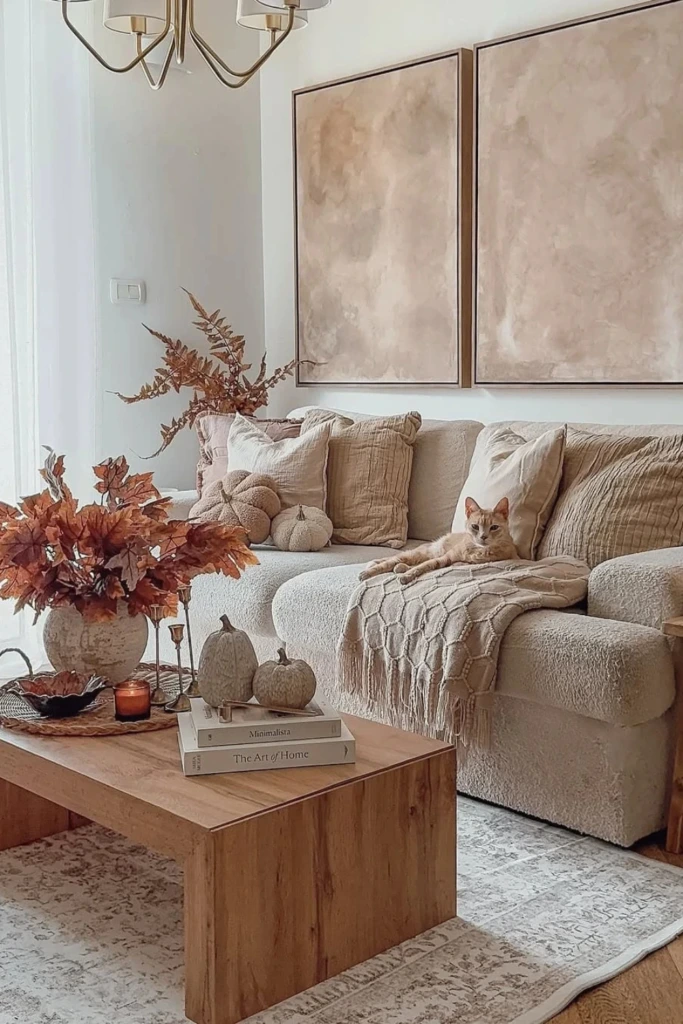
Neutral interiors don't have to feel plain. Mixing fabrics and materials can give a room warmth and visual interest without introducing too many colors.
Begin with a foundation of cream, beige, taupe, or light gray. Add knitted blankets, linen pillow covers, and a soft area rug to create different textures.
You can make your own cushion covers using inexpensive fabric or repurpose an old blanket into decorative throws. Incorporating natural wood accessories and ceramic pieces adds further variety.
The secret is choosing materials with different finishes while maintaining a coordinated color palette.
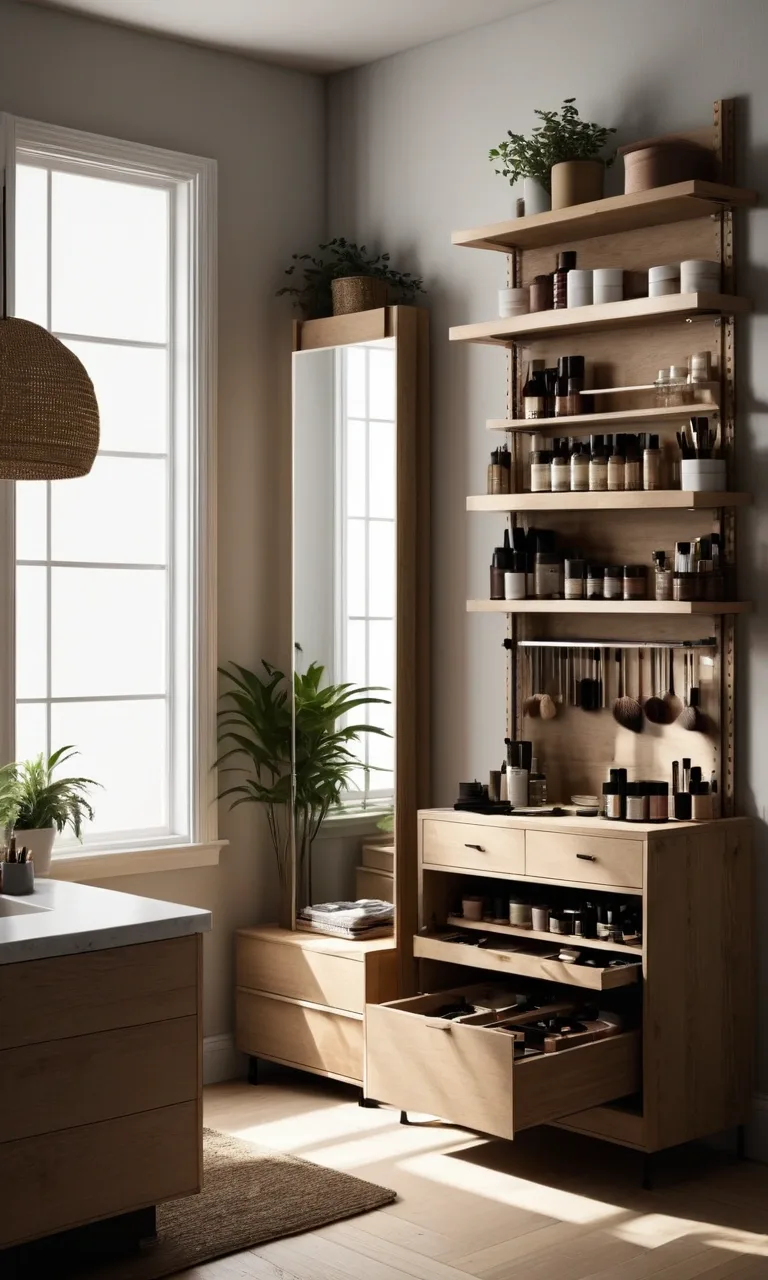
3. Backlit Shelf Styling
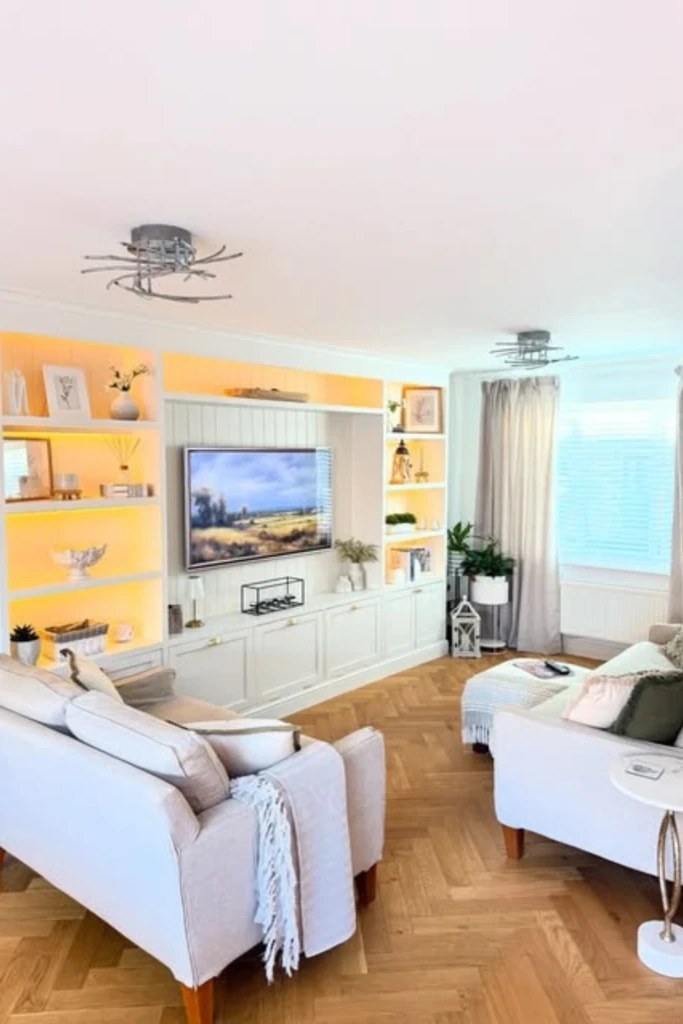
Ordinary shelves can become attractive decorative features with carefully positioned lighting.
Attach adhesive LED strips behind floating shelves or along the inside edges of a bookcase. Choose warm lighting for a relaxing atmosphere, particularly in living rooms and bedrooms.
Arrange books, framed photographs, small plants, and decorative bowls at different heights. Avoid filling every available space, as a few open areas help individual objects stand out.
Use low-voltage LED strips according to the manufacturer's instructions, keeping wiring tidy and avoiding damaged cables.
4. Natural Texture Mix
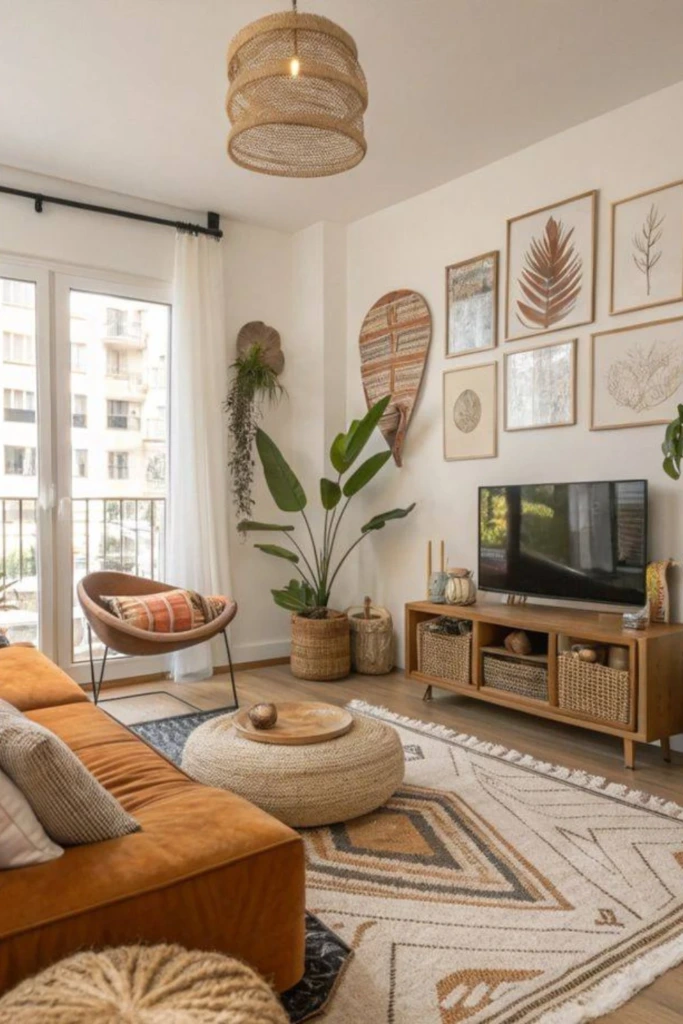
Natural materials introduce warmth and character into contemporary interiors, especially rooms dominated by smooth furniture and painted surfaces.
Try combining woven baskets, wooden trays, cotton fabrics, and jute accessories. These elements work particularly well with earthy colors such as sand, olive, terracotta, and warm white.
An easy DIY project involves wrapping a plain storage container with natural rope using suitable craft adhesive. The finished basket can hold blankets, magazines, or small household items.
Adding a few indoor plants completes the organic appearance and introduces refreshing greenery.
5. Statement Table Center
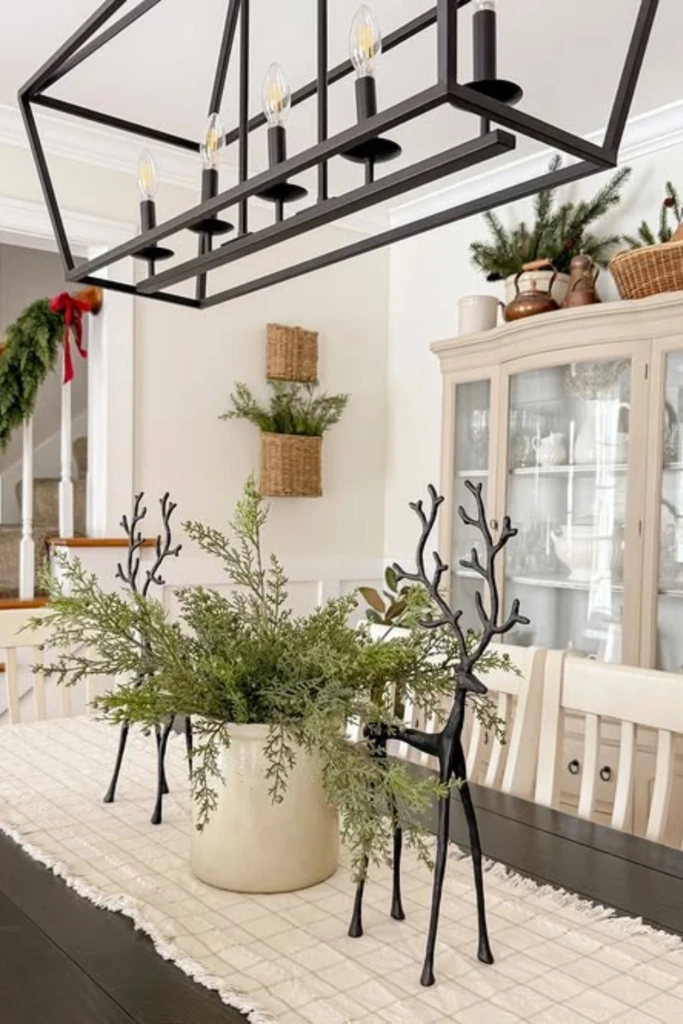
A thoughtfully arranged centerpiece can transform a dining table without requiring elaborate decorations.
Choose one substantial decorative item, such as a ceramic vase, wooden bowl, or shallow tray. Build the arrangement around it using dried flowers, seasonal greenery, or decorative branches.
For a handmade option, paint an inexpensive vase with a matte finish and fill it with dried stems. Keep the arrangement low enough for guests to see one another across the table.
Using fewer, larger objects often creates a more polished appearance than scattering numerous small accessories across the surface.
6. Slatted Wall Warmth
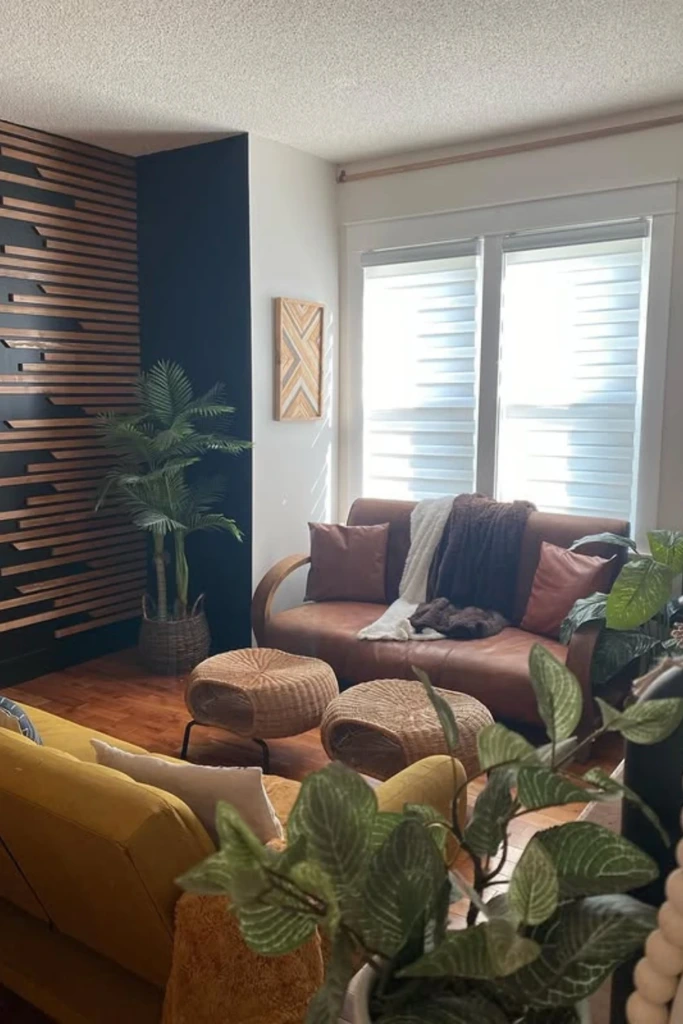
A wooden slat feature wall adds architectural interest and makes an otherwise ordinary room feel more distinctive.
This project works well behind a sofa, television console, or bed. Use evenly spaced wooden battens or MDF strips, finished with paint or wood stain.
Measure the wall carefully before cutting the strips, and use a level to maintain straight lines. Attach the material using appropriate fixings for your wall construction.
Light oak tones create a relaxed atmosphere, while darker finishes introduce stronger contrast. Pair the feature wall with simple furniture to prevent the design from becoming overwhelming.
7. Minimal Console Styling
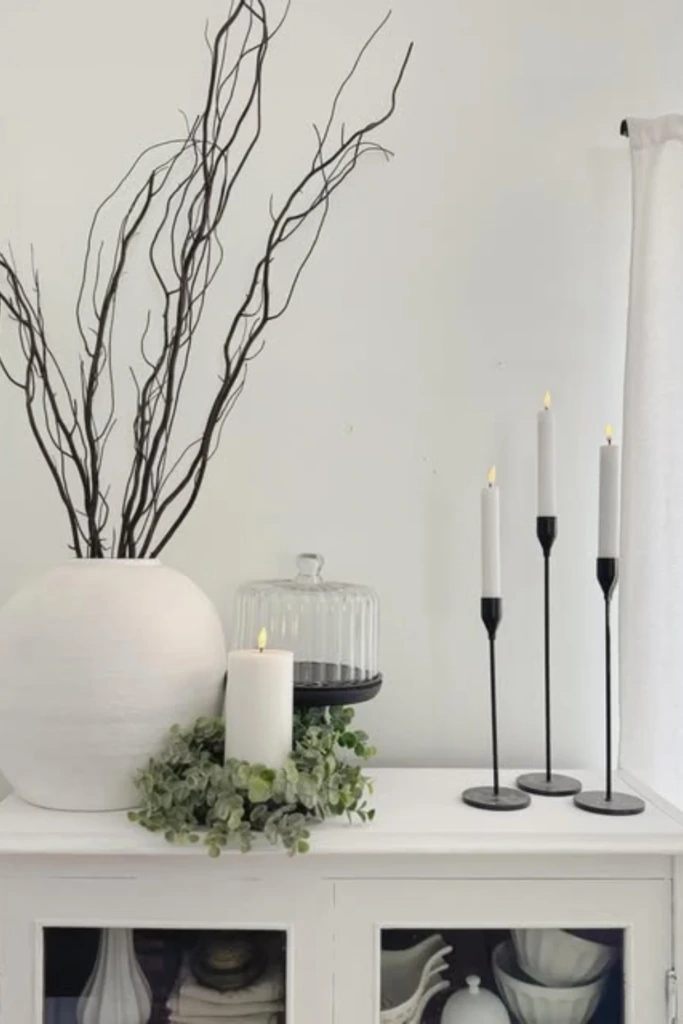
Console tables provide an opportunity to decorate entryways, living rooms, and narrow spaces without adding unnecessary clutter.
Start with a decorative vase or sculptural object to establish height. Add a small stack of books, a framed photograph, or a shallow dish for keys.
A DIY decorative tray made from a painted wooden board can help organize smaller accessories while maintaining a tidy appearance.
Choose objects with complementary shapes and finishes rather than trying to match everything perfectly. Leaving part of the tabletop clear creates a balanced, intentional display.
8. Layered Bedside Charm
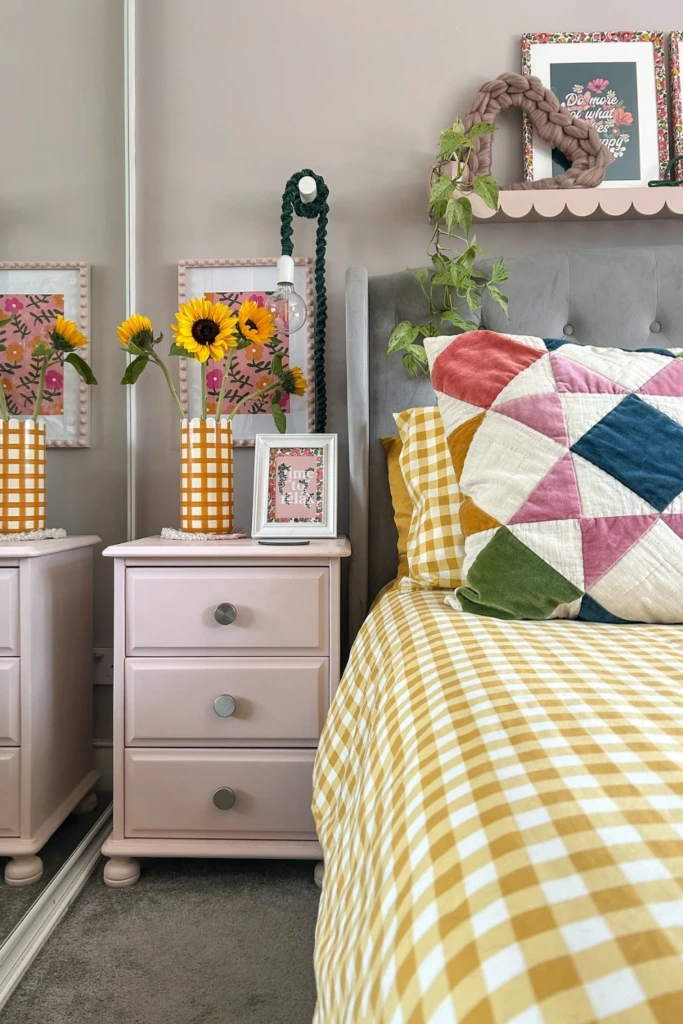
Your bedside table should be functional, but it can also contribute to a relaxing bedroom atmosphere.
Combine a practical lamp with one or two decorative pieces, such as a small framed print, miniature vase, or handmade jewelry dish.
Try painting an old nightstand in a muted color or replacing its drawer handles for an inexpensive update.
A coordinated bedside arrangement looks especially attractive when it complements the bedding and curtains. Keep everyday essentials within easy reach and avoid overcrowding the surface.
9. Modular Seating Setup
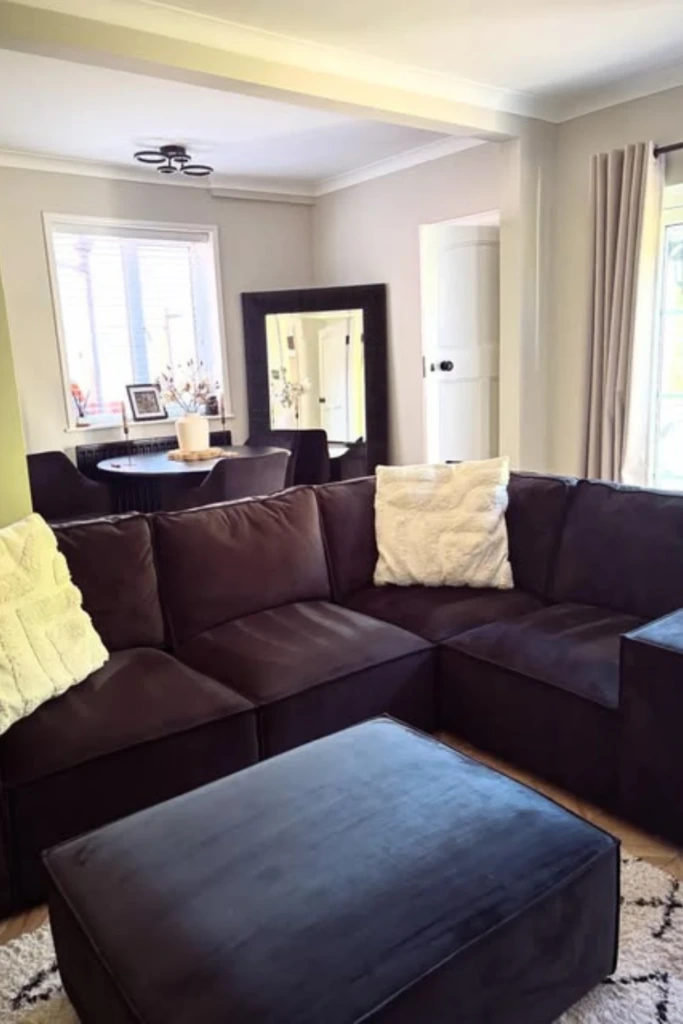
Flexible seating arrangements make it easier to adapt a room for different activities, from relaxing alone to entertaining guests.
Combine movable chairs, floor cushions, poufs, or lightweight seating modules that can be rearranged when needed.
For a simple DIY project, create washable covers for existing floor cushions using durable upholstery fabric. Choose patterns or colors that complement the surrounding furniture.
Arrange seating around a coffee table or area rug to establish a comfortable gathering space. Leave sufficient room between pieces so people can move around easily.
This approach is particularly useful in apartments and multipurpose living rooms.
10. Balanced Bed Lighting
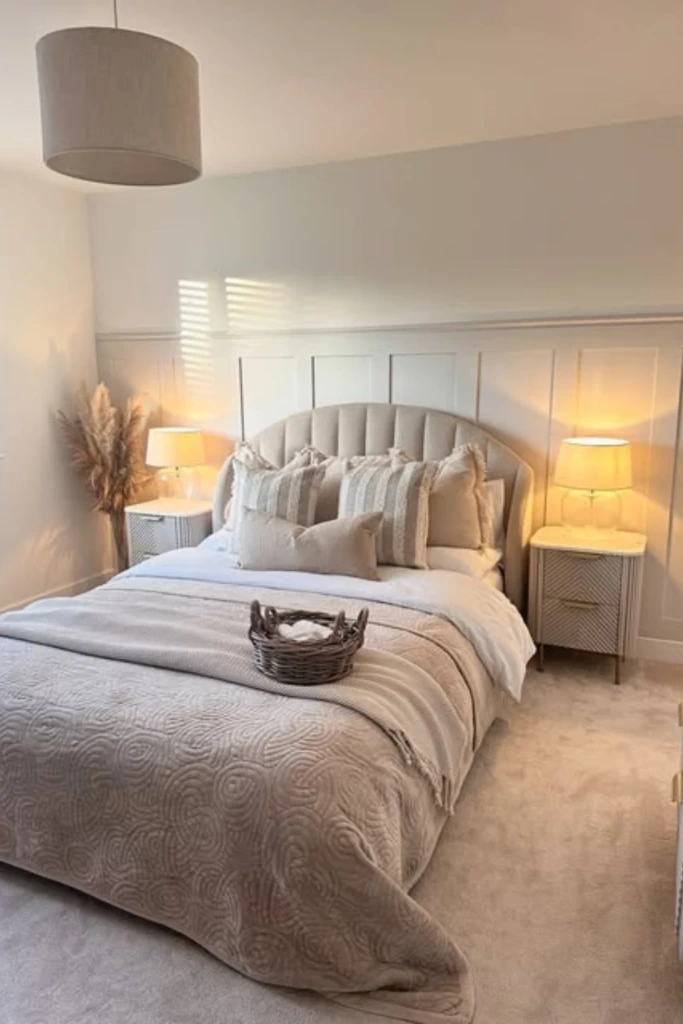
Bedroom lighting should support different activities without making the space feel overly bright.
Position lamps on both sides of the bed when possible. Matching lamps create a symmetrical appearance, while different designs with similar proportions can add personality.
Consider installing plug-in wall sconces to free up bedside table space. Always follow the product's mounting and electrical safety instructions.
Choose warm, dimmable bulbs for evening relaxation. If you enjoy reading in bed, select adjustable lights that provide enough illumination without disturbing someone sleeping nearby.
11. Seasonal Cozy Corner
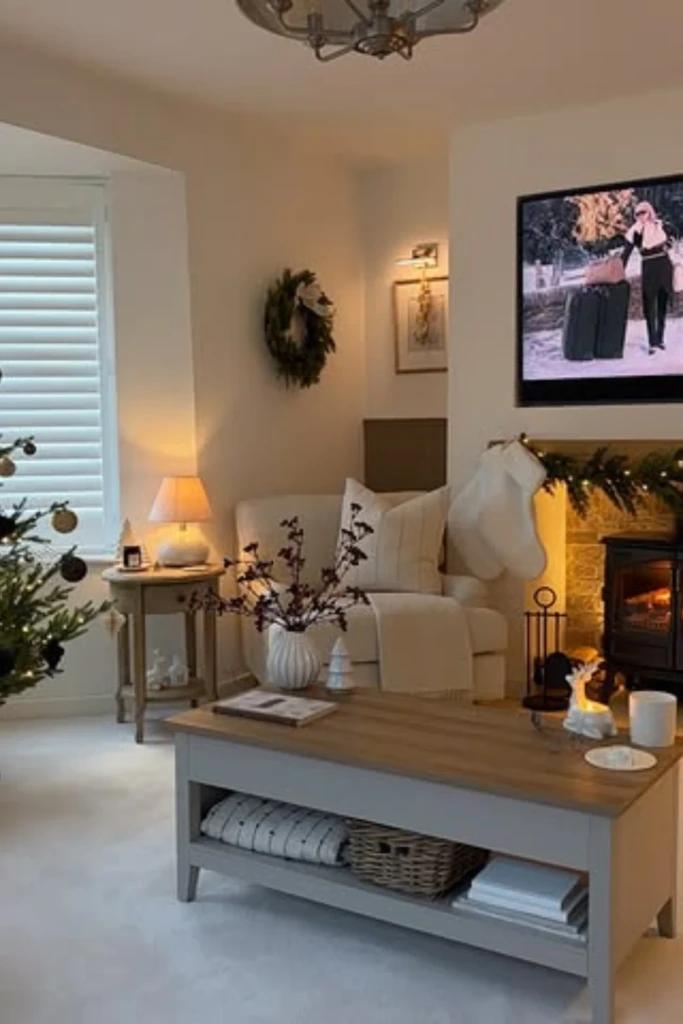
Creating a small seasonal display is an affordable way to refresh your home throughout the year.
Choose a corner near a window, armchair, or fireplace and decorate it with accessories that reflect the season.
During colder months, introduce chunky blankets, textured pillows, and warm lighting. In spring, replace heavier fabrics with lighter materials and add fresh flowers or greenery.
A handmade wreath, painted vase, or seasonal cushion cover can provide a personal touch.
Keep the basic furniture arrangement unchanged so updating the display remains easy and inexpensive.
12. Artwork Anchor Wall
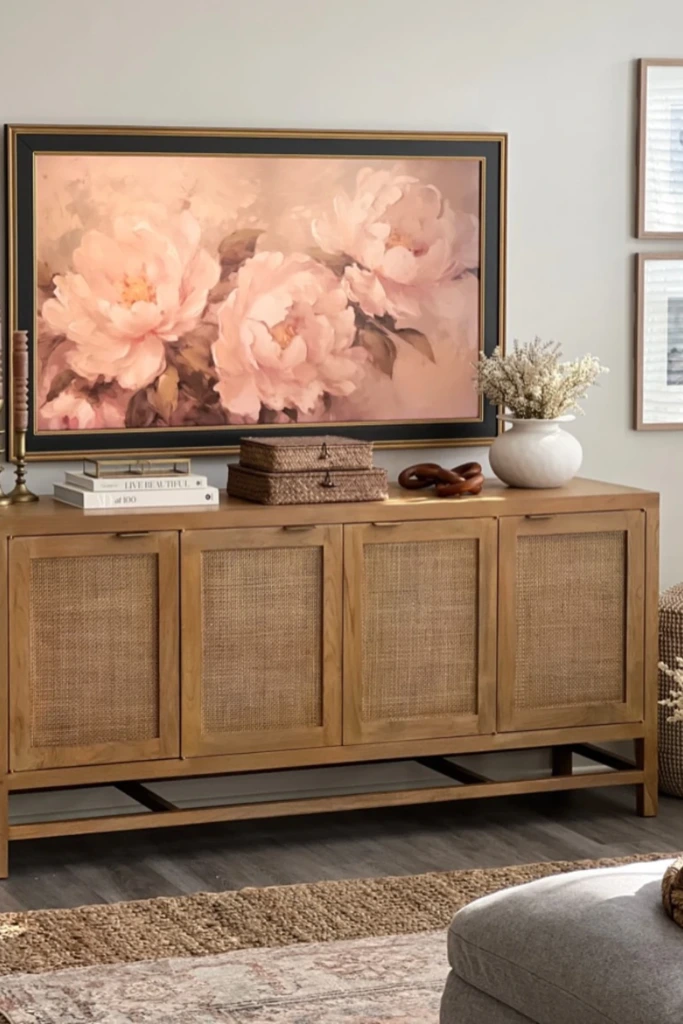
A large piece of artwork can bring together the colors and furnishings in a room while giving an empty wall a clear focal point.
Create your own abstract painting using canvas, acrylic paint, and a limited color palette. Simple shapes, layered brushstrokes, or textured paint effects can produce an attractive result.
Position the finished artwork above a sofa, console, or bed, allowing its dimensions to relate naturally to the furniture below.
For example, artwork spanning roughly two-thirds of a sofa's width often looks balanced.
Use suitable wall anchors and secure mounting hardware, particularly for heavy frames.
13. Soft Neutral Balance
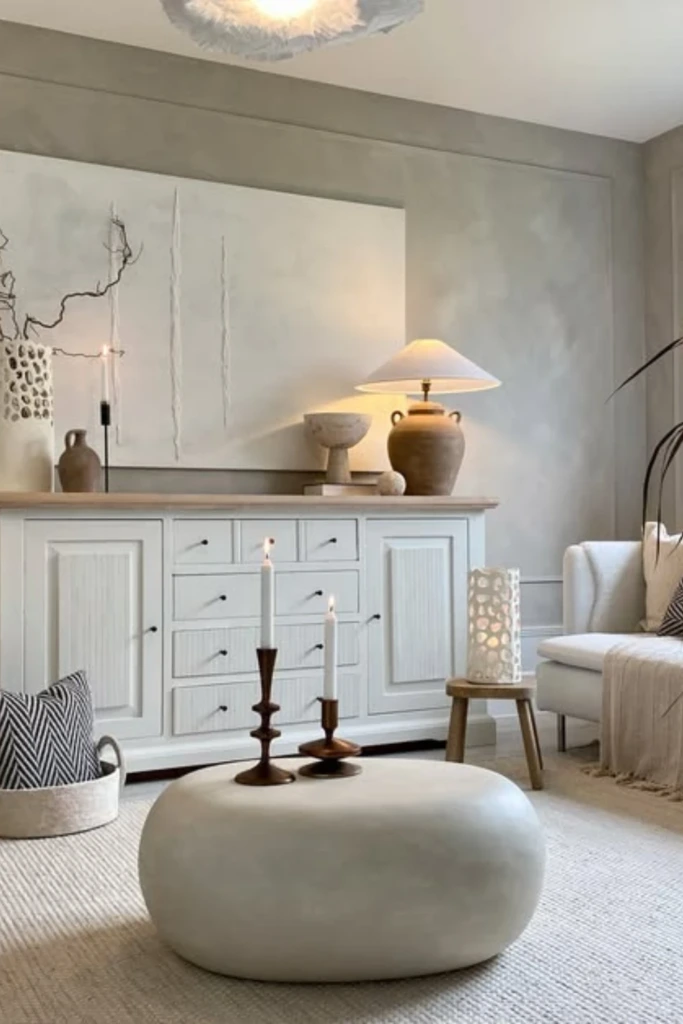
A carefully selected neutral color scheme can make a room feel calm, spacious, and cohesive.
Rather than decorating everything in one shade, combine several related tones. Warm white walls, oatmeal upholstery, sandy textiles, and pale wooden furniture work beautifully together.
Add handmade accessories such as painted ceramic pots, fabric-covered storage boxes, or simple framed artwork.
Mix matte, woven, and smooth surfaces to prevent the room from appearing flat.
Small accents in charcoal, muted green, or brown can provide contrast without disturbing the peaceful overall appearance.
14. Vertical Green Accent
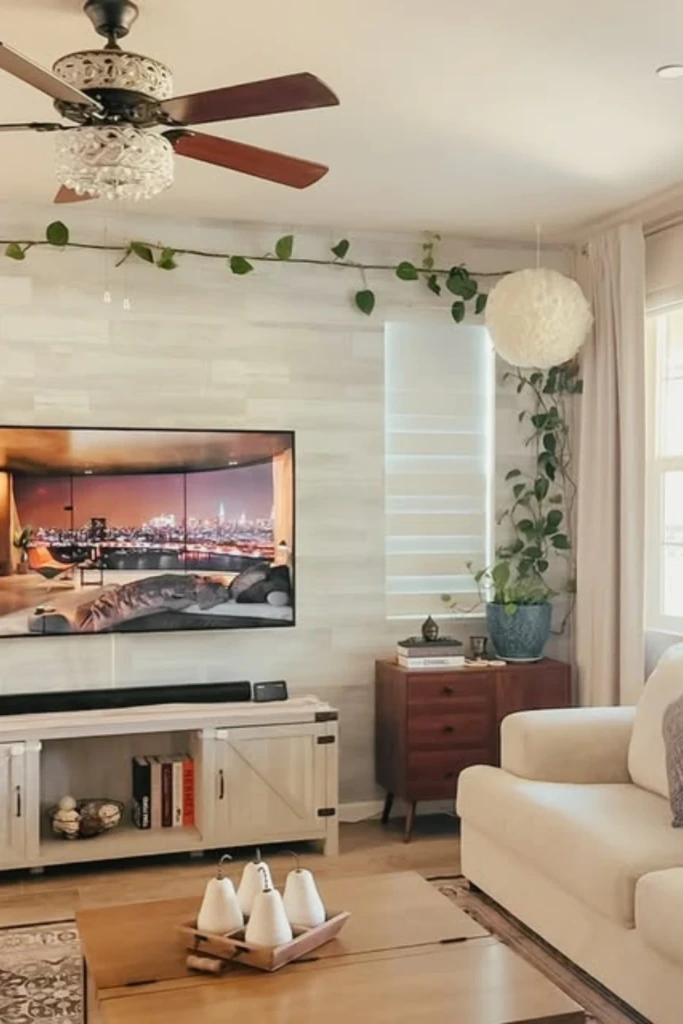
Vertical greenery offers an attractive decorating solution when floor space is limited.
Install a wall-mounted planter, hanging basket, or lightweight plant shelf to display trailing plants. Pothos, heartleaf philodendron, and certain ferns can work well when their light and care requirements are met.
For a DIY display, attach small planters to a securely mounted wooden panel or use a decorative hanging rail.
Choose plants suited to the available sunlight, and protect walls from moisture when watering.
Artificial greenery is another option for areas with insufficient natural light. If you have pets, check plant toxicity before bringing new varieties indoors.
15. Staircase Style Moment
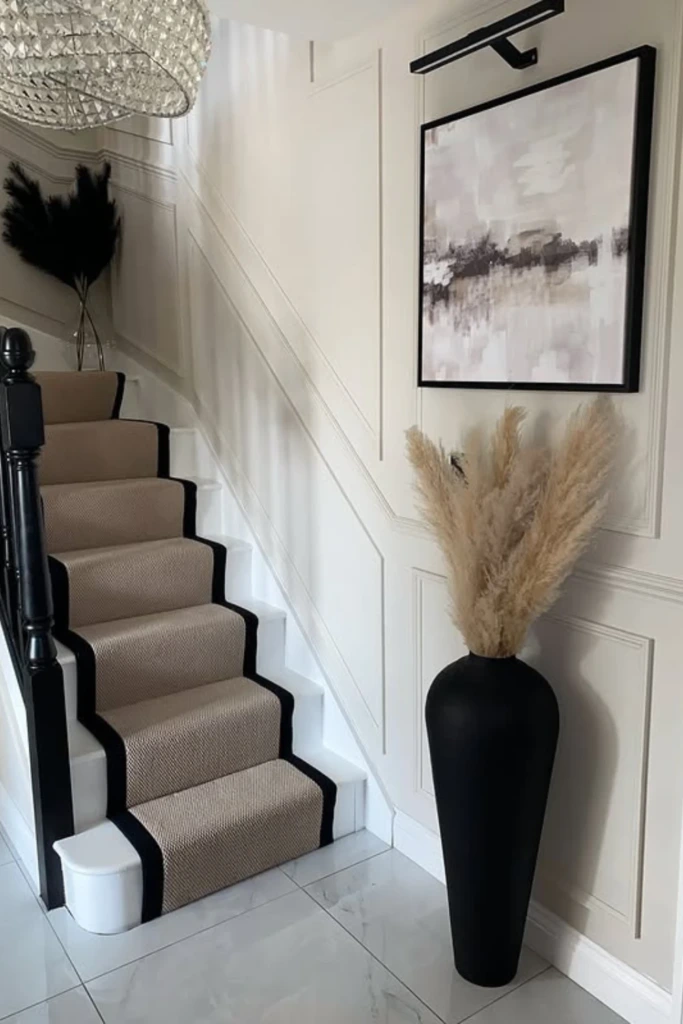
Staircases and nearby landings often provide unused decorating opportunities.
Transform the surrounding wall with framed artwork, a decorative mirror, or a collection of family photographs.
A simple DIY gallery arrangement can be created using inexpensive matching frames. Plan the layout on the floor before transferring it to the wall.
If space allows, place a tall vase or narrow decorative piece on a landing, away from walking routes.
Avoid placing accessories directly on stairs or obstructing handrails, since safe movement should remain the priority.
16. Indoor Plant Zoning
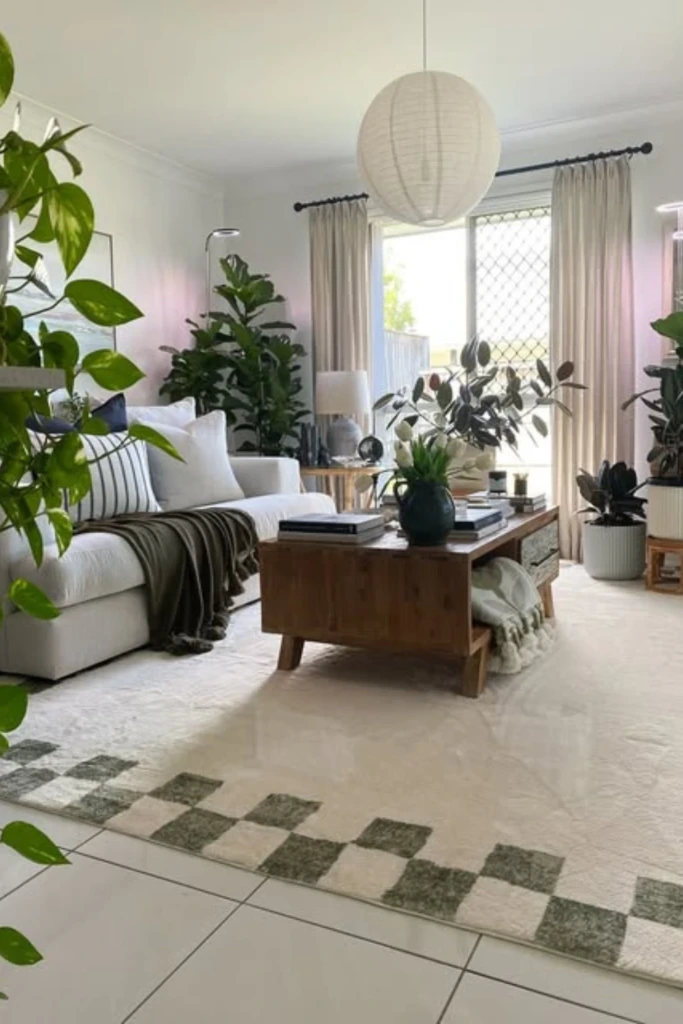
Plants can visually separate different areas within an open-plan room without requiring partitions or additional furniture.
Position a tall plant beside a sofa to define the living area, or group smaller plants near a reading chair to create a peaceful corner.
Use pots in coordinating colors or make decorative covers from rope, fabric, or painted containers.
Combining plants of different heights creates a more natural display. However, each plant should receive suitable light, drainage, and watering.
Place larger containers where they won't interfere with movement, and use protective saucers to prevent water damage to flooring.
17. Gallery Nook Dining
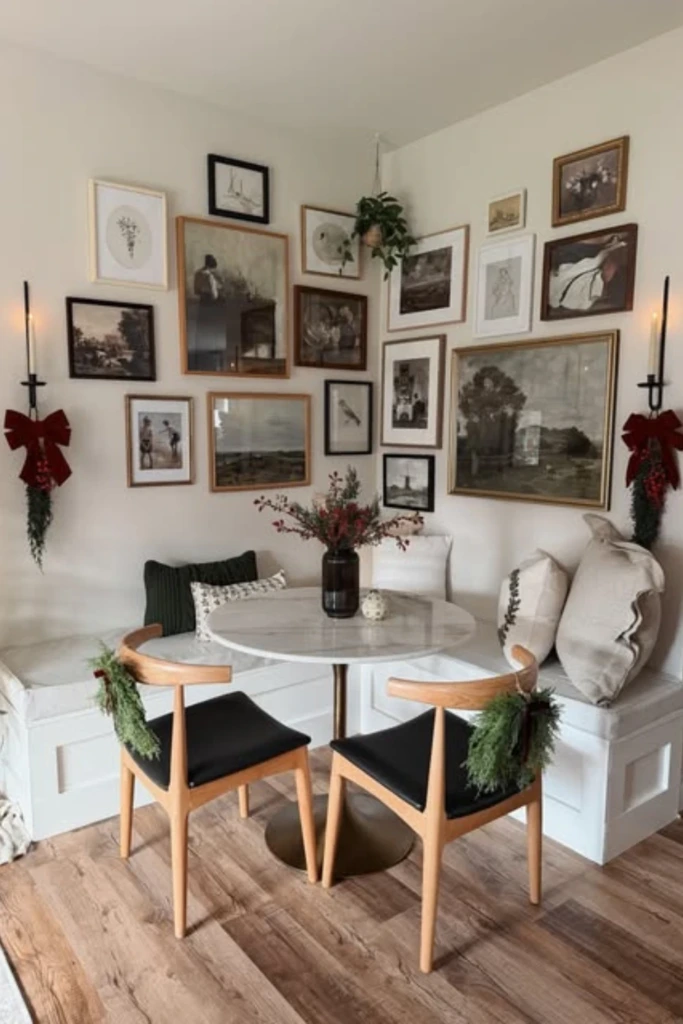
A compact breakfast nook can become a charming feature with a thoughtfully arranged gallery wall.
Collect a combination of artwork, personal photographs, illustrations, and decorative prints. Choose frames that share a common color or material for a coordinated appearance.
Before hanging anything, experiment with the arrangement using paper templates taped to the wall.
A bench with cushions can make the dining corner feel more comfortable while maximizing seating space.
For additional personality, include handmade artwork or vintage-style prints that reflect your interests and complement the dining furniture.
18. Mantel Symmetry Setup
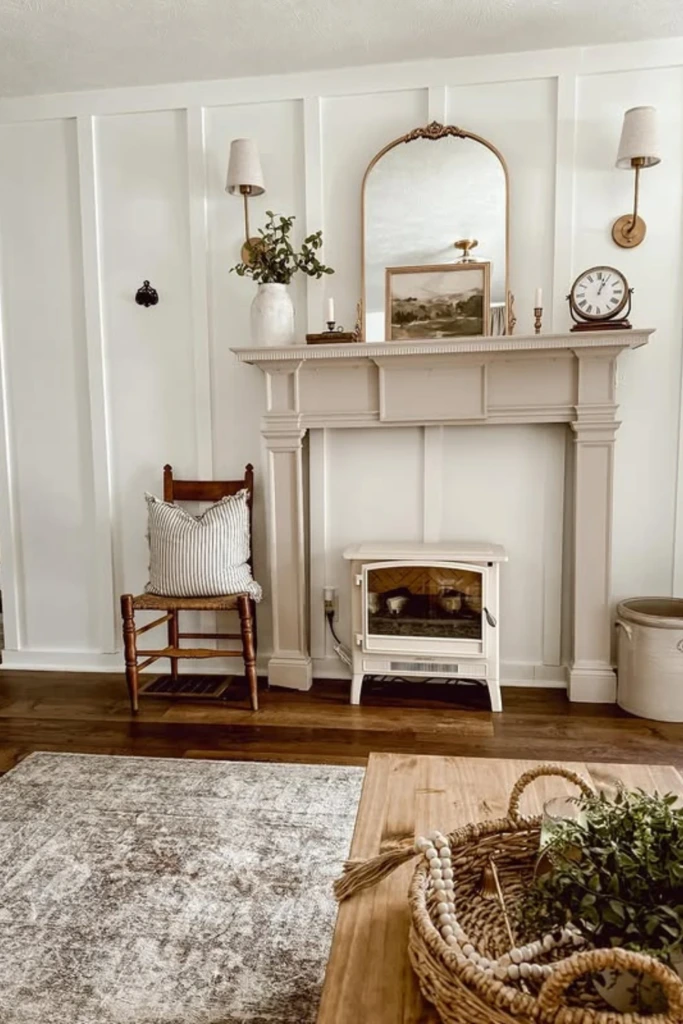
A fireplace mantel can become an elegant focal point when decorative elements are arranged with visual balance.
Position similar objects toward both ends of the mantel, such as matching vases, framed prints, or decorative holders. Place a mirror or larger artwork above the center to complete the composition.
For a DIY update, repaint old ceramic accessories in matching finishes or create simple framed botanical prints.
Symmetry doesn't require identical decorations. Objects with comparable heights and visual weight can produce a harmonious result.
Keep all decorations at safe distances from flames, hot surfaces, and fireplace vents, following the fireplace manufacturer's clearance requirements.
19. Bold Pendant Focus
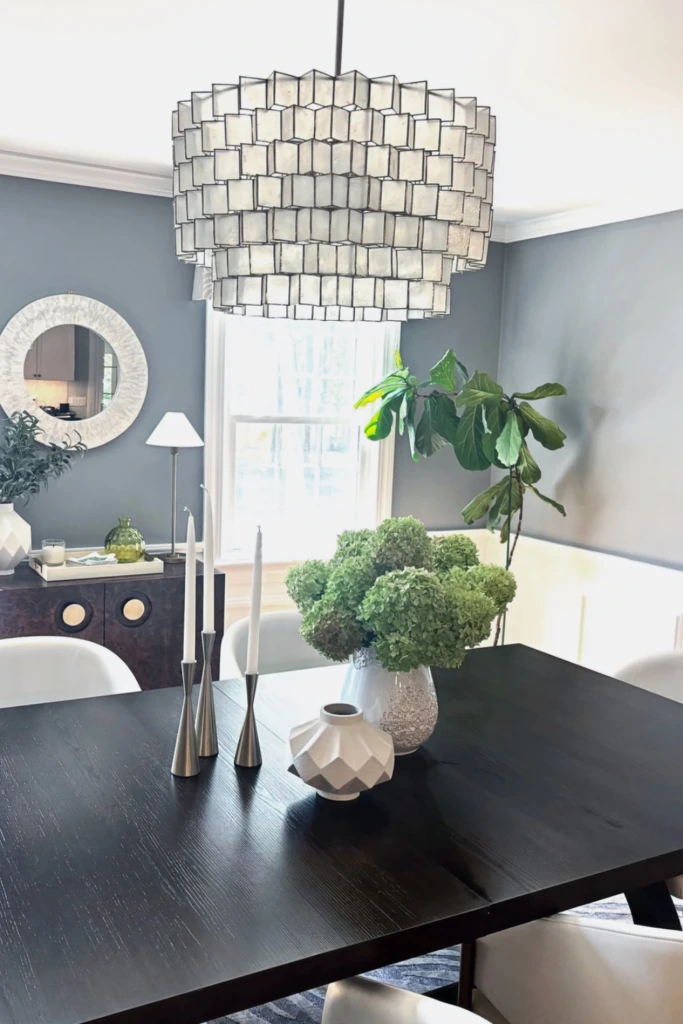
A distinctive pendant light can add personality to a dining room, kitchen island, or reading area.
Choose a fixture with an interesting shape, contrasting finish, or natural material. Woven shades, geometric metal designs, and oversized glass pendants can all create strong visual interest.
If you want a DIY element, customize a compatible removable lampshade using materials approved for the fixture and its heat requirements.
Keep surrounding decorations relatively understated so the pendant remains the main feature.
Any changes to fixed electrical wiring should be completed by a qualified electrician.
20. Hallway Wall Layering
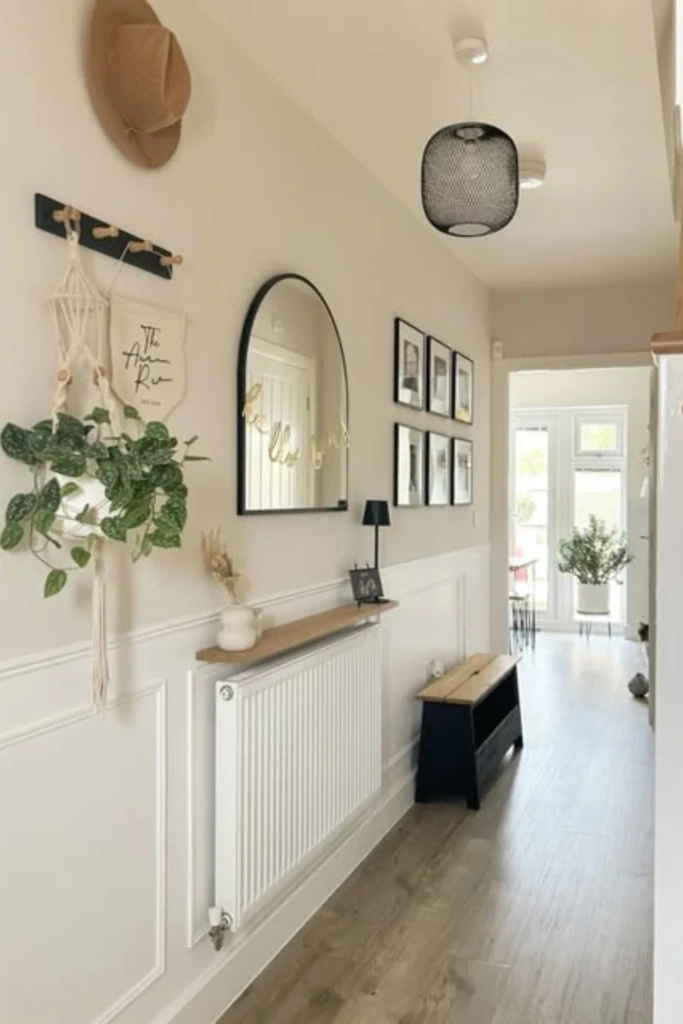
Hallways can feel more welcoming when their walls include a combination of practical and decorative features.
Start with a mirror to reflect light and create a sense of openness. Add framed photographs, a narrow wall shelf, or a hanging planter.
A DIY peg rail made from wood can provide convenient storage for lightweight accessories while contributing to the decor.
Choose shallow wall-mounted pieces in narrow corridors to maintain adequate walking space.
Consistent frame colors and a limited selection of materials help the arrangement look organized rather than crowded.
21. Textured Wall Panels
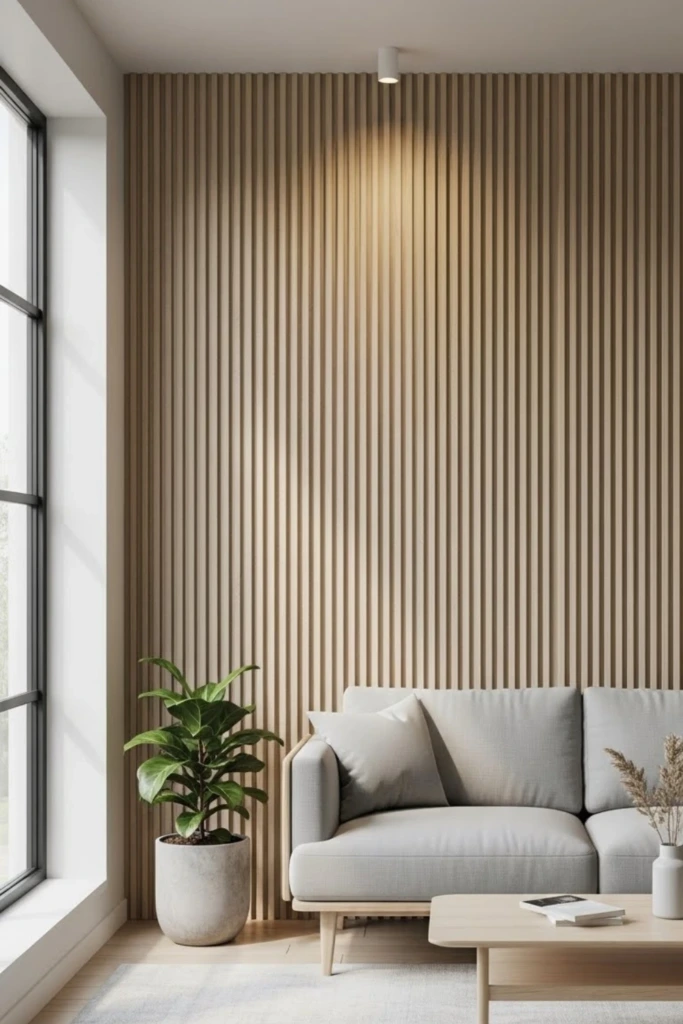
Decorative wall panels introduce depth and character without requiring a complete room makeover.
Consider using lightweight fluted panels, painted MDF strips, or simple geometric molding. These options can create anything from a traditional paneled appearance to a modern feature wall.
Plan the pattern carefully, mark the wall, and check measurements before cutting materials.
Paint the finished panels in the same color as the wall for subtle texture, or use a contrasting shade for a stronger effect.
Select appropriate adhesives or mechanical fixings for the wall surface, and avoid covering electrical outlets or ventilation openings.
22. Layered Floor Lamps
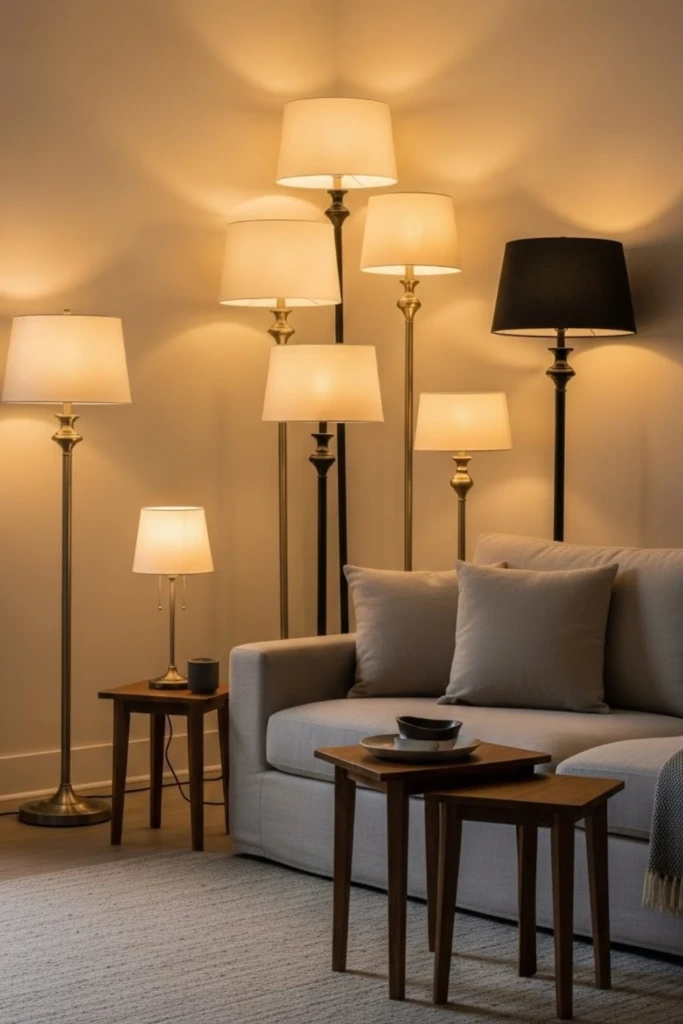
Floor lamps are useful for improving both the lighting and visual balance of a room.
Instead of relying entirely on ceiling lights, position lamps near seating areas, reading chairs, or darker corners.
Choose different lamp styles that complement one another. For example, a tall arc lamp can illuminate a sofa while a smaller upright lamp brightens a nearby corner.
You can personalize a compatible lampshade with fabric or decorative trim, provided the materials and attachment method are suitable for the fixture.
Use LED bulbs within the lamp's specified rating, and position cords where they won't create tripping hazards.
23. DIY Fabric Headboard
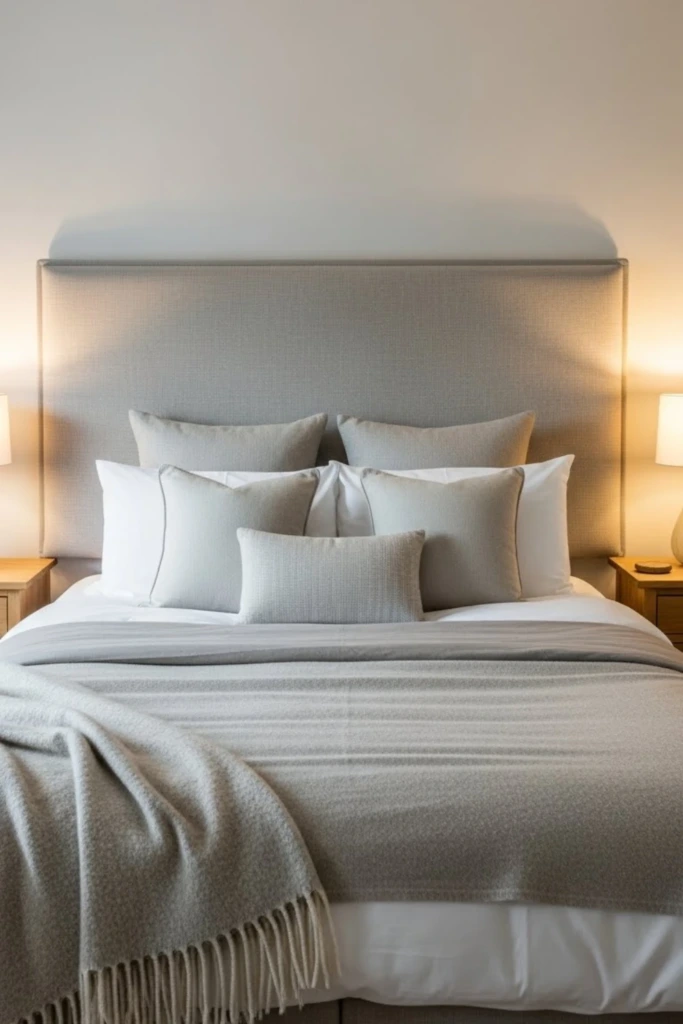
A fabric headboard can make a bedroom feel more finished while adding softness behind the bed.
Start with a plywood panel cut to the desired dimensions. Add upholstery foam and batting, then stretch your chosen fabric across the front.
Secure the fabric neatly to the back using an upholstery stapler, folding the corners carefully for a clean finish.
Choose durable upholstery material in a color that complements your bedding. Linen-look fabrics, velvet, and textured cotton blends offer different decorative effects.
Mount the completed headboard securely using suitable hardware. A simple rectangular design is often the easiest option for beginners.
24. Built-In Bench Nook
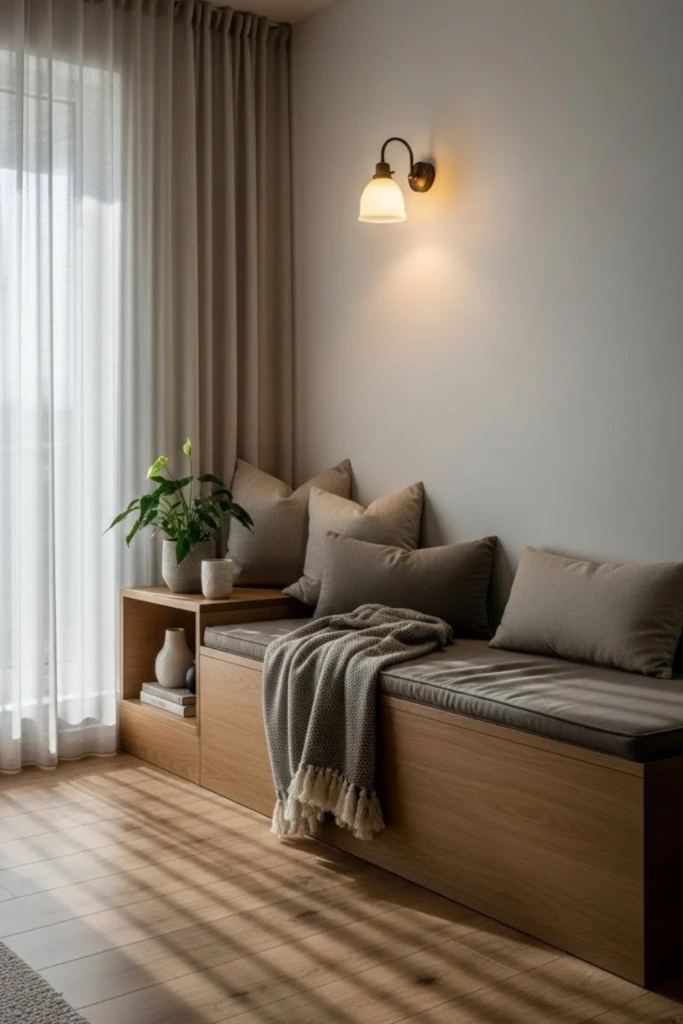
An unused corner can become a practical seating area with a custom-built bench.
This idea works especially well beneath windows, beside dining tables, or in spacious entryways.
Build a sturdy wooden bench sized to fit the available space. If you want additional functionality, incorporate accessible storage compartments beneath the seat.
Add a foam cushion covered in washable fabric, along with a few decorative pillows.
Ensure the structure is designed to support seated users and is securely assembled. Keep windows, heaters, and electrical fixtures accessible.
A compact wall light or nearby lamp can make the nook comfortable for reading and relaxing.
25. Soft Curtain Layering
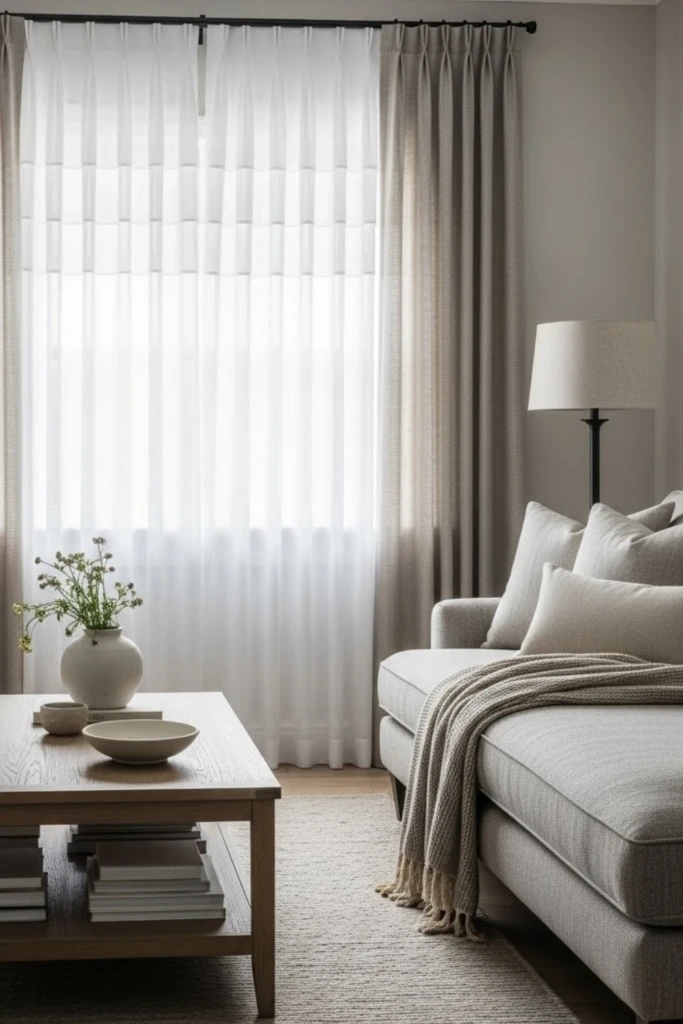
Layered window treatments add softness, improve privacy, and provide greater control over natural light.
Combine lightweight sheer curtains with heavier outer panels. The sheer layer allows daylight to enter while reducing direct visibility, and the outer curtains provide additional coverage.
Choose fabrics that complement the room's existing colors. For a handmade touch, sew simple curtain panels or add decorative trim to plain ready-made curtains.
Mount the curtain rod high enough to create an elongated appearance, while ensuring the brackets are securely attached.
In bedrooms, consider blackout-lined panels if controlling early morning sunlight is important.
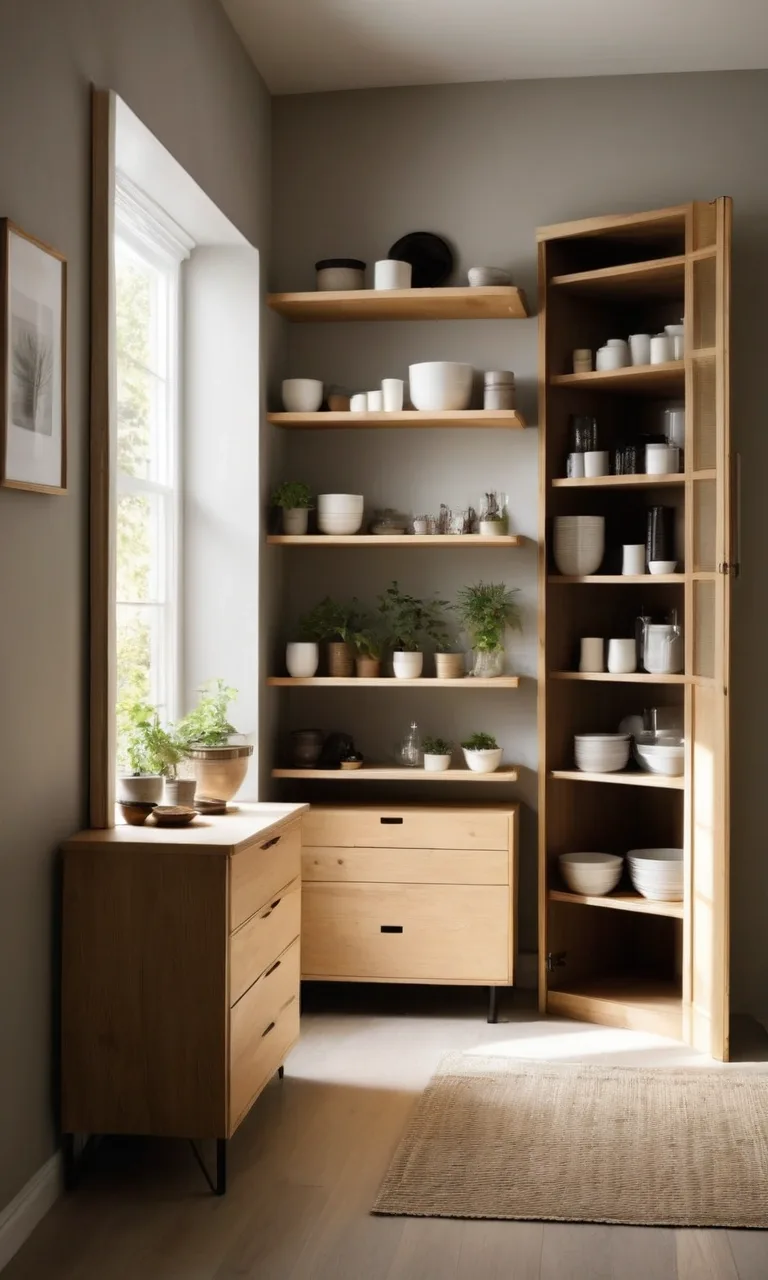
26. Open Shelf Styling
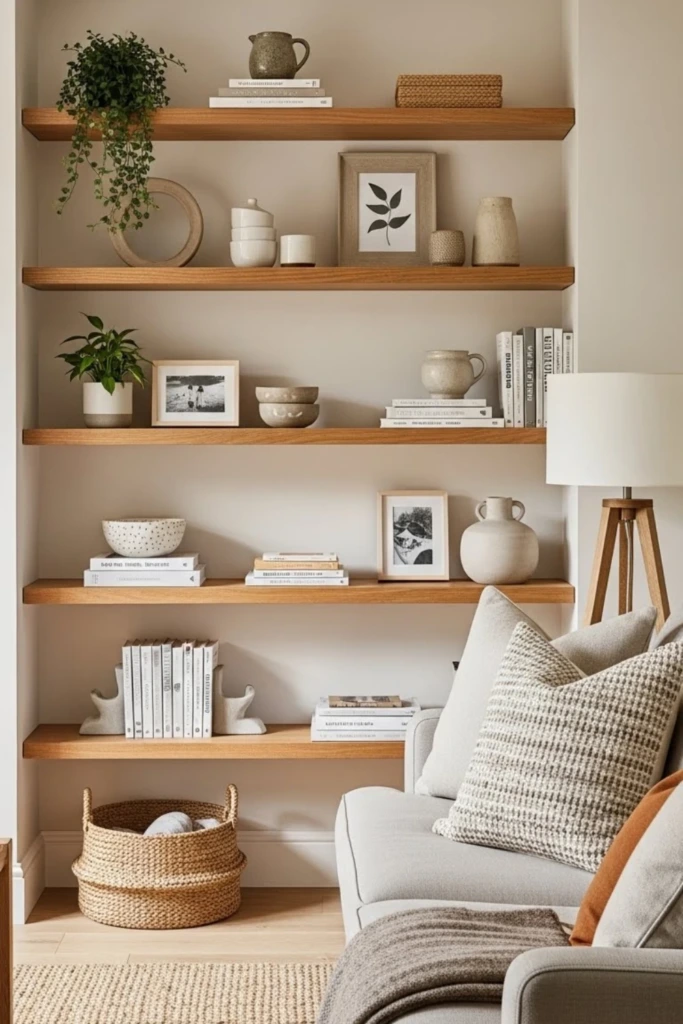
Open shelving can provide useful storage while displaying objects that make a room feel personal.
Install floating shelves or refresh existing shelving with paint, stain, or decorative brackets.
Combine everyday essentials with a small selection of attractive accessories. In kitchens, display frequently