18 Blanket Storage Ideas for a Tidy, Cozy Home in 2026
Blankets make a home feel warmer and more inviting, whether they are draped over the sofa, layered on a bed, or kept nearby for chilly evenings. However, storing them can become a challenge when closets are full and bulky fabrics take up valuable space. The right blanket storage solution keeps your collection organized, protects delicate materials, and makes it easy to grab an extra layer whenever you need one.
From attractive baskets and hidden storage furniture to space-saving fabric bags, these blanket storage ideas combine practicality with style. Choose an option that suits your available space, the number of blankets you own, and how frequently you use them.
How to Preserve an Old Blanket?
Old blankets often carry sentimental value, especially when they are handmade, inherited, or associated with family memories. Proper storage can help protect their fibers, colors, and overall condition for years to come.
Begin by checking the care label or identifying the fabric before cleaning the blanket. Wool, cotton, silk, and synthetic materials can require different washing methods. Avoid harsh detergents, excessive heat, and aggressive scrubbing that might weaken older fibers.
Make sure the blanket is completely dry before putting it away. Even a small amount of trapped moisture can encourage mildew and create unpleasant odors. Fold the blanket loosely rather than pressing it into a tight bundle, and use clean, breathable cotton fabric for wrapping delicate or valuable pieces.
Store heirloom blankets in a cool, dry place away from direct sunlight, damp walls, and fluctuating temperatures. Avoid placing heavy objects on top of fragile textiles, as prolonged pressure can damage the fibers. For particularly valuable antique blankets, consult a textile conservator about suitable long-term storage materials.
Inspect stored blankets occasionally for signs of moisture, insects, or discoloration. If you notice a musty smell or visible mold, address the problem before returning the blanket to storage.
What is the Lifespan of a Blanket?
A blanket's lifespan depends on its material, construction, frequency of use, and how well it is maintained. Some inexpensive blankets may need replacing after a few years, while well-made wool or cotton blankets can remain useful for decades.
Here is a general guide to how different blanket materials may hold up under normal household use.
Cotton blankets: Often last around 5–15 years, depending on fabric quality and washing frequency.
Wool blankets: Quality wool can last 10–30 years or longer with careful maintenance.
Fleece blankets: Commonly remain comfortable for approximately 3–10 years, depending on pilling and wear.
Polyester blankets: May last 5–10 years or more when the fabric and stitching are durable.
Down-filled blankets: Can last 10–20 years or longer if the filling stays evenly distributed and the outer fabric remains intact.
Handmade or heirloom blankets: May survive for generations when protected from excessive wear, moisture, pests, and sunlight.
These estimates are not fixed rules. A blanket used every night and washed frequently will usually wear out faster than one reserved for occasional guests.
Replace a blanket when it develops persistent odors, extensive thinning, damaged seams, exposed filling, or holes that cannot be repaired satisfactorily. Regular cleaning, gentle handling, and suitable storage can extend its useful life.
1. Hidden Storage Table with a Decorative Top
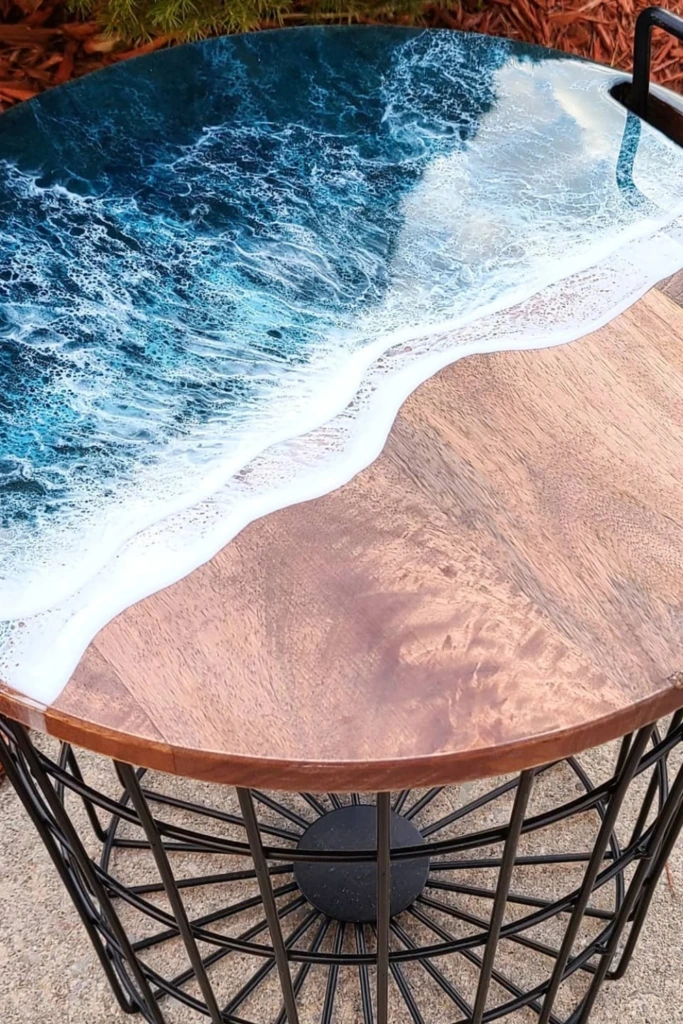
A storage table with a concealed compartment is an excellent choice for keeping blankets close at hand without making a room look cluttered. It works particularly well in living rooms, family rooms, and compact apartments where every piece of furniture needs to serve more than one purpose.
Choose a coffee table or side table with a lift-up lid, removable top, or built-in storage section. Fold a few frequently used throws inside and keep the tabletop available for books, lamps, trays, or decorative accessories.
For the best results, select a table with enough internal depth to hold blankets without forcing the lid closed. A lined compartment can help prevent snags, while a smooth interior makes it easier to remove and replace fabrics.
This option is especially useful when you prefer a minimalist appearance. Your blankets remain accessible for movie nights and chilly evenings, but they stay out of sight when guests arrive.
2. Woven Basket with Lid Storage
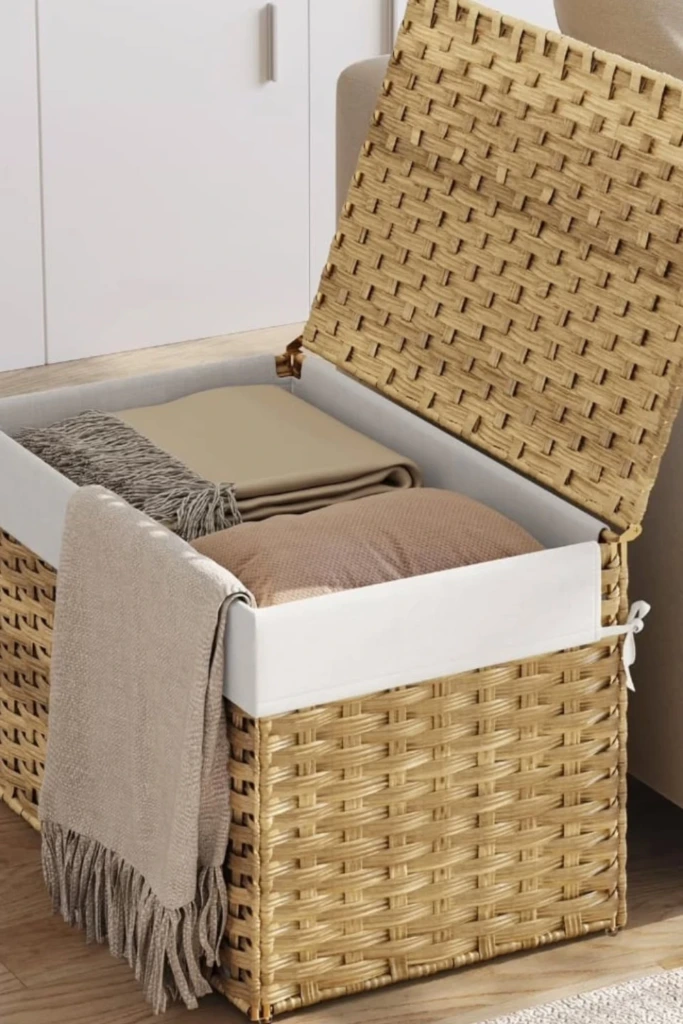
A lidded woven basket offers a practical way to store blankets while adding natural texture to your decor. Materials such as wicker, rattan, seagrass, and water hyacinth complement rustic, coastal, Scandinavian, and bohemian interiors.
Place a medium or large basket beside the sofa, near a reading chair, or at the foot of the bed. Fold your blankets neatly before placing them inside, arranging heavier pieces at the bottom and lighter throws on top.
The lid keeps the contents visually concealed and helps prevent everyday dust from settling directly on the fabric. However, woven materials are not always airtight, which can be beneficial for textiles that need some airflow.
Keep the basket in a dry area and check occasionally for rough edges that could snag delicate fabrics. Avoid packing blankets tightly into damp natural-fiber baskets, and make sure everything is fully dry before storing it.
A basket with sturdy handles is especially convenient because you can move it between rooms whenever needed.
3. Folded Blanket Box Organizer
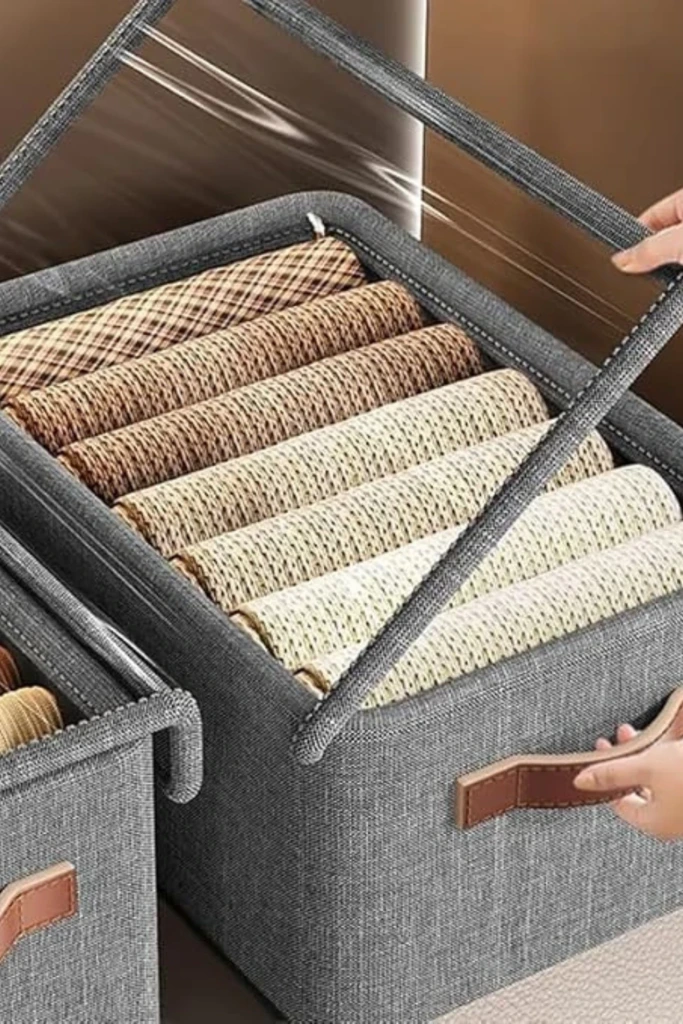
A blanket box is a classic storage solution for households with several comforters, quilts, or seasonal throws. It provides a dedicated place for bulky bedding while keeping bedrooms and living areas organized.
Look for a box made from wood, upholstered fabric, plastic, or another durable material suited to your room. A wooden box can double as a decorative furniture piece, while a lightweight fabric organizer is easier to move when necessary.
Before arranging the blankets, group them by size, season, or intended use. Keep everyday throws near the top and reserve the bottom for spare bedding that you use less frequently. If the box is deep, consider placing smaller blankets in separate fabric pouches to make retrieval easier.
Avoid filling the box beyond its capacity. Excessive compression can create stubborn creases and make the lid difficult to close. If the box sits on the floor, choose a dry location away from leaks and damp corners.
A blanket box is particularly useful at the foot of a bed, where it can provide both storage and a convenient place to sit while getting dressed.
4. Closet Shelf Storage Setup
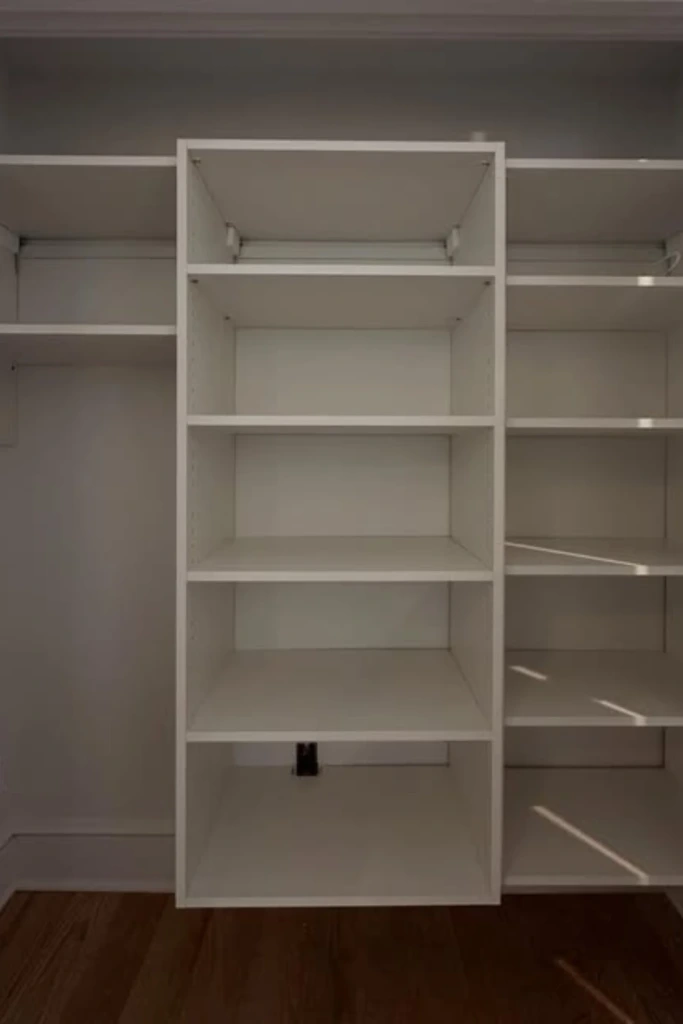
Closet shelves are ideal for households that want to keep blankets out of sight without purchasing additional furniture. A well-arranged shelf makes it easy to identify what you own and prevents spare bedding from becoming a disorganized pile.
Start by measuring the shelf and removing items you no longer need. Fold each blanket into a consistent size so the stacks remain stable and fit comfortably within the available height.
Group blankets by purpose, such as everyday throws, guest bedding, winter quilts, and lightweight summer covers. You can assign each group a separate shelf or use labeled fabric bins to create clear categories.
For high shelves, reserve storage for lightweight blankets that you use infrequently. Keep heavier bedding at a comfortable height to reduce the risk of items falling when you reach for them.
Leave some space between stacks and the closet walls to make handling easier. If your closet tends to become humid, improve ventilation and avoid storing blankets against damp exterior walls.
A simple closet organization system can accommodate a surprisingly large collection without sacrificing floor space elsewhere in the home.
5. Zippered Fabric Storage Box
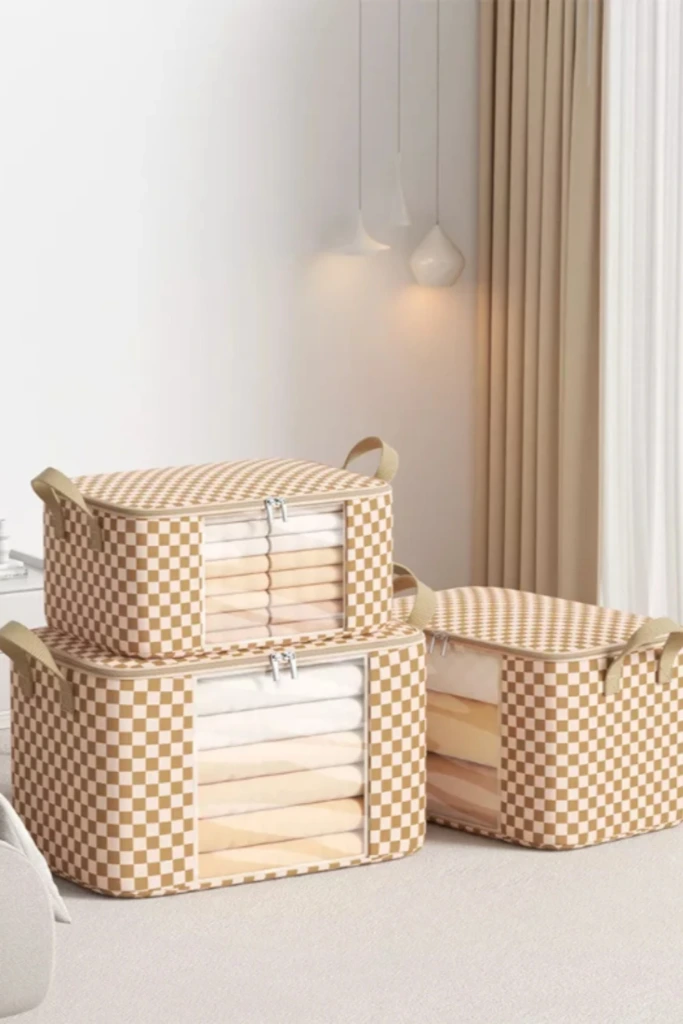
Zippered fabric storage boxes provide an enclosed, lightweight home for blankets that need to stay organized between seasons. They are available in many sizes and often feature reinforced handles, transparent windows, or collapsible frames.
Choose a box large enough to accommodate folded blankets without forcing the zipper shut. Breathable fabric versions are useful for regular household storage, while sturdy designs can support stacking when the manufacturer allows it.
A transparent window makes it easier to identify the contents without opening every container. Alternatively, attach a label describing the blanket type, room, or season.
These boxes work well on closet shelves, beneath beds, and inside wardrobes. When not in use, many can be folded flat to save space.
Before storing blankets, ensure they are clean and completely dry. Keep the box away from damp floors, and inspect its interior periodically for moisture or musty odors. Remember that ordinary fabric organizers are not necessarily waterproof or airtight.
For a tidy appearance, use matching boxes throughout the closet and arrange them so the labels face outward.
6. Open Wooden Shelf Storage

Open wooden shelving turns blanket storage into part of your home's decor. Instead of hiding every throw in a closet, you can display neatly folded textiles in a way that makes a living room or bedroom feel warm and welcoming.
A freestanding bookcase, wall-mounted shelf, or low shelving unit can accommodate folded blankets alongside baskets, books, and small decorative objects. Choose a finish that complements your existing furniture, such as natural oak, walnut, painted white, or reclaimed wood.
Arrange blankets in small stacks rather than creating tall towers that might topple. Coordinate colors for a cohesive look, or group contrasting textures to add visual interest.
Because the shelves are exposed, wash or air out blankets as appropriate before displaying them. Dust the shelves regularly, and avoid placing textiles in direct sunlight, which can fade their colors over time.
For a balanced arrangement, leave some empty space between stacks and other accessories. This keeps the display from appearing overcrowded and allows you to remove a blanket without disturbing everything around it.
Open shelving is best for blankets you use regularly and enjoy having within easy reach.
7. Decorative Woven Storage Box
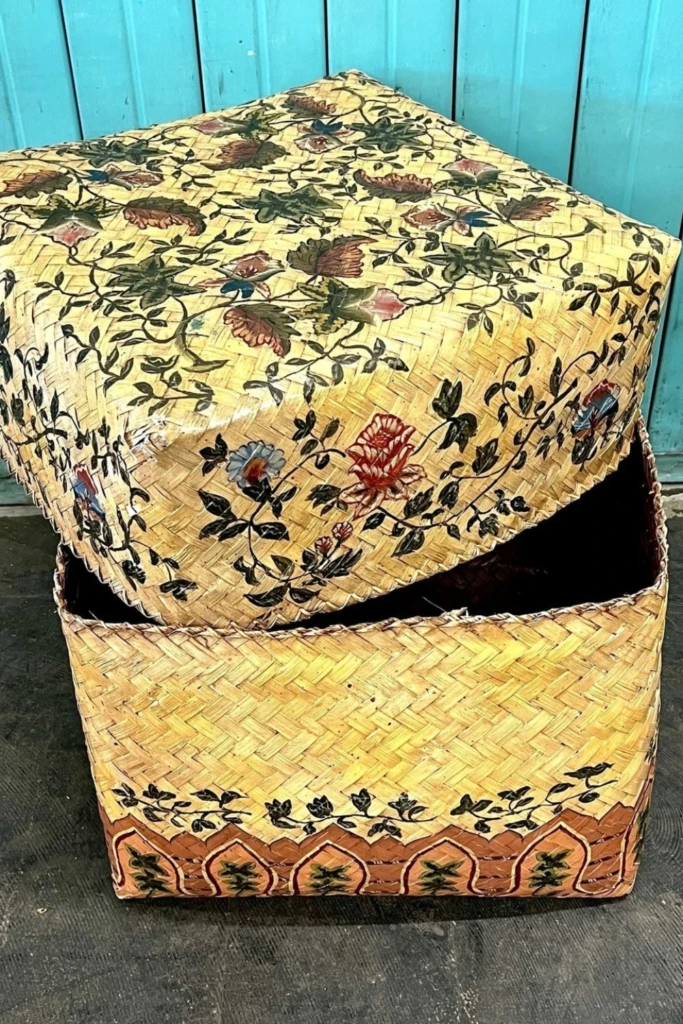
A decorative woven storage box combines the practicality of a container with the appearance of a design accessory. Compared with an open basket, a structured box may fit more neatly on a shelf, inside a wardrobe, or beneath a console table.
Look for a shape and size that suit your storage area. Rectangular boxes are particularly useful for shelves, while square versions can fit into corners or beside furniture. Some styles include hinged lids, fabric linings, or reinforced sides.
Use the box for lightweight throws, baby blankets, guest linens, or smaller fleece covers. If you plan to store delicate textiles, check the interior for rough fibers or sharp edges that might catch on the fabric.
A woven box can also help divide a larger storage unit into manageable sections. For example, one container might hold living-room throws while another stores spare pillowcases and lightweight bedding.
Choose a finish that matches your room's palette so the box looks intentional rather than like an extra storage container. Neutral shades blend easily into most interiors, while darker or patterned designs can add contrast.
Keep woven boxes dry and avoid placing them directly against damp walls.
8. Scented Blanket Box Setup

A scented blanket box can make opening your storage area feel fresh and pleasant, particularly when you put away blankets for several months. The key is to keep fragrances subtle and ensure they do not leave residue on the fabric.
Begin with a clean storage box and freshly laundered, completely dry blankets. Add a sachet of dried lavender or another mild fragrance in a separate pouch rather than scattering scented materials directly over the textiles.
You can also use cedar blocks nearby if you prefer a woody scent. Keep them separate from delicate fabrics and follow any care instructions supplied with the product.
Avoid spraying perfume, room freshener, or essential oils directly onto blankets. Concentrated fragrances may stain materials, irritate sensitive skin, or leave odors that become stronger in enclosed storage.
Do not use fragrance as a substitute for cleaning or ventilation. If a blanket smells musty, investigate moisture or mildew instead of attempting to cover the odor.
Check scented sachets periodically and replace them when their fragrance fades. If you store blankets for a long period, make sure the box remains dry and inspect the contents occasionally.
A lightly scented storage setup is best suited to everyday blankets rather than valuable antiques or particularly delicate textiles.
9. Vintage Cabinet Blanket Storage
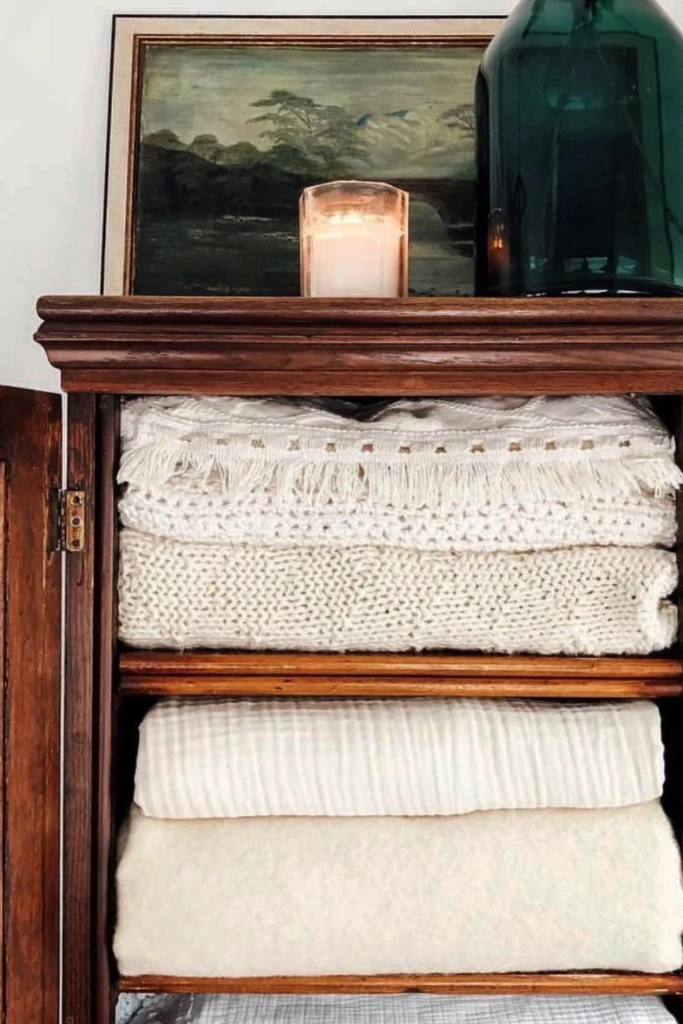
A vintage cabinet can provide generous blanket storage while contributing character to your home's interior. An antique cupboard, repurposed armoire, or secondhand wooden cabinet can work beautifully in a bedroom, hallway, or guest room.
Before using an older piece of furniture, inspect its shelves, hinges, back panel, and interior surfaces. Remove dust and address rough edges, loose hardware, or signs of pest activity. If the cabinet has a persistent musty smell, resolve the cause before storing textiles inside.
Arrange blankets in separate stacks based on size or season. Smaller throws can sit on upper shelves, while heavier quilts and comforters are easier to handle on lower shelves.
If the cabinet has deep compartments, use baskets or dividers to keep stacks from becoming mixed together. Labels attached to the shelf edges can help family members find the right blanket quickly.
Vintage cabinets can have limited ventilation, so never put away damp fabrics. Avoid placing the cabinet in a humid basement or directly against a wall that regularly collects condensation.
For a decorative touch, choose blankets in colors that complement the furniture. This keeps the storage arrangement functional while allowing the cabinet to remain an attractive feature of the room.
10. Wall-Mounted Blanket Rack
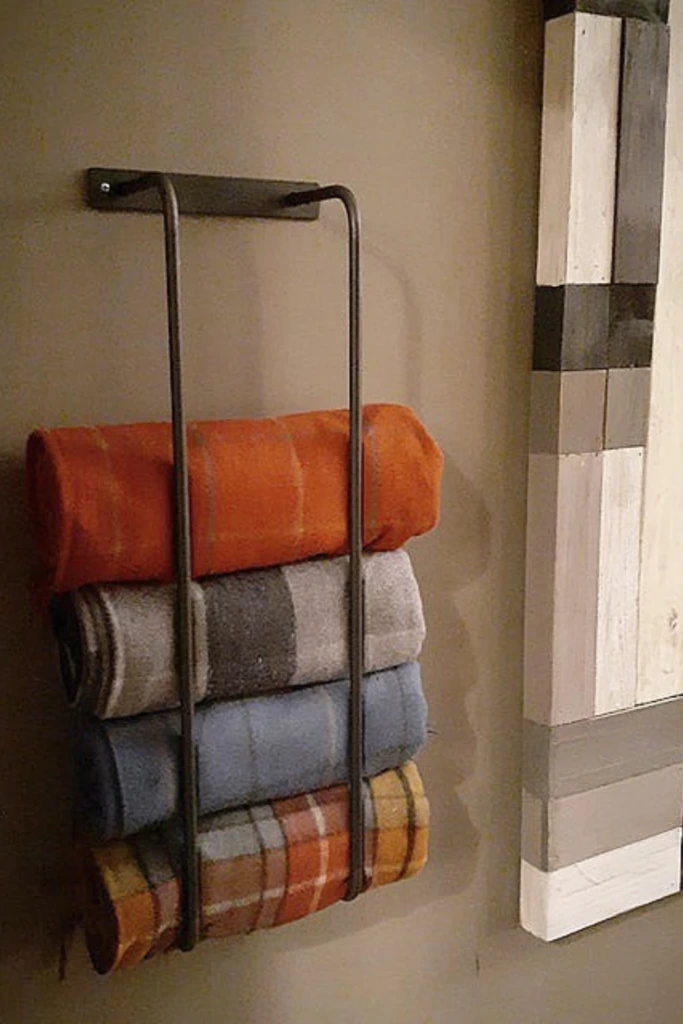
A wall-mounted blanket rack is useful when floor space is limited but you still want blankets within easy reach. It works well in small apartments, compact bedrooms, guest rooms, and living areas where a freestanding storage unit would feel bulky.
Choose a rack with enough width and sturdy supports for the number of blankets you plan to hang. Install it into suitable wall studs or use mounting hardware rated for the wall type and expected load.
Fold each blanket lengthwise or into a manageable rectangle before placing it over the bars. This creates a neater appearance and helps distribute the weight evenly.
Keep heavier quilts on the lowest or strongest supports, following the rack's weight limits. Avoid overcrowding the bars because tightly packed fabrics can develop creases and may be harder to remove.
A wall-mounted rack can also serve as a decorative display. Coordinate blanket colors with the room, or rotate seasonal throws to give the space a fresh appearance.
Choose a location away from direct sunlight, cooking grease, and areas where moisture regularly collects. Since the blankets remain exposed, wash or refresh them as appropriate and dust the rack regularly.
11. Decorative Storage Trunk
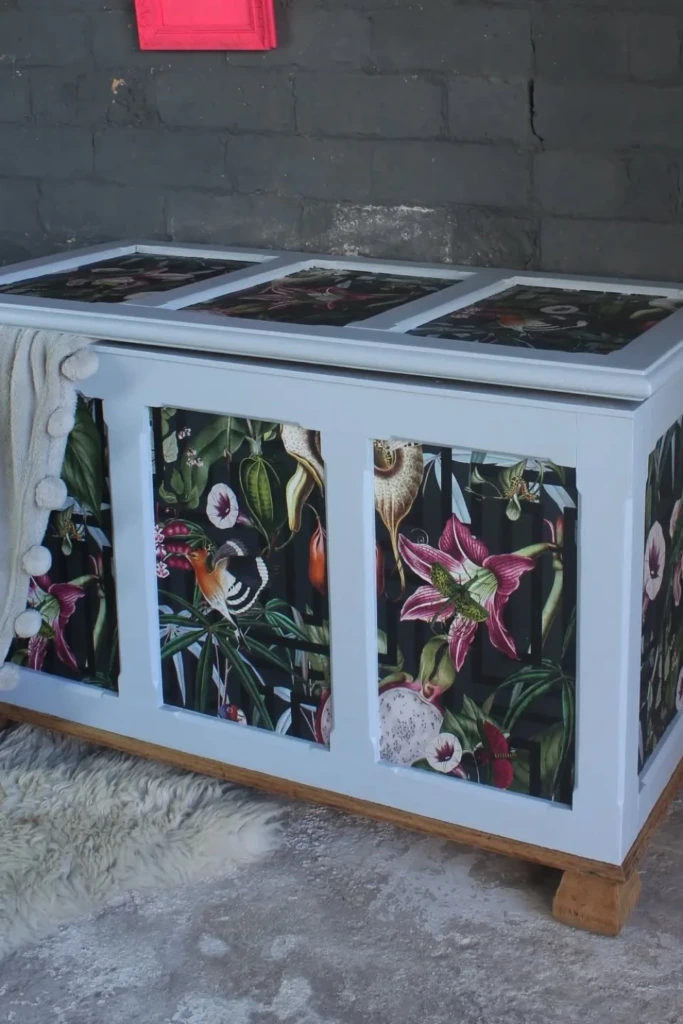
A decorative storage trunk offers substantial capacity for families with multiple blankets or bulky winter bedding. Its enclosed design keeps the contents out of sight, while its appearance can complement traditional, farmhouse, eclectic, or modern interiors.
Select a trunk that fits your room and has enough internal depth for folded quilts and comforters. Wooden trunks create a classic look, upholstered designs feel softer in bedrooms, and lightweight alternatives are easier to move.
Place the trunk at the foot of the bed, along a bedroom wall, or in a spacious living room. Use the interior for seasonal bedding and reserve a smaller basket nearby for the throws you use every day.
Before storing blankets, check that the trunk is clean, dry, and free from splinters or sharp fittings. Add a washable fabric liner if the interior surface could snag the material.
Avoid sealing blankets inside a trunk while they are damp, and do not assume an old wooden trunk is automatically suitable for heirloom textiles. Valuable fabrics may need more breathable, conservation-appropriate storage.
If the trunk doubles as seating, confirm that it is designed to support weight and has safe lid hardware. A slow-closing lid can reduce the risk of trapped fingers, especially in homes with children.
12. Blanket Ladder Display
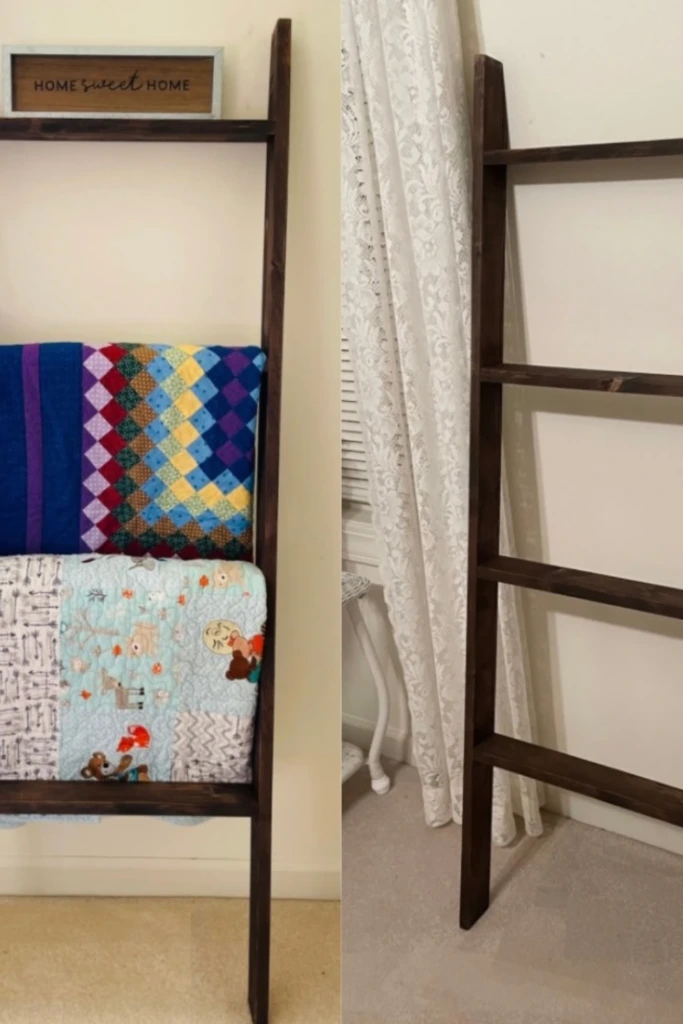
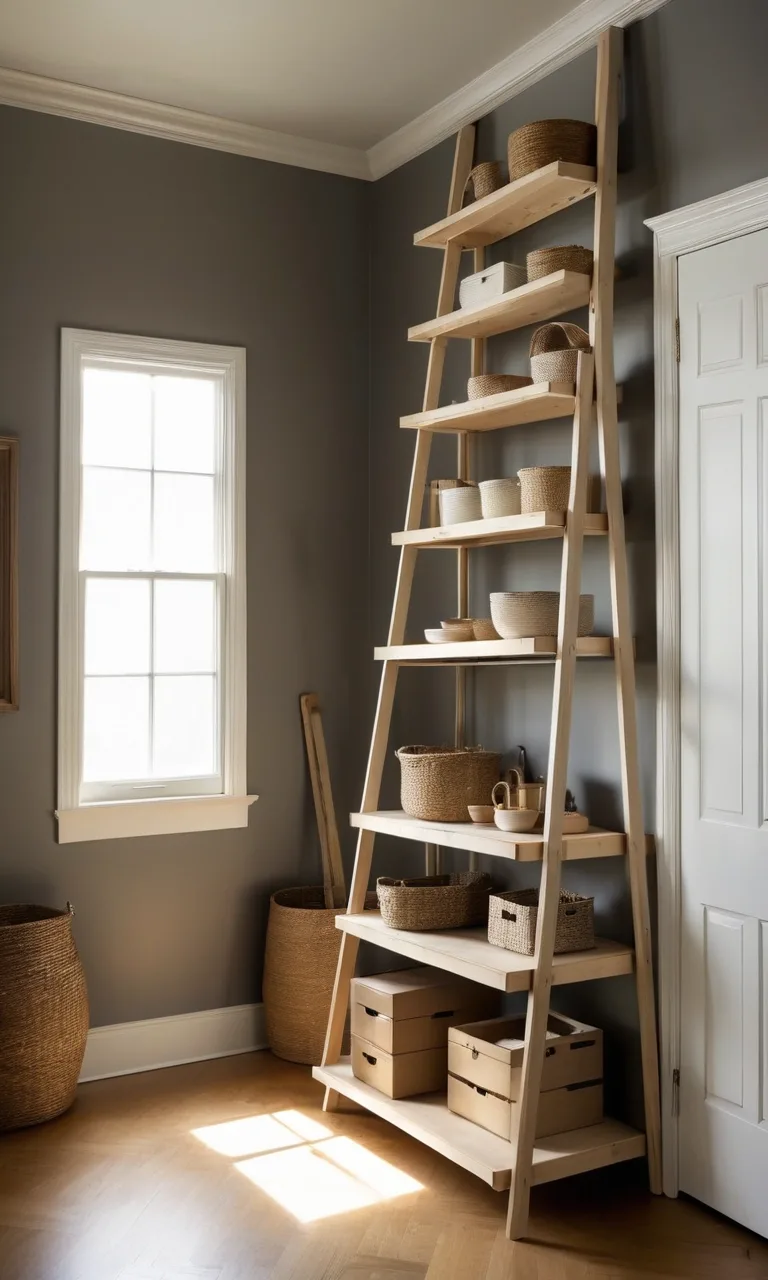
A blanket ladder provides a stylish way to organize throws without taking up much floor space. Its simple structure makes it a natural fit for living rooms, bedrooms, reading corners, and rustic or contemporary interiors.
Lean a purpose-built ladder securely against the wall or use a freestanding model designed for blankets. Avoid using an unstable decorative ladder that could slip when you remove a throw.
Drape one blanket over each rung, allowing the fabric to hang evenly. Lightweight cotton throws, knitted blankets, and decorative fleece covers usually work well. Thick comforters may be too bulky and can make the ladder difficult to use.
For an organized display, coordinate the blanket colors or vary the textures while keeping the overall arrangement balanced. Leave enough space between blankets so you can lift one away without pulling down the others.
Because the blankets are exposed to room dust, wash them according to their care instructions when needed. Keep the ladder away from direct sunlight and sources of excessive heat.
A blanket ladder is particularly effective for frequently used throws. It offers a convenient alternative to folding and unfolding the same blanket every day, while making soft textiles part of your room's design.
13. Vertical Blanket Rack
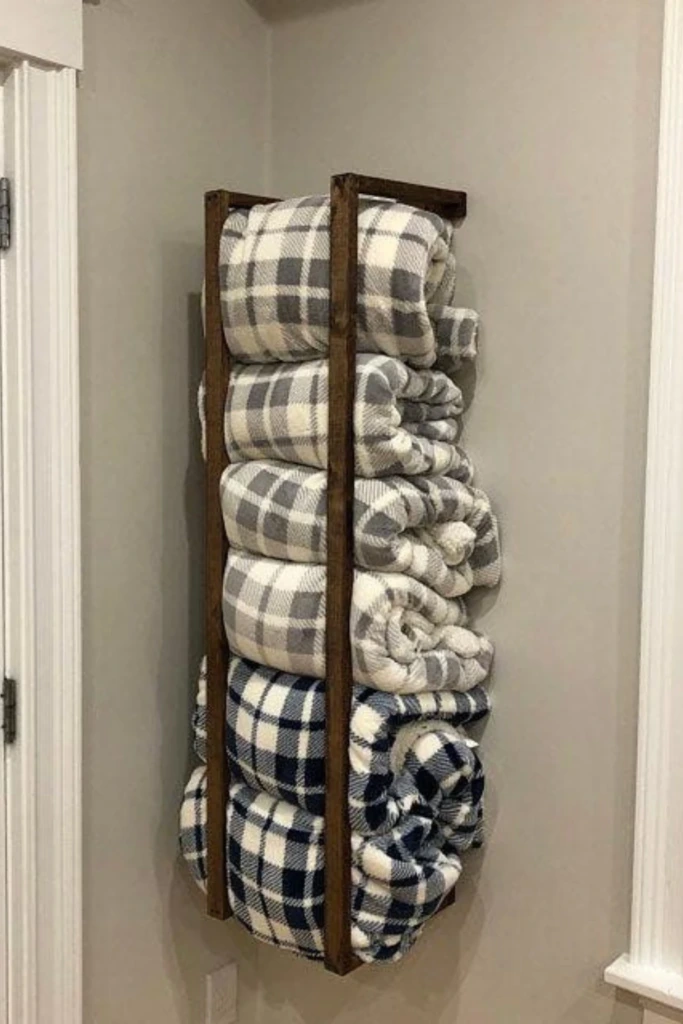
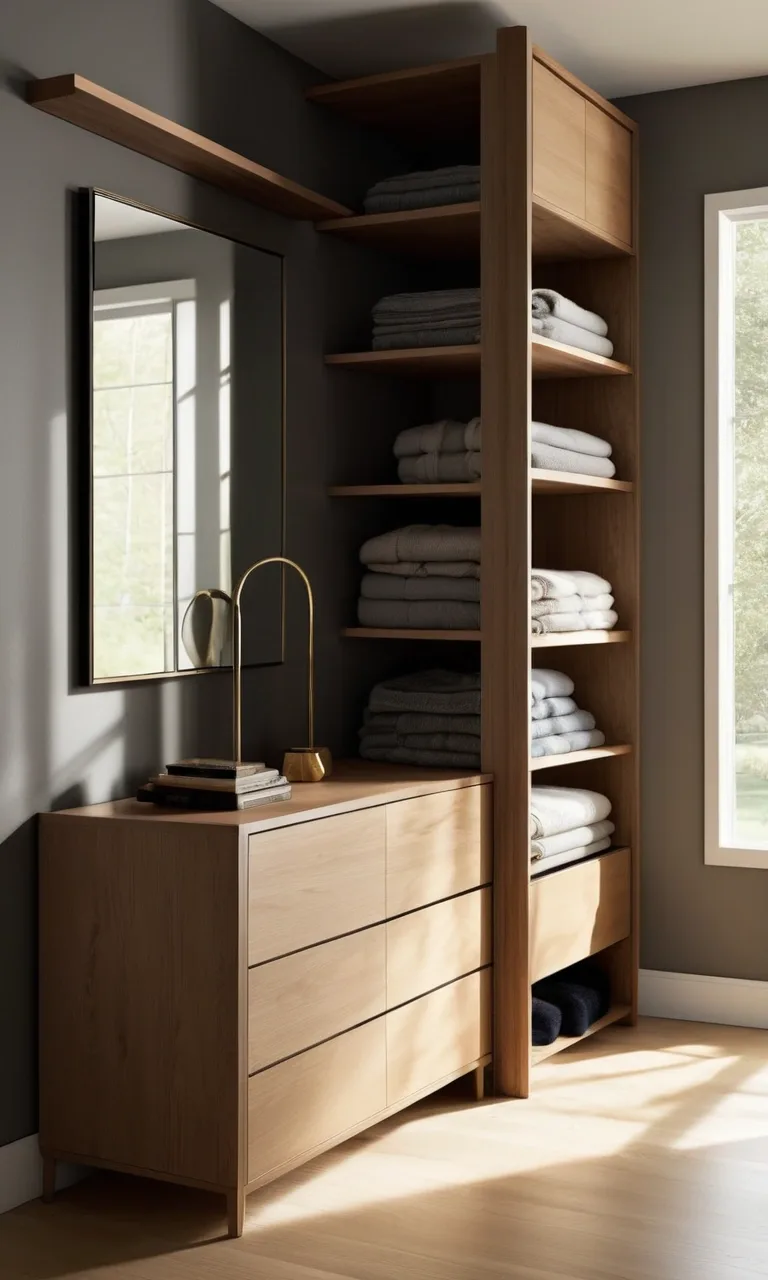
A vertical blanket rack makes use of height rather than spreading storage across the floor. It can be a good option for narrow bedrooms, compact living rooms, and corners that would otherwise remain unused.
Depending on the design, a vertical rack may have several horizontal bars, individual arms, or a narrow frame that holds folded blankets in layers. Choose a model with a stable base or secure wall attachment.
Arrange blankets from lightest to heaviest, keeping the heavier pieces on supports that can safely carry their weight. Fold each one consistently to create an orderly appearance and make individual blankets easier to identify.
If the rack is positioned near a sofa or reading chair, reserve the most accessible section for your favorite throws. Store less frequently used pieces higher up only if they can be reached safely.
Do not overload the structure or allow blankets to drag along the floor. Keep the rack away from damp corners and areas exposed to prolonged sunlight.
A slim vertical rack can also serve as a decorative accent. A wooden finish adds warmth, while a simple metal frame can suit an industrial or minimalist room.
14. Cozy Basket Beside the Bed
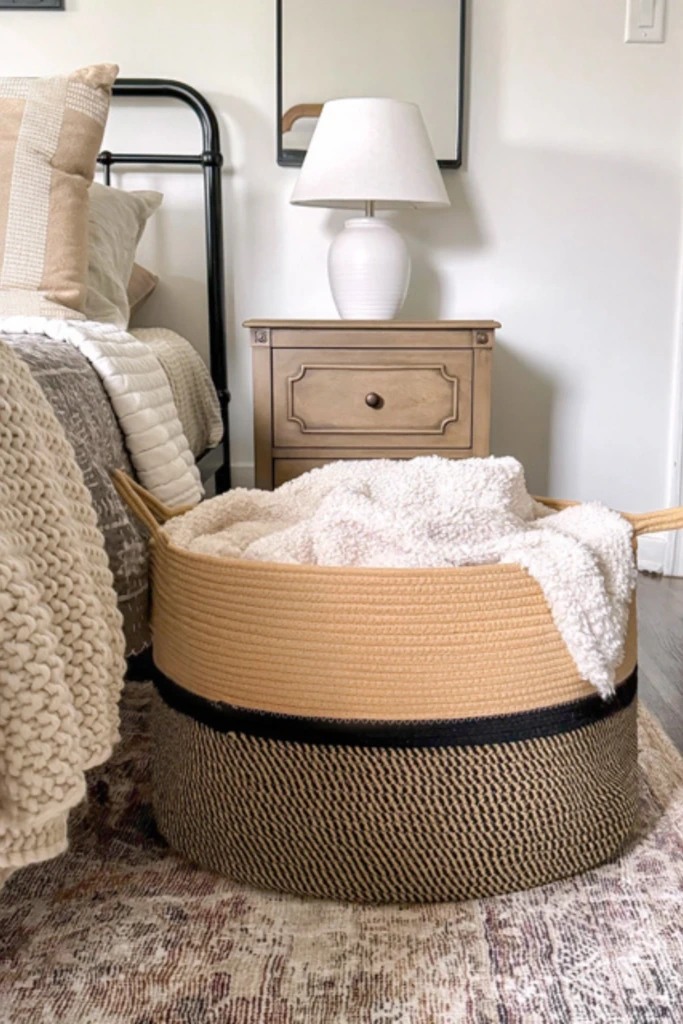
A basket beside the bed offers an easy place to keep an extra blanket ready for chilly nights. It is especially convenient in guest rooms, children's bedrooms, and spaces where additional closet storage is limited.
Choose a basket that fits beside the nightstand or at the end of the bed without blocking walkways. Soft-sided fabric baskets are gentle on delicate textiles, while sturdy woven baskets provide more structure.
Fold a spare blanket loosely and place it inside, leaving enough room to lift it out without pulling on the fabric. If you keep multiple blankets in the basket, arrange them by thickness so the one you need most often stays near the top.
For a coordinated bedroom, select a basket that complements your bedding, curtains, or furniture. Natural woven textures can soften a modern room, while a fabric basket in a matching shade creates a more understated appearance.
Keep the basket clean and dry, particularly if it sits on carpet or directly on the floor. Avoid storing used, damp, or sweaty blankets inside for extended periods.
This simple arrangement combines convenient access with a relaxed, welcoming look and works even in bedrooms without built-in linen closets.
15. Outdoor Bench with Hidden Storage
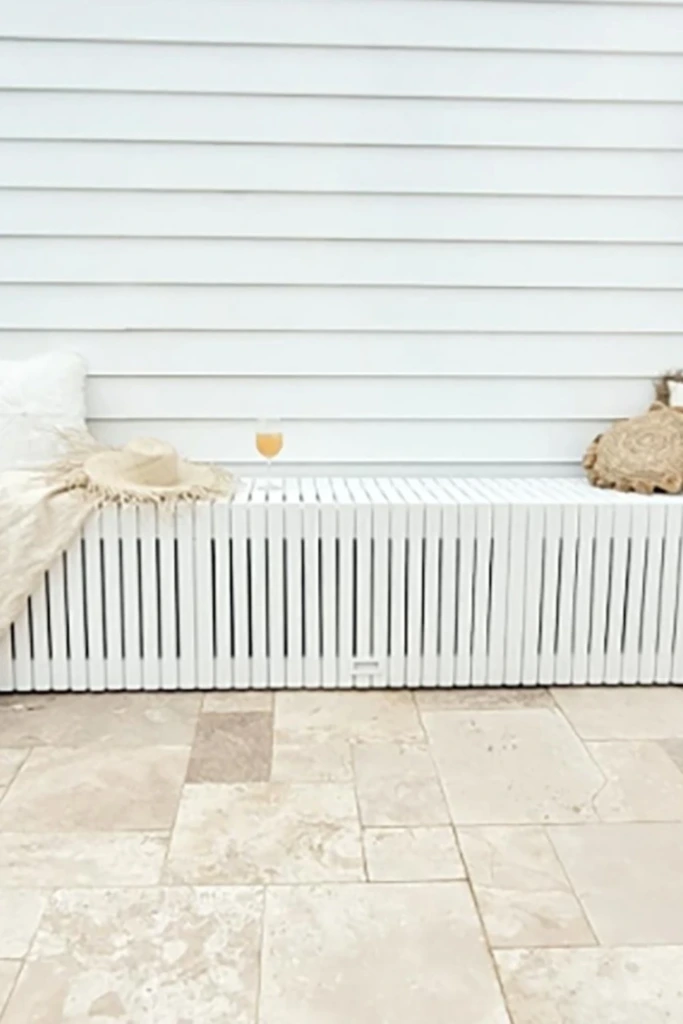
An outdoor storage bench can be useful for blankets kept on a covered patio, enclosed porch, or sheltered seating area. It provides a place to sit while concealing outdoor throws when they are not being used.
Choose a bench specifically designed for outdoor conditions, preferably with a weather-resistant body, a well-fitting lid, and a protective interior. Some models include ventilation features, while others are designed to resist rain more effectively.
Even when a bench is marketed as weatherproof, do not assume its contents will remain dry under every condition. Wind-driven rain, condensation, humidity, and temperature changes can affect textiles.
For better protection, store blankets in suitable sealed bags or waterproof containers inside the bench when the manufacturer's design and conditions make that appropriate. Make sure the blankets are clean and fully dry before putting them away.
Avoid storing valuable wool blankets, delicate heirlooms, or other sensitive textiles outdoors for long periods. Indoor storage is generally safer for materials that can be damaged by fluctuating humidity or temperatures.
If the bench is exposed to strong sun or frequent rain, inspect its seals and interior regularly. This approach is best for durable outdoor throws that you use on cool evenings, rather than for long-term preservation.
16. Stackable Fabric Storage Bags
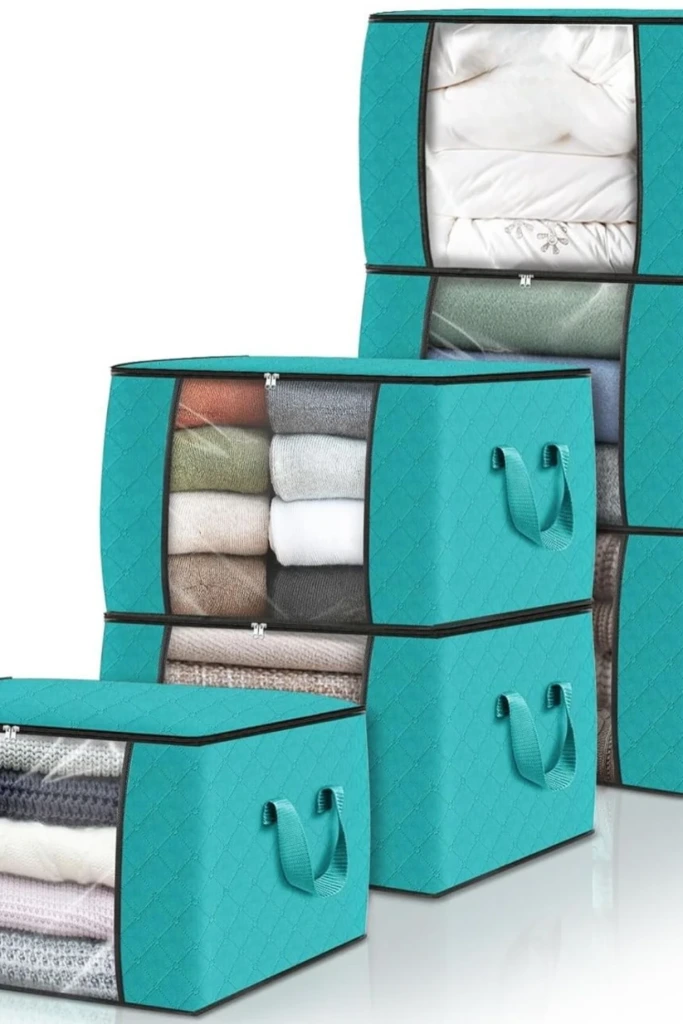
Stackable fabric storage bags are a practical choice when you need to store several blankets without filling an entire closet. Their flexible construction allows them to fit beneath beds, on shelves, or inside larger wardrobes.
Look for bags with reinforced handles, sturdy seams, and a shape that supports neat stacking. Some have transparent windows or label holders, making it easier to distinguish summer bedding from winter blankets.
Fold each blanket into a consistent rectangle before placing it inside. If you plan to stack several bags, distribute the weight evenly and follow the manufacturer's guidance about how high they can be piled.
Avoid crushing delicate textiles under heavy containers. A little extra space inside each bag makes blankets easier to remove and helps prevent deep creases.
Breathable fabric bags are suitable for many everyday storage needs, particularly in dry indoor environments. If you use airtight or compression-style bags, ensure the blankets are completely dry and that the materials can tolerate compression.
Keep the bags away from damp floors, direct sunlight, and areas where pests may be present. Labeling each bag by season or room can save time when you need to retrieve a particular blanket.
17. Printed Fabric Storage Bags
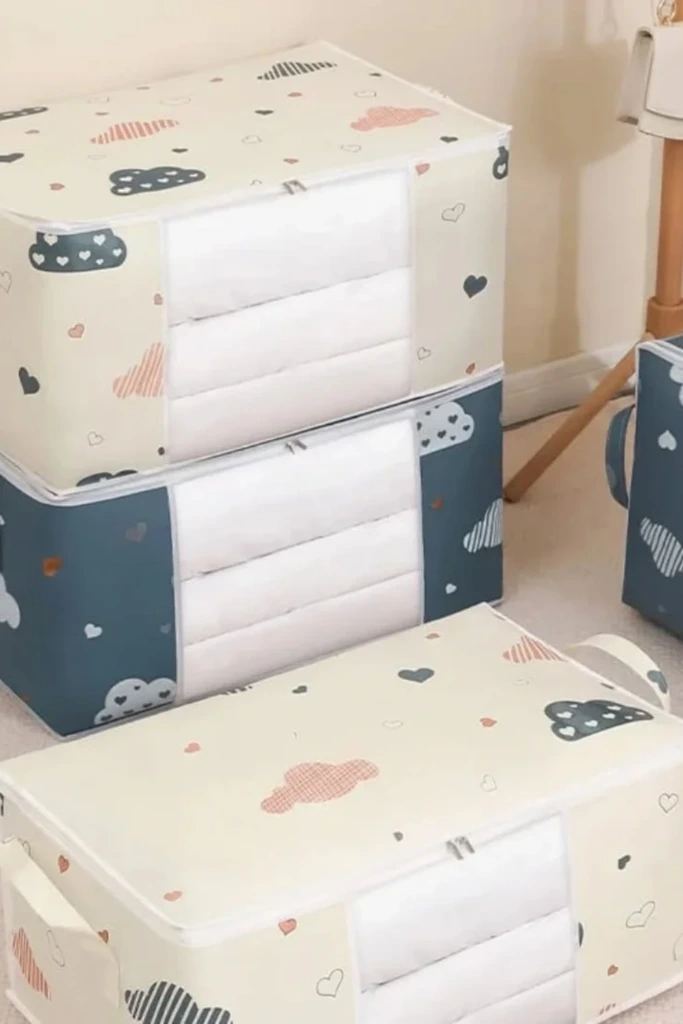
Printed fabric storage bags bring color and personality to a practical storage task. Patterns such as florals, geometric shapes, stripes, and botanical designs can complement bedroom decor while helping you organize blankets.
Choose a bag with a print that suits your interior and a capacity large enough for your intended blankets. Lightweight options work well for spare throws, while reinforced designs are preferable for heavier quilts.
Use different patterns to identify categories. For example, a floral bag might hold guest blankets, while a striped one contains children's bedding. If the bags are stored out of sight, labels can make the system even easier to use.
Check the material before buying. Cotton and other breathable fabrics can be useful for routine indoor storage, while some coated fabrics may offer additional resistance to dust or spills. Neither type should be treated as automatically waterproof or mold-proof.
Wash or clean the bag according to its care instructions when needed, and allow it to dry completely before refilling it. Keep stored blankets clean and dry as well.
Printed bags are particularly useful when you want storage containers to look attractive on open shelves or inside a wardrobe with visible compartments.
18. Neutral Fabric Storage Bags
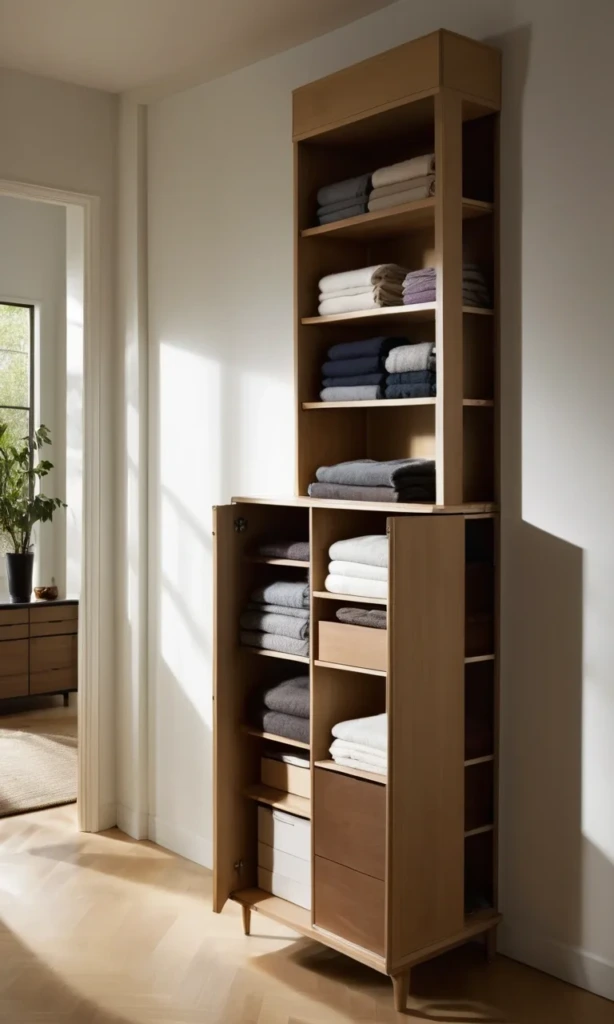
Neutral fabric storage bags offer a simple, coordinated look that works with many home styles. Shades such as beige, cream, gray, taupe, and soft white blend easily with existing furniture and bedding.
These bags are especially useful when you want several containers to look consistent on a closet shelf or beneath a bed. Choosing one style in multiple sizes can create an organized system without making the room feel visually busy.
Select bags with strong handles and reliable stitching, particularly if you plan to move them frequently. A clear label or viewing window helps you identify the contents without opening each bag.
Use smaller bags for lightweight throws and larger versions for folded quilts or spare comforters. Keep heavier items in containers that are easy to lift, and avoid stacking so many bags that the bottom ones become difficult to reach.
Neutral storage bags also work well for seasonal rotation. Mark each container with its contents and the season when you are most likely to need it.
For long-term storage, prioritize suitable fabric, cleanliness, and moisture control over appearance alone. A beautiful container cannot protect blankets properly if the textiles are damp or stored in an unsuitable environment.
FAQs
Blanket storage depends on the fabric, available space, and whether you use the blankets daily or only during certain seasons. The following answers address common questions about keeping blankets organized and in good condition.
How to pack blankets to save space?
Start by washing or cleaning blankets according to their care labels and allowing them to dry completely. Clean, dry textiles are easier to store safely and less likely to develop unpleasant odors.
Use these steps to reduce the amount of space your blankets occupy:
Sort your collection: Separate everyday throws, guest bedding, seasonal blankets, and items you no longer use.
Fold consistently: Fold each blanket into a rectangle that fits your chosen shelf, drawer, or storage bag.
Roll flexible blankets: Fleece and lightweight cotton throws can often be rolled instead of folded, making them easier to arrange in baskets or narrow containers.
Choose the right container: Use fabric bags, under-bed organizers, or stackable boxes sized to your available space.
Use compression selectively: Vacuum storage bags can substantially reduce the volume of suitable bulky blankets, but check the manufacturer's guidance and the textile's care requirements first. Avoid compressing delicate, structured, or valuable heirloom blankets.
Label the contents: Mark containers by size, room, or season so you can find the right item without unpacking everything.
For blankets you use regularly, avoid extreme compression or awkward stacking that makes retrieval inconvenient. A slightly larger container may be more practical than tightly packing everything into the smallest possible space.
How to store blankets after winter?
Properly storing winter blankets keeps them ready for the next cold season. The process begins with cleaning, drying, and choosing a storage location that protects the fabric from moisture, pests, and unnecessary pressure.
Follow these steps when putting winter bedding away:
Clean each blanket: Wash or professionally clean it according to its care instructions. Body oils, food residue, and dirt can attract pests and become harder to remove over time.
Dry thoroughly: Ensure the entire blanket is dry, including thick seams and padded sections. Never store a blanket that still feels damp.
Inspect for damage: Repair loose stitching or small holes before they become more serious. Check for signs of insects or mildew.
Fold or roll carefully: Use loose, even folds for ordinary blankets. For delicate heirloom textiles, avoid sharp creases and consider specialist conservation advice.
Select appropriate storage: Breathable fabric bags, clean closet shelves, and dry storage boxes work well for many household blankets. Use compression bags only when suitable for the material.
Choose a safe location: Store blankets in a cool, dry area away from direct sunlight, leaks, damp walls, and extreme temperature changes.
Label and review: Identify each container by its contents and check stored blankets occasionally for moisture, pests, or unusual odors.
If you have limited closet space, use under-bed containers or a blanket chest in a dry bedroom. Avoid leaving winter bedding in a humid garage, basement, or outdoor storage bench unless the environment and container are demonstrably suitable.
When cold weather returns, inspect the blankets before use. Air them out when appropriate, and clean anything that has picked up dust or developed an odor during storage.
Final Thoughts
The best blanket storage solution is one that protects your textiles while fitting naturally into your daily routine. A decorative basket or blanket ladder keeps favorite throws close by, while closet organizers, storage trunks, and fabric bags make it easier to manage seasonal bedding.
Before choosing a container, consider your available space, the weight of your blankets, and the type of fabric you need to protect. Keep textiles clean and completely dry, avoid unnecessary compression, and inspect stored blankets periodically. With a little planning, you can maintain an organized home and keep your favorite blankets comfortable, attractive, and ready to use throughout the year.