27 RV Storage Ideas for 2026: Smart Ways to Maximize Every Inch
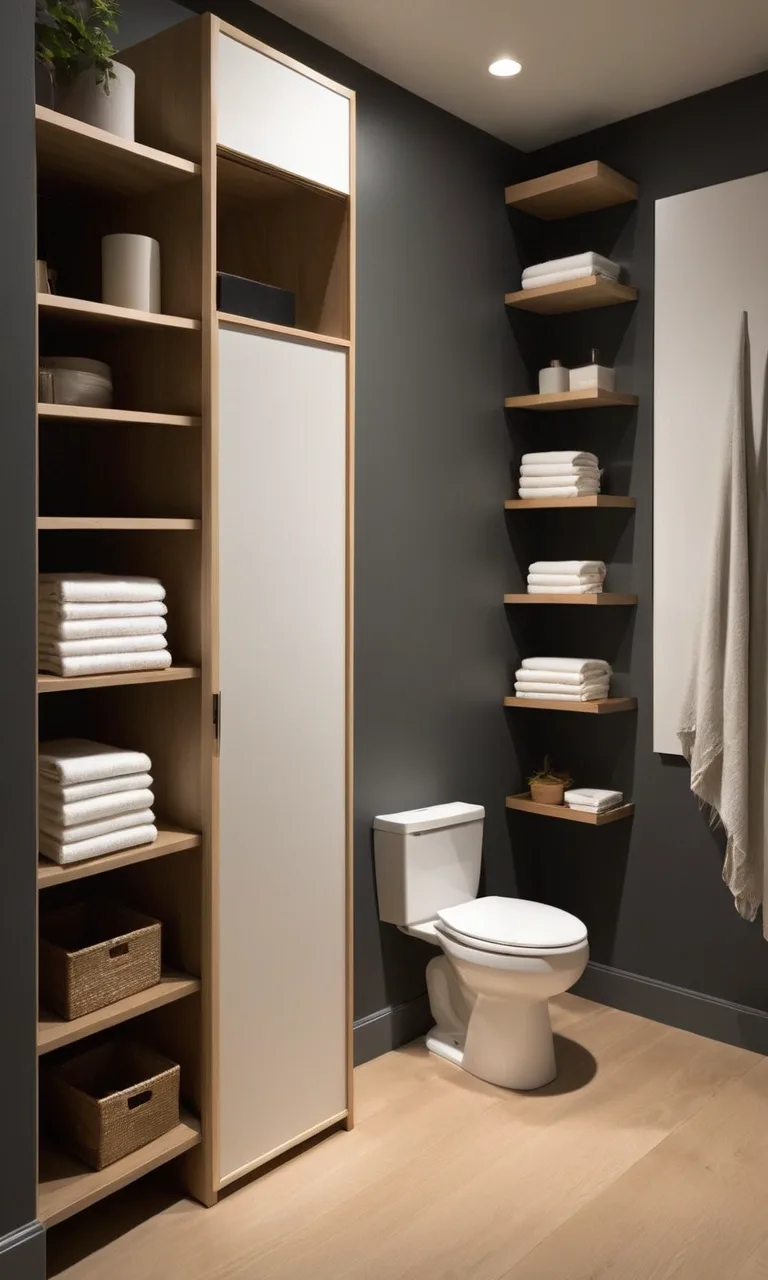
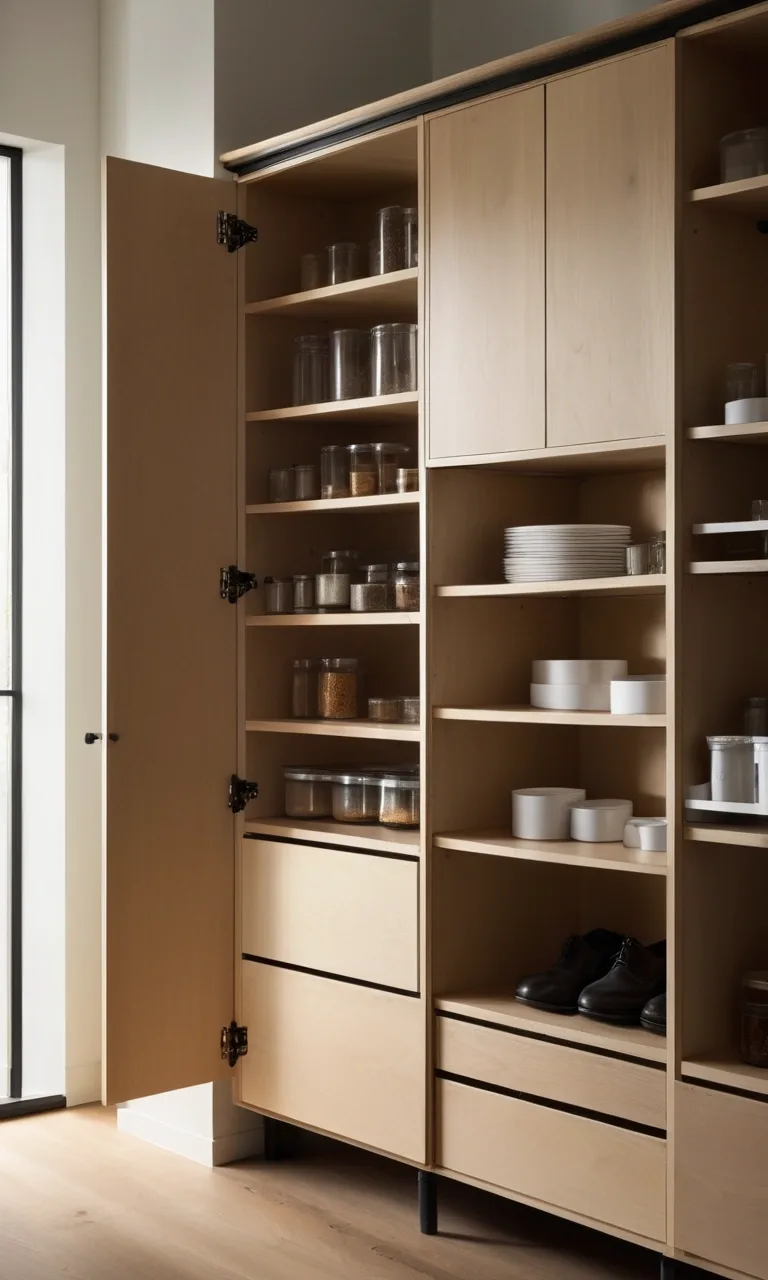
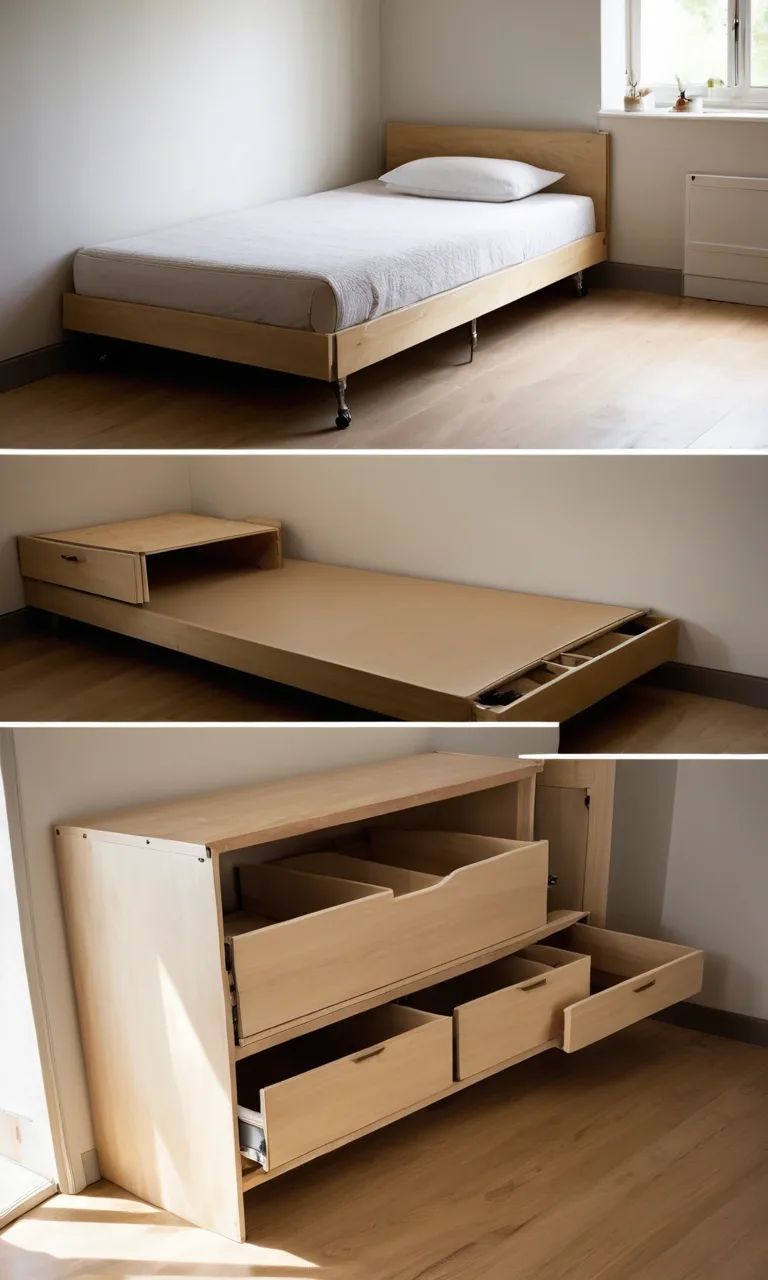
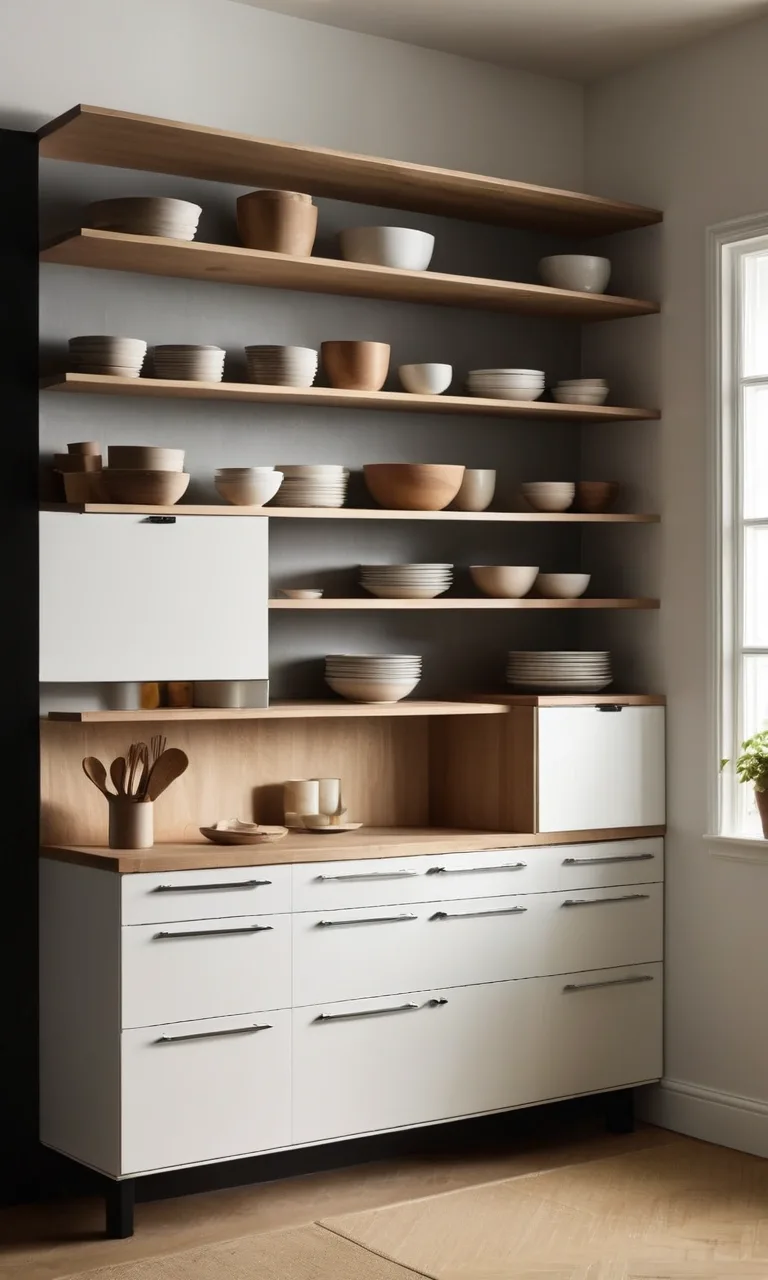
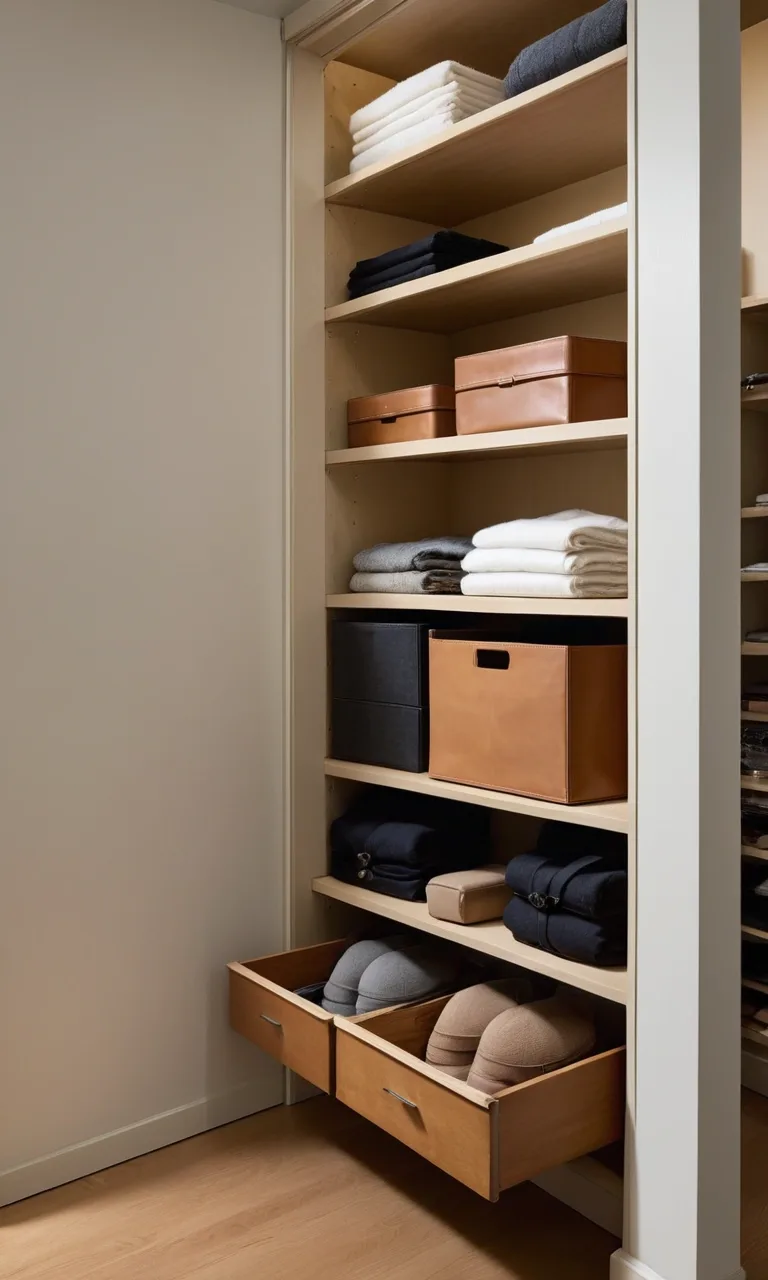
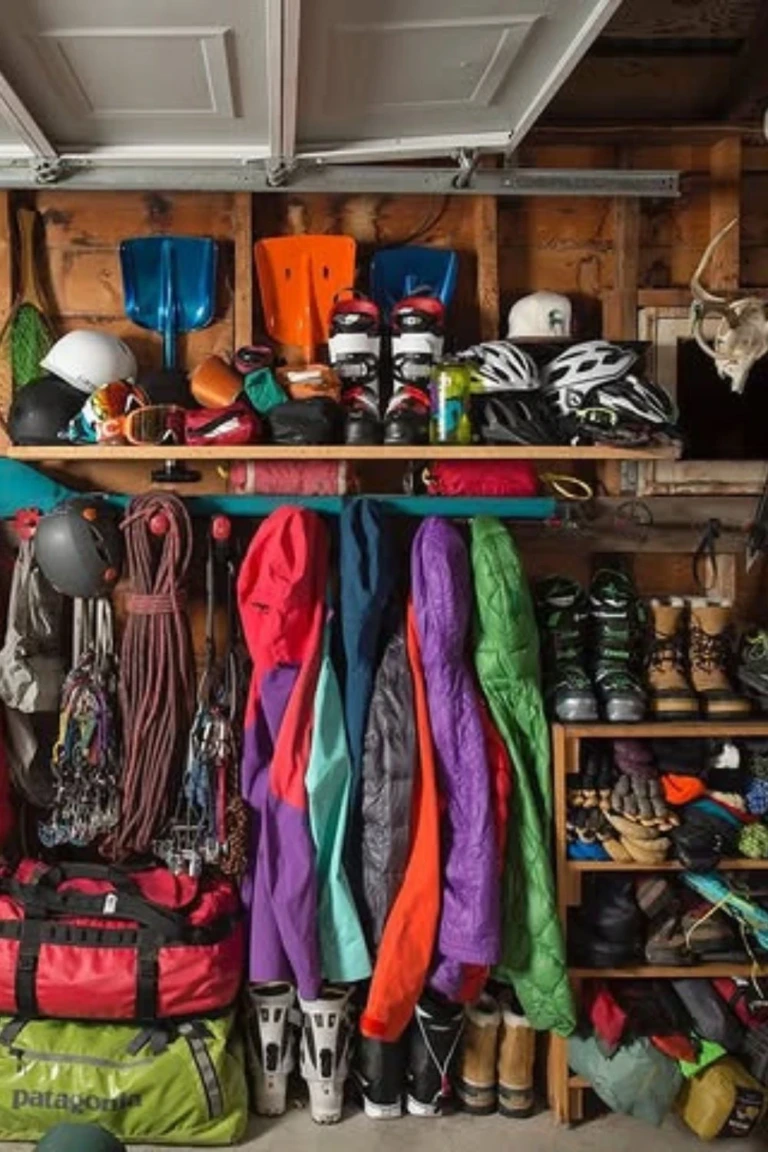
Living in or traveling with an RV means making the most of a limited amount of space. Between kitchen supplies, clothing, toiletries, electronics, and outdoor gear, even a well-organized recreational vehicle can become cluttered quickly. The right storage solutions help you keep everyday essentials accessible without sacrificing comfort or valuable living space.
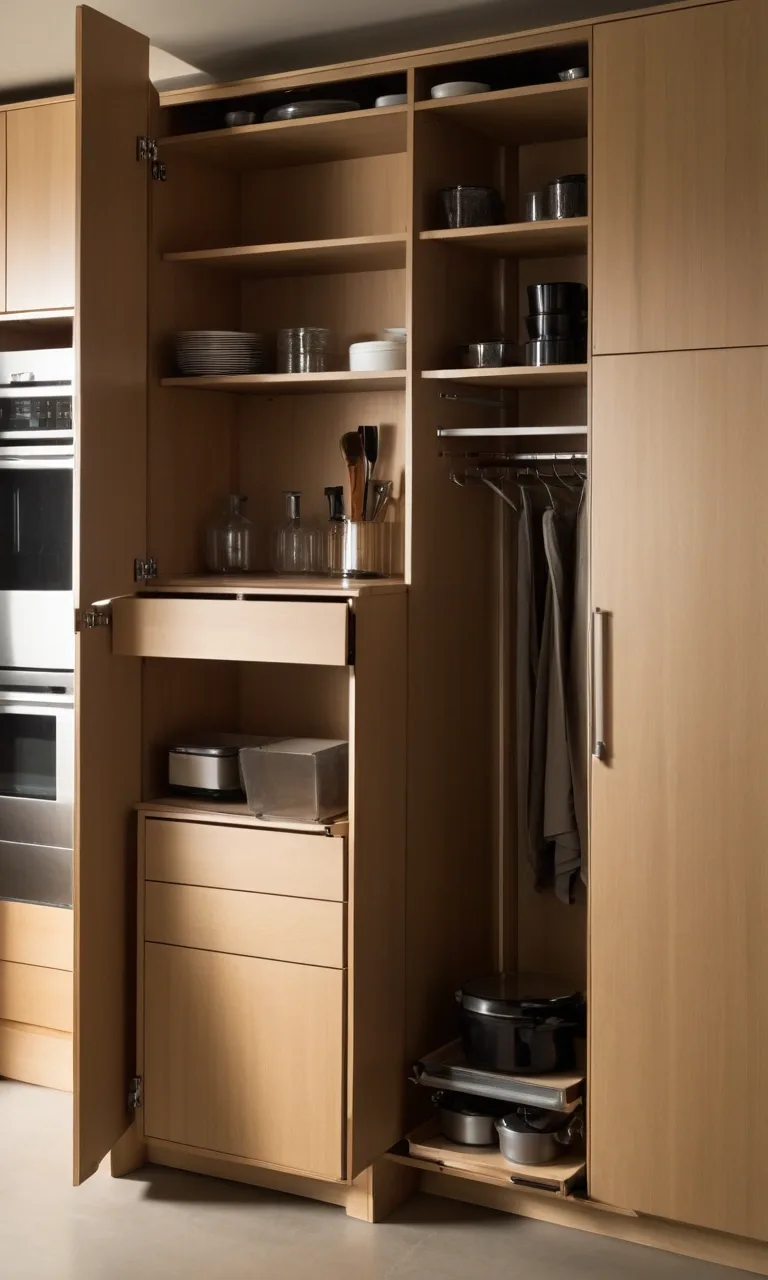
These 25 RV storage ideas focus on practical ways to use walls, cabinet doors, drawers, and overlooked corners more effectively. Whether you own a compact camper or a spacious motorhome, these simple upgrades can make your interior feel tidier and more functional.
1. Space-Saving Interior RV Storage
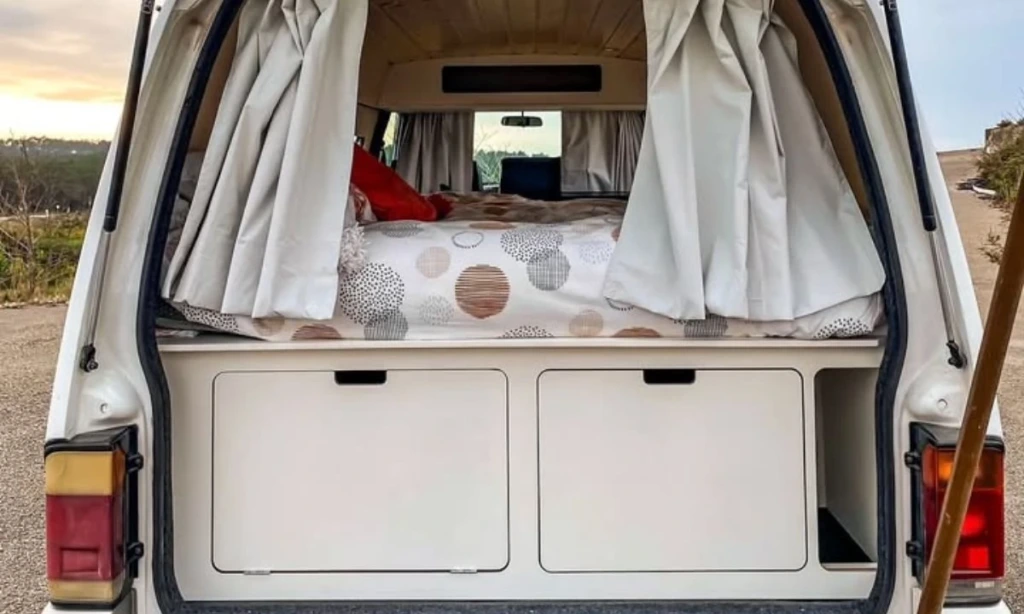
An organized RV interior starts with identifying unused spaces and giving frequently used items a designated home. Narrow gaps beside beds, the backs of cabinet doors, empty wall sections, and areas above counters can all provide useful storage opportunities.
Choose organizers that fit your RV's dimensions and leave enough clearance for doors, drawers, walkways, and moving furniture. Lightweight materials are generally preferable because they add less weight to the vehicle. Secure containers and mounted accessories properly so they remain in place while traveling.
It also helps to reduce unnecessary belongings before buying new organizers. Keeping only the items you regularly use prevents storage systems from becoming overcrowded and makes daily routines easier. A combination of vertical organizers, divided drawers, compact baskets, and labeled containers can significantly improve the available space.
2. RV Storage Ideas
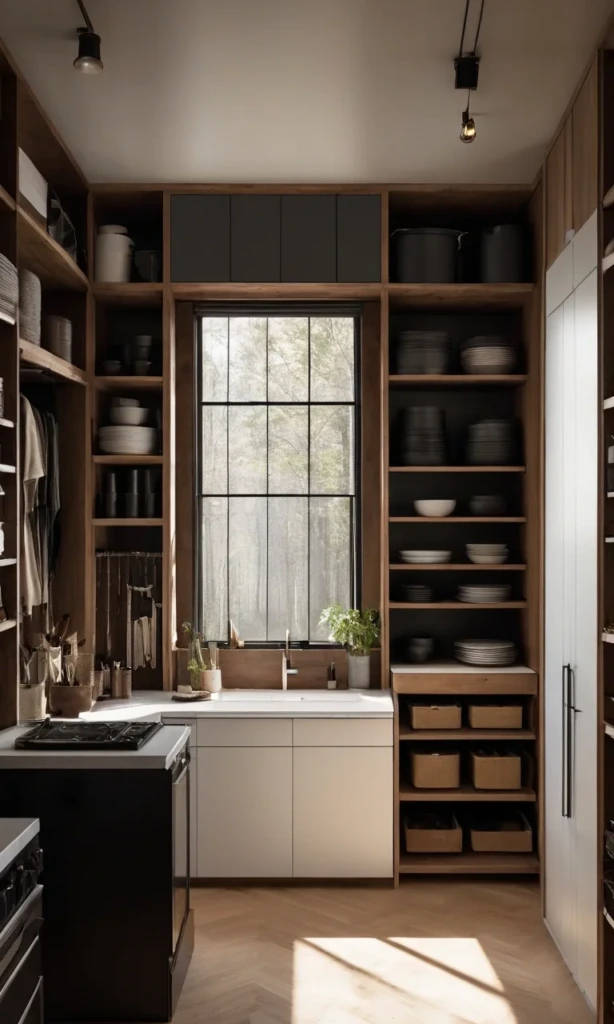
The best RV storage systems are designed around how you actually travel. A family taking extended road trips may need dedicated spaces for clothing, snacks, and children's belongings, while weekend travelers might prioritize cooking supplies and outdoor equipment.
Start by grouping similar items together. Keep kitchen tools near the cooking area, toiletries in the bathroom, and frequently used accessories close to the entrance. Assigning a specific location to each category makes it easier to find things without emptying cabinets or rummaging through bags.
Look for organizers that can serve more than one purpose. A storage basket might hold snacks during the day and travel accessories when you return home. Collapsible containers are particularly useful because they can be folded away when empty. Before installing any permanent fixtures, check the wall construction and use mounting hardware appropriate for your RV's surfaces.
3. Pegboard Organizer
A pegboard offers a flexible way to organize lightweight tools, craft supplies, kitchen accessories, and other small items. Its regularly spaced holes allow you to rearrange hooks, clips, and small shelves whenever your storage needs change.
Install a compact pegboard on a suitable wall in a utility area, closet, or workspace. Use hooks for scissors and small tools, baskets for miscellaneous supplies, and short shelves for items that need a flat surface. You can also assign different sections to specific categories so everything has a predictable place.
Choose a lightweight board and secure it to a structurally suitable surface. Make sure the hooks and stored objects cannot swing into nearby fixtures while the RV is moving. Keep heavy equipment in properly secured cabinets or storage compartments instead of relying on a basic pegboard.
4. Bedside Caddy
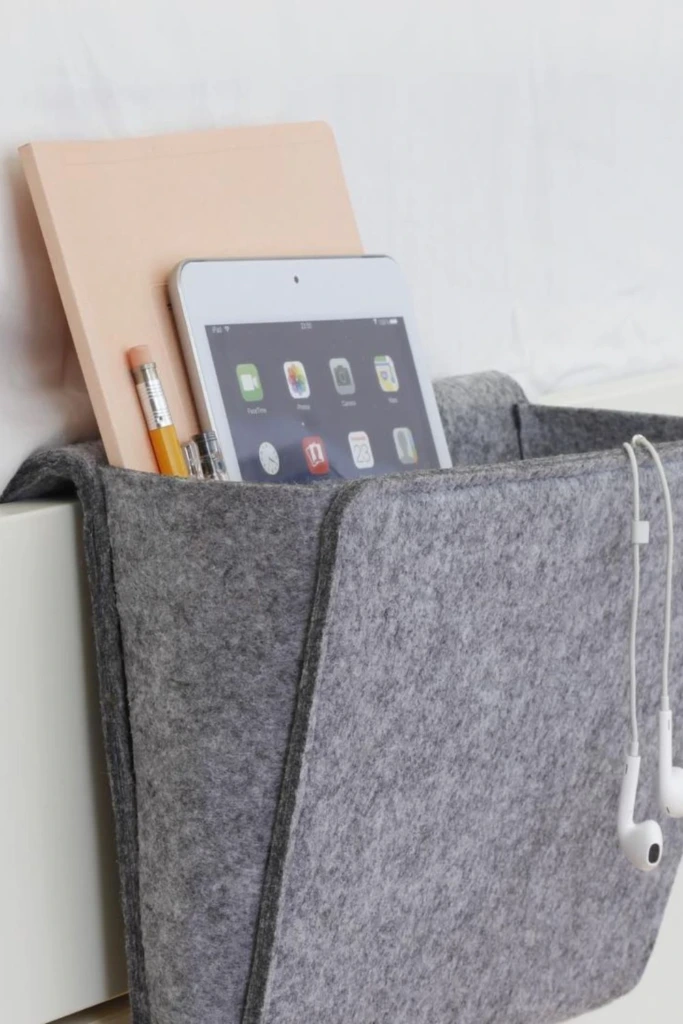
A bedside caddy creates convenient storage when an RV bedroom has little room for a traditional nightstand. It can hold a phone, glasses, a book, charging accessories, a sleep mask, and other small essentials within easy reach.
Many designs slip beneath a mattress, attach to a bed frame, or hang from the side of the bed. Select a model that fits your mattress thickness and does not interfere with folding beds or convertible sleeping areas.
A caddy with separate pockets helps prevent tangled cables and misplaced items. If you charge your phone overnight, keep electronics away from damp surfaces and avoid trapping charging equipment beneath bedding. Secure the caddy so it does not slide off when the vehicle moves or when you climb into bed.
5. Wall-Mounted Pocket
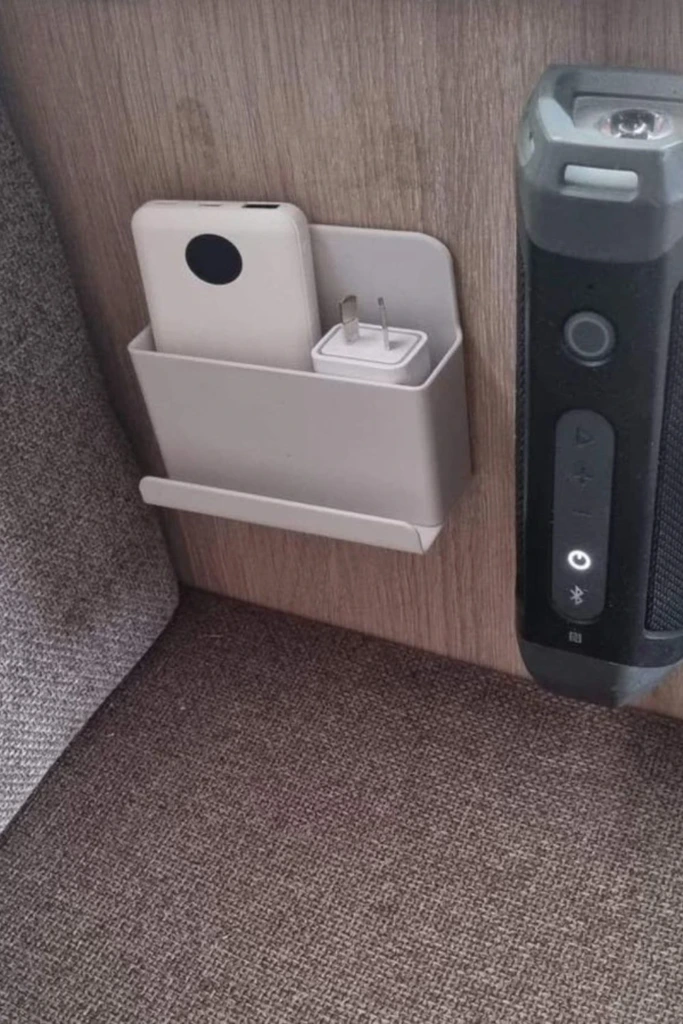
Wall-mounted pockets turn otherwise unused vertical surfaces into convenient storage for lightweight belongings. They work well for maps, pens, sunglasses, small notebooks, remote controls, and travel documents.
Choose a pocket organizer with a slim profile so it does not protrude into narrow walkways. Fabric versions are lightweight and can often be folded when not needed, while plastic options may be easier to wipe clean.
Place the organizer near the location where you naturally use the items inside it. For example, a pocket beside the driver's seating area can hold permitted passenger-accessible travel essentials, while one near the entry can store keys and small accessories when parked. Use suitable mounting hardware and remove loose objects before driving.
6. Towel Shoe Rack
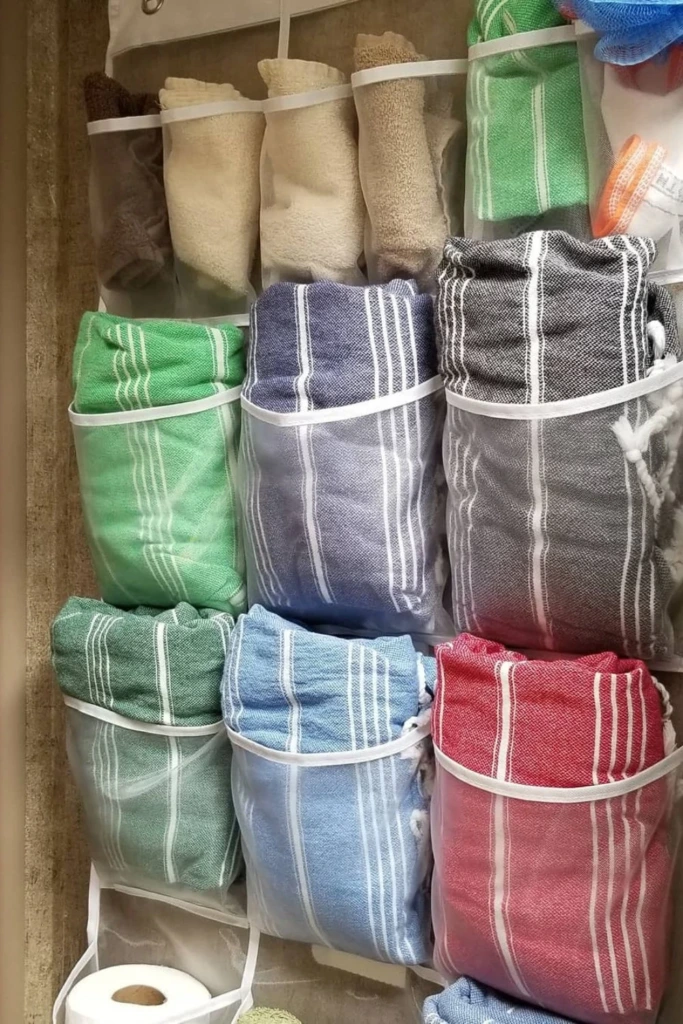
A hanging shoe rack can provide storage for more than footwear. Models with multiple fabric pockets are useful for washcloths, cleaning cloths, lightweight towels, toiletries, and other compact supplies.
For bathroom use, choose a rack made from moisture-resistant material that dries quickly. Position it where it will not obstruct ventilation, access to plumbing, or the movement of doors. If you store shoes in the pockets, keep dirty footwear separate from clean towels and personal-care items.
A rack with transparent or mesh pockets makes it easier to see what is inside without opening every compartment. Measure the available hanging area before purchasing one, especially if you plan to attach it to a narrow closet door or bathroom partition.
7. Overdoor Shoe Rack
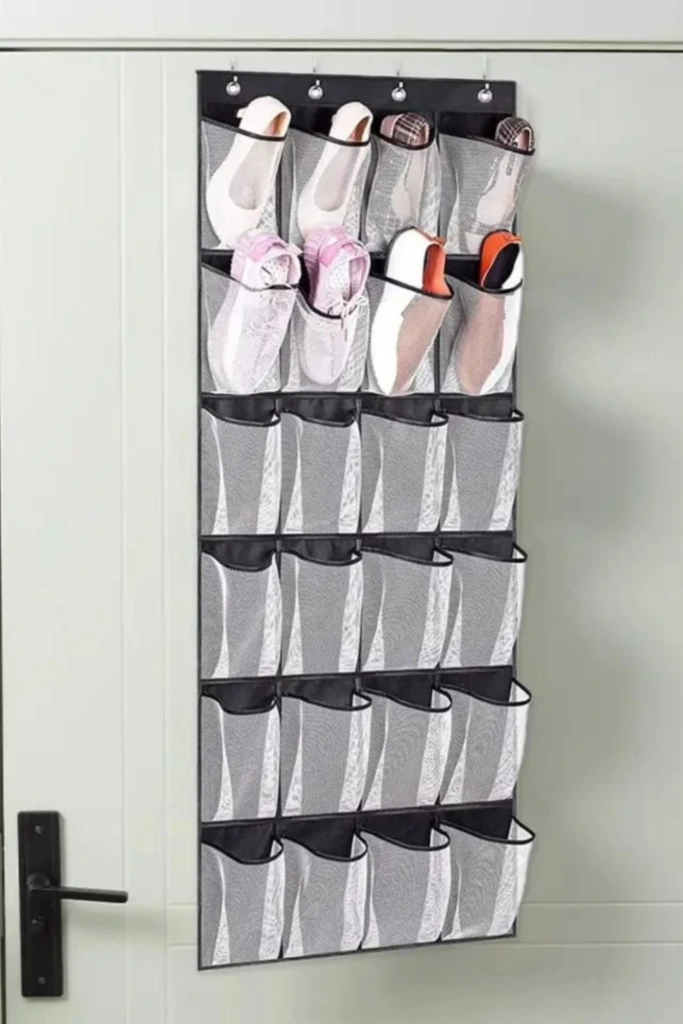
An overdoor shoe rack is a useful option when floor space is too limited for a shoe cabinet. It hangs from the top of a compatible door and uses individual pockets to hold sandals, slippers, sneakers, and other small footwear.
In an RV, the same organizer can store rolled socks, gloves, travel accessories, or lightweight cleaning supplies. This versatility makes it particularly helpful in compact bedrooms and entry areas.
Check the door thickness and available clearance before installing the rack. The door must close properly without pressing against cabinets, trim, or nearby furniture. Avoid overloading the pockets, and secure the organizer during travel so it cannot swing or fall when the RV is moving.
8. Drawer Divider Rod
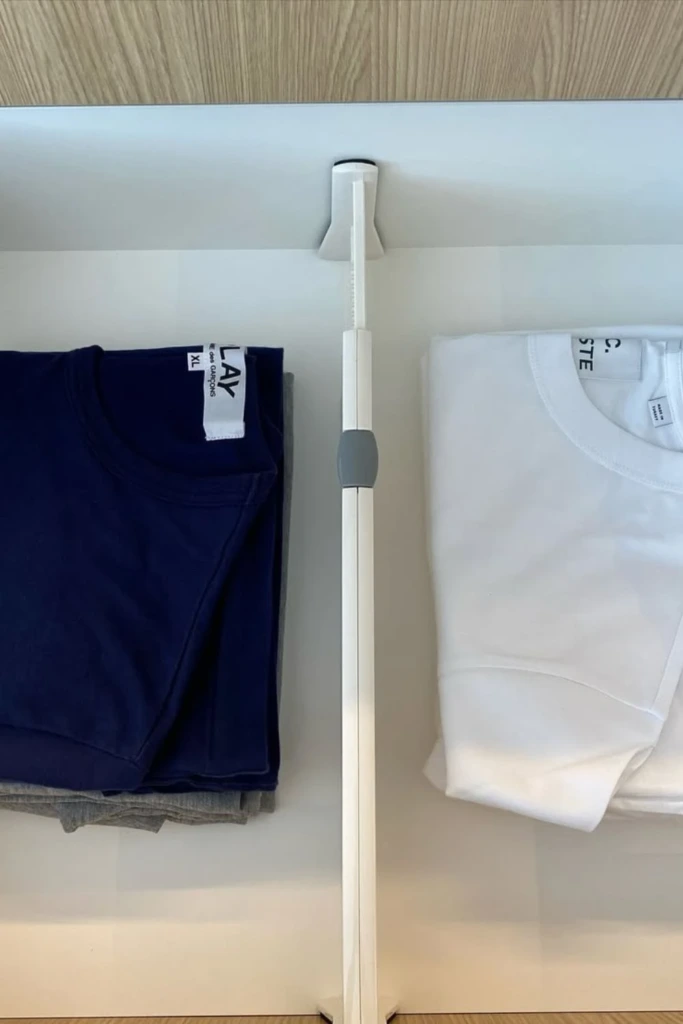
Drawer divider rods help create separate sections inside deep drawers and storage compartments. They can keep utensils, clothing, small tools, and personal accessories from mixing together whenever the RV travels over uneven roads.
Adjustable tension-style rods or spring-loaded dividers are useful because they can often be fitted without permanent modifications. Measure the inside dimensions of the drawer and choose a product that fits securely without damaging the sides.
Arrange the sections according to the items you store most often. For example, a kitchen drawer might have separate spaces for cooking utensils, measuring tools, and reusable clips. In a bedroom, dividers can separate socks, underwear, and accessories. Test the arrangement by opening and closing the drawer before traveling, and add non-slip liners if the contents still shift.
9. Travel Cable Pouch
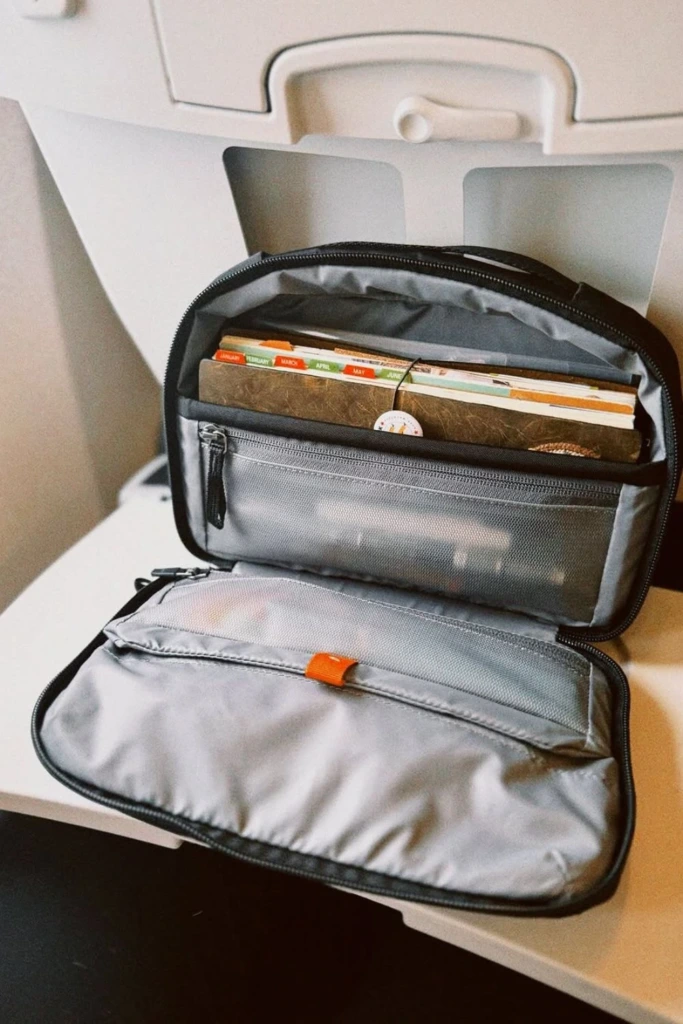
A travel cable pouch keeps charging cords, adapters, memory cards, and small electronic accessories together instead of scattered throughout the RV. It is especially useful when several people carry phones, tablets, cameras, or other devices.
Look for a pouch with elastic loops, mesh pockets, and a secure zipper. Separate short cables from bulky adapters to reduce tangling, and label less familiar connectors if you carry several similar ones.
Keep the pouch in a designated drawer or cabinet near your charging station. Avoid storing batteries and electronics in places exposed to excessive heat or moisture. Before departure, check that the pouch is closed and that heavier power accessories are secured rather than left loose on a counter.
10. Suction Hook Bars
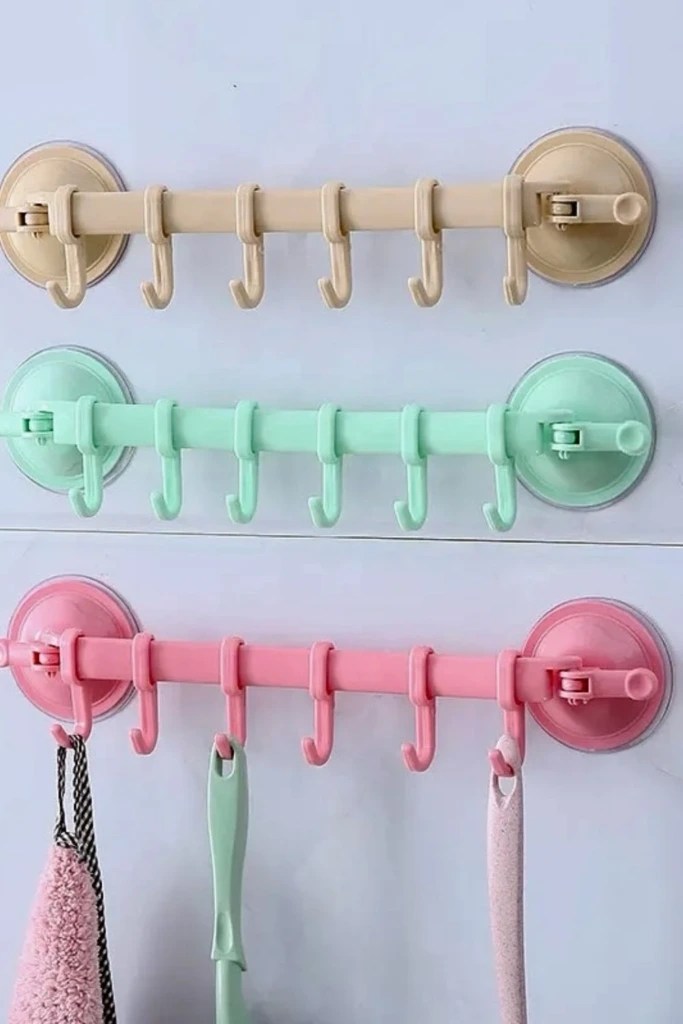
Suction hook bars offer a removable way to hang lightweight items on smooth, nonporous surfaces. They can hold washcloths, small cleaning tools, lightweight utensils, or shower accessories without requiring screws.
These organizers work best on clean, smooth glass, tile, and other surfaces specifically approved for the suction mechanism. Textured walls, porous materials, and dusty surfaces can prevent the cups from maintaining a reliable grip.
Clean and dry the mounting area before installation, and follow the manufacturer's instructions for attaching the hooks. Check the suction regularly, particularly after temperature changes or travel. Do not use ordinary suction hooks to support heavy objects or anything that could cause injury if it falls.
11. Cord Slot Organizer
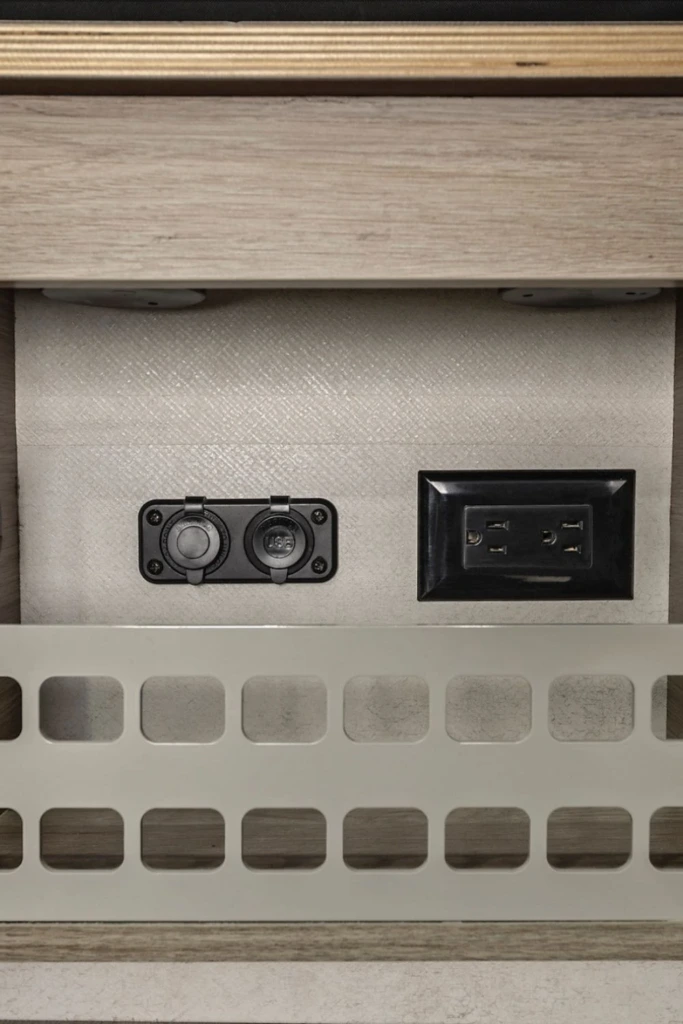
A cord slot organizer keeps charging cables arranged along a counter, desk, or bedside surface. Instead of allowing cables to fall behind furniture, it holds their ends in designated openings where they are easy to retrieve.
Place one beside a charging station, computer area, or kitchen counter where small electronic devices are frequently used. Choose a design with slots that match the thickness of your cables, and position it so the cords do not cross walking paths or interfere with cabinet doors.
Adhesive-backed versions are convenient for RV interiors because they can reduce the need for drilling. However, adhesives may not bond well to every surface, particularly textured panels. Clean the mounting area as directed and test the attachment before relying on it. Keep cables away from hot appliances, sharp edges, and areas where they could be pinched.
12. Hanging Fruit Hammocks
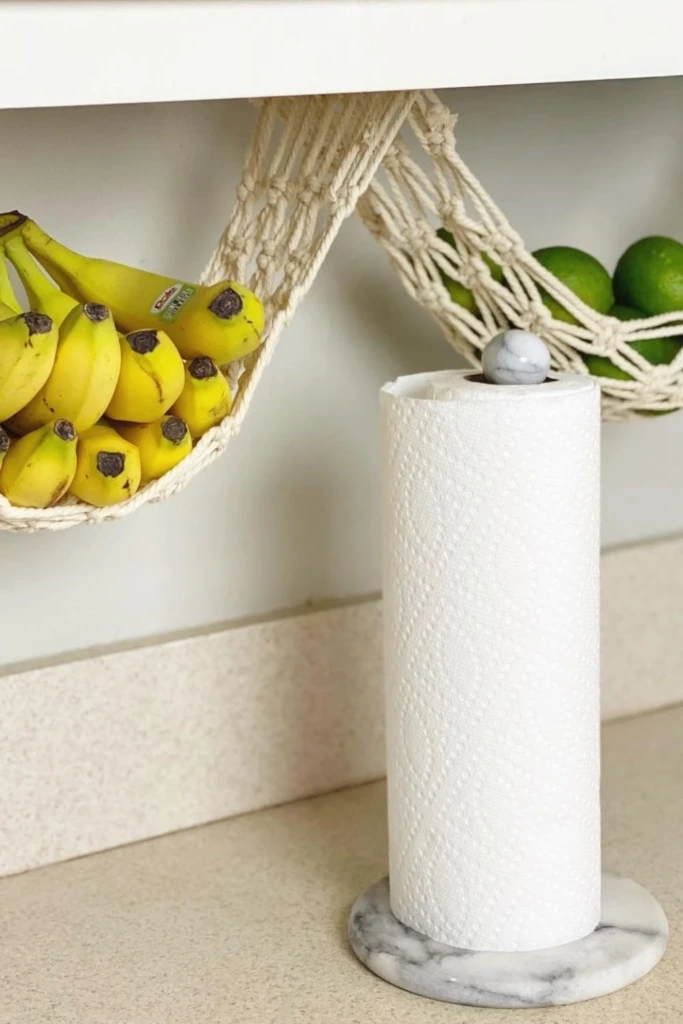
A hanging fruit hammock provides a compact place to keep certain fresh produce without filling valuable counter space. Suspended from suitable hooks or a secure mounting point, it can hold items such as apples, oranges, and other produce that does not require refrigeration.
Choose a small hammock with breathable mesh or another washable material. Hang it where it will not interfere with cooking, cabinet access, headroom, or movement through the RV. Keep its contents light enough to prevent excessive swinging while traveling.
Not all fruits and vegetables should be stored together or at room temperature. Refrigerate produce that requires cold storage, and keep delicate fruit from being crushed by heavier items. Empty or secure the hammock before driving, and use a latch or additional restraint if the design could swing freely.
13. Shower Caddy Rack
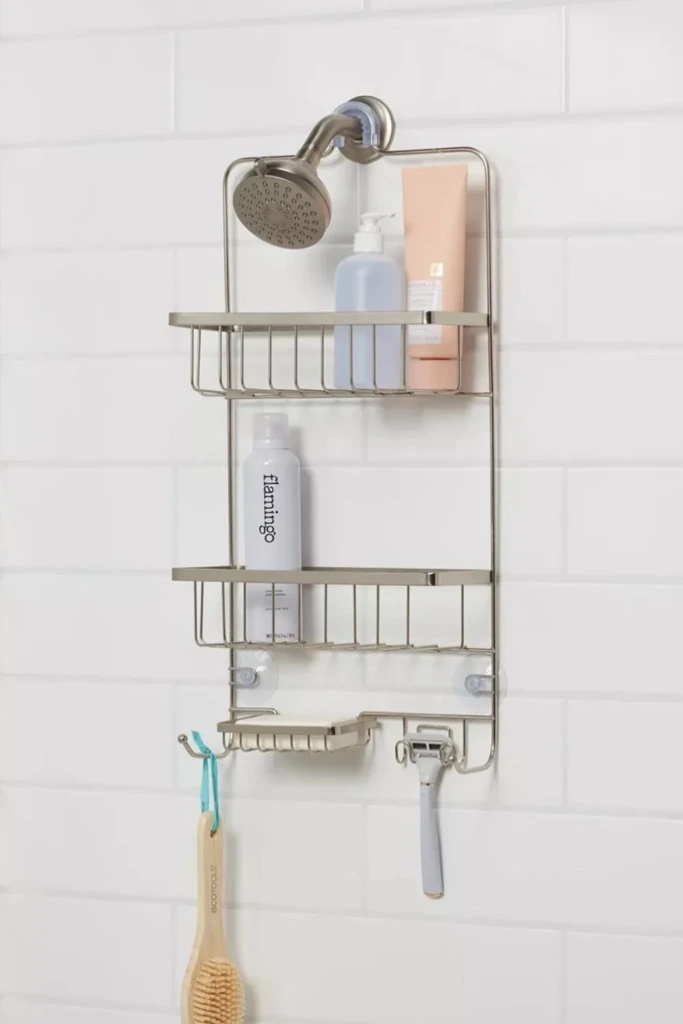
A shower caddy rack keeps shampoo, conditioner, soap, razors, and other bathing essentials organized in one compact location. It can eliminate the need to balance bottles on a narrow shower ledge.
Choose a rust-resistant rack made from plastic, coated metal, or another material suitable for frequent moisture exposure. Corner caddies are useful in tight shower enclosures, while hanging designs may work with compatible shower fixtures.
Look for drainage openings that allow water to escape and help the rack dry between uses. Secure the organizer so it cannot fall when the RV is moving, and remove loose bottles before traveling. Keep heavier containers on a stable shelf rather than on a lightly attached hanging accessory.
14. Toothbrush Suction Clips
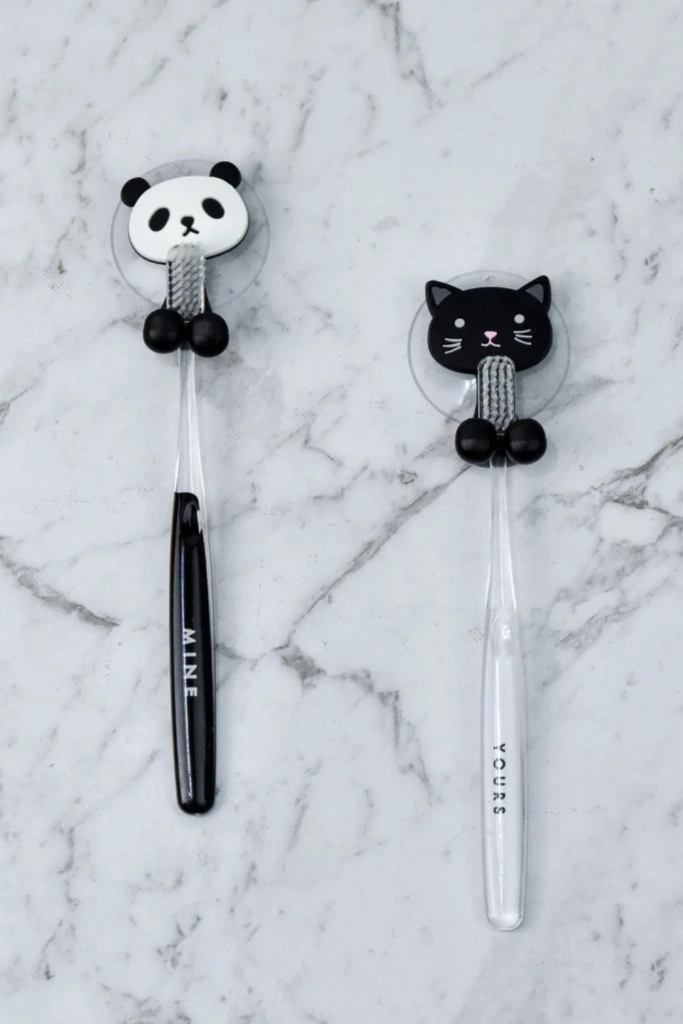
Toothbrush suction clips provide a simple way to keep toothbrushes off crowded bathroom counters. Each clip holds a brush by its handle, making individual toothbrushes easy to access while allowing the surrounding area to be cleaned more easily.
Install the clips on a smooth surface that is suitable for suction attachments. Keep them away from direct splashes when possible, and allow toothbrushes to air-dry between uses. Separate brushes to reduce contact between their bristles.
For shared bathrooms, consider assigning a different clip to each person or using clearly distinguishable colors. Check the suction cups regularly and clean the surface if they begin to loosen. Because toothbrushes are personal hygiene items, avoid placing them directly above toilets or where cleaning products can splash onto them.
15. Wall Pocket Organizers
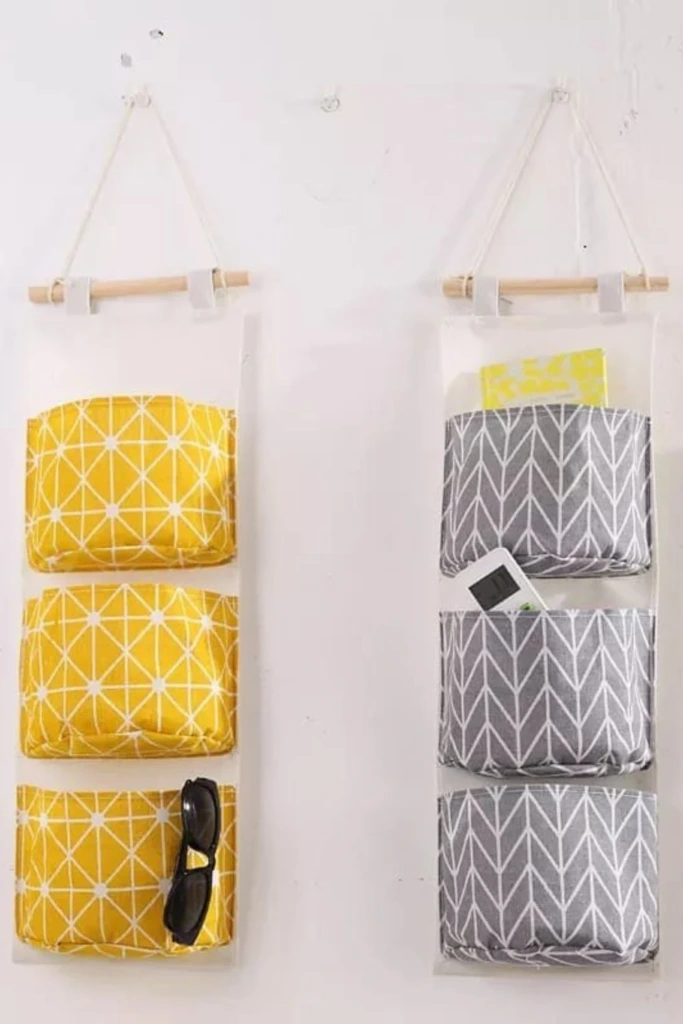
Wall pocket organizers are versatile storage solutions for RV interiors because they can hold numerous small items without occupying a cabinet shelf. Multiple compartments can accommodate stationery, glasses, travel paperwork, remote controls, charging accessories, and lightweight personal belongings.
Choose a layout that suits the items you want to store. Narrow pockets work well for pens and documents, while wider compartments can hold folded instruction booklets or small accessories. Transparent pockets make contents easy to identify, whereas fabric versions can give the interior a softer appearance.
Attach the organizer to a wall or panel capable of supporting its intended load. Adhesive mounting can work for lightweight items, but heavier contents may require an appropriate mechanical attachment. Leave enough room around the pockets to access windows, controls, and emergency equipment.
16. Bag Dispenser Units
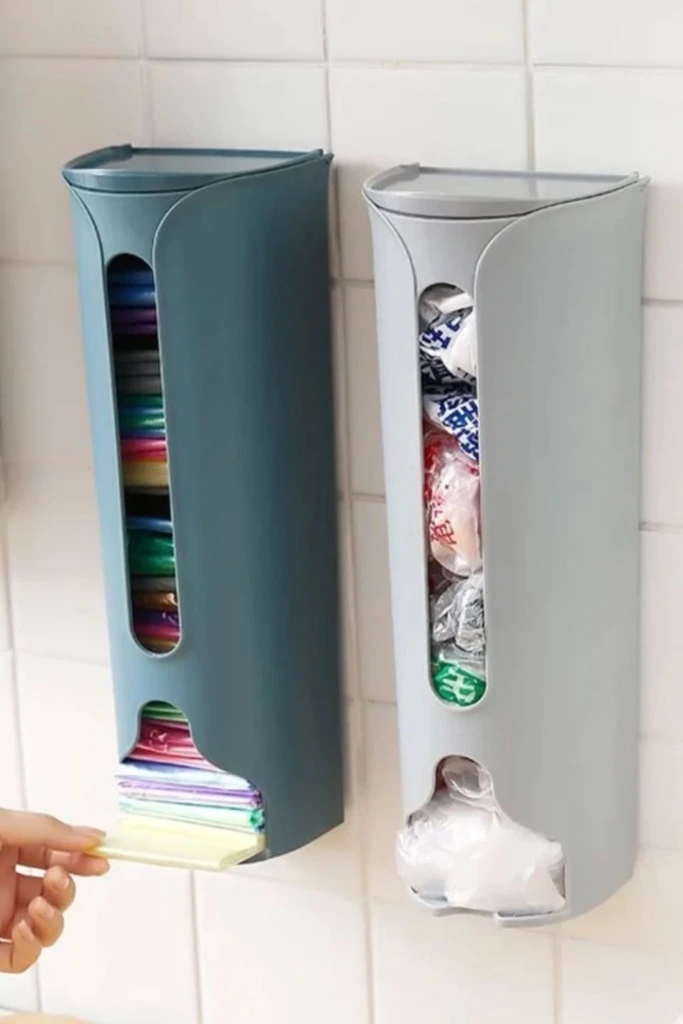
A bag dispenser keeps reusable shopping bags, spare trash liners, and other folded bags organized in a compact container. Rather than storing loose bags inside a cupboard, you can pull out one whenever needed.
Install the dispenser near the kitchen, entryway, or another convenient location. A vertical design can fit inside a cabinet or on a suitable wall, while a freestanding container can sit inside a pantry or storage compartment.
Keep shopping bags separate from garbage liners and label each compartment if you use both. Avoid filling the dispenser beyond its capacity, since tightly packed bags can become difficult to remove. Before traveling, confirm that the unit is secured and cannot spill its contents when a cabinet opens.
17. Over-Cabinet Basket
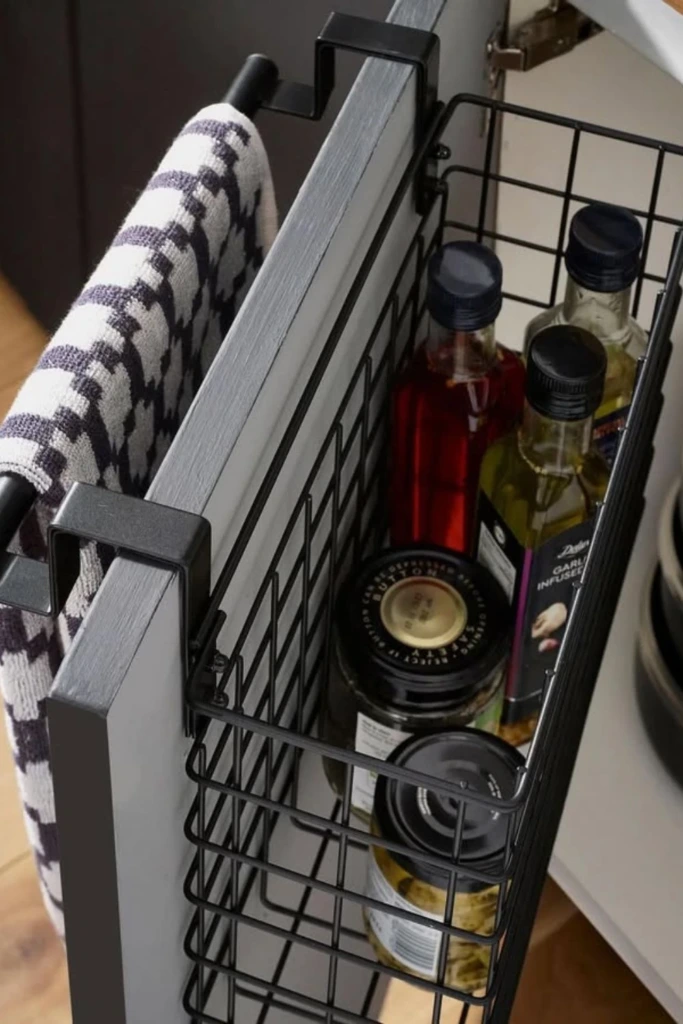
An over-cabinet basket makes use of the space around a cabinet shelf or door without necessarily requiring a permanent installation. Depending on its design, it can store dish towels, pot holders, sponges, small packets, or lightweight bathroom supplies.
Measure the cabinet door or shelf thickness before buying a basket. Some models hang over a door, while others slide beneath a shelf, so check that the mounting style matches your cabinetry.
Ensure the basket does not prevent the door from closing completely or interfere with nearby drawers. Keep the contents lightweight, particularly if the basket hangs from a cabinet door that opens frequently. For kitchen use, position it away from burners and other hot surfaces, and keep food-contact items clean and dry.
18. Entry Basket Pocket
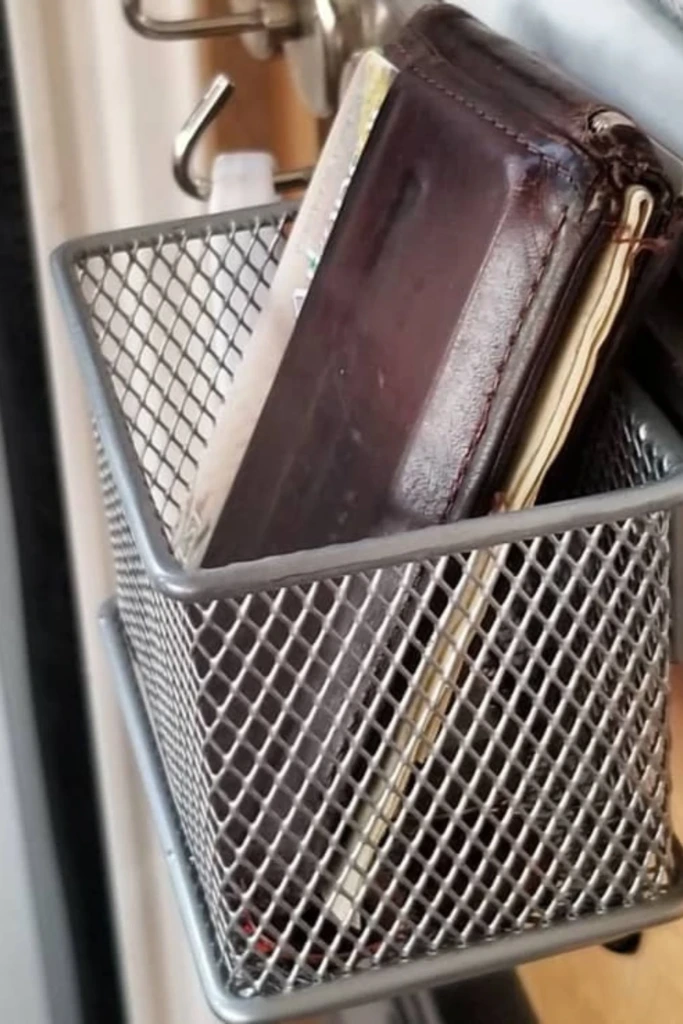
An entry basket pocket creates a designated drop zone for small belongings that tend to accumulate near the RV door. It can hold sunglasses, keys, compact flashlights, pet-walking accessories, or other items needed when leaving the vehicle.
A hanging fabric pocket works well when there is little room for a floor-standing basket. A rigid basket attached securely to a suitable surface can provide a sturdier alternative for slightly heavier belongings.
Keep the entry area clear enough for safe movement, especially when stepping in or out of the RV. Do not place essential emergency equipment, fire extinguishers, or emergency exits behind stored items. Before driving, move loose objects into secure storage and make sure the entry organizer cannot obstruct the door or steps.
19. Canvas Wall Caddy
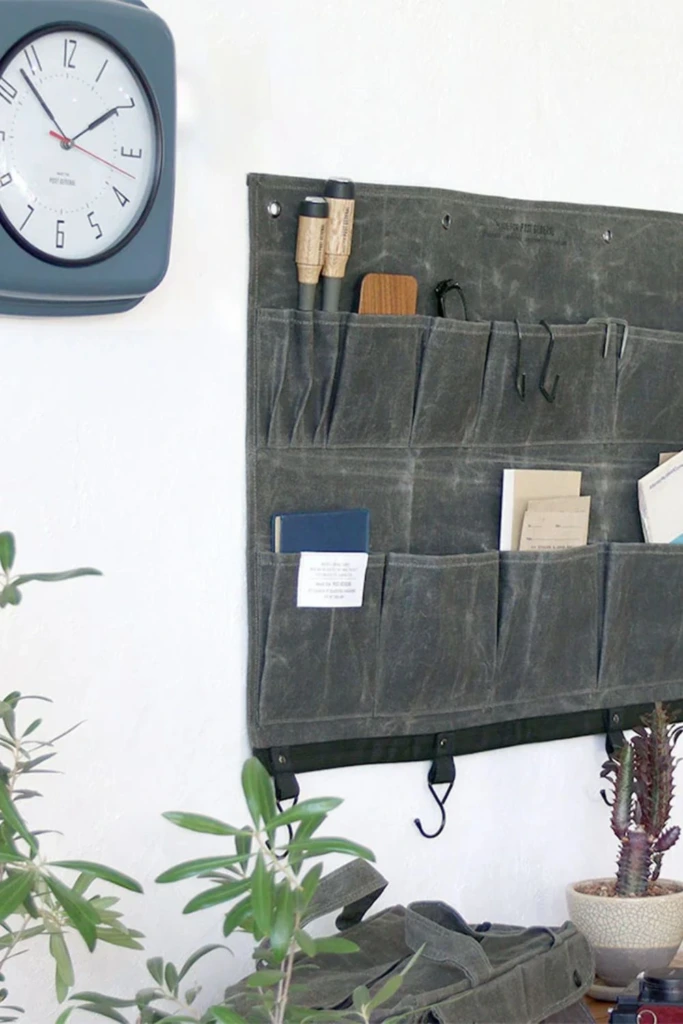
A canvas wall caddy combines lightweight construction with several pockets for everyday storage. It can be used in a bedroom, closet, living area, or utility space to organize items that would otherwise occupy a countertop or drawer.
Select a caddy with reinforced stitching, sturdy hanging loops, and pockets deep enough for the objects you plan to store. A neutral fabric can blend into the interior, while a colorful pattern can make the organizer easier to identify.
Canvas is useful for dry goods and lightweight accessories, but it may absorb moisture and odors. Avoid using an ordinary canvas caddy in persistently damp areas unless it is designed for that environment. Empty the pockets periodically, wash the organizer according to its care instructions, and fasten it securely before traveling.
20. Labeled Storage Bins
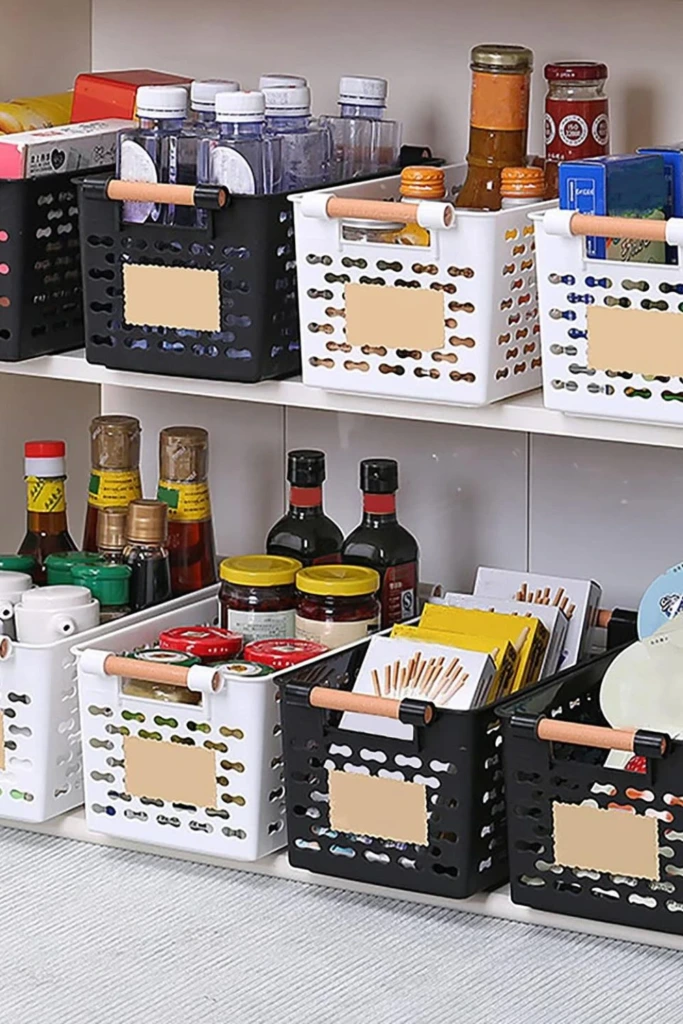
Labeled storage bins make RV cabinets, closets, and under-bed compartments easier to manage. Instead of stacking unrelated belongings together, you can group items into separate containers for cooking, cleaning, personal care, seasonal clothing, or outdoor activities.
Choose bins that fit the dimensions of your storage spaces and leave room for doors and drawers to operate. Clear containers make it easy to see their contents, while opaque bins can create a tidier appearance. Matching sizes often make stacking and rearranging simpler.
Use large, readable labels that describe the contents rather than relying on vague categories. For example, label a container "First Aid Supplies" or "Outdoor Lighting" instead of simply writing "Miscellaneous." Secure the bins with suitable restraints or non-slip material so they do not slide during travel. Avoid placing heavy containers overhead, where they could fall when a cabinet is opened.
21. Adhesive Wall Shelf
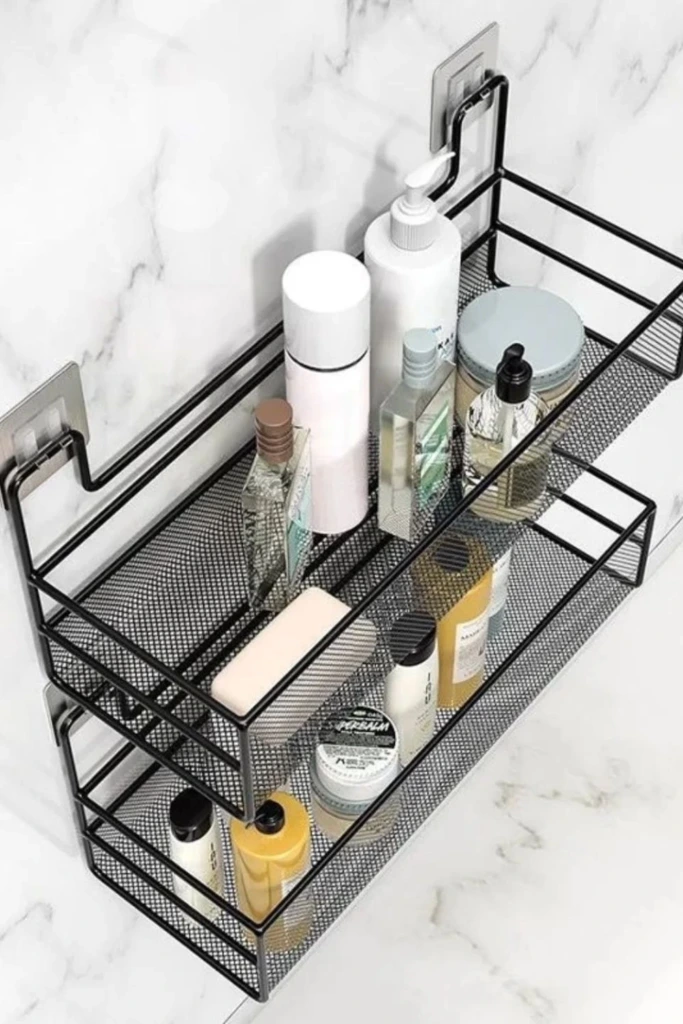
An adhesive wall shelf adds a small storage surface without the need for traditional brackets or screws. It can hold lightweight items such as toiletries, remote controls, small containers, or decorative accessories in spaces where a full cabinet would be impractical.
Choose a shelf with a stated weight limit and an adhesive system compatible with the RV's wall finish. Smooth, clean surfaces usually provide better adhesion than textured or dusty panels. Follow the manufacturer's preparation and curing instructions before placing anything on the shelf.
Use adhesive shelves for lightweight essentials rather than heavy glass bottles, appliances, or fragile objects. Check the attachment periodically, especially after changes in temperature or humidity. If the RV wall material cannot support the adhesive reliably, consider a properly secured alternative designed for that surface.
22. Pull-Out Pantry Drawers
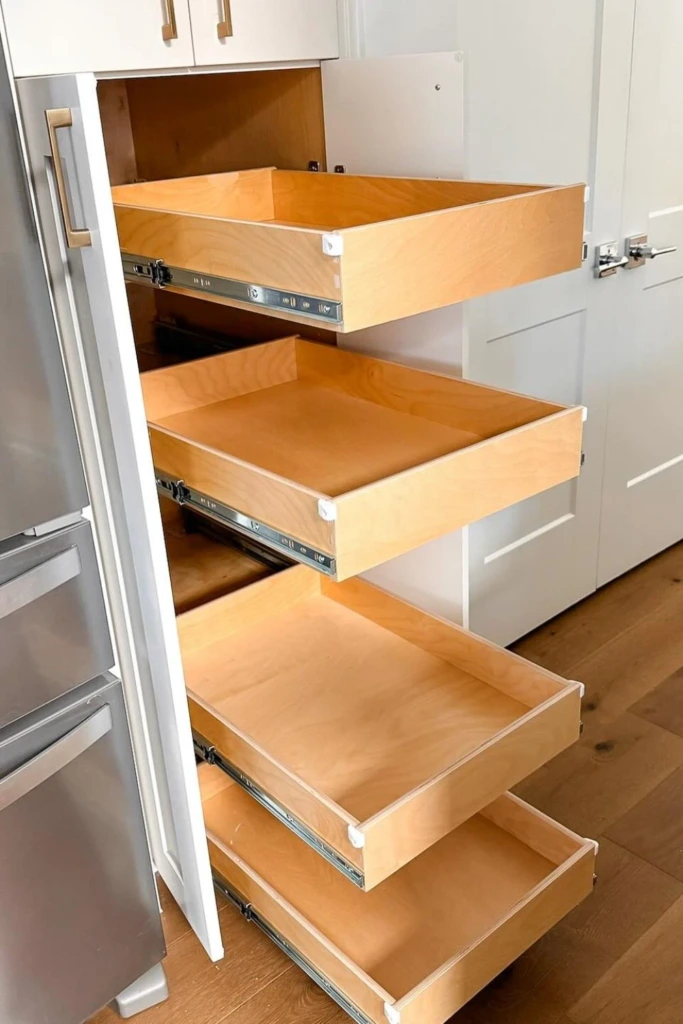
Pull-out pantry drawers make deep cabinets easier to use by bringing stored goods toward you instead of requiring you to reach into the back. They can improve access to canned foods, spice containers, snack packets, and cooking ingredients.
Measure the cabinet's width, depth, and usable height before choosing a sliding system. Account for hinges, plumbing, existing shelves, and the clearance needed for the drawer to extend fully. Compact slide-out baskets are often more practical than oversized drawers in narrow RV kitchens.
Group similar ingredients together and place frequently used items near the front. Keep heavier containers low and distribute weight evenly. Use bins or dividers to prevent packets and bottles from tipping over, and add secure closures where needed. Before traveling, make sure the drawers latch shut so their contents cannot spill into the aisle.
23. Wire Basket Rack
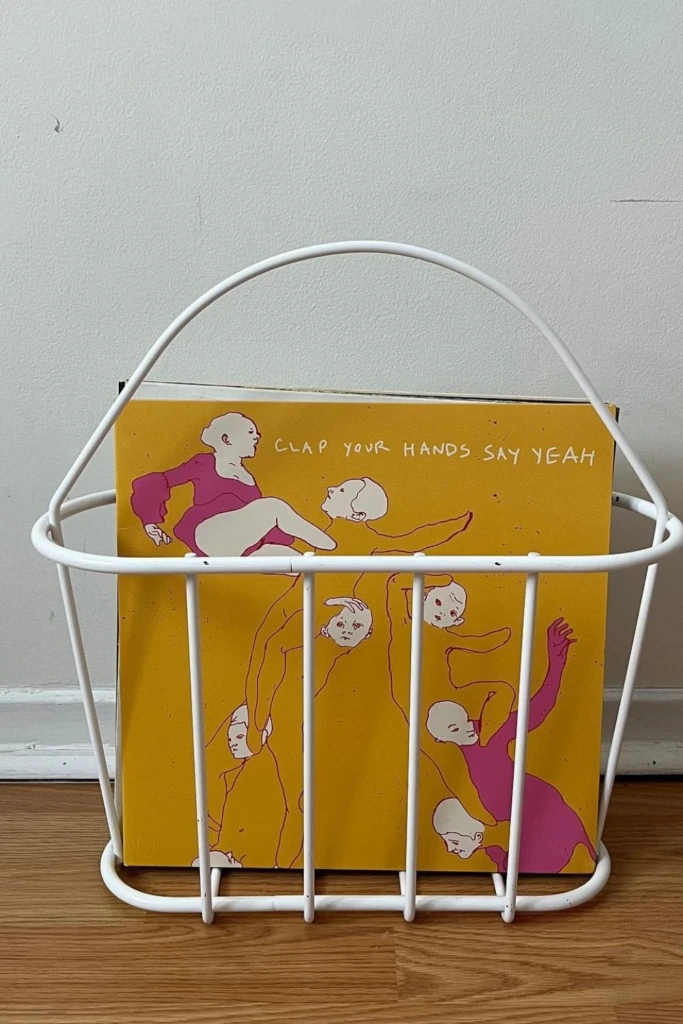
A wire basket rack provides open storage for kitchen supplies, cleaning products, towels, pantry goods, and other frequently used belongings. Its open construction allows you to see the contents easily and can improve airflow around items that need to dry.
Choose a rack that fits your available floor, cabinet, or wall space. Narrow vertical designs can be particularly useful in RVs because they make use of height without occupying a large footprint. Removable baskets also allow you to carry supplies to another area when necessary.
Consider what each basket will hold before assigning its position. Keep heavier items in lower baskets and lightweight belongings near the top to improve stability. Secure the rack to a suitable mounting point or use an appropriate restraint to prevent tipping during travel. For damp areas, select a corrosion-resistant finish and clean the rack regularly.
24. Magnetic Spice Jars
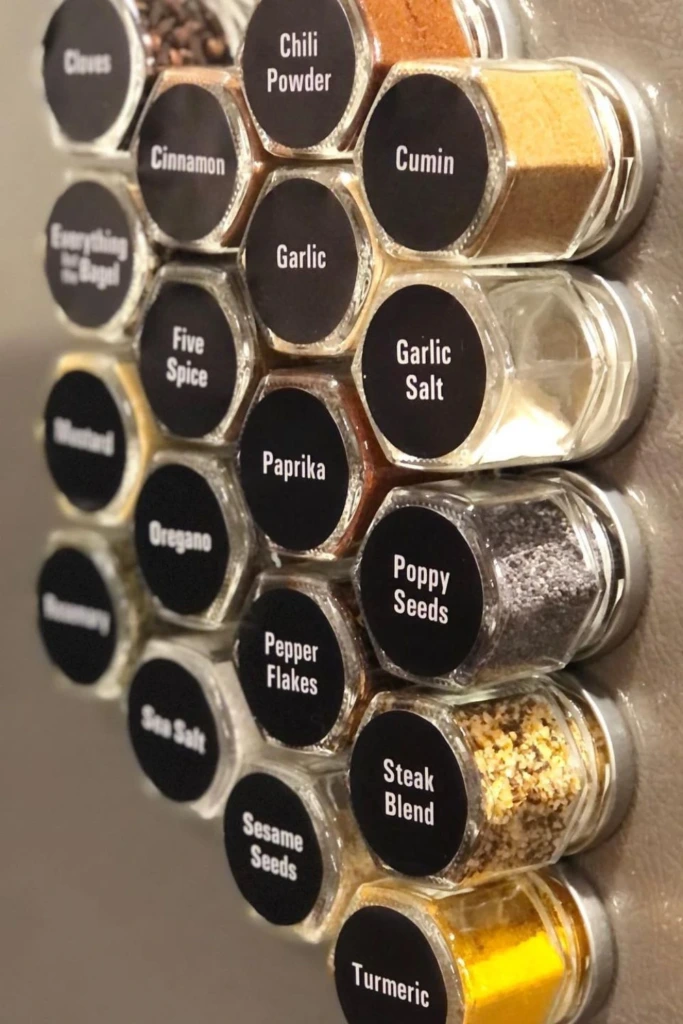
Magnetic spice jars offer an efficient way to organize seasonings when traditional pantry shelves are limited. Small containers can attach to a compatible magnetic strip or board, leaving more room inside cabinets for other cooking supplies.
Choose jars with secure lids and enough capacity for the spices you use most often. Clear containers help identify the contents, while readable labels prevent confusion between similar seasonings. Keep the labels visible when arranging the jars.
Mount the magnetic surface firmly and verify that both the magnets and the mounting system can support the filled jars. Magnetic strength alone should not be treated as a guarantee that containers will remain attached on bumpy roads. Use a retaining edge, locking cover, or separate cabinet storage for travel if needed. Keep spices away from heat, moisture, and direct sunlight to help preserve their flavor.
25. Water Bottle Holder
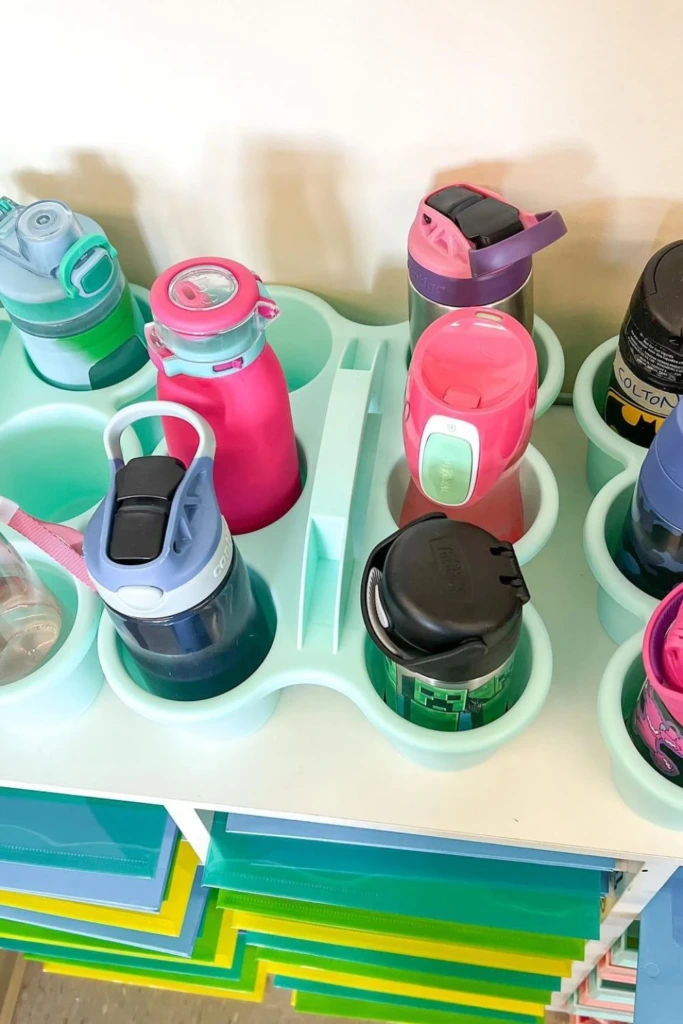
A dedicated water bottle holder prevents reusable bottles from rolling around counters, sliding under seats, or taking up space inside kitchen cabinets. Depending on your layout, you can use a countertop rack, a wall-mounted holder, or individual bottle slots inside a drawer.
Choose a design that matches the diameter and height of your bottles. Wider compartments may accommodate insulated tumblers, while smaller openings work better for standard reusable bottles. Check the holder's dimensions carefully if you have bottles with handles or unusually shaped lids.
Place the holder where bottles are easy to reach but cannot interfere with cooking, driving controls, or movement through the RV. Empty or secure bottles before travel, and ensure any mounted rack has a reliable attachment. A removable holder can also be useful for carrying bottles outdoors during hikes and campsite activities.
26. Overhead Mesh Net
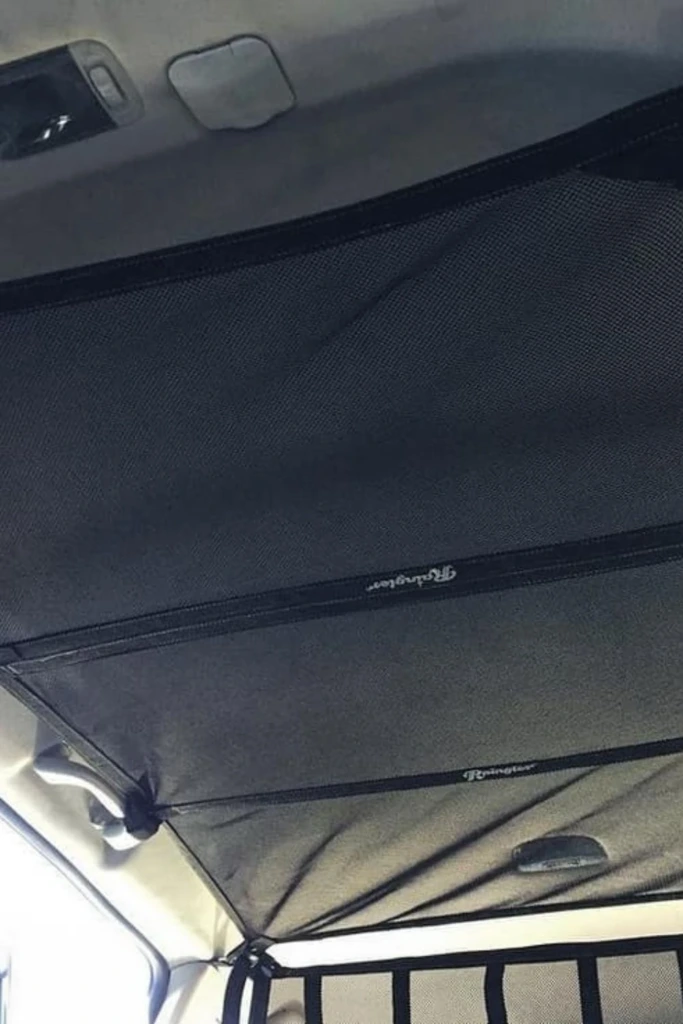
An overhead mesh net uses space above a bed, seating area, or suitable storage compartment to hold lightweight belongings. Depending on its size and design, it can accommodate soft clothing, spare blankets, pillows, or other compressible items.
Mesh construction makes it easier to see what's stored and allows airflow around the contents. Choose a net with reinforced edges and attachment points intended to support the expected load.
Installation requires particular care because overhead storage can become hazardous if it comes loose. Attach the net only to structurally suitable mounting points and follow the manufacturer's load limits. Keep heavy, rigid, or fragile objects out of overhead nets, and make sure the net does not obstruct lights, vents, windows, or emergency access. Secure all contents before moving the RV, even if the net appears firmly attached.
27. Pop-Up Laundry Bin
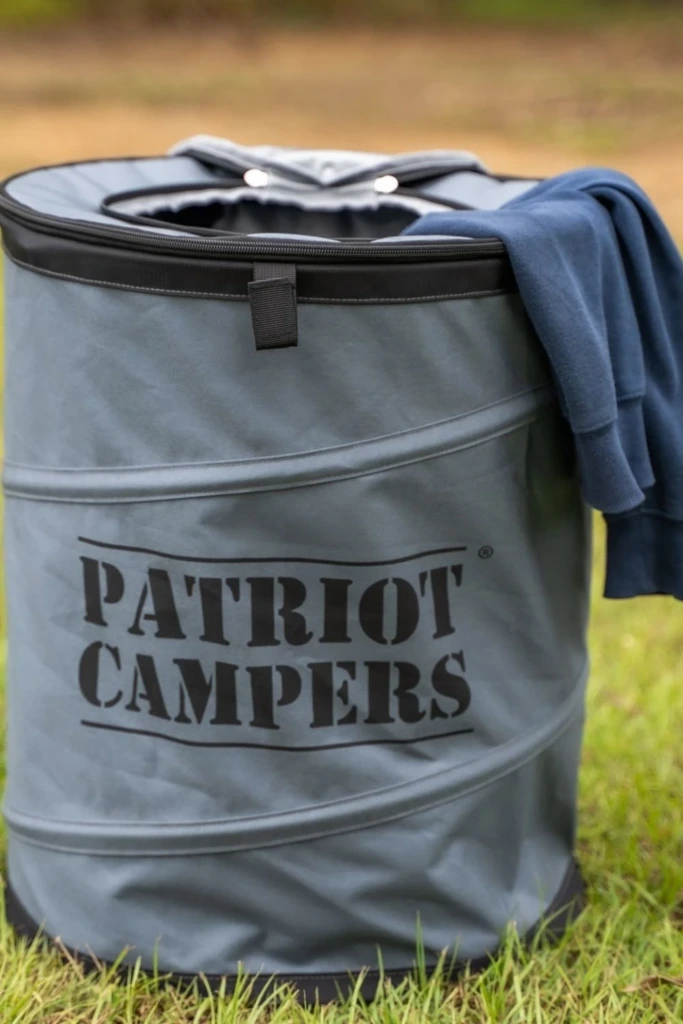
A pop-up laundry bin provides a convenient place for used clothing without taking up permanent floor space. Its flexible frame allows many models to collapse when empty, making them easy to tuck into a closet, under a bed, or inside a cabinet.
Choose a hamper with breathable fabric and handles that make it easy to carry to a laundromat. A mesh panel or ventilated design can help reduce trapped moisture, while a washable liner makes cleaning more convenient.
If you travel with several people, consider separate compartments for lights, darks, and towels. Avoid leaving damp clothing inside the hamper for extended periods, as moisture can encourage unpleasant odors and mildew. Place the bin where it will not obstruct walkways or access to the bathroom, and fold it away or secure it before driving.
Final Thoughts
A well-organized RV does not require expensive renovations or complicated storage systems. Small additions such as bedside caddies, hanging pockets, pull-out pantry drawers, labeled bins, and compact laundry hampers can make everyday tasks much easier while preserving valuable living space.
Start with the areas that become cluttered most often, measure carefully, and choose organizers that suit your RV's layout. Prioritize lightweight materials, secure mounting, and reliable travel restraints so your storage solutions remain practical on the road. With a little planning and regular decluttering, you can create a comfortable, organized RV that feels ready for every adventure.