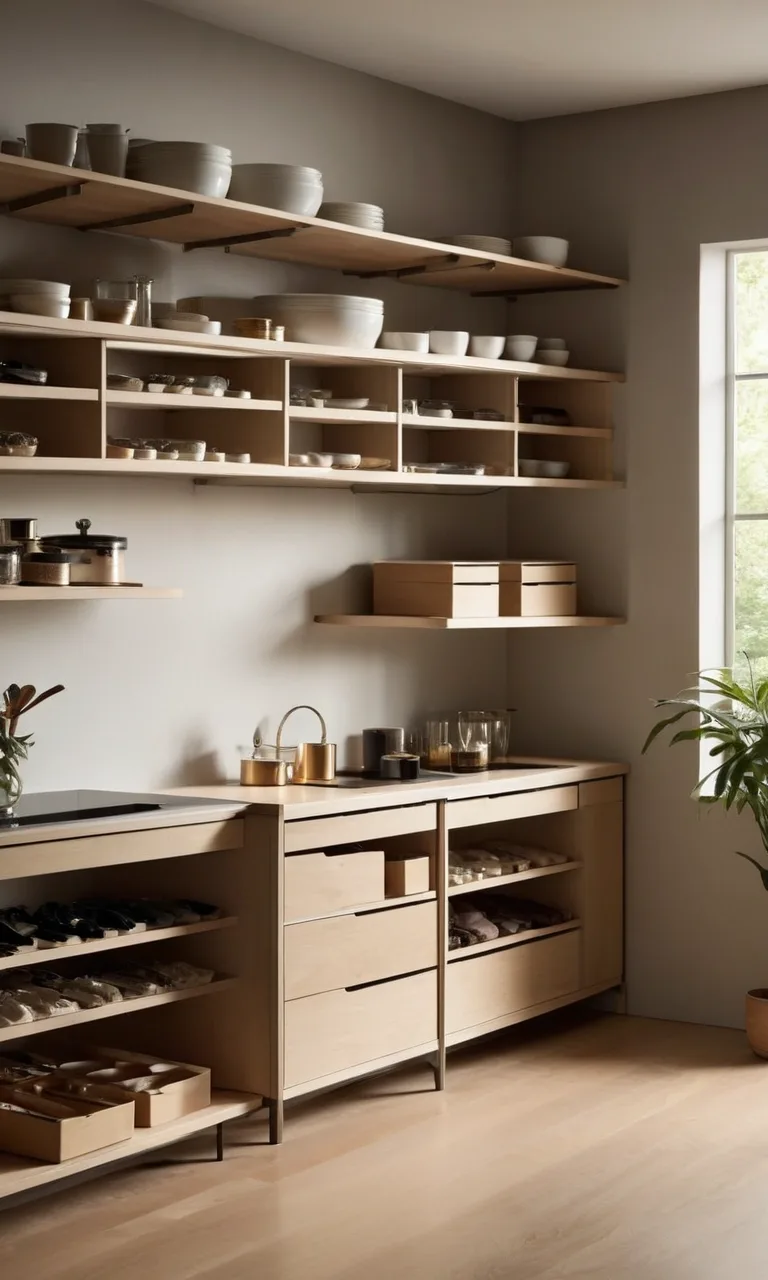
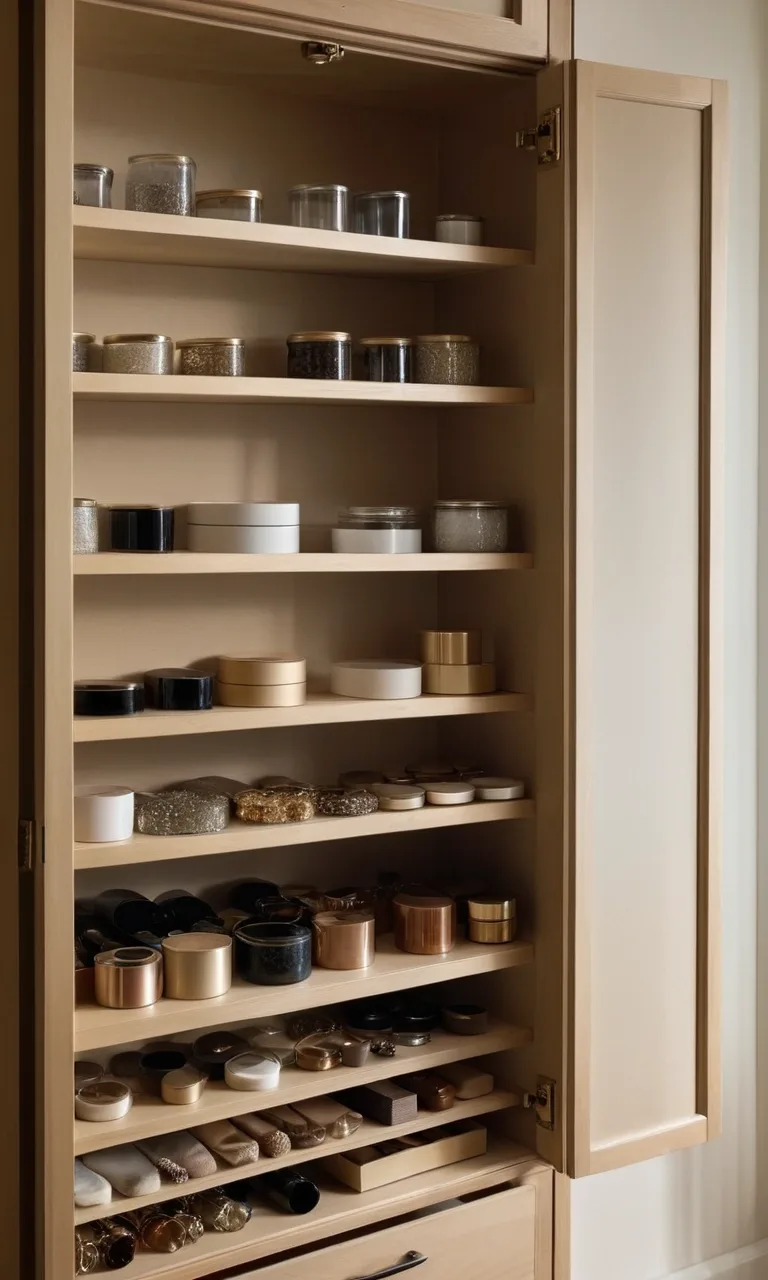
24 Small Room Organization Ideas for 2026 That Maximize Every Inch
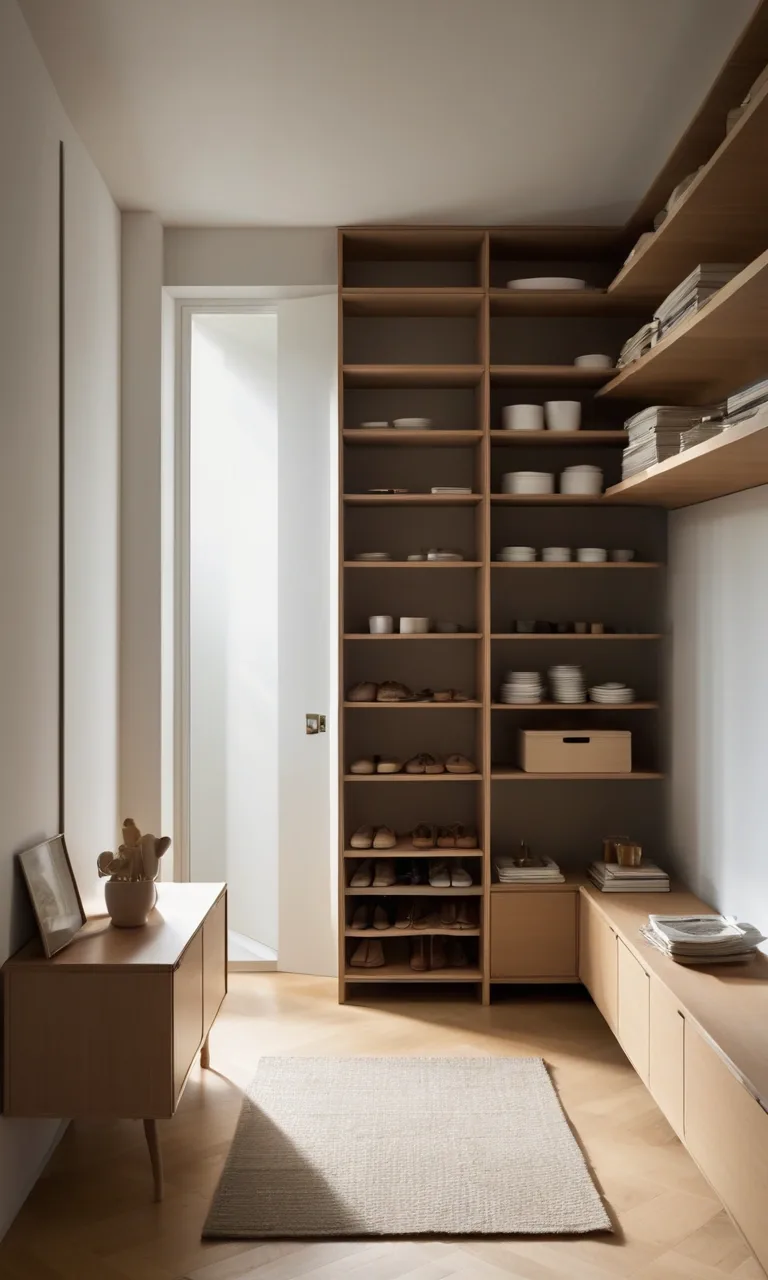
Organizing a small room can feel challenging when there is barely enough space for furniture, clothing, and everyday essentials. However, a limited floor plan doesn't have to mean living with clutter. With smart storage solutions, multifunctional furniture, and creative use of vertical space, even the smallest room can become comfortable, practical, and visually appealing.
Whether you're arranging a compact bedroom, a shared children's room, or a multipurpose living area, these small room organization ideas for 2026 will help you make better use of the space you already have. From hidden drawers to custom wall storage, each idea offers a practical way to create a more organized home.
1. Under-Bed Solutions
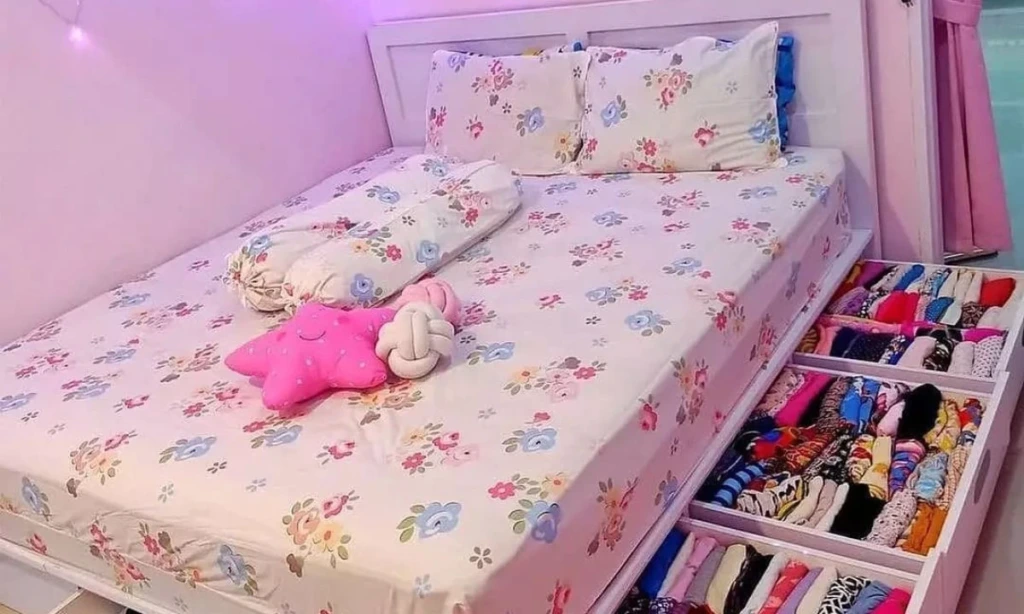
The space beneath your bed is one of the easiest places to add storage without introducing another piece of furniture. Low-profile containers, rolling drawers, and fabric storage bags can hold seasonal clothing, spare bedding, shoes, and other belongings that aren't needed every day.
Choose clear containers or label each box so you can find items without pulling everything out. If your bed sits close to the floor, bed risers may provide extra clearance, provided they are compatible with the frame and safely support its weight.
For a more permanent arrangement, consider a platform bed with built-in drawers. This keeps storage concealed while maintaining a clean, uncluttered appearance.
2. Small Room Organization Ideas
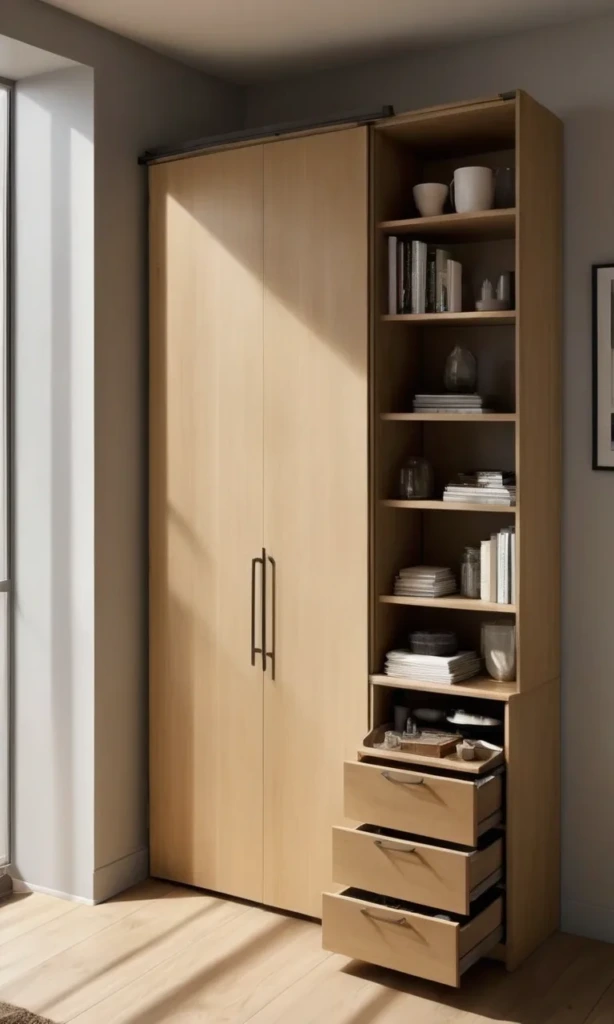
A successful small room layout starts with deciding what deserves a permanent place. Rather than filling every available corner with storage furniture, focus on pieces that serve multiple purposes and leave enough room to move comfortably.
Start by sorting belongings into categories and removing items that no longer serve a purpose. Then assign frequently used objects to accessible shelves, drawers, or baskets.
Wall-mounted storage, folding furniture, and stackable containers can help preserve valuable floor space. Keeping the room's color palette consistent also creates a more unified appearance, making an organized room feel calmer and more spacious.
3. Bedside Drawers
A bedside table with drawers offers more practical storage than a simple open-top design. It provides a convenient place for books, charging cables, glasses, medications, and other nighttime essentials.
For narrow bedrooms, select a compact nightstand with two or three drawers instead of a wide cabinet. Drawer dividers can separate smaller belongings and prevent everything from collecting in one messy compartment.
Keep the tabletop relatively clear, leaving space for a lamp and a few essentials. A wall-mounted reading light can free up even more surface area.
4. Slim Drawer Tower
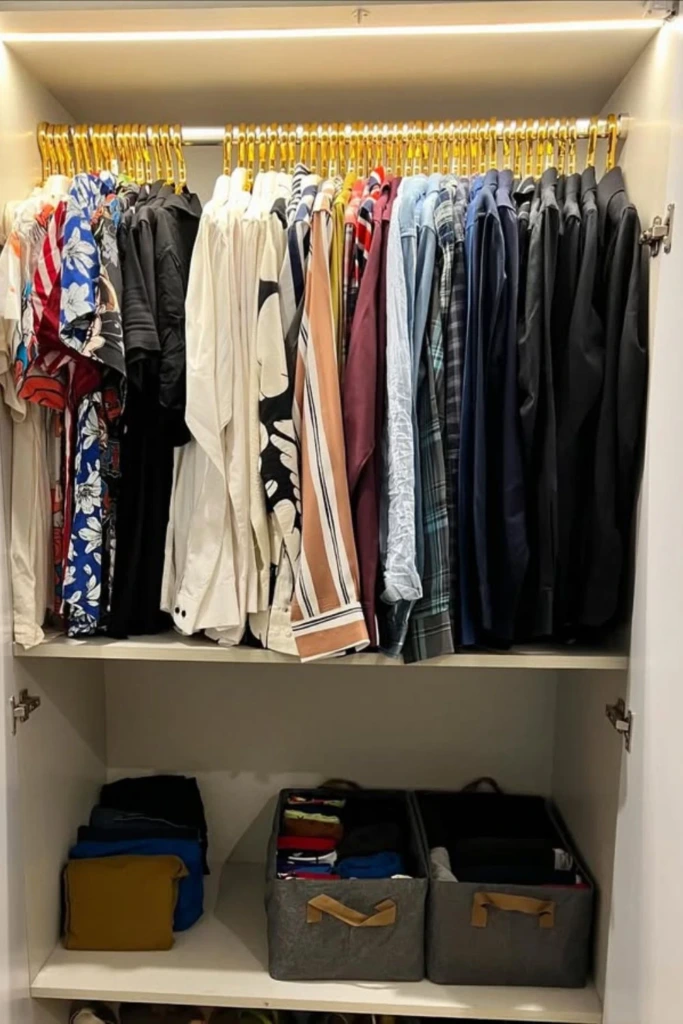
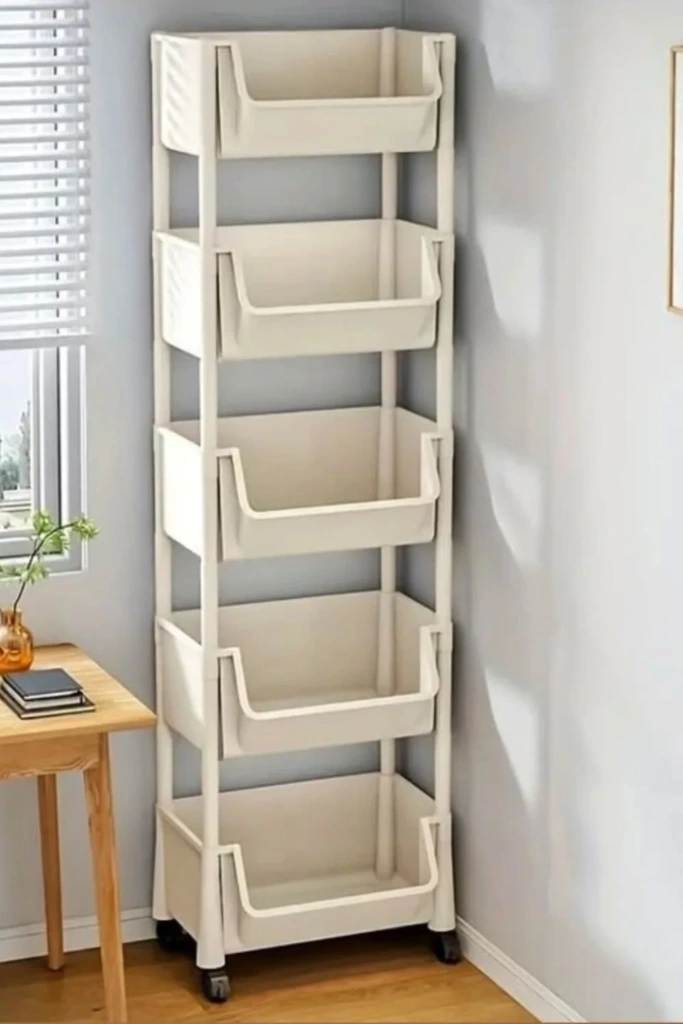
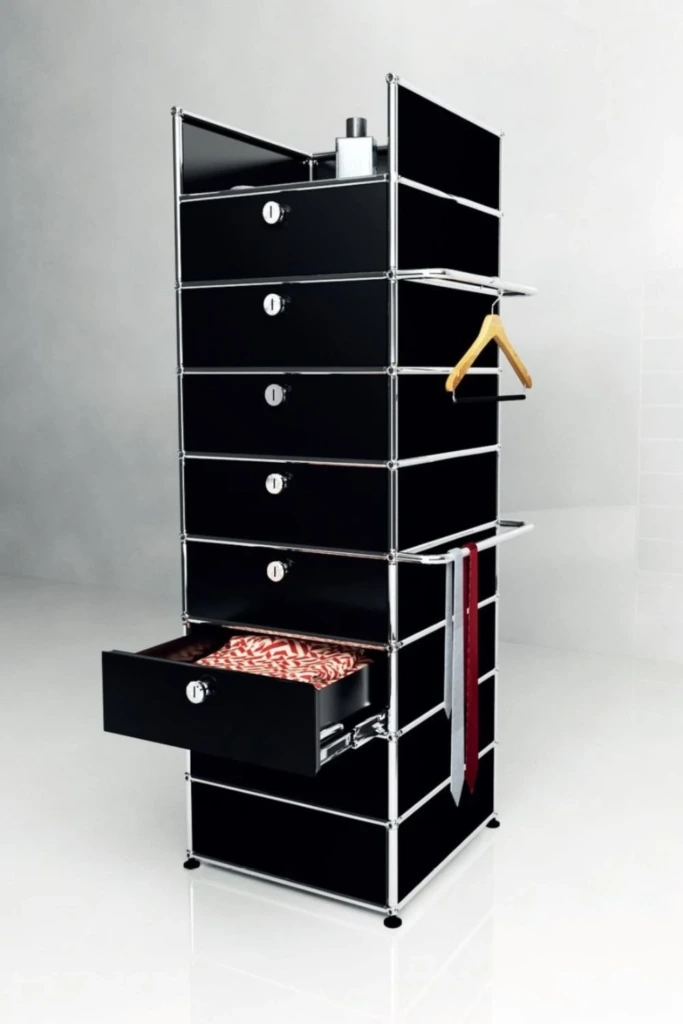
A tall, narrow drawer tower is ideal for small rooms where floor space is limited but vertical space remains available. These units fit neatly beside wardrobes, desks, or beds and provide several levels of organized storage.
Use individual drawers for accessories, folded clothing, stationery, or personal items. Lightweight plastic towers work well for smaller belongings, while sturdy wooden or metal designs may be better for heavier objects.
Choose a tower with smooth-gliding drawers and a stable base. Secure tall units to the wall when required to reduce tipping risks, especially in children's bedrooms.
5. Wall Niche Elegance
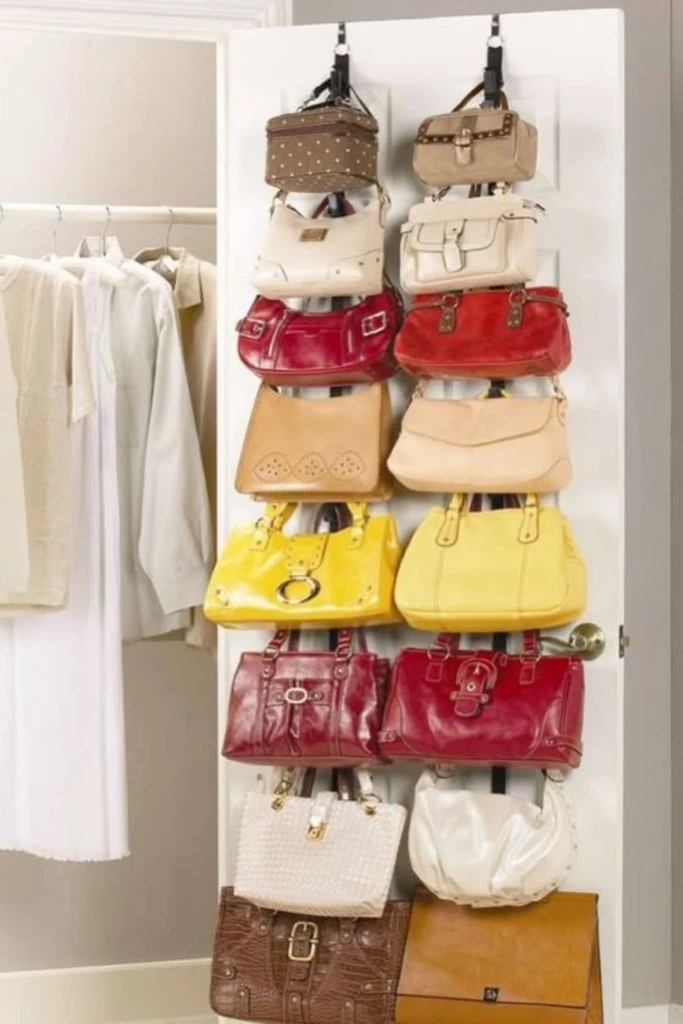
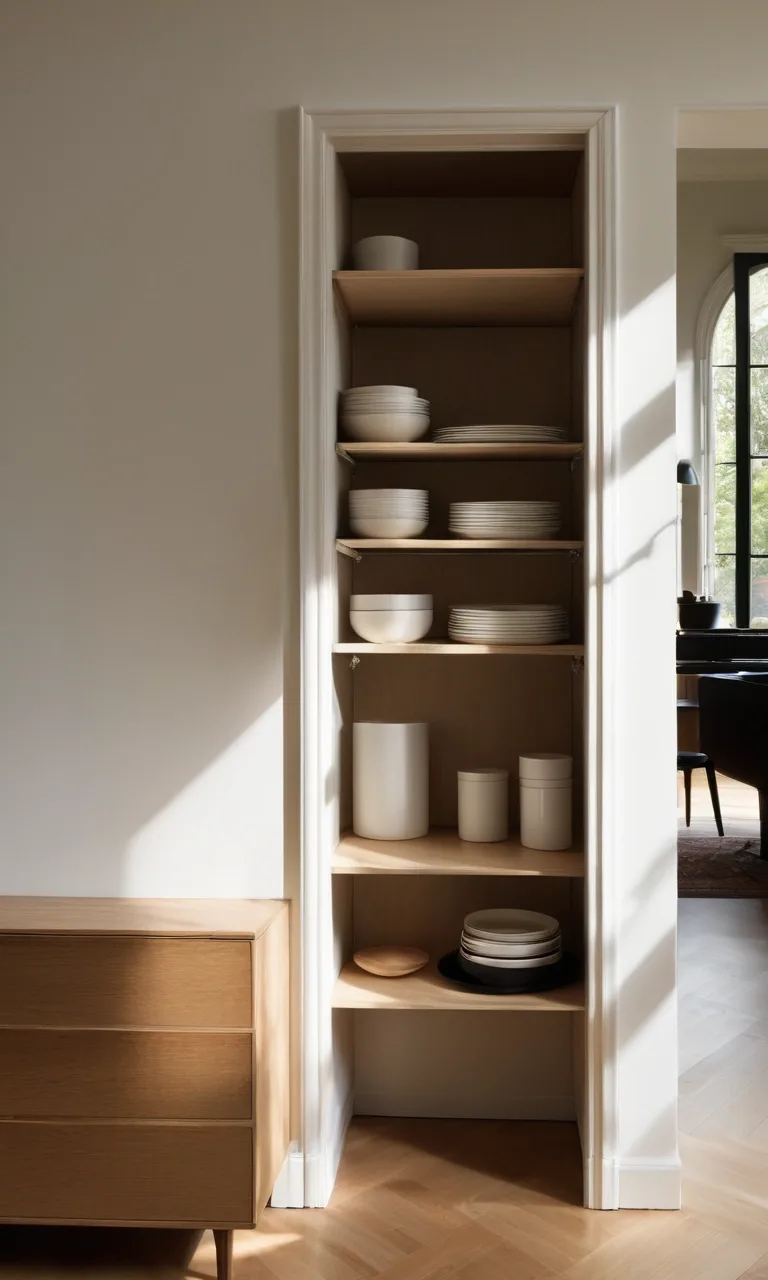
Recessed wall niches can provide attractive storage without projecting into the room. They are particularly useful beside beds, above desks, or in narrow spaces where conventional shelving would feel bulky.
A small niche can accommodate books, decorative objects, or everyday essentials. Adding soft LED lighting creates visual interest while making the contents easier to see.
For a refined appearance, paint the inside of the niche a complementary color or finish it with natural wood. If your room doesn't already have a recess, consider shallow surface-mounted shelving rather than cutting into a structural wall.
6. Multi-Tasking Zone
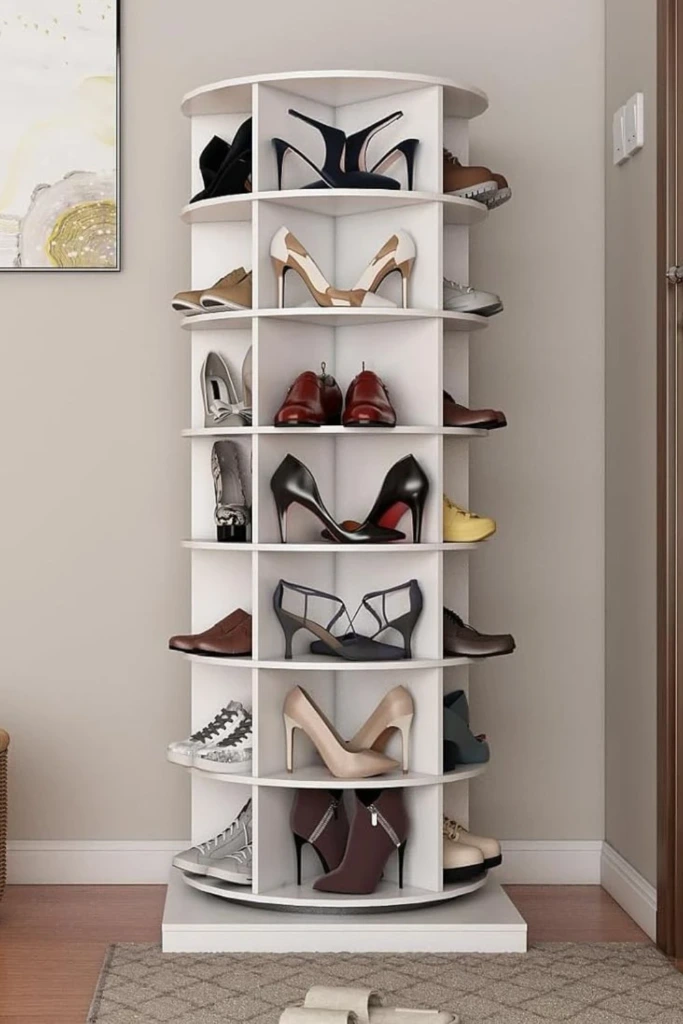
When one room must support sleeping, studying, working, and relaxing, dividing it into functional zones can make daily routines easier.
A compact desk can double as a vanity, while an upholstered storage bench provides both seating and a place for blankets. Folding tables are another practical option because they can be tucked away when not needed.
Use a small rug, lighting, or furniture placement to distinguish each area without installing physical partitions. The goal is to give every activity a dedicated space while avoiding unnecessary furniture.
7. Built-In Nook
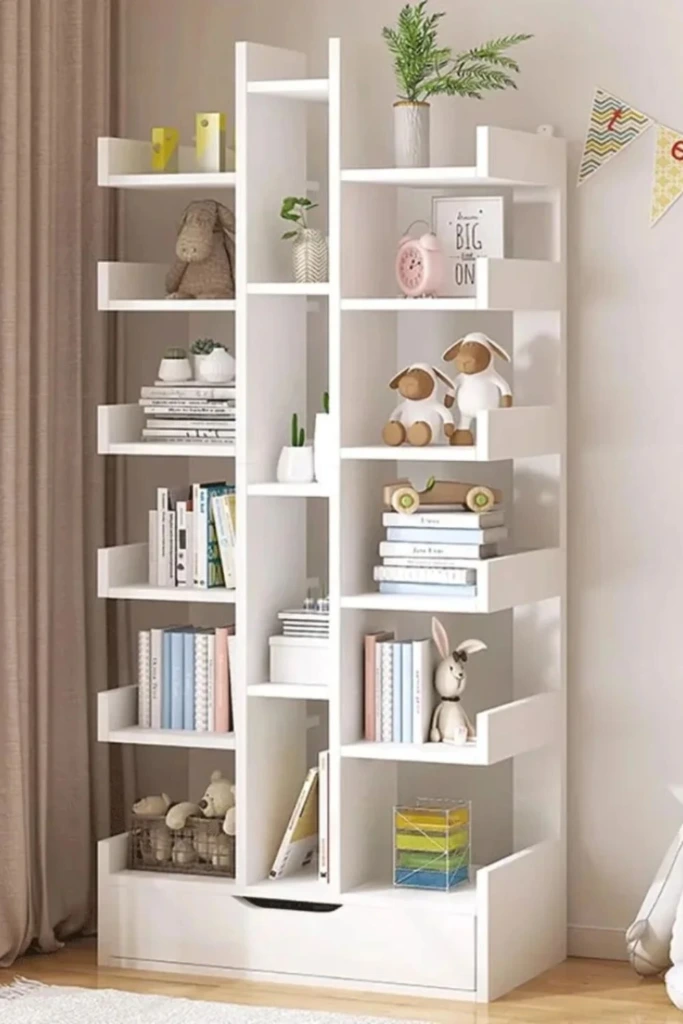
An unused corner or awkward recess can become valuable storage with a thoughtfully designed built-in nook. Custom shelves, drawers, or a fitted bench can turn otherwise wasted space into a useful feature.
A reading nook with storage underneath is particularly effective in compact bedrooms. Add a comfortable cushion, a small wall light, and shelves for favorite books.
For home offices, a recessed work surface with overhead cabinets can create a productive workspace without taking over the room.
Built-in furniture requires careful measurements, but it can make irregular layouts much easier to organize.
8. Styled Cabinetry
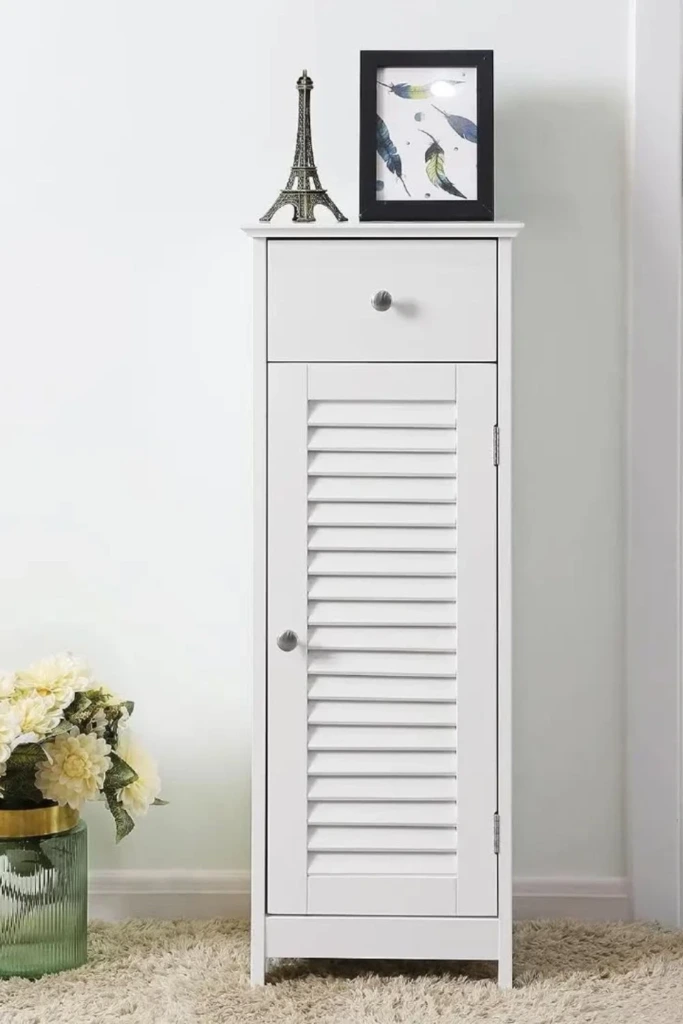
Storage cabinets don't need to look purely functional. Well-designed cabinetry can improve the appearance of a small room while keeping everyday clutter hidden.
Consider cabinets with simple fronts, integrated handles, and finishes that complement the walls. Light-colored cabinetry can create a subtle, continuous look, while darker finishes add contrast and character.
Combine closed cabinets with a limited amount of open shelving. Store practical belongings behind doors and reserve visible shelves for books, plants, or decorative pieces.
This balance creates a room that feels organized without looking overly plain.
9. Desk Integration
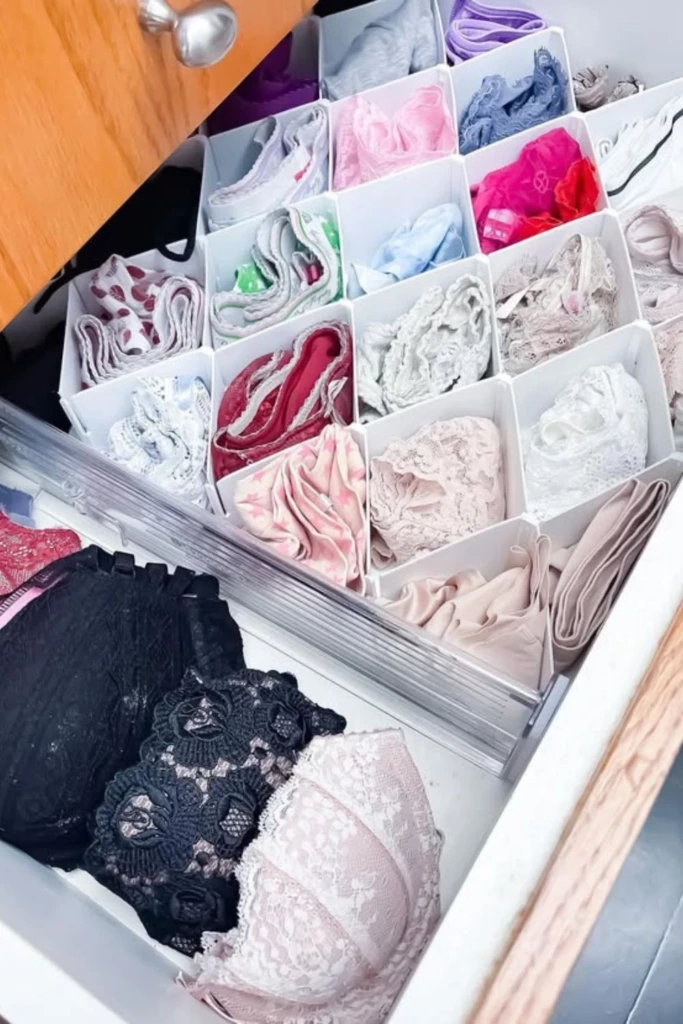
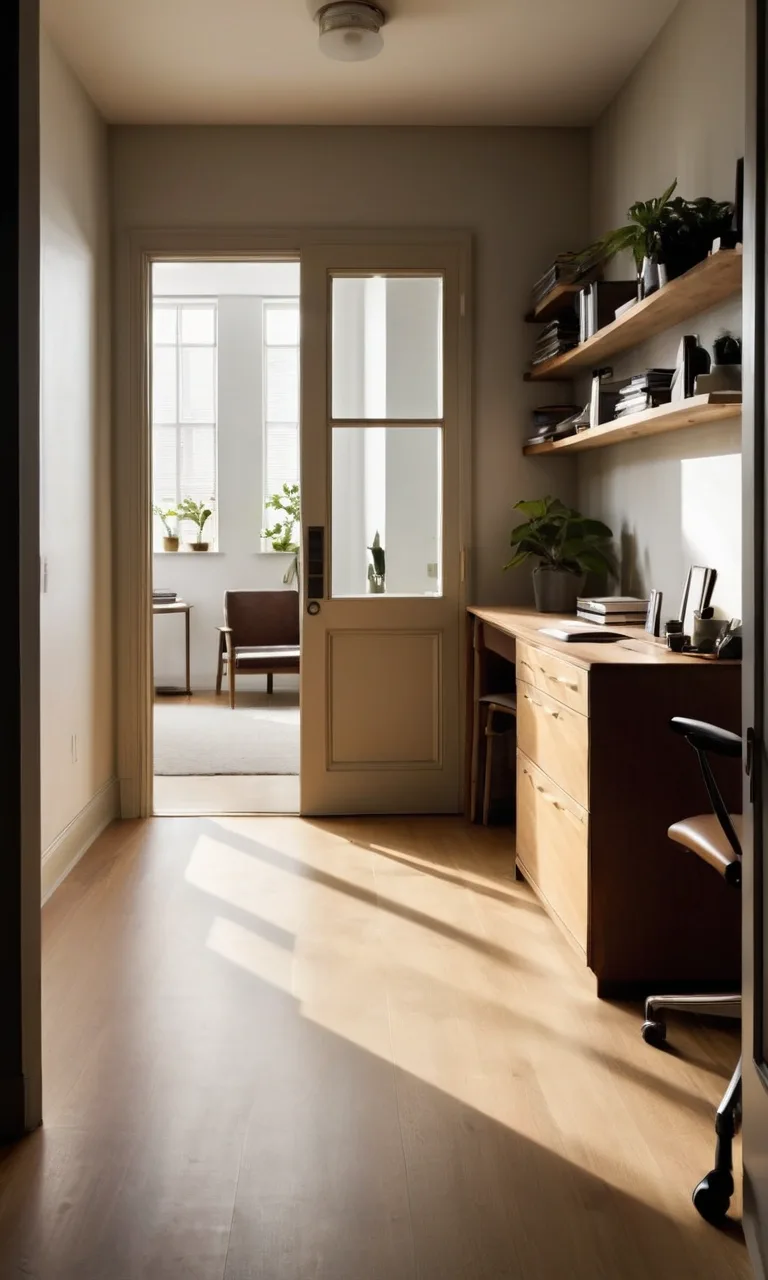
A desk can become part of a larger storage arrangement rather than functioning as a separate piece of furniture. Combining a work surface with shelves, drawers, and cabinets makes better use of a single wall.
A floating desk with wall-mounted storage underneath or above is a practical choice for narrow rooms. Corner desks can also utilize spaces that might otherwise remain empty.
Keep frequently used supplies within reach and place less essential materials in labeled containers. Cable clips and under-desk organizers prevent wires from spreading across the floor.
For flexibility, choose a desk that can also serve as a dressing table or creative workspace.
10. Wall-Mounted Racks
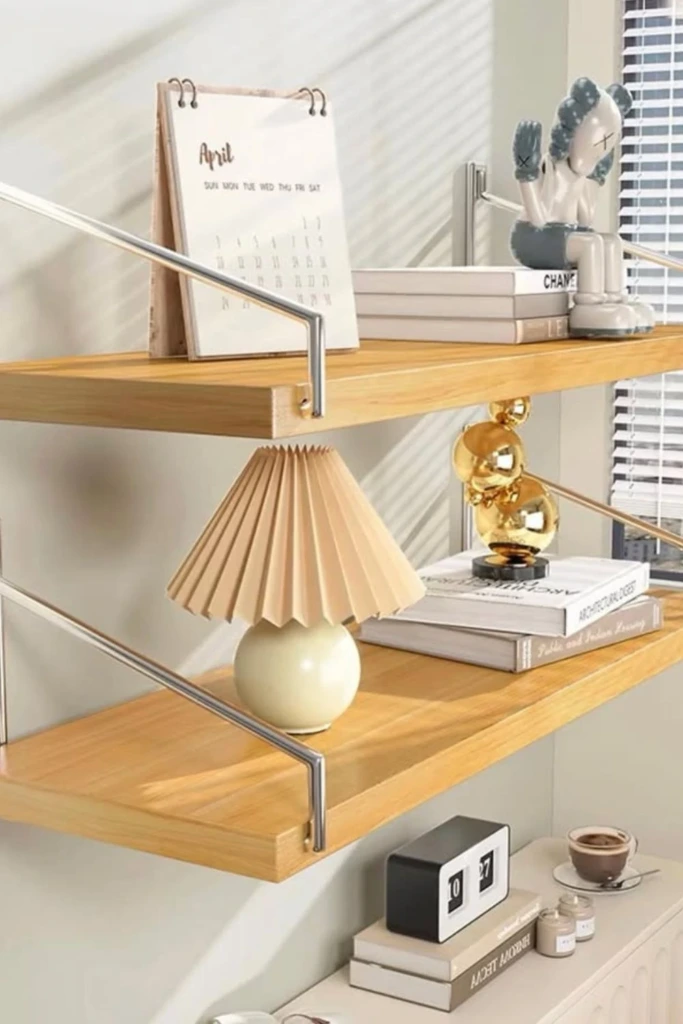
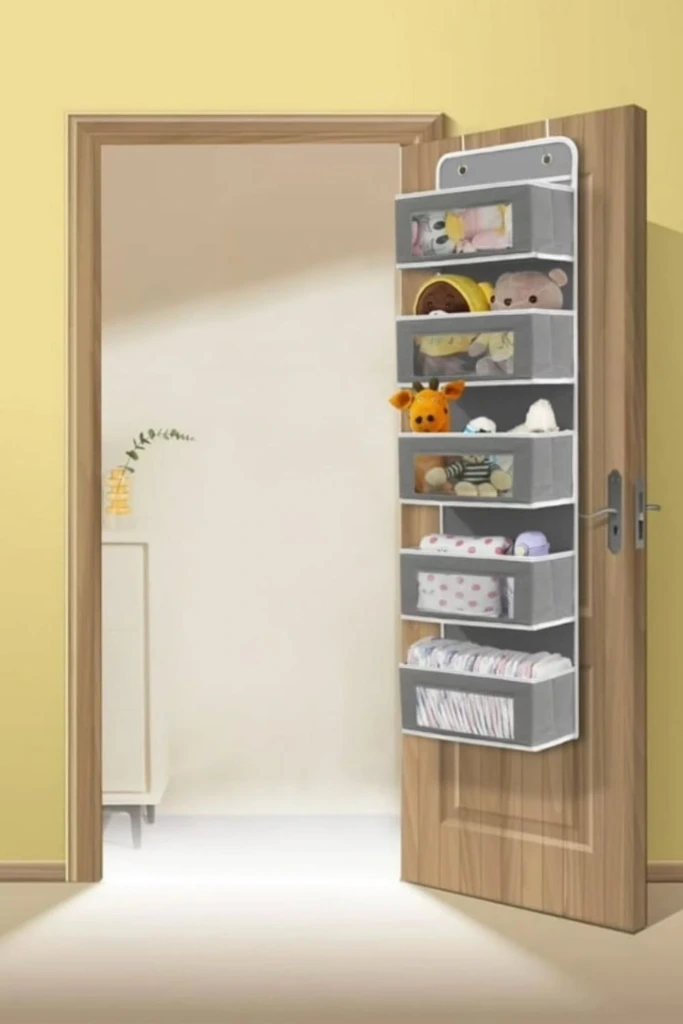
Wall-mounted racks help move belongings off the floor and onto unused vertical surfaces. They are useful for organizing bags, hats, jackets, accessories, and lightweight household items.
Install a row of hooks behind the door or along an empty wall. In children's rooms, position frequently used hooks at a reachable height to encourage independent tidying.
Metal rails, wooden peg racks, and modular hanging systems offer different styles to suit your decor.
Avoid overcrowding the racks, and always use appropriate wall anchors for the weight of the items being stored.
11. Hanging Nook
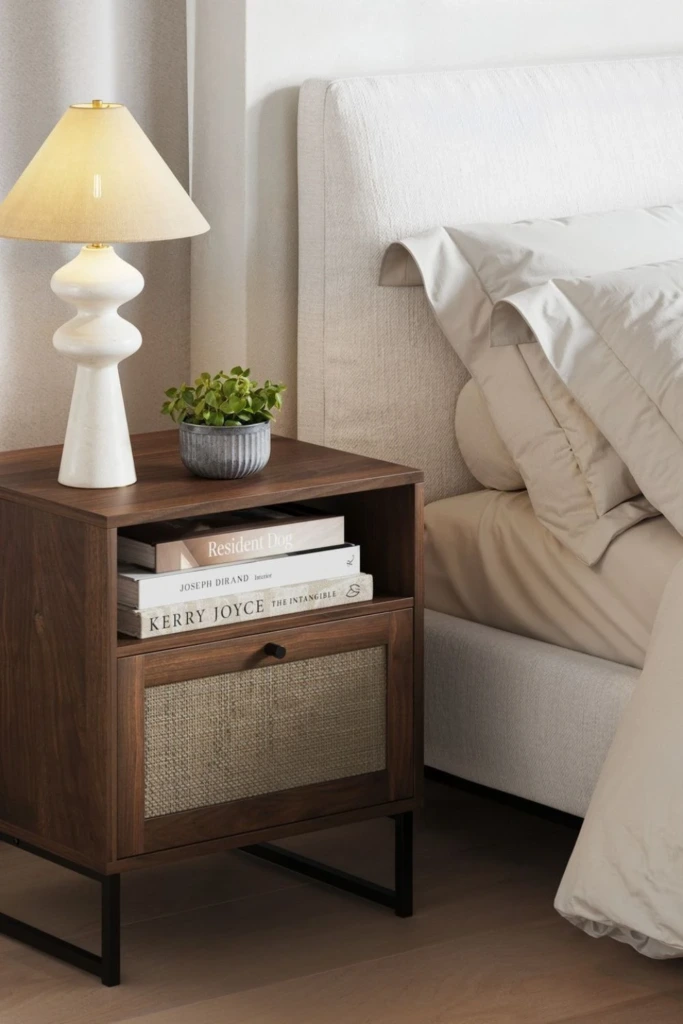
A hanging nook creates a designated place for clothing or accessories without requiring a full-sized wardrobe. This approach works particularly well in rooms with limited closet space.
Install a sturdy clothes rail in an alcove or beneath a shelf to create an open hanging area. Matching hangers keep garments aligned and make the arrangement look more intentional.
Place baskets or a compact shoe rack underneath to use the entire vertical section.
If you prefer a softer appearance, a ceiling-mounted curtain can conceal the clothing when it's not in use, provided the curtain hardware is installed securely.
12. Secret Shelves
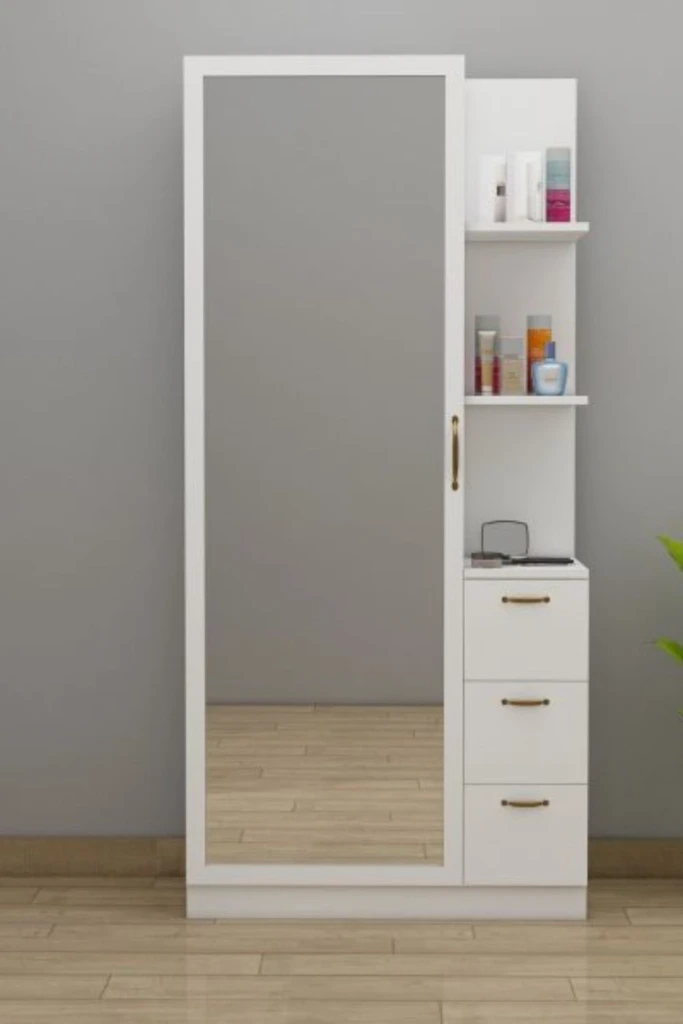
Hidden shelves are an effective way to introduce storage while preserving a minimalist appearance. They can be installed inside existing cabinets, behind doors, or within furniture designed with concealed compartments.
A shallow shelf behind a wardrobe door can hold accessories, while a headboard with integrated compartments provides discreet storage for books and personal belongings.
Floating shelves painted the same color as the wall can also blend into the background.
Keep concealed storage organized with small containers so it remains useful rather than becoming a forgotten collection of miscellaneous items.
13. Boho Closet Wall
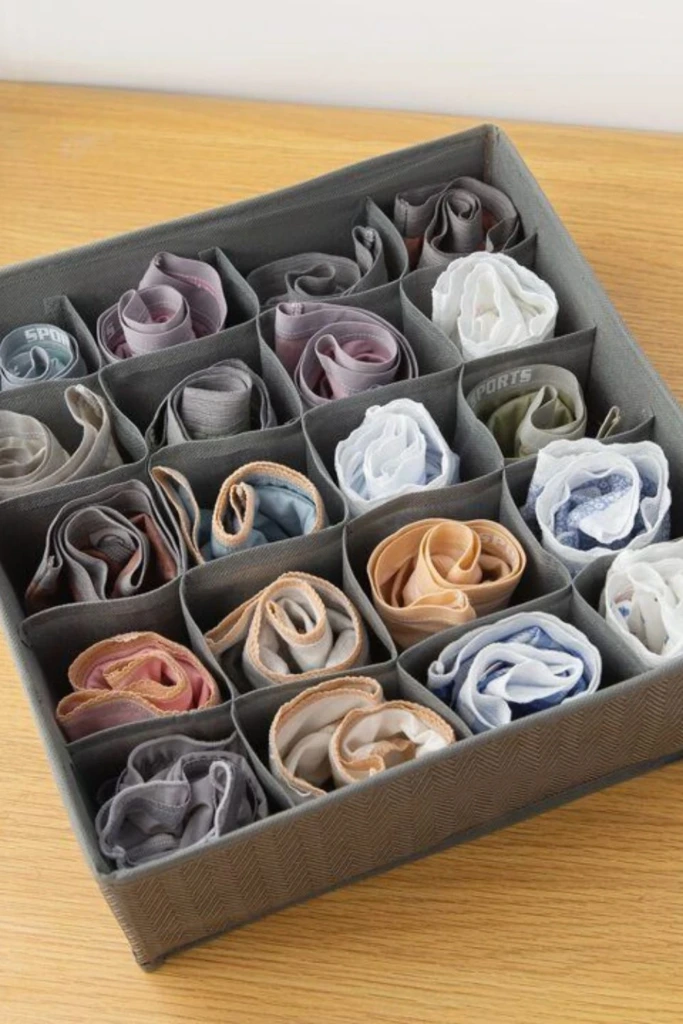
A bohemian-inspired closet wall combines practical organization with natural textures and relaxed styling. It can be a good solution when a small bedroom doesn't have enough space for a traditional wardrobe.
Use open wooden shelves, hanging rails, woven baskets, and fabric organizers to create a flexible storage system. Neutral colors and natural materials help maintain a cohesive appearance.
Arrange clothing by type or color to make the open storage feel intentional. Use baskets for smaller items that would otherwise create visual clutter.
A few decorative touches, such as a framed print or trailing plant, can add personality without overwhelming the wall.
14. Alcove Bed Space
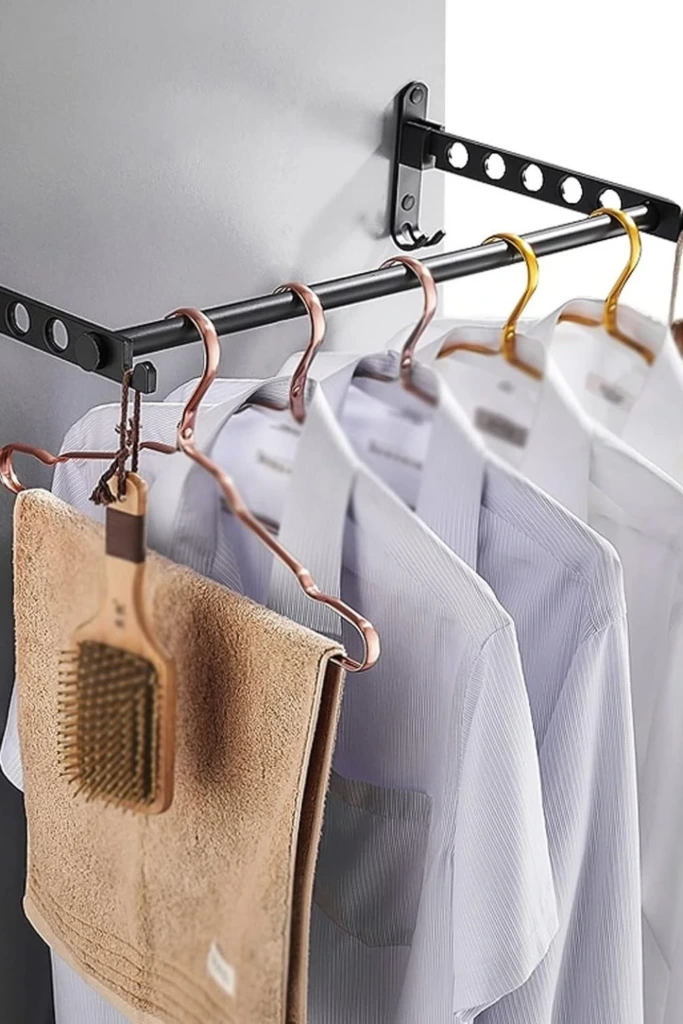
Positioning a bed inside an alcove can free up the main floor area and create a cozy sleeping zone. This arrangement works especially well in narrow bedrooms or rooms with unusual architectural features.
Install shallow shelves above or beside the bed for books and nighttime essentials. Built-in drawers beneath the mattress can provide additional storage for clothing and bedding.
Wall-mounted lighting eliminates the need for bulky bedside lamps.
Measure the alcove carefully to ensure the mattress fits comfortably, with suitable ventilation and enough access for changing bedding.
15. Slim Nightstand
A slim nightstand provides the convenience of bedside storage without taking up too much space. Narrow models are especially useful when the gap between the bed and wall is limited.
Look for designs with a small drawer, open shelf, or vertical compartment. A floating nightstand is another space-saving choice because it keeps the floor underneath clear.
Use the top surface for only the items you need at bedtime. A compact lamp, phone charger, and small tray are usually enough.
Choosing furniture with clean lines can also help a tight sleeping area feel less crowded.
16. Basket Wall Unit
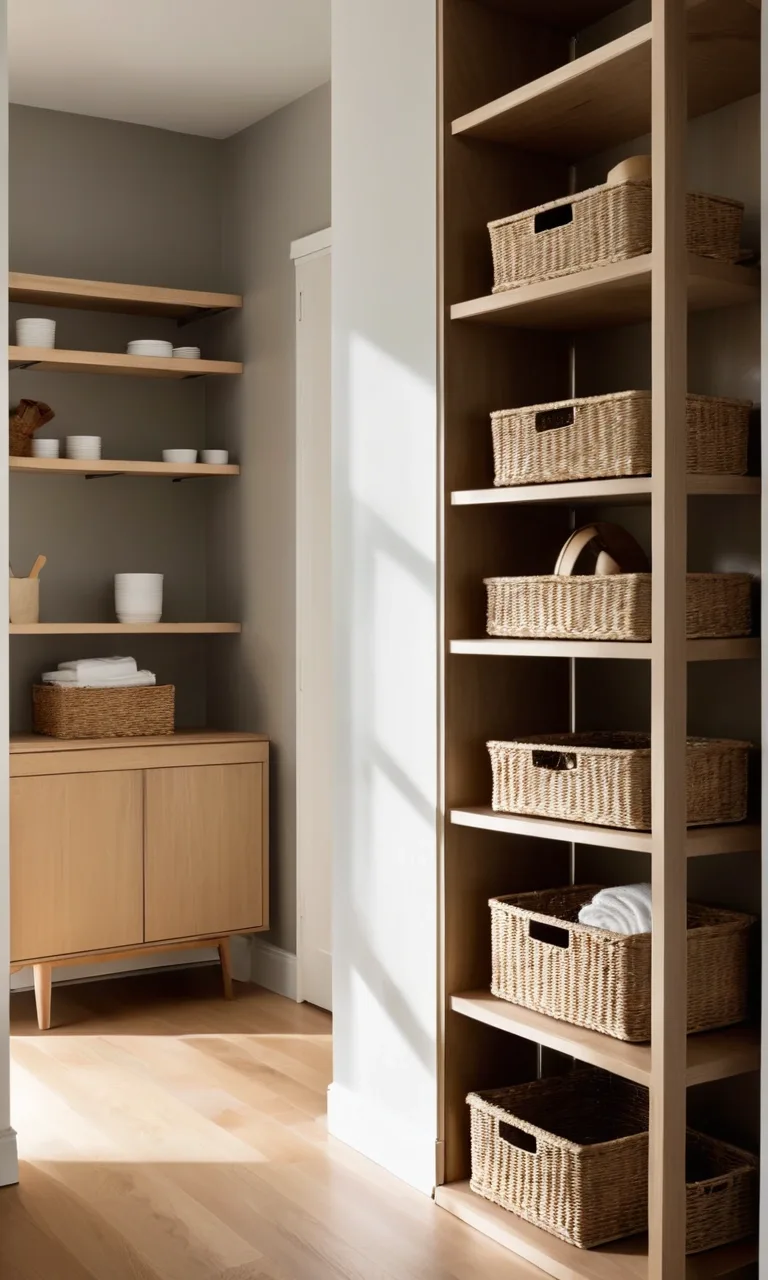
A basket wall unit offers a practical way to organize smaller belongings while adding texture to the room. Wall-mounted wire baskets, wooden cubbies, or modular shelves with removable containers can hold a variety of everyday items.
Use them for craft supplies, toys, accessories, toiletries, or office materials. Labeling each basket makes it easier to maintain an organized system.
For a coordinated appearance, choose baskets in similar colors or materials.
Install the unit at a comfortable height and ensure all brackets are properly secured, particularly when storing heavier objects.
17. Window Bed Drawers
Placing a bed beneath or near a window can create opportunities for built-in storage, especially when the room has limited wall space.
A platform bed with drawers underneath provides room for spare bedding, clothing, and other essentials. Side-facing drawers are convenient when there is enough clearance to open them fully.
You can also incorporate shallow shelving beside the window to store books or decorative objects.
Avoid blocking ventilation, heating equipment, or necessary window access. A low-profile bed frame can help preserve natural light and keep the room feeling open.
18. Bunk Desk Combo
A loft bed with a desk underneath is an efficient solution for small bedrooms because it combines two major furniture functions within one footprint.
The elevated sleeping area leaves space below for a study desk, shelving, or compact storage cabinets. This arrangement is particularly useful for teenagers, students, and older children who need a dedicated workspace.
Choose a design with a secure ladder, guardrails, and sufficient ceiling clearance. Follow the manufacturer's age and weight restrictions; elevated upper bunks are generally not suitable for children under six.
Good task lighting and thoughtful cable management make the desk area more comfortable and practical.
19. Jungle Bunk Setup
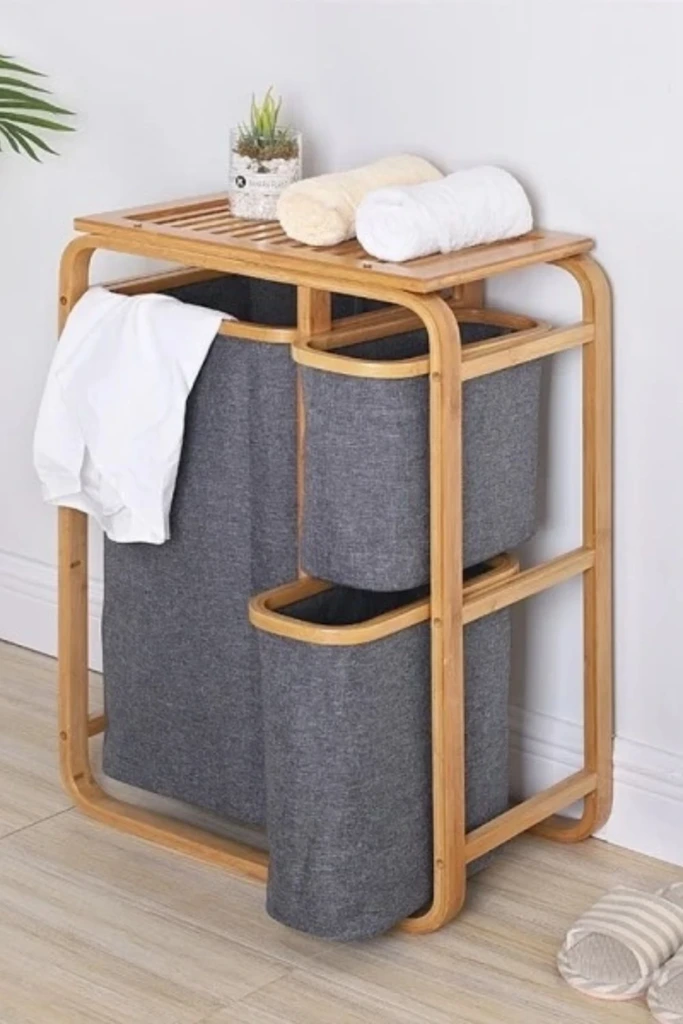
A jungle-themed bunk arrangement can make a small children's bedroom feel playful while still supporting everyday organization.
Choose a bunk bed with integrated shelves or under-bed drawers to keep toys, books, and clothing in designated places. Green bedding, botanical patterns, and nature-inspired artwork can establish the theme without requiring excessive decorations.
Use labeled baskets for toys and place frequently used items at child-friendly heights.
Keep climbing areas clear and avoid hanging cords, ropes, or loose decorations around the upper bunk. A simple, well-organized design allows the theme to remain fun without compromising safety.
20. Artful Table Zone
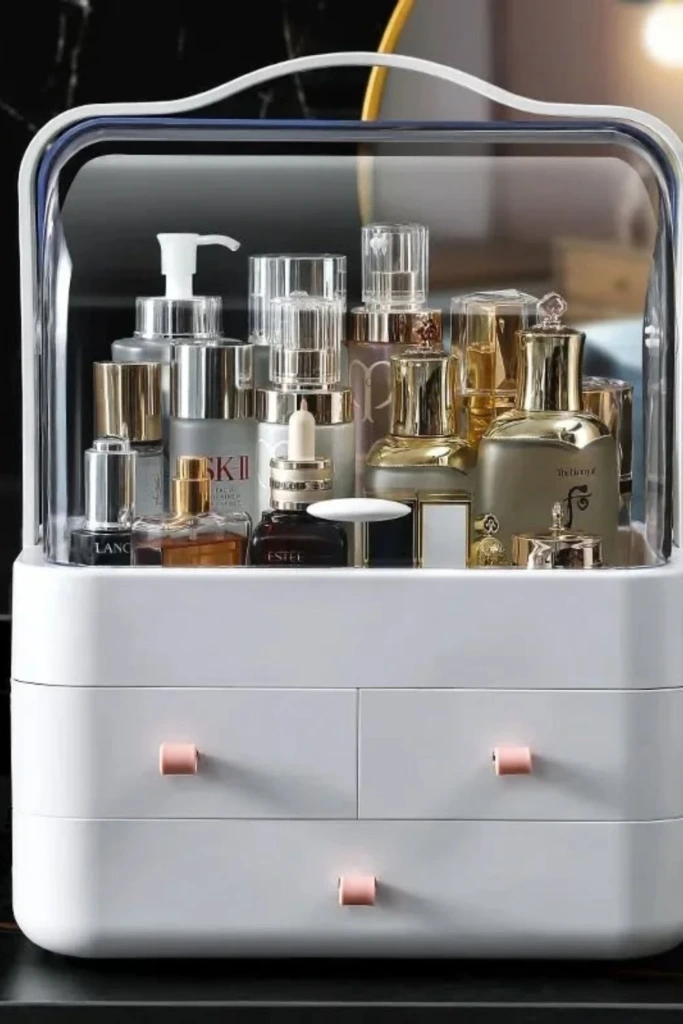
A small table can serve as both a functional surface and a decorative focal point. Whether used for drawing, reading, hobbies, or occasional work, the key is to keep the surrounding storage intentional.
Position a compact table against a wall or near a window to take advantage of natural light. Add a slim shelving unit or wall-mounted organizer for supplies.
A decorative tray can hold frequently used items, while nearby drawers keep less attractive essentials out of sight.
Choose a folding or nesting table if the space needs to accommodate different activities throughout the day.
21. Pegboard Desk Wall
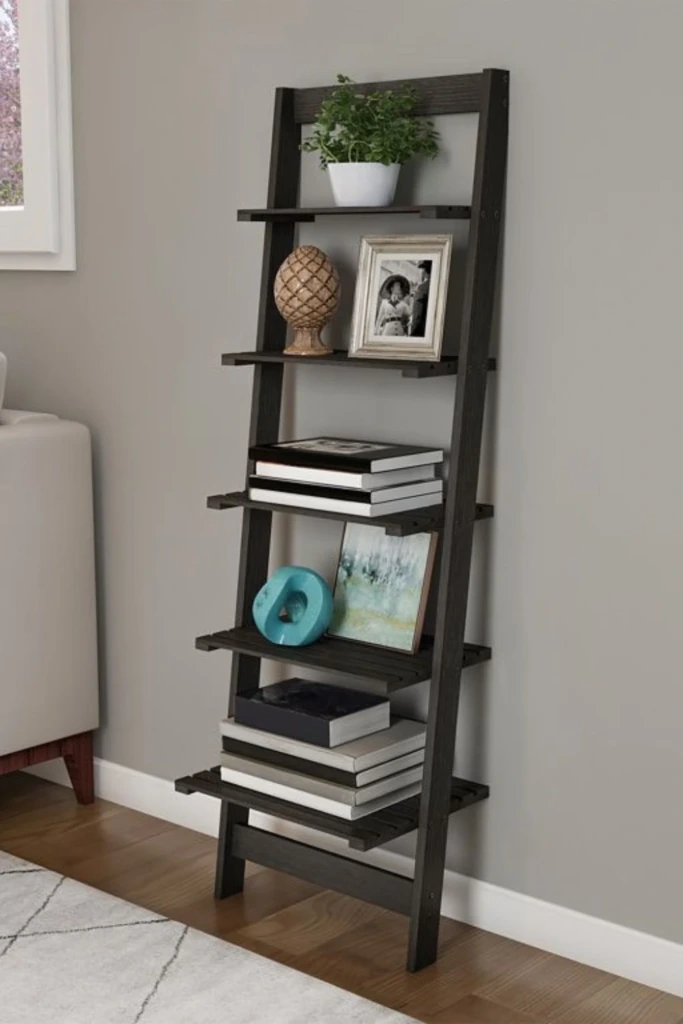
A pegboard transforms an empty wall above a desk into customizable storage. It keeps everyday supplies visible and accessible without occupying valuable work surface space.
Attach hooks, small shelves, hanging cups, and lightweight containers to organize stationery, headphones, craft tools, and accessories.
One advantage of a pegboard is its flexibility. You can rearrange the accessories whenever your storage needs change.
For a polished appearance, choose a pegboard color that complements the room and leave some open space between items. Install it with suitable hardware and follow the manufacturer's load limits.
22. Built-In Wall Units
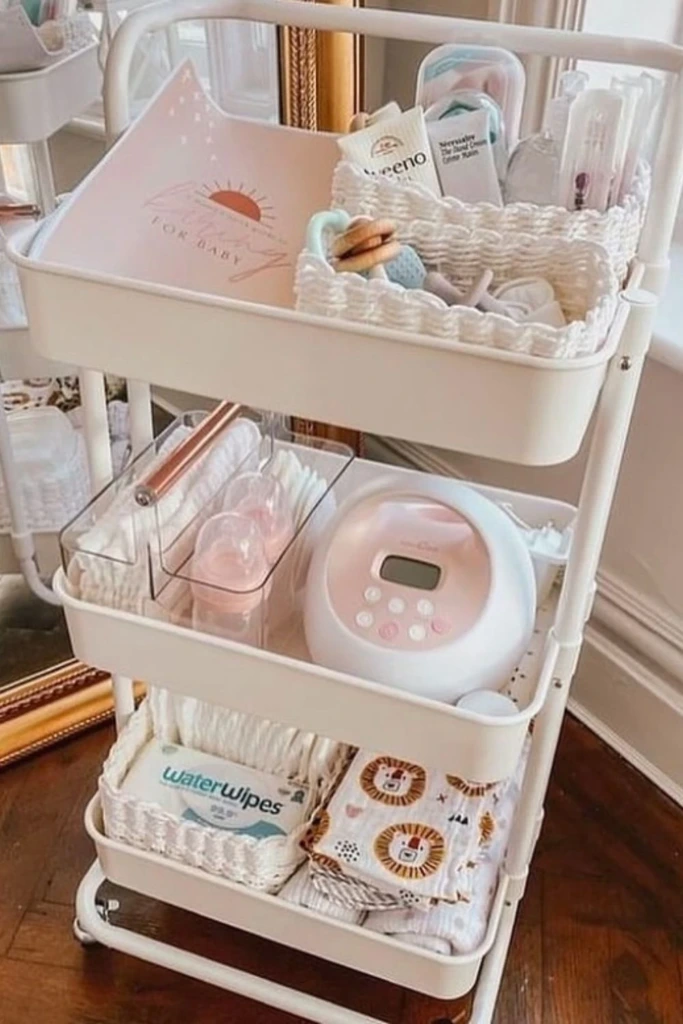
Floor-to-ceiling wall units can dramatically increase storage capacity in a compact room. By combining shelves, drawers, and cabinets, they use vertical space that freestanding furniture often leaves empty.
Design the lower sections for frequently accessed items and reserve upper cabinets for seasonal or rarely used belongings.
A combination of open and closed storage prevents the unit from looking too heavy. You can also integrate a desk, television space, or reading bench into the design.
For smaller budgets, modular cabinets arranged together can create a similar effect, provided they are properly secured.
23. Cozy Mudroom Niche
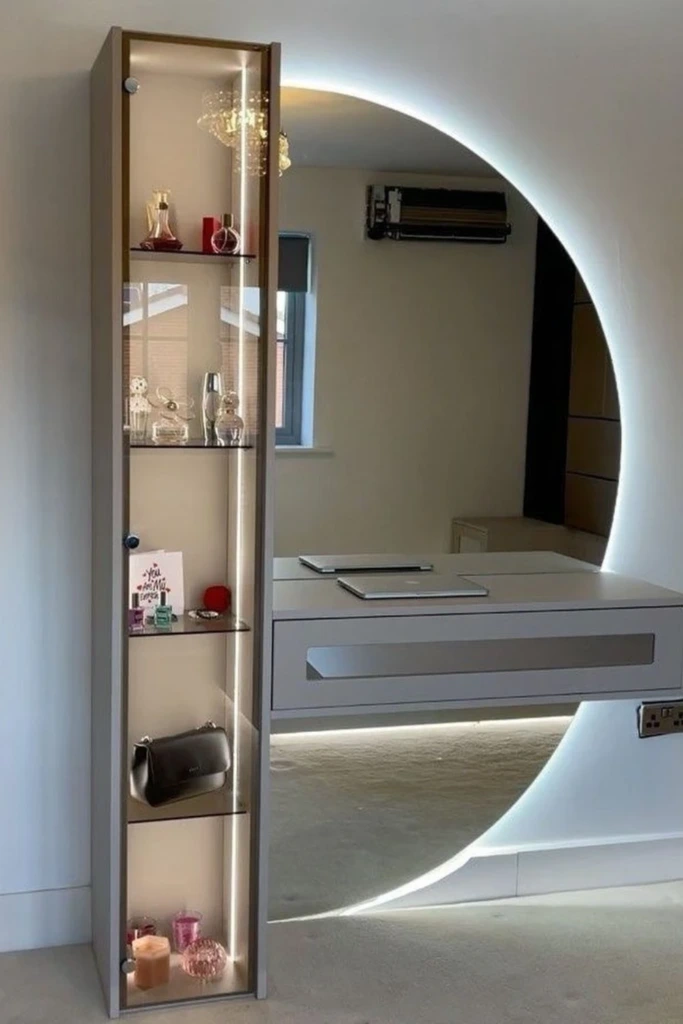
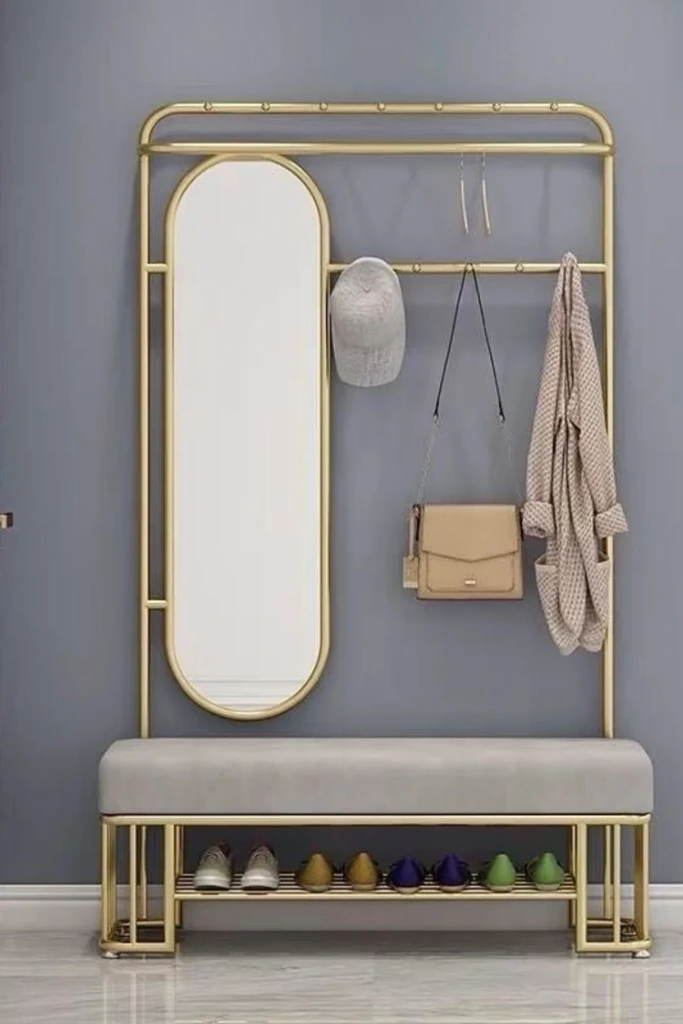
A small entryway or unused corner can function as a compact mudroom, even without a separate room dedicated to coats and shoes.
Install wall hooks for bags and jackets, a narrow bench for sitting, and baskets underneath for footwear or accessories. A shelf above the hooks can hold seasonal items.
Choose durable, easy-to-clean materials because this area often collects dirt and moisture.
Keeping each household member's belongings in a designated basket or hook area makes the system easier to maintain. A small washable mat can also help protect the floor.
24. Statement Bunk Design
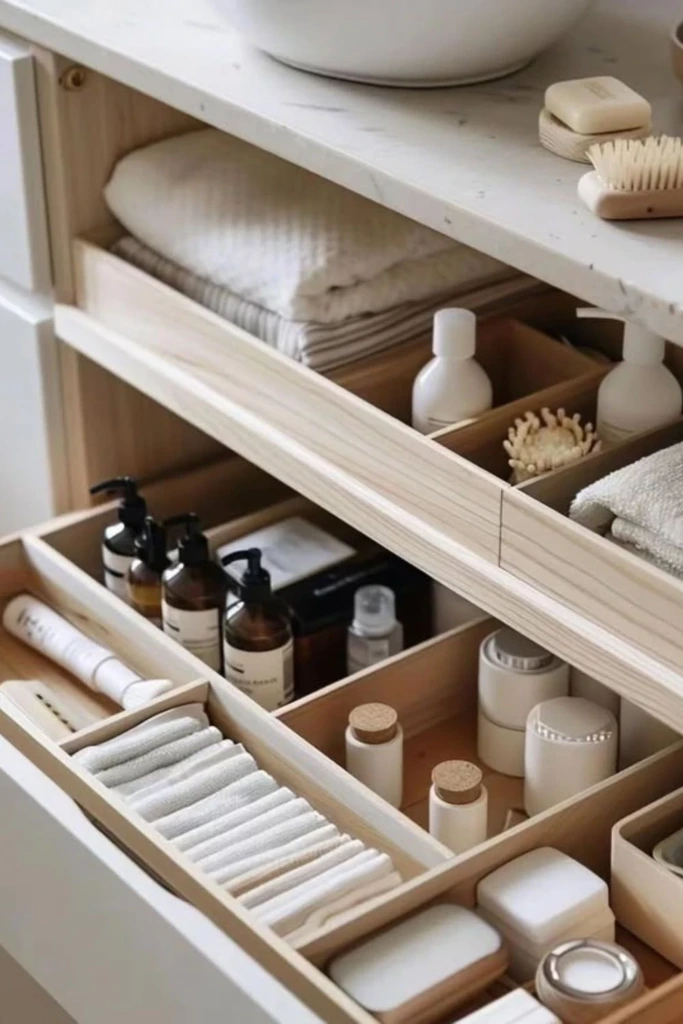
A thoughtfully designed bunk bed can become the main feature of a small shared bedroom while providing practical storage.
Look for models with integrated stair drawers, shelving, or built-in wardrobes. These features reduce the need for separate furniture and help preserve open floor space.
Choose a finish that works with the room's overall style, such as natural wood for warmth or a neutral painted frame for a contemporary look.
Individual reading lights and small storage compartments can give each sleeper a more personal space. Prioritize sturdy construction, safe access, appropriate guardrails, and adequate headroom over decorative details.
Final Thoughts
Creating an organized small room is less about adding more storage and more about using the available space thoughtfully. Under-bed drawers, vertical shelving, multifunctional furniture, and built-in storage can all help reduce clutter while improving comfort and usability.
The best small room organization ideas are those that fit your daily habits, furniture layout, and storage needs. Start with one problem area, choose solutions that are easy to maintain, and gradually build a room where everything has a purpose and a place. With a little planning, even a compact room can feel welcoming, functional, and beautifully organized.