22 Kitchen Cabinet Organization Ideas for 2026
An organized kitchen makes cooking, cleaning, and meal preparation easier. When cabinets are cluttered, everyday essentials become difficult to find, unused space goes to waste, and putting things away can feel like a chore. The right storage solutions can transform even a small kitchen into a more functional space without requiring a complete renovation.
These kitchen cabinet organization ideas focus on practical ways to use vertical space, simplify storage, group similar items, and make frequently used ingredients and utensils easier to reach. Whether you're working with a spacious kitchen or a compact layout, you can adapt these ideas to suit your cabinets, budget, and daily routine.
1. Specialized Cabinet Features
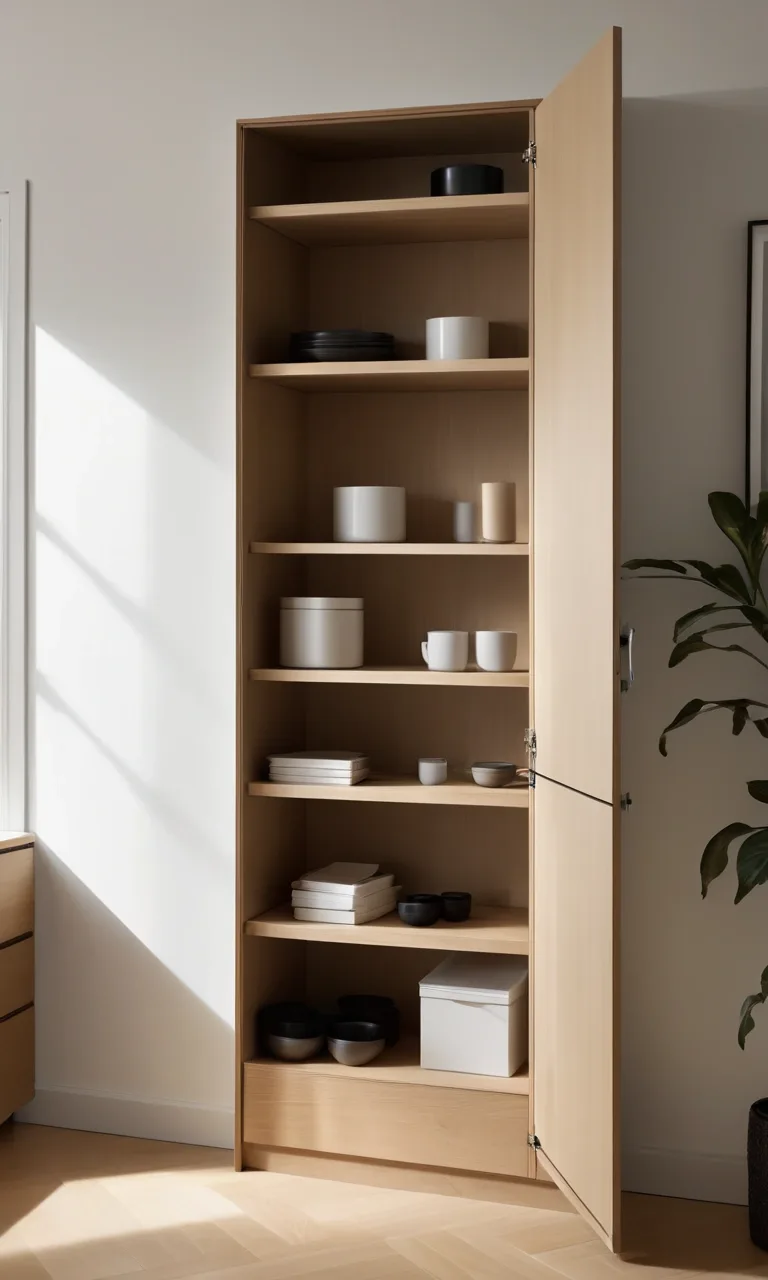
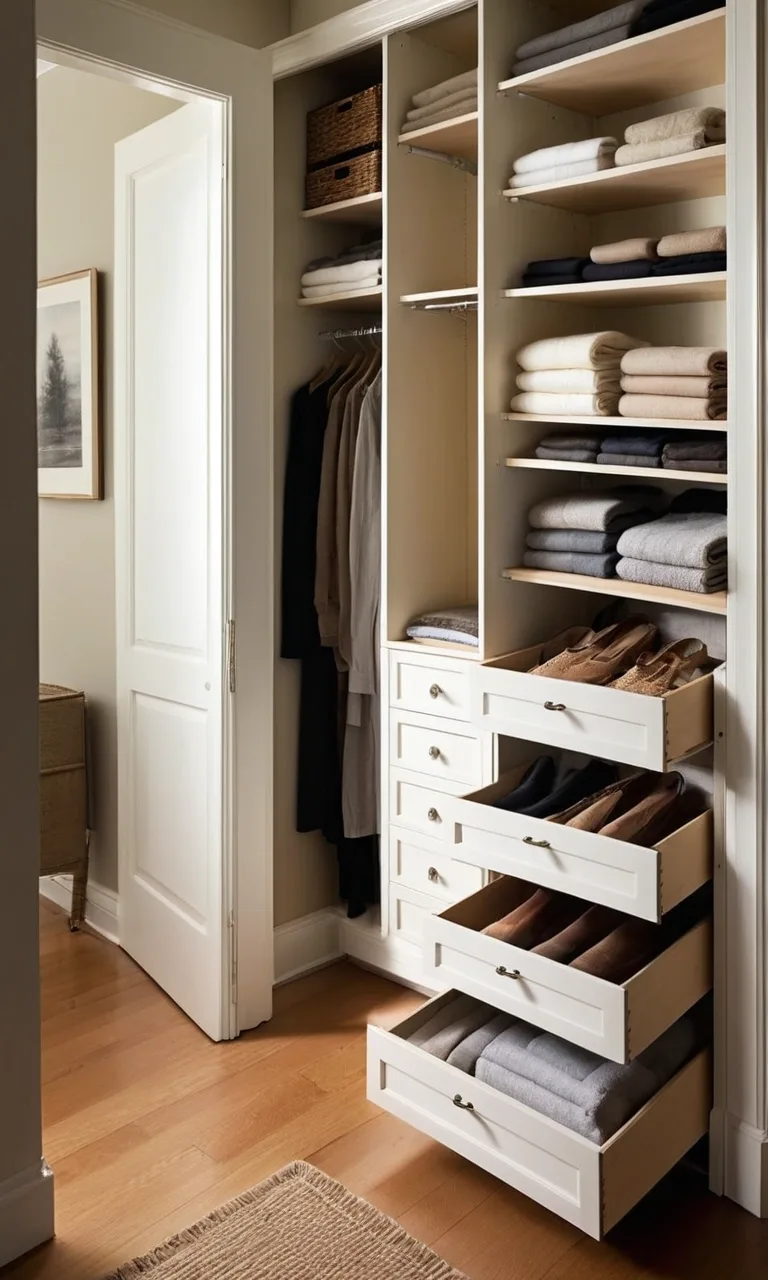
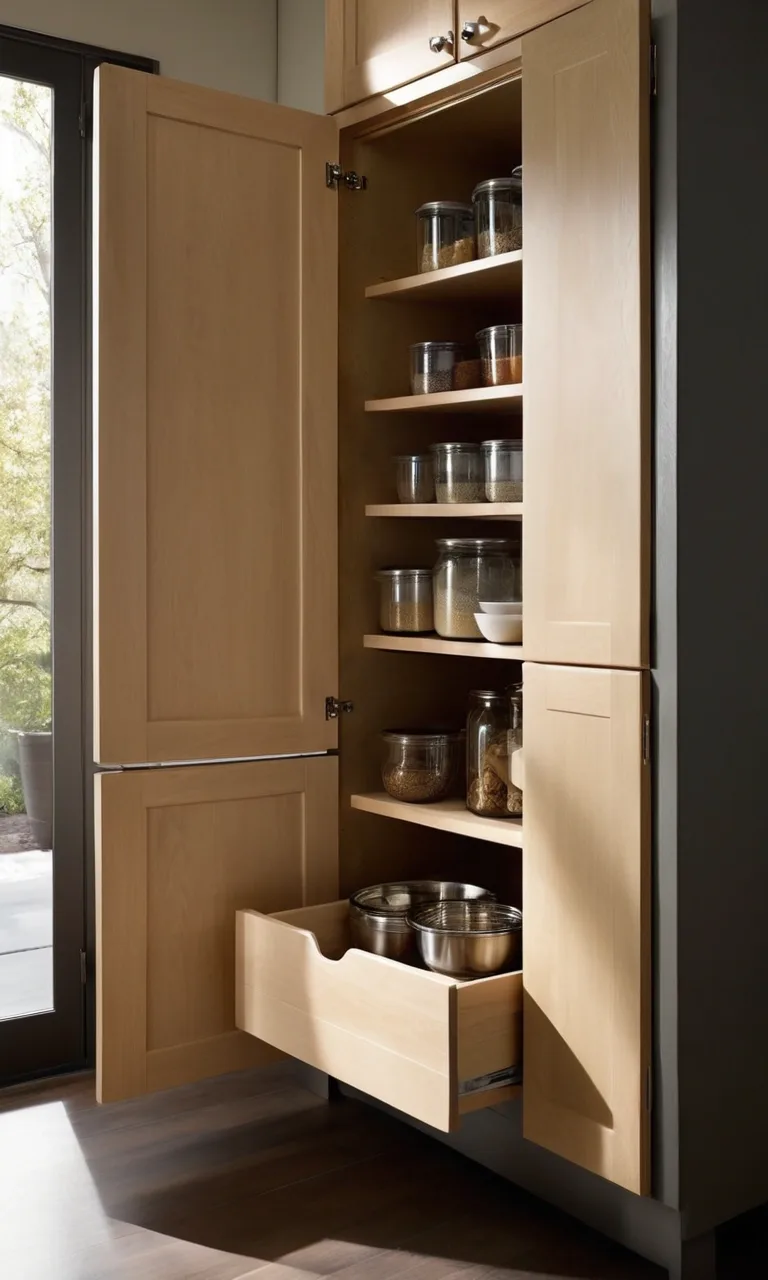
Modern cabinets can do much more than provide basic shelves. Features such as pull-out trays, narrow vertical racks, corner carousels, and built-in dividers help make awkward spaces more useful. Consider adding a pull-out shelf beneath a countertop to store heavy cookware or installing a narrow cabinet organizer for baking sheets and chopping boards.
Choose features according to the items you own and how often you use them. Soft-close drawers can reduce noise, while adjustable shelves accommodate changing storage needs. Before purchasing an insert, measure the cabinet's internal width, depth, and height, paying attention to hinges, plumbing, and other obstructions. Small, well-chosen upgrades often deliver more value than replacing every cabinet.
2. Kitchen Cabinets Organization Ideas
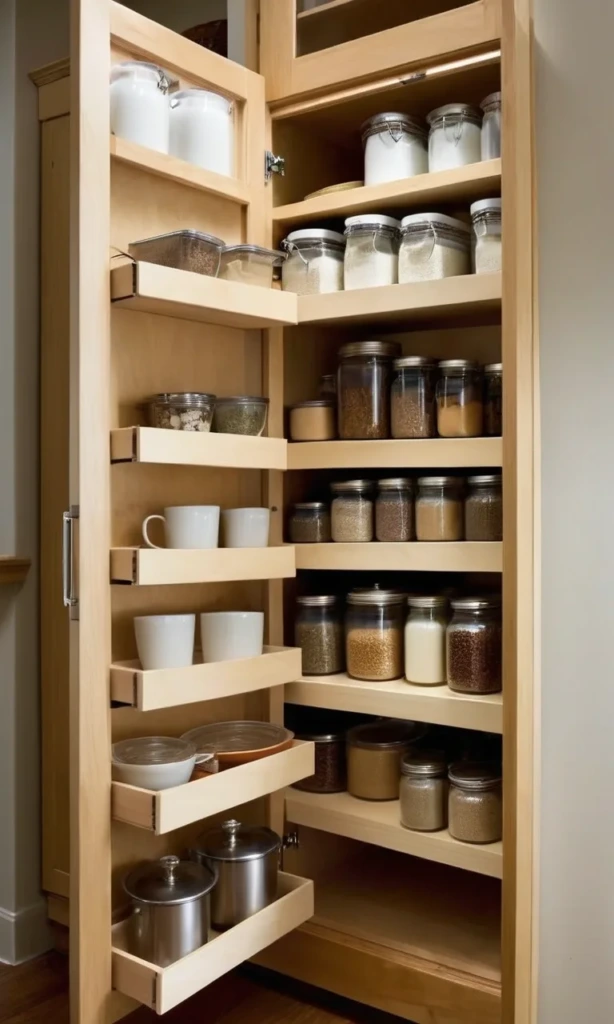
A successful cabinet organization system starts with understanding what belongs in your kitchen and where you need it most. Empty one cabinet at a time, remove everything, and group similar items together. Discard expired food, recycle suitable packaging, and relocate objects that rarely serve a purpose in the kitchen.
Next, assign storage areas according to your routine. Keep plates and glasses near the dishwasher, cooking utensils close to the stove, and everyday ingredients within easy reach of your main preparation area. Reserve higher shelves for occasional-use equipment and lower cabinets for heavier items.
Use shelf risers, drawer dividers, labeled containers, and baskets where they solve specific problems. Avoid filling every inch simply because space is available. Leaving a little room around frequently used items makes the system easier to maintain and prevents cabinets from becoming cluttered again.
3. Basket Zones
Baskets are useful for containing small items that might otherwise become scattered across cabinet shelves. Use them to organize baking ingredients, packaged snacks, spare dish towels, or breakfast supplies. Instead of moving several individual packages, you can pull out one basket and access everything inside.
Choose sturdy baskets that fit the shelf dimensions and are easy to lift. Open-front designs work well for frequently used products, while handled baskets are convenient for items stored on higher shelves. Clear labels help family members return supplies to the correct place.
Create separate baskets for distinct categories rather than mixing unrelated products. For example, one can hold baking essentials while another contains tea bags and coffee supplies. This simple arrangement makes restocking easier and helps you identify what needs replenishing.
4. Door Shelves
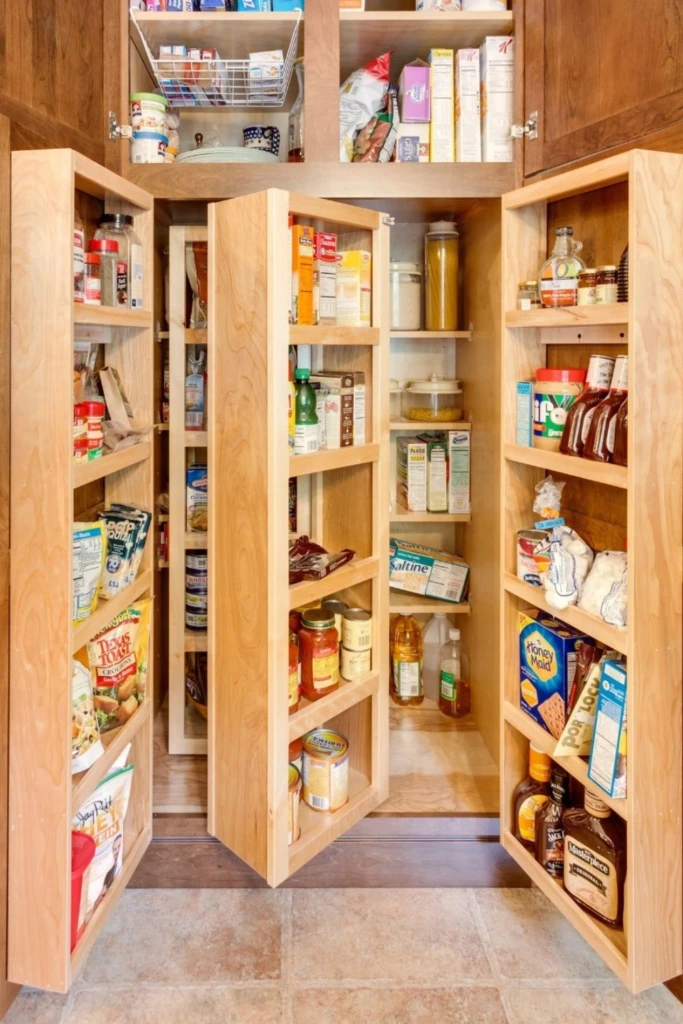
The inside of a cabinet door offers additional storage space that is often overlooked. Shallow racks can hold spice containers, small jars, measuring spoons, food wraps, or lightweight cleaning accessories, depending on the cabinet's location and construction.
Door-mounted organizers are particularly helpful in narrow kitchens where adding another freestanding shelf is not practical. However, the rack should not interfere with the cabinet's contents or prevent the door from closing completely.
Measure the available clearance before installation and check the manufacturer's weight limits. Use moisture-resistant materials near sinks, and avoid storing heavy glass containers on a door that opens and closes frequently. A well-fitted rack creates extra storage without sacrificing the main shelf area.
5. Bottle Drawers
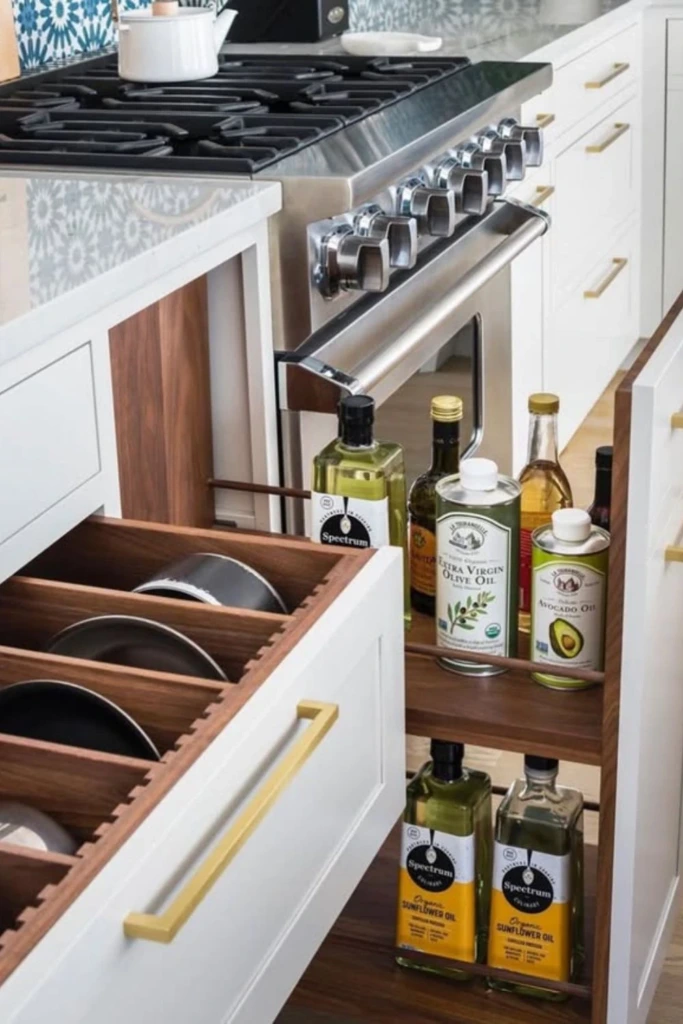
Bottles of cooking oil, vinegar, sauces, and condiments can quickly crowd a cabinet shelf. A dedicated bottle drawer keeps these items upright, organized, and easier to reach. Adjustable dividers or bottle holders help prevent containers from tipping over when the drawer opens.
Position the drawer near the cooking area if you regularly use oils and sauces while preparing meals. Keep taller bottles toward the back or in compartments designed for their height, and store frequently used products at the front.
Wipe bottle bases before returning them to the drawer to prevent sticky residue from collecting. If you don't have room for a built-in bottle drawer, a compact pull-out organizer can provide similar benefits inside an existing cabinet.
6. Deep Under Sink
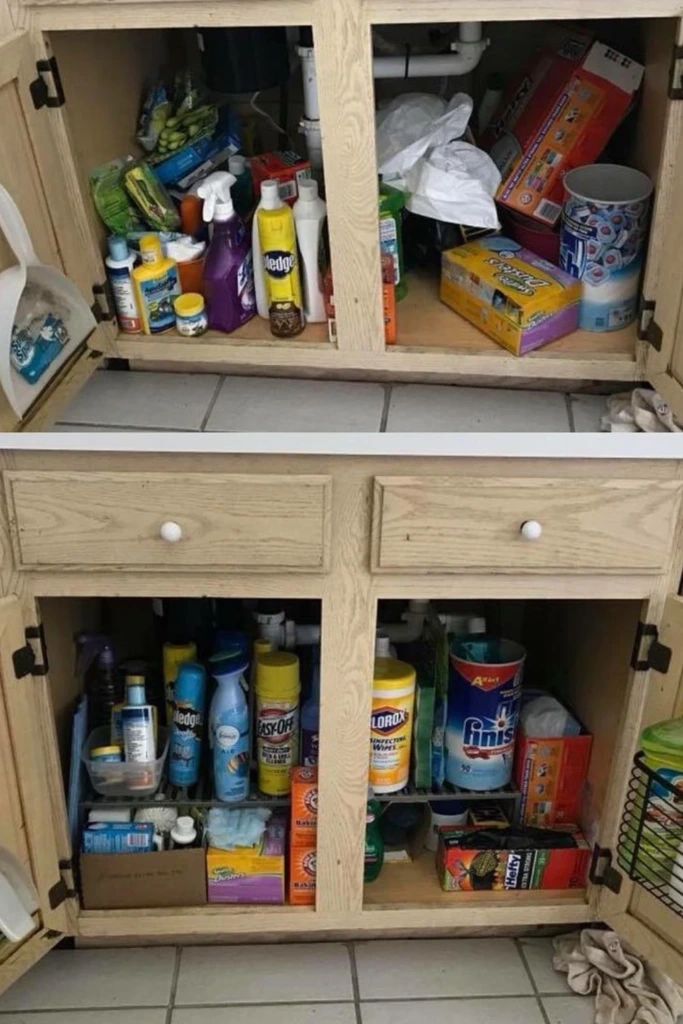
The cabinet beneath the kitchen sink can be one of the most challenging places to organize because pipes, hoses, and the sink basin take up valuable space. The key is to select storage that works around these obstacles rather than trying to fit conventional shelves into an irregular area.
Use a U-shaped organizer, adjustable two-tier rack, or narrow pull-out basket to create accessible storage on either side of the plumbing. This area can hold dishwashing supplies, spare sponges, dishwasher detergent, and other suitable cleaning products.
Place frequently used items near the front and group smaller accessories in washable containers. Check regularly for leaks and keep products that could be damaged by moisture in appropriate containers. Store cleaning chemicals securely away from children, and never transfer them into food or drink containers.
7. Pull-Out Bins
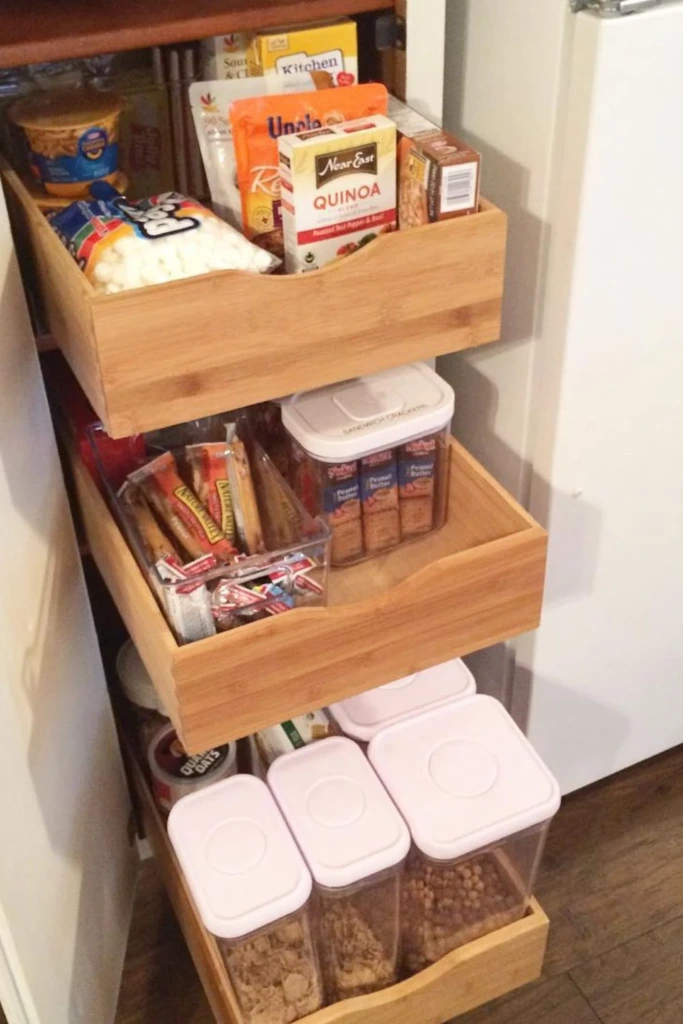
Pull-out bins make it easier to access food packages and household supplies stored deep inside cabinets. Instead of reaching over items at the front, you can slide the entire container outward and see what's available.
Use them for onions, potatoes, packaged pantry goods, cleaning cloths, or other items suited to the location. For produce, choose ventilated bins and store only foods that benefit from the conditions available in that cabinet. Potatoes and onions, for instance, generally need a cool, dry, well-ventilated place and are best kept separately.
Before installing a pull-out system, measure the opening and check how much clearance is available when the bin is extended. A smooth-running unit with removable containers is especially useful because it makes cleaning and restocking much simpler.
8. Layered Cutlery
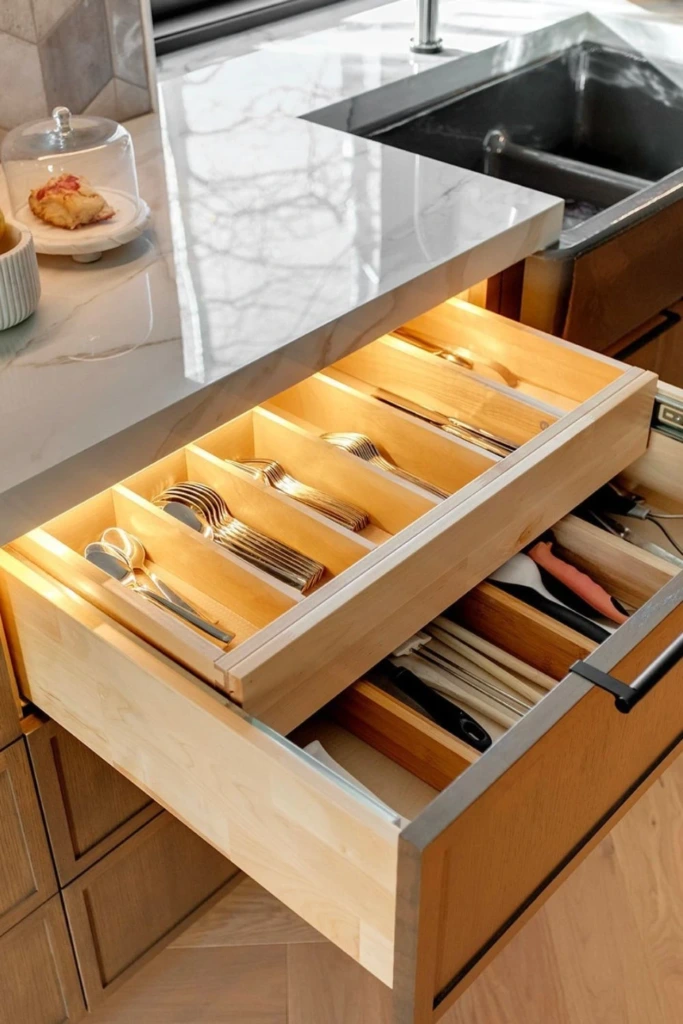
Cutlery drawers often become crowded when forks, spoons, knives, and cooking tools are placed together without a clear arrangement. A layered organizer makes better use of drawer height by separating everyday utensils from less frequently used pieces.
A shallow top tray can hold teaspoons, measuring spoons, and small accessories, while a lower compartment stores serving utensils or specialty tools. Adjustable dividers are helpful when drawer dimensions are unusual or your collection changes over time.
Keep sharp knives in a dedicated knife insert rather than allowing blades to move freely inside the drawer. Measure the drawer's internal height before choosing a tiered organizer, and make sure the upper tray slides smoothly without catching on handles below.
9. Clear Zones
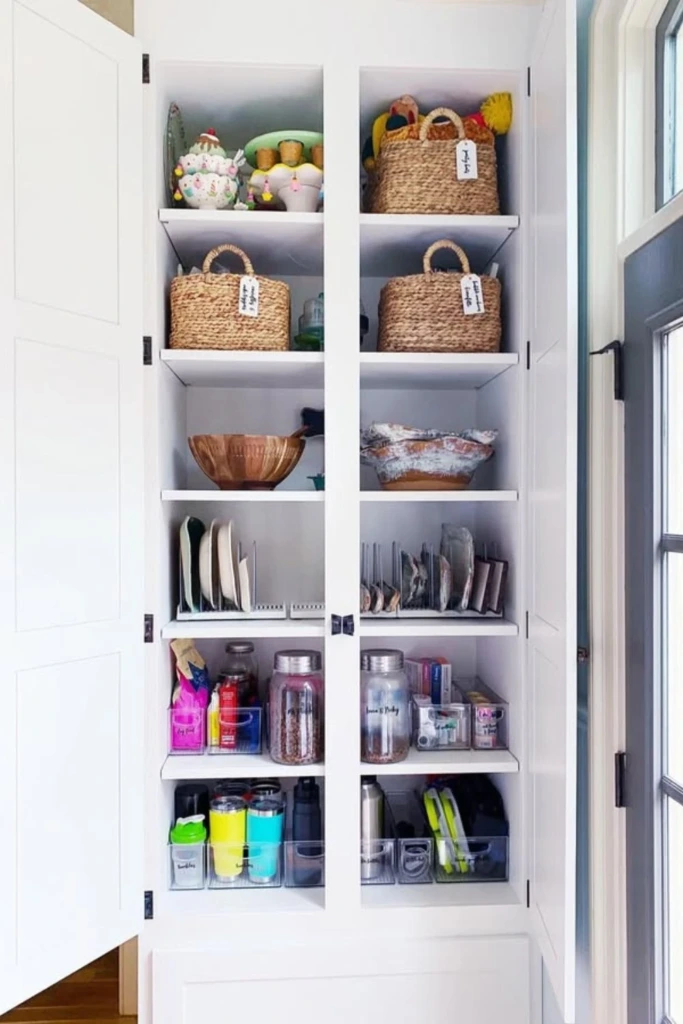
Clear storage zones make cabinets easier to understand at a glance. Rather than placing items wherever a gap appears, assign each shelf or section a specific purpose, such as breakfast supplies, baking ingredients, everyday dishes, or lunch-preparation essentials.
Transparent containers can be particularly useful for dry goods because they reveal the contents and remaining quantity. Use food-safe containers with secure lids for ingredients such as flour, rice, oats, pasta, and cereal. Label each container clearly, including the product name and, when useful, its expiration or best-before date.
Keep categories separate even when several items fit into the same cabinet. This prevents breakfast foods from becoming mixed with baking supplies and reduces unnecessary searching. A consistent layout also helps other household members know where things belong.
10. Spice Shelf
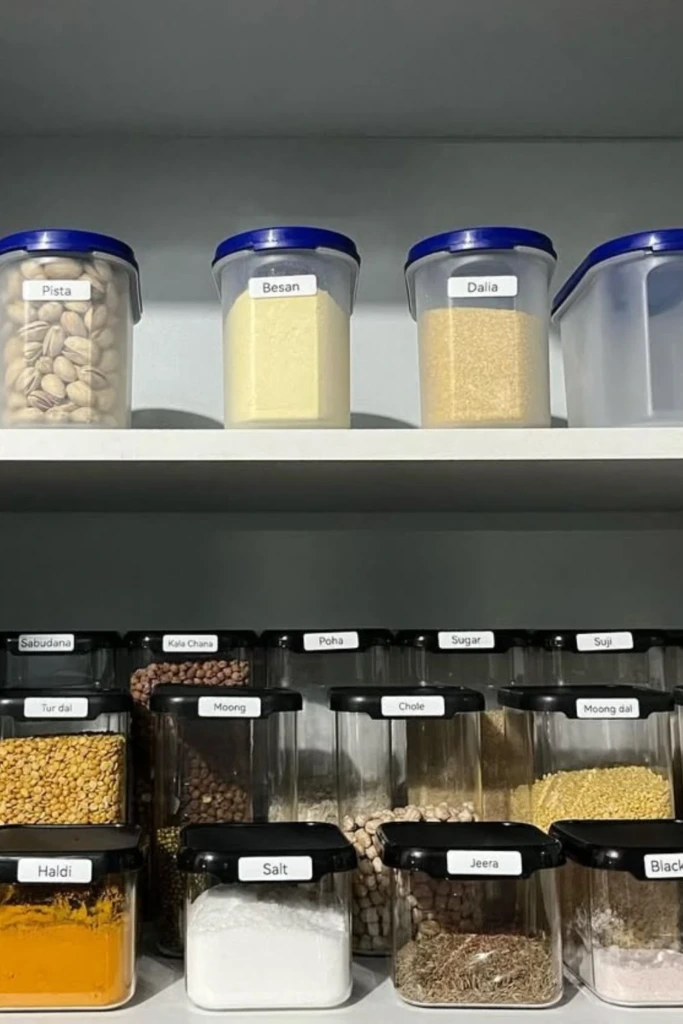
A dedicated spice shelf keeps seasonings visible and convenient while cooking. Store commonly used spices at eye level or in a drawer close to your preparation area. Less frequently used seasonings can occupy a higher shelf or a separate section.
Choose a rack that matches the height of your containers. Tiered shelves are helpful because they elevate the jars at the back, while shallow drawers allow spices to be arranged in neat rows. Label jars on their fronts or lids, depending on how they are stored.
Keep spices away from direct heat, excessive moisture, and strong sunlight to preserve their quality. Avoid placing them directly above a stove if that location exposes them to heat and steam. Arrange them alphabetically or by cuisine if you own many varieties, but prioritize convenience over an elaborate system that is difficult to maintain.
11. Turntable Access
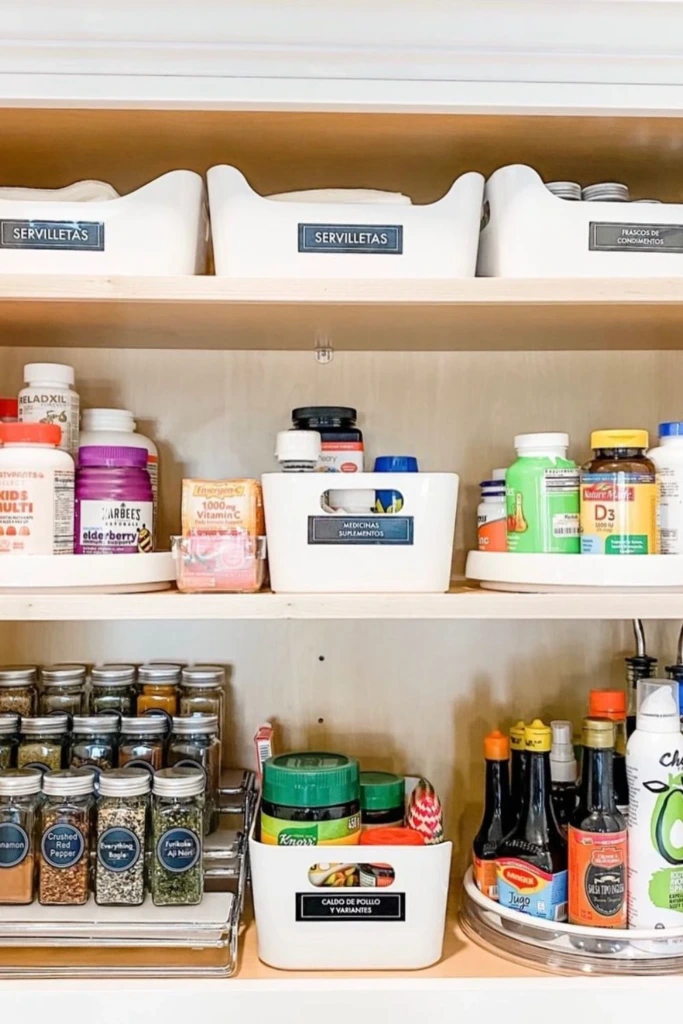
A turntable, often called a lazy Susan, is a practical solution for deep cabinets and awkward corners. Its rotating platform lets you reach bottles, jars, and small containers without removing everything positioned in front.
Use one for sauces, condiments, cooking oils, spreads, or baking extracts. A raised edge helps keep containers from sliding off as the platform rotates, while a divided design can separate different categories.
Measure the cabinet carefully to ensure the turntable can rotate without hitting the door frame or nearby objects. Avoid overloading it with tall or unstable containers. Group similar items together and keep the products you use most often near the front of the platform for quicker access.
12. Recycling Drawer
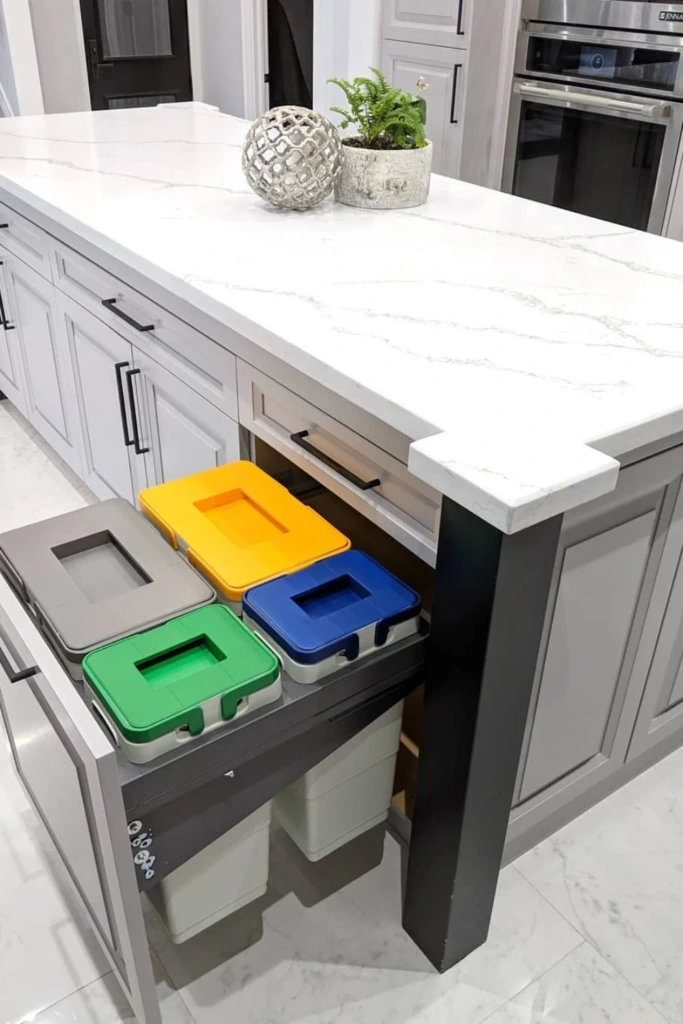
A dedicated recycling drawer or pull-out cabinet keeps recyclable materials out of sight while making them easy to sort. Depending on the space available, you can use separate removable bins for paper and cardboard, metal cans, glass, and plastic accepted by your local recycling program.
Place the system somewhere convenient for unpacking groceries and preparing food, but make sure it doesn't obstruct other cabinet doors or walkways. Removable containers are particularly helpful because they can be carried directly to the appropriate collection point.
Rinse food containers when required by local recycling guidelines and allow them to drain before placing them in the bins. Keep the area clean and dry to prevent unpleasant odors. If space is limited, a compact two-bin pull-out can separate general waste from recyclables without taking up an entire cabinet.
13. Beverage Pantry
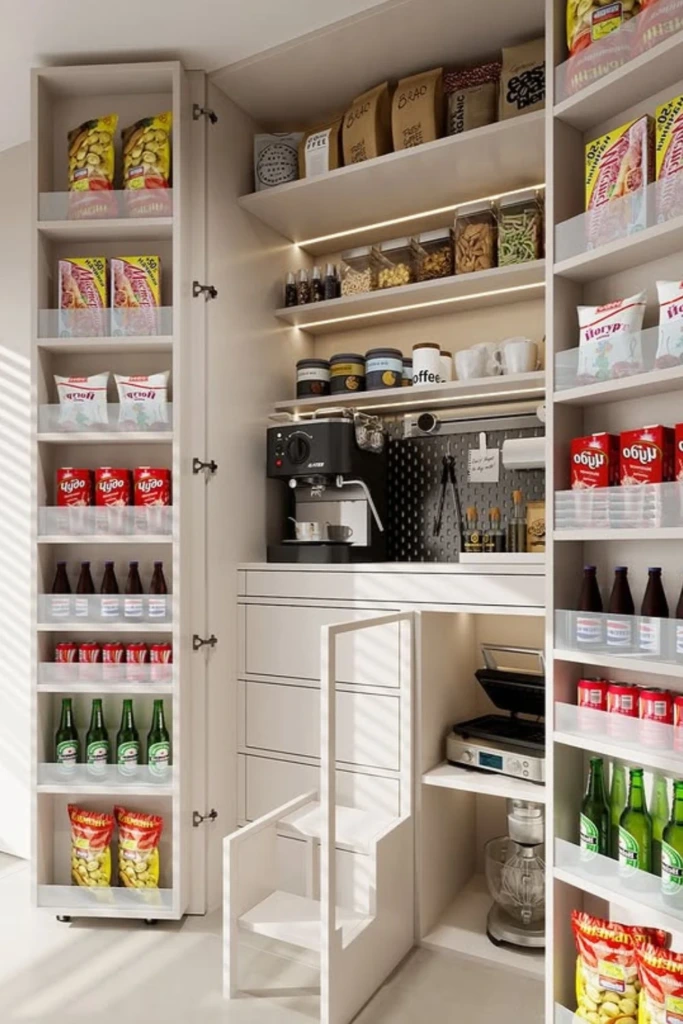
A beverage pantry provides one central location for drinks and the accessories used to prepare them. Store tea, coffee, cocoa, drink mixes, reusable bottles, and suitable shelf-stable beverages in clearly defined sections.
Place mugs and cups on an adjacent shelf so everything needed for a hot drink is available in one place. Small baskets can contain tea bags and sweeteners, while airtight containers keep coffee beans and loose-leaf tea protected from air and moisture.
Consider the weight of bottled drinks when selecting a shelf. Heavy containers belong on lower, sturdy shelves rather than high overhead storage. If several people use the beverage station throughout the day, keep everyday items at an accessible height and reserve upper shelves for backup supplies.
14. Basket Grouping
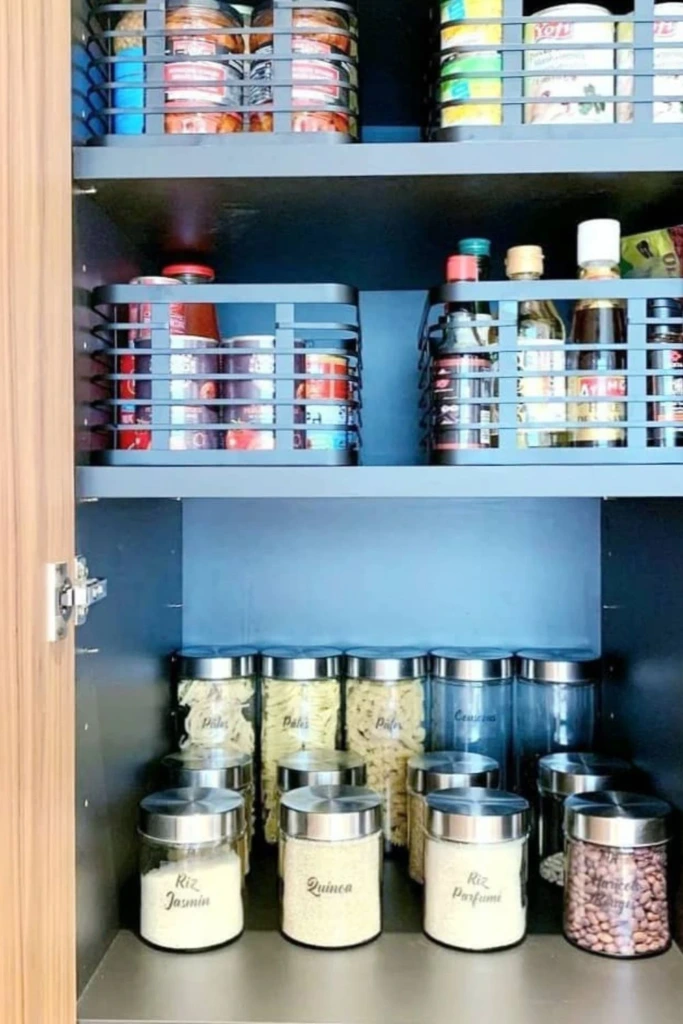
Grouping baskets by purpose gives your cabinets a consistent, easy-to-maintain structure. Instead of using a single large basket for everything, create smaller categories such as baking supplies, quick meals, lunchbox items, breakfast foods, and packaged snacks.
Choose baskets that fit neatly together without wasting too much shelf space. Matching designs can create a tidy appearance, but functionality matters more than appearance alone. Open baskets allow quick access, while containers with handles make it easier to retrieve items from deeper shelves.
Label each basket with a simple category name so everyone in the household can put things back correctly. Review the contents whenever you shop for groceries, removing empty packages and moving newly purchased products into their designated places.
15. Pantry Door Rack
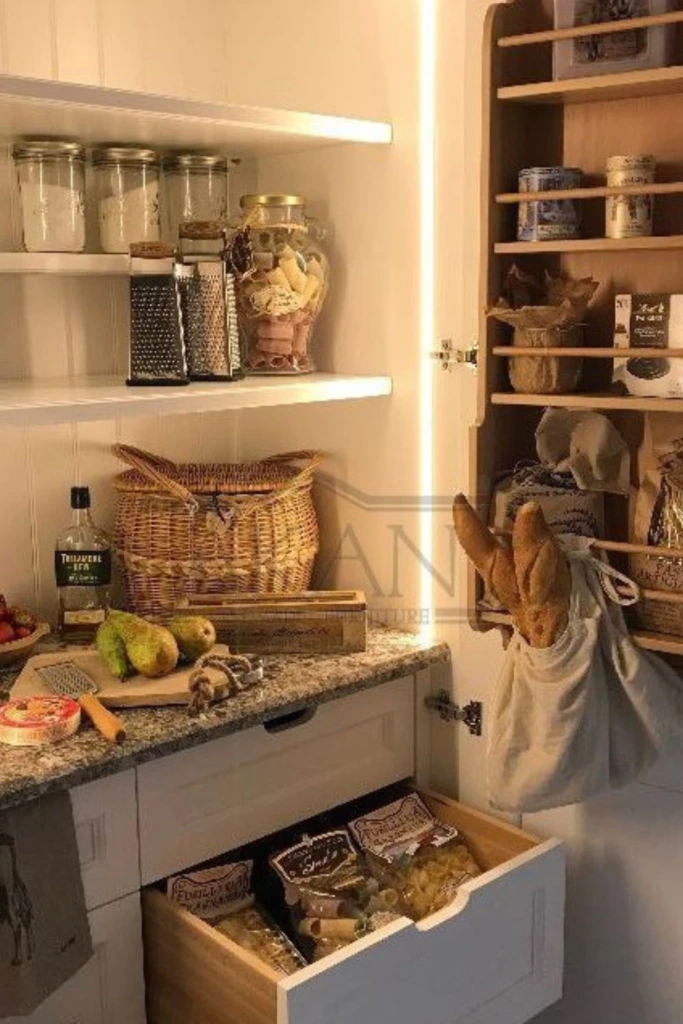
A pantry door rack adds storage for small, lightweight items without occupying another shelf. Depending on the rack's design, it can hold spice jars, seasoning packets, small condiment bottles, or compact baking supplies.
This option is especially valuable in narrow pantries where every shelf is already in use. Arrange products so that the items used most often remain within easy reach, and keep heavier containers on fixed shelves whenever possible.
Check the door's thickness, hinge clearance, and available space before buying a rack. The organizer should not prevent the door from closing or cause containers to collide with pantry shelves. Secure the rack according to the manufacturer's instructions and avoid exceeding its recommended load.
16. Beverage Drawer
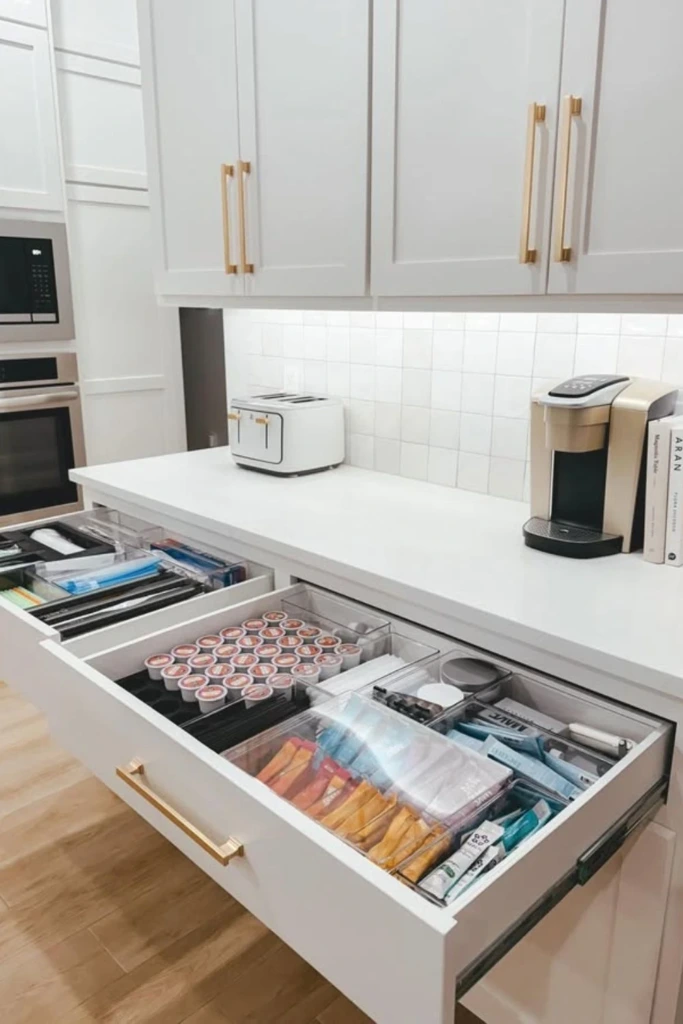
A beverage drawer offers an organized place for drink cans, small cartons, reusable straws, drink accessories, and unopened beverage packets. Dividers can prevent cans from rolling around, while shallow compartments keep smaller accessories from disappearing beneath larger items.
If you store sealed drinks in the drawer, verify that its weight capacity is suitable for the combined load. Cans and bottles can become surprisingly heavy when grouped together, so a sturdy lower drawer is usually a better choice than a lightweight upper one.
Keep opened beverages refrigerated when required by their labels rather than returning them to a room-temperature cabinet. You can also reserve one section for reusable water bottles and lids, making it easier to prepare drinks before leaving home.
17. Snack Drawers
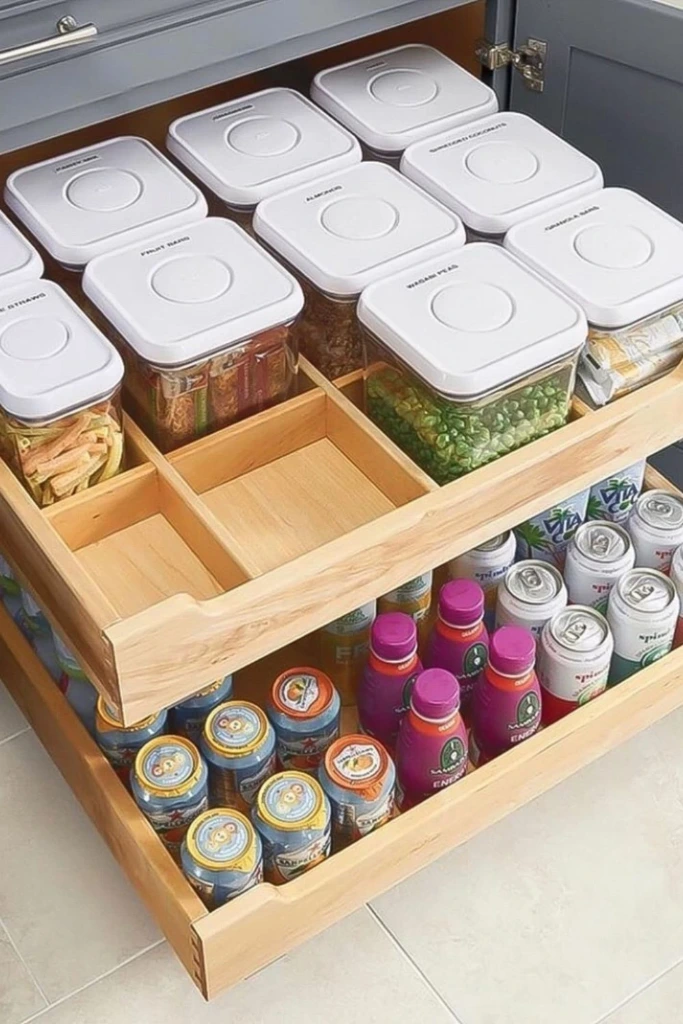
A snack drawer creates a convenient place for grab-and-go foods such as individually packaged crackers, granola bars, dried fruit, nuts, and other shelf-stable snacks. It can be particularly useful for households with children because approved snacks remain easy to find without disturbing the rest of the pantry.
Use small dividers or bins to separate different types of food. Place frequently chosen snacks toward the front and keep backup packages farther back. Transparent containers help reveal when supplies are running low, while labels make it easier to identify allergens or special dietary options.
Check expiration dates regularly and rotate older products to the front when restocking. If children use the drawer independently, position it at an accessible height and keep choking hazards or unsuitable foods out of their reach.
18. Glass Jar Shelf
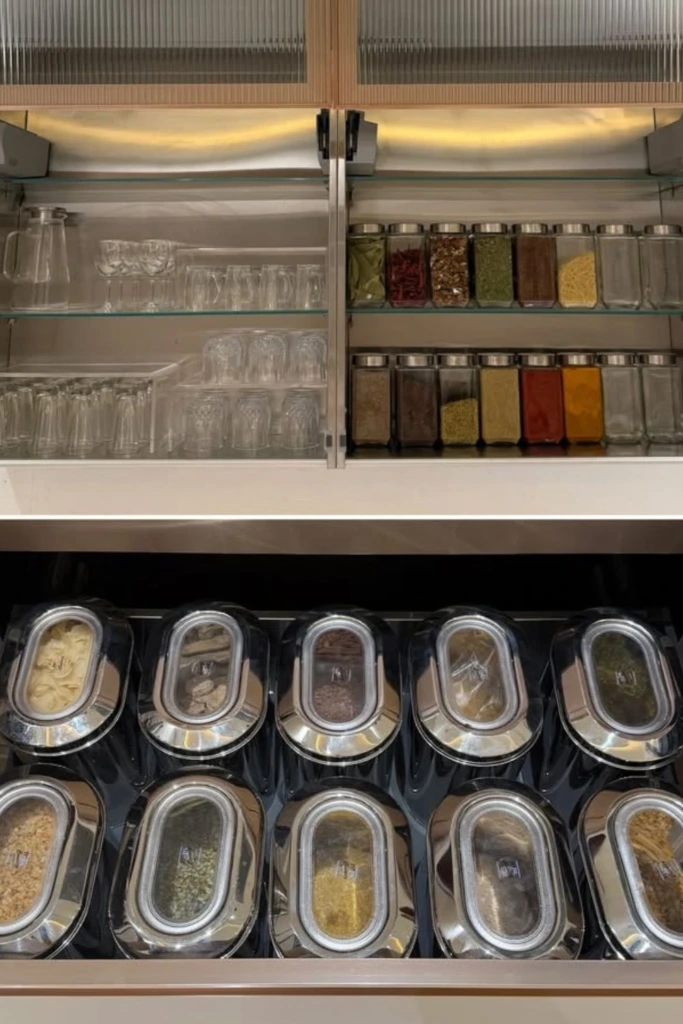
Glass jars can provide practical storage for dry ingredients while giving cabinets a coordinated appearance. They work well for rice, pasta, lentils, oats, nuts, seeds, and other pantry staples when the jars are clean, dry, and fitted with suitable airtight lids.
Choose jars that fit the shelf height and are comfortable to lift when full. Keep heavier jars on lower shelves, especially if the cabinet is above a countertop or cooking area. Use a nonslip shelf liner if appropriate, and avoid placing fragile containers where they might be knocked over easily.
Label jars with their contents and useful date information. When refilling them, finish using the remaining ingredient or clean the container as needed rather than continually topping up old supplies. This makes it easier to monitor freshness and avoid forgotten ingredients accumulating at the bottom.
19. Spice Racks
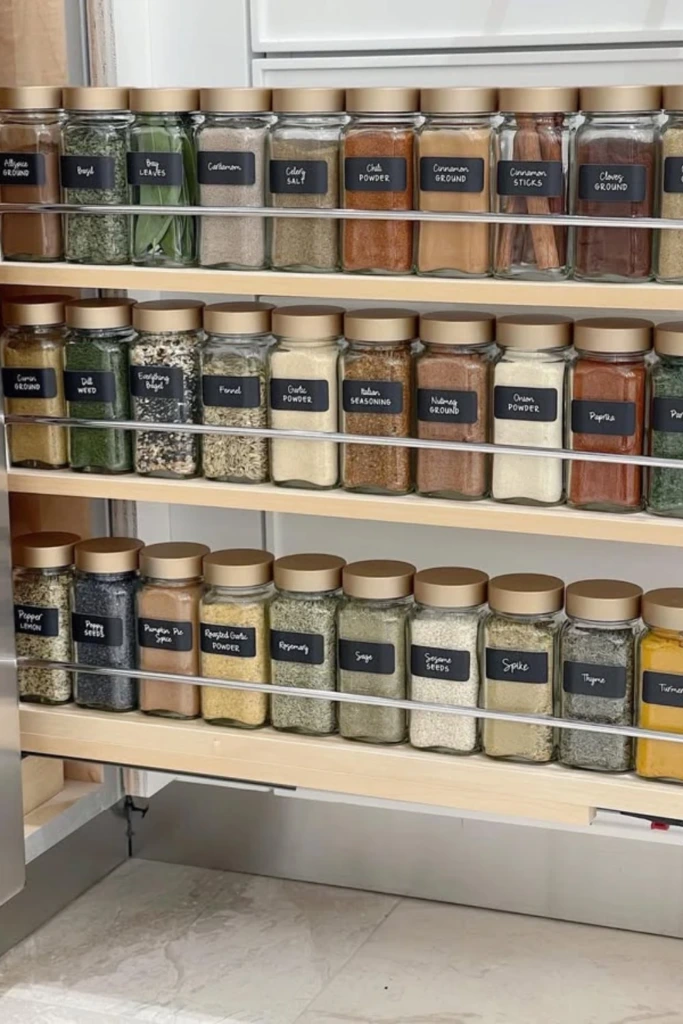
Spice racks offer a simple way to organize seasonings when cabinet shelves are too crowded for individual jars. Options include tiered shelf inserts, drawer organizers, wall-mounted racks, and narrow pull-out units that fit beside larger cabinets.
Select a design based on your collection and available space. A tiered insert makes labels easier to read, while a pull-out rack can use a slim gap that would otherwise go unused. Keep frequently used seasonings near your main cooking area and store occasional specialty spices elsewhere.
Arrange jars by name, cuisine, or frequency of use. Use consistent labels to make identification straightforward, particularly when containers have different shapes. Clean up spills promptly and keep the rack away from steam and direct heat so the seasonings stay in better condition.
20. Open Pantry
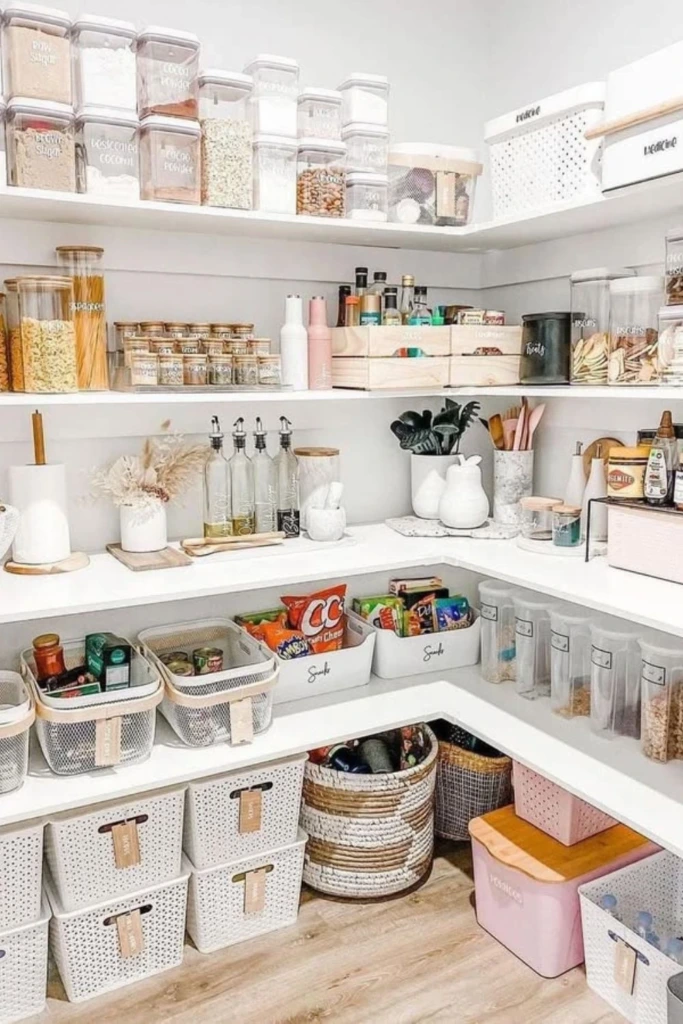
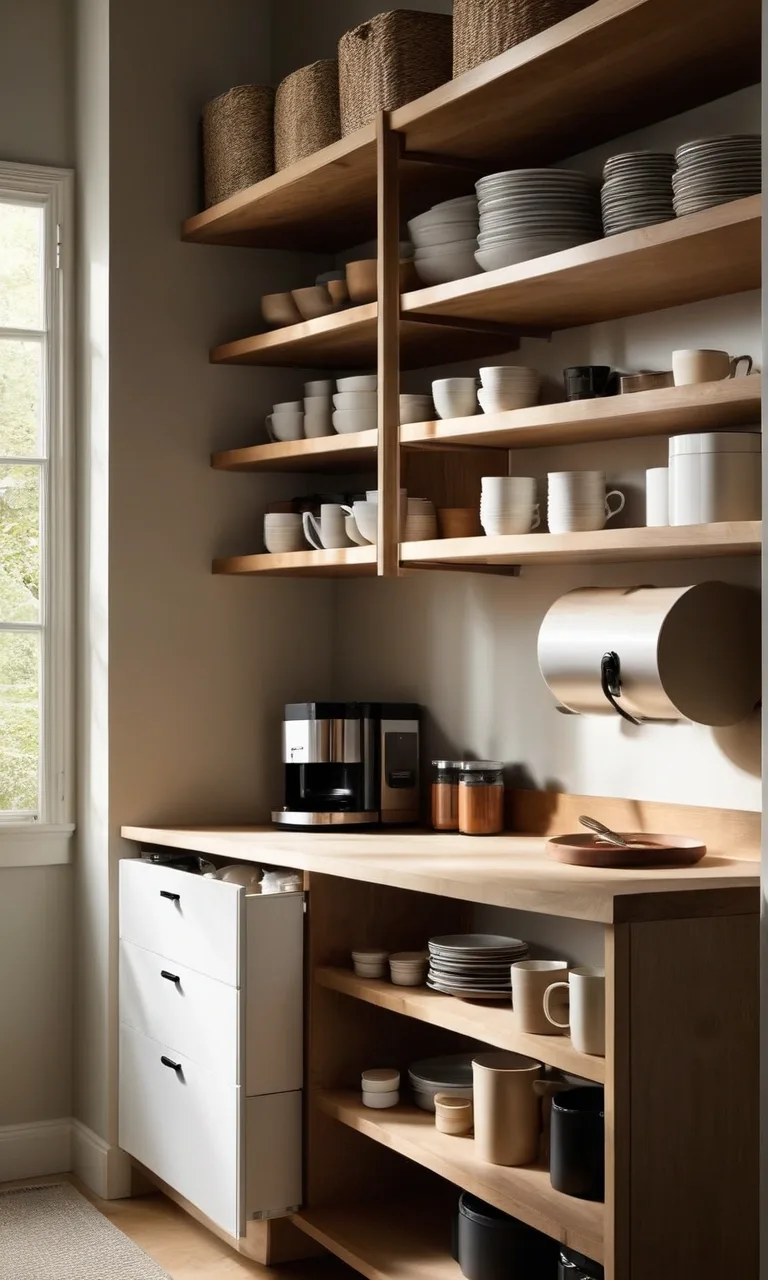
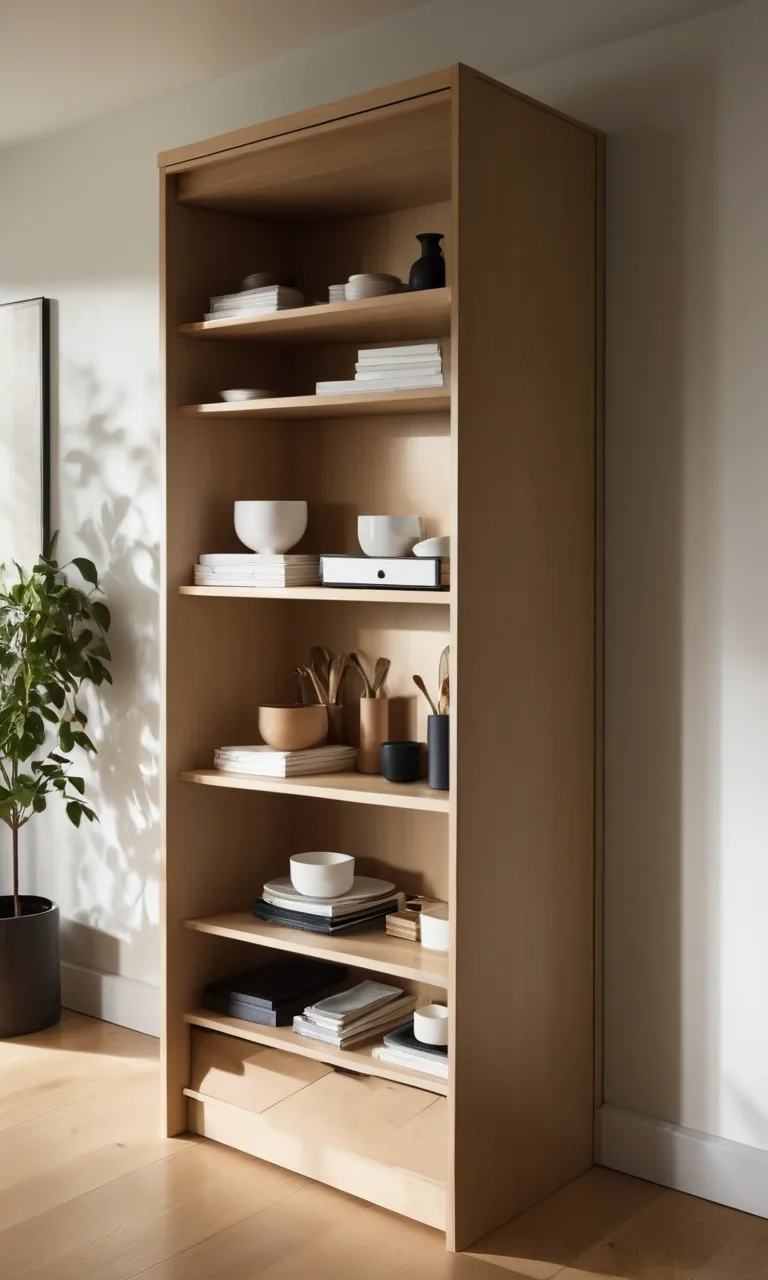
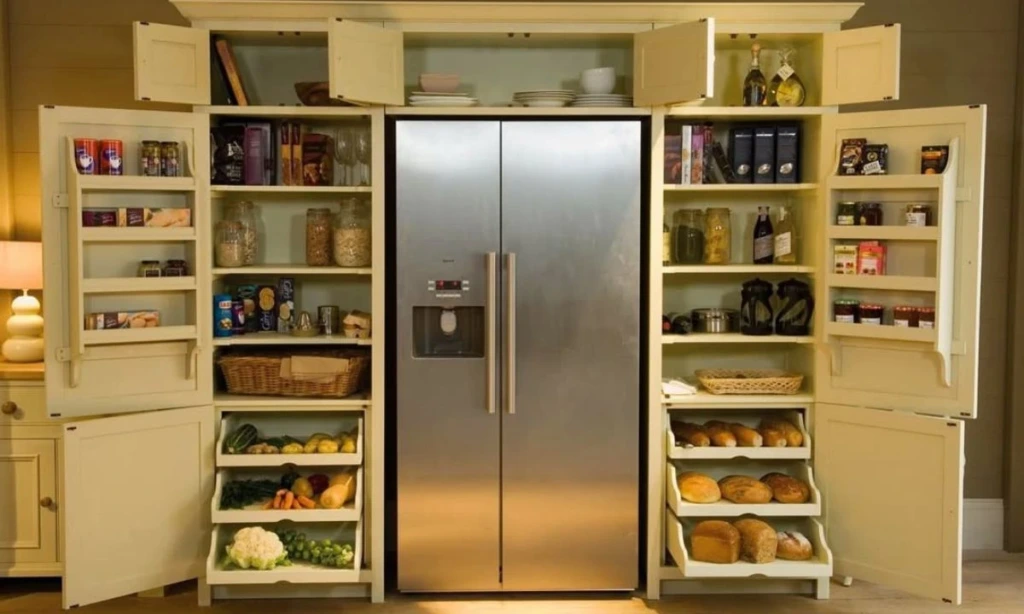
An open pantry can make everyday food storage feel accessible and less cramped. Adjustable shelving, baskets, clear containers, and clearly defined categories help transform an exposed storage area into a practical part of the kitchen.
Because everything is visible, consistency is important. Keep packaged goods grouped by type, place taller containers toward the back, and avoid stacking products in ways that hide their labels. Attractive containers are optional; a straightforward system that keeps food safe and easy to locate is more valuable than matching every jar.
Open shelves collect dust more readily than closed cabinets, so store food in suitable sealed packaging or food-safe containers. Keep shelves away from direct sunlight, heat, and moisture where possible. Leave enough room to remove items without knocking over neighboring containers.
21. Cookware Closet
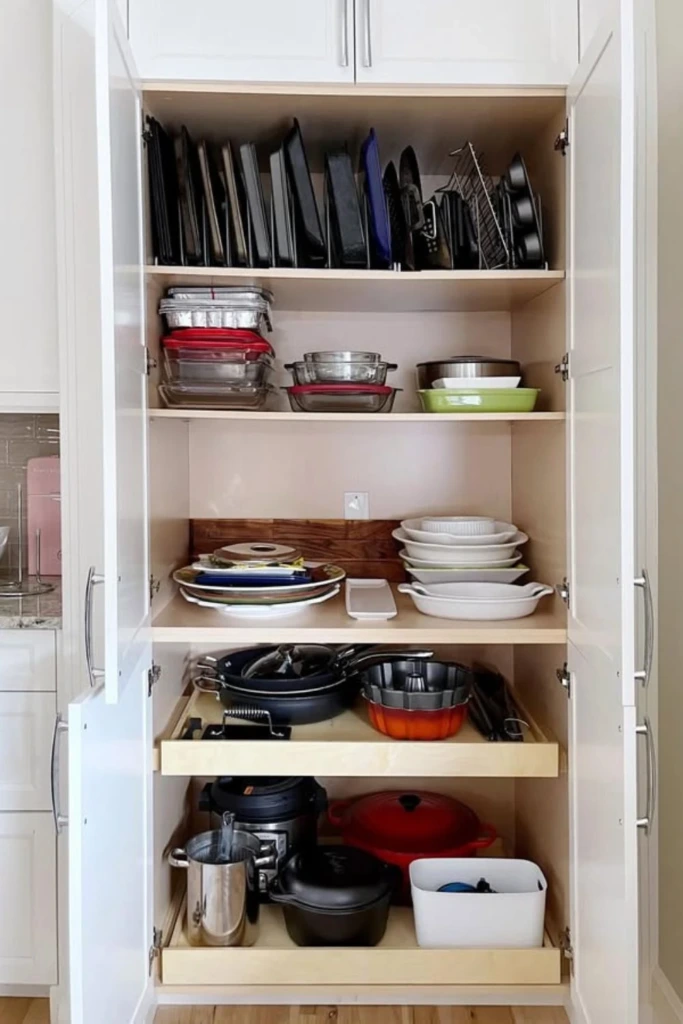
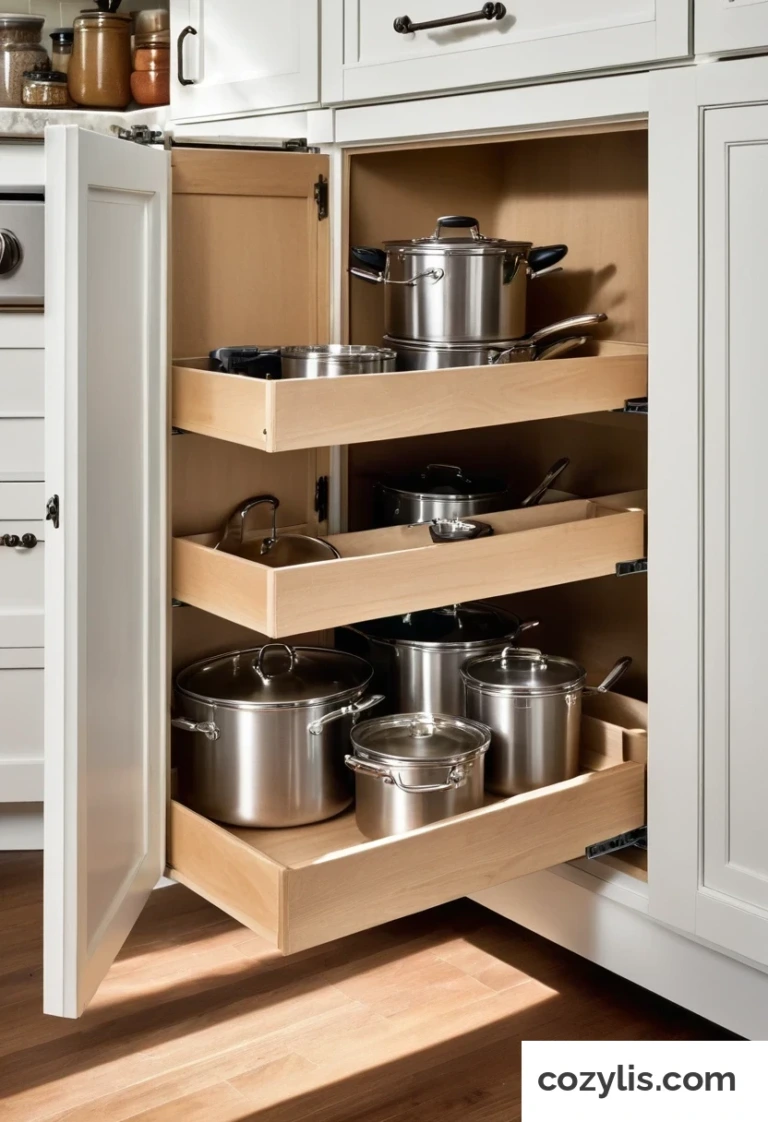
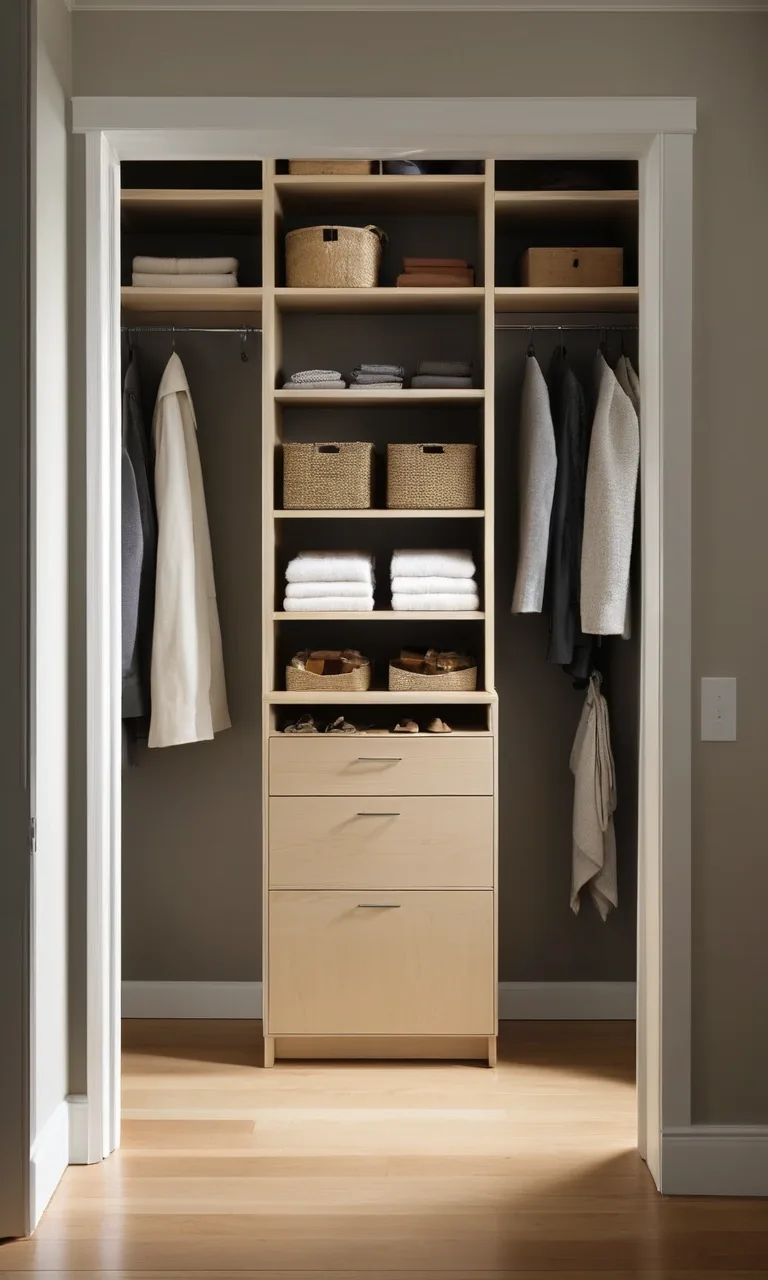
A dedicated cookware cabinet or tall storage closet can keep pots, pans, lids, and baking dishes organized without crowding the main kitchen shelves. Use vertical dividers to store baking sheets and chopping boards upright, and place heavier pots on sturdy lower shelves.
Stack compatible pots and pans carefully, using protective separators if necessary to prevent scratching. A lid organizer can eliminate the frustrating task of searching through a pile of mismatched covers. Pull-out shelves are especially useful for deep cabinets because they bring bulky cookware within reach.
Arrange equipment according to how often you use it. Everyday frying pans and saucepans should be easier to access than holiday baking tins or specialty appliances. Before buying organizers, measure the available shelf depth and check whether handles will interfere with cabinet doors.
22. Countertop Shelf
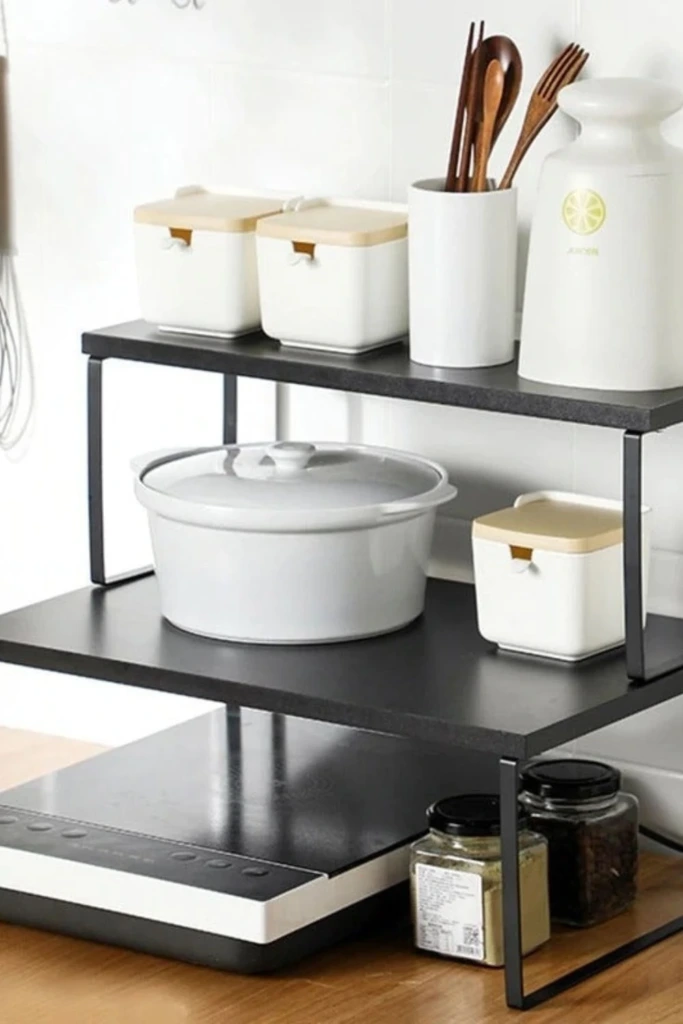
A countertop shelf creates an additional storage level for items you use frequently, such as mugs, small jars, cooking oils, or a compact selection of everyday dishes. It can free up cabinet space while keeping essentials within easy reach.
Choose a shelf with a stable base and enough clearance for the items stored beneath it. A two-tier design may work well in a compact kitchen, while a narrow shelf is better suited to limited counter space. Keep the arrangement selective so the surface doesn't become another cluttered storage area.
Position the shelf away from the stove's heat, splashes from the sink, and areas needed for chopping or food preparation. Clean underneath it regularly and avoid placing heavy appliances on a shelf that is not designed to support them. A carefully chosen countertop organizer can add useful storage without making the kitchen feel crowded.
Final Thoughts
Organizing kitchen cabinets doesn't require expensive renovations or a complete collection of matching containers. Small improvements such as pull-out bins, door racks, labeled baskets, dedicated spice storage, and well-planned drawer dividers can make everyday tasks noticeably easier.
Start with the cabinets that cause the most frustration, measure your available space, and choose storage solutions that fit the items you actually use. Group similar products together, keep essentials within reach, and leave enough room to put everything away comfortably. With a practical layout and occasional maintenance, your kitchen can remain tidy, efficient, and ready for everyday cooking throughout 2026.