21 Boot Storage Ideas for 2026
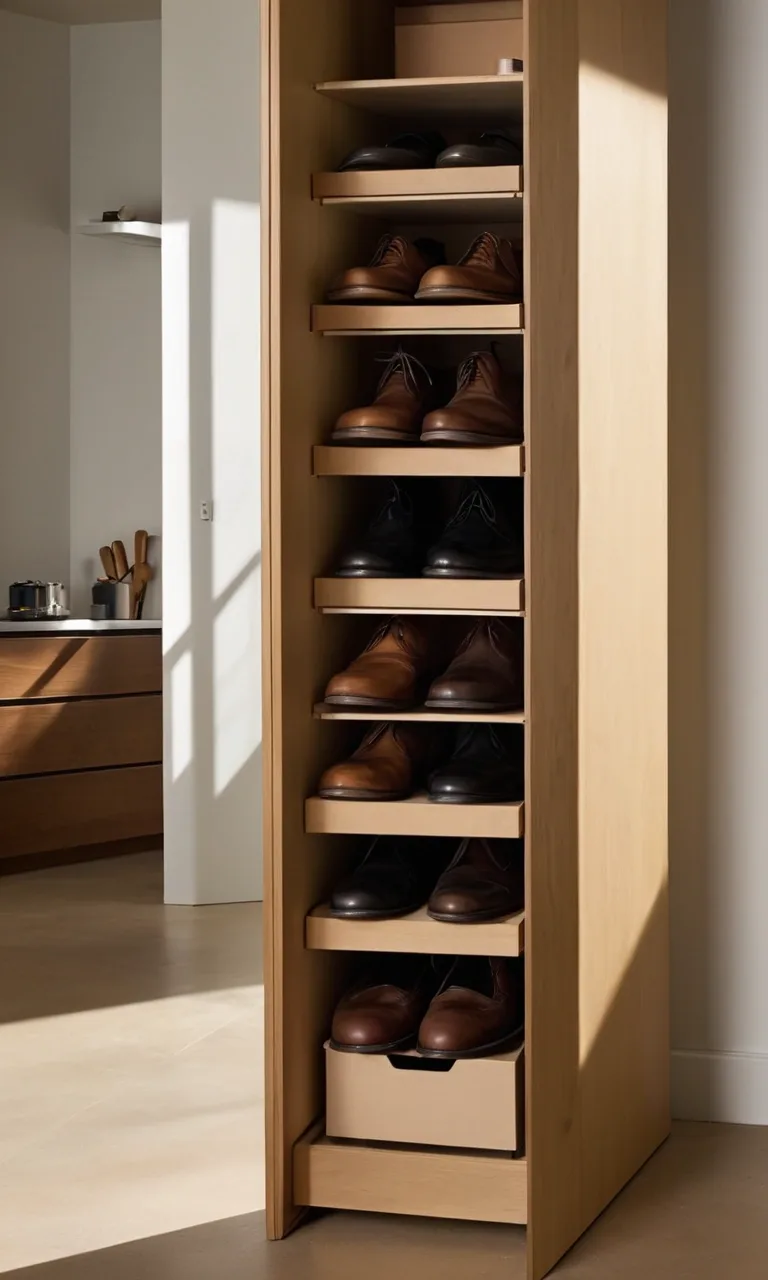
Boots are practical for rainy days, winter weather, outdoor adventures, and everyday outfits, but their size and shape can make them difficult to organize. Without a proper storage system, they can clutter your entryway, collect dirt, or develop creases from being folded incorrectly. The good news is that you can keep your footwear neat with a few smart storage solutions, whether you have a spacious hallway or a compact apartment.
These boot storage ideas will help you make better use of your available space, protect your footwear, and create an entryway that feels organized and welcoming.
What Are The Smartest Boot Storage Ideas For Entryways?
The smartest boot storage solution depends on your entryway's size, the number of pairs you own, and how frequently you wear them. Open racks and floor rows work well for everyday footwear, while cabinets and cubbies keep everything looking tidy. If you regularly wear tall riding boots or winter boots, choose storage that supports their shafts instead of forcing them to bend.
For a small entryway, consider vertical shelving, wall-mounted hooks, or a storage bench with compartments underneath. Homes with children may benefit from low cubbies that make it easy to put shoes away independently. If your boots often get wet or muddy, designate a washable tray or drying area near the door.
Before buying organizers, measure your available floor space and the height of your tallest boots. A little planning will help you choose a setup that accommodates different styles without blocking walkways or making your entrance feel crowded.
1. Boot Hangers
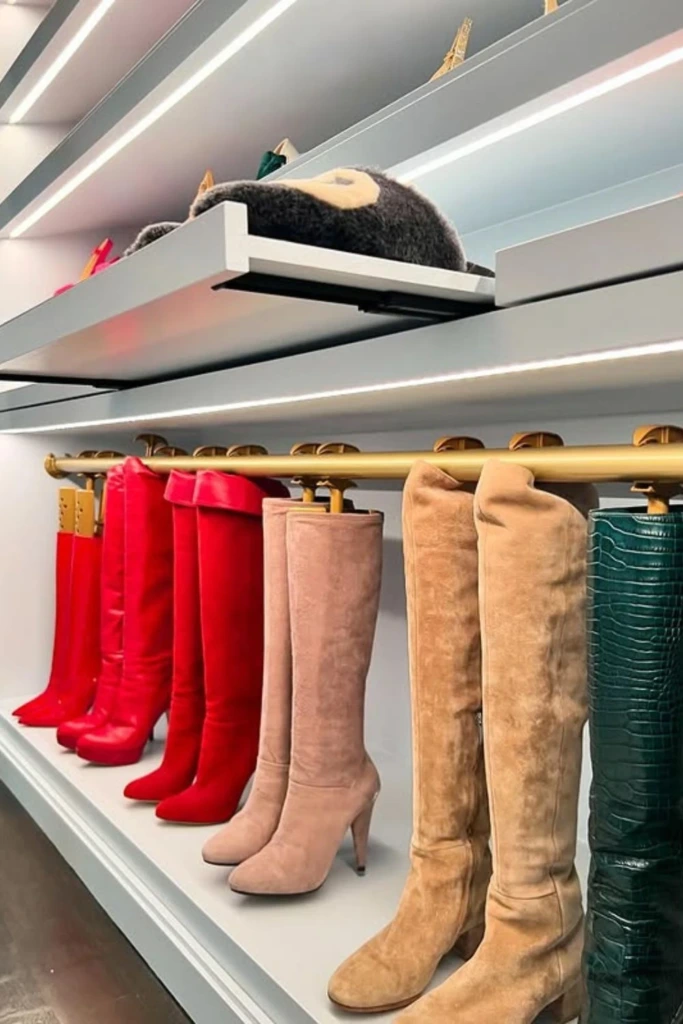
Boot hangers are useful for keeping tall footwear upright while freeing up floor space. These hangers usually grip the boot around the ankle or shaft and attach to a closet rod or a dedicated hanging rail. They work particularly well for knee-high boots that tend to slump when stored unsupported.
Choose hangers with smooth, padded, or appropriately shaped clips to avoid leaving marks on delicate materials. Make sure the hanging system can support the weight of your footwear, especially when storing heavy leather or waterproof boots.
For an entryway, a hanger system inside a closet keeps boots out of sight. If you have a dedicated mudroom, an open hanging rail can provide quick access to frequently used pairs.
2. Floor Row
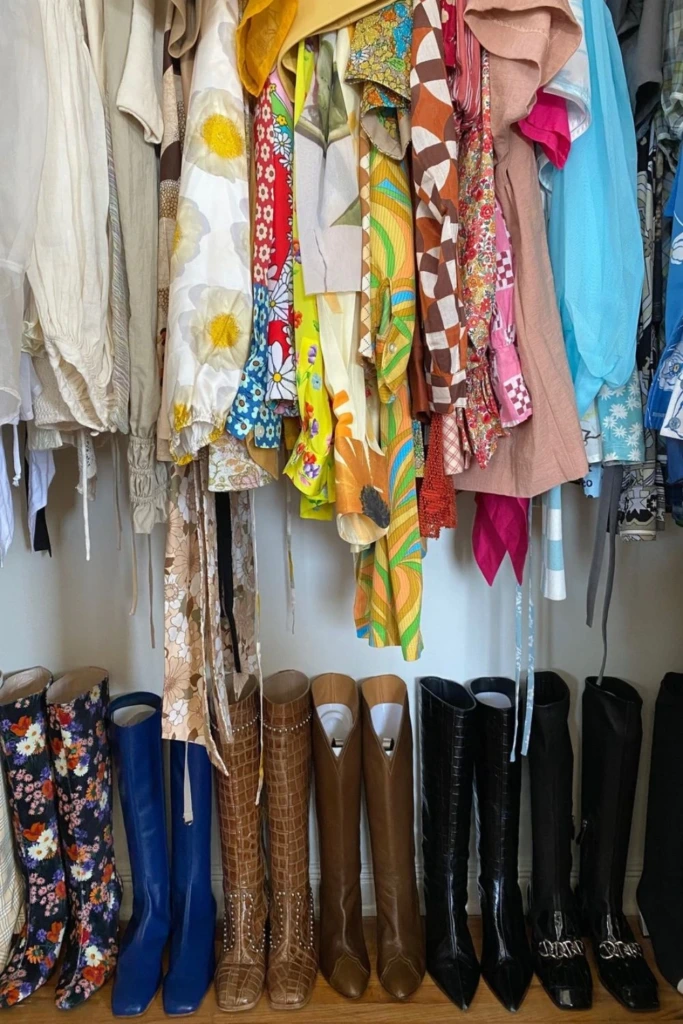
A simple floor row is one of the easiest ways to organize boots without purchasing complicated storage equipment. Arrange pairs along a wall, with the toes facing outward or in the same direction. Keeping the footwear aligned makes the space look cleaner and helps everyone find the right pair quickly.
Place a waterproof boot tray underneath to collect mud, rainwater, snow, and loose dirt. This is particularly helpful during wet seasons when boots need time to dry after use.
To prevent the row from becoming cluttered, keep only the footwear currently in rotation near the entrance. Store seasonal pairs elsewhere, and leave enough room for people to walk through comfortably.
3. Shelf Wall
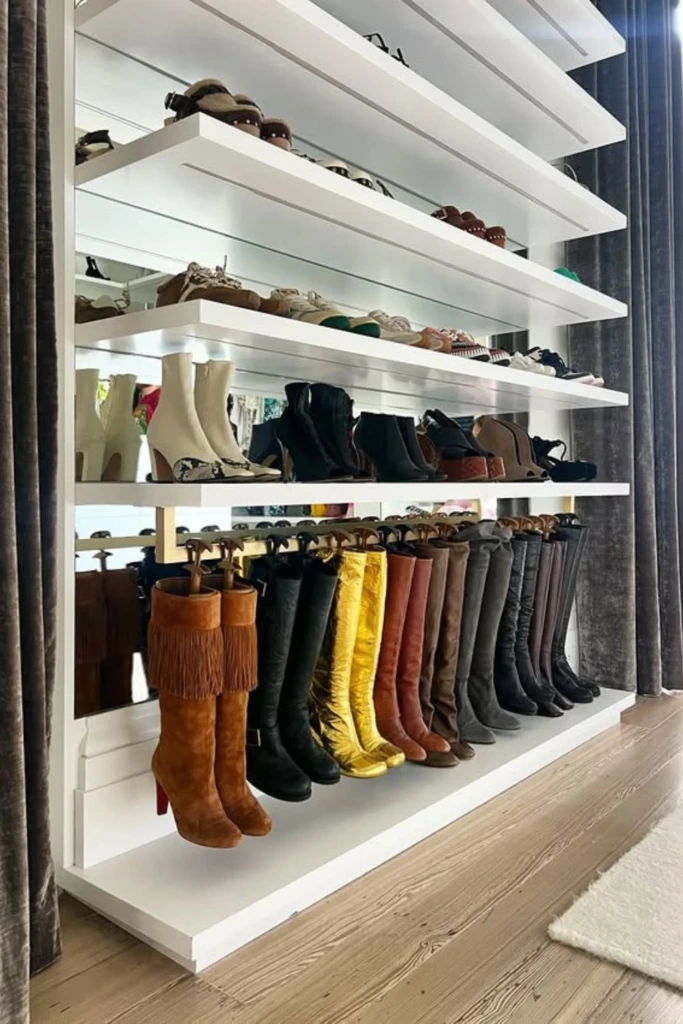
A shelf wall turns unused vertical space into practical footwear storage. Install several shelves at different heights to accommodate ankle boots, mid-calf styles, and taller designs. Adjustable shelving is especially useful because your collection may include boots of different heights.
Open shelves make footwear easy to see and retrieve, while a more enclosed shelving unit can create a streamlined appearance. For heavy boots, choose sturdy shelves with an appropriate weight capacity and secure the unit properly to the wall when necessary.
Keep the lowest shelf close to the floor for muddy or frequently worn footwear. Higher shelves are better suited to clean, lightweight, or occasional-use pairs. Leave enough vertical clearance so boots can be removed without catching on the shelf above.
4. Boot Cubbies
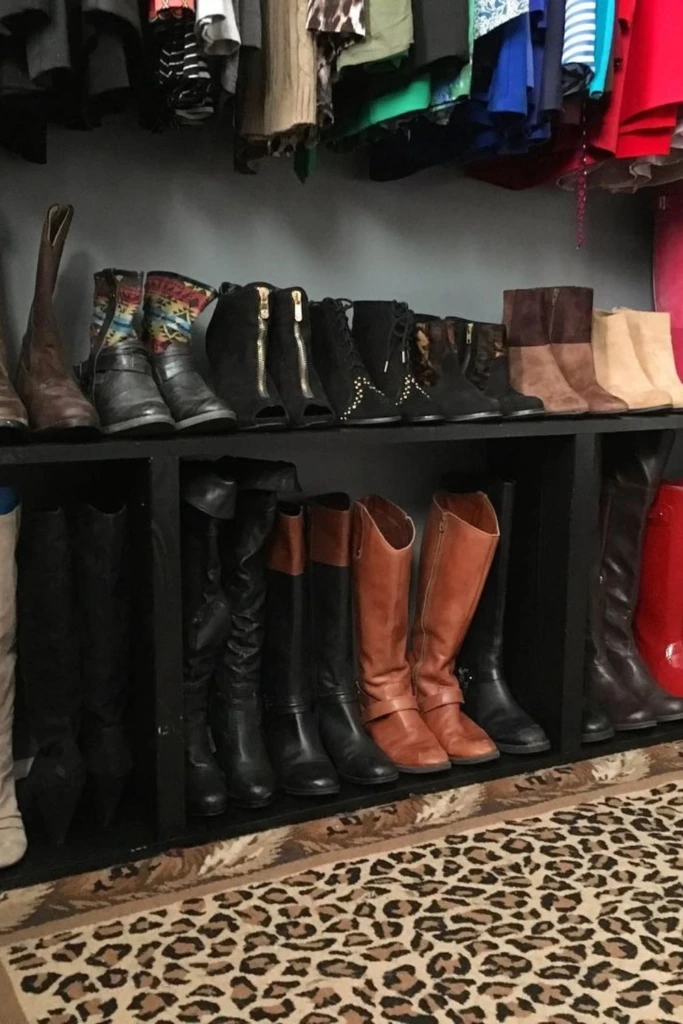
Boot cubbies provide individual spaces for footwear, making them a convenient option for busy households. Each compartment can hold one pair or a single boot, depending on its dimensions. This arrangement reduces the tendency for boots to become mixed together in a pile.
Look for compartments tall enough to accommodate your tallest everyday footwear. Standard shoe cubbies may be too short for knee-high boots, so measure before purchasing or building a unit.
Cubbies can be installed beneath a bench, inside a closet, or along an entryway wall. Adding labels or assigning compartments to different household members can make the system easier to maintain. Use removable liners where appropriate to simplify cleaning after muddy days.
5. Peg Rack
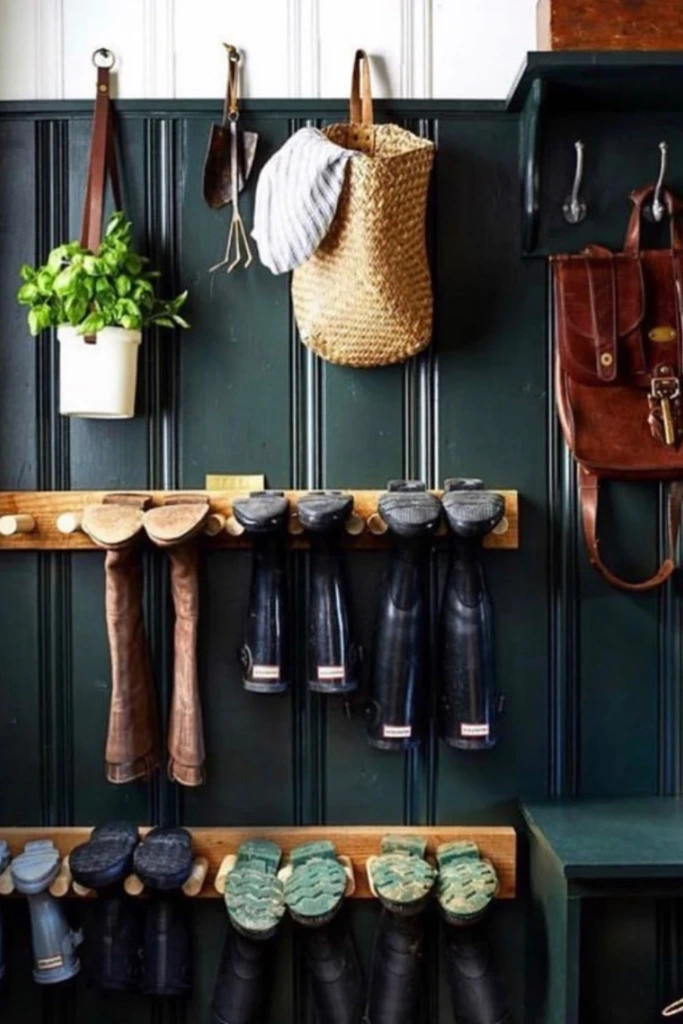
A peg rack can help organize lightweight boots and accessories in an entryway, closet, or mudroom. Depending on the design, sturdy pegs can support suitable footwear by its pull loops or hold boot-related items such as shoe bags and care kits.
If you plan to hang boots directly, check that the boot loops are designed to carry their weight and that the pegs won't stretch or damage them. Avoid hanging heavy boots from small decorative pegs that are intended for keys or coats.
Mount the rack securely and position it where hanging footwear will not interfere with doors or foot traffic. A peg rack is particularly useful when combined with a floor tray, giving wet boots a designated place while keeping other belongings organized.
6. Boot Cabinets
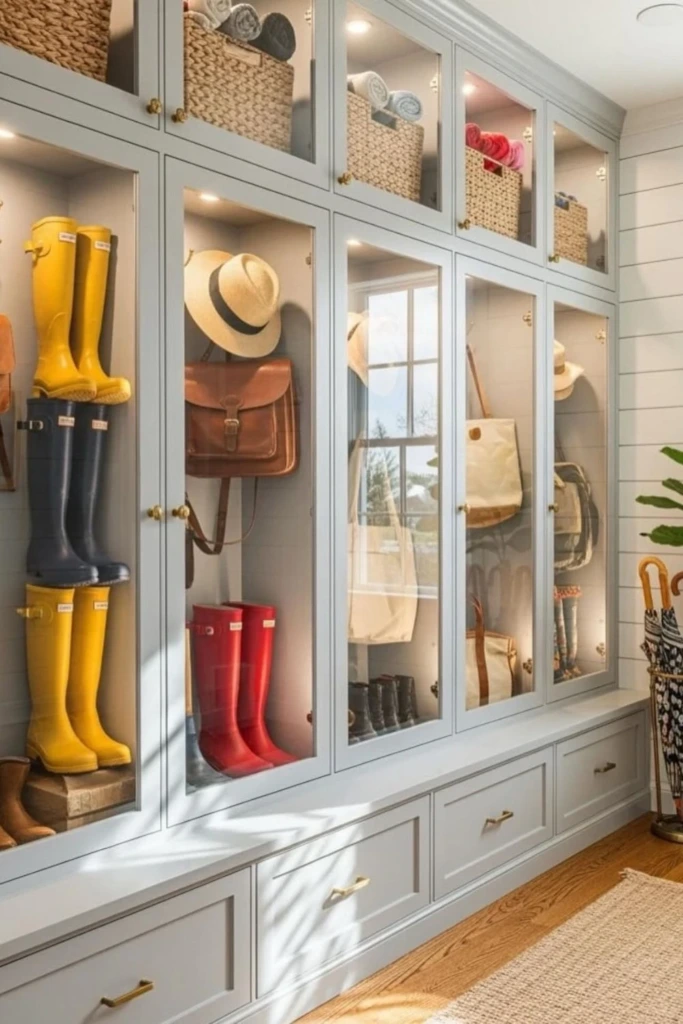
Boot cabinets are ideal when you prefer a clean, uncluttered entryway. Their doors conceal footwear, making the room feel more orderly while reducing the amount of dust that settles on stored pairs.
Choose a cabinet with compartments deep and tall enough for your boots. Some narrow shoe cabinets have angled shelves or shallow drawers that work for sneakers but cannot accommodate bulky or tall footwear. Adjustable shelves or removable dividers offer greater flexibility.
Ventilation matters, especially when storing boots after use. Allow wet footwear to dry thoroughly before placing it inside an enclosed cabinet. A ventilated design, removable trays, and easy-to-clean interior surfaces can make everyday maintenance much simpler.
7. Boot Section
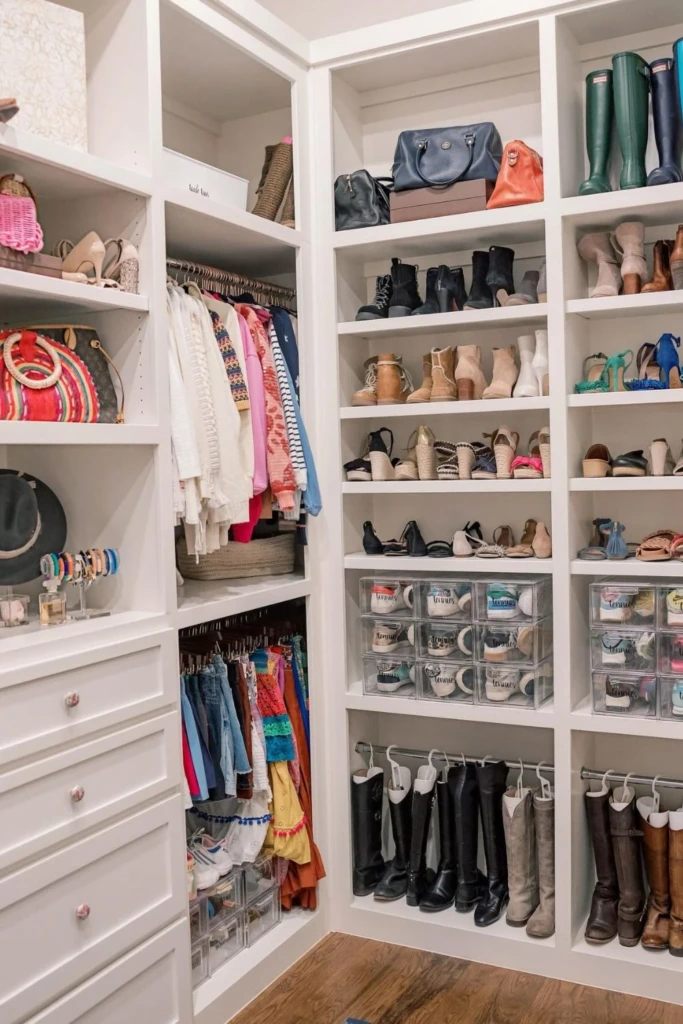
Creating a dedicated boot section gives your footwear a defined place instead of allowing it to spread throughout the entryway. This can be a corner beside the door, part of a closet, or one section of a larger mudroom storage unit.
Organize the area according to how often you use each pair. Keep everyday boots at an accessible height and move special-occasion or out-of-season footwear to less convenient shelves. You can also separate clean boots from those that need drying or cleaning.
A small mat, tray, or washable floor covering helps protect the surrounding floor. If several people share the space, assign each person a portion of the section to make returning footwear easier.
8. Boot Bags
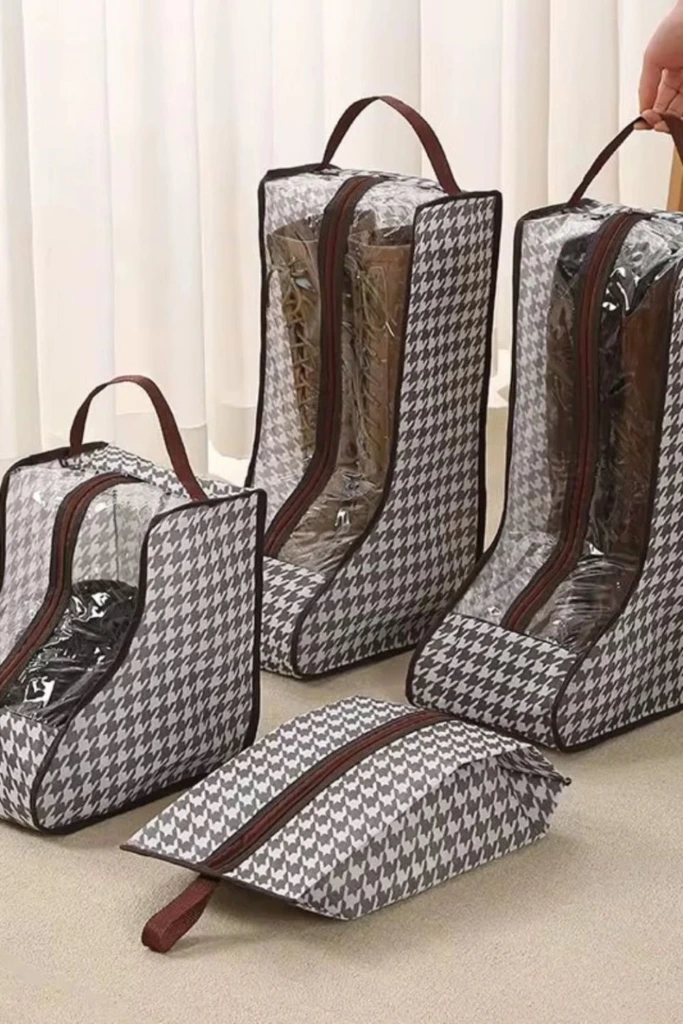
Boot bags are useful for storing footwear that you don't wear regularly or need to transport. They protect boots from dust during seasonal storage and help prevent them from rubbing against other items in a suitcase or closet.
Choose breathable fabric bags for clean, dry boots, particularly when storing leather or suede. Avoid sealing damp footwear inside plastic bags because trapped moisture can encourage unpleasant odors and damage certain materials.
For tall boots, select bags with enough length to accommodate the shafts without forcing them to fold sharply. If the bags will sit on a closet shelf, label them by style or season so you can locate the right pair without opening every bag.
9. Boot Display
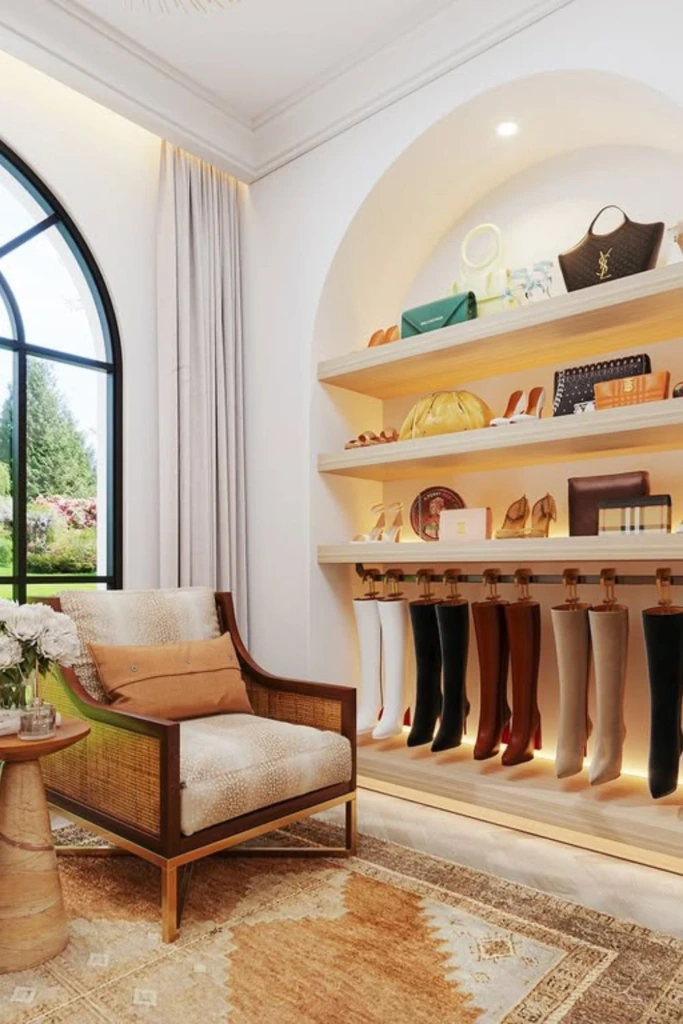
If you own attractive boots that you enjoy seeing, turn storage into a deliberate display. Arrange a few favorite pairs on open shelves, in a closet with visible compartments, or along a well-organized dressing-room wall.
Keep the display selective rather than filling every available surface. Grouping similar colors together or arranging boots by height can create a more cohesive appearance without making the space look like a crowded shop.
Protect footwear from direct sunlight, excessive heat, and dusty surroundings. Leather, suede, and certain dyed materials can fade or deteriorate when exposed to unsuitable conditions. Use boot shapers where necessary to help tall shafts retain their form, and reserve the display area for clean, dry pairs.
10. Boot Tower
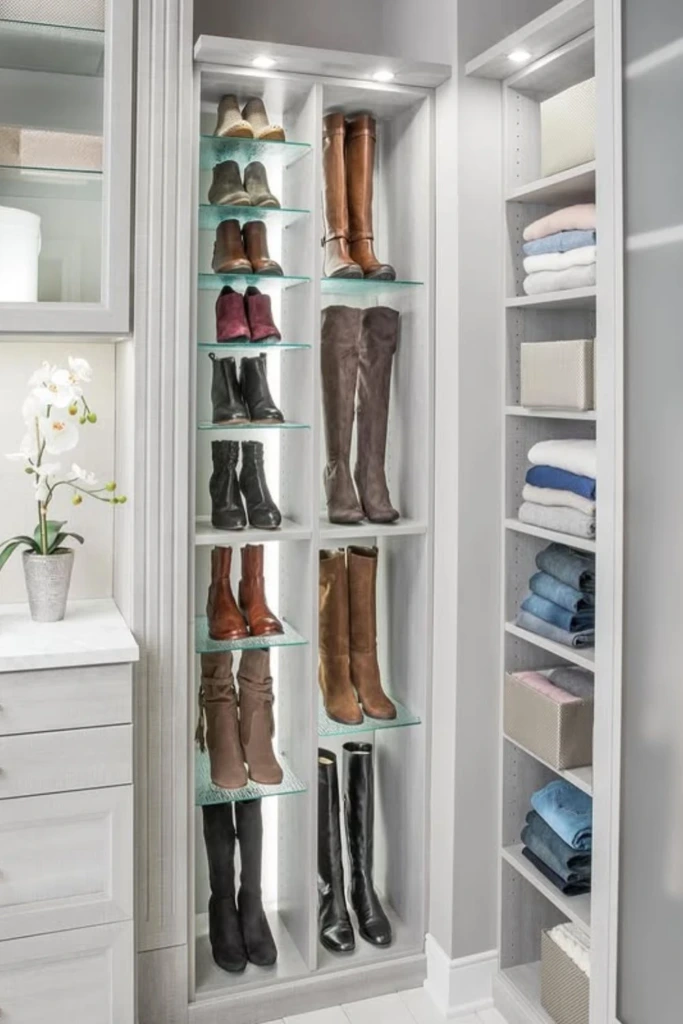
A boot tower makes use of vertical space by stacking several storage levels into a narrow footprint. It can be a freestanding shelving unit or a purpose-built organizer with separate spaces for different types of boots.
This arrangement is helpful in compact entryways where there isn't enough room for a wide rack. Place heavier pairs on the lower levels and lighter footwear above them. Ensure that the tower is stable and that tall boots have enough clearance to stand upright.
Before choosing a tower, check the height between shelves and the overall depth. A unit that is too shallow may cause boots to protrude into the walkway, while shelves that are too close together can crush the shafts.
11. Boot Rack
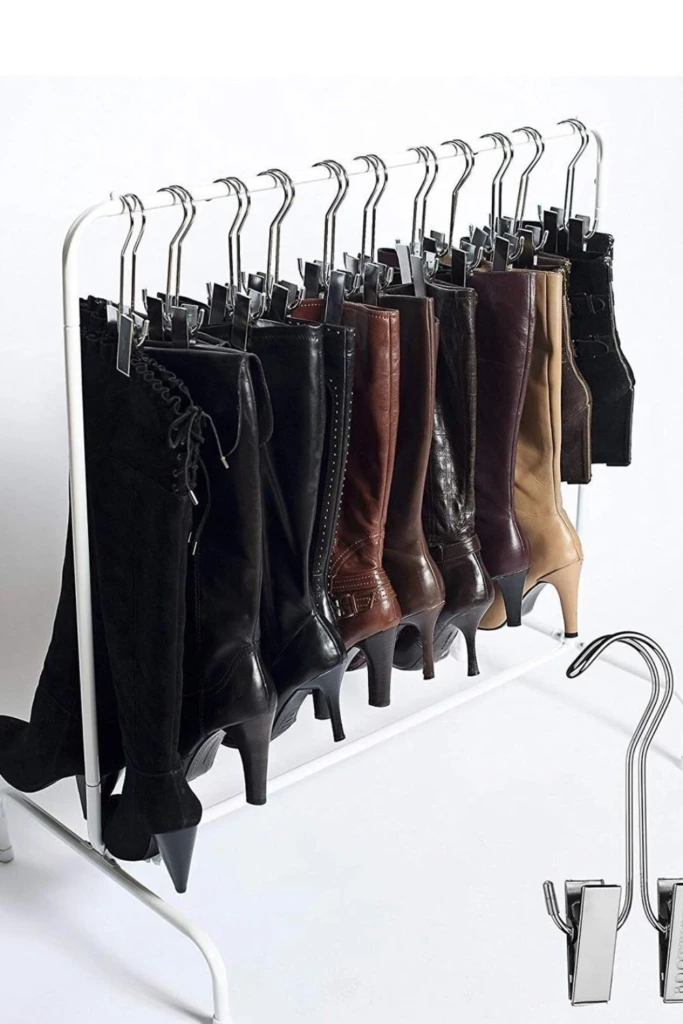
A boot rack is a straightforward solution for households that need accessible, everyday footwear storage. Depending on its design, it may feature horizontal shelves, individual supports, or raised pegs that hold boots in an orderly arrangement.
Metal racks are often suitable for mudrooms and utility areas because many designs are easy to wipe clean. Wooden racks can complement traditional or rustic interiors, while plastic options may be lightweight and convenient for temporary use.
Choose a rack that accommodates your footwear without forcing pairs together. If the entryway frequently gets wet, use a model with a removable drip tray or position a waterproof mat underneath. Clean the rack regularly to prevent dried mud and dirt from accumulating.
12. Boot Slots
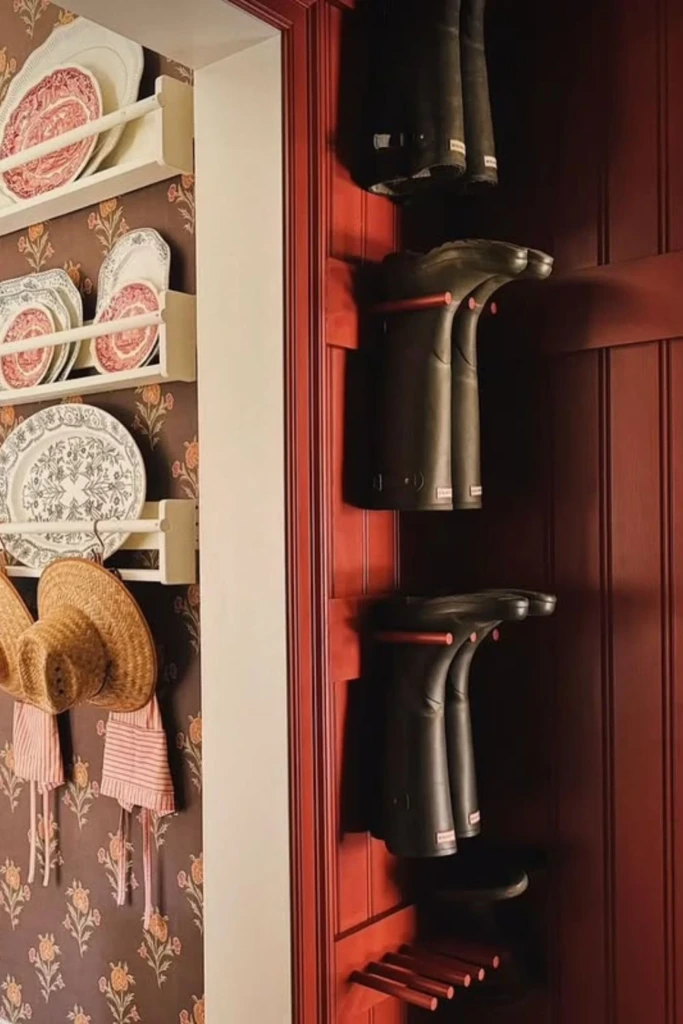
Boot slots give individual pairs their own designated spaces, helping prevent footwear from getting tangled together. These slots may be part of a purpose-built organizer, a cabinet, or a custom shelving system.
For ankle boots, relatively compact compartments may be sufficient. Taller styles need more vertical clearance, while wide winter boots may require extra room around the sides. Adjustable dividers make it easier to accommodate different designs.
The main advantage of separate slots is that every pair has a consistent place to return to after use. This makes it easier to spot missing footwear and maintain an orderly entrance. Avoid compartments that compress the shafts or place excessive pressure on decorative details.
13. Boot Rail
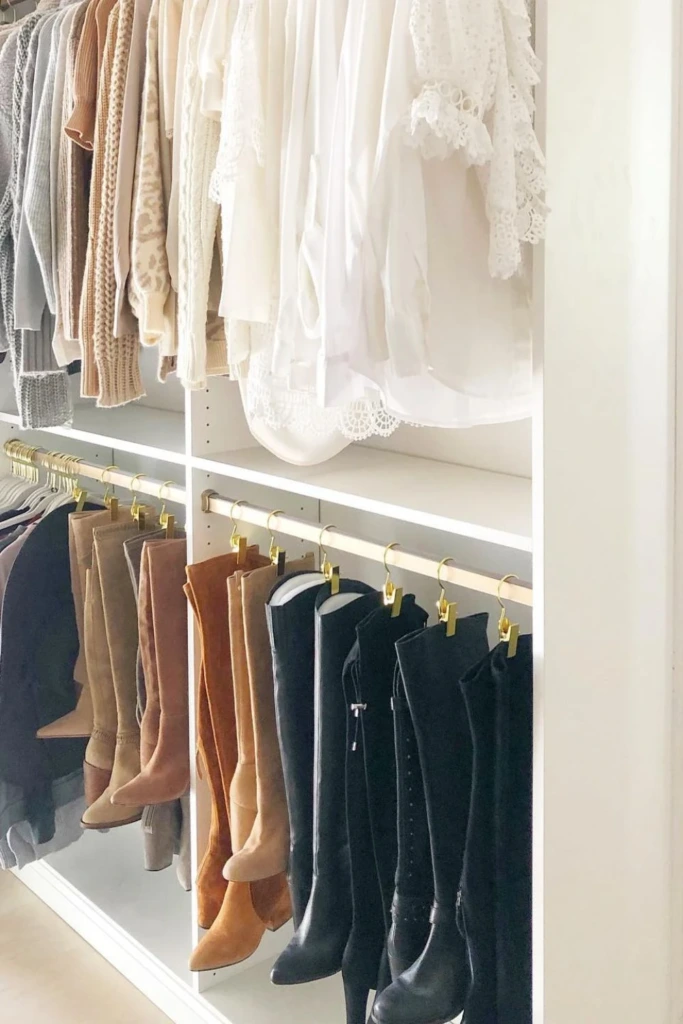
A boot rail offers a simple way to keep suitable footwear off the floor. Some systems use horizontal bars with supports or clips, while others are designed to hold boots by their pull loops.
Wall-mounted rails are useful when floor space is limited. They can fit inside a closet, beneath a shelf, or in a dedicated mudroom area. Freestanding rails are another option if you need storage that can be moved around.
Check the rail's load capacity and make sure the attachment points are compatible with your boots. Heavy footwear should never be suspended from weak fittings or delicate loops. For wet boots, allow enough airflow around each pair and provide a tray below if water may drip onto the floor.
14. Boot Shelf
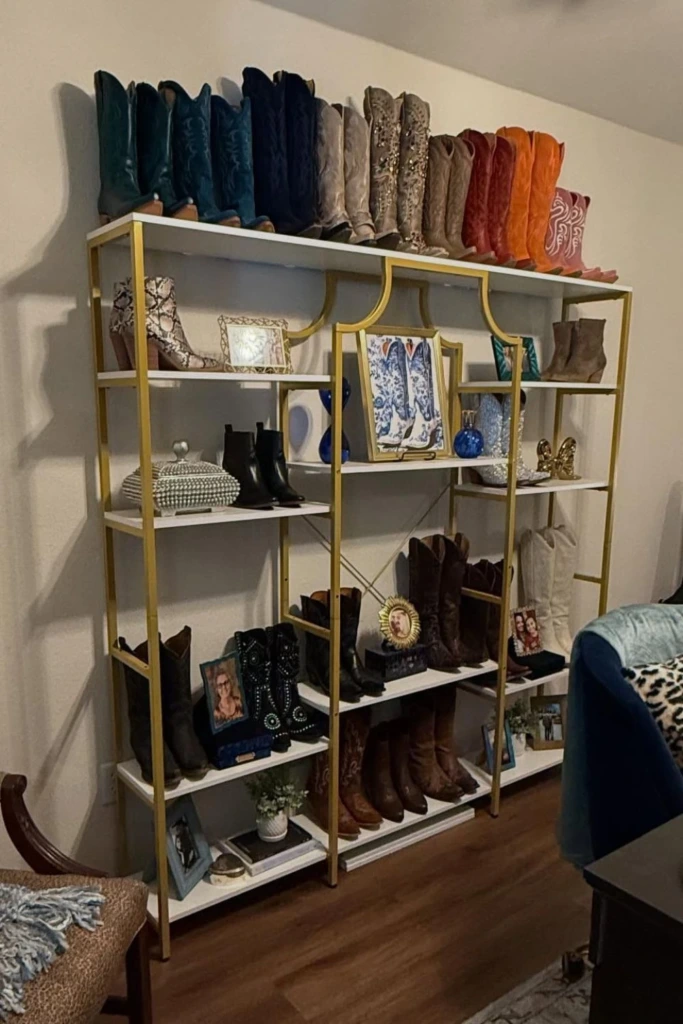
A boot shelf can be a single ledge beneath a coat rack or a series of shelves designed specifically for footwear. It offers an uncomplicated storage option for anyone who wants boots to remain visible and easy to reach.
Measure the shelf depth carefully so the footwear sits securely without extending too far into the room. Tall boots may need additional vertical clearance, and some pairs benefit from boot shapers to prevent their shafts from collapsing.
For a tidy entryway, arrange boots in pairs and leave a little space between them. Use a washable tray or shelf liner where appropriate, particularly if the footwear is exposed to rain or dirt. Avoid storing wet boots directly against wood surfaces for extended periods.
15. Boot Drying
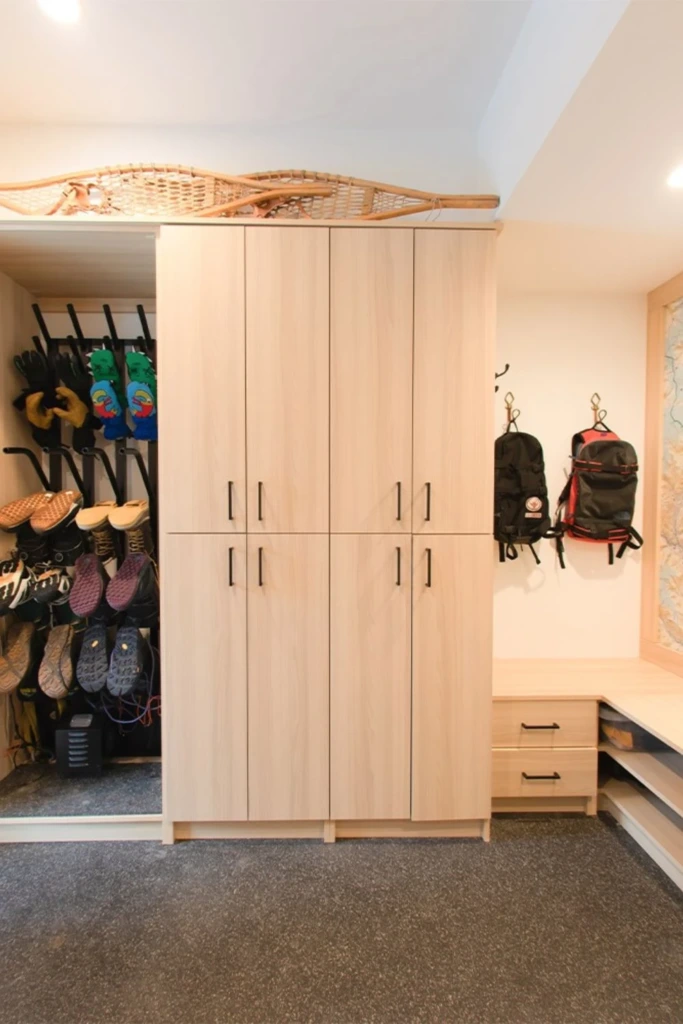
A dedicated boot-drying area is particularly useful in homes where rain, snow, or muddy outdoor activities are common. Instead of putting damp footwear straight into a cabinet, give it a separate place to dry before returning it to regular storage.
Start by removing loose dirt and wiping away excess moisture. Take out removable insoles when the manufacturer's care instructions allow it, and loosen the laces or openings to improve airflow. A boot tray, ventilated rack, or purpose-built boot dryer can help keep the drying area organized.
Use gentle airflow and follow the footwear manufacturer's guidance on temperature. Excessive heat from radiators, fires, or unsuitable electric heaters can damage leather, adhesives, and synthetic materials. Do not store boots until they are completely dry inside and out.
16. Boot Locker
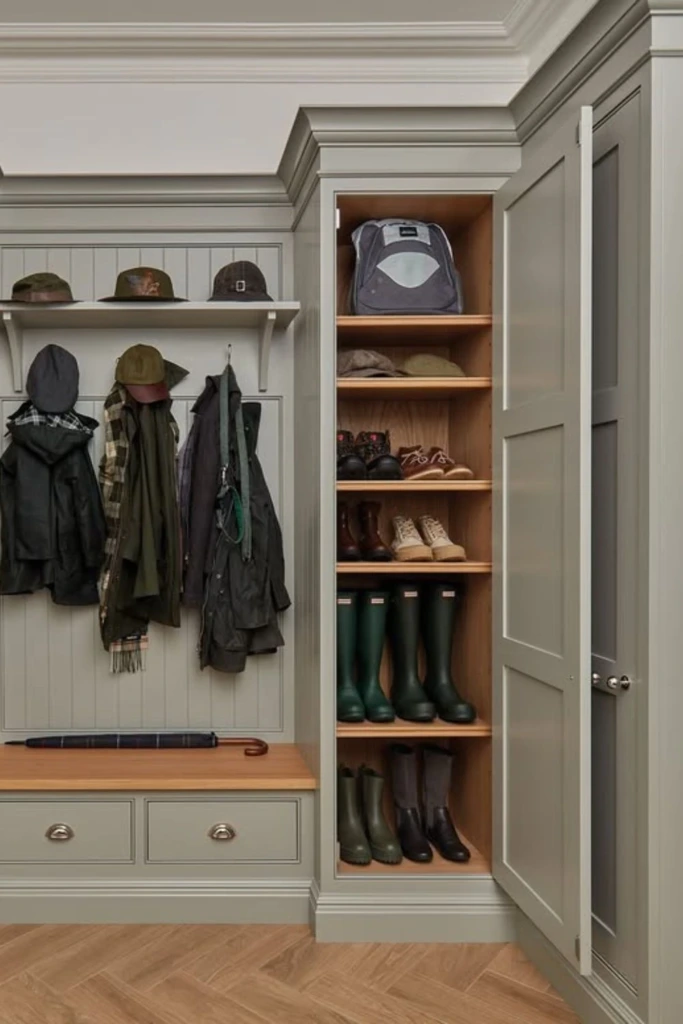
A boot locker is a practical choice for a shared entryway, mudroom, garage entrance, or family home. Its individual compartments give each person a place for their footwear while helping contain the visual clutter associated with multiple pairs.
Select a locker with enough space for bulky winter boots and tall designs if those are part of your collection. Ventilated doors or openings can improve airflow, but damp boots should still be dried before being stored in an enclosed compartment.
You can personalize each section with labels, baskets for smaller accessories, or a nearby hook for bags and coats. A locker with a durable finish and easy-to-clean base is particularly helpful in high-traffic areas where dirt and moisture are common.
17. Boot Basket
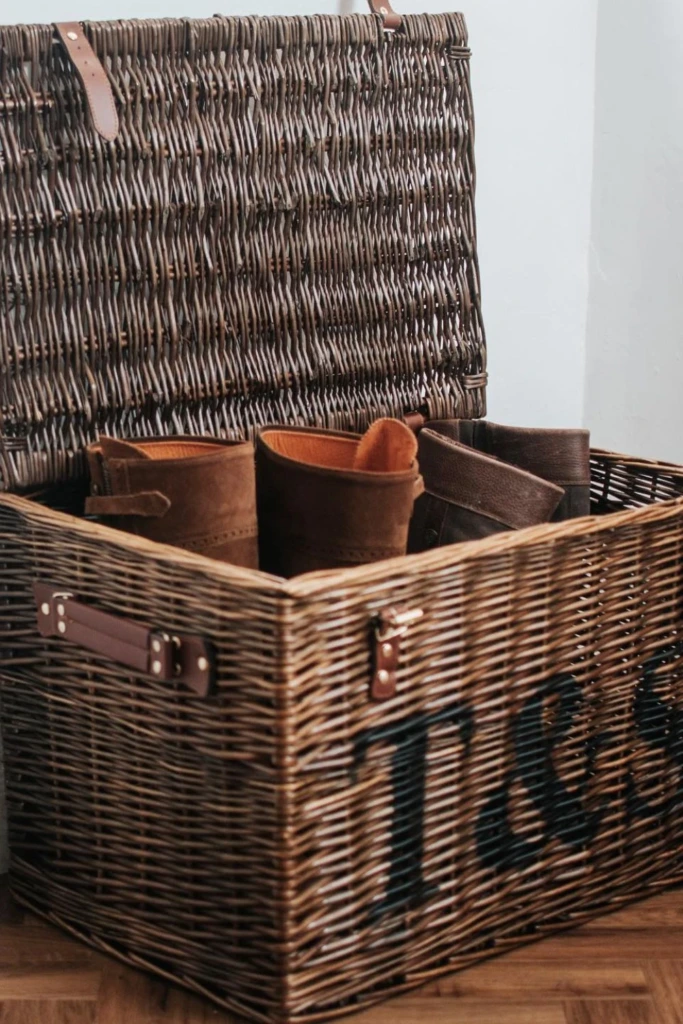
A boot basket is a flexible, inexpensive way to collect everyday footwear near the door. It works best for shorter boots or a small number of pairs that you use frequently.
Choose a basket wide enough to hold the footwear without crushing it. A sturdy plastic or coated basket may be more practical for muddy environments, while woven baskets can add warmth to a dry, covered entryway.
For easier cleaning, place a removable waterproof liner or tray underneath the basket. Keep tall boots upright with suitable supports if needed, and avoid leaving wet footwear piled together for long periods. A basket is most effective when it has a clear capacity limit and isn't used as a catch-all for unrelated items.
18. Boot Bench
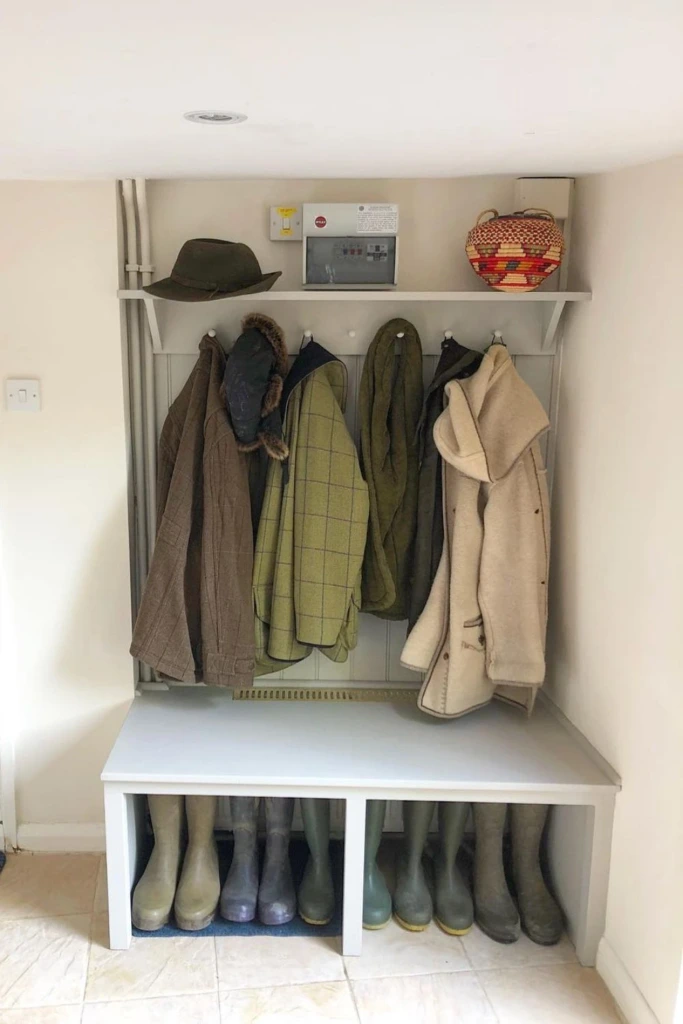
A boot bench combines seating with footwear storage, making it especially useful in an entryway. You can sit down to put on or remove your boots while keeping pairs organized underneath the seat.
Choose a bench with open shelves, cubbies, drawers, or a lift-up seat, depending on how much storage you need. Open compartments are convenient for frequently worn footwear, while closed storage can conceal clutter. Make sure the seat is sturdy enough for regular use and that the compartments accommodate your tallest boots.
For wet weather, keep muddy footwear on a removable tray beneath the bench rather than placing it directly against wood or upholstered surfaces. Adding wall hooks above the bench creates a compact station for coats, bags, and other daily essentials.
19. Boot Organizer
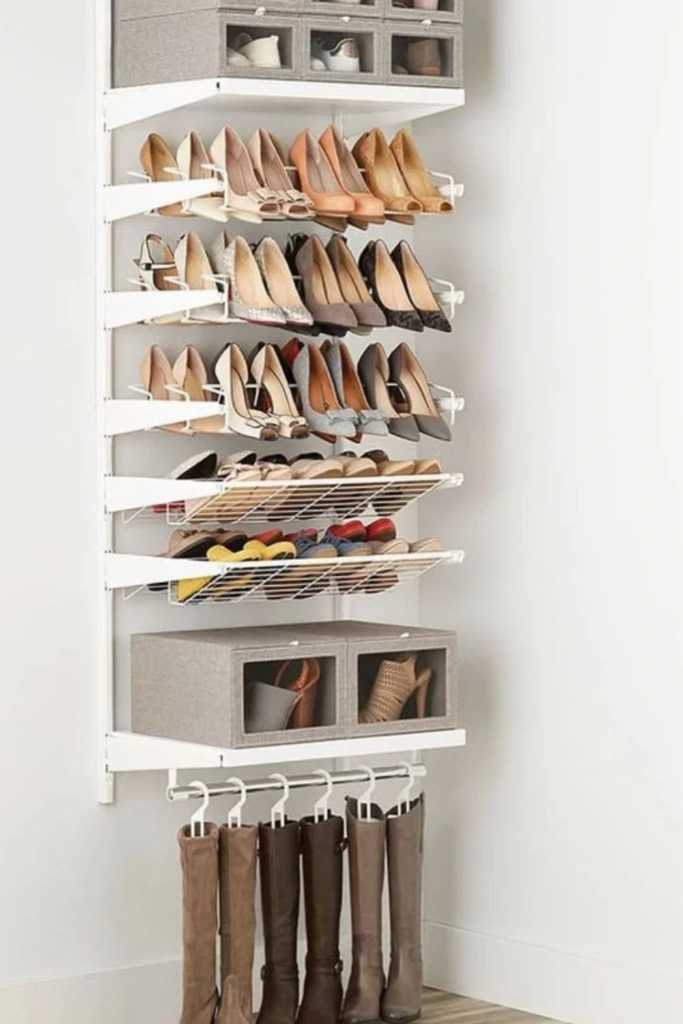
A boot organizer can help you make the most of a closet, entryway, or utility room. Available styles include hanging organizers, adjustable dividers, upright supports, stackable shelves, and compartmentalized racks.
The right design depends on your footwear collection. An over-the-door organizer may work for lightweight ankle boots or accessories, but it may not support heavy or tall boots. A freestanding rack is generally more appropriate for bulky footwear, while adjustable dividers can keep individual pairs separated.
Before purchasing an organizer, consider its dimensions, weight capacity, material, and ease of cleaning. If you own boots made from delicate materials, choose a design that avoids sharp edges and unnecessary pressure. A well-matched organizer should make it easier to retrieve footwear without rearranging everything around it.
20. Boot Hooks
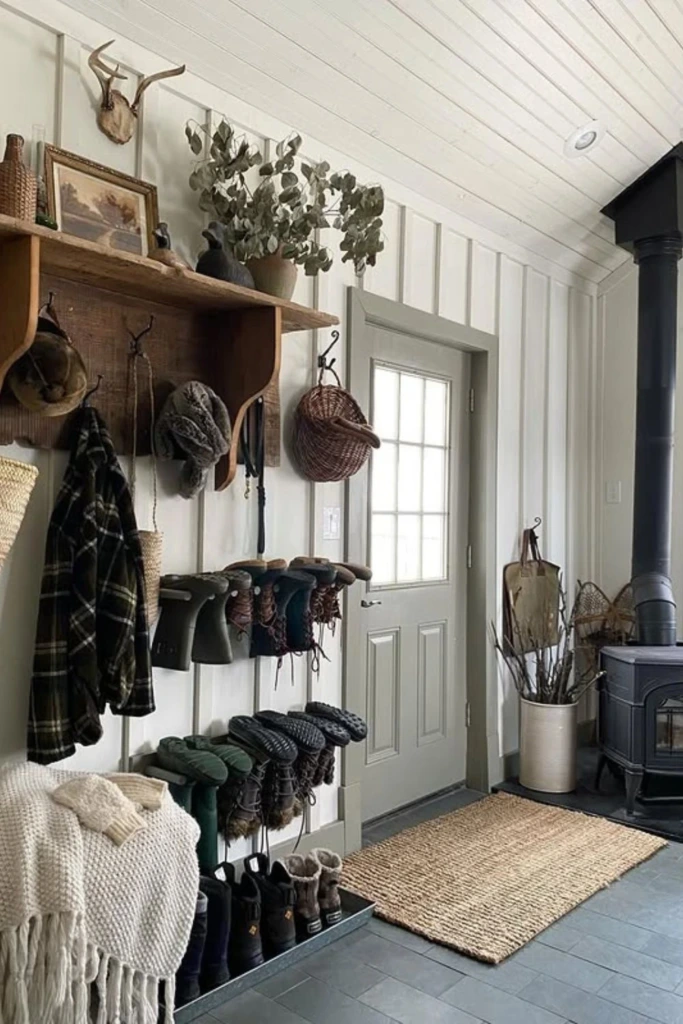
Boot hooks can provide additional storage in a closet or mudroom, particularly when your boots have sturdy pull loops. They can be mounted on a wall or fitted to a dedicated hanging rail, allowing compatible footwear to hang rather than occupy floor space.
Use hooks that are smooth, strong, and properly secured. Check that the boot loops can safely support the weight, and avoid hanging footwear in a way that stretches the loops or pulls the material out of shape.
Leave enough distance between hooks to prevent boots from rubbing against one another. If the footwear is damp, make sure the hanging area has adequate airflow and that any dripping water can be collected safely. Hooks are best used as part of a broader storage system rather than as a substitute for proper drying.
21. Boot Cubby
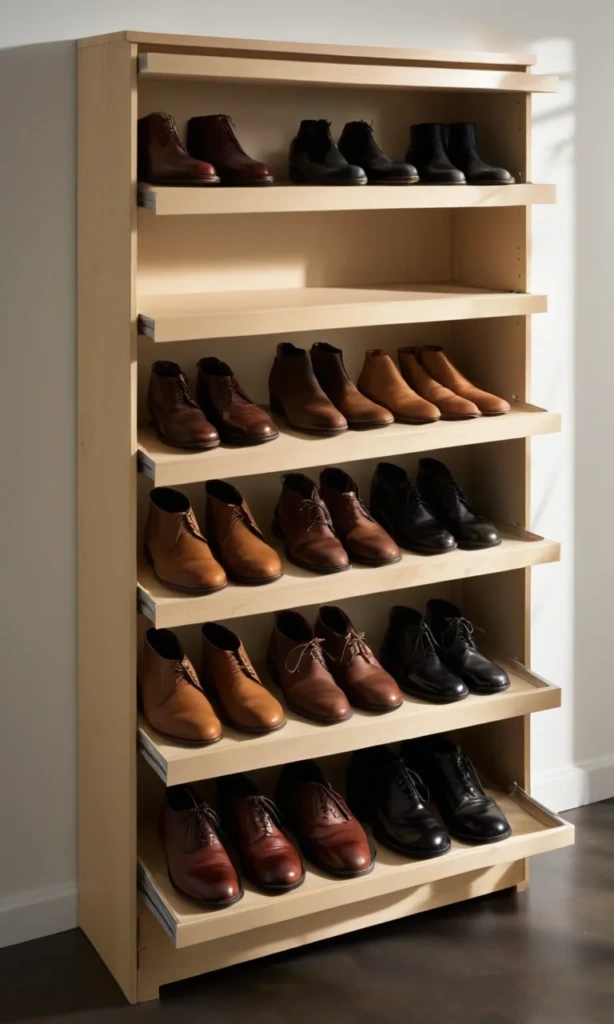
A boot cubby is a dedicated compartment that keeps footwear contained and easy to access. Unlike a general storage basket, a cubby creates a defined space for one pair or a small group of boots.
Place cubbies near the entrance if you want family members to put away their everyday footwear as soon as they come inside. In a closet, a cubby unit can separate casual boots, work boots, and seasonal pairs. Low compartments are convenient for children, while taller sections can accommodate adult footwear.
Measure your boots before choosing a unit, paying particular attention to shaft height and overall width. Removable dividers offer more flexibility if your collection changes. For easy maintenance, select a surface that can be wiped down and allow damp footwear to dry before storing it in a confined compartment.
FAQs
Boot storage becomes much easier when you match the organizer to your footwear, available space, and local weather. The following answers address two common questions about keeping boots in good condition while maintaining an orderly entryway.
How can you store tall boots without ruining their shape?
Store tall boots upright whenever possible, using boot shapers or purpose-made supports to help the shafts maintain their natural form. If you prefer hanging storage, choose suitable hangers with secure, non-damaging clips and make sure the footwear can support the hanging method.
Avoid folding tall boots sharply or placing heavy objects on top of them. Long periods of pressure can create creases that may be difficult to remove, particularly in leather and other structured materials. Store pairs with enough room between them so their shafts aren't compressed against neighboring footwear.
Before putting boots away for the season, clean them according to the manufacturer's care instructions and allow them to dry completely. Leather may benefit from an appropriate conditioner, while suede generally requires a suitable brush and products designed for its texture. Keep stored boots away from direct sunlight, excessive heat, and damp environments.
What is the best place to store boots in an entryway?
The best location is usually close to the door you use most often, where footwear is convenient to remove without obstructing the walkway. A boot tray beneath a bench, a low shoe rack, or a dedicated section of a mudroom can all work well.
For a small entryway, vertical shelving or a slim rack may provide useful storage without taking up much floor space. If you prefer a minimalist look, choose a ventilated cabinet that can accommodate your boots comfortably. Homes with plenty of room may benefit from a separate boot-drying station for wet weather.
Keep frequently worn pairs within easy reach and move seasonal footwear to a closet or another suitable storage area. If boots are wet or muddy, clean off excess dirt and let them dry before placing them in an enclosed cabinet. The ideal setup should protect your floors, allow adequate airflow, and leave enough room for people to enter and exit comfortably.
A well-organized entryway doesn't need expensive furniture or a complete makeover. With the right combination of racks, shelves, cubbies, and drying space, you can keep boots accessible, protect their shape, and make everyday routines easier. Start with the storage you need most, then adjust the arrangement as your footwear collection and seasonal needs change.