22 Clothes Storage Ideas for Small Spaces in 2026
Finding room for your wardrobe can be challenging when you live in a small apartment, share a bedroom, or have limited closet space. Clothes quickly pile up, drawers become overcrowded, and getting dressed can turn into a daily struggle. Fortunately, you don't need a large wardrobe to keep everything organized.
The key is to use every available inch wisely, from empty wall space and unused corners to the area beneath your bed. With a few practical storage solutions, you can create a functional clothing system that looks neat without making your room feel cramped. Here are 22 clothes storage ideas for small spaces that work for different room layouts, budgets, and lifestyles.
What Are the Best Space-Saving Clothes Storage Ideas for Tiny Rooms?
The best storage solution depends on how many clothes you own, the shape of your room, and whether you have a built-in closet. Vertical storage, slim wardrobes, wall-mounted rails, and under-bed containers are particularly useful because they make use of areas that often go unnoticed.
Start by separating everyday clothing from seasonal items. Keep frequently worn pieces within easy reach, and move bulky sweaters, winter coats, and occasional outfits into less accessible storage. Matching hangers, drawer dividers, and labeled boxes can also help you fit more into the space you already have.
If you don't have a traditional closet, combine a clothing rack with a drawer unit and a few shelves. This creates separate places for hanging garments, folded clothes, shoes, and accessories without requiring a complete bedroom makeover.
1. Closet Zones
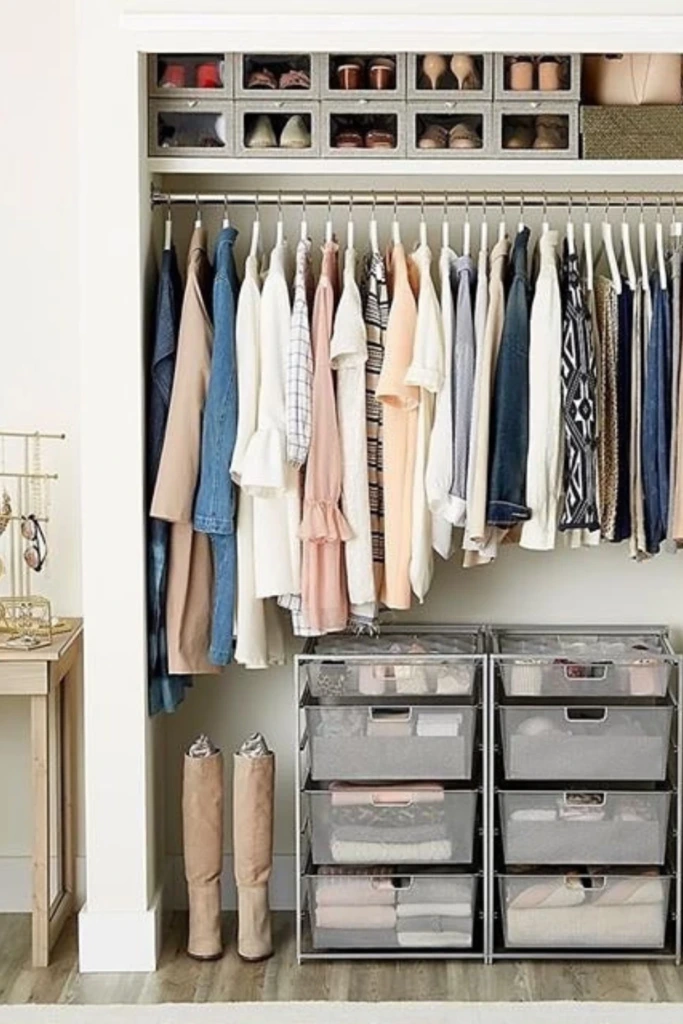
A small closet becomes much easier to manage when each section has a specific purpose. Instead of hanging everything together, divide the available space into zones for shirts, trousers, dresses, outerwear, and accessories.
Use shelf dividers to keep folded clothing upright, and place small baskets on upper shelves for belts, scarves, and other accessories. You can also reserve one section for workwear and another for casual outfits, making it easier to find what you need in the morning.
The most important rule is to assign a permanent home to every category. When clothes have designated places, you are less likely to create messy piles or waste space searching through your wardrobe.
2. Split Storage
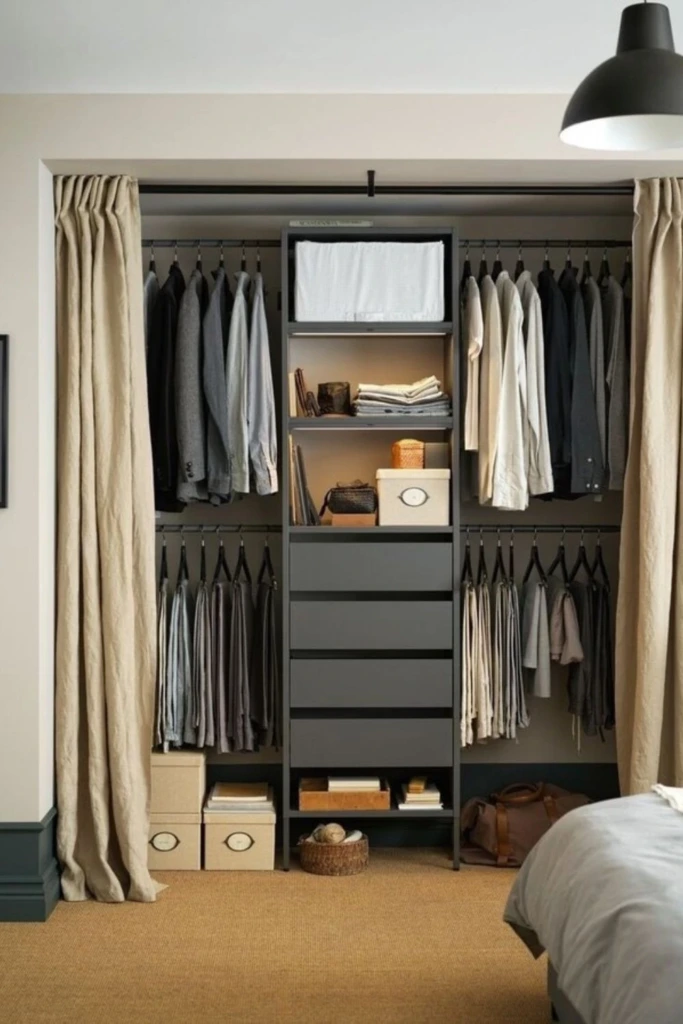
When a single wardrobe cannot accommodate your entire collection, divide your clothing between two smaller storage areas. For example, keep everyday outfits in your main wardrobe and store less frequently used pieces in a chest of drawers, a bedroom cabinet, or containers beneath the bed.
This approach works especially well in shared bedrooms, where two people need separate spaces for their belongings. Each person can have a designated drawer section or storage cabinet instead of mixing everything together.
To make split storage effective, organize clothing according to how often you wear it rather than scattering similar items randomly around the room. Keep daily essentials nearby and place occasional-use clothing in secondary storage.
3. Open Rack
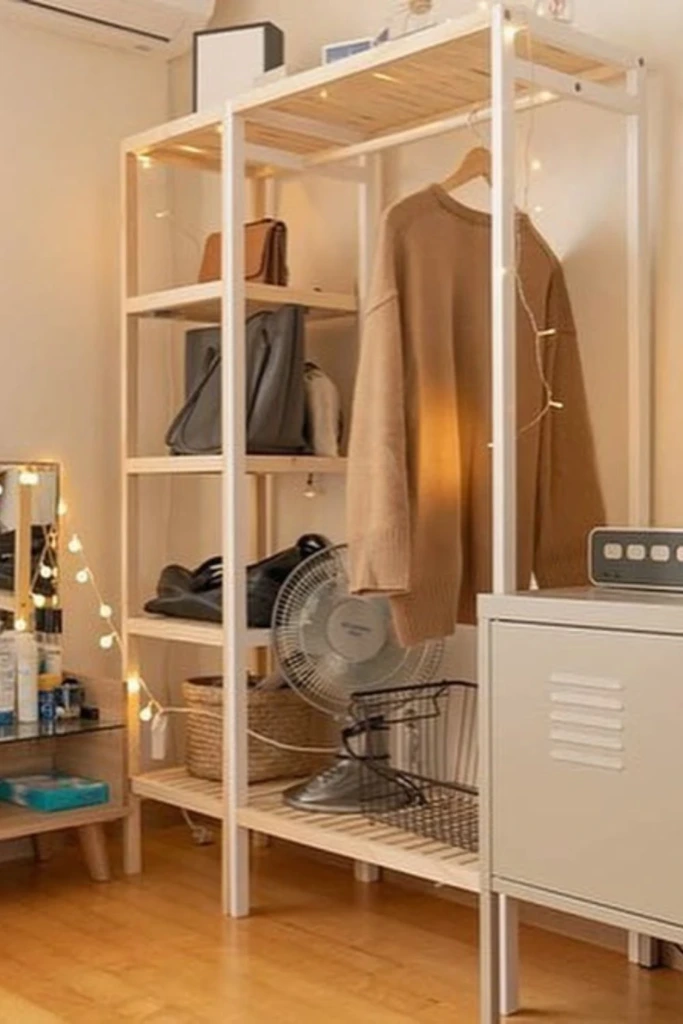
An open clothing rack provides hanging space without the bulk of a traditional wardrobe. It is especially useful in rented apartments, studio rooms, and bedrooms that lack built-in closets.
Choose a narrow rack with a sturdy frame and enough height for your longest garments. Add a shelf underneath for shoes or storage baskets, and use matching hangers to create a cleaner appearance.
Open racks also make it easy to see your clothing collection at a glance. However, because garments remain exposed, avoid overcrowding the rail. Keep the most frequently worn items on display and store everything else in drawers or closed containers to reduce visual clutter.
4. Wardrobe System
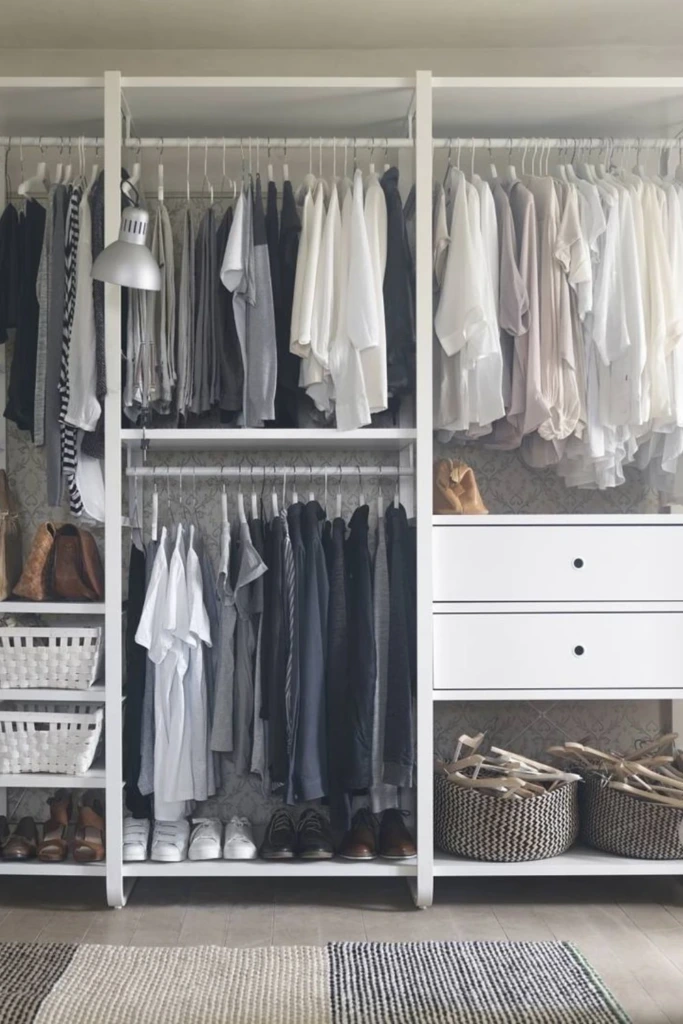
A modular wardrobe system lets you customize clothing storage according to your available space. Depending on the design, you can combine hanging rails, adjustable shelves, drawers, and compartments for accessories.
This flexibility makes modular systems useful for awkward bedrooms where a standard wardrobe might be too wide or too deep. You can build upward rather than outward, preserving valuable floor space.
Before purchasing a system, measure the wall, ceiling height, door swing, and nearby furniture. Look for adjustable components that can change as your storage needs evolve. If the room is particularly narrow, a shallow design may be more practical than a deep freestanding unit.
5. Entry Closet
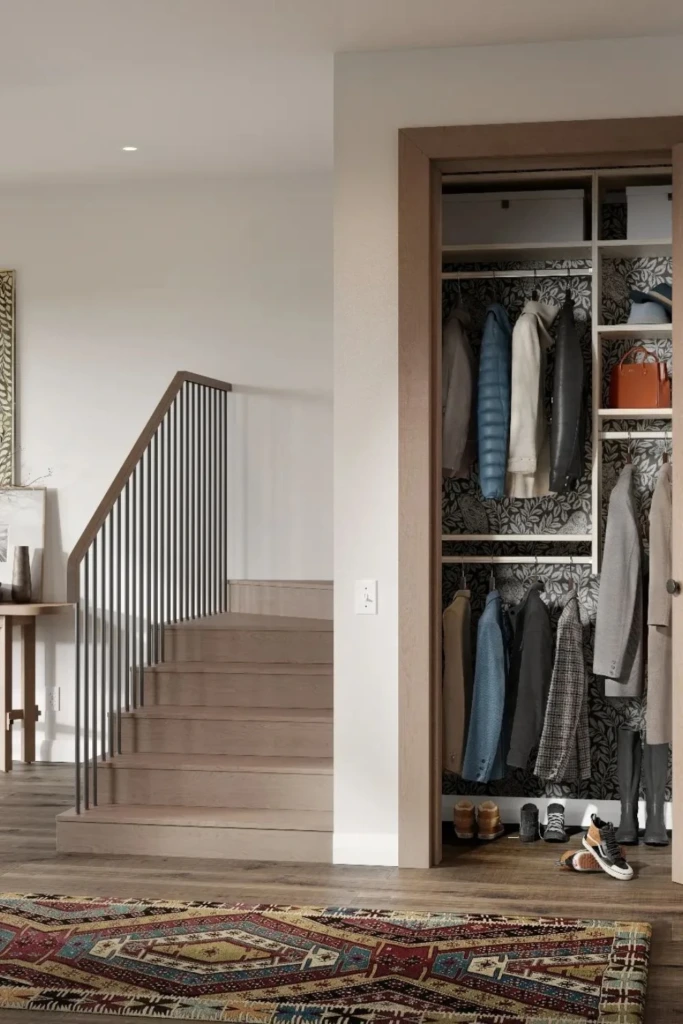
An entry closet can sometimes provide additional space for clothing that doesn't need to stay in the bedroom. If you have one near your front door, consider using part of it for coats, jackets, rainwear, and bags.
Install sturdy hooks or a short hanging rail to keep frequently used outerwear accessible. An upper shelf can hold seasonal accessories, while a small shoe organizer keeps footwear from spreading across the floor.
If the entry closet is shared with cleaning supplies or household items, use clearly separated sections. Keep everyday clothing easy to reach and avoid packing the closet so tightly that garments become difficult to remove.
6. Compact Locker
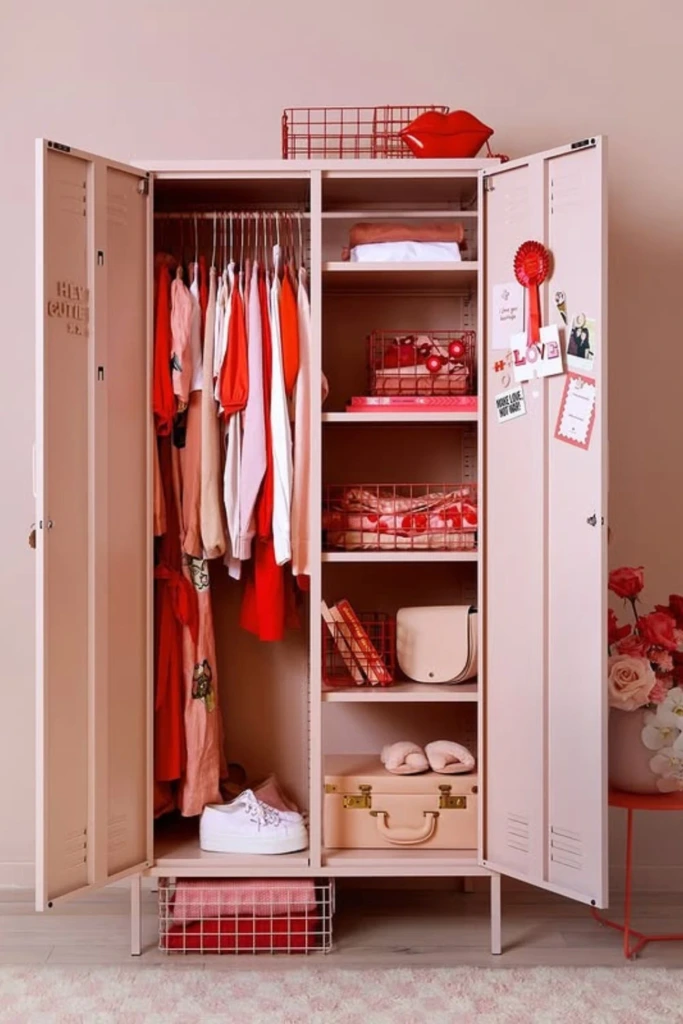
A compact locker offers a practical alternative to a bulky wardrobe, especially when you need a dedicated place for a limited number of garments. Tall, narrow cabinets can fit beside a desk, near a bedroom entrance, or against an otherwise unused wall.
Choose a locker with ventilation if you plan to store clothing that needs airflow. Shelves can hold folded garments, while a model with a hanging compartment may accommodate shirts and lightweight jackets.
Lockers with a simple finish can also contribute to an industrial or minimalist bedroom style. Check the cabinet's depth before buying, particularly if the room has limited walking space. Secure tall units according to the manufacturer's instructions to prevent tipping.
7. Shelf Combo
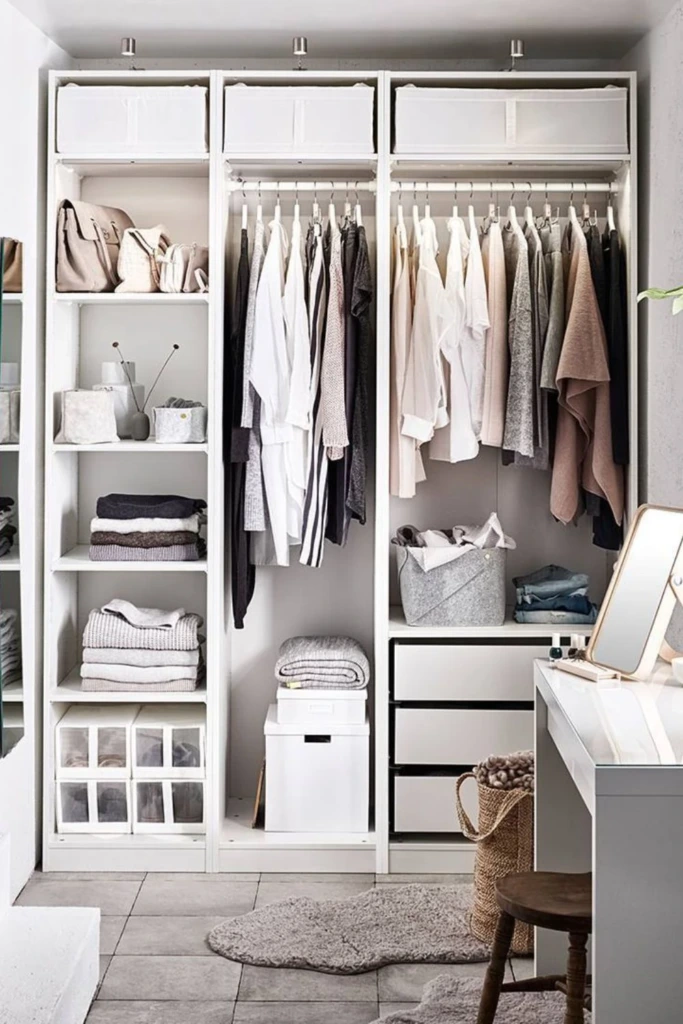
Combining shelves with hanging storage creates a versatile clothing station in a relatively small footprint. A rail can accommodate shirts, dresses, and trousers, while shelves above or beside it hold folded clothes and accessories.
Use baskets on open shelves to keep smaller items organized and reduce the appearance of clutter. Reserve the highest shelf for belongings you rarely need, such as spare bedding or seasonal accessories.
A shelf-and-rail combination can be installed inside a closet or arranged along a bedroom wall. If you choose a freestanding unit, check its weight capacity and stability before loading it with clothing.
8. Double Hanging
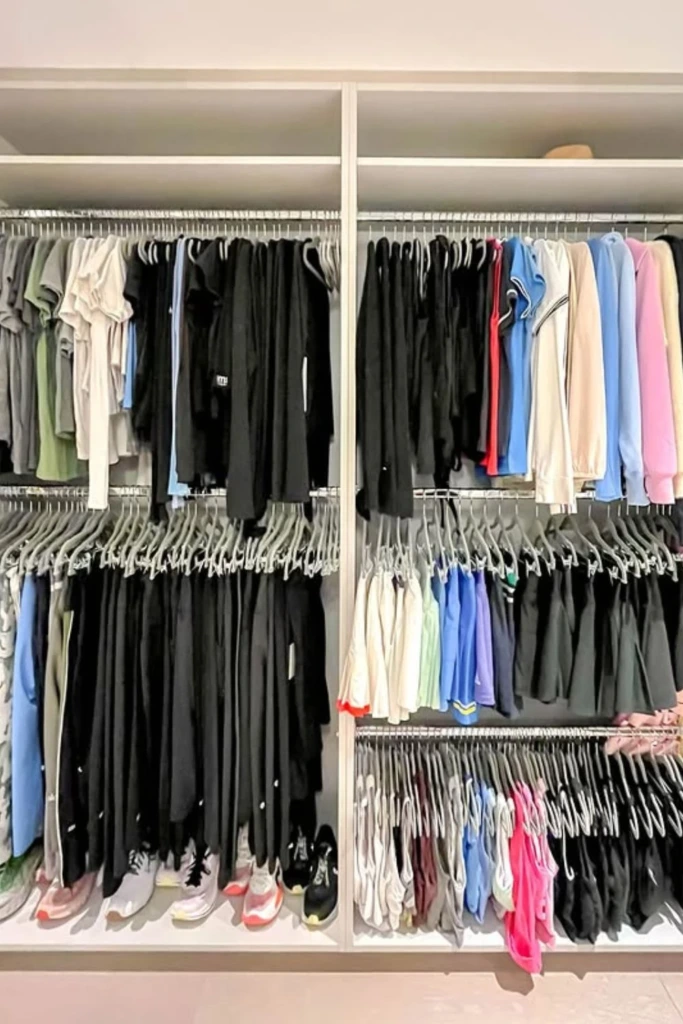
One of the simplest ways to increase closet capacity is to install a second hanging rail beneath the existing one. This effectively creates two levels for shorter garments, allowing you to store more clothing without expanding the closet.
The upper rail works well for shirts, blouses, and short jackets, while the lower rail can hold trousers folded over hangers or other shorter pieces. Keep long dresses and coats in a separate section with enough vertical clearance.
Measure the distance between the rails carefully so that the lower garments don't drag on the floor or interfere with clothing above them. Avoid doubling the rail in sections intended for full-length garments.
9. Mini Closet
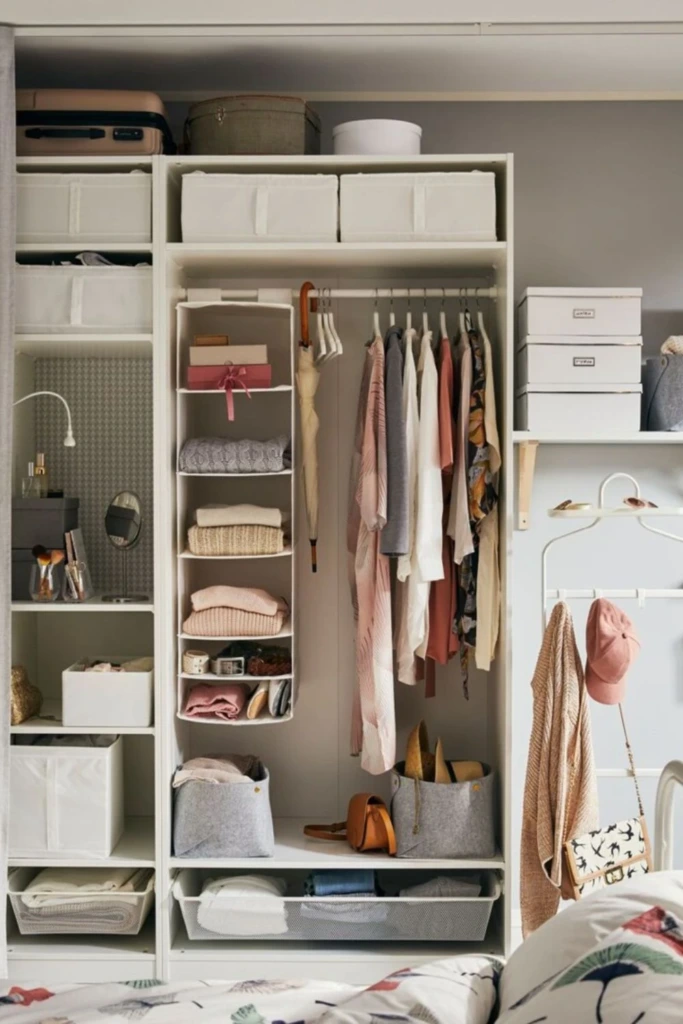
A mini closet can be created from a narrow cabinet, a recessed wall area, or a small section of an existing room. Even a modest enclosure can provide useful storage when it includes a hanging bar, a few shelves, and a place for shoes.
If you're creating a closet in a bedroom without one, consider a slim freestanding wardrobe or a curtain-covered frame. A curtain can provide a softer look and requires less clearance than hinged doors.
Keep the layout simple. A short rail for everyday clothing, a top shelf for boxes, and a small drawer unit can be enough for a compact wardrobe. Measure your available space first so the finished setup doesn't block windows, doorways, or walking paths.
10. Box Storage
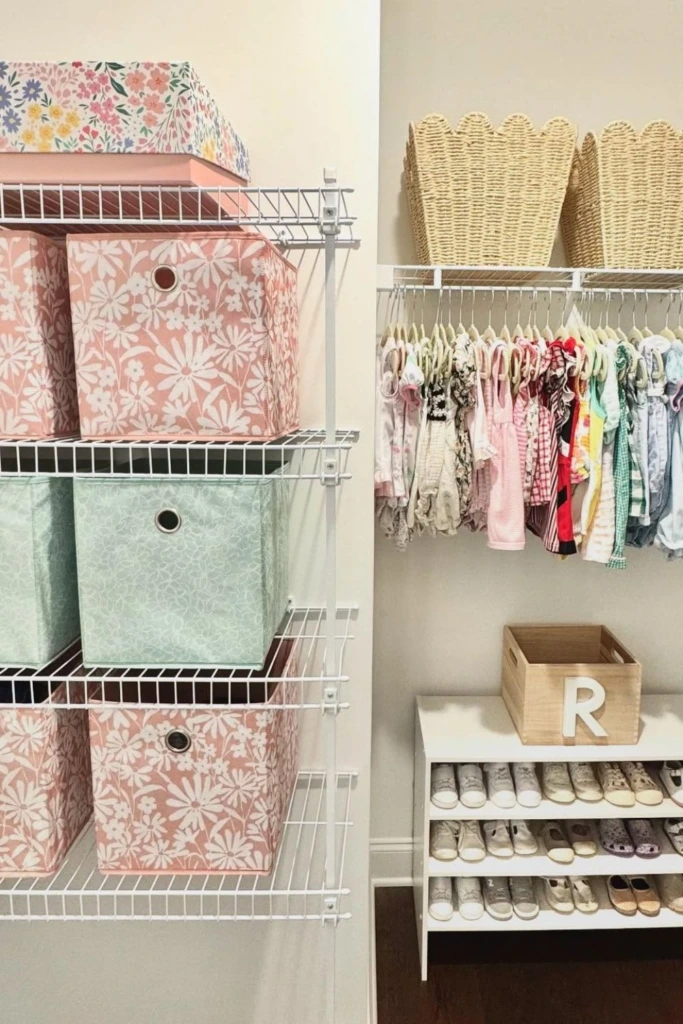
Storage boxes are ideal for clothing that doesn't need to be accessed every day. They can fit beneath a bed, on top of a wardrobe, or on high shelves that would otherwise remain unused.
Choose breathable fabric containers for suitable everyday textiles and clean, dry, lidded boxes for seasonal items that need protection from dust. Transparent containers make contents easy to identify, while labels help you find specific garments without opening every box.
Before storing clothes for an extended period, wash and dry them thoroughly. Avoid compressing delicate garments too tightly, and use appropriate protective storage for wool, silk, and other sensitive fabrics. Keep containers away from damp walls and areas prone to leaks.
11. Center Drawers
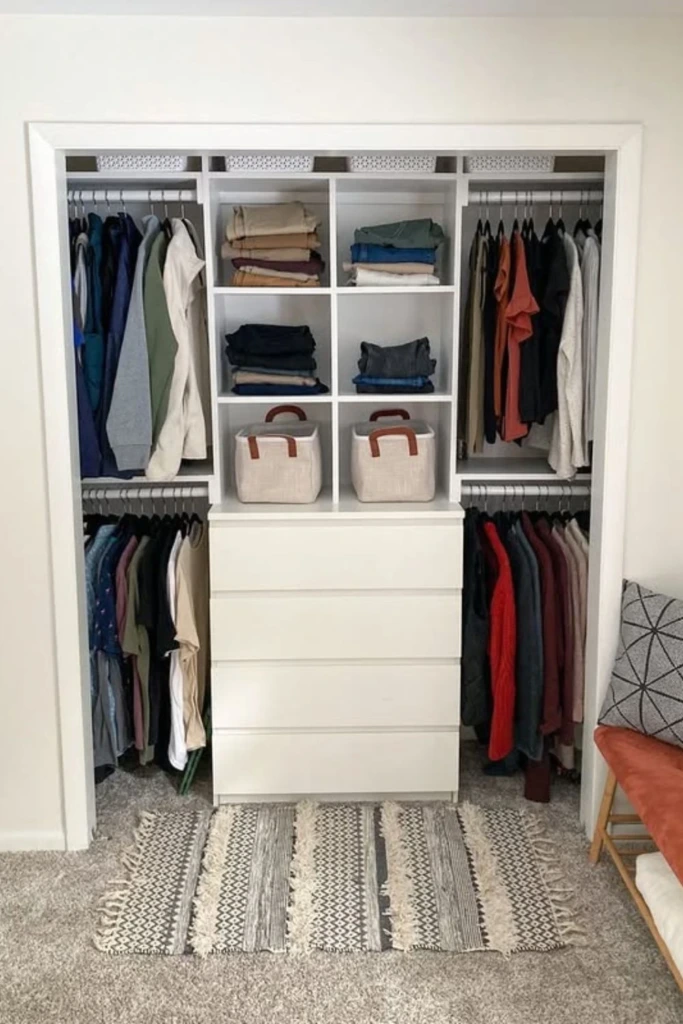
A central drawer unit can act as the main organizer in a small bedroom, particularly when you have more folded clothing than hanging garments. Place it where drawers can open fully without obstructing the bed or doorway.
Use separate drawers for categories such as underwear, socks, T-shirts, sleepwear, and workout clothes. Drawer dividers make smaller items easier to manage, while vertical folding can help you see more of your clothing at once.
If your room is extremely compact, look for a tall, narrow chest rather than a wide dresser. You can use its top surface for a laundry basket, a small tray for accessories, or other everyday essentials, provided the unit remains stable.
12. Rack Drawer
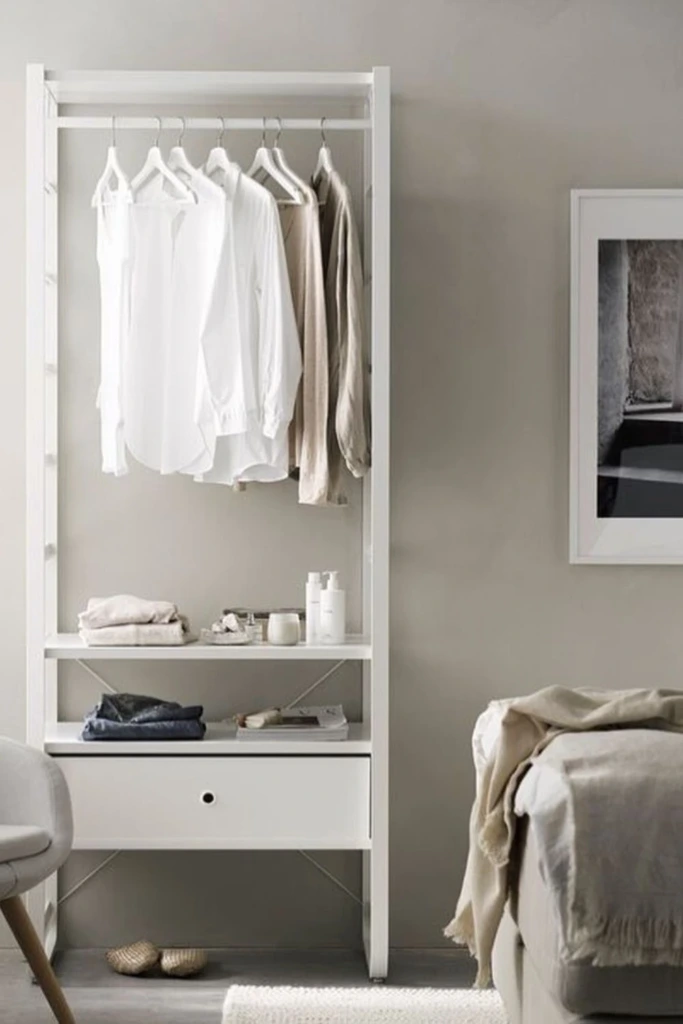
A clothing rack with integrated drawers combines two types of storage in one compact piece of furniture. The rail holds garments that wrinkle easily, while the drawers conceal folded clothing, undergarments, and accessories.
This setup is particularly useful when you don't have a built-in closet but want more organization than a basic hanging rack can offer. Some designs include a lower shelf for shoes or additional baskets.
Choose a model with a stable base and enough drawer depth for your clothing. Avoid placing heavy items on a lightweight rack unless the manufacturer confirms it can support the load. Keeping folded garments in drawers also helps the overall arrangement look less crowded.
13. Wall Rod
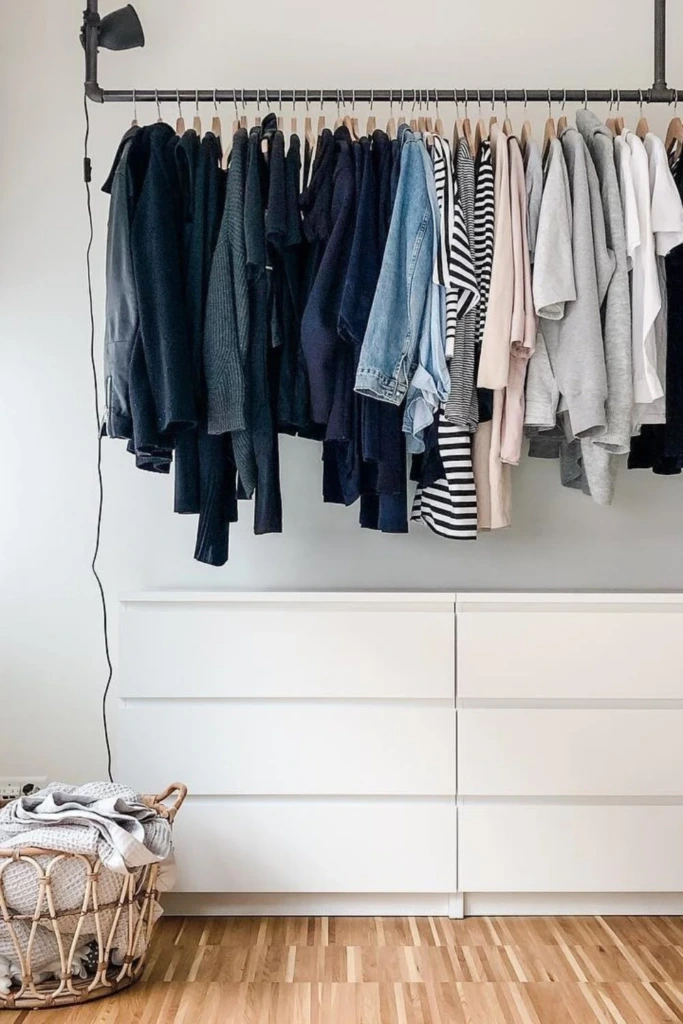
A wall-mounted clothing rod uses vertical space and keeps the floor clear. It can be installed inside a recessed area, along a bedroom wall, or beneath a shelf to create a simple hanging station.
This option works well for frequently worn shirts, jackets, and carefully selected outfits. A shelf above the rod can hold baskets or folded items, making the arrangement more functional without adding another piece of furniture.
Install the rod using hardware suitable for your wall type, and make sure it is anchored securely into appropriate supports. Check the recommended weight limit before hanging heavy coats. If you rent your home, confirm whether wall drilling is permitted before installation.
14. Rolling Rack
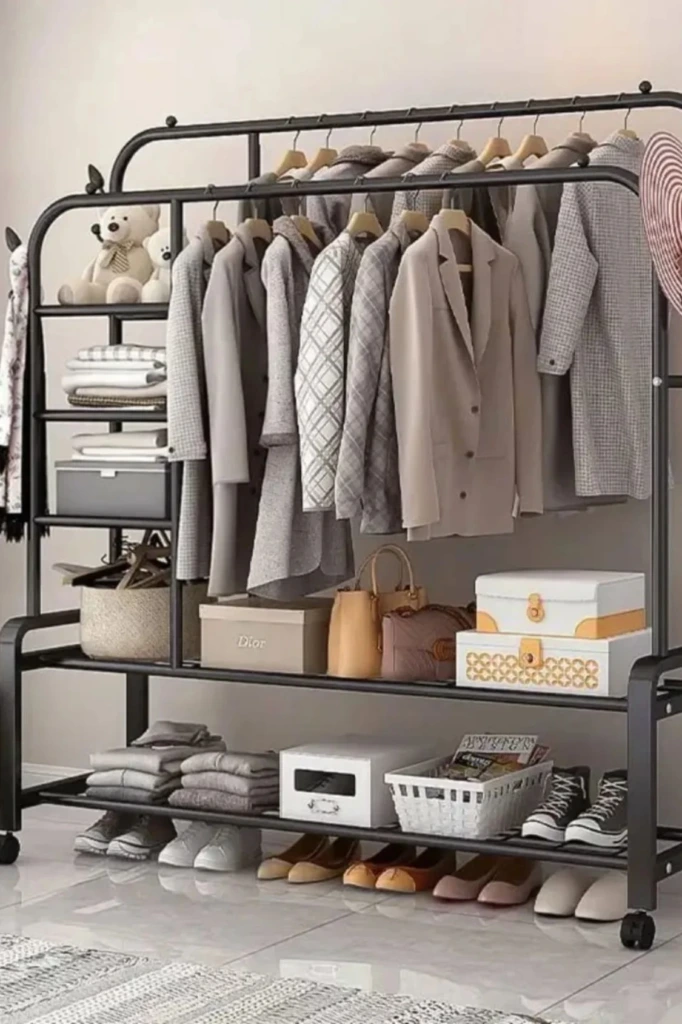
A rolling clothing rack gives you flexible storage that can move around the room when needed. It is useful in small bedrooms where furniture occasionally needs to be rearranged or where clothing must be moved between a bedroom and laundry area.
Look for a rack with locking wheels, a strong hanging bar, and a lower shelf for shoes or storage bins. A compact design is generally better than a wide double rail if you need to preserve walking space.
Keep the rack organized by grouping similar garments together and leaving enough room to slide hangers along the bar. When the rack isn't needed in the center of the room, you can move it against a wall, provided the location doesn't block a doorway or heater.
15. Pipe Shelves
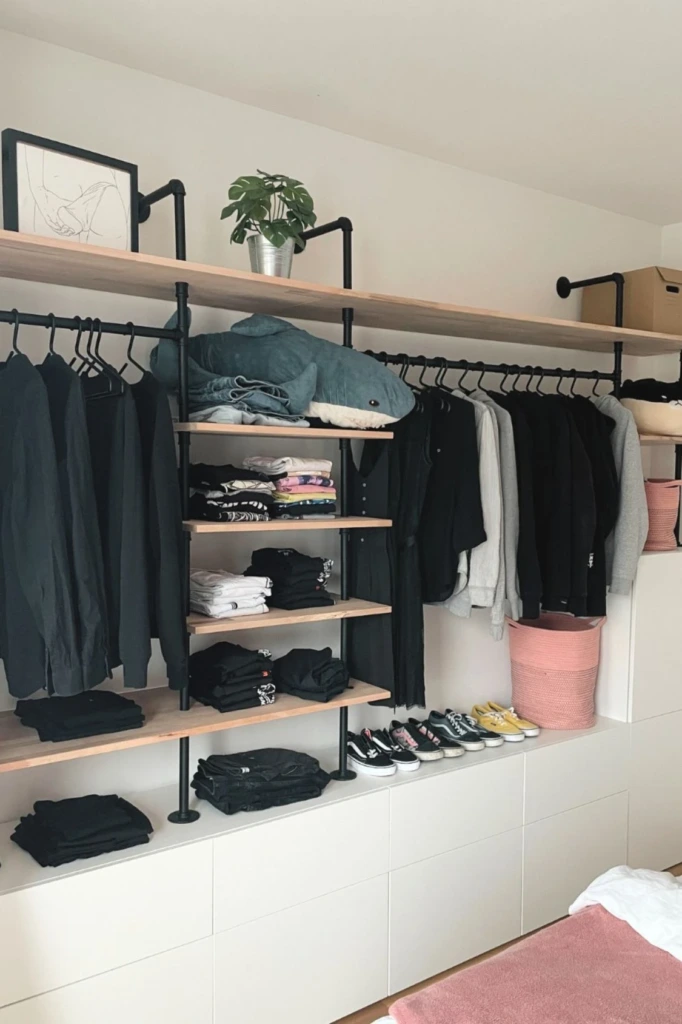
Pipe shelves combine metal plumbing-style fittings with wooden or other sturdy shelf boards. They can create a durable, industrial-inspired storage arrangement for folded clothing, baskets, and selected accessories.
A wall-mounted pipe system can make use of vertical space above a dresser or beside a hanging rail. If designed with a suitable crossbar, it can also support a clothing rod beneath the shelves.
Measure the wall carefully and choose materials that can handle the expected weight. Heavy installations need appropriate wall anchors and secure attachment points. If you prefer a lighter option, a freestanding pipe-style unit can provide a similar look without requiring a large wall installation.
16. Drawer Tower
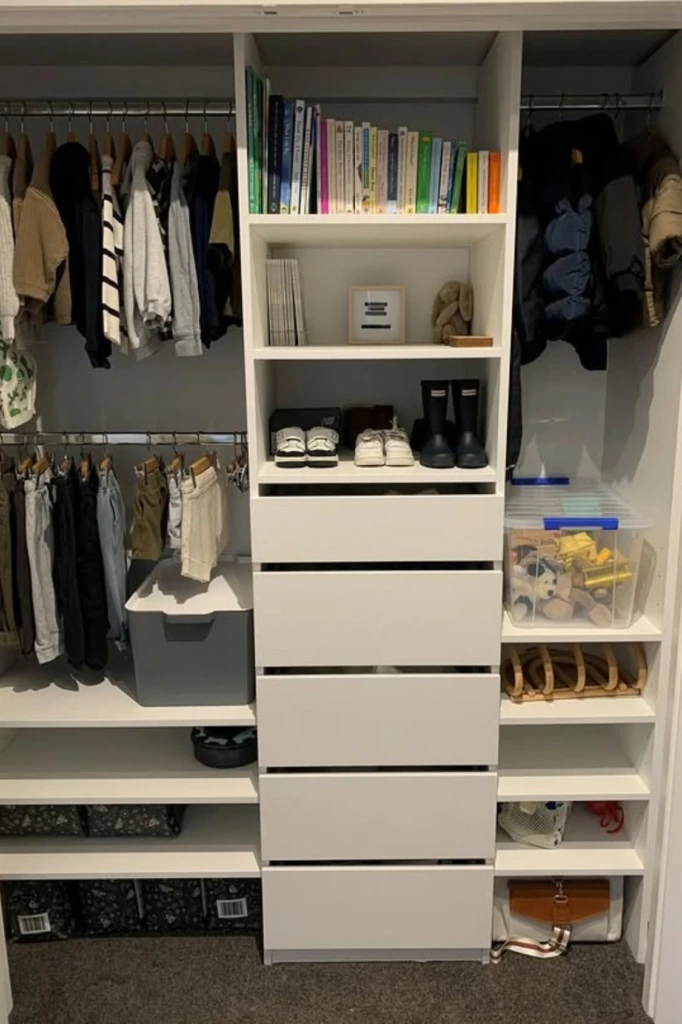
A drawer tower offers multiple levels of enclosed storage while occupying relatively little floor space. It is particularly helpful for T-shirts, leggings, pajamas, undergarments, and other items that fold neatly.
Place the tower beside a wardrobe or beneath a hanging section if there is enough clearance. Use the upper drawers for everyday essentials and the lower ones for bulkier clothing or items you use less frequently.
Plastic drawer towers are lightweight and often affordable, while wooden versions may provide greater durability and a more furniture-like appearance. Check the drawer dimensions before buying, and avoid overfilling the unit because packed drawers can become difficult to open.
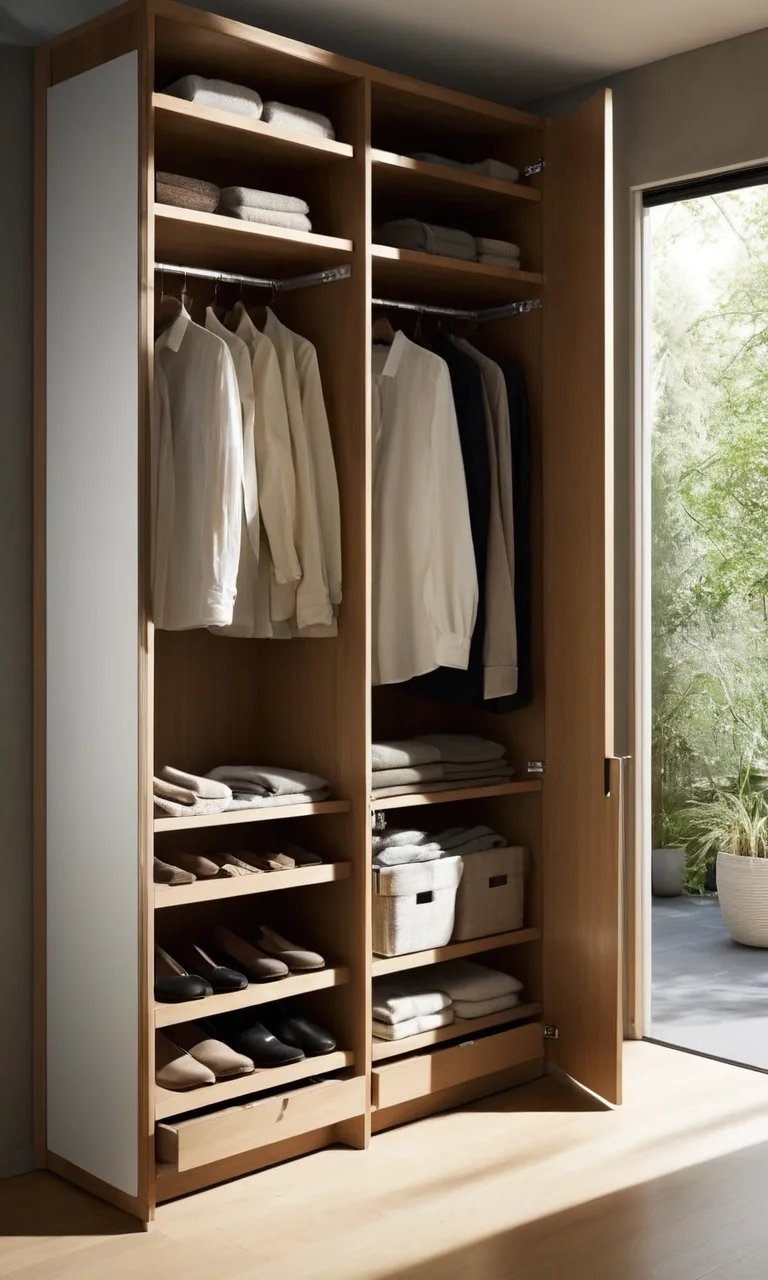
17. Narrow Wardrobe
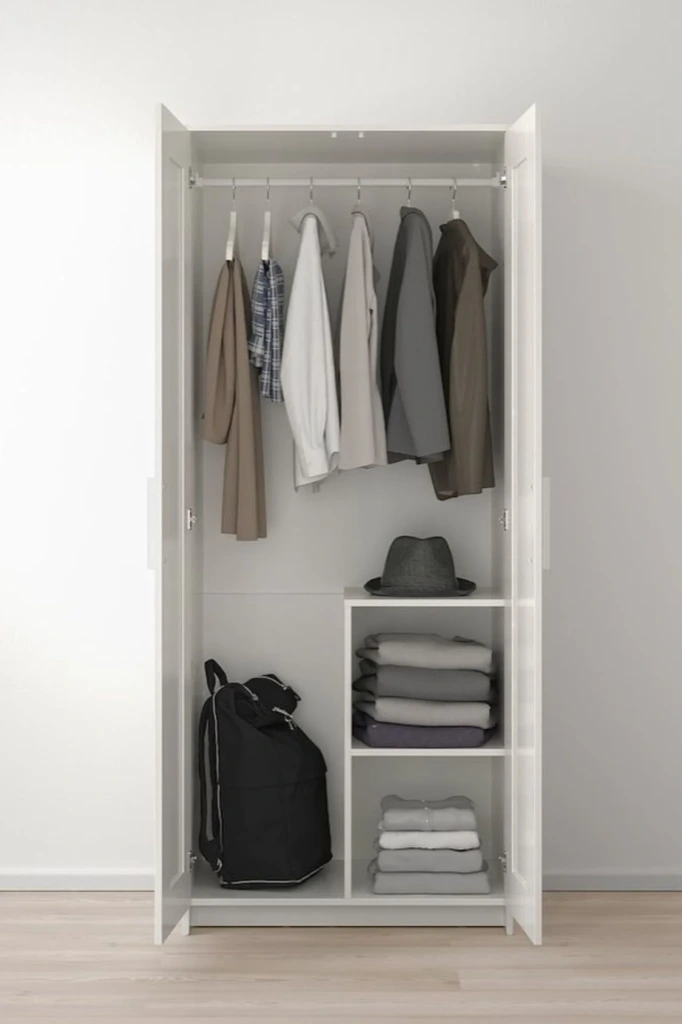
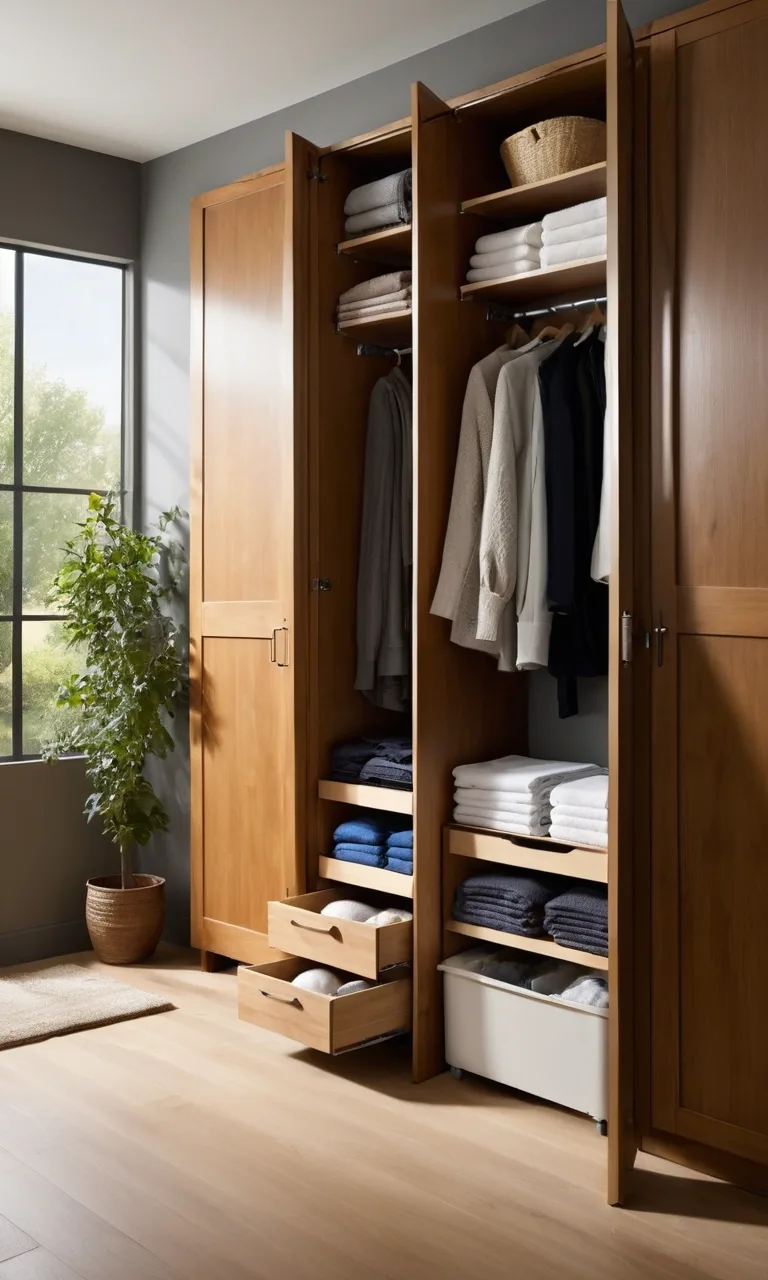
A narrow wardrobe is a smart choice when you need enclosed storage but have limited floor space. Its slim footprint can fit beside a bed, between furniture pieces, or along a short wall that cannot accommodate a standard closet.
Look for a design with a well-planned interior rather than choosing based on appearance alone. A hanging compartment, one or two shelves, and a bottom section for shoes can make a small wardrobe surprisingly useful.
Sliding doors may be more convenient than hinged doors in a tight room because they require less clearance in front. However, measure the wardrobe's depth and ensure there is still enough room to move comfortably around it.
18. Folded Stacks
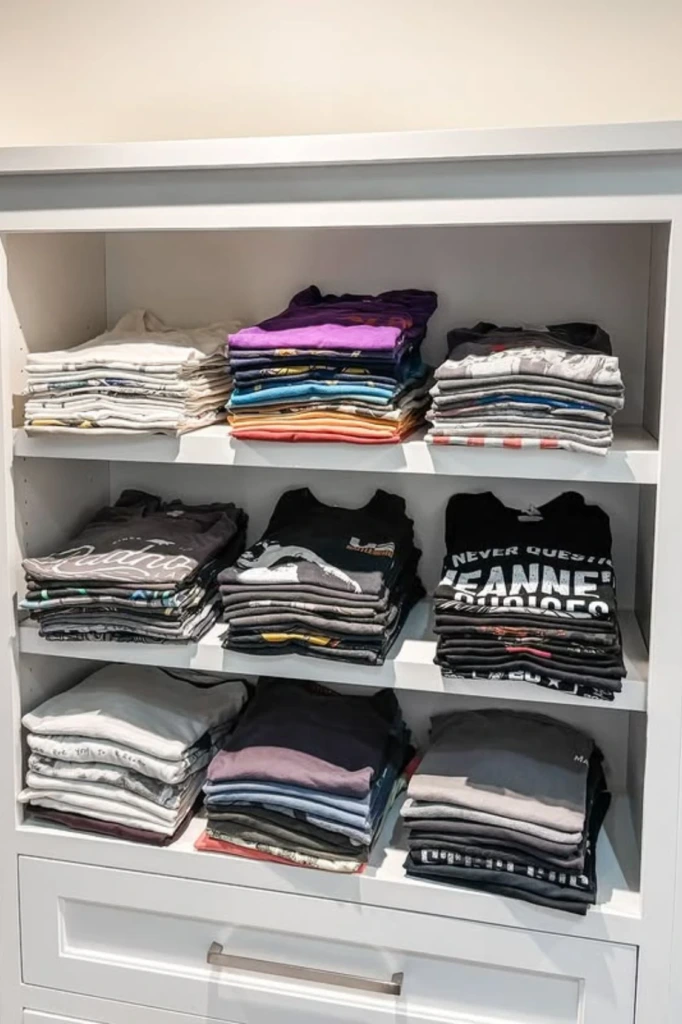
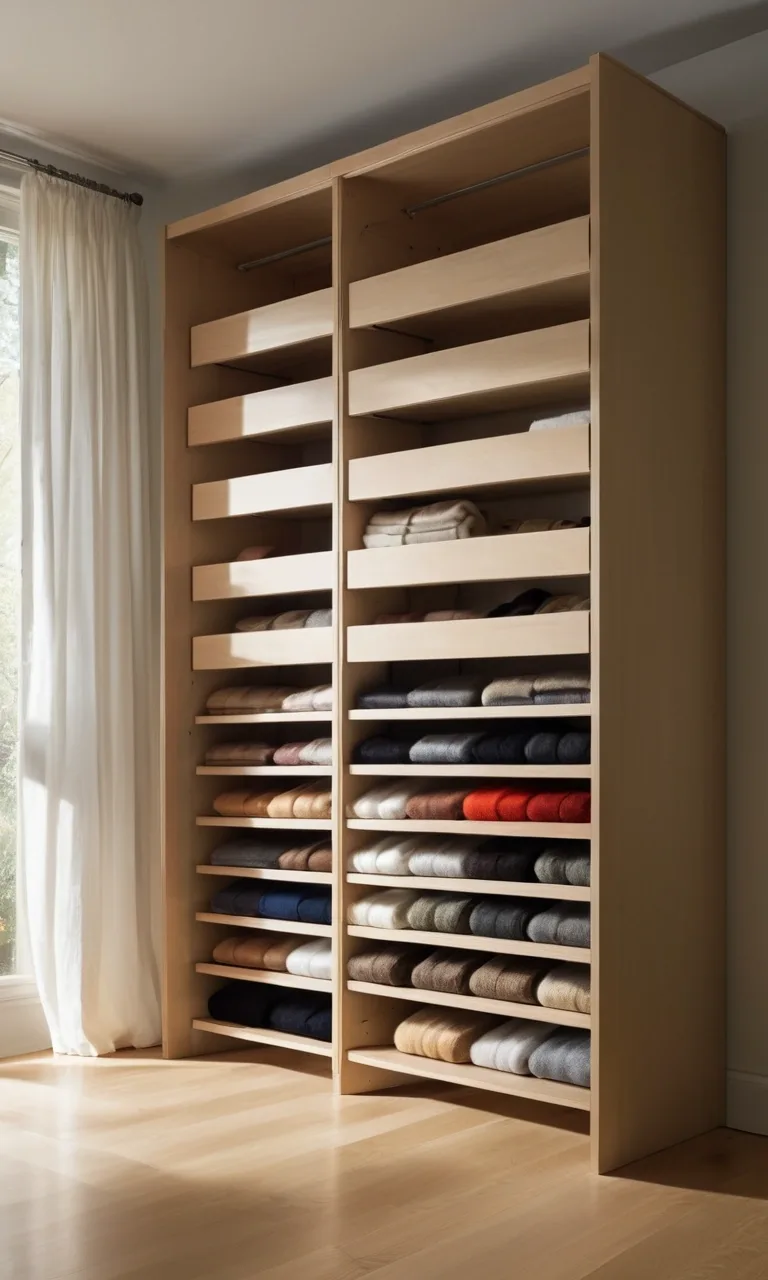
Folding clothes into compact, stable stacks can make open shelves much more useful. Instead of piling garments randomly, fold similar items to similar sizes and group them by category.
For example, keep jeans together, place T-shirts in one section, and store sweaters separately. Avoid building stacks so high that you must disturb the entire pile to retrieve something from the bottom.
Vertical folding can be especially helpful inside drawers because it allows you to view individual garments more easily. For delicate knits, however, folding is generally preferable to hanging, which may stretch the shoulders over time.
A useful habit is to return each item to its assigned category immediately after laundry. This keeps the system manageable even when you have limited storage space.
19. Corner Setup
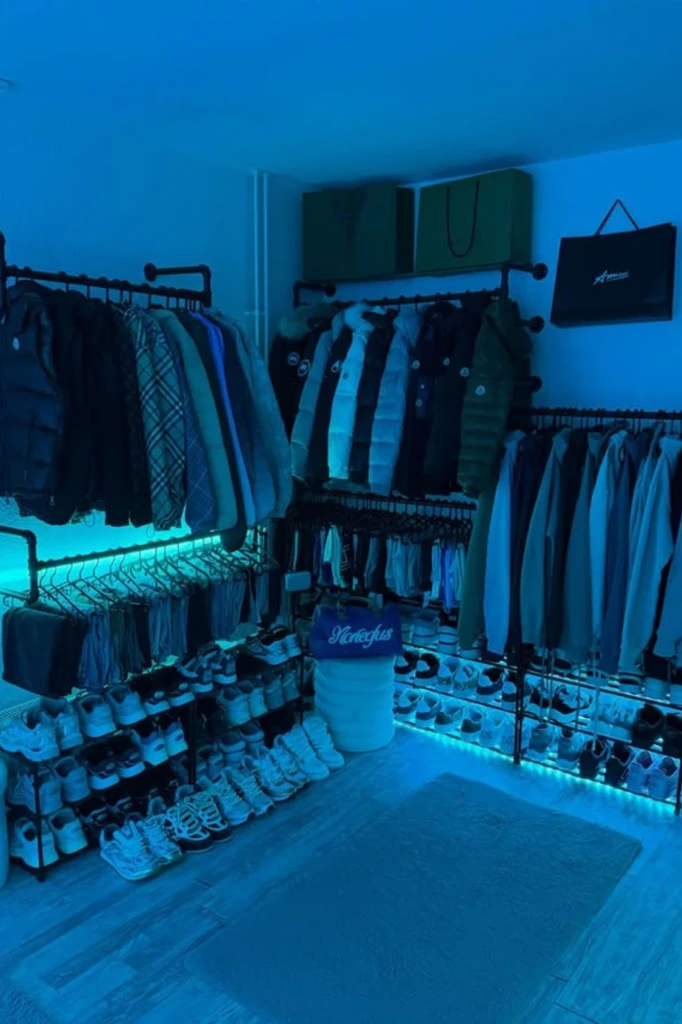
Corners often become wasted space in small bedrooms, but they can accommodate a compact clothing station. A narrow corner wardrobe, a triangular shelf unit, or a small L-shaped arrangement can turn an awkward area into useful storage.
You might place a hanging rail along one wall and add shelves on the adjoining wall. Alternatively, a tall corner cabinet can hold folded garments, accessories, and shoes without taking up much central floor area.
Before choosing furniture, check the distance between the corner and nearby doors, windows, and electrical outlets. Keep the setup shallow enough to preserve movement around the room, and avoid filling every corner if doing so makes the bedroom feel boxed in.
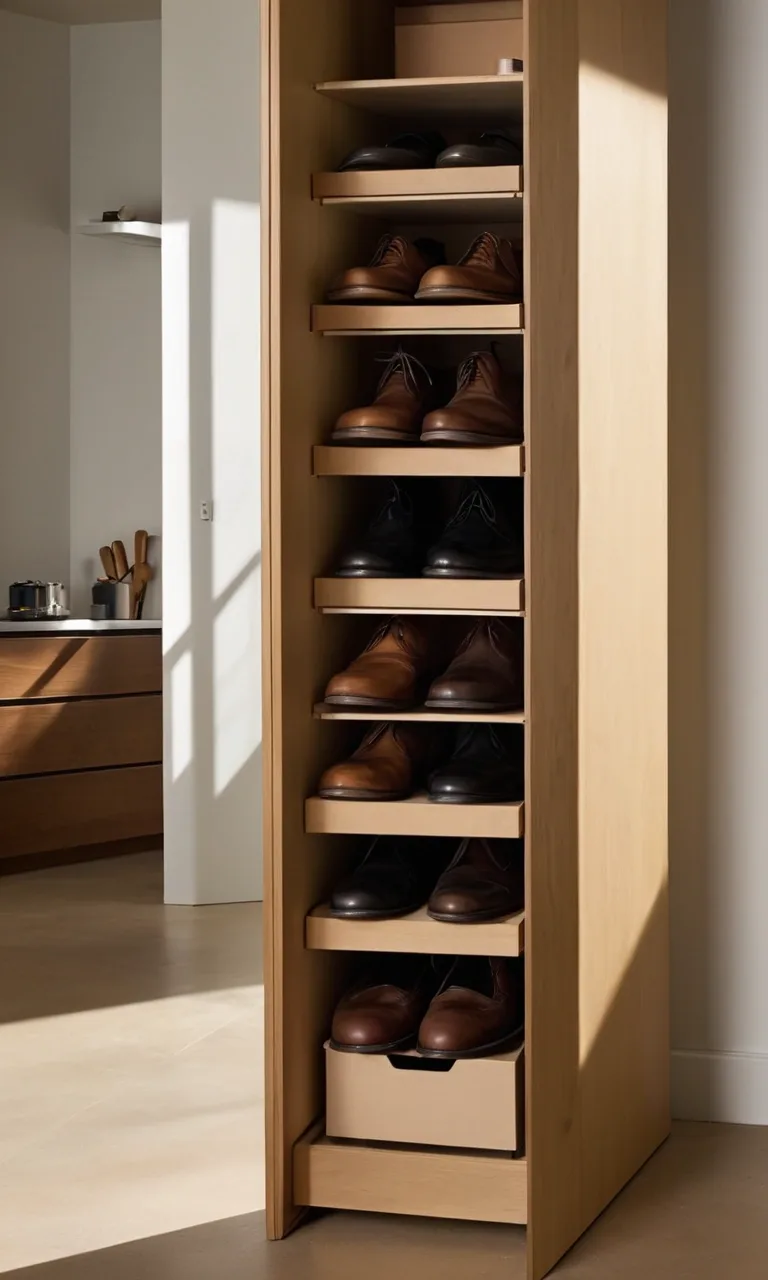
20. Shoe Shelves
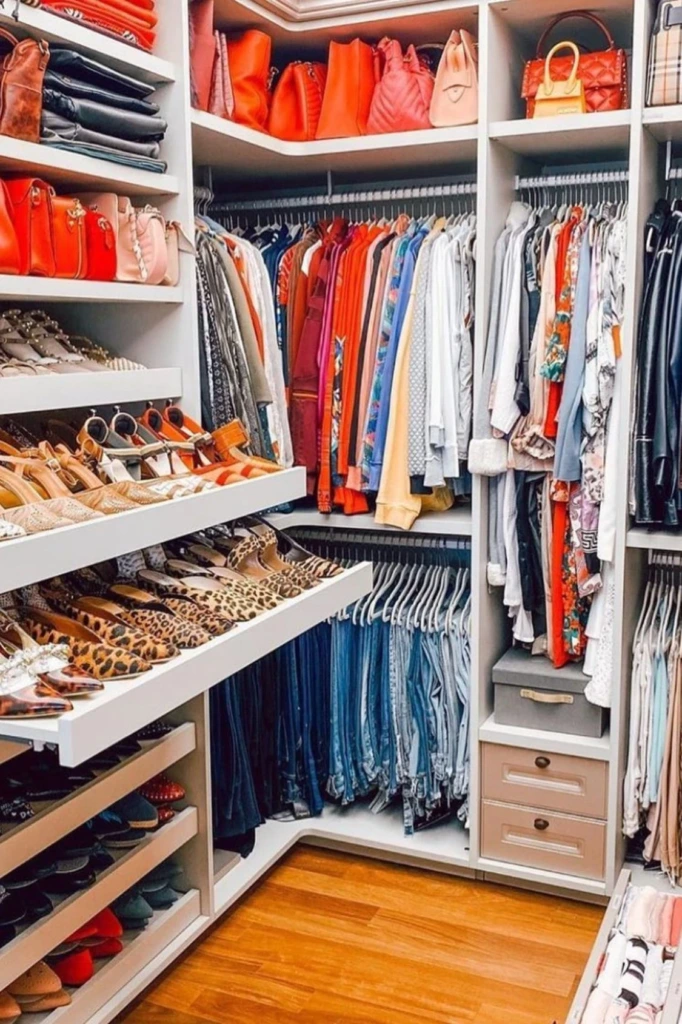
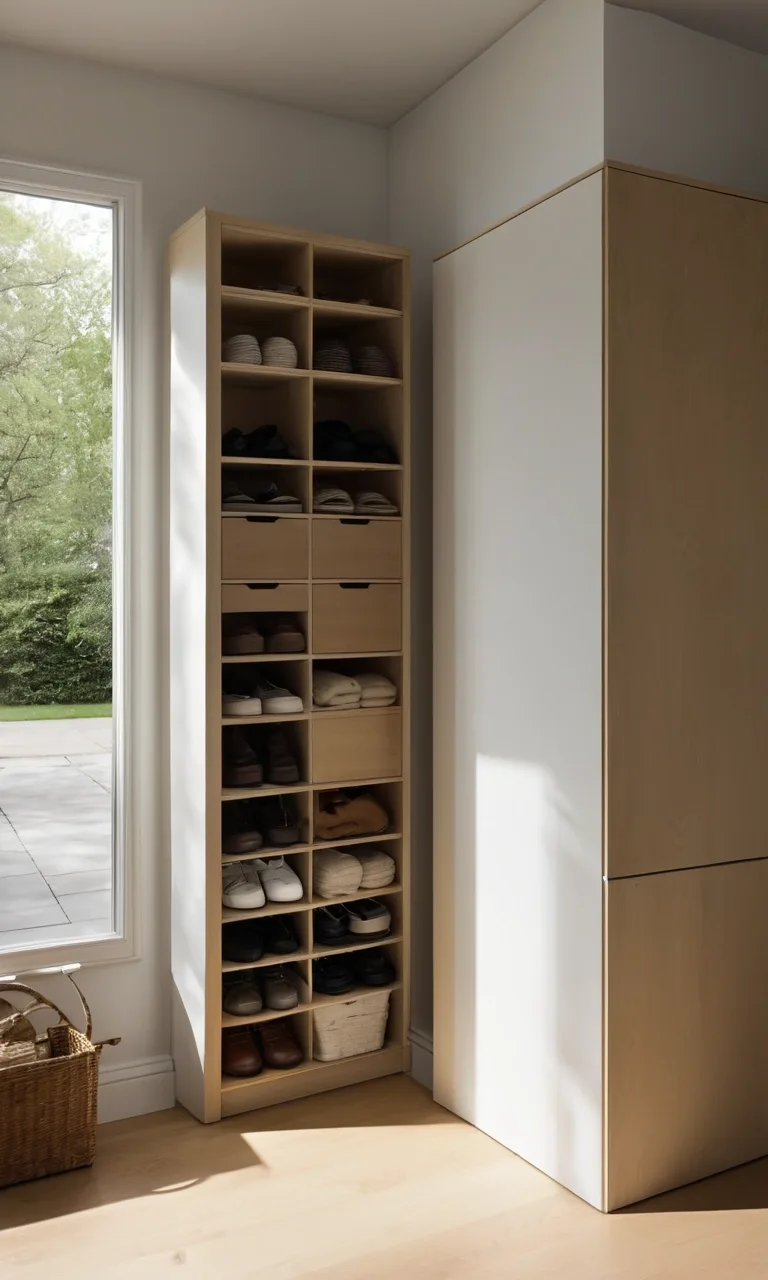
Shoes can consume a surprising amount of space when they are left in loose piles beneath clothing racks or around the bedroom. Dedicated shoe shelves keep footwear organized and free up other storage areas for garments.
A slim vertical shoe rack can fit beside a wardrobe or near the entrance. Adjustable shelves are helpful if you own a mixture of flats, sneakers, ankle boots, and taller footwear.
Store clean, dry shoes before placing them in enclosed cabinets. Use the lower shelves for heavier pairs and keep frequently worn shoes within easy reach. If you have limited space, reserve the main rack for everyday footwear and store occasional pairs in labeled boxes elsewhere.
21. Wall Panels
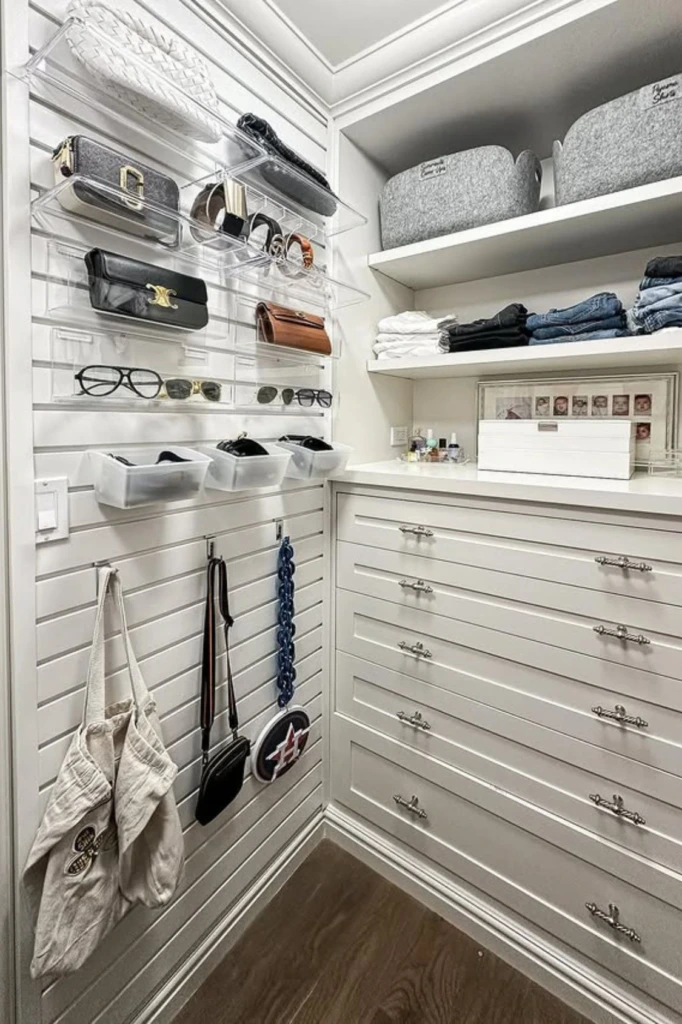
Wall panels with hooks, rails, or adjustable attachments can turn an empty wall into a flexible storage area. Depending on the system, you can add hooks for bags, small shelves for accessories, or baskets for items that don't need to hang.
This approach works particularly well in rooms where traditional furniture would occupy too much floor space. A panel beside a wardrobe can hold belts, scarves, hats, and lightweight bags while keeping them visible.
Choose a panel designed for the intended load and install it according to the manufacturer's instructions. Keep heavier items on securely mounted hooks, and avoid hanging too many objects in one place. A thoughtfully arranged panel can provide extra storage without making the wall look cluttered.
22. Door Storage
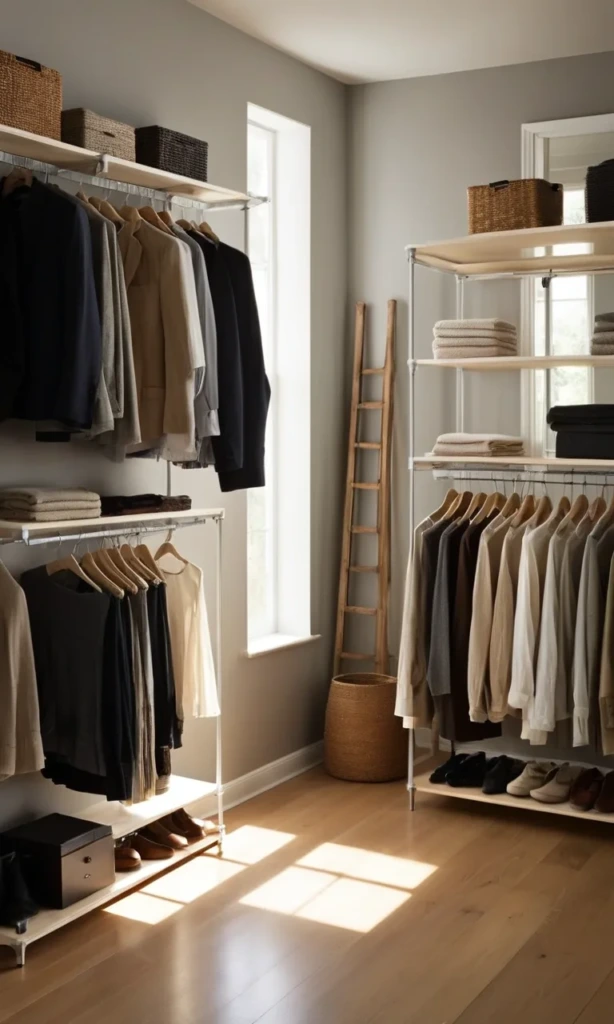
The back of a bedroom or closet door can provide extra storage without requiring additional floor space. Over-the-door organizers are available with pockets, hooks, and compartments for a variety of small items.
Use pockets for scarves, belts, socks, and accessories, or choose sturdy hooks for lightweight jackets and bags. Inside a wardrobe, a door-mounted organizer can keep frequently used items accessible while freeing up drawers and shelves.
Check the door's construction, thickness, and available clearance before purchasing an organizer. Make sure it can close properly without pressing against clothing or furniture. Avoid overloading the door, especially if the organizer is attached with lightweight hooks.
FAQs
Choosing clothes storage for a small room often comes down to balancing accessibility, capacity, and appearance. The most effective system usually combines more than one storage method instead of relying on a single wardrobe or drawer unit.
Start with the furniture and storage spaces you already own. Declutter items you no longer wear, reorganize your existing shelves, and identify unused vertical or under-bed areas before spending money on new products. A few well-chosen additions can make a noticeable difference.
How can you store clothes in a tiny room without a closet?
You can store clothes without a traditional closet by combining an open clothing rack, a compact drawer unit, and boxes or bins for items you rarely use. A wall-mounted rail is another useful option if you want hanging space without adding a large piece of furniture.
Use a rack for shirts, dresses, and jackets that need to stay wrinkle-free. Keep folded garments in drawers or on shelves, and place seasonal clothing in clean containers beneath the bed. Wall hooks and door organizers can handle accessories, bags, and lightweight outerwear.
If you want the room to look less cluttered, choose coordinated hangers and matching storage containers. You can also use a curtain to conceal an open rack, provided there is enough clearance and airflow.
The best arrangement depends on your clothing collection and room dimensions. Measure the available space before buying furniture, and prioritize storage that leaves clear pathways around the bed and door.
What is the best way to maximize space in a small closet?
The best way to maximize a small closet is to use its full height, organize garments by category, and avoid wasting space between shelves and hanging rails.
Begin by removing clothes you no longer wear and separating seasonal items from everyday essentials. Install a second hanging rail where the available height allows, use slim hangers to reduce unnecessary bulk, and add shelf dividers to keep folded garments in neat groups.
Make use of the upper shelf for labeled boxes and less frequently used items. Drawer organizers can keep small accessories contained, while a shoe rack prevents footwear from taking over the closet floor.
It's also important not to overfill the space. Clothes need enough room to hang properly, and shelves should remain accessible without requiring you to remove several items first. Review the arrangement occasionally and adjust it as your needs change.
Final Thoughts
Organizing clothes in a small space doesn't require an expensive wardrobe or a major renovation. By combining vertical storage, compact furniture, hanging rails, drawer organizers, and under-bed containers, you can make better use of the room you already have.
Start with one problem area, such as an overcrowded closet or a pile of clothes beside the bed. Choose a storage solution that fits your layout, keep everyday items accessible, and move seasonal clothing out of the way. With a little planning and consistent organization, even a tiny bedroom can have a practical, tidy clothing storage system.