29 Planter Boxes DIY Ideas for 2026
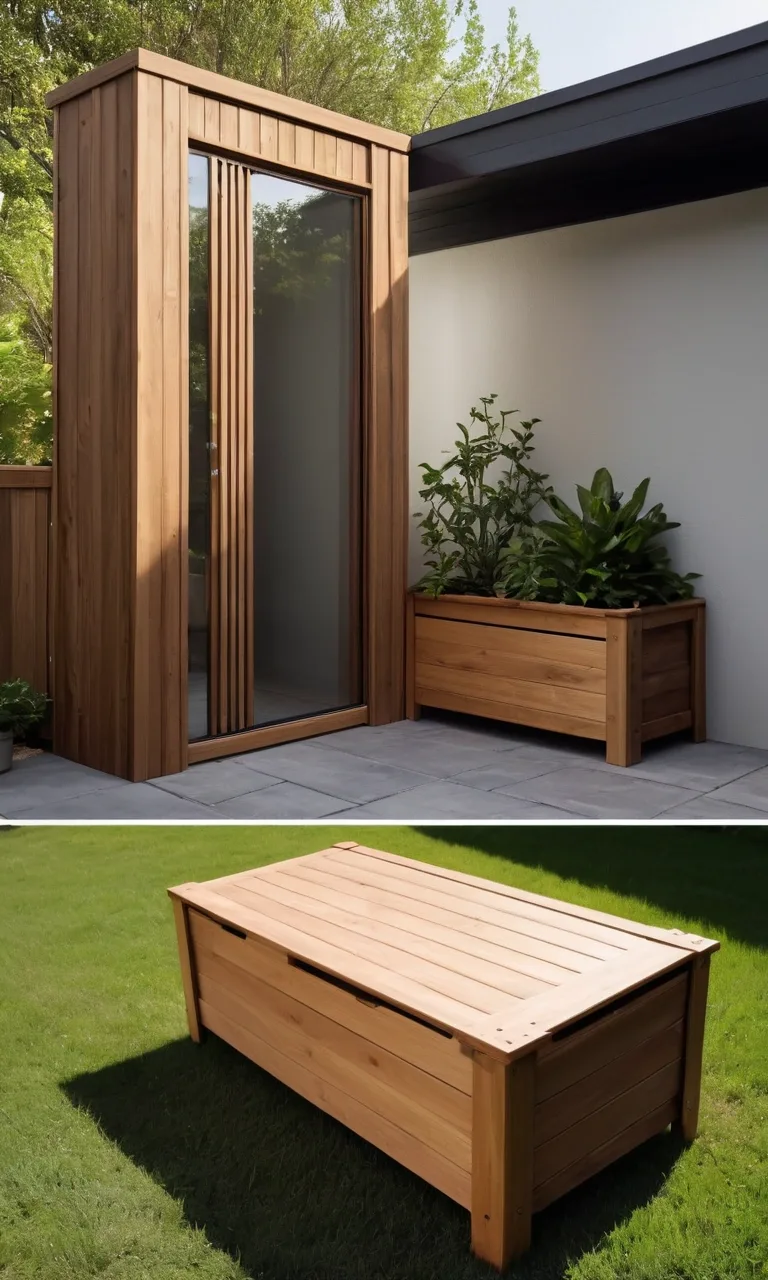
DIY planter boxes are an easy way to introduce greenery, color, and personality into your home or garden. Whether you're decorating a small balcony, refreshing your front porch, or creating an inviting backyard, a thoughtfully designed planter can make a noticeable difference.
One of the best things about making your own planter boxes is the freedom to customize them. You can experiment with reclaimed wood, decorative containers, metal frames, and creative finishes to match your space and budget.
From compact indoor arrangements to large outdoor statement pieces, these 28 DIY planter box ideas offer inspiration for different styles, skill levels, and planting needs.
1. Filling and Planting Tips for Planter Boxes
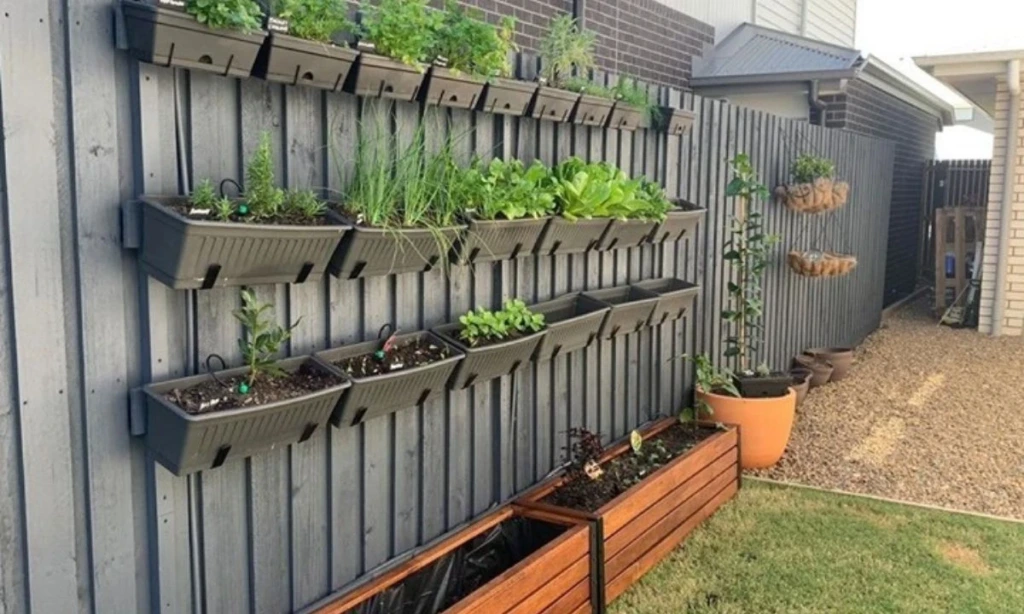
A beautiful planter needs the right growing conditions to keep its plants healthy. Start with a container that has adequate drainage holes, allowing excess water to escape rather than collecting around the roots.
Choose a quality potting mix suited to your plants. Succulents prefer a fast-draining blend, while flowering annuals and many leafy plants benefit from a moisture-retentive but well-aerated mixture. Avoid placing a thick gravel layer beneath the soil, as it can interfere with drainage rather than improve it.
Consider each plant's mature size, sunlight requirements, and watering needs before arranging your display. Combining compatible plants makes maintenance easier and helps prevent overcrowding.
For wooden planter boxes, use rot-resistant materials and a suitable liner that still permits drainage. Raising outdoor containers slightly above the ground can also help reduce prolonged moisture exposure.
2. Lattice Divider Planters
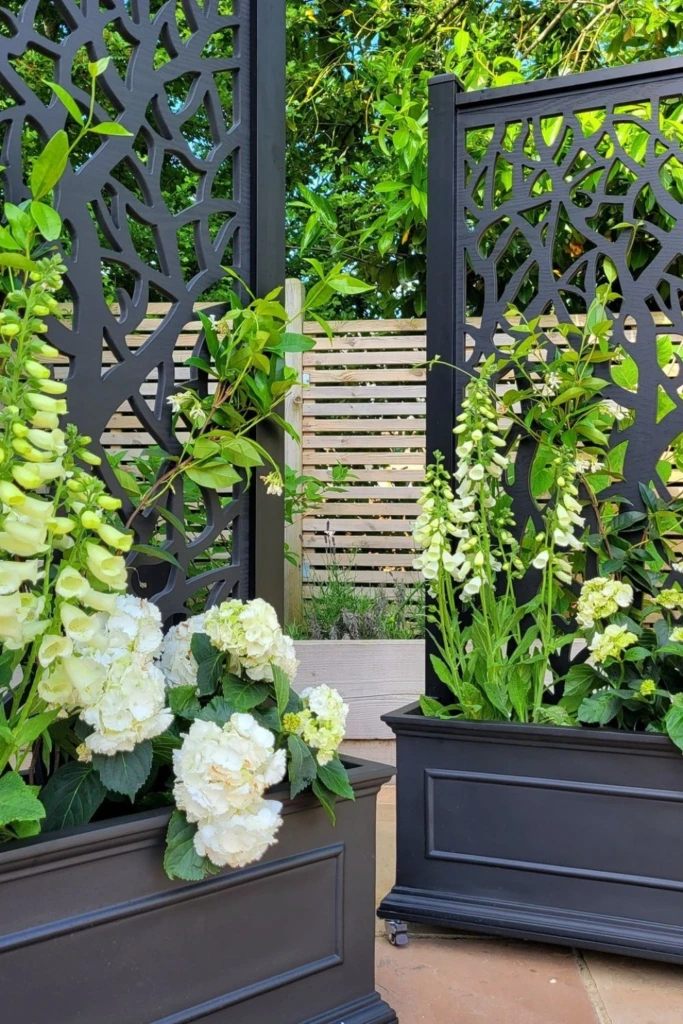
Lattice divider planters are a practical solution for outdoor areas that need extra privacy without feeling enclosed. Build rectangular wooden containers and attach tall lattice panels securely to the back.
Paint the structure charcoal or black for a contemporary appearance, then introduce climbing jasmine, clematis, or other suitable vines.
These planters work particularly well along patio edges, where the combination of foliage and decorative screening creates a more secluded seating area.
3. Rustic Cart Planter
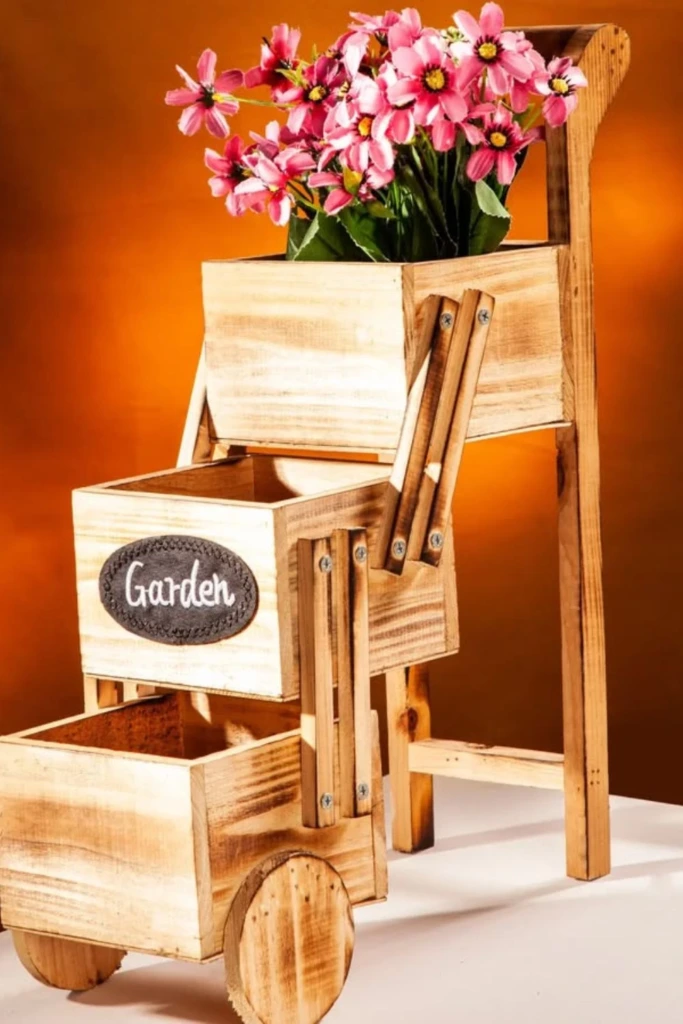
A wooden cart planter adds vintage character while providing multiple places to display plants. You can repurpose an old utility cart or construct a simple tiered version using reclaimed timber.
Arrange small flowering pots and culinary herbs across the shelves, leaving enough room for watering and maintenance.
Finish the wood with an outdoor-safe protective coating, and use decorative wheels for a traditional farmhouse appearance. If the cart will be moved, choose sturdy, functional casters and avoid overloading the upper shelves.
4. Test Tube Florals
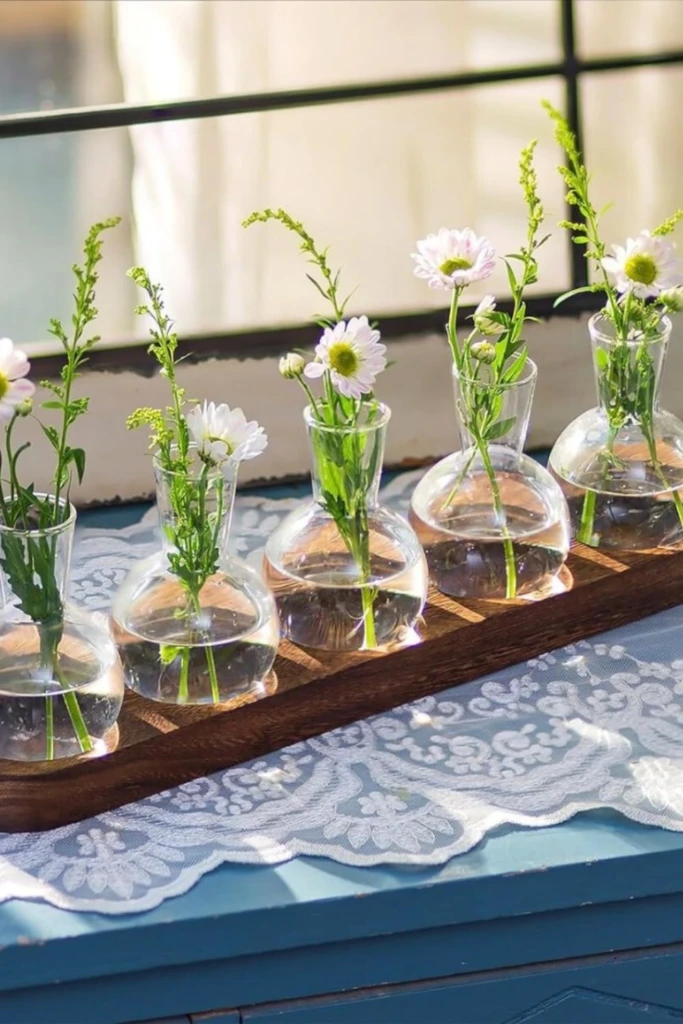
For a minimalist indoor display, create a wooden holder for several glass test tubes or narrow bud vases.
Drill evenly spaced openings into a solid wood block, ensuring each opening holds its glass container securely. Sand the edges and apply a clear finish to highlight the natural grain.
Fill the tubes with fresh flower stems or plant cuttings that can root in water, such as pothos. This project requires very little space and looks attractive on windowsills, desks, and kitchen counters.
5. Fountain Succulent Tower
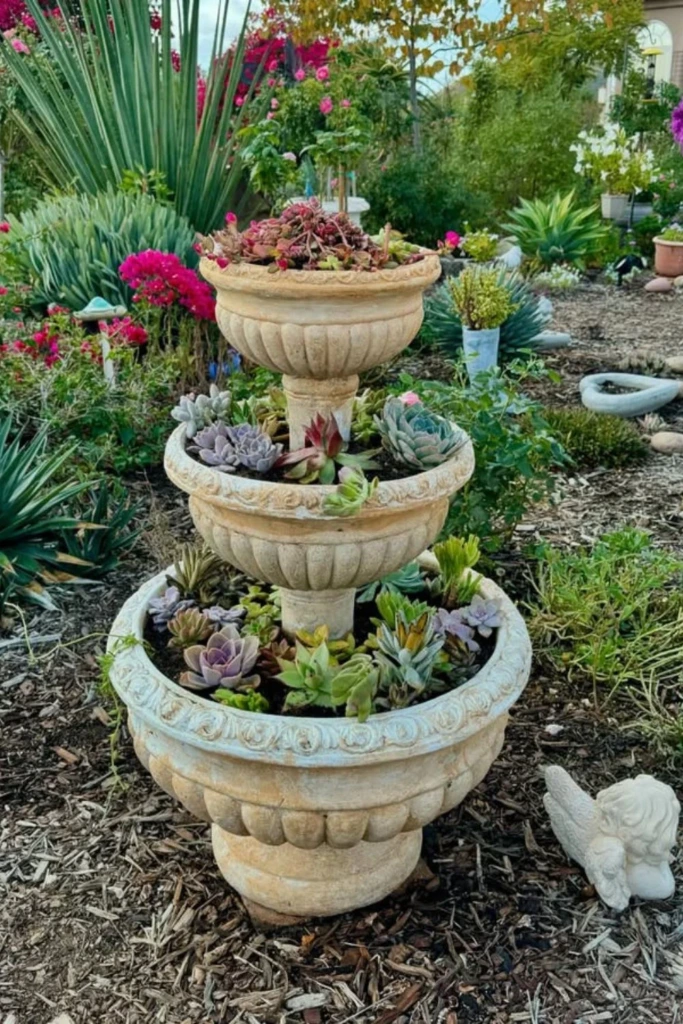
An unused tiered fountain can become an unusual succulent display with plenty of visual interest.
Clean the fountain thoroughly, check its stability, and provide drainage for each planting level. Fill the basins with a gritty succulent potting mix before arranging plants with different colors, heights, and leaf shapes.
Echeveria, sedum, and small rosette-forming succulents are attractive options where the climate and sunlight suit them.
The cascading arrangement creates a striking garden centerpiece without requiring an entirely new structure.
6. Woven Elegance
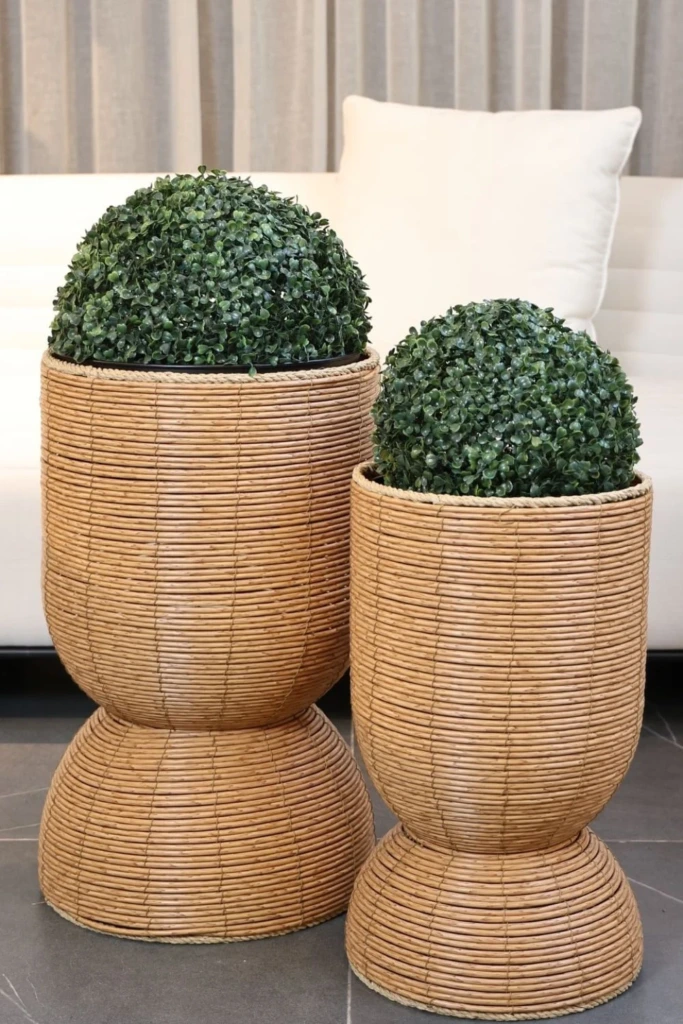
Woven planter covers introduce natural texture to indoor greenery and complement relaxed, earthy interiors.
Create a decorative sleeve around a sturdy container using rattan-style material, woven rope, or a suitable basket. Keep the plant inside a separate pot with drainage holes to protect the woven exterior from constant moisture.
Neutral shades such as tan, cream, and warm brown work especially well with ferns, peace lilies, and compact foliage plants.
For outdoor use, choose weather-resistant synthetic weaving instead of materials that deteriorate quickly when wet.
7. Striped Standout
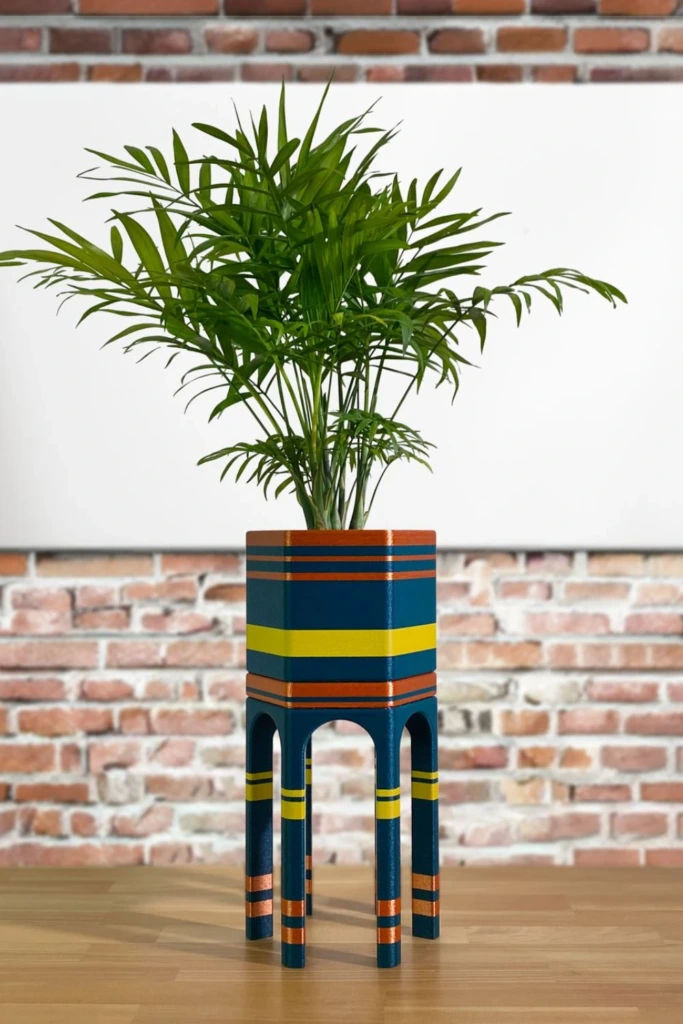
A striped planter is an excellent opportunity to experiment with color and pattern.
Start with a plain planter and clean its surface before applying a primer appropriate for the material. Use painter's tape to create stripes, curves, or geometric sections, then apply contrasting paint colors.
Terracotta, mustard, cream, and muted green can create a retro-inspired combination. Alternatively, bold blues and oranges give the planter a more playful finish.
Place the finished container on a stable raised stand to make the design more prominent.
8. Teacup Hangers
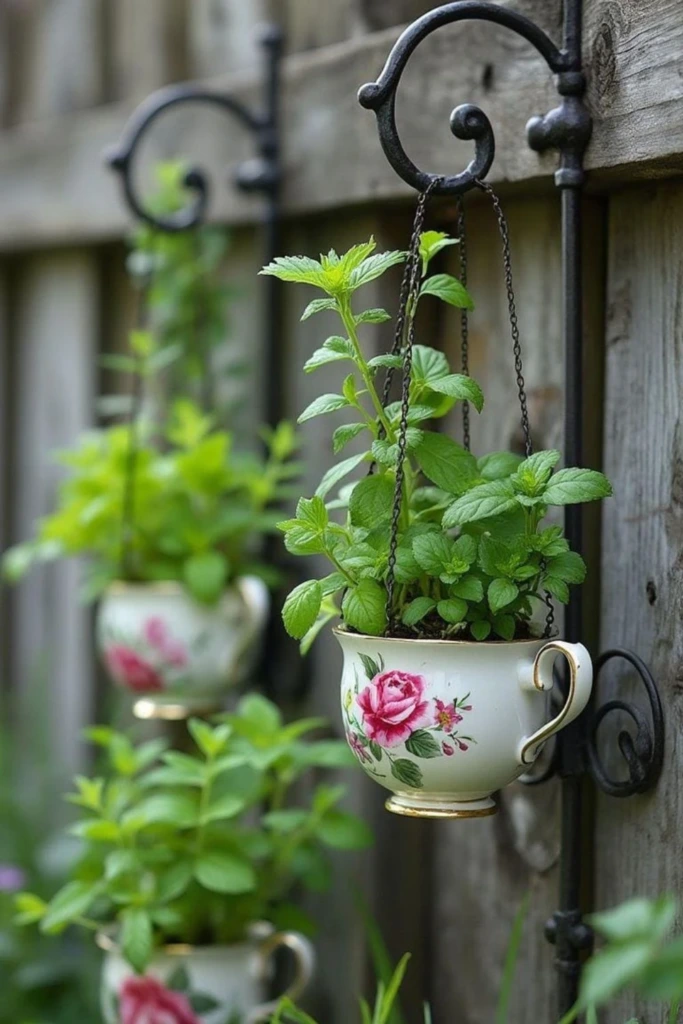
Old teacups can become charming miniature planters for a cottage-style garden or sheltered balcony.
Choose sturdy cups and attach them to secure hanging holders designed to support their weight. Small succulents or compact plants are better suited to the limited growing space than large herbs.
If the cups lack drainage holes, use them as decorative holders for removable nursery pots, or grow cuttings in water.
Arrange several cups at different heights to create an interesting display while keeping them protected from strong winds.
9. Holiday Box Planter
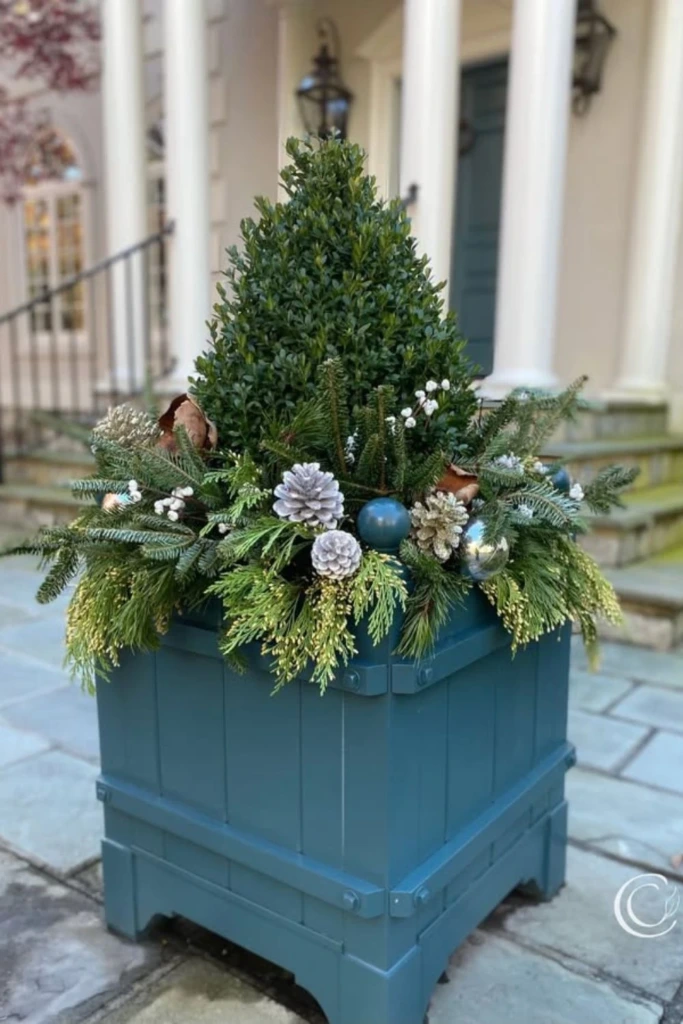
A seasonal wooden planter is a simple way to decorate your entrance during festive occasions.
Construct a square box from outdoor-rated timber and paint it in a rich color such as forest green, burgundy, or deep teal.
Place a suitable planting container inside and fill it with compact evergreens or other seasonal plants. Add pinecones, ribbons, and weather-resistant ornaments around the foliage.
The decorations can be changed throughout the year, allowing the same planter box to work for different holidays and seasons.
10. House Planter
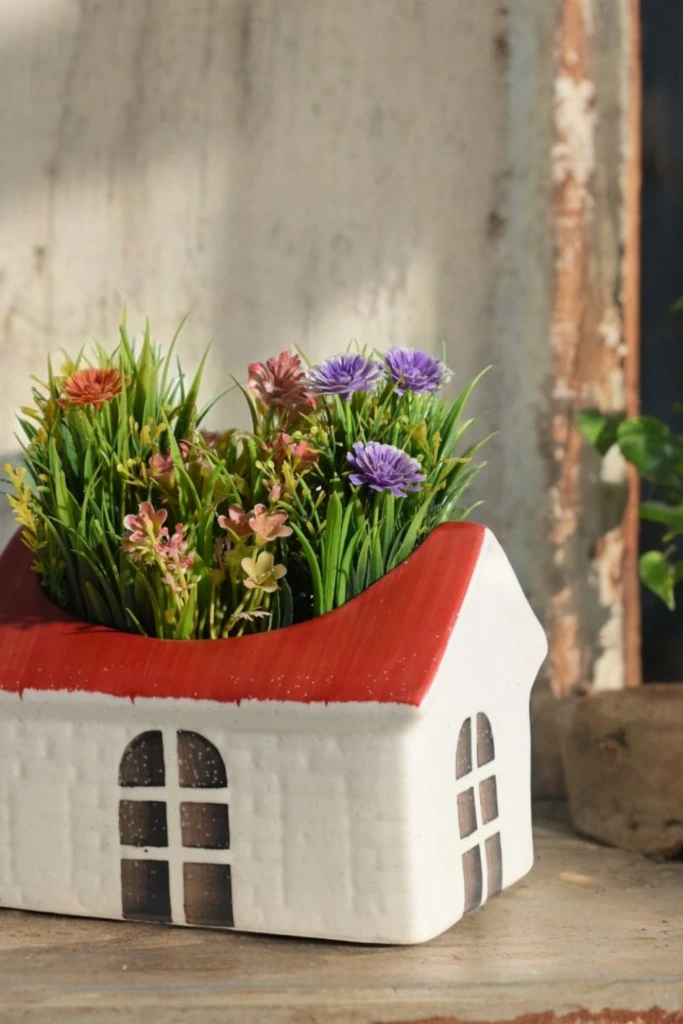
A miniature house-shaped planter adds a playful architectural detail to shelves and windowsills.
Use clay, a suitable craft material, or a small wooden structure to create the appearance of a tiny cottage. Add details such as windows, a pitched roof, and a little doorway.
Design an accessible planting compartment with drainage, or incorporate a removable pot into the roof area.
Small succulents and compact trailing plants work especially well because they provide greenery without overwhelming the decorative structure.
11. Glowing Base Planter
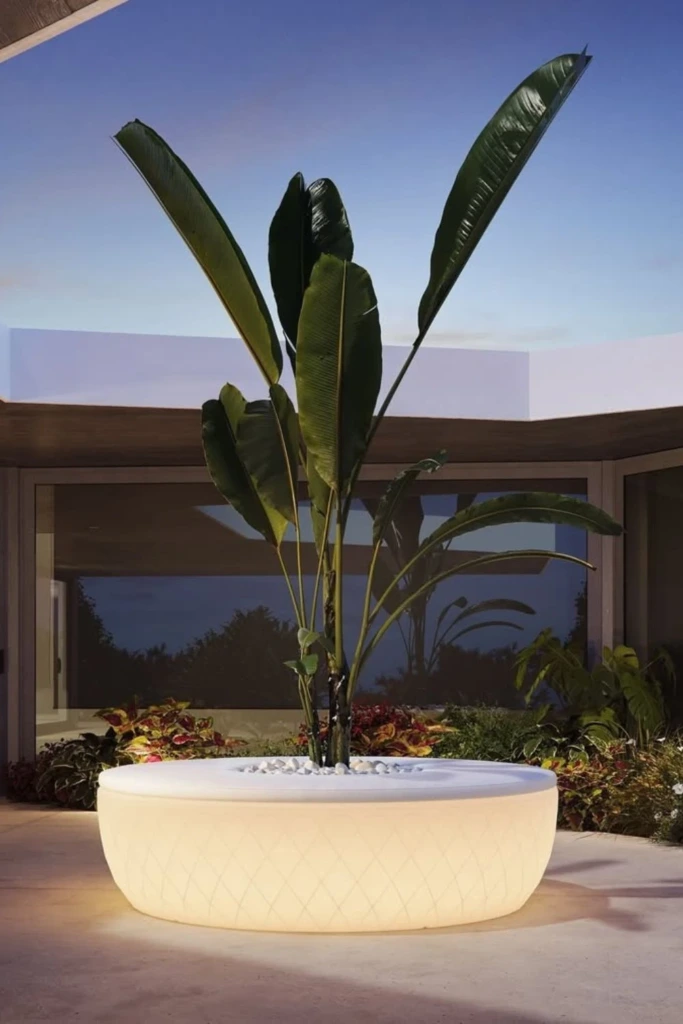
A planter with subtle lighting can make an outdoor seating area feel more inviting after sunset.
Build or purchase a weather-resistant planter with a raised base, then install outdoor-rated low-voltage LED lighting beneath it.
Position the lights so they illuminate the container's lower edge without shining directly into people's eyes. Keep electrical connections protected from water and follow the manufacturer's installation instructions.
Tall ornamental grasses or architectural foliage plants complement this modern design, creating an attractive feature during the day and evening.
12. Color Pop Pots
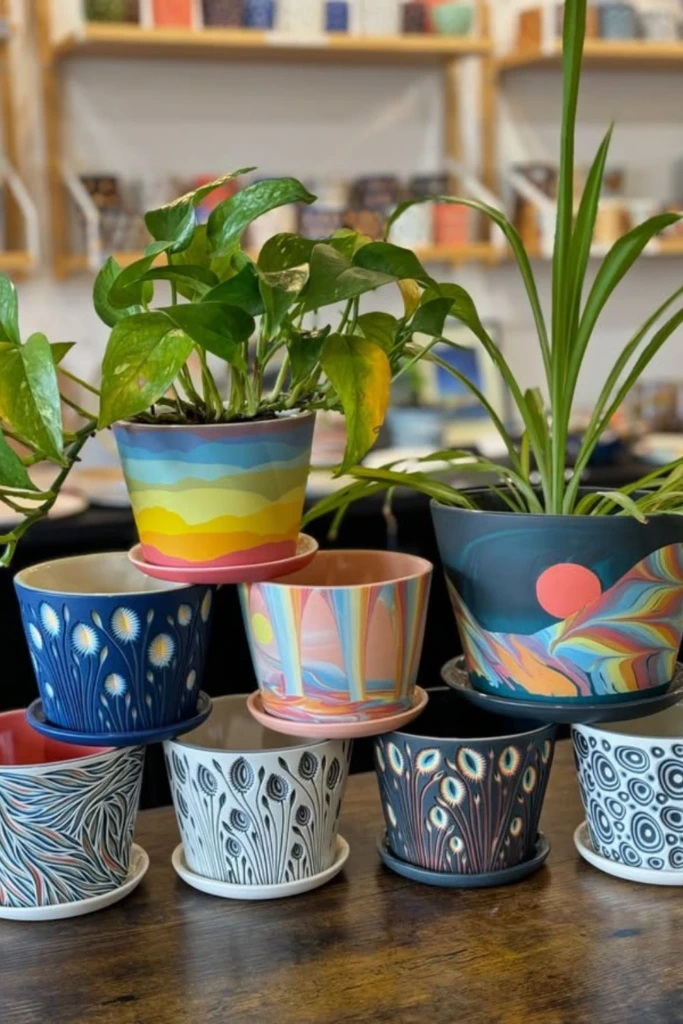
Hand-painted pots are an affordable way to refresh ordinary containers and introduce personalized artwork.
Begin with clean terracotta or ceramic pots and choose paints suitable for the surface. Experiment with abstract shapes, botanical illustrations, colorful arches, or repeating patterns.
You can create a coordinated collection by using the same palette across several different designs.
Allow the paint to cure properly, and protect decorative surfaces with a compatible sealer where needed. Keep drainage openings clear so the finished pots remain suitable for growing plants.
13. Rustic Divider Planters
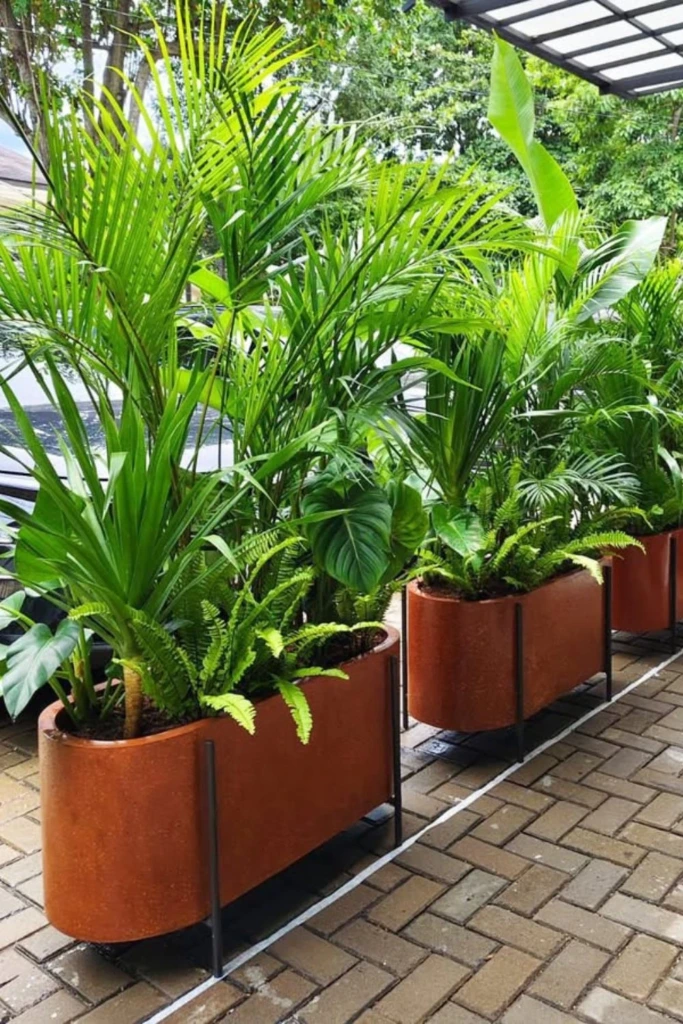
Long metal planters can serve as attractive boundaries between different outdoor living areas.
For a DIY version, construct rectangular containers from appropriately coated or corrosion-resistant metal, and mount them on stable supports.
A weathered finish adds industrial character, while dense ornamental grasses or upright shrubs provide natural screening.
Choose plants based on the available soil depth and expected wind exposure. For larger installations, reinforce the structure to accommodate the substantial weight of wet soil and mature plants.
14. Circular Wall Frames
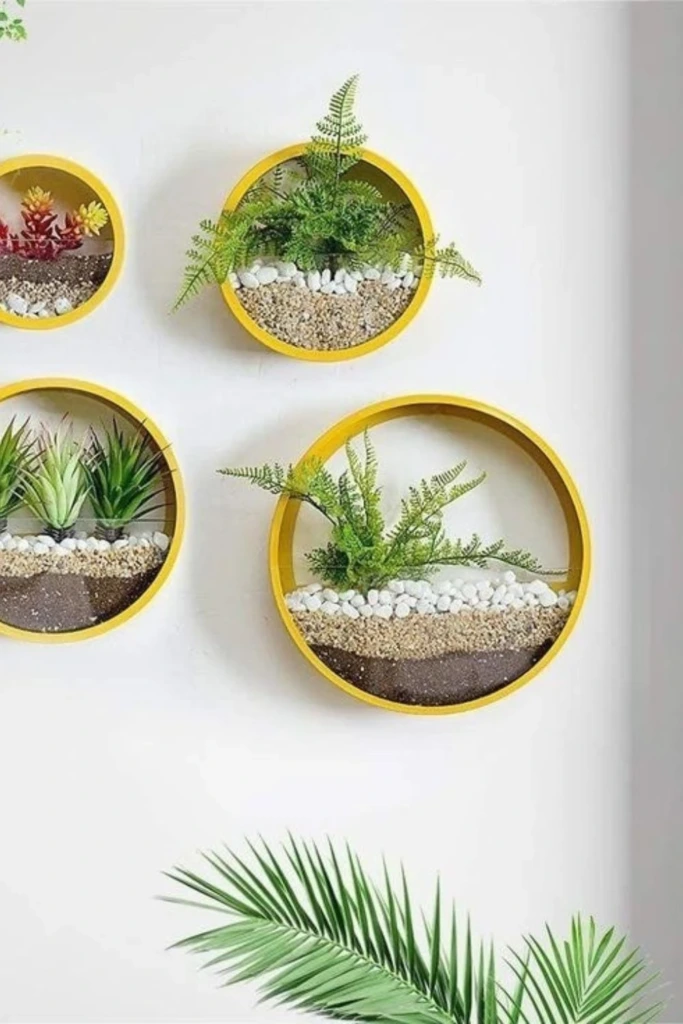
Circular wall planters transform unused vertical surfaces into decorative plant displays.
Start with sturdy round frames or shallow containers and attach planting pockets or small removable pots inside them. Paint the frames in a color that complements your wall.
Compact succulents, mosses, and small trailing plants can create attractive combinations, provided their light and moisture requirements are compatible.
Use appropriate wall anchors and a waterproof backing to prevent moisture damage. These planters are particularly useful in compact spaces where traditional containers would take up valuable floor area.
15. Wicker Basket Set
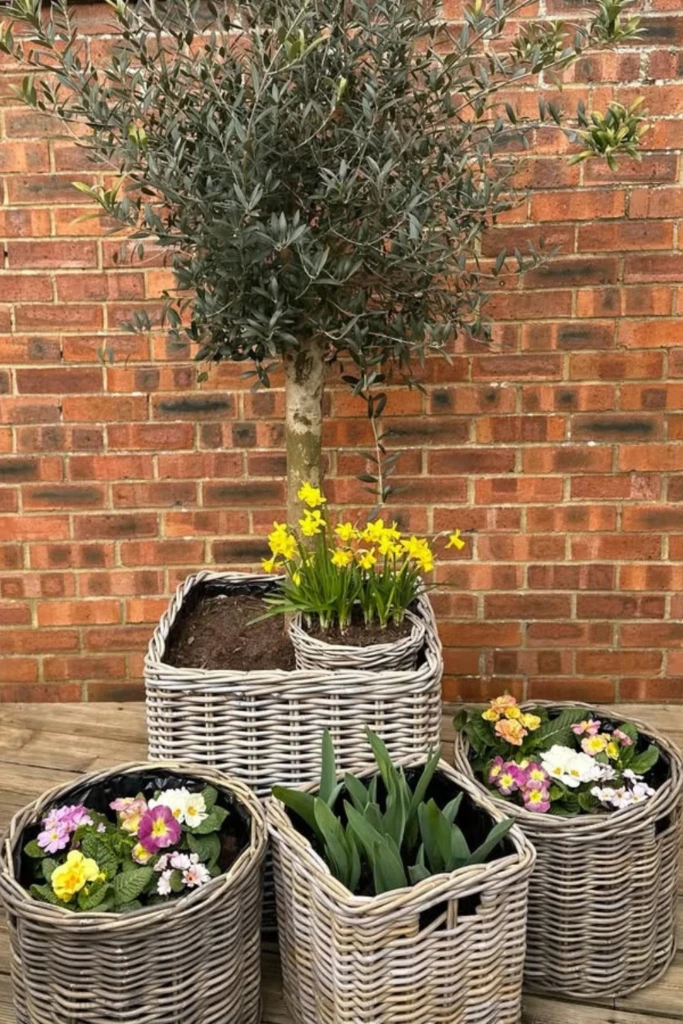
A collection of wicker-style planters can make a patio feel softer and more welcoming.
Gather baskets in different sizes but similar colors to create a coordinated arrangement. Use each basket as an outer cover for a separate planting pot rather than filling untreated wicker directly with damp soil.
Place the tallest plant toward the back and arrange smaller flowering plants around it for a balanced display.
Weather-resistant baskets are best for exposed outdoor spaces, while natural wicker is more suitable for covered patios and indoor areas.
16. Lattice Box Planters
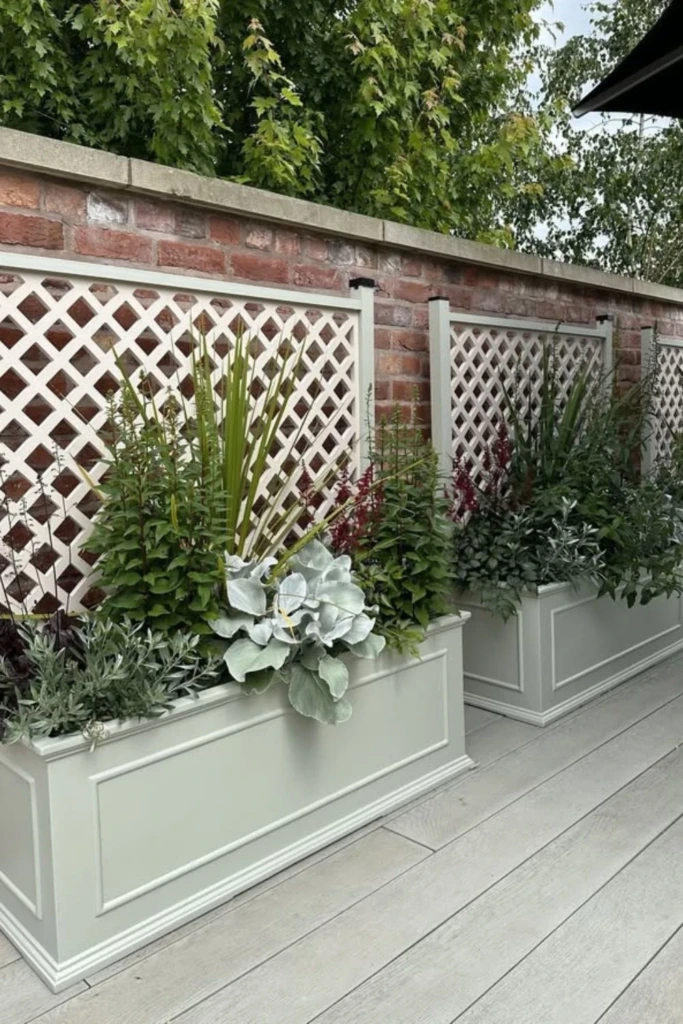
Lattice box planters combine the practicality of a raised container with the decorative appeal of a garden trellis.
Build a rectangular wooden planter and secure a lattice panel to its rear frame. Use exterior-grade fasteners and reinforce the structure if you plan to grow vigorous climbing plants.
A soft sage, white, or natural wood finish works beautifully with flowering vines and colorful foliage.
Position the planter where climbing plants receive suitable sunlight, and allow enough room for their mature growth. The result can provide a lovely backdrop for a bench or patio seating area.
17. Cube Frame Planters
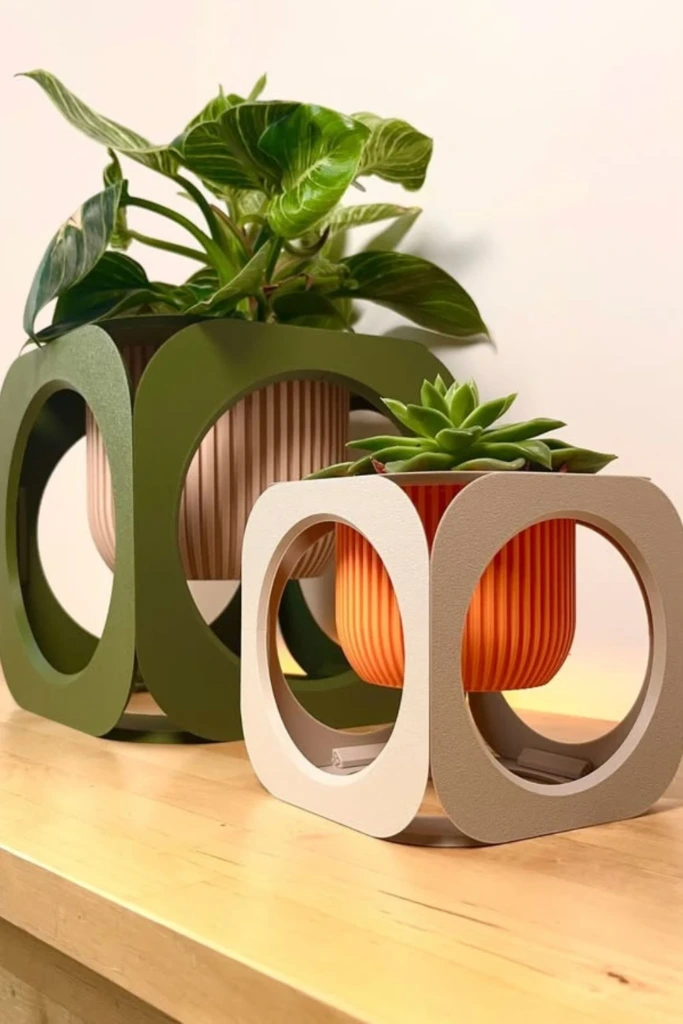
Geometric cube planters are ideal for anyone who enjoys simple, contemporary decor.
Create an open cube using wooden dowels, square timber strips, or lightweight metal components. Place a small plant pot inside so the frame surrounds it without obstructing drainage.
For a cohesive look, use matte black frames with neutral ceramic containers, or combine natural wood with earthy-colored pots.
These compact designs are particularly effective when displayed in groups on shelves, side tables, or home office desks.
18. Oversized Earth Pot
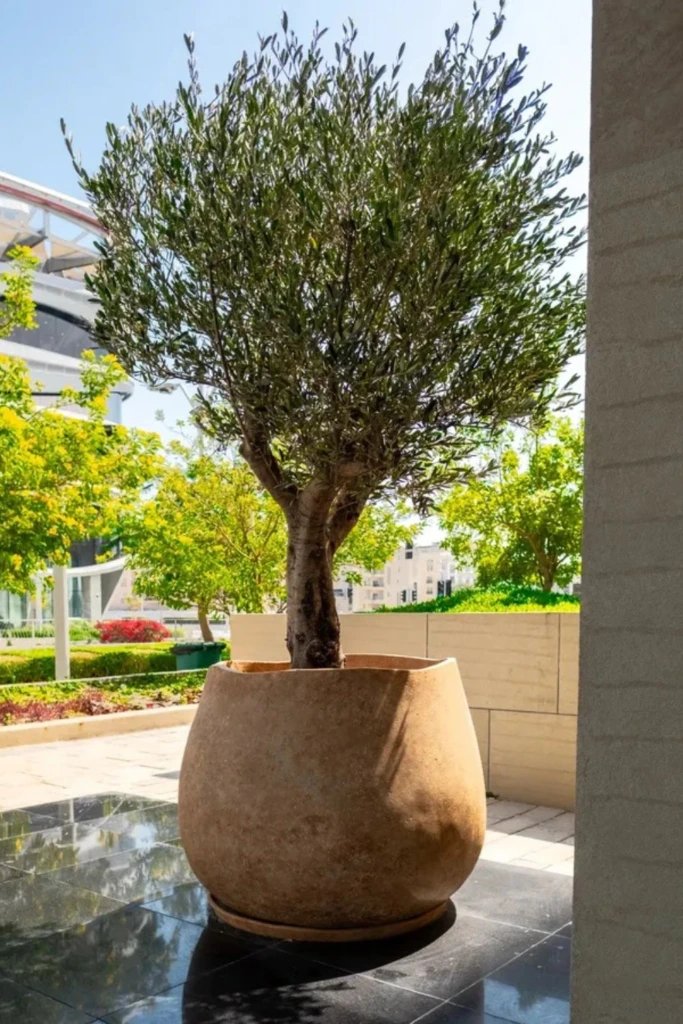
A large earth-toned planter can anchor an outdoor arrangement and give a patio a more established appearance.
To achieve the look, use a substantial terracotta or concrete container, or apply a textured mineral-style finish to a suitable existing planter.
Choose a specimen plant such as a dwarf olive tree, bay tree, or another variety appropriate for your climate.
Make sure the container has sufficient soil volume, drainage, and stability. Large planters become extremely heavy when filled, so select their final position before planting.
19. Baroque Table Trough
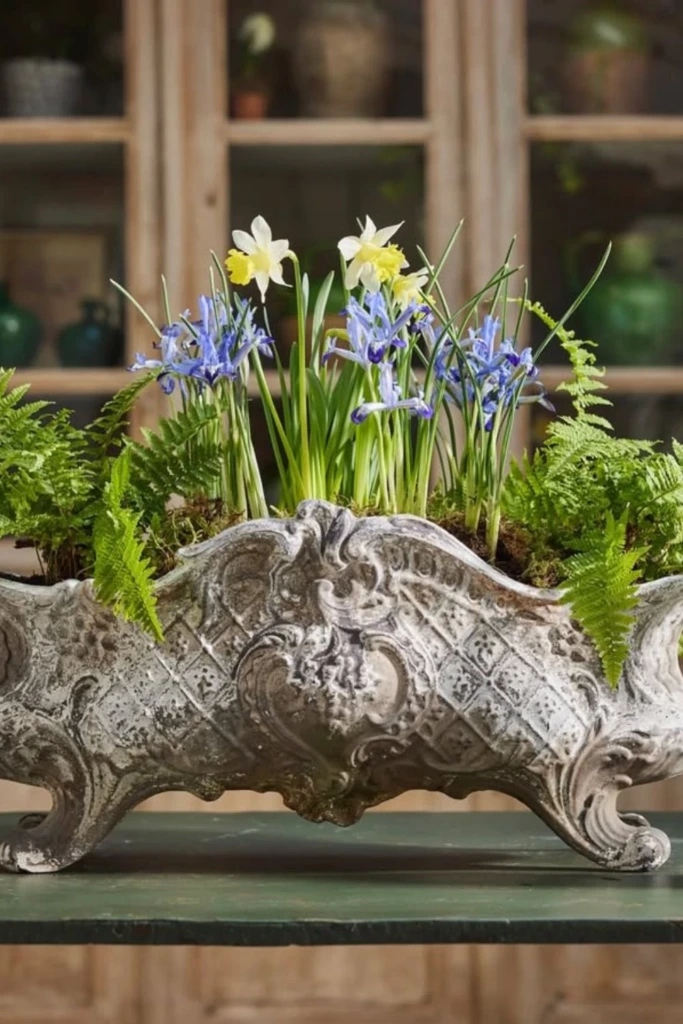
An ornate trough planter brings a decorative, antique-inspired element to indoor displays.
Repurpose a vintage-style container or embellish a plain trough with lightweight decorative molding. Finish it with a muted metallic paint or aged-effect coating.
Arrange small potted ferns, flowering bulbs, or seasonal greenery inside, keeping the plants in individual containers for easier care.
Place the trough on a console table or other sturdy surface, using a waterproof tray beneath it to protect furniture from moisture.
20. Stone Grid Planter
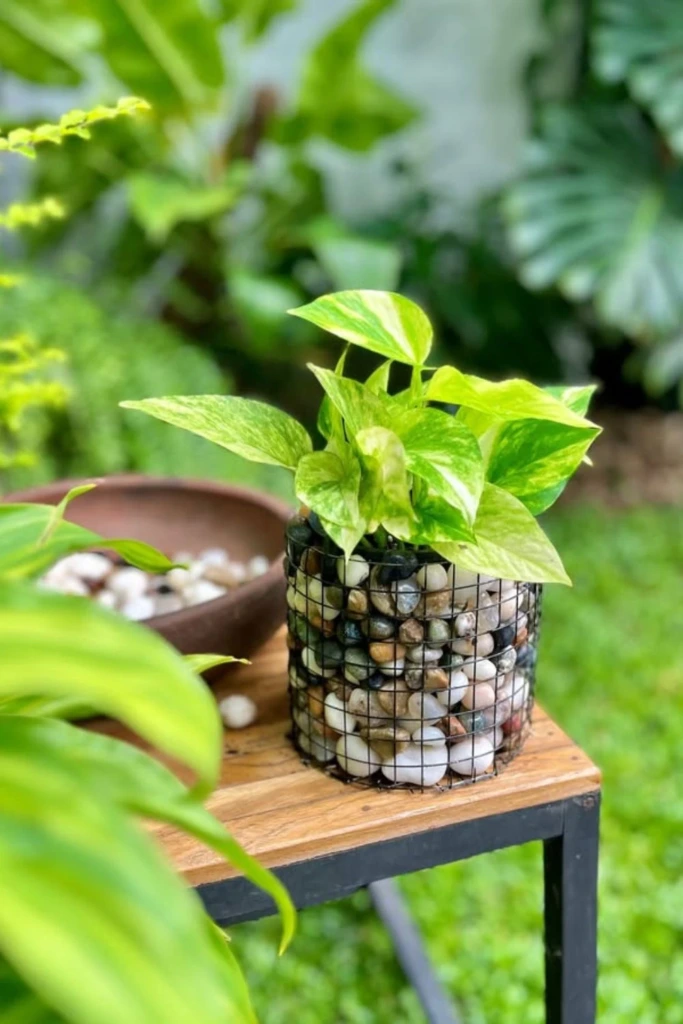
A stone grid planter combines natural rock with the clean lines of a wire framework.
Construct a small gabion-style surround using rigid, corrosion-resistant wire mesh and smooth decorative stones. Place a separate planting container inside the structure.
Ensure the mesh edges are safely finished and the base is strong enough to support the stones.
This design suits contemporary gardens, balconies, and industrial-inspired interiors. The combination of stone, metal, and greenery creates texture without requiring elaborate decoration.
21. Balcony Zen Garden
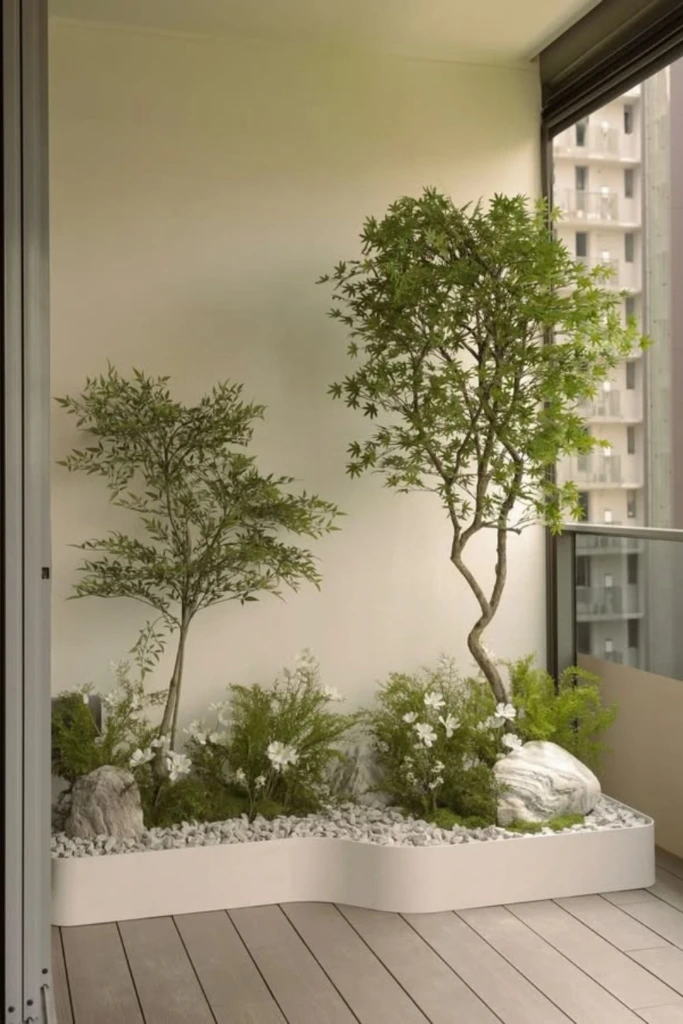
A balcony planter inspired by Zen garden design can introduce a calm, uncluttered atmosphere to a small outdoor space.
Choose a low, gently curved container in white or another understated shade. Arrange a limited selection of plants with contrasting forms, such as a compact shrub, ornamental grass, and small foliage plants.
Use decorative pebbles as a thin surface mulch while keeping them away from plant stems.
Before installing a large planter on a balcony, confirm that its filled weight is within the structure's permitted load capacity. Lightweight containers and potting mixes may be preferable.
22. Matte Black Elegance
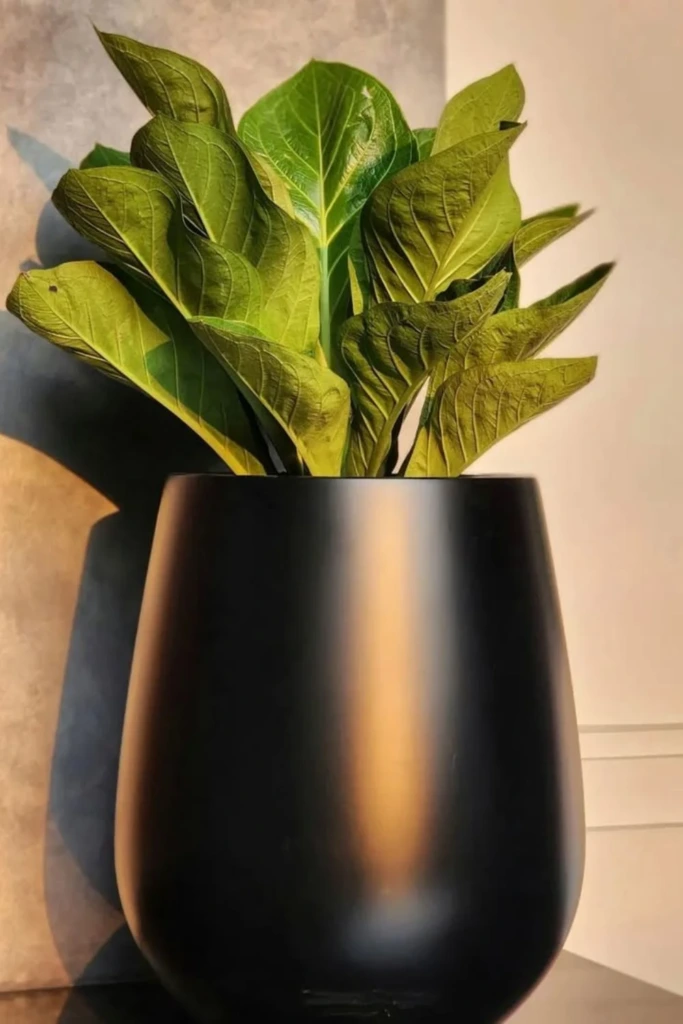
A matte black planter provides a versatile foundation for a modern plant display.
Refresh an existing container with a primer and matte finish suitable for its material. Choose a simple shape with clean edges to keep the overall appearance understated.
Plants with broad green leaves, such as monstera or rubber plants, create a strong visual contrast against the dark surface.
For indoor use, add a discreet saucer or place a nursery pot inside the decorative container to prevent water damage to floors and furniture.
23. Hanging Box Garden
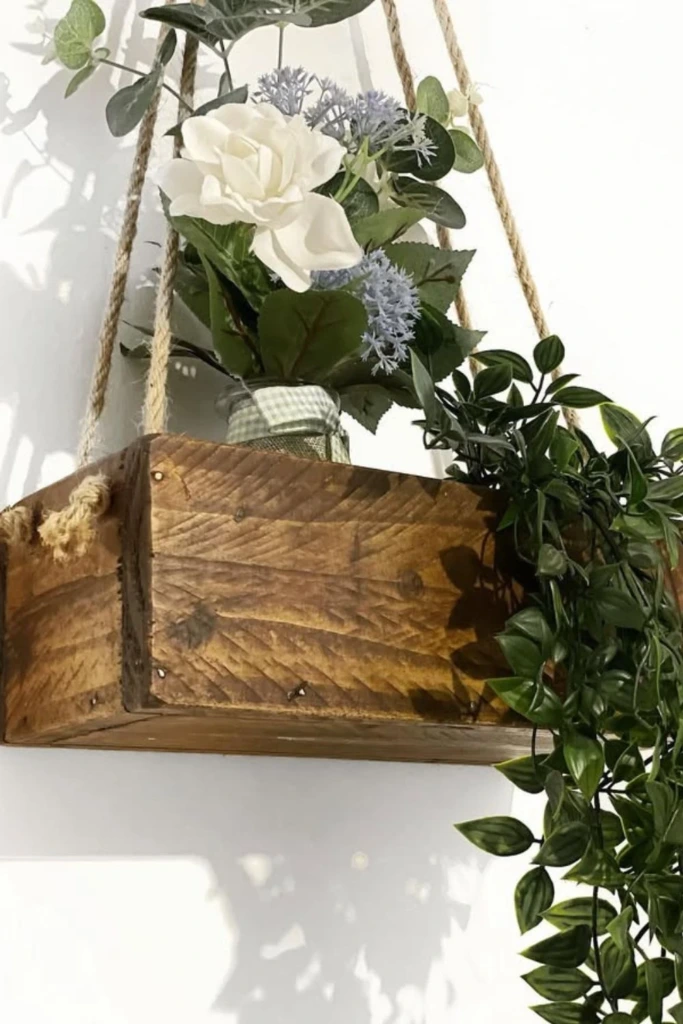
A hanging wooden box is a useful way to display plants without occupying ground space.
Build a shallow rectangular container from lightweight, rot-resistant wood. Drill drainage holes and attach strong rope or cable at reinforced mounting points.
Fill it with compact flowers, herbs, or trailing greenery that suits the available sunlight.
Use anchors rated for the complete weight of the planter, including wet soil and mature plants. Position the box where it will not obstruct walkways or become unstable in windy conditions.
24. Colonial Porch Planter
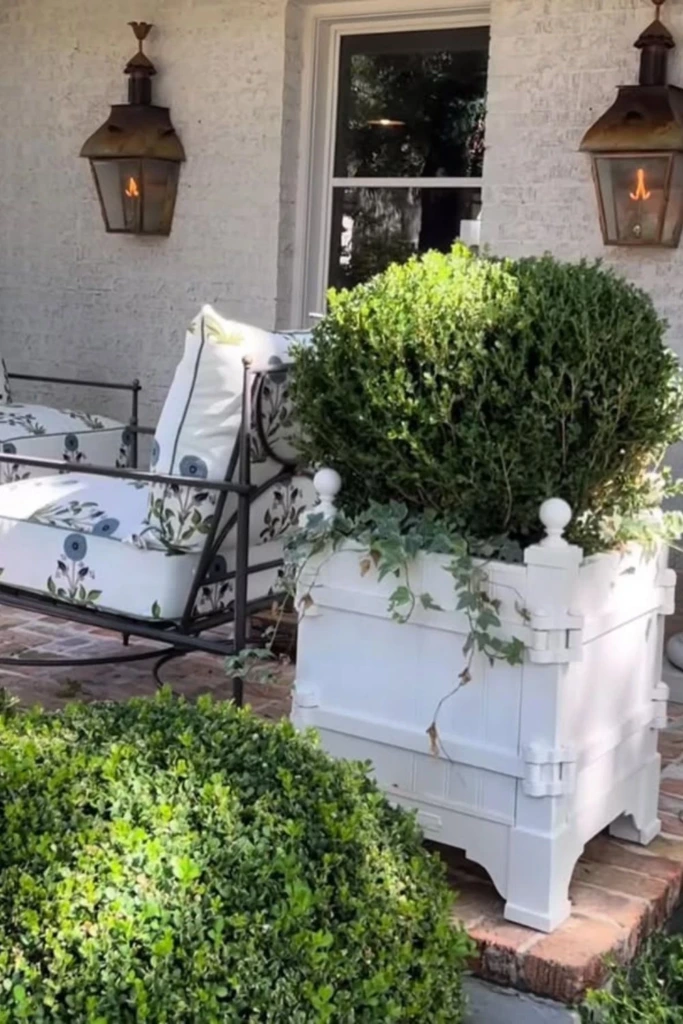
A traditional square porch planter adds structure and symmetry to an entrance.
Construct a tall wooden box with simple decorative trim around its upper and lower edges. Paint it white or another classic exterior color for a clean finish.
Plant a compact evergreen shrub or neatly shaped topiary in the center, then add trailing ivy or seasonal flowers around the edges if their growing needs are compatible.
A matching pair placed beside the front door can create an especially polished appearance.
25. Mini Villa Planter
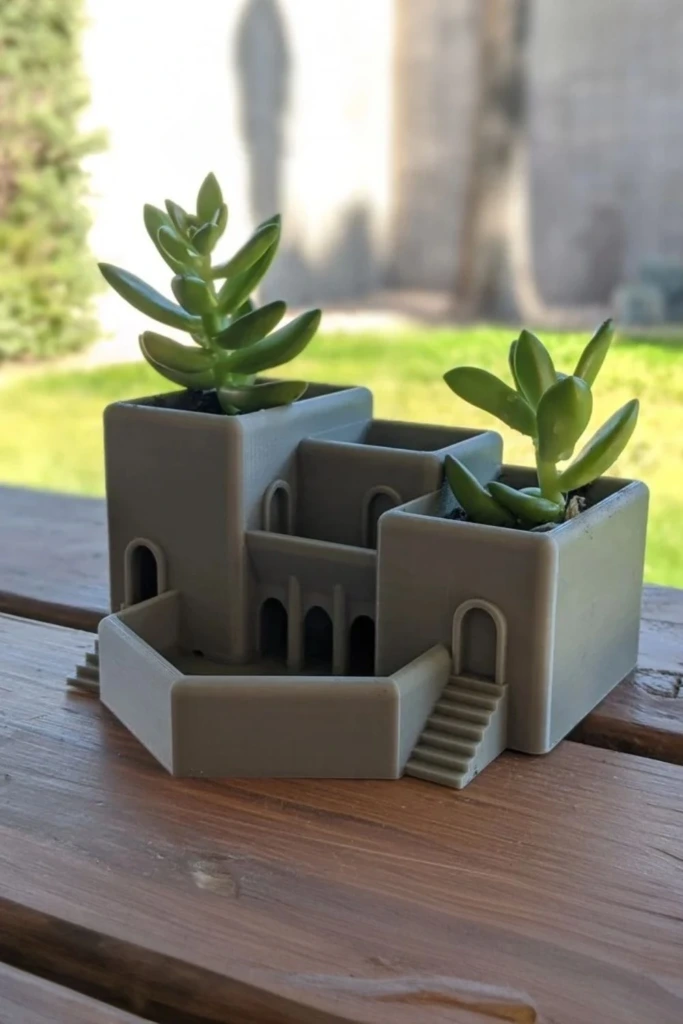
A miniature villa planter combines architectural creativity with a small-scale garden.
Create a decorative structure featuring tiny terraces, steps, and arched openings using suitable clay, concrete, or weather-resistant craft materials.
Incorporate shallow planting compartments or removable miniature pots into the design.
Small succulents are a natural choice because their compact growth habits complement the miniature buildings. Ensure each planting area has drainage and sufficient depth for the chosen species.
This project is particularly enjoyable for people who like detailed crafts and decorative gardening.
26. Upcycled Shoe Pots
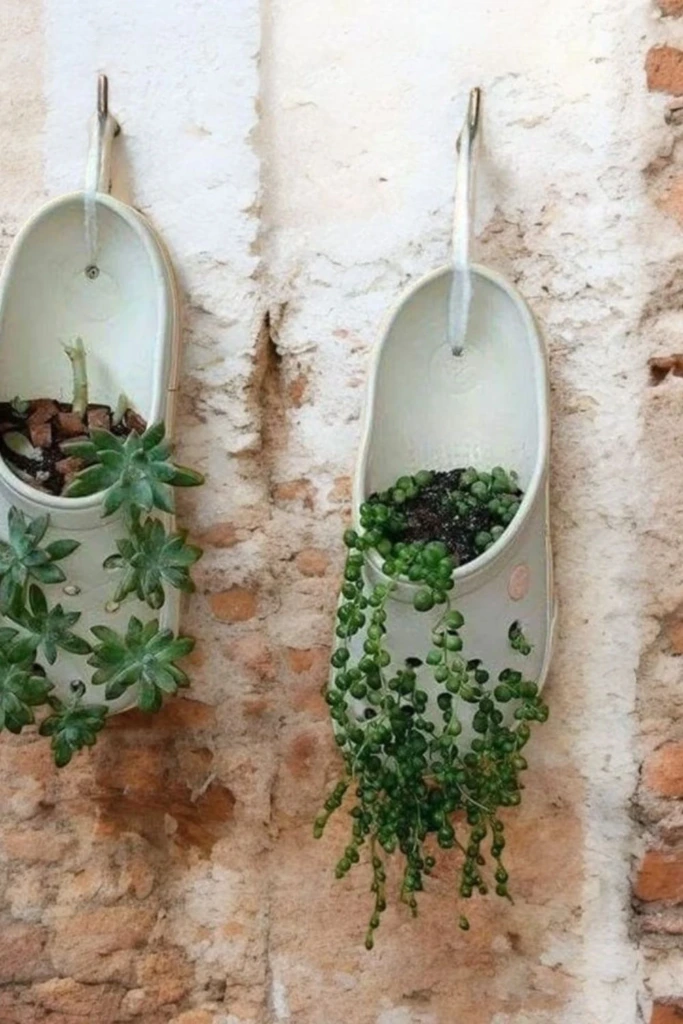
Unused shoes and clogs can become quirky planters with plenty of personality.
Select sturdy footwear that can hold a small amount of potting mix, and clean it thoroughly before planting. Add drainage holes where the material allows, or place a small removable pot inside.
Succulents, small flowering annuals, and trailing plants can work well, depending on the container's size.
Display the finished planters on steps, shelves, or secure wall-mounted supports. This is a creative way to reuse household items while adding unexpected details to a garden.
27. Rustic Hanging Box
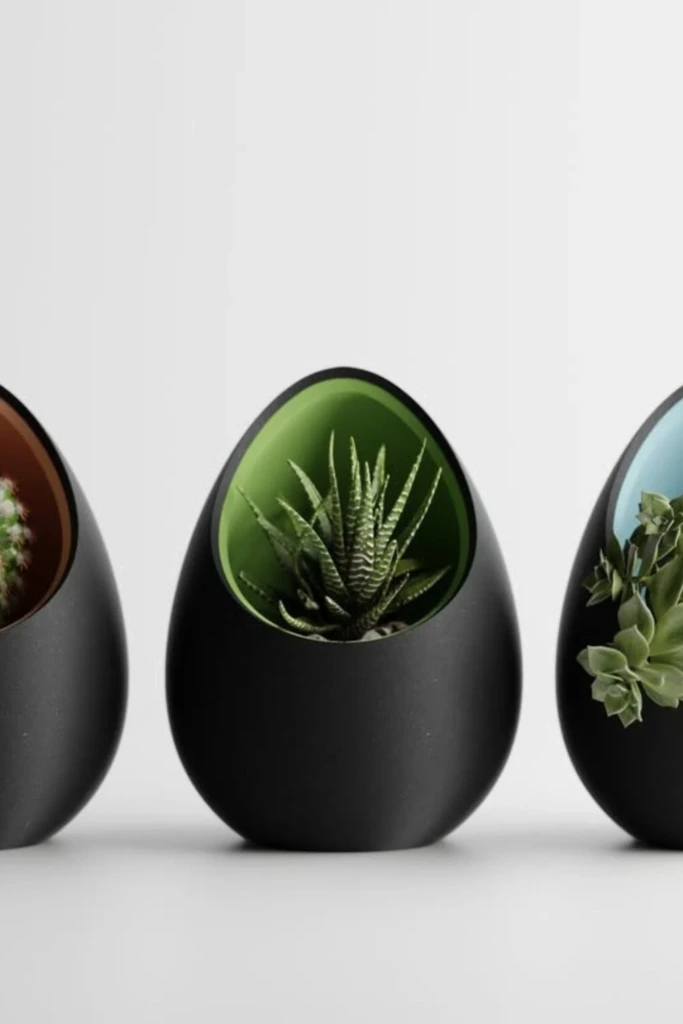
A weathered hanging planter is a charming addition to farmhouse-inspired outdoor spaces.
Use reclaimed timber that is clean, structurally sound, and free from unsuitable chemical treatments. Assemble a compact box with exterior-grade screws and reinforce its corners.
Sand rough edges while retaining some of the wood's natural character. Attach durable hanging hardware and add a liner that allows excess water to drain.
Fill the container with trailing flowers or leafy plants to create a relaxed, overflowing appearance. Hang it from a properly rated support in a sheltered location.
28. Patio White Square
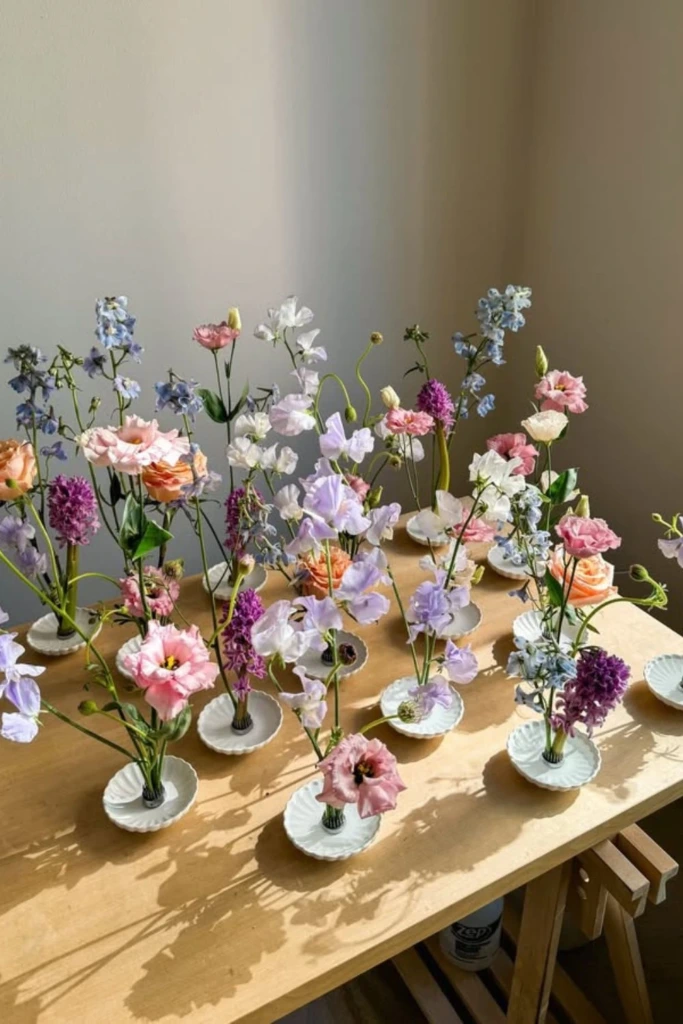
A substantial white square planter can make an outdoor seating area look more organized and intentional.
Build the container from exterior-grade wood or another durable material, using a simple square profile with decorative trim.
Apply a weather-resistant white finish and choose plants that complement the surrounding furniture. Rounded shrubs, compact evergreens, and cascading foliage are excellent options.
Position the planter near seating areas, along pathways, or at patio corners to define the space without blocking movement.
29. Mini Villa Planter
For another interpretation of the miniature villa concept, create a multi-level planter with several small garden terraces.
Use a modular design with individual planting compartments arranged around miniature walls, stairways, and archways. Neutral finishes such as sand, stone gray, or terracotta help the plants remain the main attraction.
Mix small succulents with compact, slow-growing varieties that have similar watering requirements.
Unlike a single-compartment miniature planter, this layered version allows you to create several distinct planting areas, making it an appealing centerpiece for a sunny shelf or sheltered garden table.
DIY planter boxes offer countless opportunities to make ordinary spaces more attractive and functional. Whether you prefer rustic wooden designs, decorative miniature gardens, or modern geometric containers, the most successful projects combine thoughtful styling with practical growing conditions.
Choose a design that suits your available space, select durable materials, and prioritize proper drainage and plant care. With a little creativity, even a simple homemade planter can become a lasting feature of your home or garden.