21 Creative DIY Hummingbird Feeder Ideas to Brighten Your Garden
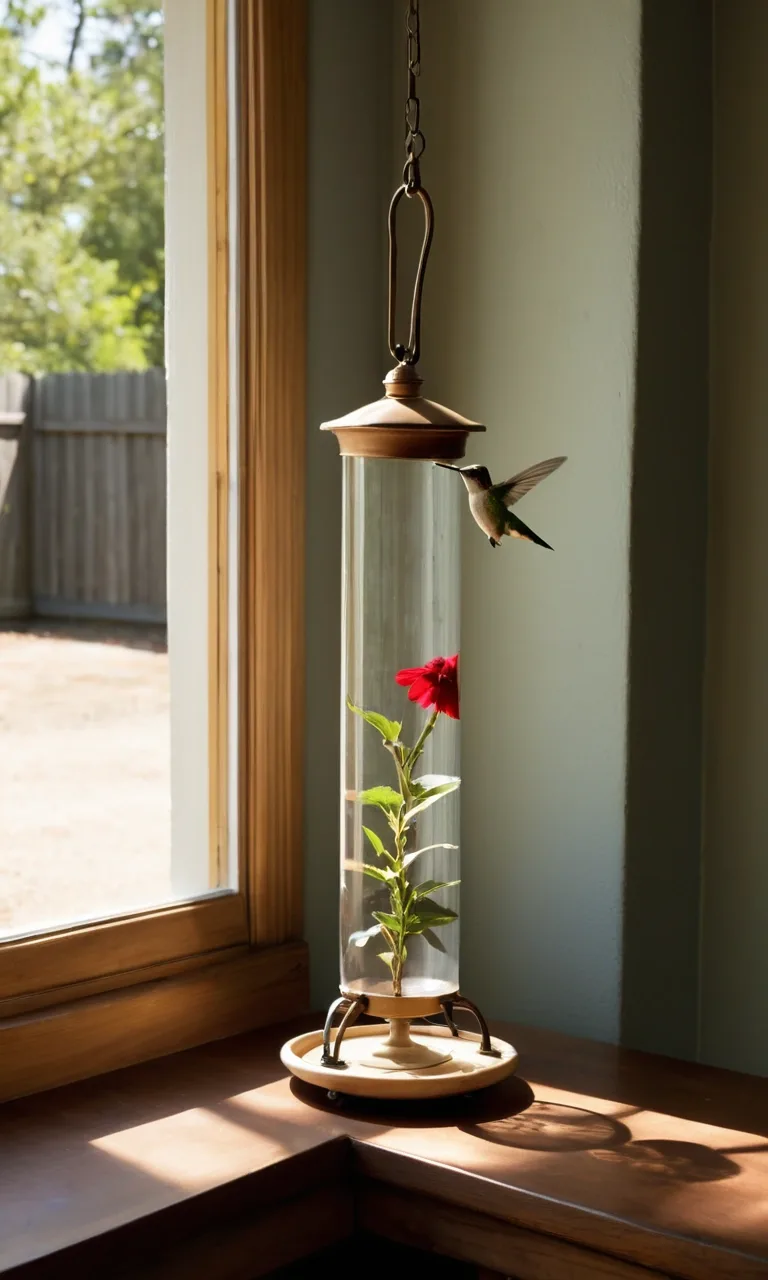
Hummingbirds bring movement, color, and life to outdoor spaces. Watching these tiny birds hover near flowers can make an ordinary morning feel special. With a thoughtfully designed feeder, you can encourage them to visit your garden while adding a personal decorative touch to your surroundings.
Building a hummingbird feeder at home doesn't have to be complicated or expensive. Recycled glass bottles, wooden supports, decorative wire, and simple containers can all inspire creative designs. The key is to combine an attractive appearance with a safe, accessible feeding area.
Whether you prefer rustic garden decorations, colorful glass ornaments, or practical feeders for small patios, these DIY hummingbird feeder ideas offer plenty of inspiration for your next backyard project.
Why Make Your Own Hummingbird Feeder?
A homemade feeder gives you the freedom to choose its shape, colors, materials, and hanging style. Instead of buying a standard design, you can create something that complements your garden furniture, flower beds, porch, or balcony.
Repurposing suitable household materials can also reduce waste and keep project costs manageable. A clean glass bottle or an unused metal frame may become the starting point for a unique outdoor feature.
DIY projects are also enjoyable for families and gardening enthusiasts. Children can help decorate exterior surfaces, while adults handle cutting, drilling, and assembly. Most importantly, a well-maintained feeder provides another opportunity to observe hummingbirds up close.
Remember that appearance should never come before bird safety. Choose nontoxic materials, avoid sharp edges, provide easy access to nectar, and make every part simple to clean.
1. Colorful Swirl Glass Feeder

A glass feeder with swirling shades of blue, green, amber, and red can become a striking garden accent. Its transparent reservoir makes it easy to monitor the nectar level, while flower-shaped feeding ports create convenient drinking positions.
You can achieve a similar decorative effect by choosing a suitable glass reservoir and adding colorful, bird-safe exterior details. Keep paint away from nectar and feeding openings, and make sure every component is securely attached.
Hang the finished feeder where it receives some shade during warmer parts of the day. This helps slow nectar deterioration and makes routine maintenance easier.
2. Suspended Ring Feeder

A circular metal frame offers a simple way to display a glass nectar container. The open design looks light and modern, allowing the feeder to blend naturally with trees, flowering shrubs, and patio decorations.
To make one, use a sturdy outdoor-rated ring, a properly fitted reservoir, and a reliable hanging attachment. Position the container so it remains upright and cannot swing excessively in the wind.
A red feeding-port cover can add a colorful accent, but the feeder should remain easy to disassemble and wash. Place it somewhere visible from a window for convenient birdwatching.
3. Vintage Horn-Shaped Feeder

For an unusual garden feature, consider a feeder inspired by the curved shape of an old-fashioned horn. A bold exterior and a compact nectar chamber can create a distinctive silhouette without requiring an elaborate structure.
Start with a purpose-made nectar container or a design specifically intended for hummingbirds. Add a decorative outer support if desired, ensuring that it does not block the feeding openings or interfere with cleaning.
Choose a secure mounting point near suitable vegetation. The result can combine nostalgic styling with practical everyday use.
4. Hummingbird Feeder With a Camera

A feeder equipped with a small wildlife camera lets you observe visiting birds without standing nearby. This can be particularly enjoyable for people who want to photograph hummingbirds or learn when they visit.
You can adapt a basic feeder station by mounting a weather-resistant camera on a separate support. Keep electrical equipment, cables, and batteries away from nectar, and follow the manufacturer's outdoor installation instructions.
Choose a camera position that captures the feeding area without obstructing the birds' approach. Avoid bright flashes or equipment placement that could startle wildlife.
5. Desert-Inspired Cactus Feeder

A cactus-inspired feeder adds a playful southwestern theme to a sunny garden, succulent collection, or terracotta planter display. Green decorative textures and small red floral accents can create the appearance of a miniature desert plant.
Use a stable nectar reservoir and place the decorative cactus elements around its exterior rather than inside the feeding chamber. All coatings should be fully cured and suitable for outdoor use.
The finished piece works especially well among drought-tolerant plants. Just remember that hummingbirds still need a clean nectar supply, regardless of how decorative the feeder looks.
6. Hand-Painted Wooden Feeder Station

A wooden feeder station brings warmth and a handmade appearance to a porch or backyard. You can decorate an exterior wooden panel with flowers, leaves, or bird illustrations to match your outdoor style.
Build the structure from durable wood, sand all edges smooth, and apply an appropriate weather-resistant finish only to the exterior surfaces. Keep the nectar reservoir removable so it can be washed separately.
Use a stable mounting bracket and protect the wooden structure from prolonged moisture. With occasional maintenance, this design can serve as both a feeding station and a decorative garden feature.
7. Fence-Mounted Mini Bottle Feeders

Small nectar containers arranged along a fence create several feeding positions without taking up valuable ground space. This arrangement is useful for compact gardens where hanging a large feeder may not be practical.
Attach a sturdy horizontal support to the fence and secure each feeder independently. Leave enough room between feeding points to make cleaning and refilling convenient.
Although multiple feeders can accommodate visiting birds, hummingbirds may defend feeding territories aggressively. Spacing the stations apart or placing them out of one another's direct view can help reduce competition.
8. Decorative Recycled Bottle Feeder

An empty glass bottle can provide the inspiration for an inexpensive upcycling project. A simple bottle-shaped reservoir paired with a suitable feeding attachment offers a practical alternative to throwing away reusable glass.
Clean the bottle thoroughly before use and check it for chips or cracks. Add decorative twine or a hanging cradle around the outside, making sure the bottle remains firmly supported.
Never assume that a bottle with an improvised hole will work safely as a feeder. Use a purpose-built hummingbird feeding component that prevents leakage and provides appropriate access to nectar.
9. Sunset-Inspired Glass Globe Feeder

A rounded glass reservoir in shades of blue, green, or amber can resemble a glowing garden ornament when sunlight passes through it. A compact globe design also fits neatly into smaller outdoor spaces.
For a homemade version, choose a reservoir intended for feeding birds and add a decorative, removable exterior holder. Bright floral accents can help the feeder stand out among surrounding greenery.
Mount it from a strong hook or bracket and inspect the hanging hardware regularly. A stable installation prevents the glass container from striking nearby surfaces during windy weather.
10. Mushroom-Themed Feeder

A mushroom-shaped feeder brings a woodland-inspired look to flower beds, shaded patios, and whimsical garden corners. A rounded top and contrasting colors can make the design resemble a tiny decorative mushroom.
Use a suitable nectar reservoir beneath the decorative cap, keeping the feeding openings uncovered and accessible. Avoid porous materials around the nectar chamber because they can be difficult to sanitize.
A secure stand or hanging bracket will help keep the feeder in place. Pair the design with ferns, shade-loving plants, or natural wood accents for a cohesive garden display.
11. Emerald Lantern Feeder

A lantern-inspired feeder suits gardens with traditional, cottage, or vintage decor. Dark green glass, a metal support, and simple decorative details can create an elegant appearance.
Begin with a cleanable nectar container and build a protective outer frame around it. The frame should support the container without making removal difficult or trapping moisture against the glass.
Choose corrosion-resistant hardware for outdoor use. Avoid placing the feeder inside an enclosed lantern where heat can accumulate, and make sure birds have an unobstructed approach to the feeding ports.
12. Aqua Blue Globe Feeder

A pale blue glass globe adds a calm, decorative touch to a leafy garden. Its rounded shape can contrast beautifully with green foliage, colorful flowers, and natural wooden supports.
For this project, select a feeder reservoir with a reliable seal and suitable feeding ports. A separate metal hanger or wall-mounted bracket can provide support while keeping the nectar chamber easy to access.
Hang the globe at a convenient height for refilling and cleaning. Check it frequently for cracks, leaks, and residue, especially during periods of warm weather.
13. Rainbow Glass Drop Feeder
A teardrop-shaped feeder with multicolored glass details can turn a simple feeding station into a miniature piece of garden art. The narrow upper section and rounded lower reservoir create an attractive silhouette.
Choose a purpose-built feeder with an appropriate nectar chamber and secure flower-shaped ports. Decorative glass pieces should remain firmly attached to the exterior and must not introduce sharp edges.
Suspend the feeder from a sturdy hook away from busy walkways. Its colorful appearance can complement flowering containers while providing a clear focal point in a small outdoor area.
14. Blue Spiral Wire Feeder

A spiral wire support gives a plain glass nectar container a more sculptural appearance. Curved metal lines surrounding a blue reservoir can look especially attractive against green leaves or a wooden fence.
To build the support, use weather-resistant wire or a ready-made metal cradle designed to carry the container's weight. Any cut wire ends should be fully covered, bent safely inward, or otherwise secured so they cannot injure birds or people.
Keep the reservoir removable and position the feeding ports where they remain accessible. A simple wire design is often easier to maintain than an elaborate structure with many decorative pieces.
15. Hanging Bowl Feeder With Multiple Ports

A shallow hanging bowl can provide a distinctive alternative to the traditional bottle-shaped feeder. A metal frame and several properly designed feeding ports may allow more than one hummingbird to approach the nectar.
Choose a bowl-style feeder specifically designed for hummingbirds rather than adapting an ordinary open dish. The reservoir should limit spills, prevent birds from becoming trapped, and allow thorough cleaning.
Use strong chains or a rated hanging bracket to support the complete assembly. Regularly inspect every connection and remove leftover nectar before it spoils.
16. Double-Flower Glass Feeder

A glass reservoir with two flower-shaped feeding ports offers a balanced, decorative appearance. The additional port can provide another feeding position, while a compact design keeps the feeder suitable for smaller gardens.
For a homemade version, start with a compatible feeder body and feeding-port assembly. Make sure both openings fit securely and do not leak when the reservoir is filled.
A stable tabletop stand or hanging frame can display the feeder near a porch or garden seating area. Keep the entire assembly easy to dismantle so every feeding surface can be cleaned properly.
17. Window-Mounted Mini Feeder

A window-mounted feeder makes hummingbird watching possible even when outdoor space is limited. Its close position to the glass allows you to observe the birds from indoors without needing a large garden.
Choose a feeder designed for window installation, with strong suction cups or another secure mounting system. Clean the glass before attaching it, and check the mounting points regularly to ensure the feeder remains firmly in place.
Place it where the birds can approach safely and where you can reach it for cleaning. Keep nearby windows visible to birds through appropriate decals or other bird-safe treatments when needed to reduce collision risks.
18. Recycled Coffee Bottle Feeder

A clean glass coffee bottle can inspire a rustic feeding station that makes good use of an everyday container. Its familiar shape works well with a rope-style exterior holder or a simple wooden support.
Remove all labels and adhesive residue, wash the bottle thoroughly, and inspect it for damage. Add only a compatible hummingbird feeding attachment designed to maintain a secure seal.
Use a proper hanging cradle rather than relying on decorative rope alone to carry the bottle's weight. Check for leakage after assembly and before placing the feeder outdoors.
19. Repurposed Chandelier Feeding Station

An old chandelier frame can become the centerpiece of a creative multi-feeder installation. Its arms provide several attachment points, allowing you to arrange small hummingbird feeders around a central support.
Before repurposing a chandelier, remove electrical components and any damaged or sharp pieces. Use only the frame as an outdoor support, and attach individual feeders with secure, weather-resistant hardware.
Keep the feeding containers separate and removable for cleaning. A large arrangement can be attractive in a spacious garden, but make sure it remains stable and does not overcrowd the birds' flight paths.
20. Mosaic Glass Globe Feeder

A mosaic-inspired globe feeder adds texture and colorful reflections to an outdoor space. Small decorative glass elements in blue, green, and red can create a jewel-like appearance when sunlight reaches the surface.
The safest approach is to use a feeder designed for hummingbirds and add a decorative outer shell or holder that does not compromise its construction. Avoid loose pieces, sharp fragments, exposed adhesive, and materials that may deteriorate in the weather.
Mount the finished feeder securely and keep the nectar chamber accessible for regular washing. The result can function as a feeding station while contributing a colorful focal point to the garden.
21. Tips for Making a Safe and Effective Hummingbird Feeder

A beautiful feeder is only useful when it provides clean nectar and a safe feeding environment. Keep these practical considerations in mind before hanging your finished project.
Prepare the right nectar: Mix one part plain white granulated sugar with four parts water. Stir until dissolved. Avoid honey, artificial sweeteners, and red food coloring.
Clean the feeder frequently: Wash and refill it regularly, at least every two to three days in hot weather and more often if the nectar becomes cloudy or contaminated. Follow the manufacturer's cleaning instructions.
Choose safe materials: Use sturdy, nontoxic components. Keep paint, glue, sealants, and decorative materials away from nectar and feeding surfaces unless they are specifically suitable for that use.
Provide reliable support: Check hooks, chains, suction cups, and brackets for wear. Replace loose or corroded hardware before it fails.
Select a suitable location: Place the feeder where you can reach it easily, preferably near natural shelter and flowering plants. Partial shade can help slow spoilage.
Reduce pest problems: Clean spilled nectar promptly and use a feeder designed to discourage insects. Do not apply pesticides around the feeding area.
Maintain nearby windows safely: Keep the feeder close to a window only when it is installed according to bird-collision safety guidance. Proper placement and visible window treatments can help reduce impact risks.
A clean, simple feeder is generally more useful to hummingbirds than an elaborate design that is difficult to maintain.
Final Thoughts
Making a DIY hummingbird feeder is a rewarding way to combine creativity, recycling, and backyard birdwatching. From painted bottle designs and vintage lanterns to colorful glass globes and window-mounted feeders, there are options for nearly every outdoor space and skill level.
Start with a design that fits your available materials, budget, and maintenance routine. Prioritize a secure structure, safe feeding ports, and a nectar container that can be cleaned thoroughly.
With regular care and a thoughtfully chosen location, your homemade feeder can become a welcoming addition to the garden and a delightful place to watch hummingbirds throughout their visiting season.