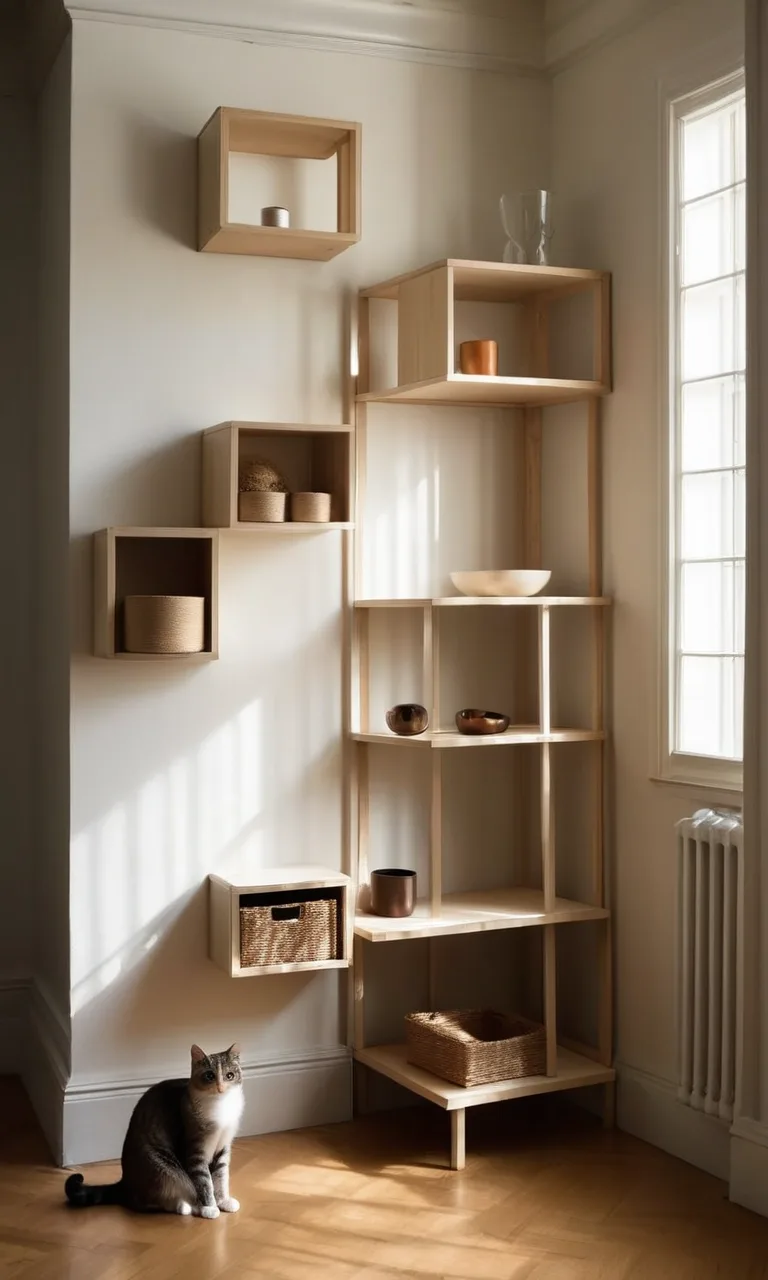
25 DIY Console Table Ideas for 2026
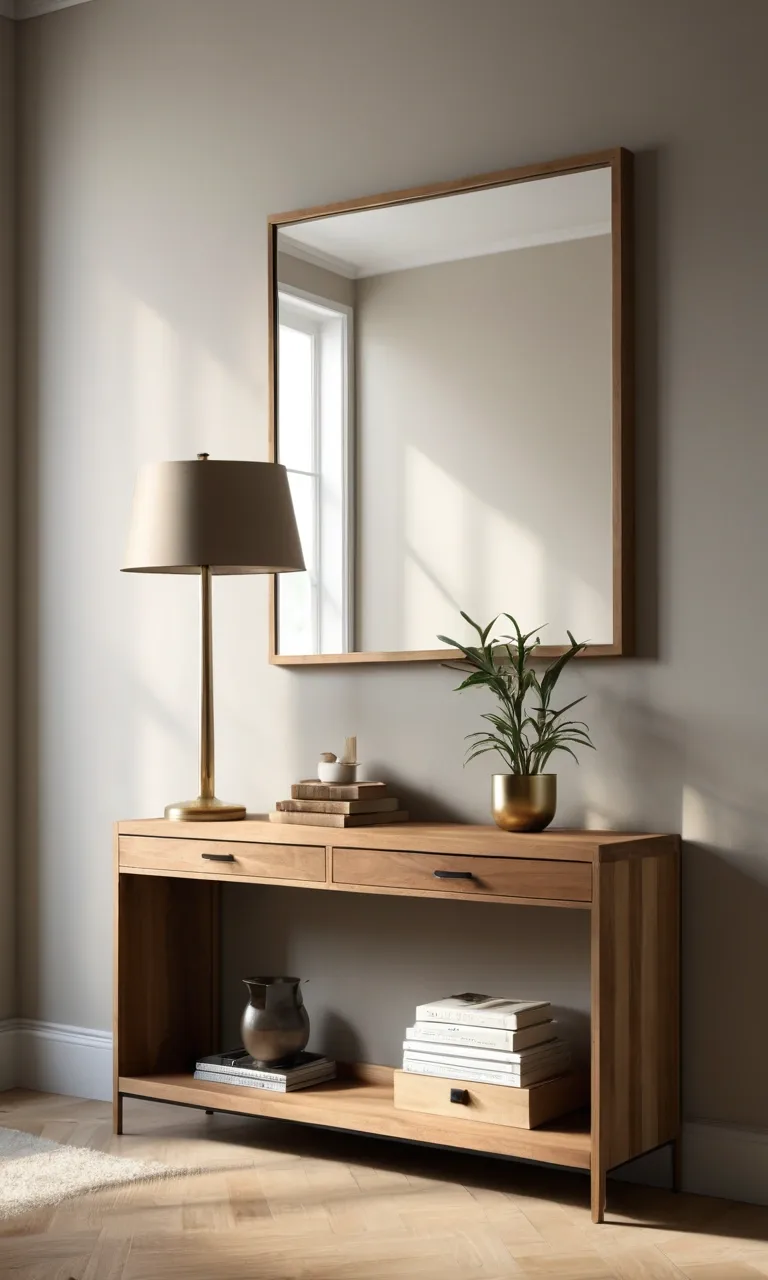
A console table can make an empty hallway, awkward entryway, or unused space behind your sofa feel more organized and inviting. The best part? You don't need expensive furniture or advanced woodworking skills to create something that looks beautiful and serves a purpose.
From simple wooden designs to creative storage solutions, DIY console tables offer plenty of opportunities to customize your furniture. You can choose the dimensions, materials, colors, and features that work best for your home.
Whether you prefer modern minimalism, rustic farmhouse charm, or practical furniture with hidden storage, these 24 DIY console table ideas will help you find a project worth building.
What makes a table a console table?
A console table is typically a long, narrow piece of furniture designed to sit against a wall, behind a sofa, or in an entryway. Unlike a dining table or traditional desk, it provides a useful surface without occupying too much floor space.
Most console tables measure approximately 28 to 32 inches tall, although the ideal height depends on their location. Depths commonly range from 10 to 18 inches, making them suitable for hallways and smaller rooms.
A well-designed console table combines practical dimensions with a stable structure. It can display decorations, organize everyday essentials, or provide additional storage through shelves, drawers, and baskets.
Before building one, measure your available space and consider how you'll use the finished table. This helps you create furniture that looks proportional and functions comfortably.
1. Asymmetrical Statement Base
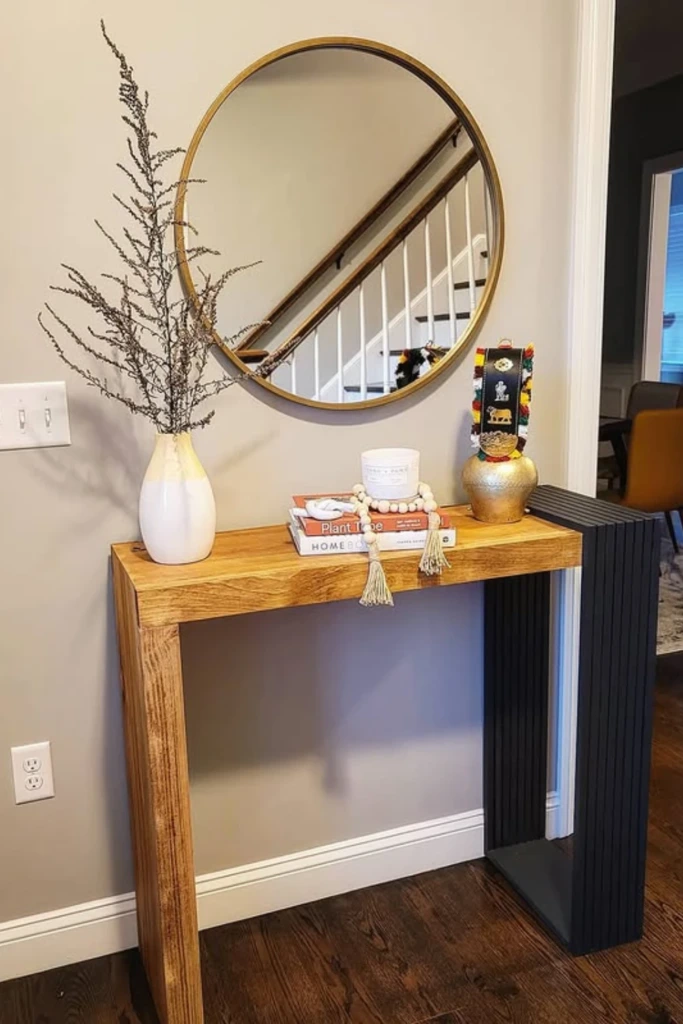
An asymmetrical console table adds personality to a room through an unexpected combination of shapes. Instead of using identical supports, create one solid wooden leg and a second support featuring vertical slats or decorative grooves.
A rectangular plywood or hardwood top connects the contrasting elements. Carefully position the supports to distribute weight evenly, and reinforce the joints with appropriate brackets or concealed fasteners.
Choose a natural wood finish for a warm contemporary appearance, or paint the entire piece in a neutral shade for a sculptural effect. This design works especially well beneath a large mirror or oversized artwork.
2. Hidden Seating Console
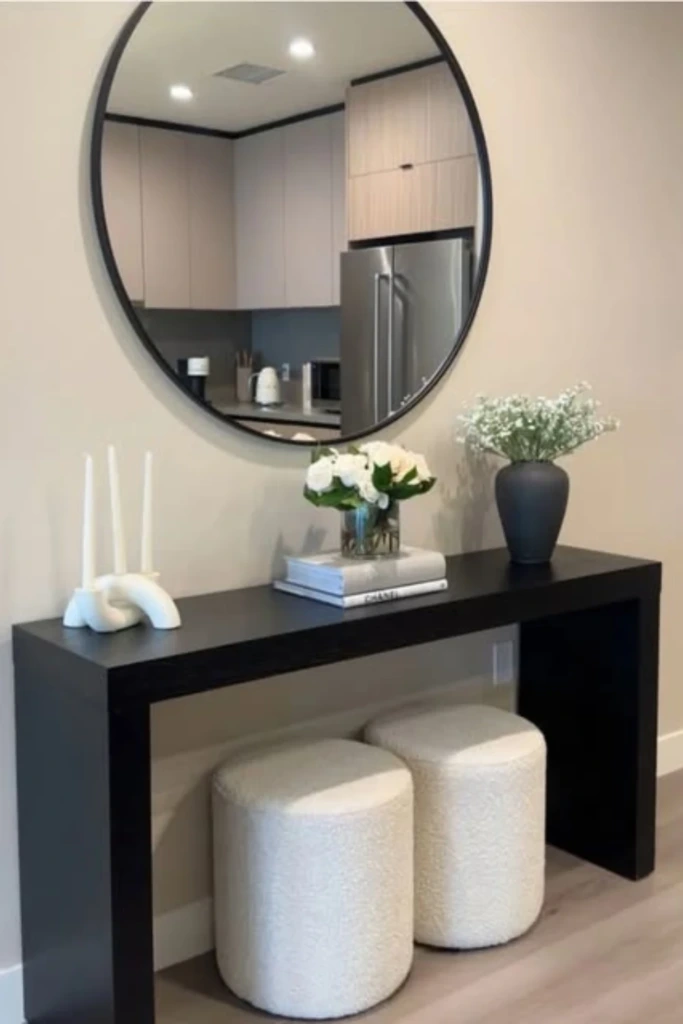
A console table with space for seating is a practical addition to smaller homes. It offers a decorative surface while providing a convenient place to store stools when they aren't being used.
Build a sturdy rectangular frame using furniture-grade plywood or solid wood. Leave the area beneath the tabletop open, making sure there is enough clearance for your chosen stools.
Compact upholstered stools can slide underneath without taking up additional floor space. This arrangement is particularly useful in entryways, living rooms, and multipurpose spaces where occasional extra seating is welcome.
3. Behind-Sofa Workhorse
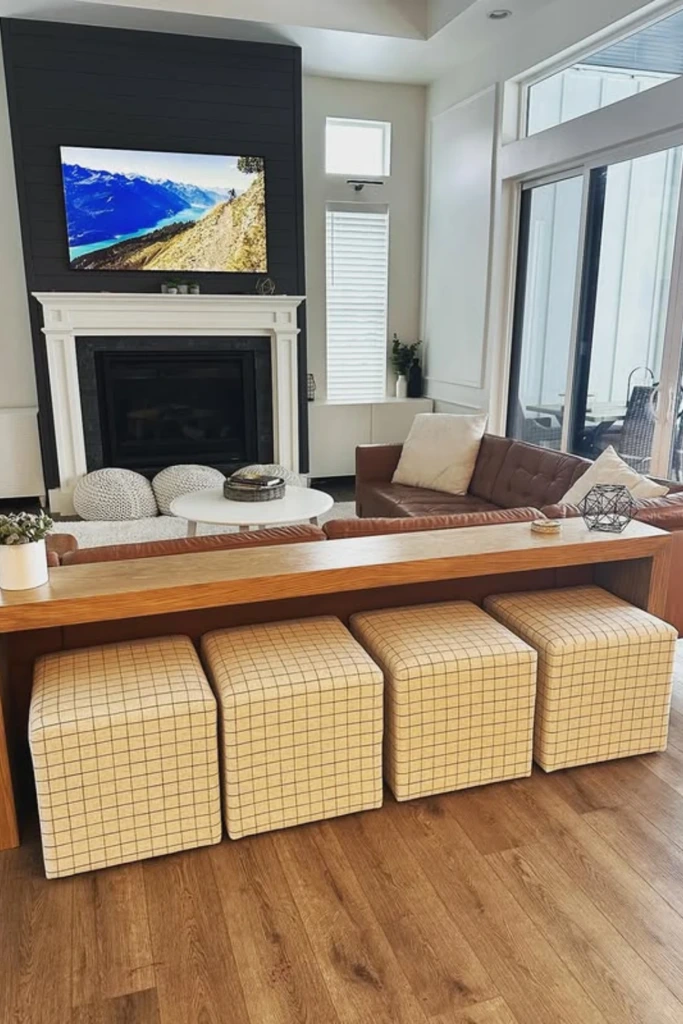
The space behind a couch often goes unused, but a custom console table can turn it into a functional part of your living room.
Measure the length and height of your sofa before cutting your materials. Build a narrow wooden table that sits at or slightly below the sofa back, ensuring it doesn't interfere with comfortable seating.
Add a lower shelf or leave an open section for storage ottomans. You can use the tabletop for books, decorative accessories, or a small lamp.
If you plan to place electronics on the console, include a discreet opening for cables and keep cords away from walkways.
4. Sculptural Stone Console
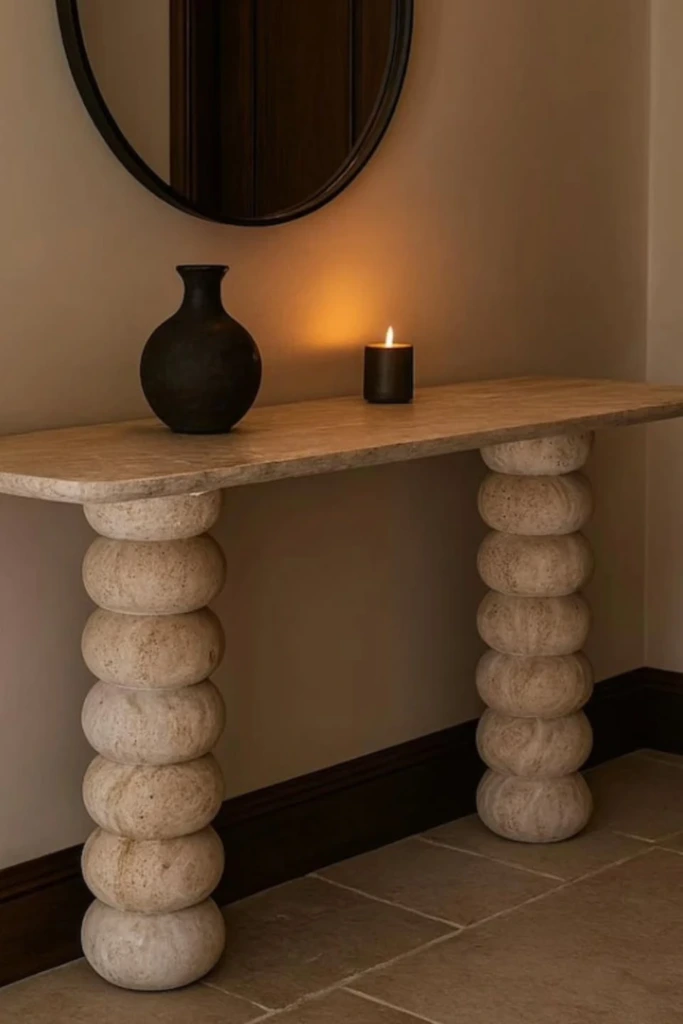
A stone-inspired console table creates an elegant focal point without requiring an elaborate design.
Start with a strong base made from stacked wooden forms, concrete components, or other properly supported materials. For the tabletop, consider a stone-look laminate, lightweight faux-stone panel, or a suitable solid surface.
Rounded pedestal supports can make the table feel especially distinctive. If using genuine stone or concrete, account for the considerable weight and choose structural supports rated for the load.
Keep accessories minimal so the unusual silhouette remains the main attraction. A small ceramic vase or decorative bowl is often enough to complete the look.
5. Farmhouse Storage Console
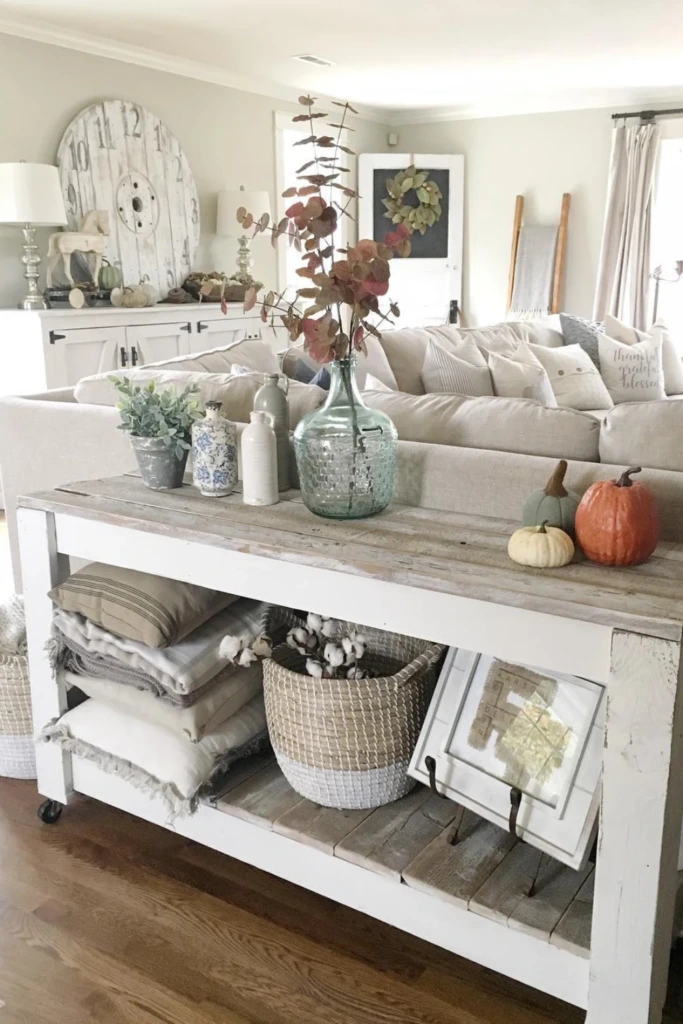
A farmhouse console table combines simple construction with practical storage. Its familiar wooden frame and open shelving make it suitable for relaxed, comfortable interiors.
Build the main structure using straight lumber, securing the legs with aprons and additional bracing where necessary. Install a full-length shelf near the bottom to accommodate baskets, books, or folded blankets.
Pine is an accessible option for this project, while reclaimed wood can provide more character if it is clean, dry, and structurally sound.
Finish the table with a warm stain, matte paint, or a lightly distressed treatment. Woven baskets and simple pottery complement the rustic appearance without making the surface feel crowded.
6. Drawer-Front Console
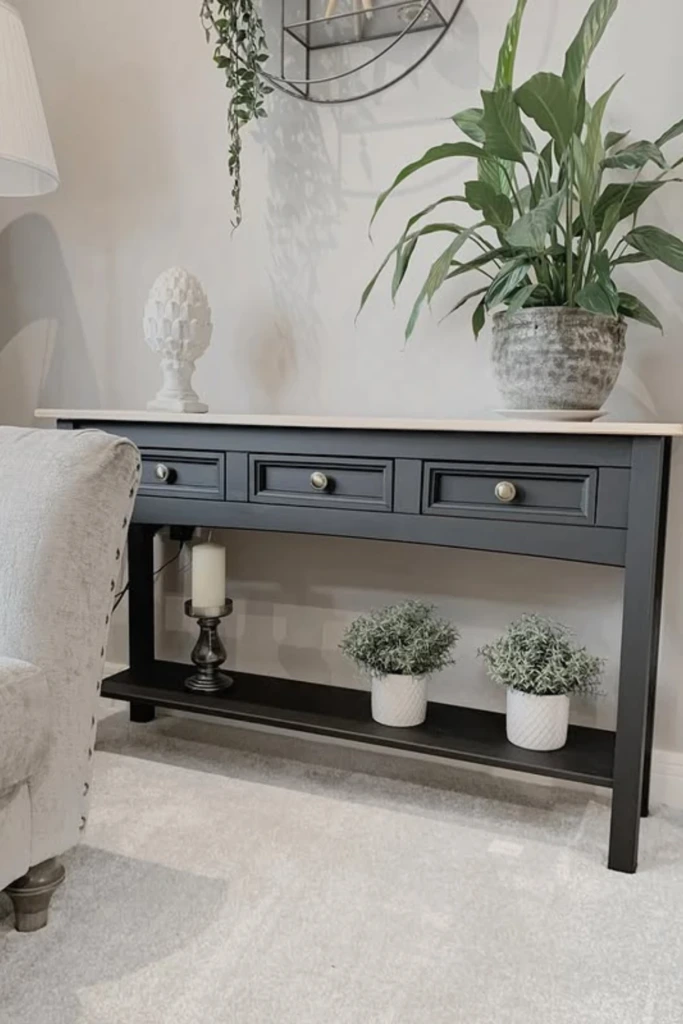
A console table with shallow drawers helps organize smaller household items while maintaining a streamlined appearance.
Begin with a narrow wooden frame and create individual drawer compartments beneath the tabletop. Install drawer slides that match the drawer dimensions and expected weight.
Shallow drawers are useful for storing keys, stationery, charging cables, and other everyday essentials. They also prevent the table from becoming unnecessarily bulky.
For a classic finish, add small metal knobs. Alternatively, use recessed pulls or handle-free drawer fronts for a cleaner contemporary style.
7. Radiator Cover Console
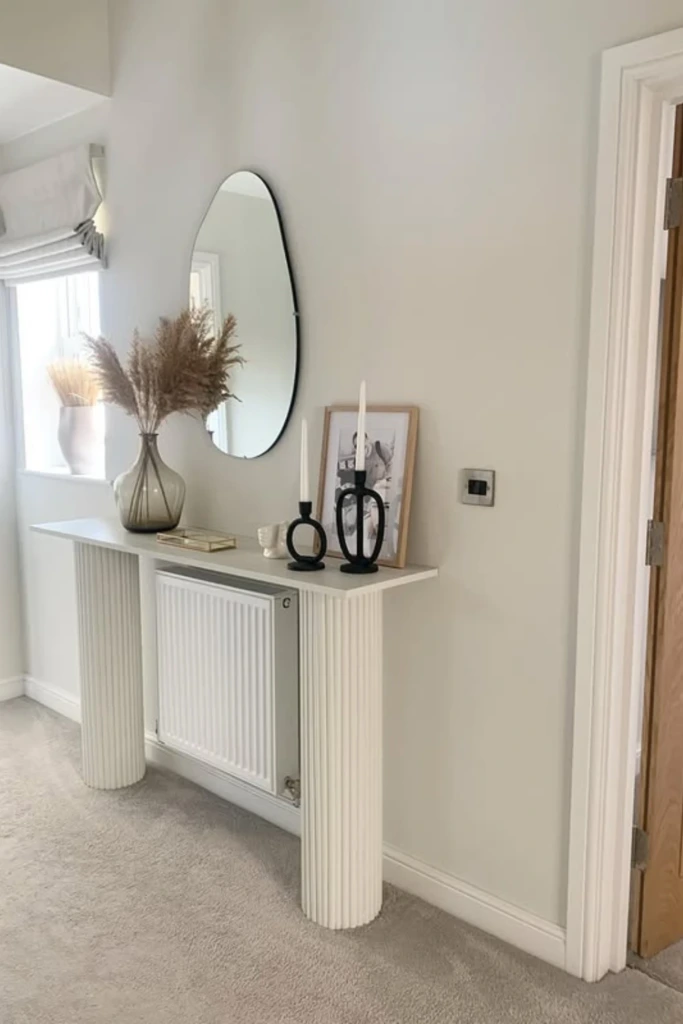
A radiator cover console can make a heating area look more intentional while providing a decorative surface nearby.
Design the structure around the radiator's dimensions, leaving the ventilation and service clearances specified by its manufacturer. Open slats, perforated panels, or a ventilated front can help preserve airflow, but the design must not obstruct heat circulation.
Choose materials and finishes suitable for the temperatures involved. Keep combustible decorations, electrical cords, and heat-sensitive objects away from hot surfaces.
A light-colored finish can help the console blend with the surrounding wall, while a contrasting wooden top adds visual interest.
8. Textured Cane Console
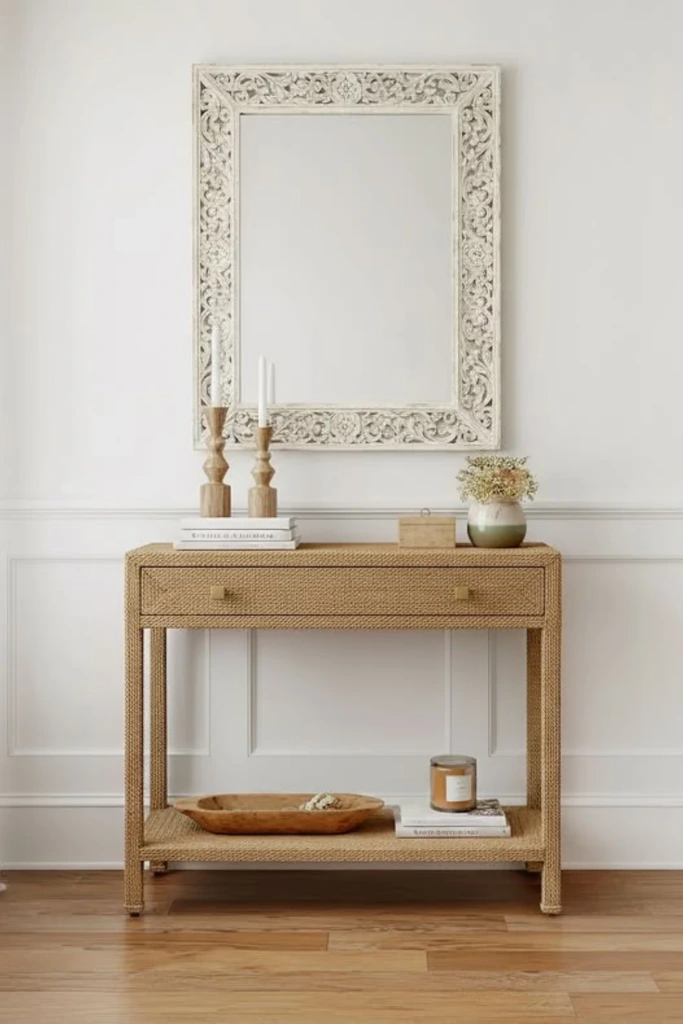
Cane webbing introduces natural texture to a console table and works beautifully with Scandinavian, coastal, and modern interiors.
Construct a simple wooden frame with recessed sections where the cane panels will sit. Cut the webbing to size, prepare it according to the manufacturer's instructions, and secure it neatly inside the frame.
Cane can be used on the side panels, cabinet doors, or decorative sections beneath the tabletop.
Pair it with pale oak, walnut stain, or soft white paint. The combination creates a relaxed furniture piece that adds warmth without dominating the room.
9. Chunky Wood Console
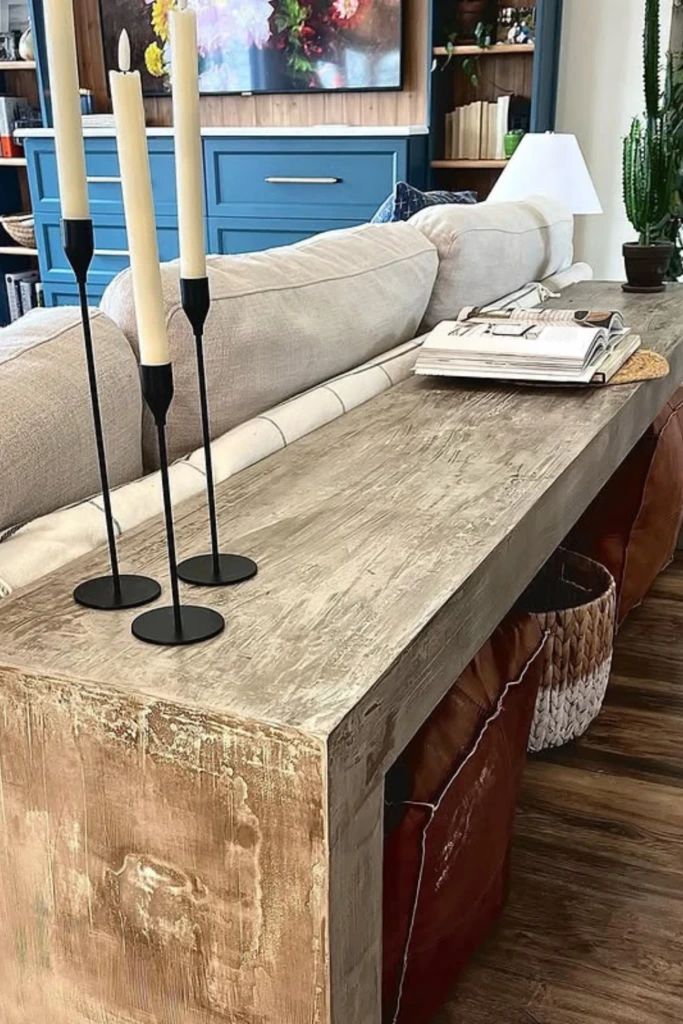
A chunky wooden console table makes a strong visual statement through its substantial proportions and simple construction.
Use thick boards or laminated timber to create a solid-looking tabletop. Wide wooden legs or box-shaped supports help maintain the bold appearance.
For a more affordable project, you can construct hollow box supports from plywood rather than using oversized solid lumber. Reinforce the interior joints so the finished table remains stable.
Sand the edges thoroughly and apply a durable protective finish. This style is especially effective in spacious living rooms where smaller furniture might look out of proportion.
10. Curved Edge Console
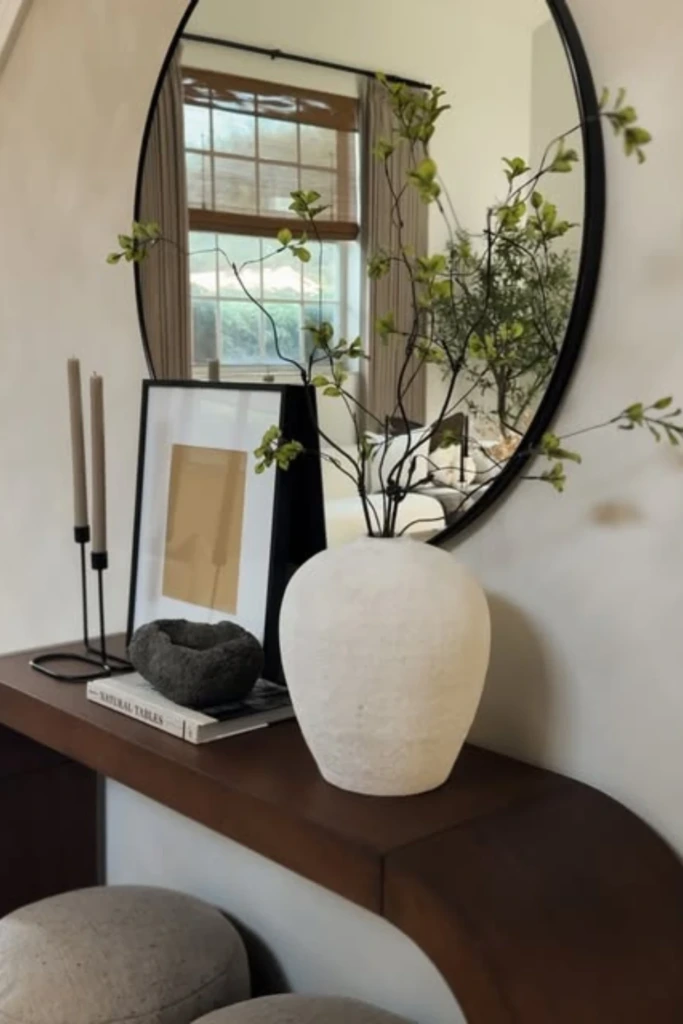
A curved-edge console table softens the appearance of a room and can be particularly attractive in narrow entryways.
Create a tabletop with rounded front corners or a gently curved profile. A jigsaw can handle the initial shape, while sanding and a router can help refine the edges.
If you're working with plywood, consider applying edge banding for a polished finish.
Combine the curved top with simple straight legs to keep the design balanced. Rounded corners also eliminate sharp projections, although the table should still be positioned to preserve comfortable walking space.
11. Mantel-Style Console
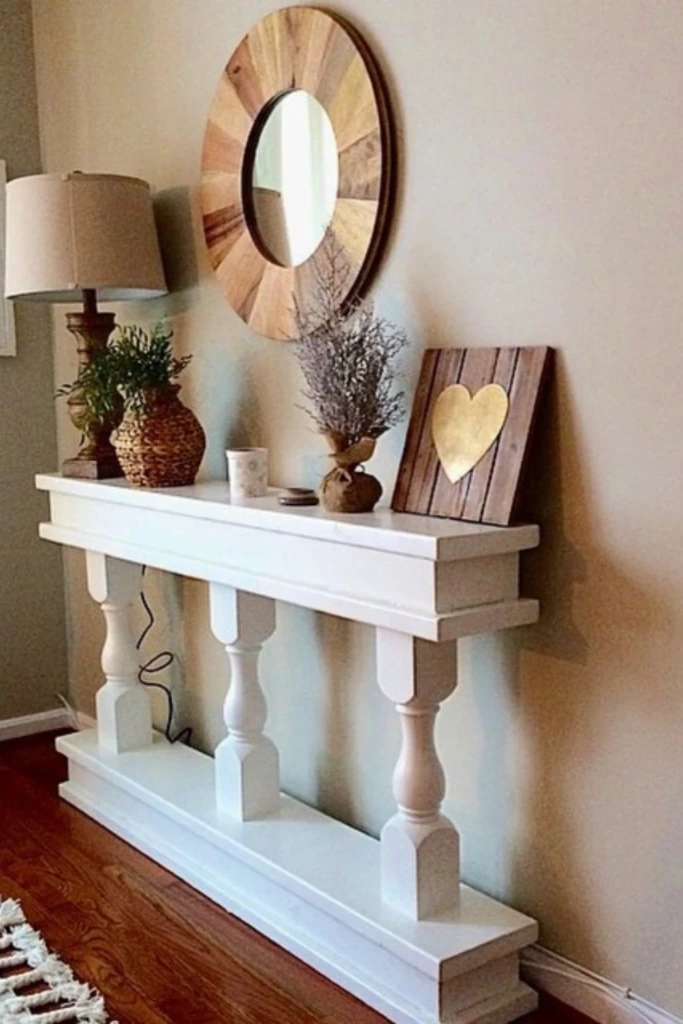
A mantel-inspired console brings traditional architectural character to a room without requiring an actual fireplace.
Build a shallow wooden structure with a broad upper ledge and decorative trim beneath it. Layer molding around the front and sides to create depth and definition.
Paint the finished piece in cream, white, charcoal, or another color that complements your walls.
This design looks attractive beneath framed artwork or a large mirror. Decorative books, pottery, and a small arrangement of greenery can complete the traditional look.
12. Entry Drop Zone
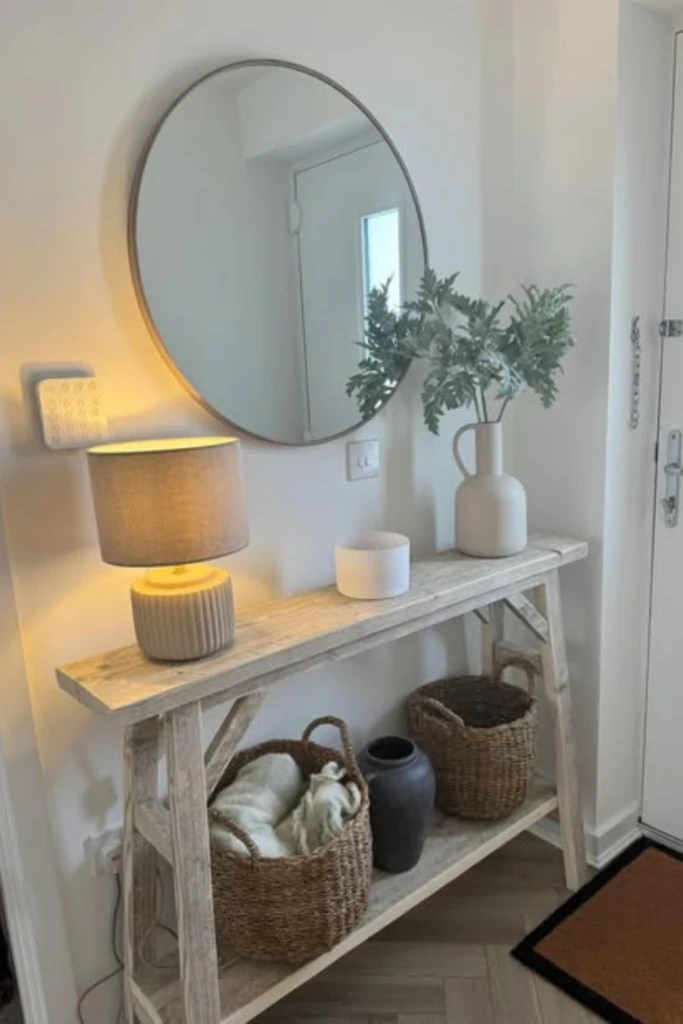
An entryway console provides a dedicated place for the items you need when leaving or returning home.
Build a compact table with a narrow top and one or two accessible storage sections. Include a shallow tray for keys, a basket for mail, and space underneath for shoes or bags.
Wall-mounted hooks above the table can provide additional organization without increasing its footprint.
Choose an easy-to-clean finish because entryway furniture receives frequent use. A durable painted surface or sealed wood top will help the table withstand everyday wear.
13. Open Rail Console
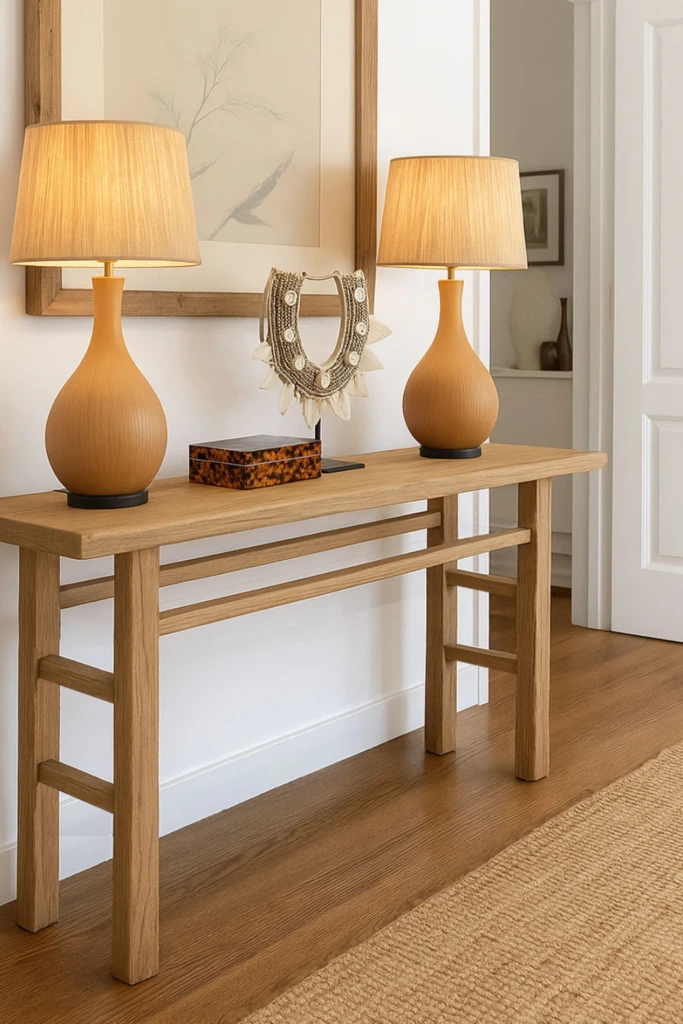
An open rail console offers a lightweight appearance while retaining the stability of a properly constructed wooden frame.
Instead of installing solid side panels, connect the legs with narrow horizontal rails. These rails can become part of the decorative design while helping reinforce the structure.
Use straight, carefully measured lumber and secure each joint with suitable woodworking fasteners or joinery.
A natural finish highlights the wood grain, while a dark stain gives the table a more refined appearance. The open construction is particularly useful in smaller rooms because it doesn't visually block the surrounding space.
14. Slim Radiator Console
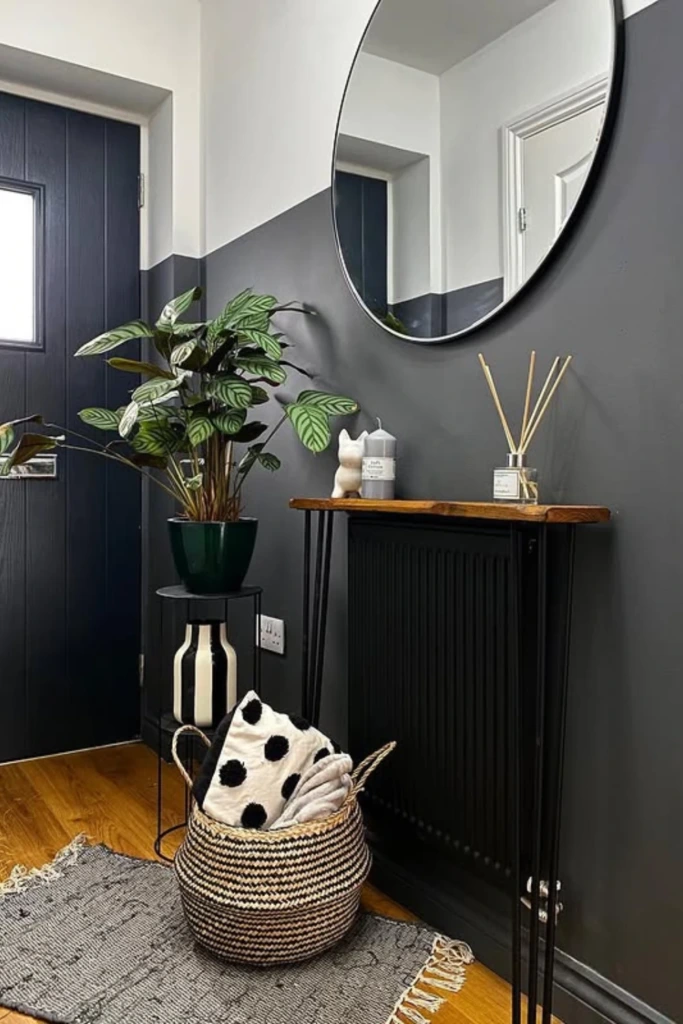
A slim radiator console is designed for spaces where both heating equipment and available floor area influence the furniture layout.
Create a narrow structure with a shallow tabletop and an open or slatted front. Position it according to the radiator manufacturer's required clearances, ensuring that warm air can circulate freely.
Avoid placing shelves or solid panels directly over ventilation openings. The table should also allow access to valves and maintenance points.
Use a finish appropriate for the nearby heat source and avoid placing candles, fabrics, or electronics where temperatures may become excessive.
15. Cabinet-Style Console
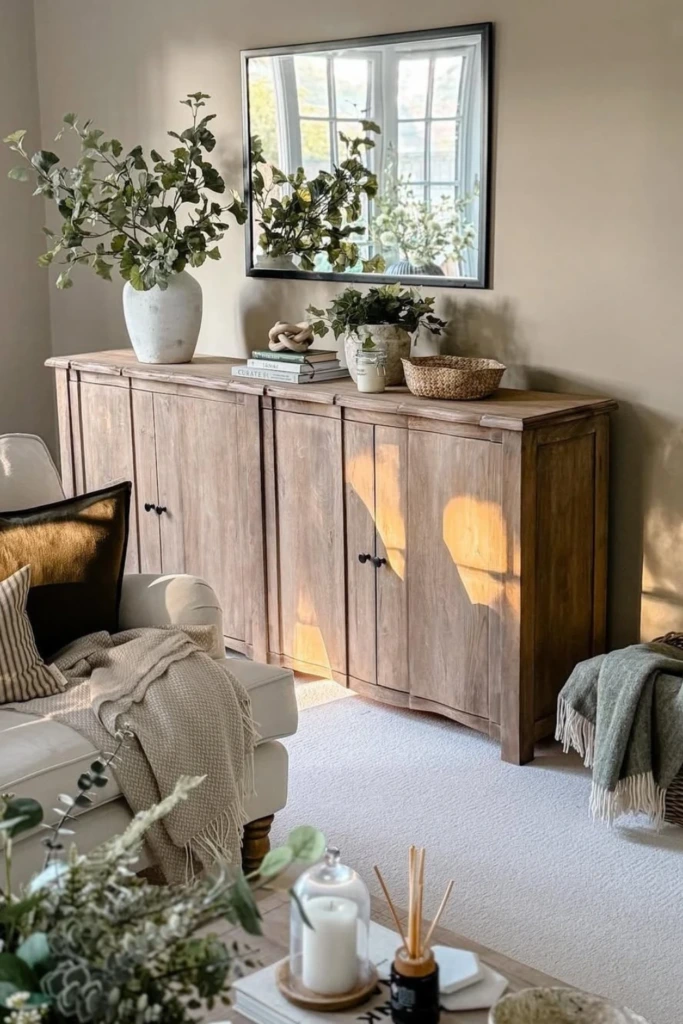
A cabinet-style console is an excellent choice when you want concealed storage without introducing a large piece of furniture.
Build a shallow cabinet using plywood panels and a reinforced base. Add hinged doors with simple frames or flat fronts, depending on your preferred style.
Inside, adjustable shelves can accommodate household accessories, paperwork, or smaller decorative items.
Keep the cabinet relatively narrow so it retains the proportions of a console table. A smooth wooden top and coordinated hardware will give the finished piece a polished appearance.
16. Soft Glow Console
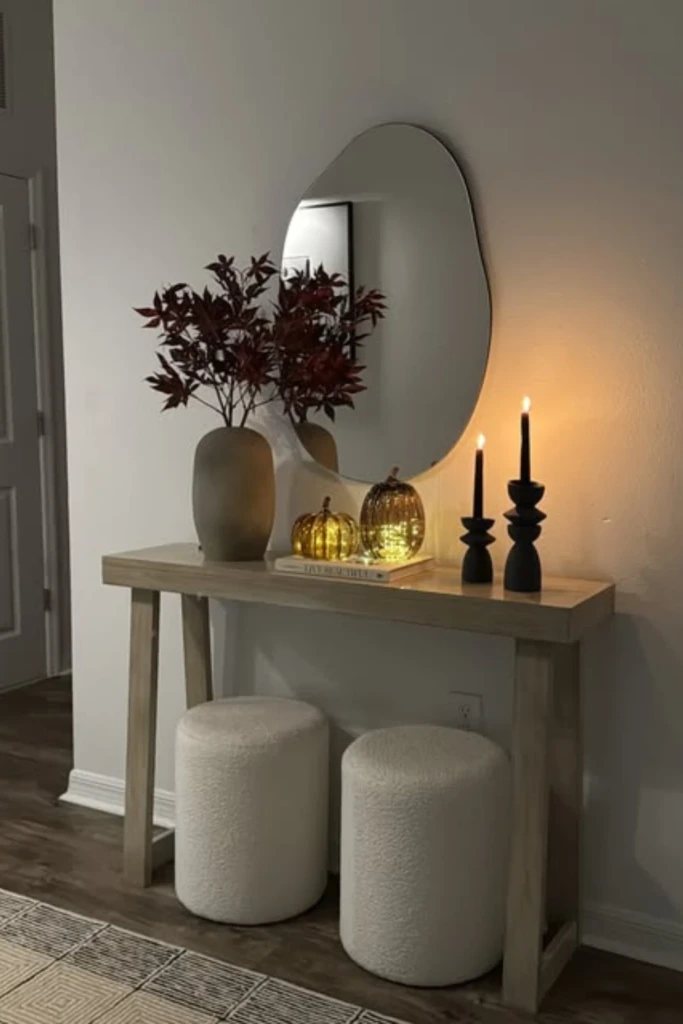
A soft glow console focuses on creating a comfortable atmosphere through thoughtful furniture placement and lighting.
Build a simple wooden table with clean edges and an uncluttered surface. Leave room beneath it for a small stool, decorative basket, or upholstered pouf.
Place a warm-toned LED lamp on the tabletop, or install wall lighting above it. Battery-operated LED candles can add another layer of gentle illumination without an open flame.
Choose soft neutral finishes and limit the number of accessories. This approach works especially well in bedrooms, quiet hallways, and welcoming entryways.
17. Basket Storage Console
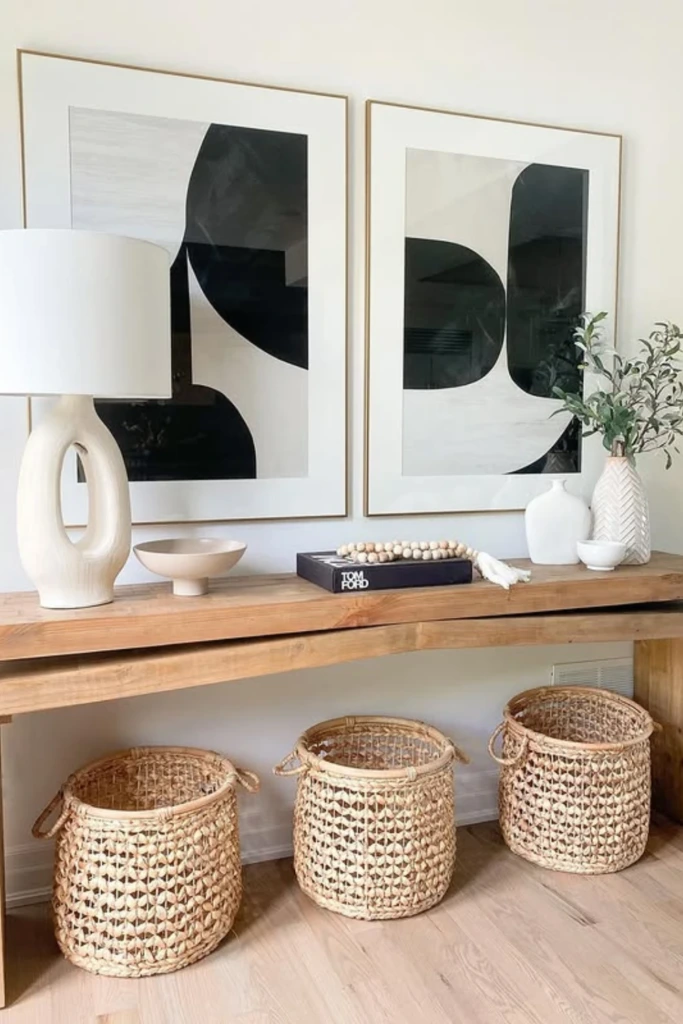
A basket storage console makes everyday organization easier while keeping household clutter out of sight.
Build a sturdy wooden frame with open compartments sized around the baskets you intend to use. Measure each basket carefully, including its handles, so it slides in and out comfortably.
Use matching baskets for a coordinated appearance or combine different natural textures for a more relaxed look.
This project is particularly useful in family rooms where toys, blankets, magazines, and other frequently used items need convenient storage.
18. Crate-Built Console
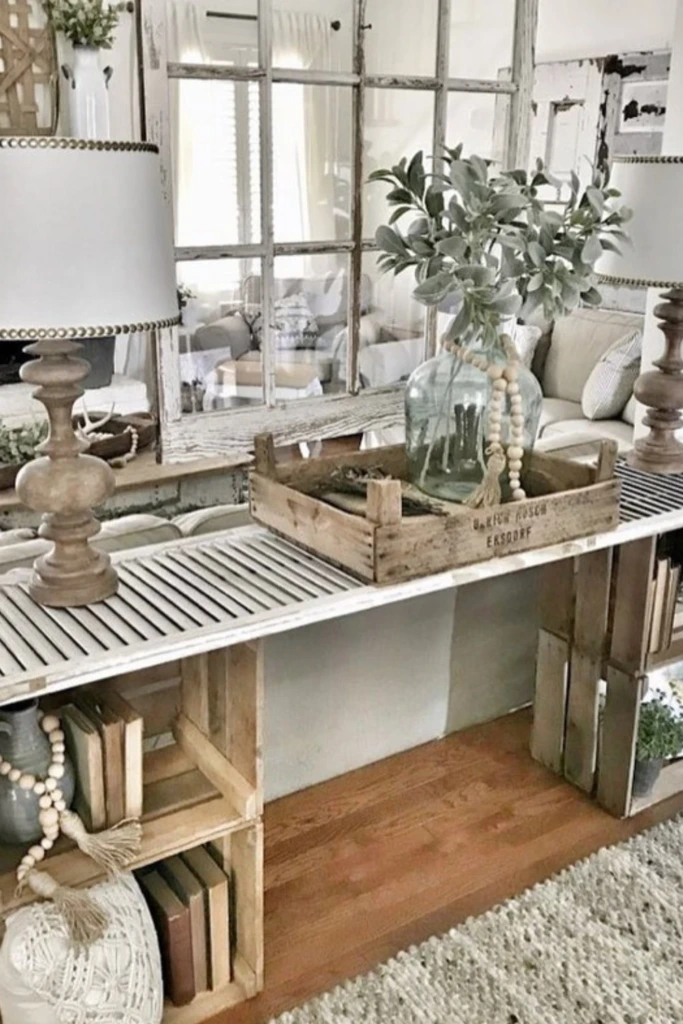
Wooden crates provide an accessible starting point for a rustic console table, especially if you enjoy repurposing materials.
Select crates that are in good condition, with no loose boards, protruding nails, or damaged joints. Arrange them to form storage compartments and fasten them securely to one another.
Attach a reinforced wooden top to create a continuous surface. Add a stable base or appropriate wall anchoring where necessary to prevent tipping.
The open crate compartments can hold books, small baskets, or decorative objects. Sand all exposed edges before applying paint, stain, or clear sealer.
19. Floating Wall Console
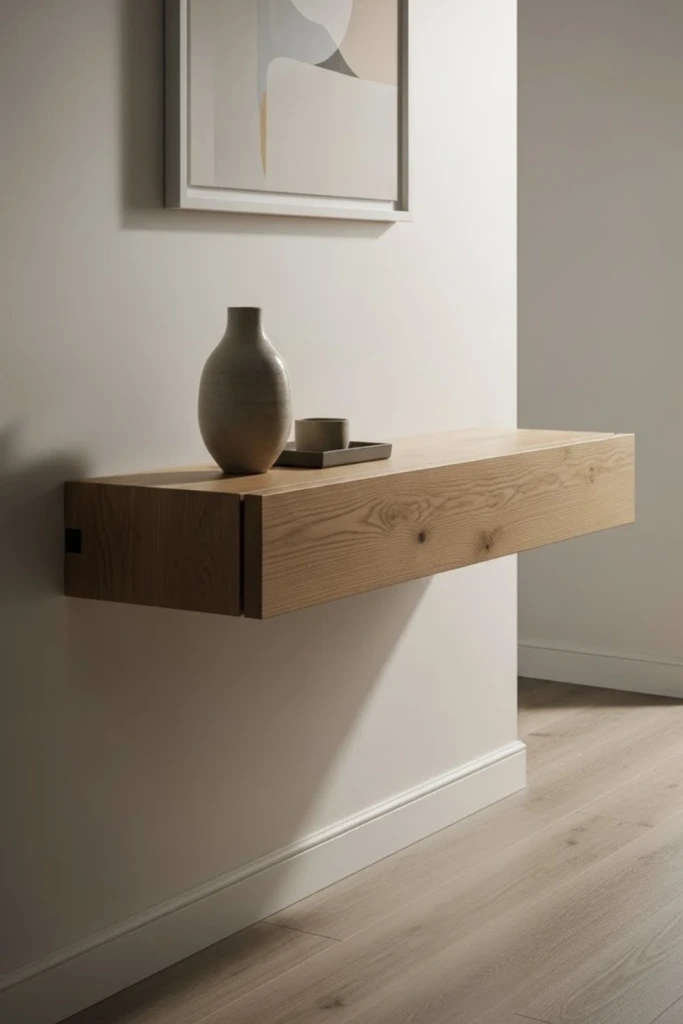
A floating console table is an effective solution when floor space is limited.
Use a solid wooden shelf or a reinforced plywood box as the main structure. Attach it to the wall with heavy-duty brackets or a mounting system suitable for the expected load.
Fasteners must be secured into appropriate structural support, such as wall studs or properly rated masonry anchors. Ordinary drywall anchors may not be sufficient for a heavy console.
Keep the depth modest to reduce leverage on the mounting hardware. This design works well in hallways, apartments, and compact entryways where traditional table legs would obstruct movement.
20. Waterfall Slab Console
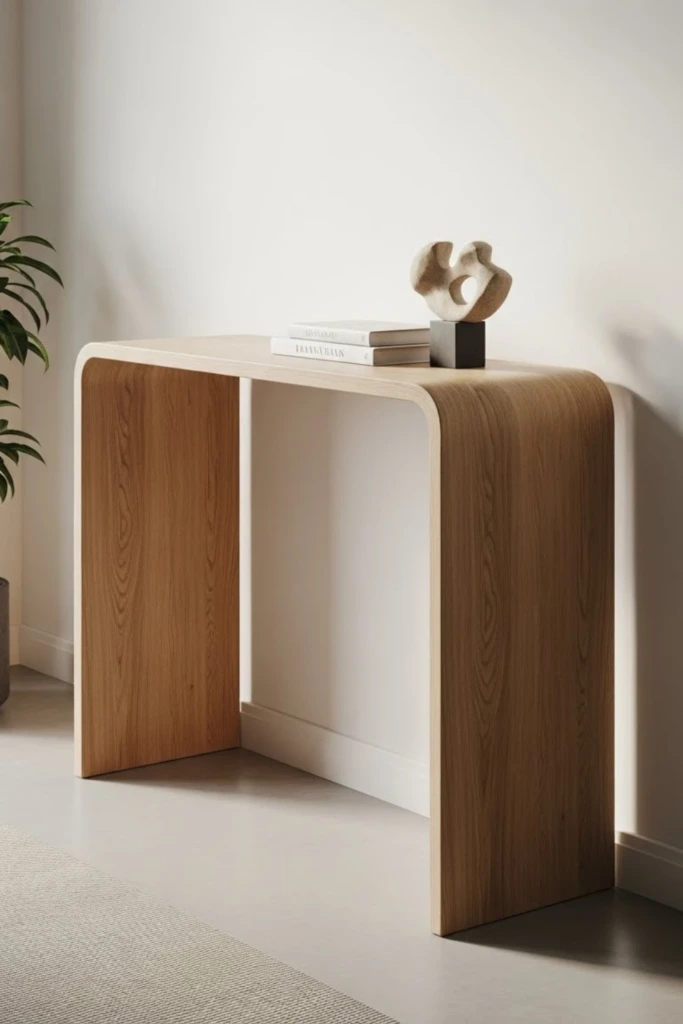
A waterfall console features a continuous-looking surface that extends from the tabletop down both sides, creating a clean geometric silhouette.
Cut three matching panels from plywood or suitable solid wood. Join the top and side pieces using carefully aligned joints, reinforced with appropriate woodworking methods.
Mitered corners can create a seamless appearance, but straightforward butt joints with concealed reinforcement are easier for beginners.
Apply matching edge treatments and finish all visible surfaces consistently. The result is a modern table that looks particularly striking in minimalist spaces.
21. Metal Frame Console
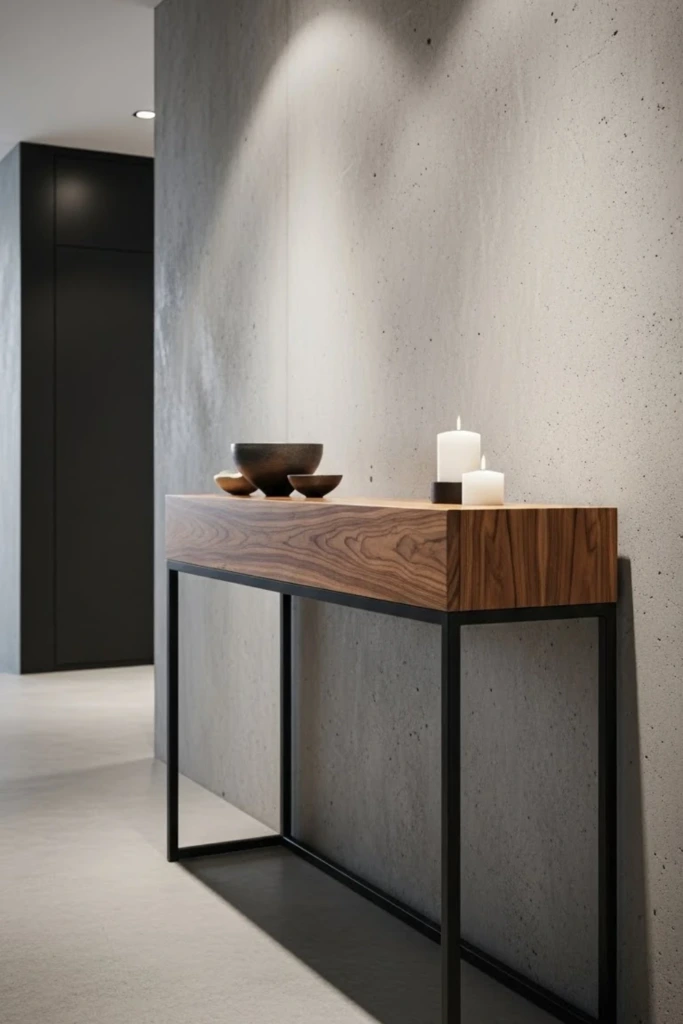
A metal frame console combines the warmth of wood with the slim proportions of steel.
Start with a welded or prefabricated metal base that provides adequate support for your chosen tabletop. Attach a wooden slab using suitable mounting brackets and fasteners.
If you don't have welding experience, purchasing ready-made metal legs is a safer and more practical approach than attempting structural welds yourself.
A matte black frame paired with natural oak or walnut creates a timeless industrial appearance. The open base keeps the furniture visually light while allowing the tabletop to stand out.
22. Shelf-Led Console
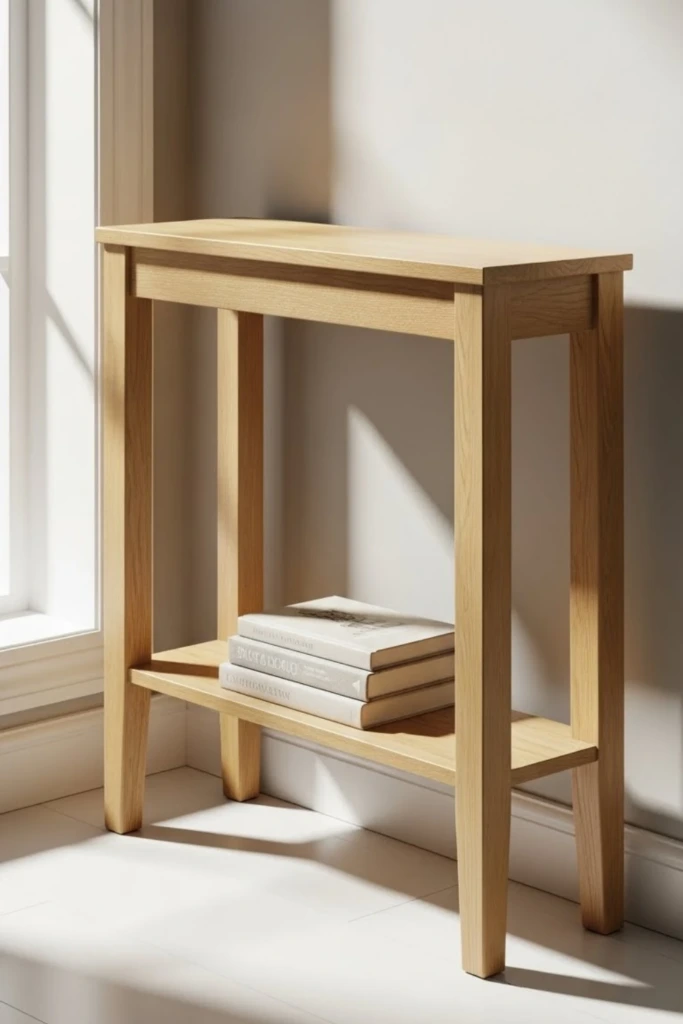
A shelf-led console offers additional display space without the bulk of a full storage cabinet.
Construct a basic wooden table and install a narrow shelf several inches beneath the top. Support the shelf with rails or brackets that can safely carry its intended contents.
Use the lower level for lightweight books, small containers, or decorative objects. Keep frequently used items on the upper surface for convenient access.
Matching the shelf and tabletop finishes creates a cohesive design, while contrasting colors can introduce subtle visual interest.
23. Painted Accent Console
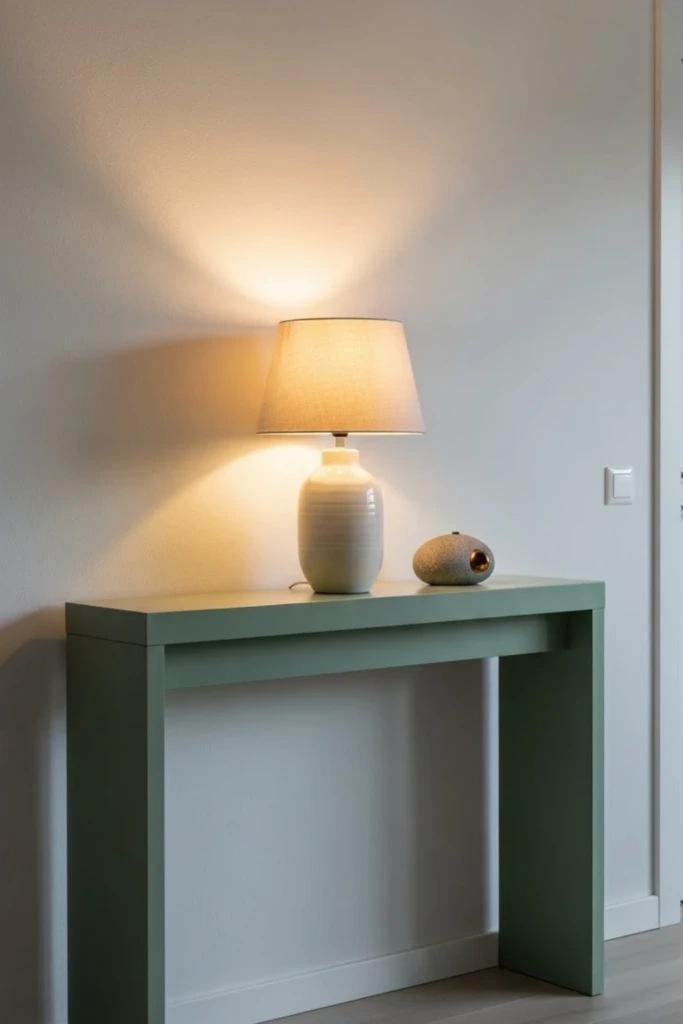
A painted console table is a simple way to introduce color into a neutral room.
Build a straightforward wooden frame or refresh an existing console with a new finish. Prepare the surface by cleaning, sanding, and priming where needed before applying furniture paint.
Muted sage, dusty blue, terracotta, and deep charcoal can all create attractive results, depending on the surrounding decor.
Use a durable finish appropriate for furniture, especially on the tabletop. Coordinate the hardware with nearby fixtures to make the finished project feel intentional.
24. Narrow Desk Hack

A narrow desk can be adapted into a console table when you want a functional project without starting entirely from scratch.
Choose a desk with a slim profile and straightforward legs. If necessary, modify the depth only when the construction allows it without weakening the frame.
Remove unnecessary components, refinish the surface, and add bracing if the original structure requires additional stability.
This approach works particularly well in home offices, studio apartments, and multifunctional rooms. The finished table can serve as a display surface while retaining enough space for occasional writing or laptop use.
How big should a picture be over a console table?
Artwork above a console table should feel visually connected to the furniture rather than appearing too small or overwhelming the arrangement.
A useful starting point is to select a picture measuring approximately two-thirds to three-quarters of the console's width. For example, a 48-inch-wide console often pairs well with artwork around 32 to 36 inches wide.
Position the bottom of the frame approximately 4 to 8 inches above the tabletop, adjusting the placement according to the artwork's size and nearby accessories.
If you prefer a gallery wall, treat the complete arrangement as one composition when determining its overall width.
How to choose the mirror size for a console table?
The ideal mirror should complement the console table's dimensions and the surrounding wall space.
As a general guideline, choose a mirror approximately two-thirds to three-quarters as wide as the table. A 60-inch console, for example, can work well with a mirror around 40 to 45 inches wide.
Round mirrors introduce softness to rectangular furniture, while tall mirrors can emphasize ceiling height and create a more vertical composition.
Center the mirror over the console rather than automatically aligning it with the entire wall. Leave enough space between the mirror and tabletop for decorative objects without making the arrangement feel disconnected.
Always use mounting hardware appropriate for the mirror's weight and wall construction.
25. Love this idea? Save it for later.
Building your own console table gives you the freedom to create furniture that fits your space, storage needs, and decorating style. Whether you choose a simple wooden frame, a floating design, or a console with baskets and drawers, careful measurements and sturdy construction make the biggest difference.
Save these DIY console table ideas for your next home improvement project, and choose a design that combines the appearance you love with the functionality your home needs.