20 Clever DIY Camping Trailer Ideas for 2026
Creating your own camping trailer is an exciting way to enjoy outdoor adventures without investing in an expensive recreational vehicle. Whether you have an unused utility trailer, an older camper that needs updating, or plans to build something from scratch, a few creative modifications can turn an ordinary trailer into a comfortable travel companion.
The beauty of a DIY camping trailer is that you can customize it around your lifestyle. Some campers prioritize comfortable sleeping arrangements, while others need extra storage for outdoor equipment, a practical cooking station, or enough space for the entire family.
You don't need advanced woodworking skills or a huge budget to get started. Many improvements involve simple storage solutions, lightweight furniture, clever layouts, and affordable decorative touches.
These 16 DIY camping trailer ideas offer inspiration for everything from compact weekend campers to versatile adventure trailers.
1. Before You Start Your DIY Camping Trailer

Before beginning a trailer conversion, take time to plan the layout, materials, and essential features. Careful preparation helps prevent unnecessary expenses, wasted space, and potential safety problems.
2. Think About Weight Before Features

Every modification adds weight, including cabinets, mattresses, water containers, batteries, and camping equipment. Too much weight can affect towing stability, braking performance, and fuel consumption.
Check your trailer's gross vehicle weight rating, payload capacity, axle limits, and the towing specifications of your vehicle.
Choose lightweight construction materials whenever possible. Thin plywood, aluminum framing, and compact storage solutions can reduce unnecessary bulk.
Position heavy equipment low and distribute loads according to the trailer manufacturer's guidance. Remember to account for passengers' luggage, water, food, and other supplies before finalizing your design.
3. Decide Where You Will Sleep

Your sleeping arrangement determines how much space remains for other features.
A fixed mattress is convenient for couples who prefer a ready-to-use bed. However, convertible seating can provide additional daytime living space.
Families may benefit from bunk beds, while outdoor enthusiasts might prefer a rooftop tent mounted on a properly rated support system.
Measure the available interior dimensions carefully, including mattress length, shoulder room, and space needed to enter and exit comfortably.
Consider ventilation and temperature control as well. A comfortable mattress won't make up for poor airflow on a warm summer night.
4. Be Realistic About Your Kitchen

A camping kitchen should match your cooking habits rather than simply look impressive.
If your meals usually involve sandwiches, coffee, and simple one-pot recipes, a portable stove and small preparation counter may be sufficient.
Campers who enjoy preparing full meals might appreciate dedicated cookware storage, a larger countertop, and an accessible water supply.
Outdoor kitchens free up valuable interior space and reduce cooking odors inside the sleeping area.
Whatever layout you choose, prioritize food safety, easy cleaning, and proper stove ventilation.
5. Compact Teardrop Trailer Setup
A compact teardrop trailer is an excellent option for travelers who want a lightweight camper with essential comforts.
Its rounded profile creates a distinctive appearance while keeping the interior relatively simple. Most designs feature a sleeping cabin with a mattress and a separate rear compartment for cooking supplies.
You can build the sleeping platform using lightweight plywood supported by a suitable frame. Add storage compartments beneath the mattress for clothing, shoes, and smaller camping accessories.
Install screened ventilation openings to improve airflow and reduce condensation.
A rear hatch can provide access to a compact kitchen containing a portable stove, water container, and storage shelves.
For additional comfort, consider battery-powered reading lights, insulated wall panels, and small organizers beside the sleeping area.
This design is particularly suitable for solo travelers and couples who want an uncomplicated camper for short outdoor trips.
6. DIY Fire Pit Cooking Area
A dedicated fire pit cooking area can transform a basic camping setup into an enjoyable outdoor gathering space.
Instead of installing a complicated kitchen inside your trailer, carry a portable cooking grate or suitable campfire cooking equipment.
A stable grill grate positioned over an approved fire pit can accommodate cast-iron cookware, kettles, and other heat-resistant cooking tools.
Keep your cooking utensils, fire gloves, and food preparation supplies together in a dedicated trailer compartment.
You can also pack folding stools or compact camping chairs to create a comfortable place to relax while meals cook.
Always check local fire restrictions before lighting a campfire. Use established fire rings where required, keep combustible materials away, and never leave flames unattended.
A simple outdoor cooking arrangement works especially well for campers who enjoy traditional campfire meals without needing a permanent kitchen installation.
7. Convertible Dinette Seating
Convertible dinette seating is a practical solution for small trailers where every inch matters.
During the day, the arrangement provides a comfortable dining area with two benches and a central table. At night, the table lowers to form part of a sleeping platform.
Build the benches with hinged lids to create accessible storage compartments underneath.
These compartments can hold blankets, clothing, board games, or other lightweight supplies.
Choose durable upholstery that resists stains and moisture. High-density foam cushions offer support for seating and can also serve as part of the sleeping surface.
Make sure the lowered table is securely supported and designed to handle the intended sleeping load.
This multifunctional arrangement allows a compact trailer to serve as a dining room, lounge, and bedroom without requiring separate furniture for each purpose.
8. Rooftop Tent Expansion
Adding a rooftop tent is a creative way to increase sleeping capacity without expanding the trailer's footprint.
A compatible rooftop tent can be mounted on a properly engineered rack above the trailer body, leaving the interior available for storage or additional sleeping arrangements.
This configuration is especially useful for families and groups who need separate sleeping spaces.
Some rooftop tents include built-in mattresses, screened windows, and weather-resistant covers.
Before installation, verify that the rack, trailer structure, attachment points, and support system can safely handle both travel loads and occupied tent loads.
A tent also needs a secure ladder and adequate clearance for safe entry.
When installed correctly, a rooftop tent provides an elevated sleeping area while allowing the main trailer to remain compact and functional.
9. Retro Color Upgrade
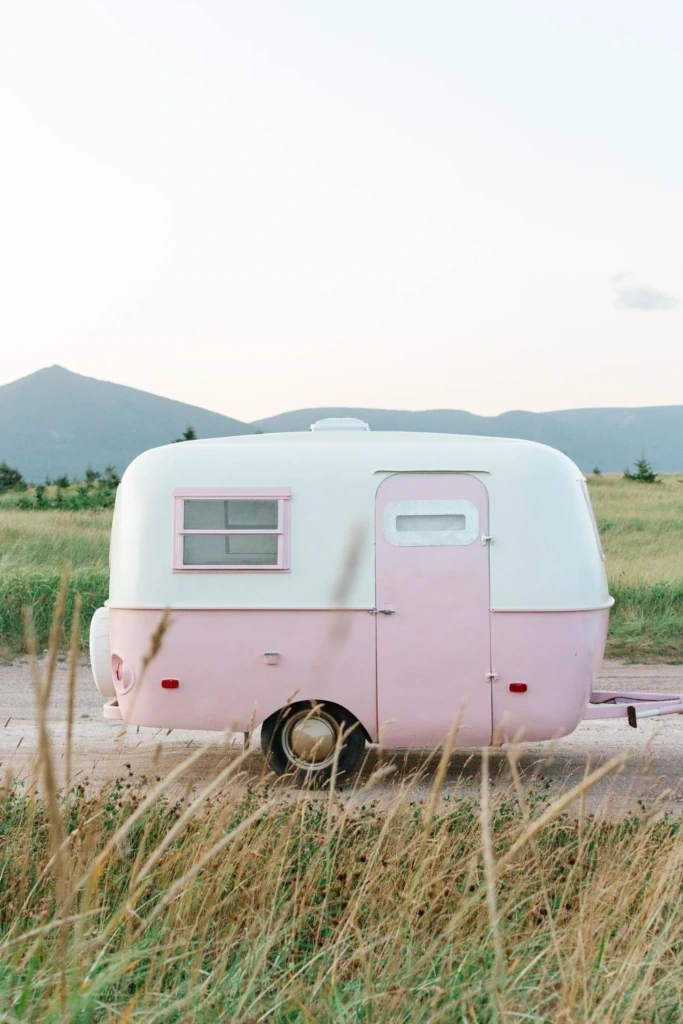
An exterior paint makeover can dramatically improve the appearance of an older camping trailer.
Vintage-inspired color combinations, such as mint green and cream, pale yellow and white, or soft blue with ivory trim, create a cheerful retro aesthetic.
Begin by thoroughly washing the trailer and removing loose paint, oxidation, and surface contaminants.
Repair damaged areas and select primers and paints compatible with the exterior material.
Mask windows, lights, seals, and hardware before painting to achieve clean edges.
You can enhance the finished appearance with updated handles, refreshed trim, or decorative graphics.
Avoid painting over damaged seals or hiding corrosion that requires proper repair.
A retro makeover is ideal for campers who already have a functional trailer but want to give it more personality without undertaking major structural modifications.
10. Cozy Curtain Divider
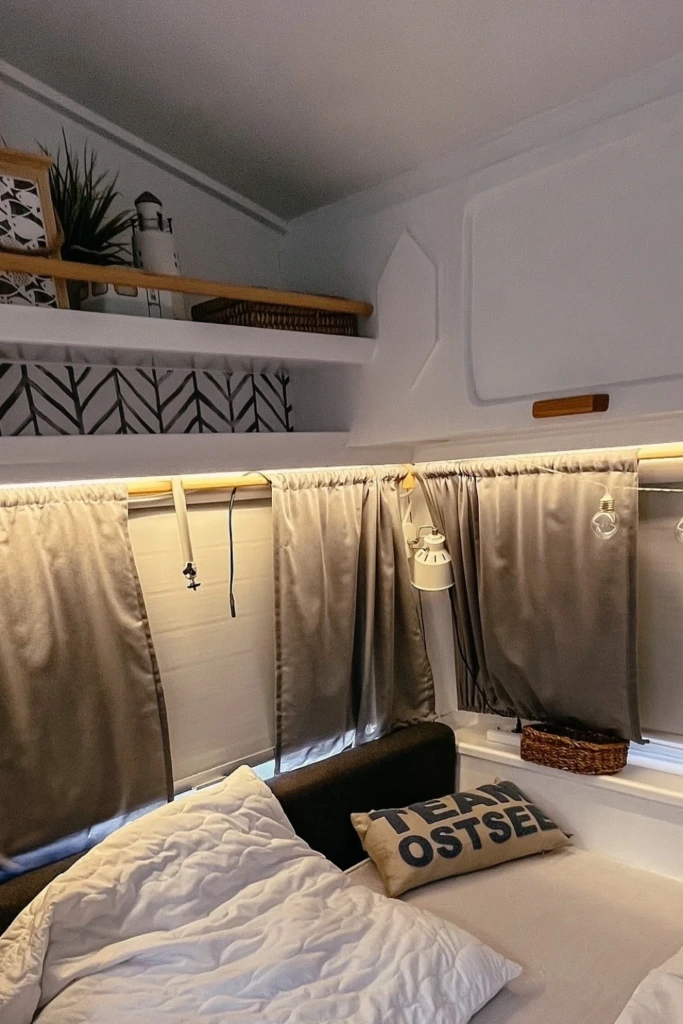
Curtains offer an inexpensive way to improve privacy and comfort inside a small camping trailer.
A simple fabric divider can separate sleeping areas, conceal storage compartments, or create a private changing space.
Install a lightweight curtain track or securely mounted tension system where suitable.
Choose washable fabrics that can withstand frequent use and changing humidity levels.
Light-colored curtains help maintain an airy interior, while blackout materials are useful for blocking morning sunlight.
You can coordinate the fabric with bedding, cushions, and other interior accessories for a more cohesive appearance.
For additional convenience, install a small rechargeable reading light near the sleeping area.
Keep curtains away from heaters, cooking appliances, and other heat sources.
This affordable upgrade is particularly useful for families sharing a compact trailer or anyone who wants a more comfortable sleeping environment.
11. Multi-Use Micro Trailer
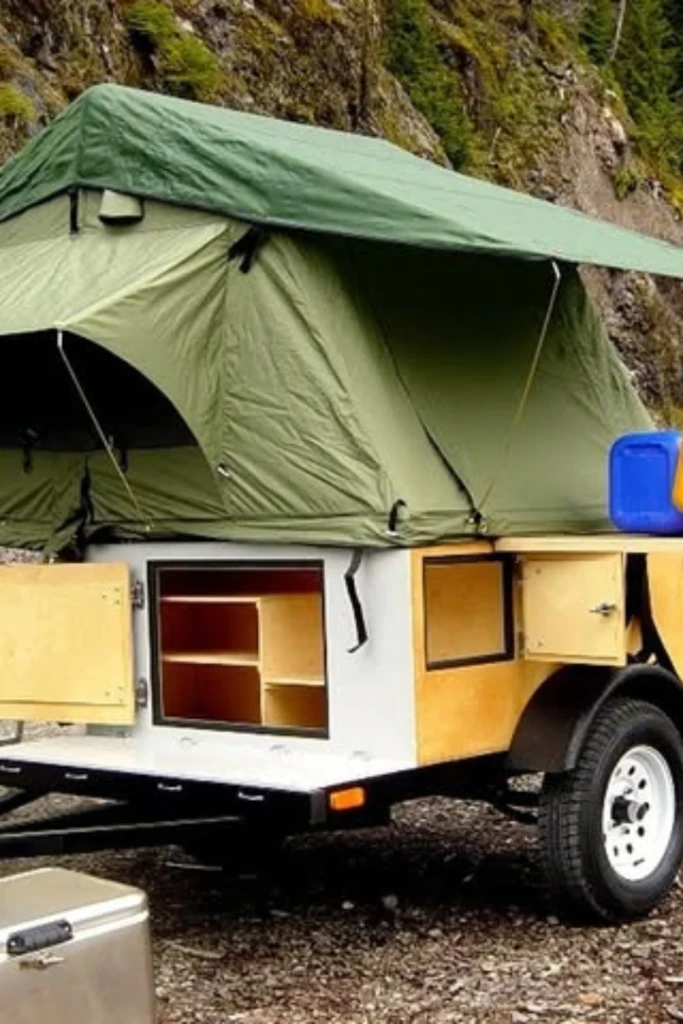
A micro camping trailer is designed to provide essential storage and functionality in the smallest practical space.
Rather than creating a fully enclosed living area, this setup focuses on transporting camping equipment efficiently.
Start with a compact trailer and divide the storage space into clearly organized sections.
Use lightweight drawers, removable bins, and secure compartments for cooking supplies, tools, and personal belongings.
Frequently used items should be accessible without unloading the entire trailer.
A properly rated rooftop tent can provide sleeping accommodation while preserving storage capacity below.
You might also add an exterior folding shelf for meal preparation or equipment maintenance.
Secure all stored items to prevent movement during travel.
This approach works particularly well for campers who spend most of their time hiking, fishing, exploring, or relaxing outdoors.
12. Adventure-Ready Gear Trailer
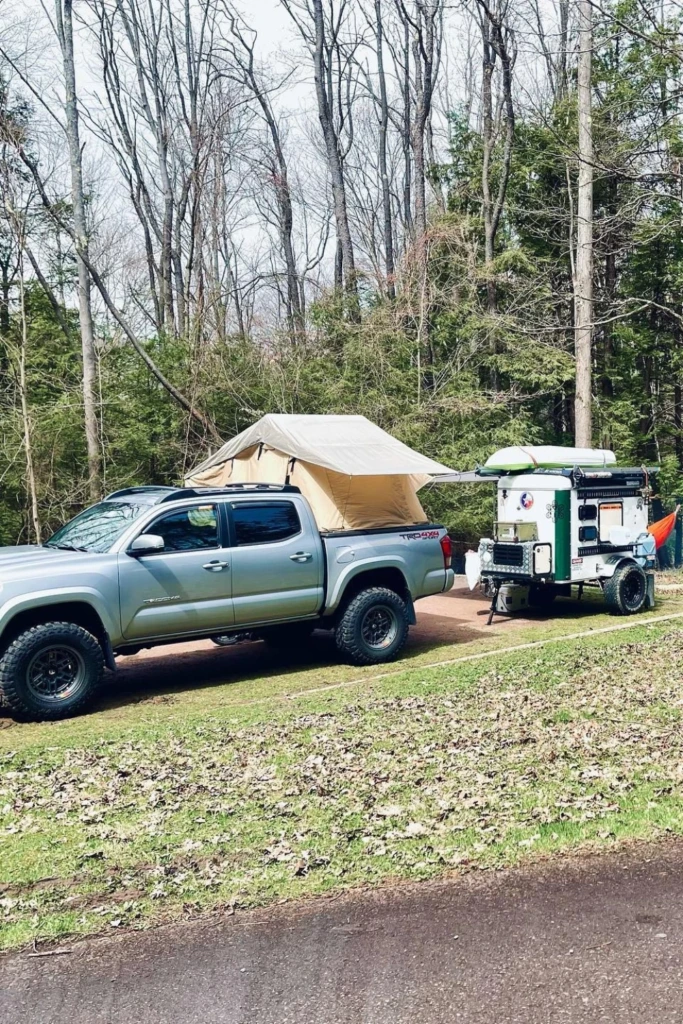
Outdoor activities often require bulky equipment that can quickly overwhelm a conventional camping trailer.
An adventure-focused trailer solves this problem by providing dedicated storage for items such as bicycles, kayaks, fishing equipment, and hiking gear.
Begin by identifying the largest items you regularly transport.
Install compatible racks, tie-down points, and storage compartments that accommodate their dimensions and weight.
A roof-mounted rack may be useful for lightweight watercraft, provided the rack and trailer are rated for the load.
Inside the trailer, use adjustable dividers or removable storage bins to separate smaller equipment.
Include a compartment for wet or muddy gear so it doesn't damage bedding or clean clothing.
Position heavier items appropriately to maintain safe towing balance.
With an organized adventure trailer, equipment stays protected and ready for your next outdoor trip.
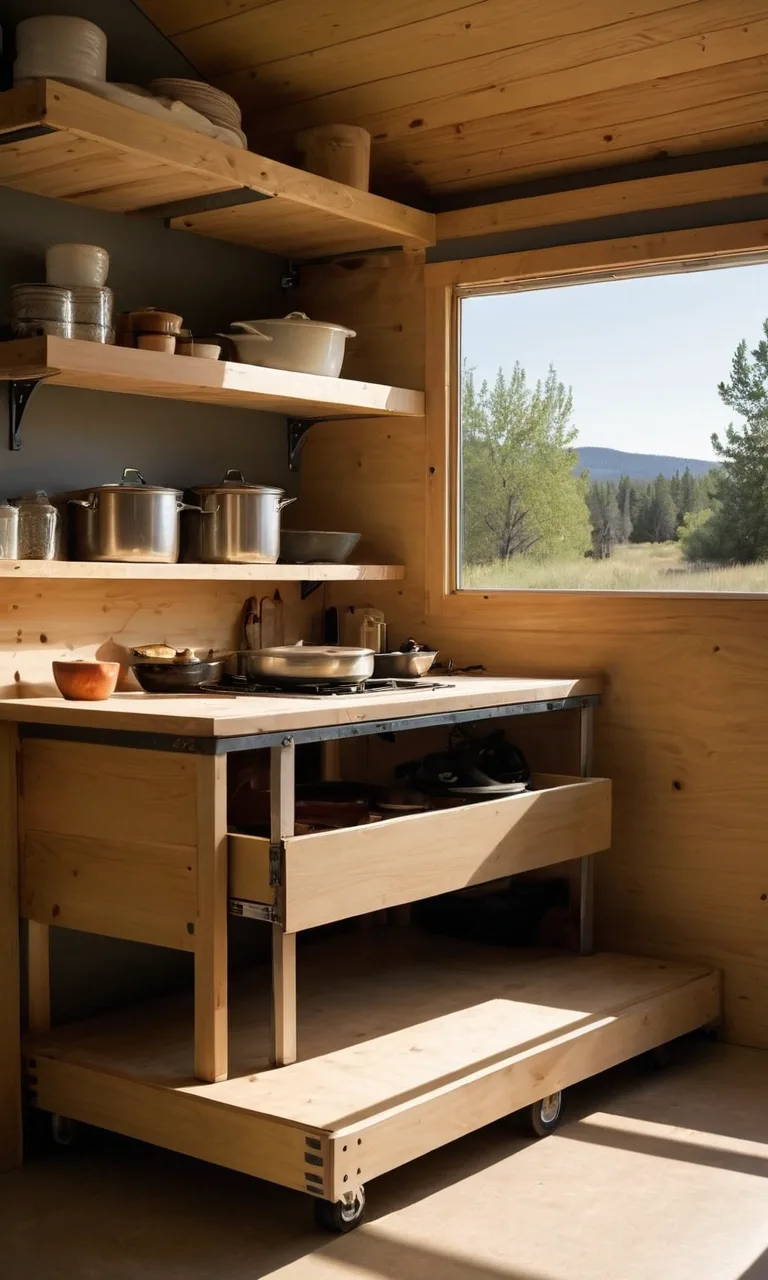
13. Compact Fold-Out Kitchen
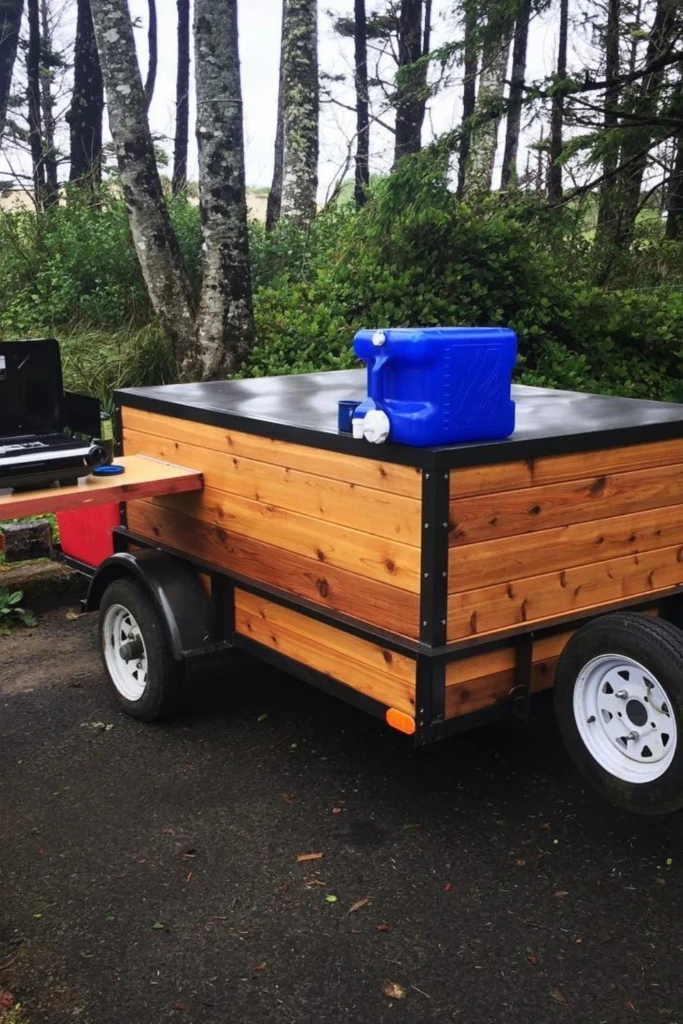
A fold-out kitchen allows you to prepare meals outdoors while keeping the trailer interior available for sleeping and storage.
The design typically uses a hinged panel or sliding platform that opens to create a temporary countertop.
You can build the counter from lightweight plywood finished with a moisture-resistant coating.
Add compact compartments for plates, utensils, cookware, and pantry essentials.
A portable stove can be stored inside the trailer and moved to a suitable outdoor cooking surface when needed.
For washing dishes, use a removable basin and a food-safe water container.
Consider installing a small awning above the cooking area to provide shade and protection from light rain.
Make sure folding surfaces have secure supports and latches that prevent accidental movement.
This design is particularly useful for small trailers where installing a permanent indoor kitchen would consume too much space.
14. Pop-Top Trailer Design
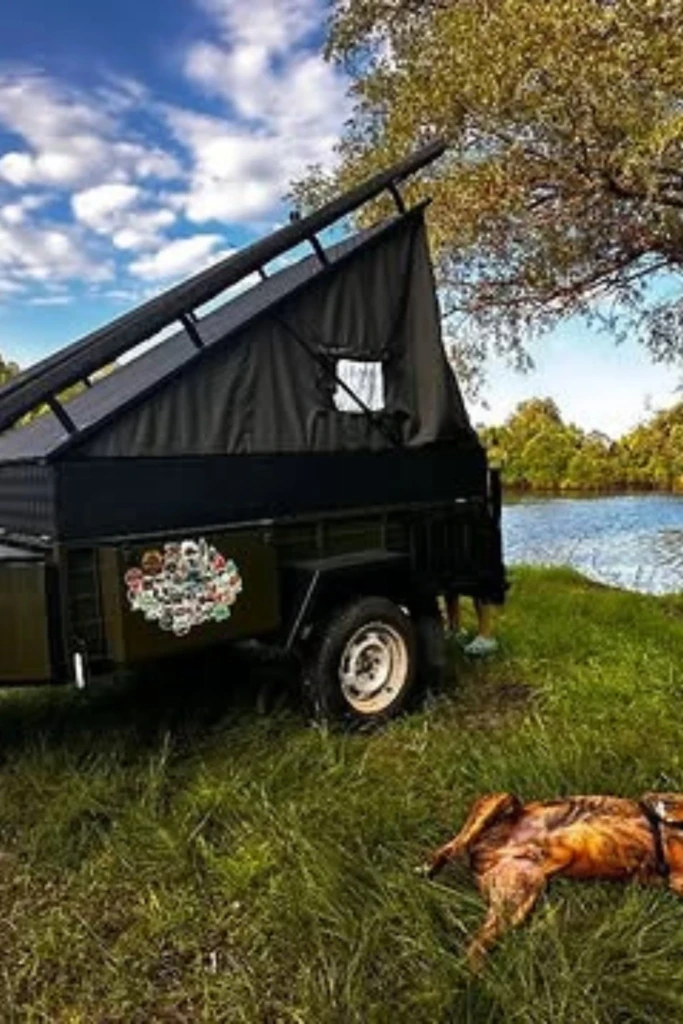
A pop-top roof can make a low-profile camping trailer feel significantly more spacious when parked.
The roof remains lowered during travel and raises at the campsite to provide additional headroom.
Some designs use hinged roof panels, while others incorporate lifting mechanisms and flexible weatherproof sidewalls.
A raised roof can also improve ventilation when fitted with screened openings.
However, a pop-top conversion requires careful structural planning.
The roof, hinges, lifting components, locking mechanisms, and supporting frame must be designed to handle the expected loads safely.
Weatherproof seals are essential to prevent rainwater from entering the camper.
Because modifying a roof can affect structural integrity and towing safety, professional design or fabrication assistance is advisable.
A properly constructed pop-top is an attractive option for travelers who want a compact trailer on the road but more comfortable interior space at camp.
15. Tiny Home-Style Interior
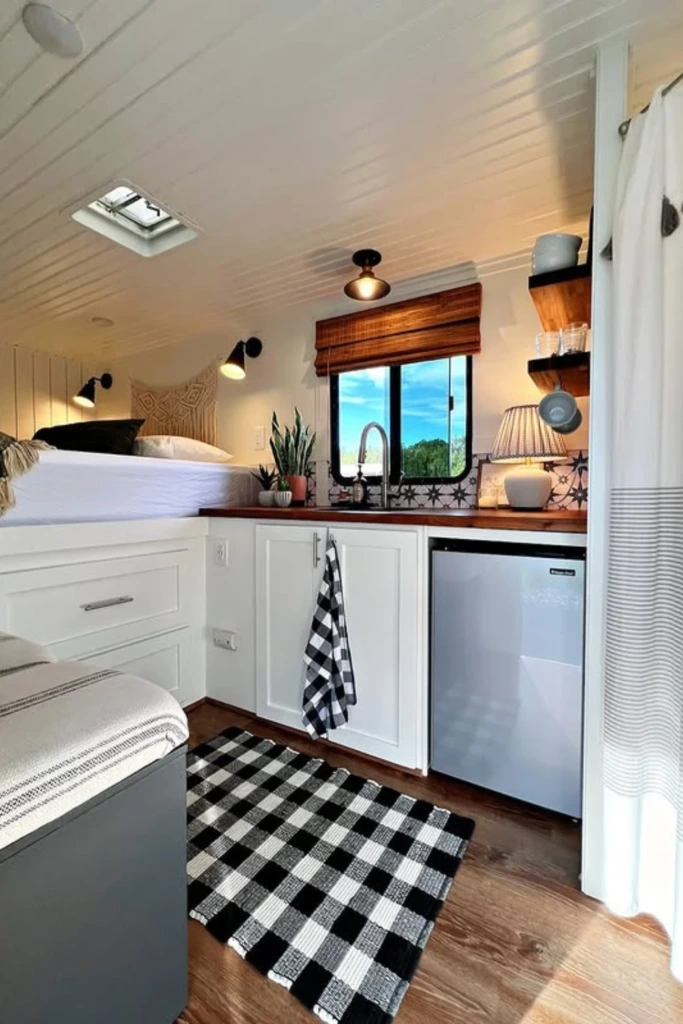
A tiny home-inspired interior brings the comfort and organization of a small house into a camping trailer.
The key is choosing furniture and storage features that serve more than one purpose.
A raised sleeping platform can create room for drawers or storage bins underneath.
Narrow cabinets provide space for clothing, toiletries, and food without occupying too much floor area.
Use open shelving selectively, and secure stored items before towing.
Light-colored walls can make the interior appear larger, while natural wood finishes introduce warmth and texture.
A compact countertop, rechargeable lighting, and thoughtfully placed hooks can improve everyday convenience.
Choose moisture-resistant materials and provide adequate ventilation to help control condensation.
Instead of trying to recreate every feature of a traditional house, focus on the essentials that make camping comfortable.
This approach creates a welcoming interior that feels organized without becoming overcrowded.
16. Elevated Tent Hauler
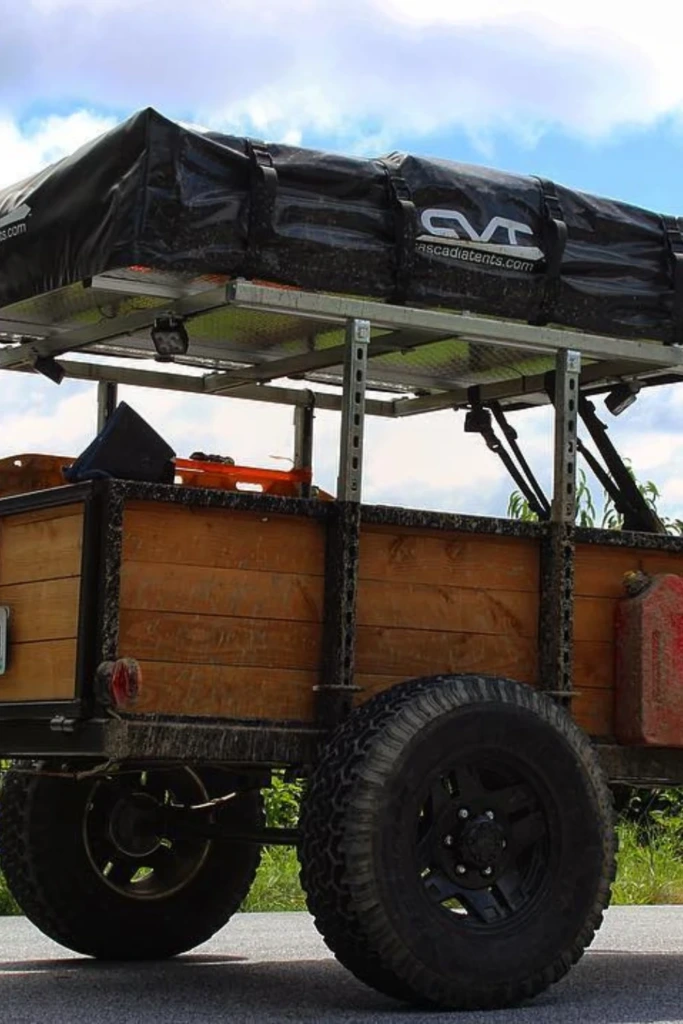
An elevated tent hauler combines the carrying capacity of a utility trailer with the convenience of a raised sleeping platform.
The basic design uses a trailer-mounted rack to support a compatible camping tent above the cargo area.
Below the rack, you can create compartments for storage boxes, cooking supplies, and outdoor equipment.
Removable cargo containers are particularly useful because they make packing and unloading easier.
Side-mounted holders can accommodate suitable accessories, provided they are securely installed and do not interfere with trailer lights, wheels, or safe towing.
Keep heavier supplies low and properly restrained.
Before adding an elevated tent, verify the rack's structural capacity and the trailer's stability when the tent is occupied.
You may also need suitable stabilizers according to the trailer and tent manufacturer's requirements.
This setup is ideal for campers who want comfortable off-ground sleeping while maintaining generous equipment storage.
17. Modern Exterior Refresh
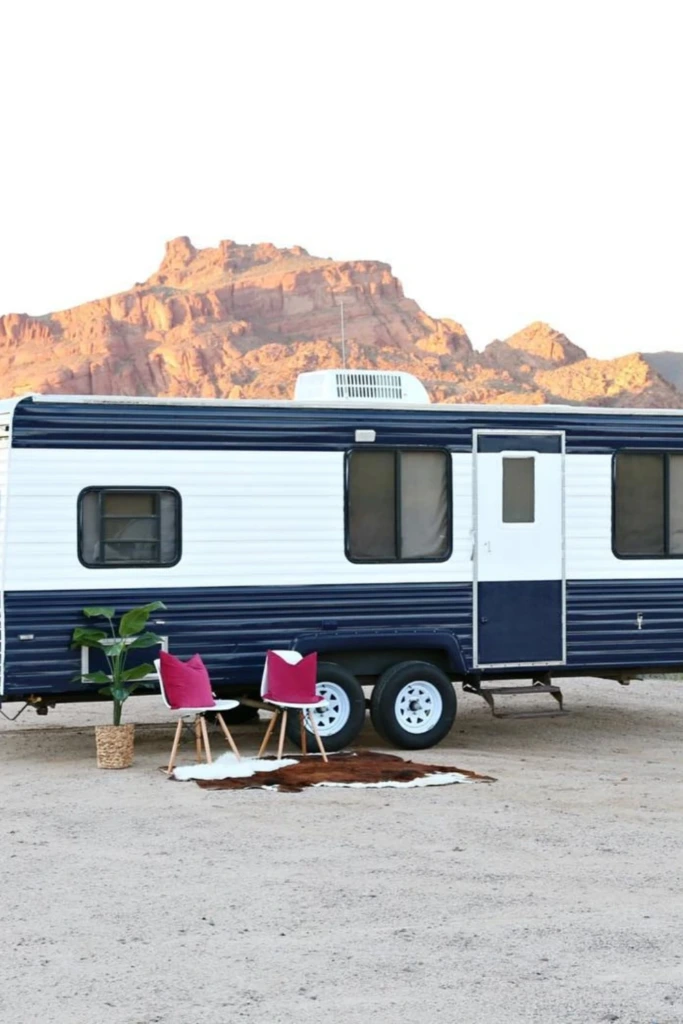
A modern exterior makeover can make an aging camping trailer look cleaner, more attractive, and better maintained.
Start by selecting a simple color palette that complements the trailer's shape.
Charcoal gray with white accents creates a contemporary appearance, while navy blue and cream offer a timeless finish.
Refresh worn trim, replace damaged hardware, and clean exterior fixtures.
Consider updating exterior lighting with compatible, road-legal fixtures if existing units are damaged or outdated.
At the campsite, a lightweight outdoor rug, folding chairs, and portable LED lanterns can create a comfortable seating area.
A removable awning may provide additional shade during sunny weather.
Choose accessories that are easy to store and won't add unnecessary towing weight.
By combining basic maintenance with a few decorative improvements, you can create an inviting camper without changing its original layout.
18. Full Outdoor Kitchen Setup
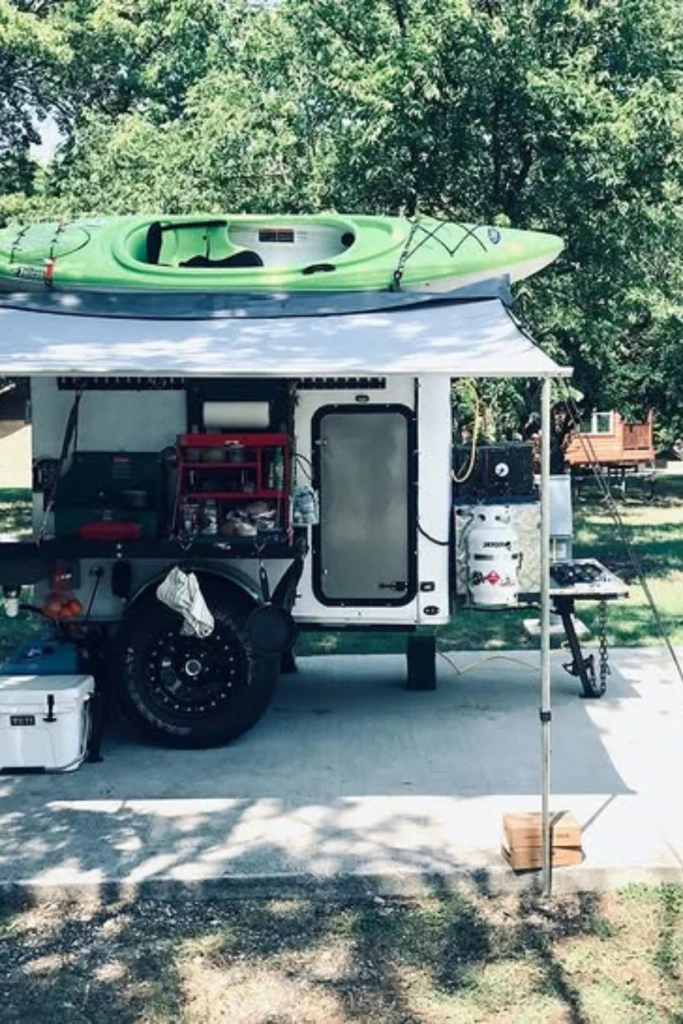
For campers who enjoy preparing substantial meals, a dedicated outdoor kitchen can be one of the most valuable trailer upgrades.
Unlike a small fold-out counter, a full outdoor kitchen provides designated areas for food preparation, cooking equipment, and washing.
A rear hatch or side compartment can contain shelves, drawers, and a durable worktop.
Install secure storage for pots, pans, dishes, and cooking utensils.
A water container with a suitable pump or gravity-fed tap can simplify washing tasks.
Include separate arrangements for fresh water and wastewater disposal.
For food storage, consider an insulated cooler or a properly powered portable refrigerator.
Use cooking appliances only in locations approved by their manufacturers, with adequate ventilation and safe clearances.
Keep the kitchen organized so everything can be secured before travel.
A well-designed outdoor kitchen makes campsite cooking more convenient while keeping heat and food odors outside the sleeping area.
19. Custom Utility Trailer Conversion
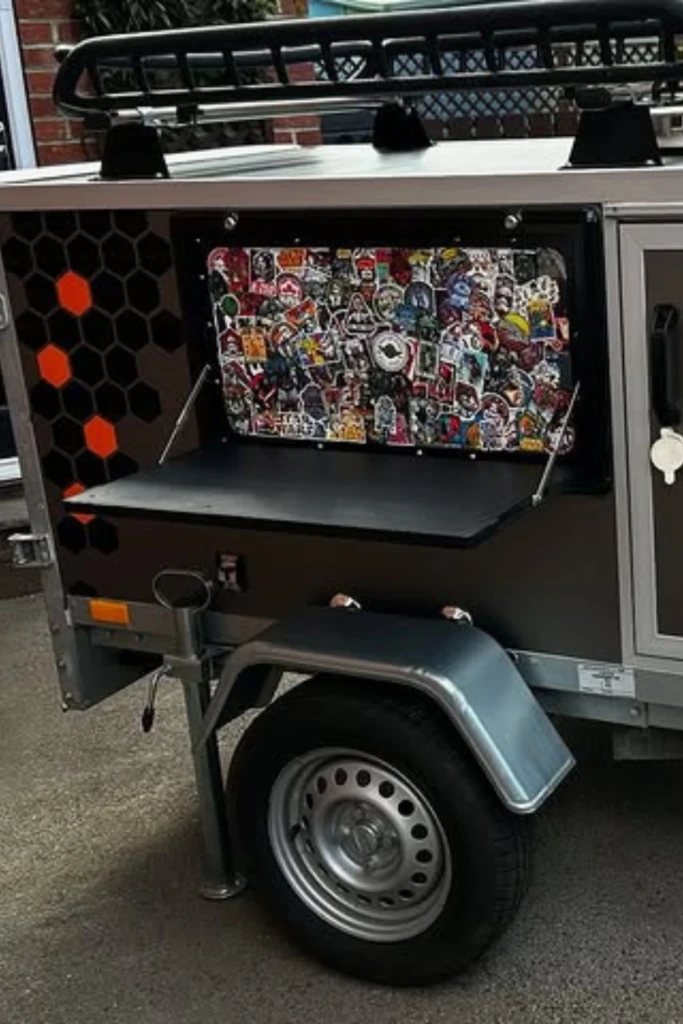
Converting a utility trailer into a camping trailer offers considerable flexibility because you can design the storage and equipment arrangement from the beginning.
Start by inspecting the trailer frame, floor, suspension, tires, bearings, hitch, and electrical connections.
Address any mechanical or structural problems before adding camping features.
Once the base trailer is sound, plan compartments around the equipment you need to carry.
Removable storage modules can hold kitchen supplies, camping chairs, tools, and other essentials.
A folding side table can provide extra workspace without permanently occupying cargo space.
You could also incorporate a weather-resistant storage box for bedding and clothing.
If you want the trailer to remain useful for household transport, choose modular components that can be removed when necessary.
Ensure all modifications are securely mounted and comply with applicable trailer regulations.
This flexible design is especially practical for campers who want a multipurpose trailer rather than a dedicated recreational vehicle.
20. Space-Saving Bunk Beds
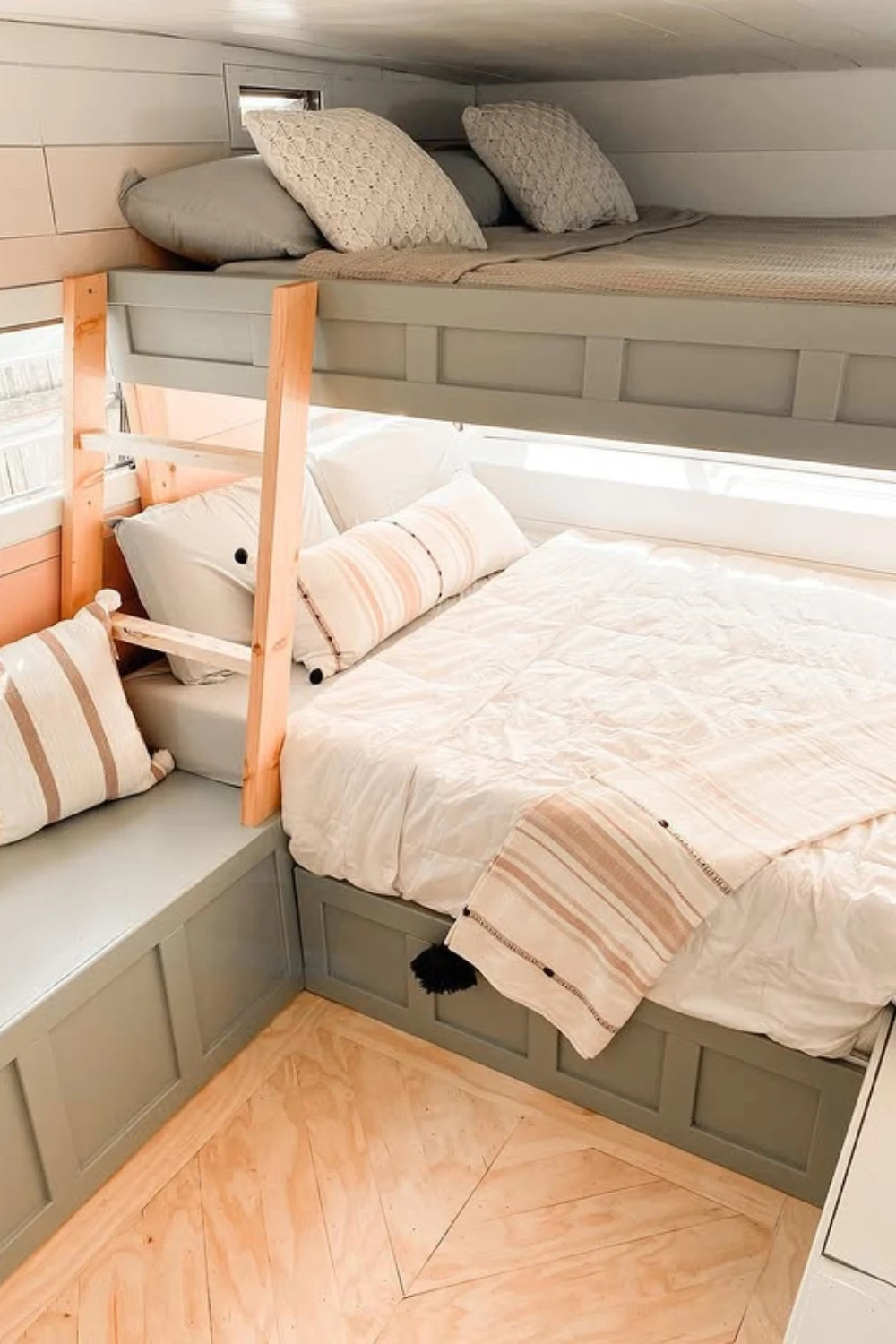
Bunk beds are a practical way to accommodate multiple sleepers in a compact family camping trailer.
By arranging sleeping spaces vertically, you can preserve more floor area for movement and storage.
A simple bunk configuration may include two narrow beds along one wall or a raised sleeping platform above another designated area.
Use lightweight but structurally appropriate materials for the frames.
Each bunk must be designed to support the intended occupant and mattress safely.
Upper bunks require suitable guardrails, secure access, and adequate clearance.
Avoid positioning beds where occupants could contact sharp edges, electrical fixtures, or hot equipment.
You can add individual reading lights and small storage pockets to make each sleeping area more convenient.
For younger children, carefully consider age-appropriate sleeping arrangements and fall risks.
With proper planning, bunk beds can make family camping more comfortable without requiring a significantly larger trailer.
Which DIY Camping Trailer Idea Should You Start With?
Choosing the right project depends on your trailer's condition, available budget, camping habits, and construction experience.
If your main concern is limited sleeping space, convertible dinette seating or carefully designed bunk beds may provide the greatest improvement.
For campers who enjoy outdoor cooking, a fold-out kitchen offers a relatively compact solution. A larger outdoor kitchen may be worthwhile for longer trips.
If equipment organization is your biggest challenge, consider modular storage compartments or an adventure-ready trailer layout.
Cosmetic projects such as painting, installing curtains, and refreshing interior finishes are good starting points for beginners.
More complicated modifications, including pop-top roofs and elevated tent supports, require additional planning and structural expertise.
Start with a project that solves an everyday inconvenience. Once you've used the improved trailer on a few trips, you'll have a better understanding of which upgrades are genuinely necessary.
Is building a DIY camping trailer cheaper than buying one?
Building a camping trailer yourself can cost less than purchasing a finished camper, particularly if you already own a suitable trailer and have access to basic tools.
However, the final expense depends on the design, materials, equipment, and amount of professional work required.
Simple improvements such as storage boxes, curtains, and folding furniture are generally more affordable than major structural modifications.
Custom windows, electrical installations, insulation, batteries, and specialized hardware can increase the budget considerably.
Before starting, prepare a detailed materials list and include an allowance for unexpected expenses.
Compare the estimated total cost with the price of a suitable used camper. This helps determine whether a DIY conversion offers worthwhile savings.
Can I convert an old utility or cargo trailer into a camper?
Yes, many utility and enclosed cargo trailers can be adapted for camping, provided their condition and design are suitable.
The most important step is evaluating the trailer before beginning construction.
Inspect the chassis for damage or corrosion, check the floor for deterioration, and examine the suspension, tires, wheel bearings, coupling, and lighting.
An enclosed cargo trailer may provide a convenient starting point because it already has walls and a roof.
An open utility trailer can work well for modular camping equipment, storage systems, or a properly engineered tent platform.
Remember that adding enclosed structures or changing the trailer's intended use may trigger additional inspection or registration requirements.
A mechanically sound foundation is essential for a