22 Belt Storage Ideas for 2026 to Keep Your Closet Neat
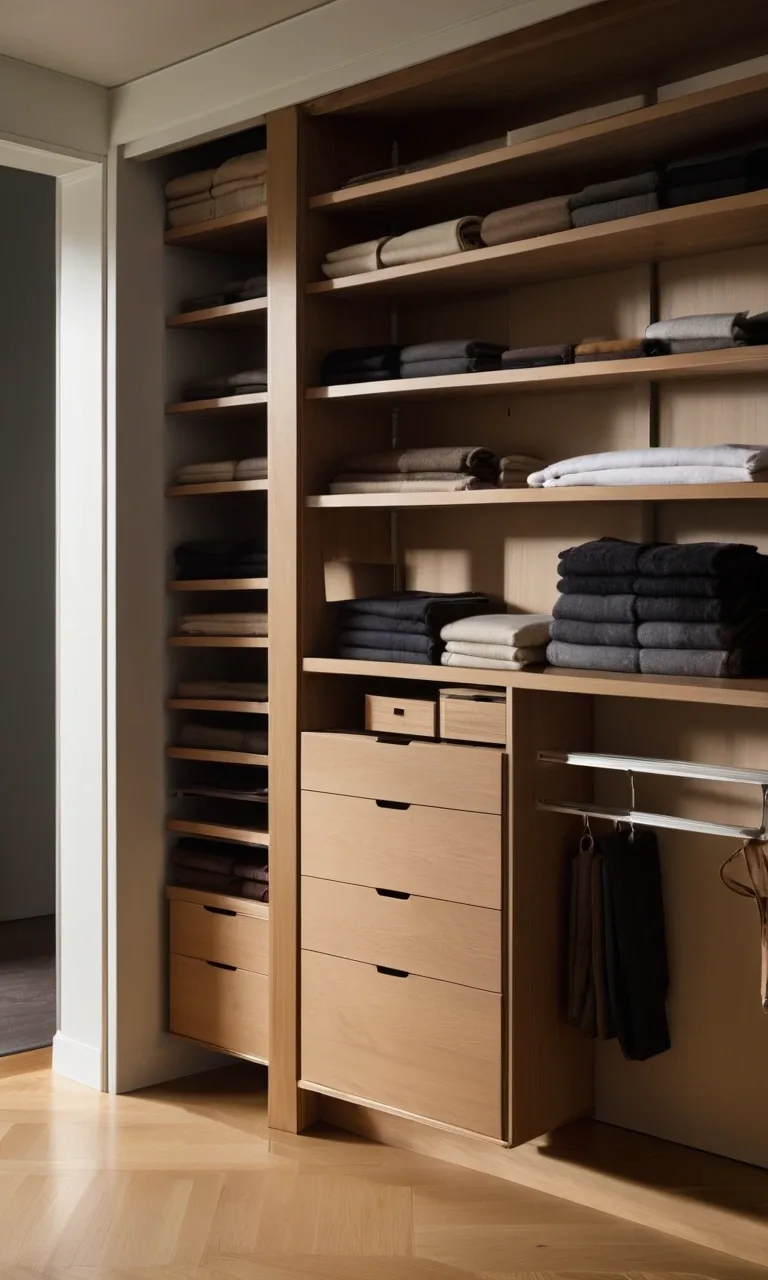
Belts are useful accessories, but they can quickly become tangled, curled, or difficult to find when stored without a proper system. Whether you own a few everyday belts or a collection of leather, fabric, and designer styles, the right storage method can make your closet more organized and help your accessories last longer. From simple drawer dividers to attractive wall displays, these belt storage ideas offer practical solutions for different spaces, budgets, and personal styles.
How Do You Keep Leather Belts in Good Shape During Storage?
Leather belts need a little extra care because improper storage can contribute to creases, cracking, discoloration, and loss of shape. Start by wiping away dust and dirt with a soft, dry cloth before putting a belt away. If necessary, use a leather cleaner suitable for the material and follow the manufacturer's care instructions.
Store leather belts in a cool, dry location away from direct sunlight, radiators, and excessive humidity. Avoid placing heavy objects on top of them, as pressure can leave permanent marks. For everyday belts, hanging them by the buckle or laying them flat in a drawer usually works well. You can also roll a belt loosely if the leather is flexible enough to tolerate it without creasing.
Keep belts separate from sharp accessories that might scratch their surfaces. For expensive or delicate pieces, individual fabric pouches can provide extra protection against dust and abrasion. Avoid airtight plastic bags for long-term storage, particularly in humid environments, because trapped moisture can encourage mold.
1. Belt Tower
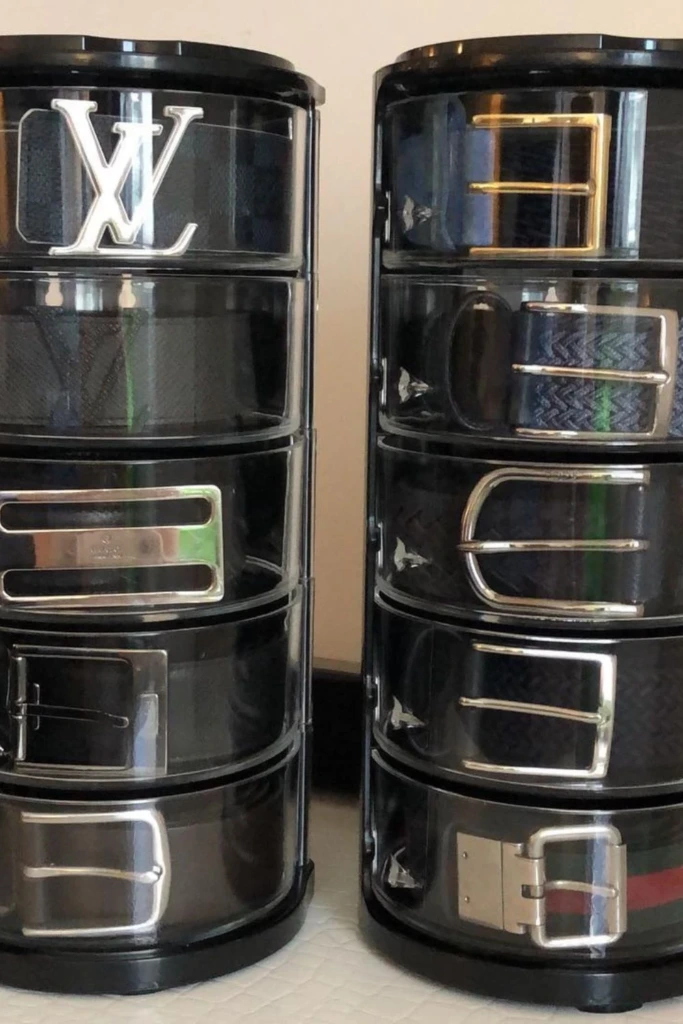
A belt tower is a compact storage solution that organizes several belts vertically rather than spreading them across a drawer or shelf. Depending on the design, it may feature individual hooks, rotating arms, or multiple levels for hanging accessories.
Place the tower inside a wardrobe, on a dressing table, or in an accessible corner of your closet. Assign a section to casual belts, formal options, and special-occasion accessories to simplify your routine. A freestanding tower is especially helpful for renters who prefer not to drill holes into walls.
Choose a stable model with enough space between hooks so buckles do not collide. If you have a large collection, look for an expandable design that accommodates additional belts without making the entire arrangement crowded.
2. Drawer Grid
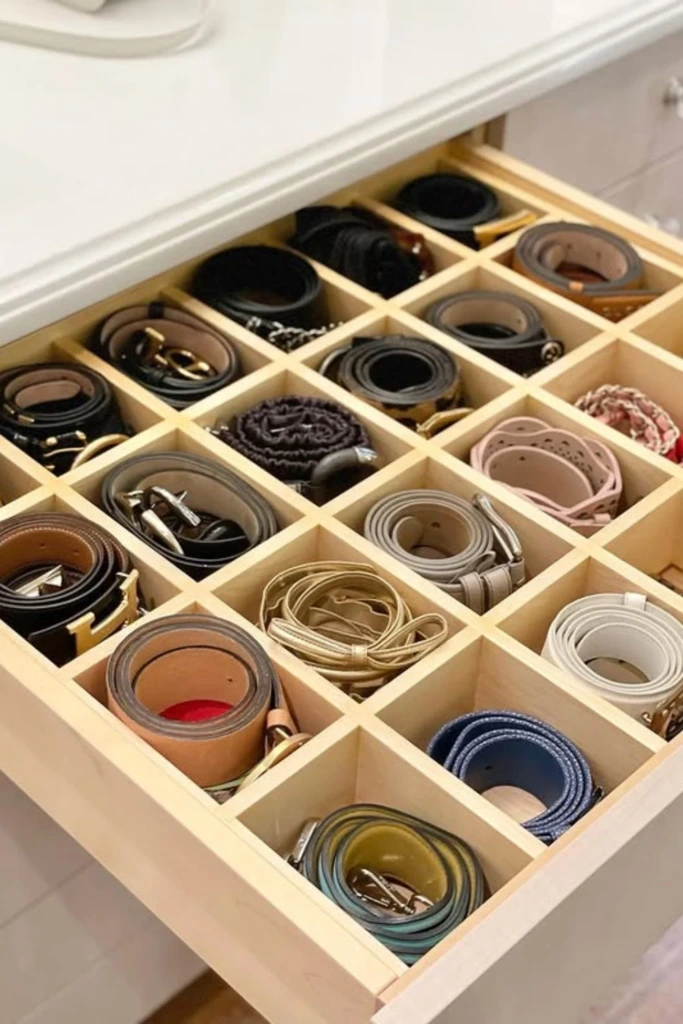
A drawer grid divides one large storage area into smaller compartments, giving each belt its own designated space. This prevents buckles from becoming entangled and makes it easier to see which colors and styles you own.
You can purchase an adjustable grid organizer or create a similar setup with sturdy cardboard dividers. Measure the drawer before buying anything so the compartments fit comfortably without wasting valuable space. Wider sections work well for thick leather belts, while smaller spaces can accommodate slim dress belts.
Arrange the compartments by color, material, or how frequently you wear each belt. Keep your most-used options near the front, and reserve the back sections for occasional accessories. A grid is particularly useful for people who prefer keeping their wardrobe accessories out of sight.
3. Wall Display

A wall display turns a belt collection into an organized visual feature. Install a row of hooks, a narrow rail, or a small decorative board in your dressing area to keep belts visible and easy to reach.
This arrangement works especially well when you own belts with distinctive buckles, textures, or colors. Group similar designs together for a coordinated appearance, or arrange them by color to create a simple visual pattern.
Before mounting the display, check that the wall and hardware can support the combined weight of your accessories. Use smooth hooks that will not scratch buckles or damage leather. Keep the display away from direct sunlight and damp areas to protect the materials.
For a cleaner appearance, choose hooks that match your existing wardrobe hardware or room decor. A wall-mounted system also frees up drawer space for clothing and other accessories.
4. Hanger Hooks
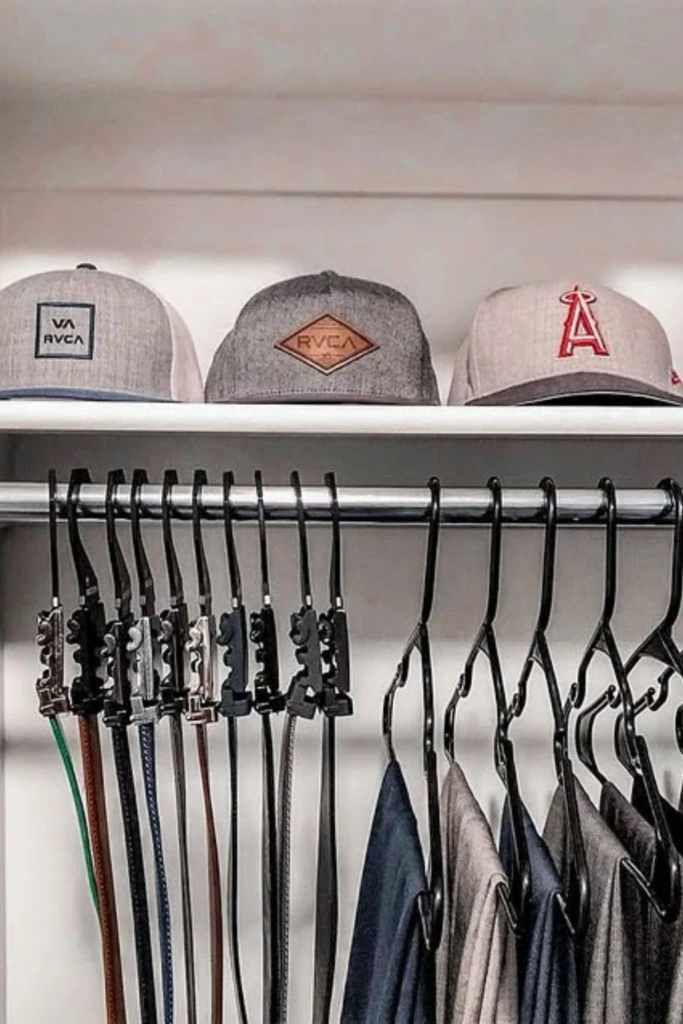
Hanger hooks allow belts to hang neatly inside a wardrobe without requiring a separate storage unit. These accessories may attach to a closet rod, a standard hanger, or a dedicated hanging organizer.
The main advantage is convenience. Hanging belts keeps them visible, reduces clutter in drawers, and makes it easier to select an accessory while getting dressed. Depending on the design, one hanger may hold several belts while occupying relatively little closet space.
Choose hooks with smooth edges and enough room for buckles to hang naturally. Avoid overcrowding the hanger, as tightly packed accessories can become difficult to remove and may rub against one another.
This is a practical choice for small bedrooms, shared wardrobes, and anyone who wants a straightforward storage system without complicated installation.
5. Buckle Rack
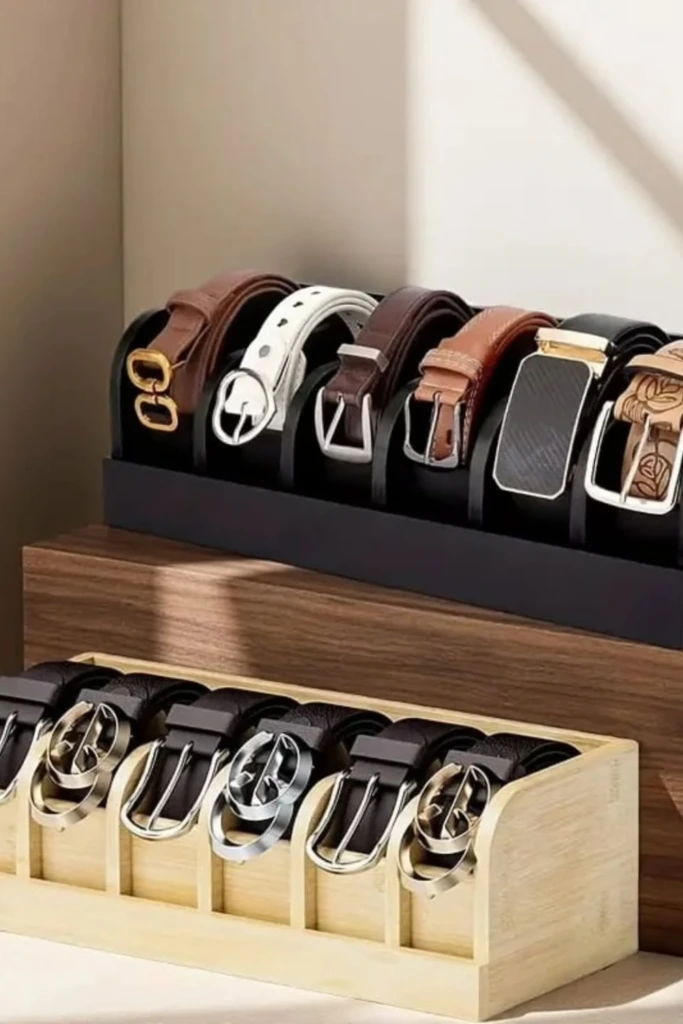
A buckle rack is designed to hold belts by their buckles, allowing the straps to hang freely. Some versions use individual pegs, while others have a horizontal bar with multiple attachment points.
Hanging belts this way can help prevent unnecessary folding and makes it easy to identify each accessory at a glance. It is particularly suitable for belts that are too thick to fit comfortably into small drawer compartments.
Install the rack at a convenient height inside your closet or on a nearby wall. Leave enough space beneath it so the belt ends do not bunch against shelves or drawers.
For heavy belts, select a rack with sturdy construction and secure mounting hardware. Check that each hook supports the weight comfortably and does not have sharp edges that could scratch a buckle or damage the strap.
6. Clip Hanger
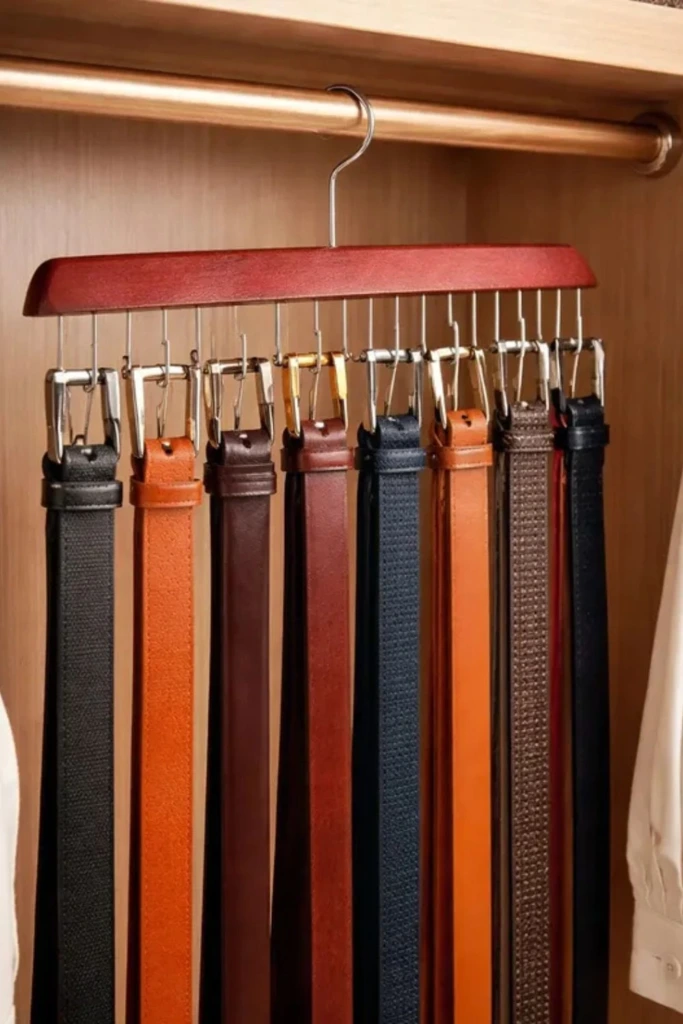
A clip hanger uses small clips to hold belts in place, making it an adaptable option for wardrobes with limited hanging space. Depending on the design, it can attach to a closet rod or hang from a standard clothing hanger.
The clips keep individual belts separated, so you can remove one without disturbing the rest of the collection. This makes the system useful for households with multiple belt types, including fabric, woven, and casual leather styles.
Choose clips with smooth contact surfaces or protective padding. Excessive pressure can leave marks on delicate materials, so avoid clamping directly onto soft leather unless the clip is designed for that purpose.
For best results, hang belts by a sturdy loop or another suitable attachment point when possible. If the clips are adjustable, leave enough room between accessories to prevent buckles from scratching neighboring belts.
7. Peg Holder
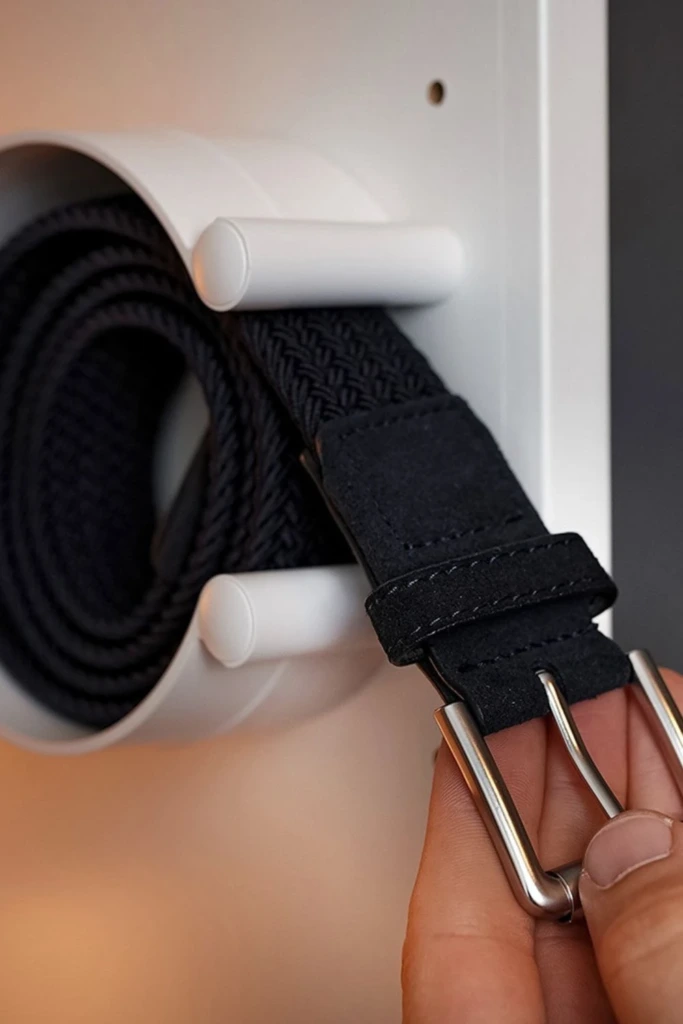
A peg holder provides a simple way to arrange belts vertically or horizontally using a series of evenly spaced pegs. It can be installed inside a wardrobe, on a closet side panel, or on an accessible wall.
Each peg can hold one belt, allowing you to separate accessories by color, width, or intended use. The open arrangement makes the collection easy to scan and helps prevent the tangled pile that often develops in crowded drawers.
Select pegs with rounded ends and a smooth finish. Rough wood, exposed screws, or sharp metal edges may catch on stitching or scratch the belt surface.
Measure the available area before installation and leave enough distance between pegs for larger buckles. If you want to store belts in a rental property, consider a freestanding peg rack or an over-the-door version that does not require permanent wall fixtures.
8. Divider Drawer
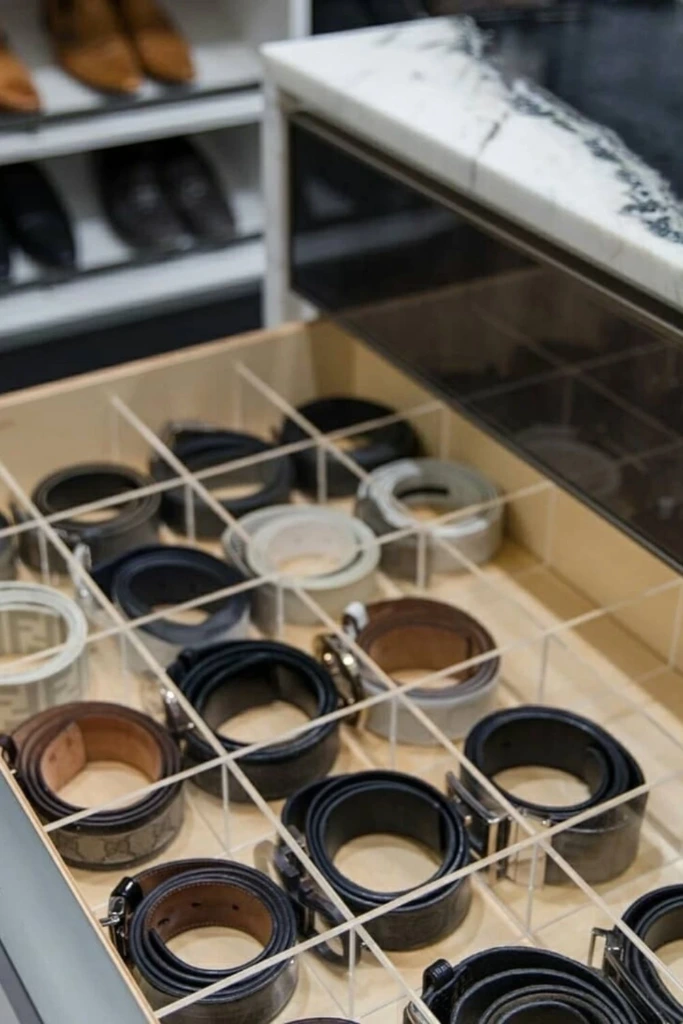
A divider drawer offers a more structured alternative to storing belts loose in a dresser. Adjustable inserts, removable trays, or built-in compartments create separate spaces for different accessories.
This method is ideal if you prefer a clean bedroom with minimal items on display. You can dedicate one section to everyday belts, another to formal styles, and a third to occasional or seasonal accessories.
Measure both the drawer's internal dimensions and its usable depth before choosing an organizer. Make sure the compartments are wide enough for your belt buckles and long enough to accommodate your preferred storage method.
For a flexible arrangement, use removable dividers that can be repositioned as your collection changes. Keep the drawer clean and dry, and avoid forcing thick belts into spaces that bend the straps or place pressure on the buckles.
9. Hook Hanger
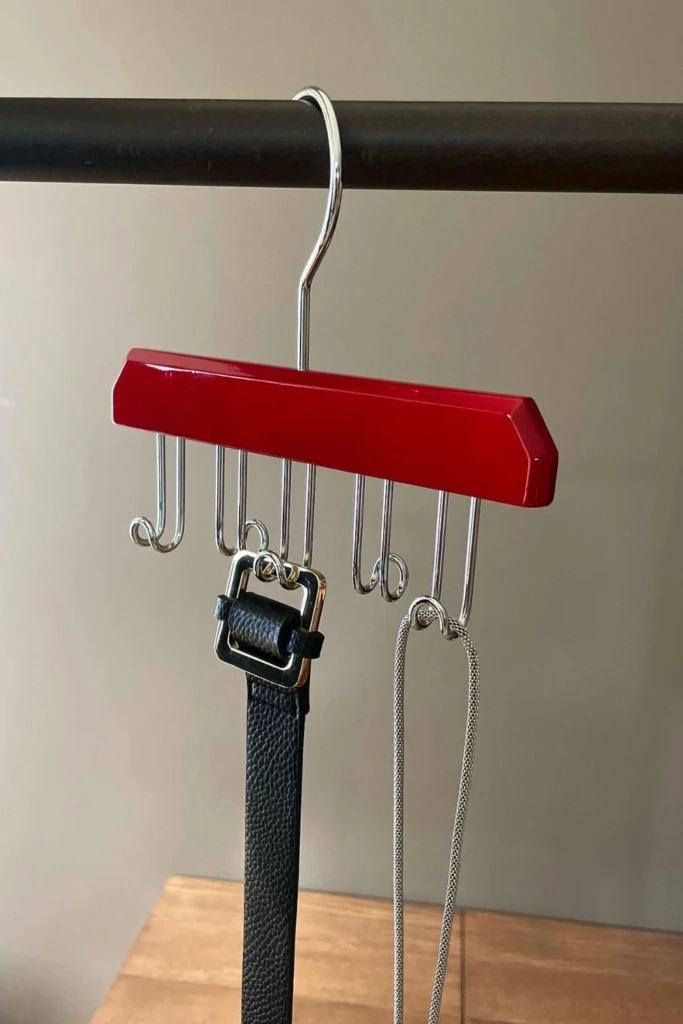
A hook hanger is a compact accessory holder that combines several hooks on one hanging frame. Unlike a basic hanger with a single attachment point, it gives each belt a designated place.
You can suspend it from a closet rod, a wardrobe rail, or another suitable support. This keeps belts together while making individual pieces accessible whenever you need them.
Look for a model with sturdy hooks, a balanced frame, and a smooth finish. A rotating hanger may be especially convenient when it sits in a crowded wardrobe because you can turn it to reach different belts.
Arrange heavier belts toward the center or according to the manufacturer's weight recommendations to keep the hanger balanced. Leave enough room for buckles to move freely rather than forcing every accessory into a tight cluster.
10. Shelf Hooks
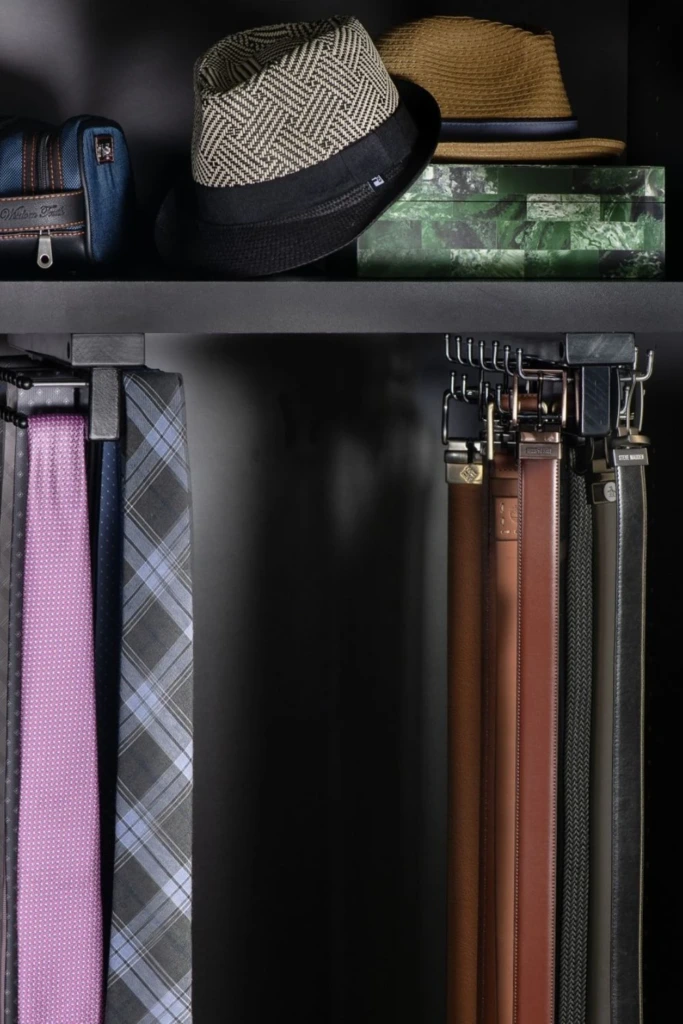
Shelf hooks make use of space that might otherwise remain unused around closet shelving. Depending on the design, the hooks may attach beneath a shelf, along its side, or to the front edge of a suitable panel.
This arrangement keeps belts off the shelf surface while leaving room for folded clothing, handbags, or storage boxes. It is especially useful in compact closets where every available area needs to serve a purpose.
Before installing shelf hooks, confirm that the shelf material and thickness are compatible with the hardware. Avoid placing too much weight on lightweight shelves or using adhesive hooks beyond their rated capacity.
Choose a layout that allows you to see and remove each belt easily. If the hooks sit near clothing, make sure the buckles cannot snag delicate fabrics. Keeping everyday belts toward the front and occasional options farther along the shelf can also improve accessibility.
11. Pull Rack
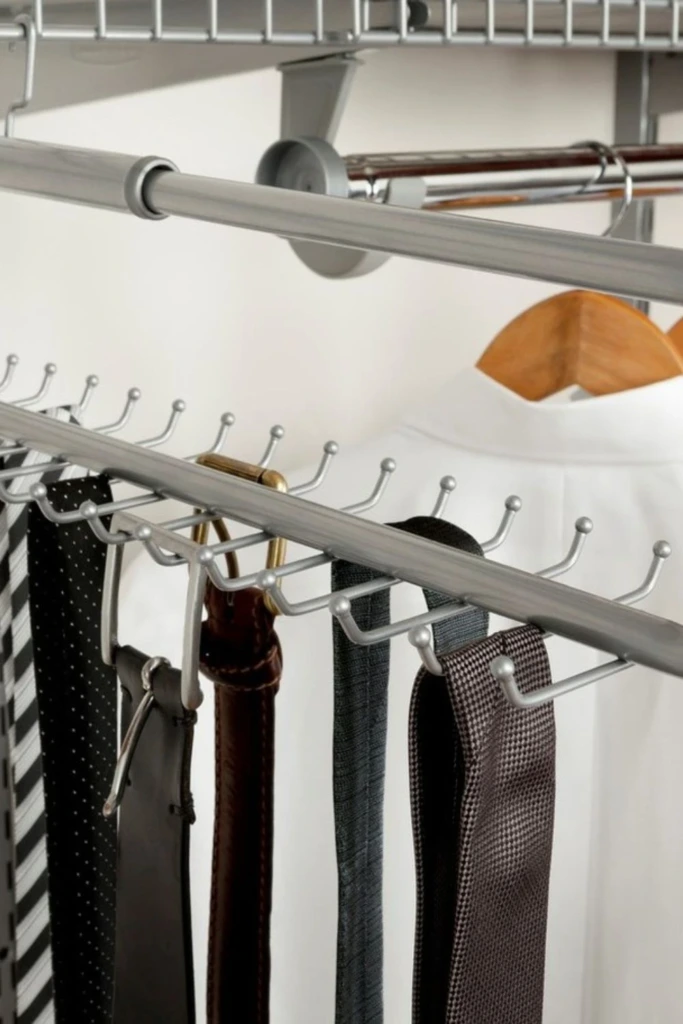
A pull rack is a sliding storage accessory that extends from a cabinet or wardrobe, allowing you to reach belts without searching through a deep space. It may include hooks, a rail, or a narrow frame designed for hanging accessories.
This is a useful solution for built-in closets and dressing areas where a permanent storage upgrade is possible. Because the rack slides outward, belts stored toward the back remain accessible without requiring you to move other items.
Check the cabinet's dimensions and available clearance before purchasing a pull-out system. The hardware must fit the opening, and the rack needs enough room to extend without striking nearby doors or furniture.
Choose a model with smooth sliding action and a secure mounting system. Do not exceed its weight limit, and make sure long belts have enough clearance to hang without catching on the cabinet base.
12. Belt Box
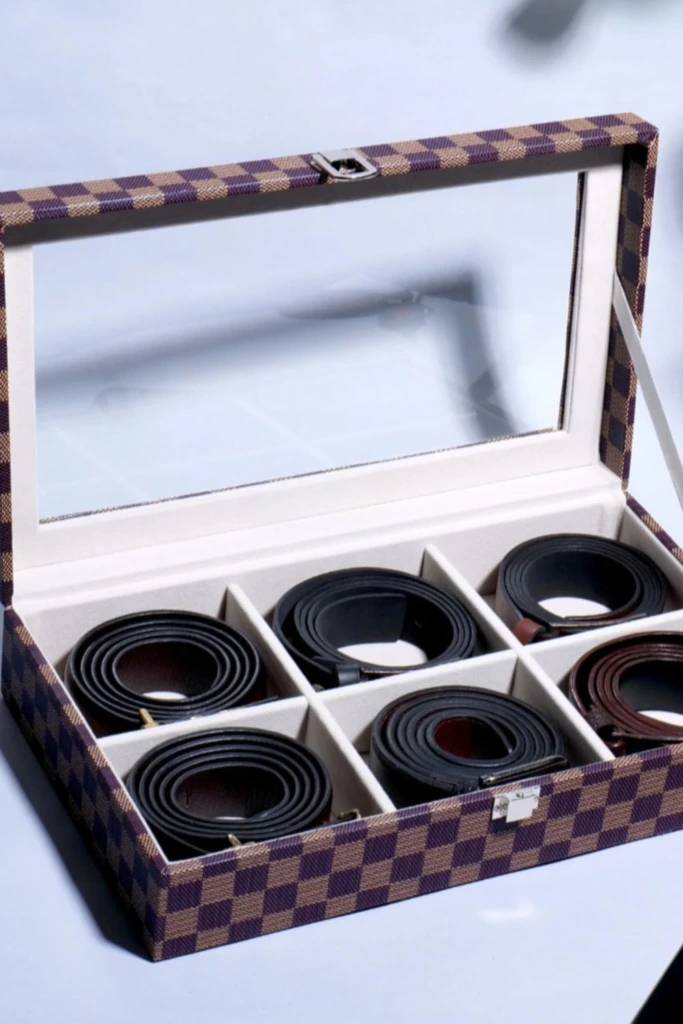
A belt box keeps accessories contained in one place, making it a good choice for people who prefer closed storage. Boxes may include individual compartments, soft lining, removable inserts, or a simple open interior.
Place the box on a closet shelf, inside a wardrobe cabinet, or in a dresser drawer. Compartmentalized versions work well for collections with many colors and styles, while a basic box may be sufficient for a smaller number of belts.
If you store belts rolled, keep each roll loose enough to avoid stressing the material. Alternatively, arrange suitable belts flat inside the box if its dimensions allow. Avoid stacking heavy objects on the lid or filling the container so tightly that the belts become compressed.
A fabric-lined box can help protect buckles from scratches, while a clear label on the outside makes it easier to identify the contents. Store the box in a dry location and allow leather to breathe rather than sealing damp accessories inside.
13. Accessory Drawer
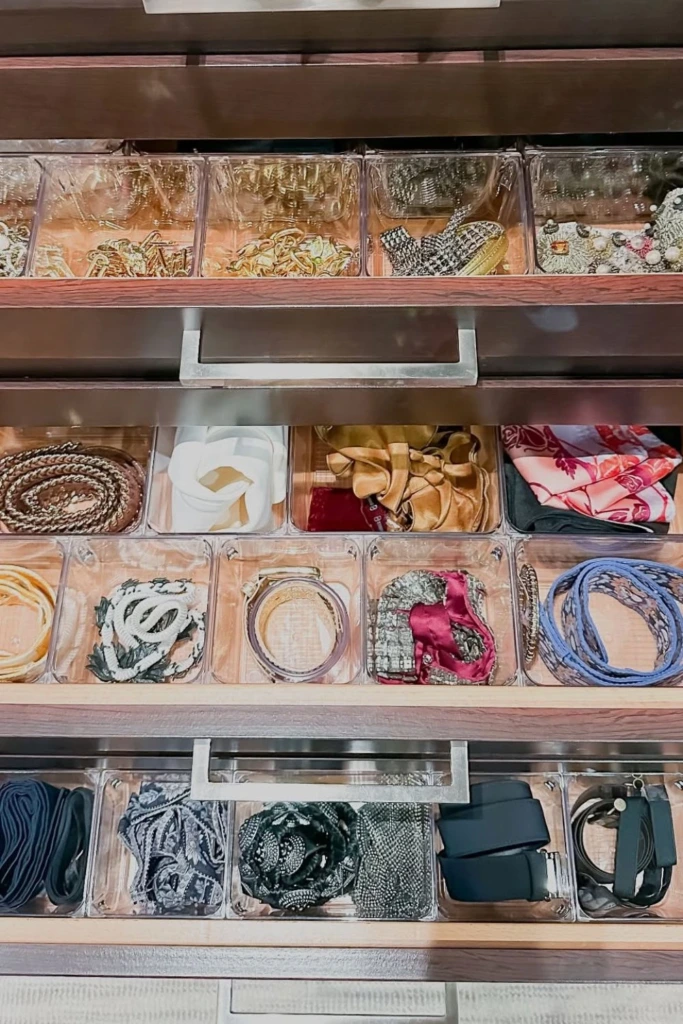
An accessory drawer creates a dedicated home for belts alongside other small wardrobe essentials. It can be part of a bedroom dresser, a built-in closet, or a dressing table.
To keep the drawer organized, divide it into zones for belts, watches, ties, scarves, and similar items. Use separate compartments so metal buckles do not rub against watch faces or delicate accessories.
Avoid turning the drawer into a general storage space for miscellaneous objects. When every category has a designated area, putting items away becomes easier and the drawer remains functional over time.
If you share a dresser with another person, assigning separate sections can prevent accessories from getting mixed together. A shallow drawer with removable trays is often more convenient than a deep drawer in which smaller items become buried.
14. Wall Strap
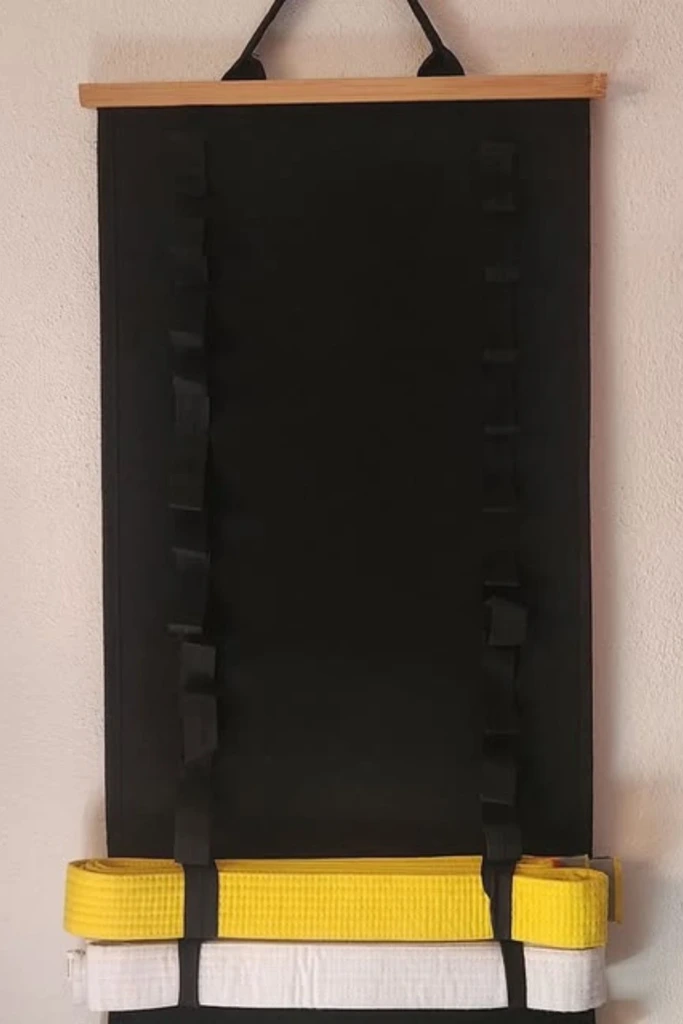
A wall strap organizer uses a sturdy strip or mounted panel fitted with loops or attachment points to hold belts in an orderly row. Its slim design can make use of narrow wall areas that are otherwise difficult to utilize.
Position it inside a wardrobe door, on the side of a closet unit, or in a dressing corner. Depending on the model, belts may hang individually or attach through their buckles.
Choose a material that is strong enough to support your collection and smooth enough to avoid scratching the straps. If the organizer uses adhesive backing, check the recommended load and surface requirements before installation.
Keep the belts spaced apart so they can be removed without pulling neighboring accessories loose. A wall strap is especially practical when drawer space is limited but an unused vertical surface is available.
15. Rod Hooks
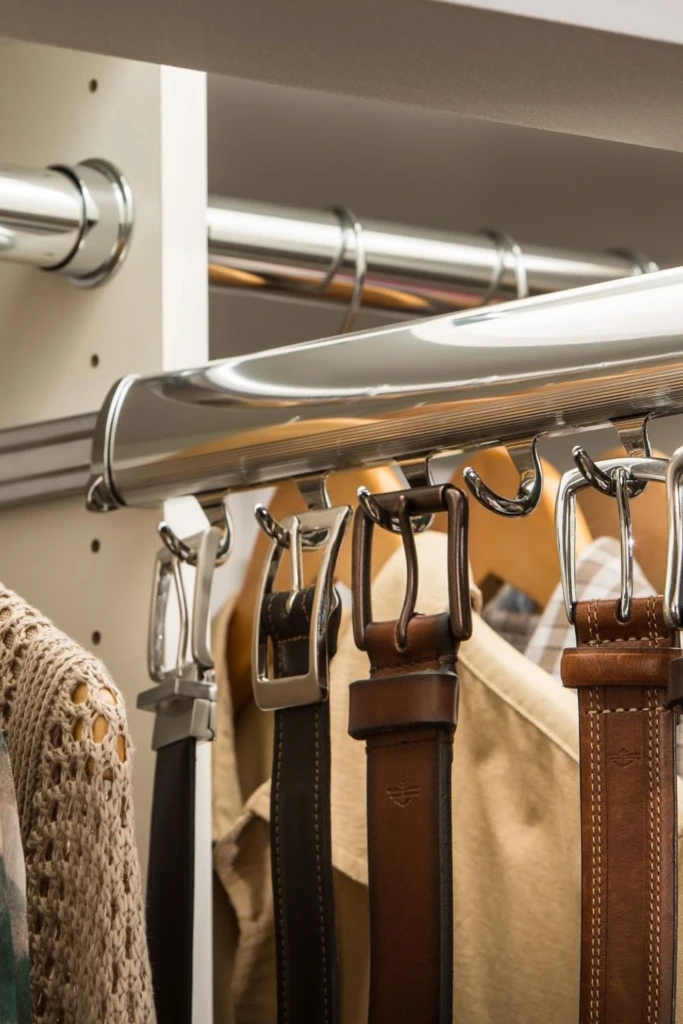
Rod hooks attach directly to a closet rod, providing additional storage without requiring a separate rack or cabinet. They are useful when your wardrobe has enough vertical clearance but little room for extra shelves.
Depending on the design, a hook may hold one belt or support a small group of accessories. You can position the hooks along the rod to create a dedicated belt section away from shirts and jackets.
Check that the hooks fit the diameter of your closet rod and remain stable when loaded. Smooth, rounded designs are preferable because they reduce the risk of scratching buckles or catching straps.
For a tidy appearance, keep the belt hooks grouped together rather than distributing them randomly throughout the wardrobe. This also makes it easier to compare different colors when choosing an outfit.
16. Clear Organizer
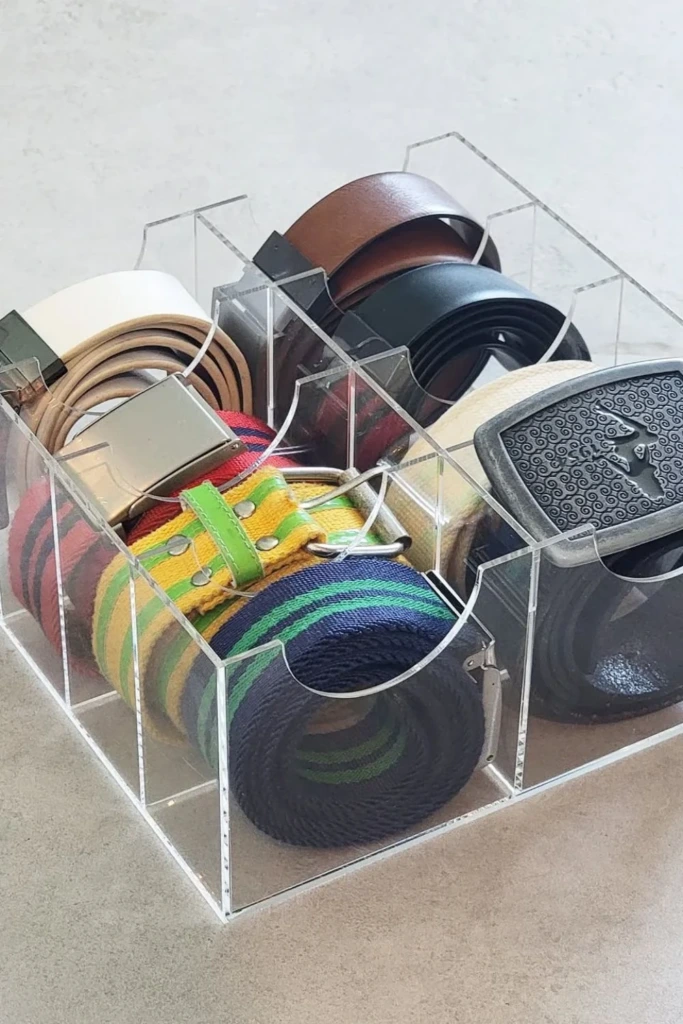
A clear organizer allows you to see your belts without opening several boxes or searching through opaque containers. Transparent trays, drawer inserts, and hanging pockets are all useful variations.
This option works particularly well for collections with many similar colors, such as black, brown, tan, and navy belts. Being able to see each accessory can save time and help prevent forgotten items from accumulating at the back of a drawer.
Choose an organizer with enough depth for the buckles and sufficient space to keep each belt separate. If it has a lid, make sure the belts are not compressed when the container closes.
Clear plastic is convenient, but keep it away from excessive heat and direct sunlight. For leather accessories, prioritize a dry storage location and avoid leaving the belts sealed in a container if moisture may be trapped inside.
17. Fabric Divider
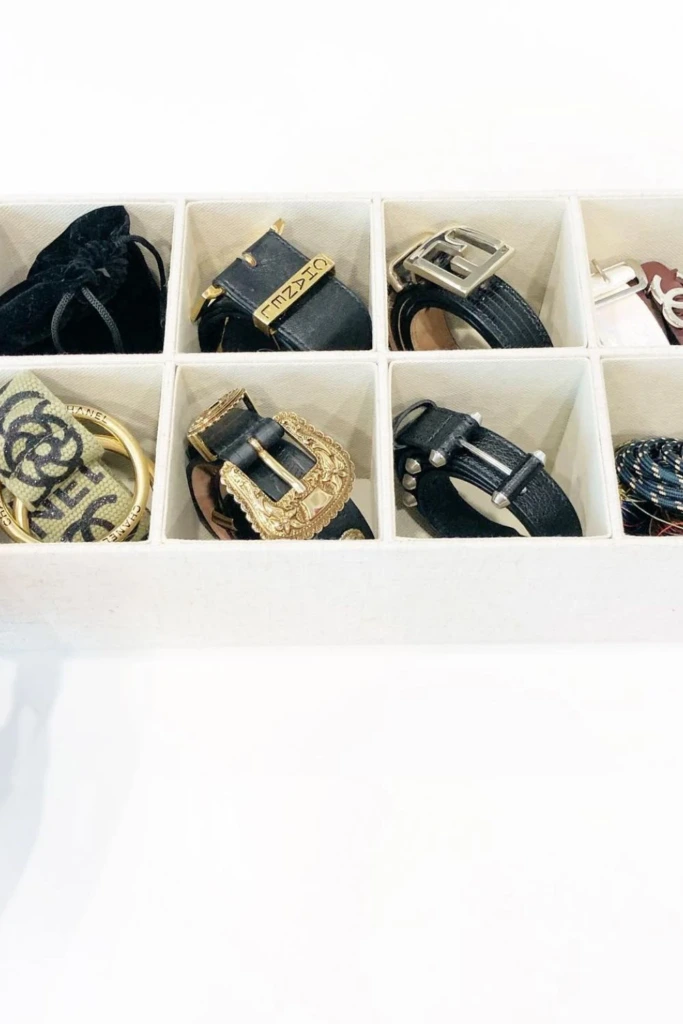
Fabric dividers create soft compartments for storing belts inside drawers, shelves, or larger storage boxes. Many versions fold flat when not in use, making them easy to move or replace as your needs change.
The fabric construction can help reduce contact between buckles and nearby surfaces. It also gives you a simple way to divide a mixed accessory collection without purchasing custom cabinetry.
Use individual compartments for separate belt categories, such as everyday casual styles, workwear, and special-occasion accessories. Roll flexible belts loosely or lay them flat if the compartment dimensions permit.
Choose dividers that hold their shape when filled and are easy to clean. Avoid packing every section too tightly, since crowded compartments can make it difficult to retrieve a belt without disturbing the rest.
18. Shelf Rows
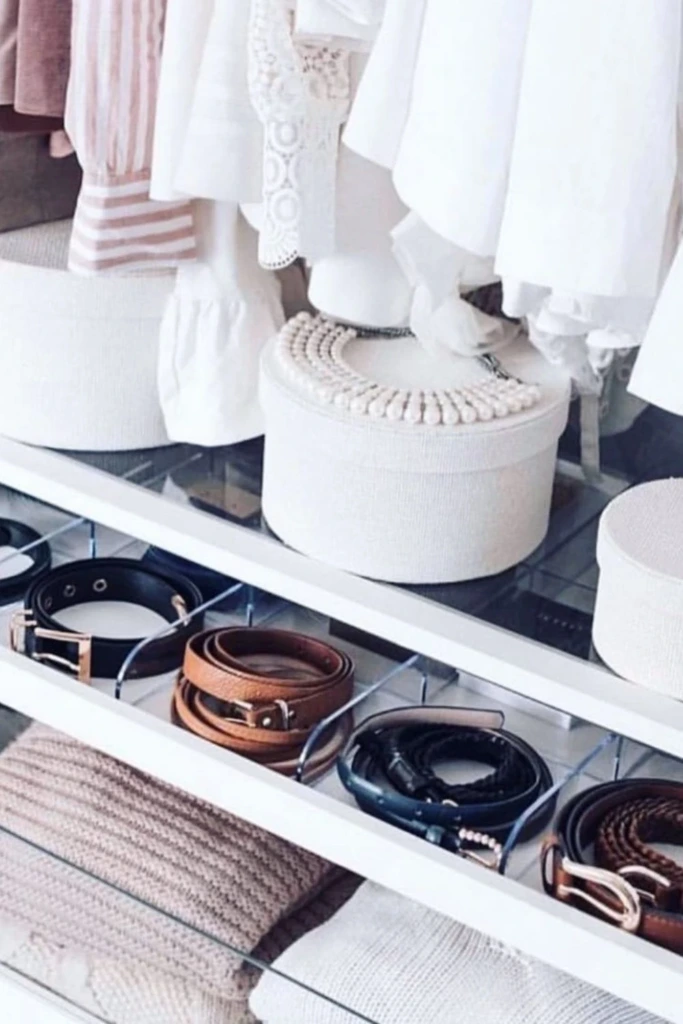
Shelf rows are a straightforward storage option for closets with spare horizontal space. Instead of placing belts in a single pile, arrange them in separate rows using trays, small baskets, or shallow organizers.
You can group belts by color, width, material, or frequency of use. Keeping daily favorites in the front row and less frequently worn pieces farther back makes the shelf easier to maintain.
For a neat appearance, select containers that fit the shelf dimensions and leave a little room around them. Oversized baskets can waste space, while very narrow compartments may not accommodate large buckles.
If you store leather belts directly on a shelf, make sure the surface is clean and dry. Avoid placing heavy items on top of them, and use a tray or fabric lining when you want to prevent buckles from rubbing against the shelf.
19. Display Island
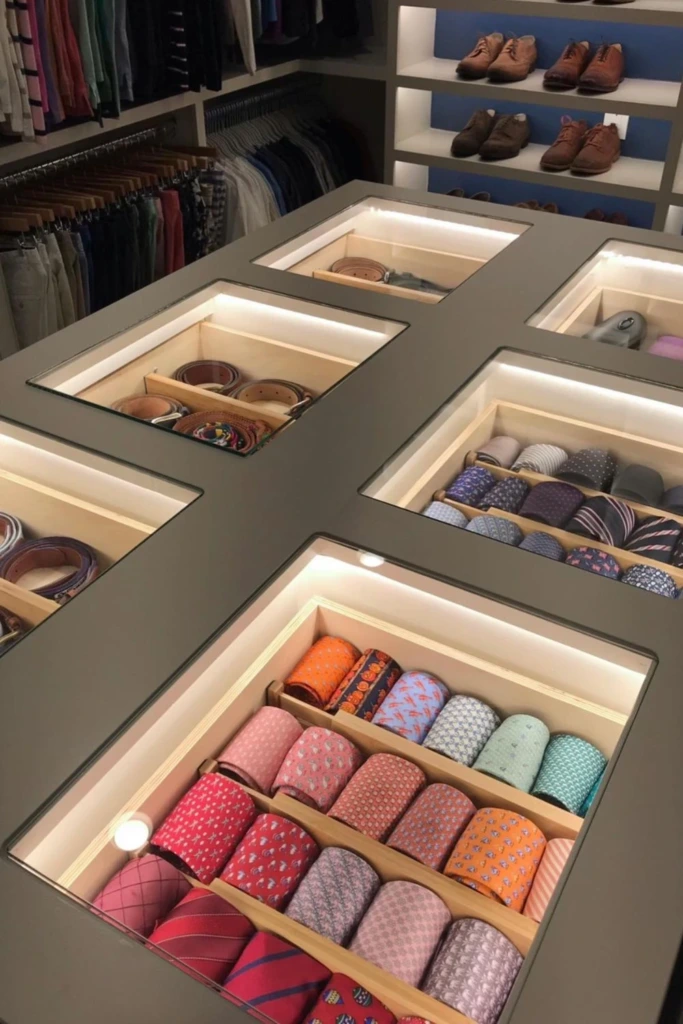
A display island provides an accessible central storage area in a spacious walk-in closet or dressing room. It may feature drawers, open trays, side hooks, or dedicated accessory compartments.
For belt storage, shallow drawers and divided trays are often the most practical features. They let you organize different styles without allowing the collection to spread across the countertop.
If you prefer to display a few favorite belts, a small tray on the island can keep them within easy reach. Store less frequently used accessories in drawers to maintain a clean surface.
Choose an arrangement that supports your daily routine rather than adding unnecessary furniture. In a compact room, a full-size island may obstruct movement, so a narrow dresser or mobile storage cart can provide similar functionality without taking up as much floor space.
20. Belt Tray
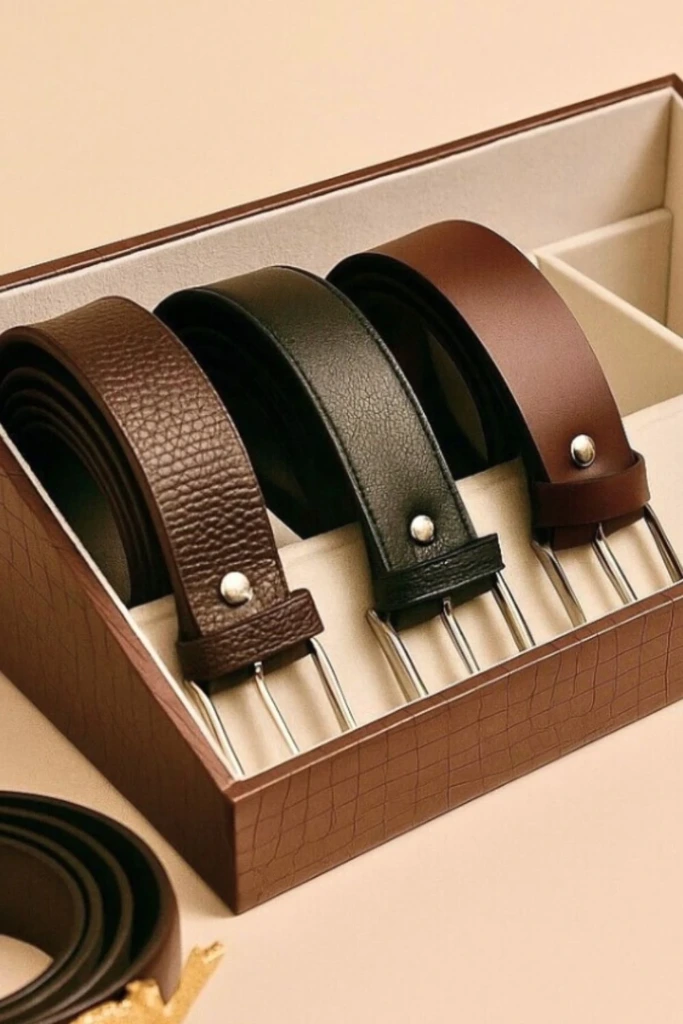
A belt tray is a shallow container designed to keep accessories organized within a drawer, cabinet, or on a shelf. It may feature individual compartments or a simple open layout.
Trays work well for people who want their belts arranged neatly without installing hooks or mounting hardware. They can also be moved between rooms when reorganizing a closet.
Look for a tray with smooth edges and a suitable interior lining. A padded or fabric-covered base can help protect decorative buckles from scratches, while rigid dividers keep separate accessories from overlapping.
Measure the storage area before buying a tray, especially if it will sit inside a drawer. Leave enough clearance for the drawer to close completely without pressing against the buckles or bending the straps.
21. Luxury Drawer
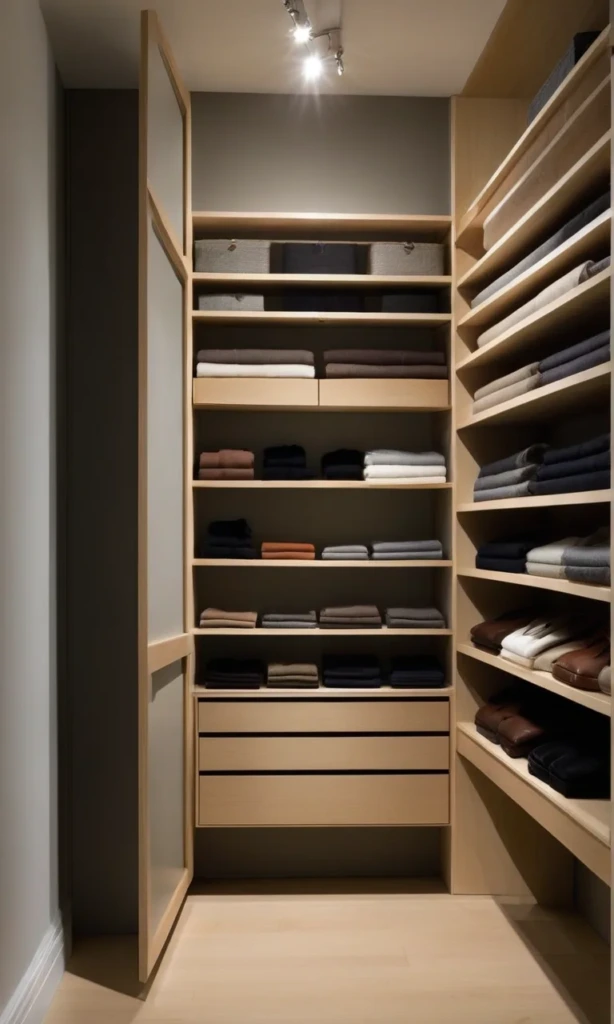
A luxury drawer offers a refined storage solution for premium leather belts, designer accessories, and collectible pieces. It often combines a clean exterior with carefully arranged compartments and a soft interior lining.
Velvet-lined trays, smooth fabric inserts, and custom-sized sections can help prevent buckles from scratching other items. Individual compartments also make it easier to keep distinctive finishes and delicate materials separate.
Arrange the collection according to how you use it. Everyday belts can occupy the most accessible sections, while formal and designer pieces can be stored in areas where they are less likely to be disturbed.
For especially valuable belts, consider individual dust bags or protective sleeves that are compatible with the material. Keep the drawer dry, avoid overfilling it, and follow any special care instructions supplied with the accessories.
An expensive storage unit is not essential for good organization. A well-fitted drawer insert and thoughtful arrangement can provide many of the same practical benefits at a much lower cost.
FAQs
Choosing a belt storage method depends on the size of your collection, the materials you own, and the space available in your home. Hanging systems make accessories easy to see, while drawer organizers and boxes offer a more concealed appearance.
The most useful setup is one that protects your belts and fits naturally into your everyday routine. Consider how often you wear each accessory, how much room the buckles require, and whether the storage area is suitable for leather.
The following answers cover two common questions about storing belts while maintaining their shape and appearance.
How do you store belts without damaging the leather?
To protect leather belts, store them in a cool, dry place away from direct sunlight, strong heat, and excessive humidity. Before storage, remove surface dust with a soft cloth and make sure the belt is completely dry.
Hanging a belt from its buckle on a smooth, sturdy hook is a good option because the strap can rest naturally without being tightly folded. You can also lay it flat in a drawer or roll it loosely if the leather bends comfortably without forming creases.
Avoid sharp hooks, tight elastic bands, heavy pressure, and cramped containers. These can leave marks, distort the strap, or damage the finish. Keep leather belts away from damp areas and check stored accessories occasionally for signs of moisture or deterioration.
If a belt has special finishes, delicate embellishments, or manufacturer-specific care instructions, follow those recommendations rather than applying an untested cleaning product or conditioner.
Is it better to hang belts or roll them for storage?
Both methods can work well, but the better choice depends on the belt's material, construction, and available storage space.
Hanging is often a convenient option for everyday belts, especially when you have a closet rod or dedicated belt rack. It keeps accessories visible and allows the straps to rest naturally. Use a smooth hook or a suitable hanger that will not scratch the buckle or place excessive pressure on the material.
Rolling can save space in drawers, suitcases, and storage boxes. It is generally suitable for flexible belts when the roll is loose and the strap does not develop sharp bends. Avoid tightly rolling stiff or delicate leather belts, since repeated pressure may create creases.
For valuable leather belts, hanging by the buckle or storing flat is usually a sensible starting point. For flexible fabric and casual belts, loose rolling can be an efficient alternative. Whichever method you choose, avoid compression, excessive heat, and moisture.
A practical rule is to prioritize the belt's condition over the storage method itself. If hanging causes stretching or rolling creates creases, switch to a different arrangement.
Final Thoughts
Organizing belts does not require a large closet or an expensive storage system. Drawer grids, belt trays, wall hooks, hanging racks, and compartmentalized boxes can all help keep accessories accessible and in good condition. Start by sorting your collection, removing belts you no longer use, and choosing a storage method that suits the materials and space you have. With a consistent arrangement and a little attention to leather care, your belts can remain organized, easy to find, and ready to wear.