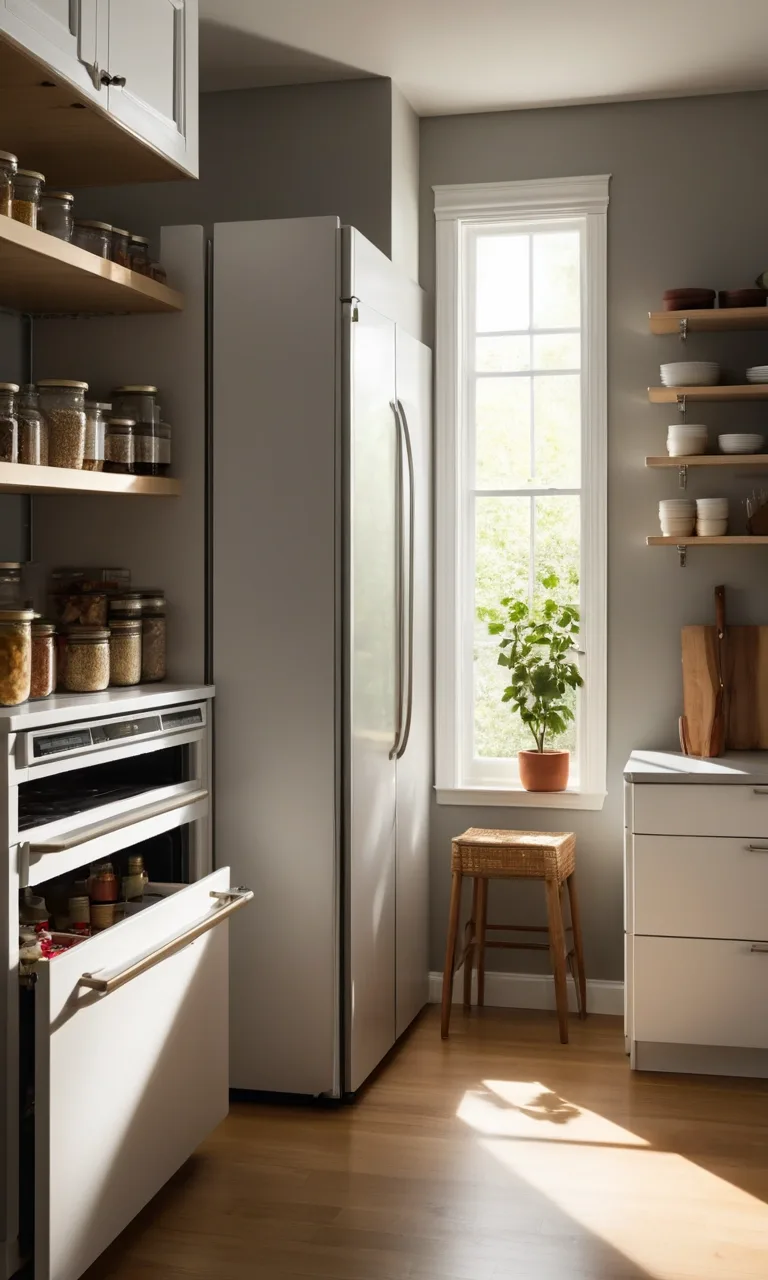
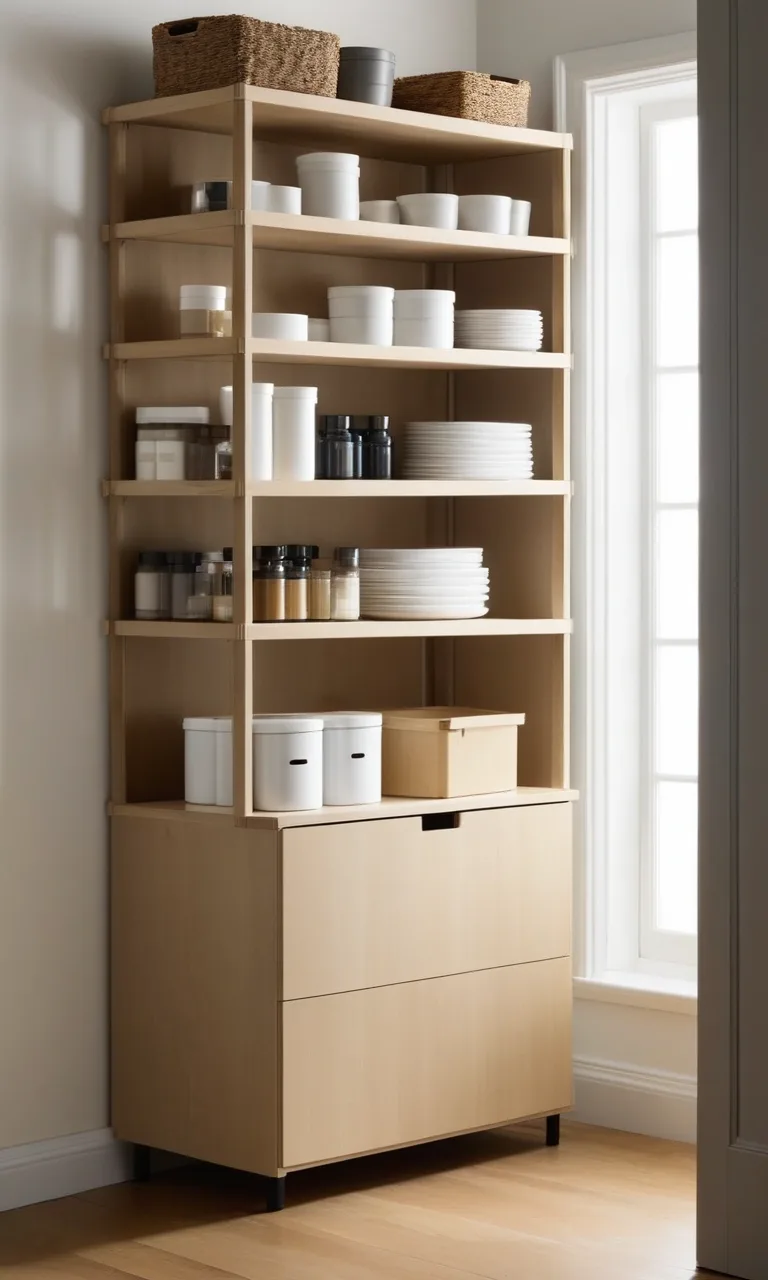
27 Camper Organization Ideas for 2026 to Maximize Every Inch of Space
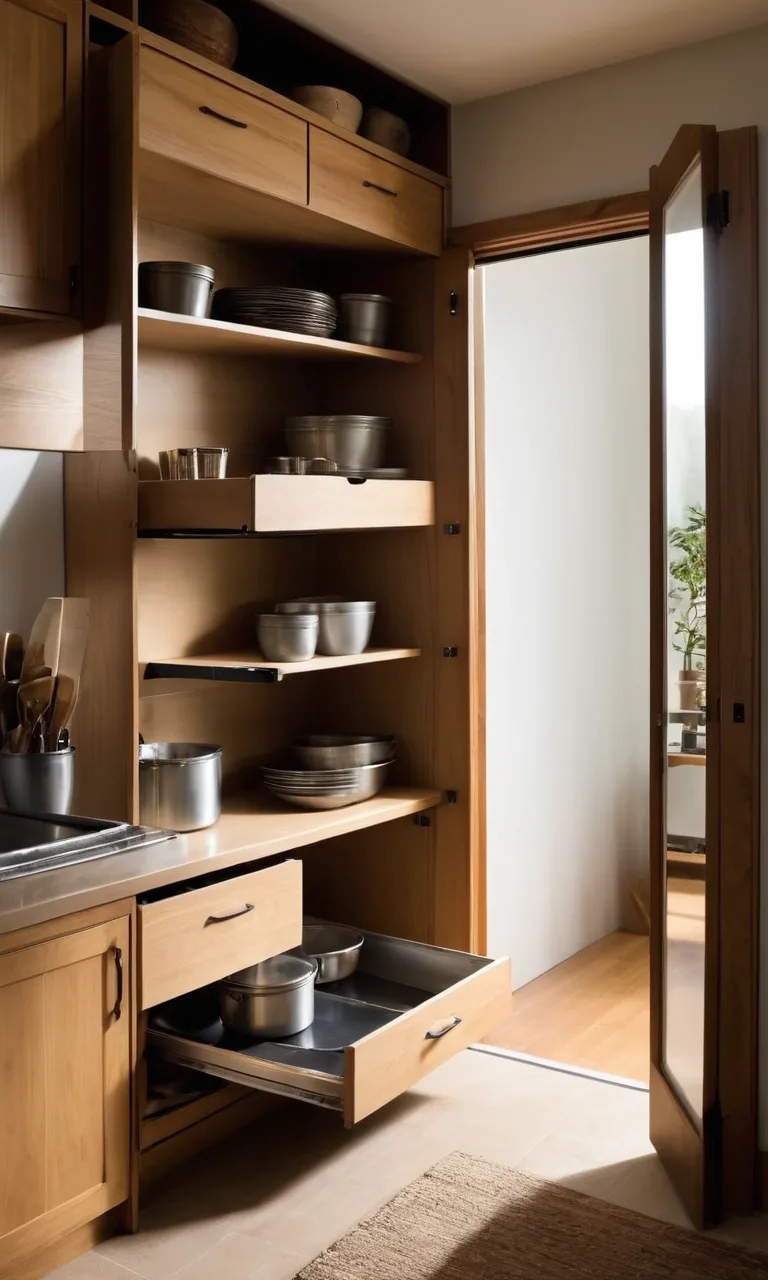
Keeping a camper organized can be challenging, especially when you're working with limited cabinets, narrow walkways, and small storage compartments. From clothing and kitchen supplies to outdoor gear, everything needs a practical place without making your living area feel crowded.
The good news is that you don't need a large RV or expensive renovations to create a comfortable, clutter-free space. Smart storage solutions, vertical organizers, and multipurpose accessories can make even the smallest camper easier to manage.
These camper organization ideas for 2026 will help you use overlooked spaces, keep everyday essentials accessible, and enjoy a more relaxing camping experience.
1. Clothing & Laundry Control
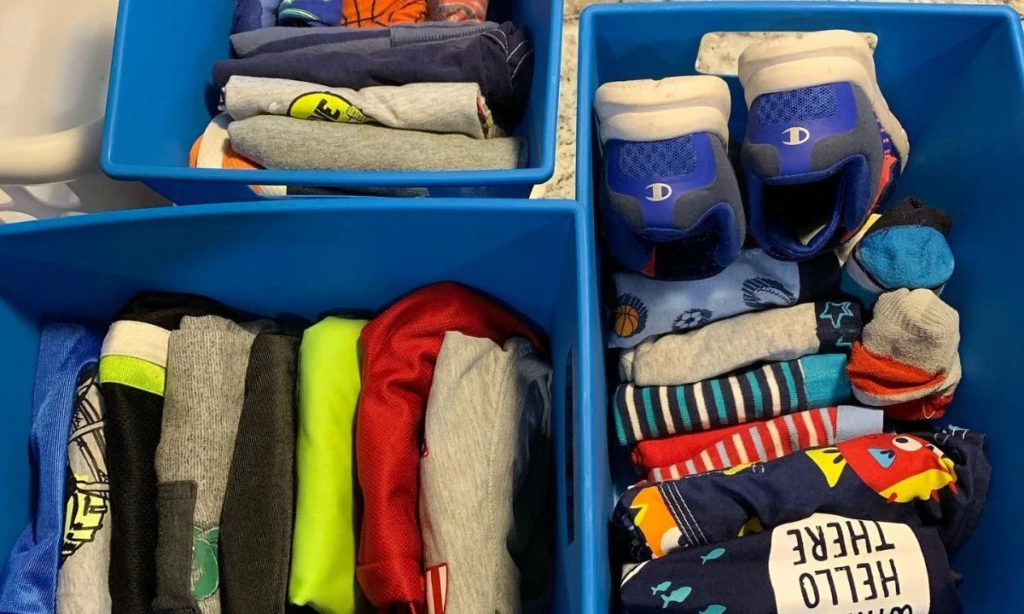
Clothing can quickly take over a small camper, particularly during longer trips. Use packing cubes, fabric storage bins, or drawer dividers to separate shirts, pants, socks, and other essentials.
Rolling clothes instead of stacking them can make compact drawers easier to manage. Assign each traveler a designated storage area to prevent clothing from getting mixed together.
For laundry, choose a collapsible hamper that fits inside a closet or beneath a bed. Keep dirty clothes separate from clean items, and avoid packing more outfits than your trip requires.
2. Camper Organization Ideas
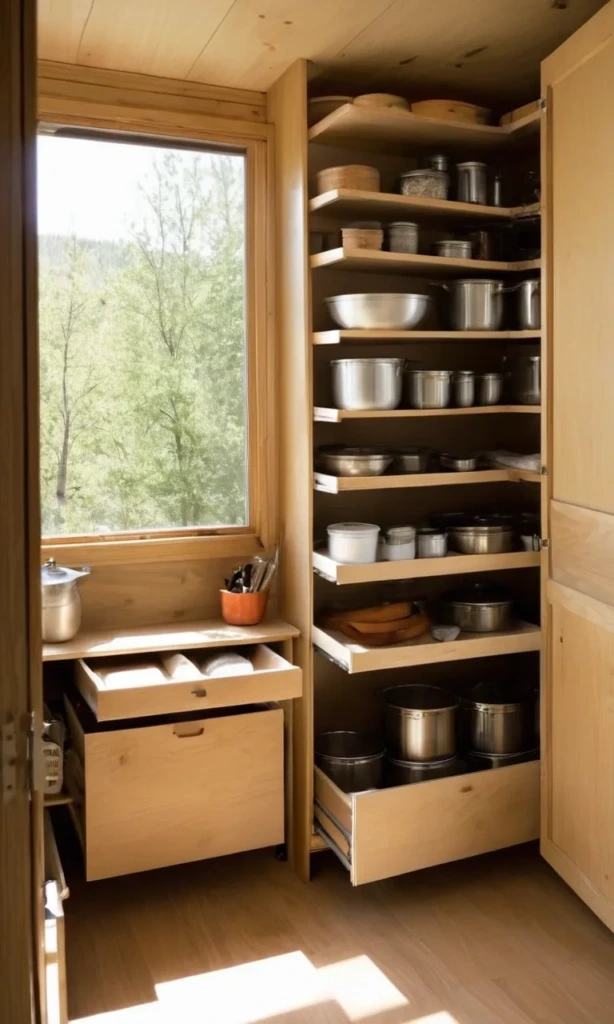
An organized camper starts with giving every item a specific home. Before purchasing storage accessories, evaluate your cabinets, drawers, walls, and unused corners to identify available space.
Prioritize lightweight, multifunctional organizers that can handle movement during travel. Stackable containers, hanging pockets, and collapsible baskets are especially useful in smaller campers.
Keep frequently used supplies within easy reach, while seasonal equipment and backup items can go in less accessible compartments. Regularly removing unnecessary belongings will also help maintain a tidy interior.
3. Utility Door Station
The inside of a camper's utility cabinet door can become a convenient storage station for frequently used accessories.
Attach lightweight adhesive hooks, narrow pockets, or a slim organizer to hold flashlights, charging cables, gloves, and small maintenance supplies.
Arrange items according to how often you use them, keeping daily essentials near the top. Make sure the organizer doesn't interfere with cabinet hinges, latches, or door clearance.
This simple setup keeps small supplies from disappearing into crowded drawers.
4. Hanging Mesh Bags
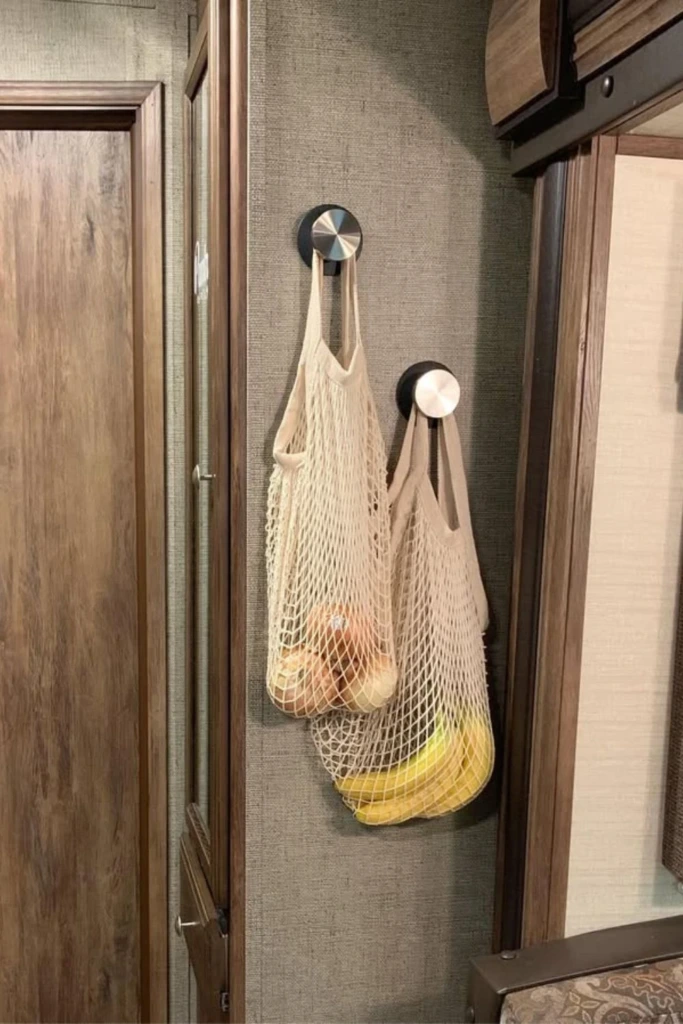
Mesh storage bags are excellent for campers because they're lightweight, breathable, and easy to hang.
Use them for fresh produce, beach accessories, toiletries, or lightweight clothing. Their open construction makes it easy to see what's inside without searching through containers.
Hang mesh bags from secure hooks inside cabinets or designated storage areas. Avoid placing heavy objects inside, since excessive weight can damage the fabric or mounting points.
For produce, choose a shaded location with suitable ventilation to help maintain freshness.
5. Compact Paper Shelf
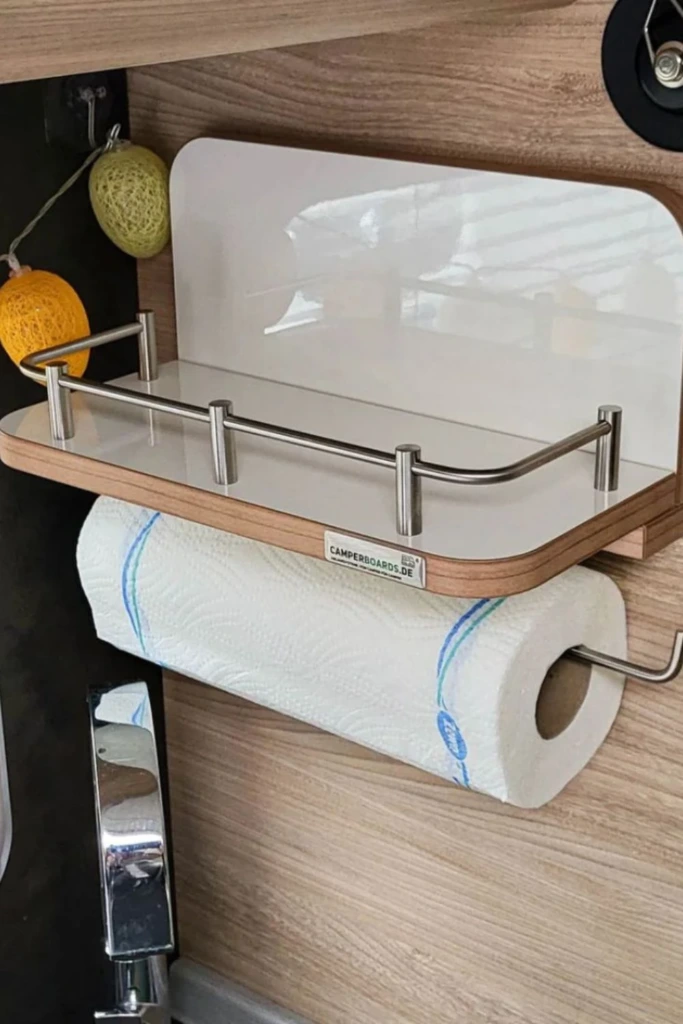
Paper towels, napkins, tissues, and other paper products often occupy valuable cabinet space.
A narrow wall-mounted shelf can keep these essentials together without taking over the kitchen counter. Install it near your dining or food preparation area for convenient access.
Choose a shelf with a raised edge or retaining bar to prevent supplies from falling while the camper is moving.
You can also use small dividers to separate napkins, disposable plates, and paper bags, making everyday cleanup easier.
6. Over-Door Storage
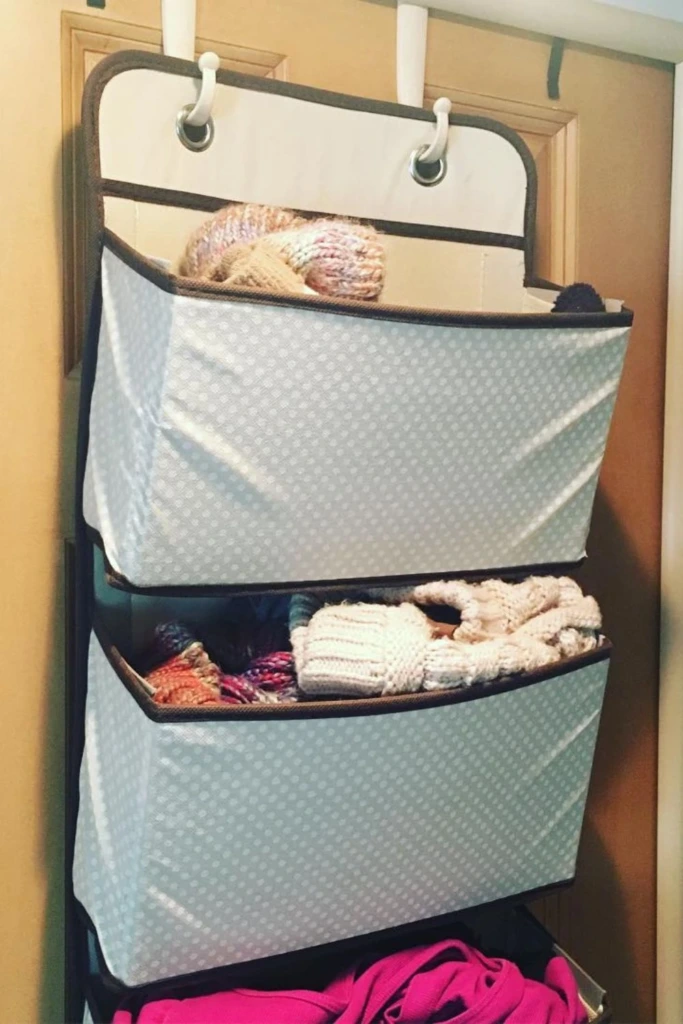
Over-door organizers make excellent use of vertical space that would otherwise remain empty.
Hang a slim pocket organizer over a bathroom, bedroom, or closet door to store toiletries, cleaning cloths, hair accessories, and other lightweight items.
Clear pockets allow you to identify supplies quickly, while fabric versions create a softer, less cluttered appearance.
Before installing one, check that the door closes properly and that the organizer won't interfere with handles, seals, or nearby furniture.
7. Under-Desk Nursery
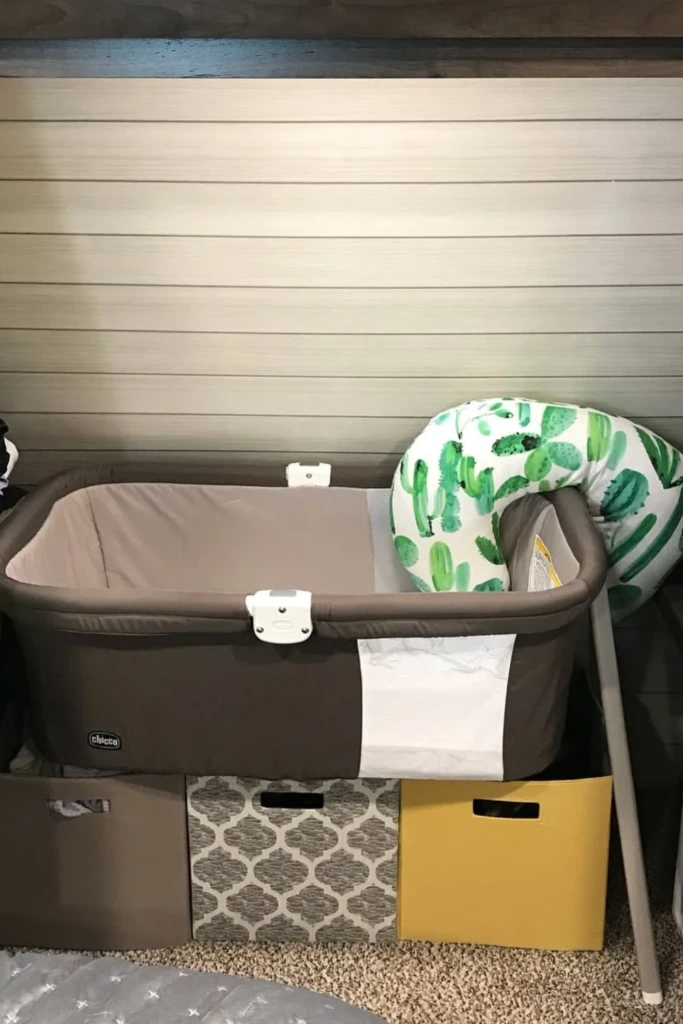
Traveling with a baby requires careful planning because diapers, wipes, blankets, and clothing can consume storage space quickly.
If your camper has a desk or fixed table with unused space underneath, consider placing a compact storage unit there for nursery essentials.
Use labeled bins for diapers, spare outfits, burp cloths, and baby care products. Soft-sided containers are especially practical because they fit into irregular spaces.
Secure the storage unit for travel, keep hazardous items out of reach, and avoid obstructing walkways or emergency exits.
8. Magnetic Spice Wall
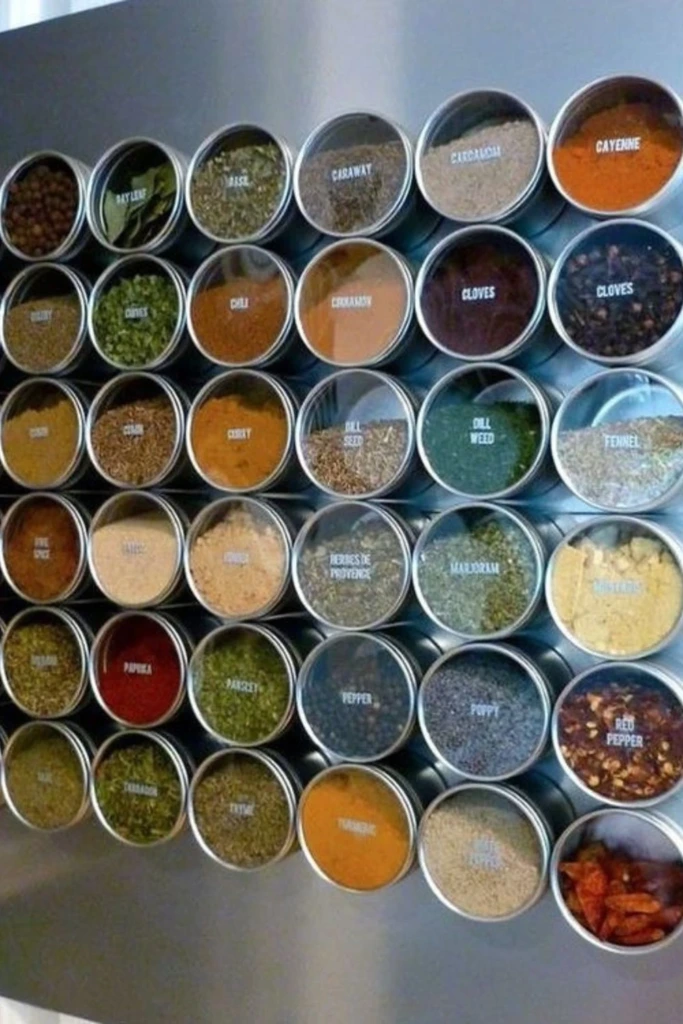
A magnetic spice organizer can free up cabinet space while keeping seasonings easy to find.
Transfer frequently used spices into lightweight magnetic containers and arrange them on a securely mounted metal panel near your cooking area.
Label each container clearly so you can locate ingredients without opening multiple jars.
Keep the panel away from direct heat, and ensure containers cannot fall during travel. For extra security, store the magnetic tins inside a cabinet when driving.
9. Shoe Pocket Strip
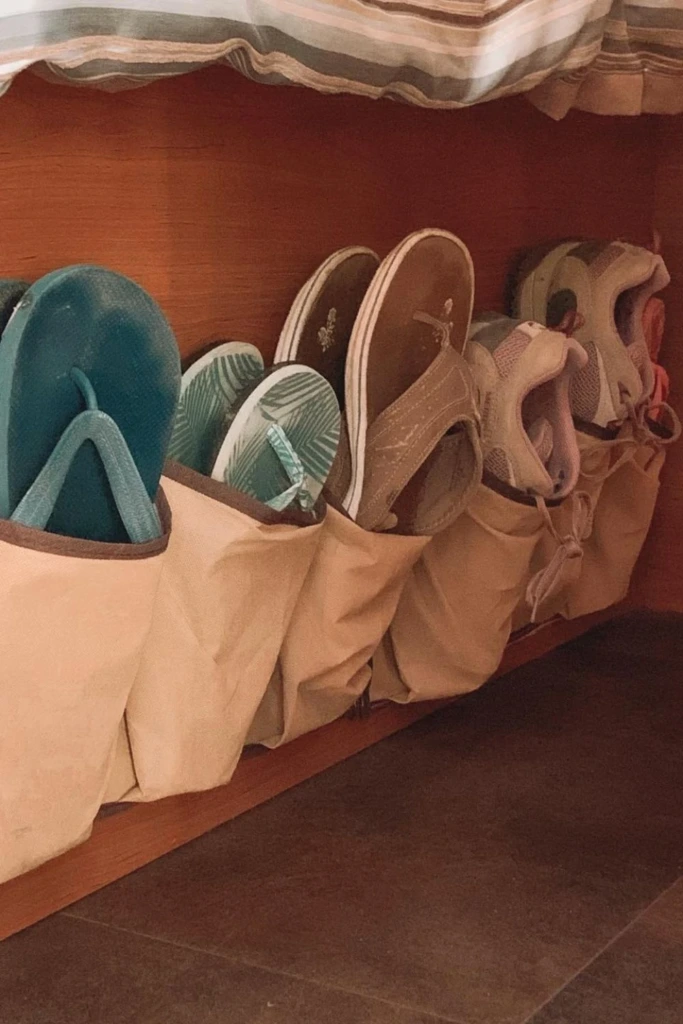
Shoes often create clutter around camper entrances, especially when several people are sharing a small living area.
A narrow shoe pocket organizer mounted inside a closet or near the entryway provides designated storage without occupying floor space.
Choose washable materials that can handle dirt and moisture. Smaller pockets can also hold sandals, slippers, or lightweight outdoor accessories.
Encourage everyone to return their footwear to the organizer after use to keep walkways clear.
10. Slide-Out Kitchen
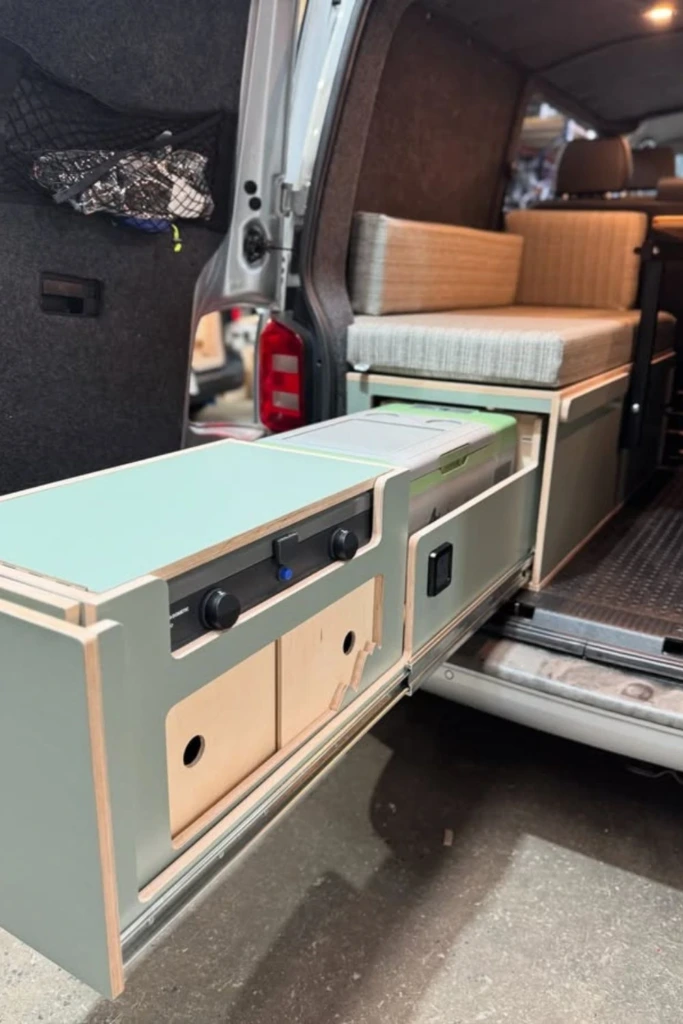
A slide-out kitchen storage system makes deep cabinets much easier to use.
Install pull-out trays or sliding baskets inside lower cabinets to organize pots, pans, cooking utensils, and pantry supplies.
Instead of reaching into the back of a crowded cabinet, you can pull the entire storage section forward and access everything at once.
Select hardware that supports the expected load and includes a reliable travel latch. Measure cabinet dimensions carefully before purchasing or installing sliding components.
11. Shower Dispenser Unit
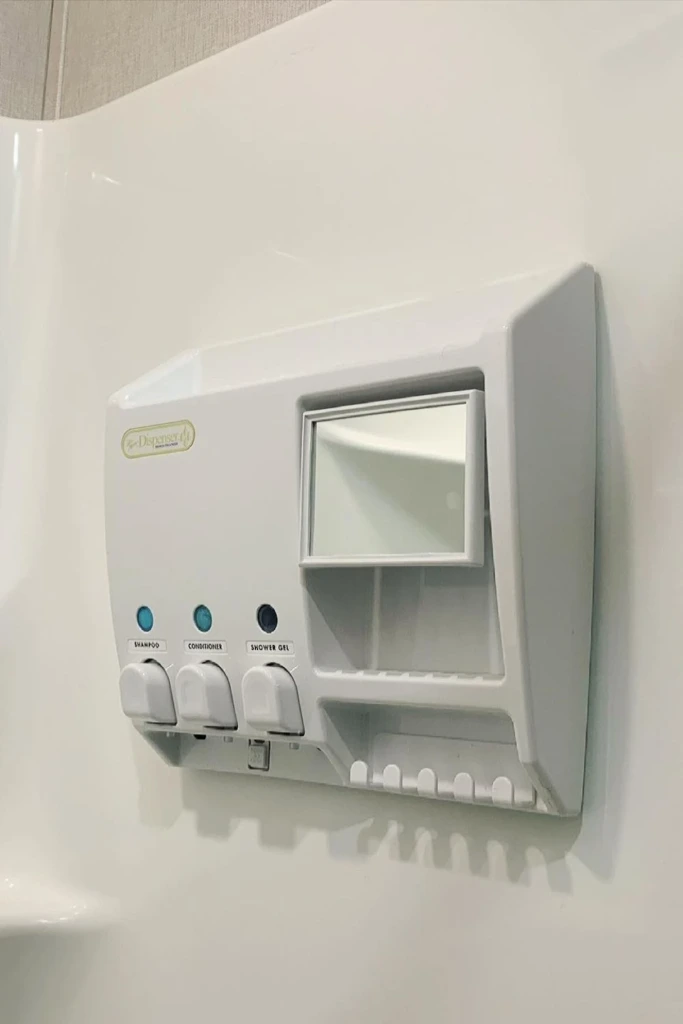
Shampoo bottles, conditioner, and body wash can clutter a small camper shower.
A wall-mounted dispenser keeps these products organized while reducing the number of loose containers on shower shelves.
Choose a compact, moisture-resistant model with separate compartments for your most-used products.
Install it according to the manufacturer's instructions, using a mounting method suitable for the camper's wall material. Avoid drilling into hidden plumbing or wiring.
Refill and clean the dispenser regularly to prevent residue buildup.
12. Wire Shelf Insert
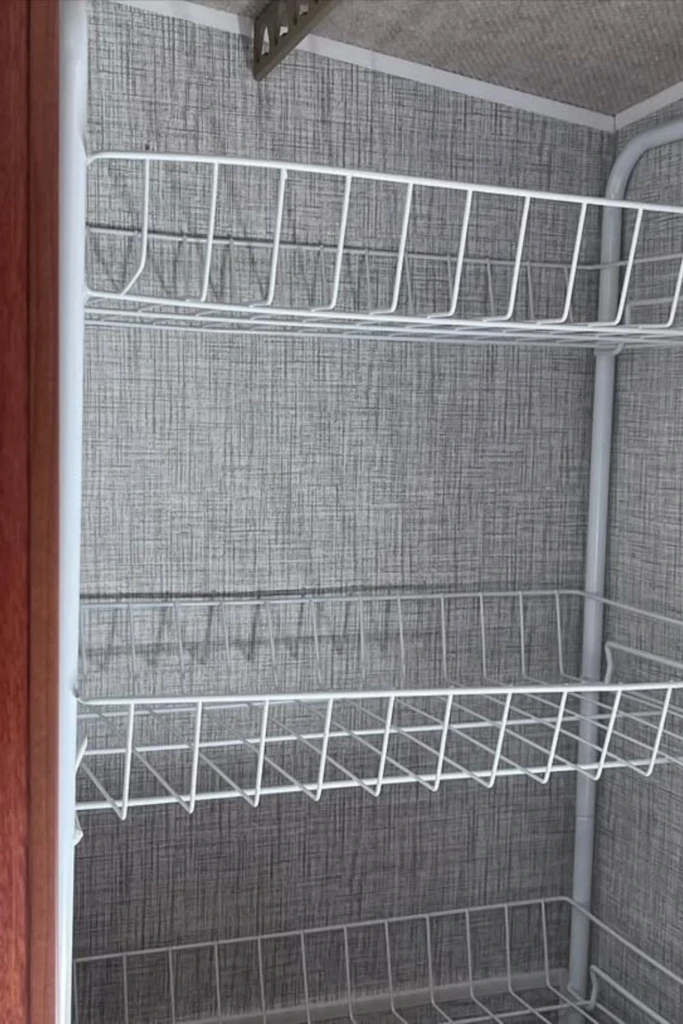
Tall camper cabinets often waste vertical space when items are stacked directly on top of one another.
A freestanding wire shelf insert creates an additional storage level without requiring permanent modifications.
Use these shelves to separate plates, bowls, mugs, packaged foods, or folded linens. They also make it easier to remove one item without disturbing everything around it.
Choose sturdy, appropriately sized inserts and add nonslip liners where necessary to reduce movement.
13. Outdoor Hanging Hooks
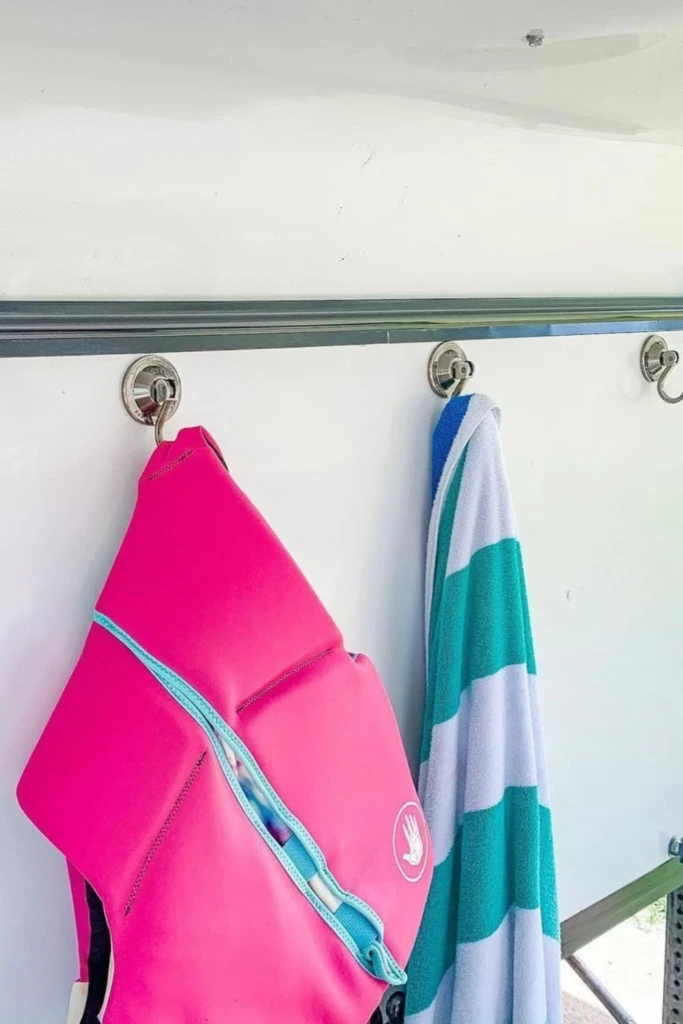
Outdoor hooks help keep muddy or wet equipment outside the main living area.
Install suitable hooks on an approved exterior mounting surface or use a removable hanging system attached to a compatible awning accessory.
They can hold lightweight towels, hats, reusable bags, and other camping accessories while you're parked.
Avoid overloading awning supports or attaching hooks to surfaces not designed for additional weight. Remove loose hanging items before traveling or retracting the awning.
14. Net Storage Sling
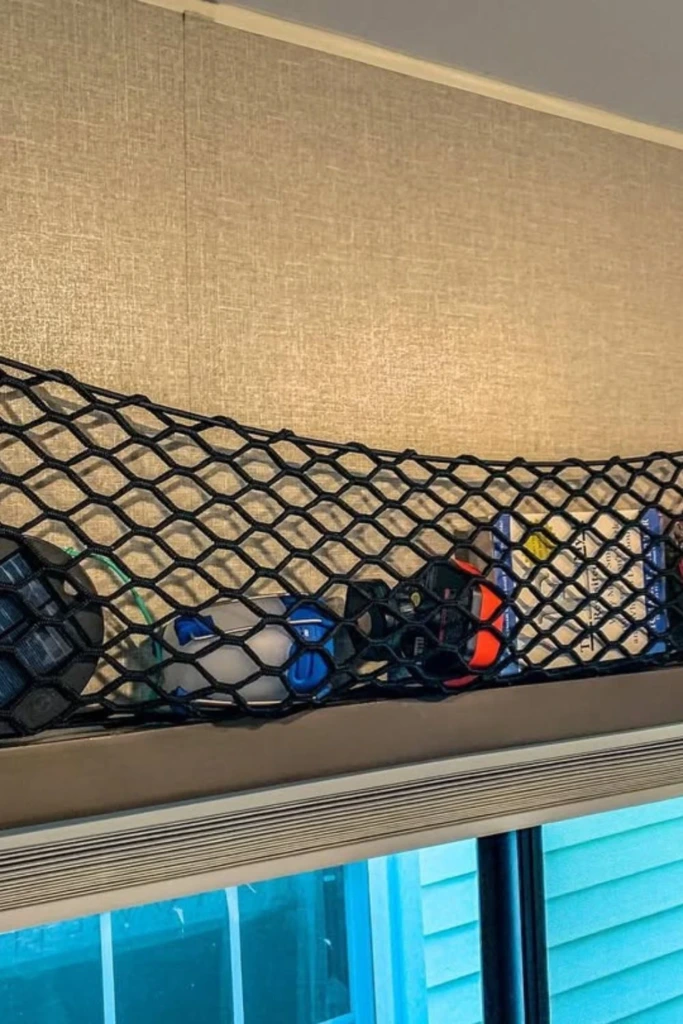
Storage nets are useful for holding soft, lightweight belongings in otherwise unused spaces.
Mount a cargo net above a seating area, inside a closet, or along a suitable storage compartment wall to organize blankets, stuffed animals, or extra clothing.
Elastic netting allows items to fit snugly while remaining visible and accessible.
Use secure mounting hardware, and avoid placing heavy objects overhead where they could become dangerous during sudden stops.
15. Sauce Organizer Pouch
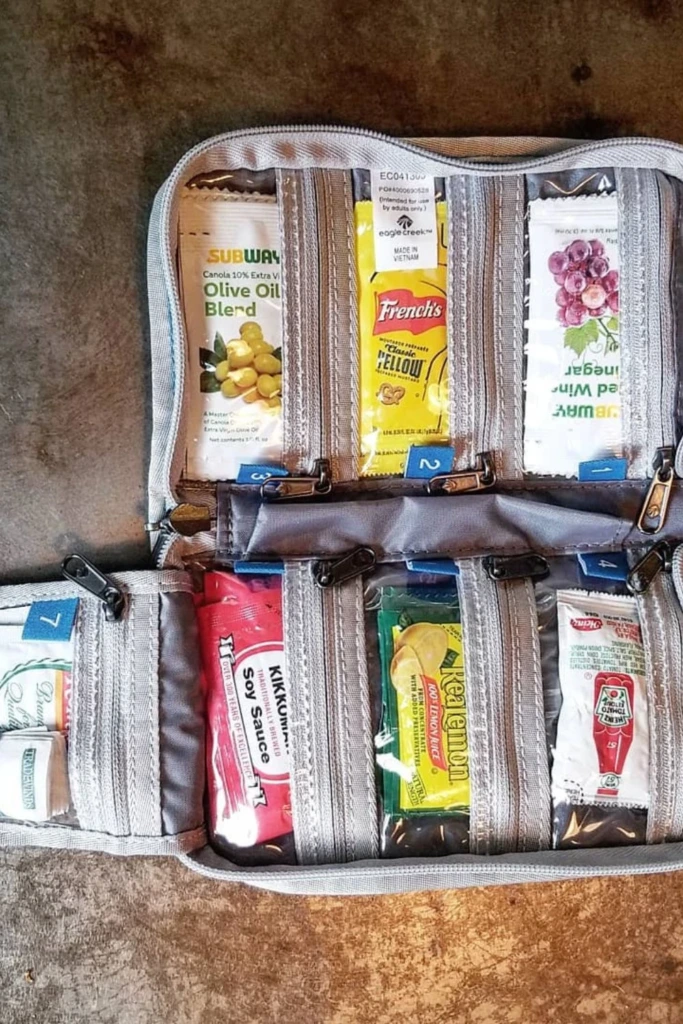
Small condiment packets can create unnecessary mess inside camper kitchen drawers.
A compact organizer pouch keeps ketchup, mustard, mayonnaise packets, and other single-serving condiments together.
Choose a washable pouch with a zipper or secure closure, then store it inside a pantry bin or kitchen drawer.
Separate packets by type using small internal compartments if needed. Check expiration dates regularly and discard leaking or damaged packages.
This approach is particularly useful for quick lunches and outdoor meals.
16. First Aid Drawer
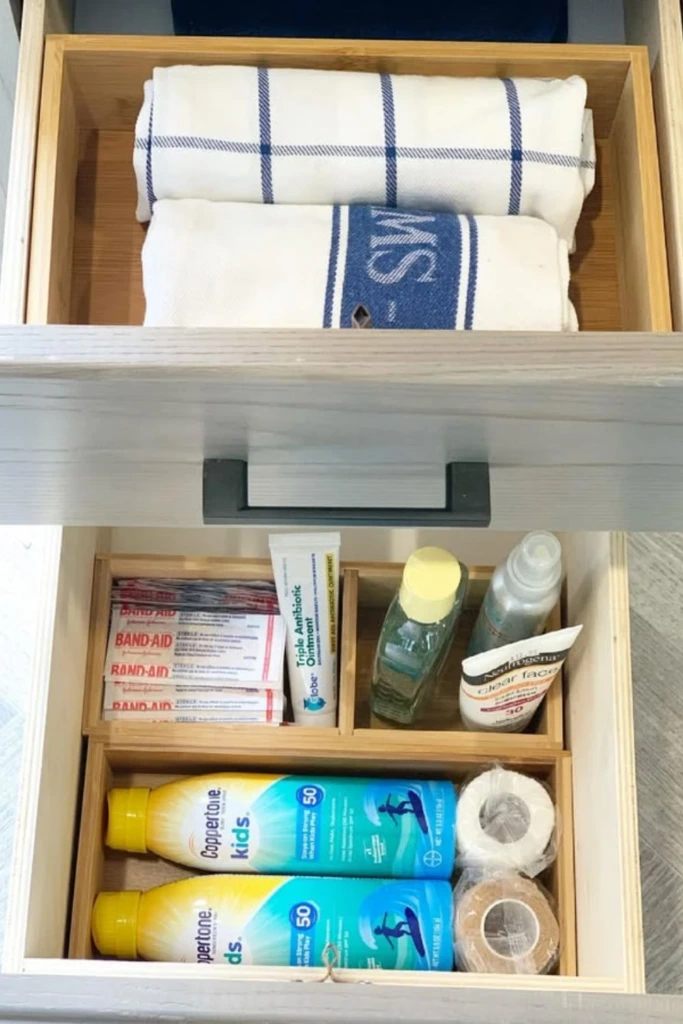
A dedicated first aid drawer makes it easier to locate important medical supplies when they're needed.
Use small dividers to organize bandages, antiseptic wipes, gauze, medical tape, disposable gloves, and other basic items.
Keep supplies in their original labeled packaging whenever possible, and check expiration dates before each trip.
Choose a dry, accessible location away from excessive heat. Medicines should be stored according to their labeling, and the first aid kit should remain secured and out of children's reach.
17. Hitch-Mounted Toolbox
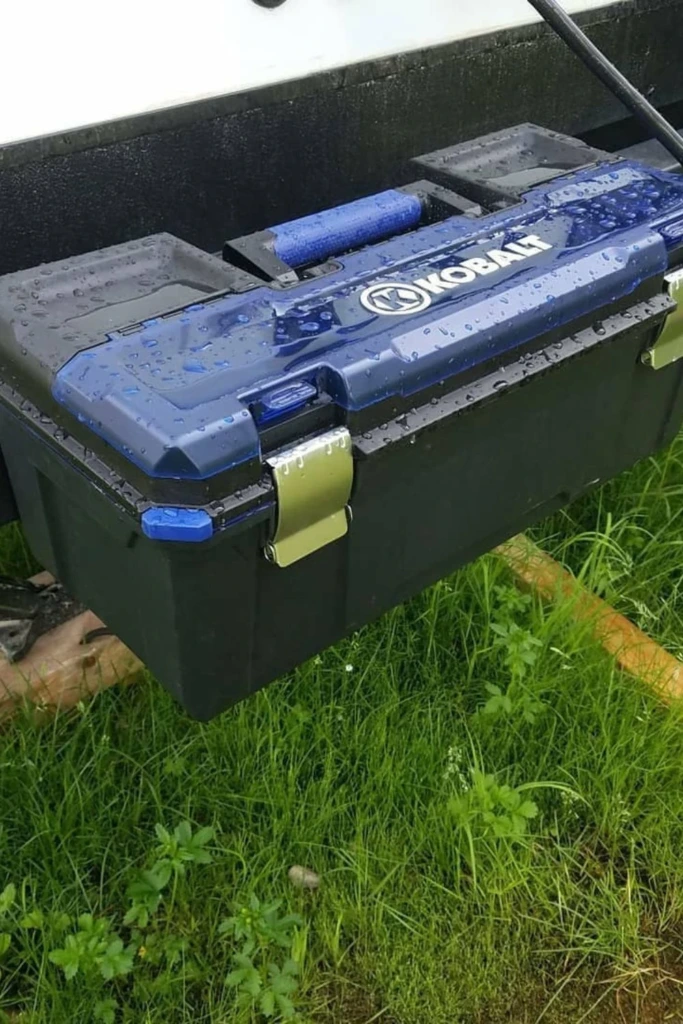
A hitch-mounted toolbox can provide additional storage for outdoor equipment and maintenance supplies when your camper's towing setup supports it.
Use a weather-resistant, lockable box for items such as leveling accessories, gloves, basic tools, and spare camping equipment.
Before installation, confirm that the toolbox and its contents remain within the hitch, receiver, vehicle, and camper weight limits.
Make sure the box doesn't obstruct lights, license plates, access panels, or required clearance. Check mounting hardware regularly for secure attachment.
18. Back Door Grid
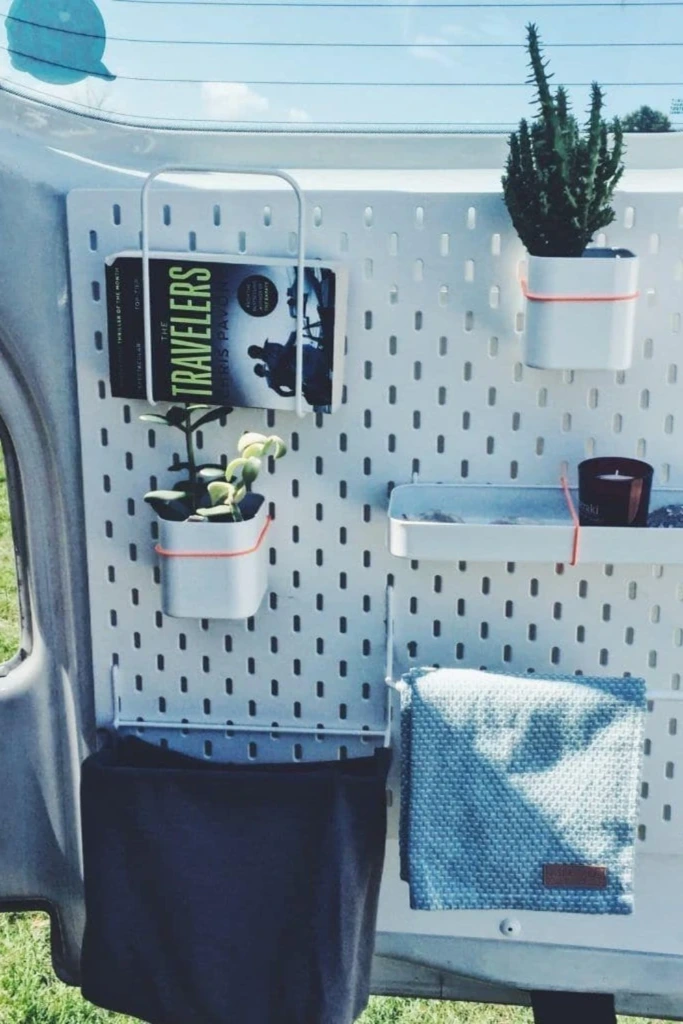
A metal storage grid mounted inside a suitable rear door can create flexible storage for lightweight accessories.
Add removable hooks, small wire baskets, and clips to organize cleaning brushes, cords, gloves, or outdoor cooking tools.
The grid allows you to rearrange accessories as your storage needs change.
Choose rust-resistant materials and verify that the door can support the added weight. Keep everything firmly secured so items don't shift when the camper is moving.
19. Seatback Organizer
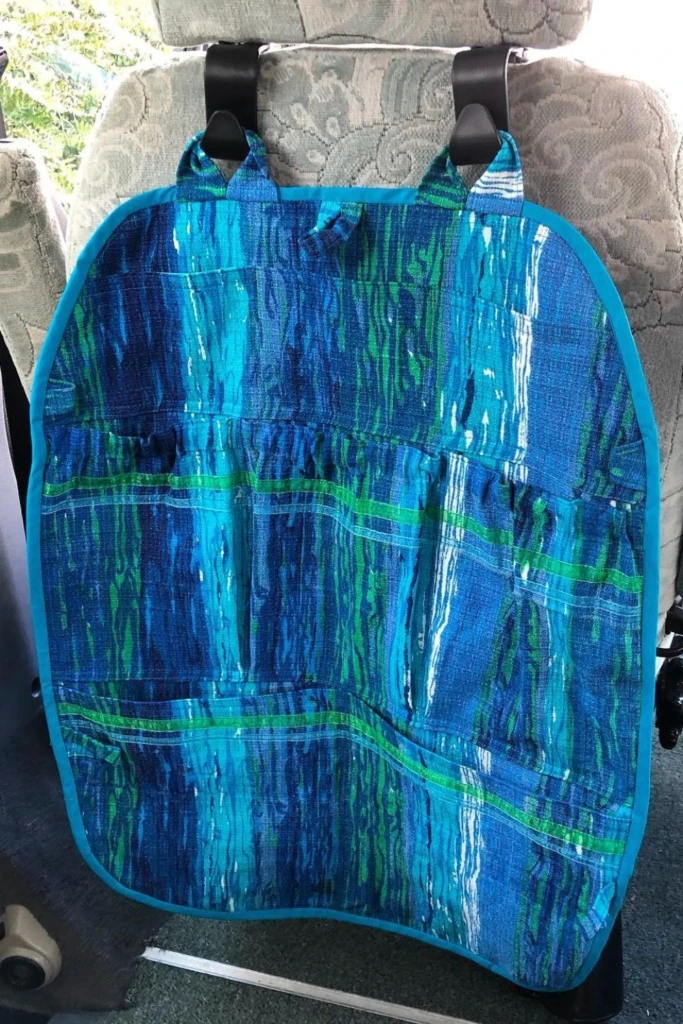
The back of a camper seat offers valuable storage space for items used during travel.
A seatback organizer with multiple pockets can hold maps, notebooks, charging cables, sunglasses, tissues, and small entertainment supplies.
Select a slim design that won't interfere with seat adjustments, seat belts, or safety equipment.
Organizers with adjustable straps are convenient because they can be removed for cleaning or transferred between compatible seats.
20. Rear Door Storage
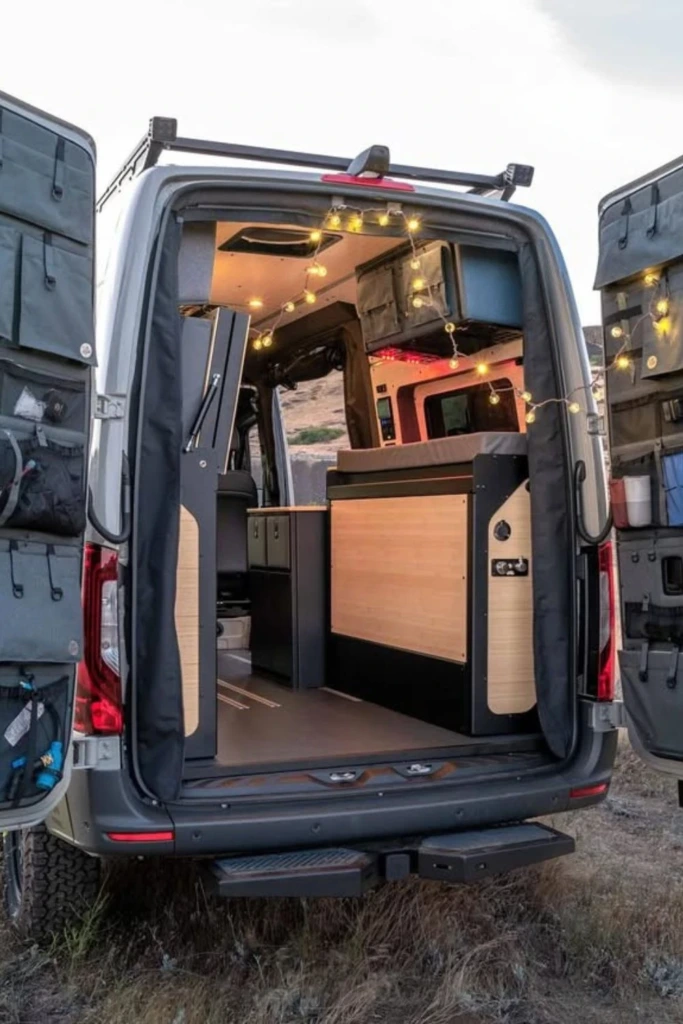
Rear doors can provide practical storage for frequently used outdoor accessories.
Attach a lightweight organizer with secure pockets to hold items such as collapsible water bowls, small flashlights, cleaning cloths, and campsite essentials.
Keep heavier tools in lower, properly secured compartments rather than hanging them from the door.
Check that the storage system doesn't interfere with door seals, locks, ventilation, or emergency access. A well-planned rear door setup can make campsite arrival and departure more efficient.
21. Supply Closet System
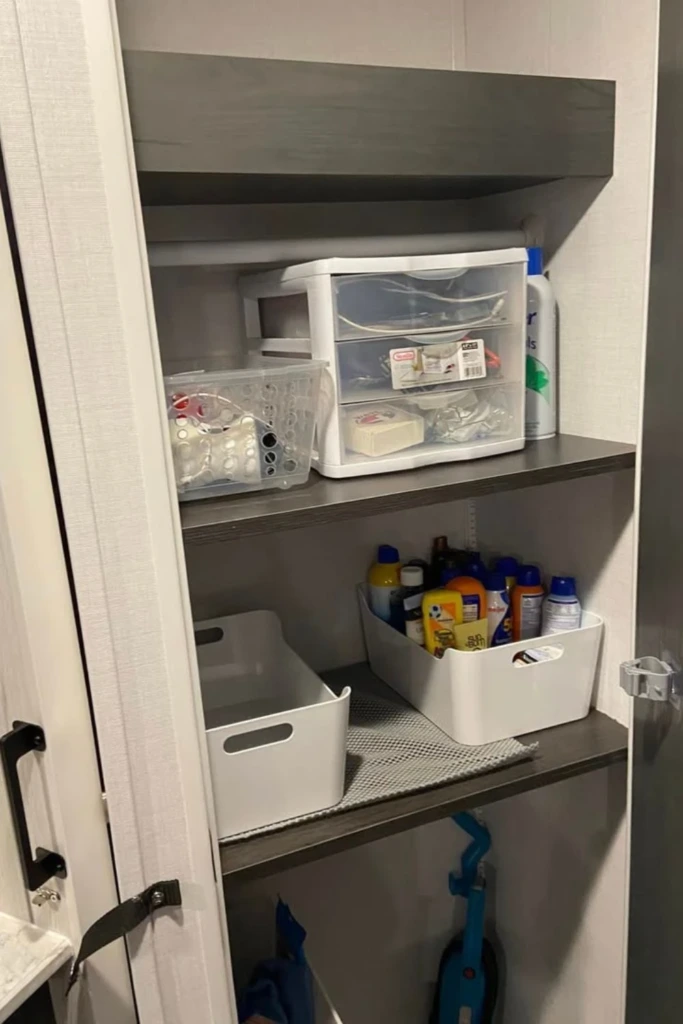
A camper supply closet works best when everything is divided into clearly defined categories.
Use stackable bins to separate cleaning products, spare toiletries, paper goods, batteries, and general maintenance supplies.
Place frequently used items at eye level and heavier containers on lower shelves. Labels help everyone locate and return supplies without searching through the entire closet.
Secure containers with retaining bars or suitable latches, and store chemicals according to their safety instructions, away from food and children.
22. Spice Bag Bin
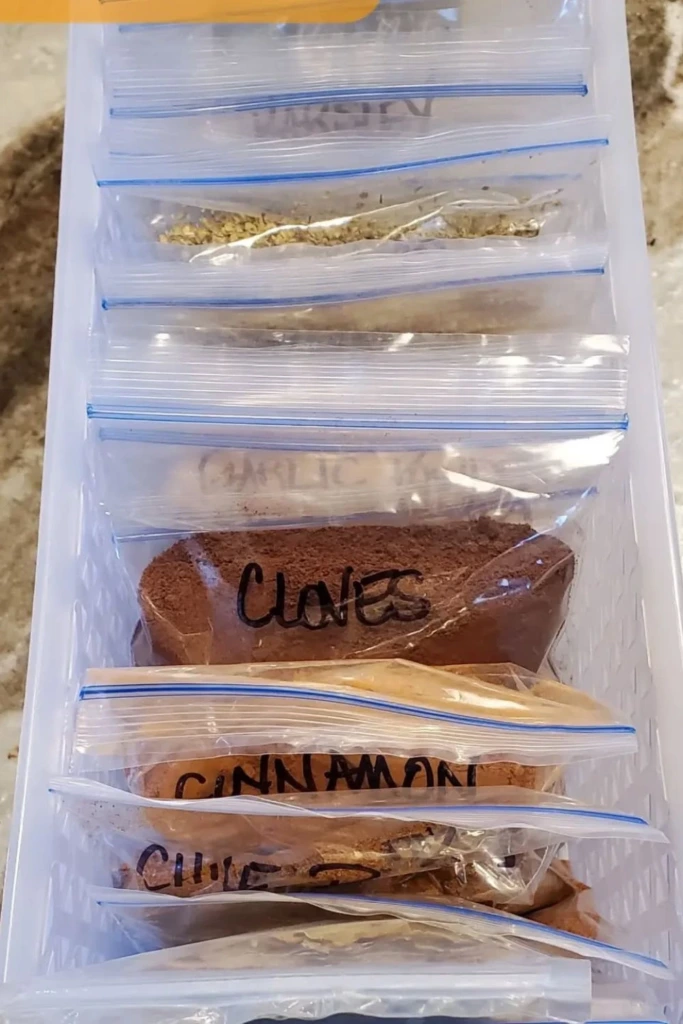
If you prefer keeping seasonings inside cabinets rather than mounting them on walls, a spice bag bin offers a convenient alternative.
Arrange small spice packets or refill bags upright inside a compact container. Use labeled dividers to separate everyday seasonings from baking ingredients and specialty blends.
A bin with handles makes it easy to move your spices from the pantry to the cooking area.
Choose moisture-resistant packaging, and keep seasonings in a cool, dry location to help preserve their flavor.
23. Camper Wall Pouch
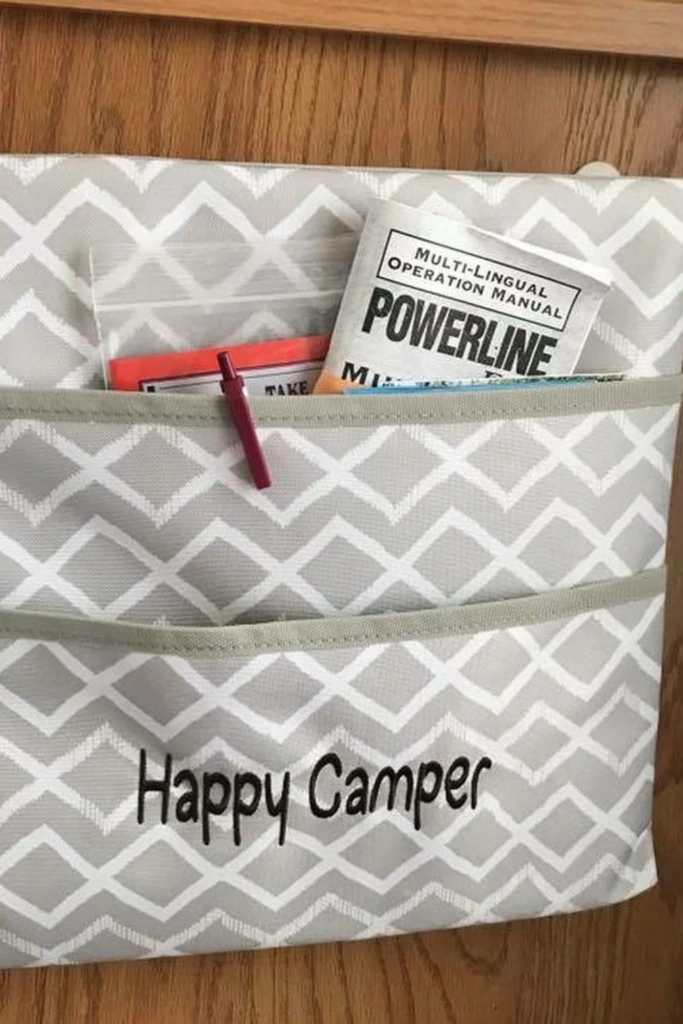
Fabric wall pouches are a simple way to organize small personal belongings without adding bulky furniture.
Mount one beside the bed, near a reading nook, or in another convenient location to hold books, glasses, charging cables, and other lightweight essentials.
Look for durable stitching, reinforced hanging points, and pockets deep enough to keep belongings contained.
Choose a mounting method compatible with your camper's interior walls, and secure or empty the pouch before driving if its contents could fall.
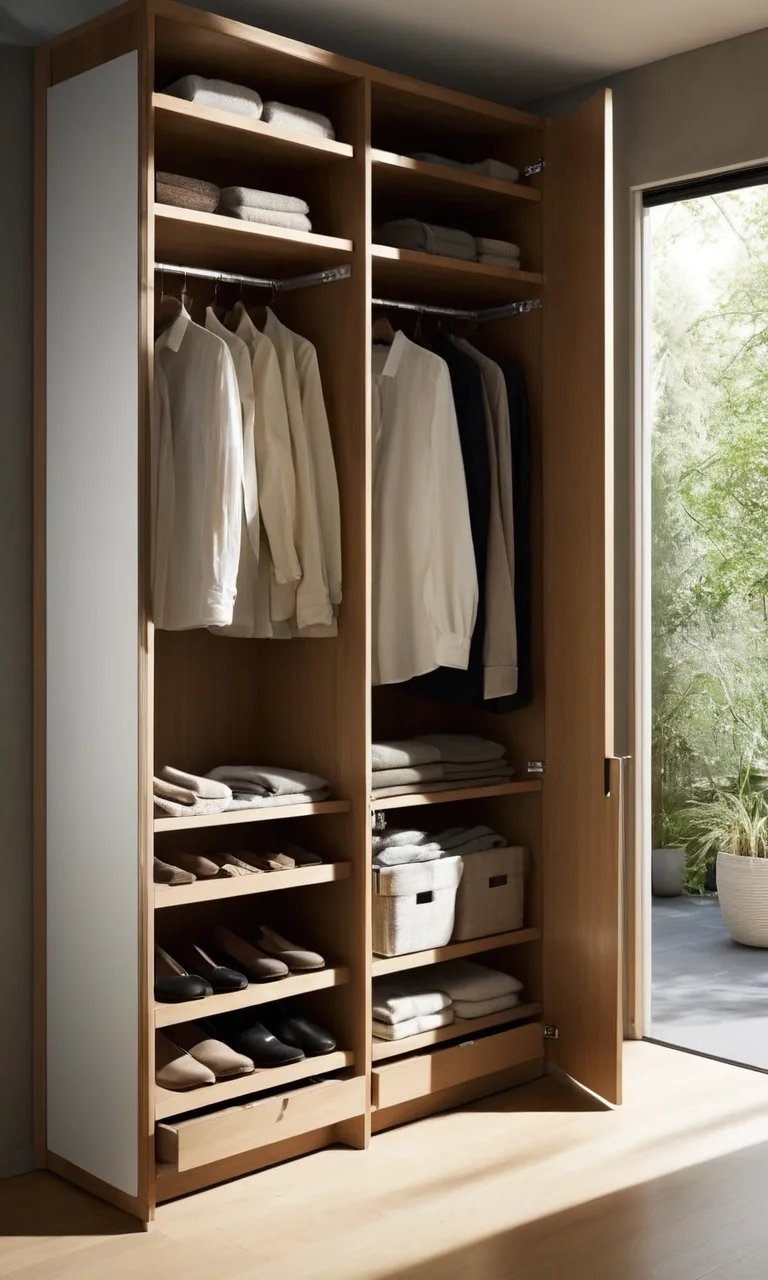
24. Hanging Shoe Rack
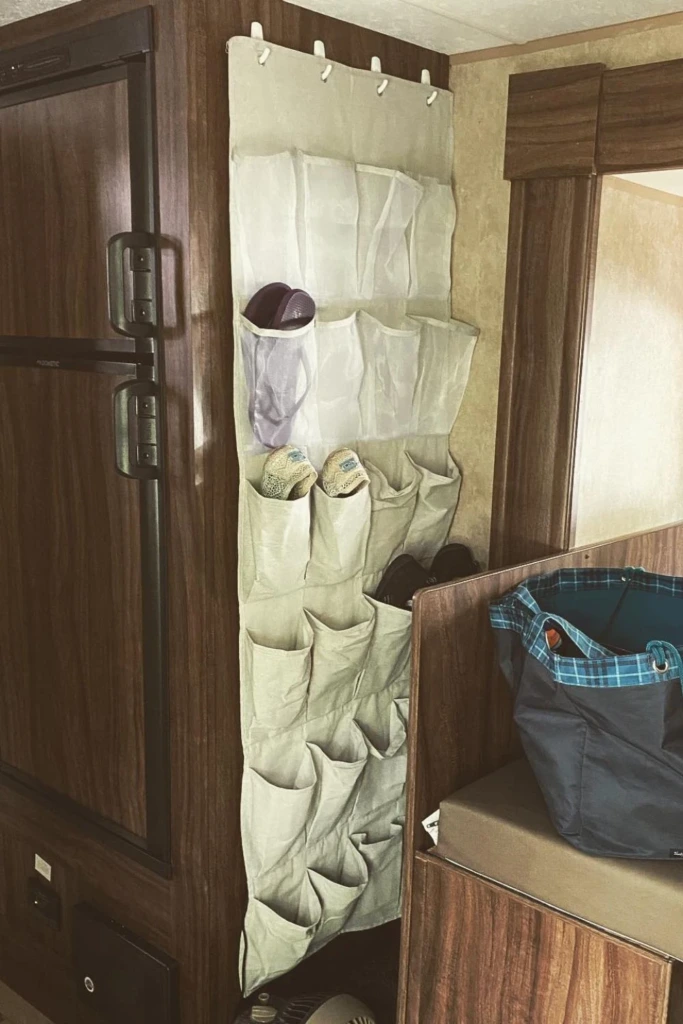
A hanging shoe rack can help manage footwear when closet or floor space is limited.
Choose a narrow rack that fits inside a wardrobe or attaches securely to an appropriate door. Store frequently worn shoes in the most accessible compartments and occasional footwear farther away.
Fabric racks are lightweight and often fold flat when not needed.
Clean shoes before storing them, and allow damp footwear to dry thoroughly to prevent odors and moisture buildup.
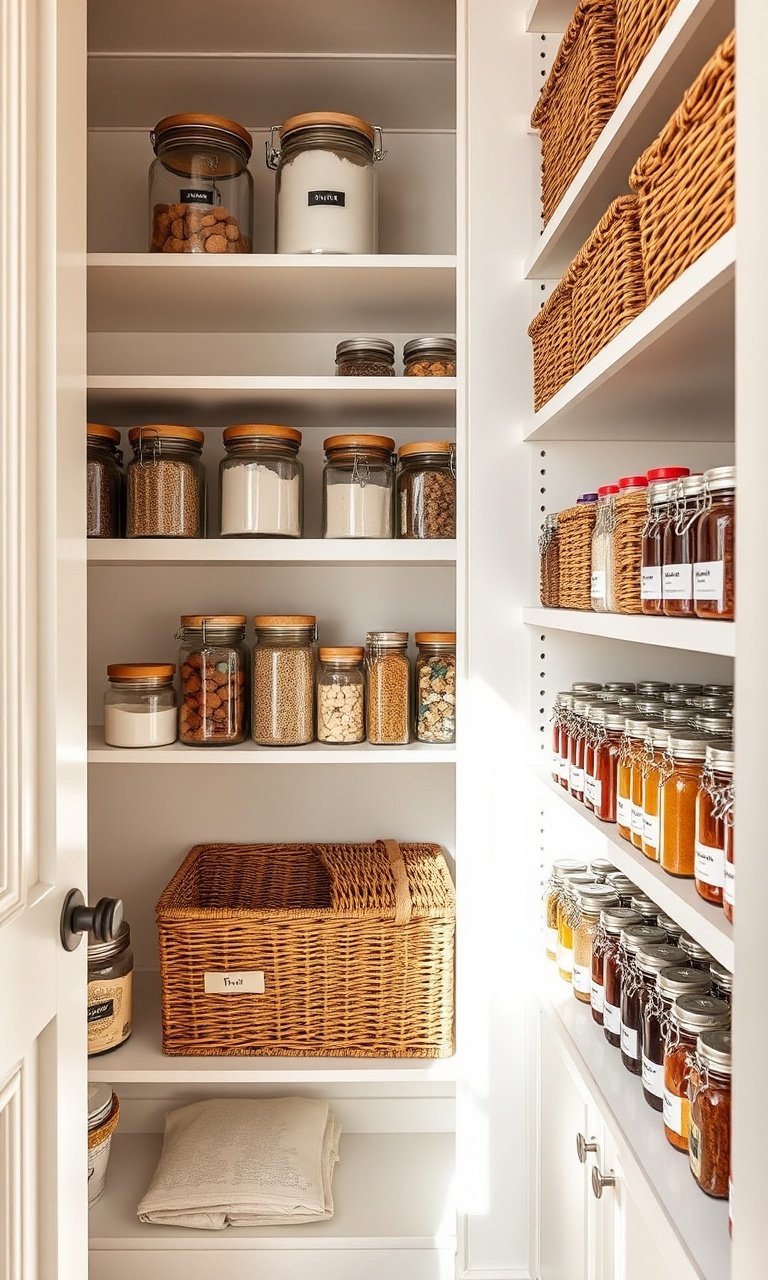
25. Basket-Labeled Shelves
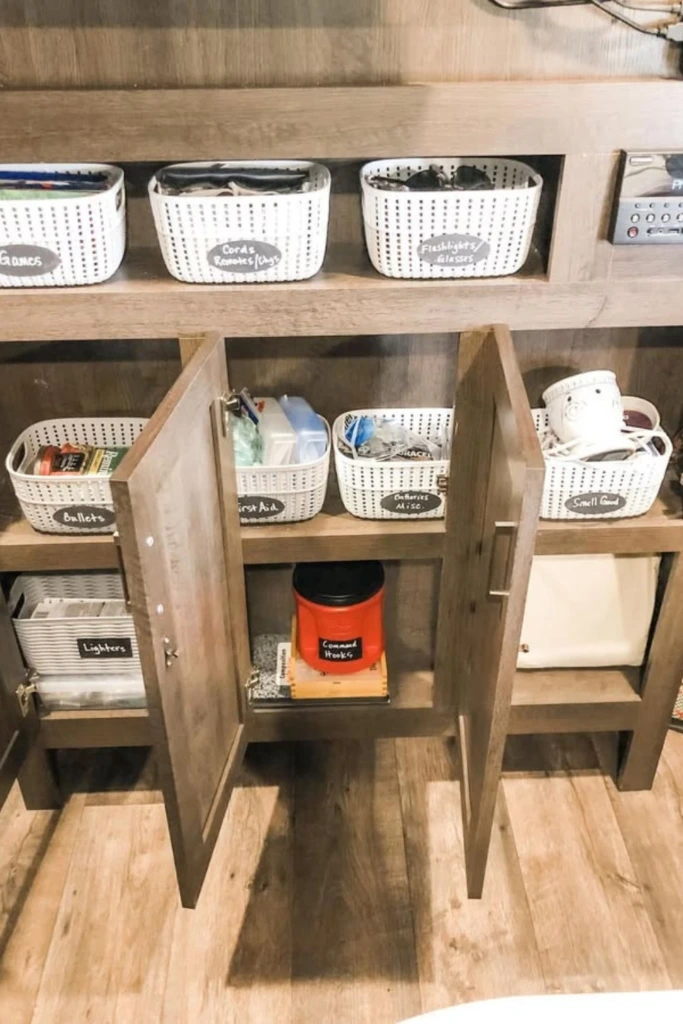
Labeled baskets make shared camper storage easier to maintain, especially when several people need access to the same supplies.
Place baskets on existing shelves and assign each one a category, such as snacks, electronics, toiletries, or travel accessories.
Use matching containers to maximize shelf space and create a consistent appearance.
Clear labels reduce confusion, while shelf rails, cabinet doors, or secure restraints help prevent baskets from shifting during travel.
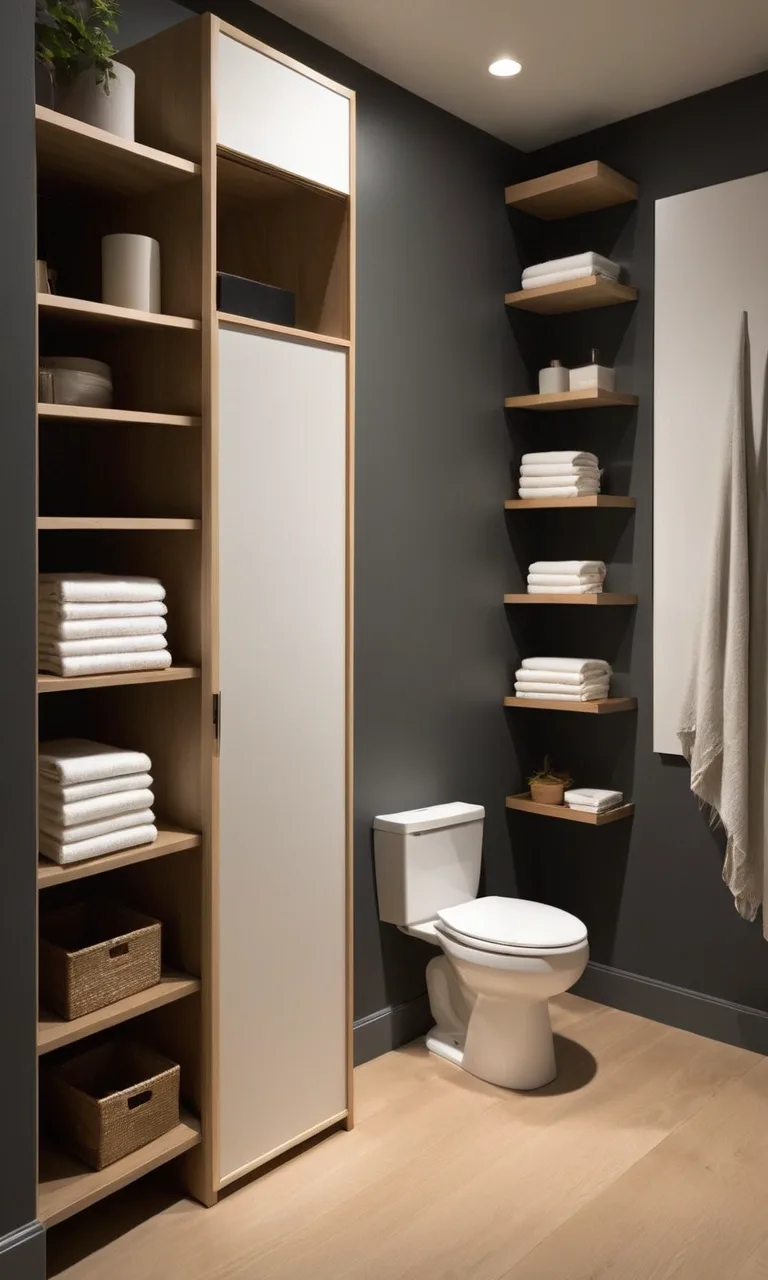
26. Basket Wall Shelves
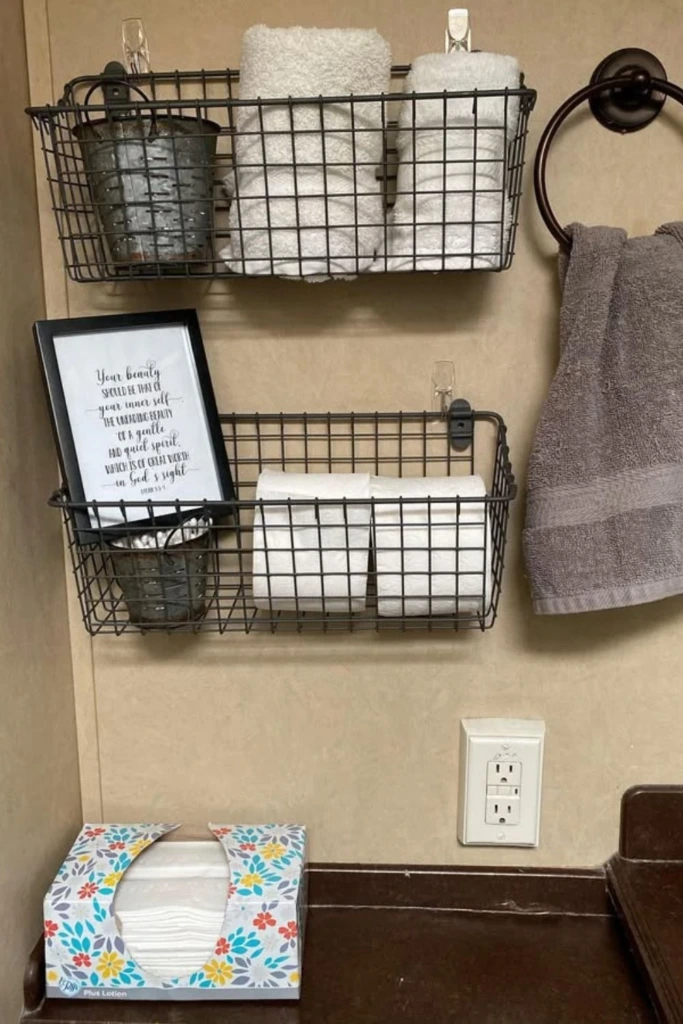
Wall-mounted basket shelves combine accessible storage with a compact design.
Use shallow wire or lightweight woven baskets to hold books, small towels, toiletries, or other everyday essentials.
Arrange them vertically to take advantage of unused wall space without crowding the floor.
Before mounting, confirm the wall structure and appropriate fasteners. Camper walls can be thinner than residential walls, so avoid assuming ordinary household anchors will provide sufficient support.
Keep heavier belongings in lower, enclosed storage compartments.
27. Jewelry Hook Board
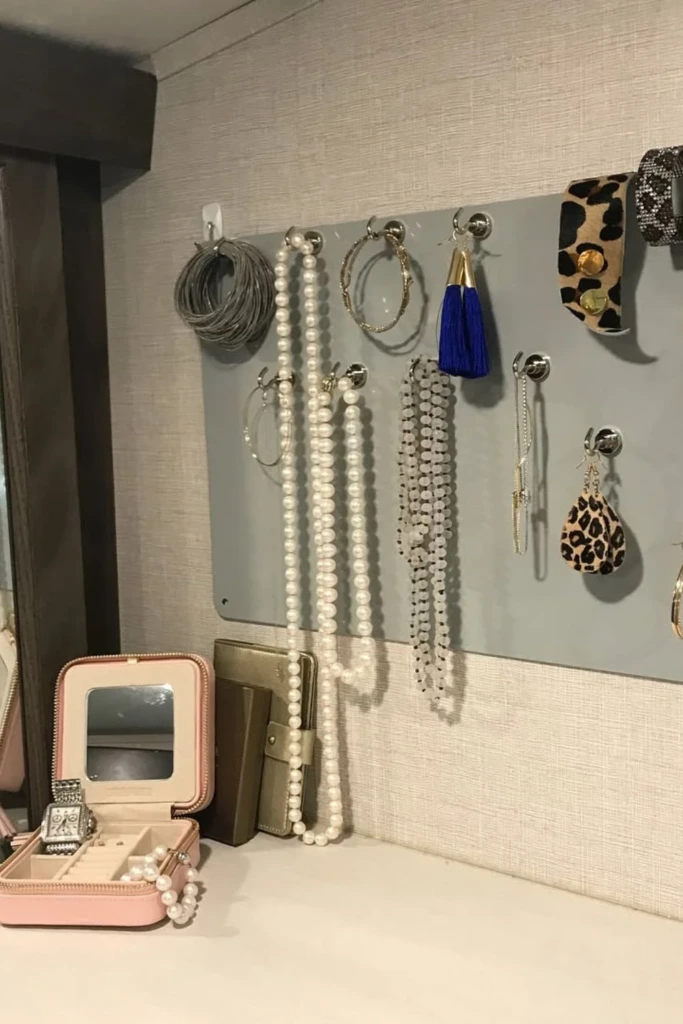
Small jewelry pieces can easily become tangled or misplaced inside a camper.
A compact jewelry hook board provides a designated place for necklaces, bracelets, earrings, and other accessories.
Install small hooks on a lightweight board and add a soft backing or separate compartment for delicate pieces.
Position the board inside a wardrobe or another protected area where jewelry won't swing freely during travel.
For valuable or fragile pieces, use a padded travel case with secure compartments instead of leaving them exposed.
Final Thoughts
Organizing a camper is about making limited space work more efficiently, not filling every available corner with storage products. Simple changes such as hanging organizers, labeled baskets, sliding shelves, and compact wall storage can make everyday camping routines noticeably easier.
Start with the areas that create the most clutter, then introduce solutions that fit your camper's layout and travel habits. Always consider weight distribution, secure mounting, and accessibility when adding storage.
With these camper organization ideas for 2026, you can create a more functional, comfortable living space and spend less time searching for supplies and more time enjoying your adventures.