27 Fridge Organization Ideas for 2026
A well-organized refrigerator can make everyday cooking easier, reduce food waste, and help you find ingredients without digging through crowded shelves. Whether you have a compact fridge or a spacious French-door model, a few practical changes can make a noticeable difference.
The secret to successful fridge organization isn't buying dozens of expensive containers. It's creating a storage system that fits your groceries, cooking habits, and available space.
From transparent storage bins and labeled drawers to dedicated meal-prep areas, these 27 fridge organization ideas will help you create a cleaner, more functional refrigerator that stays organized throughout the week.
How do I organize my fridge to keep food fresh longer?
Start by removing everything from your refrigerator, checking expiration dates, and cleaning the shelves and drawers. Before returning groceries, group foods into categories such as dairy, vegetables, fruits, beverages, leftovers, and condiments.
Keep your refrigerator at 40°F (4°C) or below, ideally around 37°F (3°C), and avoid overcrowding so cold air can circulate.
Store raw meat and seafood in leakproof containers on the lowest shelf to prevent cross-contamination. Place ready-to-eat foods and leftovers on accessible shelves, and use crisper drawers with appropriate humidity settings for produce.
The refrigerator door experiences frequent temperature changes, making it better suited to condiments than highly perishable foods.
Finally, position older groceries toward the front and newer purchases behind them. This simple habit encourages you to use ingredients before they spoil.
1. Clear Zone System
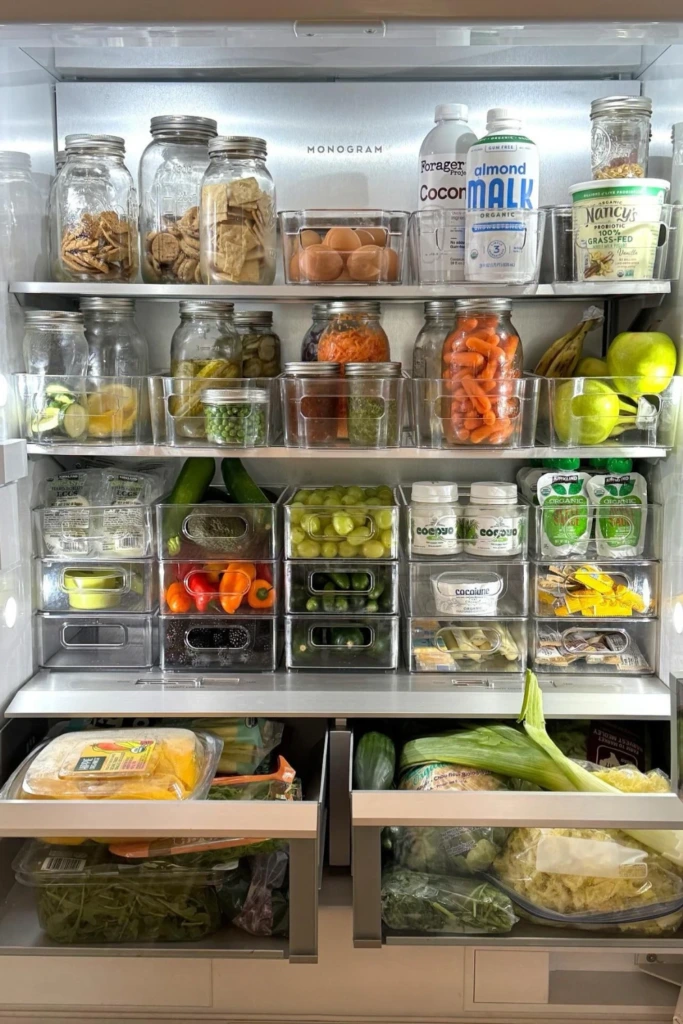
Creating dedicated storage zones is one of the easiest ways to maintain an organized refrigerator. Instead of placing groceries wherever space is available, assign specific sections to different food categories.
Use transparent refrigerator-safe bins for yogurt, packaged snacks, cheese, and prepared ingredients. Choose containers that fit comfortably on your shelves without blocking air vents.
This approach helps everyone in the household locate food quickly and return items to their proper places. It also makes grocery shopping easier because you can immediately see which categories need restocking.
2. Label-Led Zones
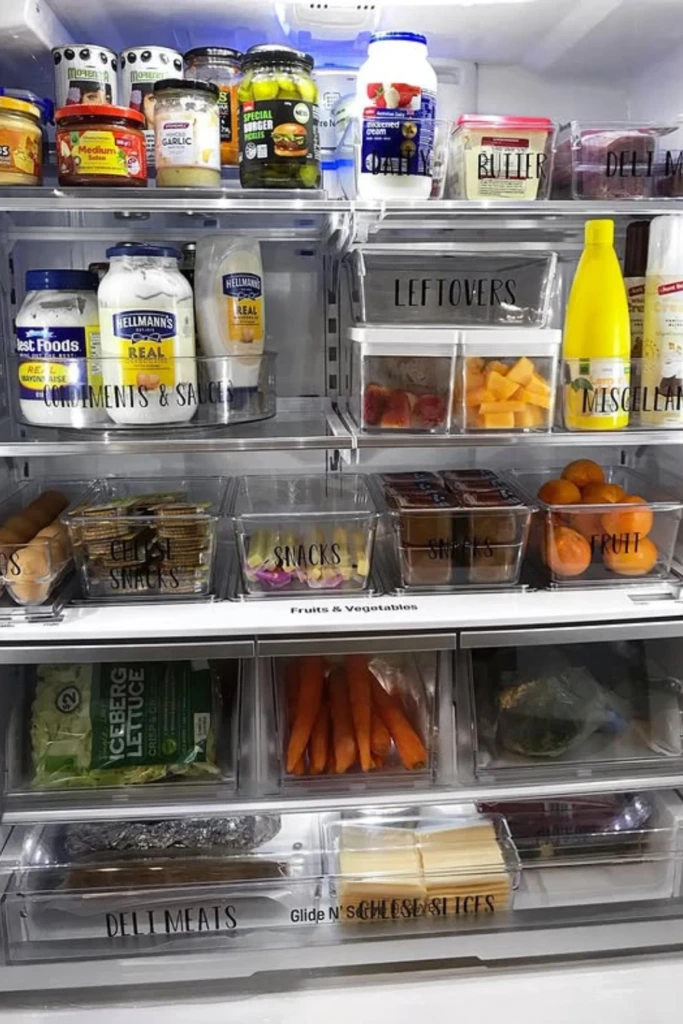
Labels provide a simple way to keep refrigerator storage consistent, especially in busy households where several people use the same space.
Attach waterproof or removable labels to containers and shelves, identifying categories such as dairy, snacks, leftovers, and sandwich ingredients.
Choose short, readable names rather than overly detailed descriptions. Labels should be visible from the front so you don't have to pull out every container to identify its contents.
This method works particularly well for families with children because it creates a straightforward system that everyone can follow.
3. Front-Row Meals
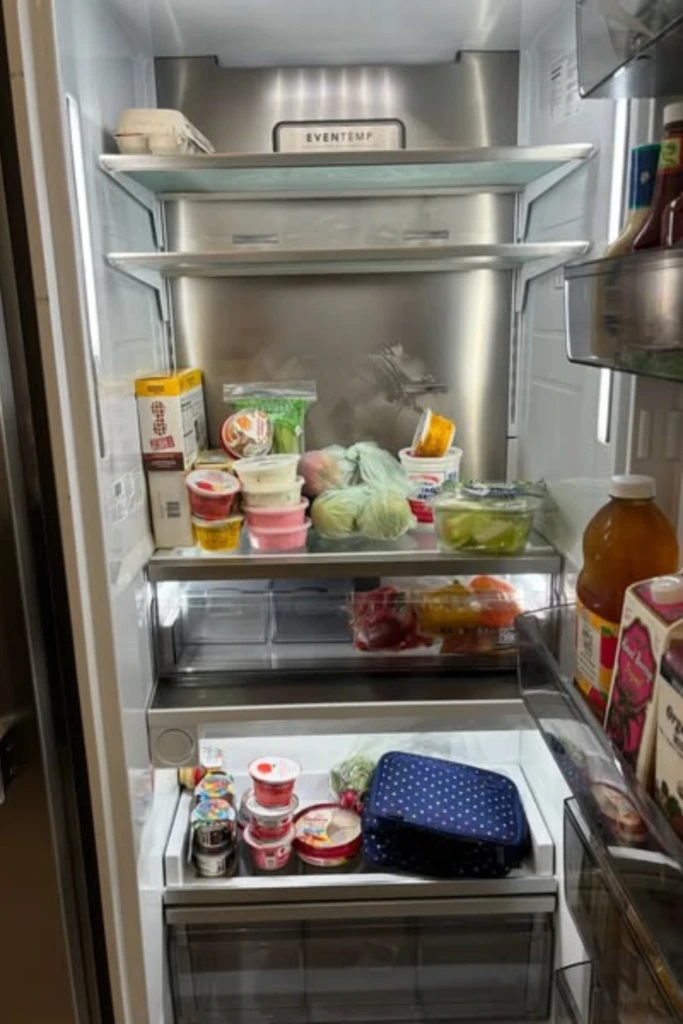
Leftovers often end up forgotten behind fresh groceries, leading to unnecessary waste. A designated front-row storage area keeps prepared meals easy to notice.
Choose a middle shelf and reserve its front section for cooked dishes that should be eaten soon. Store meals in shallow, food-safe containers with secure lids.
Write the preparation date on each container and arrange older meals ahead of newer ones. Refrigerated leftovers should generally be used within three to four days.
Keeping cooked food visible also makes quick lunches and weeknight dinners more convenient.
4. Stacked Produce Bins
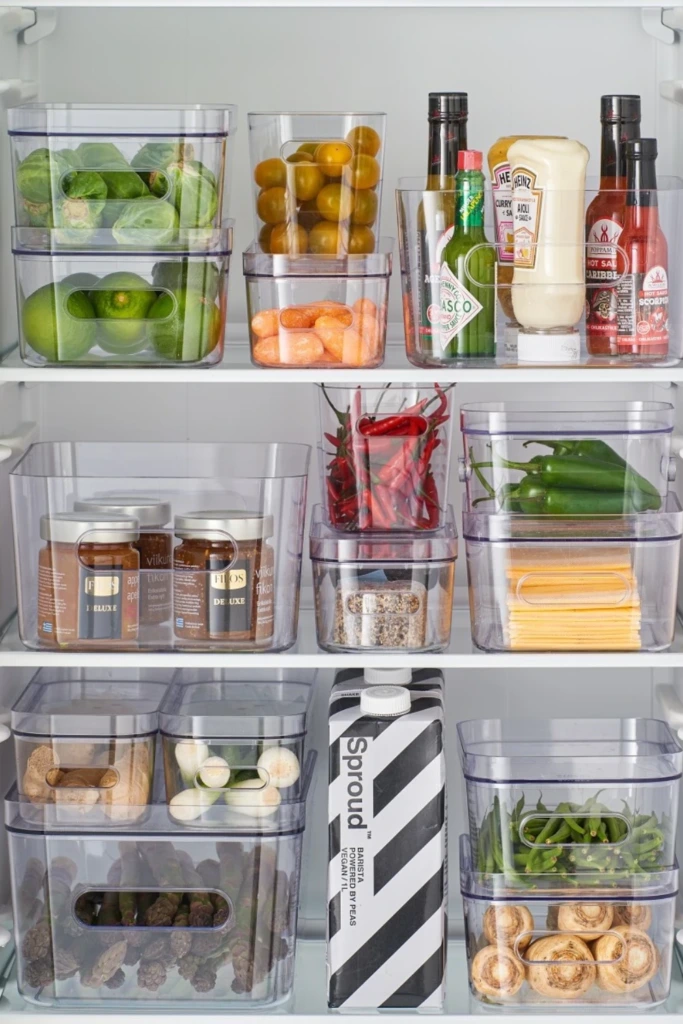
Stackable produce containers can help maximize refrigerator space while keeping different fruits and vegetables separated.
Select sturdy, transparent bins designed for refrigerator use. Use separate containers for berries, carrots, peppers, and other produce to prevent delicate items from getting crushed.
Avoid filling containers too tightly, and follow the storage needs of each food. Some vegetables benefit from humidity, while certain fruits need better airflow.
Stacking works especially well for compact refrigerators, provided the containers don't restrict air circulation or make lower items difficult to reach.
5. Prep-and-Stack Meals
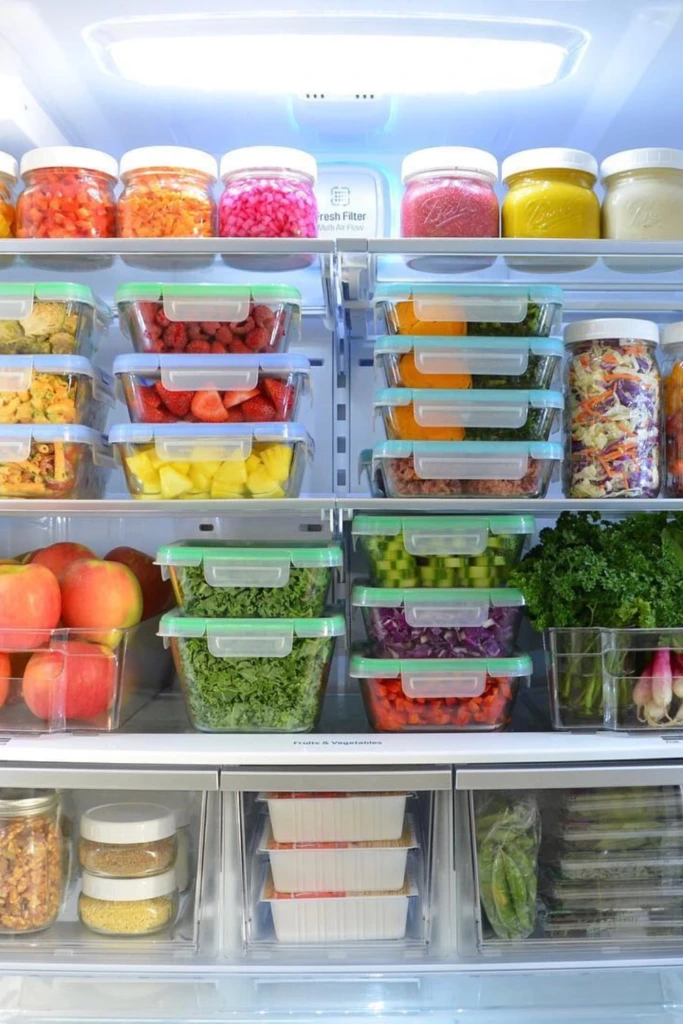
Preparing meals in advance becomes more practical when the refrigerator has a dedicated space for portioned food.
Choose matching, stackable containers for breakfasts, lunches, and dinners. Rectangular designs often make better use of shelf space than round containers.
Divide meals into individual servings and label them with preparation dates. Cool cooked foods promptly and refrigerate them within two hours, using shallow containers for faster cooling.
A consistent container system makes it easier to plan meals, monitor portions, and keep the refrigerator tidy.
6. Drink-Dedicated Shelf
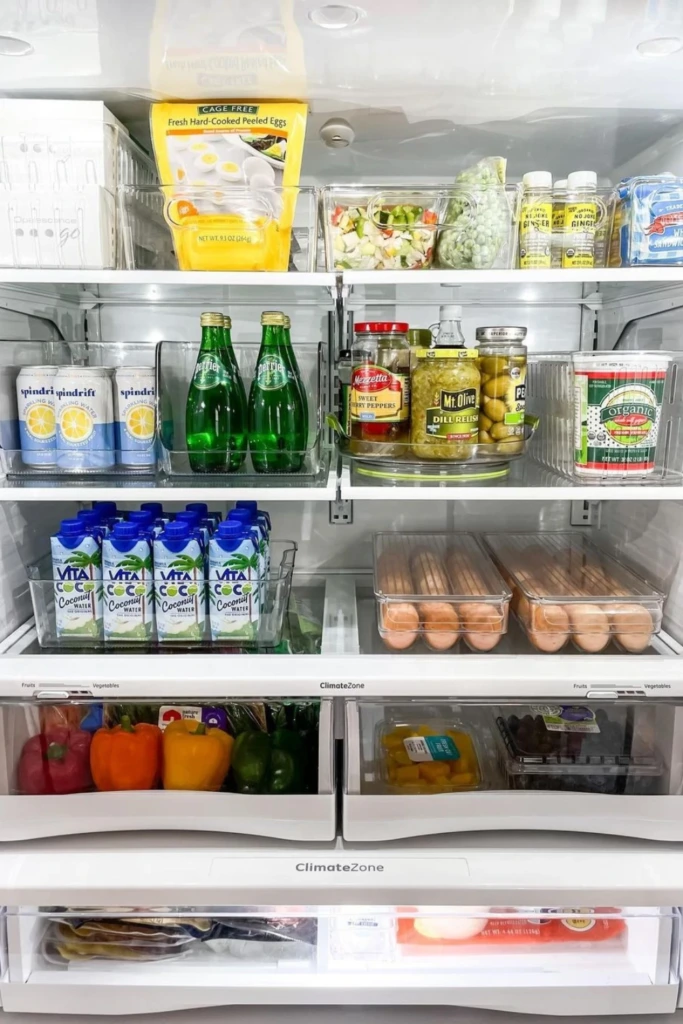
Beverages can quickly consume valuable refrigerator space when bottles and cans are scattered across multiple shelves.
Create a dedicated drink section using a narrow shelf, beverage organizer, or appropriately sized bin.
Arrange taller bottles together and keep smaller cans in a separate row. If your refrigerator has adjustable shelves, customize the height to accommodate your usual drinks.
Avoid placing heavy containers where they could fall when the door opens. A designated beverage area keeps drinks accessible without disturbing food storage.
7. Uniform Jar System
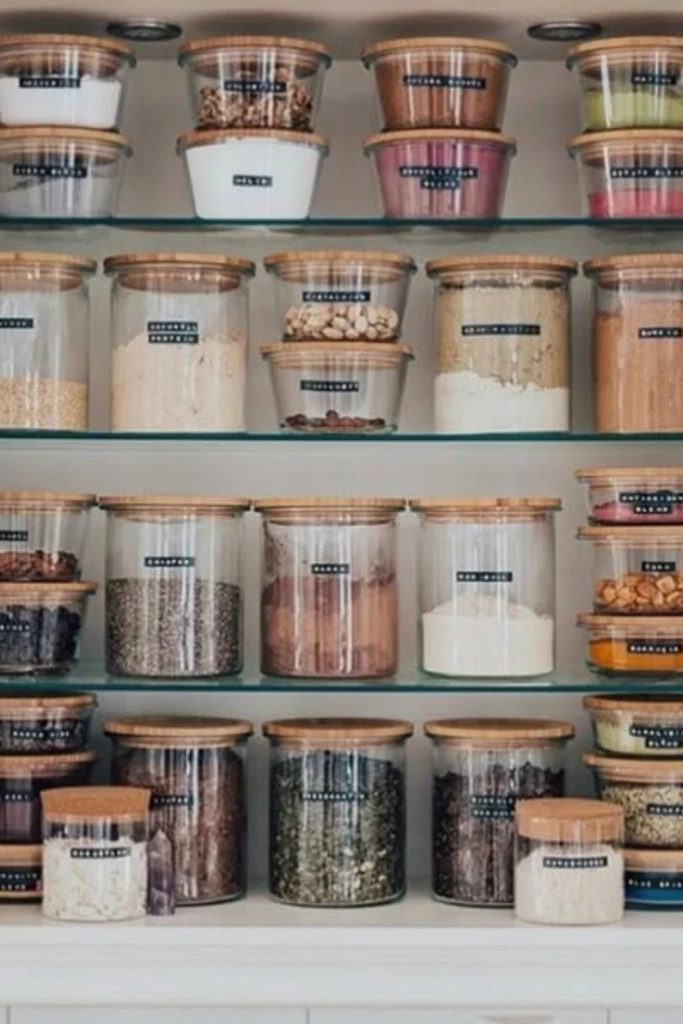
Matching jars can give refrigerator shelves a cleaner appearance while making small ingredients easier to organize.
Use food-safe glass jars with secure lids for homemade dressings, chopped vegetables, sauces, and other suitable refrigerated ingredients.
Choose different jar sizes according to what you're storing rather than forcing everything into identical containers.
Add labels with contents and preparation dates, particularly for homemade foods. Uniform jars work best when they improve visibility and accessibility, not when they create unnecessary extra work.
8. Herb-Forward Storage
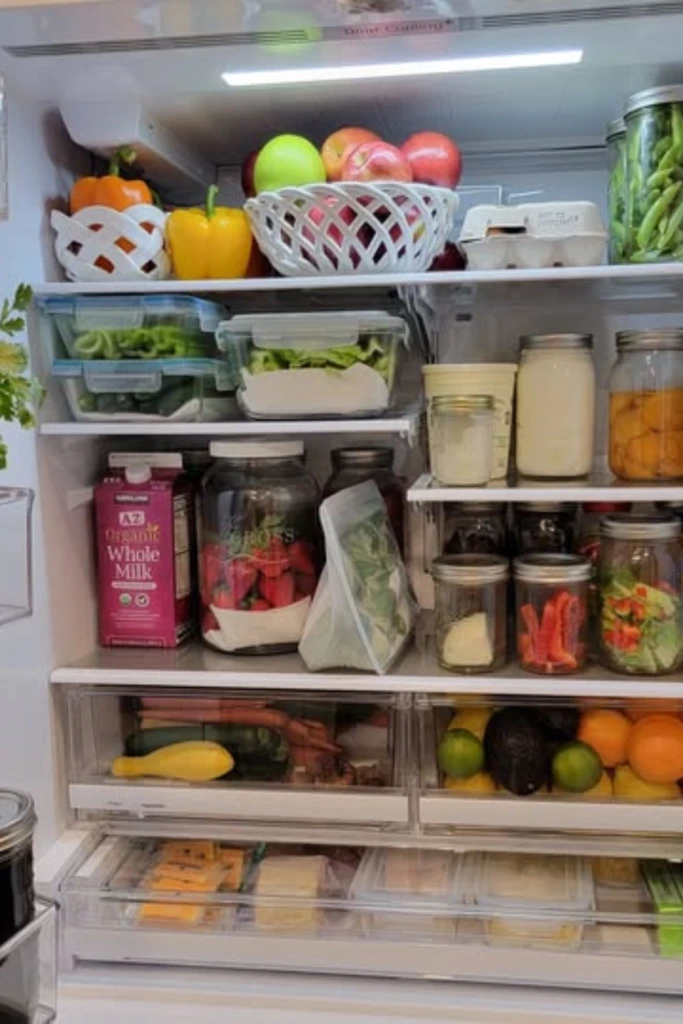
Fresh herbs are easy to overlook when tucked inside crowded produce drawers. Giving them a dedicated storage area can make them more accessible during cooking.
For herbs such as parsley and cilantro, trim the stems and place them upright in a small jar containing a little water. Cover loosely when appropriate and change the water regularly.
Store basil according to its specific needs, since it can suffer cold damage in the refrigerator.
Keep herbs away from freezing spots and inspect them frequently. A visible herb station makes it easier to add fresh flavor to everyday meals.
9. Open Shelf Balance
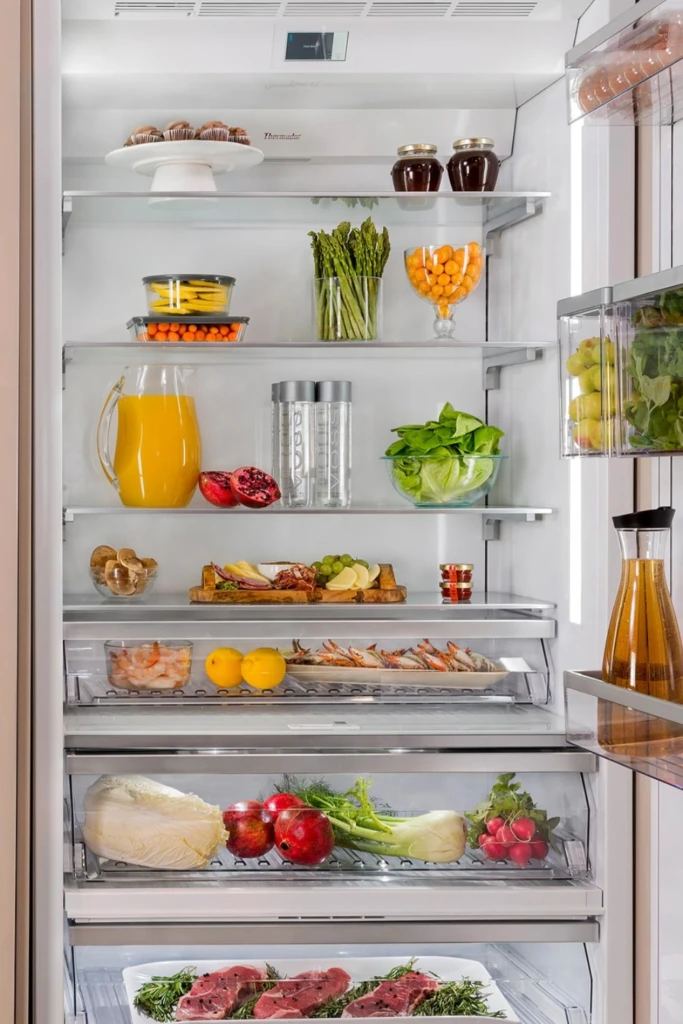
An organized refrigerator doesn't need every inch of shelf space filled. Leaving some open space makes groceries easier to see and allows cold air to circulate.
Remove unnecessary packaging when practical, group related products, and avoid stacking containers so high that they block other items.
Keep frequently used ingredients near the front and larger containers toward the back, provided everything remains accessible.
This simple arrangement creates a more functional refrigerator without requiring additional organizers.
10. Category-by-Fridge Setup
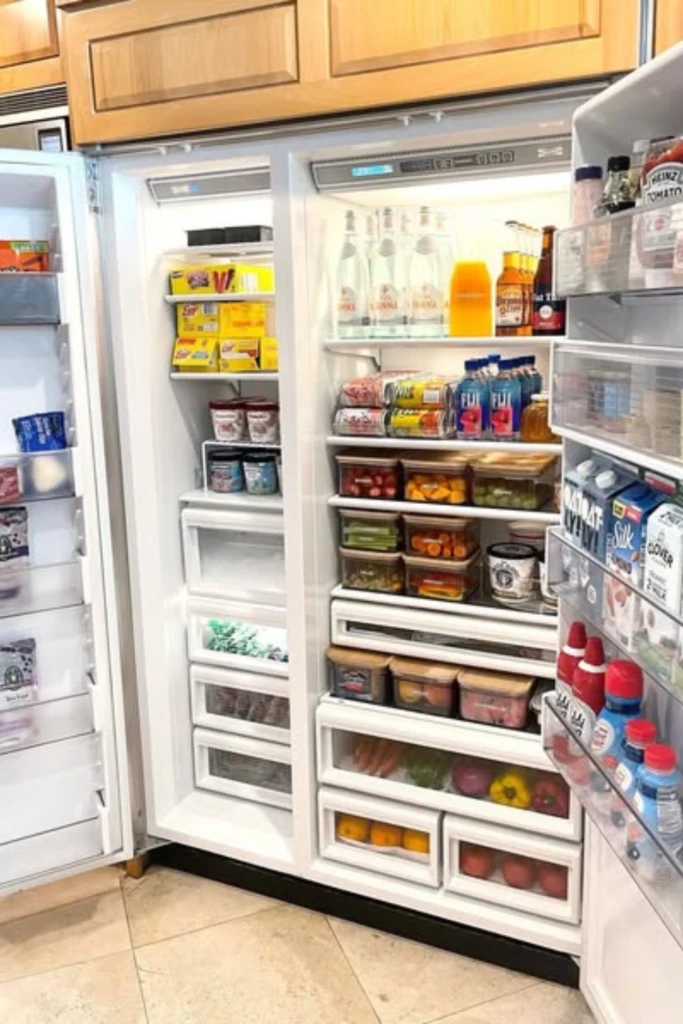
Households with multiple refrigerator compartments or a secondary fridge can benefit from assigning each area a specific purpose.
Use the main refrigerator for everyday ingredients, prepared meals, and frequently used beverages. Reserve a secondary unit for extra drinks, bulk groceries, or ingredients purchased for upcoming meals.
Within each refrigerator, group items according to how they're used.
Check temperatures in both appliances and avoid storing perishable foods in compartments that cannot maintain safe refrigeration temperatures.
This approach helps reduce overcrowding and makes grocery inventory easier to manage.
11. Bowl-and-Jar Mix
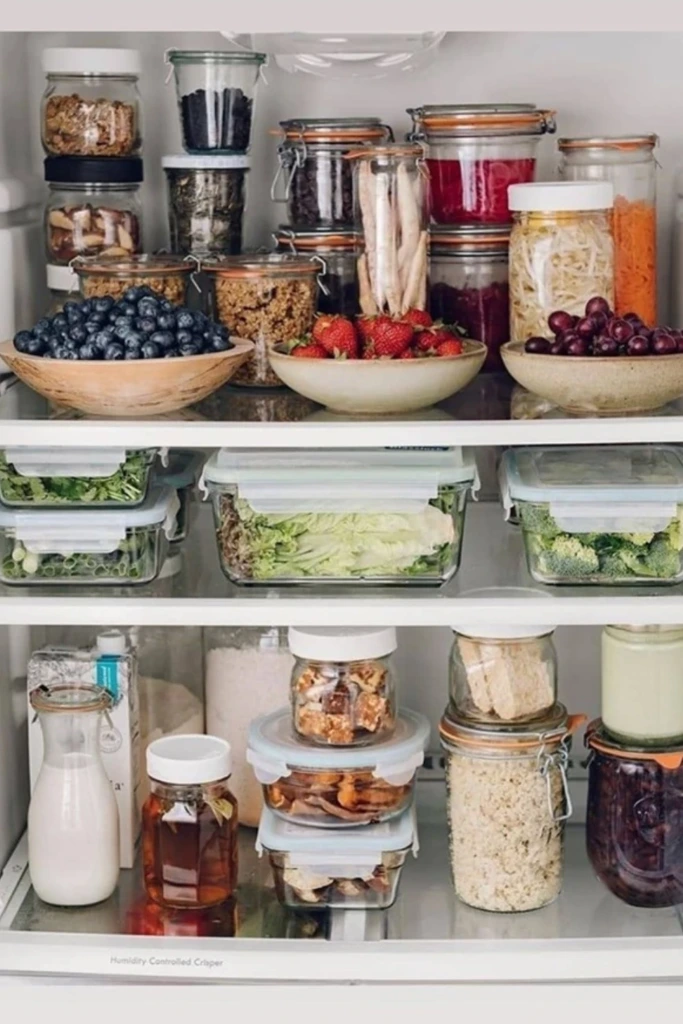
Combining bowls and jars offers a flexible storage arrangement for different types of food.
Use shallow, refrigerator-safe bowls for whole fruits or vegetables that benefit from easy access. Store chopped ingredients, sauces, and prepared snacks in covered jars or containers.
Keep cut fruit and other perishable prepared foods covered to protect them from contamination and moisture loss.
Mixing container shapes can also help you use awkward shelf spaces more effectively, particularly around taller bottles and larger food packages.
12. Color-Coded Produce
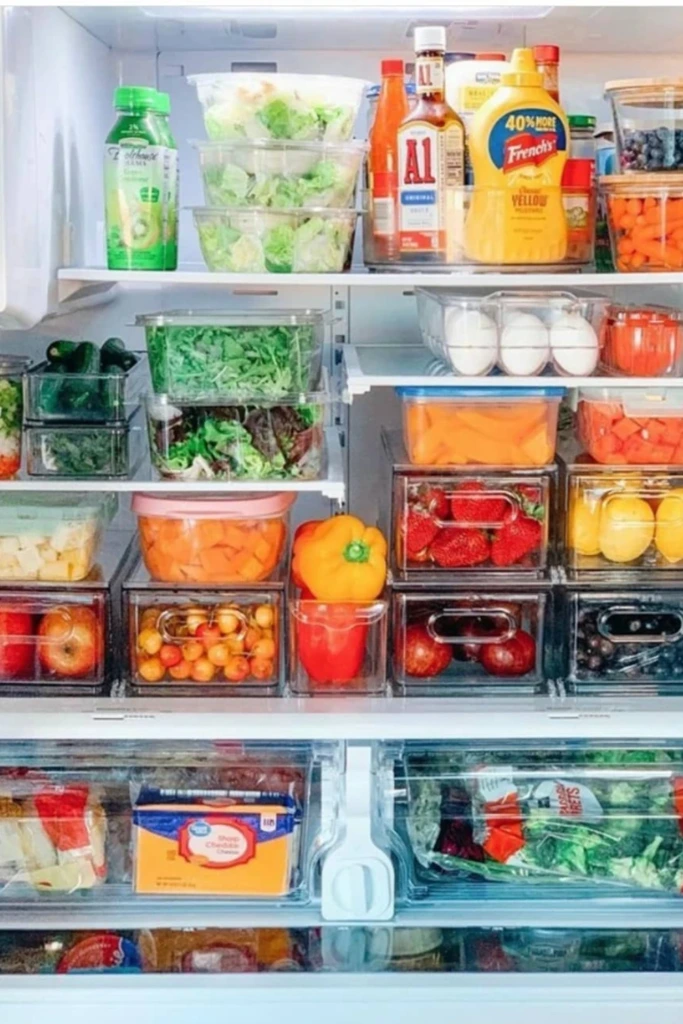
Organizing fruits and vegetables by color or type can make your produce section easier to navigate.
Arrange leafy greens, carrots, peppers, berries, and citrus fruits in separate transparent containers. This creates a simple visual system that makes ingredients easy to identify.
For practical storage, prioritize each food's humidity and temperature requirements over appearance. For example, leafy greens generally benefit from higher humidity, while many fruits prefer lower humidity.
A well-separated produce section also helps you spot aging ingredients before they become unusable.
13. Label-First Storage
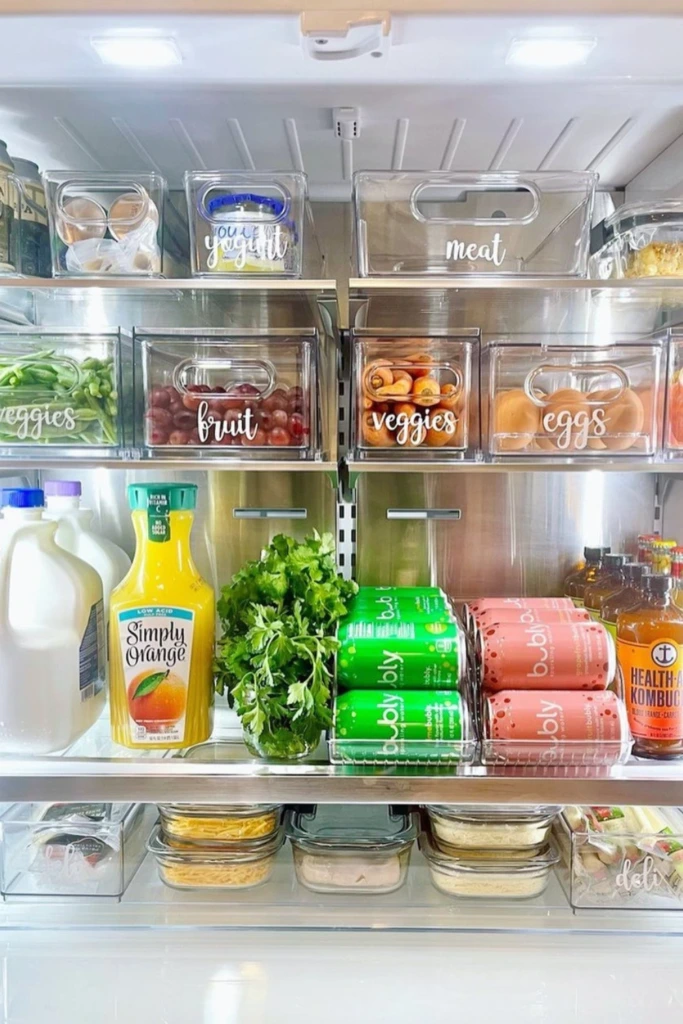
A label-first approach starts by deciding what belongs in each container before arranging the refrigerator.
Create categories based on your actual grocery habits, such as breakfast foods, lunch supplies, cooking ingredients, and quick snacks.
Label each bin clearly and leave enough space for normal weekly purchases.
Unlike systems that rely on perfectly arranged individual products, this method focuses on maintaining consistent locations. Even when grocery brands and package sizes change, the overall organization remains familiar.
14. Shelf-by-Shelf Logic
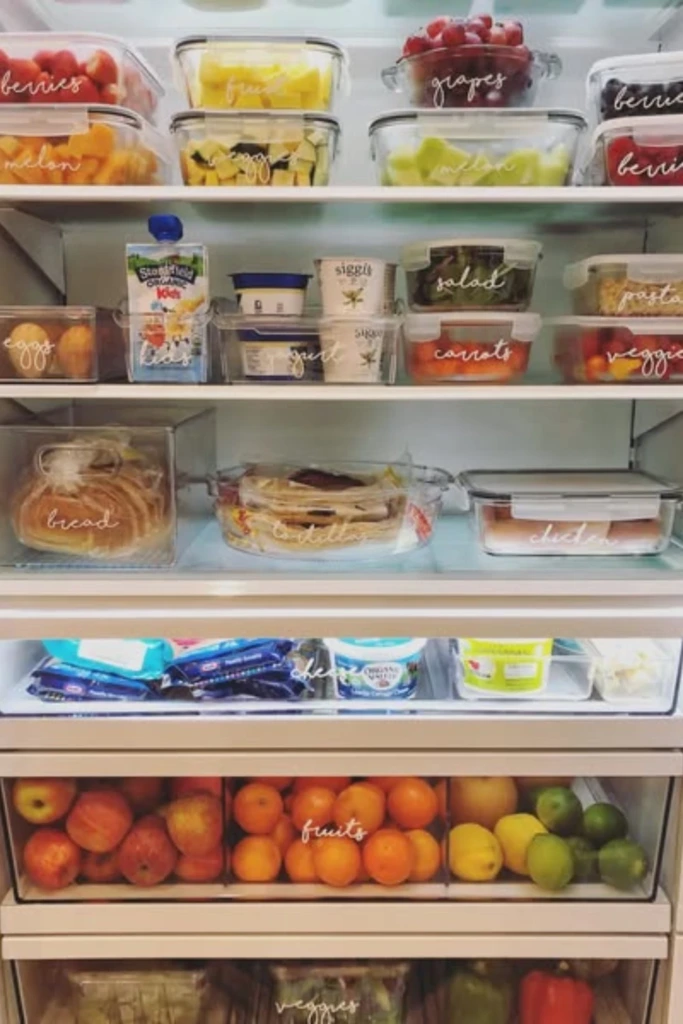
Assigning a purpose to each refrigerator shelf creates a predictable layout that makes food storage easier.
A practical arrangement might place ready-to-eat foods on upper shelves, dairy and prepared ingredients in the middle, and securely contained raw meat on the bottom shelf.
Use crisper drawers for suitable fruits and vegetables, and reserve door compartments for condiments and other less temperature-sensitive items.
Since refrigerator temperatures vary by model, use an appliance thermometer to check actual conditions rather than assuming one shelf is always coldest.
15. Produce Grid Layout
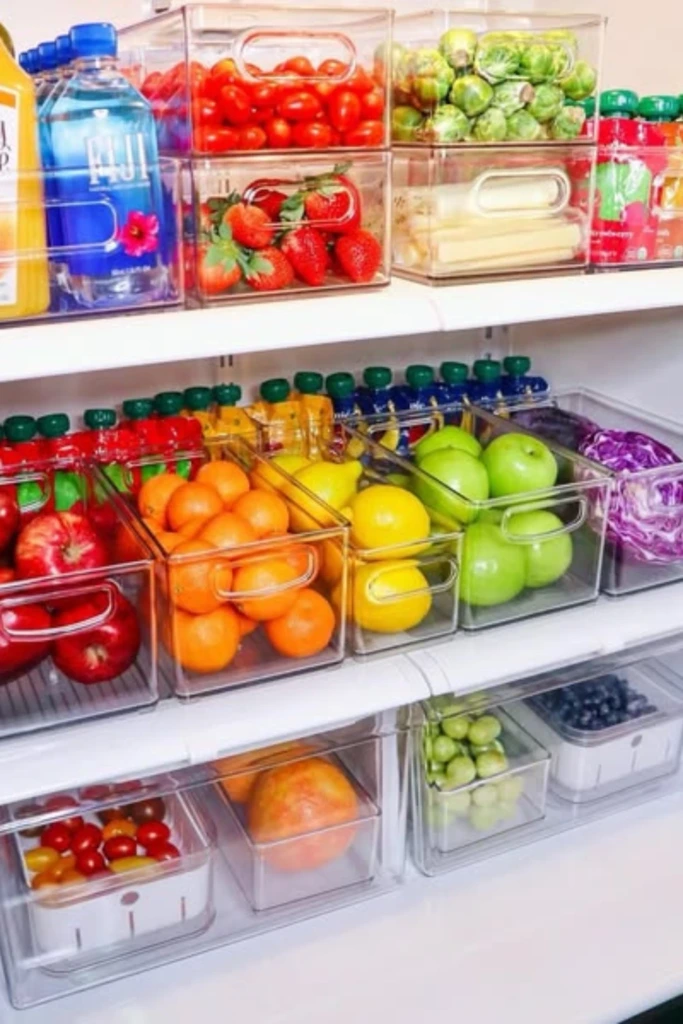
A produce grid uses multiple containers arranged side by side to create distinct storage sections.
Choose rectangular bins that fit your refrigerator shelves or drawers. Assign separate spaces to foods such as berries, carrots, salad greens, and citrus fruits.
Measure the available area before purchasing organizers, and leave room for airflow.
For produce that requires high humidity, use appropriate crisper settings or storage containers rather than relying entirely on open bins.
This arrangement makes weekly produce inventory easier and reduces the chance of small items disappearing beneath larger groceries.
16. Freshness Flow Shelves
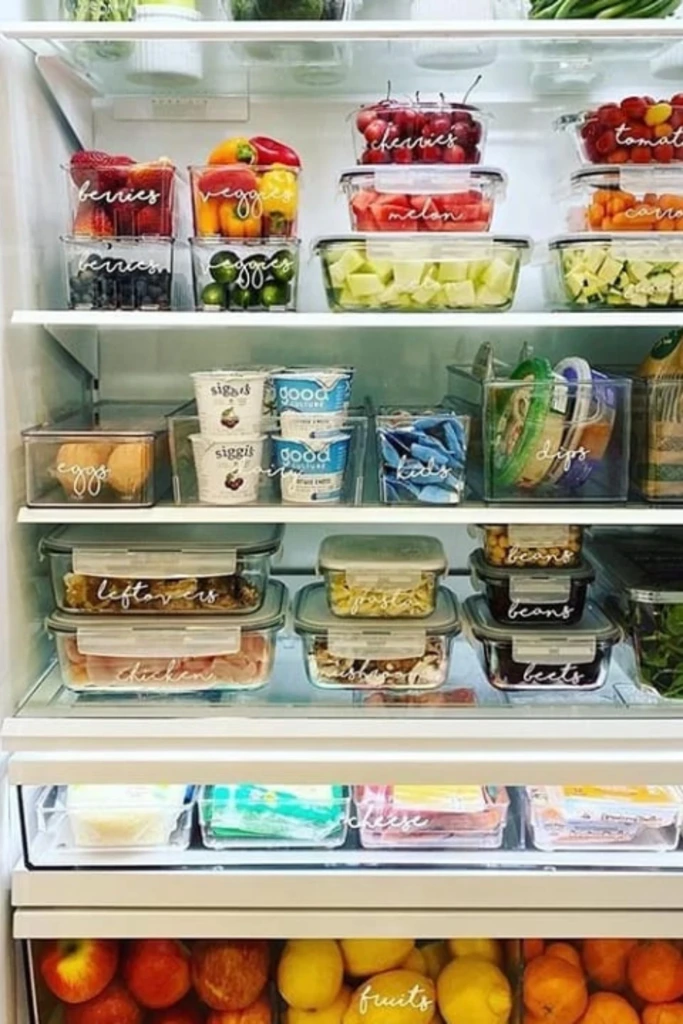
A freshness-based system organizes groceries according to when they should be eaten rather than only by category.
Create a clearly visible section for foods approaching their recommended use dates. Place newly purchased items behind older products of the same type.
Keep date labels on leftovers and prepared foods, and review the refrigerator before shopping.
Continue following safe storage rules, particularly for raw meat, seafood, and ready-to-eat foods. A freshness-based system should improve food rotation without compromising proper separation.
17. Grab-and-Go Center
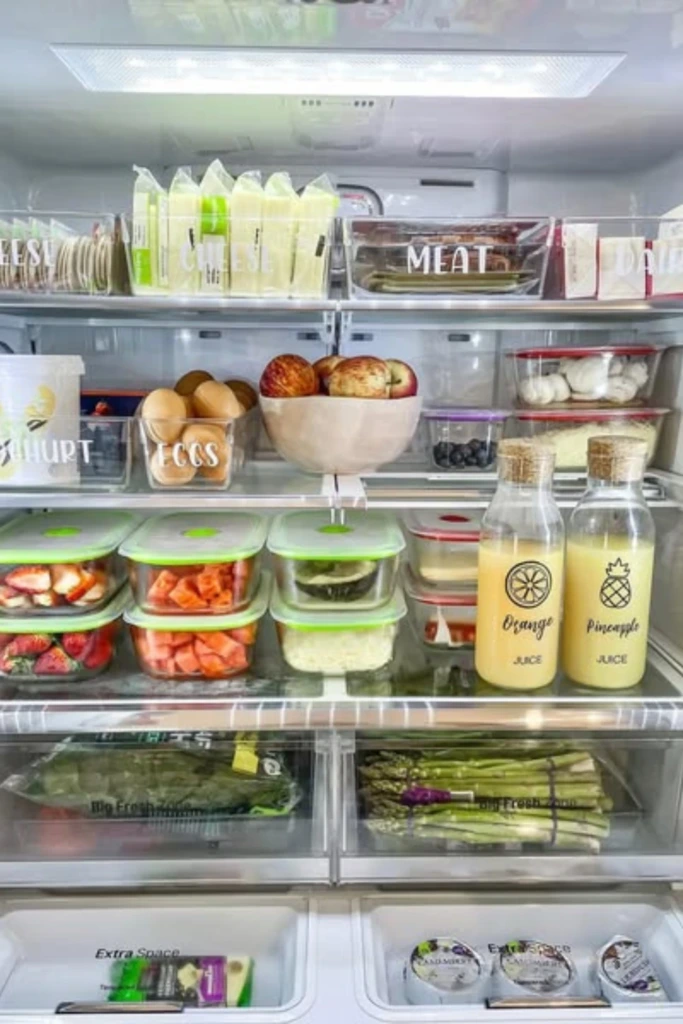
A grab-and-go area is ideal for busy mornings, school lunches, and quick afternoon snacks.
Dedicate an easy-to-reach shelf to foods that require little or no preparation, such as yogurt cups, cheese portions, washed fruit, and prepared sandwiches.
Use shallow bins so everything remains visible and accessible. Keep perishable snacks refrigerated until needed.
For households with children, position suitable foods at a height they can comfortably reach.
This setup makes everyday routines smoother and reduces the need to rearrange shelves each time someone wants a snack.
18. Meal-Prep Display
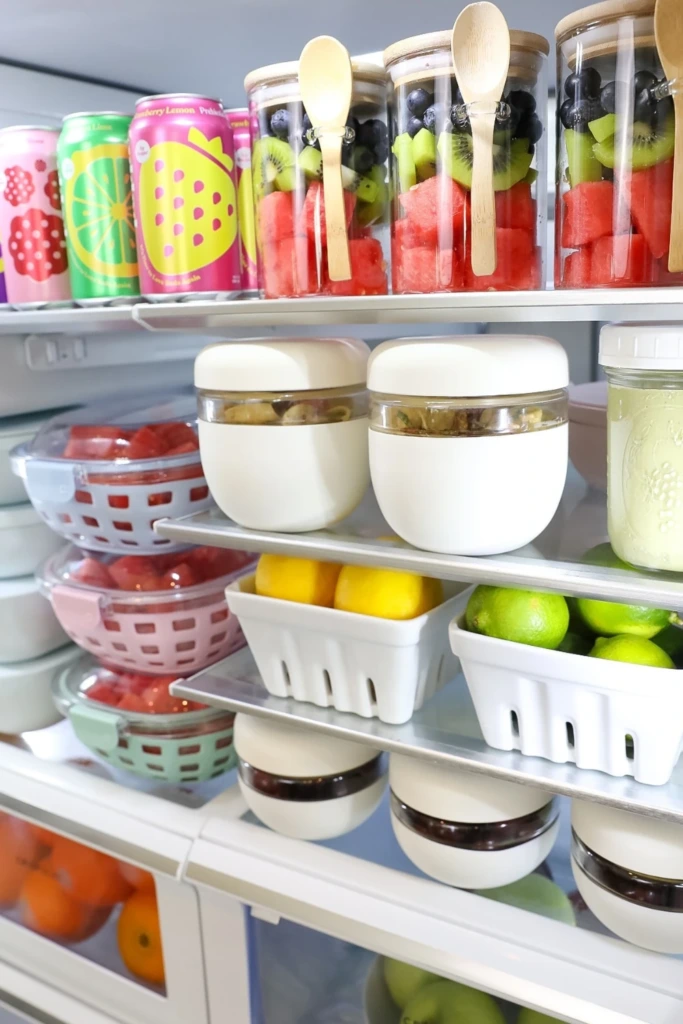
A meal-prep display brings order to prepared foods while making weekly meal planning easier.
Arrange individual meals in clear, covered containers, grouped by meal type or planned eating day.
Use labels to identify ingredients, preparation dates, and any special dietary requirements within the household.
Avoid stacking containers so deeply that older meals become difficult to retrieve.
When preparing more food than you can safely eat within a few days, freeze extra portions promptly instead of keeping everything refrigerated.
19. Balanced Shelf Heights
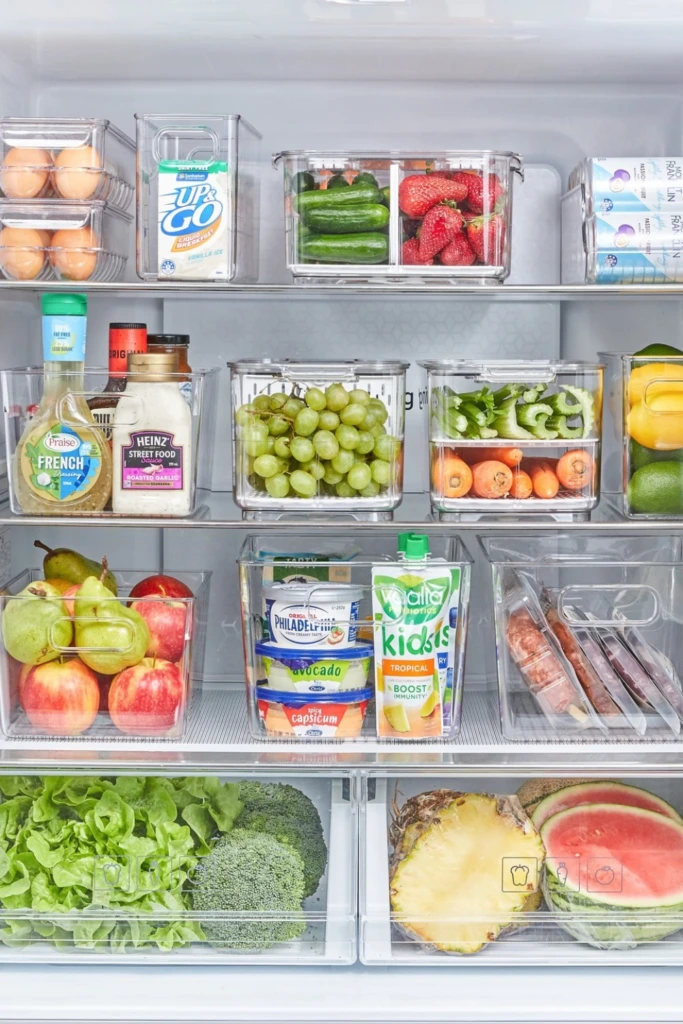
Adjustable refrigerator shelves offer an opportunity to create storage spaces that match your groceries.
Before rearranging them, identify the tallest items you regularly purchase, such as juice cartons, pitchers, and large containers.
Set aside sufficient height for these products while keeping other shelves suitable for shorter bins and meal-prep containers.
Avoid creating narrow gaps that make cleaning or retrieving food difficult.
A thoughtful shelf arrangement can significantly improve usable storage capacity without adding extra accessories.
20. Container-Only Rule
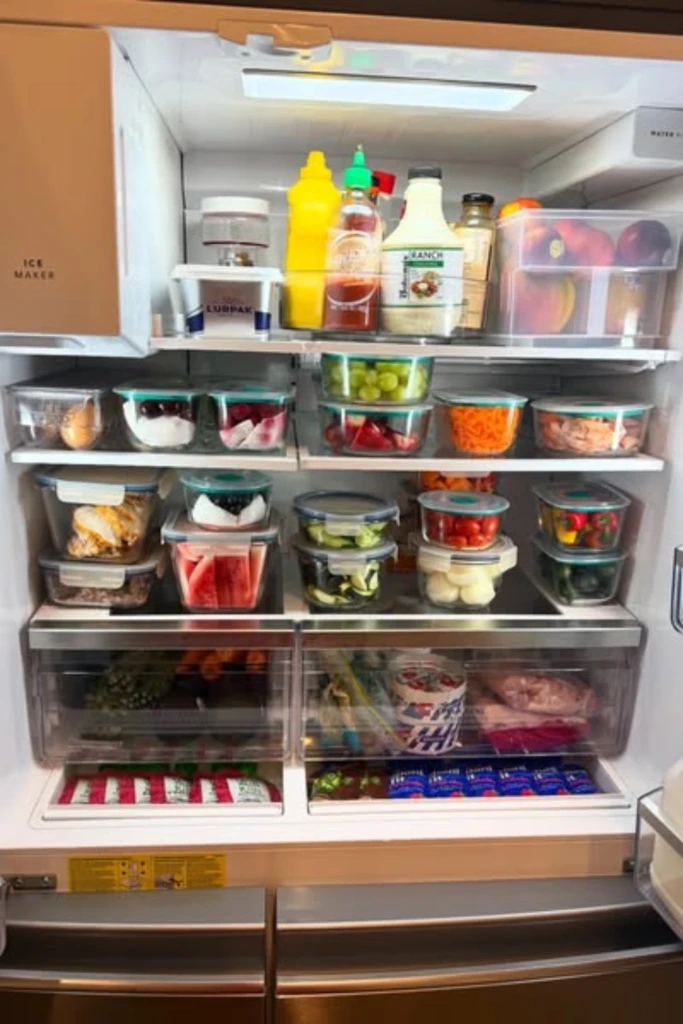
Using containers for loose or opened foods can reduce spills and keep refrigerator shelves easier to clean.
Store leftovers, cut produce, opened packages, and small snack items in suitable covered containers.
Choose leakproof designs for liquids and shallow containers for prepared meals. Original packaging can remain in place when it is secure, food-safe, and practical.
The goal isn't to transfer every grocery item into a new container. Instead, focus on foods that benefit from added protection or better organization.
This keeps the system manageable while reducing unnecessary washing and handling.
21. Chalk-Labeled Drawers
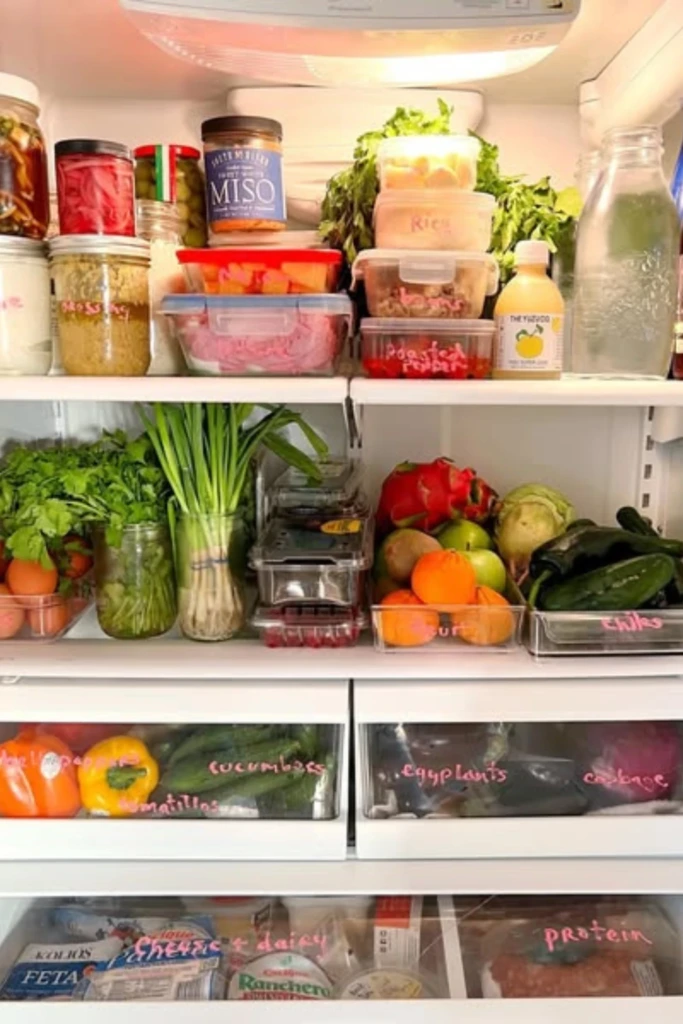
Removable chalk-style labels can make refrigerator drawers easier to identify while allowing categories to change with the seasons.
Use moisture-resistant chalkboard stickers or erasable labels on the outside of drawers and storage bins.
Mark sections for leafy greens, vegetables, fruits, or other frequently purchased produce.
Keep labels away from surfaces that receive heavy condensation, and select products that can be cleaned without leaving residue.
This approach is particularly helpful when opaque drawers make it difficult to see their contents.
22. Tiered Access Rows
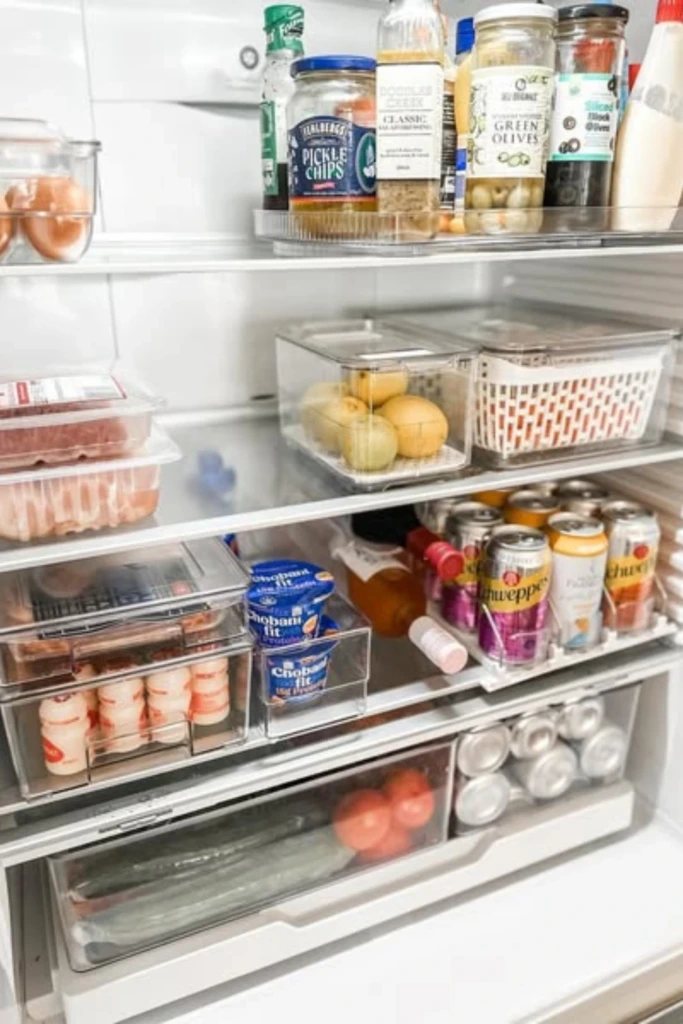
Tiered storage helps prevent smaller products from disappearing behind taller containers.
Place short bins or low-profile containers toward the front of shelves, with taller products positioned behind them.
For packaged foods, consider refrigerator-safe risers that create different viewing levels without blocking airflow.
Avoid unstable stacking arrangements, especially when storing glass jars or heavy bottles.
This method works well for yogurt cups, small condiments, snack packs, and other items that tend to become hidden in crowded refrigerators.
23. Prep-Forward Fridge
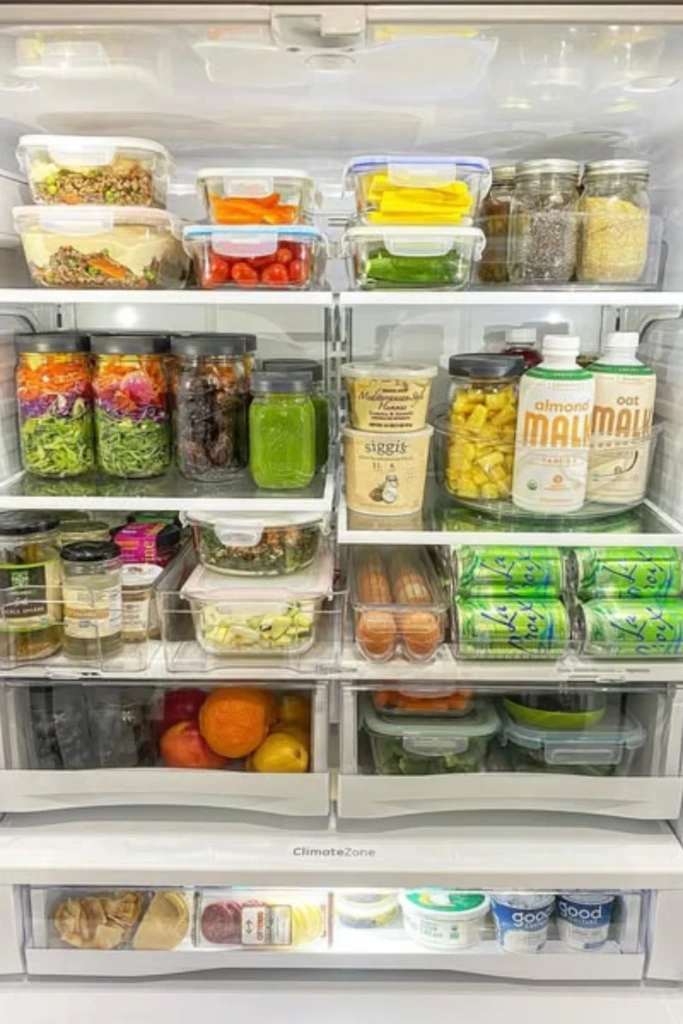
A prep-forward refrigerator keeps frequently used cooking ingredients ready for upcoming meals.
After grocery shopping, prepare appropriate vegetables, portion ingredients, and organize foods according to your planned recipes.
Store chopped vegetables in covered containers and keep washed greens properly dried to limit excess moisture.
Label prepared ingredients with dates and avoid preparing highly perishable foods too far in advance.
Having ingredients ready can reduce cooking time and make home-prepared meals more convenient during busy weekdays.
24. Natural Material Zones
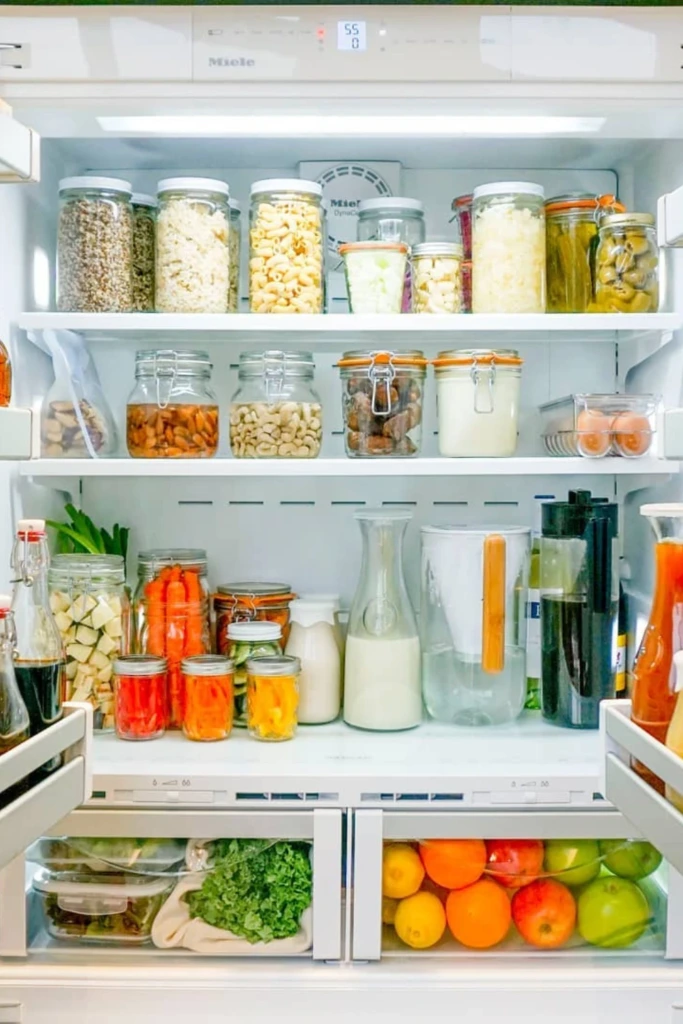
Natural-looking storage accessories can create a warm, understated refrigerator design, but materials should be chosen carefully.
Use washable, food-safe containers and bowls for suitable produce. Removable cotton produce bags may work for certain vegetables when they are kept clean and dry.
Avoid placing untreated woven baskets directly against wet foods, since moisture can make them difficult to sanitize.
If you prefer the appearance of natural materials, consider washable baskets or containers with removable liners.
Prioritize hygiene, airflow, and ease of cleaning over decorative appearance.
25. Door-Side Containment
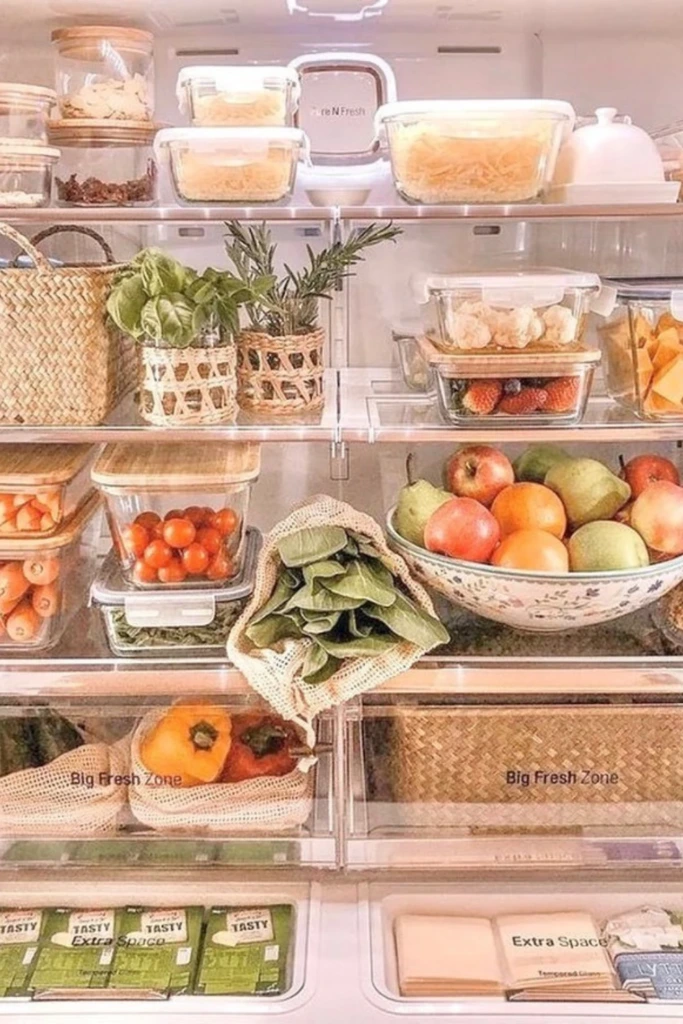
Refrigerator doors often become cluttered with half-used sauces, dressings, and small bottles.
Divide door compartments into categories such as cooking sauces, salad dressings, spreads, and beverages.
Use narrow organizers when needed to keep small containers upright and prevent tipping.
Place taller bottles in compartments with adequate clearance, and avoid overloading door shelves.
Because door temperatures fluctuate more than those on interior shelves, store milk, eggs, and other highly perishable foods in the main refrigerator compartment whenever possible.
26. Top-Shelf Fresh Prep
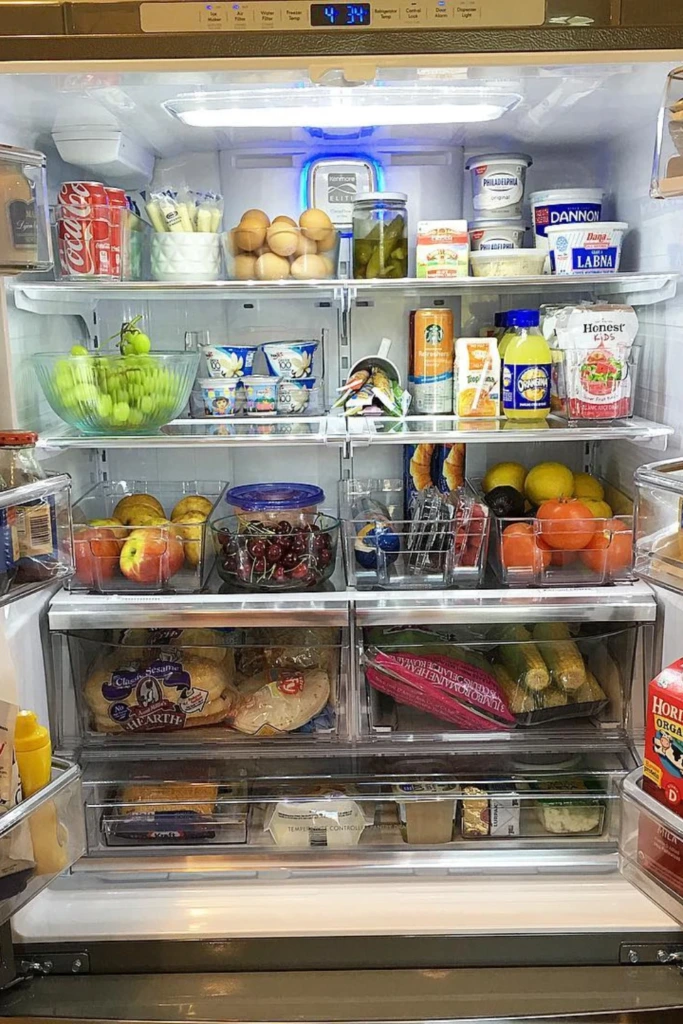
The top shelf can serve as a convenient location for prepared ingredients and foods used frequently throughout the day.
Use covered containers for washed vegetables, prepared toppings, and ready-to-eat ingredients.
Arrange smaller items near the front and keep taller containers from blocking access to other groceries.
Choose this location only if it maintains a safe refrigerator temperature, and avoid placing delicate foods against surfaces where freezing may occur.
A dedicated fresh-prep section makes it easier to assemble salads, sandwiches, and quick meals.
27. Pantry-Style Fridge
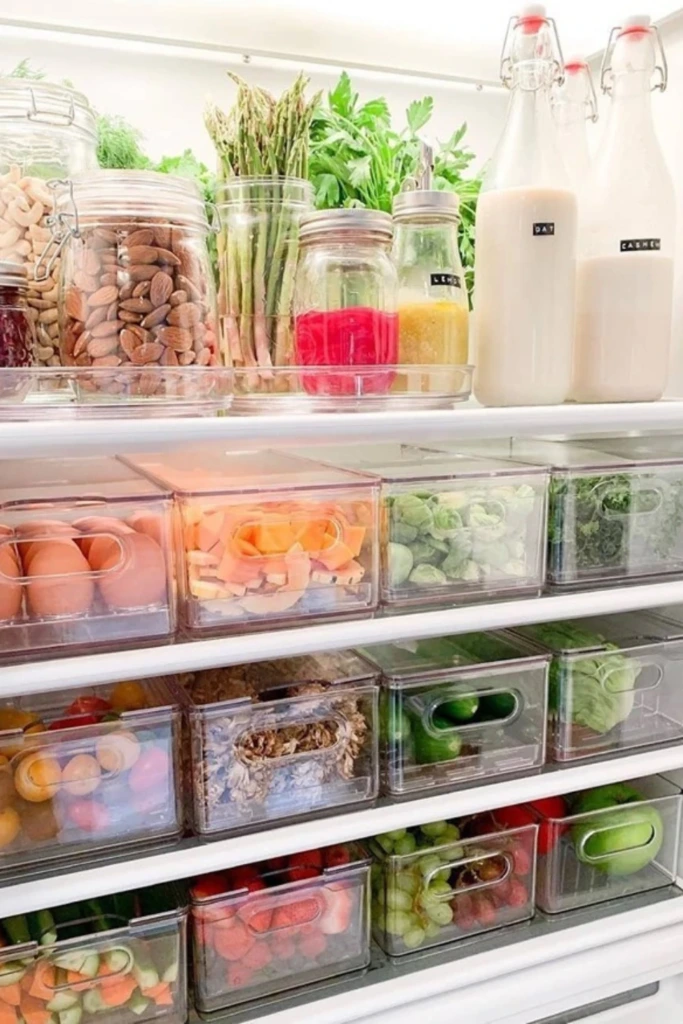
A pantry-inspired refrigerator uses orderly rows of containers and clearly defined categories to create a streamlined storage system.
Arrange jars, bottles, and bins according to food type, with frequently used ingredients placed within easy reach.
Use sealed containers for homemade sauces, prepared ingredients, and refrigerated foods that need protection from spills or odors.
Keep labels facing forward and avoid transferring products unnecessarily when their original packaging provides important storage instructions or expiration information.
This approach combines a neat appearance with practical food management, making it easier to see what you have before buying more.
How often should I reorganize my fridge?
A quick refrigerator check once a week is usually enough to maintain an effective organization system.
Before grocery shopping, review leftovers, inspect produce, discard spoiled foods, and identify ingredients that should be used soon.
Wipe spills immediately and clean drawers or shelves whenever necessary. A more thorough cleaning every few months can help remove hidden crumbs, residue, and odors.
If your refrigerator becomes cluttered again within days, reconsider your storage zones. A successful system should be easy to maintain during normal daily use.
Do clear containers really help food last longer?
Clear containers can support better food management, but transparency alone does not increase food shelf life.
Their main advantage is visibility. When you can easily identify what is stored inside, you're more likely to use ingredients before they spoil.
Suitable covered containers can also protect certain foods from contamination, moisture loss, and unwanted odors.
However, not every fruit or vegetable benefits from airtight storage. Some produce requires ventilation or specific humidity conditions.
For the best results, combine clear storage containers with correct refrigeration temperatures, appropriate food separation, date labeling, and regular inventory checks.
Ultimately, effective fridge organization is about making food easier to find, safer to store, and simpler to use. With a few consistent habits and storage solutions suited to your household, you can maintain a refrigerator that works efficiently every day.