21 Homework Station Organization Ideas for 2026
I couldn't access the reference article to verify its exact headings and order. Below is an original article covering the requested topic.
Homework time can become frustrating when notebooks disappear, pencils are missing, and school papers end up scattered across the house.
A dedicated homework station can make everyday routines easier. Children know where to find their supplies, where to complete assignments, and where to put everything when they're finished.
You don't need a separate study room or expensive furniture to make it work. A small desk, a kitchen corner, or even a portable supply cart can become an organized learning space.
In this article, you'll discover 20 practical homework station organization ideas that work for different ages, budgets, and room sizes.
How Do You Organize a Homework Station at Home?
The best way to organize a homework station is to keep frequently used supplies within easy reach while giving every item a designated storage spot.
Start by choosing a comfortable location with adequate lighting and enough surface space for books and writing materials. Remove unnecessary decorations and supplies that might distract your child.
Use small containers for pencils, erasers, scissors, and markers. Keep worksheets in labeled folders, and provide a separate place for completed assignments.
For younger children, picture labels and open storage containers can make cleanup easier. Older students may prefer drawers, subject folders, and a weekly assignment planner.
Most importantly, choose an organization system your child can maintain independently. A simple setup that gets used every day is more valuable than an elaborate one that's difficult to manage.
1. Rolling Homework Cart
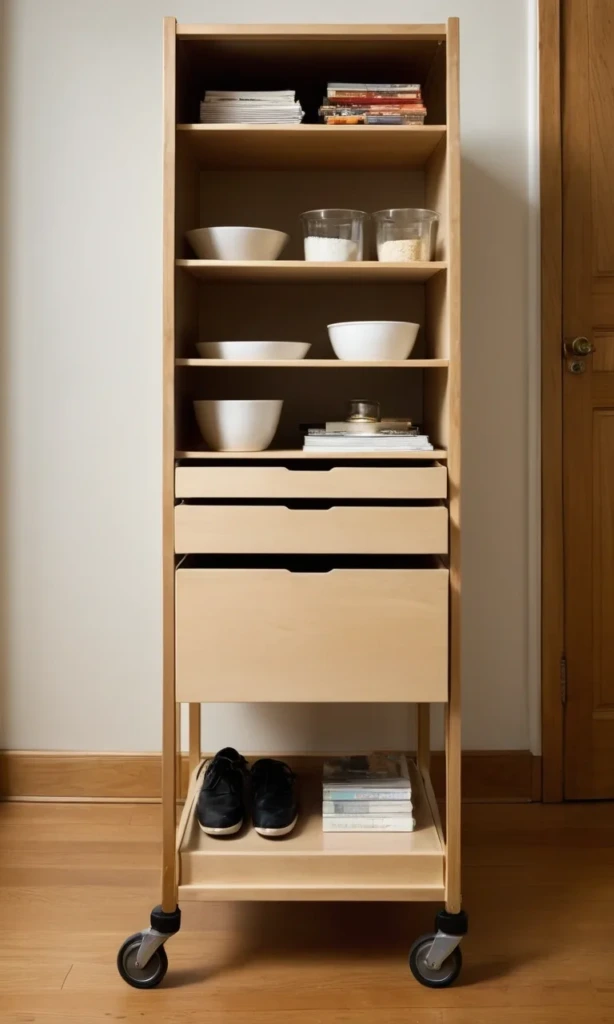
A rolling cart is an excellent option for families without a permanent study area.
Use the upper tier for pencils, markers, and frequently used supplies. Store notebooks and workbooks on the middle shelf, leaving the bottom section for extra paper and larger materials.
Small containers prevent supplies from rolling around when the cart moves.
Children can bring the cart to the dining table during homework time and return it to a storage corner afterward.
This arrangement is particularly useful in apartments and homes where several children share the same workspace.
2. Wall-Mounted Pegboard Station
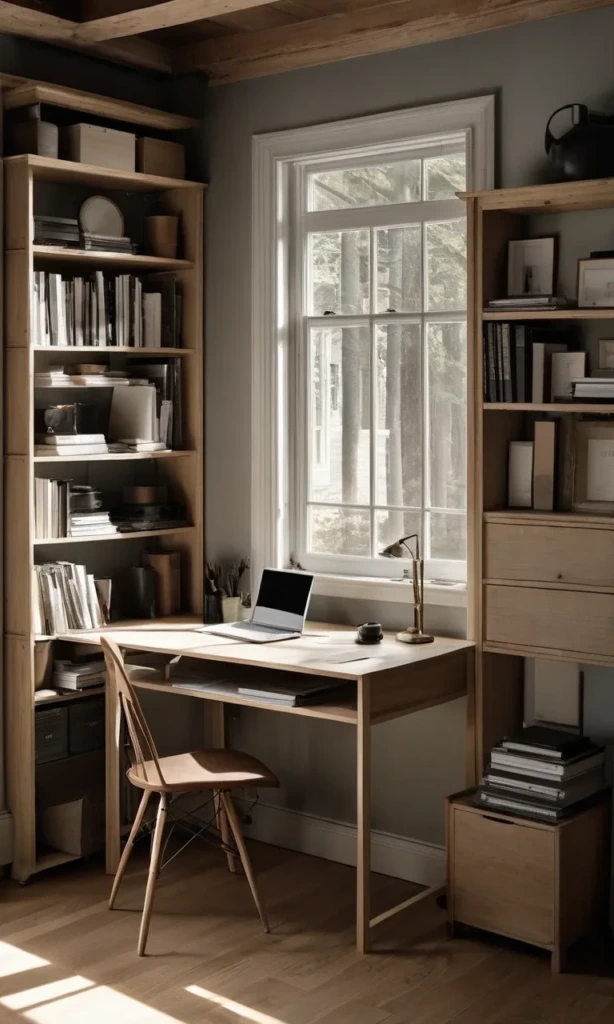
A pegboard transforms an empty wall into practical storage without occupying valuable desk space.
Attach small cups for writing tools, hooks for scissors, and narrow shelves for notebooks or reference materials.
Arrange everyday essentials at a height your child can comfortably reach.
One advantage of pegboard storage is its flexibility. You can rearrange the accessories as schoolwork changes throughout the year.
Keep the arrangement simple rather than covering every available space. An uncluttered pegboard makes supplies easier to locate.
3. Color-Coded Supply Bins

Color-coded containers make organizing school materials straightforward, especially for younger children.
Assign different colors to specific categories. For example, blue can represent writing supplies, green can hold craft materials, and yellow can contain mathematics tools.
Choose containers that are easy to open and large enough for children to return items without struggling.
Adding written or picture labels makes the system even clearer.
This method also works well for siblings who need separate supplies while sharing a homework station.
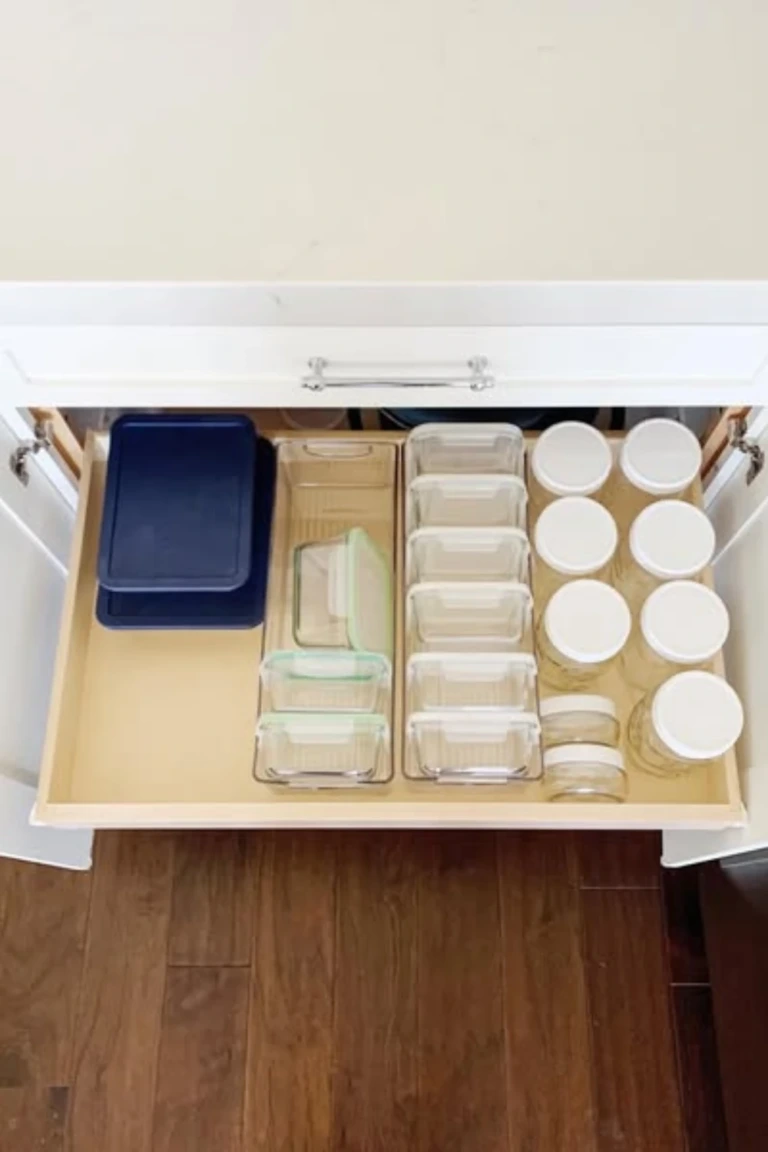
4. Desk Drawer Dividers
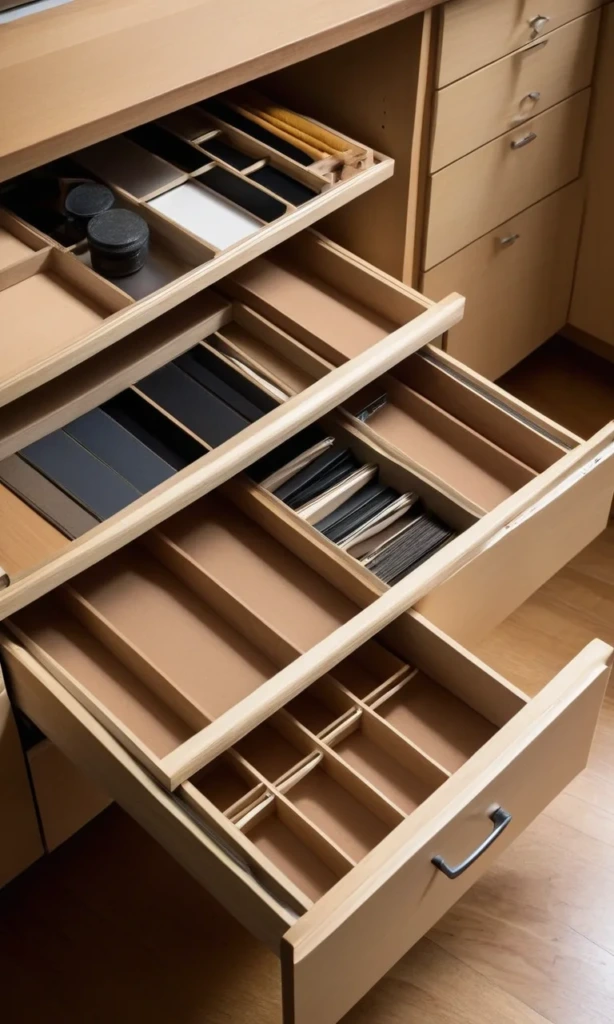
Desk drawers often become cluttered because small items are stored together without separation.
Adjustable dividers or individual trays create designated sections for pens, pencils, erasers, sticky notes, and other essentials.
Measure the drawer before purchasing organizers to ensure they fit properly.
Place frequently used supplies near the front and occasional items toward the back.
A well-arranged drawer keeps the desktop clear while making it easy to find materials without interrupting homework.
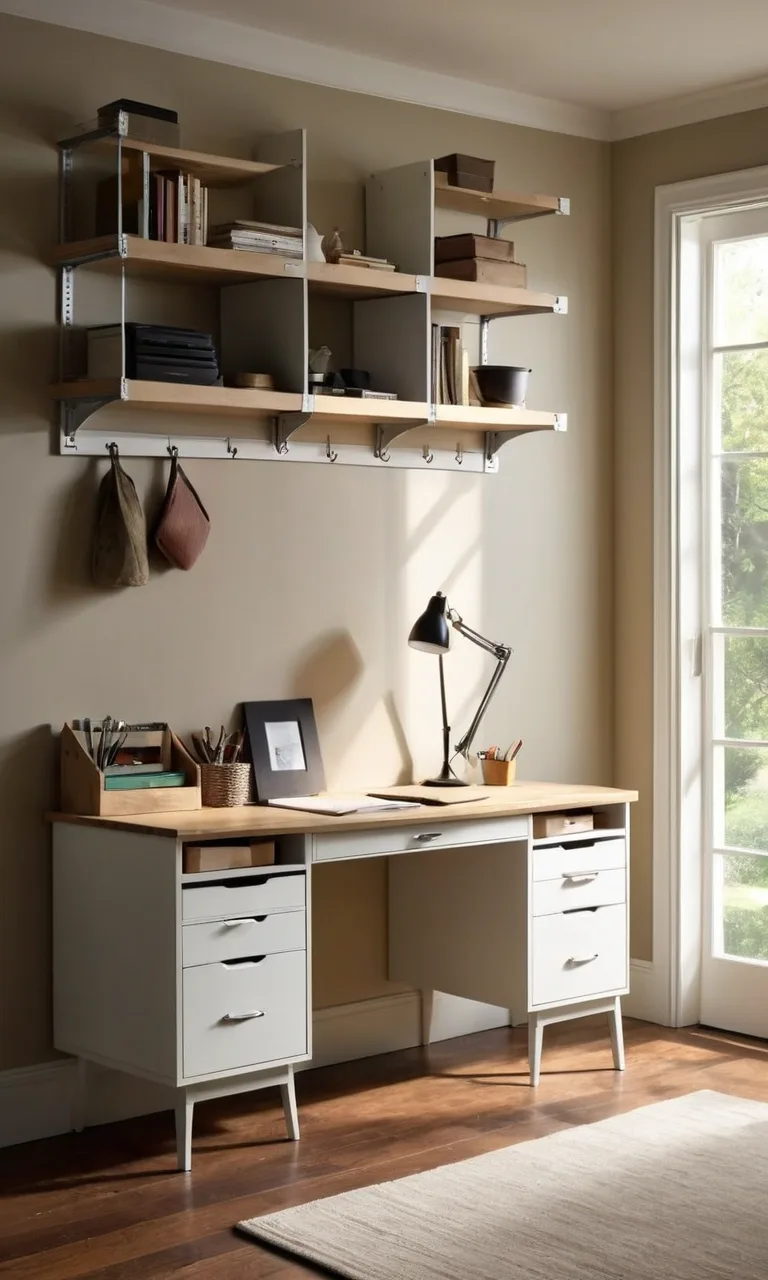
5. Floating Shelf Organization
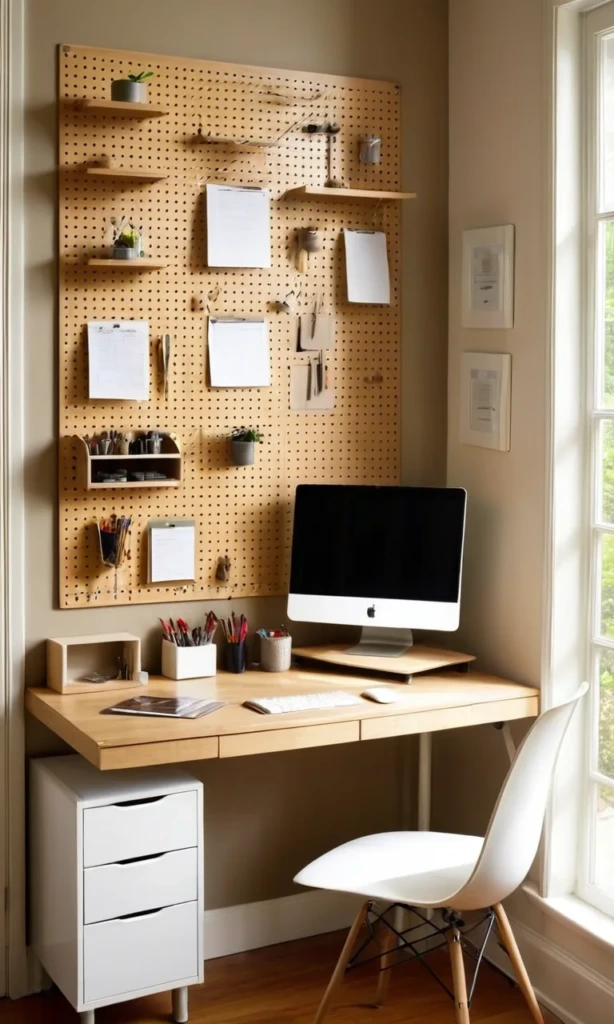
Floating shelves provide additional storage when a homework desk has limited surface space.
Install one or two shelves above the study area to hold books, labeled containers, and lightweight organizers.
Keep daily supplies on the desk and reserve the shelves for materials needed less frequently.
Avoid placing heavy objects above where children sit, and make sure shelves are securely attached to suitable wall supports.
This arrangement works particularly well in compact bedrooms where a full-size bookcase would take up too much room.
6. Homework Folder System
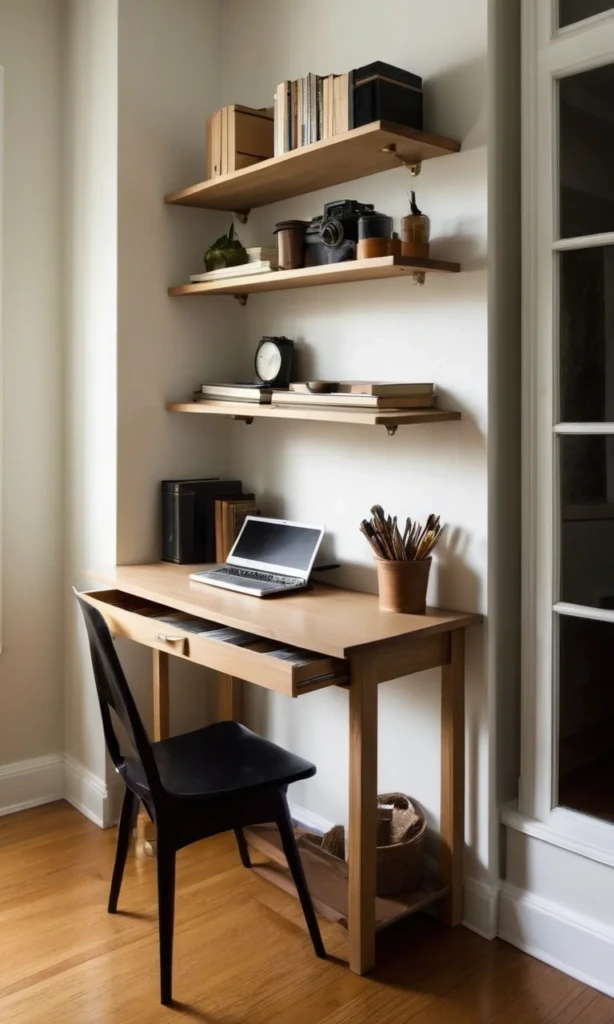
Loose worksheets can quickly become difficult to manage when they're mixed with completed assignments and school notices.
Create a simple folder system with categories such as "To Do," "Completed," and "Return to School."
Use different colors or clearly printed labels to distinguish each folder.
At the beginning of homework time, children can check the unfinished work folder. After completing an assignment, they move it to the appropriate section.
A quick folder check before packing the schoolbag helps prevent finished work from being left behind.
7. Portable Homework Caddy
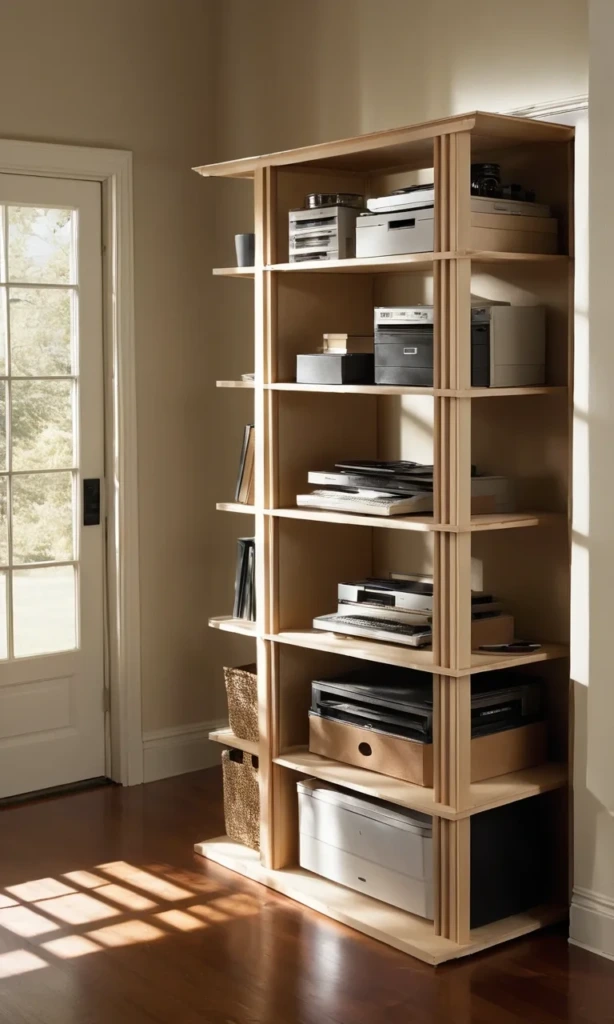
A portable supply caddy is ideal for children who study in different rooms.
Choose a container with a sturdy handle and several compartments. Fill it with the basic supplies needed for most assignments.
Pencils, erasers, a ruler, glue sticks, and child-safe scissors can all fit into a compact organizer.
Keep heavier items at the bottom to prevent tipping.
When homework is finished, the entire caddy can be returned to a cabinet or shelf, leaving the table available for other activities.
8. Labeled Cube Storage
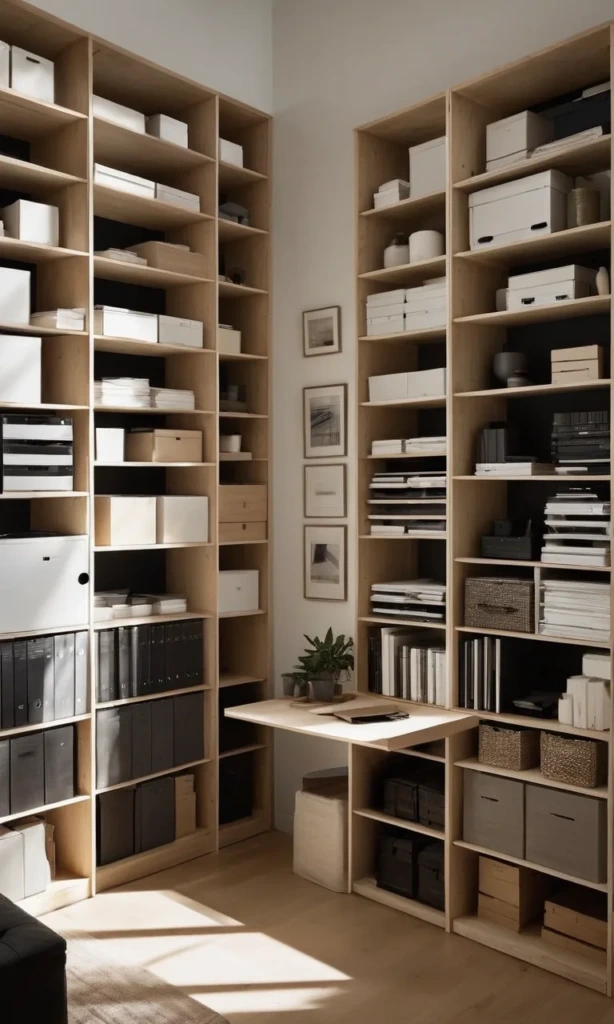
Cube shelving creates organized storage for schoolbooks, learning games, folders, and project materials.
Assign individual cubes to different subjects or children.
Use fabric bins for items that don't stack neatly and open shelves for frequently used books.
Labels on the front of each bin help children identify where things belong.
Place heavier materials in the lower cubes and secure tall shelving units to the wall to reduce tipping risks.
This system is especially helpful for homeschool families or households with several school-aged children.
9. Wall File Organizer
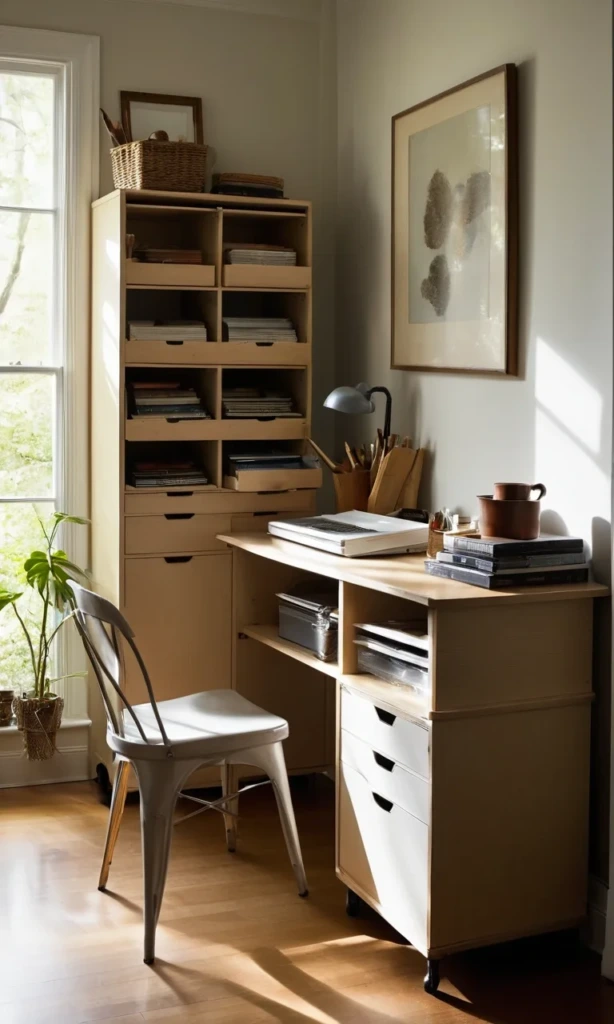
A wall-mounted file organizer keeps important papers visible without allowing them to spread across the desk.
Install several file pockets beside the homework area and label them according to purpose.
One pocket can hold current assignments, another can store school notices, and a third can contain completed worksheets.
Check the pockets regularly so outdated papers don't accumulate.
For younger children, use large labels with simple wording.
A vertical filing system is particularly useful when desk drawers are limited or unavailable.
10. Homework Command Center
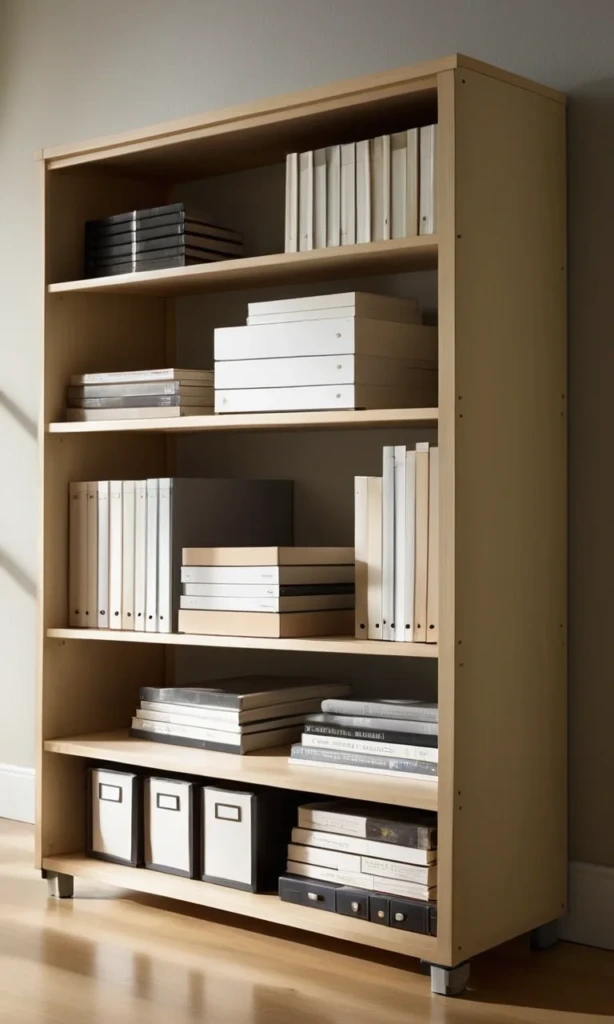
A homework command center brings schedules, assignments, and school reminders together in one location.
Combine a weekly calendar, a small whiteboard, and a few labeled folders on an accessible wall.
Children can record upcoming tests, project deadlines, and daily homework tasks.
A corkboard can hold important notices that need attention during the week.
Keep the display focused on current responsibilities rather than filling it with too many reminders.
This setup helps children practice planning and makes it easier for parents to see what needs attention.
11. Clear Storage Containers
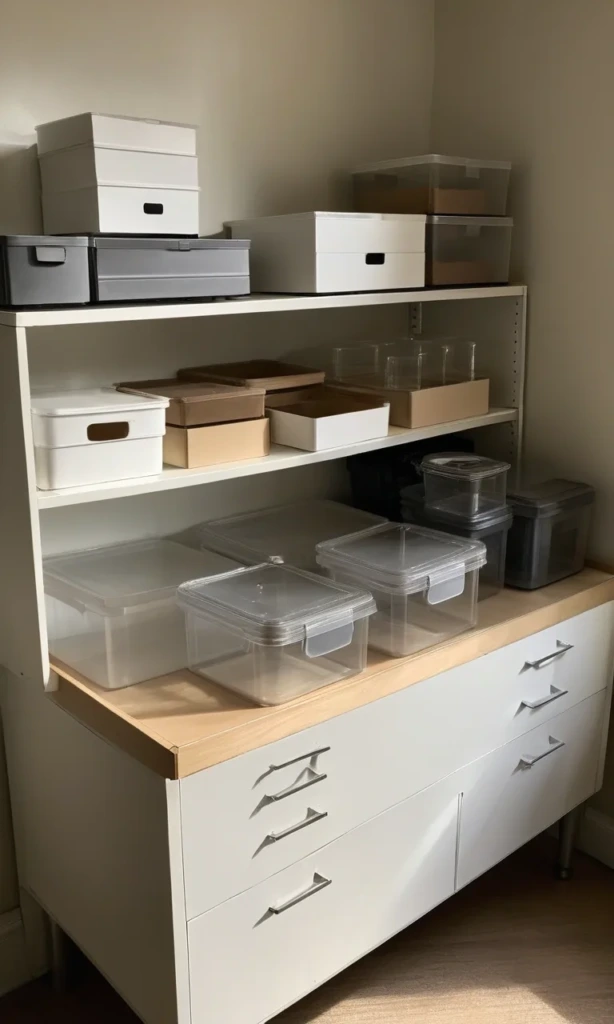
Transparent containers make it easier to identify supplies without opening multiple boxes.
Use small clear bins for crayons, colored pencils, flashcards, and other learning materials.
Choose stackable containers when shelf space is limited, but avoid stacking frequently used supplies too high.
Add labels even when the contents are visible so children know where to return each item.
Containers with easy-to-remove lids work best for younger students.
Clear storage is also useful for monitoring supplies before they run out.
12. Under-Desk Storage Baskets
The space beneath a homework desk can provide useful storage without making the room feel crowded.
Install a suitable under-desk basket or use a small freestanding organizer for extra notebooks, folders, and paper.
Keep the center area open so children have enough room for their legs and feet.
Avoid placing storage where it could interfere with sitting comfortably or moving the chair.
Under-desk baskets are particularly practical for small study corners that cannot accommodate additional furniture.
13. Shared Sibling Homework Station
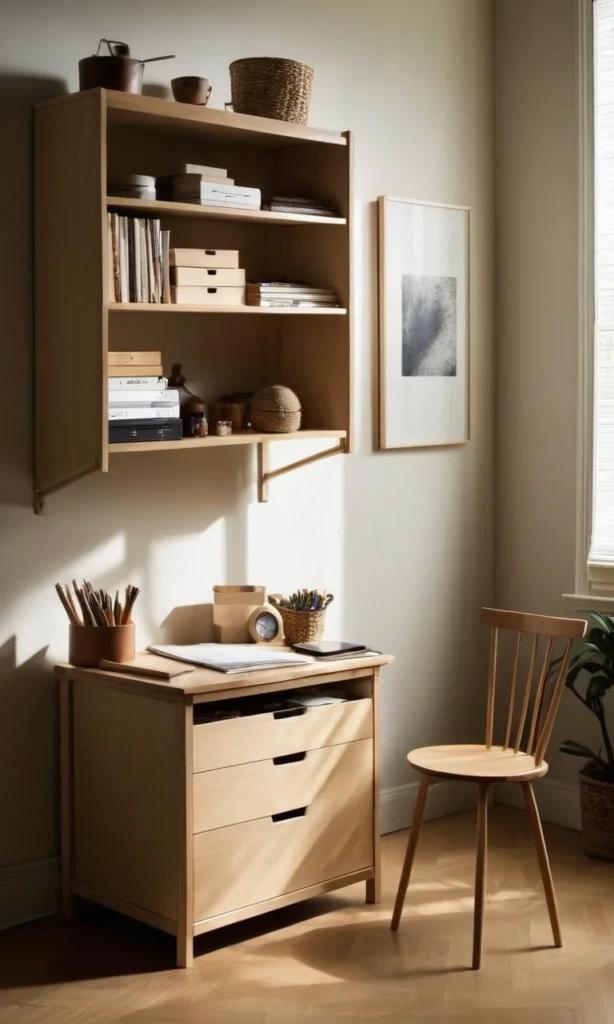
When siblings share a study area, clearly defined personal storage helps prevent supplies and assignments from getting mixed up.
Give each child a labeled drawer, basket, or desktop organizer.
If space allows, create separate working sections using individual desk mats or storage caddies.
Shared materials, such as rulers and craft supplies, can remain in a central container.
For children with different homework schedules or concentration needs, consider allowing them to use the station at separate times.
The goal is to make the space convenient without creating unnecessary competition for materials.
14. Magnetic Whiteboard Station
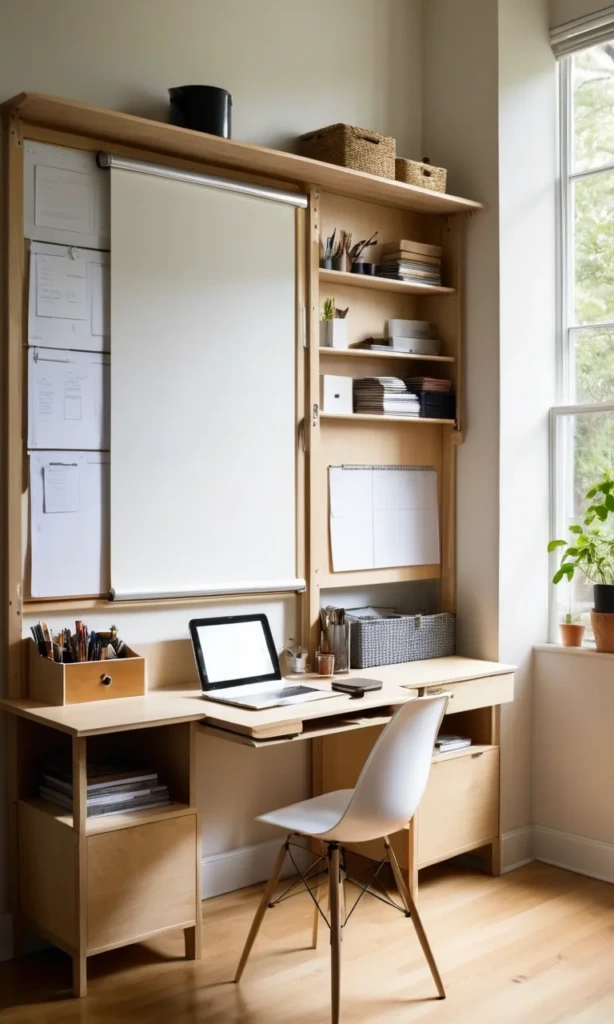
A magnetic whiteboard provides a reusable place for reminders, daily tasks, and short study notes.
Mount the board near the desk where children can easily read and update it.
Use magnets to hold a weekly timetable or assignment checklist.
A small magnetic container can store dry-erase markers and an eraser.
Encourage children to update their task list after finishing homework.
This simple visual system makes upcoming responsibilities easier to track without requiring a large planner.
15. Book and Notebook Organizer
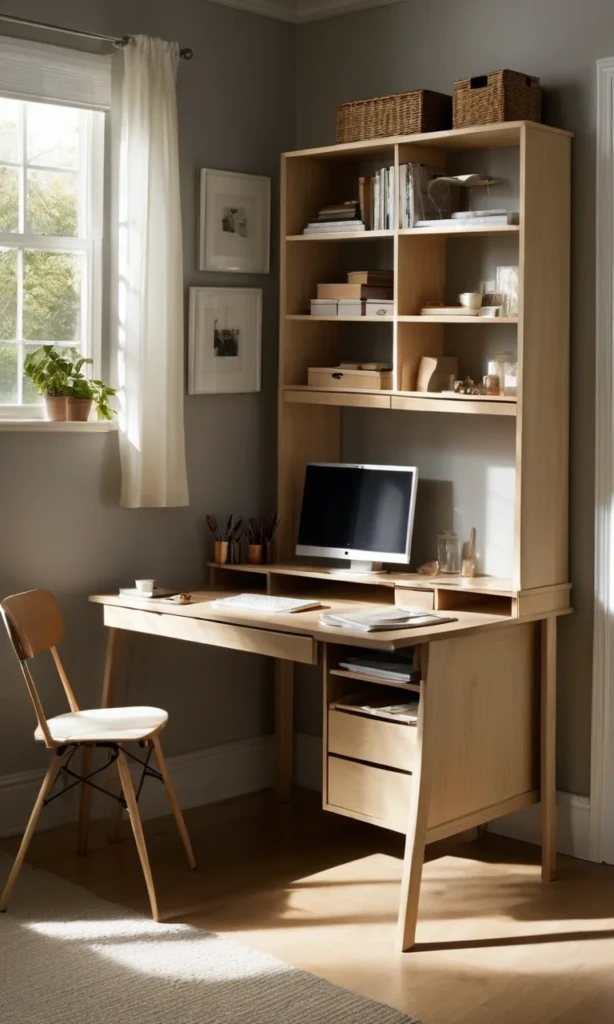
Books and notebooks are easier to manage when they remain upright and separated.
Place a vertical book organizer or several magazine holders on a nearby shelf.
Organize materials by subject, school day, or frequency of use.
Keep current textbooks within easy reach and store older workbooks elsewhere.
For children who carry books between school and home, establish a consistent place to return materials after studying.
This reduces the chances of books being buried beneath loose papers or forgotten in another room.
16. Small Corner Homework Desk
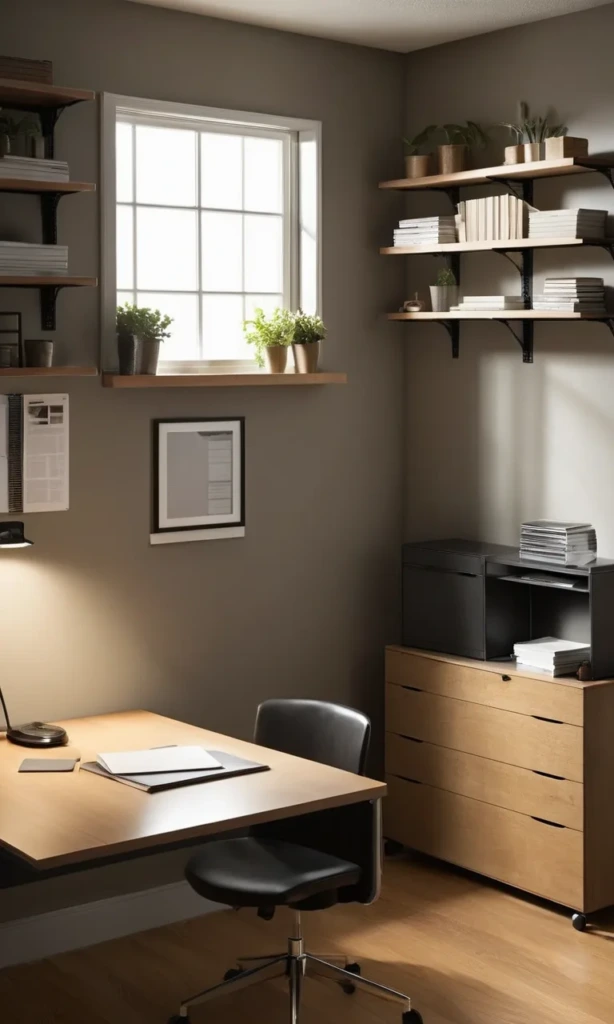
An unused bedroom or living room corner can become a functional homework station with the right furniture.
Choose a compact desk that provides enough room for a notebook, textbook, and writing supplies.
Add a comfortable chair that supports an appropriate working posture.
Position a desk lamp so it illuminates the work surface without shining directly into the child's eyes.
Use wall shelves or narrow organizers to provide storage without crowding the desk.
A corner station works best when decorations are kept minimal and the area is reserved primarily for studying.
17. DIY Mason Jar Supply Holders
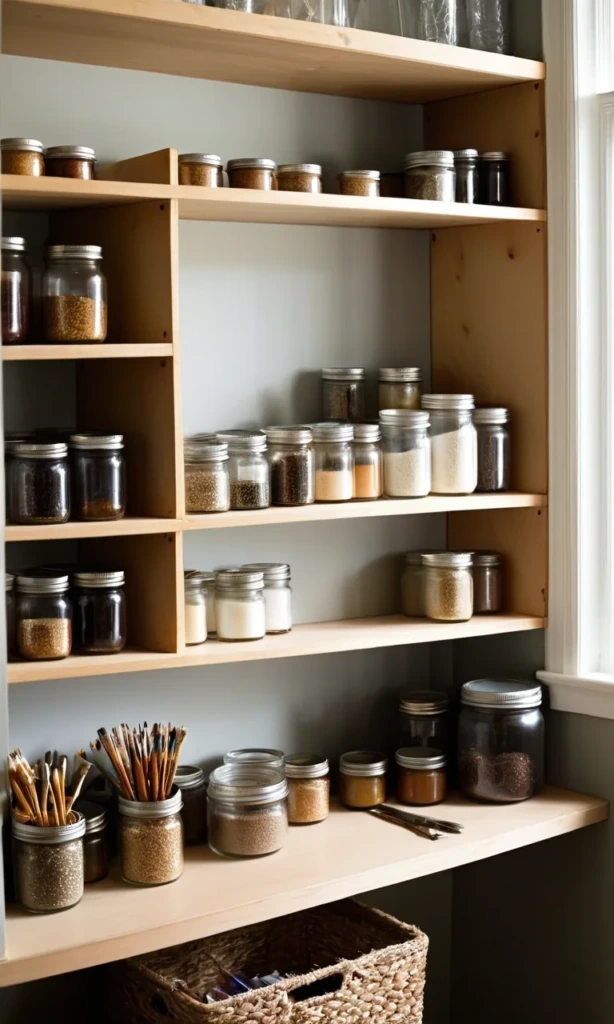
Repurposed jars can provide inexpensive storage for writing tools and craft supplies.
Use separate containers for pencils, markers, colored pencils, and rulers.
For younger children, lightweight plastic or metal containers are generally safer than breakable glass.
Arrange the holders on a tray so they remain grouped together and can be moved easily.
Decorative labels can help children identify each category.
This is a budget-friendly project that can also give children an opportunity to personalize their homework area.
18. Weekly Assignment Planner
A weekly planner helps children see their responsibilities before deadlines arrive.
Place a printed planner, notebook, or dry-erase schedule near the homework station.
Create sections for each school day and include space for assignments, tests, and project reminders.
Encourage children to review the planner when they arrive home and update it as tasks are completed.
Younger students may need help developing this habit, while older children can gradually manage it themselves.
A consistent planning routine can reduce forgotten assignments and last-minute preparation.
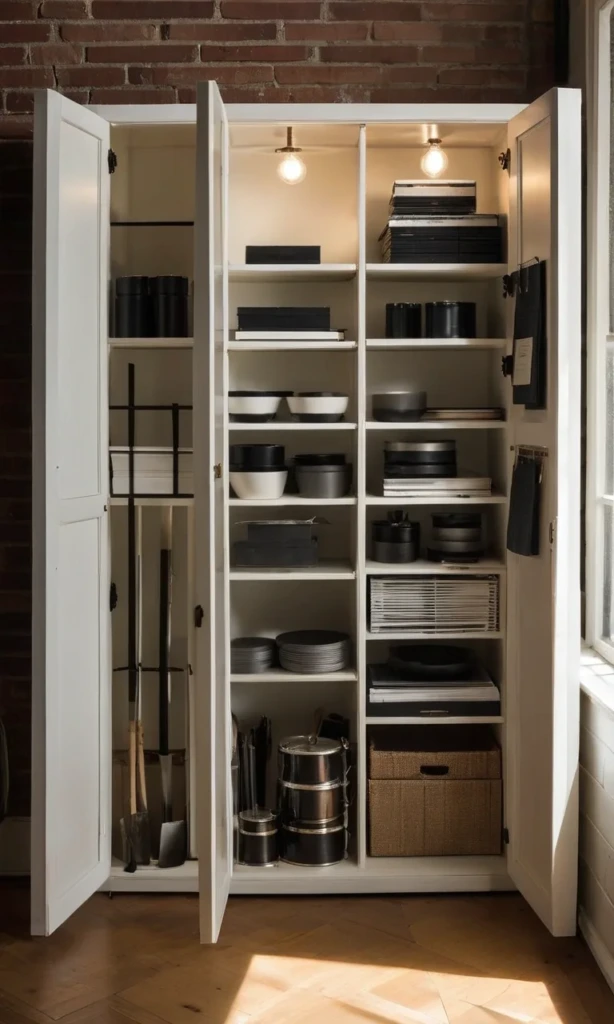
19. Hidden Cabinet Homework Station
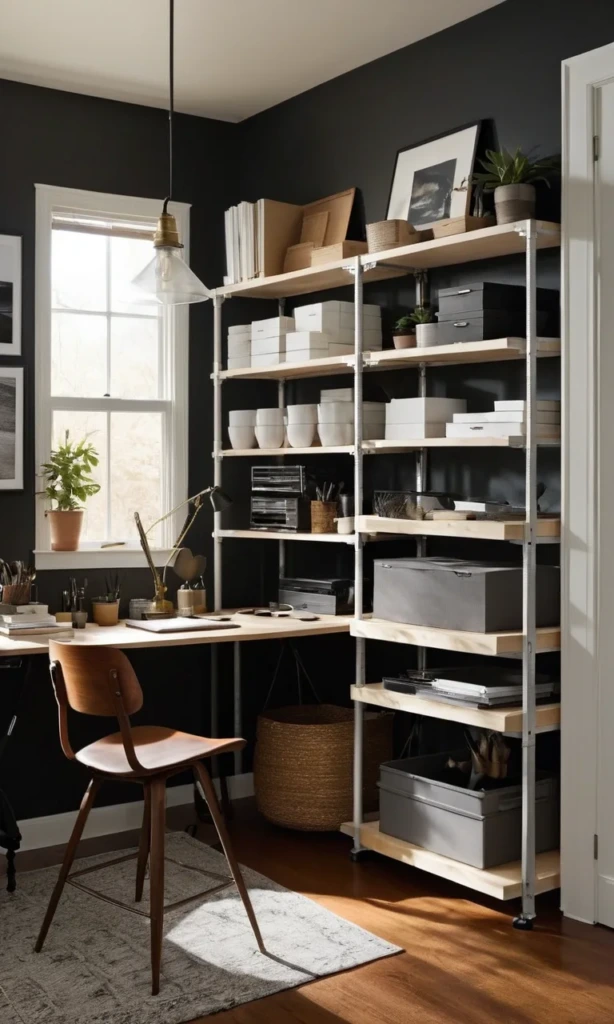
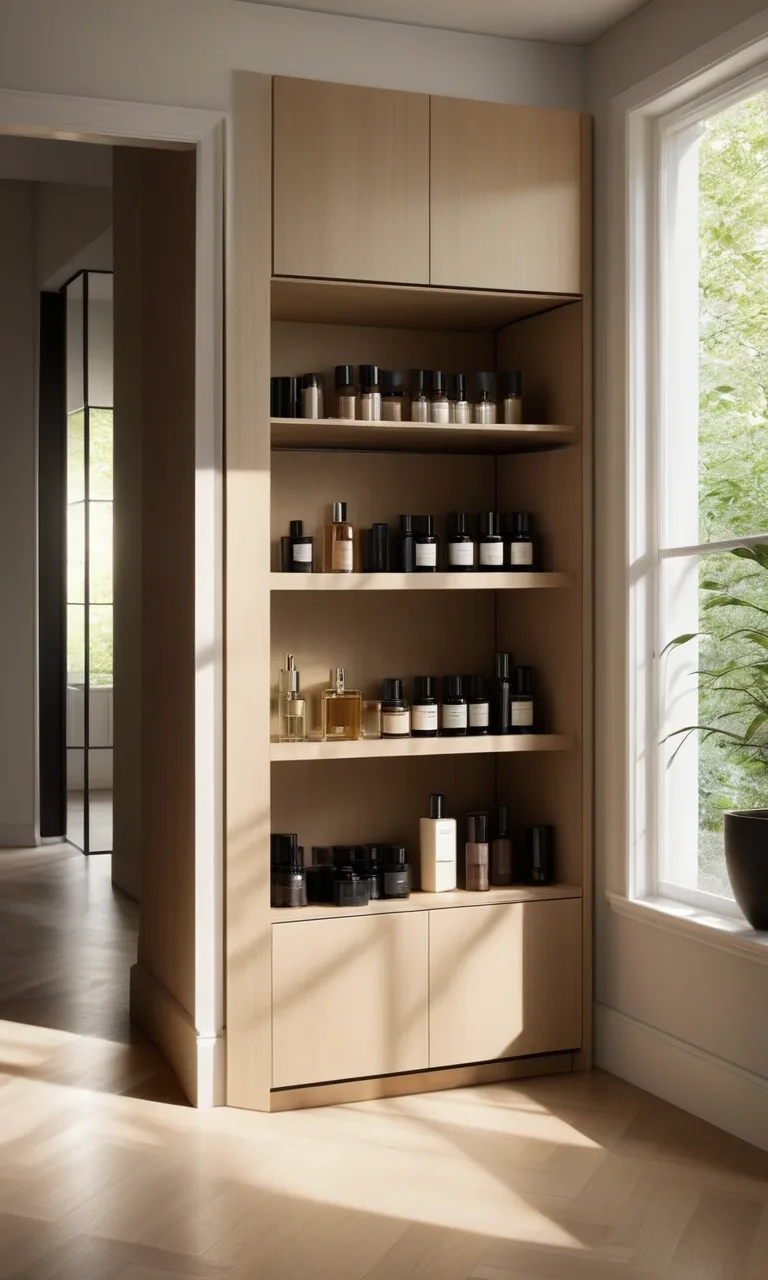
A cabinet or cupboard can provide a dedicated home for school materials while keeping shared living spaces tidy.
Arrange supplies on adjustable shelves and use labeled bins for different categories.
Keep current workbooks and folders at an accessible height.
If the cabinet is near a dining table, children can remove the supplies they need and return them after studying.
A cabinet with doors is particularly useful in multipurpose rooms where visible school supplies might make the space feel cluttered.
Avoid overcrowding shelves so materials remain easy to retrieve.
20. Minimalist Homework Station
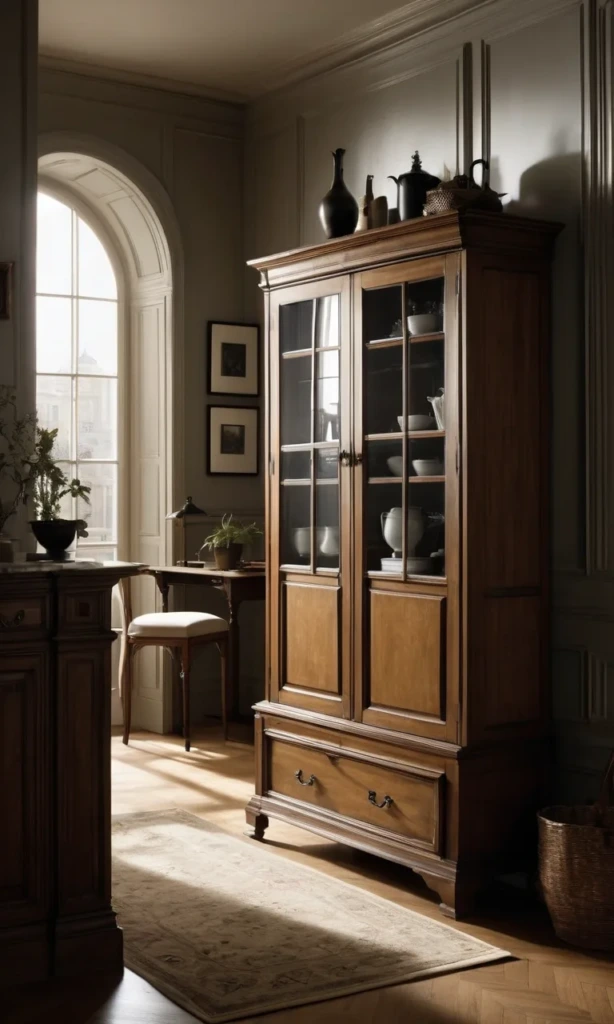
A minimalist homework station focuses on the materials needed for the current task.
Keep the desktop mostly clear, with a pencil holder, a lamp, and enough room for schoolwork.
Store additional supplies in a nearby drawer or container.
Remove broken stationery, unnecessary papers, and materials that are no longer useful.
Choose simple storage solutions that your child can manage without constant assistance.
This approach can be especially helpful for students who find busy environments distracting.
The objective isn't to create a perfectly empty desk. It's to provide a comfortable, practical space that supports everyday learning.
21. How to Keep a Homework Station Organized Every Day
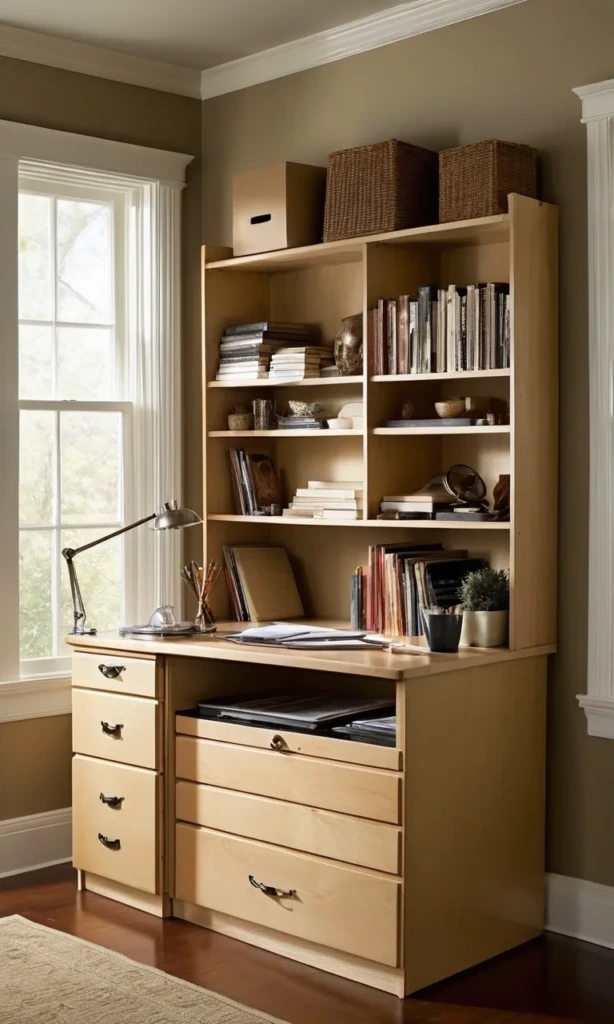
Even the most carefully arranged homework station needs a consistent maintenance routine.
Encourage children to spend a few minutes returning supplies after completing their assignments.
Pencils should go back into their holders, loose papers should be filed, and books should return to their designated shelves.
Check the station once a week for broken supplies, unnecessary worksheets, and items that belong elsewhere.
It's also worth adjusting the setup as children grow. A storage system that works for an early elementary student may not suit a teenager managing multiple subjects and longer assignments.
Keep frequently used materials accessible and avoid buying extra organizers unless there's a genuine storage problem to solve.
Final Thoughts
A functional homework station doesn't require a large room, expensive desk, or complicated organization system.
Small changes, such as adding labeled folders, dividing drawers, or creating a portable supply cart, can make everyday schoolwork easier to manage.
The best homework station organization ideas are those that fit your available space, your child's age, and your family's daily routine.
Start with the supplies you already own, create clear storage areas, and involve your child in deciding how the station should work.
With a practical setup and a few consistent habits, homework time can become more organized, comfortable, and manageable throughout the school year.