16 Trunk Organization Ideas for 2026
A cluttered car trunk can make even simple errands frustrating. Between grocery bags, emergency supplies, sports equipment, and everyday essentials, it's easy for things to pile up until there's barely any usable space left.
The good news is that you don't need a bigger vehicle to create a more organized trunk. With practical storage solutions and a little planning, you can keep everything accessible without sacrificing valuable cargo space.
Whether you drive a compact sedan, a family SUV, or a larger vehicle, these 16 trunk organization ideas will help you make better use of your available space and keep your belongings neatly arranged.
1. Emergency Ready Bin
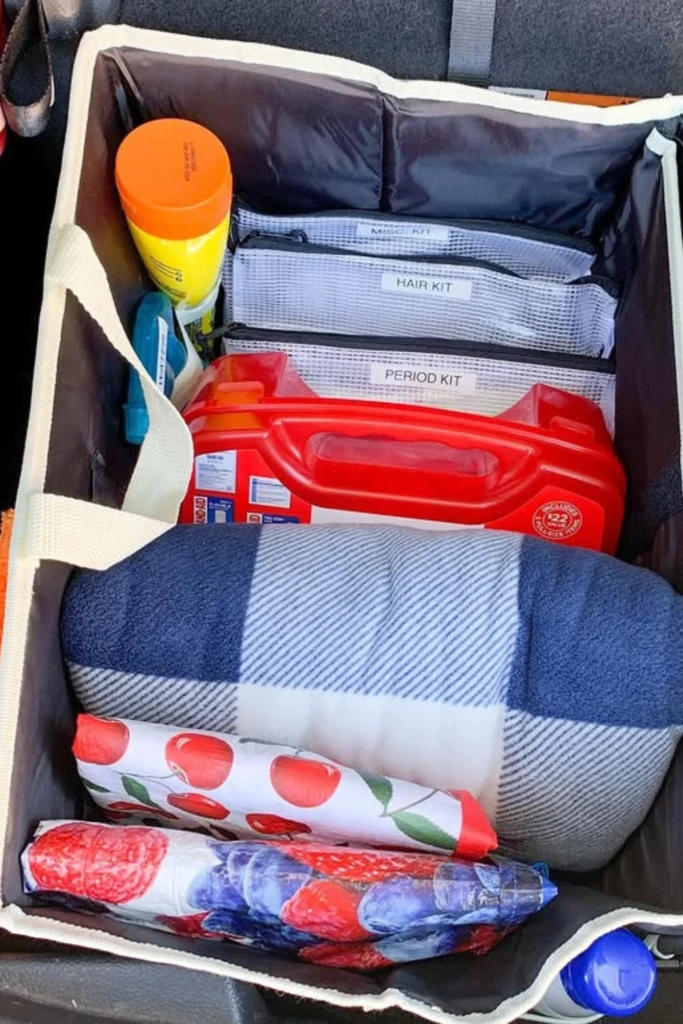
Keeping emergency essentials together is one of the smartest ways to organize your trunk. Choose a sturdy, water-resistant container with enough compartments to separate important supplies.
Fill it with useful items such as a flashlight, first-aid kit, reflective warning triangle, gloves, and basic roadside tools. You can also include a compact blanket and a few personal care essentials.
Position the container where you can reach it without removing other luggage. Secure it with cargo straps or an appropriate restraint so it stays in place during sudden stops.
2. Pull-Out Drawer System
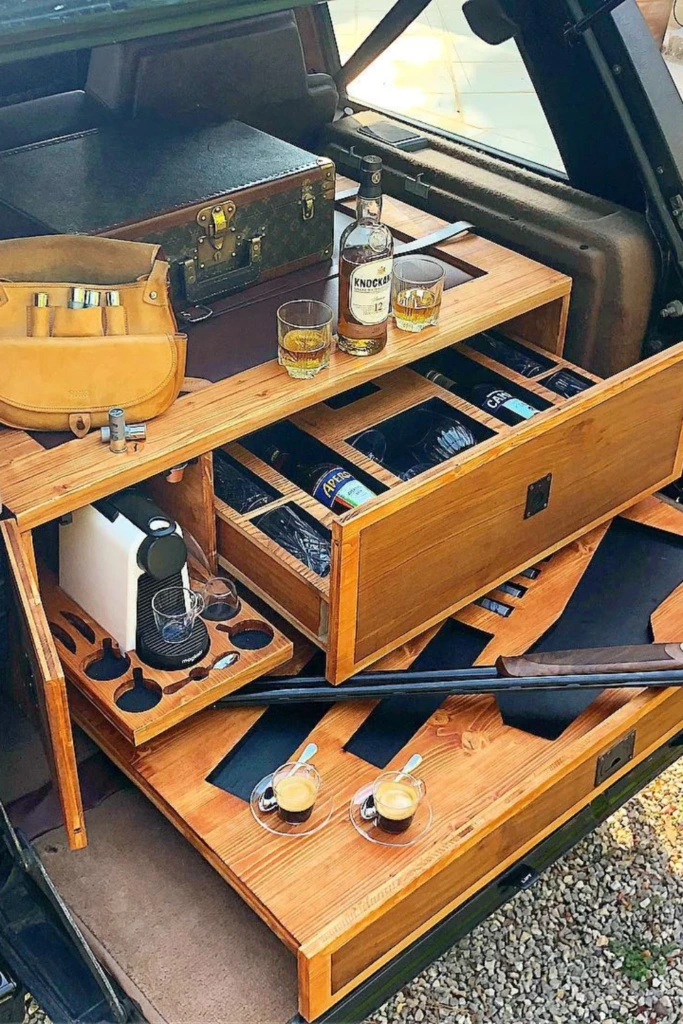
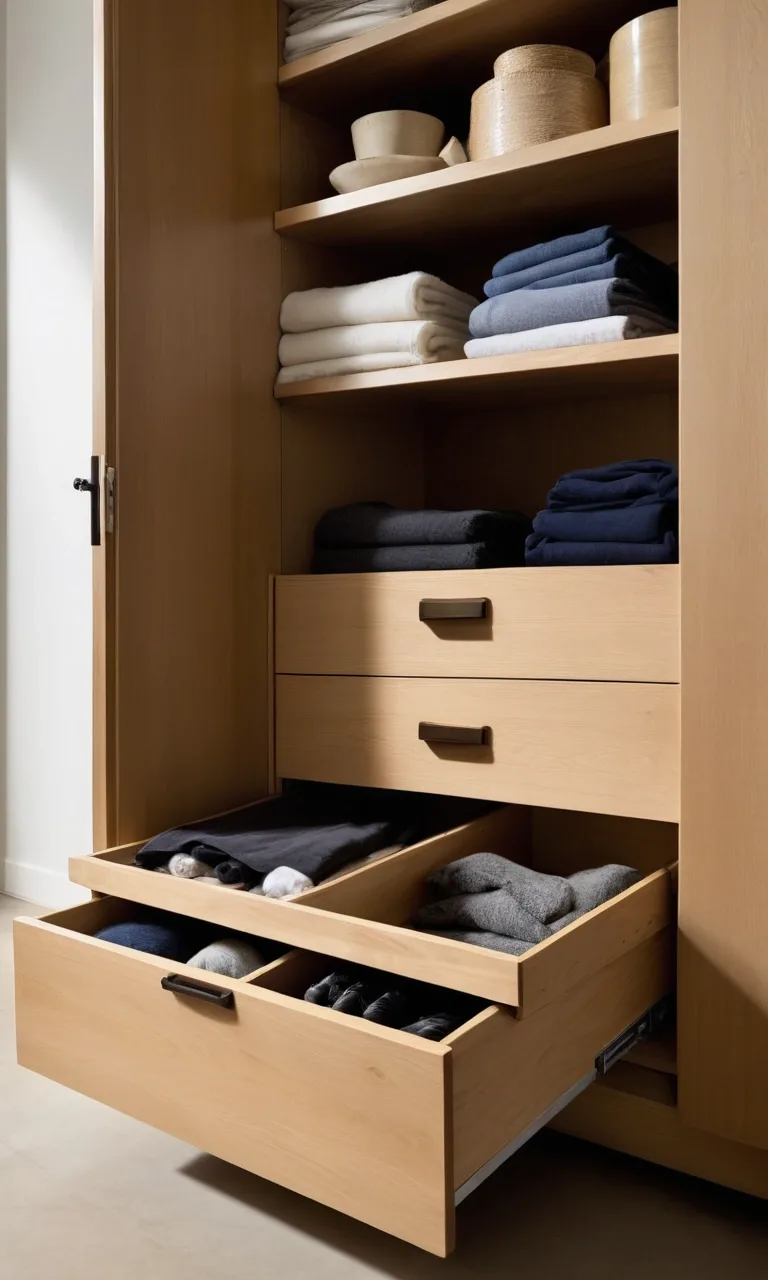
A pull-out drawer system is an excellent option for vehicles that regularly transport tools, outdoor equipment, or travel supplies.
These storage units create separate compartments beneath a flat upper surface, allowing you to organize smaller belongings while maintaining room for additional cargo.
For SUVs and larger vehicles, a properly fitted drawer system can make packing considerably easier. Look for drawers with secure locking mechanisms, durable runners, and a weight capacity suitable for your equipment.
Choose a system designed for your vehicle and follow the manufacturer's mounting instructions to prevent movement while driving.
3. Zoned Storage Setup
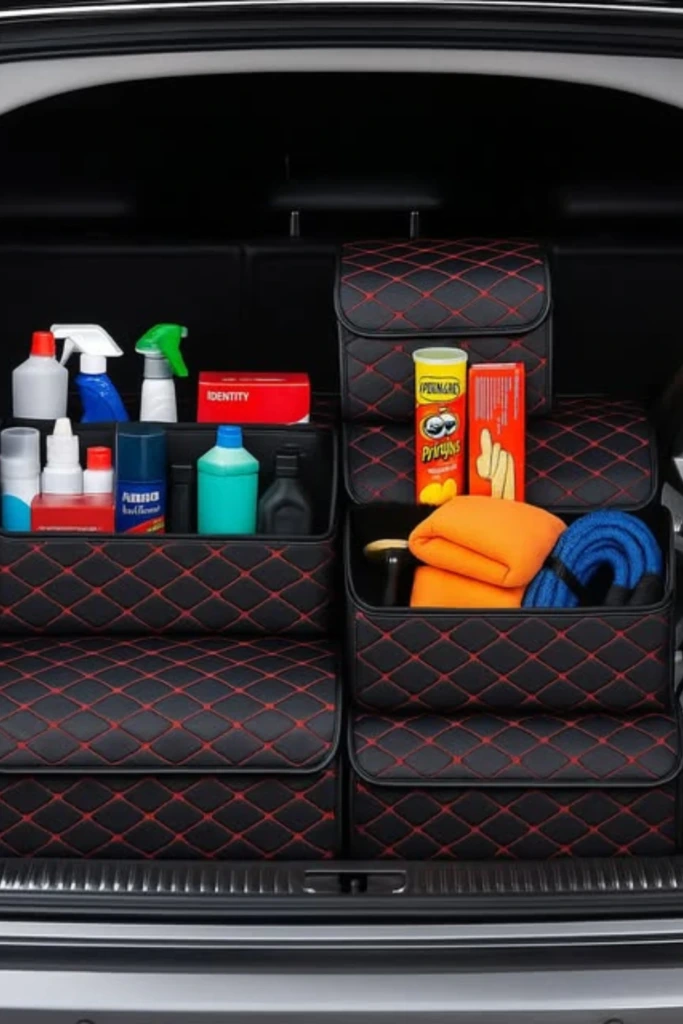
Dividing your trunk into designated storage areas can make everyday organization much more manageable.
Instead of placing everything into one large container, use several smaller bins for different purposes. One might hold vehicle maintenance supplies, another could contain shopping accessories, and a third could store seasonal necessities.
Consider choosing containers with different colored labels so everyone in the family knows where things belong.
This arrangement also makes it easier to notice when something needs replacing, whether it's windshield washer fluid, cleaning wipes, or reusable shopping bags.
4. Grocery Control Bin
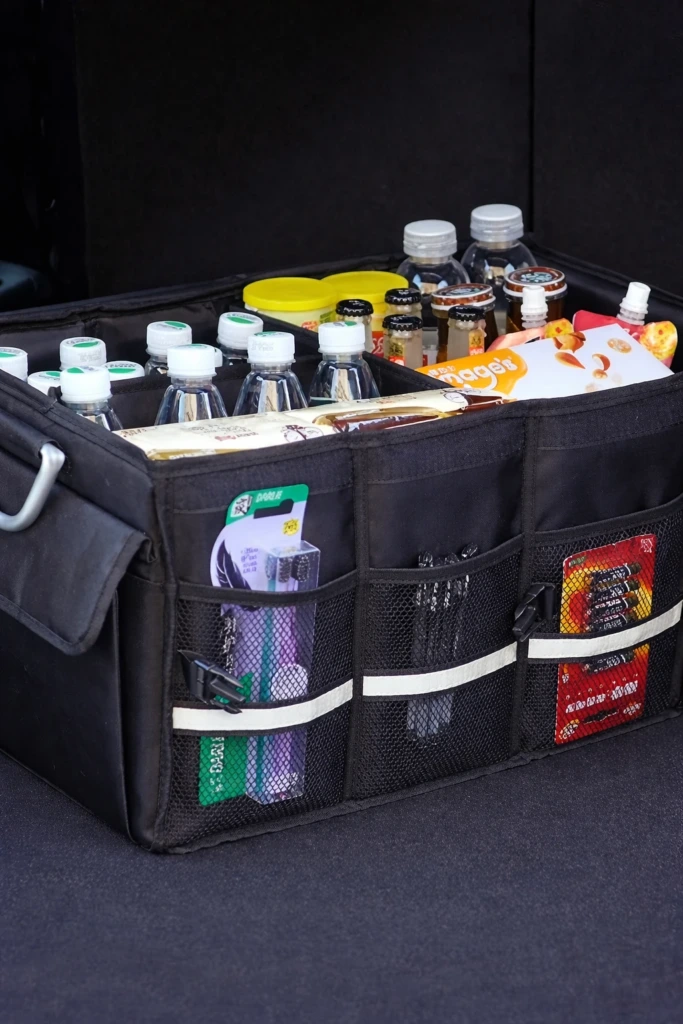
Grocery shopping becomes much less stressful when your purchases have a secure place to sit during the drive home.
A rectangular trunk organizer with firm sides and adjustable compartments is particularly useful for keeping bags upright and preventing smaller purchases from moving around.
Place heavier groceries at the bottom and keep fragile items in separate sections. Insulated grocery bags can help protect temperature-sensitive foods during the journey.
A collapsible organizer is especially convenient because you can fold it away whenever you need the full trunk for larger purchases.
5. Long Utility Organizer
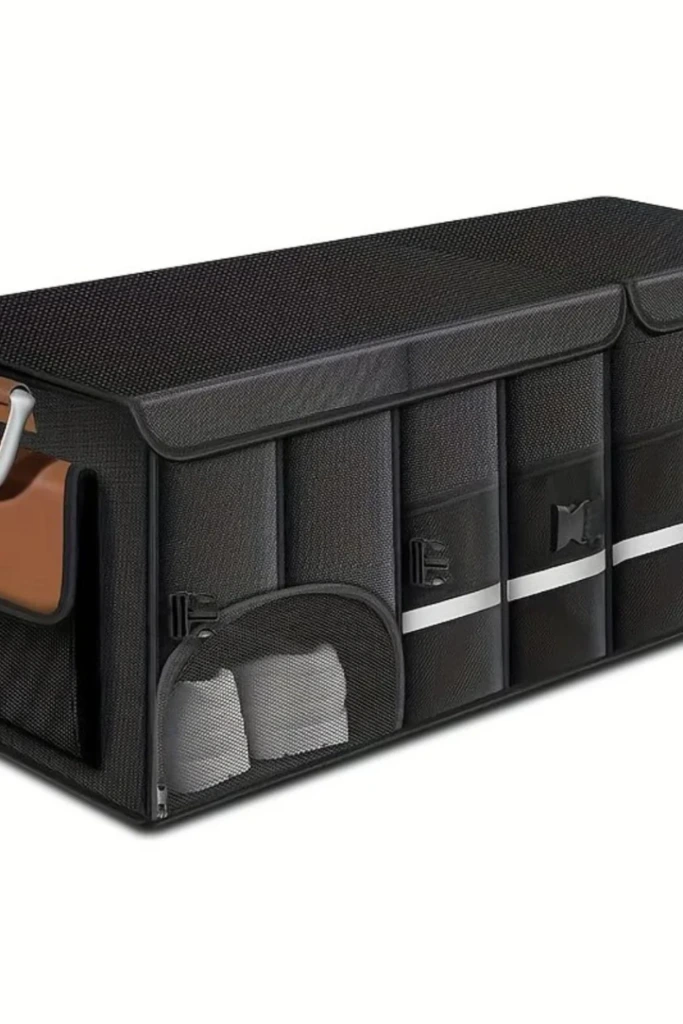
If your trunk has unused space along its sides or behind the rear seats, a long utility organizer can help you take advantage of it.
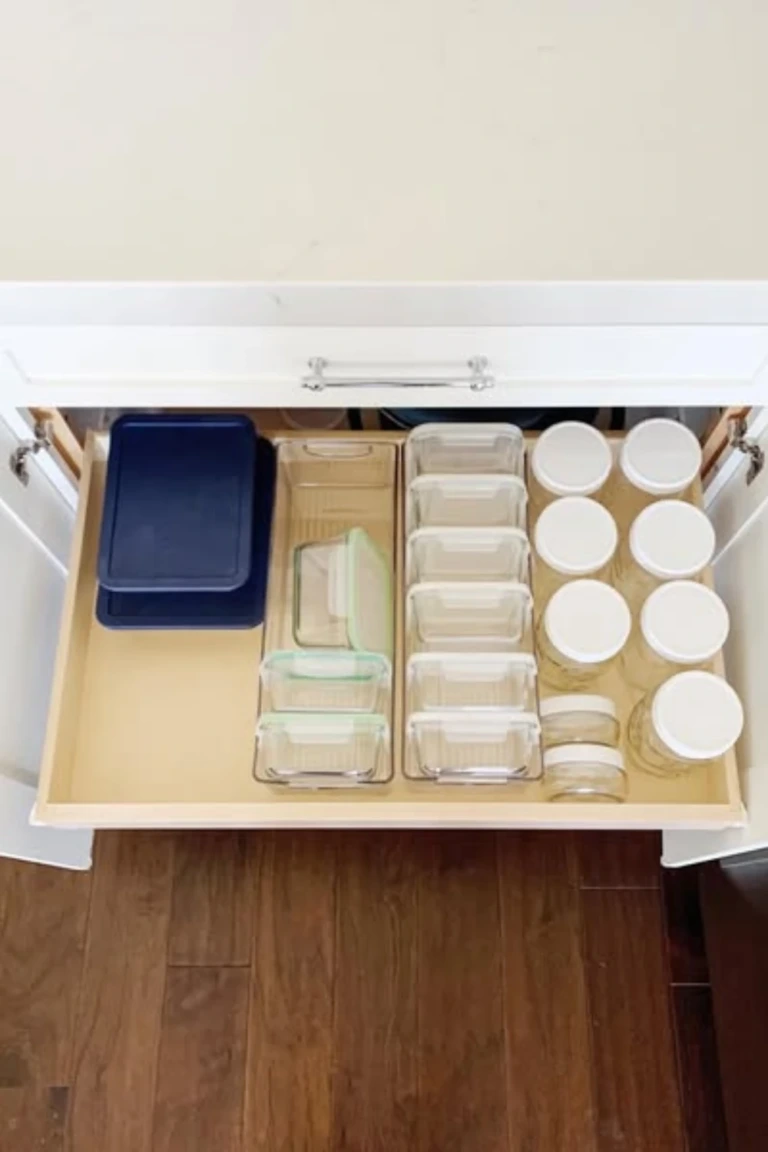
These narrow storage containers are ideal for jumper cables, microfiber cloths, tire pressure gauges, and other vehicle accessories that don't require much height.
Choose a design with internal dividers to prevent small objects from getting mixed together. A fitted lid can also help protect stored items from dust.
Measure the available area before purchasing, and make sure the organizer doesn't interfere with access to your spare tire or emergency equipment.
6. Stackable Storage Cubes
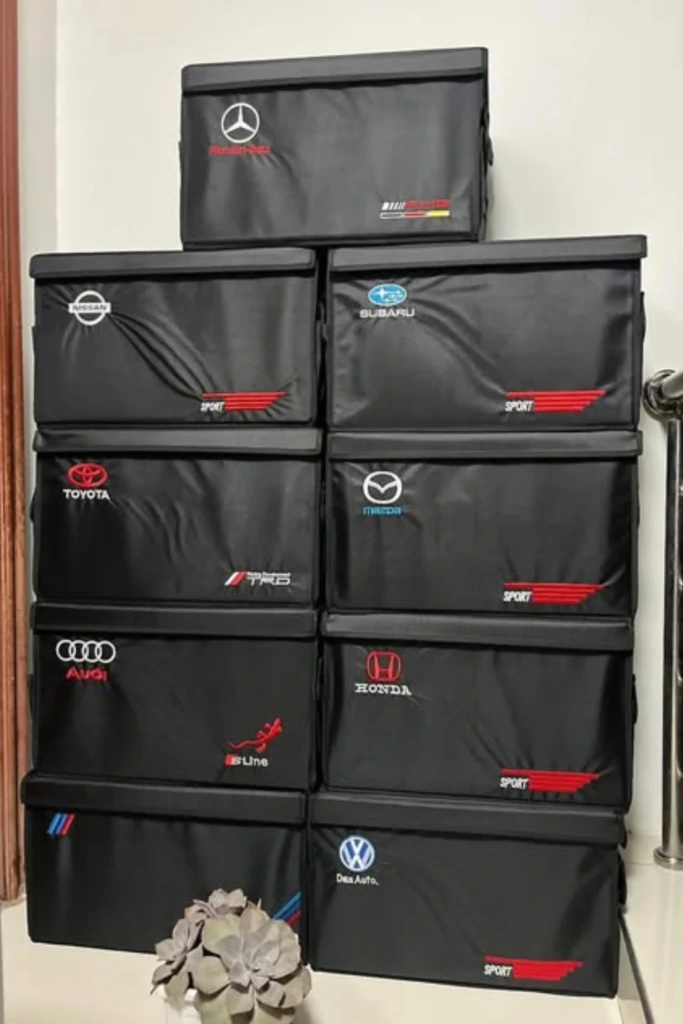
Stackable storage cubes offer a flexible solution for drivers who need to carry several categories of belongings.
You can dedicate individual cubes to cleaning products, travel accessories, outdoor supplies, or children's activity items. This keeps everything separated while making the most of the available storage space.
Transparent containers are particularly helpful because you can identify their contents without opening each one.
Select cubes designed to stack securely, and avoid building tall, unstable piles. In vehicles with an open cargo area, use suitable restraints to keep stacked containers from shifting or becoming projectiles during a collision.
7. Seatback Gear Wall
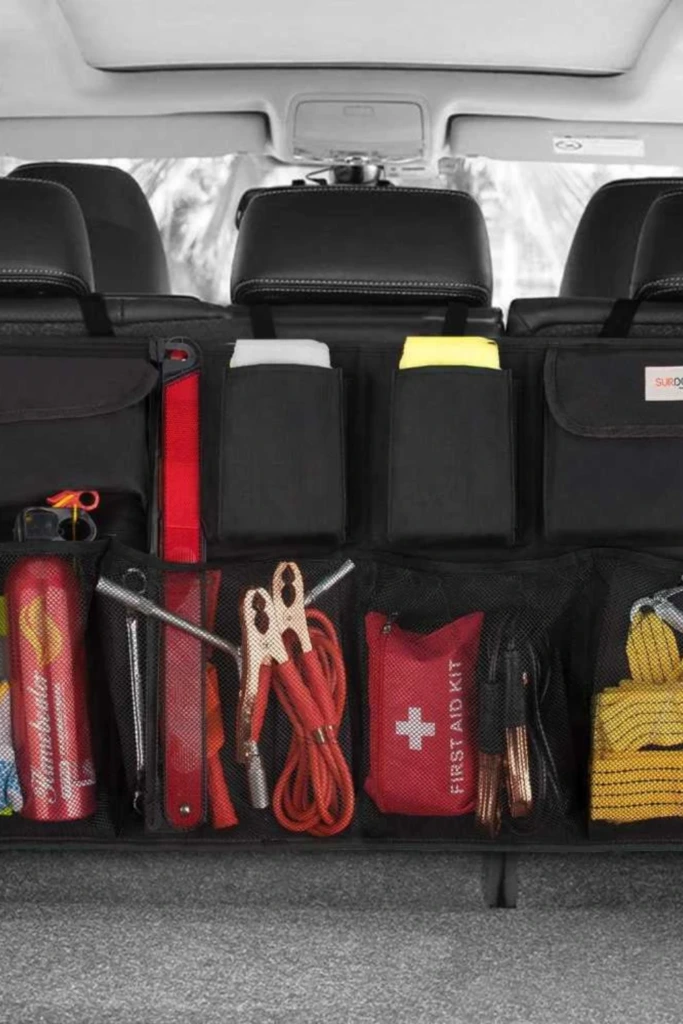
The back of your rear seats can provide valuable storage space without taking up much room on the trunk floor.
A seatback organizer with multiple pockets works well for compact items such as gloves, cleaning cloths, small flashlights, and basic travel accessories.
Mesh pockets make frequently used supplies easy to identify, while zippered sections help keep smaller belongings contained.
Before installing one, check that the attachment method is compatible with your vehicle. Avoid overloading the pockets or obstructing seat-folding mechanisms and safety equipment.
8. Vertical Pocket Storage
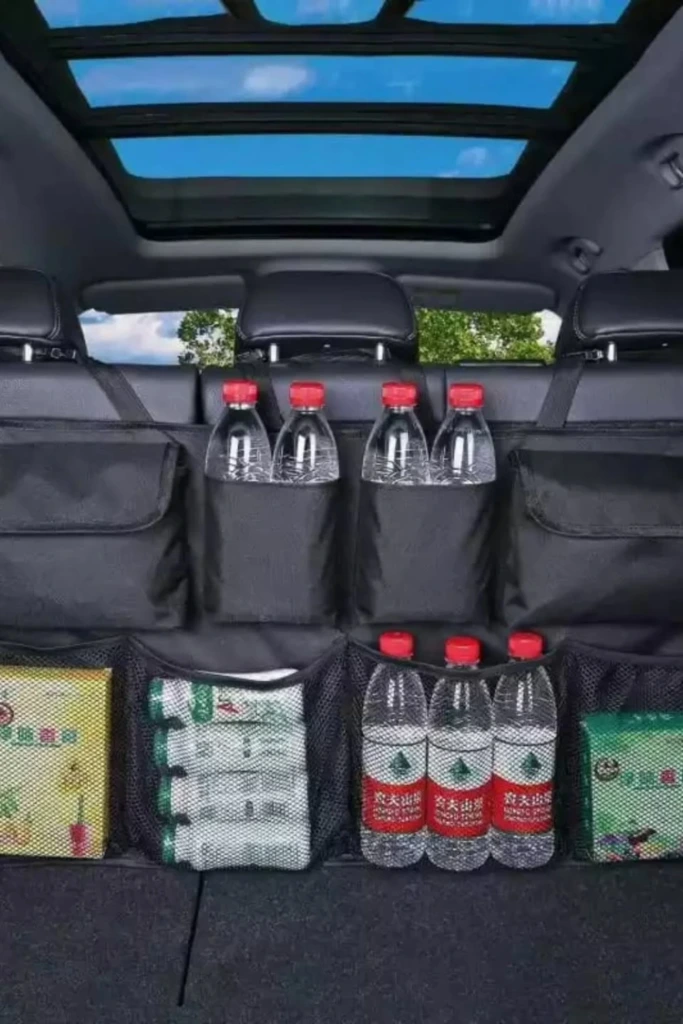
Vertical pocket organizers are useful when you want to maximize storage without filling the entire cargo floor.
These organizers typically feature several pockets of different sizes, making them suitable for reusable bags, paper towels, cleaning accessories, and other lightweight essentials.
Attach one to a compatible cargo-area panel or seatback using the recommended mounting points.
Keep heavier objects in properly secured floor-level storage instead. This helps maintain stability and prevents overloaded pockets from tearing or detaching.
9. Sports Gear Station
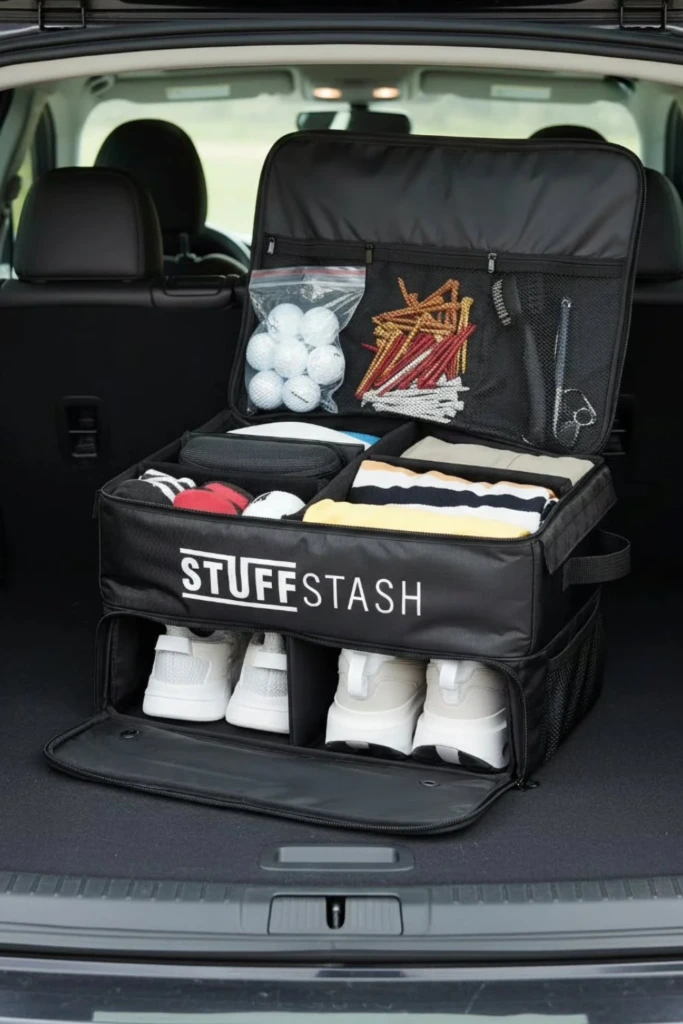
If your family regularly attends sports practices, gym sessions, or outdoor activities, a dedicated sports storage area can save considerable time.
Use a durable organizer with separate compartments for shoes, towels, protective accessories, and smaller equipment.
A ventilated bag is helpful for damp clothing, while a washable container can hold muddy shoes until you get home.
Keep a small pouch for frequently forgotten items such as spare socks, hair ties, or athletic tape. After each activity, remove wet clothing and clean the organizer as needed to prevent unpleasant odors.
10. Fold-Flat Divider
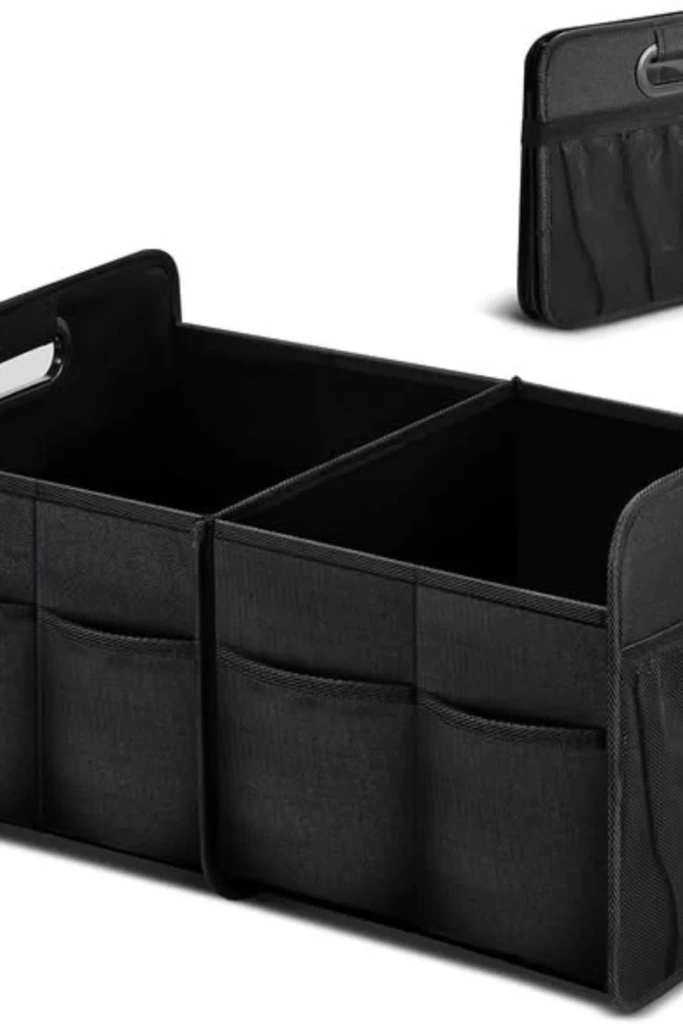
A fold-flat divider is a practical choice for anyone who needs their trunk to serve different purposes throughout the week.
When expanded, it creates individual sections for groceries, work supplies, or everyday belongings. When you're transporting furniture, luggage, or bulky packages, you can collapse it to reclaim the floor space.
Look for a model with reinforced panels and adjustable compartments that accommodate different item sizes.
For added convenience, choose a lightweight design with carrying handles so you can move the organizer between your home and vehicle.
11. Layered Load Plan
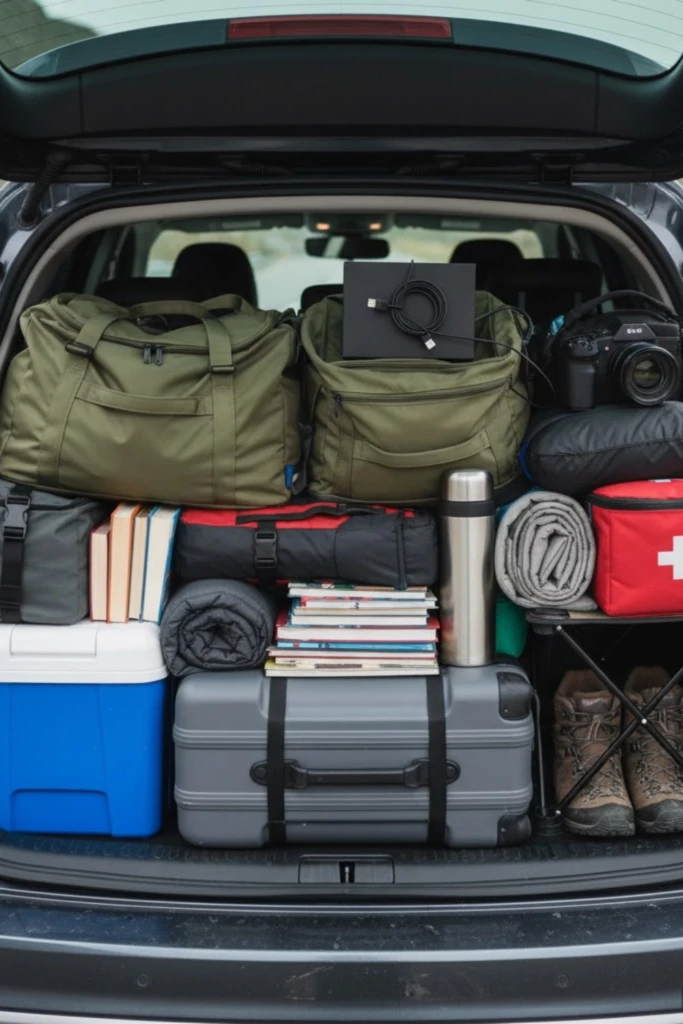
Organizing your trunk isn't only about buying containers. The way you arrange your belongings can make a significant difference.
Start by positioning heavy luggage and sturdy containers low in the cargo area, ideally close to the rear seatbacks. Secure them using suitable cargo restraints.
Place lighter, softer belongings in available spaces without creating unstable stacks. Keep items you'll need first near the trunk opening so you don't have to unpack everything to find them.
Avoid stacking cargo high enough to block rear visibility or interfere with the vehicle's cargo cover and safety features.
This approach is especially helpful when preparing for vacations, camping trips, or long-distance travel.
12. Raised Shelf Base
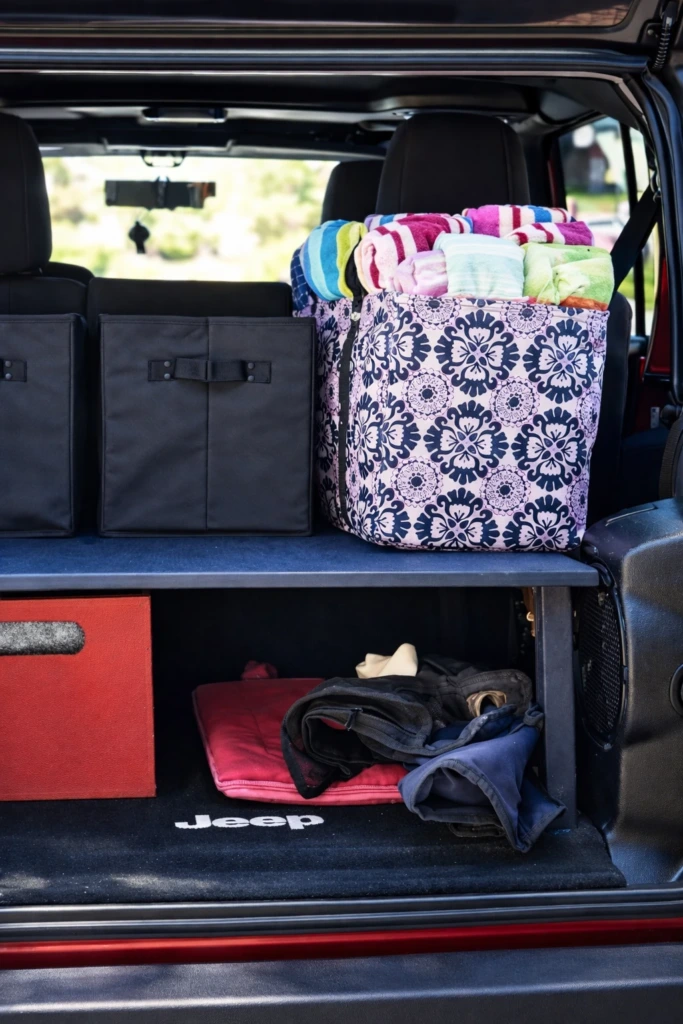
A raised shelf can create an additional storage level in vehicles with sufficient cargo height.
The space underneath can accommodate flat containers, travel accessories, or compact equipment, while the upper surface provides room for other belongings.
This arrangement can be particularly useful for people who frequently transport a mixture of everyday items and recreational gear.
However, the shelf must be properly engineered, securely mounted, and rated for its intended load. Avoid placing heavy, unsecured items on an elevated surface.
Also check that the design doesn't interfere with access to vehicle components, cargo anchors, or emergency equipment.
13. Grab-and-Go Totes
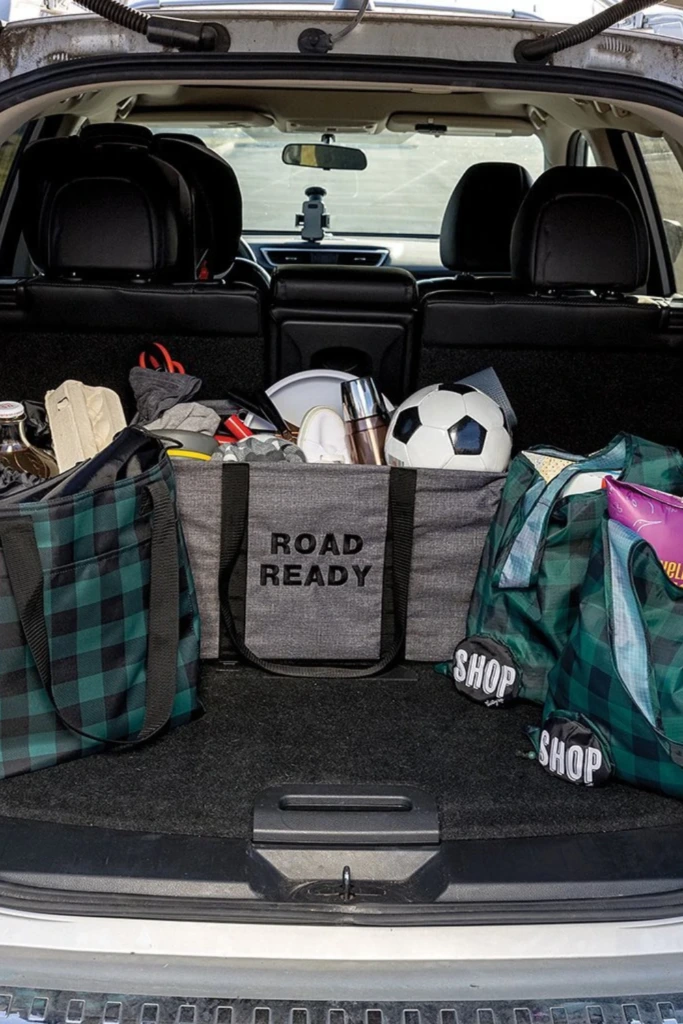
Reusable tote bags are an affordable way to organize items that frequently move between your car and home.
Assign different bags to specific activities, such as grocery shopping, fitness classes, children's outings, or weekend errands.
Choose bags with reinforced handles and washable materials so they can withstand regular use.
Keeping a few empty totes folded inside a secured organizer also makes spontaneous shopping trips easier. When you return home, you can carry everything inside without sorting through loose items in the trunk.
14. Open Bag Zoning
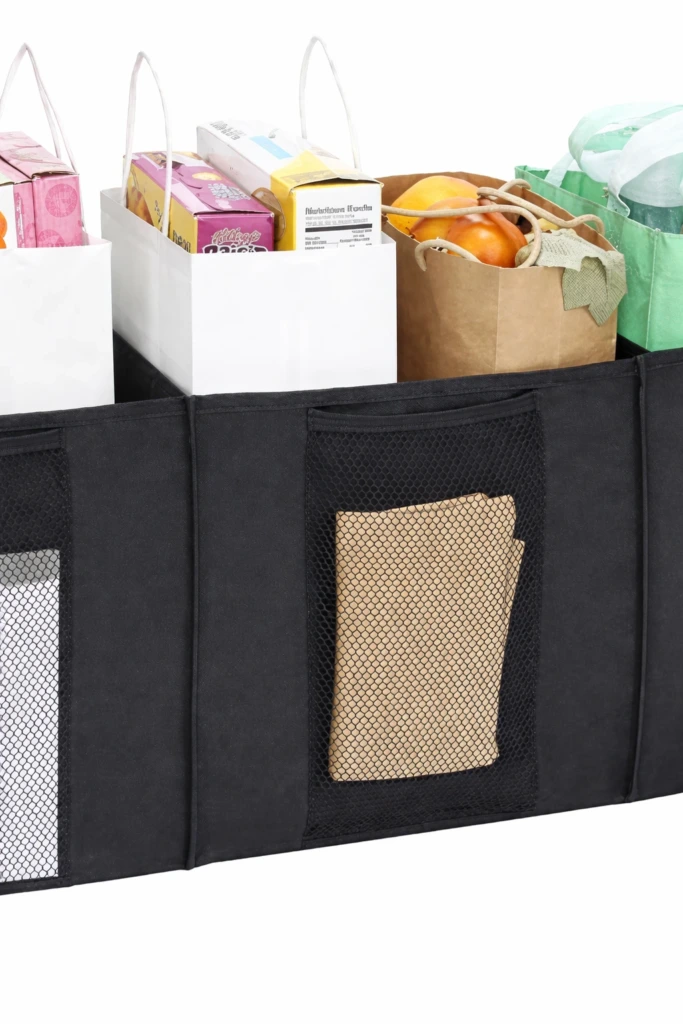
An open-top organizer provides a simple way to separate shopping bags and other frequently used supplies.
Unlike fully enclosed containers, open compartments allow you to place items inside quickly and remove them without opening lids or zippers.
You can dedicate individual sections to pantry products, household supplies, and reusable shopping bags.
Choose an organizer with rigid dividers that can support filled bags without collapsing. Exterior pockets are useful for smaller items such as shopping lists and cleaning cloths.
Secure the organizer appropriately and avoid leaving fragile or spill-prone products loose during transport.
15. Dedicated Activity Bin
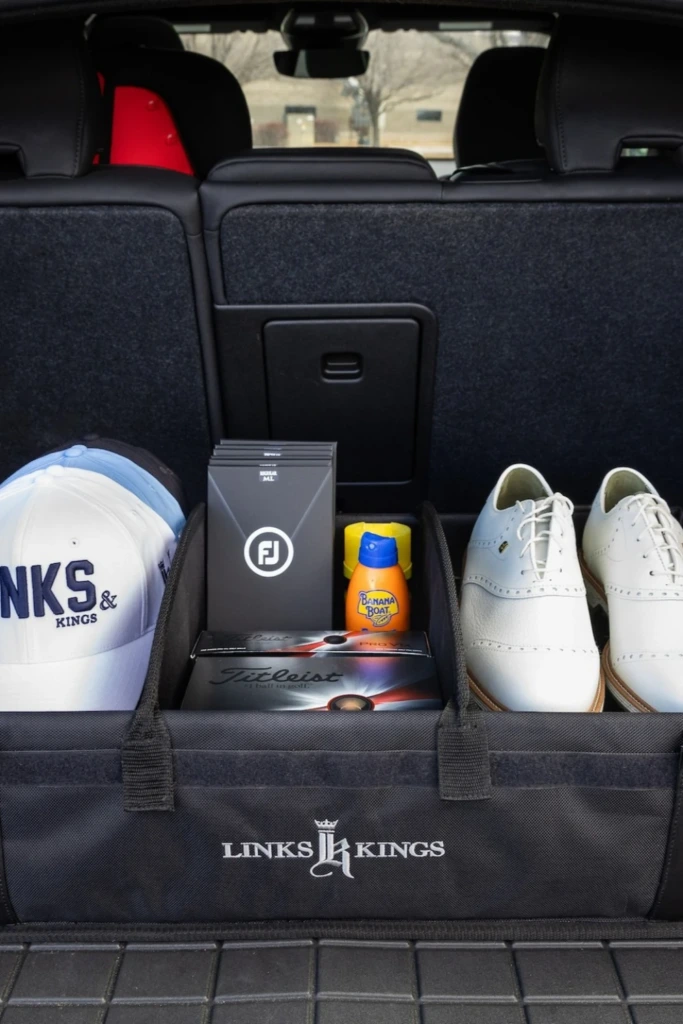
If you regularly participate in a particular hobby, keeping a dedicated activity bin in your trunk can simplify your routine.
For example, a gardening bin might contain gloves, a kneeling pad, and small hand tools. A beach bin could hold towels, sandals, and reusable waterproof pouches.
The key is to include only the supplies you actually need for that activity.
Choose a container that's easy to remove and clean, particularly if your equipment often becomes sandy, dusty, or muddy.
Keeping hobby supplies separate from everyday essentials also makes it easier to switch between activities without reorganizing the entire trunk.
16. Secured Cargo Grid
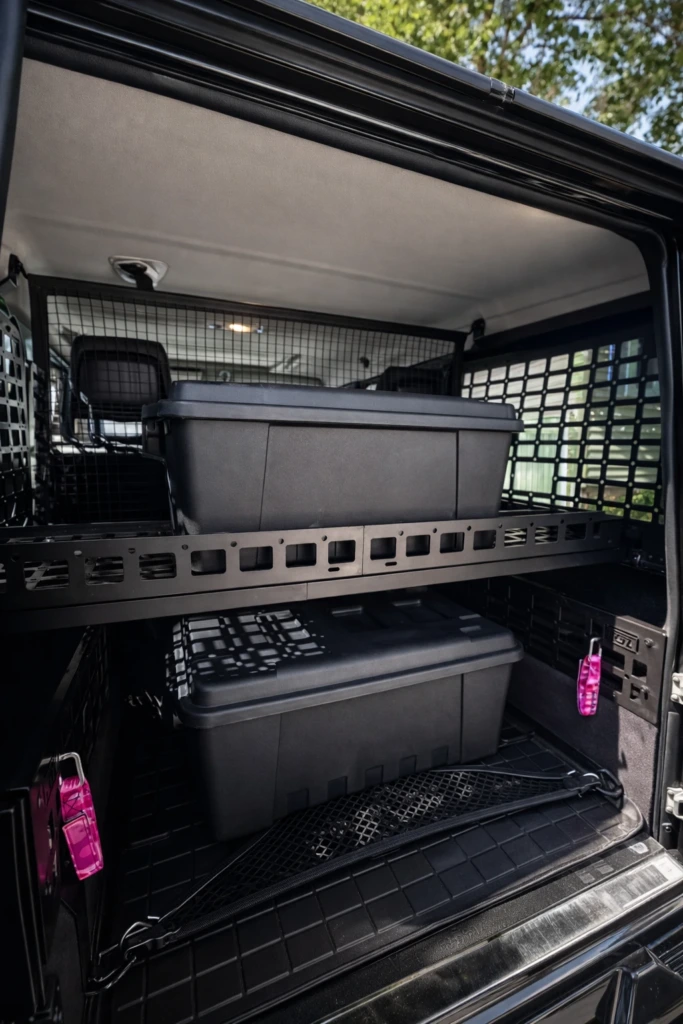
For vehicles that regularly carry heavy equipment, a secured cargo grid or professionally fitted storage framework can provide a more structured arrangement.
These systems can divide the cargo area into designated sections, helping prevent equipment from shifting and keeping smaller containers organized.
They're especially useful in utility vehicles, off-road SUVs, and work vehicles that transport specialized gear.
Choose a system designed for your specific vehicle and confirm that its mounting points and load ratings meet your requirements.
Proper installation is essential, particularly when transporting heavy tools or equipment over uneven roads. Never rely on an ordinary storage grid as a substitute for certified cargo restraints.
How do you keep a trunk organizer from sliding?
The most reliable way to prevent a trunk organizer from sliding is to secure it using compatible cargo straps, anchor points, or the attachment system provided by its manufacturer.
A non-slip cargo mat can provide additional grip, but friction alone may not prevent movement during sudden braking.
Choose an organizer that fits your trunk properly, distribute its contents evenly, and place heavier belongings near the bottom.
For vehicles with cargo tie-down points, use appropriately rated restraints whenever necessary. Avoid attaching organizers to seat components or other fittings that aren't designed to hold cargo.
What size trunk organizer works best?
The ideal trunk organizer depends on your vehicle's dimensions and the types of belongings you usually transport.
For compact cars, a small or medium collapsible organizer often provides enough room for emergency supplies and shopping accessories without occupying the entire trunk.
Larger SUVs and family vehicles may benefit from wider organizers with adjustable dividers or multiple removable compartments.
Before buying, measure your trunk's usable width, depth, and height. Remember to account for wheel arches, the trunk opening, and access to the spare tire or underfloor storage.
An organizer that leaves some flexible cargo space is usually more practical than one that fills every available inch.
The best trunk organization system is ultimately one that suits your daily habits. By combining secure storage, thoughtful packing, and regular decluttering, you can maintain a cleaner, more functional cargo area without spending a fortune.