25 DIY Blackstone Grill Station Ideas for 2026
A well-planned grill station can turn an ordinary backyard into a practical outdoor cooking area where preparing meals feels easier and entertaining becomes more enjoyable. A Blackstone griddle is especially useful for cooking everything from breakfast favorites and smash burgers to grilled vegetables, sandwiches, and family-sized meals.
The right setup depends on how much room you have, what you enjoy cooking, and how much you want to spend. Some homeowners prefer a simple rolling cart, while others dream of a permanent outdoor kitchen with generous countertops, cabinets, and dedicated seating.
These 24 DIY Blackstone grill station ideas offer inspiration for creating a cooking space that fits your lifestyle, whether you have a spacious backyard, a small patio, or a compact deck.
1. Common Mistakes to Avoid
Building a DIY grill station involves more than choosing attractive materials and assembling a sturdy frame. Planning for safety, convenience, and long-term durability can save you from expensive adjustments later.
Ignoring ventilation and heat clearance: Outdoor cooking equipment needs adequate airflow and sufficient clearance from walls, railings, roofs, and combustible materials. Follow the grill manufacturer's installation instructions, particularly when placing a griddle inside a custom structure.
Choosing unsuitable materials: Ordinary wood, plastic surfaces, and decorative finishes may not withstand the heat generated by cooking equipment. Use appropriate noncombustible materials near hot components, and select weather-resistant lumber, protective finishes, and hardware for exposed areas.
Measuring incorrectly: Take accurate measurements of the grill, side shelves, lid movement, grease management system, and any attached accessories before building the frame. Leave enough room to work comfortably without blocking access to controls or maintenance points.
Forgetting storage and preparation space: A station with nowhere to put spatulas, seasonings, plates, and ingredients can quickly become frustrating. Include practical shelves, hooks, or enclosed storage without crowding the cooking surface.
Overlooking stability and mobility: A rolling cart should have a strong frame and locking casters suitable for its weight. Permanent installations need a level, stable base and appropriate protection against moisture.
Building beyond your budget: Establish a materials budget before purchasing lumber, stone, hardware, and accessories. Reusing suitable materials can lower costs, but never compromise structural strength or fire safety to save money.
2. Sleek Wood Setup
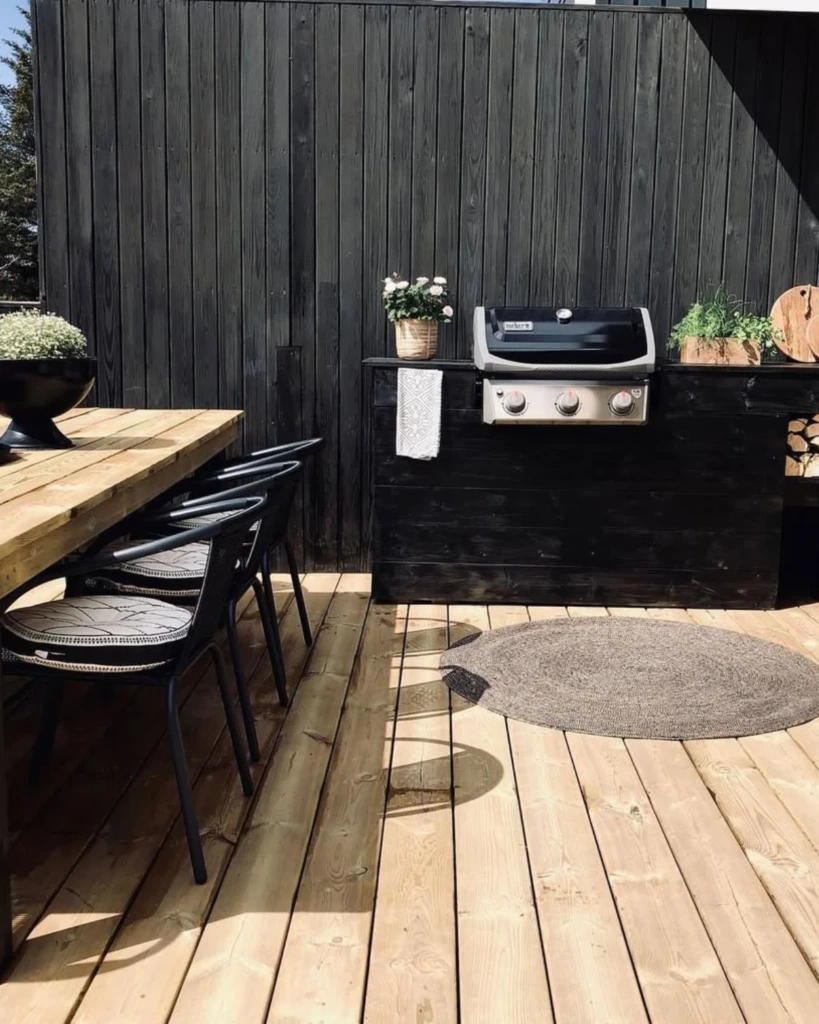
A wood-accented grill station creates a welcoming balance between modern design and natural warmth. A dark frame paired with lighter timber countertops or decorative panels can complement a contemporary patio without making the space feel cold.
Build a dedicated cabinet structure around the cooking area only when the appliance's instructions permit that type of installation. Otherwise, position the freestanding griddle alongside a matching preparation counter. Lower shelves can hold suitable cooking supplies, while a nearby planter adds a touch of greenery.
Complete the arrangement with a simple outdoor dining table and coordinated seating. Choose weather-resistant materials and keep combustible wood at the distances required by the manufacturer.
3. Brick Grill Duo
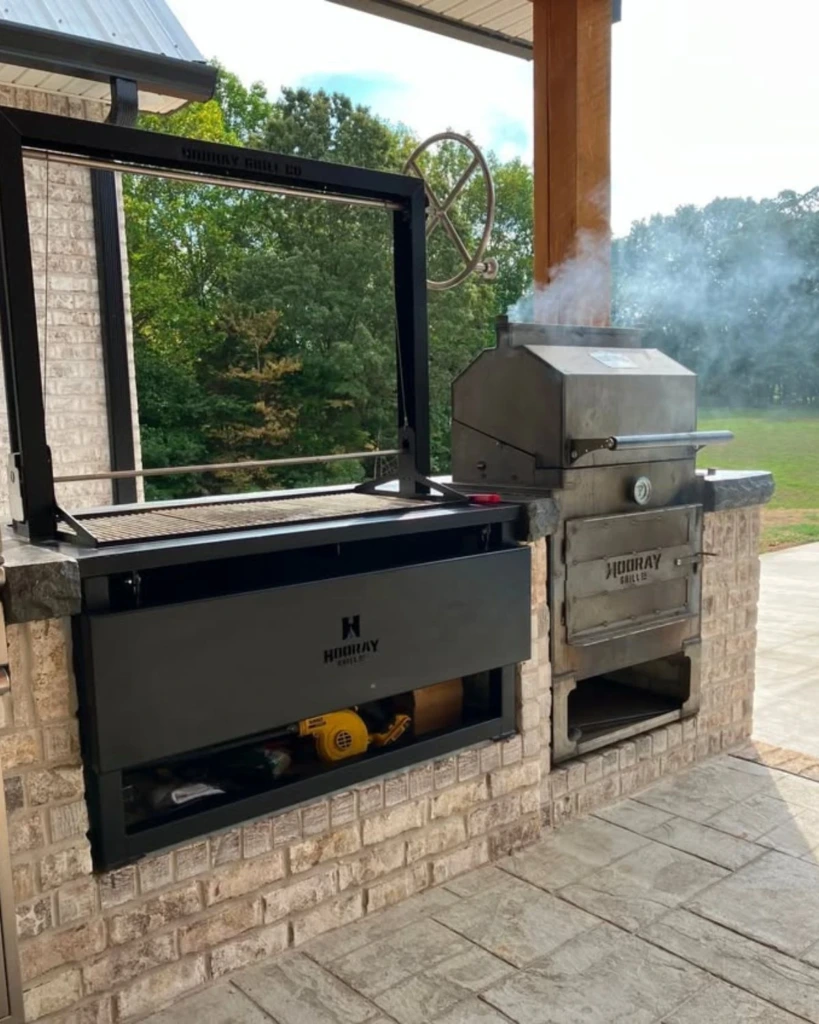
A brick cooking station offers a substantial, traditional appearance and can serve as a permanent backyard feature. Its solid base can accommodate designated storage compartments and provide a convenient place for grilling accessories.
For a more versatile outdoor cooking area, position a compatible griddle alongside a separate charcoal grill or smoker. This arrangement lets you prepare quick meals on the flat top while using the other appliance for smoky flavors.
A suitable stone countertop can provide additional room for food preparation and serving. Plan the foundation carefully, protect surfaces against weather, and ensure that each appliance has the clearance and ventilation its manufacturer requires.
4. Pergola Grill Hub
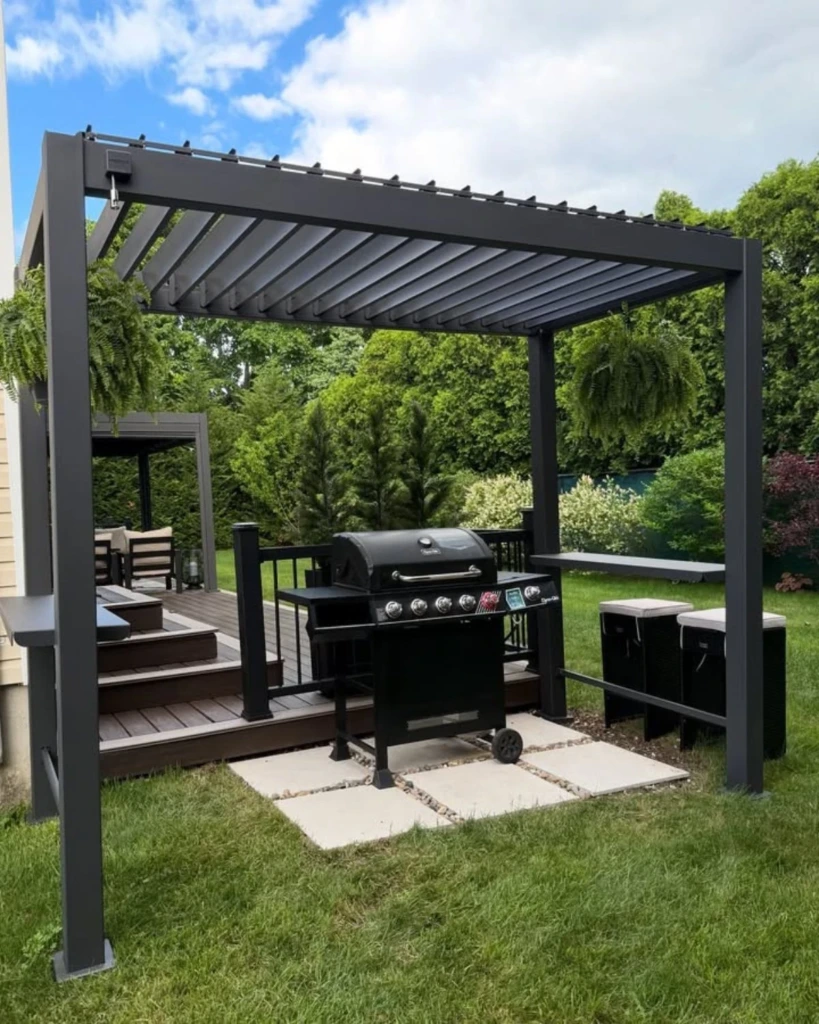
A pergola can define an outdoor cooking zone and make the backyard feel like an extension of the home. Place the griddle on a stable, level surface beneath an appropriately designed structure, leaving sufficient clearance above and around the cooking equipment.
Concrete pavers or another suitable outdoor surface help create an organized foundation. Add weather-resistant stools, a nearby dining table, and storage for grilling tools to make the area more useful for gatherings.
Before installing a pergola over a cooking station, verify the appliance's requirements for overhead clearance and combustible structures. An attractive shelter is not automatically a safe one, so never assume that an open roof eliminates fire risks.
5. Flame Box Station
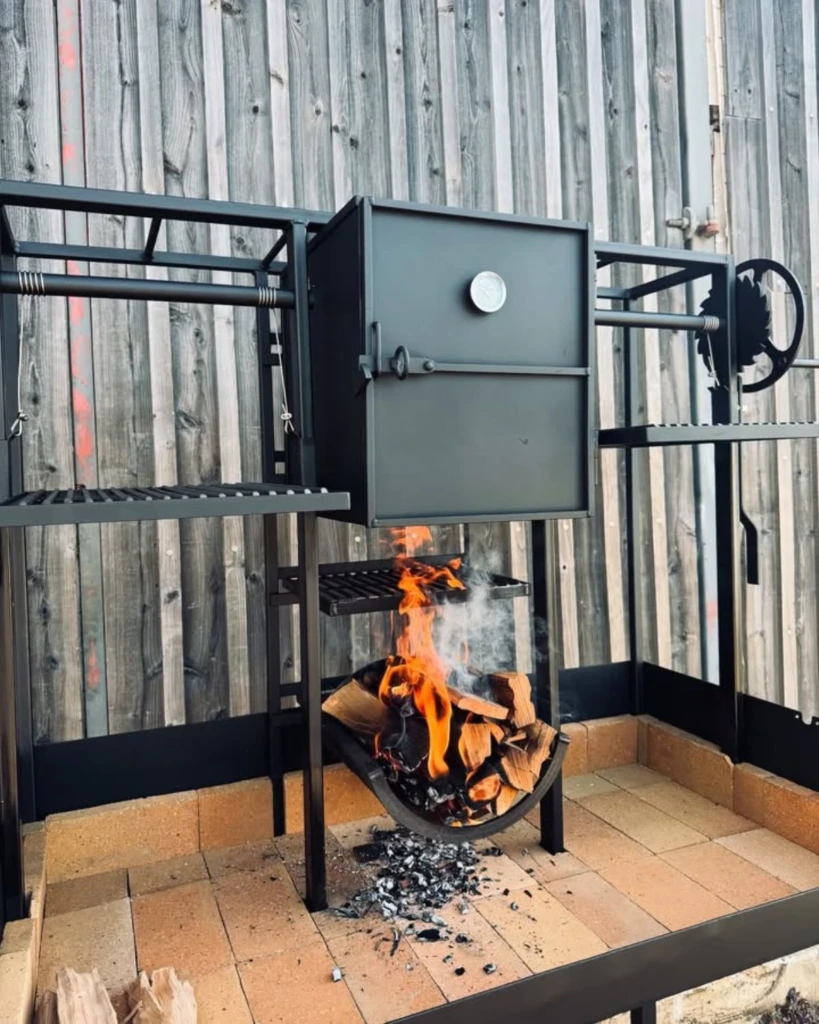
For homeowners who enjoy traditional fire cooking, a dedicated firebox station creates a dramatic focal point in an outdoor kitchen. A properly engineered metal frame, fire-resistant surround, and adjustable cooking grate can support a range of grilling techniques.
You could position a Blackstone griddle nearby to handle foods that benefit from a flat cooking surface while reserving the firebox for other preparations. Side work areas can hold utensils and provide room for managing ingredients.
This project is best approached with a clear construction plan and appropriate fire-rated materials. If you want a manual rotisserie or custom firebox, professional fabrication may be worthwhile because incorrect construction can create serious burn and fire hazards.
6. Loaded Pellet Rig
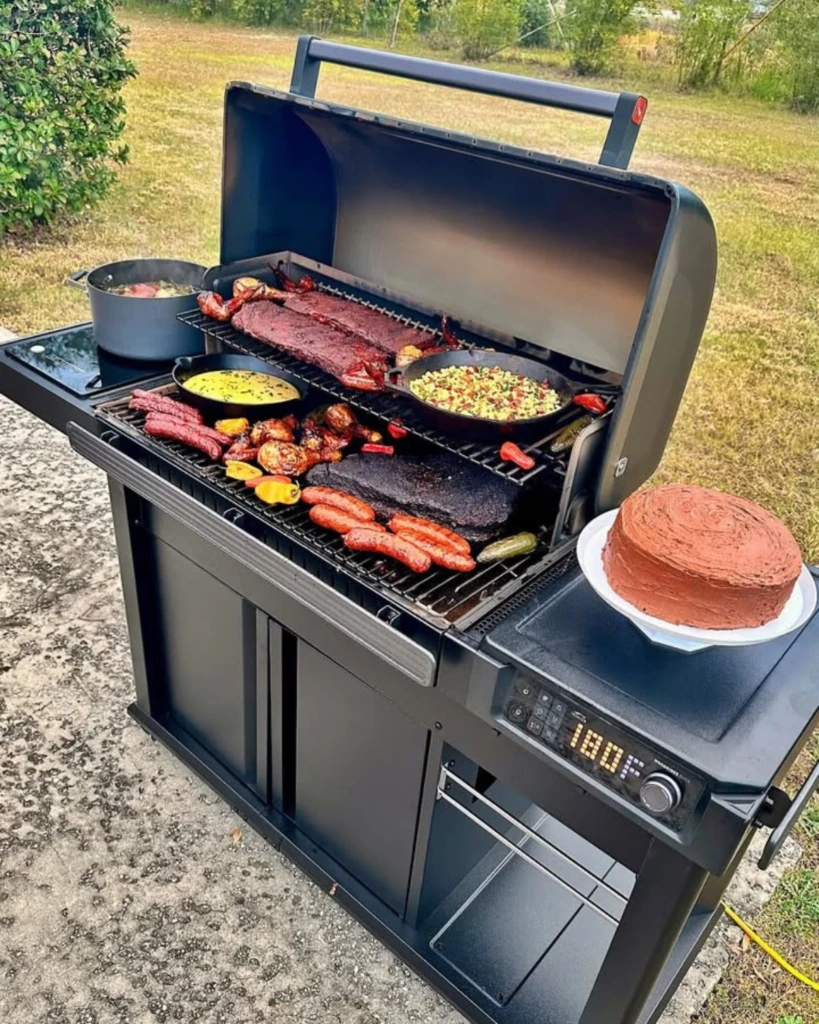
A pellet grill and a flat-top griddle can make a powerful combination for anyone who enjoys cooking different foods outdoors. The pellet unit handles smoking and indirect cooking, while the griddle is convenient for searing, breakfast dishes, and quick weeknight meals.
Arrange the appliances with enough separation for safe operation, access to their controls, and convenient cleaning. A weather-resistant cabinet or storage shelf can keep accessories organized, while a dedicated preparation counter reduces unnecessary trips into the house.
If you regularly entertain guests, consider where cooked food will be placed before serving. Keep raw ingredients separate from ready-to-eat dishes, and choose a layout that allows you to move around without crossing hot cooking zones.
7. Compact Tech Cart
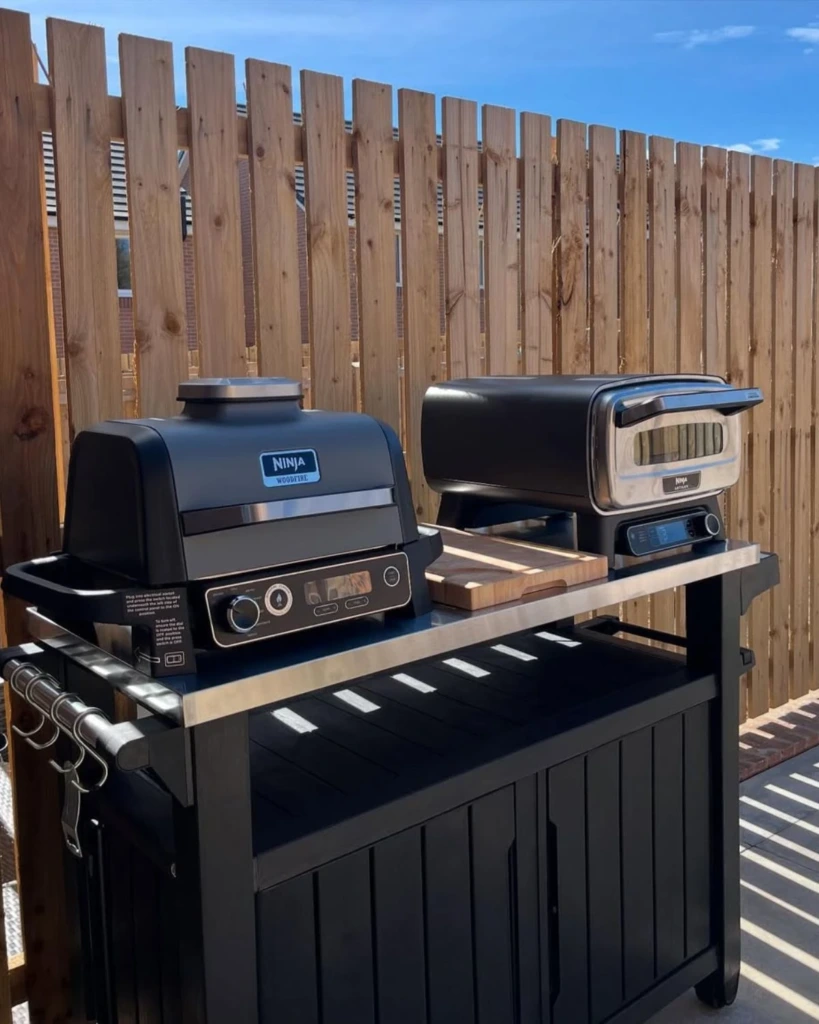
A compact cooking cart is a practical option for people working with a small patio or limited outdoor storage. A sturdy metal frame, durable worktop, and locking wheels can provide a useful home for grilling equipment without requiring a permanent installation.
You can organize the cart with a cutting board, tool hooks, and a lower shelf for accessories. If your cooking routine includes pizza, consider placing a compatible countertop oven on a separate, properly rated surface with all required heat clearances.
Measure the available space before assembling the cart, including room for the grill's handles and any hinged components. Check the combined weight capacity, and never operate equipment on a cart unless its design and materials are suitable for that use.
8. Stone-Wrapped Build
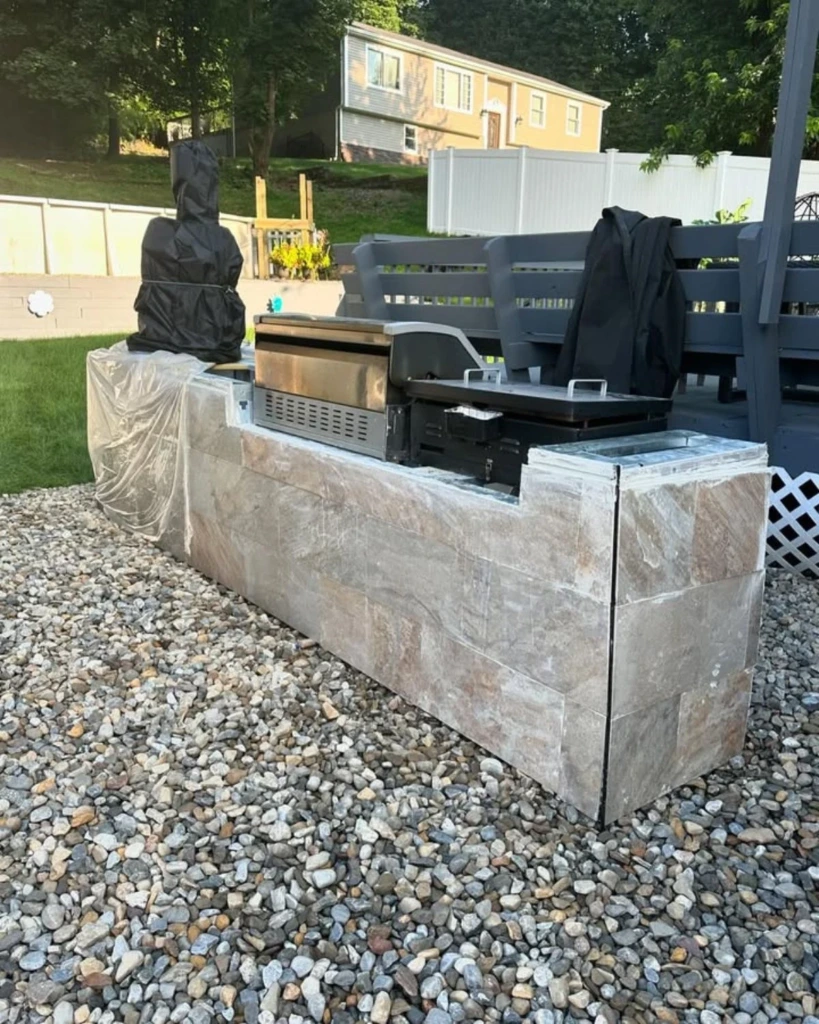
Stone veneer can give an outdoor cooking area the appearance of a professionally designed kitchen without requiring solid masonry throughout the entire structure. A carefully planned surround, neutral stone finish, and generous preparation counter create an attractive, substantial look.
For a DIY project, use a structurally sound frame and a veneer system approved for the intended outdoor conditions. The supporting structure must handle the weight of the finish and countertop, while moisture management helps prevent deterioration.
Position the Blackstone griddle as a freestanding appliance or use a manufacturer-approved installation method. A gravel patio or paved base can complement the stonework, but the foundation should be stable, level, and appropriate for the overall load.
9. Meat Lover’s Rig
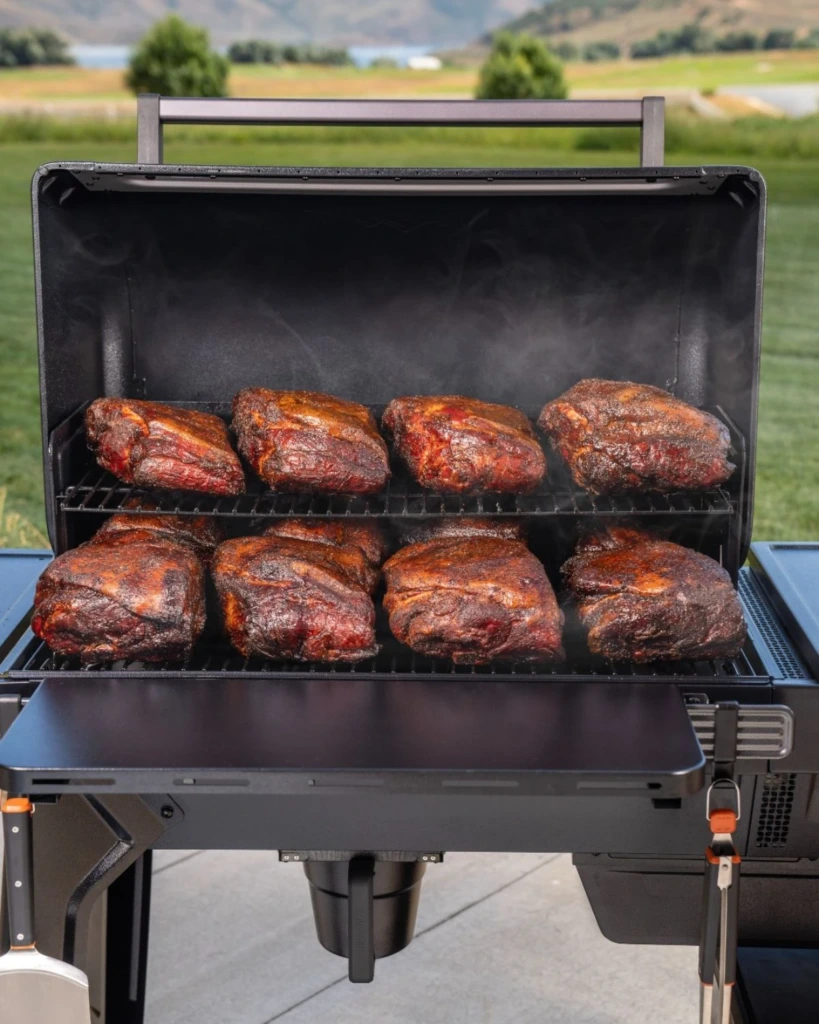
A dedicated smoking station is ideal for anyone who enjoys brisket, ribs, pulled pork, and other foods that require longer cooking times. A pellet smoker with multiple racks can provide useful capacity for family gatherings and weekend barbecue sessions.
Place the smoker beside a Blackstone griddle to create two distinct cooking zones. The smoker handles slow cooking, while the griddle is useful for searing, preparing side dishes, or cooking food just before serving.
A simple layout can work extremely well: provide a stable base, a small preparation table, and accessible storage for tools. Keep fuel and combustible materials away from hot surfaces, and make sure the smoker has the clearances and ventilation specified by its manufacturer.
10. All-In-One Beast
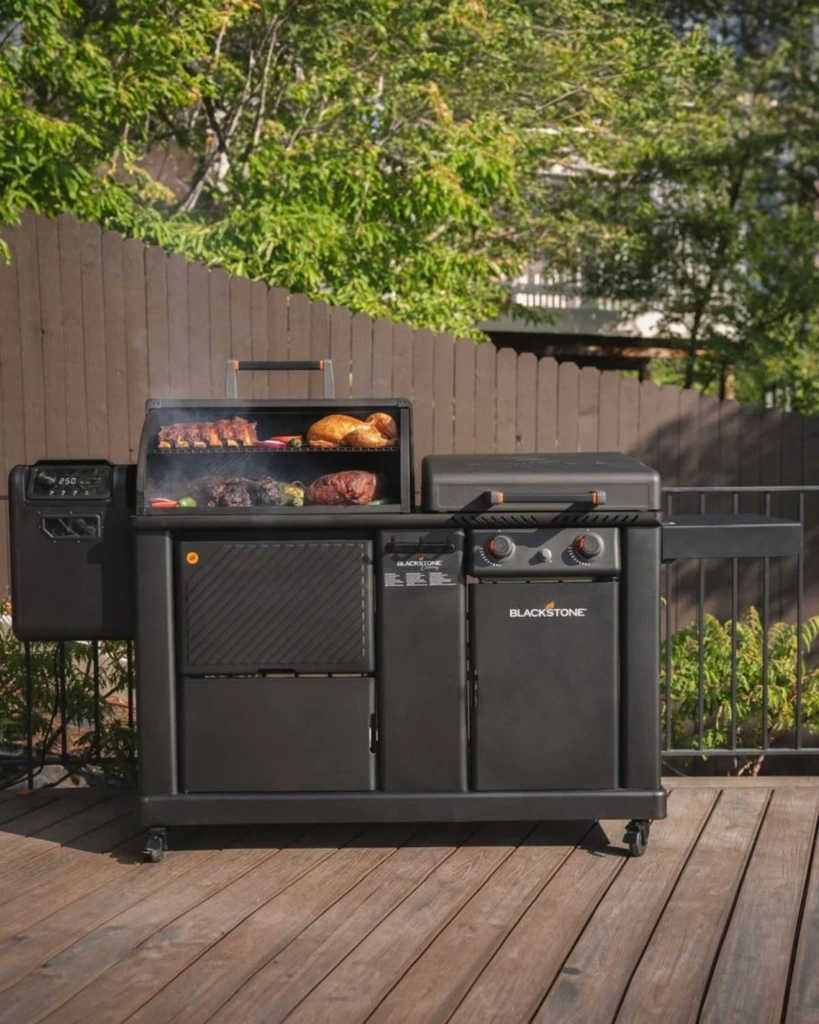
An all-in-one outdoor cooking station brings several cooking methods together in a coordinated space. A griddle, pellet smoker, and separate searing appliance can cover a wide variety of recipes without requiring several disconnected work areas.
Use a long counter or modular arrangement to create room for preparation, serving, and cleanup. Cabinets can hold utensils and suitable accessories, while clearly separated cooking zones help prevent overcrowding.
A dark finish, metal hardware, and understated lighting can create a professional appearance. However, a compact footprint should never come at the expense of ventilation, maintenance access, or safe distances between appliances.
For a genuinely integrated kitchen, plan electrical connections, weather protection, drainage, and appliance servicing before constructing the cabinetry.
11. Modern Griddle Rig
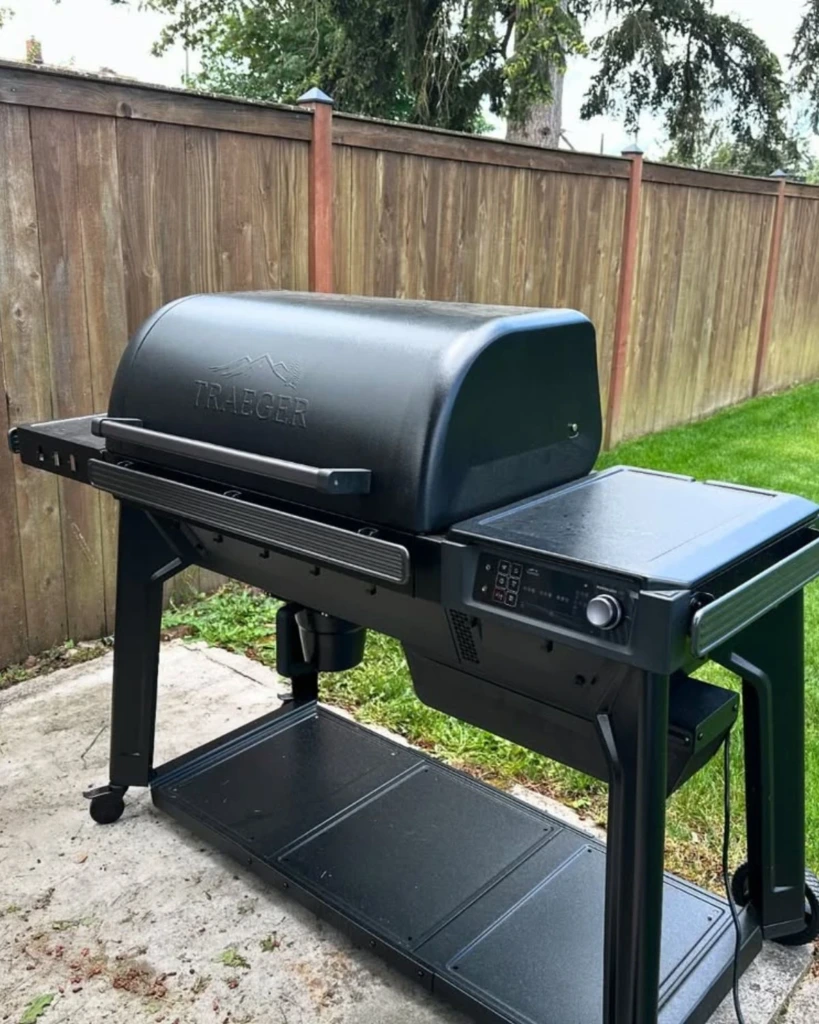
A modern griddle station emphasizes clean lines, simple storage, and convenient controls. A black metal frame, stainless steel work surface, and neatly arranged accessories can give even a modest outdoor cooking area a polished appearance.
Place frequently used utensils on hooks or inside a dedicated drawer, and reserve a nearby shelf for seasonings and cooking oil. A small preparation counter also makes it easier to arrange ingredients before the griddle heats up.
If you use a digital grill or temperature-controlled appliance alongside the Blackstone, allow room for its controls and electrical components. Keep electronic equipment protected according to the manufacturer's instructions, and avoid storing heat-sensitive items close to the cooking surface.
12. Dual Grill Combo
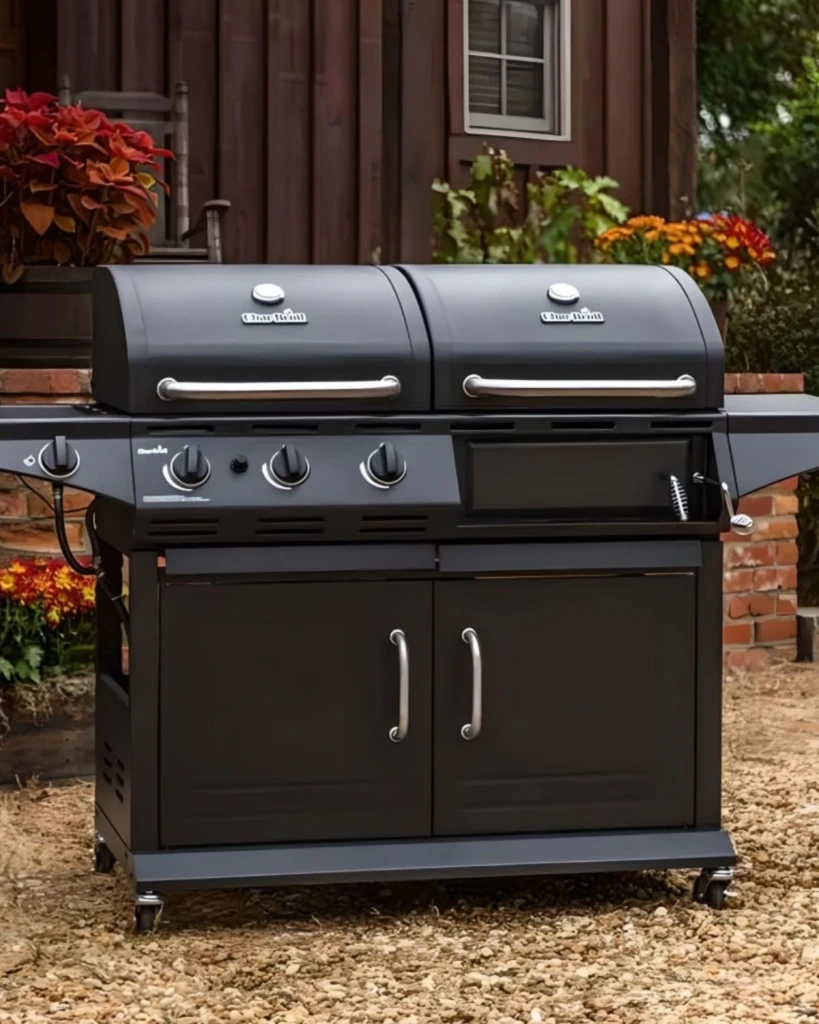
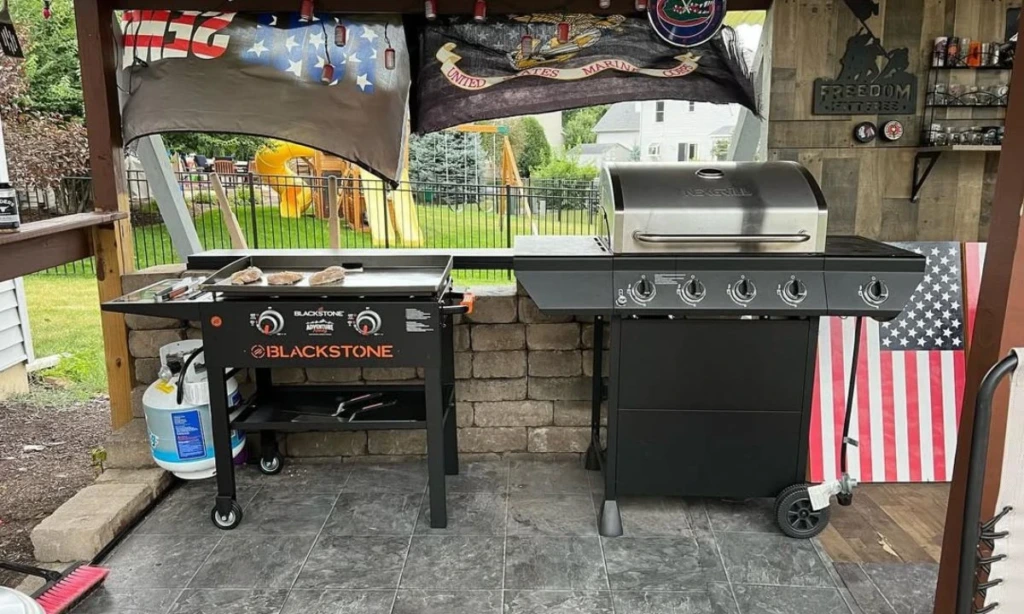
Combining a gas grill with a charcoal grill gives you flexibility when preparing outdoor meals. Gas is convenient for quick cooking, while charcoal offers a distinctive smoky character that many barbecue enthusiasts enjoy.
A nearby Blackstone griddle adds another useful option for foods such as pancakes, chopped vegetables, fried rice, and burgers. A coordinated arrangement of side shelves and storage cabinets can make all three cooking methods accessible without overwhelming the patio.
Think carefully about workflow when deciding where each appliance belongs. Leave room to handle hot utensils, keep the fuel systems separate and properly stored, and ensure every grill meets its own ventilation and clearance requirements.
13. Balcony Burger Setup
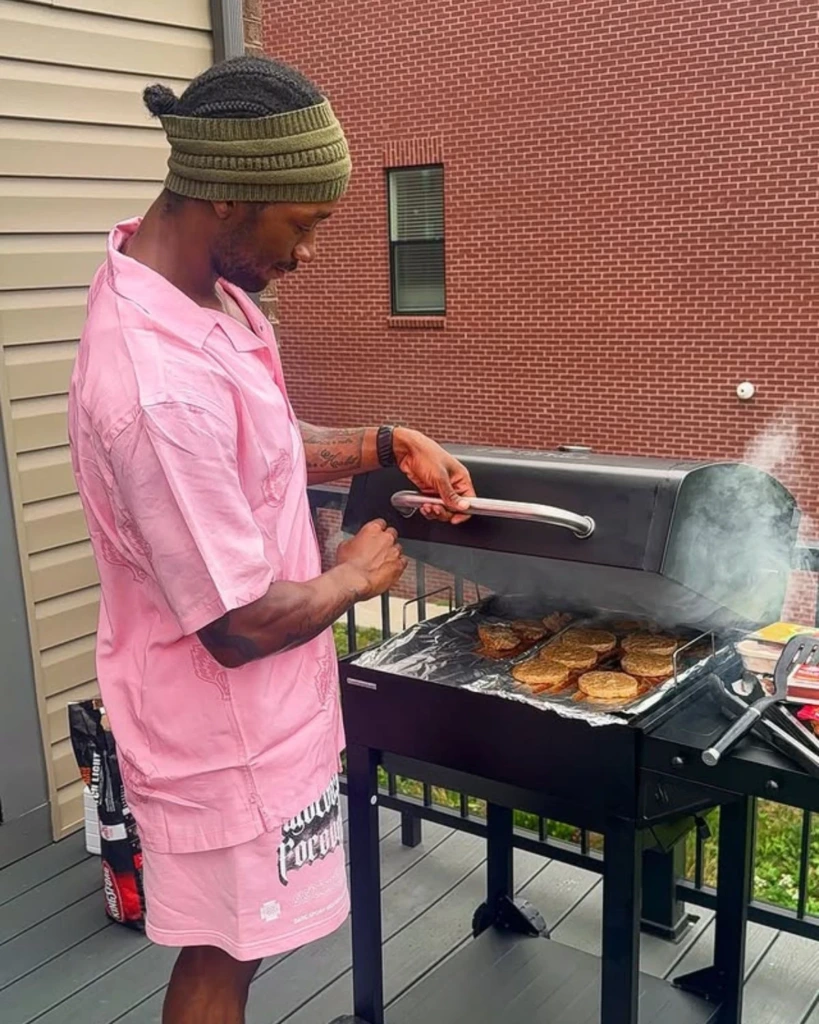
A compact burger station can bring outdoor cooking to a small deck or patio, provided the equipment is permitted in that location. A narrow preparation table, portable accessories, and an organized storage solution can make limited space more functional.
Before purchasing a grill, check local fire regulations, building rules, and any restrictions imposed by your landlord or homeowners' association. Many apartment balconies prohibit charcoal grills and may restrict gas or other open-flame cooking equipment.
If a Blackstone griddle is allowed, choose a model suited to the available area and follow its operating instructions. Keep the surrounding space clear, maintain the required distances from railings and walls, and never assume that a small appliance is automatically safe for balcony use.
14. Custom Cart Grill
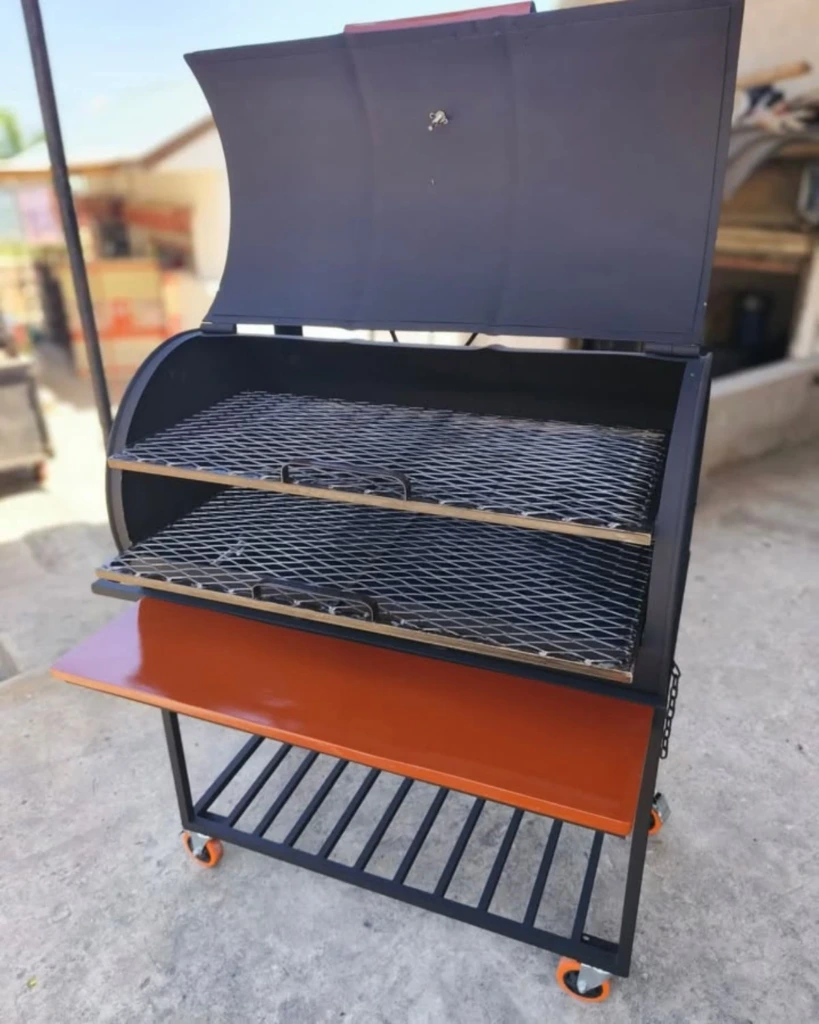
A custom grill cart lets you tailor the storage, working height, and appearance to your own needs. A strong metal frame with a weather-resistant finish provides a practical foundation, while a contrasting shelf or colorful panels can add personality.
Install appropriately rated locking casters if the cart needs to move around the patio. Additional shelves can hold utensils and supplies, but avoid placing combustible materials where they could be exposed to excessive heat.
Before building, determine the full weight of the appliance and everything the cart will carry. Select materials and hardware that can support that load, and make sure the finished station remains stable when the grill is in use.
15. Sleek Apartment Grill
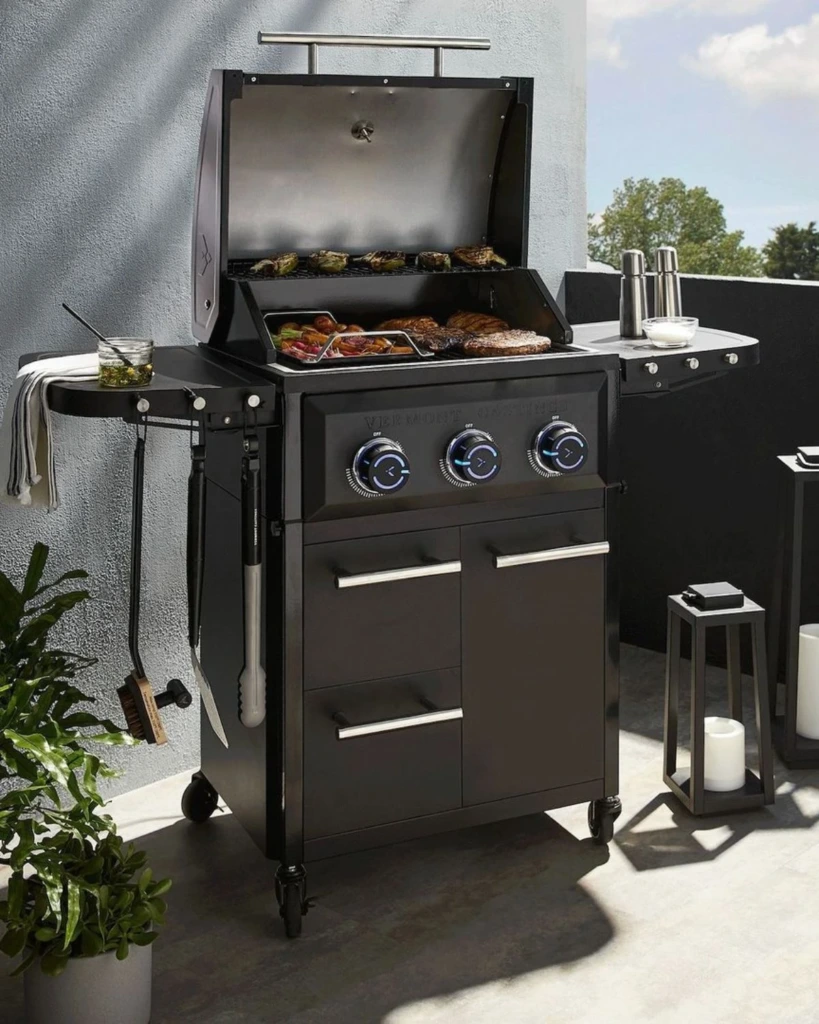
A streamlined grill station can create an outdoor-kitchen feel without occupying an entire patio. A dark finish, stainless steel details, and neatly arranged storage can make the space look coordinated and intentional.
Choose a freestanding appliance that suits the available area and your property's cooking rules. A narrow side counter provides a convenient place for plates and ingredients, while hooks and drawers help keep tools out of sight when they are not needed.
If you have limited storage, consider a movable station with locking wheels rather than a permanent island. Measure access routes as well as the final footprint so the equipment can be positioned and stored without difficulty.
16. Round Charcoal Classic
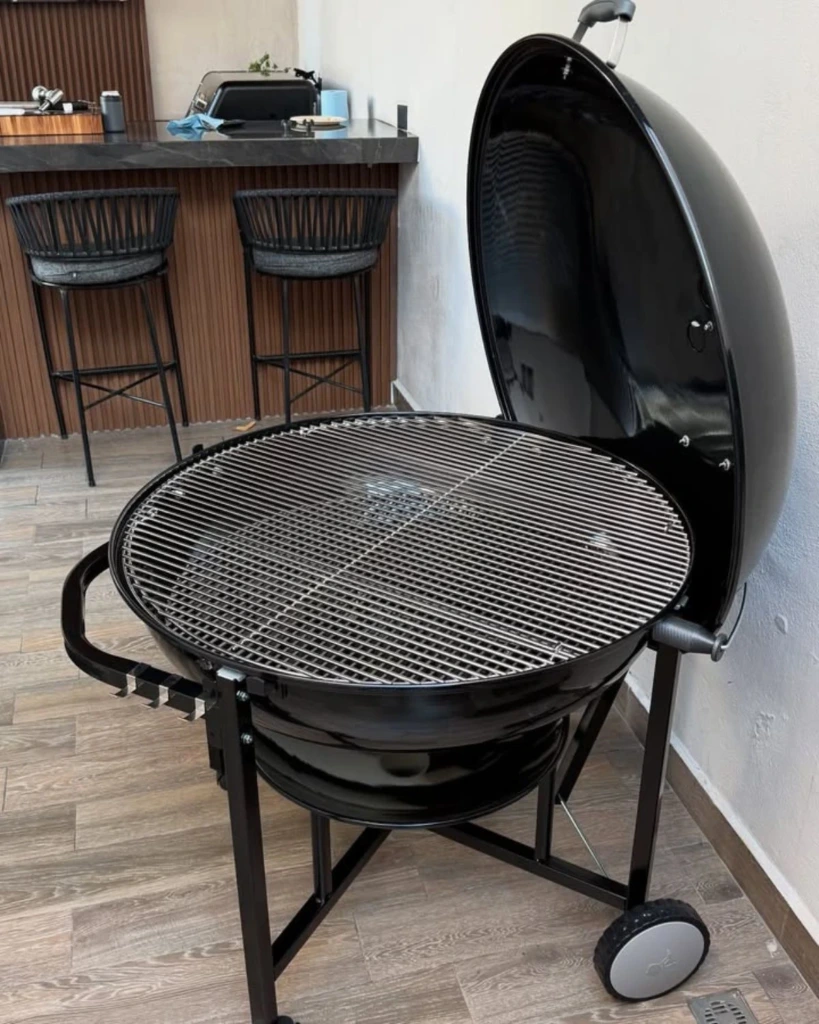
A round kettle grill offers a familiar, uncomplicated approach to outdoor cooking. Its shape makes it suitable for grilling a variety of foods, and a wheeled base can make repositioning easier when the unit is cool and safe to move.
A separate Blackstone griddle nearby provides a complementary flat cooking surface. Together, the appliances can handle everything from traditional grilled meats to vegetables, eggs, and breakfast sandwiches.
Keep the charcoal grill on a stable, noncombustible surface where permitted, and follow its manufacturer's safety instructions. Ash must be allowed to cool completely before disposal, and charcoal should never be burned indoors or in an enclosed space.
17. Built-In Beauty
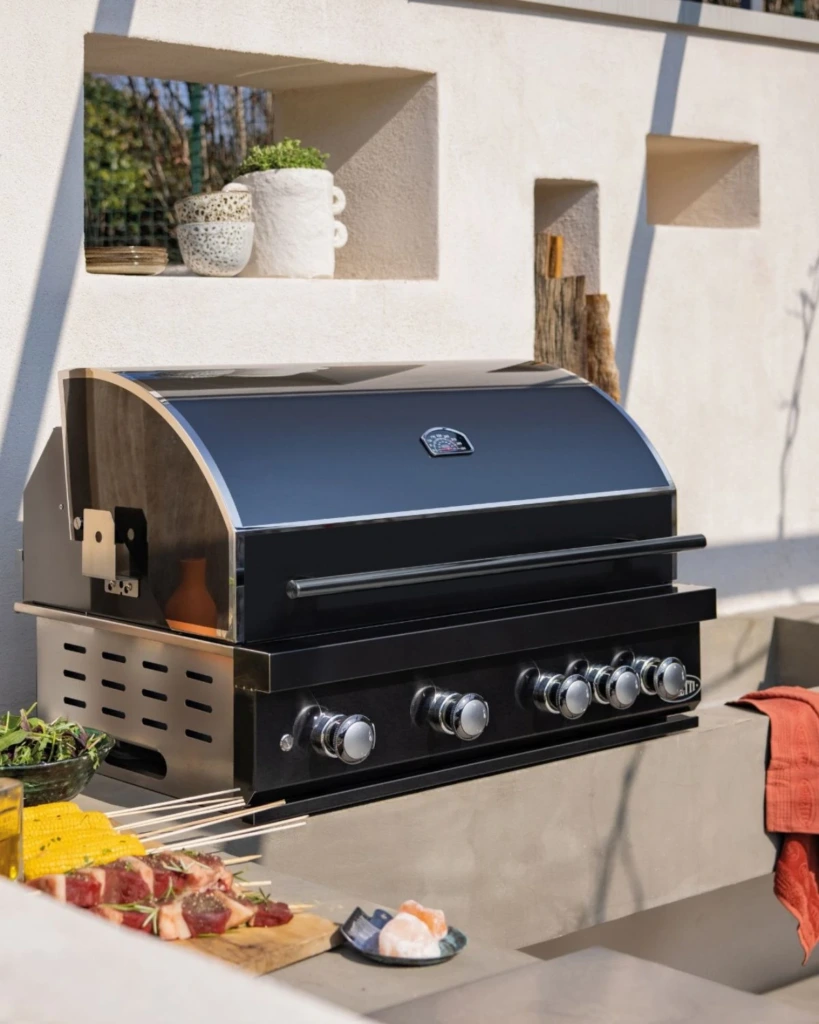
A built-in outdoor kitchen can give a backyard a refined, architectural appearance. Smooth rendered finishes, carefully selected countertops, and recessed storage areas create a coordinated design that feels more permanent than a collection of separate appliances.
A Blackstone griddle can be part of this arrangement when the installation follows the manufacturer's requirements. Many griddles are designed to remain freestanding, so the surrounding structure should not restrict airflow, trap heat, or obstruct access to controls and maintenance points.
Choose outdoor-rated materials that can withstand moisture, sunlight, and temperature changes. Plan the counter height and preparation space around how you cook, and consult a qualified professional when the project involves substantial masonry, utilities, or a custom appliance enclosure.
18. Nighttime BBQ Spot
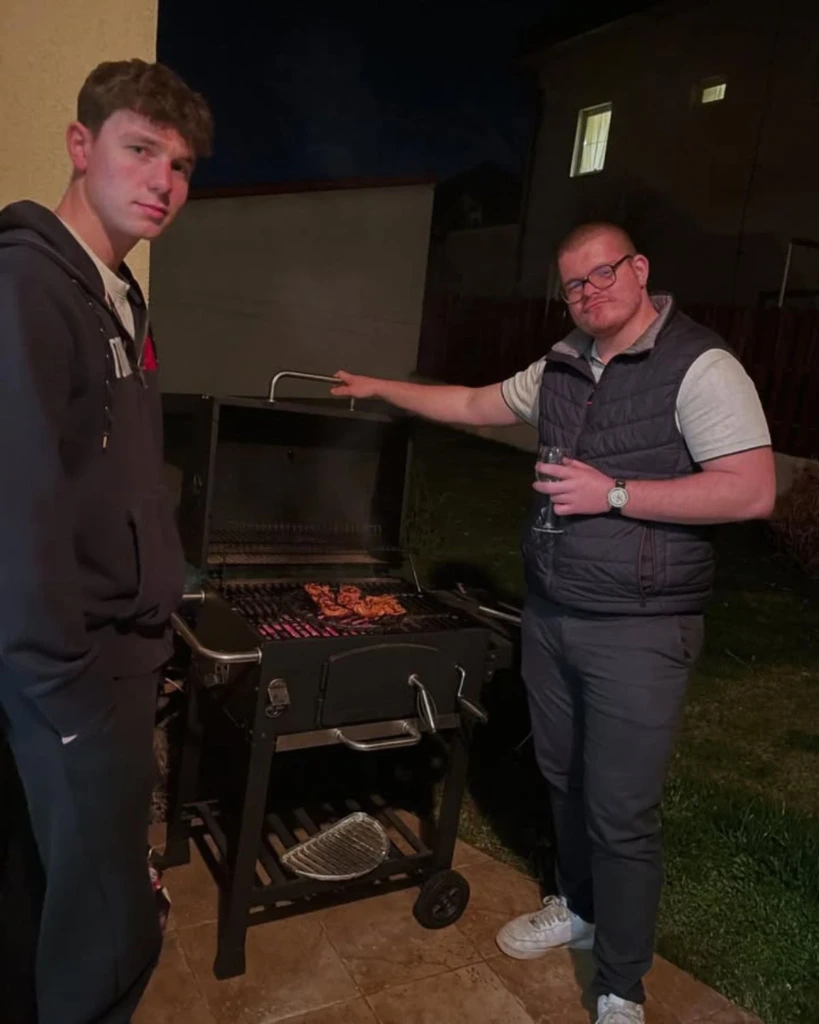
An outdoor cooking area can be just as useful after sunset as it is during the day. A compact grill station, comfortable seating, and well-planned lighting can create a relaxed place for evening meals with family and friends.
Use outdoor-rated lighting to illuminate preparation surfaces, pathways, and nearby seating. Fixtures should be installed at safe distances from cooking equipment, and cords should not cross walking routes or come into contact with hot surfaces.
A small side table can hold plates and condiments, while a covered storage box keeps suitable accessories organized. Avoid placing flammable decorations near the grill, and make sure you can see the cooking surface clearly throughout the meal.
19. Color Pop Pit
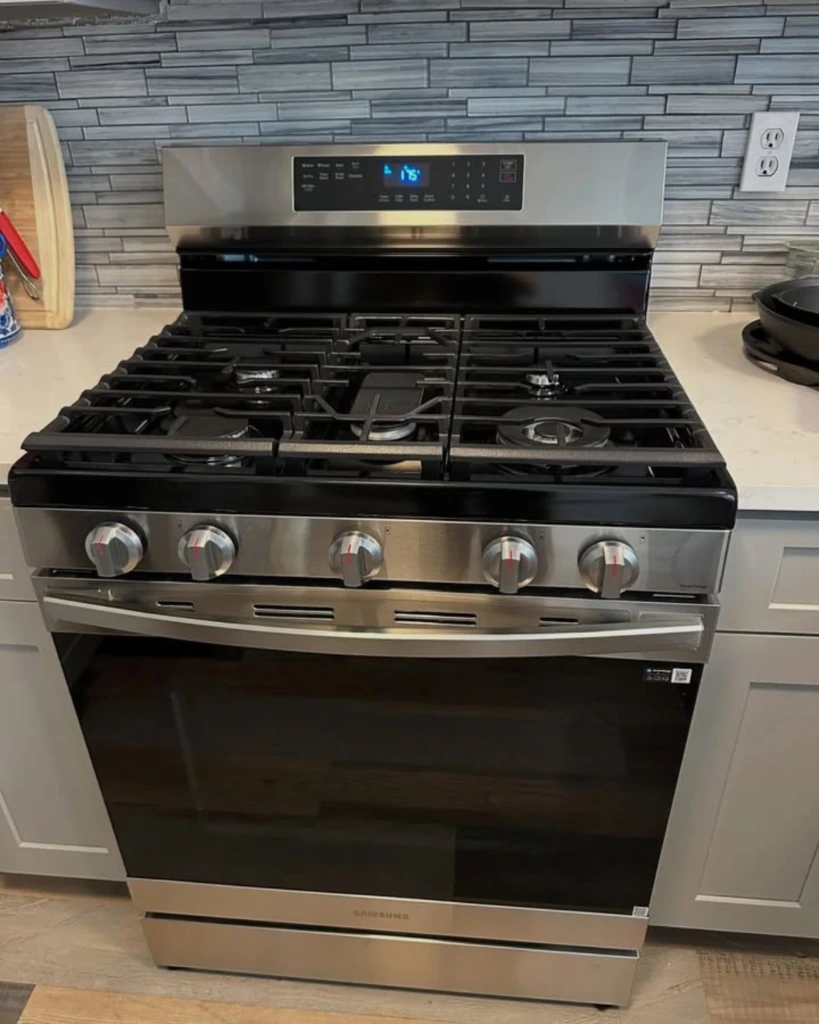
A colorful grill cart can turn a functional cooking area into a distinctive outdoor feature. Bright orange, blue, or another bold accent can contrast with a dark grill and neutral patio furniture.
Start with a sturdy frame and a durable finish designed for outdoor exposure. Add shelves for utensils and accessories, and consider a lower storage level for items that can safely be kept there.
If you are repainting an existing cart, use a coating suitable for its material and temperature exposure. Decorative paint should never be applied to surfaces that become hotter than the product permits, and ordinary coatings should not be used on food-contact areas.
This approach is particularly appealing for DIYers who want a personalized station without constructing a permanent outdoor kitchen.
20. Balcony Griller
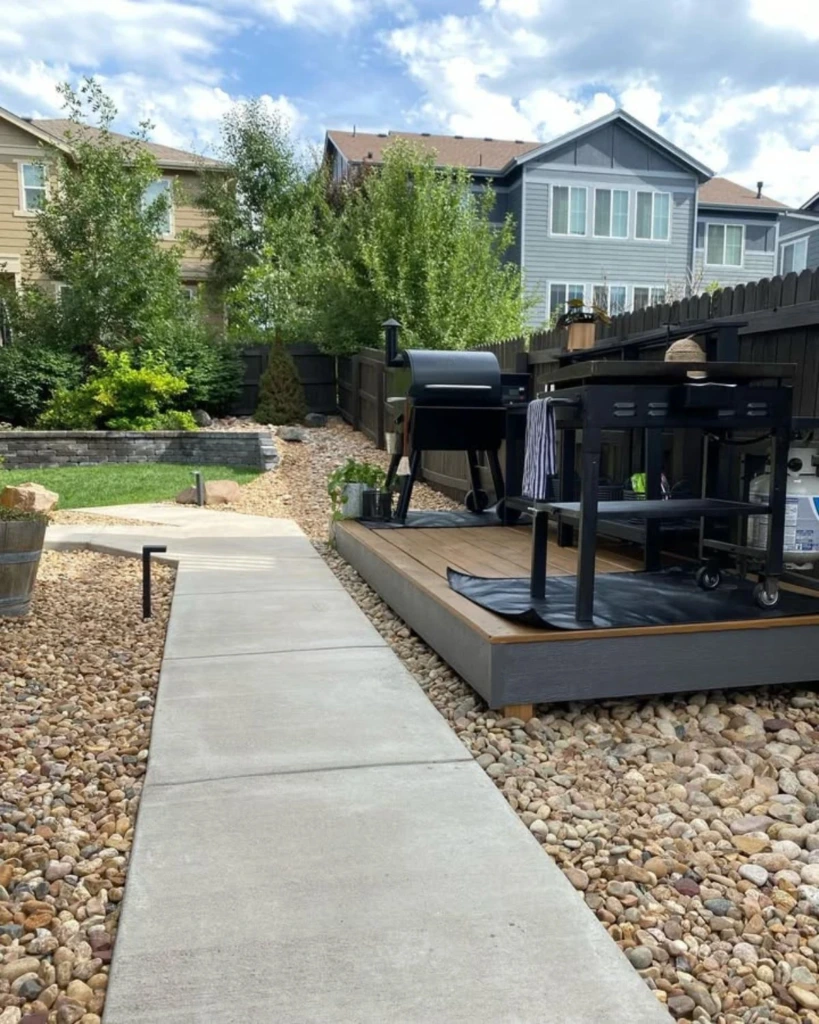
A well-organized balcony cooking area needs to make every inch count. A compact station with an accessible work surface, storage hooks, and a few carefully selected accessories can provide a useful setup without filling the entire outdoor space.
Choose furniture that fits the balcony dimensions and leaves a clear path to the door. Foldable preparation tables may provide extra workspace when needed, while weather-resistant containers can keep suitable utensils protected between meals.
Always confirm that the appliance is allowed by local regulations and your building management before installing it. Never use charcoal grills or other prohibited cooking equipment on a balcony, and maintain the exact safety clearances specified for any permitted appliance.
21. Kettle Corner Nook
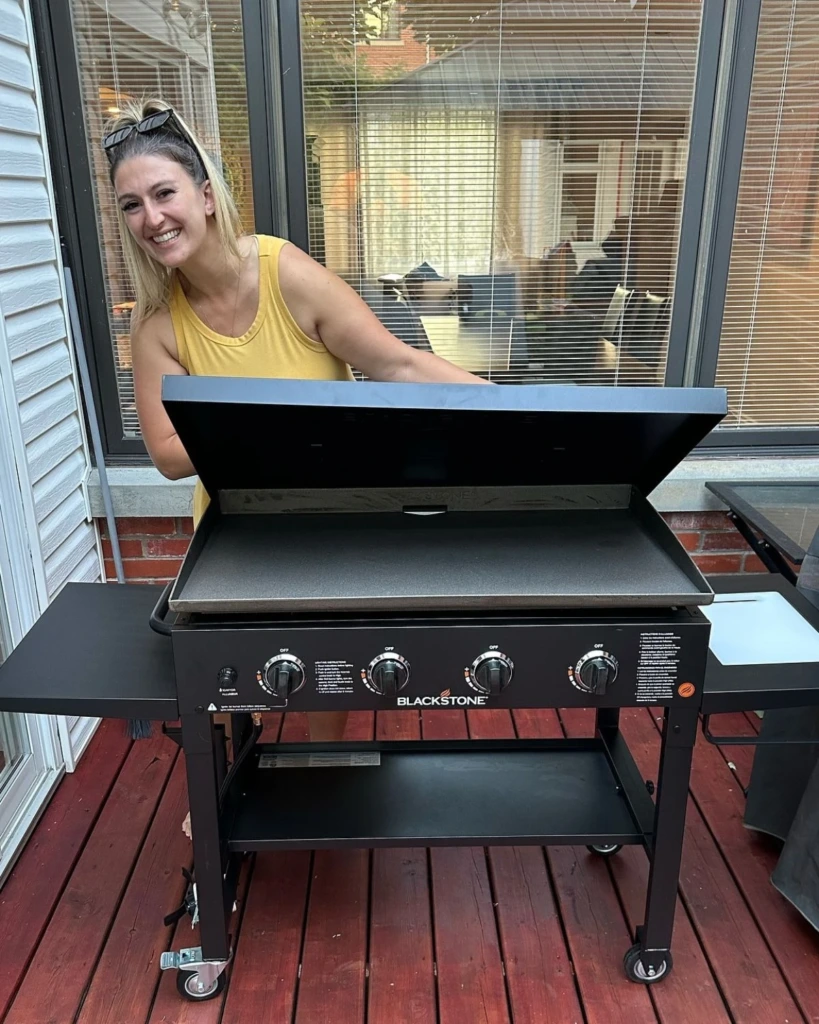
A dedicated corner can turn a small patio into a comfortable cooking and entertaining zone. Place a suitable kettle grill or permitted griddle in its designated area, then arrange a narrow counter or compact bar table nearby.
Bar-height seating can provide a casual place for guests to gather while food is prepared. Potted plants and simple outdoor accessories can soften the look, provided they remain away from hot surfaces and do not interfere with ventilation.
This layout is useful when you want a defined cooking space without building an entire outdoor kitchen. Renters may prefer freestanding furniture that can be moved or removed without permanent alterations to the property.
22. Box Smoker Cart
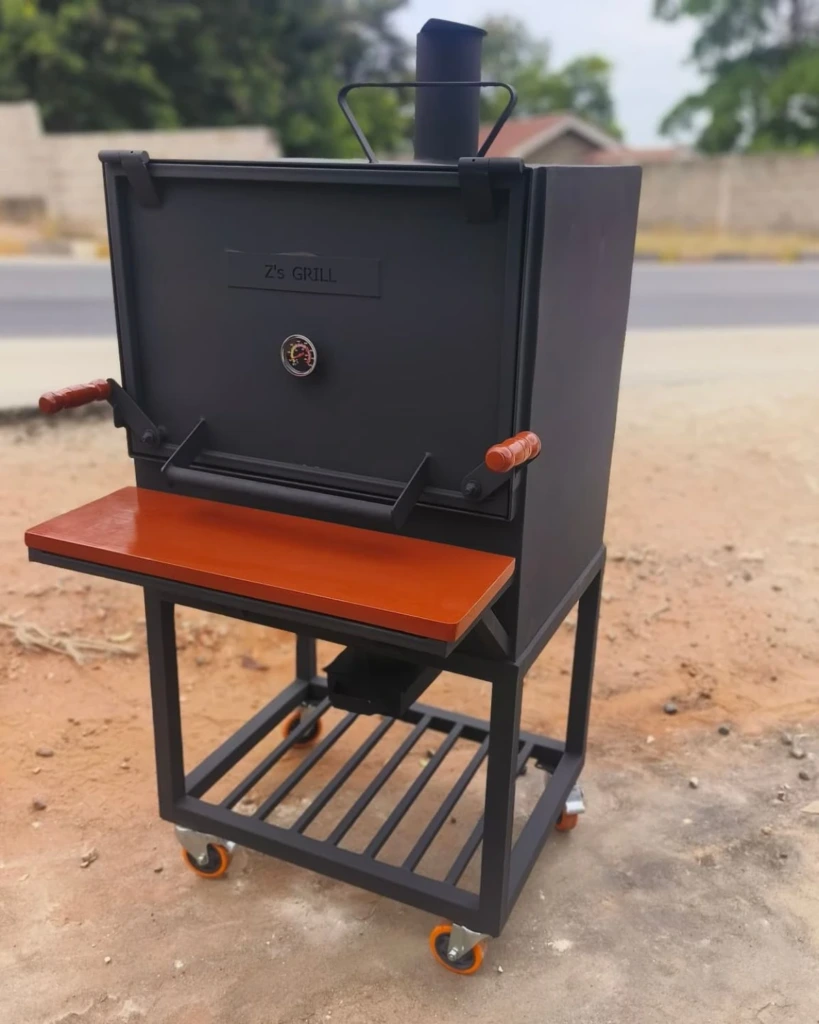
A vertical smoker cart is a practical choice for cooks who enjoy smoking meat, fish, and vegetables. Its upright design can make good use of limited floor space, while separate racks provide room for different foods.
A sturdy cart with weather-resistant construction and suitable wheels can simplify storage and positioning. A nearby preparation surface is useful for handling ingredients, arranging trays, and keeping utensils within reach.
Place the smoker on an appropriate outdoor surface, and keep it away from combustible walls, overhangs, and stored materials. Allow the appliance to cool before moving it, and use only fuel and accessories approved by the manufacturer.
If you also own a Blackstone griddle, positioning the two appliances in separate cooking zones can make meal preparation more efficient.
23. Deck Pro Setup
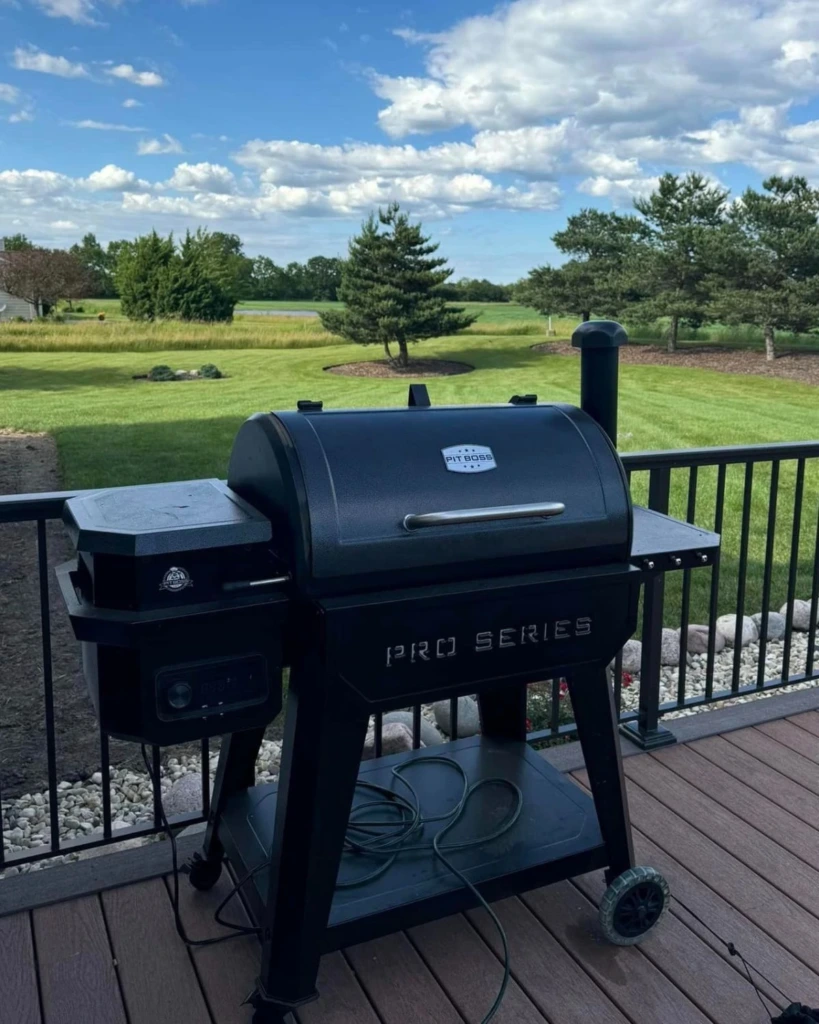
A spacious wooden deck can accommodate a dedicated outdoor cooking station with room for preparation, serving, and entertaining. A pellet smoker is a useful addition for longer cooking sessions, while a Blackstone griddle can handle faster meals and foods that benefit from a flat surface.
Arrange the appliances so that the cook can move between them without carrying hot pans through seating areas. Add a durable preparation table and organized storage for accessories to create a more convenient workflow.
Deck construction requires particular attention to fire safety. Wood decking is combustible, so verify each appliance's clearance requirements and use only installations approved for the intended surface. Do not assume that a heat shield alone makes an otherwise unsuitable location safe.
A thoughtful layout can improve both the appearance and usability of the deck while protecting the structure from avoidable damage.
24. Budget Starter Cart
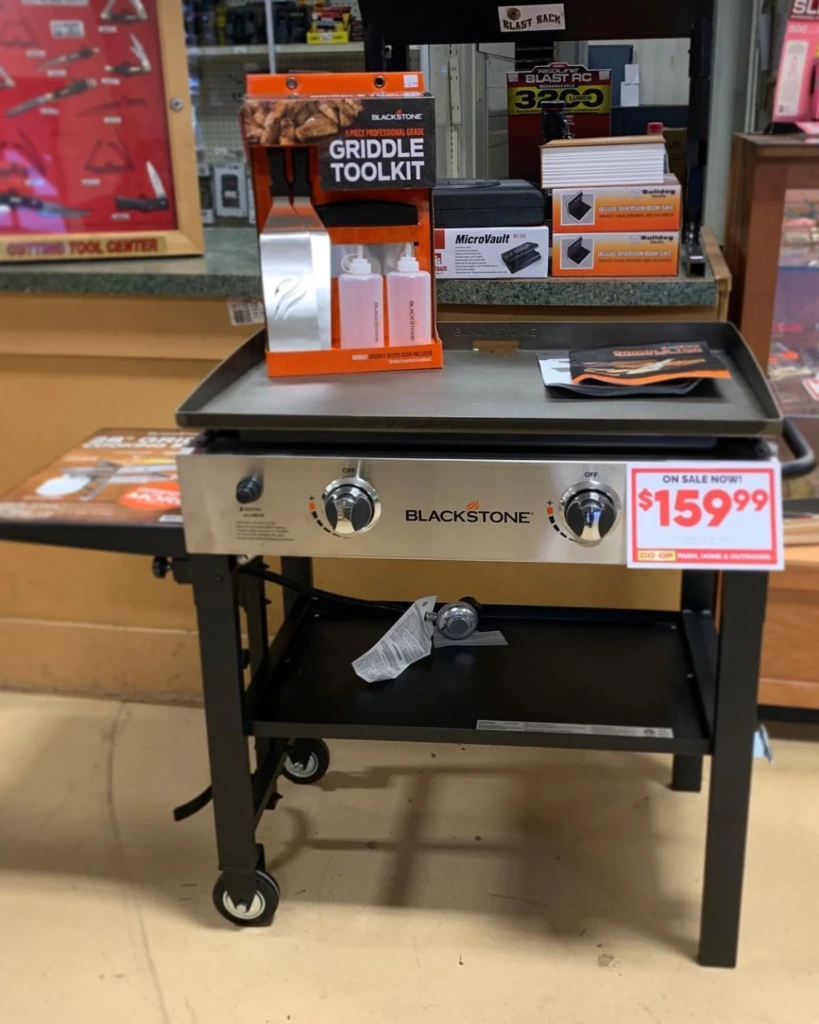
A basic grill cart is an excellent starting point if you want to improve your cooking area without investing in a permanent island. A freestanding Blackstone griddle, a compact worktable, and a few useful accessories can provide most of the essentials.
Look for a stable setup with sufficient working space, secure wheels where needed, and convenient access to the grill's grease management system. A lower shelf may hold suitable accessories, while a small container can keep frequently used tools together.
You can reduce expenses by repurposing a sturdy outdoor table or building a simple frame from suitable materials. Check dimensions and weight limits before adapting existing furniture, and never place a hot griddle on a surface that is not rated for its heat and load.
Start with the features you will use most often, then add storage or decorative details as your budget allows.
25. Frame-In Progress
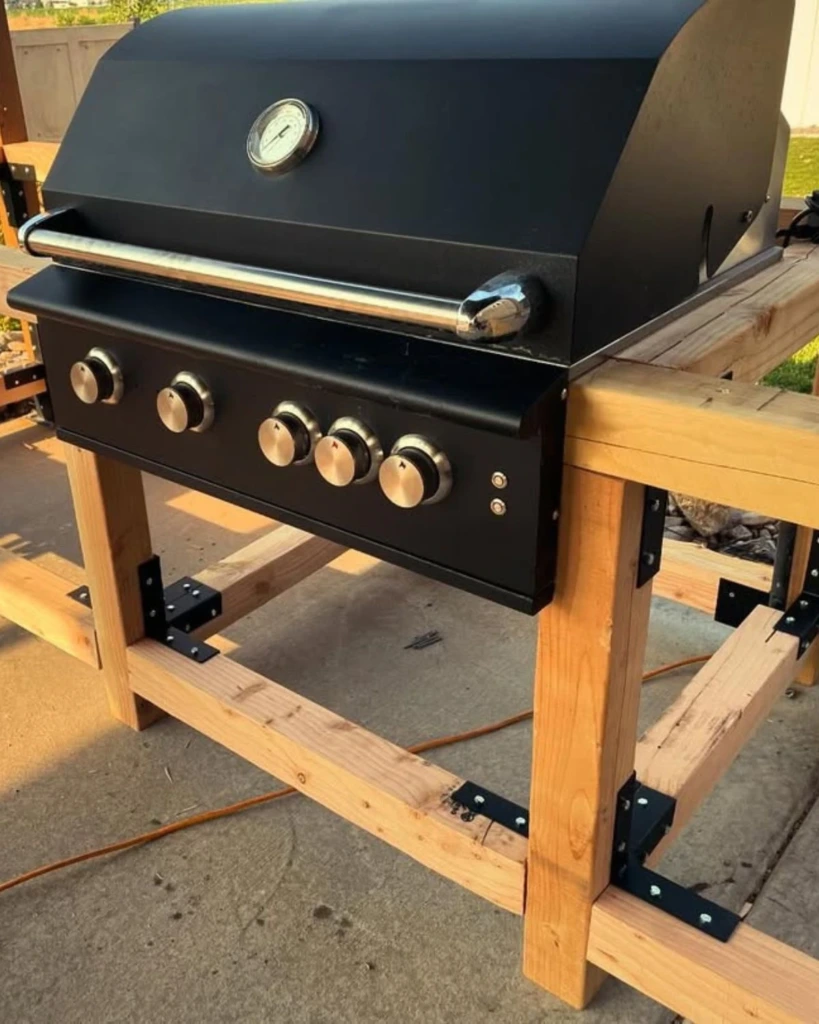
Building a custom frame is a flexible way to create a grill station that fits your exact outdoor space. Start by measuring the griddle and planning the surrounding work areas, storage compartments, and access points before cutting any materials.
Suitable lumber and structural brackets can form a frame for a preparation counter or outdoor island, provided the construction is designed for the intended load and environment. Any section close to the appliance must comply with the manufacturer's heat-clearance requirements and use appropriately rated materials.
Once the structure is secure, you can finish permitted areas with weather-resistant panels, stone veneer, or another outdoor-rated material. Plan for drainage, access to the grill's grease system, and easy maintenance before closing in the frame.
A staged build also lets you spread costs over time. Complete the stable, safe foundation first, then add storage, countertops, and decorative finishes as your needs evolve.