DIY Patio Furniture: Creative Ideas for a Beautiful Outdoor Space
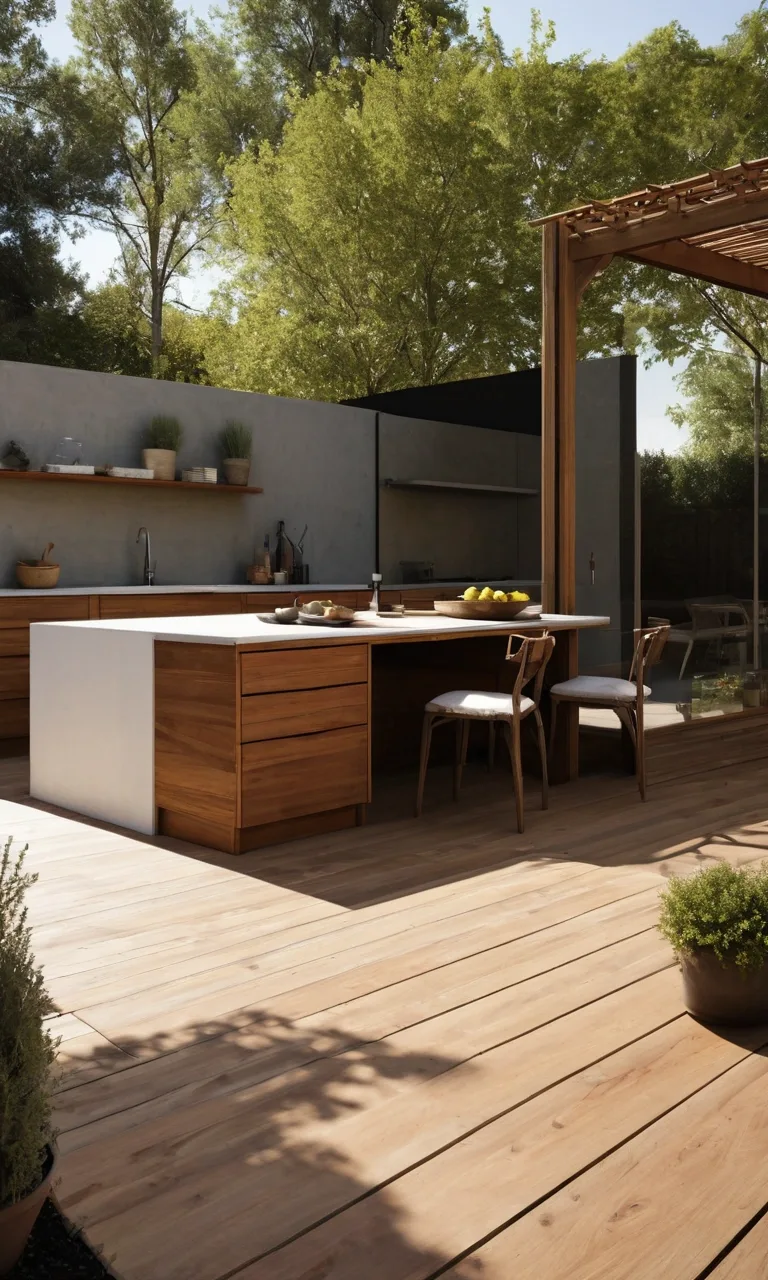
DIY patio furniture is a practical way to create an outdoor area that feels comfortable, stylish, and uniquely yours. Instead of spending a fortune on store-bought pieces, you can build benches, tables, chairs, and lounging areas using affordable materials and a little creativity.
Before starting, consider your patio's size, the weather in your area, and how you plan to use the space. A small balcony might benefit from a folding table and compact seating, while a spacious backyard can accommodate a large dining table or a comfortable outdoor sofa.
Choose materials that can withstand outdoor conditions, use appropriate protective finishes, and prioritize sturdy construction. With a thoughtful design, even simple reclaimed wood or repurposed materials can become attractive, functional patio furniture.
DIY Wooden Patio Sofa
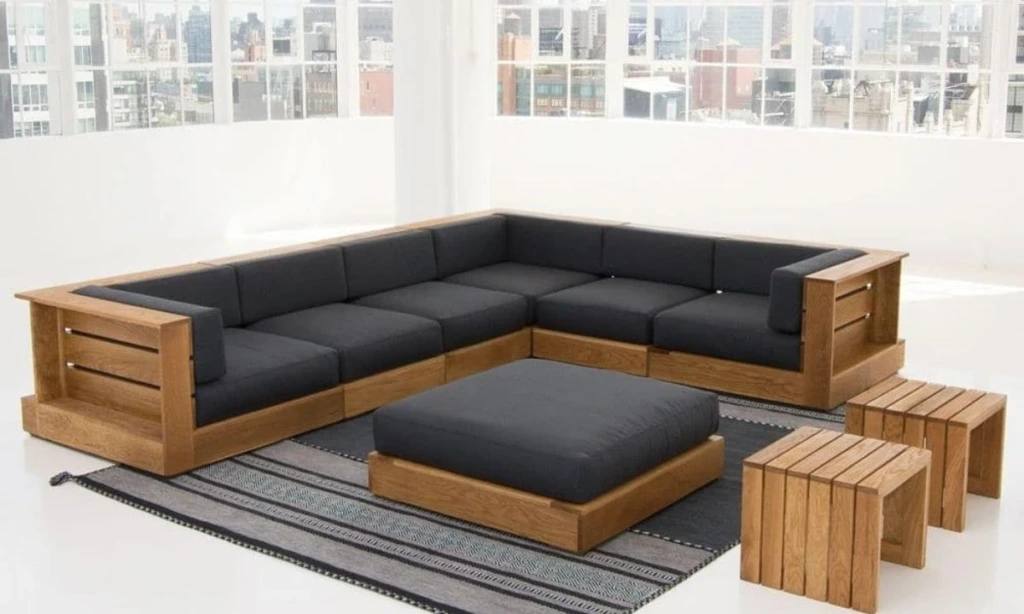
A homemade wooden sofa can become the centerpiece of your patio without requiring an expensive furniture set. Straightforward lumber, exterior-rated screws, and a few comfortable cushions are enough to create a welcoming place to relax.
Begin by measuring the available area and deciding how many people the sofa should accommodate. Build a solid rectangular base, add reinforced supports, and attach a slightly angled backrest for comfort. Sand the wood thoroughly before applying an outdoor-rated stain or paint.
Cedar and other naturally durable woods are good choices for outdoor projects. Use cushions covered in weather-resistant fabric, and bring them indoors during prolonged rain to extend their life.
DIY Pallet Patio Furniture
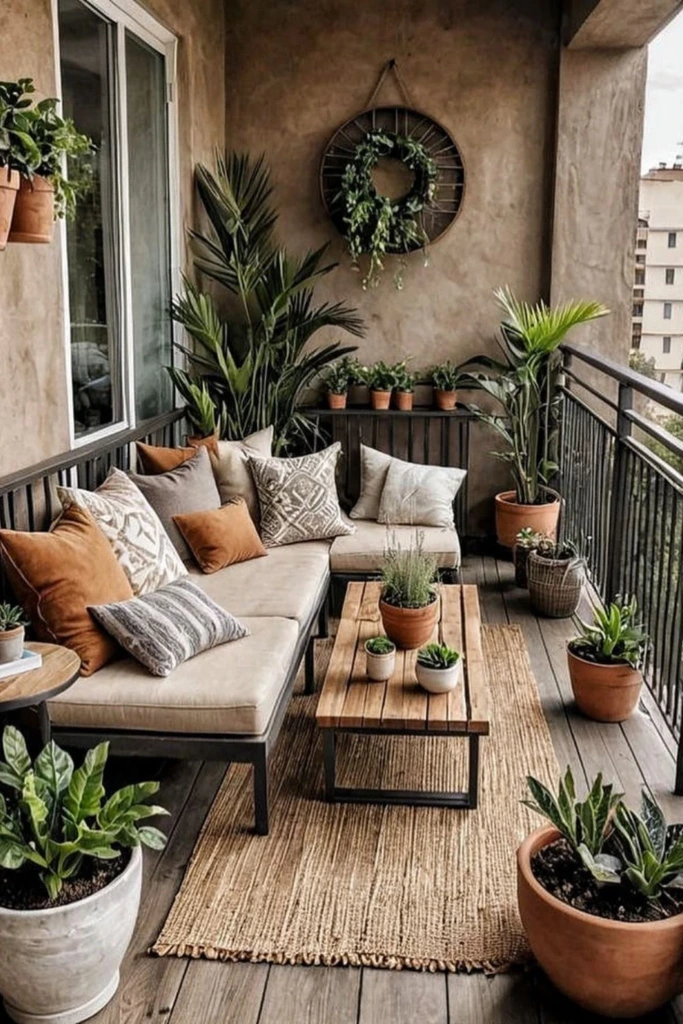
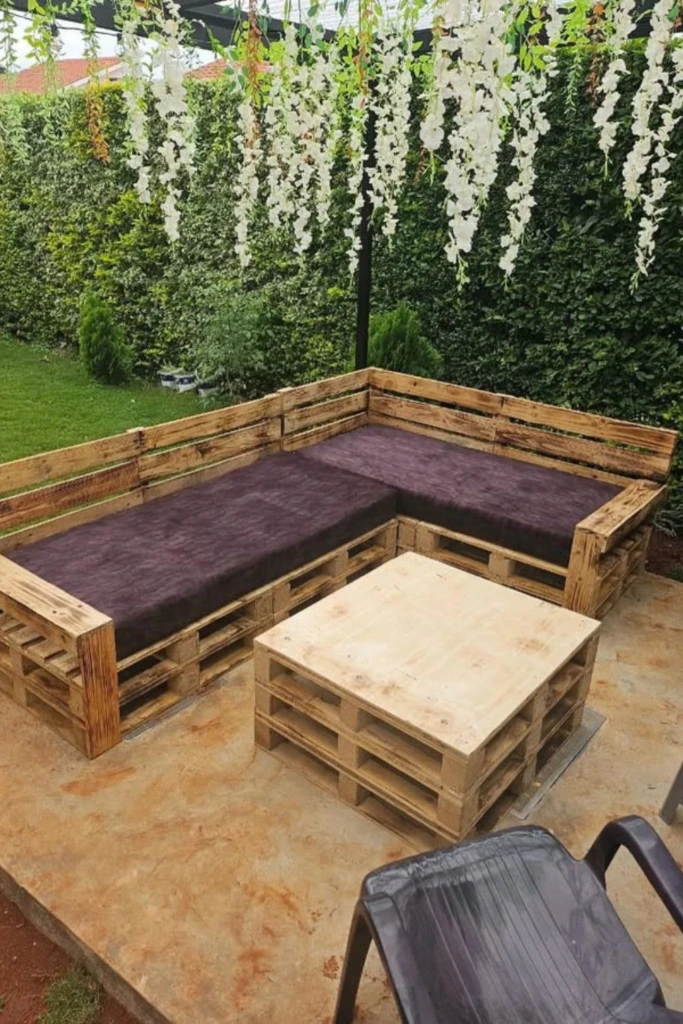
Wooden pallets can be transformed into affordable outdoor seating, coffee tables, and even modular lounge furniture. Their simple construction makes them especially appealing to beginners who want to experiment with furniture building.
Select clean pallets that are structurally sound and suitable for reuse. Heat-treated pallets marked HT are generally preferable to chemically treated alternatives. Avoid pallets with unknown chemical contamination, oil stains, or signs of rot.
Stack pallets to achieve your desired seat height, secure the layers together, and add a backrest using a properly supported frame. Finish with sanding and an exterior wood sealer. Thick outdoor cushions soften the rigid surfaces and make the finished furniture more inviting.
One advantage of pallet furniture is flexibility. You can rearrange individual sections to accommodate guests or create a longer sofa when needed.
DIY Outdoor Coffee Table
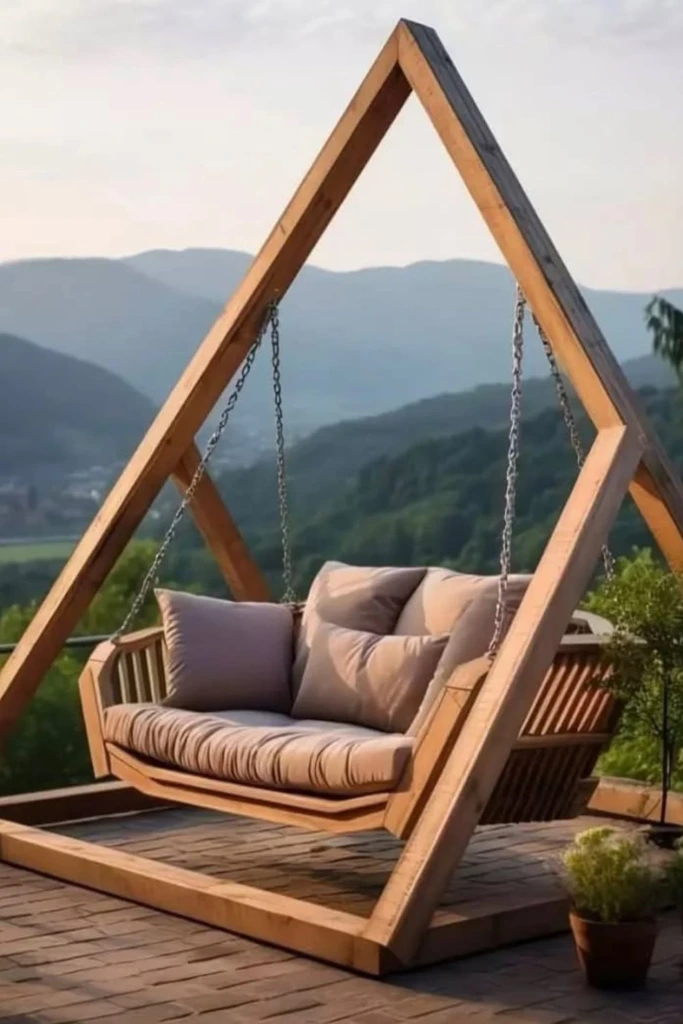
An outdoor coffee table provides a convenient surface for drinks, snacks, books, and decorative accessories. It also helps bring separate seating pieces together into a cohesive arrangement.
For a beginner-friendly project, assemble a rectangular frame from sturdy timber and attach evenly spaced boards across the top. Add four stable legs and reinforce the frame with cross supports. Keep the table height comfortable for the surrounding chairs or sofa.
Reclaimed wood can give the table a distinctive appearance, while freshly cut lumber creates a cleaner, more contemporary finish. Apply an outdoor protective coating and seal exposed end grain to reduce moisture absorption.
If your patio is compact, consider a narrow rectangular table or a pair of small nesting tables. These options provide useful surface space without making the area feel crowded.
DIY Concrete Block Patio Bench
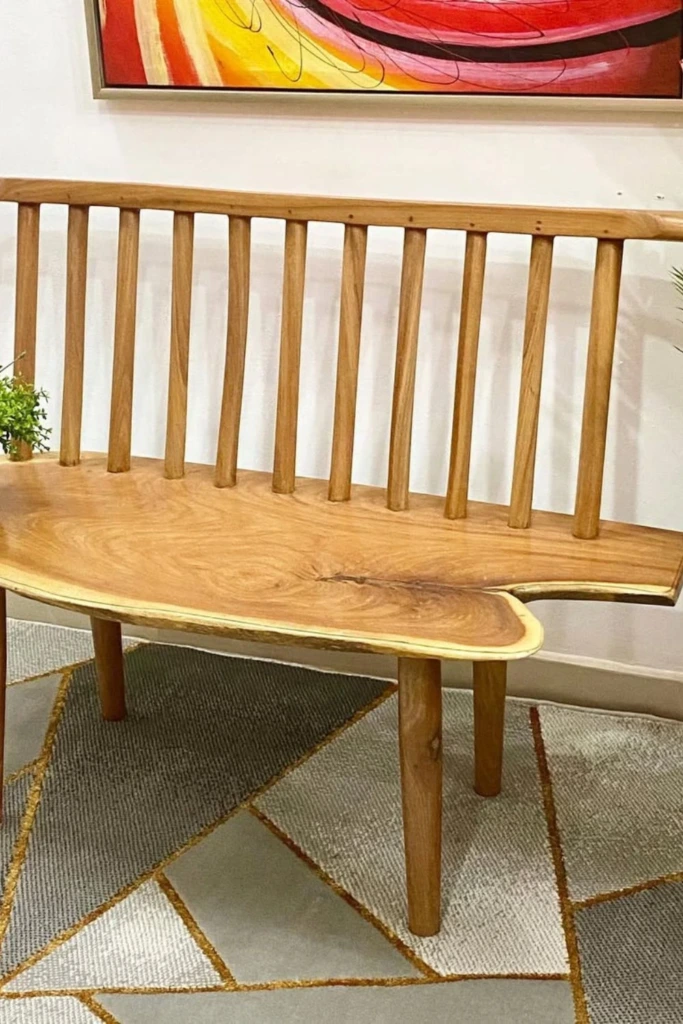
Concrete blocks and wooden boards can form a simple outdoor bench with minimal cutting. The materials are widely available, and the design can be adapted to suit different garden styles.
Arrange the blocks on a firm, level surface to create the bench supports. Place appropriately sized timber across them and secure the assembly against movement. Choose blocks and lumber that can safely support the intended load.
For a more polished appearance, paint the blocks with a suitable masonry coating and finish the wood in a complementary color. Adding a fitted outdoor cushion can make the bench more comfortable.
This design works well beside a garden path, along a patio wall, or near a fire pit. Because concrete blocks are heavy, plan the final position before assembling the bench.
DIY Outdoor Dining Table
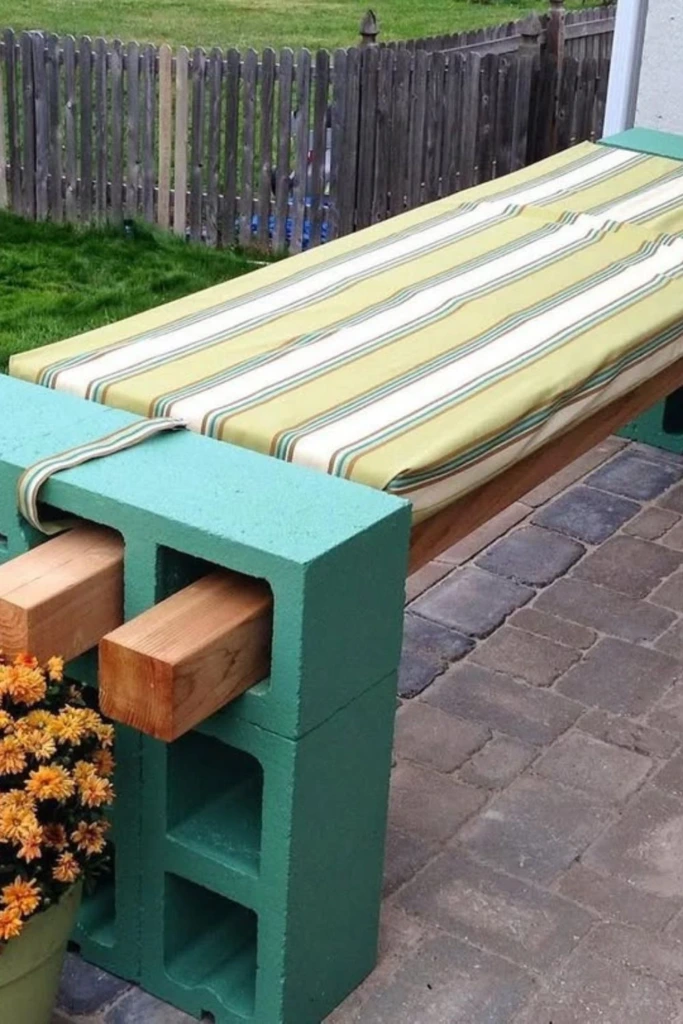
A DIY dining table makes outdoor meals more enjoyable and allows you to choose dimensions that suit your household. You can build a compact table for two or a longer version for family gatherings.
Start by selecting straight, dry lumber and drawing a basic plan with the intended table height, length, and width. Build a sturdy frame, attach the tabletop boards, and add diagonal or cross supports if needed to prevent wobbling.
Leave small, consistent gaps between tabletop boards when appropriate for your design so water can drain rather than collect on the surface. Sand rough edges and protect the wood with an exterior finish.
Pair the table with matching benches or simple outdoor chairs. If your patio receives intense sunlight, position the dining area beneath a suitable shade structure or use a properly secured patio umbrella.
DIY Adirondack Chairs
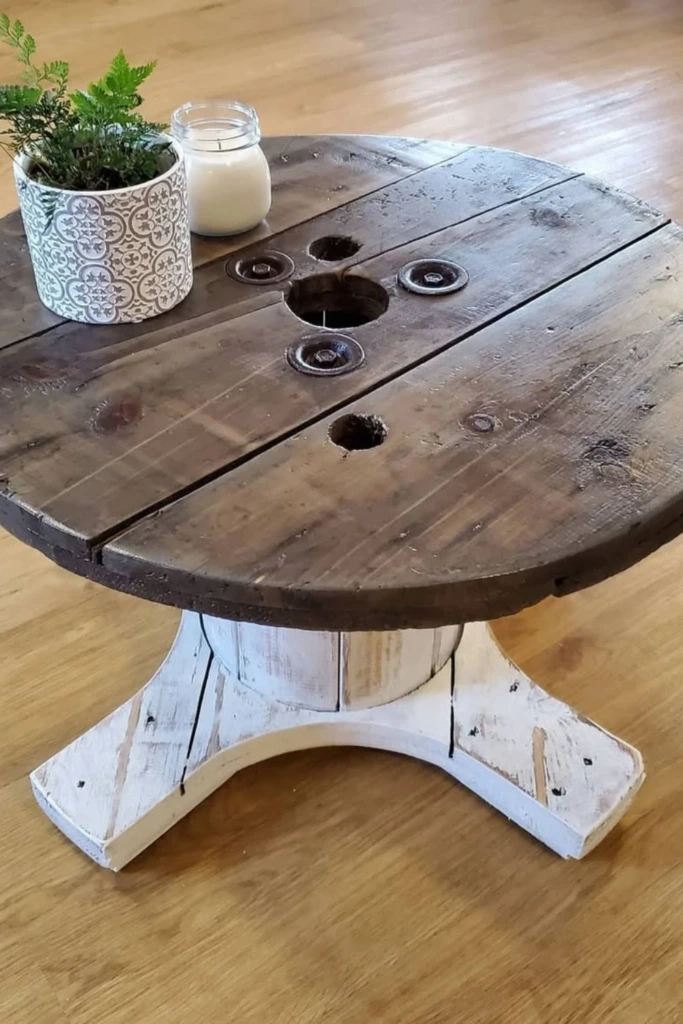
Adirondack chairs are recognizable for their sloping backs, broad armrests, and relaxed seating position. They suit gardens, decks, patios, and outdoor spaces surrounding a fire pit.
Building these chairs requires more careful cutting than a basic bench, but a reliable project plan makes the process manageable. Cut the seat and back slats according to the measurements, assemble the supporting frame, and attach the armrests securely.
Choose rot-resistant wood or lumber intended for exterior use. Sand the edges carefully and apply a weather-resistant finish that is compatible with the selected material.
You can leave the chairs in a natural wood tone for a traditional look or paint them in colors that complement your garden. Before regular use, check every joint and confirm that the chair sits evenly on the ground.
DIY Outdoor Bench
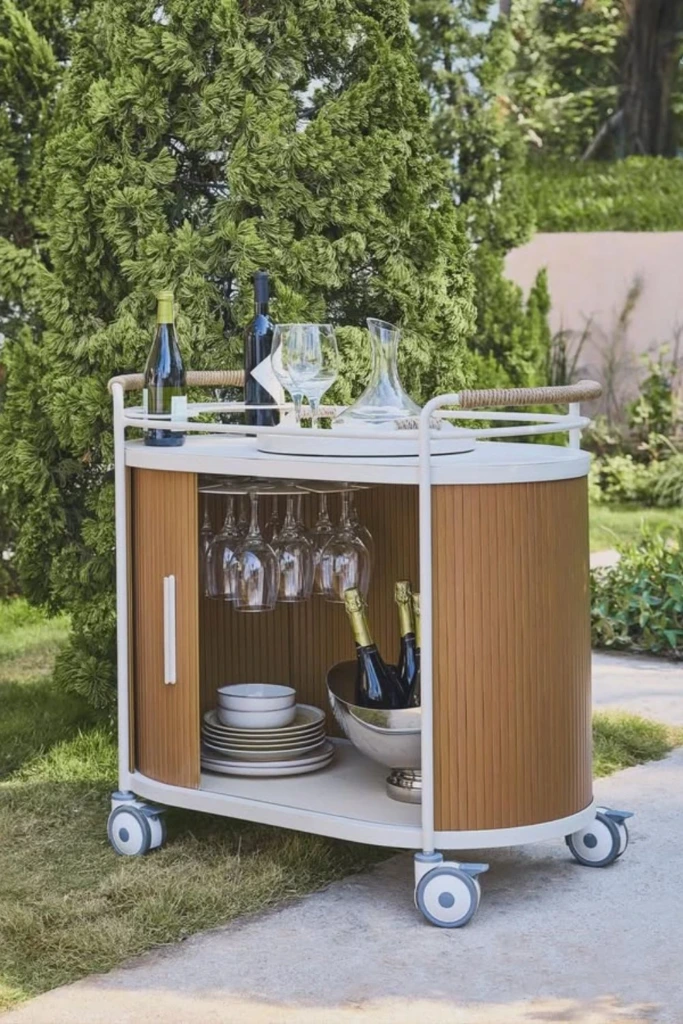
A wooden bench is one of the most versatile patio furniture projects. It provides extra seating, occupies relatively little space, and can be customized to fit an otherwise unused corner.
A basic design consists of two end supports, a series of seat boards, and optional backrest slats. Measure carefully so the finished seat height and depth are comfortable for the people using it. Reinforce the structure where the seat meets the legs.
For a rustic appearance, use reclaimed timber that has been inspected and cleaned. For a more modern design, choose straight boards with consistent spacing and a simple finish.
A bench can also serve as a practical addition near an entrance, beside raised planters, or along the edge of a large patio. Avoid placing untreated wood directly on damp soil, as prolonged moisture can accelerate deterioration.
DIY Patio Lounge Chair
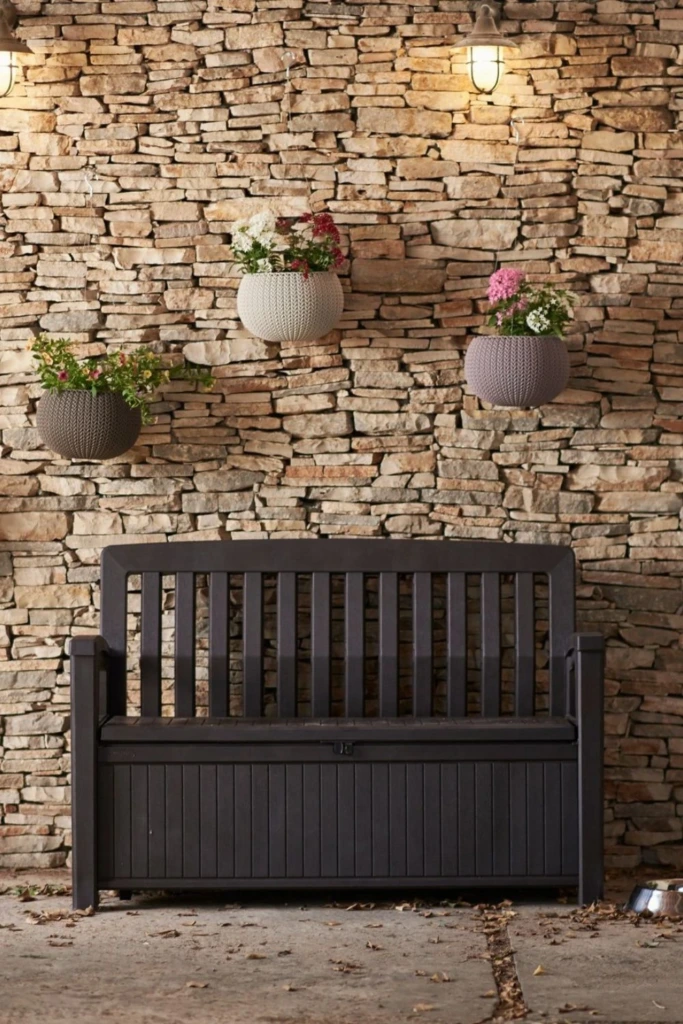
A lounge chair creates a comfortable place to read, enjoy the sunshine, or unwind outdoors. Unlike an ordinary dining chair, it offers a longer seat and a reclined backrest.
Choose a design with a stable frame and a backrest angle suited to relaxation. If you want an adjustable model, use a tested plan with secure locking positions rather than improvising the reclining mechanism.
Weather-resistant wood, corrosion-resistant fasteners, and suitable outdoor cushions are important for durability. Round over exposed corners and sand the frame thoroughly to reduce the risk of splinters.
Measure the chair's full length before building, particularly if you intend to place it beside a table or under a covered patio. A folding design may be useful where storage space is limited.
DIY Patio Side Table
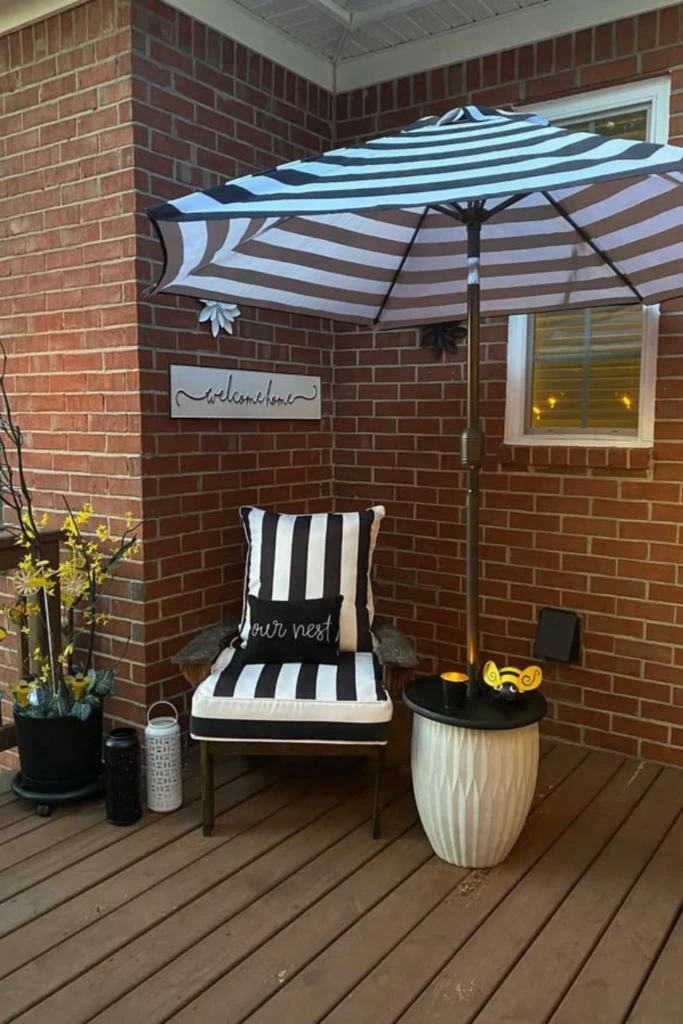
A compact side table is a useful project for beginners because it requires fewer materials than a full dining table. It gives you a convenient place to set a drink, phone, book, or small planter.
Cut four legs and prepare a square or rectangular tabletop. Connect the legs with support rails, then attach the top securely. Check that the finished table is level and does not rock when placed on the patio.
You can also create a distinctive tabletop from suitable reclaimed boards or use a properly supported outdoor paver. Heavy tops require a frame designed to carry their weight safely.
For a coordinated look, repeat the stain or paint color used on your other patio furniture. A pair of matching side tables can provide more flexibility than one large table.
DIY Outdoor Pallet Coffee Table

A pallet coffee table is a practical way to reuse suitable timber while creating a casual outdoor centerpiece. Its low profile pairs naturally with pallet sofas and other relaxed seating arrangements.
Inspect the pallet carefully, remove protruding nails, and sand the surface to eliminate rough areas. If the pallet construction is uneven, add a solid supporting frame before attaching the tabletop.
Casters can make the table easier to move, but choose locking wheels with a suitable load rating and attach them securely. Avoid wheels if the table will sit on an uneven surface where movement could create a hazard.
Protect the wood with an appropriate exterior finish and check it periodically for loose fasteners or moisture damage. Keep decorative items and refreshments within the table's actual load capacity.
DIY Outdoor Bar Table

An outdoor bar table can turn an unused patio corner into a casual gathering spot. It works particularly well on covered decks, beside outdoor kitchens, or in areas where a full dining table would take up too much room.
Construct a sturdy frame with legs and cross supports sized for the intended tabletop height. Because tall tables can tip more easily than low furniture, pay particular attention to the base width, joint strength, and overall stability.
A narrow rectangular top is suitable for small spaces, while a longer surface accommodates several people. Add matching stools if the layout allows enough room for comfortable seating and movement.
Choose exterior-grade lumber and hardware, and protect all exposed wooden surfaces. If the table will stand in direct sunlight, a shade umbrella or nearby covered area can make it more comfortable to use.
DIY Patio Storage Bench
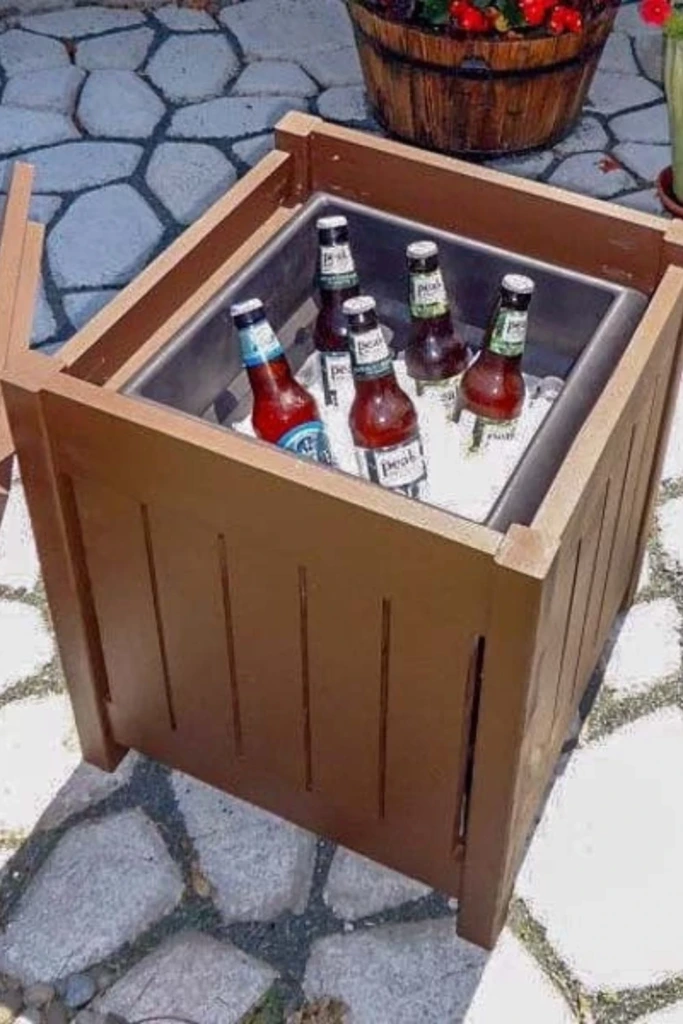
A storage bench combines seating with a place to keep cushions, gardening accessories, and other outdoor essentials. It is especially useful on smaller patios where separate storage furniture would consume valuable floor space.
Build a reinforced box-shaped frame with a hinged lid and a comfortable seating surface. Use exterior-rated materials and select hinges and fasteners that resist corrosion. Support the lid appropriately, and consider a lid stay to reduce the risk of it closing unexpectedly.
Ventilation is important if you plan to store cushions inside. Add suitable ventilation openings and avoid treating the bench as completely waterproof unless the design and materials genuinely provide that protection.
Keep the stored contents dry, inspect the interior periodically, and make sure the finished bench can safely support the combined weight of its users.
DIY Outdoor Sofa from Reclaimed Wood
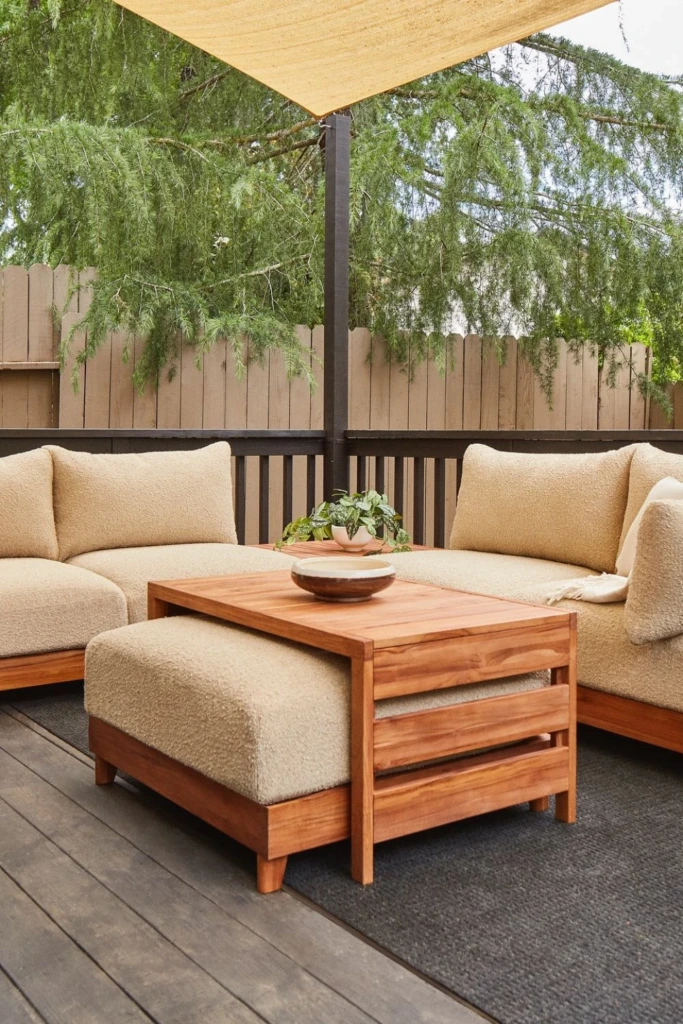
Reclaimed wood can give outdoor furniture character while making use of materials that might otherwise go to waste. Old boards, leftover construction timber, and suitable salvaged wood may be useful, provided they are clean and structurally sound.
Before construction, remove old nails and inspect every board for splitting, rot, insect damage, or unknown chemical treatments. Do not use timber with a questionable history, particularly when its previous coatings or preservatives cannot be identified.
Build the sofa frame around the required cushion dimensions so the seat fits comfortably without large gaps. Add adequate support beneath the seat and backrest, then sand and finish the wood for outdoor exposure.
The finished piece can be paired with neutral cushions for a timeless appearance or colorful textiles for a more playful setting. Store removable cushions indoors when the weather turns wet.
DIY Outdoor Furniture Makeover
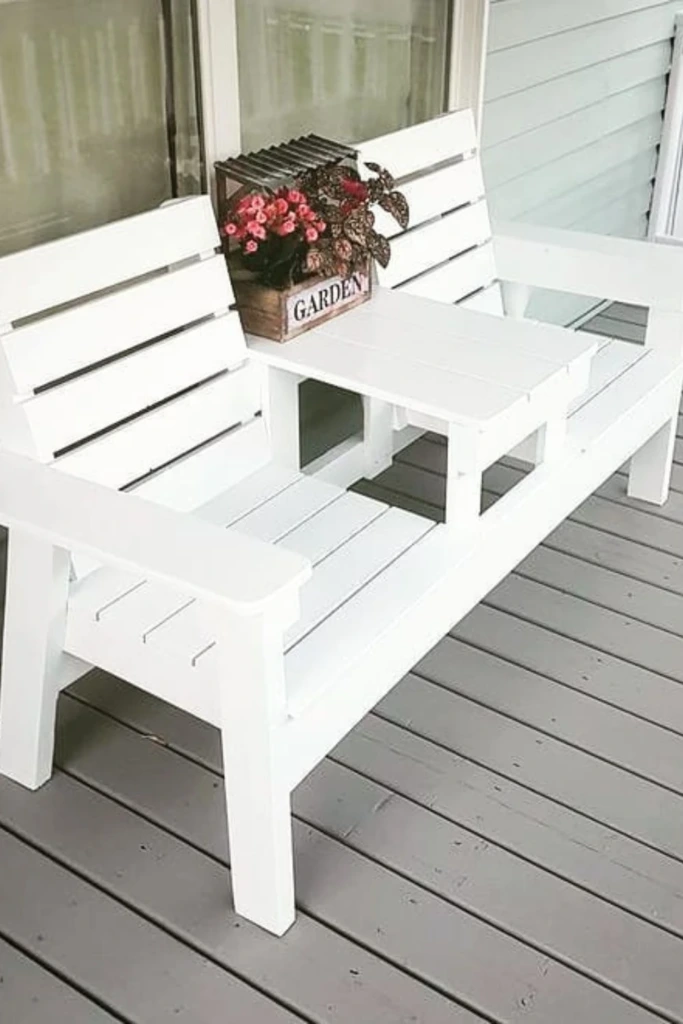
Building new furniture is not always necessary. An old bench, worn wooden chair, or faded patio table may be worth restoring instead.
Start by checking the furniture's structural condition. Tighten loose connections, replace damaged components, and remove peeling finishes using a method appropriate for the material and existing coating.
Clean the surfaces thoroughly and allow them to dry before applying a compatible primer, paint, stain, or protective finish. Metal furniture may require rust treatment and a suitable metal primer, while plastic furniture needs products specifically designed to adhere to its surface.
Change the cushions, replace worn hardware, or add a fresh coat of color to create a coordinated outdoor look. Repairing sound furniture can save money and reduce waste, but severely damaged pieces should not be reused when their stability cannot be restored.
DIY Patio Furniture with Built-In Planters
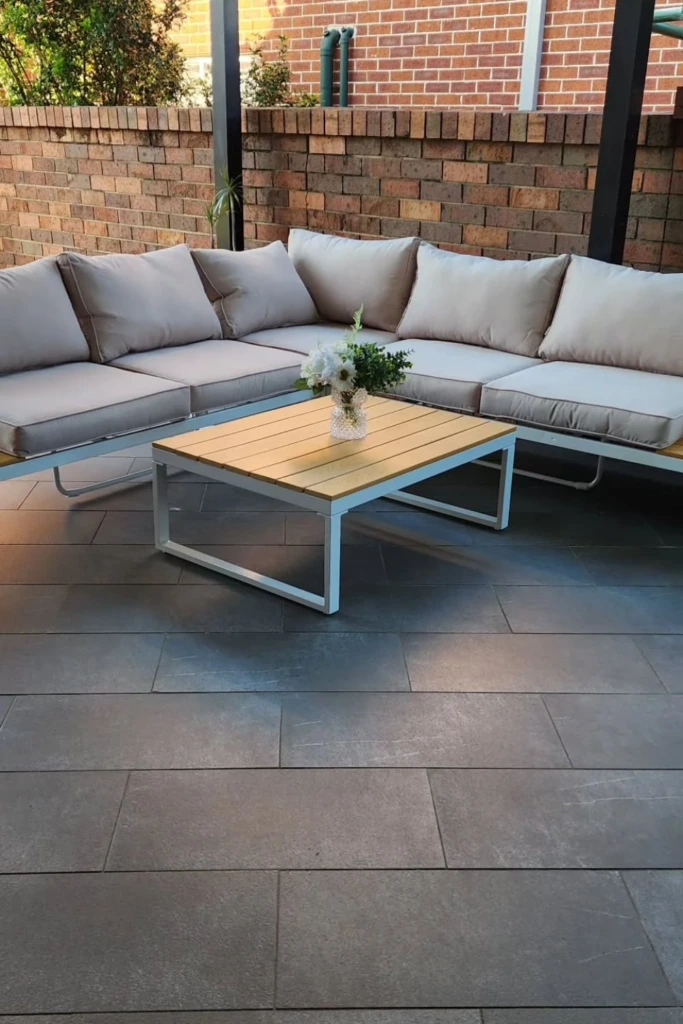
Combining seating with planters is a creative way to bring greenery into a patio without filling the entire space with separate pots. This approach works particularly well in compact courtyards and along garden boundaries.
Build a sturdy bench frame with a planter box at one or both ends. Keep the soil and water compartments structurally separate from the seating area, and line the planters with a suitable moisture-resistant material.
Provide drainage openings so excess water can escape. Protect nearby wood from constant dampness, and select plants appropriate for the available sunlight, climate, and container size.
Herbs, ornamental grasses, and compact flowering plants can all work well, depending on the location. Avoid making the planters unnecessarily heavy, and ensure that the finished assembly remains stable when filled with soil and watered.
Tips for Building Durable DIY Patio Furniture
A successful outdoor furniture project requires more than an attractive design. The materials, construction methods, and maintenance routine all influence how well the finished piece performs.
Choose suitable materials: Use exterior-grade lumber, appropriate metal components, and fasteners designed for outdoor conditions.
Measure before cutting: Plan the furniture dimensions around your patio, available walking space, and existing seating.
Prioritize structural strength: Reinforce joints, support heavy tabletops, and test furniture stability before regular use.
Protect exposed surfaces: Apply compatible exterior finishes and pay particular attention to end grain, joints, and areas exposed to standing water.
Use comfortable cushions: Select outdoor fabrics that tolerate sunlight and moisture, and follow the manufacturer's cleaning instructions.
Maintain the furniture: Inspect joints, tighten fasteners, clean surfaces, and refresh protective coatings when needed.
Plan for the weather: Use covers where appropriate and store removable cushions in a dry location.
Final Thoughts
DIY patio furniture offers an opportunity to create a more functional outdoor living space while keeping costs and design choices under your control. From pallet sofas and wooden benches to storage seats and planter combinations, there are projects for different budgets, skill levels, and patio sizes.
Start with one manageable piece, use materials suited to outdoor exposure, and pay attention to stability and comfort. As your skills improve, you can add coordinated tables, chairs, and storage solutions to complete the space.
The best result is not necessarily the most elaborate furniture set. It is an outdoor area that suits your needs, withstands everyday use, and gives you a comfortable place to enjoy your home and garden.