19 DIY Lamp Shade Ideas for 2026
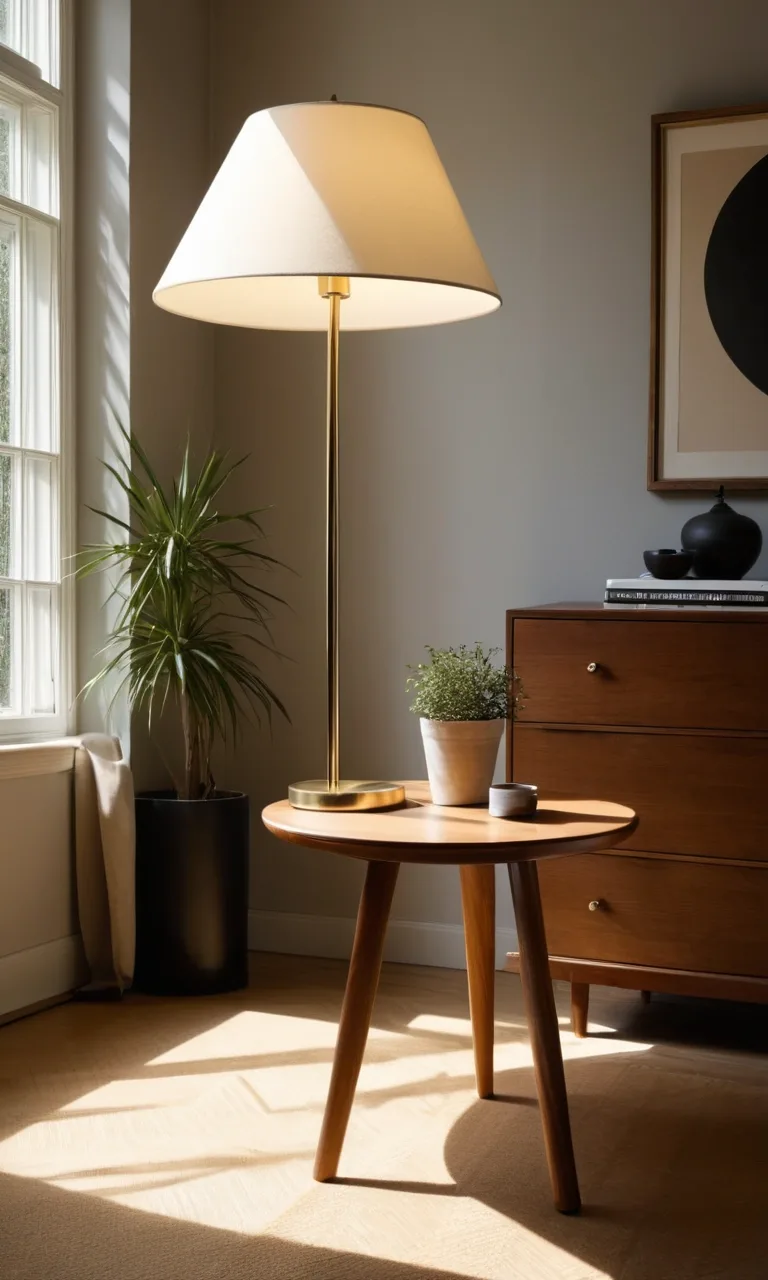
A homemade lampshade can completely change the atmosphere of a room without requiring a major decorating budget. With a few everyday supplies, a plain lamp can become a decorative feature that reflects your personality and complements your interior style.
From textured natural fibers to colorful fabric patterns and creative paper designs, there are countless ways to customize a lampshade. You can refresh an old fixture, reuse leftover craft materials, or build something new to suit a bedroom, living room, office, or reading corner.
The best part is that many of these projects require only basic crafting skills. Choose a design that matches your space, gather your materials, and experiment with textures, shapes, and colors to create a distinctive lighting accessory.
How to Make a Lamp Shade at Home?
Making a lampshade at home starts with selecting a suitable frame. An existing shade in good condition is an excellent base, while a plain wire frame gives you more freedom to create a completely new look.
Measure the frame's height and circumference before cutting your covering material. For fabric designs, leave a small allowance around the edges so you can fold the material neatly over the frame. Use an adhesive suitable for the chosen material and work gradually to avoid bubbles, loose sections, or wrinkles.
Once the covering is secure, finish the edges with ribbon, decorative trim, stitching, or another detail that complements your design. Allow adhesives and coatings to dry completely before using the shade.
Always consider lighting safety when choosing materials. Keep paper, fabric, rope, and other combustible decorations away from hot bulbs, follow the lamp manufacturer's clearance requirements, and use a compatible LED bulb. Never obstruct ventilation openings or attach decorations to electrical components.
1. Pleated Shade Upgrade
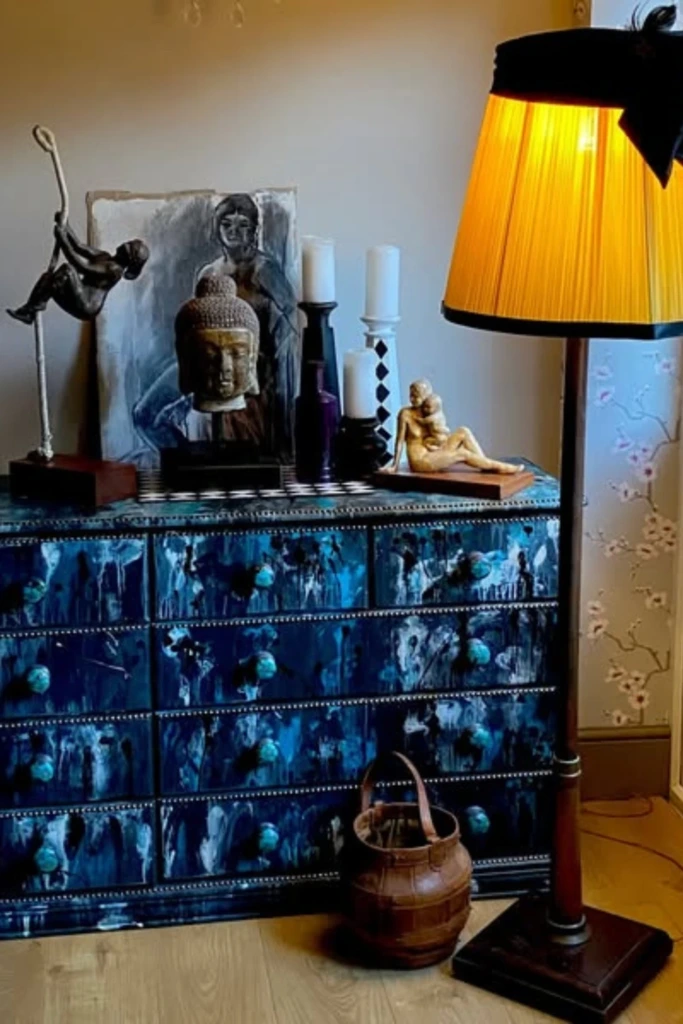
A pleated lampshade offers a classic look, but you can give it a fresh appearance with a decorative scarf or a strip of lightweight fabric. This approach works particularly well when the original shade is structurally sound but looks outdated.
Choose a fabric that complements your room's colors, then arrange it around the upper portion of the shade. A loose knot or soft folds can introduce movement and texture without covering the entire pleated surface.
For an elegant result, try neutral linen, a floral scarf, or a fabric with subtle contrasting colors. Keep all loose ends securely positioned away from the bulb and other heated components.
2. Scalloped Clay Shade
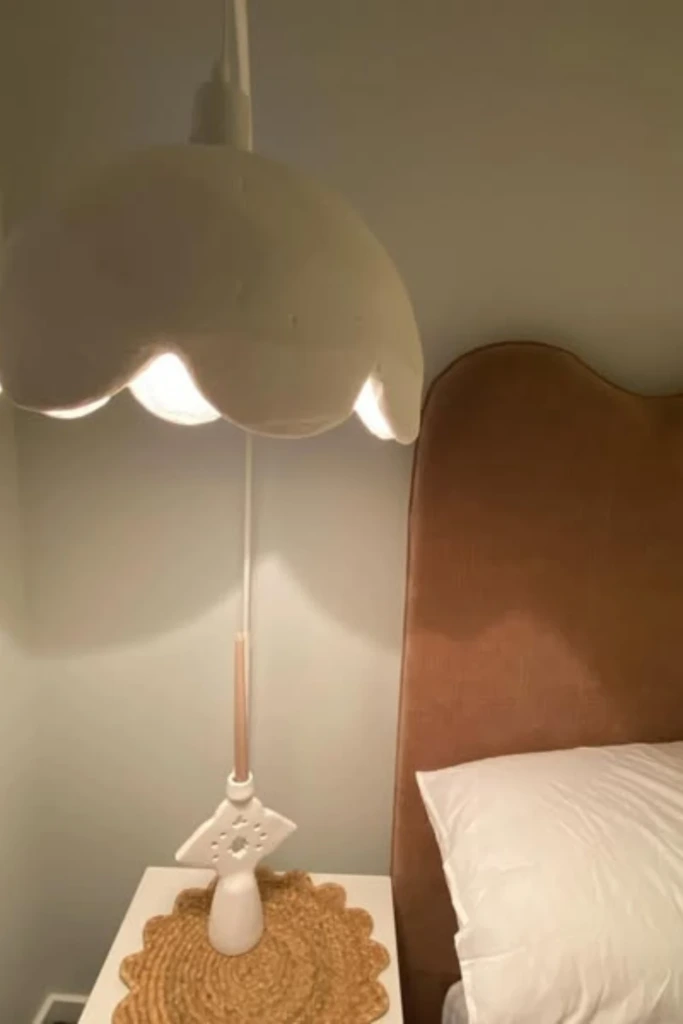
A scalloped lampshade brings an artistic, sculptural quality to bedside tables, reading corners, and cozy living spaces. Its curved edges create an interesting silhouette that looks decorative even when the lamp is switched off.
You can explore this style using a suitable lightweight craft material, such as air-dry clay applied over an appropriate form. Shape the edges into repeating curves and allow the material to dry according to its instructions. Because clay can become heavy or brittle, check that the finished piece is stable and suitable for use around a lamp.
Another option is to create a similar scalloped effect with a lightweight, noncombustible or heat-appropriate decorative shell designed for lighting applications. A warm-toned LED can complement the design, provided the material and fixture are compatible.
3. Patterned Canvas Shade
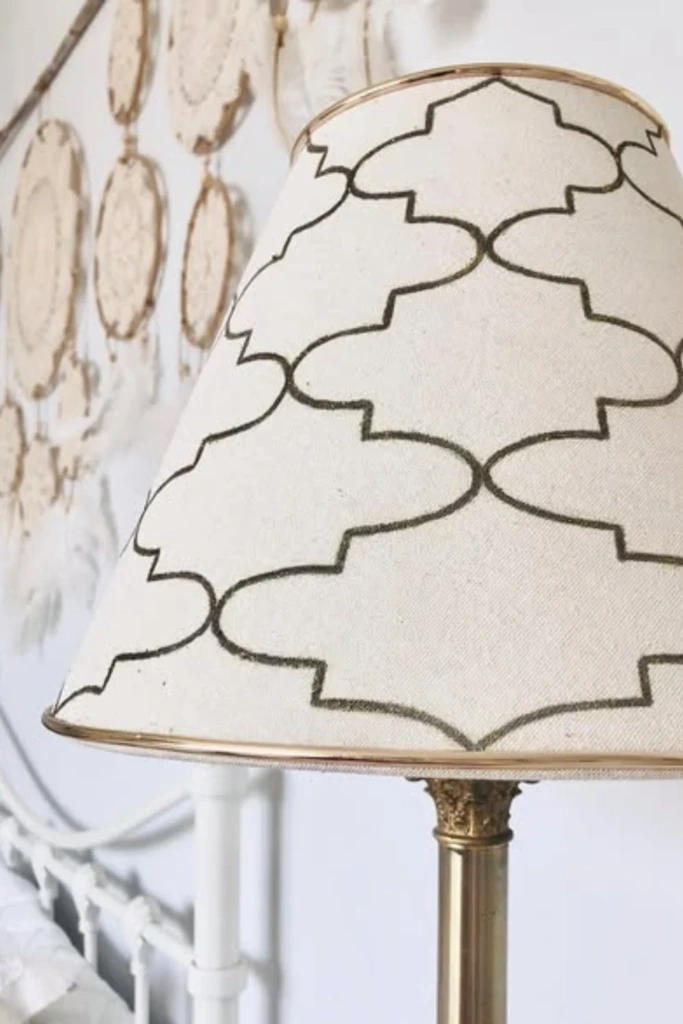
A patterned canvas lampshade is an easy way to introduce visual interest without changing the lamp's shape. The sturdy fabric provides a useful surface for geometric motifs, delicate botanical illustrations, or simple repeating marks.
Start with a plain canvas-covered shade or cover a suitable frame with fabric made for lampshades. Use fabric paint or markers compatible with the material to apply your chosen pattern. Stencils are especially helpful when you want consistent shapes and evenly spaced designs.
Keep the colors coordinated with nearby curtains, cushions, or artwork. A restrained design in cream, sage, blue, or terracotta can create a relaxed atmosphere, while bold contrasting colors make the lamp stand out.
4. Layered Metal Circles
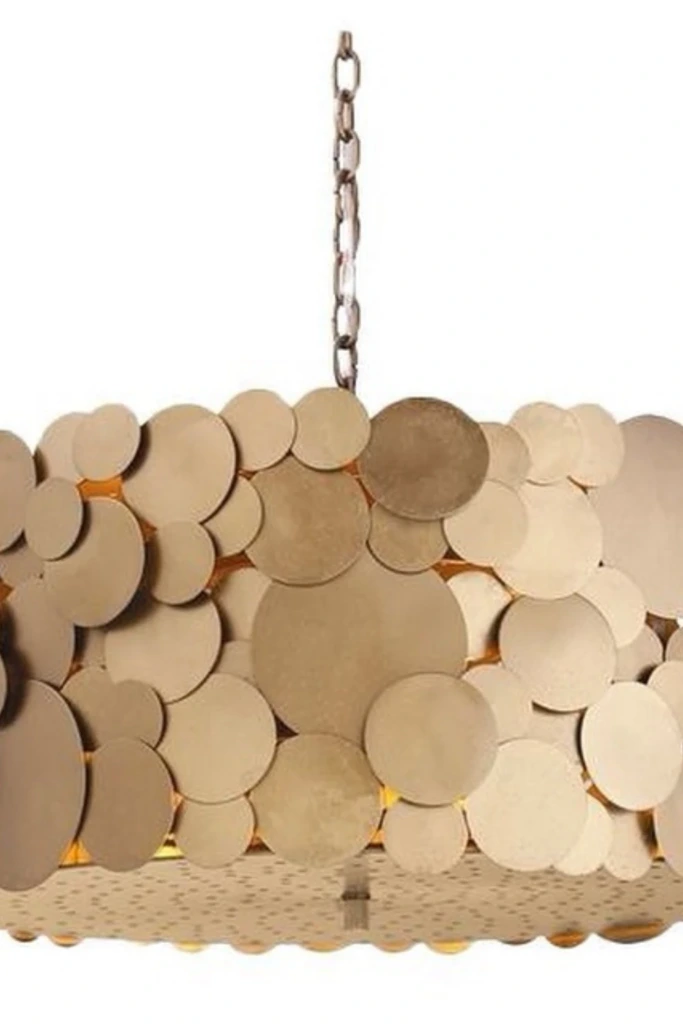
Layered circles create a contemporary lampshade with a striking three-dimensional appearance. As light passes through the spaces between the decorative pieces, the shade produces interesting highlights and shadows.
To explore this look, arrange lightweight circular elements around a suitable lampshade frame. Thin, purpose-made metal components can create a sleek finish, while lightweight craft circles offer an easier alternative for decorative fixtures designed to accommodate them.
Gold, bronze, black, and brushed silver each produce a different effect. Arrange the circles in overlapping rows for a fuller appearance or leave larger gaps for a more open design.
Avoid sharp edges, excessive weight, and materials that are unsuitable for the lamp's operating temperature. If you use metal, ensure it cannot contact electrical connections or other hazardous components.
5. Punched Paper Lantern
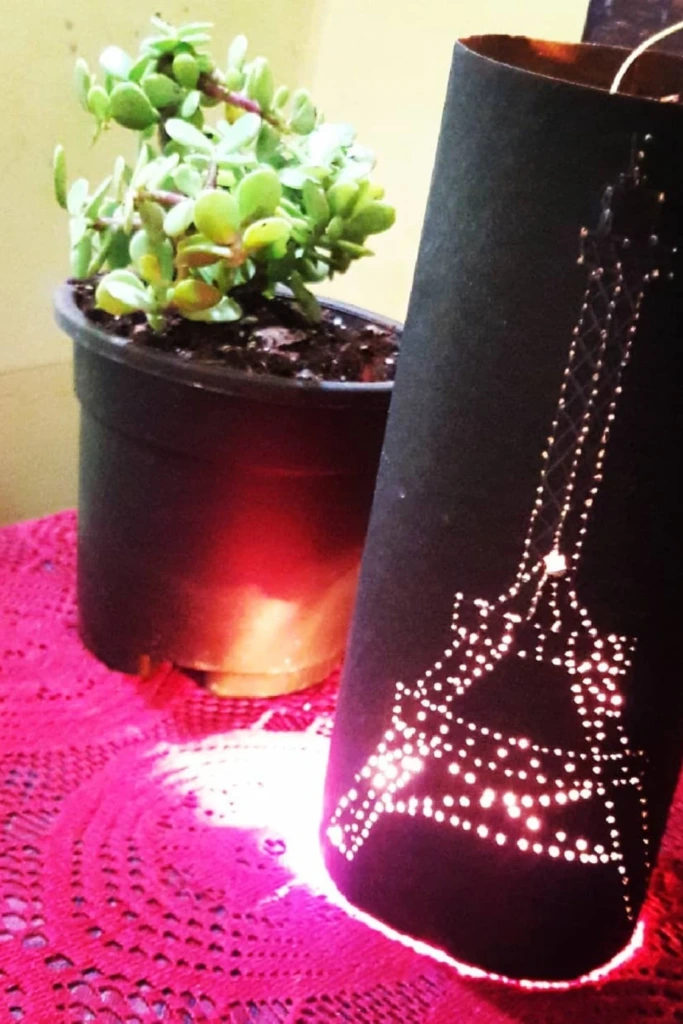
A punched-paper lantern is a creative choice for decorative accent lighting. Its small openings allow light to escape through a pattern, producing an attractive visual effect on nearby surfaces.
Begin with a cylindrical paper form designed for use with a cool-running light source. Sketch a simple pattern of dots, stars, leaves, or geometric shapes, then make the openings carefully with a suitable craft tool.
You can use contrasting paper layers to create additional depth or keep the design simple for a minimalist appearance. A battery-operated LED light made for decorative lanterns is a practical option when the materials are compatible.
Paper is combustible, so do not place this design over a conventional bulb or near a hot fixture. Keep it away from flames, heat sources, and moisture.
6. Lace-Cut Cup Shades
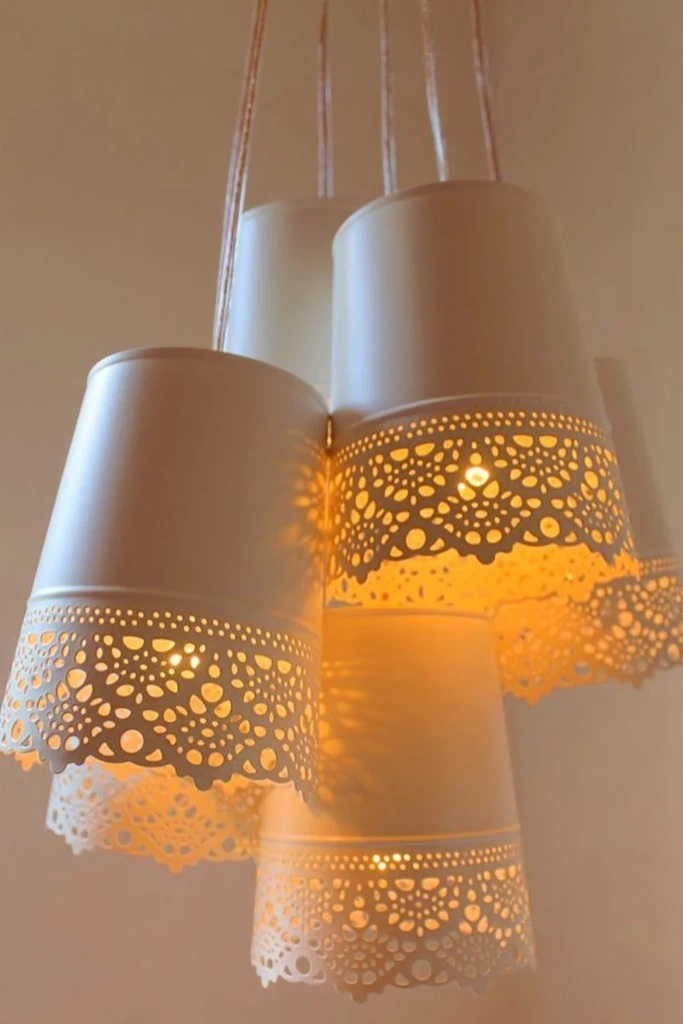
Lace-inspired cup shades can turn simple disposable cups into decorative elements for a creative lighting display. The cutout pattern gives the project a delicate appearance, making it suitable for party decorations, covered patios, or indoor accent displays.
Choose cups made from a material appropriate for the intended light source. Mark a repeating pattern around each cup and cut it carefully, ensuring there are no loose fragments or sharp edges.
For a decorative arrangement, position the finished cups around a compatible LED string-light system rather than placing them over exposed bulbs. Repeating the same design across several cups creates a coordinated look, while varied patterns make the display more playful.
Keep the cups away from heat, and use only lighting equipment approved for the intended arrangement.
7. Vintage Fringe Shade
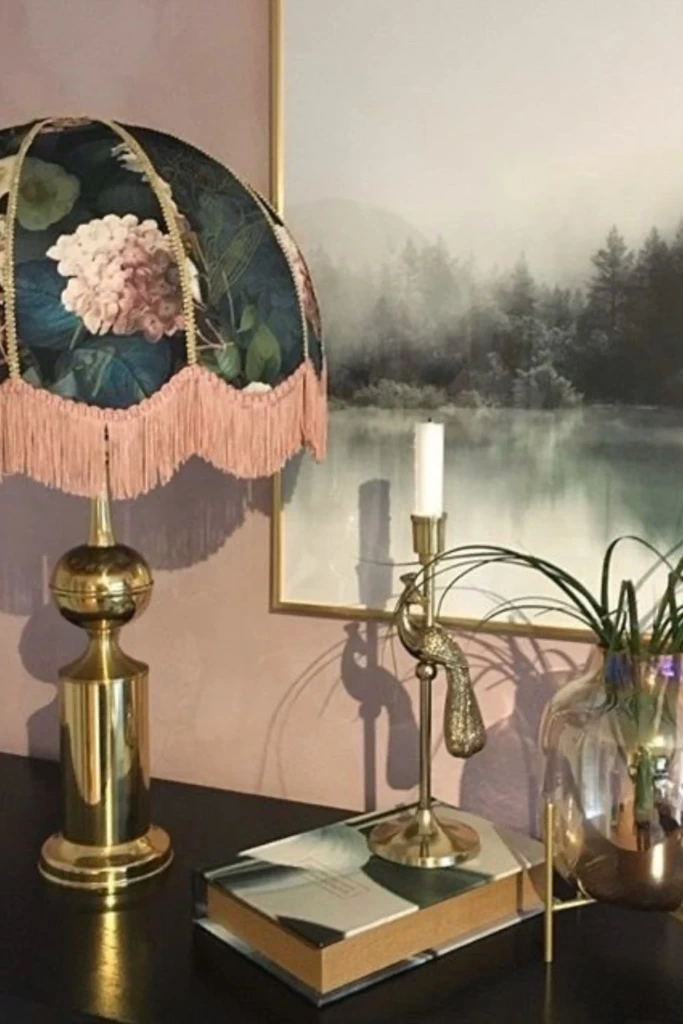
A vintage fringe lampshade introduces softness, movement, and a touch of old-fashioned charm. It can complement traditional bedrooms, eclectic living rooms, or furniture with antique-inspired details.
Start with a stable lampshade that suits the room's proportions. Add decorative fringe or fabric trim around the lower edge, choosing a length that enhances the silhouette without making the shade look overcrowded.
Floral fabric, muted pastels, warm beige, and dusty rose work well with vintage-inspired interiors. For a more dramatic result, use contrasting fringe against a plain shade.
Attach the trim securely with a suitable adhesive or stitching method. Keep dangling fibers well away from the bulb and other warm components, and confirm that the added decoration does not interfere with ventilation.
8. Fabric Skirt Shade
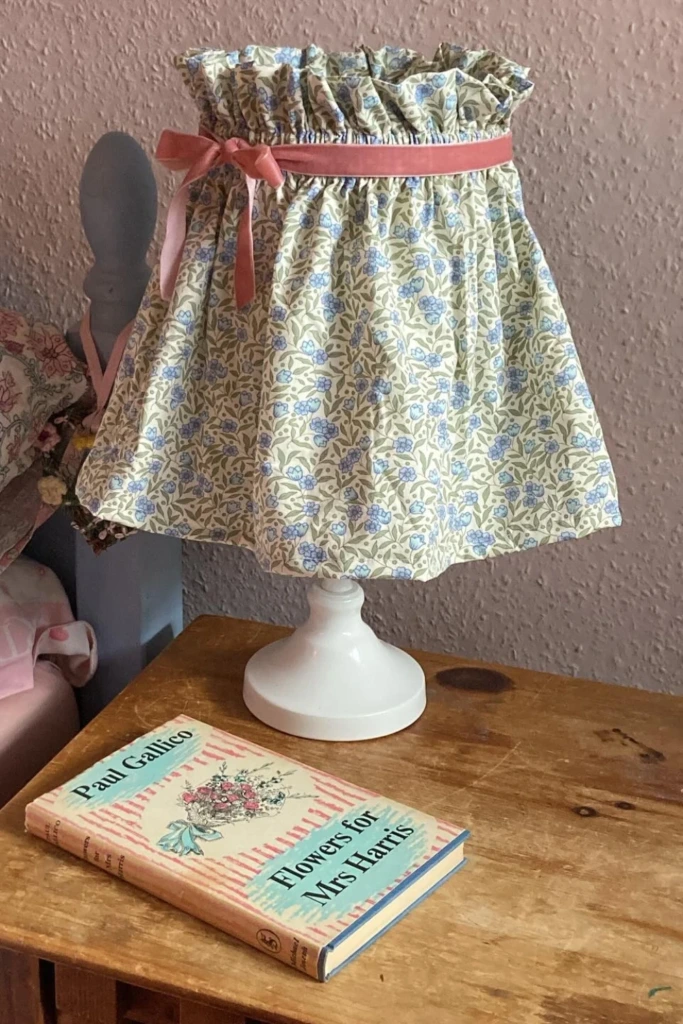
A skirt-style lampshade has a soft, gathered appearance that works beautifully with cottage-inspired interiors, children's bedrooms, and cozy reading spaces.
To create the look, cut a piece of lightweight fabric long enough to gather around a suitable lampshade base. Finish the edges, then use stitching or a secure fabric channel to create the gathered effect. You can add a decorative ribbon to emphasize the shape.
Choose gingham, small floral prints, linen, or pastel cotton for a gentle appearance. A contrasting ribbon can make the design more playful, while a single-color fabric keeps it understated.
Make sure the finished covering remains secure and does not bunch up near the bulb. The material must be compatible with the lamp, with sufficient clearance for safe operation.
9. Layered Fabric Strips
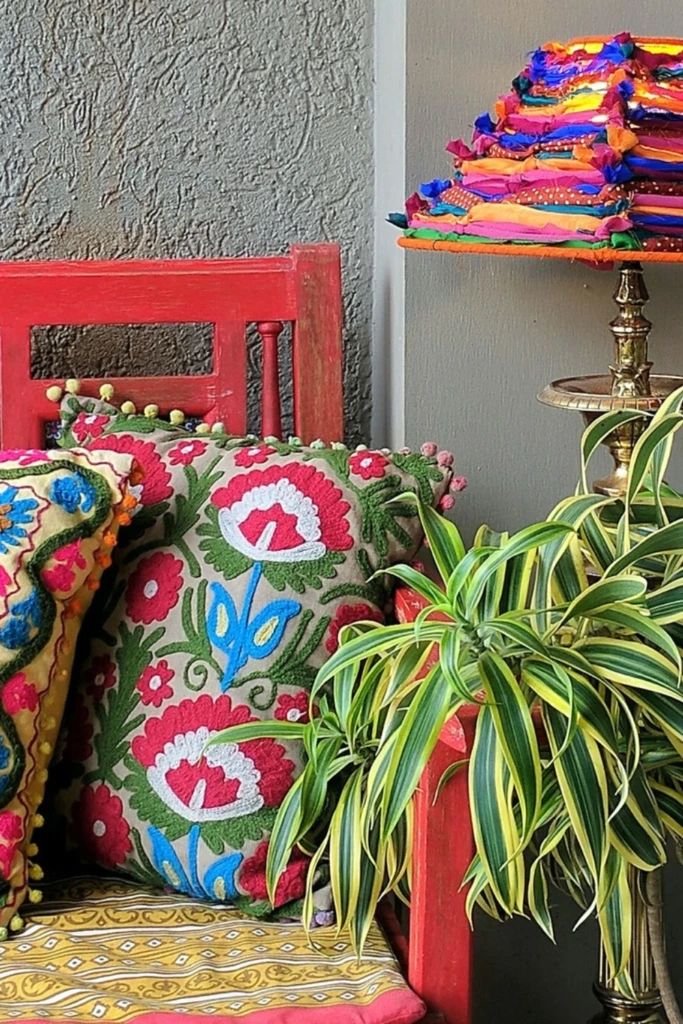
Layered fabric strips are ideal for anyone who enjoys colorful, textured décor. By combining different shades and materials, you can create a lampshade that feels handcrafted rather than mass-produced.
Cut fabric into strips of similar width, then arrange them around a suitable frame. Overlap the strips slightly for a dense, textured surface or leave controlled gaps to create a more open appearance.
A combination of rust, mustard, cream, and olive can produce an earthy look, while brighter blues, pinks, and yellows create a cheerful accent. Mixing matte and lightly textured fabrics adds dimension without requiring complicated techniques.
Secure every strip firmly and inspect the finished shade for loose threads. Keep fabric away from the bulb and use only a compatible lighting setup.
10. Modern Grid Shade
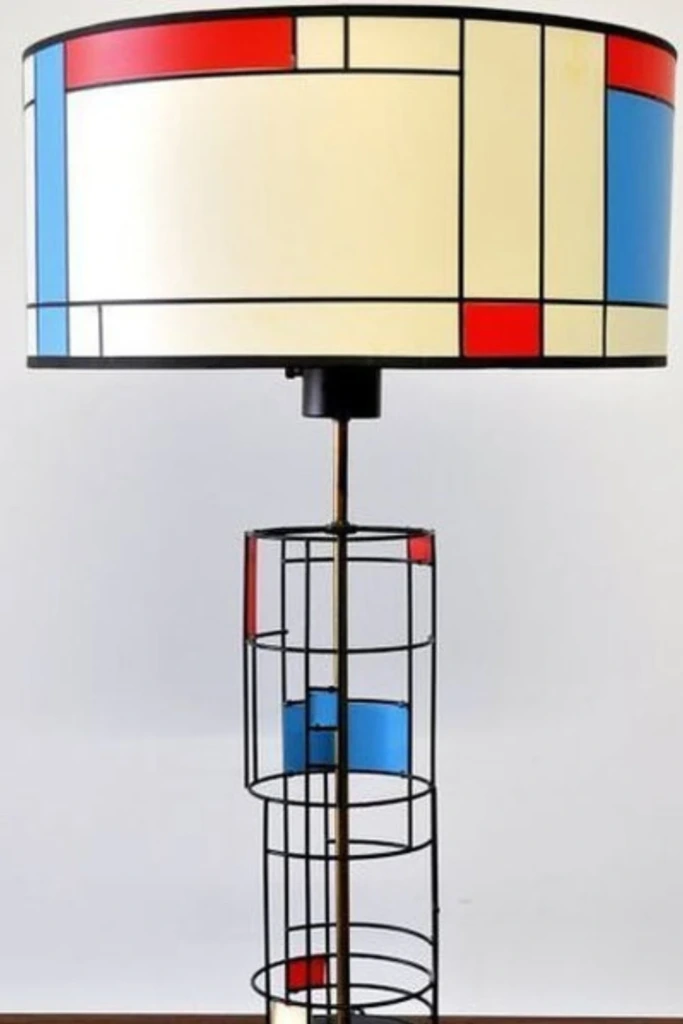
A modern grid lampshade suits interiors with clean lines, geometric furniture, and bold accent colors. Its orderly pattern can transform a basic drum shade into a graphic design feature.
Start with a plain shade and plan a grid of evenly spaced horizontal and vertical lines. You can create the pattern using suitable decorative tape or lighting-compatible surface materials that adhere securely to the shade.
Black lines on a white background create a crisp monochrome effect. For something more playful, introduce carefully arranged blocks of primary colors or use two complementary shades.
Measure before applying the lines to keep the pattern balanced. Choose materials that will not peel, sag, or interfere with light transmission, and make sure the finished design remains safe for the intended lamp.
11. Playful Fox Print
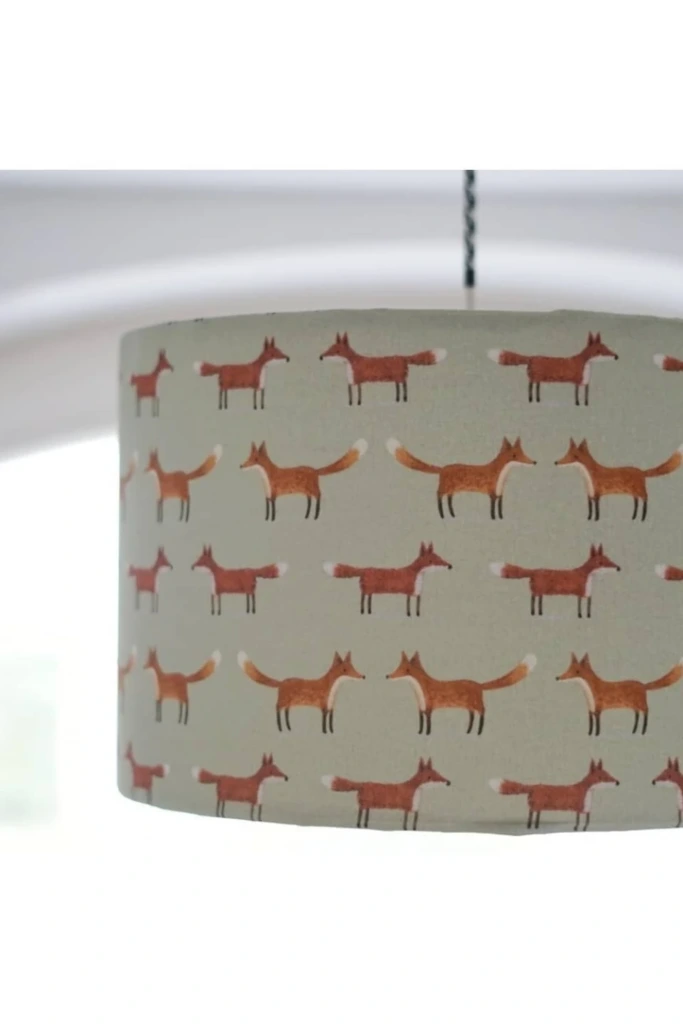
A fox-print lampshade adds a cheerful touch to nurseries, children's rooms, and playful family spaces. Animal motifs can introduce personality without requiring a complicated shape or elaborate construction.
Choose a fabric with small fox illustrations or create your own design using a suitable stencil and fabric paint. A neutral background helps the animals stand out, while subtle forest details such as leaves, branches, or stars can complete the theme.
For a coordinated room, repeat one or two colors from the print in cushions, wall art, or storage baskets. A smaller repeating pattern usually looks balanced on compact bedside lamps.
Use child-safe decorative materials where appropriate, and keep the finished shade securely attached to a stable lamp. Avoid dangling embellishments that could be pulled loose.
12. Minimal Bamboo Lantern
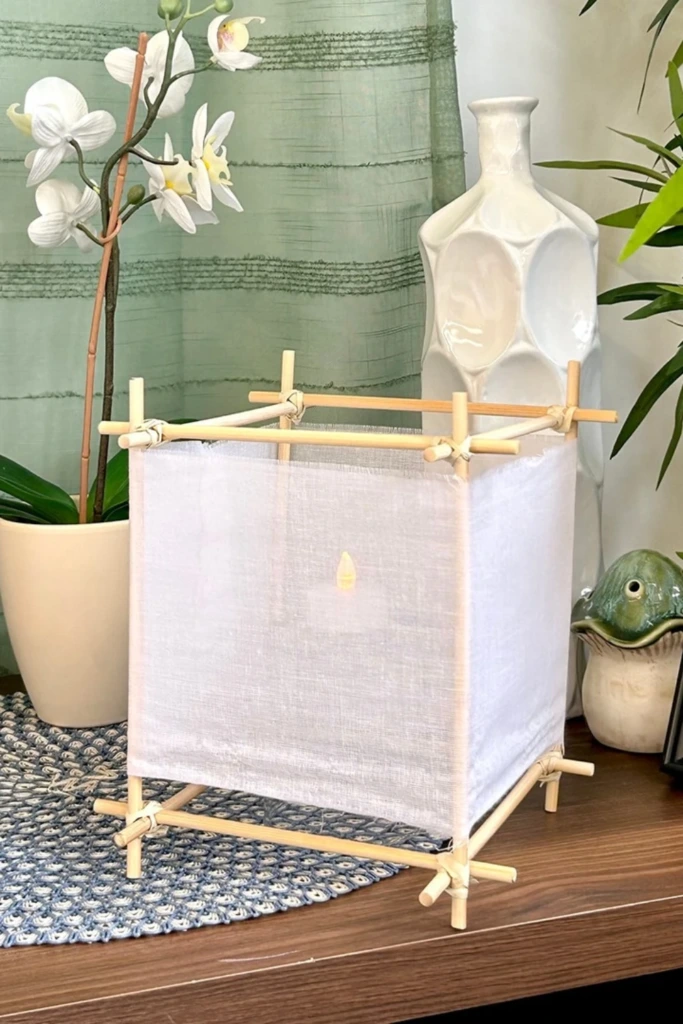
A bamboo lantern offers a natural, understated appearance that suits modern organic interiors, rustic rooms, and relaxed living spaces. Its open structure can make a lamp feel lighter than a solid, fully covered shade.
You can create a decorative frame from lightweight bamboo pieces arranged into a cube or rectangular shape. Secure the joints with suitable fasteners or tightly fixed cord, ensuring that the structure remains rigid and balanced.
For a softer appearance, incorporate a lighting-compatible diffuser designed for the fixture. Alternatively, leave the sides open to emphasize the bamboo framework.
Natural bamboo pairs well with cream, sand, pale wood, and muted green. Before using the lantern, check that all joints are secure and that the frame is appropriate for the intended light source. Do not use ordinary fabric or cord as a substitute for a proper electrical fitting or protective component.
13. Wrapped Jute Shade
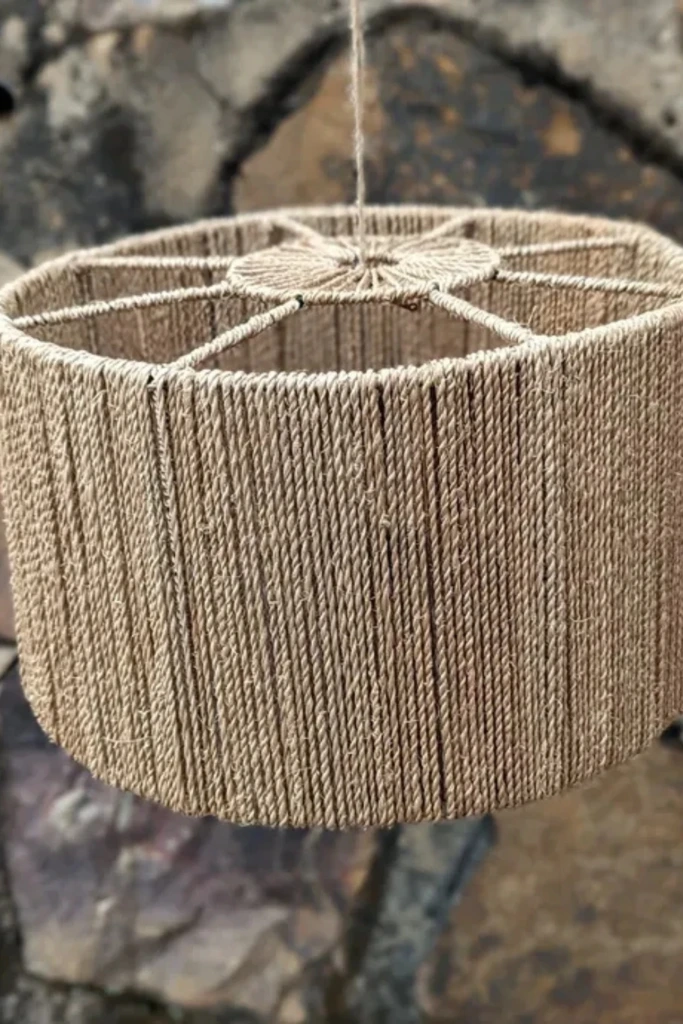
Jute rope gives a lampshade a rustic, earthy texture that works particularly well in bohemian, farmhouse, and natural-inspired interiors.
To create the look, begin with a sturdy frame and plan how the rope will be arranged. Wrap the jute in even rows, securing it with an adhesive suitable for the materials and the lamp's operating conditions. Keeping the spacing consistent will give the finished shade a cleaner appearance.
For a denser design, position each row close to the previous one. A more open arrangement can emphasize the framework and produce a lighter visual effect.
Natural jute works well with wood, woven baskets, neutral fabrics, and terracotta accessories. Make sure the rope is firmly attached and does not come loose during use. Because jute is combustible, use only a compatible LED lighting arrangement with the required clearance.
14. Cozy Cone Shade
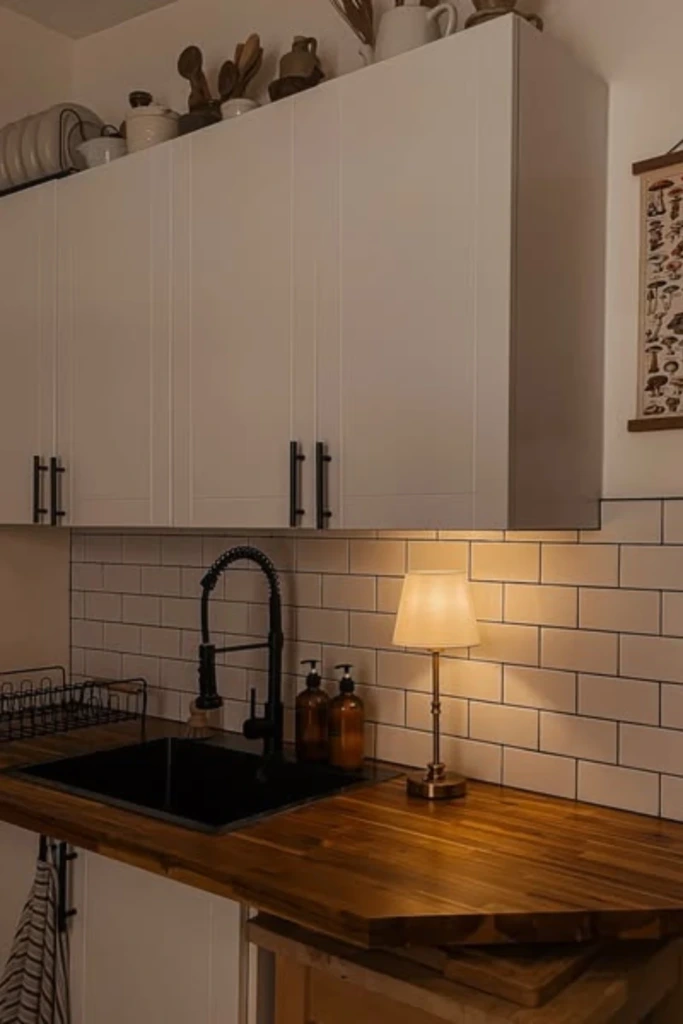
A cone-shaped lampshade is a timeless choice for desks, bedside tables, and small reading areas. Its tapered silhouette creates a focused appearance while helping direct light toward a useful surface.
You can make this style by covering a suitable conical frame with lampshade fabric or another material specifically appropriate for the fixture. Measure carefully before cutting so that the material fits the frame without unwanted folds.
Linen and cotton-look finishes create a relaxed atmosphere, while smooth neutral materials complement contemporary furniture. A darker exterior can add contrast, whereas a light-colored shade helps maintain a brighter appearance.
Select the size according to the lamp base and the area you want to illuminate. Make sure the shade is securely mounted, the bulb is compatible, and sufficient ventilation and clearance are maintained.
15. Bold Houndstooth Shade
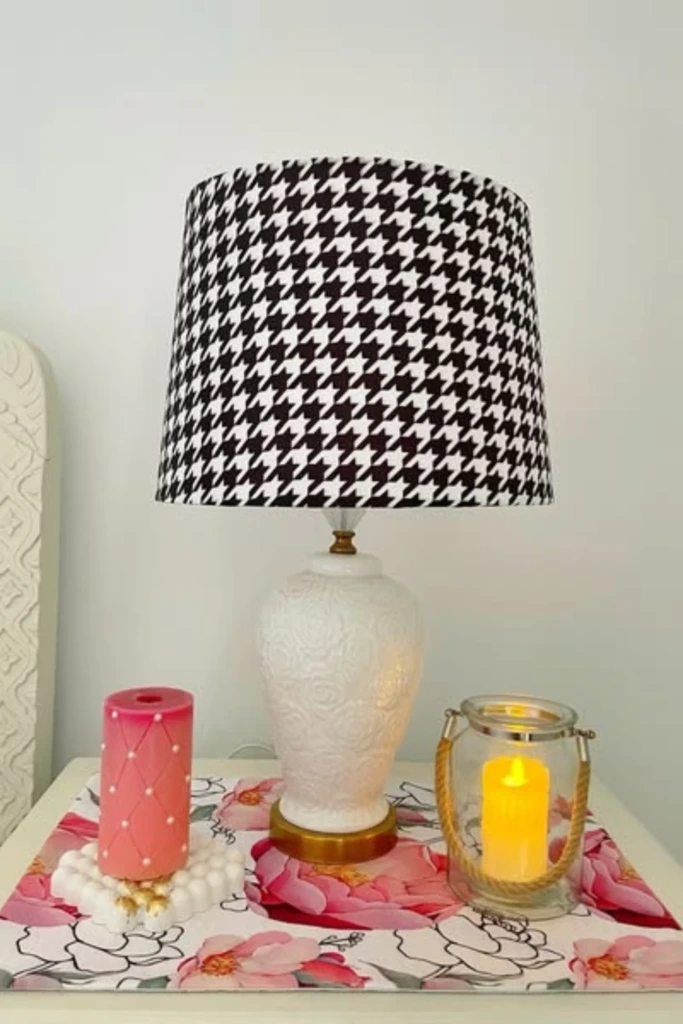
Houndstooth fabric gives a lampshade a strong graphic pattern that can bring character to a bedroom, home office, or living room. Its repeating shapes work especially well when the rest of the room has relatively simple finishes.
Choose a fabric-covered shade with a pattern that fits the scale of the lamp. Black-and-white houndstooth offers a classic contrast, while softer combinations such as brown and cream create a warmer, more traditional look.
If you're covering an existing frame, align the pattern carefully at the seam so the finished design appears intentional. Smooth the fabric gradually to prevent wrinkles and keep the edges neat.
Balance the bold pattern with plain cushions, solid-colored curtains, or understated furniture. Use suitable lighting materials and ensure that the covering remains safely separated from the bulb.
16. Stitched Accent Shade
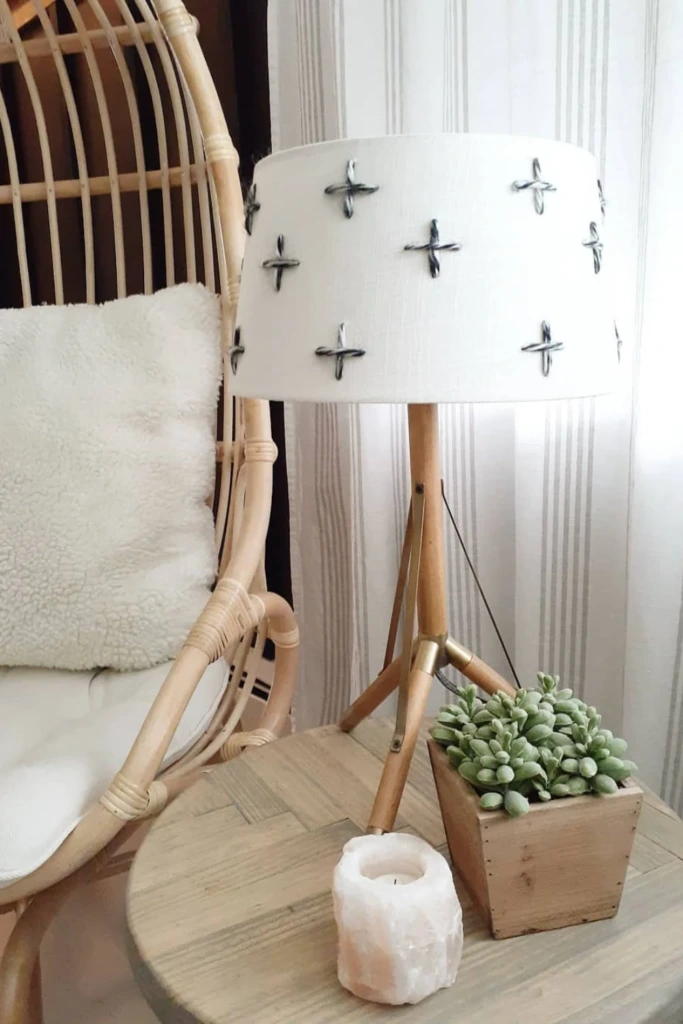
A stitched lampshade adds handmade character through simple lines, visible thread, or decorative embroidery. This design is especially suitable for Scandinavian-inspired spaces, where natural textures and subtle details often complement the overall décor.
Start with a fabric-covered shade that can accommodate the intended stitching technique. Plan the design with small marks before sewing, then add evenly spaced lines, crosses, or geometric shapes using thread or yarn appropriate for the fabric.
Contrasting thread creates a more noticeable pattern, while similar colors emphasize texture rather than decoration. Repeated vertical stitches can make a shade appear taller, whereas horizontal lines create a different visual rhythm.
Keep the stitching secure and avoid piercing electrical components or any part of the fixture that should remain intact. Choose a fabric and thread arrangement that maintains the shade's shape and remains suitable for the light source.
17. Soft Pattern Shade
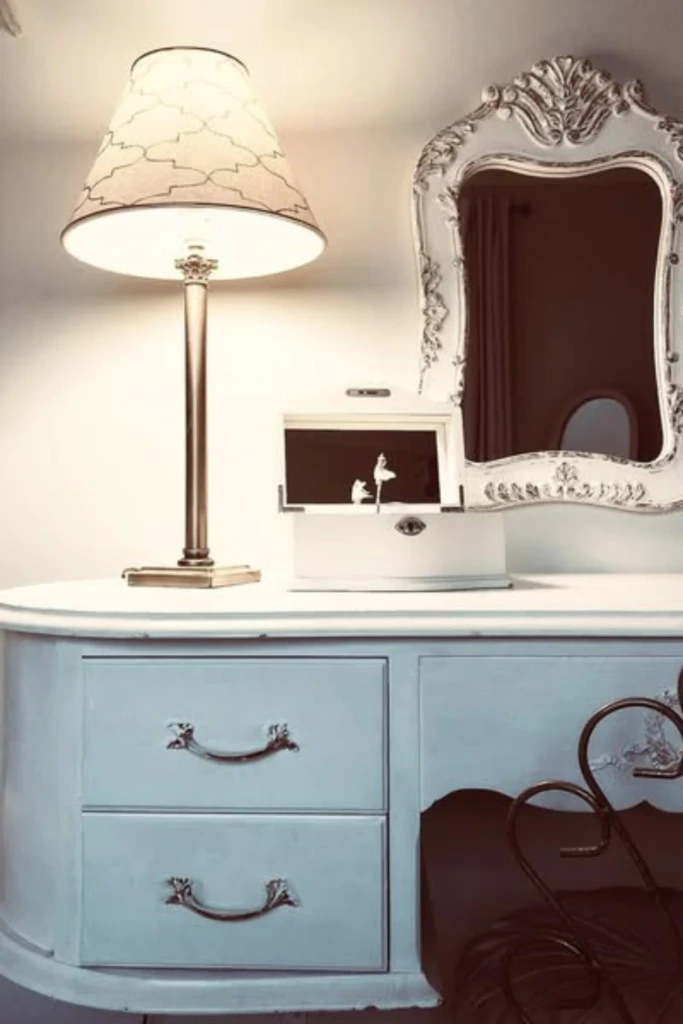
A soft-pattern lampshade is a simple way to make a bedroom or relaxation area feel more inviting. Rather than relying on strong contrasts, this design uses delicate shapes and restrained colors to create a calm visual effect.
Choose a plain shade in ivory, beige, pale gray, or another neutral tone. Add a repeating pattern with suitable fabric paint, a stencil, or decorative material designed for lampshades. Small leaves, tiny flowers, dots, and understated geometric shapes are all good options.
Keep the design consistent across the surface, leaving enough space between the motifs so the pattern does not become crowded. Muted blue, sage, blush, and warm gray can complement a wide range of interiors.
Before using the lamp, allow all finishes to dry fully and confirm that the materials are appropriate for the fixture. A compatible LED bulb can provide comfortable ambient lighting without unnecessary heat.
18. Photo Slide Shade
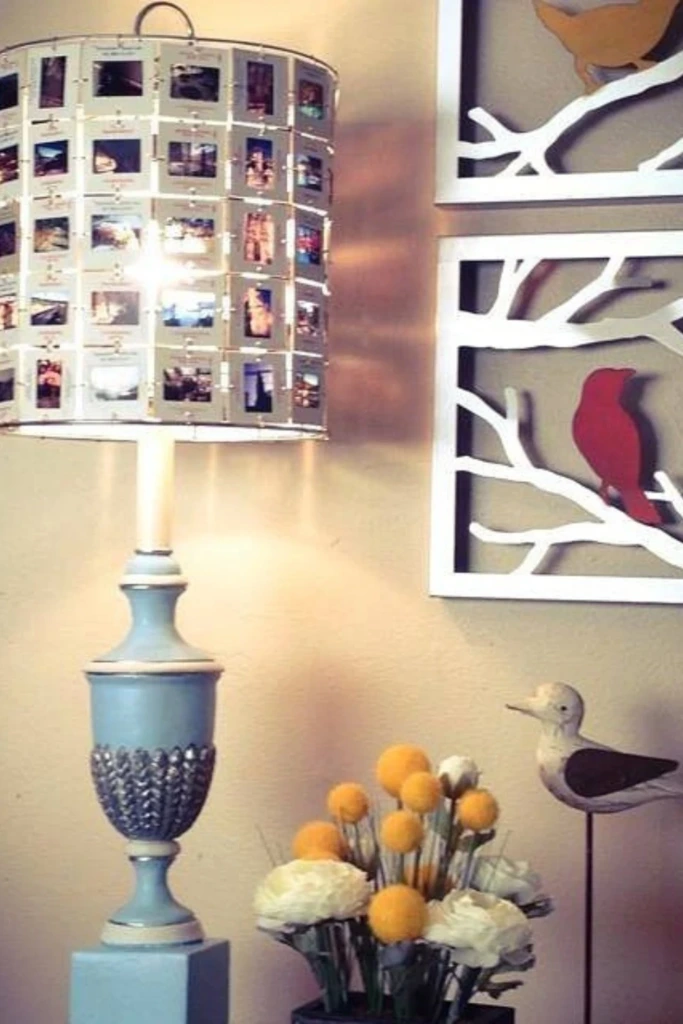
A photo-slide lampshade can turn a lighting fixture into a personalized display of travel memories, family photographs, or vintage imagery. The translucent appearance of photographic slides makes them particularly interesting as decorative objects.
To create a similar look, arrange lightweight image panels around a purpose-built frame designed for decorative lighting. Secure each panel with suitable clips or connectors, keeping the spacing uniform so the display appears balanced.
You can use reproductions of old photographs, miniature artwork, or transparent printed images to build a theme. Travel pictures create a nostalgic feel, while botanical images offer a softer decorative style.
Avoid placing delicate photographic materials directly against a hot bulb, since heat can cause warping or deterioration. Use a compatible LED source and ensure that the panels cannot fall into the light fixture or block required ventilation.
19. Coffee Cup Glow
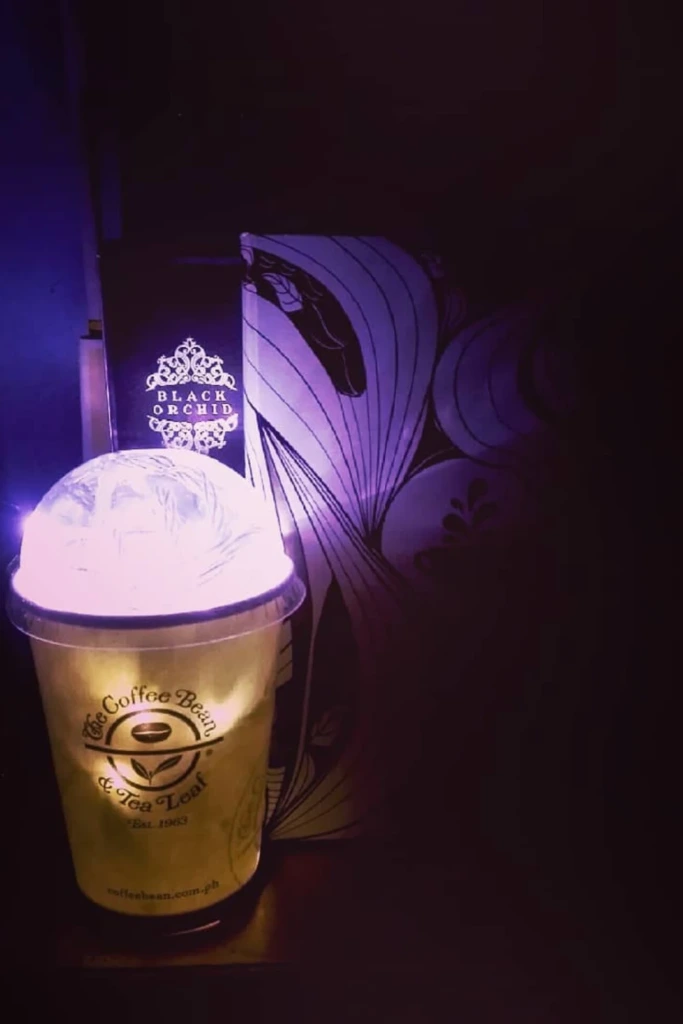
A coffee-cup-inspired night light is a fun project for a desk, bedside table, or small decorative display. Its familiar shape makes it suitable for a playful design, especially when you want to reuse a clean, plain cup.
Start with a cup made from a material suitable for the intended lighting arrangement. Place a small battery-powered LED light inside, then add a compatible translucent cover if you want to soften the appearance of the light.
Decorate the outside with simple illustrations, colored paper, or a small label to make the design personal. A plain white cup creates a minimalist look, while a patterned cup adds more character.
Use only a low-heat LED light designed for enclosed or decorative applications as appropriate. Do not use a conventional bulb inside a disposable cup, and never allow the light source to overheat the cup or any added decorations.
What can I use instead of a lampshade?
Several household and craft materials can inspire an alternative lampshade, depending on the type of lamp and the effect you want to achieve. Woven baskets, decorative wire frames, suitable frosted glass vessels, bamboo structures, and purpose-made paper lanterns can all provide distinctive looks when designed for lighting use.
Fabric coverings are useful when you want to introduce color or texture, while open metal frameworks can suit industrial interiors. Natural fibers such as jute and rattan complement rustic and bohemian spaces, and translucent materials can create softer ambient illumination.
However, not every household object is safe to place around a bulb. Ordinary paper, plastic containers, fabric, and baskets may ignite, melt, or become damaged by heat. Before repurposing an object, verify that it is appropriate for the lamp, maintains the required bulb clearance, and does not obstruct ventilation. When in doubt, use a purpose-built lampshade or a decorative LED light designed for the material.
What are the benefits of a lampshade?
A lampshade serves both practical and decorative purposes. One of its main functions is to help control how light spreads throughout a room. Depending on its shape, material, and color, it can reduce direct glare, soften the appearance of illumination, and direct light toward a desk, reading chair, or nearby wall.
Lampshades also contribute to the overall character of a space. A textured fabric shade can make a room feel warmer, a patterned design can introduce personality, and a simple neutral shade can support a minimalist interior.
The material influences the lighting effect as well. Light-colored, translucent coverings generally allow more light to pass through, while darker or more opaque shades can create a more focused effect. The final result depends on the bulb, the shade's construction, and the direction of the fixture.
A well-chosen lampshade can therefore improve visual comfort, complement your furniture, and help create the atmosphere you want without changing the entire lighting setup. When selecting or making one, prioritize compatibility with the lamp, secure construction, and safe clearance around the light source.