18 Attic Storage Ideas for 2026
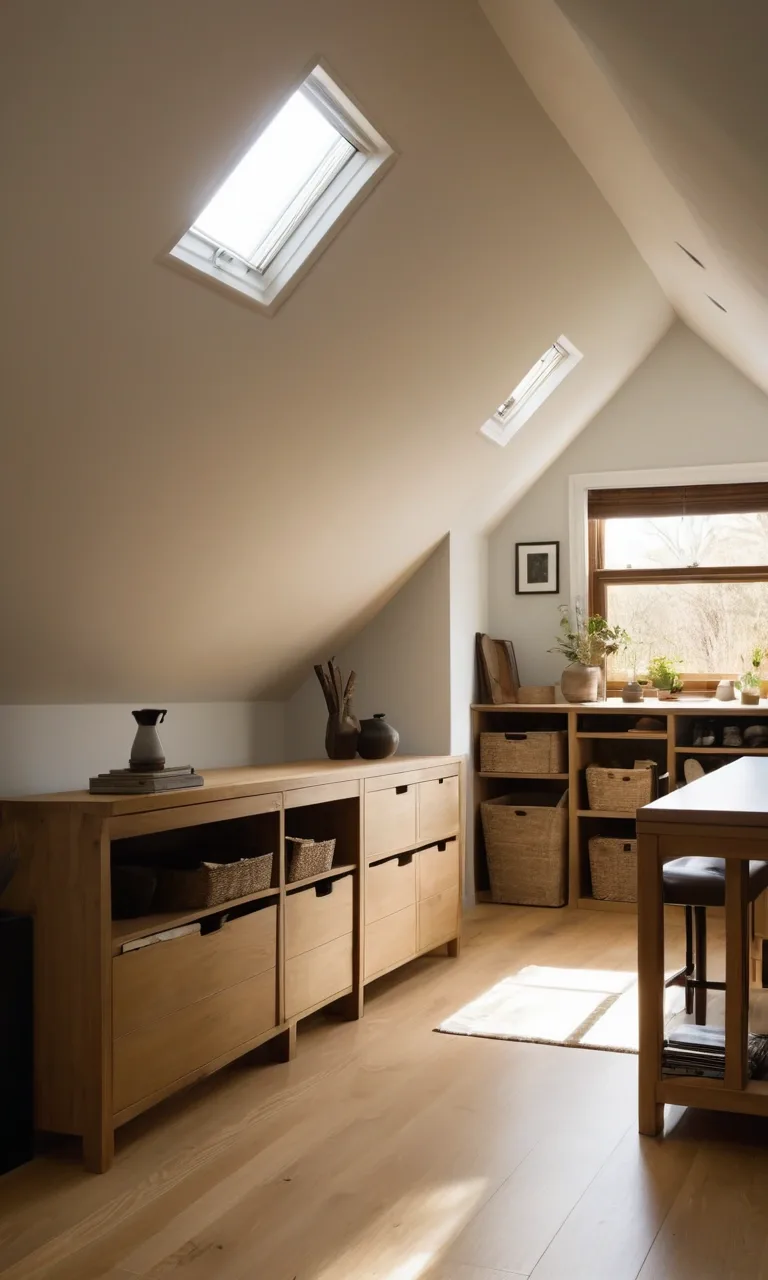
An attic can provide valuable extra storage without requiring an extension, a new shed, or a major home renovation. However, sloping ceilings, uneven floor layouts, and limited headroom can make it difficult to arrange belongings efficiently. Without a clear plan, boxes accumulate in corners, seasonal items become difficult to locate, and useful floor space disappears.
The key to a well-organized attic is choosing storage that works with its shape rather than against it. Built-in cabinets, compact shelving, labeled containers, and thoughtfully arranged wardrobes can transform even an awkward roof space into a practical part of your home.
Whether you have a finished attic, a small loft, or an unfinished area beneath the rafters, these 18 attic storage ideas will help you make better use of the available room while keeping your belongings accessible.
How Can I Turn My Attic Into Useful Storage Space?
Start by removing everything from the attic so you can assess its dimensions, identify unused corners, and determine which areas are safe to access. Before installing storage, check the condition of the floor, roof, ventilation, and insulation. Remember that ceiling joists are not automatically designed to support the weight of stored belongings, so confirm the floor's load capacity before adding heavy items.
Once the space is ready, divide it into practical zones. Use low-clearance areas beneath sloping ceilings for shallow cabinets, storage bins, or seasonal decorations. Reserve areas with sufficient headroom for frequently accessed belongings, and maintain a clear walkway between storage sections.
Choose sturdy containers with secure lids to protect suitable items from dust and pests. Label each container on more than one side so you can identify its contents without moving everything around. Keep heavier items low, place lightweight belongings on higher shelves, and avoid compressing insulation or blocking ventilation.
If the attic is unfinished, raised platforms or properly installed attic flooring can provide a more stable storage surface. Any flooring must be suitable for the structure and must not interfere with insulation, electrical equipment, or ventilation. With a little planning, the attic can become an organized extension of your home's storage capacity.
1. Knee Cabinets
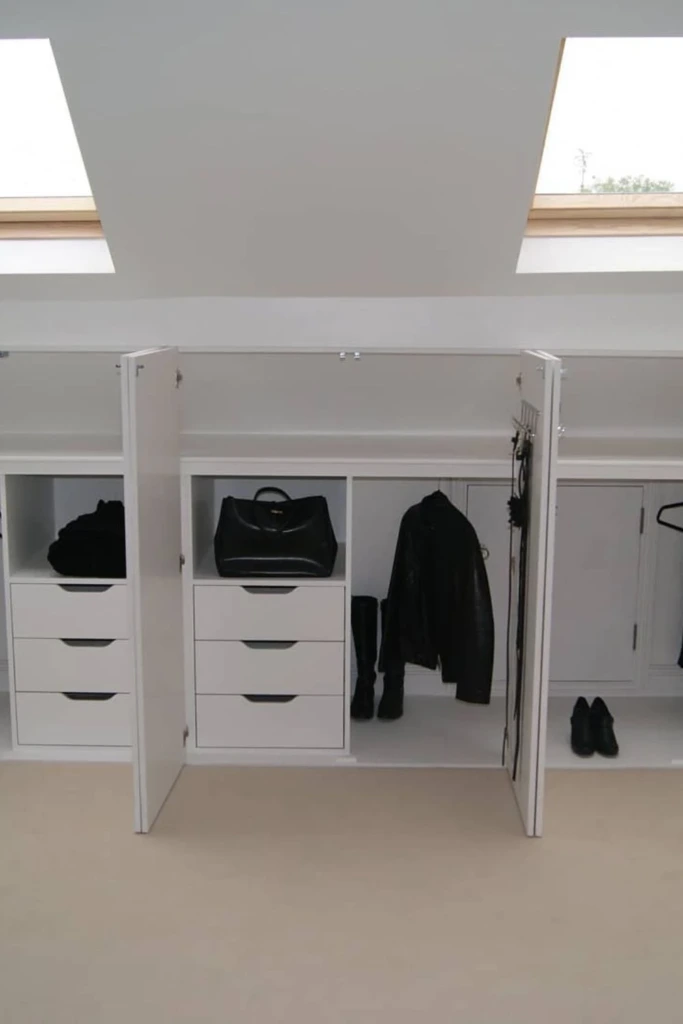
Knee cabinets are an effective way to use the low spaces created by sloping attic ceilings. These areas are often too short for standing or conventional furniture, but they can accommodate compact storage units without interfering with the main living area.
Built-in cabinets can be fitted along the lower walls, with drawers, shelves, or small hanging sections inside. Use them for folded clothing, shoes, handbags, linens, and other belongings that do not require full-height storage. Hinged doors keep contents concealed and help limit dust buildup.
For the best results, measure the available depth and height before choosing cabinet dimensions. Shallow units work well in particularly tight spaces, while deeper cabinets can accommodate larger household items. If the attic has a skylight, position the cabinets so they do not obstruct natural light or access to the window.
2. Triangle Shelving
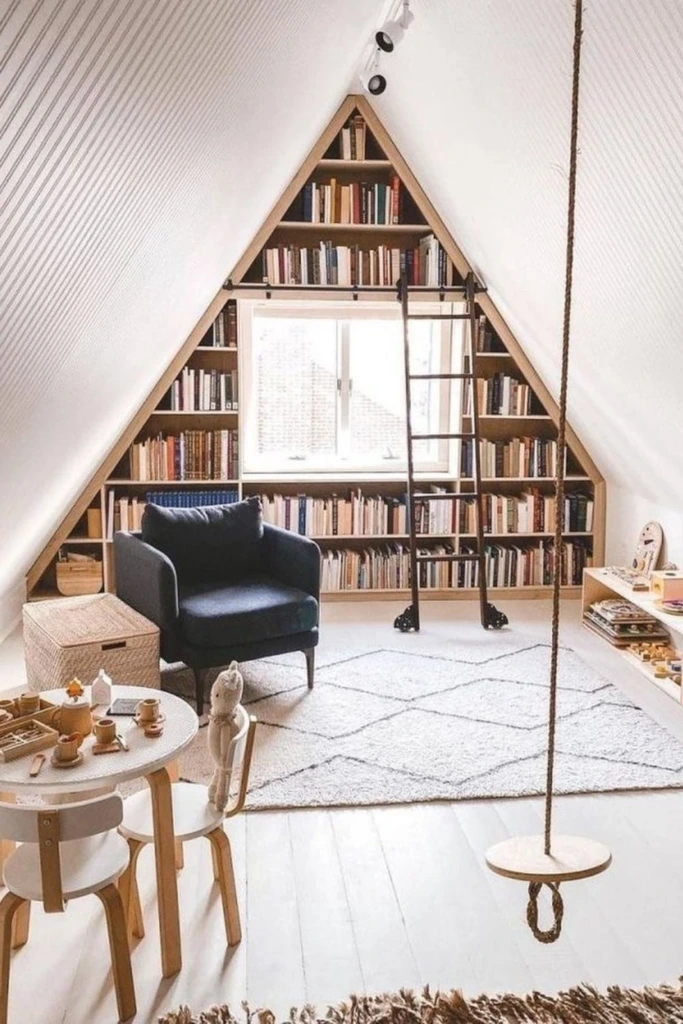
The triangular spaces beneath roof peaks can be difficult to furnish with standard shelving. Custom triangular shelves solve this problem by following the roof's shape and turning an otherwise unused section into functional storage.
A fitted wooden frame can support several shelves arranged according to the angle of the rafters. These shelves are suitable for books, decorative objects, small baskets, and lightweight storage containers. Keep heavier belongings on lower levels and reserve higher sections for items you rarely need.
In a finished attic, triangular shelving can also create an attractive display wall. Matching the shelf finish to the surrounding woodwork or furniture helps the installation look intentional rather than improvised.
If you want to access high shelves, choose a suitable step ladder and make sure the floor beneath it is stable. A sliding ladder can be considered for a purpose-built installation, provided the supporting structure and ladder system are designed for that use.
3. Walk-In Layout
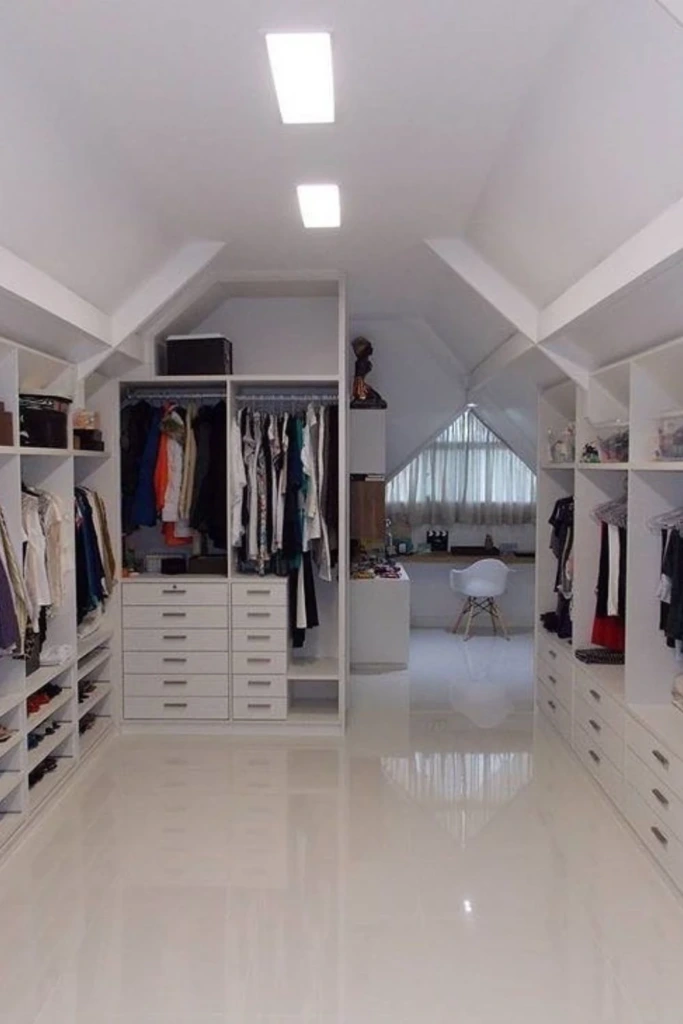
A long attic can become a useful dressing room or organized storage area when both side walls are arranged thoughtfully. Instead of scattering furniture around the room, create designated sections for hanging clothes, folded garments, shoes, and accessories.
Install wardrobes, shelving, or hanging rails along the walls where the ceiling height allows. Use the taller sections for dresses, coats, and longer garments, while lower areas can hold drawers, baskets, and folded clothing. Upper shelves are useful for suitcases and seasonal belongings that do not need daily access.
The central aisle should remain wide enough for comfortable movement. Avoid filling every available space with furniture, as an overcrowded layout makes it harder to reach stored items and can make the attic feel smaller.
Good lighting is especially important in attic dressing areas. Ceiling fixtures and well-positioned task lights help illuminate dark corners, making it easier to find clothing and keep everything organized.
4. Window Shelves
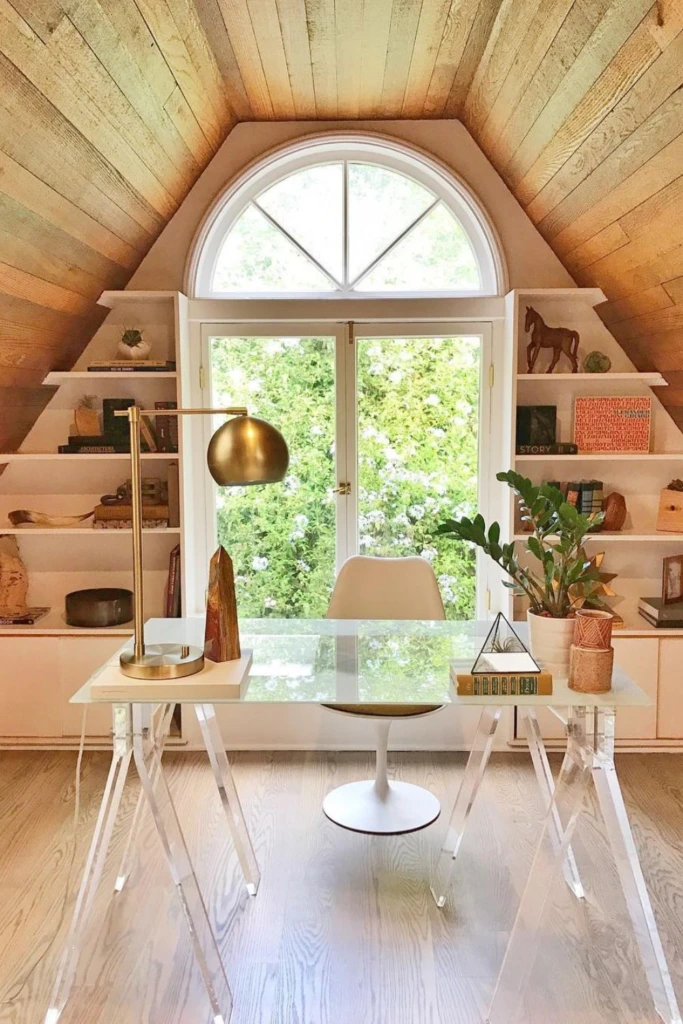
The wall around an attic window often contains narrow sections that are difficult to use with standard furniture. Stepped shelves fitted to the surrounding roofline can make these areas useful without blocking the window.
Arrange compact shelves on either side of the window or beneath a suitable section of the sloping ceiling. They can hold books, small decorative pieces, baskets, and lightweight everyday supplies. Keep heavier items on lower shelves and leave enough clearance for the window to open fully.
This arrangement works particularly well in an attic office, reading corner, or bedroom. The shelves provide storage while leaving the main floor area available for a desk, chair, or bed.
For a cohesive appearance, use shelf depths that suit the available space and coordinate the materials with the window trim. Make sure the installation does not interfere with window operation, emergency escape requirements, or maintenance access.
5. Shoe Wall
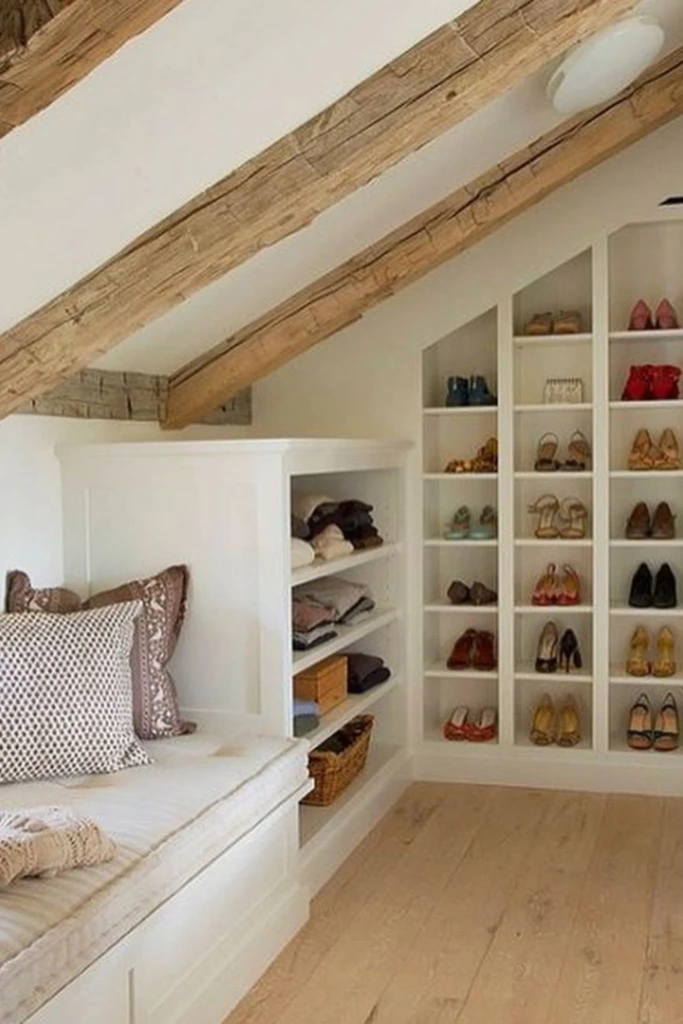
Shoes can quickly occupy valuable attic floor space when they are left in piles or stored in oversized boxes. A dedicated shoe wall provides a more organized solution, particularly in an attic used as a dressing room.
Install a series of shallow shelves or individual cubbies along a suitable wall. Separate footwear by type, placing frequently worn sneakers and sandals at convenient heights while keeping occasional-use shoes on higher shelves. Taller compartments can accommodate boots without bending or crushing them.
Adjustable shelving is helpful if your collection includes different shoe sizes and styles. Clear containers or simple labels can also make it easier to identify less frequently worn pairs.
Before building the unit, consider the height of the sloping ceiling and the depth of the footwear. A well-planned shoe wall uses vertical space efficiently while keeping the walkway free from clutter.
6. Peak Storage
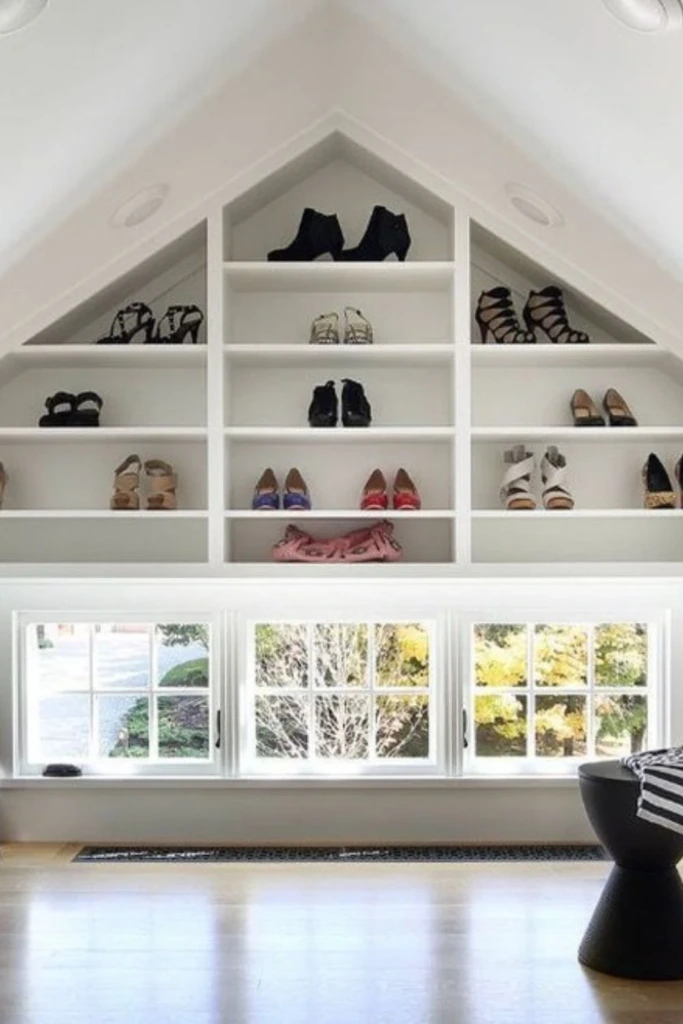
The tall triangular area beneath the highest part of an attic roof can provide substantial storage when fitted with shelving that follows the roofline. Rather than leaving the peak empty, use its height to organize belongings that would otherwise occupy the floor.
Open shelves can hold luggage, decorative boxes, books, and lightweight containers. Arrange the most frequently used items at reachable heights and reserve the highest sections for belongings accessed only occasionally. Lower shelves or cabinets can accommodate bulkier objects.
If a window sits beneath the roof peak, shelves can sometimes be incorporated around the opening to create a continuous storage wall. However, leave enough space for the window, natural light, and any required access.
A symmetrical arrangement can give the attic a more finished appearance, while different shelf sizes allow you to accommodate a variety of belongings. Secure the shelving properly and avoid placing heavy objects on high levels where retrieving them would be difficult or unsafe.
7. Slope Shelving
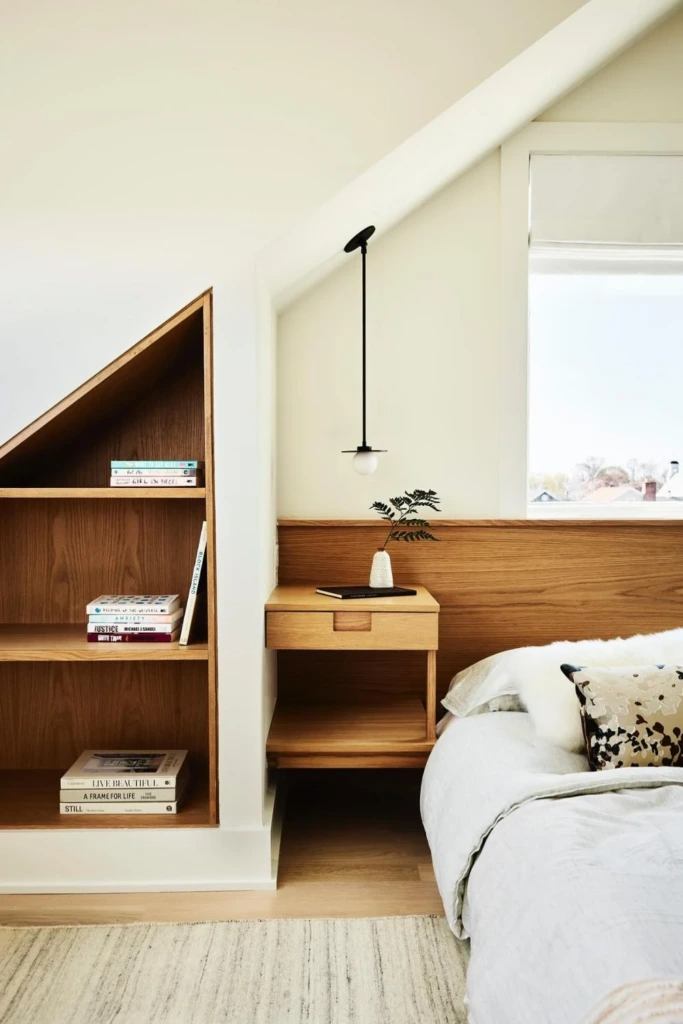
Sloping ceilings often leave awkward gaps between the wall and the floor, making conventional bookcases or cabinets impractical. Slope shelving is designed to fit these angled spaces and turn them into useful storage.
A custom unit can follow the ceiling line, with shorter shelves near the lowest point and progressively taller sections where the roof rises. Store books, decorative accessories, folded blankets, and small baskets according to their size and weight.
In an attic bedroom, open shelving can make the room feel less enclosed than a row of bulky cupboards. It also keeps everyday belongings visible and easy to reach. For items that tend to look untidy, matching baskets can provide a simple way to conceal smaller objects.
Place the shelving beside a bed, desk, or seating area when convenient, but allow enough clearance for comfortable movement. Carefully measured dimensions will help the unit fit the roofline without wasting valuable floor space.
8. Rafter Shelves
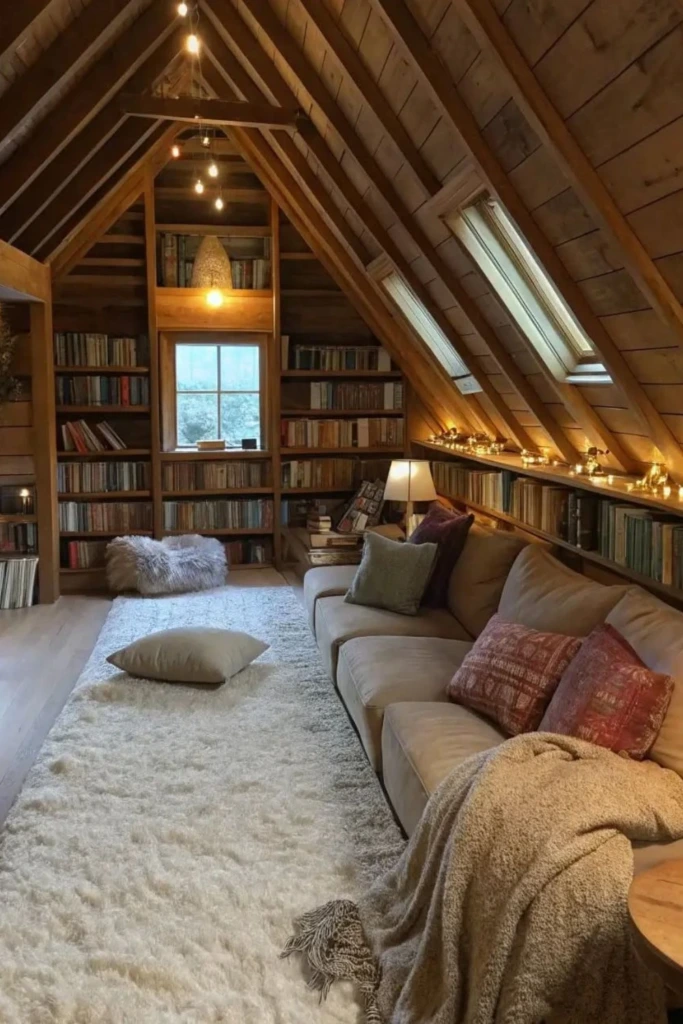
Exposed rafters can create useful opportunities for low-profile shelving along the sides of an attic. A long shelf positioned beneath the roof slope provides a place for belongings without taking over the central walking area.
Depending on the available clearance, use these shelves for books, small storage boxes, framed photographs, or decorative items. Keep the depth modest so that the shelves do not interfere with movement, furniture placement, or access to other parts of the room.
Wooden shelves can complement exposed beams and create a consistent look throughout a rustic or contemporary attic. If the shelves extend along a long wall, divide the arrangement into manageable sections to improve stability and simplify installation.
Lighting can make this storage more practical, particularly in a finished attic with limited daylight. Choose suitable fixtures and keep wiring away from areas where stored items could damage it. Before attaching shelves to rafters, verify that the proposed fixings are appropriate for the structure.
9. Wardrobe Wall
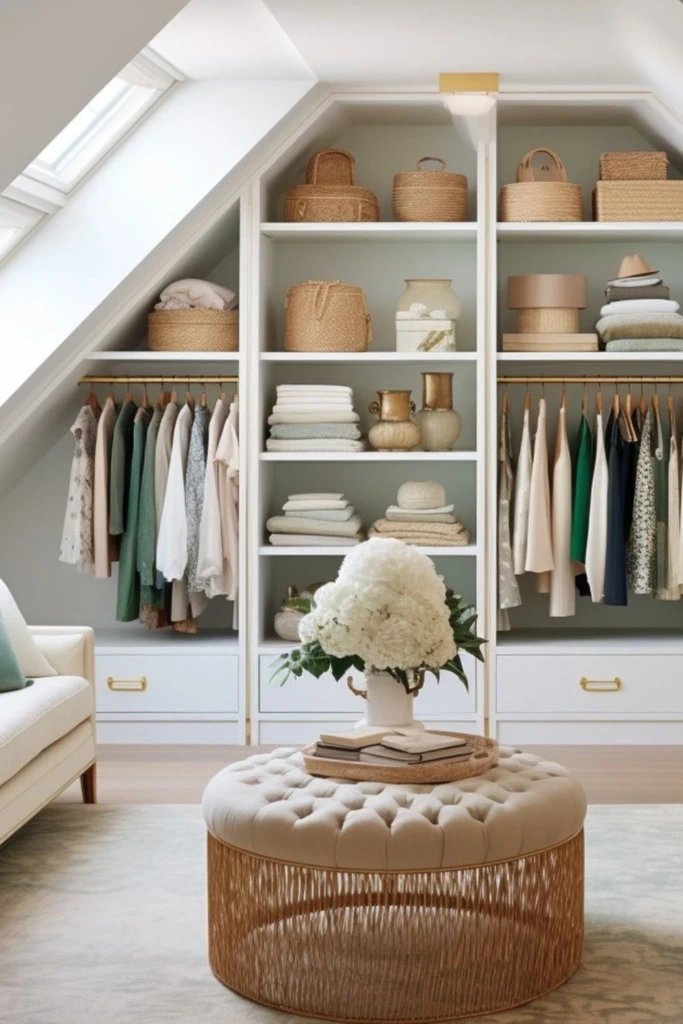
A full wardrobe wall can provide organized clothing storage without filling the attic with separate pieces of furniture. Custom cabinets designed around the roof's shape make use of different ceiling heights while creating a consistent appearance.
Use the tallest sections for hanging shirts, dresses, jackets, and other garments that require vertical clearance. Shorter sections can contain drawers, folded clothing, shoes, and accessories. Upper shelves are suitable for storage boxes and seasonal items that are not needed every day.
Combining several storage types in one continuous installation helps keep clothing categories separate. It also reduces the gaps that often appear when standard wardrobes are placed beneath an angled ceiling.
If space allows, add a small bench or dressing seat in front of the wardrobe wall. This provides a convenient place to sit while getting dressed without compromising access to drawers and hanging rails.
Choose cabinet finishes that complement the room and plan the internal layout around your actual storage needs. A carefully designed wardrobe wall can make an attic feel like a dedicated dressing area rather than an improvised storage room.
10. Angled Closet
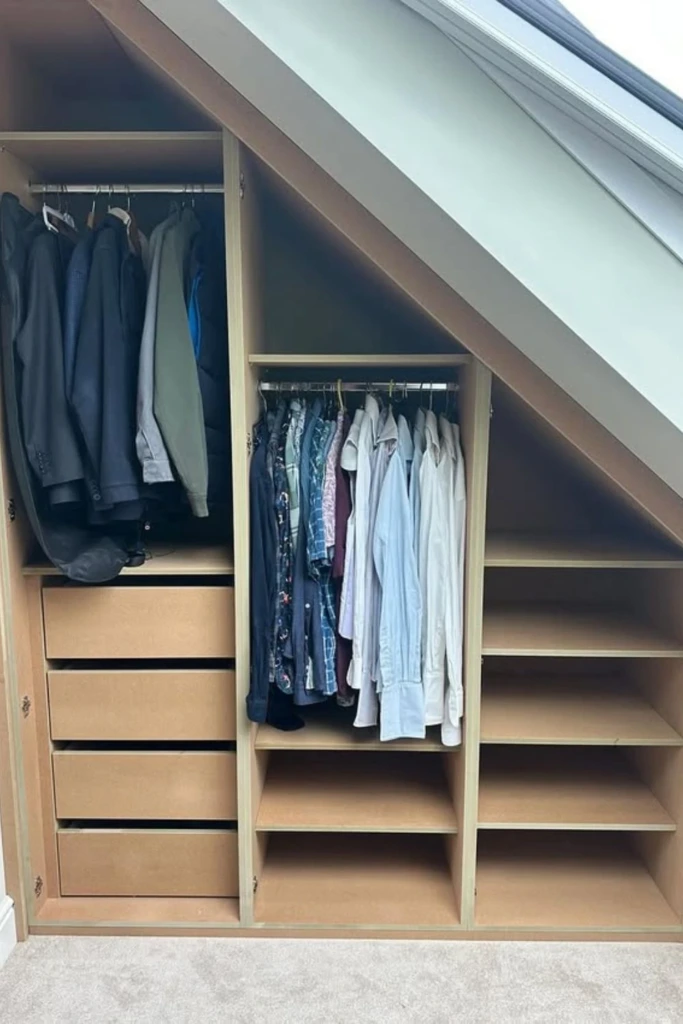
An angled closet is particularly useful when a standard wardrobe cannot fit beneath the roof slope. Custom cabinetry can follow the ceiling's contours, allowing you to store clothing and accessories in spaces that would otherwise remain empty.
Place hanging rails in the taller sections, where garments have enough clearance, and use lower compartments for folded shirts, shoes, handbags, and storage baskets. Drawers are helpful for smaller items such as belts, scarves, socks, and accessories.
Doors can conceal the contents and create a clean, uncluttered appearance. Depending on the layout, hinged or sliding doors may work, provided they have sufficient clearance and do not interfere with nearby furniture.
Before ordering a custom closet, measure the height, depth, and angle of the available space at several points. Account for skirting boards, roof supports, and any obstructions. Accurate measurements help prevent wasted space and ensure that doors, drawers, and hanging rails remain practical.
This approach works well in compact attic bedrooms where every inch matters and conventional wardrobes take up too much room.
11. Island Storage
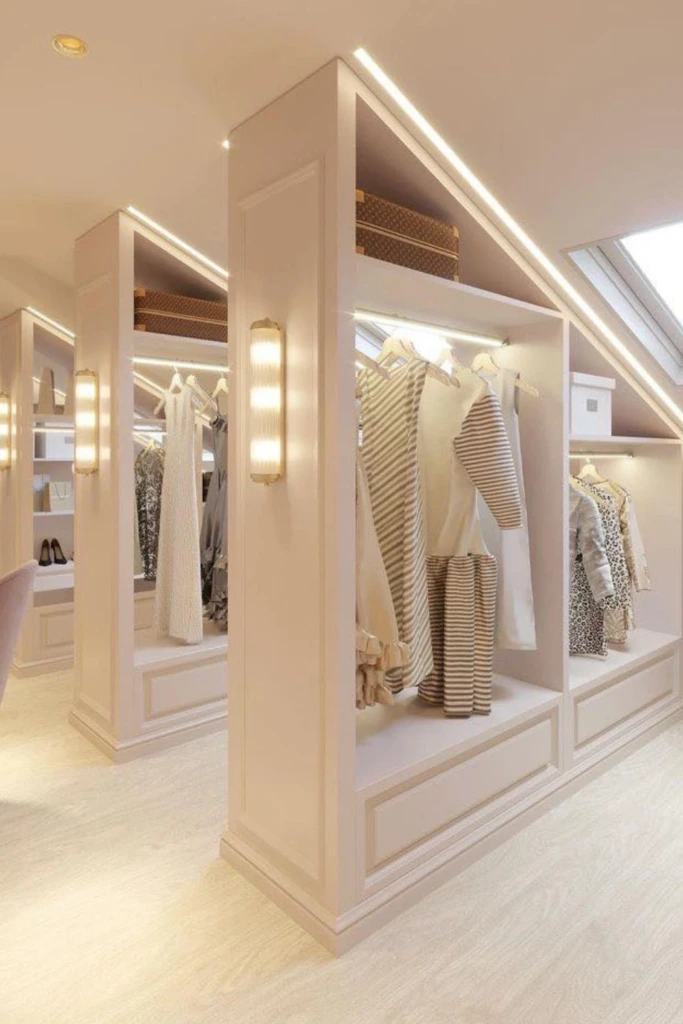
If your attic has enough floor space and headroom, a freestanding wardrobe island can provide additional storage in the center of the room. This arrangement is particularly useful in a larger dressing area where wall-mounted cabinets alone cannot accommodate everything.
An island can include drawers, open shelves, baskets, or short hanging rails. Use its compartments for accessories, folded garments, handbags, and outfits that you reach for frequently. The upper surface can serve as a temporary place to arrange clothing or sort accessories.
Keep the island proportionate to the room. There should be sufficient space around it to open drawers, access nearby wardrobes, and walk comfortably through the attic. In a narrow space, a slim unit may be more practical than a large central structure.
Open-sided designs help maintain an airy appearance and make stored items easier to see. Built-in lighting can improve visibility, although the installation should be suitable for the environment and positioned safely around clothing and other stored materials.
12. Hidden Cabinets
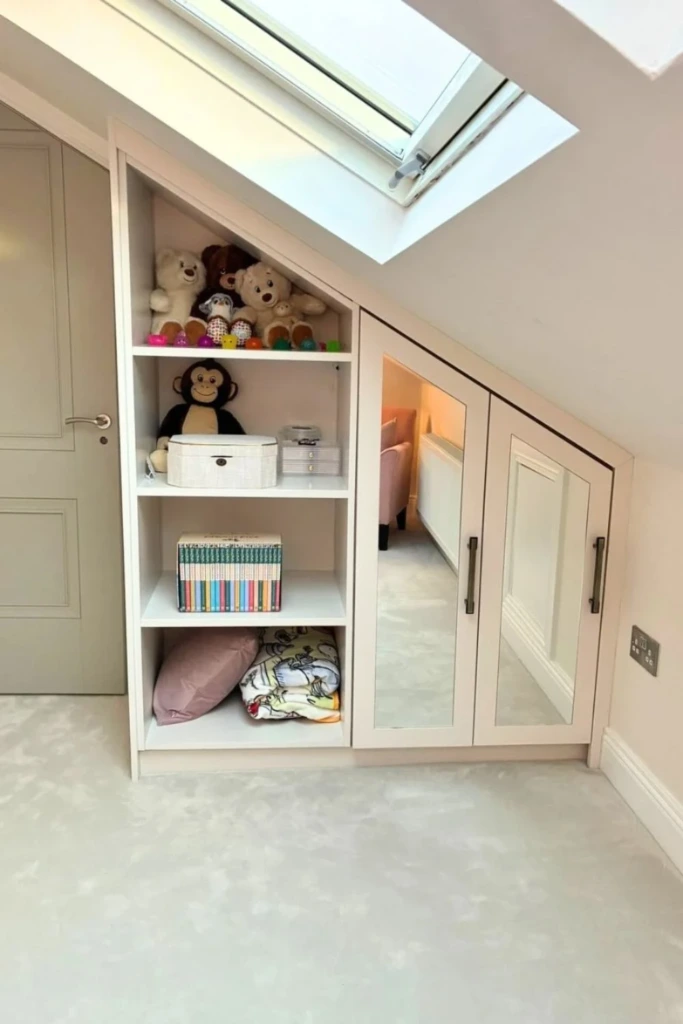
Hidden cabinets turn awkward attic corners into discreet storage areas. By fitting cabinetry beneath the sloping roof, you can make use of low spaces while keeping everyday clutter out of sight.
Closed compartments are suitable for spare linens, toys, paperwork, household supplies, and other belongings you want to keep protected from dust. Open shelves in taller sections can accommodate books, decorative pieces, and frequently used items.
A cabinet that follows the roofline generally makes better use of an angled wall than a standard rectangular unit. It also creates a more integrated appearance, especially when the cabinet finish matches the surrounding walls or furniture.
Mirrored doors can reflect available daylight and help a small attic dressing area feel brighter. However, mirrors should be installed securely, and their placement should not create glare or interfere with access.
Consider what you intend to store before choosing the cabinet's depth and internal layout. Frequently accessed items should be easy to reach, while less-used belongings can occupy deeper or higher compartments.
13. Vanity Storage
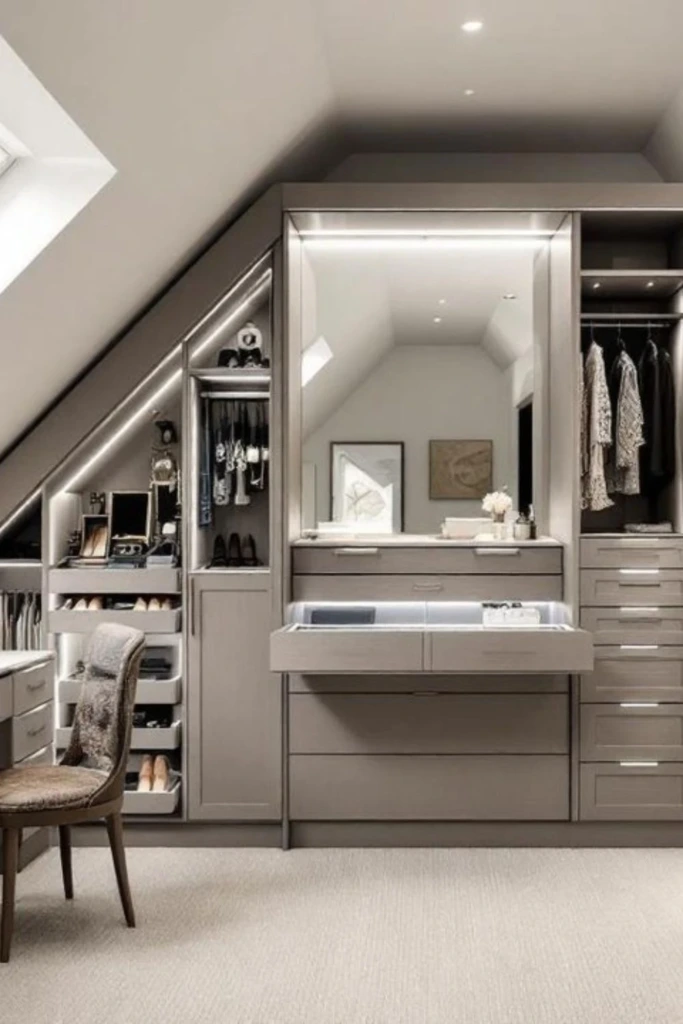
An attic dressing corner can serve several purposes when vanity space and storage are combined. A compact dressing table, mirror, and surrounding cabinets provide a convenient place to get ready while keeping personal belongings organized.
Install drawers or shallow cabinets beneath the sloping ceiling wherever the available height permits. Use them for jewelry, makeup, hair accessories, skincare products, and other small items. Separate compartments or dividers prevent frequently used products from becoming mixed together.
A central vanity table can sit between fitted cabinets or beneath a suitable window. Make sure the mirror is positioned at a comfortable height and that the chair can be pulled out without obstructing the walkway.
Lighting is essential for a practical vanity. Combine suitable general illumination with task lighting around the mirror to reduce shadows. If the area receives daylight from a skylight, position the vanity to take advantage of it without creating excessive glare.
Keep cosmetics and other temperature-sensitive products away from unusually hot attic areas. An organized vanity should be convenient to use while protecting the condition of the items stored there.
14. Vanity Cabinets
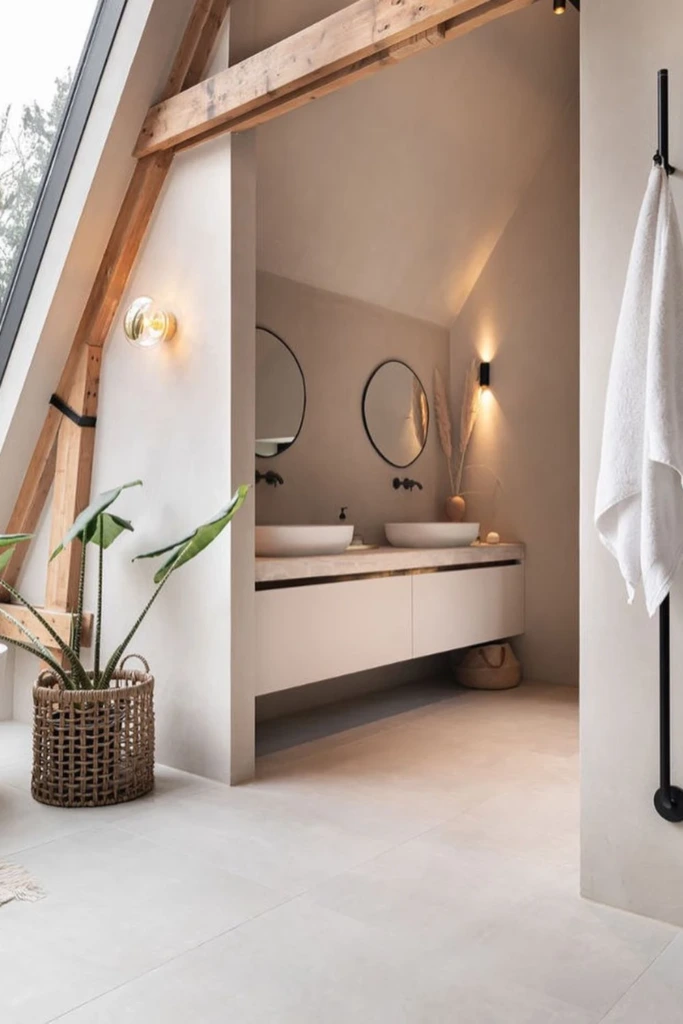
Attic bathrooms often have limited wall height and unusual layouts, so compact vanity cabinets can provide essential storage without overwhelming the room. A wall-mounted vanity may help preserve visible floor space when the wall and installation are suitable for supporting it.
Drawers beneath the sink can hold toiletries, spare towels, personal care products, and bathroom supplies. Organizers help separate small items, while deeper compartments can accommodate larger containers. Choose moisture-resistant materials and finishes designed for bathroom conditions.
The area beneath a sloping ceiling can be a good location for a vanity because the sink and countertop do not always require the same vertical clearance as a tall cabinet. However, ensure that the mirror, faucet, and user have sufficient usable space.
Good ventilation is especially important in attic bathrooms, where moisture can accumulate and damage cabinetry or nearby building materials. Use an appropriate exhaust system, address any leaks promptly, and avoid overcrowding the cabinet with damp towels or wet cleaning supplies.
A well-sized vanity keeps everyday essentials accessible while helping the bathroom feel more orderly.
15. Rack Storage
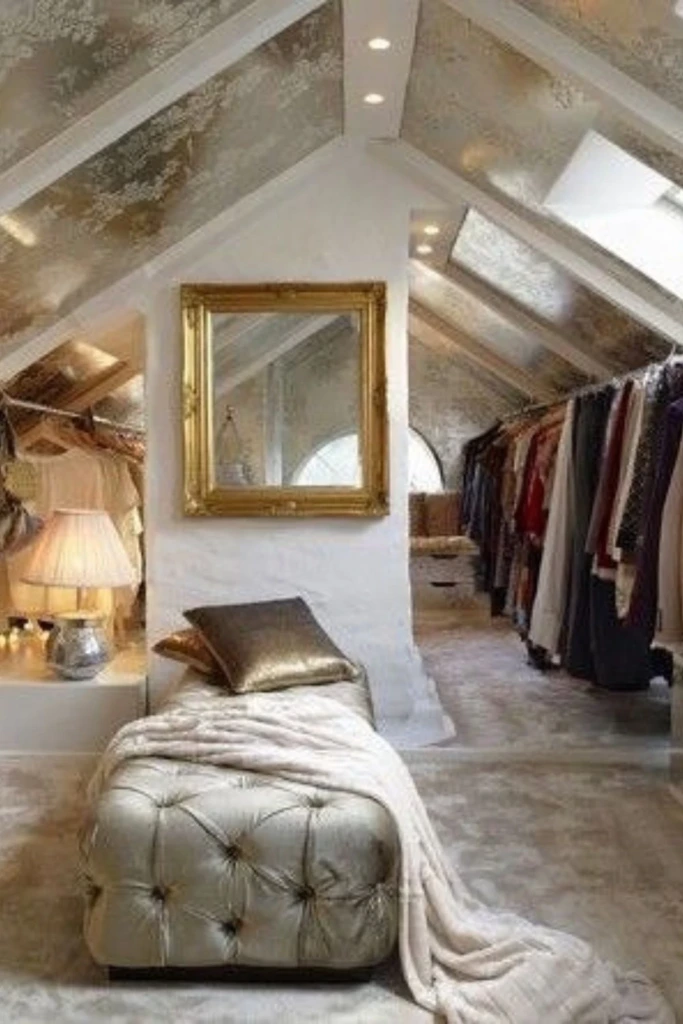
A clothing rack can be a simple alternative to a built-in wardrobe, especially in an attic with a long, sloping wall. A properly positioned rail provides hanging space for garments without requiring a large cabinet.
Choose a rack height that accommodates the clothes you plan to store. Taller sections can hold dresses and coats, while shorter rails may be sufficient for shirts and trousers. Position the rack where garments will not obstruct windows, doors, walkways, or other essential access points.
The space beneath the hanging clothes can be used for shallow shoe shelves, storage baskets, or a small set of drawers. Keeping accessories in designated containers helps prevent the floor from becoming cluttered.
If you have limited room, consider a narrow wall-mounted rail or a compact freestanding rack instead of a large wardrobe system. Make sure the rail and its fixings can support the weight of the clothing, and avoid placing delicate garments against damp or unusually warm surfaces.
This arrangement is especially useful for frequently worn outfits, temporary clothing storage, or seasonal wardrobe rotation.
16. Bin Stacking

Stackable storage bins are a practical choice for unfinished attics where installing custom cabinets would be expensive or unnecessary. Uniform containers make it easier to organize belongings and use the available space efficiently.
Select durable bins with secure lids that suit the conditions of your attic. Plastic containers can help protect many household items from dust and pests, although they do not automatically prevent moisture damage. Store only dry belongings, and check for condensation or leaks before placing sensitive items inside.
Arrange the containers along suitable low walls or in designated storage zones. Use bins of similar sizes so that they stack securely, following the manufacturer's guidance on stacking and weight limits. Place heavier containers near the bottom and avoid building unstable towers.
Clear containers make contents easier to identify, while opaque bins can keep light-sensitive belongings protected. Either way, add clear labels describing what each container holds. A simple inventory can be particularly helpful for holiday decorations, family keepsakes, archived documents, and seasonal clothing.
Keep the bins on a suitable load-bearing floor or properly installed storage platform rather than directly on insulation. Maintain access to wiring, ventilation, roof components, and other areas that require inspection.
17. Corner Shelving
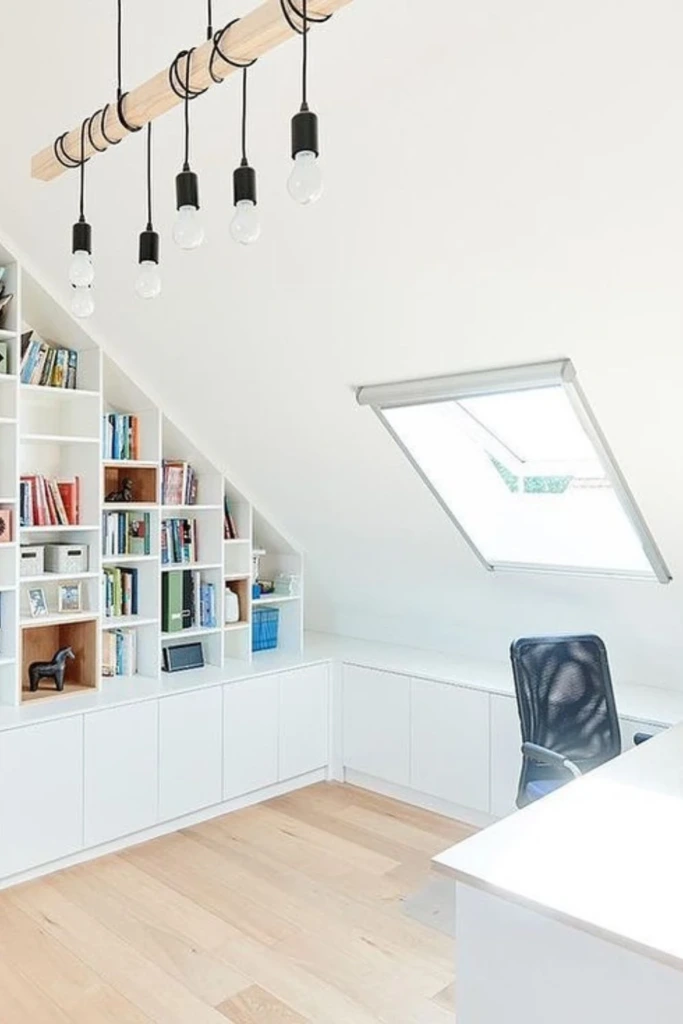
Corner shelving can transform unused attic corners into organized storage for books, office supplies, decorative objects, and everyday household items. Custom units are particularly effective where two walls meet beneath a sloping roof.
Open shelves provide convenient access to belongings that you use regularly. Smaller cubbies can hold baskets, stationery, and compact storage containers, while closed cupboards below conceal items that would otherwise make the space look untidy.
In an attic home office, corner shelving can sit beside a desk to keep reference books, files, and work supplies close at hand. In a reading nook, it can provide space for books and accessories without requiring a separate bookcase.
Measure both walls and the roof angle before choosing the shelf design. A stepped arrangement may fit a sharply sloping corner better than a conventional square unit. Make sure the shelves are securely supported and do not block electrical outlets or access panels.
Organizing items by category helps the corner remain functional instead of becoming another place where miscellaneous belongings accumulate.
18. Open Wardrobe
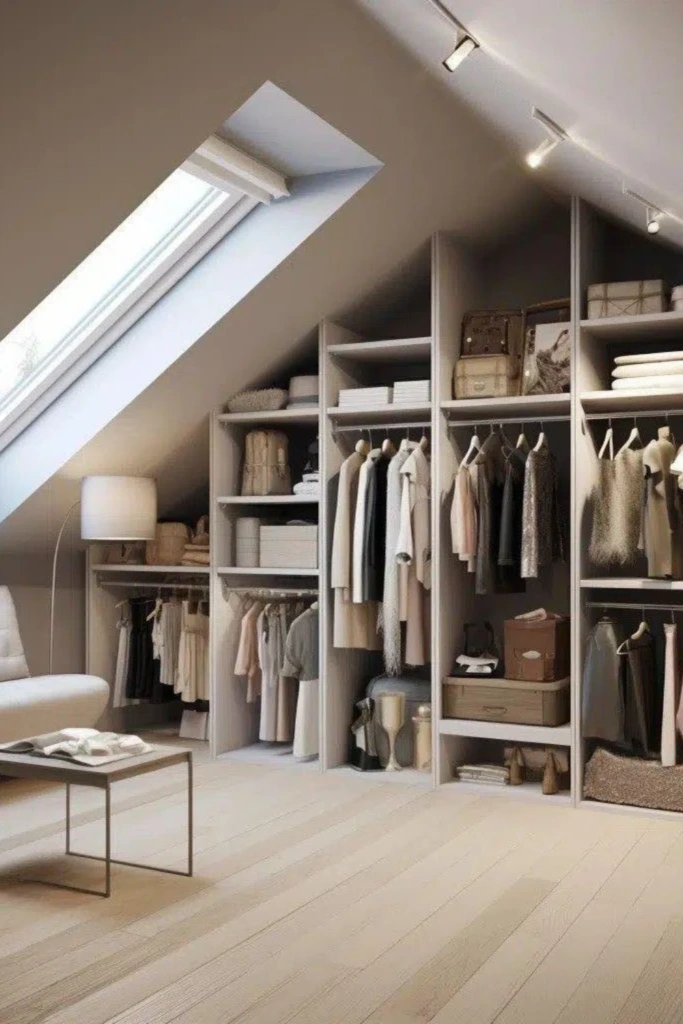
An open wardrobe is a useful option for attic bedrooms and dressing rooms where large cabinet doors would take up too much space. The system keeps clothing visible and accessible while allowing shelves and rails to follow the roofline.
Use hanging sections for coats, shirts, dresses, and other garments, adjusting the rail heights to suit the available clearance. Shorter sections can accommodate folded clothing or trousers, while shelves above the rails provide room for handbags, boxes, and seasonal accessories.
Open wardrobes work best when clothing is arranged consistently. Group similar garments together, use matching hangers where practical, and reserve baskets for smaller items that are difficult to keep tidy on open shelves.
Because the contents remain visible, this setup makes it easier to identify what you own and locate specific pieces without searching through deep cupboards. It also encourages regular decluttering, since overcrowded rails are immediately noticeable.
If dust is a concern, store delicate or rarely worn clothing in garment covers or closed containers. Position the wardrobe away from damp areas and ensure there is enough clearance for garments to hang freely without touching the floor.
Can attic storage damage insulation?
Yes. Placing boxes directly on insulation can compress the material and reduce its ability to resist heat transfer. Damaged or compressed insulation may affect indoor comfort and increase heating or cooling costs.
The safer approach is to use a properly designed raised platform or suitable attic flooring supported by the appropriate structural members. The installation should provide sufficient clearance above the insulation so that it can perform as intended.
Before adding flooring or heavy storage, verify that the attic structure can carry the additional load. Not every attic is designed for storage, and ceiling joists should not automatically be treated as a safe floor. Keep ventilation paths open, avoid covering electrical equipment, and maintain access to areas that need inspection or maintenance.
What type of storage works best in small attics?
Storage that follows the roofline is generally the most efficient choice for a small attic. Low cabinets, custom shelves, shallow cupboards, and compact bins can use spaces that are too short for standing or conventional furniture.
Begin by measuring the room and identifying areas with different ceiling heights. Use low sections for shoes, folded clothes, and labeled containers, and reserve the taller central area for movement and frequently accessed belongings.
Built-in storage is useful when you want a seamless finish, while stackable bins and freestanding shelves offer flexibility without extensive renovation. Choose the option that suits your budget, the condition of the attic, and the types of items you need to store.
Most importantly, keep the main access route clear and avoid overloading the floor. A small attic becomes much easier to use when every storage zone has a purpose and belongings can be retrieved without moving several other items first.