24 Kayak Storage Ideas for 2026

A kayak is much easier to maintain when it has a dedicated place to rest between paddling trips. Proper storage protects the hull from unnecessary pressure, reduces exposure to harsh weather, and keeps your garage, yard, or waterfront organized. Whether you own one recreational kayak or several boats for family adventures, there are plenty of practical ways to store them without sacrificing valuable space.
The best setup depends on your kayak's size, available room, local climate, and how frequently you use it. Explore these kayak storage ideas to find a solution that suits your equipment and lifestyle.
1. Covered Kayak Racks
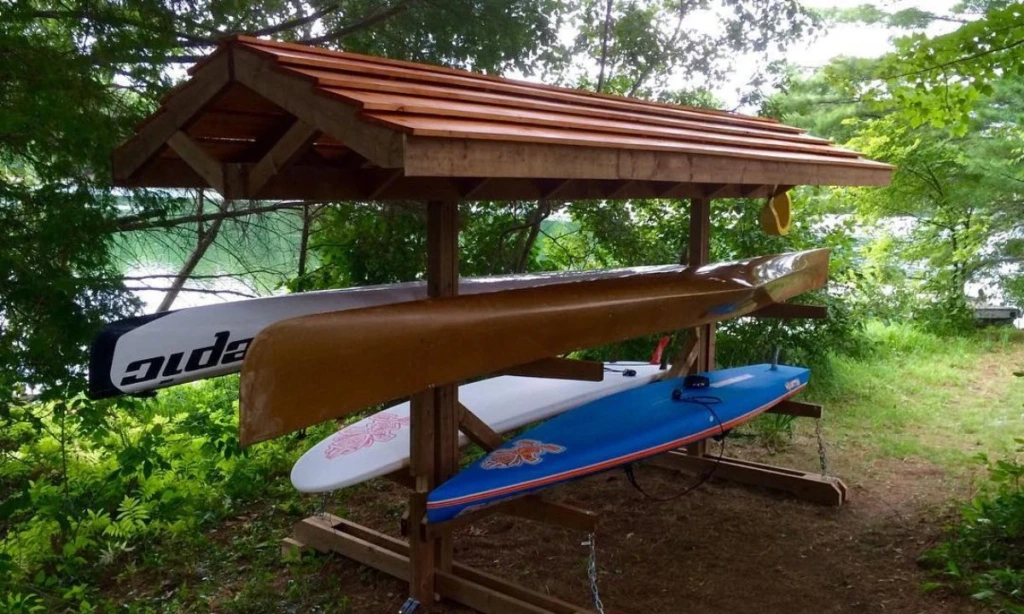
Covered kayak racks offer a convenient way to store boats outdoors while reducing exposure to direct sunlight, rain, and falling debris. These racks can sit beneath a purpose-built canopy, a carport, or a simple weatherproof shelter.
Choose a design with enough clearance to accommodate your kayak without forcing it into a tight space. The supporting frame should be sturdy, and the contact points should distribute the boat's weight evenly. A breathable cover can provide additional protection, but avoid wrapping a damp kayak tightly because trapped moisture may encourage mold and mildew.
This option works especially well for homeowners who lack indoor storage but want to keep their boats accessible throughout the paddling season.
2. Kayak Storage Ideas
The right kayak storage system should protect your equipment while making it easy to retrieve whenever an outing comes up. Before choosing a rack, measure your kayak's length, width, and weight, then check the dimensions of the area where you plan to store it.
Consider these practical options:
Indoor racks: Suitable for garages, basements, and dedicated equipment rooms.
Outdoor stands: Useful for yards, patios, and waterfront properties.
Wall-mounted systems: Keep boats off the floor and free up walking space.
Ceiling storage: Makes use of overhead room in garages with sufficient clearance.
Freestanding racks: Offer flexibility when you need to move or rearrange your equipment.
Lockable enclosures: Add security and weather protection for boats stored outside.
Whatever system you choose, support the kayak according to the manufacturer's recommendations. Avoid resting it on a hard surface at only a few isolated points, especially during long periods of storage. Keep paddles, personal flotation devices, and other accessories nearby in separate, organized storage.
3. A-Frame Stand
An A-frame stand provides a straightforward solution for storing one or several kayaks without attaching hardware to a wall. Its angled legs create a stable structure that can be placed in a garage, shed, or suitable outdoor area.
Depending on the design, padded horizontal supports can hold kayaks at different heights, allowing you to make better use of a compact footprint. Some models fold flat when they are not needed, which is particularly useful for seasonal storage.
Look for a stand with a wide base, secure joints, and weight ratings appropriate for your boats. Place it on a level surface and position the kayak so that its weight rests evenly on the supports. If you use the stand outdoors, choose weather-resistant materials and secure it against strong winds.
4. Lakeside Rack
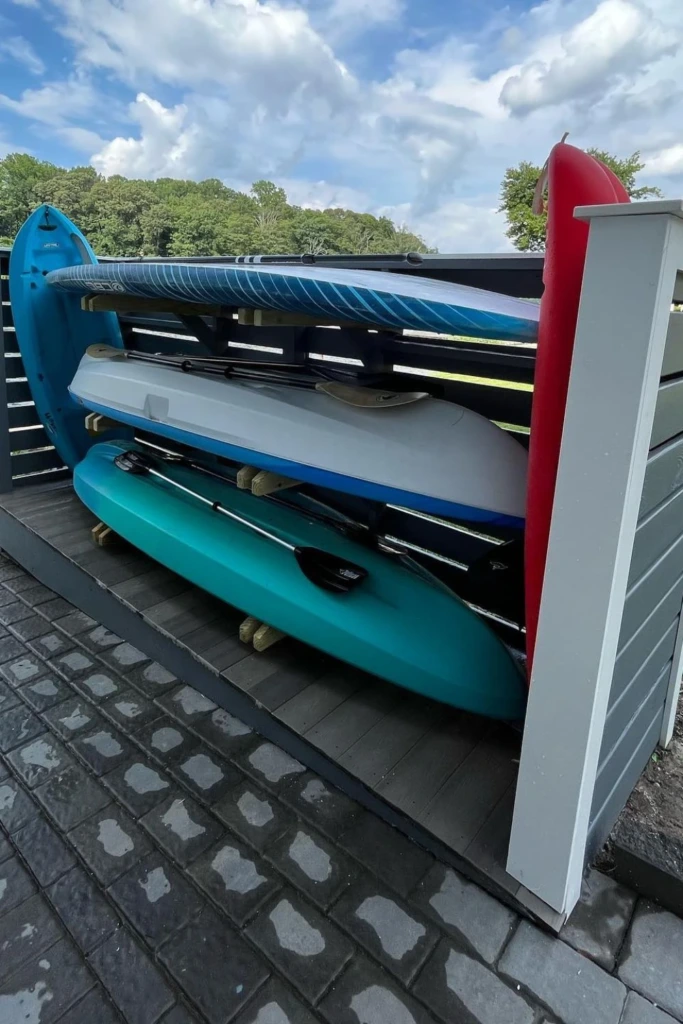
A lakeside rack keeps your kayak close to the water, making spontaneous paddling sessions much easier. It is a practical choice for lakeside homes, private docks, and properties with direct access to a launch area.
A rack near the shoreline should be built from materials suited to its environment. Galvanized metal, suitable marine-grade hardware, and properly treated timber can help resist moisture and corrosion. Raised supports also reduce direct contact between the hull and wet ground.
Think carefully about water levels, flooding, shoreline erosion, and changing weather before choosing the location. The rack should not obstruct access to the water or create a tripping hazard. Secure your kayak against wind and unauthorized removal, and rinse away mud or salt residue before putting the boat away.
5. Lockable Shed
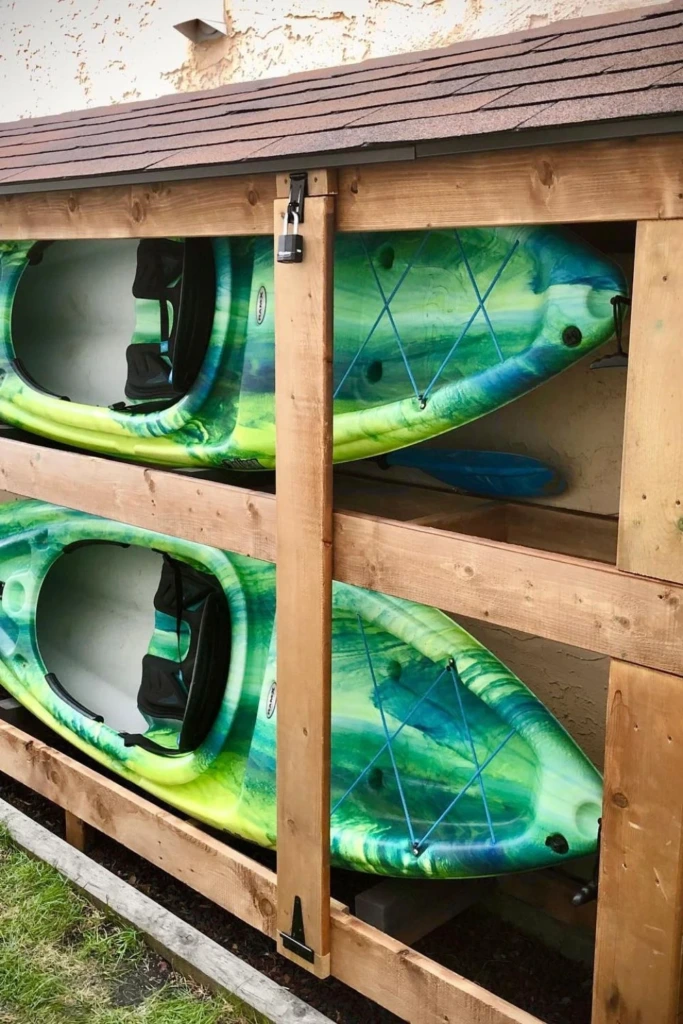
A lockable shed is an excellent option when security and weather protection are equally important. It creates a dedicated space for kayaks, paddles, life jackets, repair supplies, and other outdoor equipment while keeping everything out of sight.
Choose a shed with a doorway wide enough for your kayak and sufficient interior length to avoid awkward maneuvering. If space allows, install wall brackets or a freestanding rack so the boat does not have to sit directly on the floor. Shelves and hooks can organize smaller accessories without crowding the kayak.
Ventilation is essential, especially after a wet trip. Allow the boat to dry before closing the shed for extended periods, and check for leaks or condensation regularly. A sturdy lock and secure hinges help deter theft, although the level of protection will depend on the shed's construction and installation.
6. Basement Rack
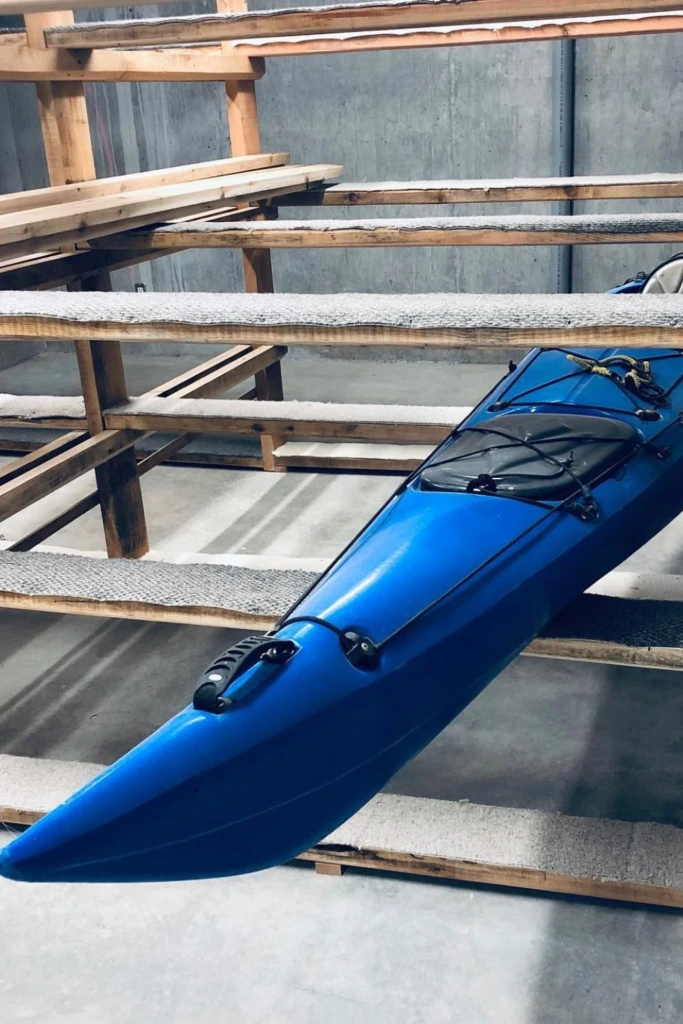
A basement rack makes use of indoor space that might otherwise remain underutilized. It can be especially helpful for apartment residents with private storage areas or homeowners who have a large, accessible basement.
Before installing a rack, measure stairways, doors, and tight corners to determine whether the kayak can actually be moved into the room. Check ceiling height, floor strength, and the condition of the basement walls if you plan to mount anything permanently.
Wall brackets or a freestanding frame can keep the kayak off the ground and away from household clutter. However, basements can be damp, so good ventilation and moisture control matter. Store the boat only when it is reasonably dry, and keep it away from furnaces, chemicals, and other potential sources of heat or damage.
7. Dual Roof Rack
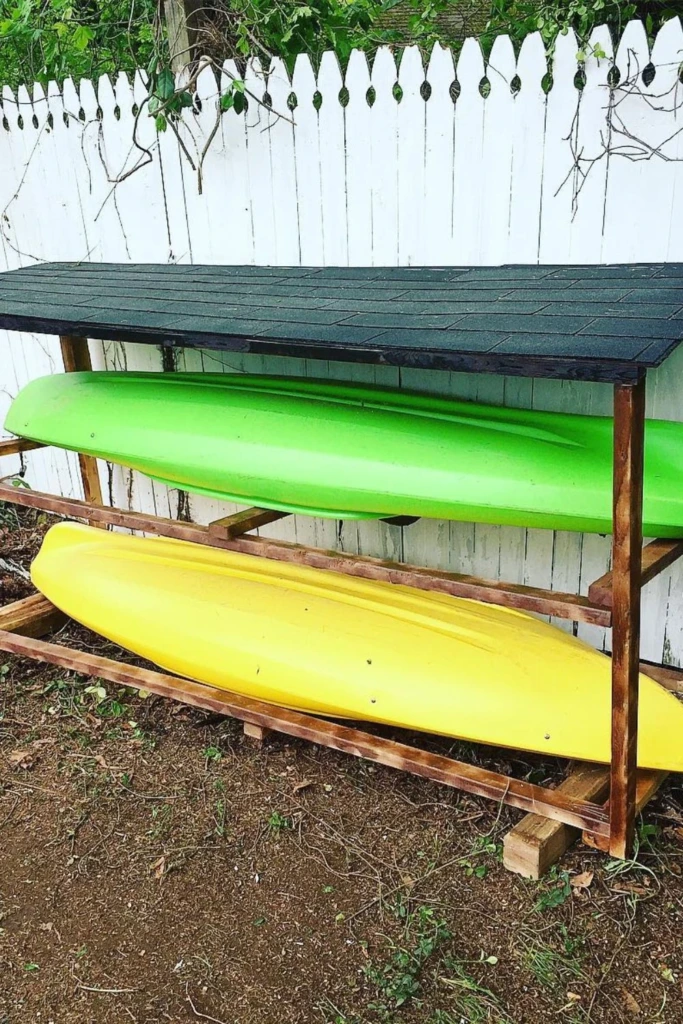
A dual roof rack provides two storage positions, making it useful for paddlers who own multiple kayaks. Depending on the design, the rack may hold boats at different heights or use two parallel support levels to maximize vertical space.
This arrangement works well in garages, equipment rooms, and certain covered outdoor areas. It can also make shared storage more organized when family members own kayaks of different sizes.
Check the manufacturer's load capacity and the spacing between supports before placing boats on the rack. The lower kayak should remain easy to remove without disturbing the one above it. Ensure that the structure is anchored or braced as designed, and use appropriate padding to prevent concentrated pressure on the hulls.
A two-level system is most practical when there is enough overhead clearance to lift and remove each kayak safely.
8. Fence Mount Rack
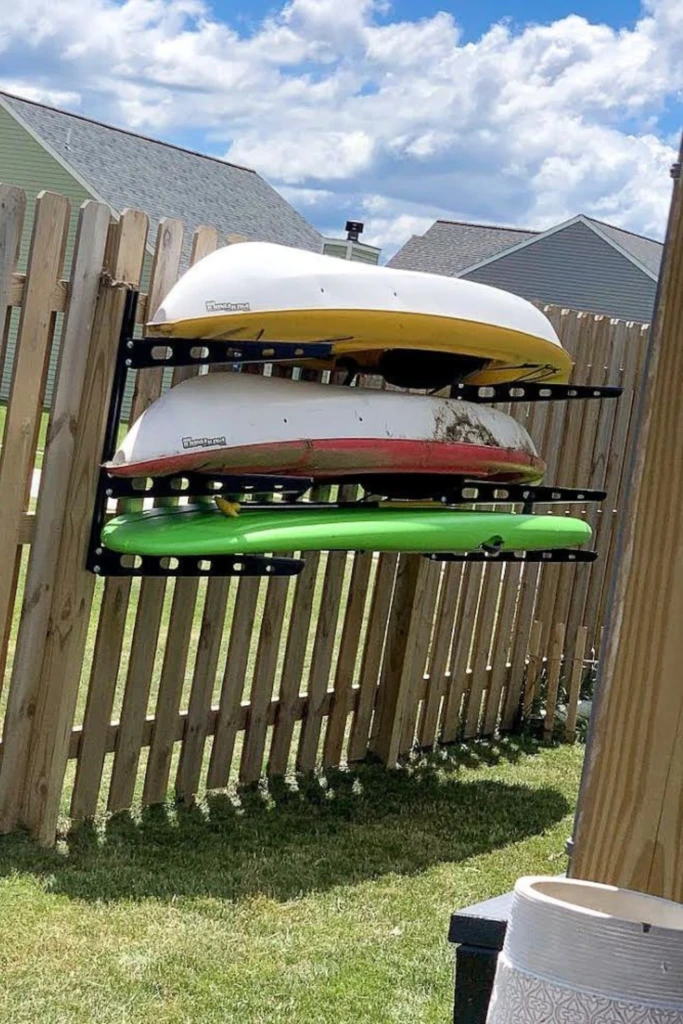
A fence-mounted rack can turn an otherwise unused boundary into a convenient storage area. It is particularly useful in small yards where a freestanding rack would take up valuable space.
The fence must be strong enough to support the combined weight of the rack and kayak. A lightweight decorative fence may not provide adequate structural support, so inspect the posts, rails, and connections before installation. In some cases, independent posts installed beside the fence will provide a safer alternative.
Use padded cradles or suitable brackets that distribute the boat's weight rather than pressing against a narrow section of the hull. Position the kayak so that it does not project dangerously into a walkway or neighboring property.
Because the boat will be exposed to outdoor conditions, consider a protective canopy or breathable cover. Keep the storage area tidy and ensure that the rack cannot interfere with gates or access routes.
9. Rolling Stand
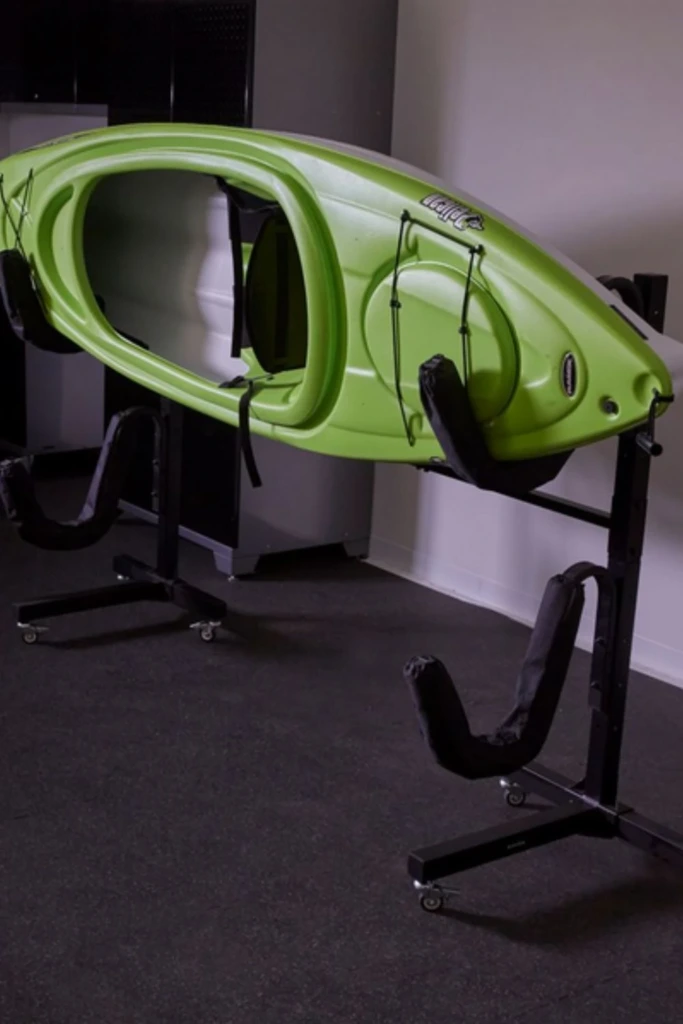
A rolling stand makes moving a kayak around your property much easier. It is useful when you need to transfer a boat between a garage, driveway, cleaning area, or vehicle without carrying the full weight for the entire distance.
Most designs use a frame with padded supports and wheels. Larger wheels generally handle uneven surfaces better than small casters, while locking wheels help prevent unwanted movement during loading and unloading.
Choose a stand that matches the kayak's weight and hull shape. The boat should remain centered, with the supports positioned according to the manufacturer's guidance. Avoid leaving a loaded rolling stand on a slope or moving it over rough ground if the kayak could shift.
A rolling stand is best viewed as a mobility aid rather than automatically suitable long-term storage. If you plan to leave the kayak on it for weeks or months, make sure the supports distribute pressure appropriately and the frame is rated for extended use.
10. Wall Strap System
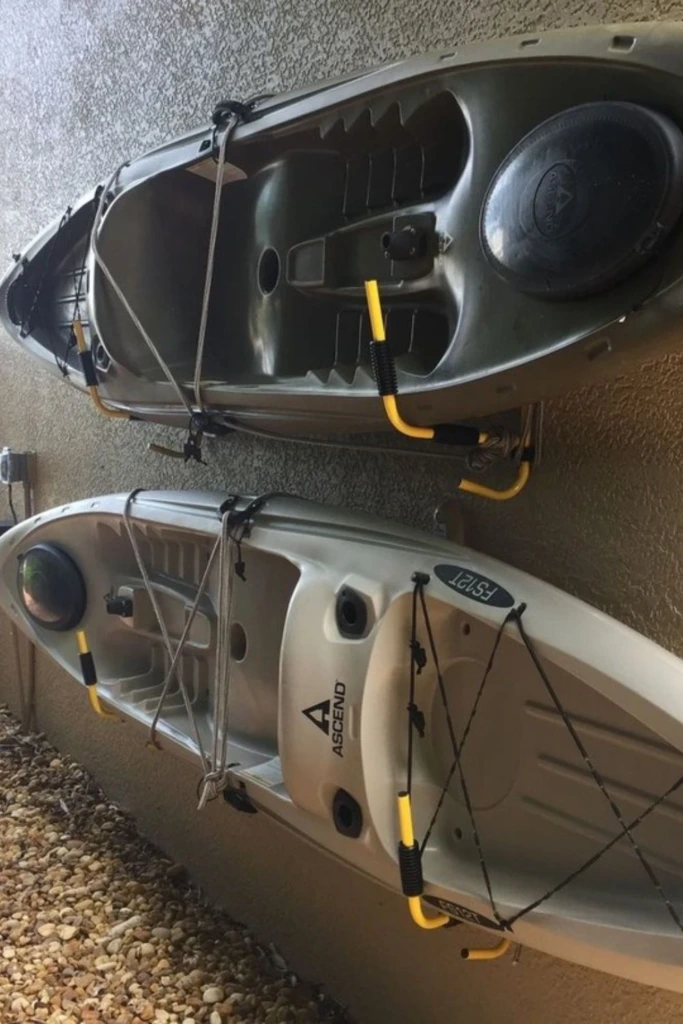
A wall strap system suspends a kayak against a wall using adjustable straps attached to secure mounting points. This arrangement frees up floor space and can be an affordable alternative to bulky racks.
Install the straps into suitable structural supports rather than relying on drywall anchors alone. Check the hardware's load rating, and make sure the mounting points can handle the kayak's weight with an appropriate safety margin.
Wide, padded straps are preferable to thin cords because they spread pressure over a larger area. Position them so the kayak is supported at suitable points along its length, following the boat manufacturer's storage recommendations. Tighten the straps enough to hold the boat securely without squeezing or deforming the hull.
This system is particularly helpful in garages and storage rooms where floor space is limited. Before using it, confirm that the wall offers enough clearance and that the kayak can be lifted into place safely.
11. Roof Rack Carrier

A roof rack carrier is designed primarily to transport kayaks on a vehicle, but it can also be useful as part of a storage arrangement when mounted on a suitable, stationary support structure.
Vehicle-mounted carriers come in several forms, including padded cradles, J-style carriers, and systems that support the kayak on its side. The best design depends on your kayak's shape, weight, and the roof rack's compatibility.
If you plan to use a carrier for storage, make sure the supporting structure is specifically capable of bearing the load. A carrier attached to a car should not be assumed suitable for permanent storage simply because it can transport the boat safely.
Secure the kayak according to the manufacturer's instructions, and inspect straps, padding, and mounting hardware regularly. For extended storage, pay attention to hull pressure and weather exposure. Keep the boat protected from prolonged sunlight and avoid leaving straps so tight that they distort the hull.
12. Wall-Mounted Cradle

A wall-mounted cradle holds a kayak in shaped supports attached to a suitable wall. Compared with basic hooks, cradles can provide a more stable resting surface and distribute the boat's weight over a broader area.
They are available in different sizes and configurations, making them suitable for many recreational kayaks and some larger models. Padded contact surfaces help protect the hull from scratches, while a well-positioned installation keeps the boat elevated and out of the way.
Choose a cradle based on your kayak's dimensions and weight. The brackets must be securely attached to appropriate structural supports, with the spacing set according to the manufacturer's guidance.
Wall cradles work well in garages, workshops, and storage sheds. Leave enough room to lift the kayak onto the brackets without striking nearby vehicles, shelves, or equipment. If the wall is exposed to moisture, use corrosion-resistant hardware suitable for the environment.
13. Trailer Mount
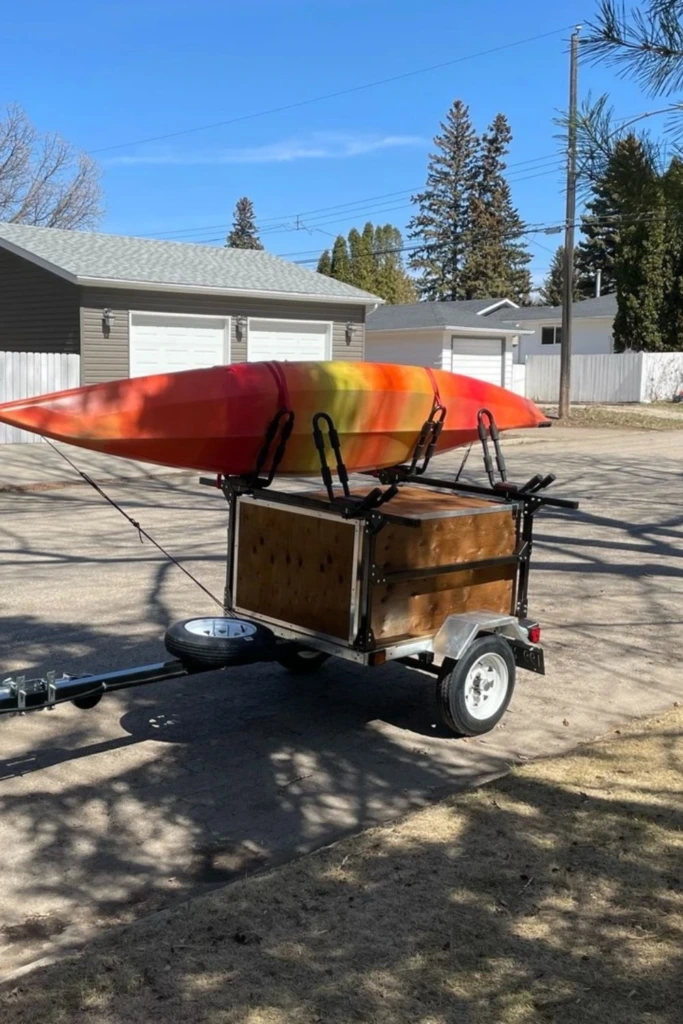
A trailer mount is a convenient option for people who transport their kayaks frequently and want to minimize repeated lifting. Depending on the setup, a kayak trailer may also serve as a temporary storage platform between trips.
Trailer systems typically use padded bunks, shaped cradles, or specialized supports to hold one or more boats. A dedicated kayak trailer can simplify loading, particularly when handling longer or heavier kayaks.
If you intend to store a kayak on its trailer for an extended period, park the trailer on firm, level ground and secure it against movement. Check the condition of the tires, wheel bearings, straps, and frame if the trailer will remain outdoors.
Avoid assuming that transport supports are automatically ideal for months of stationary storage. Follow the kayak and trailer manufacturers' recommendations for resting points and weight distribution. A cover can help protect the boat from the elements, but it should allow moisture to escape.
14. Sculpted Rack
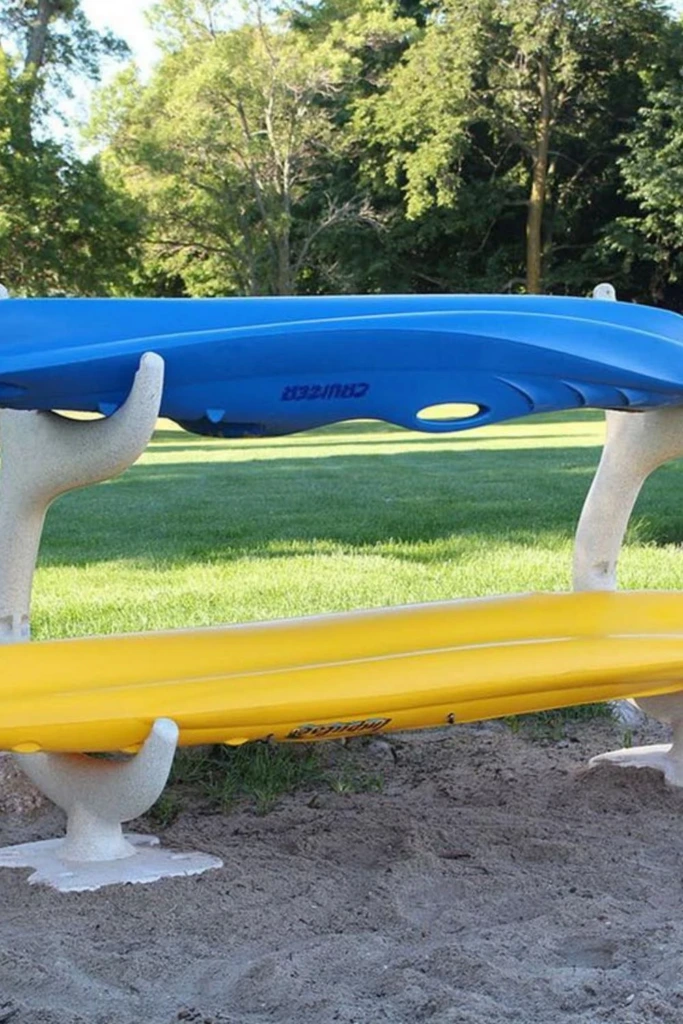
A sculpted rack combines kayak support with a more decorative shape. Rather than using a basic rectangular frame, it may feature curved timber, molded supports, or a custom silhouette designed to complement a garden, patio, or outdoor recreation area.
The distinctive appearance makes this style appealing when storage is visible from the house or entertaining space. A well-designed version can hold the kayak securely while functioning as part of the property's overall landscape design.
Appearance should never take priority over structural performance. The supports must match the hull's shape, provide adequate clearance, and carry the boat's weight without creating concentrated pressure points. Smooth edges and protective padding help prevent scratches.
Wooden versions need an appropriate outdoor finish if exposed to rain and sunlight. Metal or molded alternatives should be selected for their strength and resistance to corrosion or UV damage. If commissioning a custom rack, provide the builder with the kayak's measurements and intended storage conditions.
15. Folding Stands
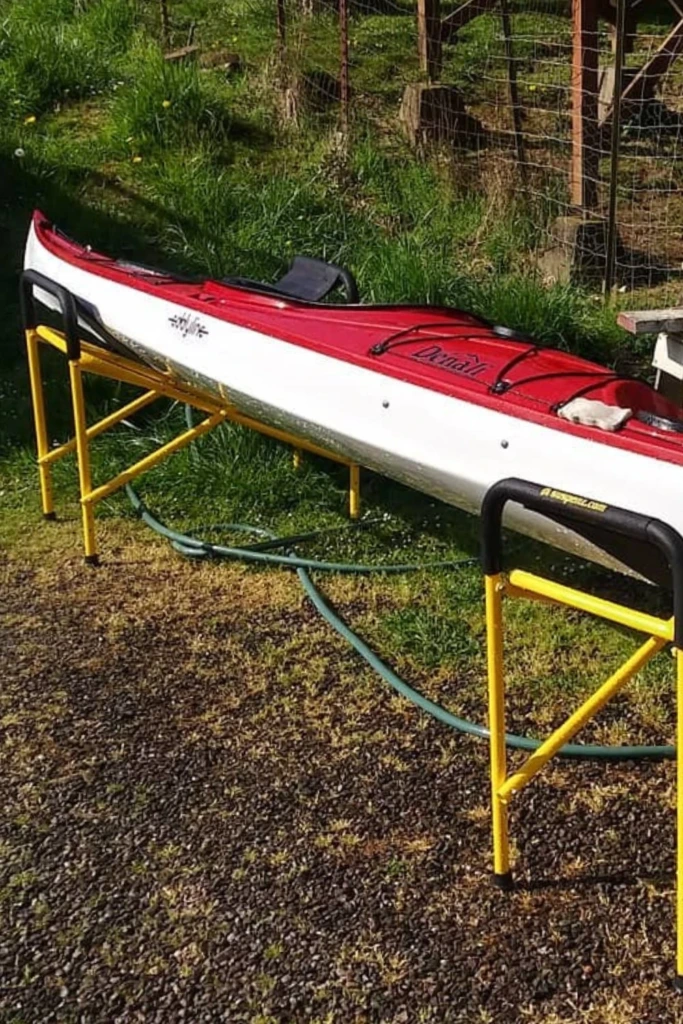
Folding stands are a flexible choice for paddlers who need temporary storage or have limited room when their equipment is not in use. Their collapsible design allows them to be packed away after a trip or stored against a wall during the off-season.
Many stands use lightweight metal frames with padded arms that cradle the kayak. Some are intended primarily for maintenance and cleaning, while others are rated for regular storage. Always check the intended use before leaving a boat on the stand for an extended period.
Set the stands on level ground and ensure they are fully opened and locked before placing the kayak on them. Position the supports evenly and avoid exceeding the stated weight limit.
Because folding models can be moved easily, they are also useful for rinsing, drying, or inspecting a kayak before putting it away. For outdoor use, choose corrosion-resistant materials and store the stands somewhere dry when they are not needed.
16. Tiered Metal Rack
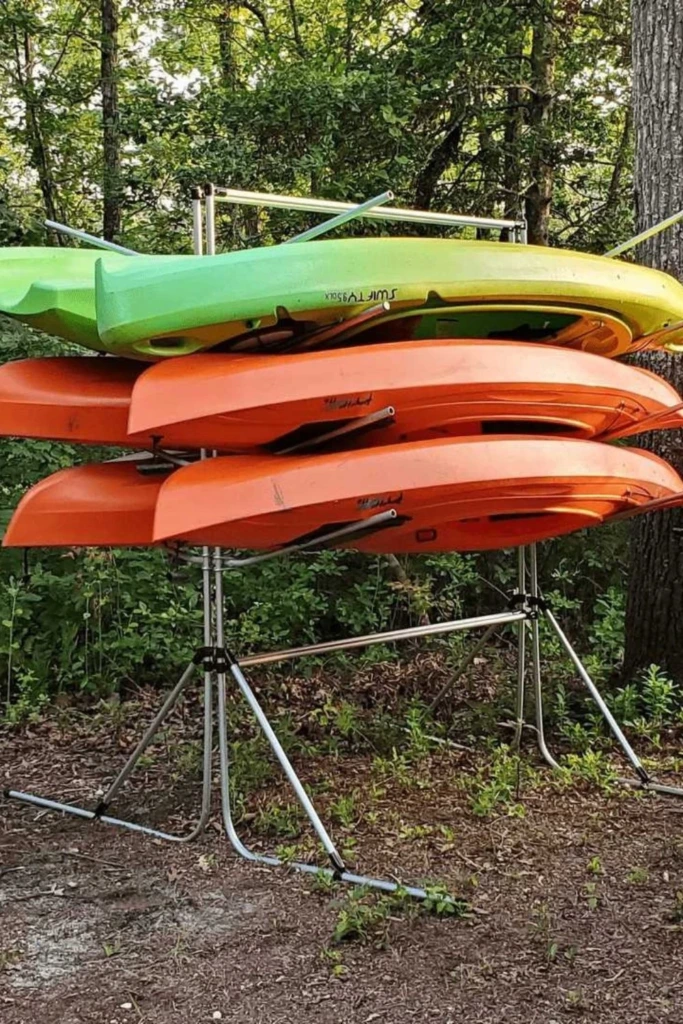
A tiered metal rack provides organized storage for several kayaks by placing them on separate levels. It is particularly useful for paddling clubs, rental businesses, families with multiple boats, and homeowners who want to keep a garage or shed orderly.
The metal frame can offer excellent strength when properly designed, and the vertical arrangement makes efficient use of floor space. Protective sleeves or padded supports help prevent the frame from scratching the hulls.
Before purchasing a tiered rack, confirm its total load capacity as well as the maximum weight permitted on each level. Consider the dimensions of every kayak, the height of the upper tier, and the space required to load and remove boats safely.
Anchor the structure as directed by the manufacturer, especially if it is tall or likely to be exposed to movement or wind. Choose a finish suitable for the environment to reduce rust, and inspect bolts and joints periodically.
A well-planned tiered rack can accommodate different boat sizes while leaving room underneath or beside it for paddles and other accessories.
17. Wooden Yard Rack
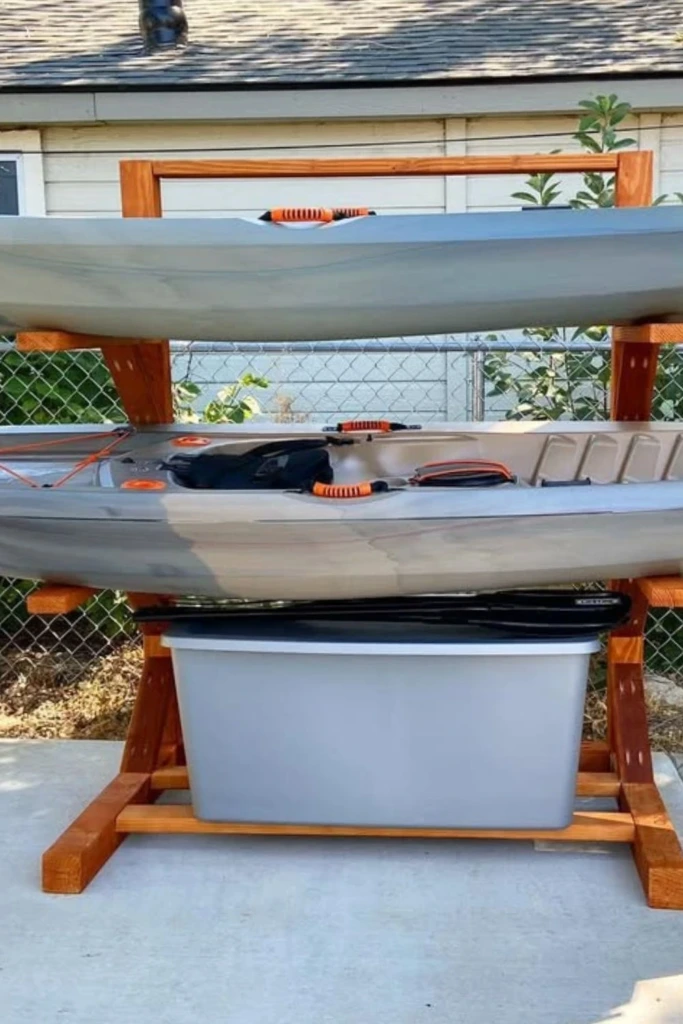
A wooden yard rack offers a natural-looking storage solution that blends easily into gardens, patios, and outdoor recreation areas. It can be built as a simple horizontal frame or a more substantial structure with several storage levels.
Wood is relatively easy to work with, making this option appealing for DIY projects. Pressure-treated lumber or naturally durable timber can be suitable for outdoor construction, provided the materials and finishes are appropriate for the conditions.
The rack should stand on a stable base and keep the kayak clear of soil, standing water, and damp vegetation. Sand rough edges, use suitable fasteners, and add padding wherever the boat contacts the structure.
Design the supports around the kayak's shape and weight rather than choosing dimensions solely for appearance. A wooden rack should not bend or rock under load, and its joints should remain secure after exposure to changing temperatures and moisture.
Inspect the wood regularly for rot, splitting, loose connections, and weather damage. Applying a suitable exterior finish can extend its service life, although maintenance will still be necessary.
18. Ceiling Hoist System
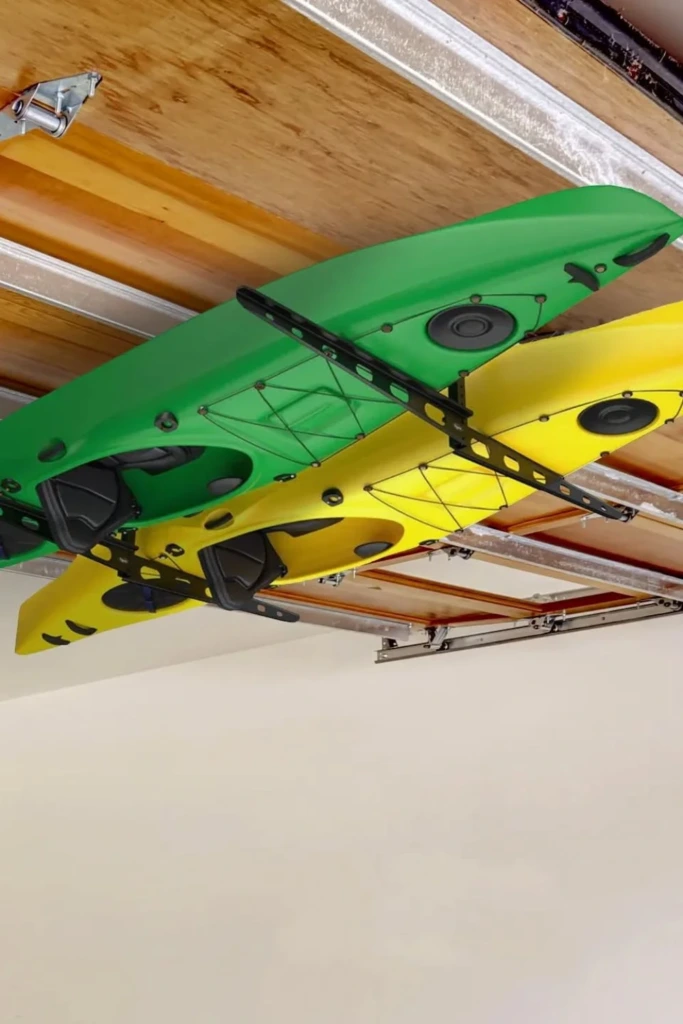
A ceiling hoist system uses straps, pulleys, and mounting hardware to raise a kayak overhead. It is a space-saving solution for garages and workshops where floor and wall storage options are limited.
Some systems use manual ropes, while others feature locking mechanisms that make lifting more manageable. The design should be compatible with the kayak's dimensions and weight, and it must include a reliable way to prevent accidental lowering.
The ceiling structure is especially important. Attach the hoist to suitable structural framing or an engineered support system, not merely to drywall or an unsupported ceiling panel. If you are uncertain about the structure's capacity, consult a qualified professional before installation.
Position the hoist so that the kayak clears vehicles, lights, garage doors, and other overhead equipment. Raise and lower the boat slowly, keeping people and pets away from the area beneath it.
For long-term storage, ensure the suspension points support the hull appropriately and avoid excessive strap tension. Periodically inspect the ropes, pulleys, fasteners, and locking components for wear.
19. Tripod Tree Rack
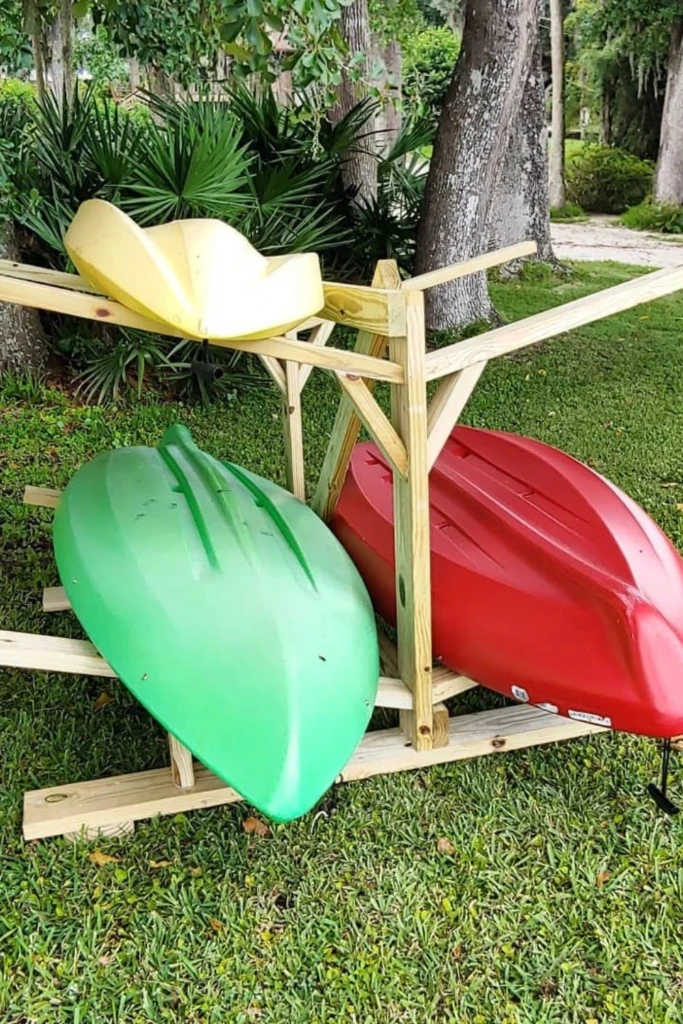
A tripod tree rack uses three supporting legs to create a freestanding structure for storing a kayak outdoors. Its broad footprint can provide useful stability without requiring permanent attachment to a wall or building.
This style can work in a yard, campsite, or lakeside setting where a portable rack is desirable. Some designs use timber poles, while others rely on metal tubing or purpose-built fittings.
Choose a design with adequate load capacity and a base wide enough to resist tipping. The legs should sit on firm, reasonably level ground, and the kayak should rest on padded supports positioned to distribute its weight.
If you build a wooden version, use suitable timber and secure the joints with hardware designed for the expected load. Check that the legs cannot slide apart or sink into soft soil. Additional anchoring may be necessary in windy locations.
Although the tripod form can be convenient, it should not be assumed stable on every surface. Inspect the setup before loading it, and avoid placing the rack where people might collide with the legs.
20. Dockside Bracket
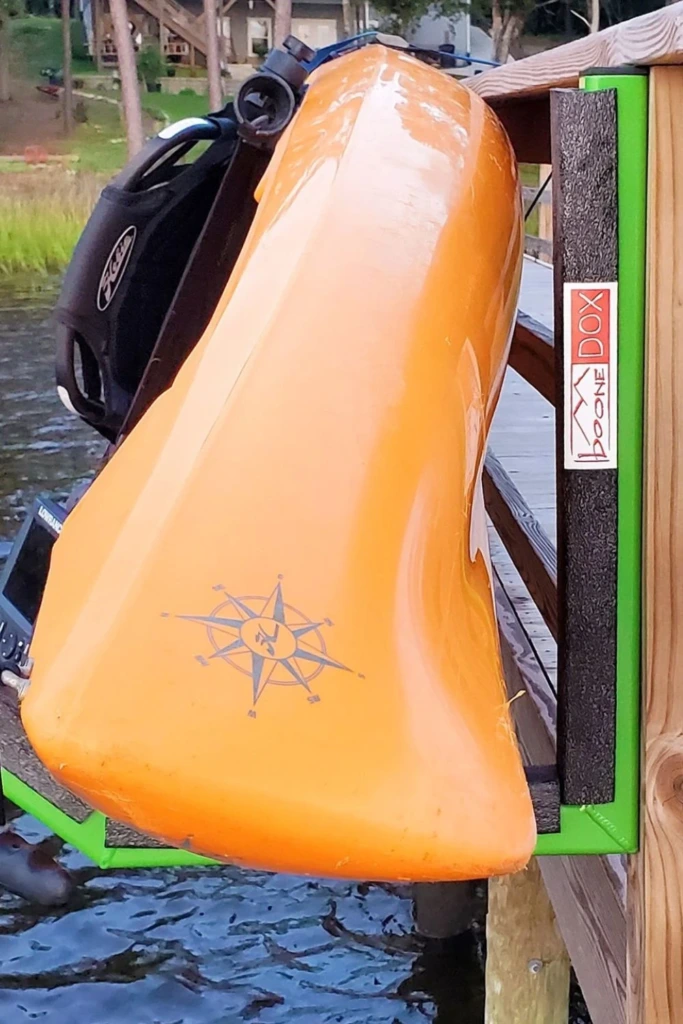
Dockside brackets provide a convenient way to keep a kayak beside a dock or private landing. They help lift the boat away from the water and can make getting ready for a paddle quicker.
These brackets are generally attached to the dock structure and may use padded arms, cradles, or shaped supports. Select a model specifically designed for kayak storage and suitable for the dock's construction material.
Waterfront installations need special attention to corrosion, changing water levels, and wave movement. Use marine-suitable fasteners and inspect the mounting points regularly. A bracket that is appropriate for a timber dock may require different hardware on concrete or composite decking.
Position the kayak so it does not obstruct walking paths, ladders, mooring equipment, or neighboring boats. Secure it against wind and unauthorized removal, and make sure the bracket cannot loosen under repeated loading.
If the dock experiences flooding, ice, or significant seasonal changes, check whether the rack needs to be removed or repositioned during certain periods.
21. Electric Lift System
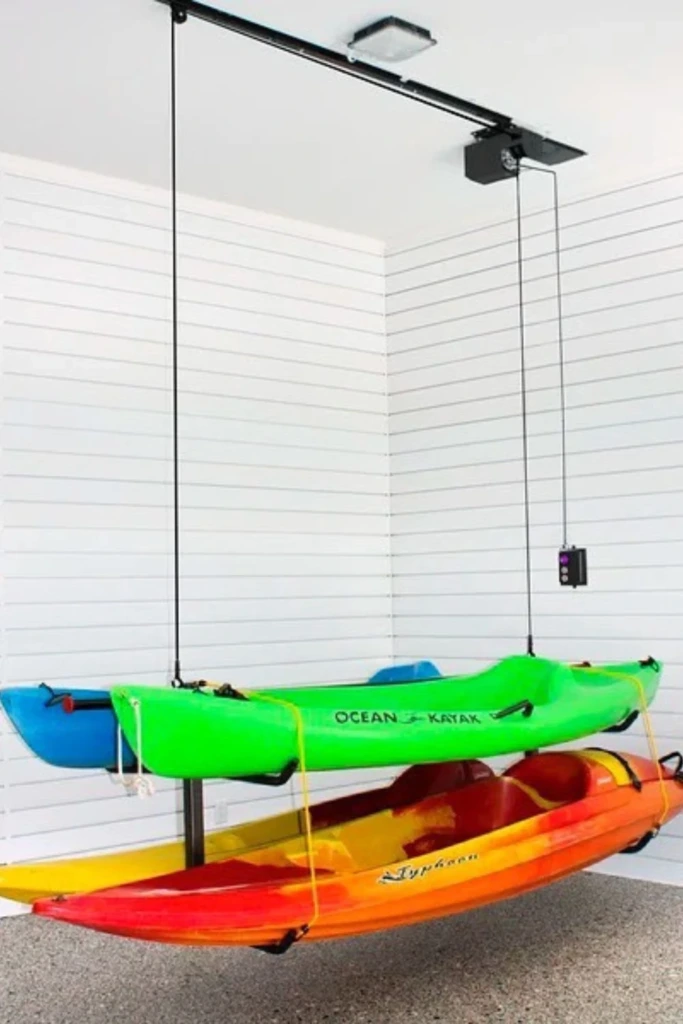
An electric lift system raises and lowers a kayak using a powered mechanism. It can be a useful investment for paddlers who own heavy boats, have limited lifting ability, or regularly move kayaks into overhead storage.
Depending on the model, the system may use a motorized hoist, powered platform, or specialized lifting arrangement. The main advantage is reduced manual effort, although installation and maintenance are generally more involved than with a basic rack.
Choose equipment with a rated capacity that comfortably accommodates the kayak and any additional supported components. The ceiling, wall, or freestanding frame must also be capable of handling the forces generated during lifting.
Follow the manufacturer's requirements for electrical installation, mounting, controls, and safety locks. Keep the lifting path clear, and never stand beneath a suspended kayak. Check cables, straps, moving parts, and safety features at the recommended intervals.
Electric systems are most useful when the convenience justifies the cost and installation effort. For a single lightweight kayak used occasionally, a simple stand or manual hoist may be sufficient.
22. Painted Paddle Rack
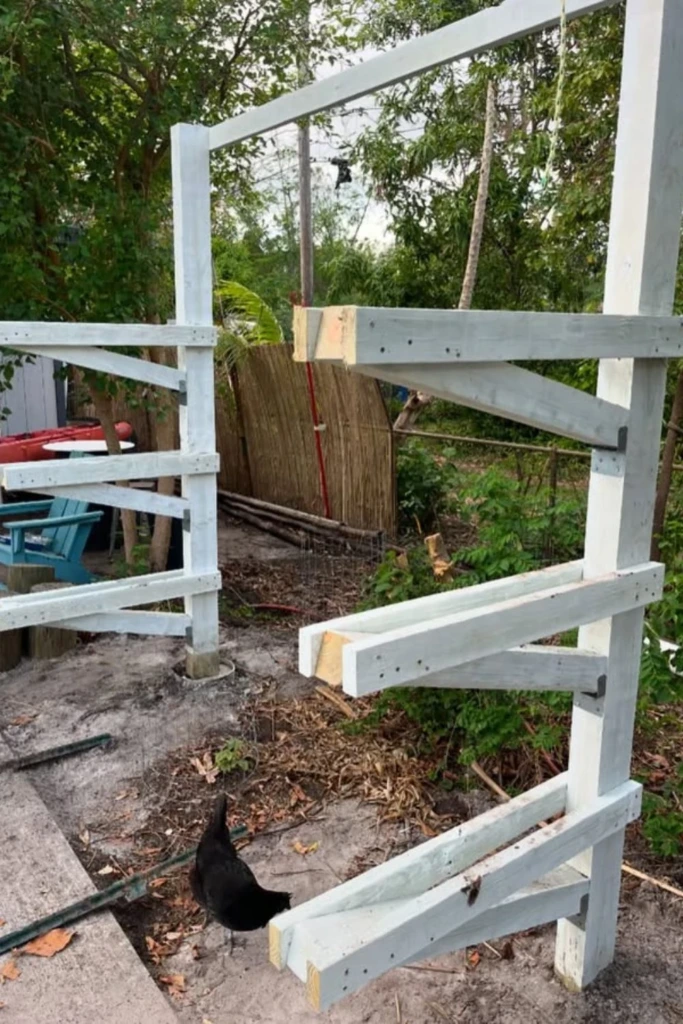
A painted paddle rack provides an attractive way to organize paddles alongside your kayak storage area. Although it does not usually support the kayak itself, it helps keep essential accessories accessible and prevents them from being scattered across the garage or shed.
A rack can be made from wood or purchased in metal or molded plastic. Individual slots, hooks, or horizontal supports can keep paddles separated, making it easier to find the right equipment before heading out.
Choose a location close to your kayak without obstructing doorways or walking paths. Make sure the supports are wide and smooth enough to prevent scratches, and avoid storing paddles where they can fall onto vehicles or other equipment.
Paint allows you to coordinate the rack with your storage area or use contrasting colors to make individual paddles easier to identify. If the rack will be outdoors, use a suitable exterior coating and weather-resistant materials.
Keep kayak paddles separate from heavy tools or objects that could bend the shafts or damage the blades. A dedicated accessory rack makes the entire storage area more organized and convenient.
23. Roof Stack Mount
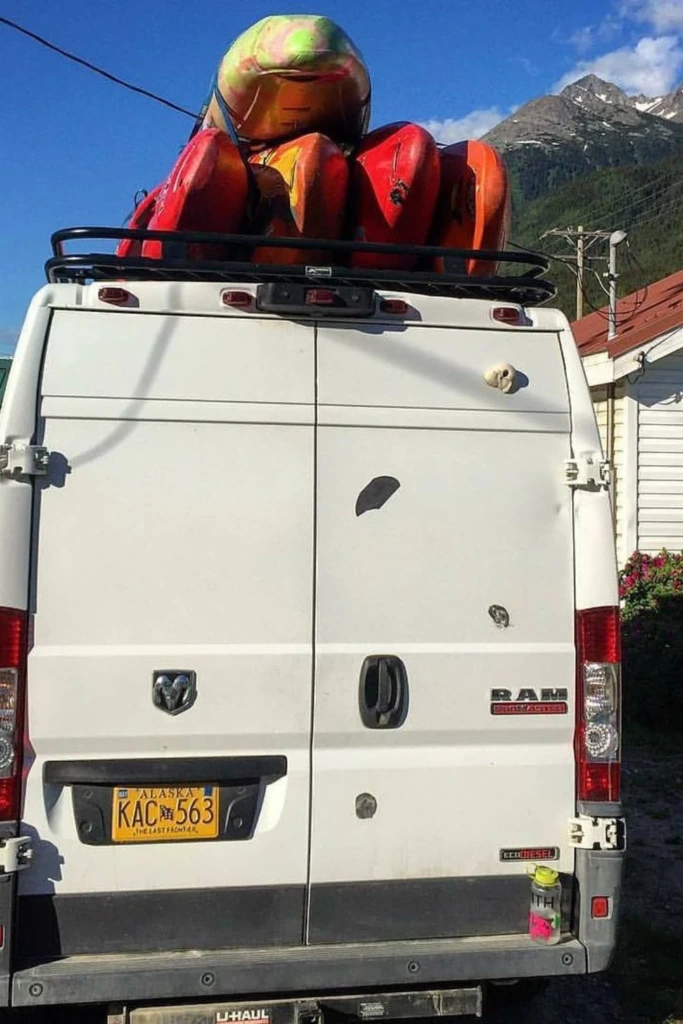
A roof stack mount is designed to organize kayaks vertically or in a stacked arrangement, making it useful when ground space is limited. Depending on the product, the structure may use multiple support arms or a purpose-built frame that accommodates several boats.
Stacking can be efficient, but it requires careful attention to load limits, support placement, and access. The bottom kayak must not carry unintended pressure from an upper boat, and each level should support its kayak according to the manufacturer's instructions.
Confirm the total capacity of the frame and the maximum load allowed at each position. The structure must be securely anchored, and the highest storage position should remain accessible without unsafe climbing or excessive lifting.
This arrangement works best for garages, workshops, and dedicated storage facilities with adequate ceiling height. Leave enough room between boats to remove them independently, and use padding to protect the hulls.
For prolonged storage, follow each kayak manufacturer's recommendations regarding orientation and support locations. Check the rack periodically for loose fasteners, signs of corrosion, or movement under load.
24. Marina Side Stand
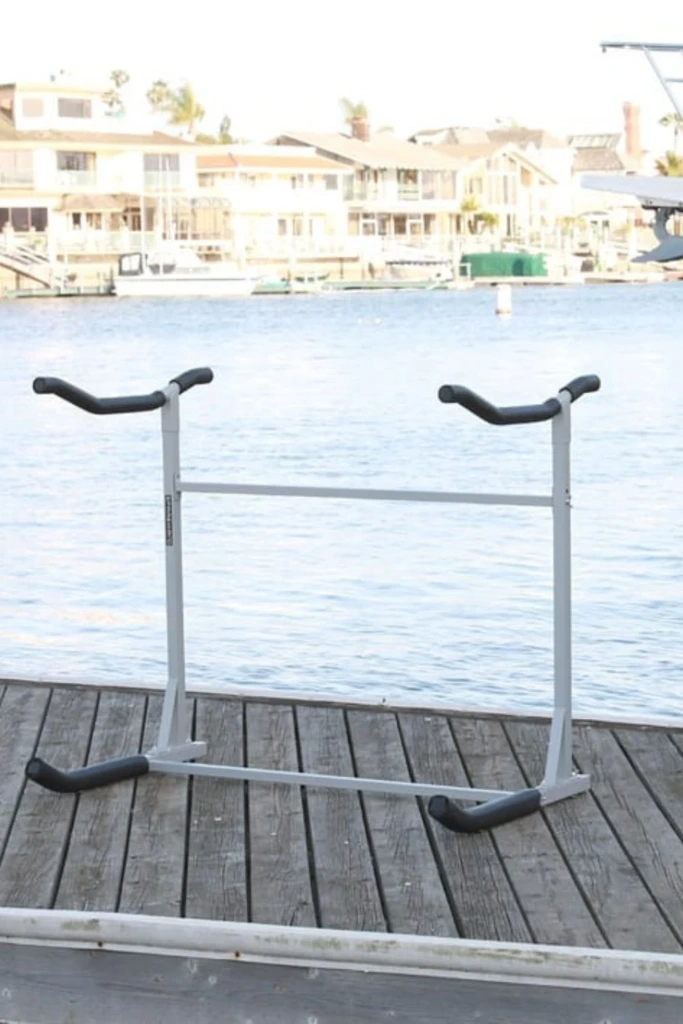
A marina side stand keeps a kayak near a boat slip, dock, or waterfront launch area. It is useful for people who paddle frequently and want their equipment ready without transporting it from a distant shed or garage.
The stand may be a compact freestanding frame or a purpose-built unit designed for marine environments. Either way, it should provide stable support while leaving sufficient room for people to move safely around the dock.
Materials and hardware must withstand moisture, sunlight, and potentially salty air. Corrosion-resistant metal, durable protective coatings, and suitable padding can help the stand last longer under waterfront conditions.
Choose a position that does not interfere with boat traffic, dock access, emergency equipment, or neighboring storage spaces. If the marina has rules about kayak placement, anchoring, or storage fees, check those requirements before installing a stand.
Secure the kayak against wind and theft, and inspect the rack after storms or periods of heavy use. Rinse off salt and debris when necessary, and allow the boat to dry before covering it.
Final Thoughts
Choosing the right kayak storage system comes down to balancing protection, available space, accessibility, and budget. A folding stand or wall cradle may be ideal for a single kayak in a garage, while a tiered rack, lockable shed, or covered outdoor structure can work better for larger collections.
Whichever option you choose, prioritize secure installation, even weight distribution, suitable ventilation, and protection from prolonged sun and moisture. A thoughtfully arranged storage area will help preserve your kayak, keep accessories organized, and make preparing for your next paddling adventure much easier.