24 Storage Ideas For Small Spaces in 2026
Living in a small home doesn't mean you have to sacrifice comfort or organization. Even the tiniest apartments can feel spacious when furniture, walls, and overlooked corners are used thoughtfully.
The challenge is finding practical places for everyday belongings without filling every available surface. Fortunately, clever storage solutions can help you organize your home while maintaining a comfortable, attractive interior.
From space-saving furniture to creative shelving arrangements, these 24 storage ideas for small spaces will help you make better use of your home in 2026.
How to Create Storage in a Small Space?
The best way to increase storage in a small home is to identify areas that aren't being used effectively. Look above furniture, beneath beds, behind doors, and inside cabinets before purchasing additional storage units.
Choose furniture that serves multiple purposes, such as benches with compartments or beds with built-in drawers. Tall shelving, wall-mounted organizers, and adjustable cabinet inserts can also increase storage capacity without occupying much floor space.
Before organizing, sort your belongings into categories and remove items you no longer need. This makes it easier to choose storage solutions that suit your actual needs.
1. Recessed Wall Storage
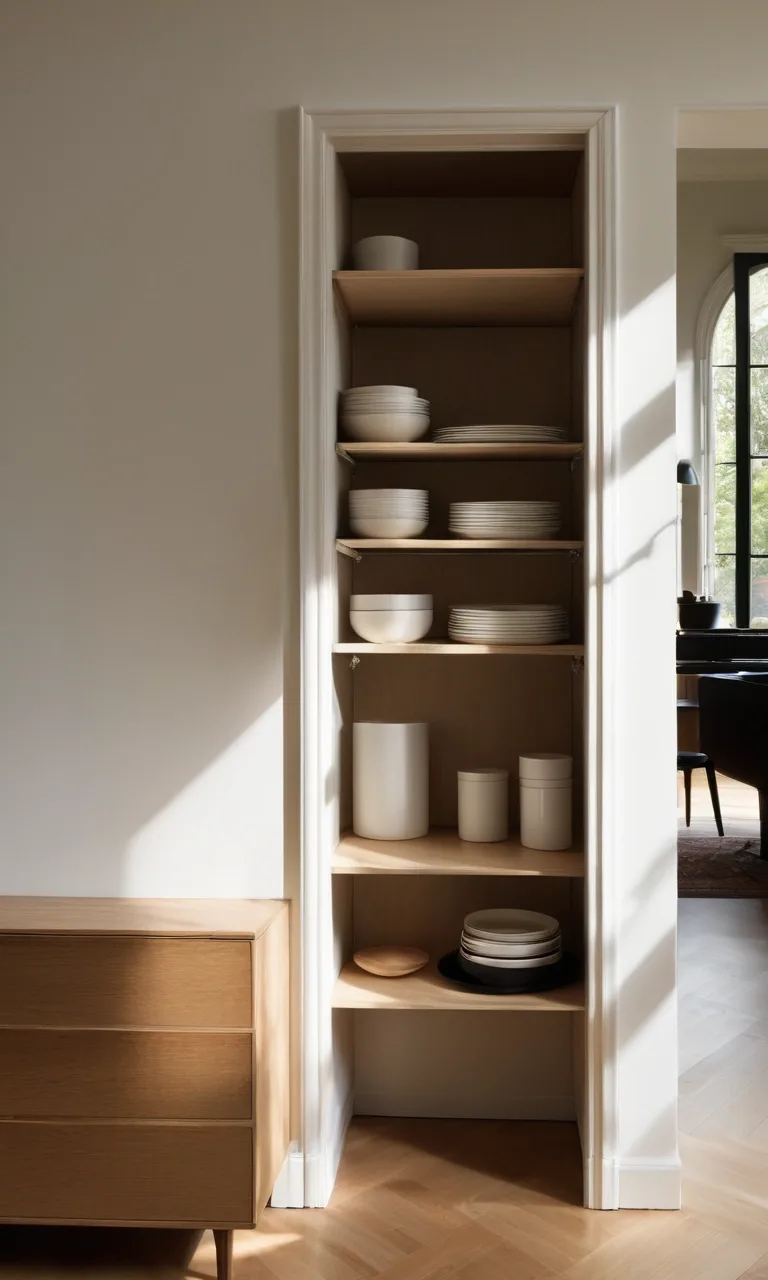
Recessed shelves provide convenient storage without extending into the room. They are particularly useful in compact bathrooms, where traditional cabinets can interfere with movement.
A recessed niche can accommodate toiletries, folded washcloths, and small grooming products. Adding a cabinet door creates a cleaner appearance, while open shelves allow frequently used items to remain accessible.
Before installing recessed storage, check for plumbing, electrical wiring, insulation, and structural components inside the wall. A professional can help determine whether the location is suitable.
2. Entryway Drop Zone
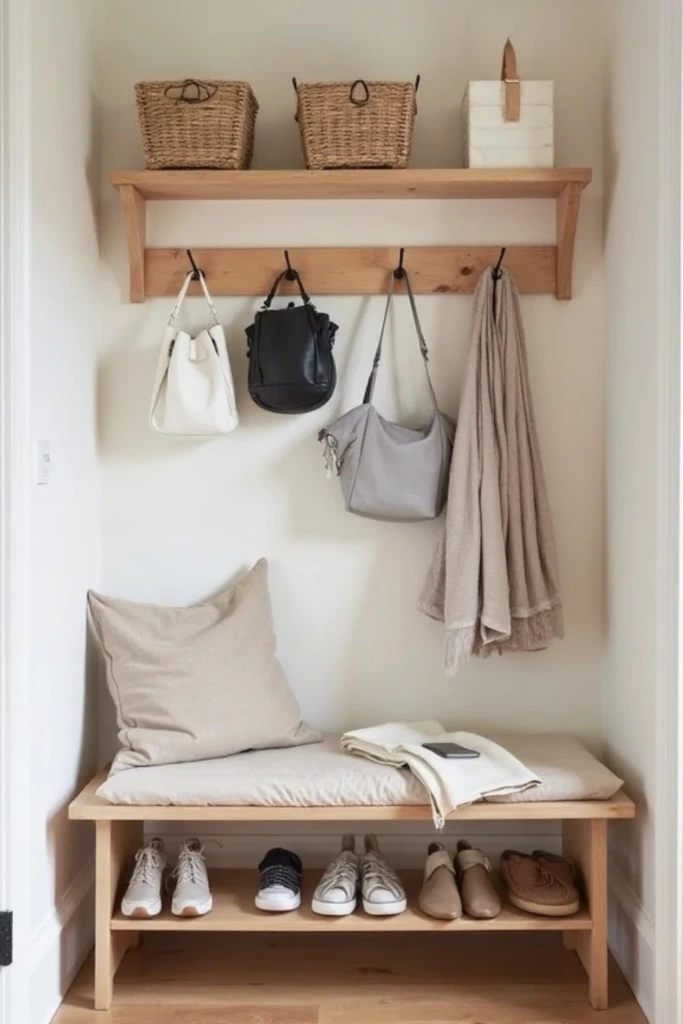
A small entrance becomes much easier to manage when essential belongings have designated places.
Install wall hooks for coats and bags, place a narrow shoe bench underneath, and add a compact shelf for keys or sunglasses. Small baskets can hold accessories that would otherwise collect near the doorway.
Choose storage pieces with minimal depth so the entrance remains comfortable to walk through. Keeping this area organized also prevents outdoor belongings from spreading throughout the home.
3. Slim Vertical Cabinet
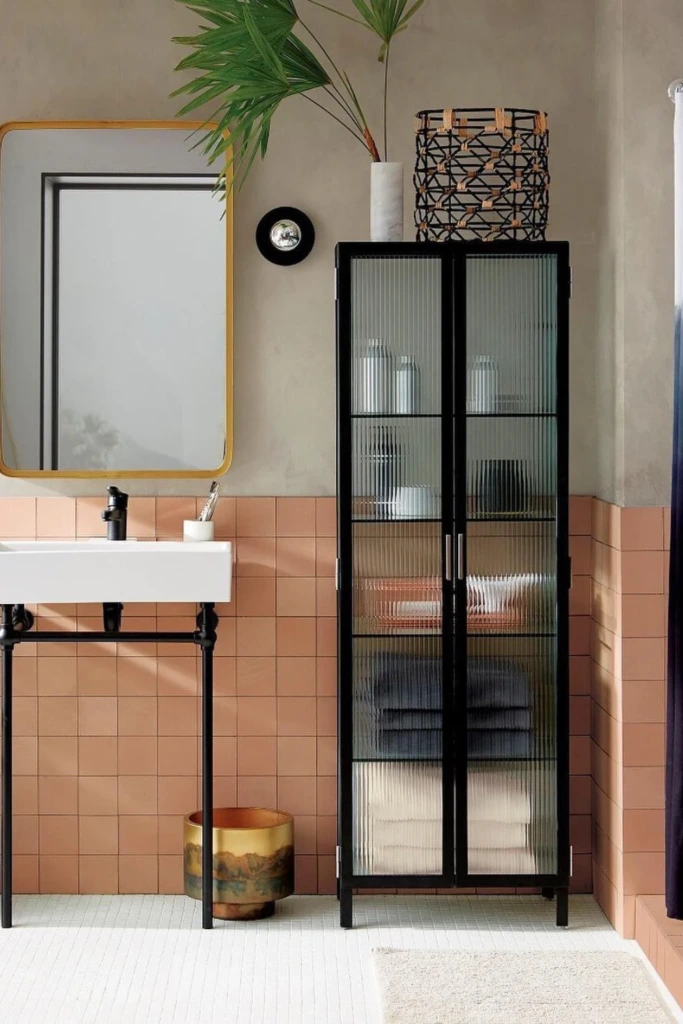
A narrow cabinet can provide substantial storage in spaces where wider furniture won't fit.
Consider placing one beside a bathroom vanity, between existing furniture, or against an unused kitchen wall. Adjustable shelves allow you to accommodate items of different heights without wasting interior space.
Cabinets with doors are especially helpful for concealing cleaning supplies, toiletries, and miscellaneous household products. Secure tall units to the wall to reduce tipping risks.
4. Built-In Bed Storage
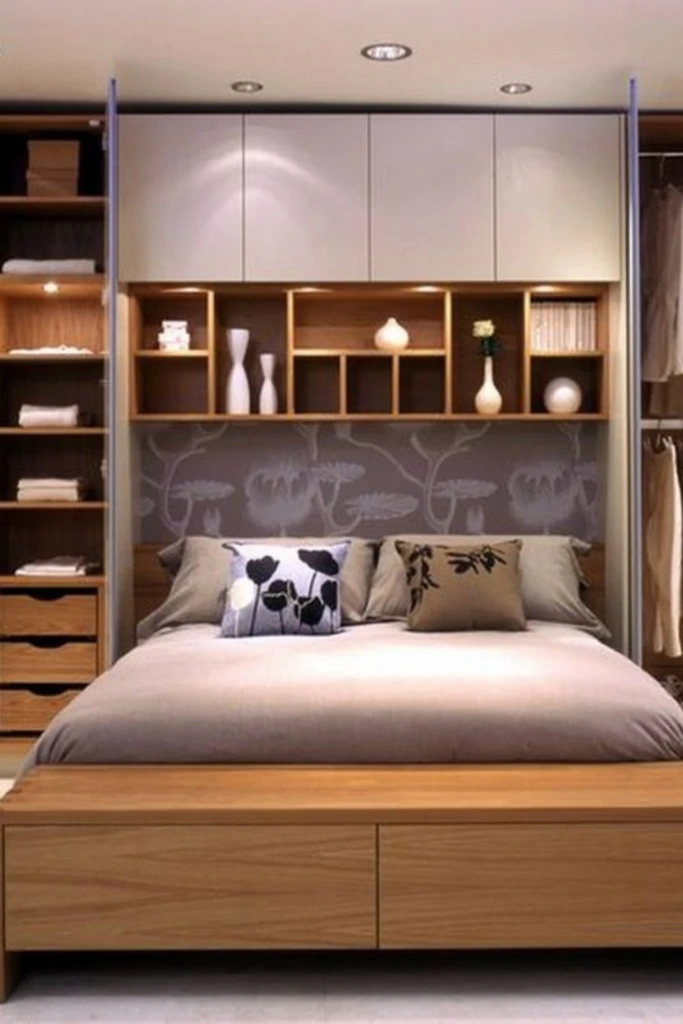
The area surrounding a bed can become a complete storage system when planned carefully.
Install wardrobes or shelving along the sides of the bed, with overhead cabinets for lightweight seasonal belongings. Bedside compartments can replace separate nightstands, freeing up additional floor space.
Choose finishes that complement the walls to prevent the arrangement from feeling overwhelming. Ensure overhead cabinets are securely installed and positioned to avoid head injuries.
5. Open Closet System
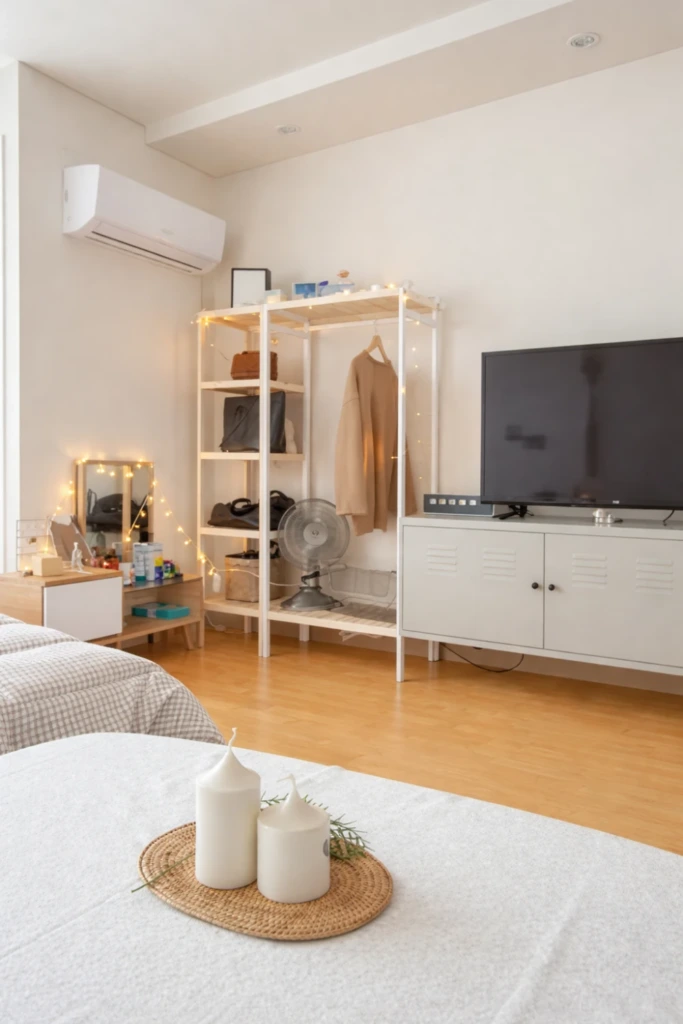
An open closet offers an alternative to bulky wardrobes, particularly in bedrooms with limited square footage.
Combine hanging rails, adjustable shelves, and compact drawer units to organize clothing and accessories. Frequently worn pieces can remain within easy reach, while baskets help contain smaller belongings.
Since everything is visible, maintaining a consistent arrangement is important. Matching hangers and neatly folded clothing help the storage system look intentional rather than crowded.
6. Storage Room Divider
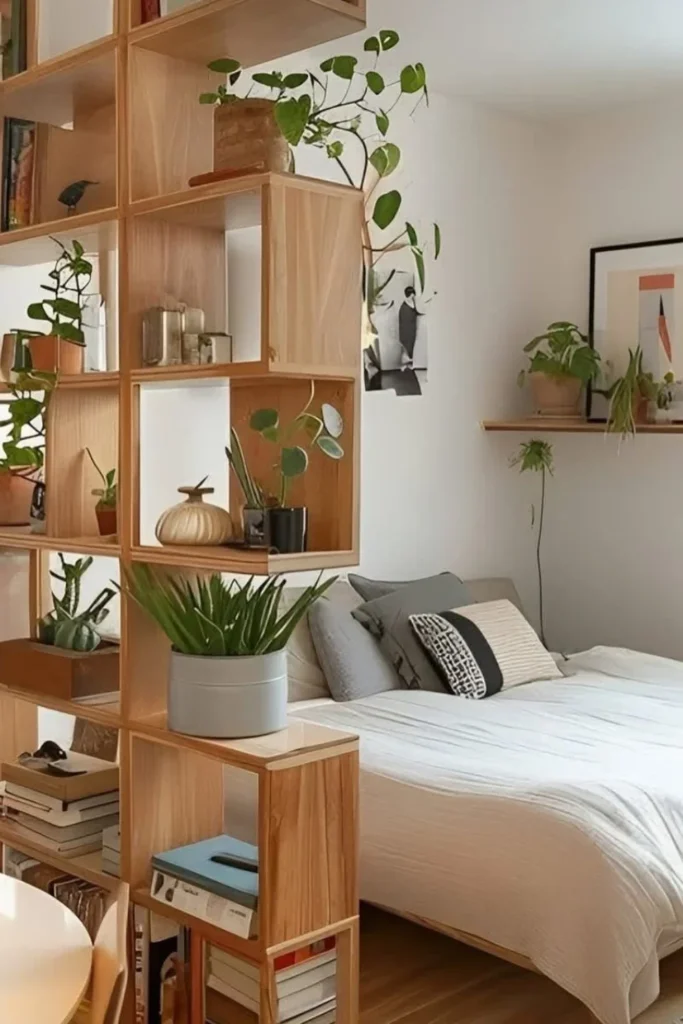
A shelving unit can divide a room while providing useful storage on both sides.
This approach works particularly well in studio apartments, where sleeping, working, and relaxing areas often share one open space.
Choose open shelving to allow daylight to travel through the room. Use baskets for items you prefer to conceal and reserve a few compartments for books or decorative pieces.
Select a stable unit and anchor it appropriately, especially when using tall shelving.
7. Stacked Laundry Storage
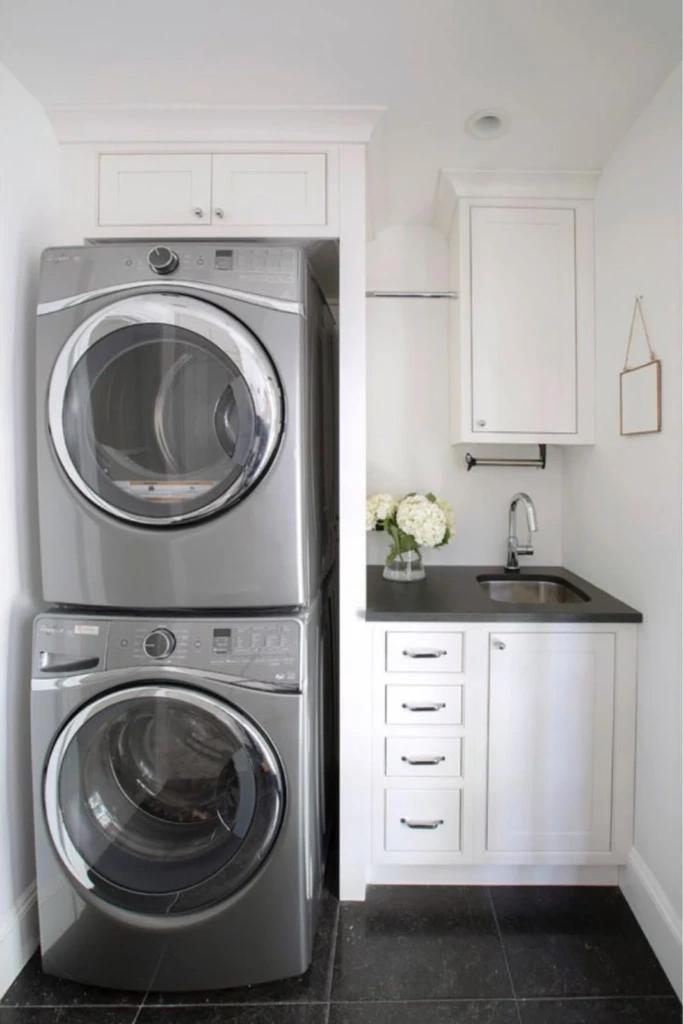
A vertically arranged laundry setup can make a compact utility area more functional.
Where the appliances are compatible and the manufacturer permits it, stacking a dryer above a washing machine frees up space for cabinets, laundry baskets, or cleaning supplies.
Add narrow shelves beside the appliances for detergent and other essentials. Wall-mounted holders can accommodate ironing accessories and lightweight cleaning tools.
Follow appliance ventilation, clearance, and installation requirements to ensure the arrangement remains safe and practical.
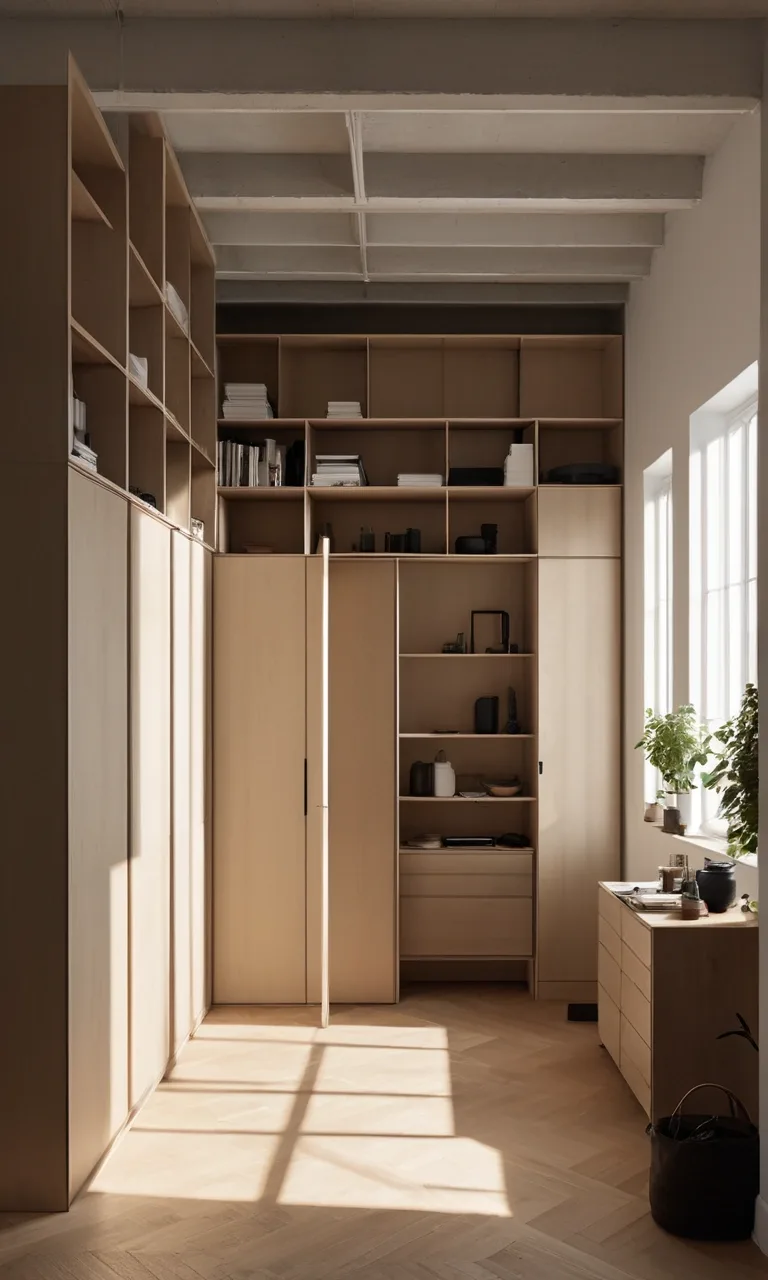
8. Doorway Storage Wall
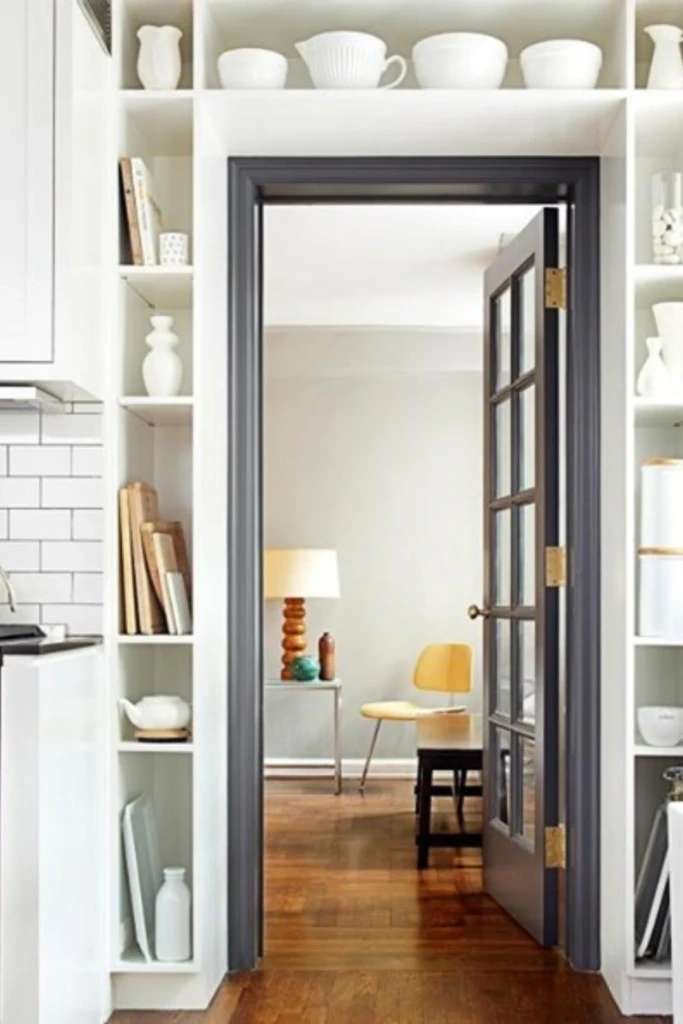
The wall surrounding a doorway often has room for extra shelves or cabinets.
Shallow shelves installed above and beside a door can accommodate books, decorative objects, or lightweight household items. This arrangement is especially useful in kitchens, home offices, and bedrooms.
Use cabinets with doors when you want a streamlined appearance. Keep storage clear of the door's movement and avoid interfering with necessary access or ventilation.
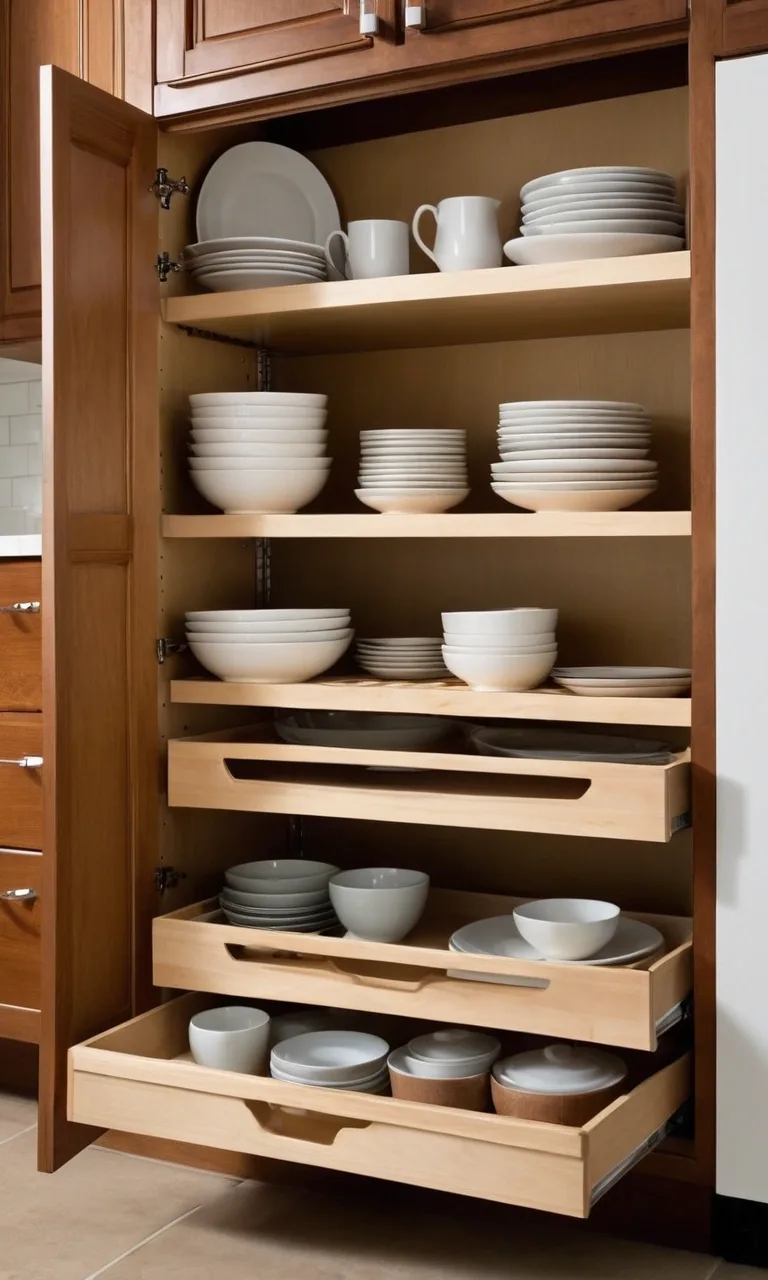
9. Deep Drawer Storage
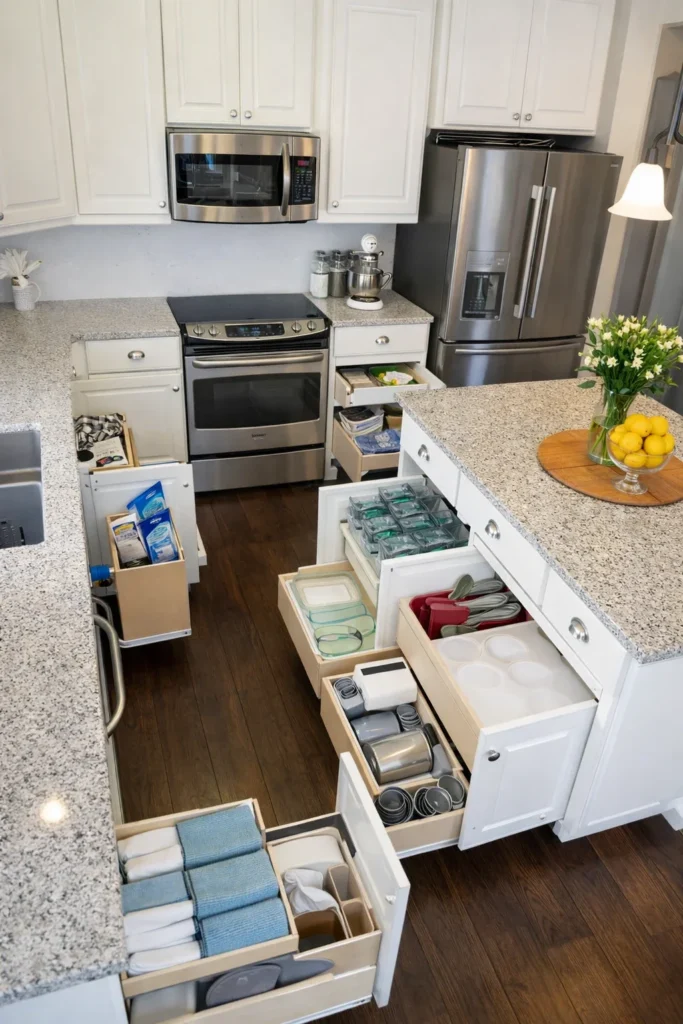
Deep drawers can make kitchen and bathroom cabinets significantly easier to organize.
Instead of stacking cookware or supplies behind one another, use full-extension drawers that allow you to see and retrieve items from the back.
Install adjustable dividers for dishes, utensils, food containers, and kitchen equipment. Drawer organizers also prevent smaller objects from shifting when the drawer opens.
Choose drawer hardware rated for the weight of the contents, particularly when storing heavy pots or dishes.
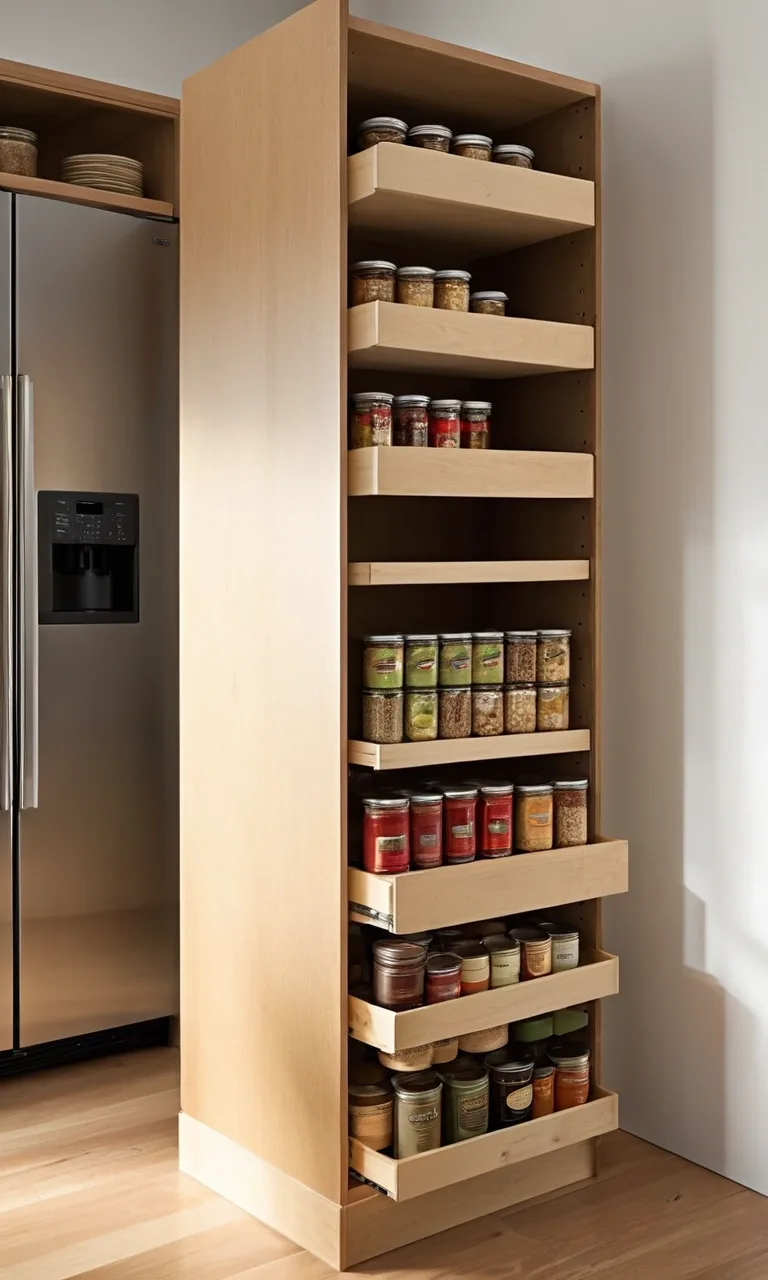
10. Pull-Out Pantry
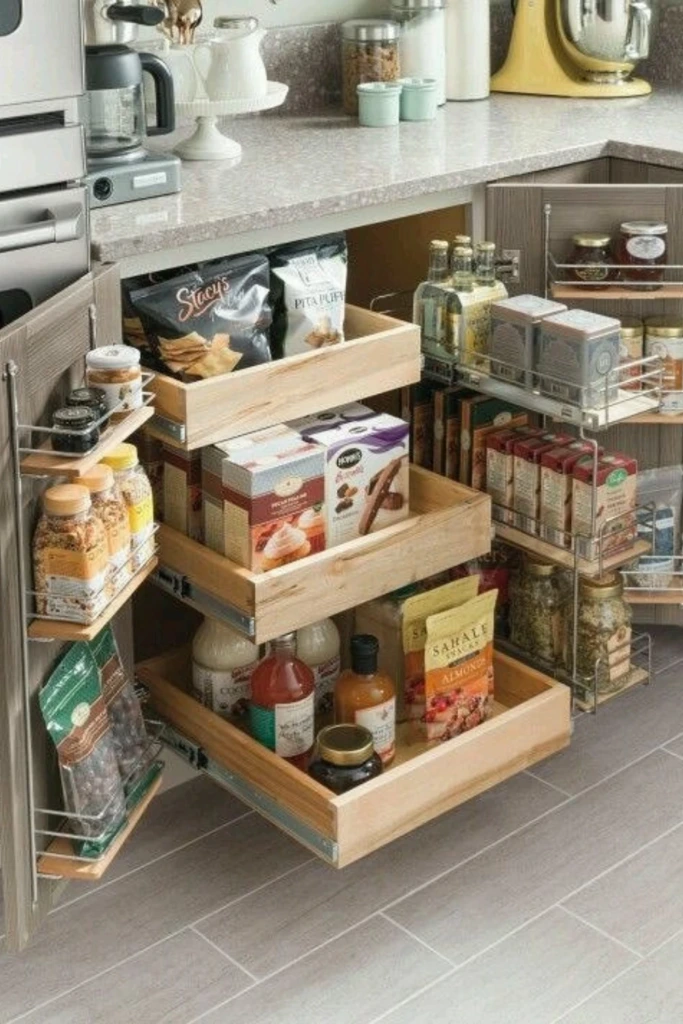
A pull-out pantry can transform a narrow cabinet or awkward kitchen gap into practical food storage.
Sliding racks make it easier to reach spices, canned goods, and packaged ingredients without removing everything in front.
Arrange products by category and keep heavier containers on lower shelves. Consider transparent containers or labels to make ingredients easier to identify.
Measure cabinet dimensions and check the required installation clearances before purchasing a pull-out system.
11. Zoned Closet Layout
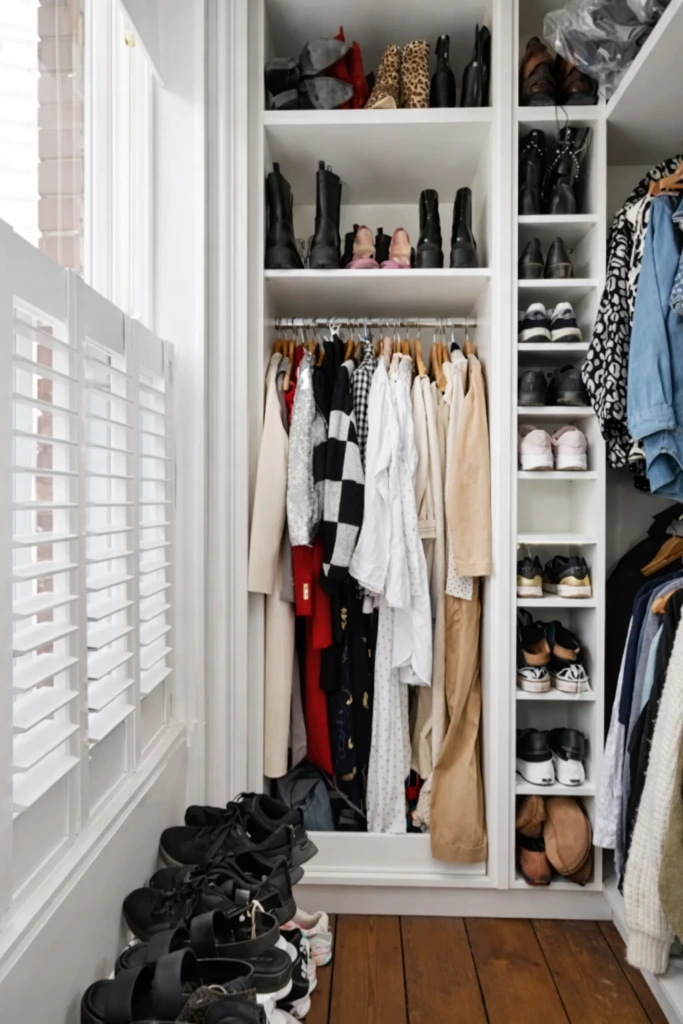
Dividing a closet into separate storage zones helps prevent clothing and accessories from becoming mixed together.
Dedicate specific sections to hanging garments, folded clothing, shoes, and seasonal belongings. Double hanging rods can increase capacity for shorter garments, while adjustable shelves accommodate changing needs.
Place everyday essentials at a comfortable height. Reserve upper shelves for items you rarely use, and keep heavier belongings closer to the floor.
12. Vertical Utility Shelving
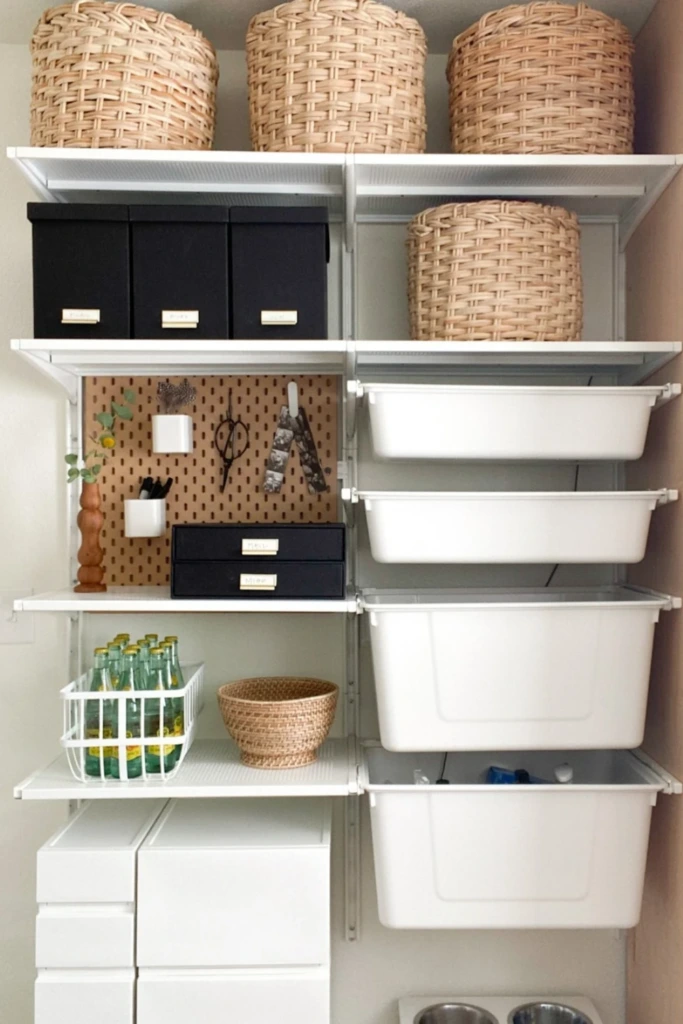
Utility closets can hold more supplies when storage extends upward instead of spreading across the floor.
Install sturdy adjustable shelves for cleaning products, spare household supplies, and maintenance equipment. Use labeled containers to separate different categories.
Keep frequently used supplies accessible and store heavier containers on lower levels. Household chemicals should remain in their original labeled packaging and be secured away from children and pets.
13. Modular Wall Shelves
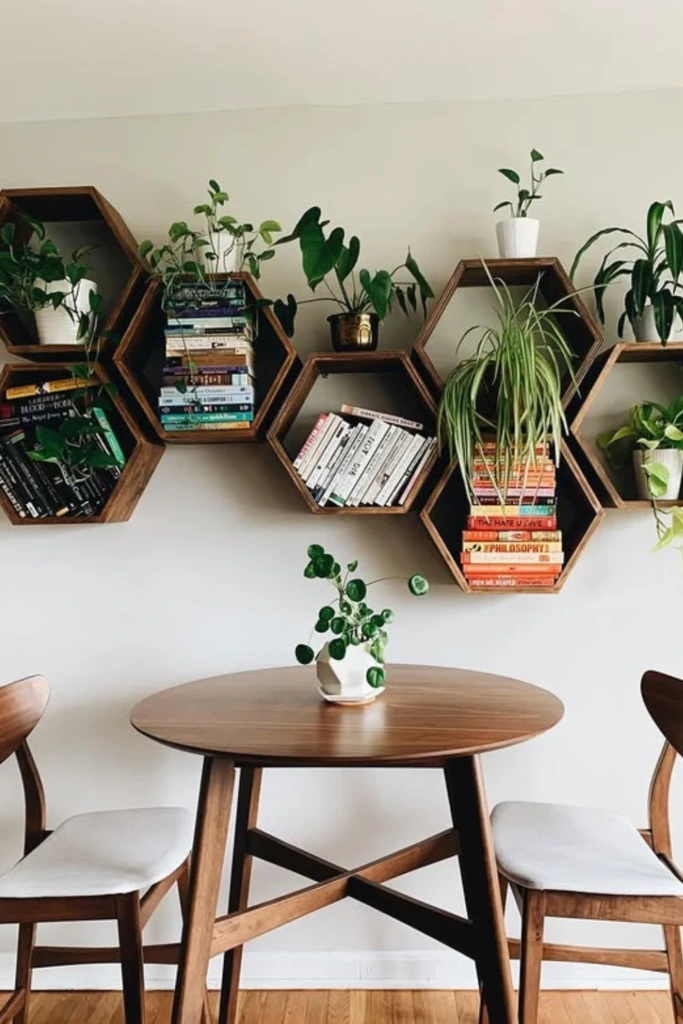
Modular shelving offers flexible storage that can change as your needs evolve.
Individual shelves or cube units can be arranged above desks, beside sofas, or along unused living room walls. Their adaptable design makes them useful for renters and homeowners alike, although installation requirements vary.
Combine practical storage with a limited number of decorative objects. Leaving some open space between items helps prevent the wall from appearing overcrowded.
14. Linen Closet Stacking
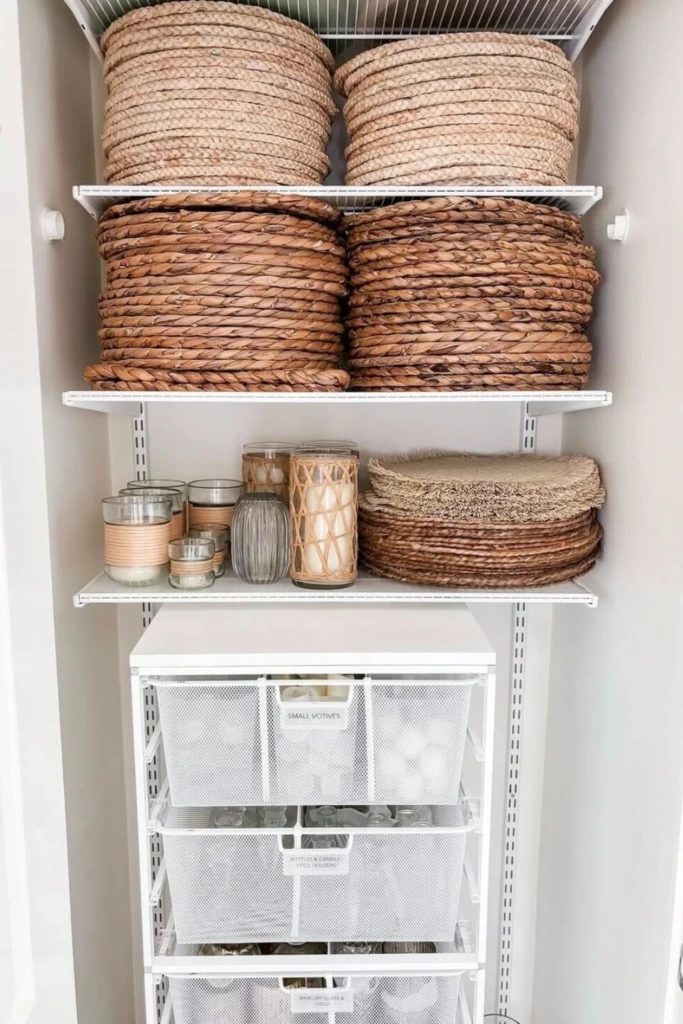
A well-organized linen closet makes towels, sheets, and bedding easier to locate.
Group similar items together and use baskets to separate pillowcases, washcloths, and spare linens. Adjustable shelves are particularly useful for accommodating bulky bedding.
Fold sheet sets together or place their components inside a matching pillowcase to keep everything in one place.
Avoid packing shelves too tightly, as this makes it difficult to remove individual items without disturbing the rest.
15. Behind-Door Storage
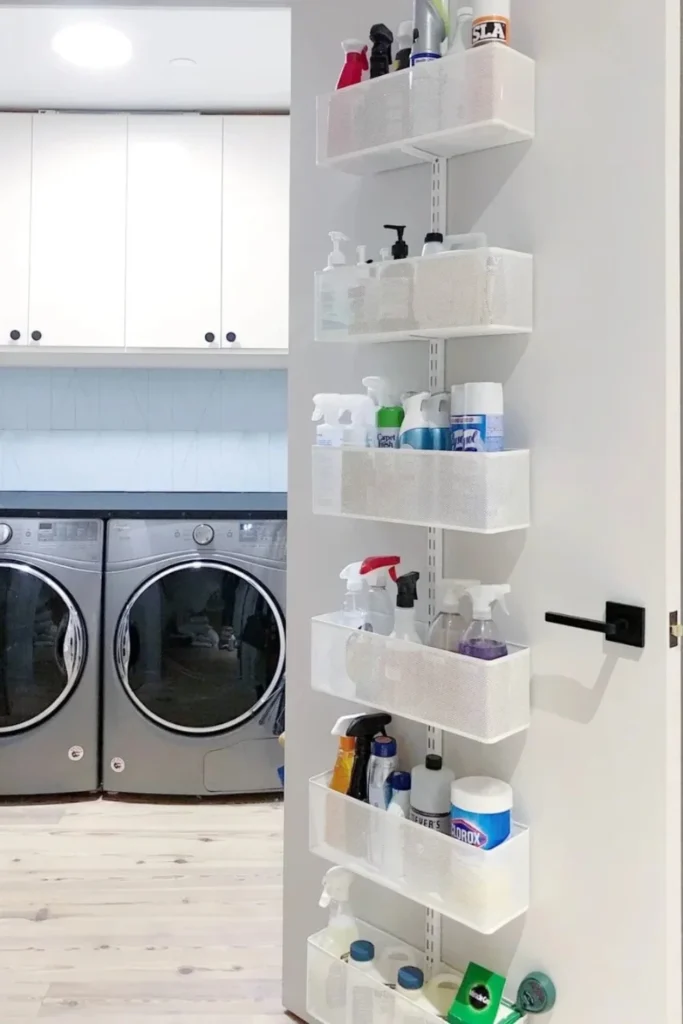
The back of a door can provide valuable storage for lightweight household essentials.
Over-the-door organizers are useful for shoes, accessories, cleaning cloths, and toiletries. In kitchens, narrow racks can accommodate small packaged items or cooking accessories.
Choose an organizer that fits the door's thickness and available clearance. Check that the door opens and closes normally without damaging nearby walls or frames.
16. Slim Console Storage
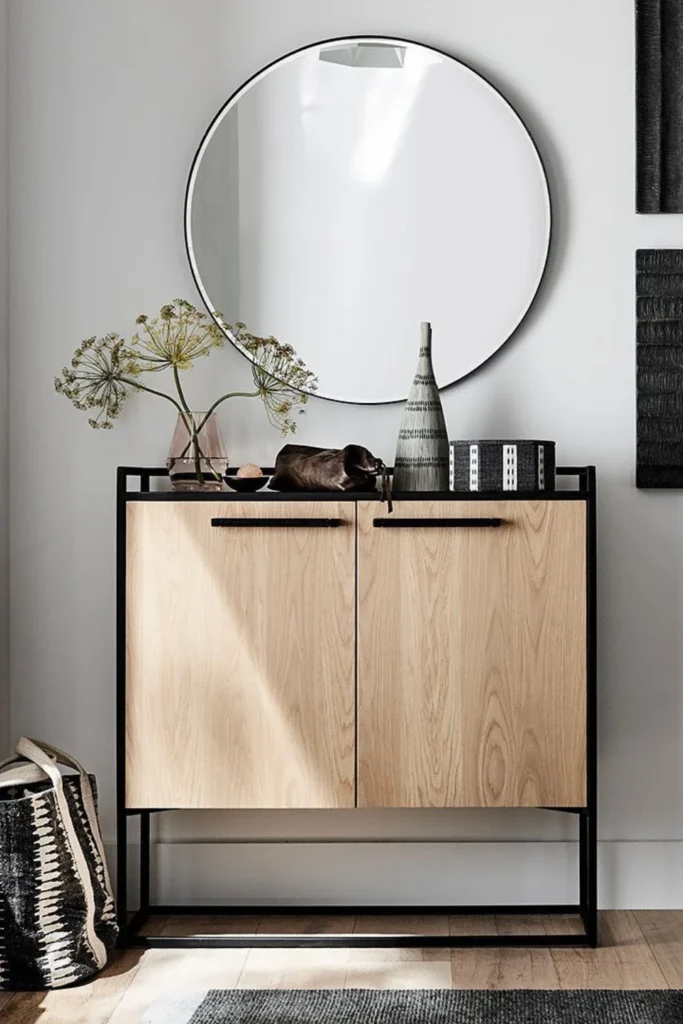
A narrow console cabinet can help organize hallways, living rooms, and other areas with limited floor space.
Look for designs with drawers or closed compartments to conceal everyday clutter. The upper surface can accommodate a small lamp, a decorative tray, or a few frequently used objects.
Measure the available walkway before choosing furniture. Wall-mounted consoles can be another practical option when floor clearance is important.
17. Corner Wall Shelves
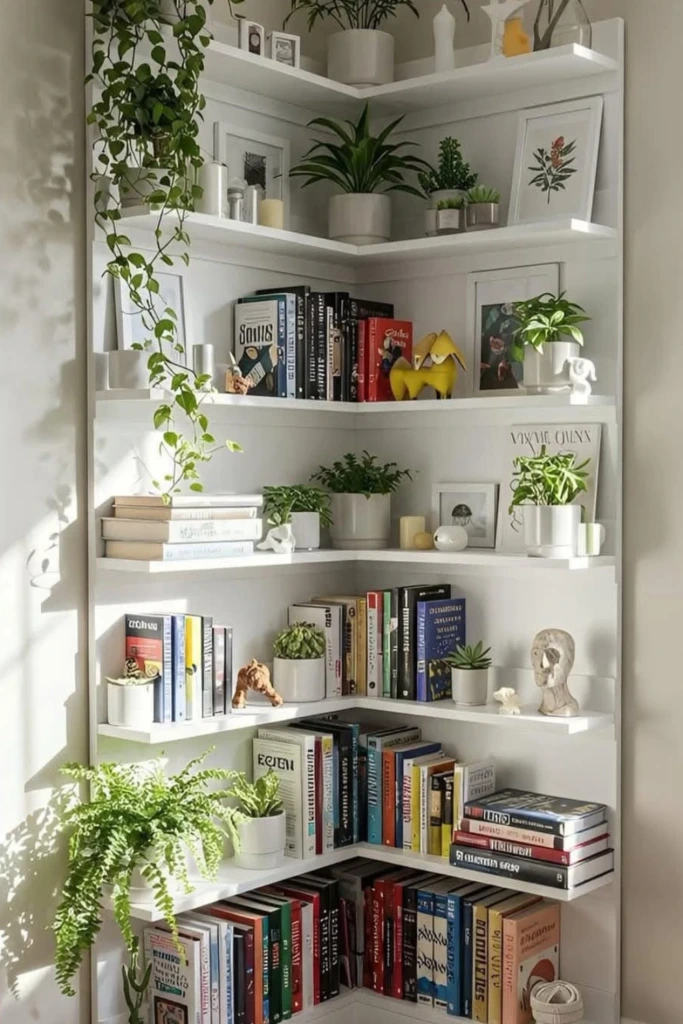
Unused corners can become attractive storage areas with the addition of compact wall shelves.
Floating corner shelves are suitable for books, small plants, and decorative accessories. In bedrooms, they can replace bulky bedside furniture when only a few essentials need to be stored.
Choose shelves with appropriate weight ratings and install them using suitable wall fixings.
A simple arrangement with a few carefully selected objects often looks better than filling every shelf completely.
18. Lofted Storage Zone
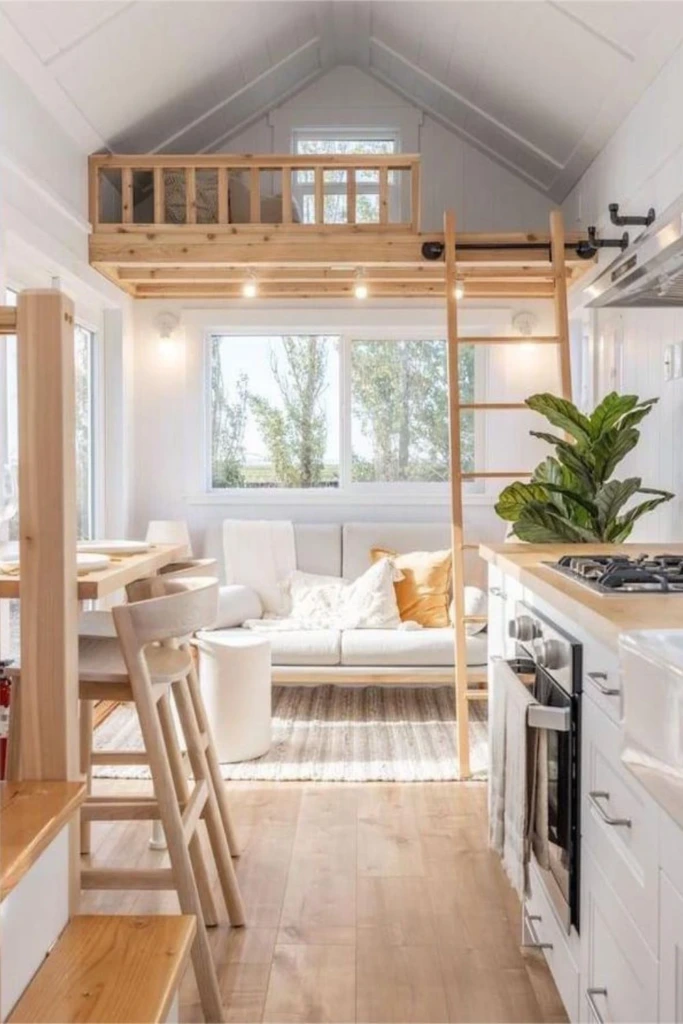
Homes with sufficient ceiling height may benefit from a raised platform that creates usable space underneath.
A lofted sleeping area can free the lower floor for a desk, wardrobe, or seating arrangement. Alternatively, an elevated storage platform can hold items that are not needed regularly.
Loft construction requires careful planning for structural support, safe access, guardrails, ventilation, and ceiling clearance. Consult a qualified professional and check applicable building requirements before undertaking major alterations.
19. Low Console Drawers
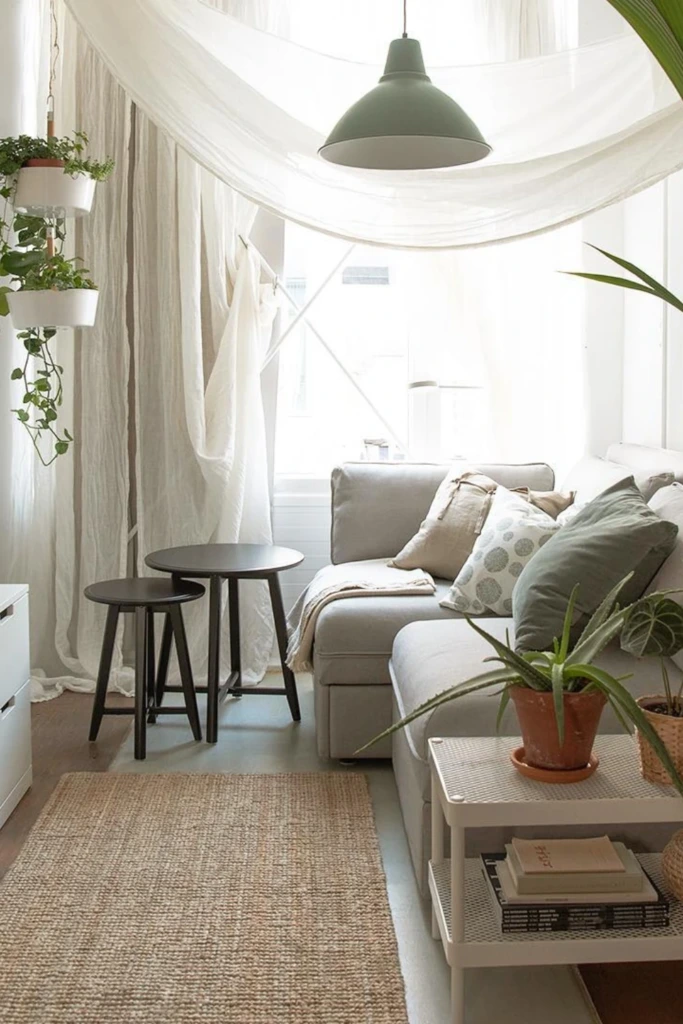
Low-profile storage furniture helps keep belongings organized without dominating a small room.
A wide console with drawers can store electronics, documents, games, and other living room essentials. Its relatively low height also leaves more visible wall space, which can make the room feel less enclosed.
Choose drawers with smooth mechanisms and divide their interiors into smaller sections for easier organization.
Keep the top surface relatively uncluttered to maintain a balanced appearance.
20. Raised Bed Storage
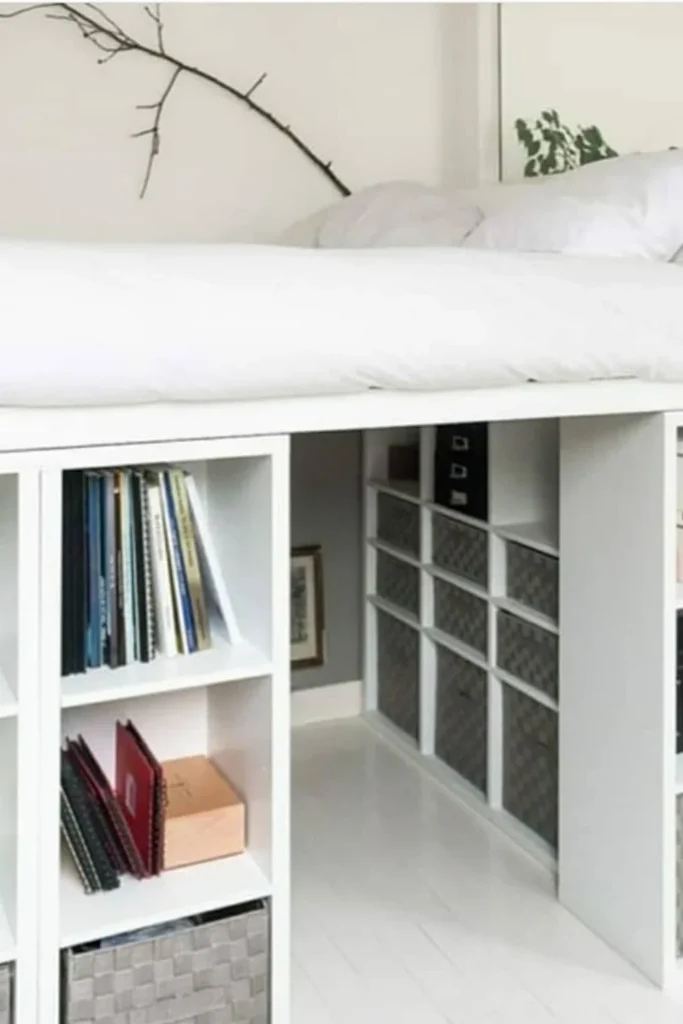
The space underneath a bed offers an excellent opportunity to store items without adding separate furniture.
A platform bed with integrated drawers can accommodate clothing, spare bedding, and accessories. Alternatively, storage boxes designed to fit beneath an existing bed provide an affordable solution.
Measure the available clearance before buying containers, and choose covered boxes to protect belongings from dust.
If raising an existing bed, use manufacturer-approved supports and ensure the bed remains stable.
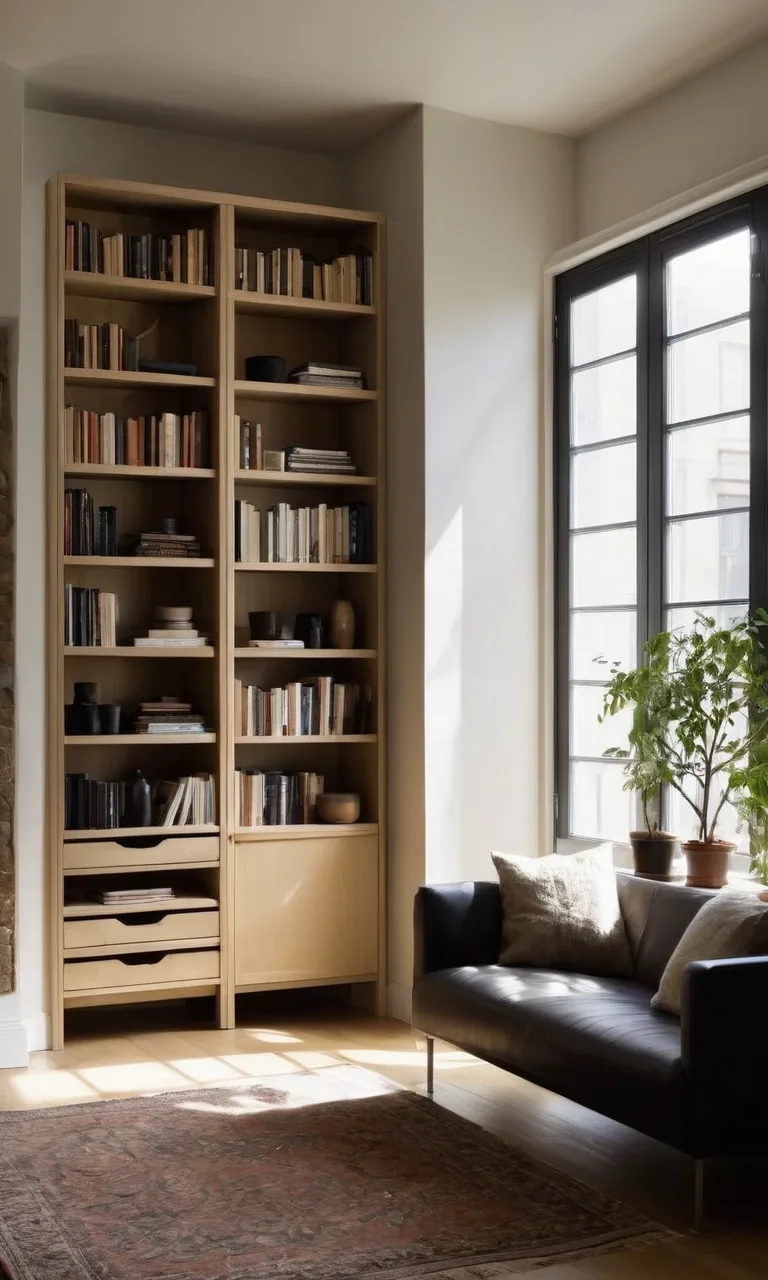
21. Sofa Wall Storage
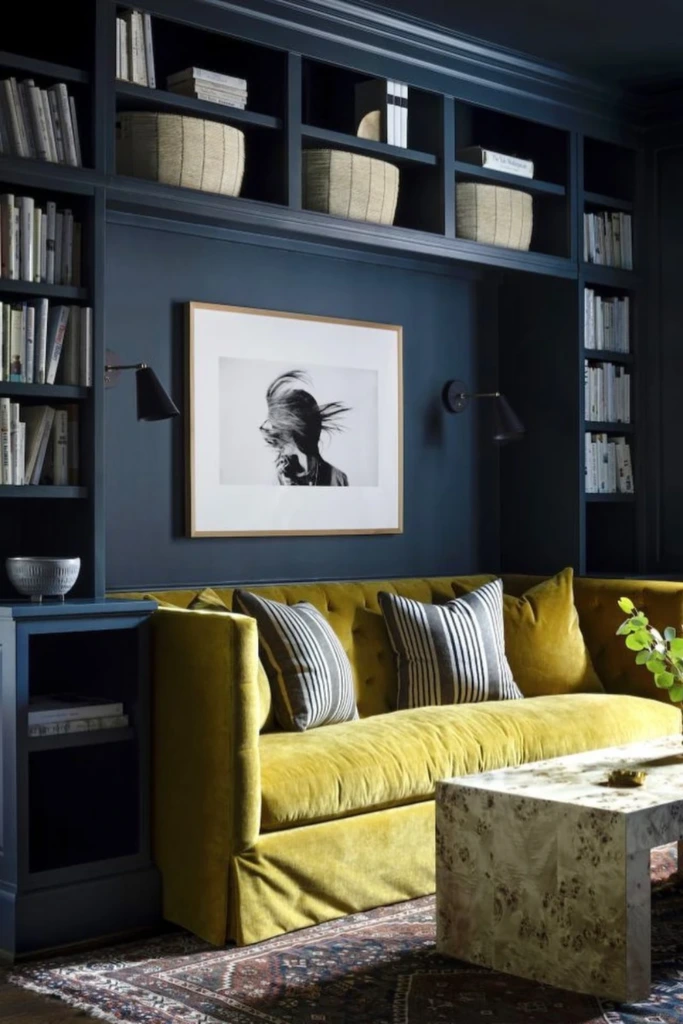
The wall behind a sofa can accommodate shelves or cabinets that increase living room storage without requiring another large furniture piece.
Consider installing shallow cabinets beside the sofa or shelves above the seating area. Books, decorative objects, and small baskets can be arranged neatly within these compartments.
Keep heavy objects away from positions where they could fall onto people sitting below. Proper anchoring and thoughtful shelf placement are essential.
22. Storage Bench Seating
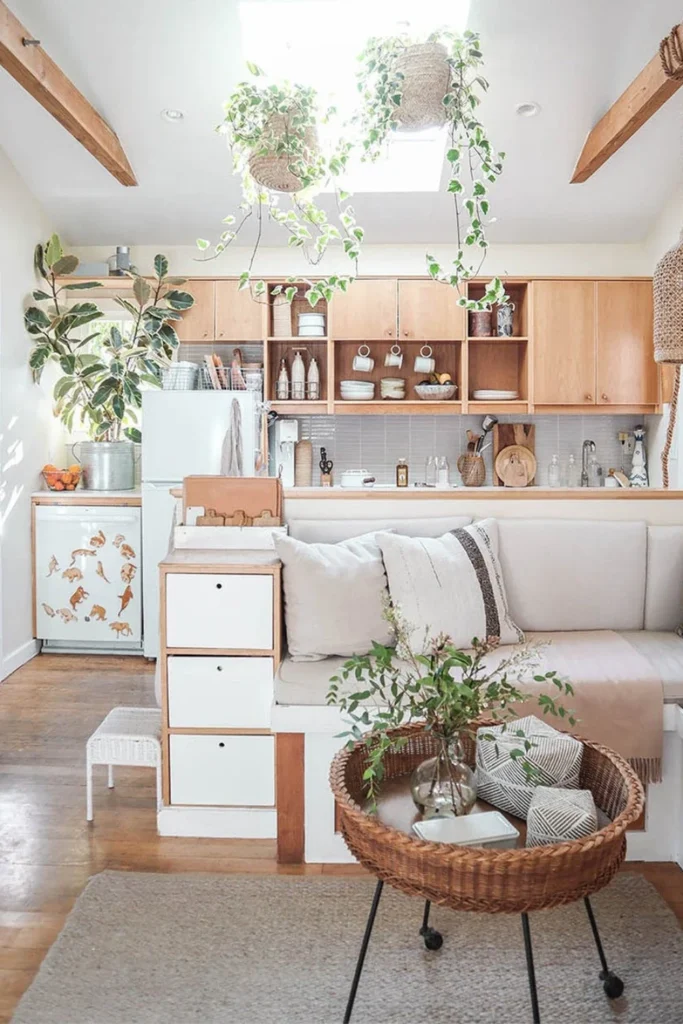
A storage bench combines seating with a convenient place to keep everyday belongings.
It works particularly well in entryways, beneath windows, and around compact dining tables. Internal compartments can hold shoes, blankets, toys, or seasonal accessories.
Choose between lift-top benches and models with drawers depending on how the furniture will be positioned.
For lift-top designs, soft-close hinges or lid supports can make access safer and more comfortable.
23. Office Closet Storage
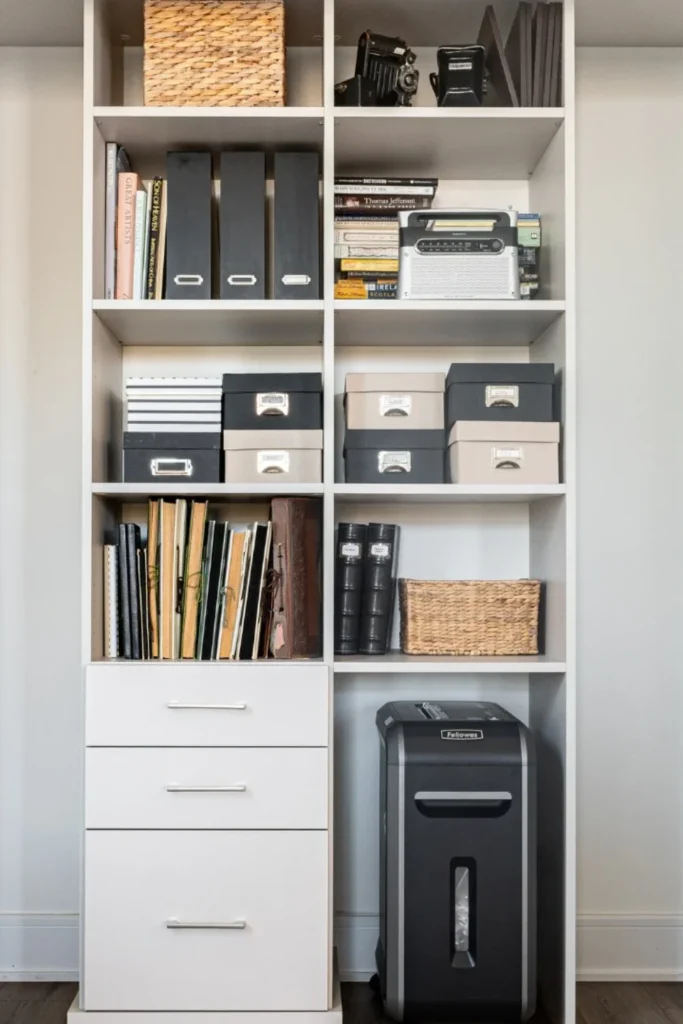
A spare closet can become an organized home office storage area without requiring a dedicated room.
Install shelves for documents, office equipment, and stationery. Drawer organizers can separate cables, notebooks, and smaller supplies, while labeled boxes help keep archived paperwork accessible.
If space allows, a compact desk can transform the closet into a workstation that can be concealed behind doors when not in use.
Ensure adequate lighting, ventilation, and electrical safety if electronic equipment will be used inside the closet.
24. Full-Height Mirror Cabinet
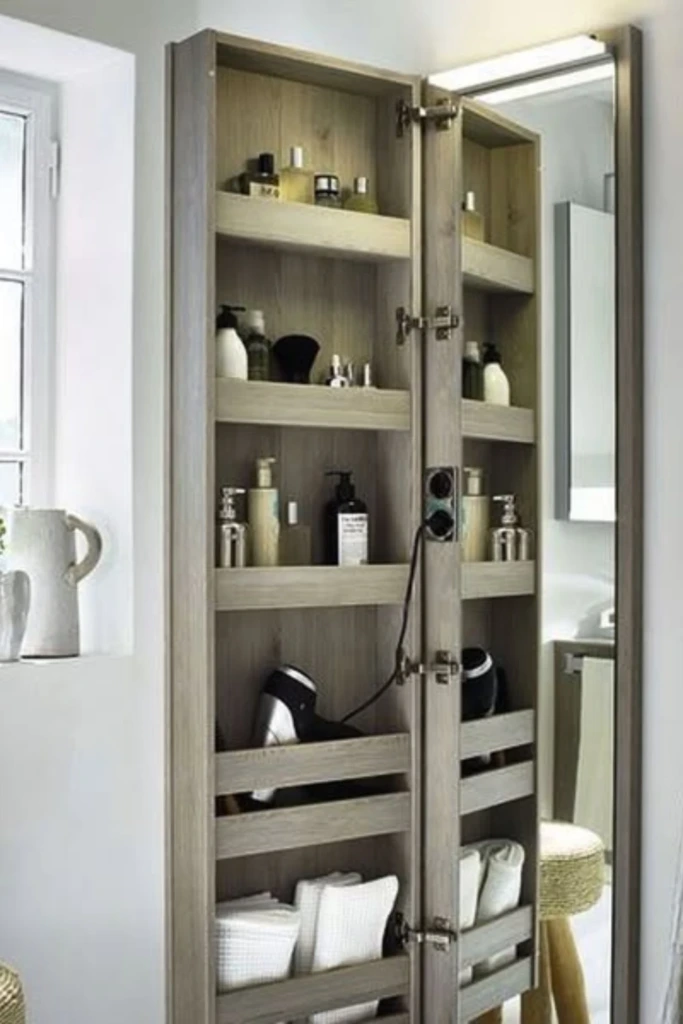
A tall mirrored cabinet provides concealed storage while also serving as a practical dressing or grooming mirror.
This option is particularly effective in small bathrooms and bedrooms, where combining functions reduces the need for separate furniture.
Adjustable interior shelves can accommodate toiletries, cosmetics, grooming tools, and other personal items.
Choose moisture-resistant materials for bathrooms and ensure the cabinet is securely mounted. A mirrored surface can also reflect available light, helping the room appear brighter.
How do I add storage without making my space feel smaller?
Focus on storage that uses existing vertical and concealed areas rather than introducing large pieces of furniture.
Wall-mounted shelves, under-bed containers, narrow cabinets, and multifunctional seating can increase storage while preserving valuable walking space.
Closed cabinets are useful for reducing visual clutter, while open shelving works best when items are arranged neatly. Choosing furniture that suits the room's proportions also helps maintain an open, comfortable atmosphere.
What storage mistakes make small spaces look messy?
One common mistake is adding storage containers without first deciding what needs to be kept. This can lead to overcrowded shelves and unnecessary furniture.
Other problems include using oversized cabinets, mixing too many organizer styles, filling every visible surface, and storing frequently used items in difficult-to-reach locations.
A better approach is to organize belongings by category, choose appropriately sized storage, and leave some breathing room around furniture and shelves.
Final Thoughts
A small home can be comfortable, practical, and beautifully organized when every storage decision has a purpose.
You don't need to renovate the entire space or invest in expensive furniture. Start with one problem area, whether that's a crowded closet, an unused corner, or a messy entryway.
By combining vertical storage, multifunctional furniture, and simple organization systems, you can create a home that feels more spacious and remains easier to maintain throughout the year.