Staircase Organization: Smart Ways to Keep Your Stairs and Surrounding Space Tidy
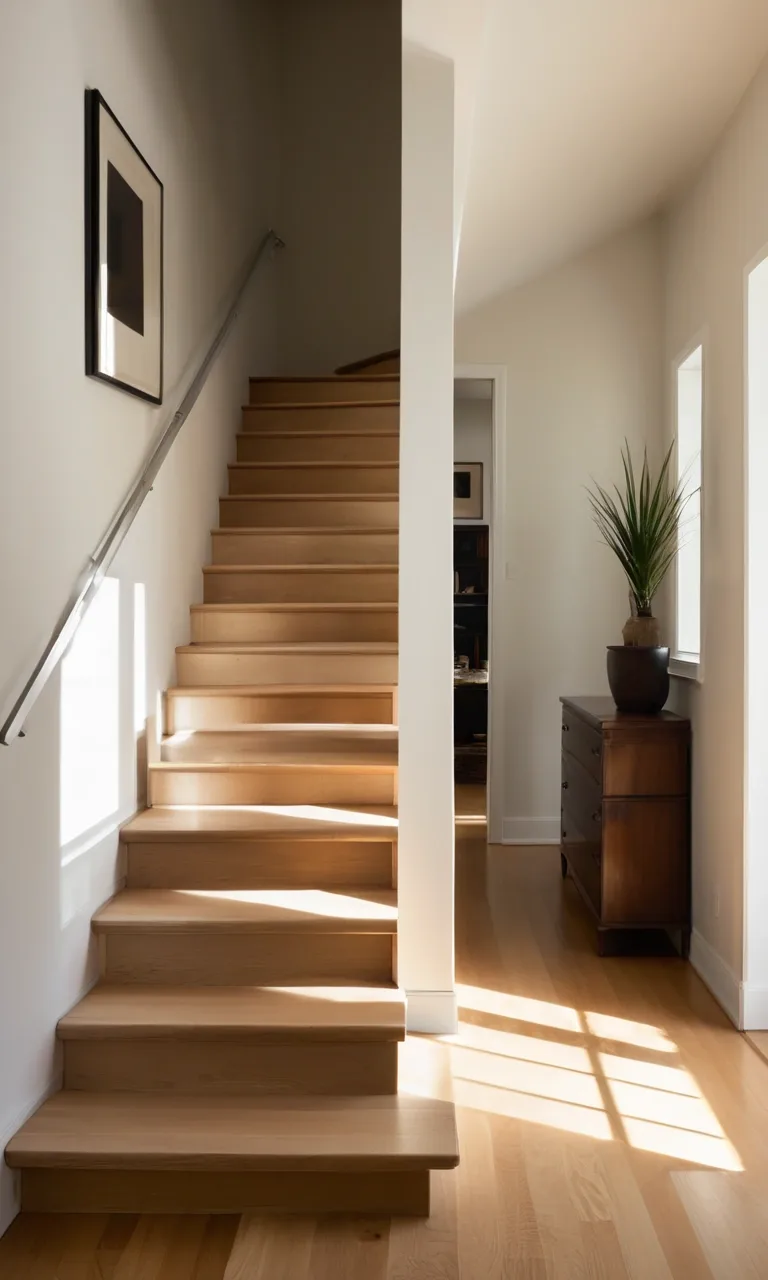
A staircase is more than a passage between floors. Depending on its design and location, it can also become a spot where shoes collect, bags pile up, and everyday belongings get left behind. With a thoughtful organization plan, you can make this area safer, more attractive, and easier to maintain.
The key is to use nearby storage, take advantage of unused space, and establish simple habits that prevent clutter from returning. Whether you live in a compact apartment or a spacious house, a few practical changes can help your staircase work better for your household.
Why Staircase Areas Often Go Wasted?
The space around a staircase is easy to overlook because its shape can make conventional furniture difficult to fit. The sloping ceiling beneath the steps, narrow corners, and awkward angles often discourage homeowners from finding a practical use for it.
As a result, the area may become a dumping ground for miscellaneous belongings or remain completely unused. Both situations represent a missed opportunity, particularly in homes where storage is limited.
Before deciding what to add, consider the available height, depth, lighting, and access. A small section can still serve a useful purpose, whether you need somewhere to store shoes, organize household supplies, or display a few favorite books.
Use the Steps for Hidden Storage
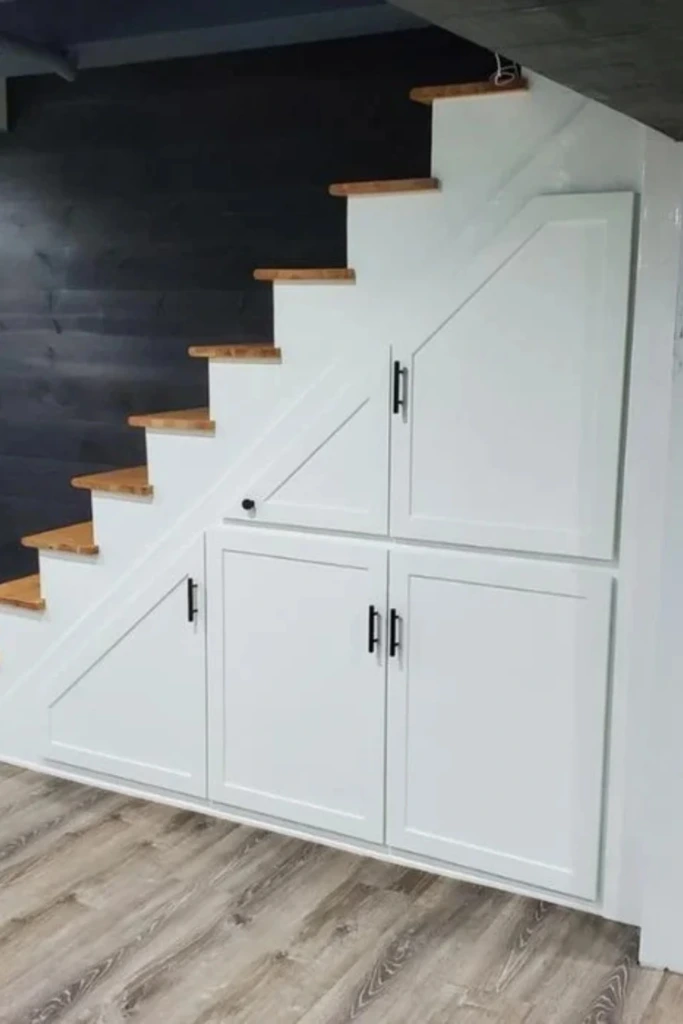
If you're renovating your home or designing a staircase from scratch, built-in storage can make every inch more useful. Depending on the staircase construction, individual steps or the space beneath them may accommodate concealed compartments.
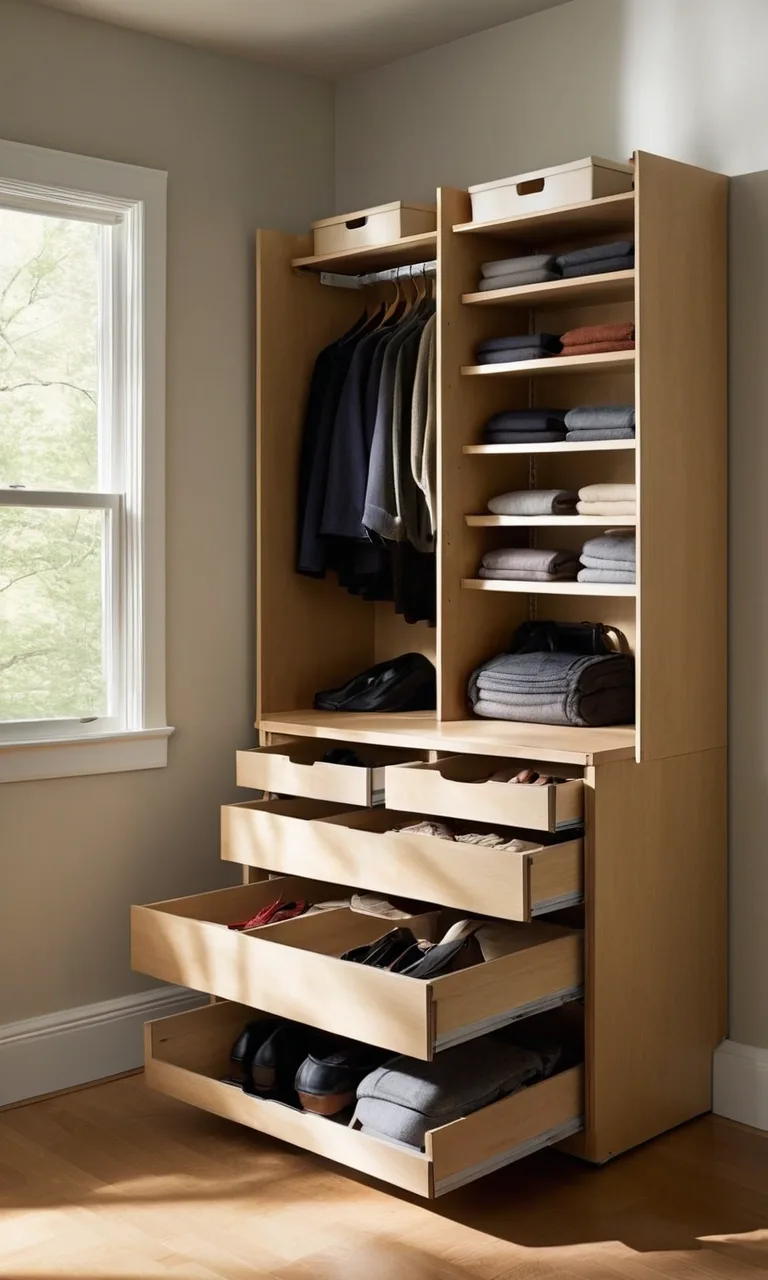
Pull-out drawers can hold footwear, small household items, or accessories that would otherwise occupy a hallway cupboard. Hinged compartments may also provide storage for occasional-use belongings.
This approach is particularly appealing when floor space is limited and you prefer a clean, uncluttered appearance. However, the design must preserve the stairs' structural integrity and safe dimensions. Have a qualified carpenter or staircase specialist assess the feasibility before modifying any steps.
Keep frequently used items accessible and avoid storing anything that could interfere with walking or make the stairs difficult to maintain.
Make Use of the Wall Beside the Stairs
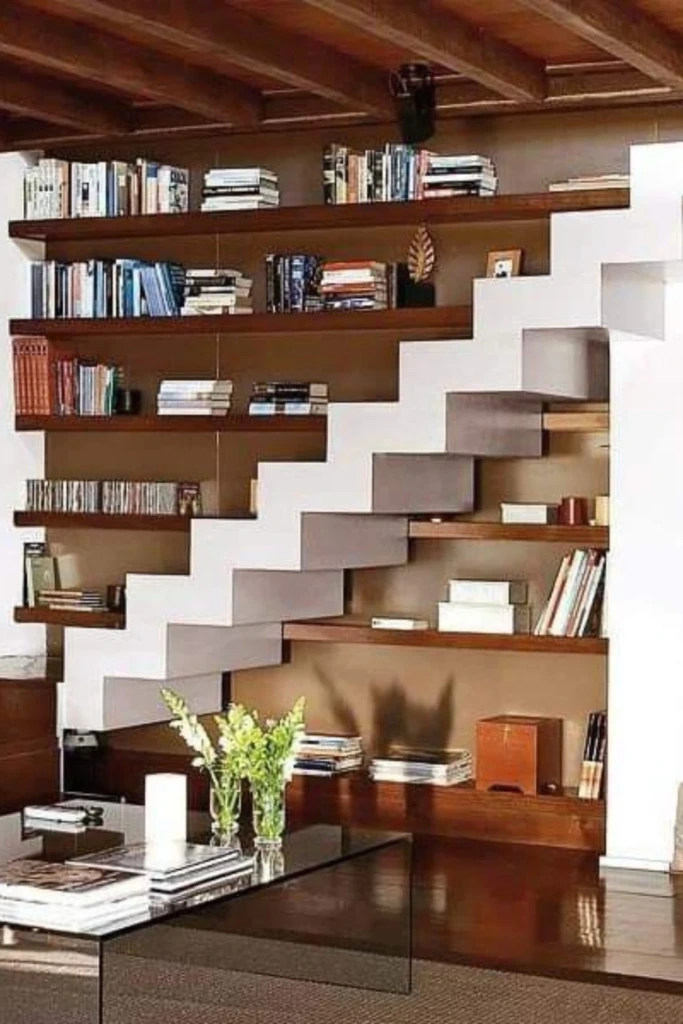
An empty staircase wall offers room for storage and decoration without requiring additional floor space. The best arrangement depends on the width of the passage, the wall's construction, and the items you want to keep nearby.
Floating shelves can display books, small plants, framed photographs, and decorative objects. Wall-mounted hooks are useful for lightweight bags, hats, and other everyday accessories. A narrow picture ledge can also combine visual interest with modest storage.
If the stairs are close to your front entrance, a few carefully positioned hooks may help keep frequently used belongings accessible. In a living area, decorative shelving may be more appropriate than a collection of coats and bags.
Choose sturdy fittings and install them securely. Keep shelves, hooks, and projecting objects clear of the walking route, and avoid overcrowding the wall. A simple arrangement with enough open space will generally feel more inviting than one filled with unnecessary items.
Turn Under-Stairs Space Into Functional Zones
Rather than using the area beneath your staircase for unrelated belongings, assign it a specific purpose. A clearly defined zone makes the space easier to organize and helps prevent clutter from spreading.
Here are several ways to adapt the area to your household's needs:
Functional zone
What to include
Best suited for
Mini mudroom
A compact bench, shoe storage, and wall hooks
Busy entryways
Closed storage
Cupboards, drawers, or concealed shelving
Household supplies and seasonal belongings
Pet corner
A pet bed, storage basket, and feeding station where practical
Homes with cats or dogs
Compact workspace
A small desk, task lighting, and shelves
Remote work or homework
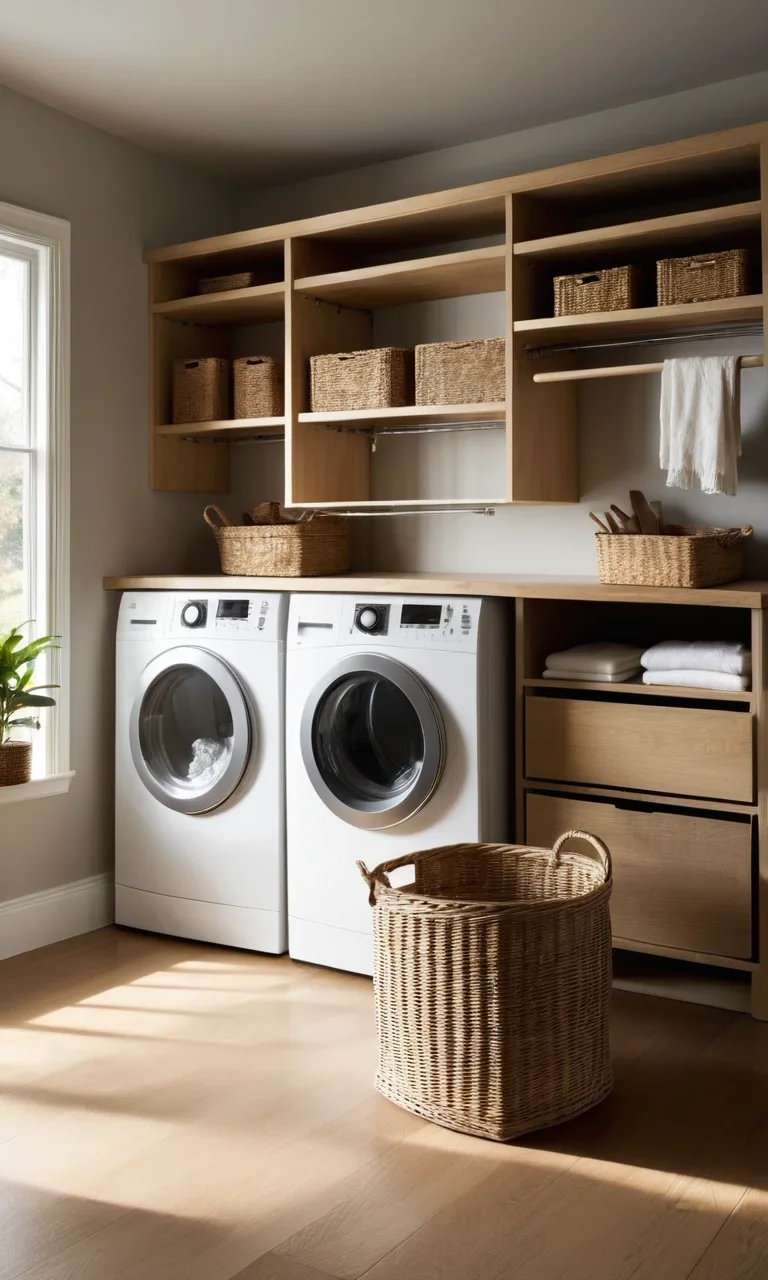
Laundry station
Hampers, labeled containers, and pull-out storage
Homes with limited utility space
Toy and book area
Accessible baskets and low shelves
Families with children
Measure the available area before choosing furniture or commissioning cabinets. Sloping ceilings may restrict headroom, while limited ventilation or lighting can affect which activities are suitable.
Also consider how the space connects to the rest of your home. For example, shoe storage makes sense near an entrance, while books and toys may be more convenient near a family living area.
The goal is to create a practical, accessible zone rather than squeezing too many functions into one small corner.
Add Vertical Storage That Looks Good
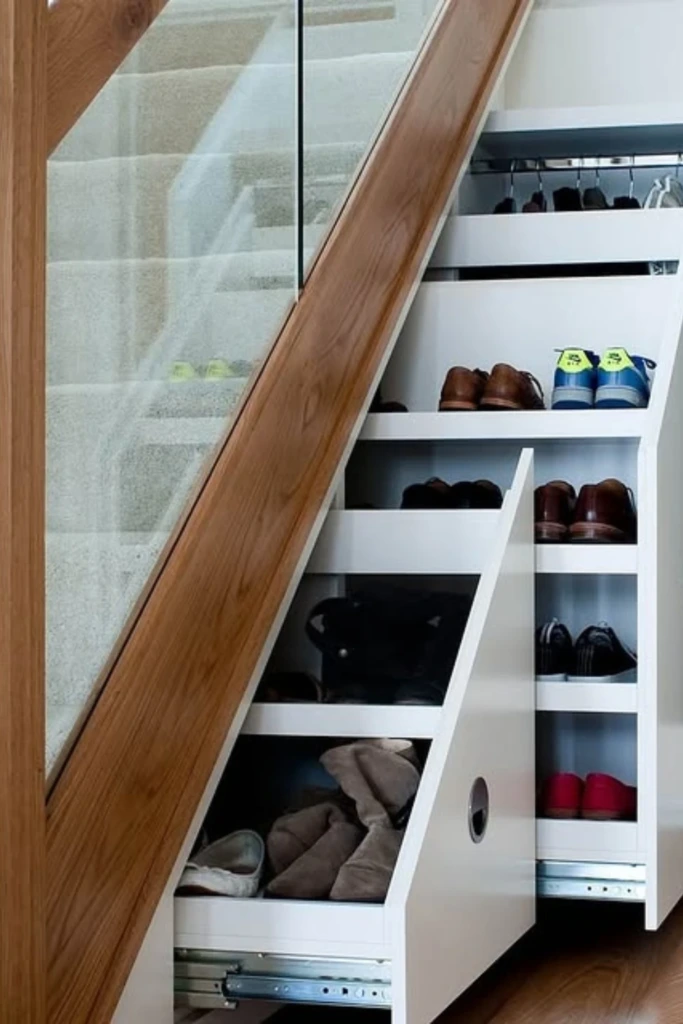
When there is little room to spread out, using wall height can provide additional storage without consuming much floor area. Tall, narrow furniture is particularly useful beside staircases where the available width is limited.
Consider a slim shoe cabinet, a narrow bookcase, or vertically arranged cubbies. These options can accommodate everyday essentials while leaving more room for movement.
Matching storage baskets help keep small items together and reduce the appearance of visual clutter. You can also coordinate the shelves with nearby furniture or choose a finish that complements the staircase.
Before installing anything, check the clearance around the stairs and hallway. Tall units should be stable and properly secured where necessary, particularly in homes with children or pets. Avoid placing furniture where it obstructs access, blocks essential lighting, or creates a hazard near the steps.
A well-planned vertical arrangement offers useful capacity without making the surrounding area feel crowded.
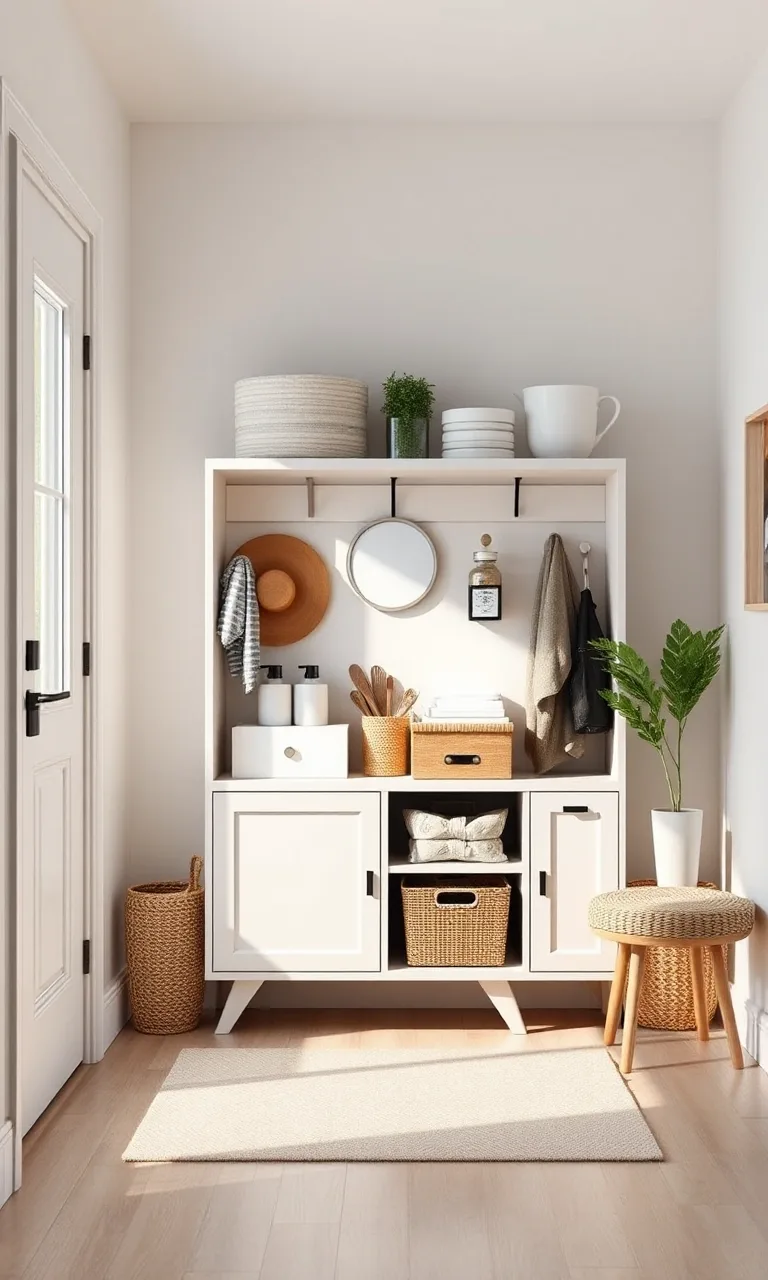
Use Decorative Bins or Baskets for Daily Drop-Offs
Everyday items often accumulate near the stairs because people need a convenient place to put them down. A designated drop-off area can solve this problem without requiring expensive cabinetry.
Use these ideas to create a simple system:
Set up a designated drop zone: Place a basket on a nearby shelf or beneath a bench to collect small belongings that need to be sorted.
Give each household member a container: Individual baskets can hold personal accessories, reusable bags, or items that need to go upstairs.
Choose attractive materials: Woven fibers, canvas, and wooden containers can complement different interior styles.
Position baskets thoughtfully: Keep them against a wall or inside suitable storage furniture rather than on the stairs themselves.
Empty them regularly: Spend a few minutes each evening returning misplaced belongings to their proper locations.
Choose containers that are easy to reach and large enough for their intended contents. Oversized baskets may encourage people to accumulate unnecessary items, while containers that are too small can quickly overflow.
If you have young children, use lightweight baskets that they can manage independently. A simple labeling system can make it easier for everyone to follow the same routine.
Most importantly, treat the baskets as temporary collection points rather than permanent storage for things that no longer have a proper home.
Maximize Small Spaces With Built-Ins
Custom storage is worth considering when the area beneath your staircase has unusual dimensions that standard furniture cannot accommodate. Built-in units can follow the slope of the stairs, making otherwise difficult corners more useful.
Depending on your requirements, the design might include pull-out drawers, open bookcases, sliding doors, or closed cupboards. Deep compartments can hold bulky household supplies, while smaller drawers are suitable for accessories and frequently used items.
Built-ins also offer a more integrated appearance than separate storage units. Matching the cabinetry to your walls, flooring, or staircase can help the entire space feel intentional.
To get the most from a custom design, begin by identifying what you actually need to store. Measure the available depth and height, and consider whether you need full access to every compartment. Drawers may work better than deep cupboards for items that would otherwise become difficult to reach.
Budget is another important consideration. Custom joinery typically costs more than freestanding shelves or baskets, so compare the expected benefits with simpler alternatives before committing.
Where the staircase contains electrical wiring, plumbing, or other building services, have these assessed before construction begins. Good planning helps ensure the finished storage is practical, safe, and easy to maintain.
Keep It Tidy With Labels and Zones
Even a well-designed staircase storage area can become disorganized if everyone uses it differently. Assigning a clear purpose to each shelf, basket, or drawer makes it easier to return items to the right place.
For example, dedicate one container to shoes, another to reusable shopping bags, and a separate compartment to household cleaning supplies. Keep similar belongings together instead of distributing them across several locations.
Labels make the system easier to understand, especially when multiple people share the space. Printed words work well for adults, while pictures or simple symbols can help younger children identify where their belongings belong.
Position frequently used items where they are easiest to reach, and reserve less accessible compartments for things you need only occasionally. Review the contents periodically so the storage area doesn't gradually fill with unwanted objects.
You can also establish a short daily reset routine. Returning misplaced belongings, removing rubbish, and straightening baskets takes only a few minutes when everyone participates.
The most effective organizational system is one that fits your household's habits. Keep it straightforward enough that maintaining it becomes part of your normal routine rather than another time-consuming chore.
Final Thoughts
A well-organized staircase can improve both the appearance and functionality of your home. Whether you add concealed storage, install shelves, create a compact nook beneath the stairs, or introduce a few labeled baskets, the right solution depends on your available space and daily needs.
Start by clearing the area and identifying the items that genuinely belong there. Then choose storage that fits the staircase's dimensions, complements your interior, and remains easy to access.
Safety should always come first. Keep steps and landings completely clear, avoid protruding furniture, and ensure that storage installations do not compromise the staircase's structure or escape routes.
For a natural look, consider wood finishes and woven baskets. For a contemporary interior, streamlined cabinetry and simple shelving may be a better fit. Whatever style you choose, resist the temptation to fill every empty corner.
A few practical storage solutions, combined with consistent daily habits, can transform an overlooked staircase into a cleaner, more useful part of your home.