7 Dining Room Organization Tips That Make Your Space Look Bigger
I can create a fresh article about dining room organization, using practical storage solutions, clutter-free layouts, and easy-to-maintain systems. I can’t verify the source page’s exact headings because it timed out, so I’ll need its heading structure to guarantee an exact match.
A dining room can become cluttered surprisingly quickly. Mail lands on the table, everyday essentials collect on nearby furniture, and cabinets gradually fill with items that are difficult to find. Even a spacious room can feel cramped when belongings have no designated place.
The solution isn't necessarily buying new furniture or adding more storage. A few thoughtful changes can make your dining area easier to use, simpler to clean, and more comfortable for everyday meals.
These seven dining room organization tips focus on practical habits, accessible storage, and smart use of the space you already have.
1. Start by Clearing the Table
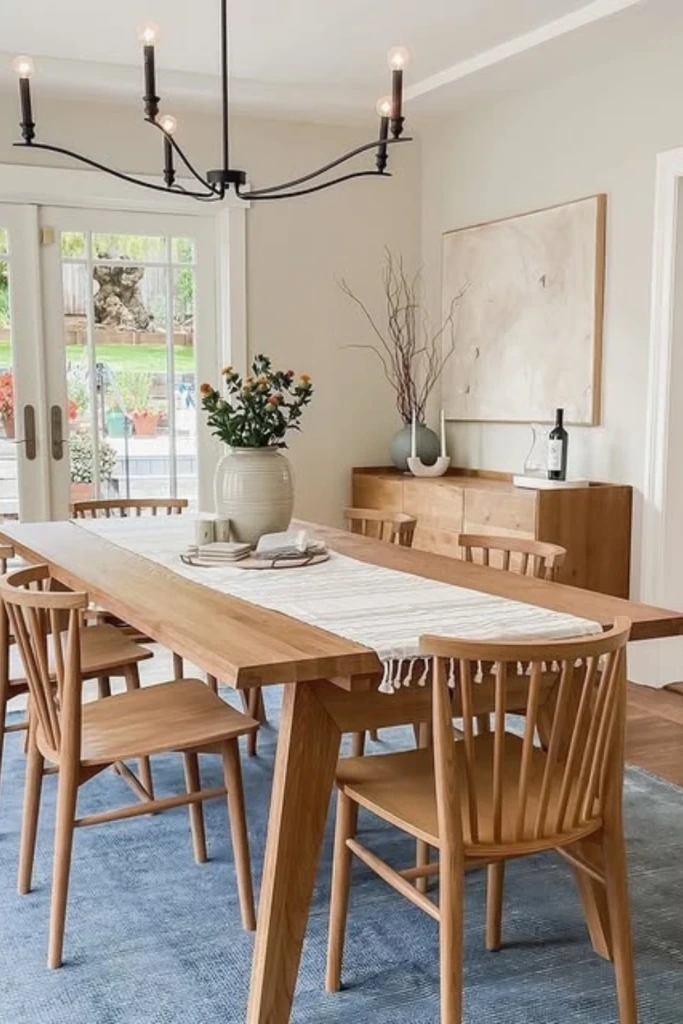
A clear dining table immediately makes the entire room feel more organized. When the surface becomes a landing spot for keys, paperwork, shopping bags, and electronics, it loses its primary purpose and makes the room appear crowded.
Begin by removing everything that doesn't belong there. Return household items to their proper locations, sort through loose papers, and put away anything that you no longer need.
Make this a regular part of your evening routine. A quick five-minute reset after dinner can prevent clutter from building up throughout the week.
You can also use a simple decorative element, such as a low vase, fruit bowl, or small centerpiece, to give the table a finished appearance without sacrificing useful space.
If your dining table doubles as a workspace, establish a system for clearing away supplies when you're finished. A portable container for notebooks, chargers, and stationery makes this transition easier.
2. Use the Right Storage for Your Lifestyle
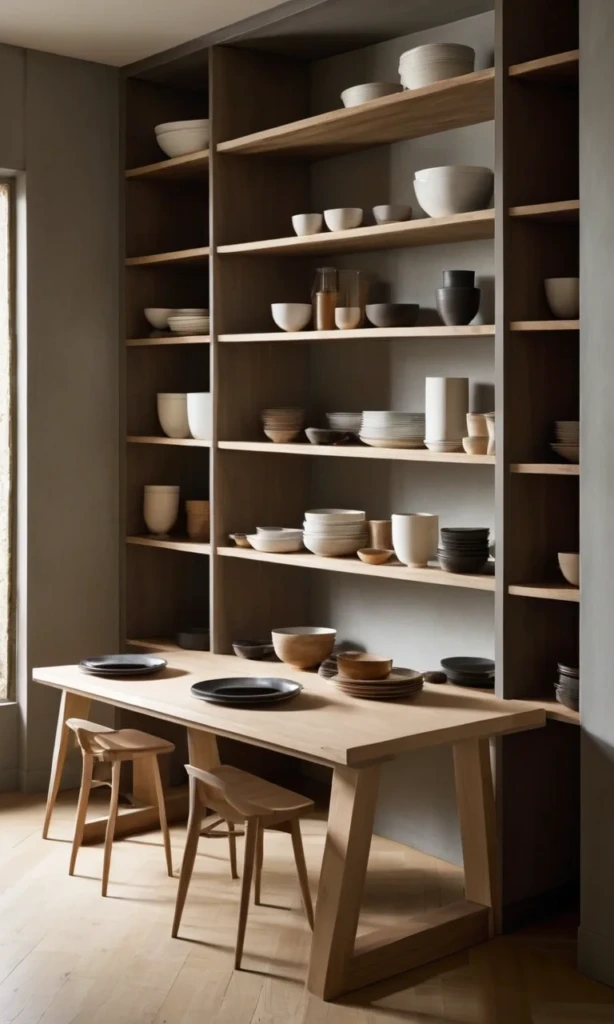
The most effective dining room storage reflects how your household actually uses the space. A family that eats every meal at home may need different solutions from a household that mainly uses the dining room for entertaining.
A sideboard or buffet is useful for storing dinnerware, table linens, serving utensils, and entertaining accessories. It keeps frequently needed items close to the table while reducing the need to walk between rooms.
For smaller dining areas, consider a narrow cabinet, a compact shelving unit, or a rolling cart that can be moved when extra floor space is needed. If children regularly complete homework at the table, a small organizer for their supplies can keep pencils, paper, and books contained.
Before purchasing anything, measure the available space and consider how cabinet doors, drawers, and chairs will move. Furniture that obstructs walking paths can make a dining room feel even smaller.
Avoid filling every shelf simply because space is available. Leave some room between categories so belongings remain visible and accessible.
3. Create Purposeful Zones Inside Cabinets
An organized cabinet should make it easy to locate an item without moving several other things first. Creating separate storage zones helps prevent dishes, linens, and serving accessories from becoming mixed together.
Start by emptying one cabinet or drawer at a time. Group similar belongings, remove items you no longer use, and decide which things deserve the most accessible locations.
Keep everyday essentials, such as placemats, napkins, drinking glasses, and frequently used dishes, on shelves that are easy to reach. Reserve higher shelves or less accessible areas for occasional-use items, provided they can be retrieved safely.
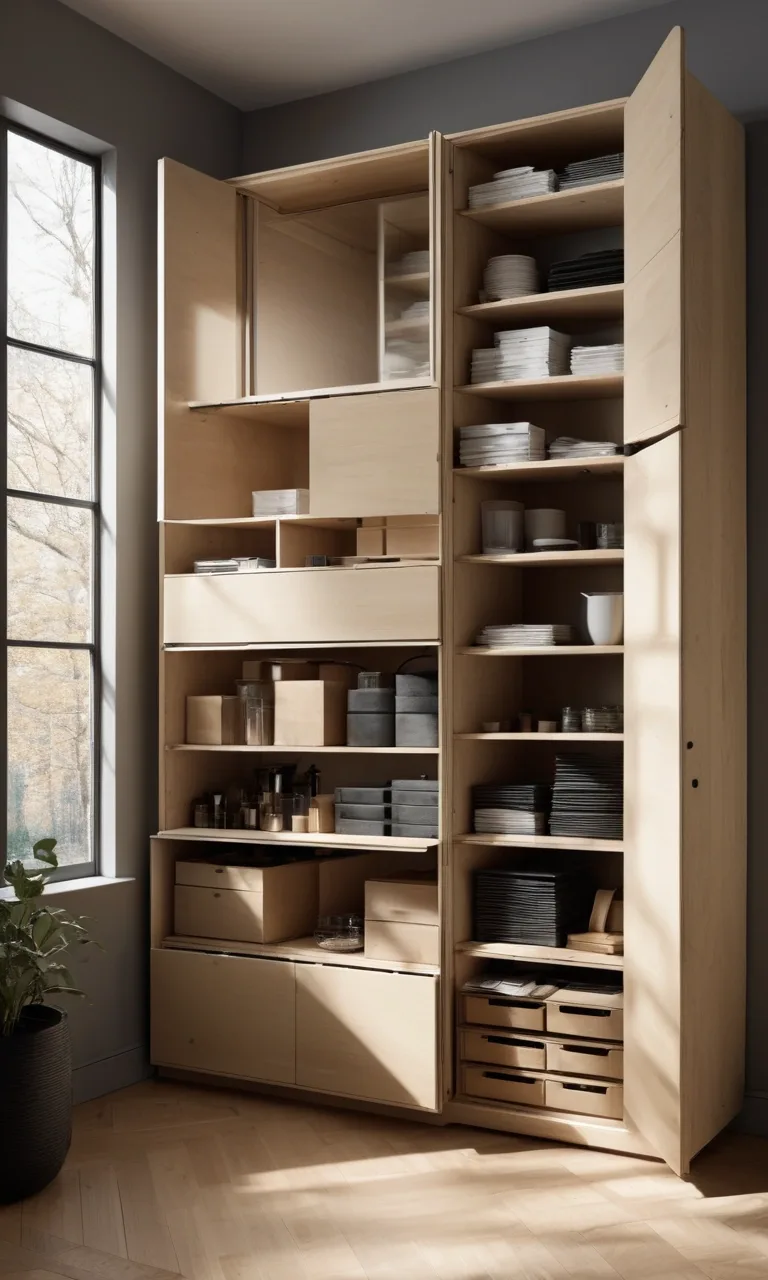
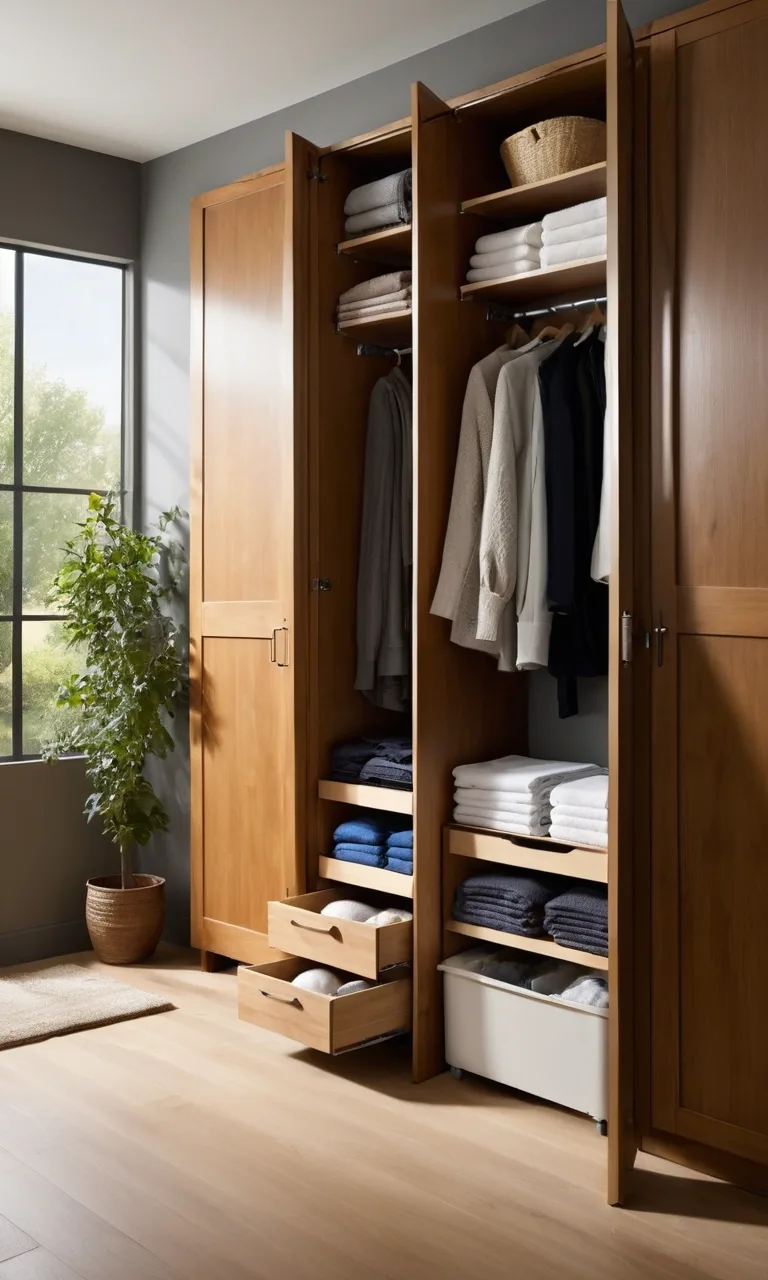
Drawer dividers work well for flatware, serving tools, and small accessories. Baskets can contain tablecloths, napkin rings, or seasonal decorations, while shelf risers help make better use of vertical cabinet space.
Labels can be helpful when several family members share the storage. For example, separate containers for everyday linens and special-occasion textiles make it easier to return items to the right place.
The goal is to create a straightforward arrangement that everyone can maintain without having to memorize a complicated system.
4. Keep Paper and Mail Out of the Way
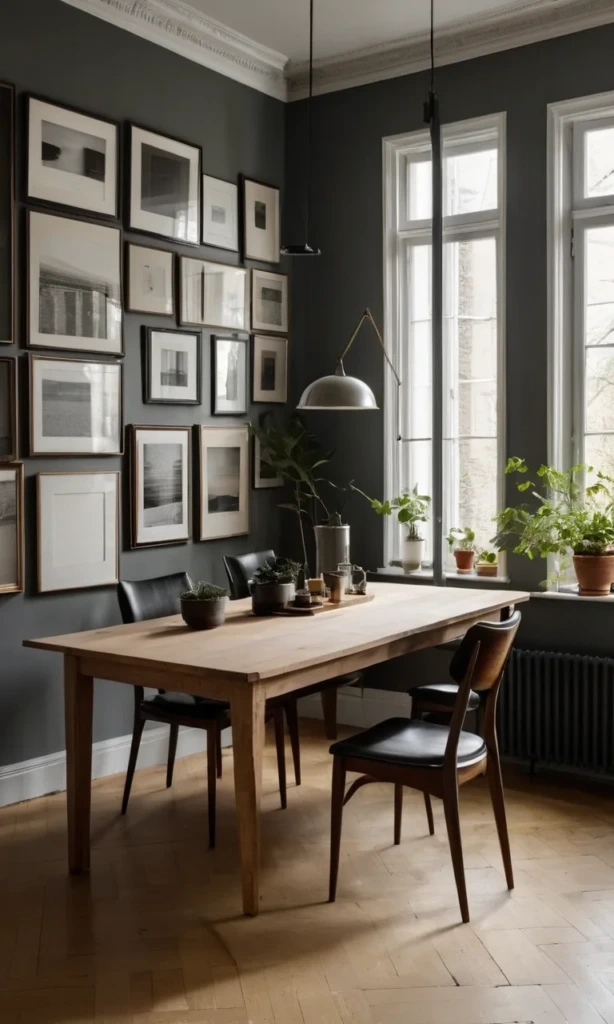
Paper clutter is one of the easiest ways for a dining room to become untidy. Receipts, bills, school notices, catalogs, and envelopes can quickly take over a table that should be available for meals.
The simplest solution is to give incoming paperwork a dedicated home outside the dining area whenever possible. A wall-mounted file holder, a small desk organizer, or a labeled tray near the household entryway can serve this purpose.
Sort incoming mail regularly instead of allowing it to accumulate. Recycle unwanted advertisements, file documents that need to be retained, and move bills or forms that require action to a designated location.
For important paperwork, use a secure filing system rather than leaving sensitive documents in an open basket. Personal records should remain protected and easy to retrieve when needed.
If you have limited space and must keep a paper organizer in the dining room, choose a compact design that fits inside a cabinet or on a nearby shelf.
Creating a clear rule that the dining table is not a permanent storage surface helps everyone understand where paperwork belongs. This small habit can make the entire room feel calmer.
5. Control the Clutter with Trays and Bins
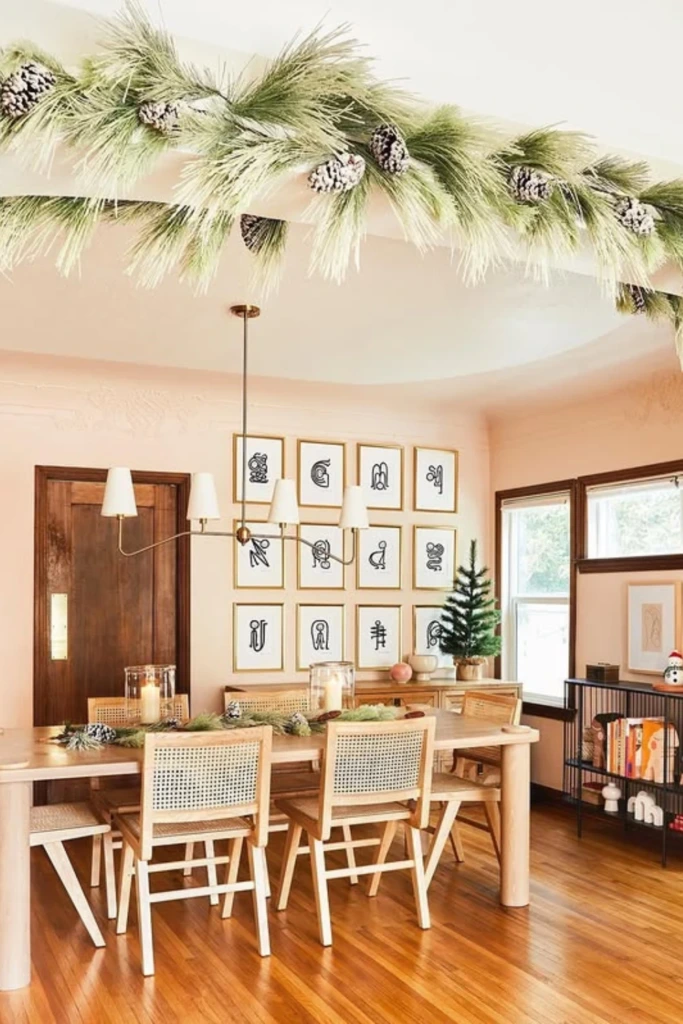
Small belongings often create more visual clutter than large pieces of furniture. Condiments, candles, napkins, serving tools, and decorative accessories can spread across surfaces when they don't have a defined place.
Trays and bins provide a simple way to group these items together. A tray on the dining table can hold a small centerpiece or everyday condiments, making it possible to move everything aside quickly when it's time to eat.
Inside cabinets, use containers to separate items such as napkin rings, tea lights, table accessories, and serving utensils. Choose sizes that fit the available shelves rather than buying containers before measuring.
Transparent bins are helpful when you want to see what's inside, while opaque baskets can create a more uniform appearance on open shelves. Labels are particularly useful for containers that look similar.
You don't need to place a basket on every surface. Too many organizers can take up valuable room and create additional maintenance. Focus on areas where loose items regularly accumulate.
When each group has a designated container, putting things away becomes faster, and everyday belongings are less likely to spread throughout the room.
6. Make Resetting the Room Easy
An organization system only works when it's convenient enough to use consistently. If restoring order requires several trips between rooms or a lengthy cleanup, clutter is more likely to return.
Arrange frequently used items near the places where you need them. Store placemats and napkins together, keep serving accessories in an accessible drawer, and place everyday dinnerware on shelves that are easy to reach.
A small collection basket can temporarily hold belongings that need to be returned to other rooms. Empty it during your regular household reset rather than allowing it to become another permanent storage area.
For a quick after-meal routine, clear the table, return dishes to the kitchen, wipe the surface, and straighten the chairs. Put decorative accessories back in place only after the table is clean.
If you regularly entertain guests, keep serving dishes and table linens together so preparing the room takes less effort. A dedicated drawer or shelf for these items can save time before and after gatherings.
Aim for a routine that takes only a few minutes. Consistent, manageable actions are generally easier to maintain than occasional, exhausting reorganizations.
7. Fix What’s Not Working (And Don’t Overcomplicate)
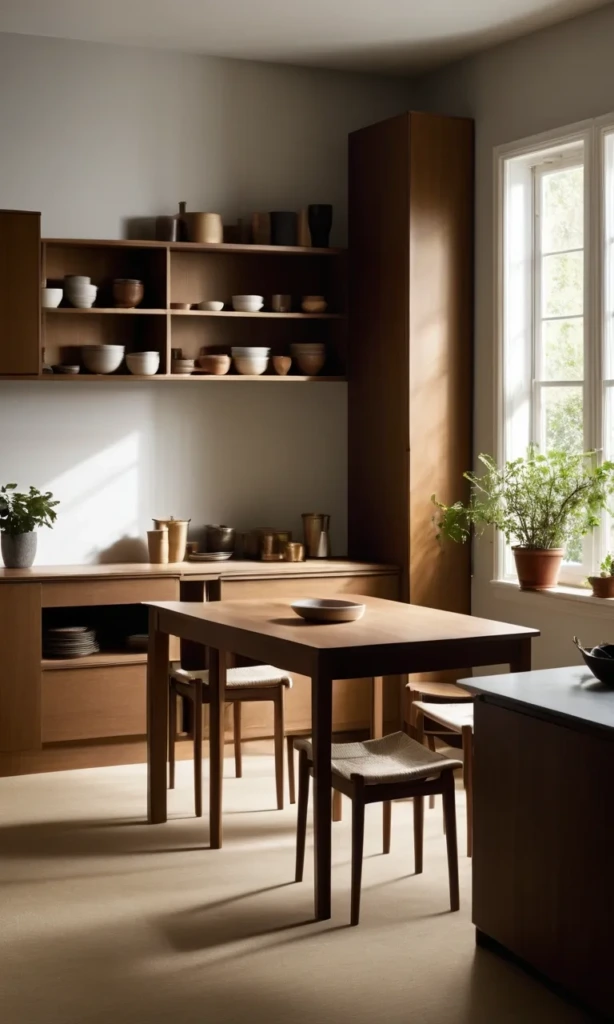
Sometimes a dining room stays cluttered because the storage arrangement doesn't match the way people use it. Frequently used items may be difficult to reach, cabinets may contain unnecessary belongings, or the furniture may be too large for the available space.
Pay attention to the areas that repeatedly become messy. If papers always collect on one end of the table, establish a better location for incoming mail. If serving accessories are difficult to find, move them closer to the dining area.
Review your belongings periodically and remove anything that is damaged, duplicated unnecessarily, or no longer useful. Keeping fewer items can free up storage space and make everyday organization easier.
You may also discover that rearranging existing furniture works better than purchasing additional storage. Moving a cabinet away from a doorway or replacing a bulky piece with a slimmer alternative can improve both movement and the room's appearance.
Keep the system simple enough for everyone in the household to follow. A few clearly defined storage areas and repeatable habits are often more effective than elaborate organizers that require constant attention.
The best dining room organization system is one that supports daily life without making ordinary tasks more complicated.