19 Basement Organization Tips That Actually Work
A basement can be one of the most useful areas in your home, but without a proper organization system, it can quickly become a place where forgotten boxes, unused furniture, seasonal decorations, and random household items accumulate.
The good news is that you don't need an expensive renovation or complicated storage solutions to transform your basement. With a thoughtful plan, practical storage products, and a few consistent habits, you can turn even a crowded basement into a clean, functional space.
Whether you want to create room for laundry, hobbies, exercise, or everyday household storage, these basement organization tips will help you make better use of the space while keeping everything accessible.
Why Do Basements Get So Dirty?
Basements often become cluttered because they are used differently from the main living areas of a house. Items that don't have a designated place upstairs frequently end up downstairs, where they may remain untouched for months or years.
Understanding what causes the mess can help you choose an organization system that lasts.
1. It Becomes a Dumping Ground
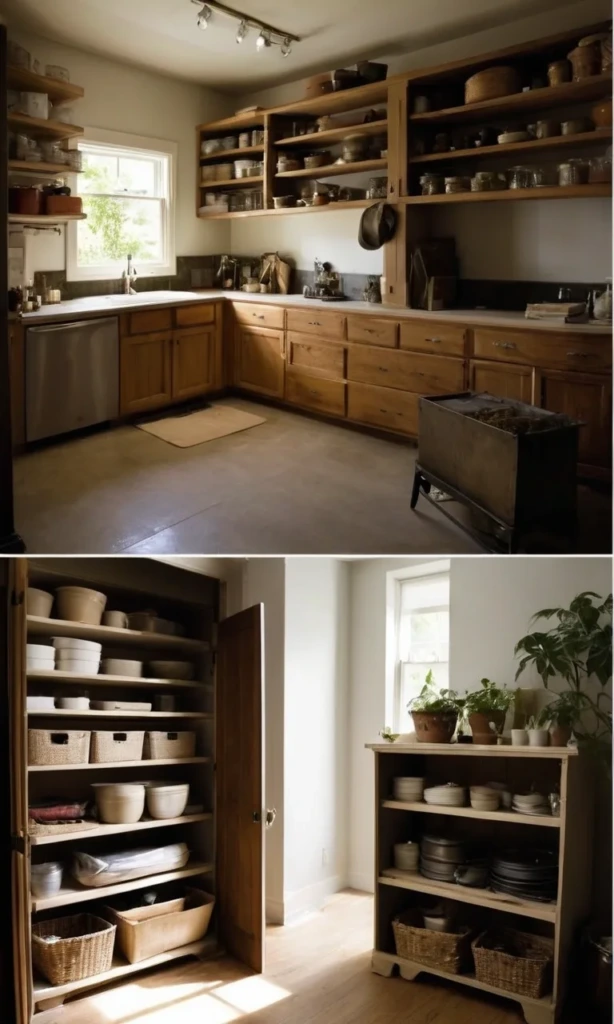
When something no longer has a place in the house, putting it in the basement can feel like an easy solution. Old electronics, unused furniture, broken appliances, and miscellaneous boxes gradually accumulate.
The problem begins when temporary storage becomes permanent. Before long, the basement is filled with belongings that nobody remembers storing there.
Establish a simple rule: every item brought downstairs must have a purpose and a designated location. Review existing belongings regularly and remove anything that no longer serves your household.
2. No Storage Setup
A basement without adequate shelves, containers, hooks, or cabinets can become difficult to manage. Items end up scattered across the floor, stacked in unstable piles, or hidden inside boxes that are difficult to identify.
A practical storage system makes a significant difference. Install sturdy shelving, use suitable containers, and group similar belongings together. Keep frequently used items accessible instead of burying them beneath things you rarely need.
You don't have to purchase everything at once. Start with the areas causing the most inconvenience and improve your storage gradually.
3. It’s Out of Sight, Out of Mind
Because basements are often separate from everyday living spaces, clutter can remain unnoticed for long periods. Unlike a messy kitchen counter or crowded living room, a disorganized basement may not demand immediate attention.
This makes it easy to postpone cleaning until the space becomes difficult to use.
To prevent this cycle, include the basement in your regular household routine. Spend a few minutes returning misplaced items, checking containers, and removing unnecessary belongings. Regular attention prevents small problems from becoming major organizing projects.
4. Emotional Clutter Builds Up
Some belongings are difficult to discard because they carry memories or represent money already spent. Childhood toys, inherited furniture, old photographs, and unused gifts can occupy valuable space even when they no longer have a practical purpose.
Instead of making rushed decisions, separate sentimental belongings from everyday storage. Keep the items that genuinely matter to you and consider photographing objects that hold memories but take up too much room.
For valuable documents, family photographs, and irreplaceable keepsakes, choose storage that protects them from moisture and temperature changes. A thoughtful approach allows you to preserve meaningful memories without allowing every unused possession to accumulate indefinitely.
5. Moisture Makes It Worse
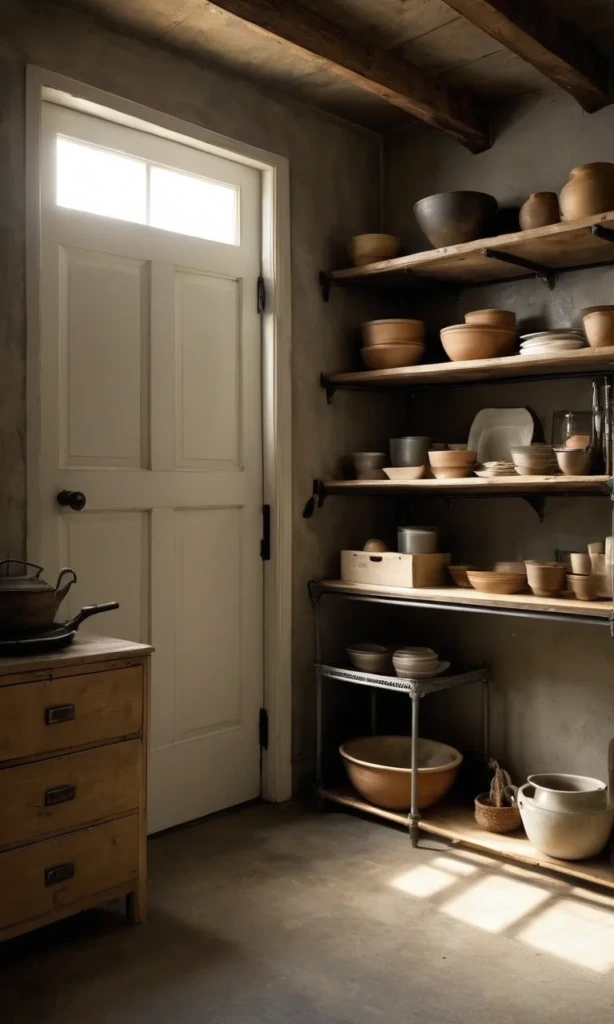
Basements can be vulnerable to humidity, condensation, plumbing leaks, and water entering through foundation walls. These conditions can damage stored belongings, weaken cardboard boxes, and encourage mold growth.
Moisture problems can also make the space unpleasant to use, leading homeowners to avoid it altogether.
Before organizing, inspect the basement for damp patches, water stains, musty odors, and visible mold. Address leaks and water intrusion before adding storage furniture or placing valuable items in the area. A dehumidifier may help control humidity, but it won't solve an underlying drainage or structural problem.
Keeping belongings elevated, allowing air to circulate, and choosing appropriate containers can help protect your storage investment.
6. 6 Tips to Organize the Basement
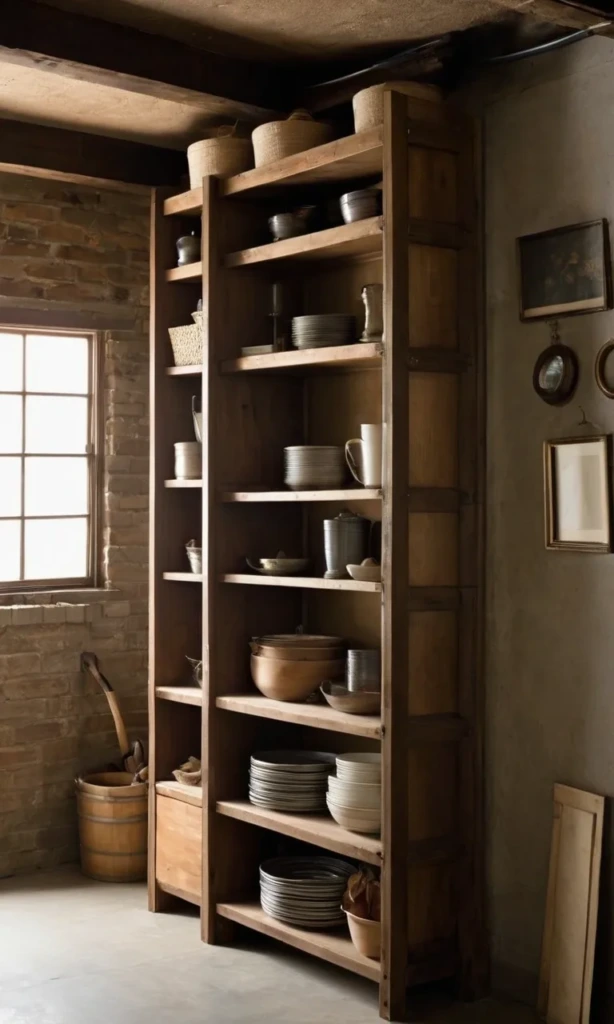
Once you understand the reasons behind the clutter, you can begin creating a basement that works for your household. These six strategies focus on reducing unnecessary belongings, establishing logical storage arrangements, and making maintenance easier.
7. Declutter Without Getting Overwhelmed
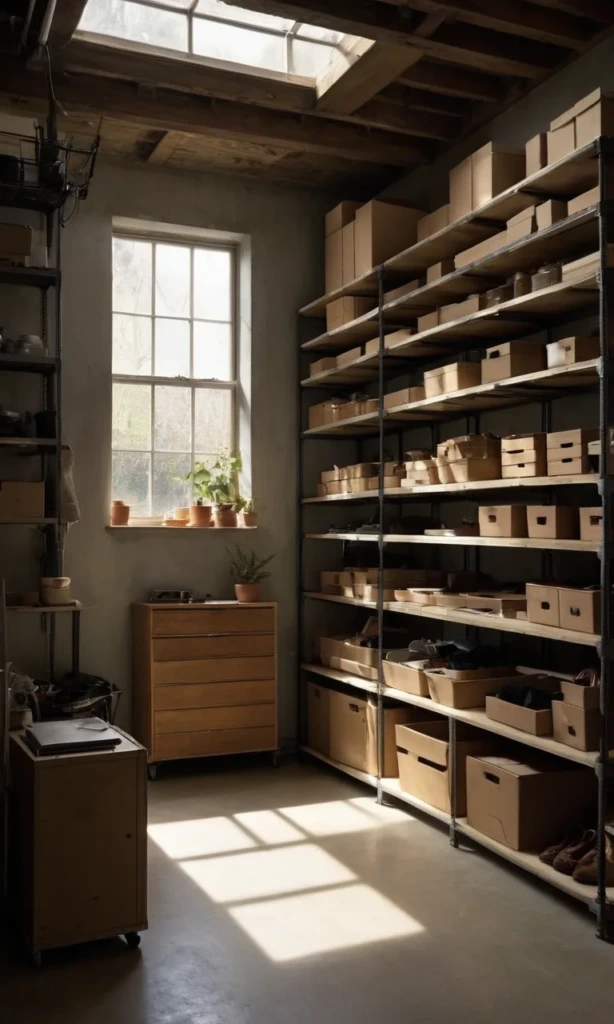
Trying to organize an entire basement in one afternoon can quickly become exhausting. A better approach is to divide the project into manageable sections and complete them one at a time.
Begin with a single shelf, a corner, or a few storage boxes. Set aside 20 to 30 minutes for each session so you can make progress without feeling pressured to finish everything immediately.
Prepare four categories for sorting:
Keep: Items you regularly use, genuinely value, or need to retain.
Donate: Useful belongings that are no longer needed in your household.
Discard: Broken, unusable, or unsuitable items that cannot reasonably be repaired or reused.
Relocate: Belongings that belong in another room or area of the house.
Ask yourself whether an item has been useful recently, whether it is worth the space it occupies, and whether you would choose to keep it if you were organizing the basement from scratch.
Handle sentimental possessions separately if they require more thought. Avoid making every decision at once, and take breaks whenever necessary.
Most importantly, separate decluttering from organizing. First decide what deserves to stay. Once you have reduced the volume of belongings, you can choose the right containers and storage arrangements for what remains.
8. Set Up Storage Zones That Make Sense
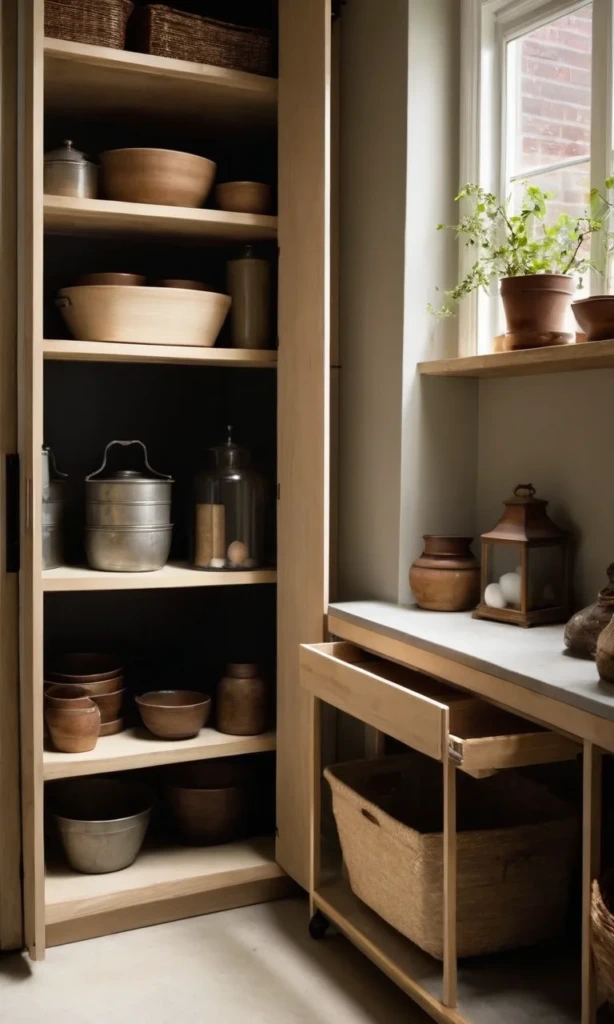
After removing unnecessary belongings, divide the basement into clearly defined areas according to how you use the space.
For example, you could create separate zones for tools, seasonal decorations, sports equipment, household supplies, laundry products, and hobby materials. If the basement serves multiple purposes, designate specific areas for exercise, work, or recreation as well.
Keep related items together so you can retrieve what you need without searching through unrelated containers. A dedicated tool area, for instance, makes repairs easier because equipment and accessories remain in one location.
Consider the frequency of use when deciding where things belong. Everyday supplies should be easy to reach, while seasonal belongings can occupy less accessible shelves. Heavy objects should be stored at safe heights where they can be lifted without unnecessary strain.
Make sure your storage arrangement doesn't interfere with the basement's other functions. Leave clear walking paths, preserve access to electrical panels and utility equipment, and avoid blocking stairs or emergency exits.
You can use floor markings or simple signs to distinguish different areas. The objective is to establish a layout that makes putting things away just as easy as taking them out.
9. Use the Right Bins and Shelves
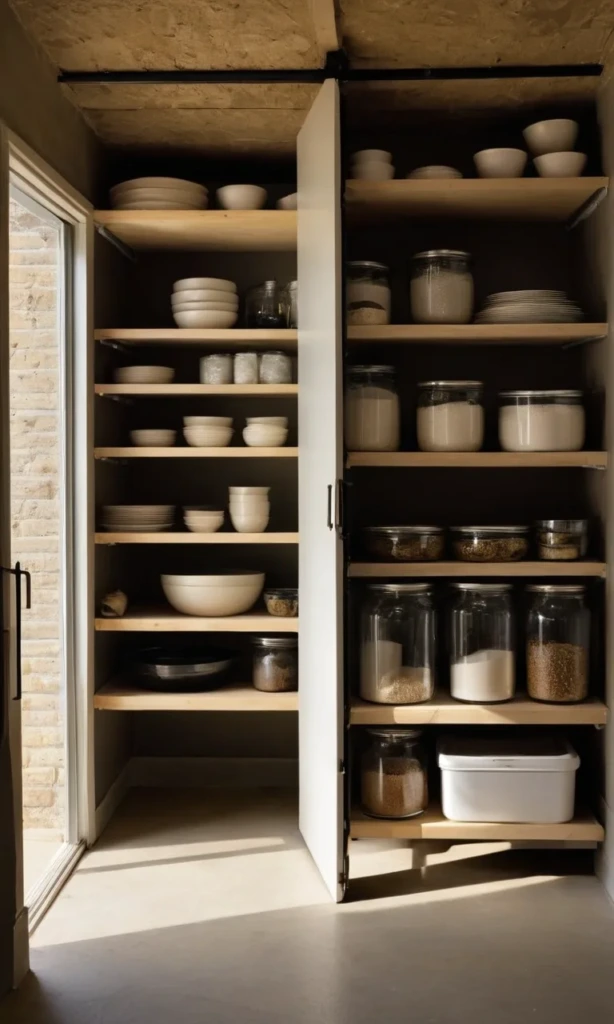
Suitable storage equipment helps protect your belongings, use vertical space efficiently, and prevent organized areas from becoming cluttered again.
Choose storage products according to the items you plan to store, the available space, and the basement's moisture conditions.
10. Step 1: Stop Using Cardboard Boxes
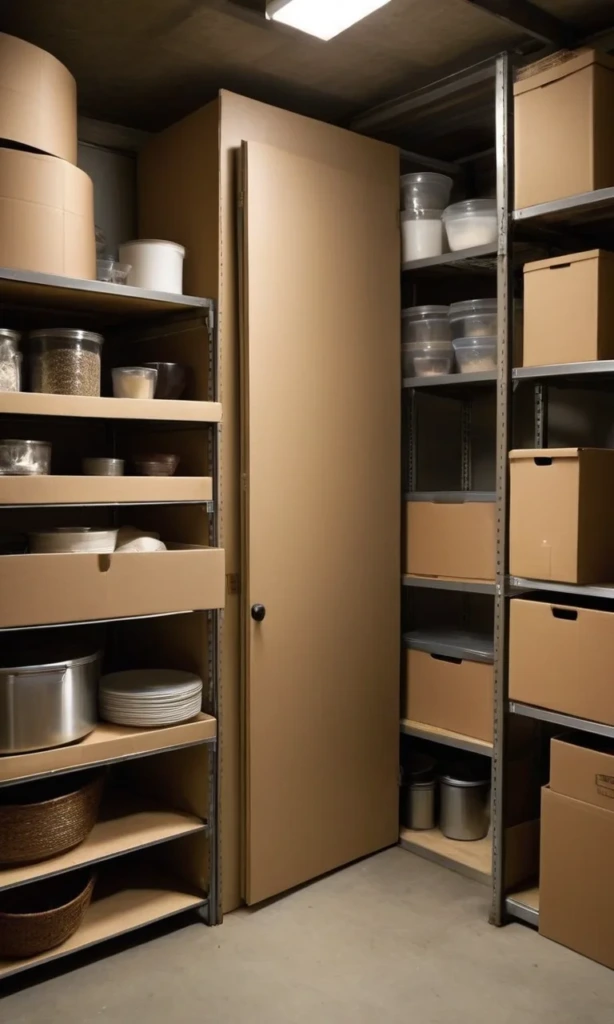
Cardboard boxes are convenient and inexpensive, but they are not ideal for damp basements. They can absorb moisture, weaken over time, and become susceptible to mold when conditions are favorable.
Damaged boxes may also collapse when stacked, potentially damaging their contents.
Inspect existing boxes before replacing them. Transfer important belongings into more durable containers, especially if they will remain in storage for extended periods. Recycle clean cardboard where appropriate and discard boxes that are damp, contaminated, or deteriorating.
Dry basements may accommodate cardboard for short-term storage, but sturdier alternatives generally offer better durability.
11. Step 2: Choose Plastic Bins with Lids
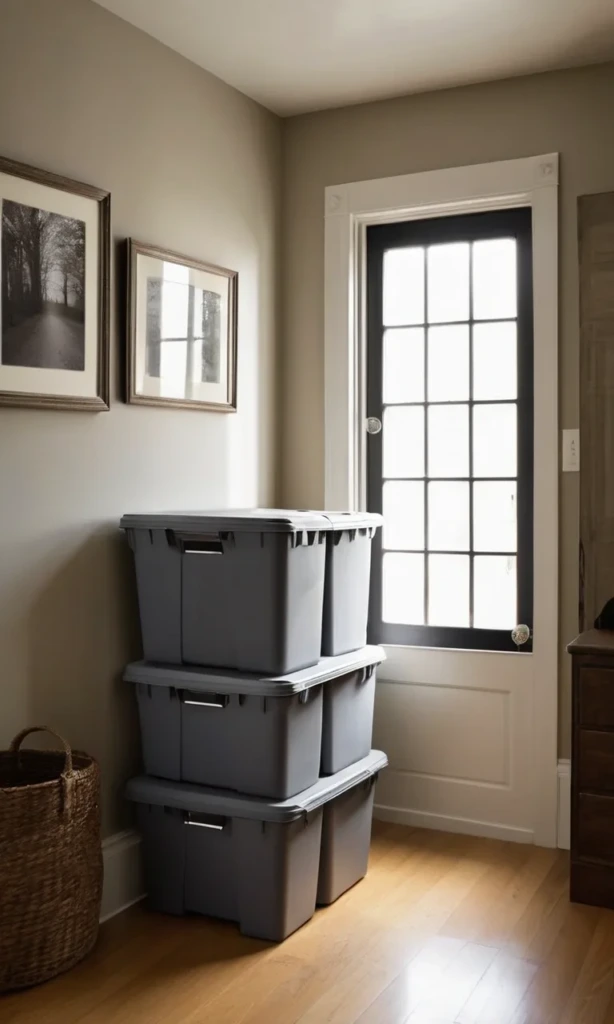
Durable plastic containers are useful for storing holiday decorations, household accessories, craft supplies, and other belongings that need protection from dust.
Select containers that suit the weight and dimensions of their contents. Stackable models help maximize space, while transparent bins make it easier to identify items without opening every lid.
Opaque containers can be useful for belongings that benefit from reduced light exposure. Use appropriately sealed, archival-quality storage for delicate photographs and documents rather than assuming an ordinary plastic bin provides complete protection.
Remember that a lidded container is not automatically waterproof or airtight. If your basement has a history of flooding, address the water problem and choose storage designed for the level of protection required.
12. Step 3: Label Your Bins on All Sides
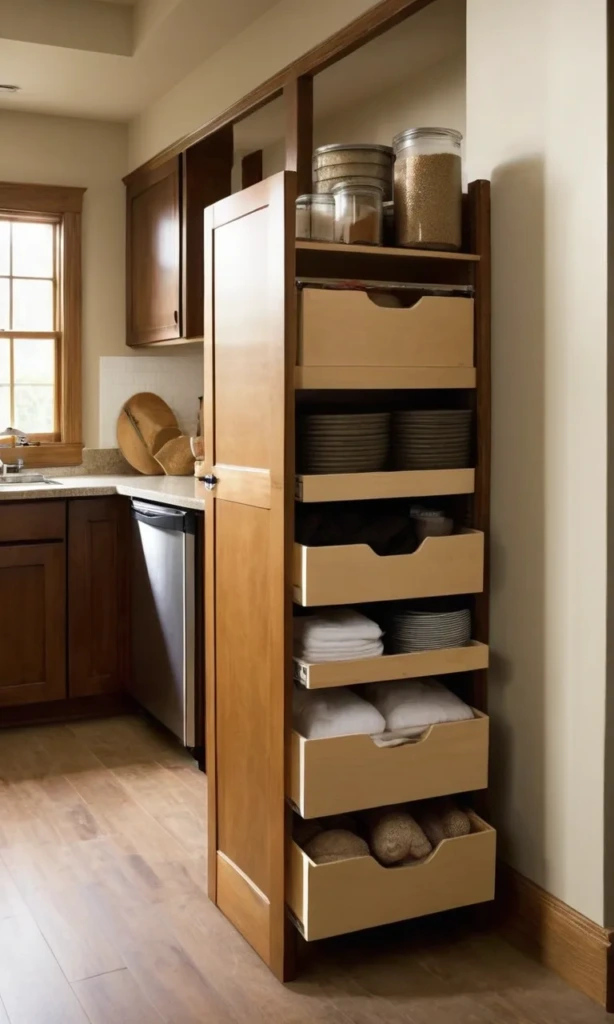
Labels eliminate much of the guesswork involved in finding stored belongings. Without them, even a neatly arranged shelf can become frustrating when you need something quickly.
Use clear, readable descriptions such as "Winter Accessories," "Painting Supplies," "Camping Gear," or "Holiday Lights." Place labels on the front and top of each container so they remain visible when bins are stacked or positioned on shelves.
Avoid vague descriptions such as "Miscellaneous" whenever possible. More specific labels help everyone in the household understand what belongs inside.
For containers holding several different items, include a short list of contents. You can also add dates to boxes containing records or materials that need periodic review.
13. Step 4: Raise Bins Off the Floor
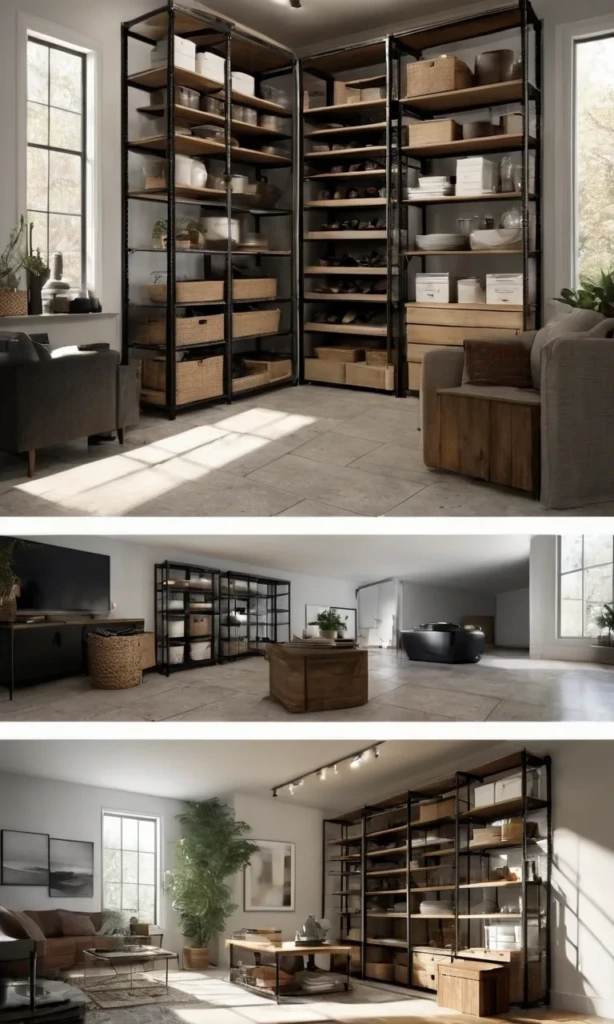
Basement floors can become damp because of condensation, minor leaks, or groundwater intrusion. Storing containers directly on the floor may expose their contents to water before you notice a problem.
Use sturdy shelving, suitable storage risers, or purpose-built platforms to keep belongings elevated. Choose materials that can withstand the basement environment and support the combined weight of the containers.
Leave enough clearance to inspect the floor underneath and identify leaks early. If flooding is a concern, elevation alone may not provide sufficient protection, so avoid keeping irreplaceable belongings in vulnerable areas.
Keep heavy containers on lower shelves to reduce lifting risks and prevent top-heavy storage arrangements.
14. Step 5: Pick Strong, Moisture-Resistant Shelves
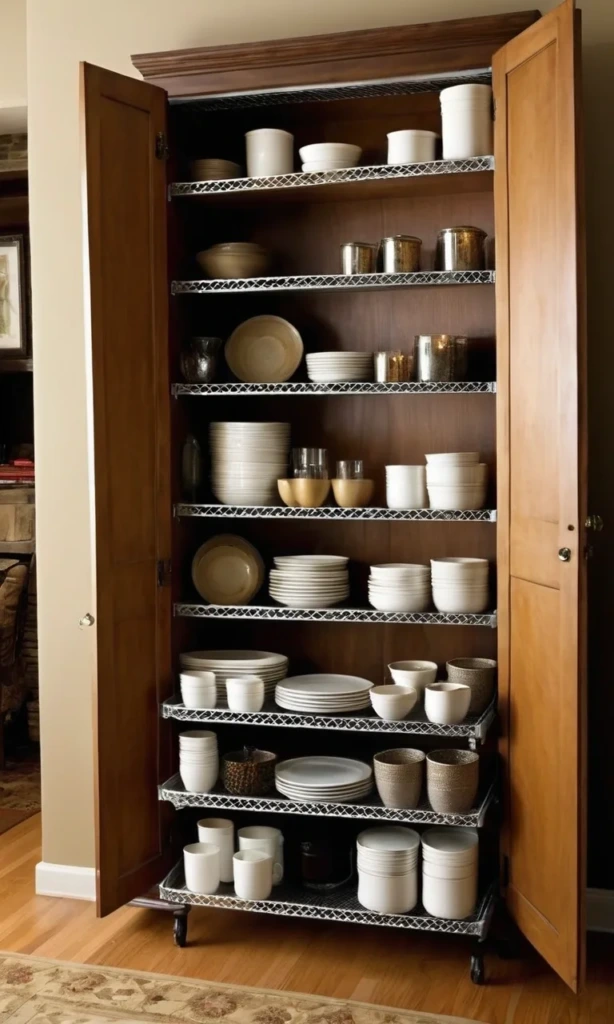
Basement shelving should be sturdy, stable, and suitable for the surrounding conditions. Lightweight furniture may struggle with heavy containers, while untreated materials can deteriorate in persistently humid environments.
Metal shelving with an appropriate corrosion-resistant finish and durable plastic shelving are practical choices for many basements. Coated steel can support substantial loads when properly rated, while plastic shelving may work well for lighter household supplies.
Check the manufacturer's load limits before placing heavy objects on shelves. Distribute weight evenly, secure shelving where required, and avoid overloading individual levels.
Choose shelf dimensions that allow containers to slide in and out comfortably. Properly arranged shelving keeps belongings off the ground, improves visibility, and makes cleaning the floor easier.
15. Step 6: Use Adjustable Shelving (If Possible)
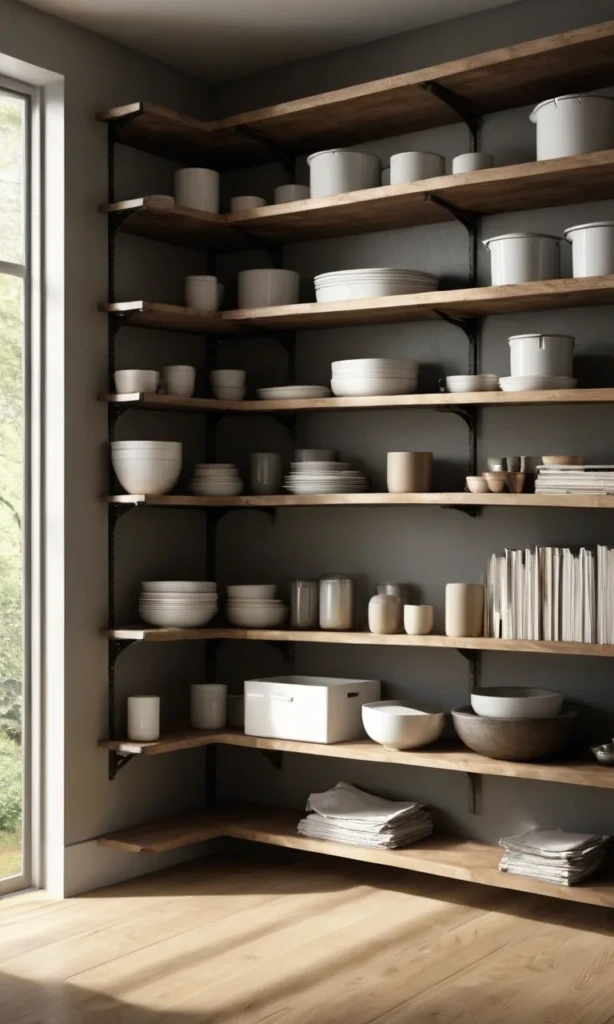
Adjustable shelving allows you to customize the space between levels according to the size of your containers and belongings.
You can position shelves closer together for small storage bins or create taller openings for bulky equipment. This flexibility is particularly helpful when your storage needs change throughout the year.
Before purchasing a system, measure the available wall space and the height of the items you plan to store. Check that the shelves can accommodate the expected weight and that the assembled unit will fit safely in the basement.
Leave sufficient room for accessing containers and maintaining a clear walkway. A flexible shelving system makes it easier to reorganize without replacing your entire setup.
16. Step 7: Add Wall Racks or Pegboards for Quick-Grab Items
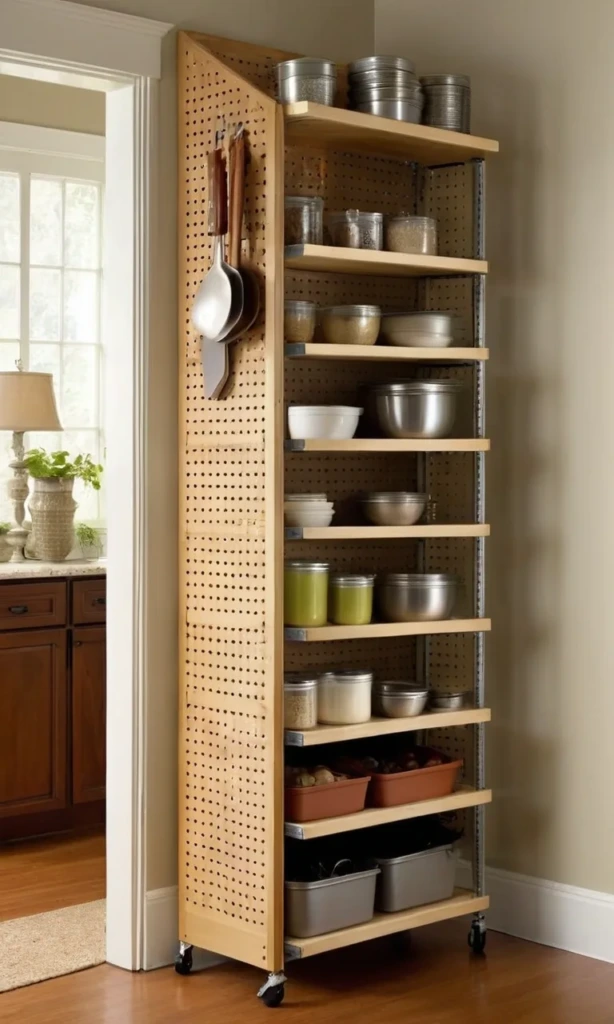
Walls offer valuable storage space that often goes unused in crowded basements. Wall-mounted racks, hooks, and pegboards can keep frequently used equipment accessible without taking up floor space.
A pegboard near a workbench is useful for arranging hand tools, measuring equipment, and small accessories. Hooks can hold suitable sports equipment, extension cords, or lightweight household items when the mounting system is designed for their weight.
Use baskets or small containers attached to the board for screws, craft supplies, and other loose pieces. Arrange frequently used items at convenient heights so you can retrieve and return them easily.
Before installing anything, identify the wall construction and select appropriate fasteners. Avoid drilling into areas containing hidden electrical wiring or plumbing, and make sure the mounting surface can support the intended load.
Keep heavy tools and potentially hazardous equipment secured appropriately, particularly if children can access the basement.
17. Keep Moisture and Mold Away
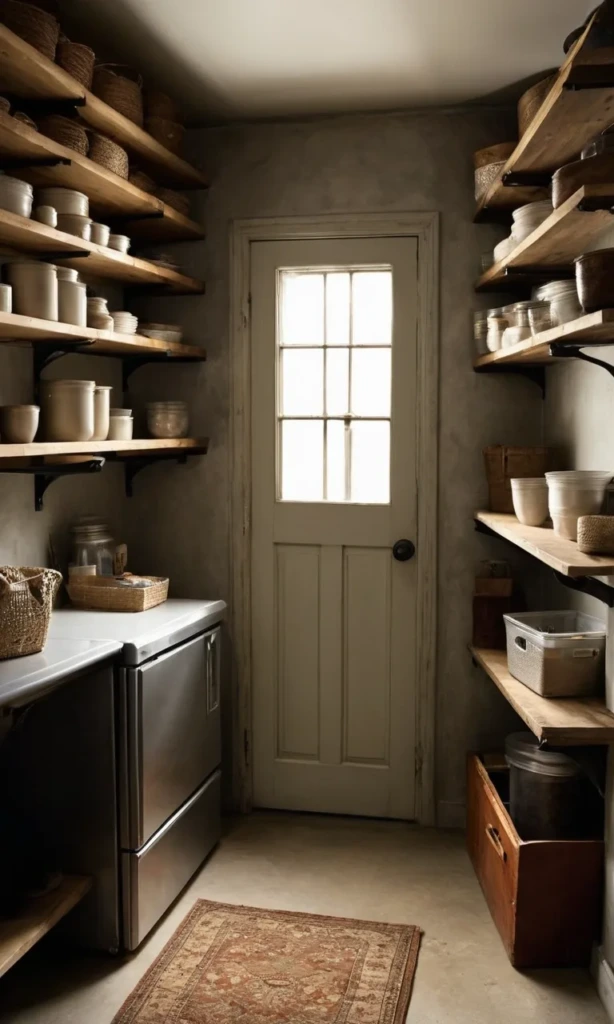
A well-organized basement must also be a suitable environment for the items stored inside it. Even an attractive shelving system will not protect belongings if humidity, condensation, or water intrusion goes unchecked.
Begin by inspecting the walls, floors, windows, and plumbing for dampness. Look for peeling paint, discoloration, water marks, and persistent musty smells. Investigate the cause of any moisture rather than covering the affected area with storage furniture.
A dehumidifier can help manage excess humidity. Aim to keep indoor relative humidity below 60%, ideally around 30% to 50% when practical, while considering the building's conditions and the needs of the stored materials. A simple hygrometer can help you monitor humidity levels.
Choose durable plastic containers for many general storage needs, and keep belongings elevated on appropriate shelving. Leave a gap between storage units and basement walls to encourage air circulation and make inspections easier.
Avoid placing carpets, upholstered furniture, and other moisture-sensitive materials in areas that regularly become damp. Use suitable containers for clothing, photographs, important documents, and delicate keepsakes.
Inspect the basement periodically, particularly after heavy rain or during seasonal changes. If you discover active leaks, persistent dampness, or extensive visible mold, address the underlying issue and seek qualified help when necessary. Never seal damp belongings inside containers and assume they will remain protected.
18. Make It Easy to Find Things Later
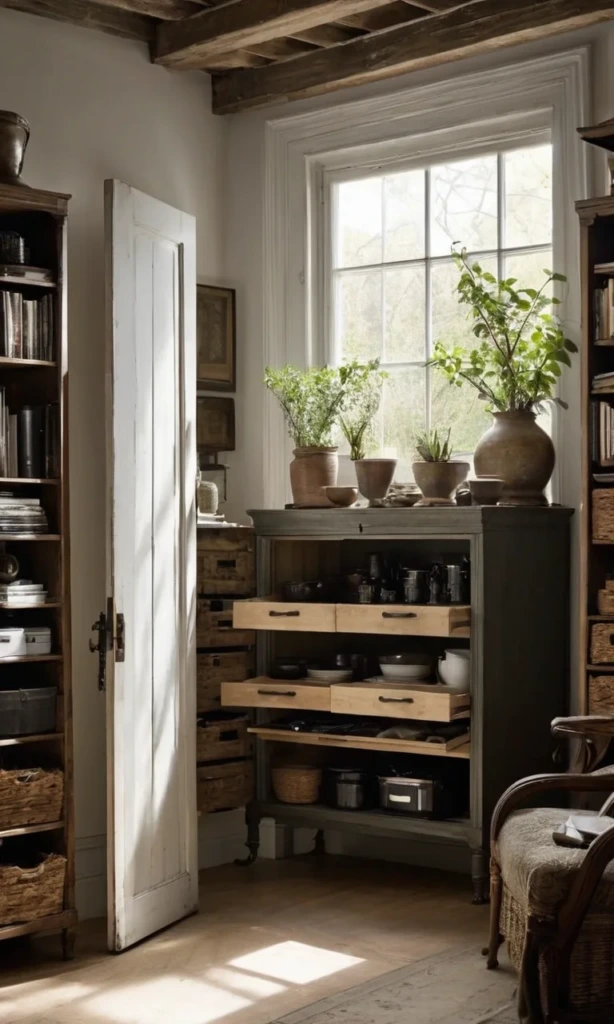
An organization system only works when you can quickly locate what you need. If finding one item requires opening multiple boxes and moving several containers, the storage arrangement needs improvement.
Use consistent labels throughout the basement and keep similar belongings together. Instead of labeling a container "Stuff," identify its contents more precisely, such as "Electrical Supplies" or "Garden Accessories."
Color coding can make the system easier to understand. For example, you might use one label color for seasonal decorations, another for tools, and a third for family keepsakes. Choose a scheme that everyone in the household can follow.
If you have numerous containers, create a simple inventory. Record each bin's label and its location on a spreadsheet, notebook, or phone. For example, you could note that camping equipment is stored on the lower shelf of the rear storage wall.
A digital inventory is particularly useful for items you access only a few times each year. You can also attach QR codes to containers if you prefer linking each label to a more detailed list.
Store frequently needed belongings where they are visible and accessible. Return items to their assigned locations after use instead of leaving them on a nearby shelf or work surface.
These small decisions reduce unnecessary searching and help preserve the organization system long after the initial cleanup.
19. Stay Organized All Year with Quick Habits
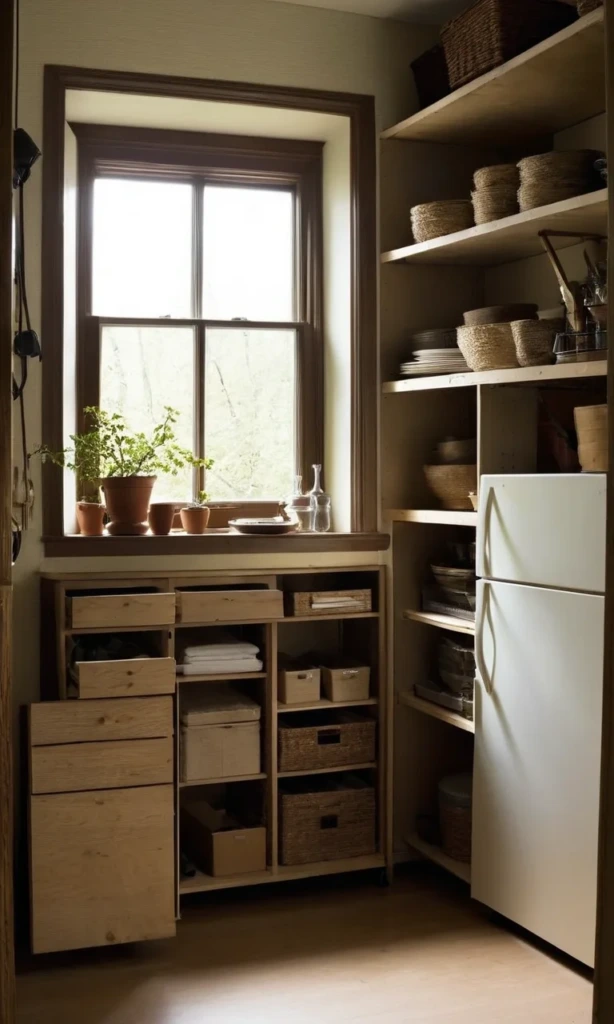
Once your basement is organized, maintaining it becomes much easier when you establish a few simple routines. You don't need to repeat the entire decluttering process every month; consistent attention can prevent clutter from accumulating again.
Schedule a short monthly inspection to check for misplaced belongings, damaged containers, and developing moisture problems. Return items to their assigned zones and make sure frequently used areas remain accessible.
Use seasonal changes as an opportunity to review your storage. Before putting away holiday decorations or winter clothing, check whether anything is broken, outdated, or no longer needed. Donate suitable belongings and dispose of unusable items responsibly.
A one-in, one-out rule can also help control the number of possessions you keep. When you add another piece of equipment or a new storage item, consider whether an older item can be donated or removed.
Make putting things away part of your normal routine. After completing a project, return tools to their racks, place supplies in their labeled containers, and clear the work surface. Encourage other household members to follow the same system.
Finally, review your storage arrangements whenever your needs change. A growing collection of hobbies, new household equipment, or a decision to use the basement for another purpose may require adjustments.
The most effective basement organization system is one you can maintain without spending hours cleaning. By combining sensible storage, regular inspections, and manageable habits, you can keep the space useful, accessible, and ready for whatever your household needs next.