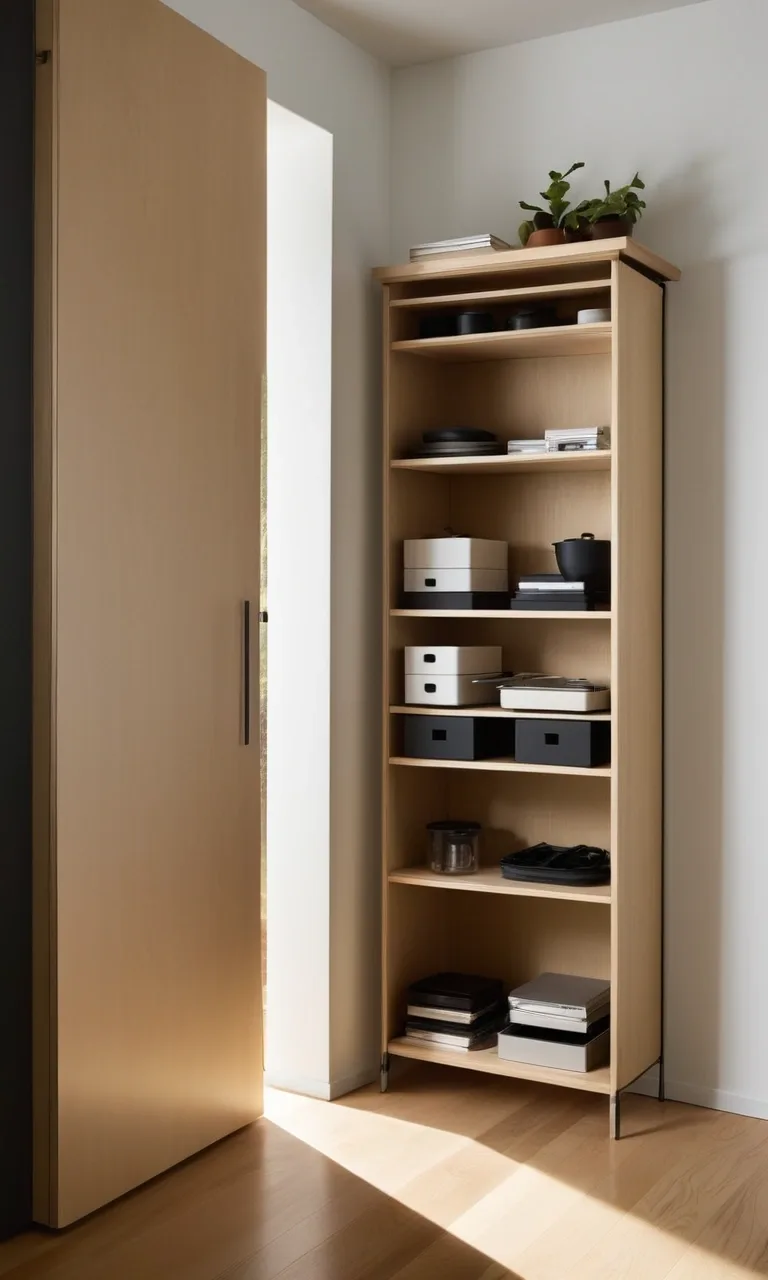
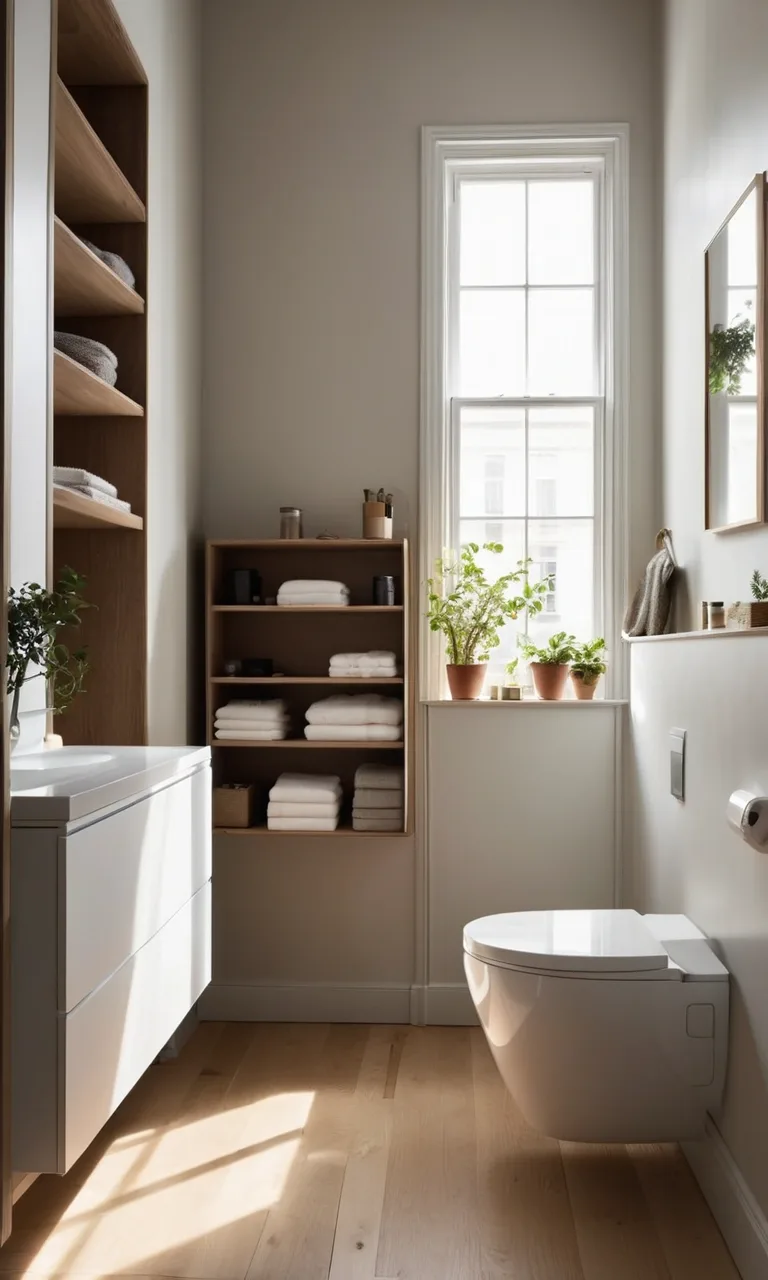
22 Junk Room Organization Ideas for 2026
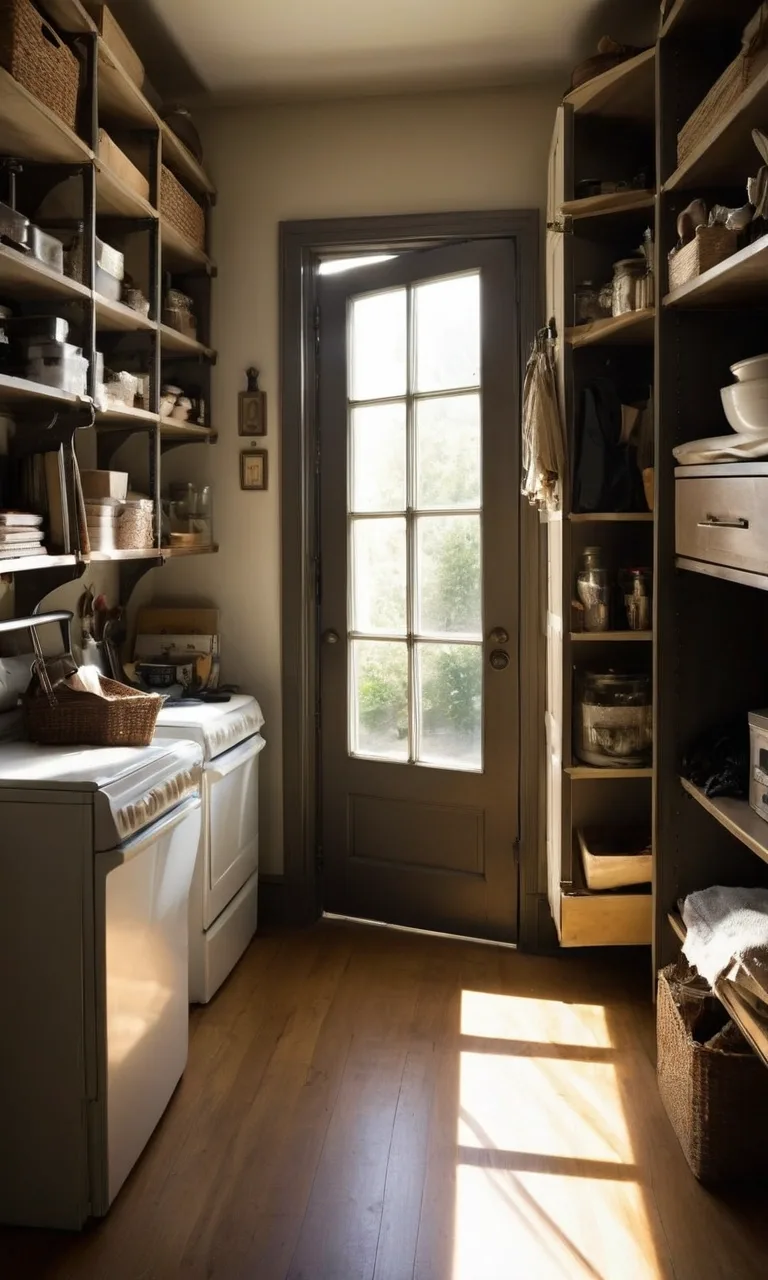
A junk room often starts as a convenient place to put things you don't have time to organize. Before long, it becomes crowded with forgotten boxes, unused furniture, seasonal decorations, old clothes, and miscellaneous household supplies.
The good news is that you don't need a huge budget, expensive organizers, or an entire weekend to transform this space. With practical storage solutions and a little planning, even a small, overcrowded room can become functional again.
These 22 junk room organization ideas will help you reclaim valuable space, make everyday items easier to find, and create a storage system that stays manageable over time.
How do I organize a small junk room without feeling overwhelmed?
The easiest way to organize a small junk room is to divide the project into manageable tasks rather than attempting to tackle everything simultaneously.
Begin with an area you can finish in 20 to 30 minutes, such as a single shelf, one corner, or a pile near the doorway. Separate belongings into four categories: keep, donate, recycle, and discard.
Move items that belong elsewhere in your home to their proper locations. This immediately reduces the amount of stuff you need to organize.
Next, group the remaining belongings according to their purpose. Keep holiday decorations together, collect cleaning supplies in one place, and separate important documents from miscellaneous paperwork.
Before purchasing storage containers, measure the available space and determine how much you genuinely need to store.
Finally, establish designated locations for everything you decide to keep. The goal isn't simply to make the room look cleaner for a day. It's to create a practical arrangement that prevents clutter from returning.
1. Folded Shelf Reset
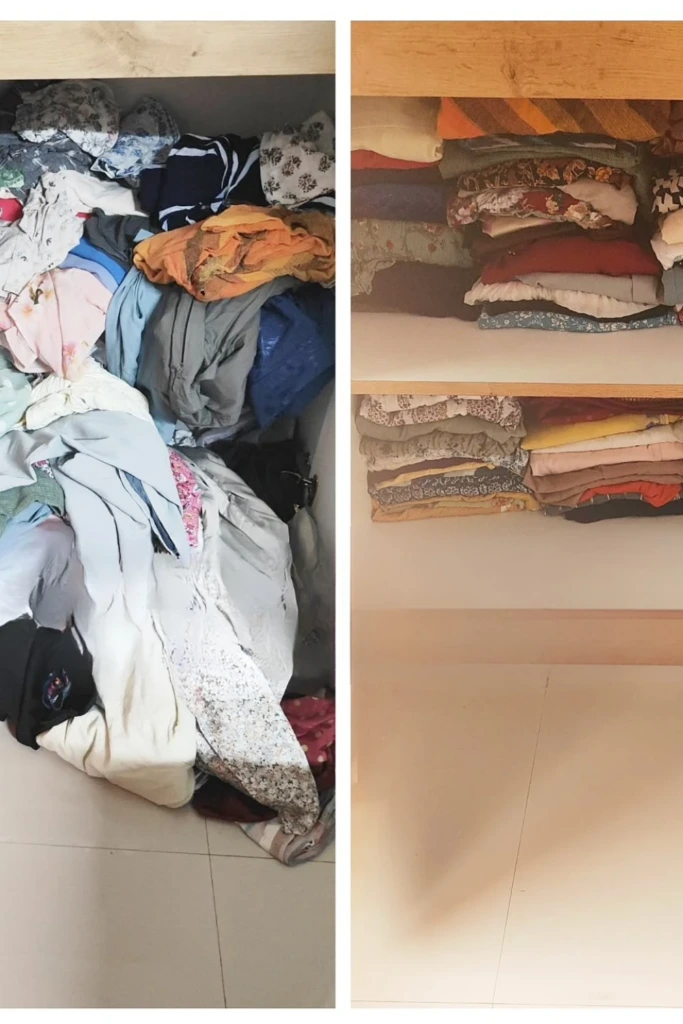
Shelves filled with uneven piles of clothing can quickly make a storage room look disorganized. A folded shelf reset creates a cleaner arrangement without requiring additional furniture.
Start by removing clothing from one shelf and separating items into categories such as sweaters, jeans, towels, and seasonal garments.
Fold similar pieces into consistent sizes and arrange them in manageable stacks. Avoid making piles so tall that removing one item causes everything else to fall over.
Place frequently worn clothing at comfortable reaching height and move rarely used pieces to upper shelves.
Shelf dividers can help prevent stacks from spreading into neighboring sections. If the room has limited lighting, a rechargeable LED light can make identifying clothing much easier.
2. Garage-Style Layout
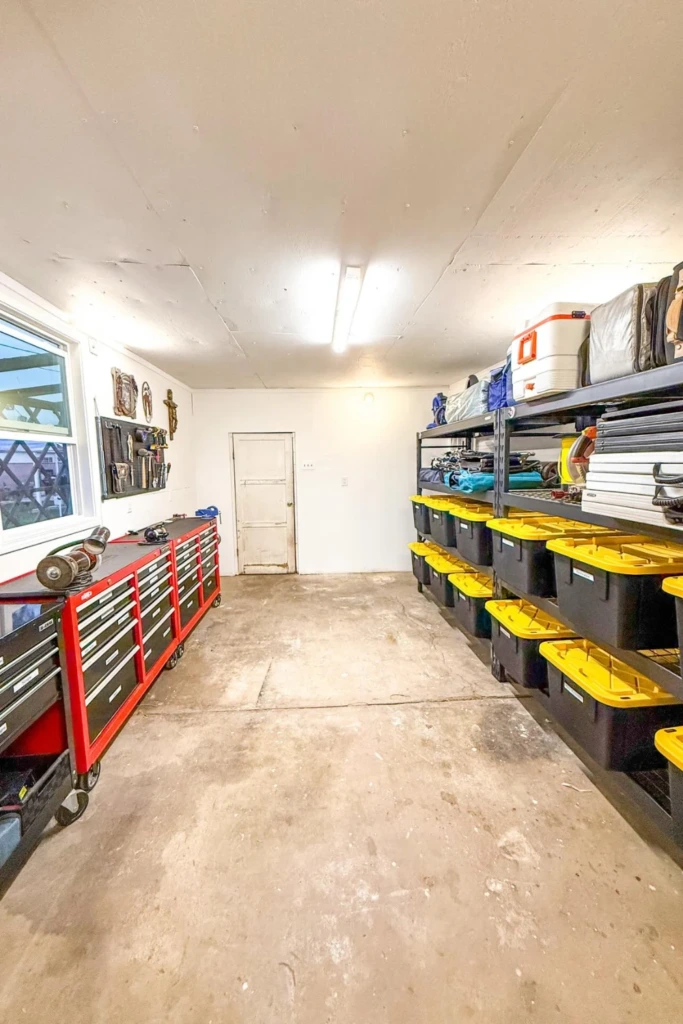
A garage-inspired layout is particularly useful when your junk room contains bulky household items, tools, sports equipment, and large storage containers.
Position sturdy shelving units along the walls to maximize storage without sacrificing valuable floor space.
Use durable containers for items that need protection from dust, and label each one according to its contents.
Store heavier belongings on lower shelves and lighter objects above them. Secure tall shelving units to the wall where appropriate to reduce tipping risks.
Keep the middle of the room open so you can move between storage areas without stepping over boxes.
This arrangement works especially well for utility rooms, basement storage spaces, and spare rooms used primarily for household overflow.
3. Purpose-Driven Reset
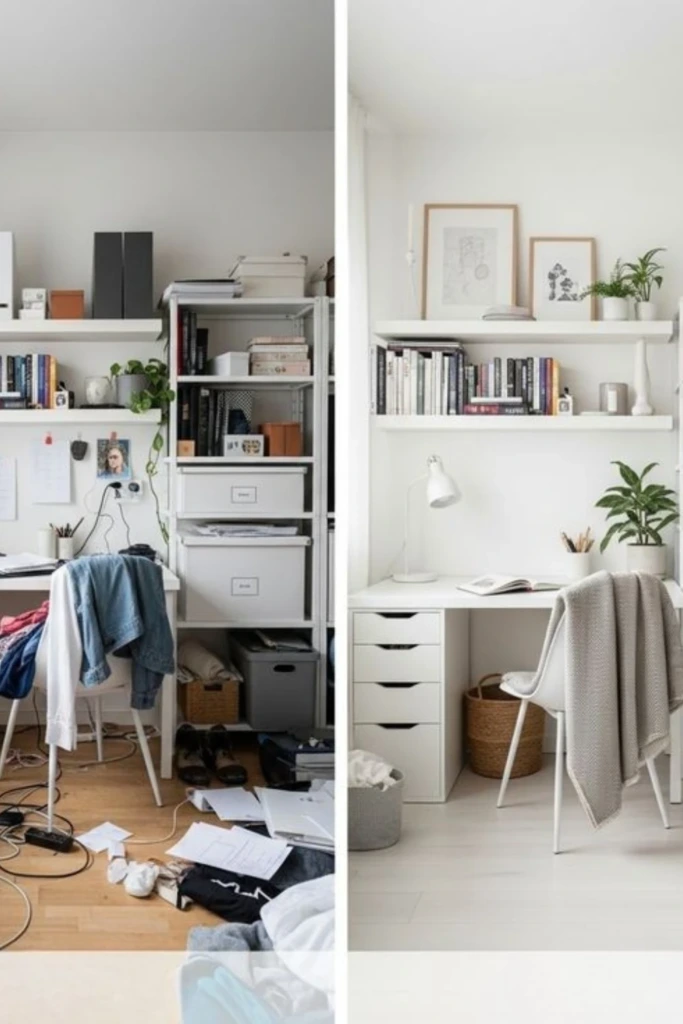
Sometimes the best solution for a junk room is to give it a completely different purpose.
Instead of treating the space as a general dumping area, decide what function would benefit your household most. It could become a home office, craft room, study space, or organized supply room.
Remove belongings that don't support the room's intended use.
For a home office, introduce a compact desk, wall shelving, and drawers for stationery and paperwork. Keep work essentials accessible while placing occasional-use supplies inside cabinets.
Good lighting is also important. Combine general room lighting with a desk lamp to make the space comfortable for focused activities.
When a room has a clear purpose, it's easier to decide what belongs inside and what should be stored elsewhere.
4. Closet Zone Split
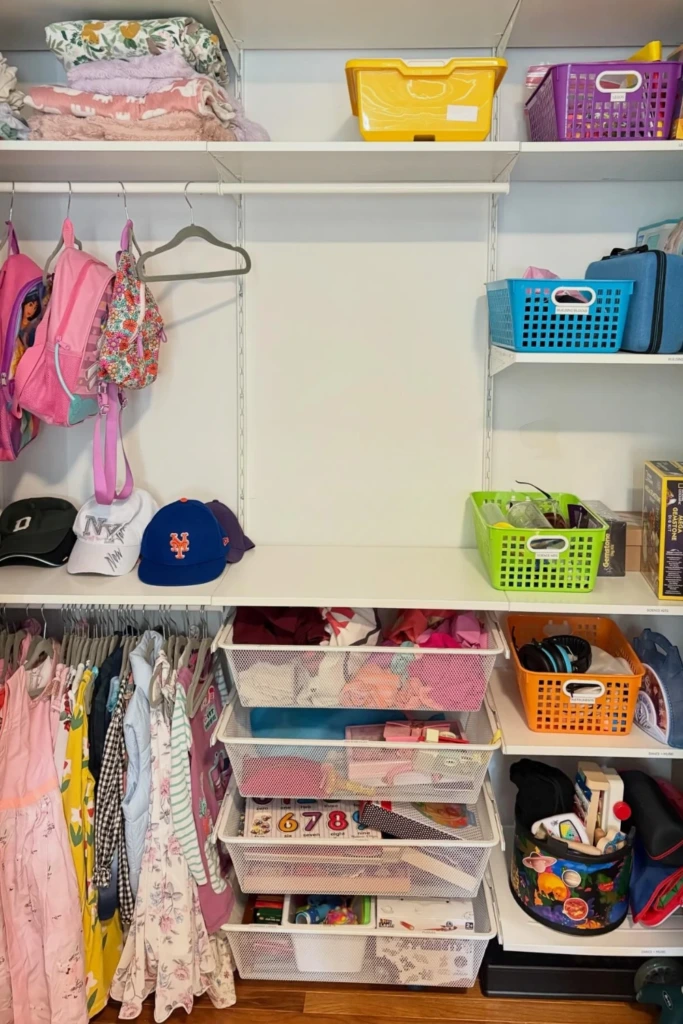
A closet that doubles as a junk room can become difficult to manage when clothing, accessories, toys, and spare household items are mixed together.
Creating separate storage zones helps solve this problem.
Dedicate hanging rods to jackets, shirts, and dresses. Reserve shelves for folded garments, and use baskets or bins for smaller accessories.
If children share the storage space, assign them lower sections they can reach independently.
Adjustable closet systems are particularly useful because you can reposition shelves as your storage needs change.
Keep the floor as clear as possible and use labeled containers to distinguish between categories. This arrangement makes the closet easier to maintain and reduces unnecessary searching.
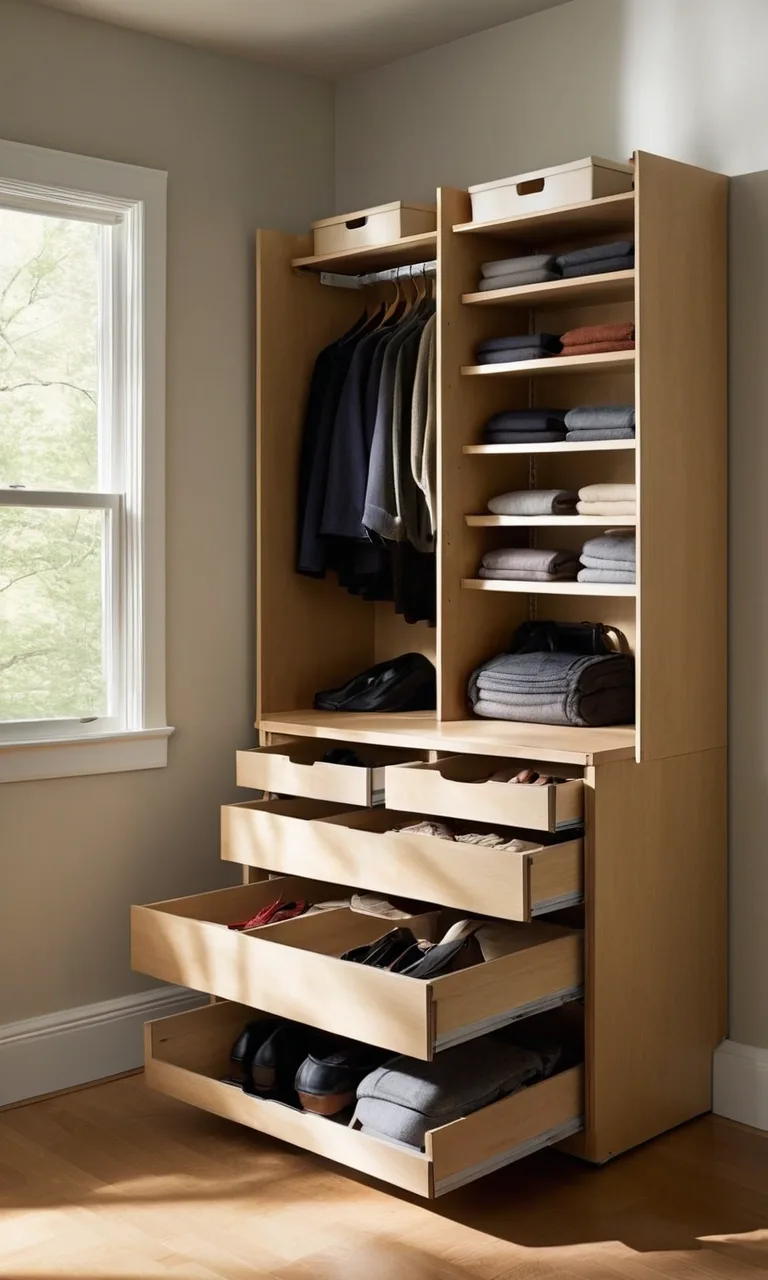
5. Vertical Supply Stack
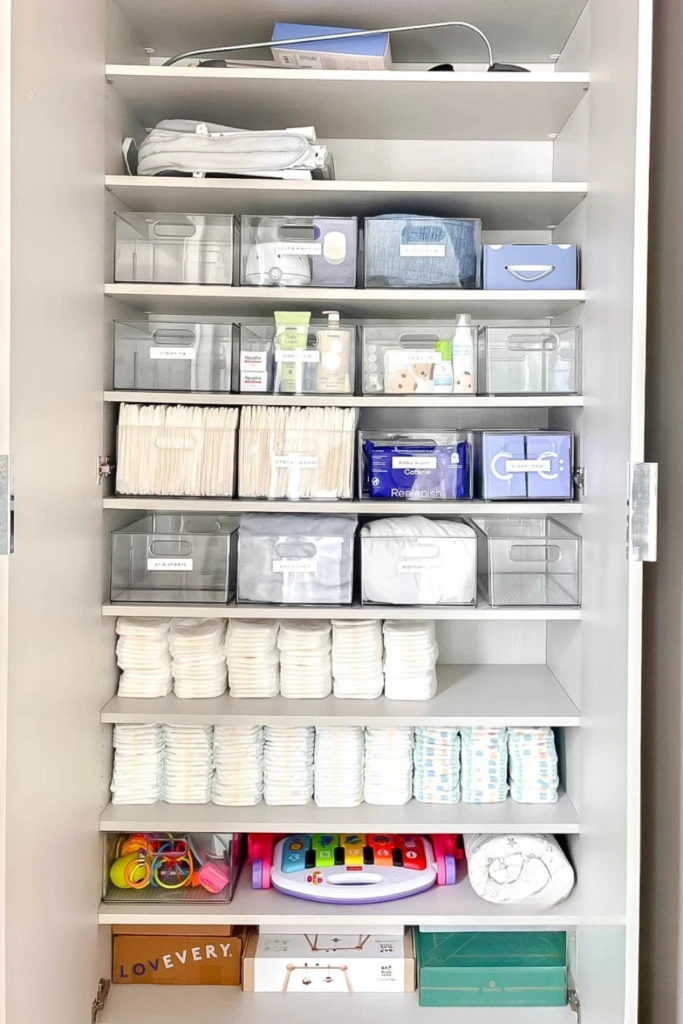
When floor space is limited, vertical storage offers an effective way to increase capacity.
Tall shelving units or adjustable cabinets can hold household essentials, baby supplies, toiletries, cleaning accessories, and extra paper products.
Arrange items according to how often they're used. Daily necessities should sit at eye level or within easy reach, while occasional supplies can occupy higher shelves.
Keep heavy products low, and avoid storing potentially hazardous items where children can access them.
Small baskets can prevent loose packages from spreading across shelves.
For deep cabinets, use containers with front-facing labels so you can identify their contents without removing everything.
6. Closet Drop Zone
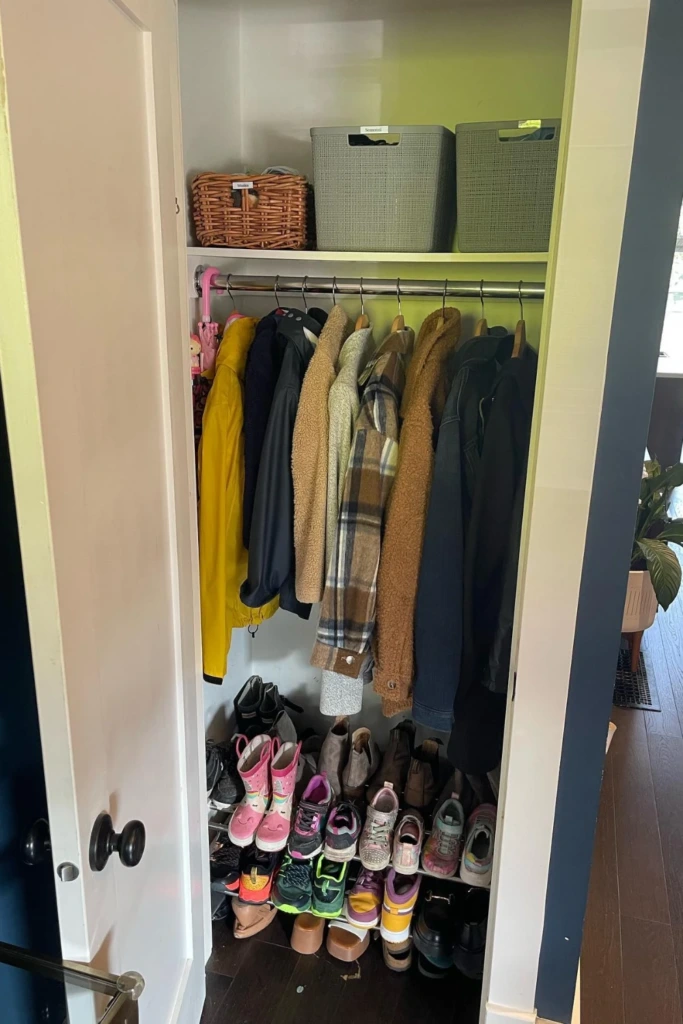
A closet near the entrance can easily become a collection point for shoes, jackets, bags, umbrellas, and miscellaneous belongings.
Transforming it into a designated drop zone creates a convenient location for items used when entering or leaving the house.
Install a hanging rail or wall hooks for coats and bags. Add a shoe rack or low shelf to prevent footwear from accumulating on the floor.
Use small baskets for gloves, scarves, reusable shopping bags, and other accessories.
Reserve upper shelves for seasonal items that aren't needed every day.
A simple rule can make this system especially effective: only items associated with leaving or entering the house should remain in this area.
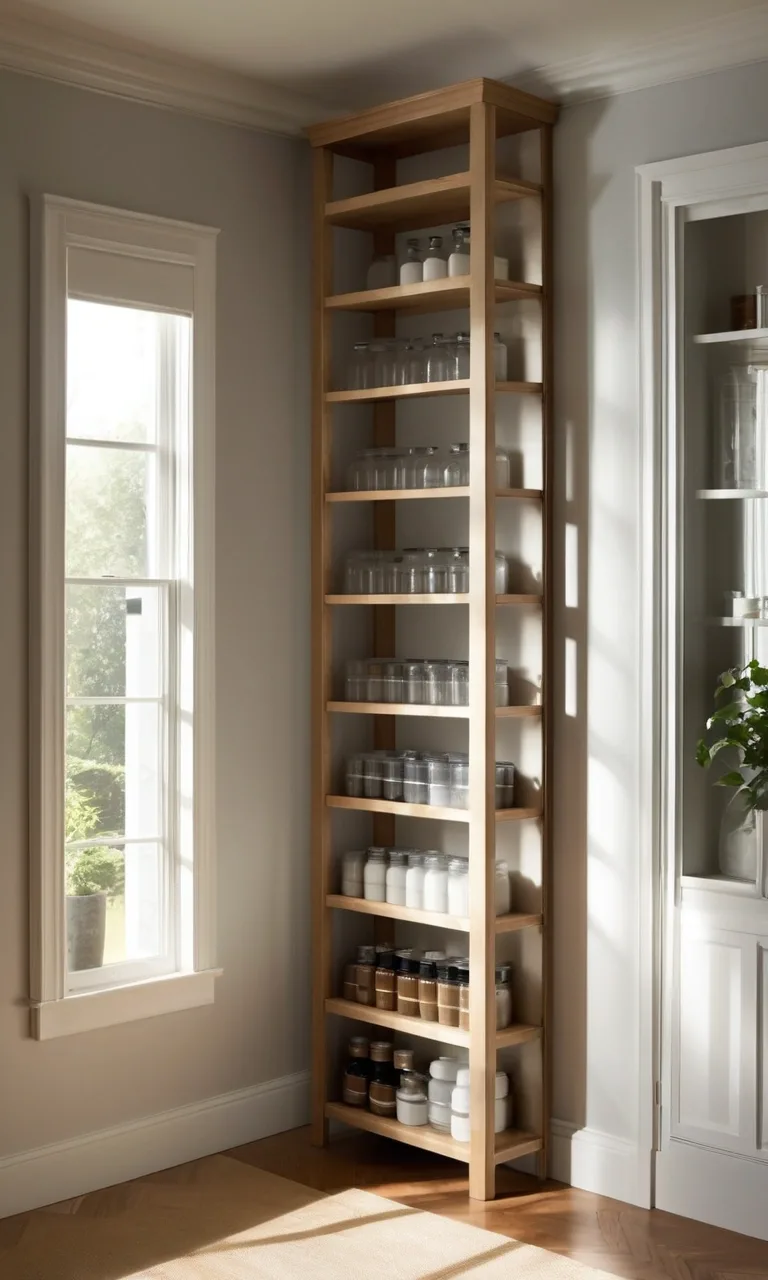
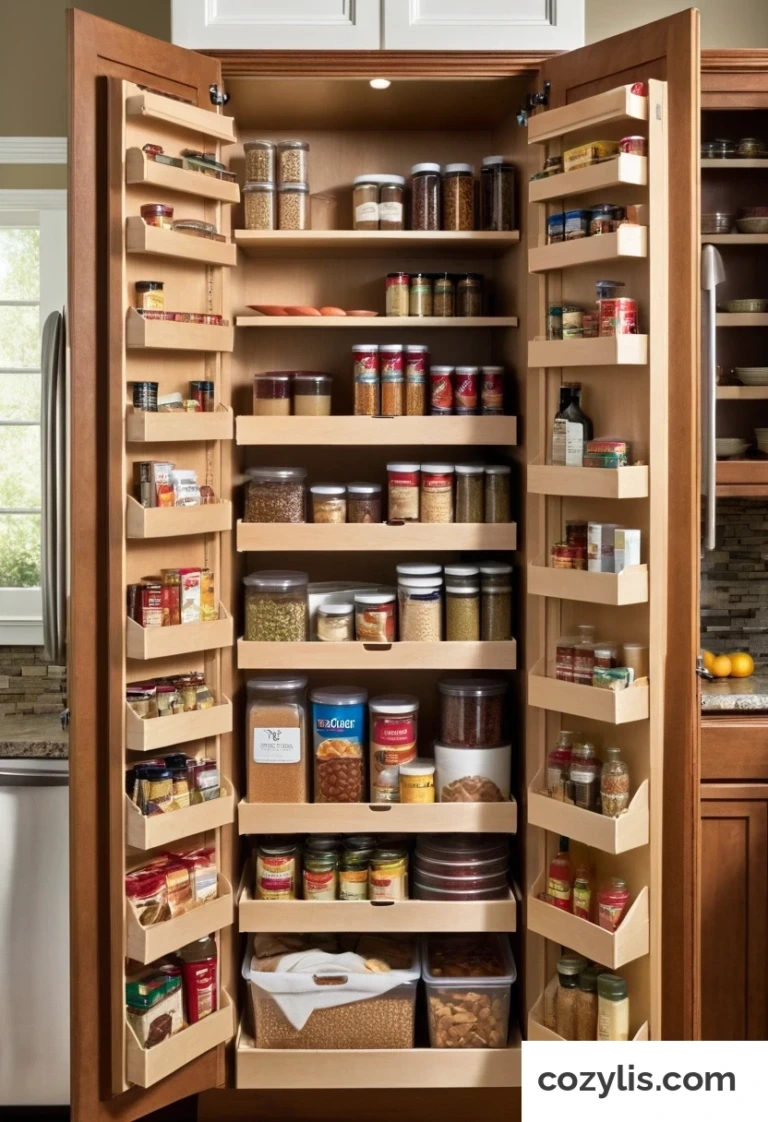
7. Pantry Logic Storage
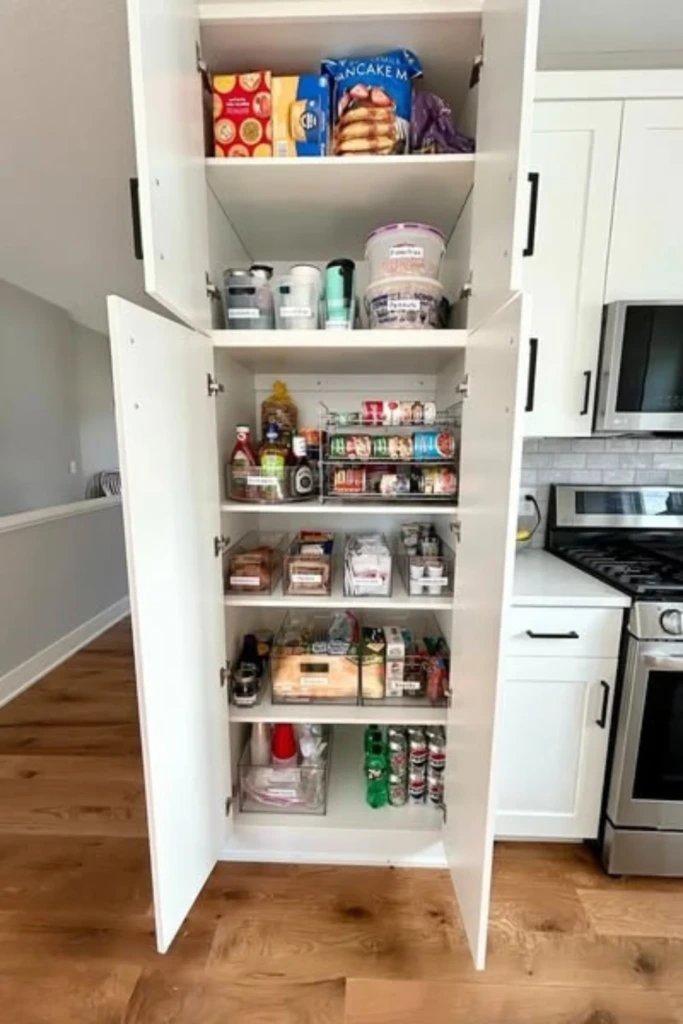
Pantry organization techniques can work surprisingly well in a junk room, even when the room stores more than food.
The basic idea is to group similar items, give each category a defined space, and arrange belongings so their contents remain visible.
For example, dedicate individual shelves to cleaning supplies, extra toiletries, kitchen accessories, and seasonal household essentials.
Use transparent containers for frequently accessed items and labeled baskets for smaller products.
When storing food, keep it in suitable conditions and check expiration dates regularly. Avoid placing food near chemicals or cleaning products.
This approach is particularly useful for households that purchase supplies in bulk and need a practical system for managing extras.
8. Repurposed Furniture Storage
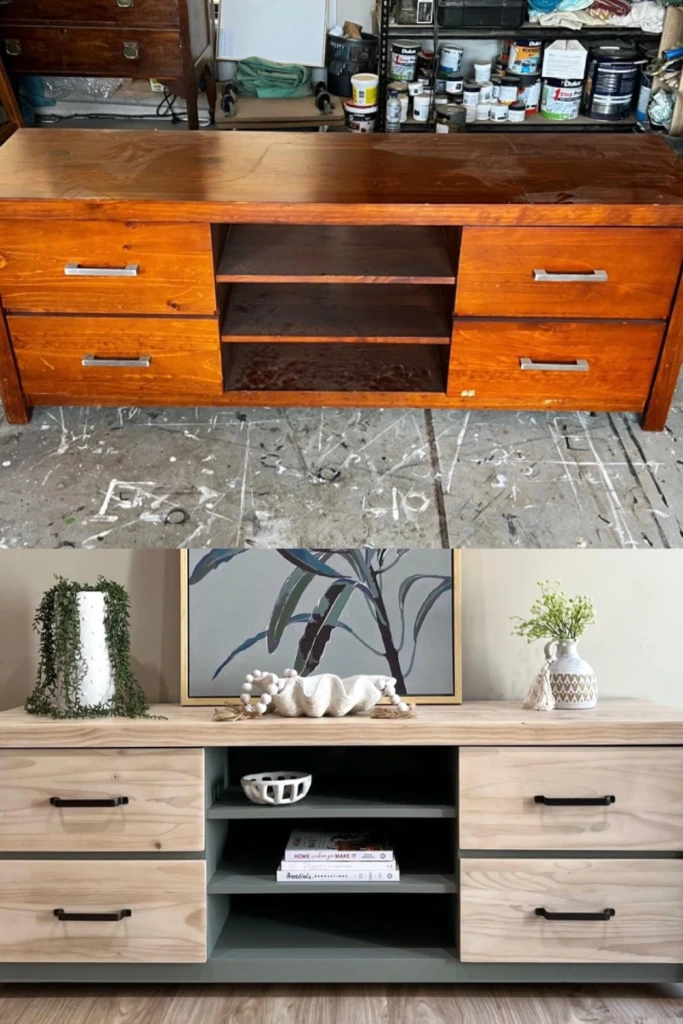
You don't always need new storage furniture to organize a cluttered room.
An unused dresser, bookshelf, TV cabinet, or sideboard can become a valuable storage solution with a few adjustments.
A dresser with multiple drawers works well for craft materials, cables, stationery, sewing supplies, and small household accessories.
An old entertainment unit can hold storage baskets, books, board games, or seasonal decorations.
Clean the furniture thoroughly and check that its drawers, shelves, and hardware are in good condition before using it.
For a more coordinated appearance, paint mismatched furniture in complementary colors or add matching drawer labels.
Repurposing existing pieces can reduce costs while making use of furniture you already own.
9. Basement Aisle System
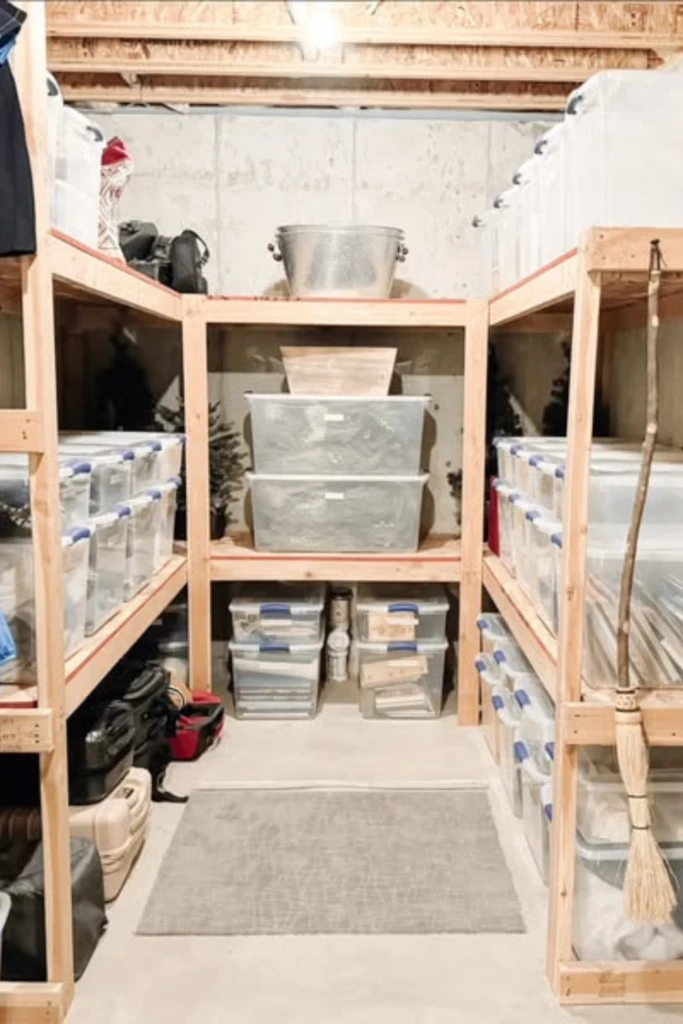
Basement storage areas often accumulate boxes because they provide convenient space for belongings that aren't needed regularly.
An aisle-based storage system helps make these areas more accessible.
Arrange shelving along the perimeter and maintain a continuous walkway between storage sections.
Group belongings into clearly defined categories, including holiday decorations, tools, camping equipment, and household backups.
Use moisture-resistant containers where dampness may be a concern, and avoid storing vulnerable belongings directly on basement floors.
Install adequate overhead lighting so labels and stored items are easy to identify.
Before building permanent shelves, check for moisture problems and ensure that access to utilities, electrical panels, and exits remains unobstructed.
10. Walk-In Storage Lanes
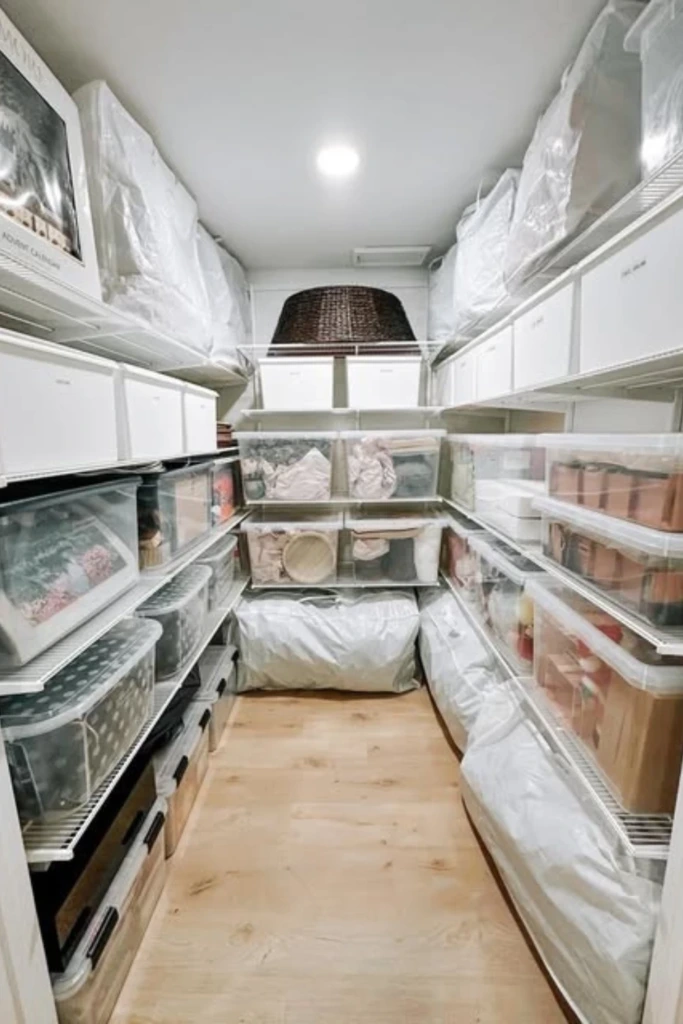
A narrow junk room can provide useful storage when its layout is planned carefully.
Rather than stacking boxes throughout the available floor area, arrange shallow shelving along the walls.
Choose shelf depths that leave enough room to walk comfortably and retrieve containers.
Place everyday items near the entrance and store less frequently used belongings toward the back.
Keep large or heavy containers on lower levels to make lifting safer.
Wall-mounted hooks can provide additional storage for lightweight bags, folding accessories, and other suitable items without occupying shelf space.
The most important feature is a clear, unobstructed pathway that allows you to access belongings without rearranging the entire room.
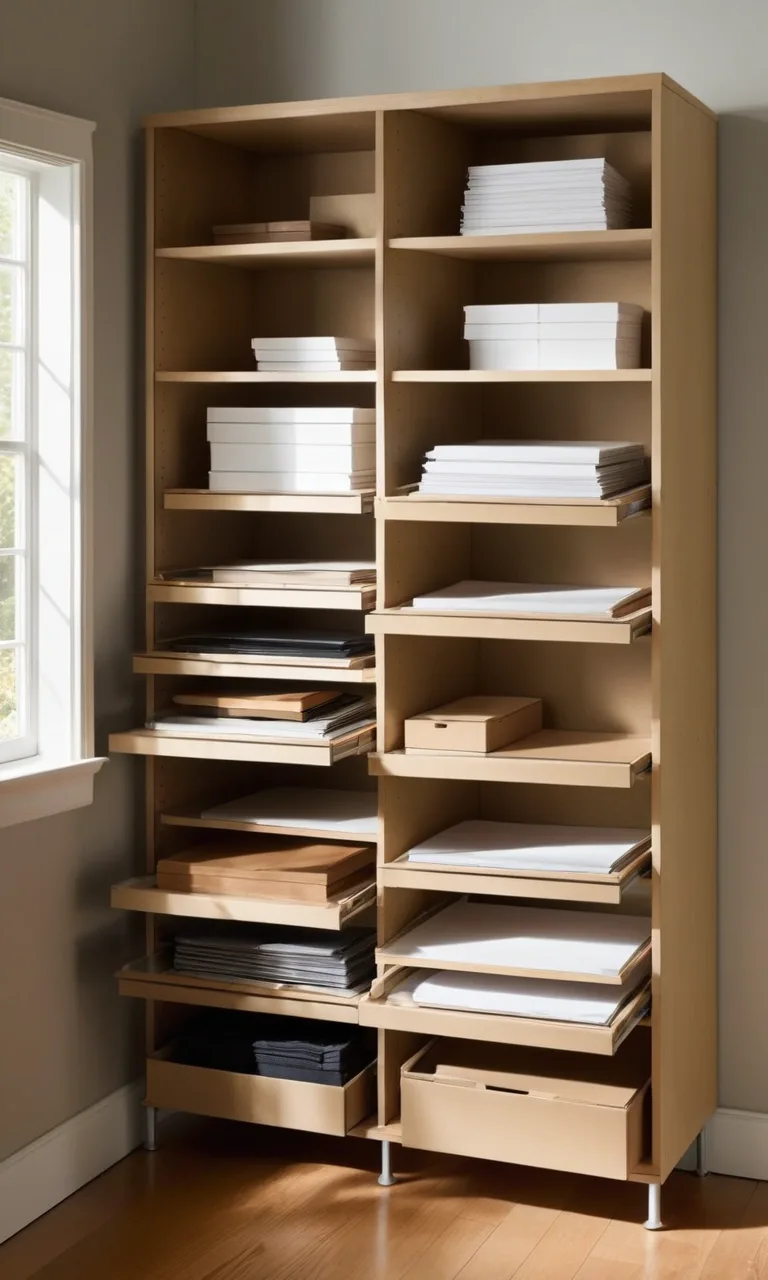
11. Pull-Out Shelf System
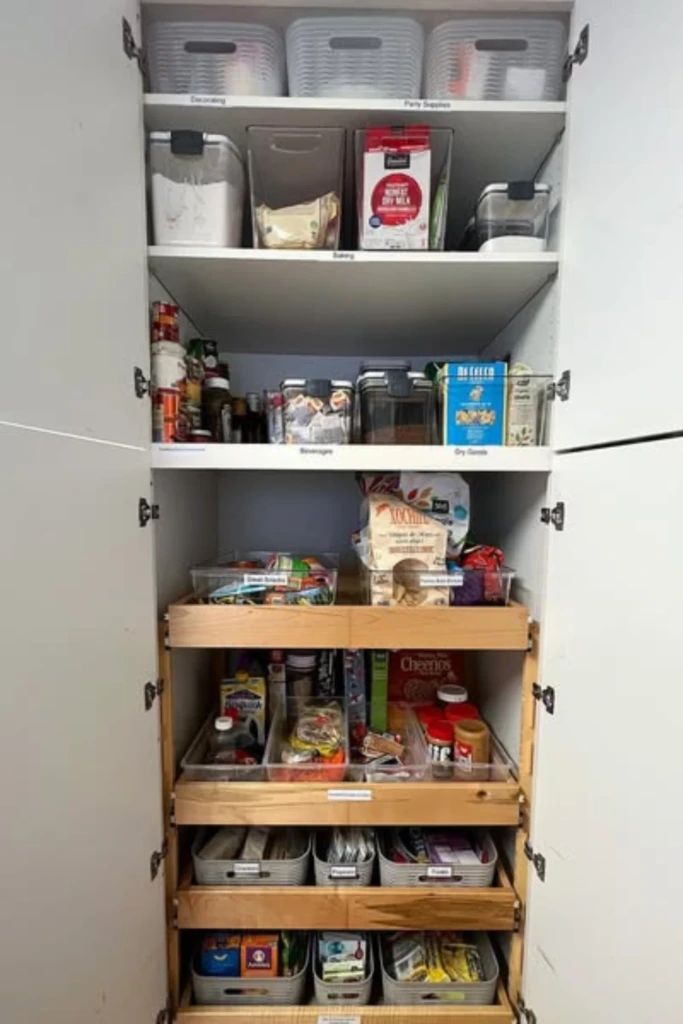
Deep cabinets can become frustrating because items at the back are difficult to see and retrieve.
Pull-out shelves solve this issue by allowing the storage surface to slide forward.
Consider installing sliding drawers inside existing cabinets to hold tools, kitchen equipment, craft supplies, or household products.
Choose hardware rated for the weight of the items you intend to store, and check that the cabinet is stable.
Organize each pull-out shelf by category so its contents remain easy to locate.
For smaller belongings, add drawer organizers or shallow bins to prevent objects from shifting.
This system is especially helpful in rooms where traditional shelving would require reaching into deep, crowded spaces.
12. Mixed Material Balance
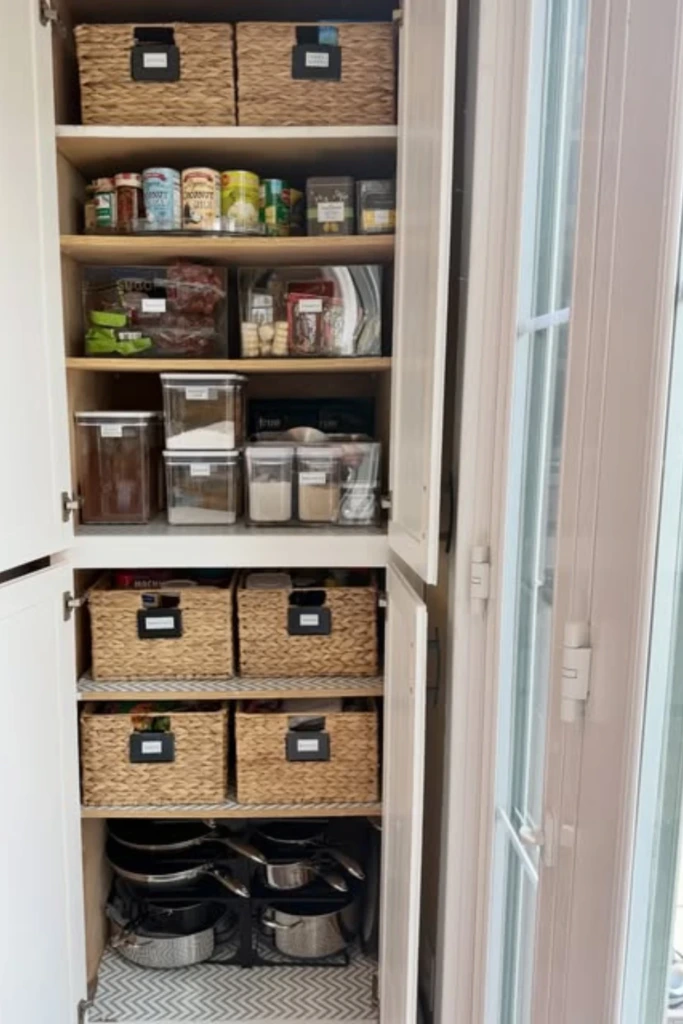
An organized junk room doesn't have to resemble a warehouse filled with identical plastic containers.
Combining different storage materials can make the room feel warmer while preserving functionality.
Use transparent bins for belongings you need to identify quickly, such as cables, stationery, or craft materials.
Woven baskets are suitable for lightweight accessories, spare textiles, and other items that don't require airtight protection.
Wooden shelving can introduce a natural element, while metal organizers provide durable storage for heavier supplies.
Choose a limited range of colors and materials to create a coordinated appearance.
Remember that practicality comes first. Select containers based on their contents, weight, and storage conditions rather than appearance alone.
13. Countertop Clear Stack
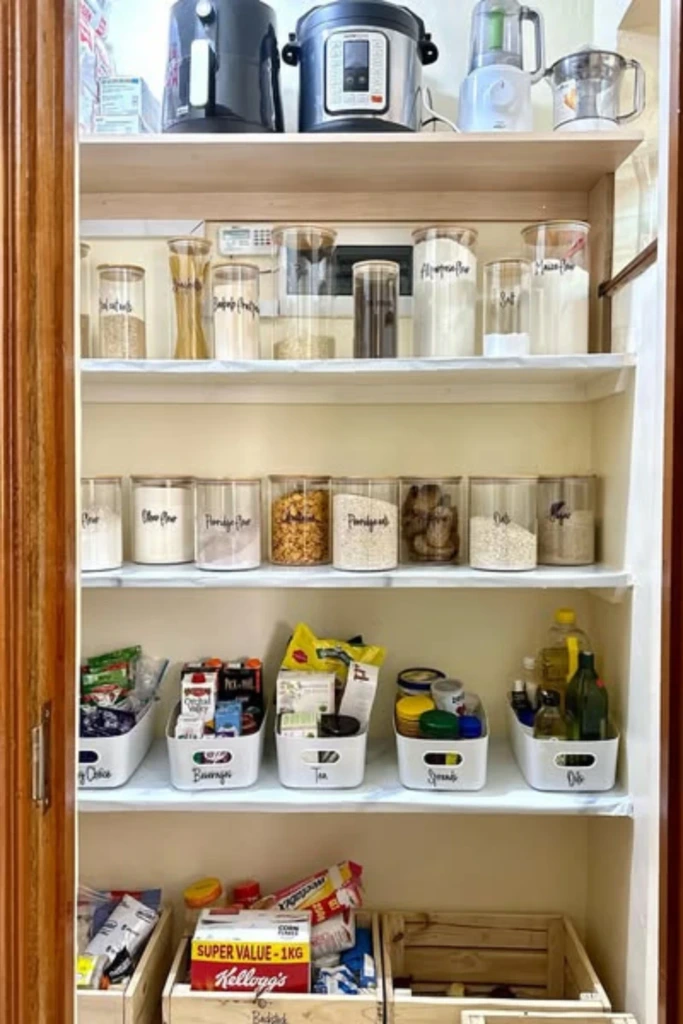
If your junk room contains overflow from the kitchen, clear containers can help you organize frequently used dry goods and cooking supplies.
Start by separating food products from nonfood items.
Store suitable dry ingredients in clean, food-safe containers with secure lids. Label them with the contents and relevant expiration or best-before information.
Arrange containers by category, keeping baking ingredients, grains, snacks, and other products together.
Avoid transferring products into containers if doing so would remove important preparation, allergen, or storage instructions unless you retain that information.
Keep countertops or work surfaces as clear as possible, using shelves for longer-term storage.
A consistent arrangement makes it easier to check what you already have before purchasing more.
14. Closet Cubby System
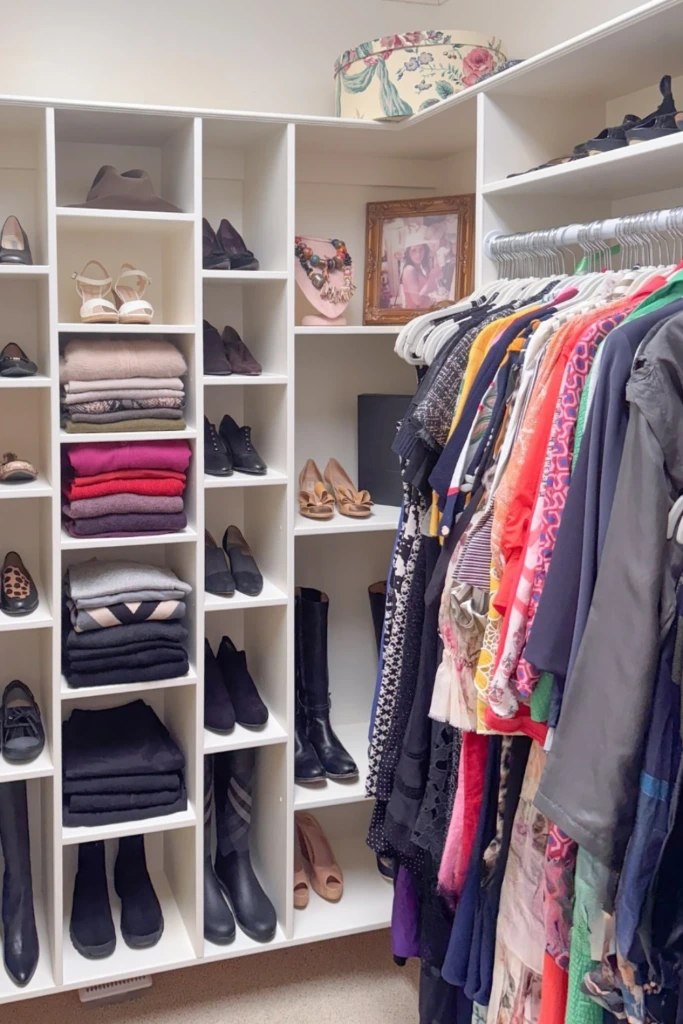
Cubby shelves are excellent for organizing a junk room that contains clothing, accessories, linens, and personal belongings.
Each compartment creates a defined location for a particular category.
Use individual cubbies for handbags, sweaters, folded towels, shoes, or storage baskets.
Measure your belongings before choosing a cubby system so the compartments are large enough for what you plan to store.
Fabric bins can conceal smaller items, while open compartments make frequently used belongings easy to access.
Leave some space between stored objects to prevent shelves from becoming overcrowded.
A modular cubby system can also be expanded or rearranged as your household's storage needs change.
15. Bookcase Zone Reset
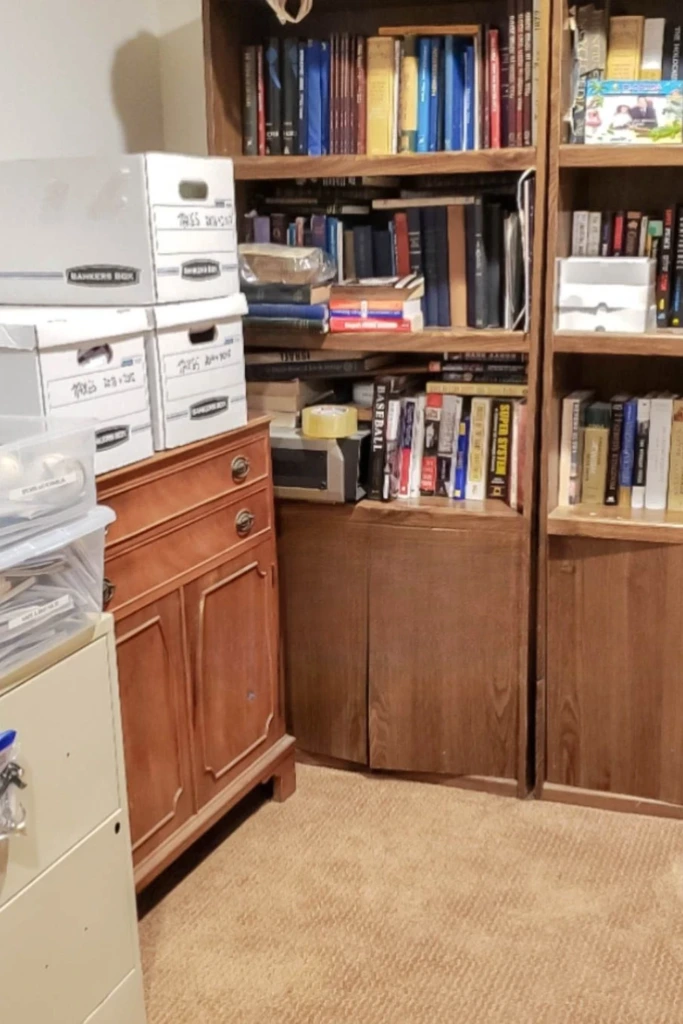
Bookshelves often become convenient places to put random objects, eventually turning into cluttered collections of books, papers, boxes, and decorations.
A bookcase reset restores order by assigning each shelf a specific function.
Keep books together and arrange them by subject, author, or another system that makes sense to you.
Use magazine holders or document boxes for manuals, receipts, and paperwork that needs to be retained.
Sort through loose papers before storing them, recycling documents that are no longer necessary and securely shredding those containing sensitive information.
Avoid overloading shelves with heavy books, and anchor tall bookcases to the wall.
For a tidier appearance, use matching document boxes and keep frequently referenced materials at an accessible height.
16. Kid-Friendly Cubbies
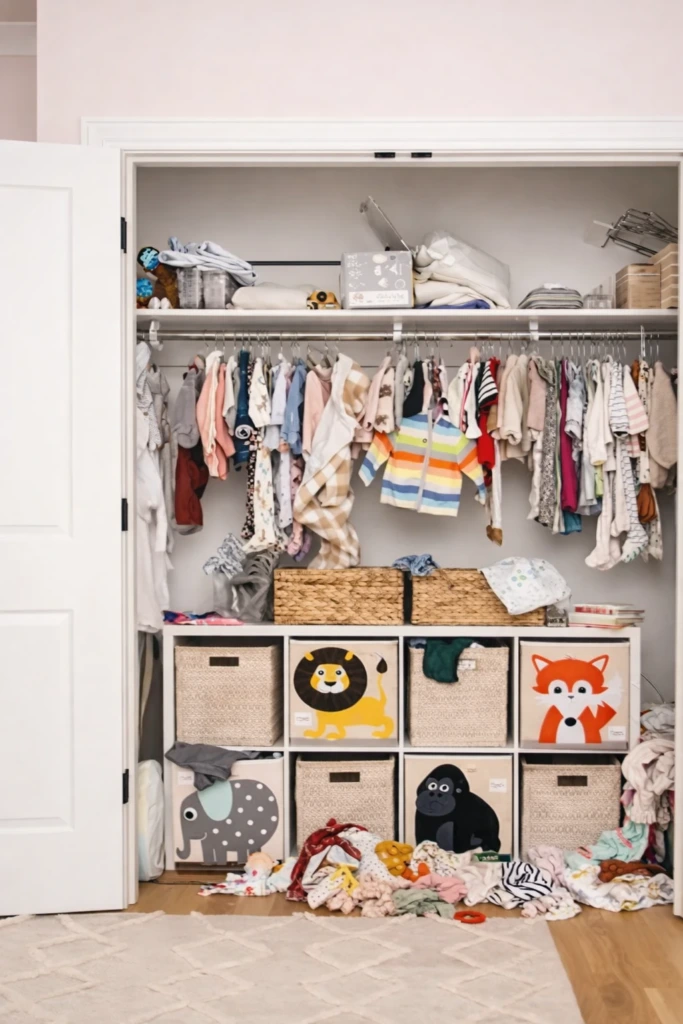
When a junk room contains children's toys, clothing, school supplies, and activity materials, accessible storage can make everyday cleanup much easier.
Choose low cubby shelves that children can reach without climbing.
Assign separate compartments to toys, books, art supplies, and other frequently used belongings.
Picture labels can help younger children recognize where things belong, even before they can read.
Use lightweight containers with comfortable handles and avoid placing heavy objects overhead.
Secure furniture against tipping and keep small choking hazards or potentially dangerous supplies out of young children's reach.
The simpler the storage system, the easier it becomes for children to participate in putting things away.
17. Rolling Rack Storage
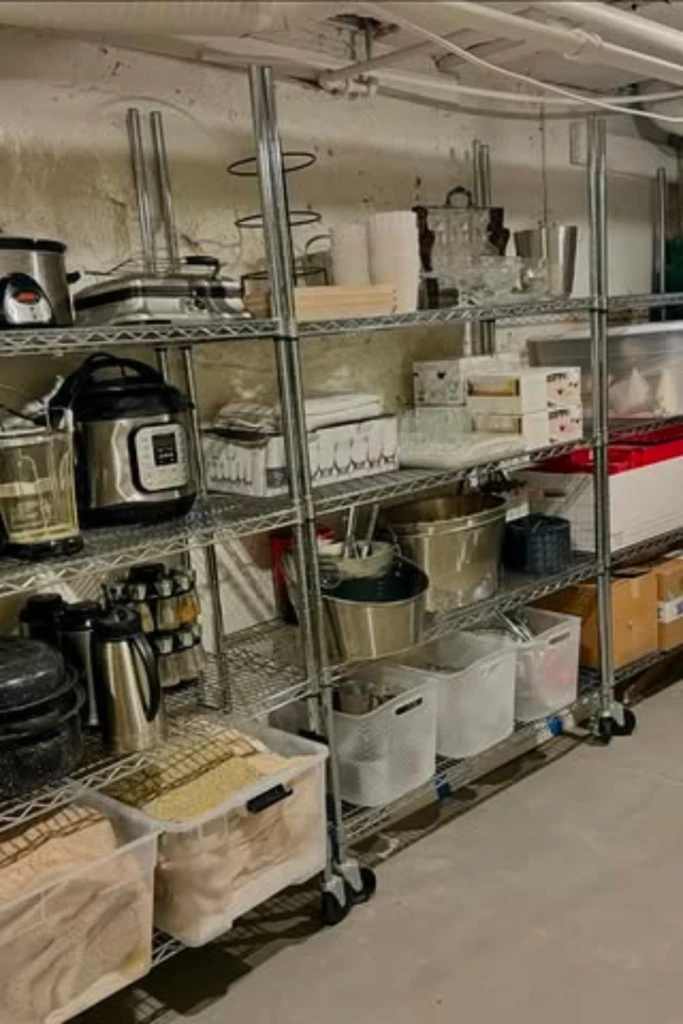
Rolling shelving units provide flexibility in junk rooms where storage requirements change frequently.
Metal wire racks with wheels can hold household supplies, craft equipment, lightweight appliances, and storage containers.
Choose racks with suitable weight capacities and locking casters to prevent unwanted movement.
Keep heavy belongings on the bottom shelves and distribute weight evenly.
Because the racks can be repositioned, they're useful for cleaning behind furniture or accessing storage areas that would otherwise be difficult to reach.
However, avoid moving heavily loaded racks across uneven surfaces or thresholds.
Rolling storage works particularly well in utility rooms, craft spaces, and multipurpose storage areas.
18. Built-In Storage Wall
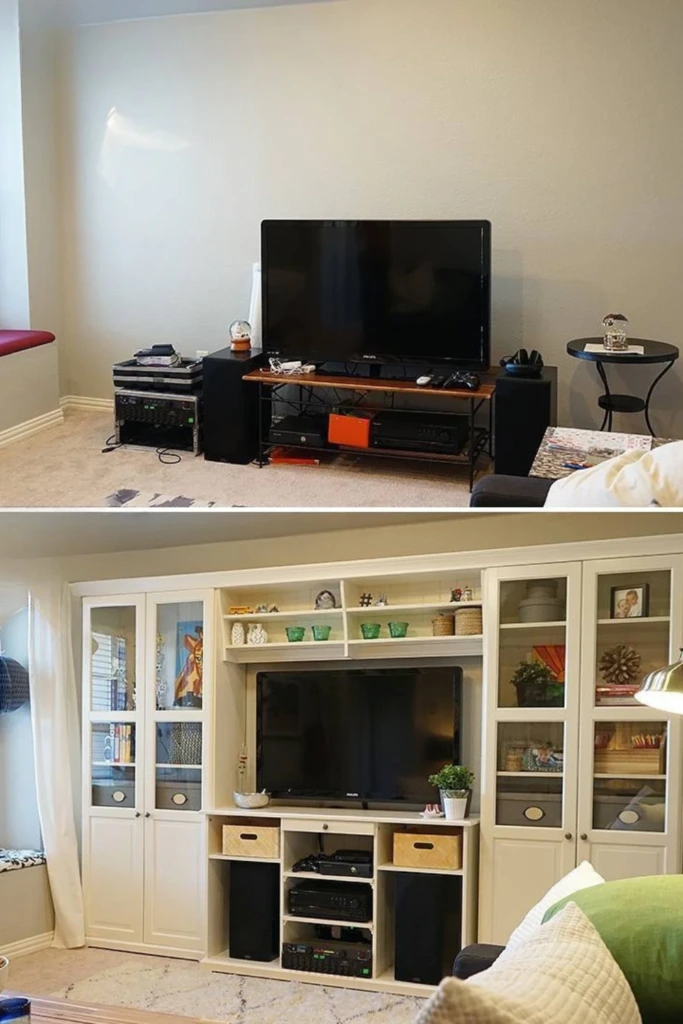
A full storage wall can transform a cluttered spare room into a space that feels intentionally designed.
Install tall cabinets, adjustable shelves, or modular storage units along one wall.
Use closed compartments for belongings that create visual clutter, including spare electronics, seasonal decorations, and miscellaneous household supplies.
Reserve a few open shelves for frequently used items or neatly arranged baskets.
If you're working with a small room, light-colored cabinet finishes can help the space feel less visually crowded.
Built-in storage may require a larger investment, but modular units can offer a more affordable alternative.
Whatever system you choose, ensure it is properly supported and anchored according to the manufacturer's instructions.
19. Room Purpose Flip
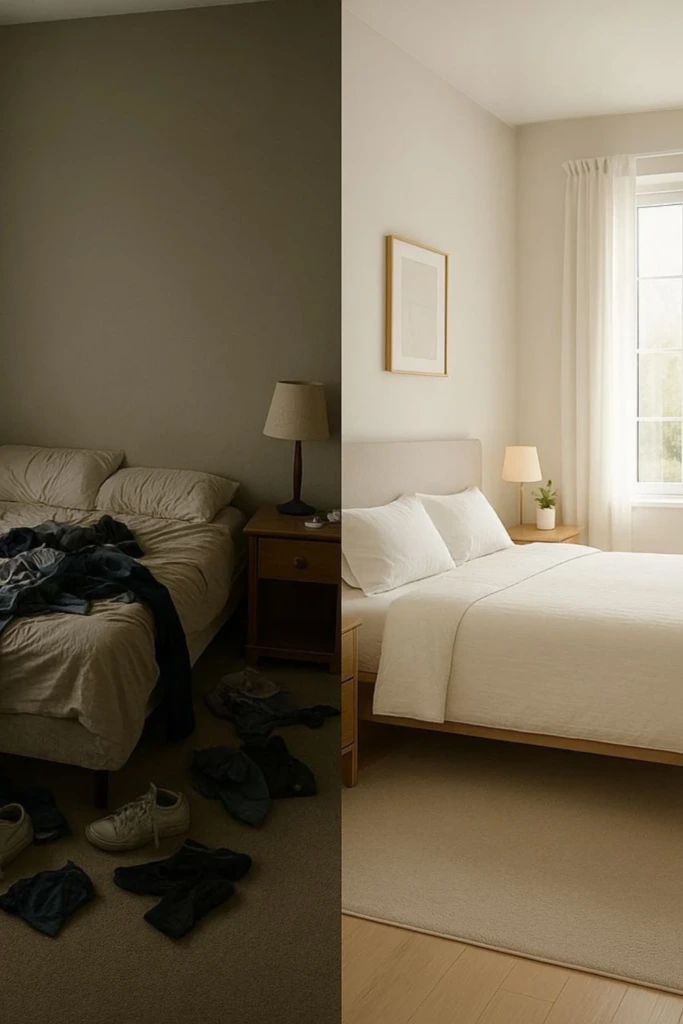
A junk room may be occupying space that could serve a much more valuable purpose in your home.
Consider transforming it into a guest bedroom, reading room, hobby space, or compact relaxation area.
Begin by removing belongings that no longer need to be kept and relocating necessary storage items to appropriate locations.
Choose furniture that supports the new function without overcrowding the room.
For example, a daybed with built-in drawers can provide guest seating, sleeping space, and hidden storage.
A small reading room might need only a comfortable chair, a lamp, and a bookshelf.
Use soft lighting and a restrained furniture layout to make the room inviting.
A clear purpose encourages you to protect the space from becoming another household dumping ground.
20. Clear Floor Win
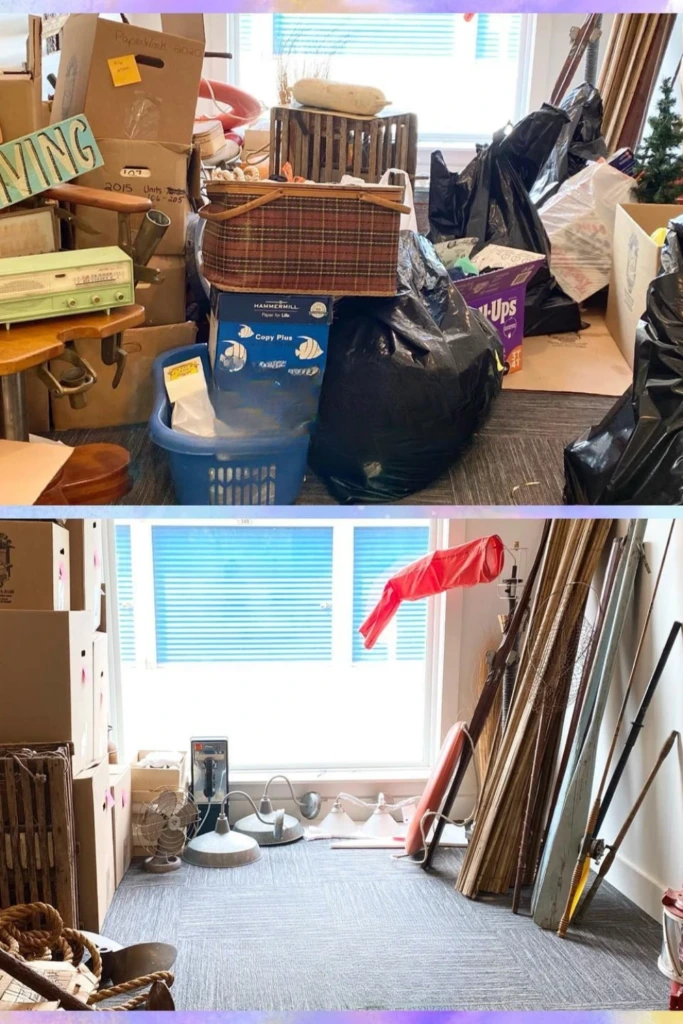
One of the quickest ways to improve a messy junk room is to remove unnecessary items from the floor.
Begin by collecting loose belongings and placing them into temporary sorting groups.
Return items to their designated storage locations, and use shelving, cabinets, or hooks for belongings that need permanent homes.
Avoid creating unstable towers of containers just to free up floor space.
For oversized equipment that must remain on the ground, assign a specific location along the wall without blocking walkways or doors.
Once the floor is clear, sweep or vacuum the area and check for anything that needs repair or cleaning.
Visible floor space makes the room easier to navigate and gives you a better understanding of how much storage capacity remains.
21. Zone-Based Reset
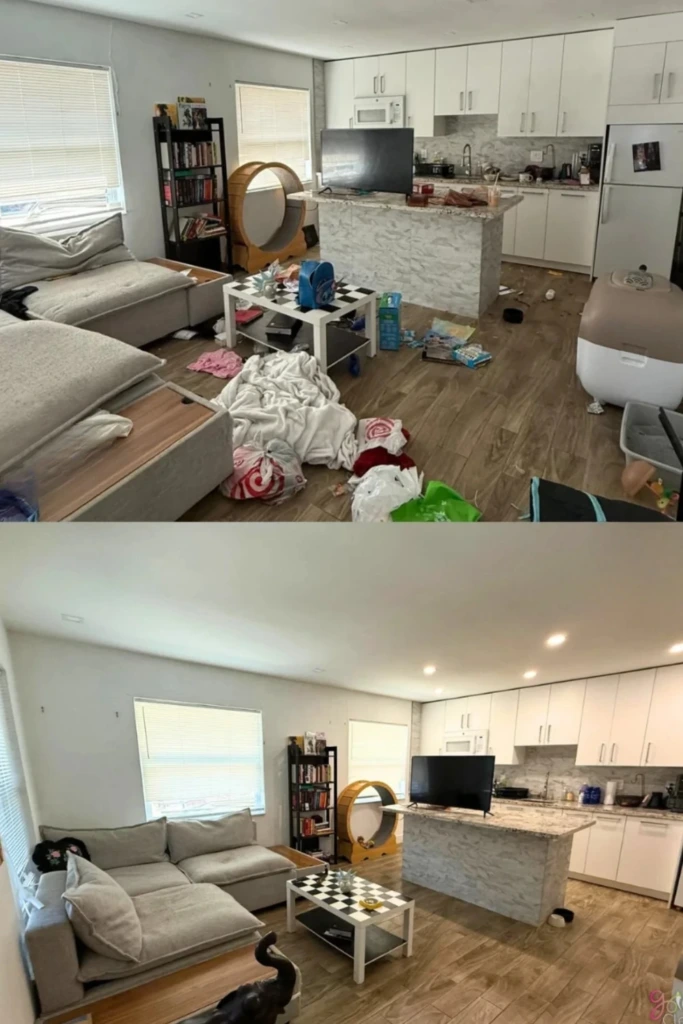
A multipurpose junk room can become disorganized when different activities compete for the same space.
Dividing the room into functional zones creates boundaries that make belongings easier to manage.
For example, establish one section for household storage, another for hobbies, and a separate area for paperwork or computer work.
Use furniture placement, shelving, rugs, or wall organizers to distinguish between sections.
Keep supplies close to the activities that require them. Craft materials should remain near the worktable, while household backups can occupy a separate cabinet.
Avoid allowing one zone to expand into another without reconsidering the layout.
This approach works particularly well in larger spare rooms that need to support several household activities.
22. Cubby Grid System
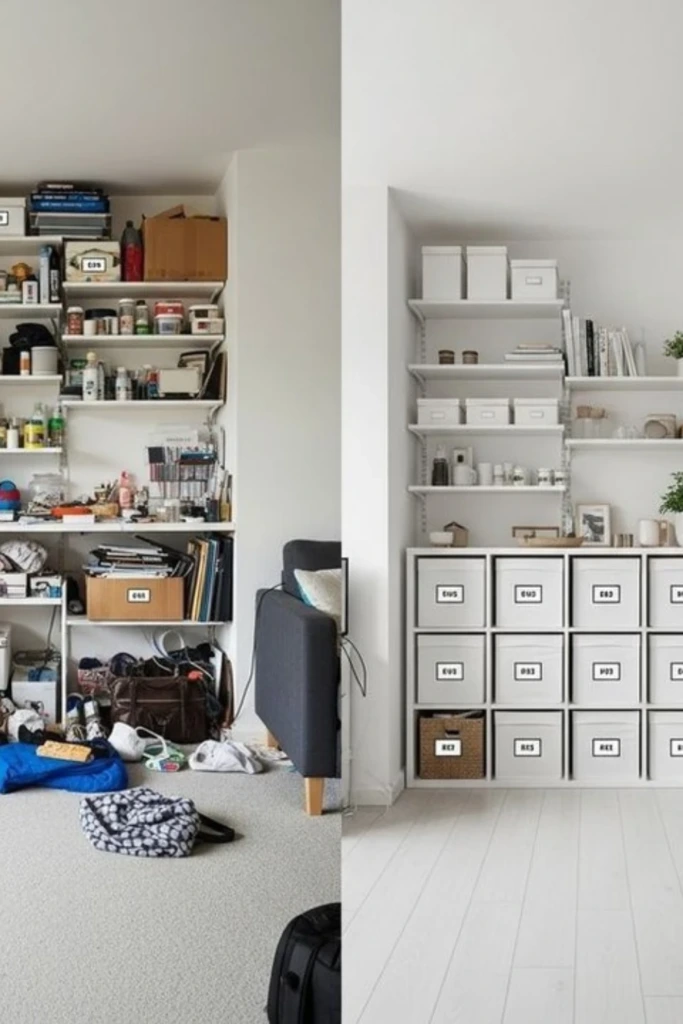
A cube grid system offers a straightforward way to organize many smaller categories without creating complicated storage arrangements.
Install a freestanding or wall-supported cube organizer that fits the available space.
Use individual compartments for electronics accessories, toys, craft supplies, seasonal items, or spare linens.
Matching bins can create a consistent appearance, but clear labels are more important than perfectly coordinated containers.
Assign one category to each compartment whenever possible.
Avoid stuffing bins beyond their capacity, since overcrowded storage makes items difficult to retrieve and encourages clutter to spread.
For households with changing needs, modular cube units offer flexibility because compartments can be reassigned as necessary.
How long does it take to organize a junk room?
The amount of time required depends on the room's size, the volume of belongings, and how much sorting is necessary.
A lightly cluttered room might take a few hours, while a heavily packed storage area could require several days or multiple weekends.
A practical approach is to schedule 30- to 60-minute sessions and focus on completing one section during each session.
Begin with decluttering, then group similar belongings, clean the available space, and install storage solutions only after determining what you need.
Don't overlook the time required to donate unwanted belongings, dispose of waste responsibly, or move items into other rooms.
Breaking the project into smaller tasks can help you maintain momentum without becoming exhausted.
How do I stop the junk room from getting messy again?
Preventing clutter from returning requires a simple maintenance system that fits your everyday habits.
Make sure every category has a designated storage location and that household members know where things belong.
Avoid using the room as a temporary holding area for belongings you haven't decided what to do with.
Set reasonable limits for storage containers and shelves. When a category becomes full, review its contents before adding more items.
Spend 10 to 15 minutes each week returning misplaced belongings, removing unnecessary packaging, and checking for accumulating clutter.
A seasonal review can also help you identify unused decorations, outdated supplies, and belongings you no longer need.
The most effective junk room organization system isn't necessarily the most attractive or expensive one. It's the system that makes putting things away simple enough to become a regular habit.
With thoughtful storage choices, clearly defined zones, and occasional maintenance, your former junk room can become one of the most useful spaces in your home.