21 Japanese Organization Ideas for 2026
A peaceful, organized home doesn't require expensive furniture, endless storage containers, or hours of cleaning every weekend. Sometimes, the most effective changes come from simplifying your surroundings and being more thoughtful about what you keep.
Japanese-inspired organization offers a refreshing approach to everyday clutter. Rather than filling every available space, it encourages practical storage, intentional belongings, and rooms that feel comfortable to live in.
From neatly arranged kitchen cabinets to thoughtfully organized bedrooms, these 26 Japanese organization ideas can help you create a home that feels spacious, functional, and welcoming.
Whether you're working with a small apartment or a larger family home, you'll find simple ways to make your space easier to maintain.
How is Japanese organization different from Western organizing methods?
Japanese-inspired organization often emphasizes simplicity, mindful ownership, and making efficient use of available space.
While many popular organizing approaches focus on purchasing containers, shelving units, and other storage accessories, Japanese practices such as the KonMari method encourage evaluating belongings before deciding how to store them.
The goal isn't necessarily to own as little as possible. Instead, it's to keep things that serve a meaningful purpose and arrange them in ways that support everyday routines.
Japanese interiors also frequently incorporate natural materials, flexible spaces, low furniture, and concealed storage. These features can make rooms feel less crowded without sacrificing usefulness.
Of course, organizing habits vary widely in both Japan and Western countries. The most valuable lesson is to develop a system that suits your lifestyle rather than following strict decorating rules.
Here are 26 practical ideas inspired by these principles.
1. Low-Profile Living
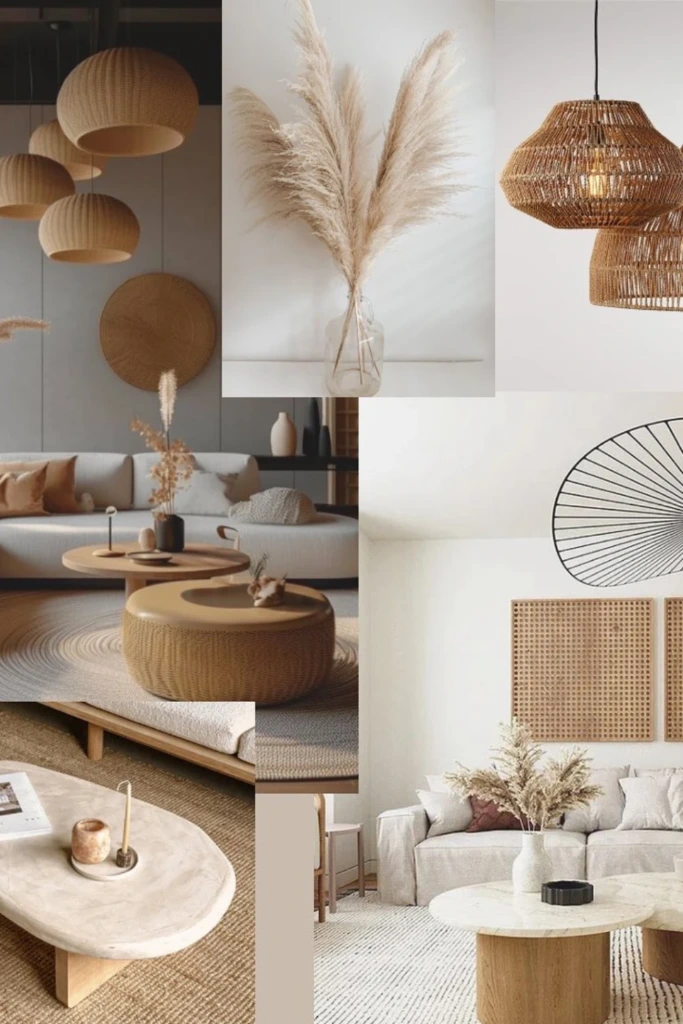
Furniture positioned closer to the floor can make a living room appear taller and more open, especially when ceiling height is limited.
Consider replacing bulky seating with a streamlined sofa, floor cushions, or a low wooden coffee table. These pieces create a relaxed atmosphere while allowing more of the room to remain visible.
Avoid covering the table with decorative accessories. A small ceramic bowl, a favorite book, or a single plant can provide personality without making the surface feel crowded.
Choose furniture with simple shapes and natural finishes to maintain a cohesive appearance. Soft textiles can add comfort without overwhelming the space.
This approach works particularly well in apartments where large furniture can dominate the room.
2. Closed Storage Calm
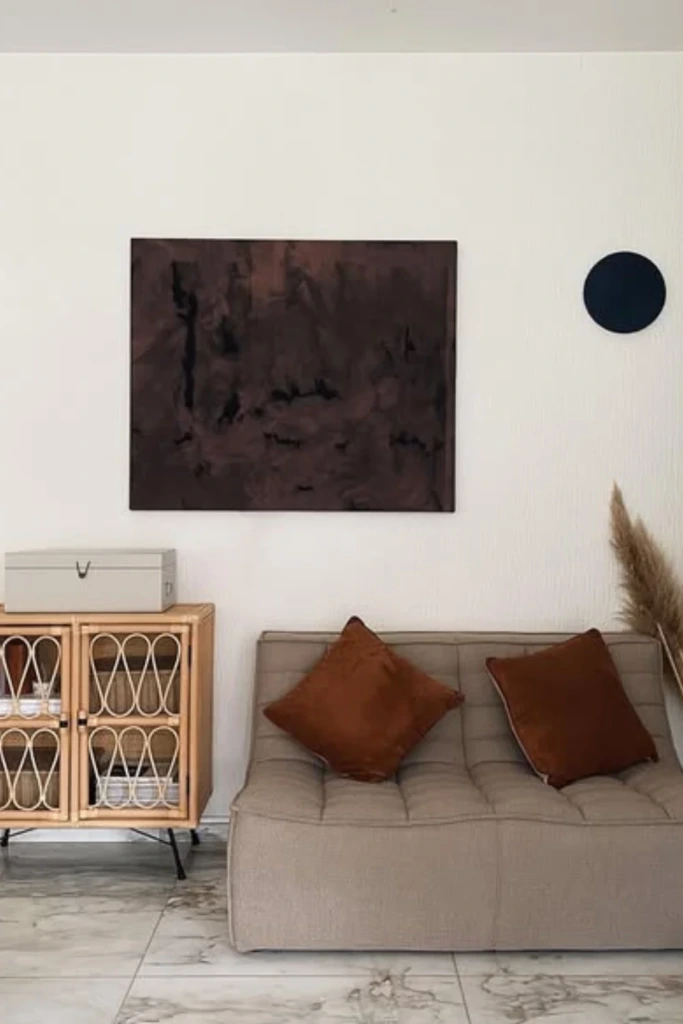
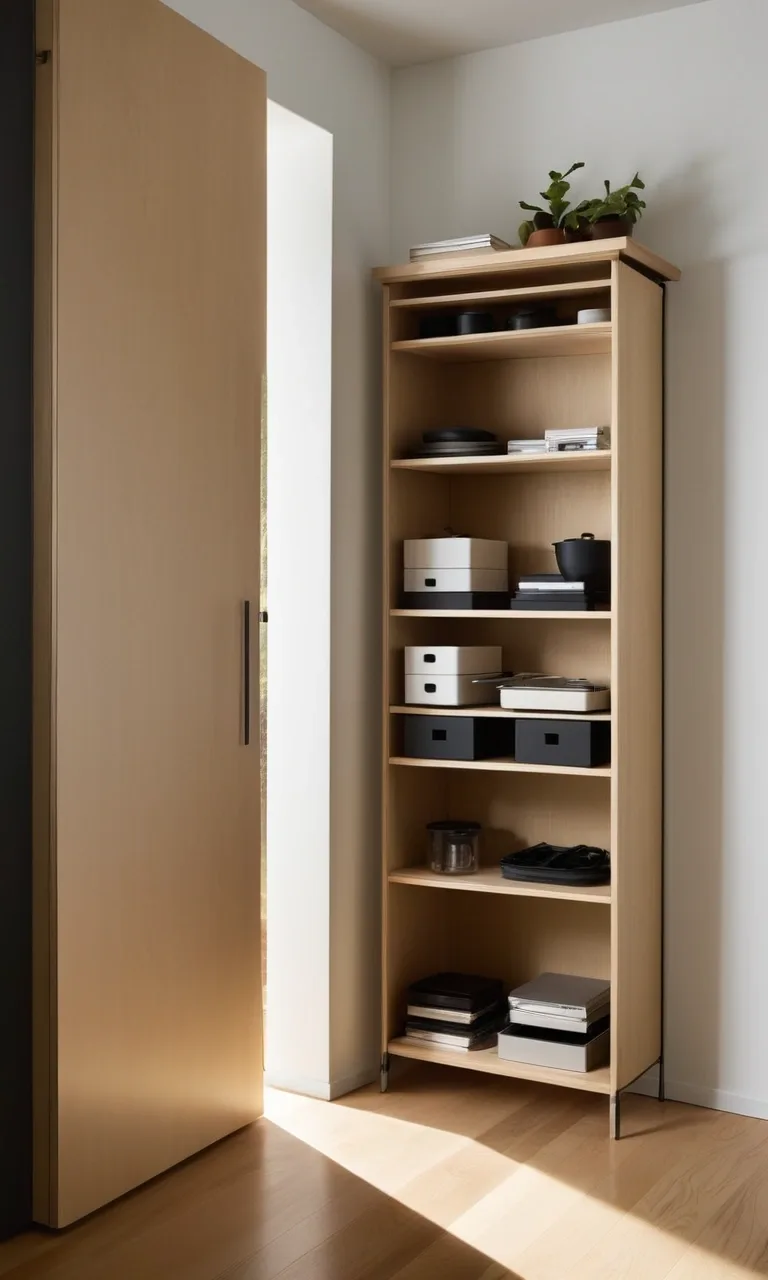
Open shelves are attractive when carefully arranged, but they can quickly become visually overwhelming when filled with everyday belongings.
Closed cabinets offer a practical alternative for storing electronics, paperwork, games, and household accessories.
Choose cabinets with simple doors that complement your walls or existing furniture. Wooden finishes, woven panels, and neutral colors can help storage blend naturally into the room.
Inside the cabinets, use small organizers to separate different categories. This prevents concealed storage from becoming another cluttered area.
Keep frequently used belongings within easy reach and reserve higher shelves for occasional items.
The result is a living space that looks orderly while still accommodating everything you need.
3. Contained Essentials
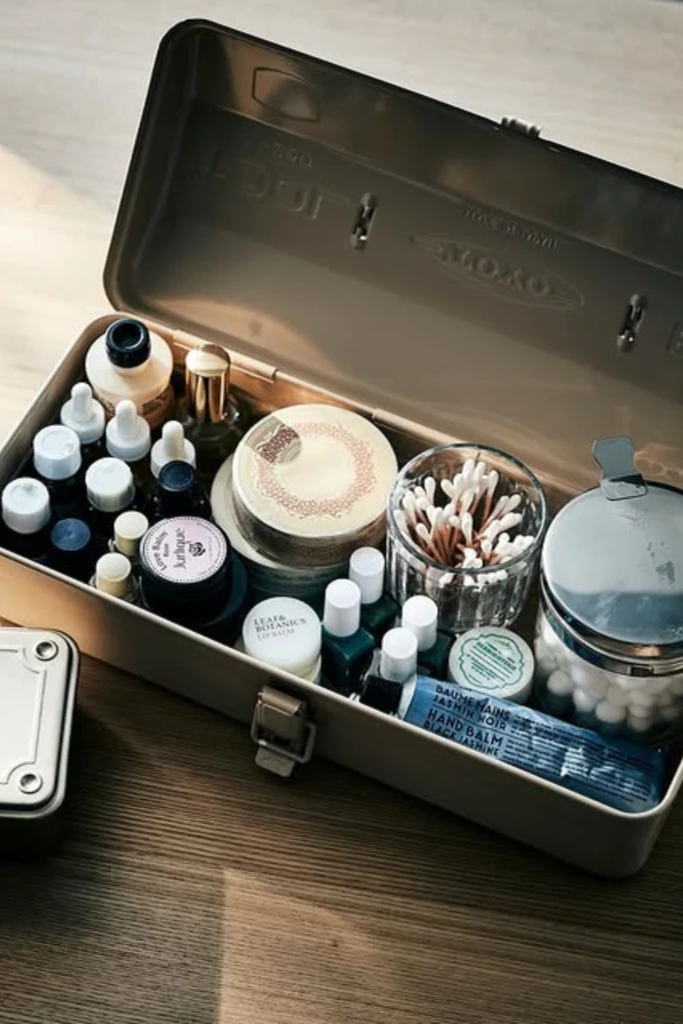
Small everyday products often create more visible clutter than larger belongings because they accumulate across countertops and shelves.
A dedicated container can bring these essentials together without requiring complicated storage systems.
For example, place your daily skincare products, hair accessories, and cotton pads inside a compact tray or shallow box.
Choose a container large enough for the items you regularly use, but avoid filling it with products you rarely touch.
You can apply the same method to bedside necessities, office supplies, or bathroom accessories.
Keeping related items together also makes cleaning easier because you can move the entire container instead of handling each object individually.
4. Shelf Zoning System
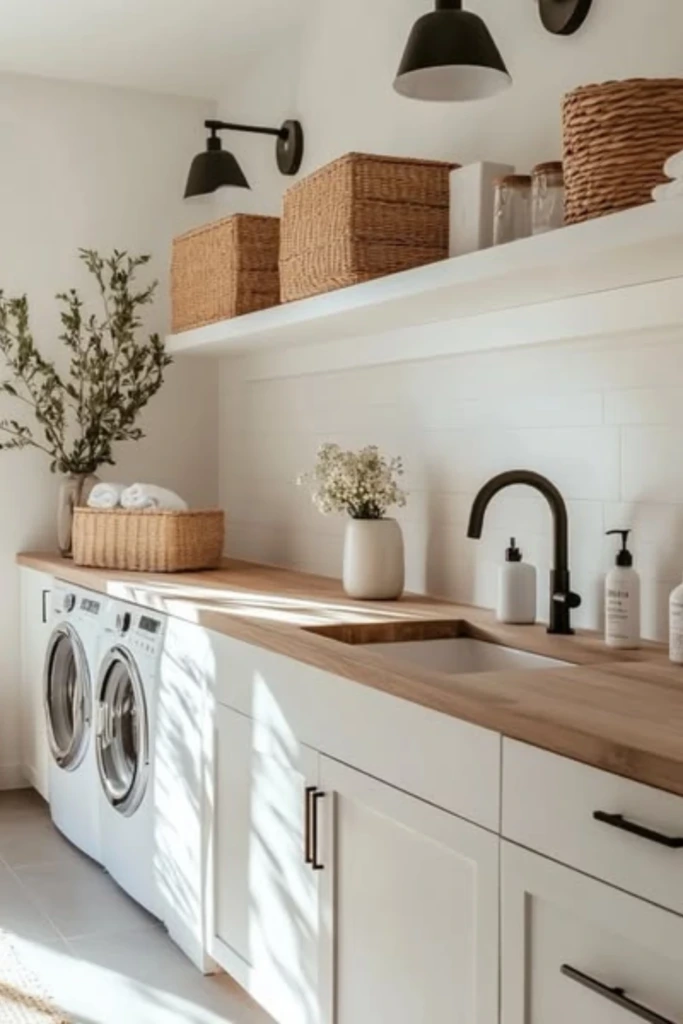
Laundry rooms become more manageable when supplies have clearly defined locations.
Divide your shelves according to the activities performed in the space. One section might hold detergents and stain removers, while another stores clean towels or laundry accessories.
Use baskets to contain smaller products and prevent them from spreading across the shelves.
Keep frequently used supplies at a comfortable height, with heavier containers stored lower for safety.
If you have limited shelving, consider adding a narrow wall-mounted unit above the washing machine, provided it can be installed securely.
Leave some space available for sorting clothes or temporarily placing laundry baskets.
An organized laundry area can make repetitive household tasks feel noticeably easier.
5. Curated Display Storage
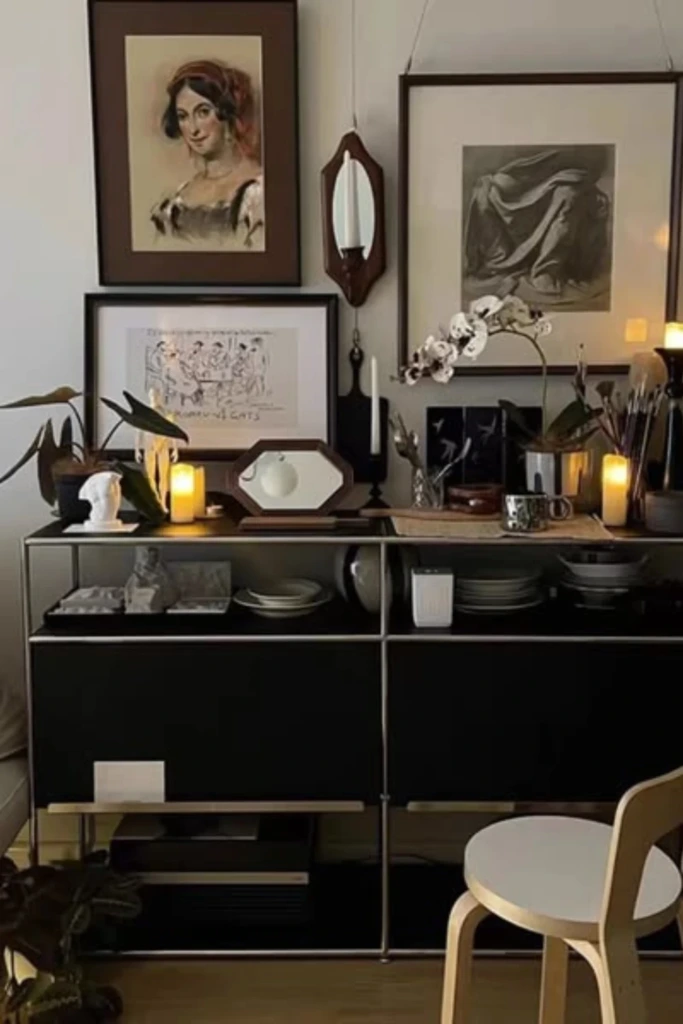
Not every possession needs to be hidden away. Some belongings deserve a visible place because they are beautiful, useful, or personally meaningful.
The key is choosing what to display rather than filling every shelf.
A low wooden cabinet can hold dinnerware, books, or household supplies behind its doors while providing a small display area above.
Arrange a few favorite objects, such as handmade pottery, framed photographs, or a simple vase.
Allow enough space between pieces so each one remains noticeable.
You can also rotate decorative objects occasionally instead of displaying an entire collection at once.
This creates a personalized room without sacrificing the uncluttered appearance associated with Japanese-inspired interiors.
6. Vertical Fold Method
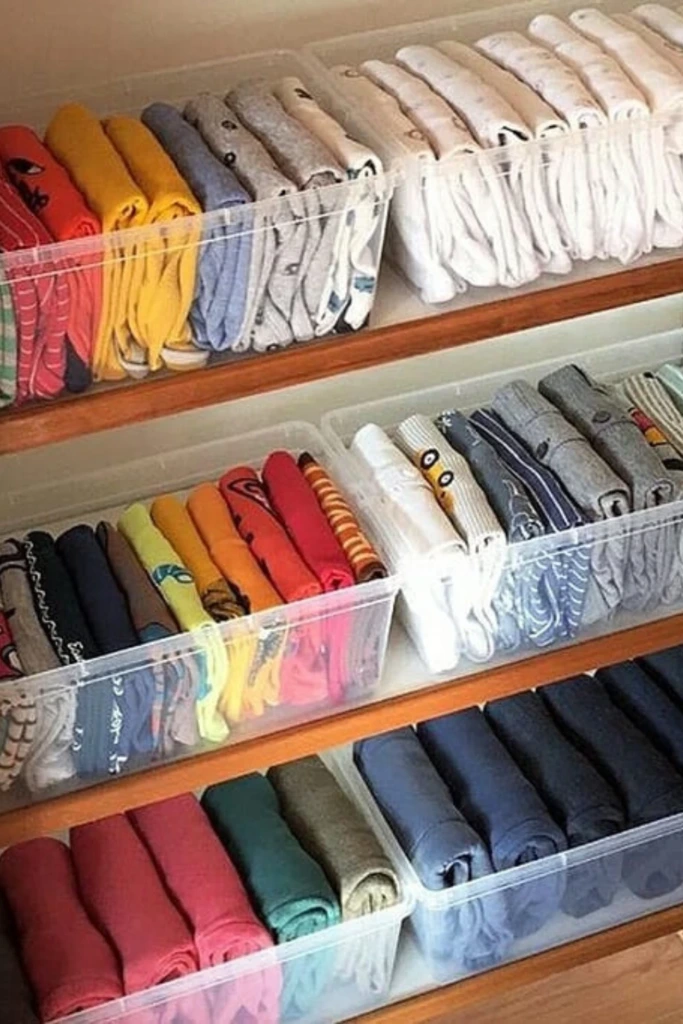
Traditional clothing stacks can make it difficult to find a specific item without disturbing everything above it.
Vertical folding offers a practical solution by allowing folded garments to stand upright inside drawers.
Start by folding shirts, leggings, or lightweight clothing into compact shapes that fit your drawer depth.
Place the folded pieces side by side so you can see them all when opening the drawer.
Drawer dividers can help keep smaller garments from falling over.
This technique is especially useful for children's clothing, casual shirts, underwear, and other flexible fabrics.
Avoid forcing too many pieces into one drawer. Leaving enough room to remove garments comfortably makes the system easier to maintain.
7. Category Shelf Order
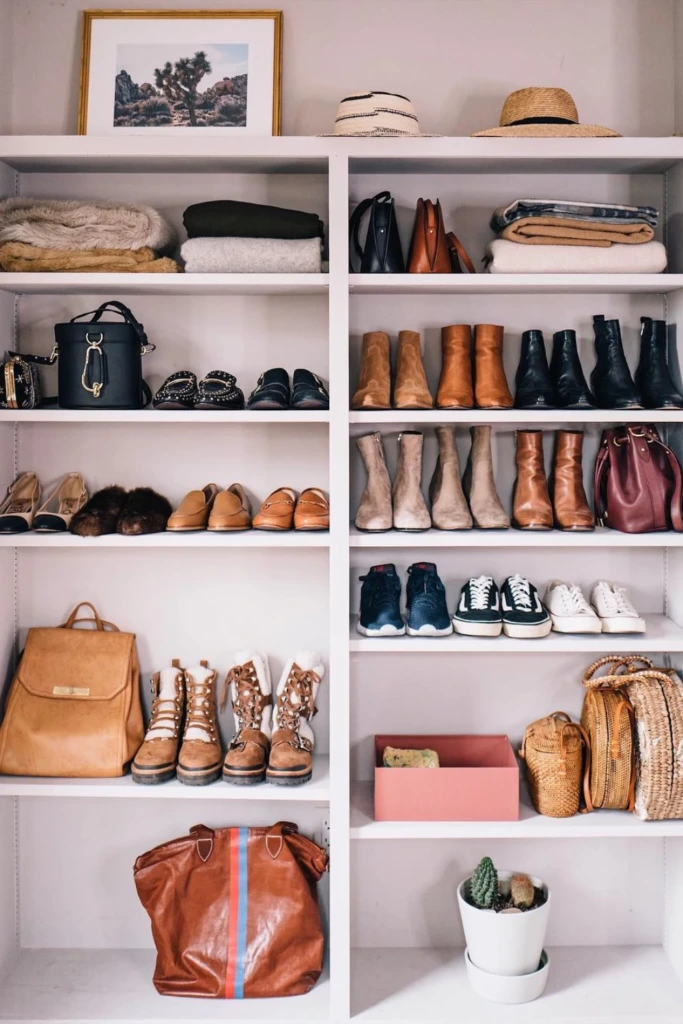
A well-organized wardrobe should make choosing clothes straightforward rather than turning it into a daily search.
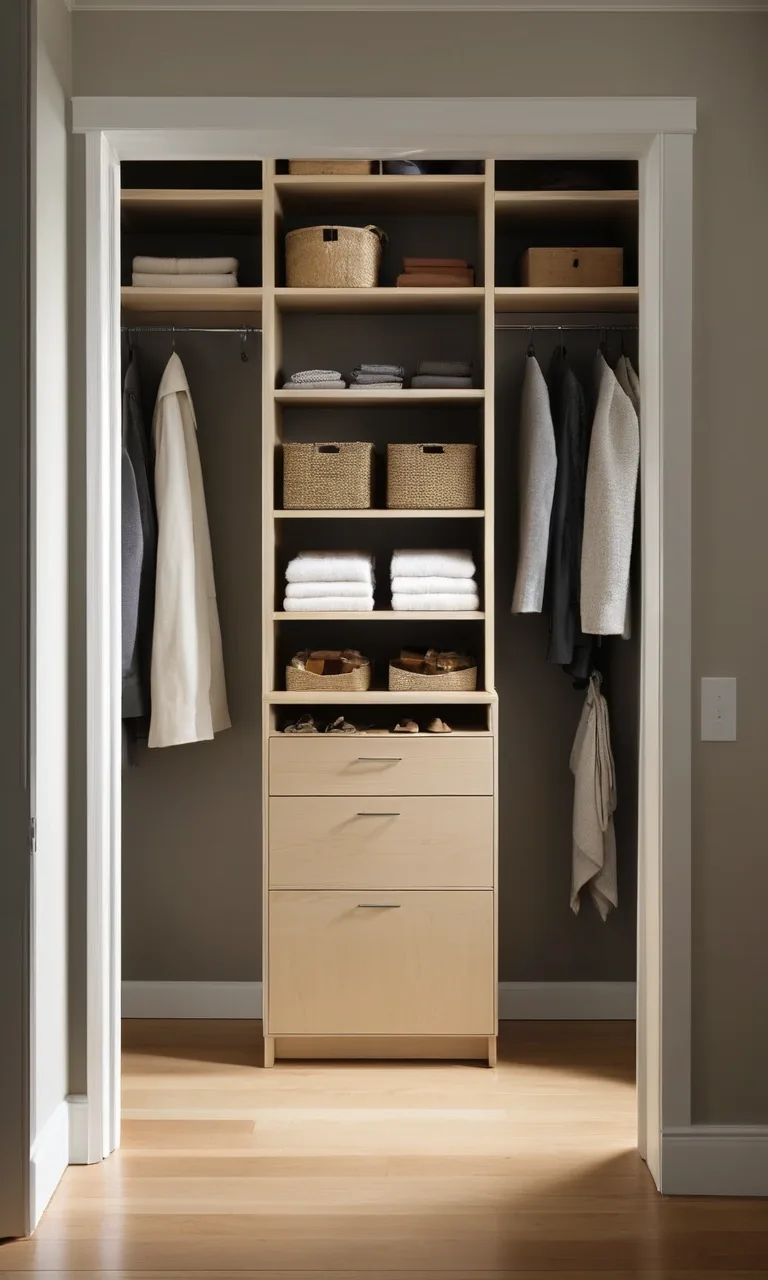
Assign different shelves to specific types of belongings, such as handbags, sweaters, shoes, and accessories.
Within each category, arrange items according to how often you use them.
Everyday shoes should be easy to reach, while seasonal accessories can occupy higher shelves.
Matching baskets or simple shelf dividers can create visual consistency, but purchasing an entirely new set of organizers isn't necessary.
Before arranging everything, remove clothing and accessories that no longer fit your needs.
Having fewer unnecessary items makes it easier to keep shelves neat and prevents overcrowding.
8. Clear Pantry Zones
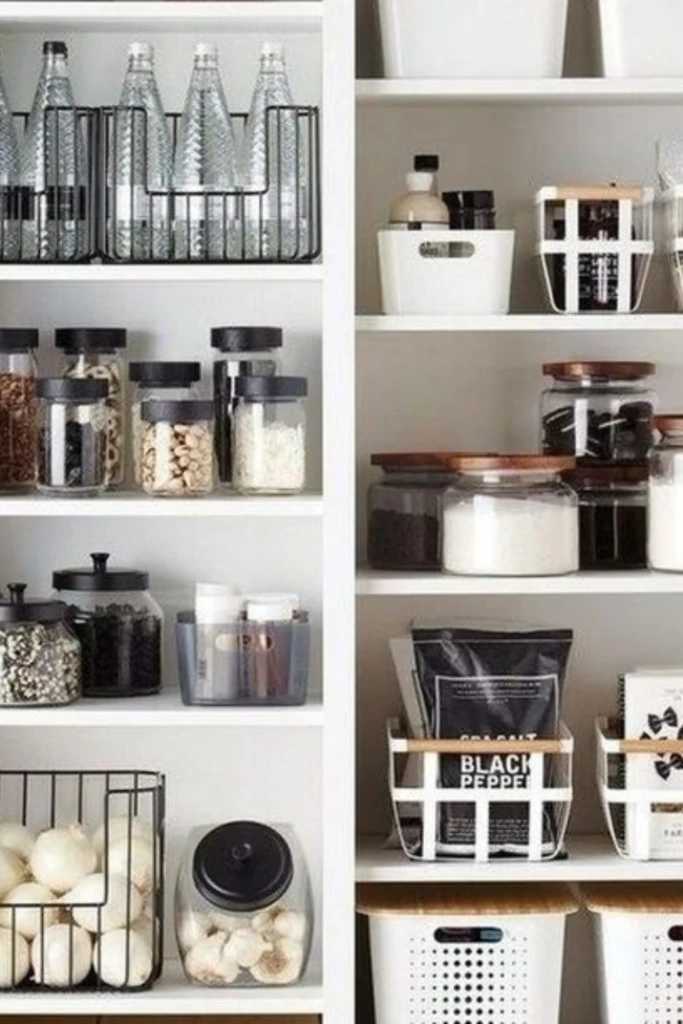
An organized pantry helps you identify ingredients quickly and avoid purchasing food you already have.
Begin by grouping groceries into practical categories, such as breakfast foods, baking ingredients, snacks, grains, and canned goods.
Transparent containers can be useful for frequently used dry ingredients because they make quantities easy to check.
However, there's no need to transfer every packaged product into a separate jar.
Keep original packaging when it provides useful preparation instructions, expiration dates, or allergen information. If you decant food, preserve those details.
Place older products toward the front so they are used first.
Small baskets can hold snack packets or irregularly shaped packages, while labels make shared pantry systems easier for everyone to follow.
9. Entryway Drop Zones
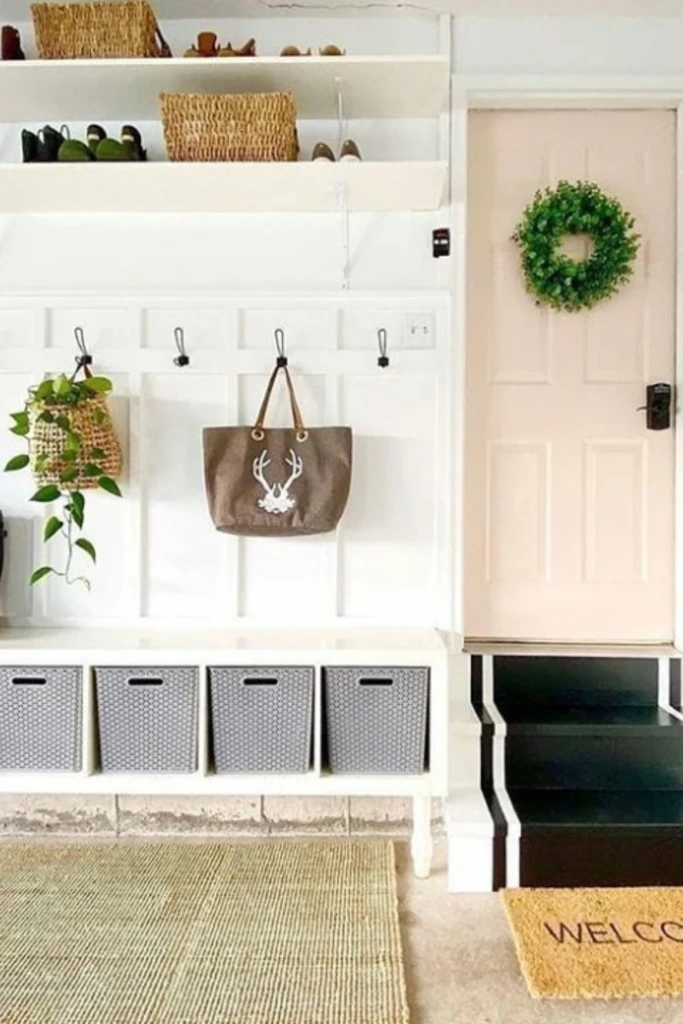
The entrance to your home is often where shoes, keys, bags, and outdoor accessories begin accumulating.
Creating a designated place for these belongings can prevent clutter from spreading into other rooms.
Install a few sturdy hooks for frequently used bags and jackets. Add a small tray for keys and other pocket essentials.
A narrow shoe cabinet or low rack can keep footwear organized without occupying excessive floor space.
If several people share the entrance, consider assigning individual hooks or baskets.
Keep the setup simple enough that returning items takes only a few seconds.
A clear entryway also makes it easier to leave home without searching for misplaced essentials.
10. Wall Tool Layout
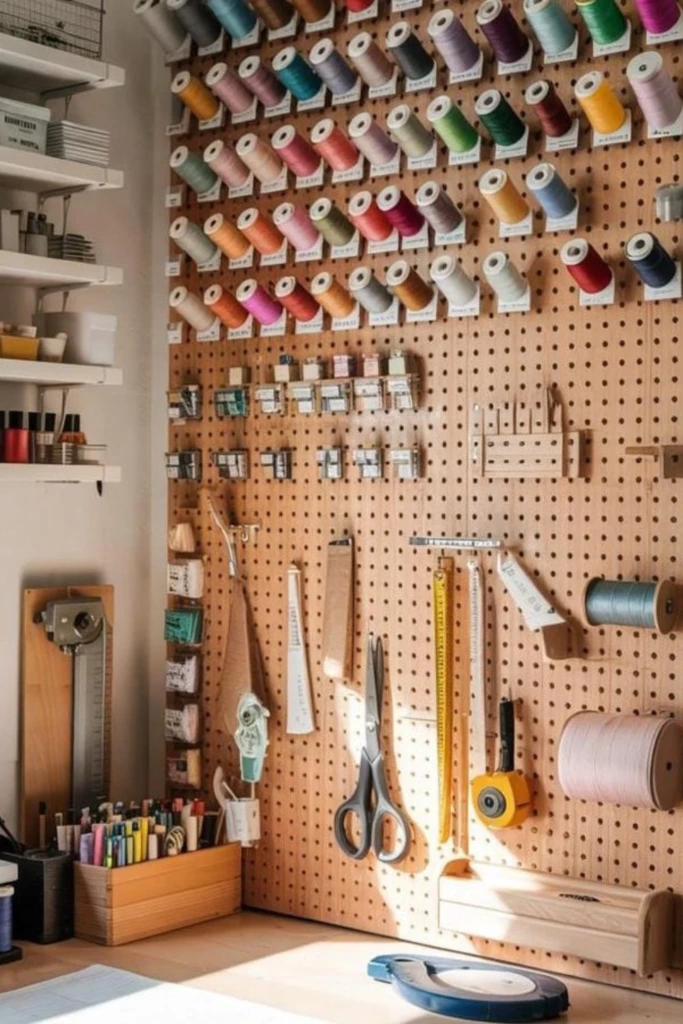
Creative spaces often contain numerous small tools that become difficult to manage inside crowded drawers.
Wall-mounted storage can make these supplies easier to access while freeing valuable desk space.
A pegboard is particularly useful for organizing scissors, rulers, craft tools, measuring tapes, and lightweight containers.
Arrange frequently used tools near your main work area and place less common supplies farther away.
Leave some room between objects so they can be removed without disturbing neighboring items.
For a more cohesive appearance, use similar hooks and containers.
Make sure the board is securely mounted and that sharp tools remain out of children's reach.
This arrangement works well in sewing corners, craft rooms, workshops, and home offices.
11. Flat Supply Stacks
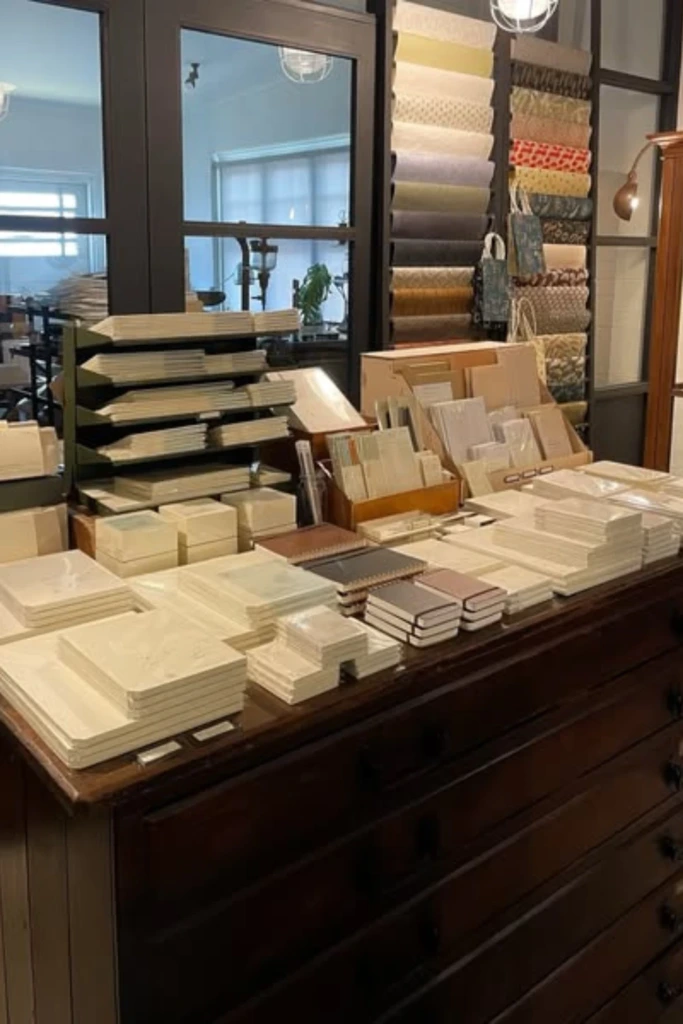
Paper products, notebooks, and craft materials can quickly take over work surfaces when stored without a clear system.
Instead of creating one large pile, divide supplies into manageable groups.
Keep unused notebooks together, separate printer paper from specialty materials, and store ongoing projects in individual folders.
Shallow trays or flat storage boxes can protect delicate supplies while making them easier to retrieve.
Avoid building tall stacks that become unstable or require moving several items to reach the bottom.
For important paperwork, labeled folders or upright file organizers may be more practical than stacking.
The aim is to maintain a workspace where necessary materials are accessible without covering every available surface.
12. Drawer Micro Zones
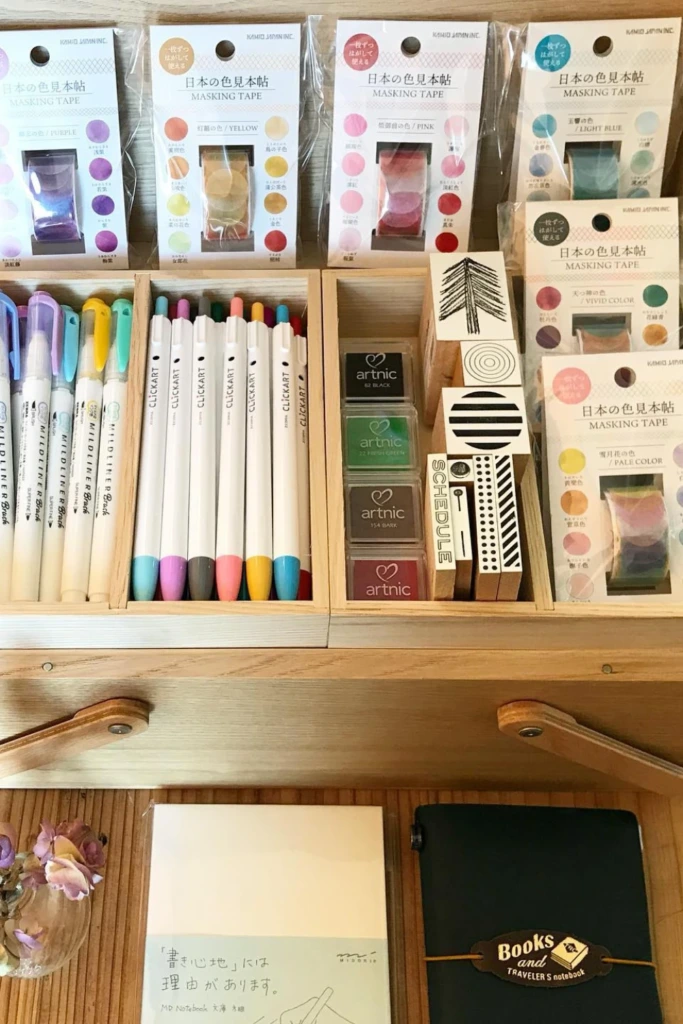
Drawers often become messy because unrelated small items are placed together without boundaries.
Dividers create miniature storage areas that keep belongings separated.
In a desk drawer, dedicate individual sections to pens, sticky notes, paper clips, charging accessories, and other essentials.
Wooden organizers provide a warm appearance, while adjustable plastic or bamboo dividers can accommodate changing needs.
Measure your drawer before buying inserts to ensure they fit properly.
You can also repurpose small boxes to create compartments at little or no cost.
Keep the most frequently used items near the front and remove duplicates that serve no practical purpose.
A drawer organized this way is easier to use and requires less frequent sorting.
13. Open Utility Rack
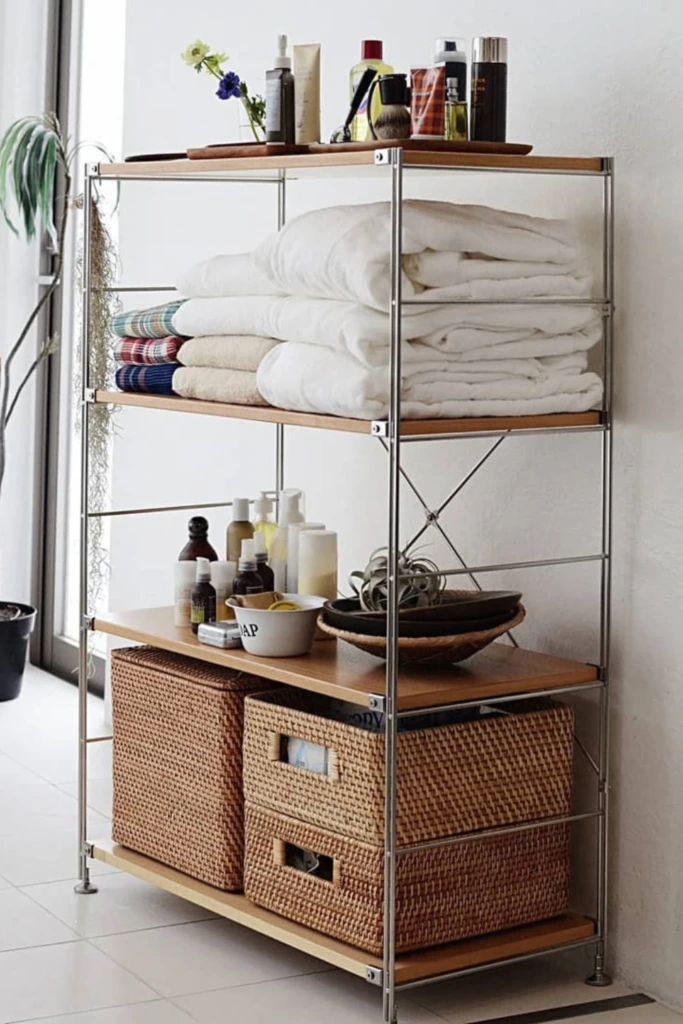
An open shelving rack can provide flexible storage in bathrooms, laundry areas, and other compact utility spaces.
The challenge is maintaining accessibility without allowing the shelves to become overcrowded.
Place everyday products at a convenient height and group them according to their purpose.
Fold clean towels into consistent sizes and store spare toiletries inside baskets or containers.
Heavier items should remain on lower shelves to improve stability.
Choose moisture-resistant materials when placing a rack in a bathroom, and ensure tall shelving is properly secured where necessary.
Limit decorative accessories so the shelves remain primarily functional.
This solution is especially helpful in rental homes where permanent cabinetry may not be available.
14. Ritual Tea Box
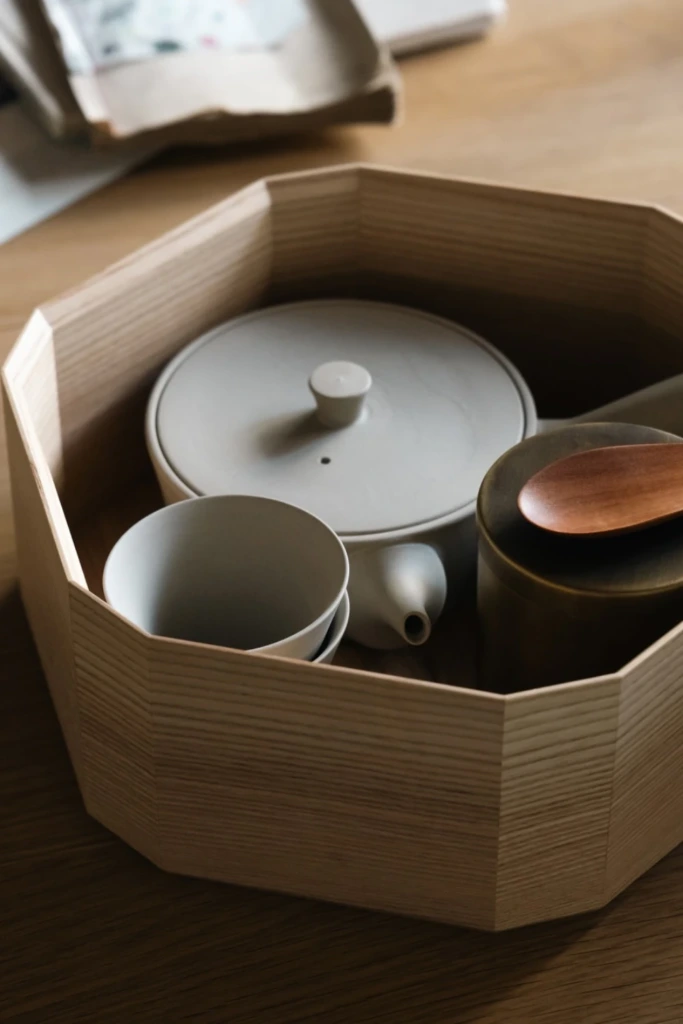
A dedicated tea station can turn a simple daily habit into a more enjoyable routine.
Instead of storing tea bags, strainers, spoons, and accessories in several different cupboards, gather them in one compact box.
A wooden container with a lid can keep supplies protected while adding natural texture to your kitchen.
Separate different tea varieties with small compartments and keep the tools you use most often near the top.
If you prefer coffee, the same approach works for filters, measuring spoons, and other brewing accessories.
Store the box somewhere dry and away from excessive heat or moisture.
By keeping everything together, you can prepare your favorite drink without searching through multiple storage areas.
15. Daily Outfit Rack
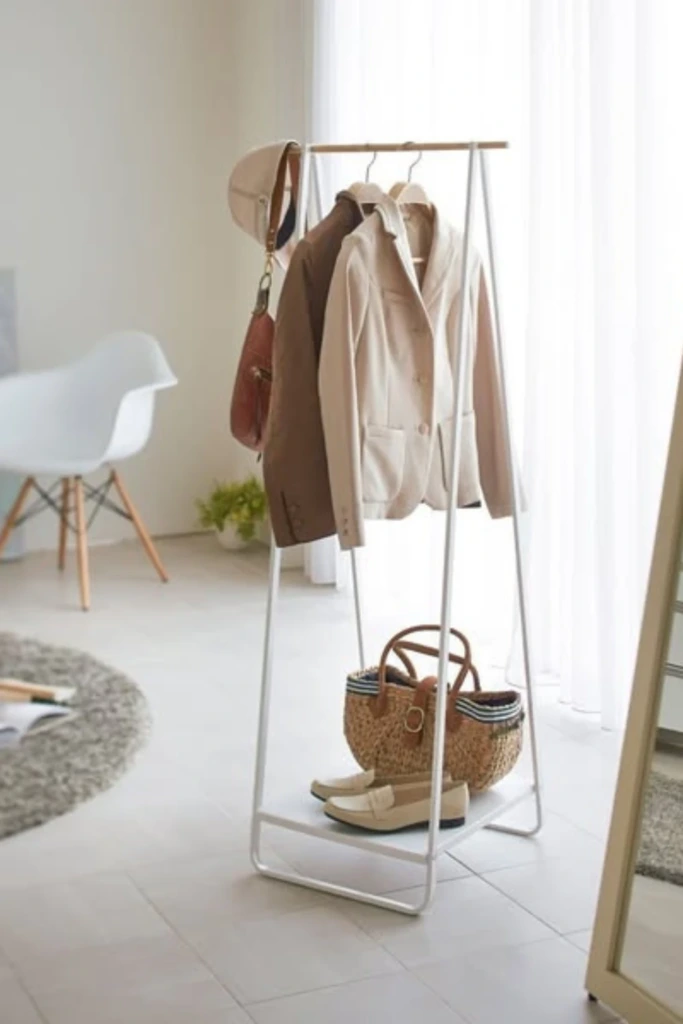
Preparing clothing in advance can simplify busy mornings and reduce last-minute decisions.
A slim clothing rack provides a designated place for your next outfit without requiring you to reorganize your entire wardrobe.
Hang the clothes you plan to wear and keep matching accessories nearby.
A small shelf beneath the rack can hold shoes or a handbag.
Avoid using this space for clothing that has no assigned place elsewhere. Otherwise, it can quickly become another overcrowded storage area.
If your bedroom is particularly small, a wall hook or over-the-door hanger can serve the same purpose.
This idea is useful for workdays, school mornings, travel preparation, and occasions when you want everything ready ahead of time.
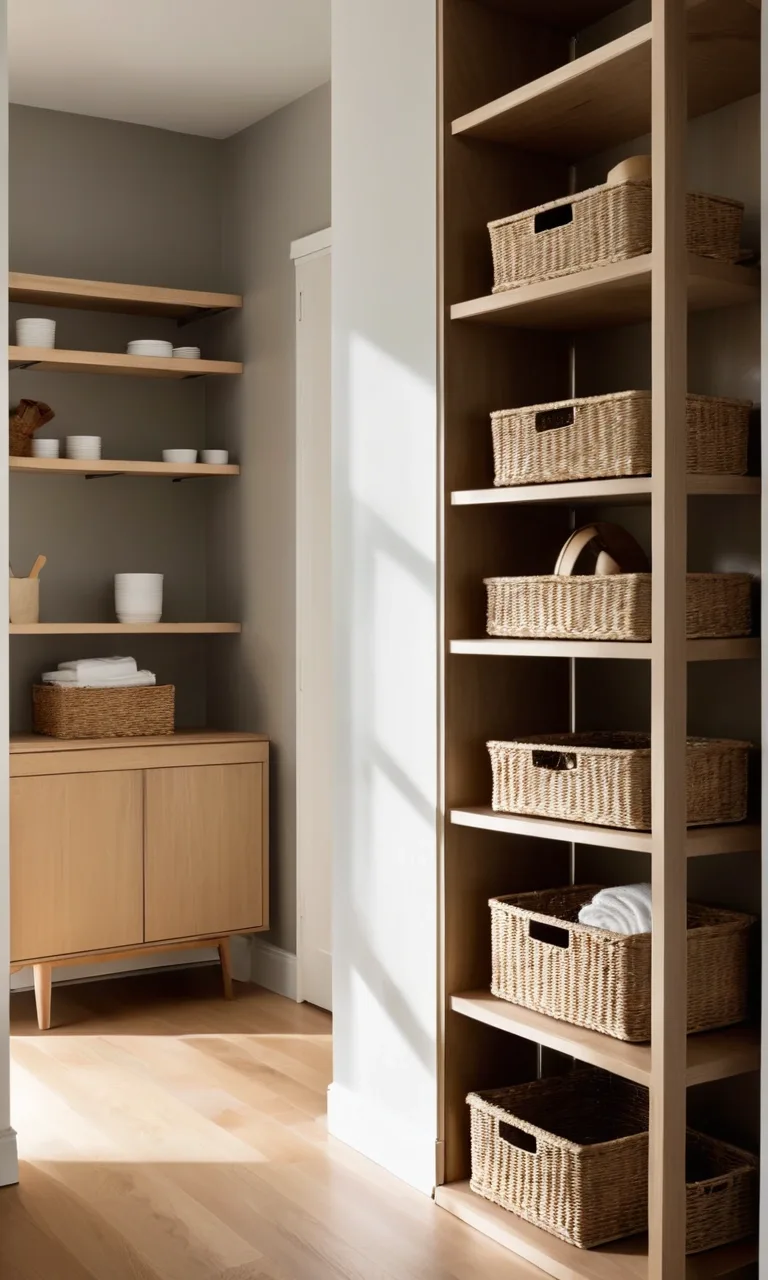
16. Basket Group Storage
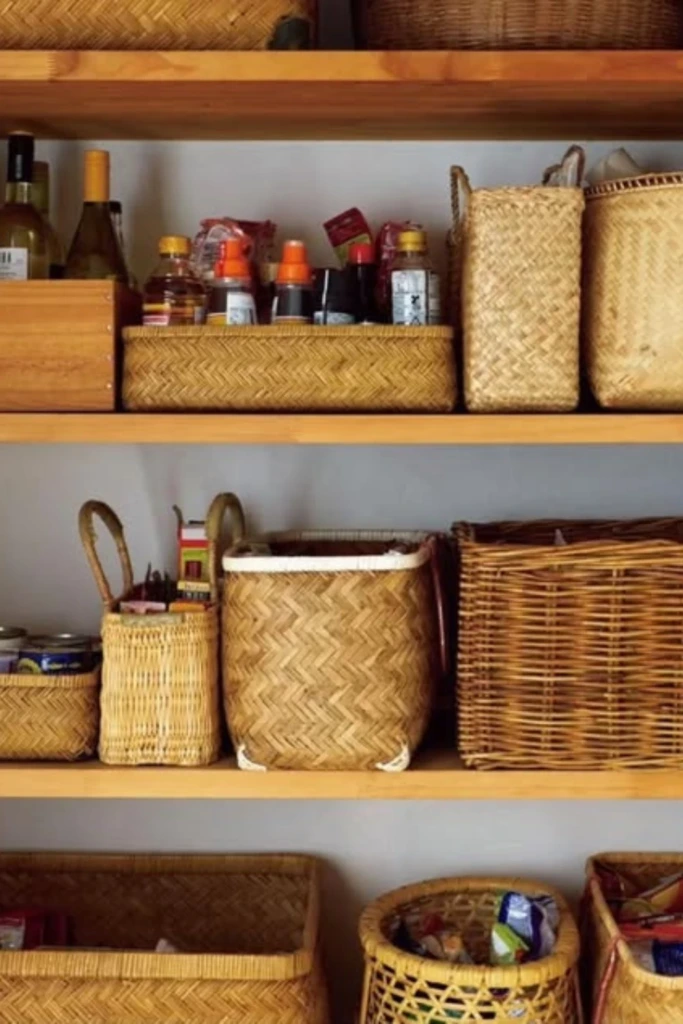
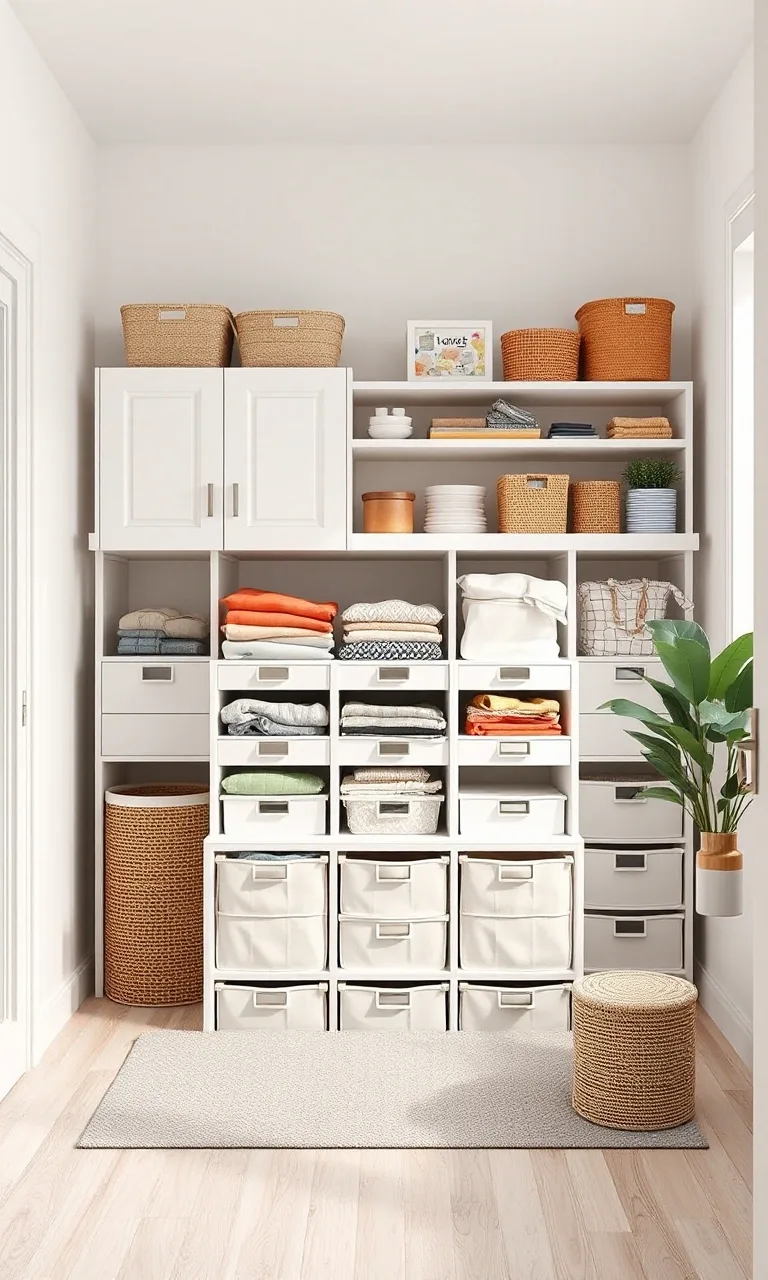
Baskets provide an easy way to organize belongings that come in different shapes and sizes.
They are especially helpful in kitchens and pantries where packets, bottles, and miscellaneous supplies can make shelves look disorderly.
Assign each basket a specific purpose, such as packaged snacks, cooking accessories, cleaning cloths, or spare household products.
Choose lightweight containers that can be removed from shelves without difficulty.
Woven baskets introduce natural texture, while washable plastic versions may be better for areas exposed to spills.
Labels can help when the contents aren't immediately visible.
Avoid combining unrelated items simply because they fit inside the same container.
A consistent grouping system makes it easier to find what you need and return it afterward.
17. Layered Vanity Drawers
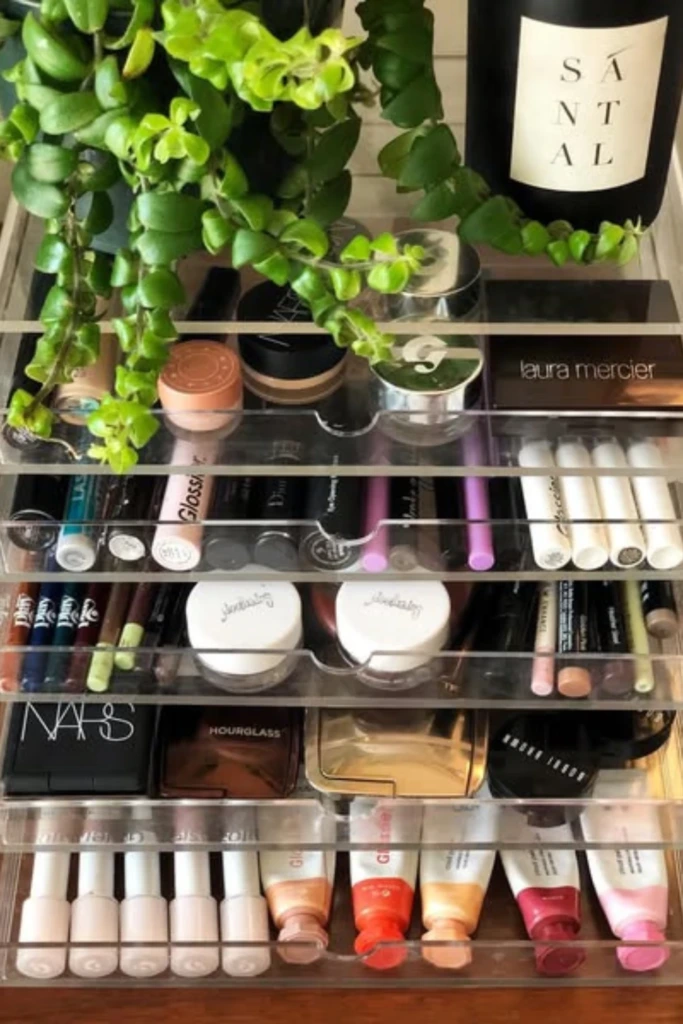
Makeup collections are easier to manage when products are separated into accessible compartments.
Rather than keeping everything inside one deep bag, consider using shallow drawers or stackable organizers.
Divide products into categories that reflect your routine, such as complexion makeup, eye products, lip colors, and brushes.
Keep everyday favorites in the most accessible drawer and store occasional products separately.
Transparent organizers make it easier to identify contents, while solid containers provide a more understated appearance.
Check cosmetics periodically for changes in smell, texture, or appearance, and follow their recommended periods of use.
Clean brushes and storage surfaces regularly to prevent product buildup.
This arrangement can make your vanity look more organized while reducing the time spent searching for individual products.
18. Hidden Toy Storage
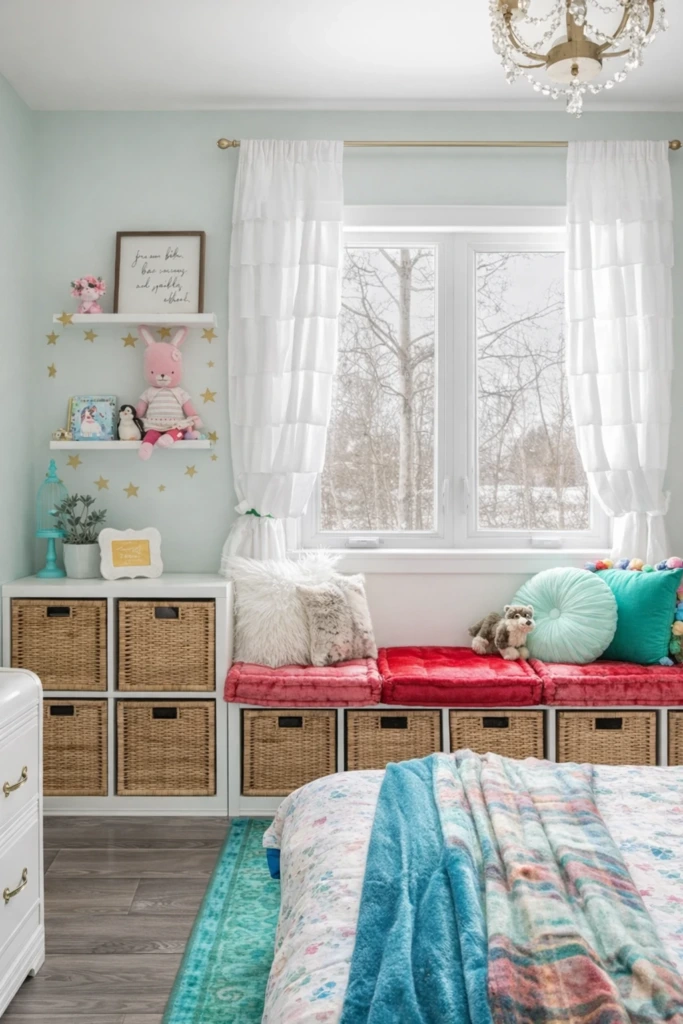
Children's rooms need practical organization that allows toys to be used and put away without unnecessary difficulty.
Low shelving with removable bins offers a flexible solution.
Assign containers to different toy categories, such as building blocks, stuffed animals, puzzles, and art supplies.
Use picture labels for younger children who cannot read yet.
Keep frequently used toys within easy reach and store less-used collections separately.
Rotating some toys can reduce the number available at one time without requiring you to discard everything.
Choose sturdy, age-appropriate storage, secure furniture against tipping, and avoid containers with heavy lids that could trap small fingers.
An easy-to-understand system helps children participate in tidying up.
19. Clear Counter Rule
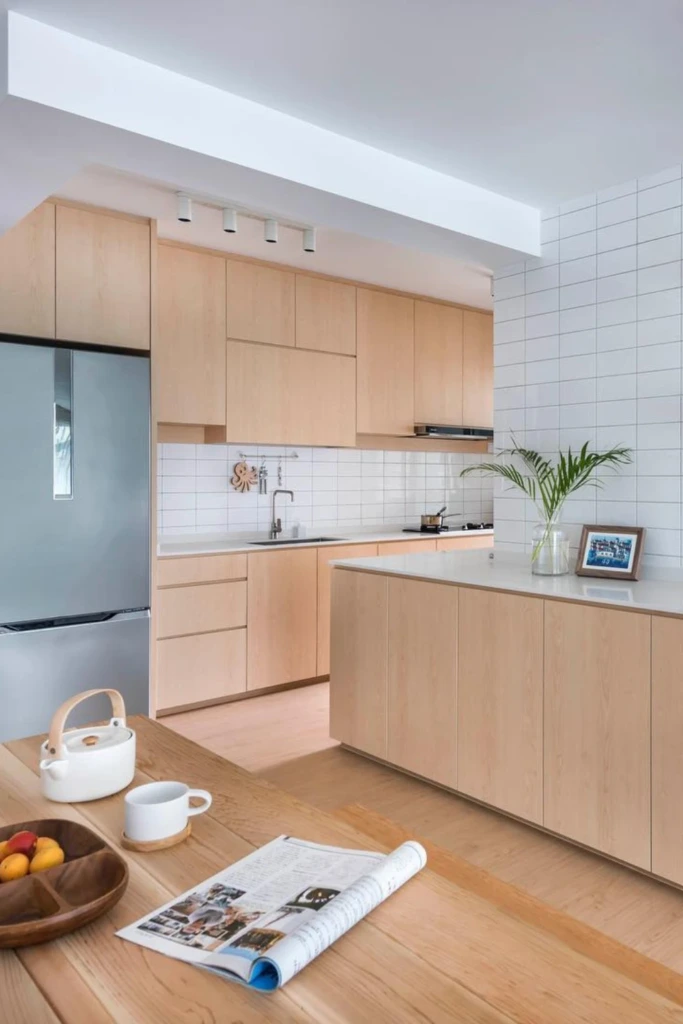
Kitchen countertops are most useful when they provide enough room for preparing meals.
Unfortunately, they often become storage areas for appliances, utensils, mail, and miscellaneous household belongings.
Start by removing everything from the counters and identifying what genuinely needs to remain accessible.
Items used daily, such as a kettle or coffee maker, may deserve a permanent position.
Less frequently used appliances can be stored in cabinets or on suitable shelves.
Keep cooking utensils close to the preparation area and give paperwork a separate location outside the kitchen.
You don't need completely empty countertops to create a functional space.
The objective is to preserve sufficient working room and make cleaning quick and convenient.
20. Seamless Cabinet Storage
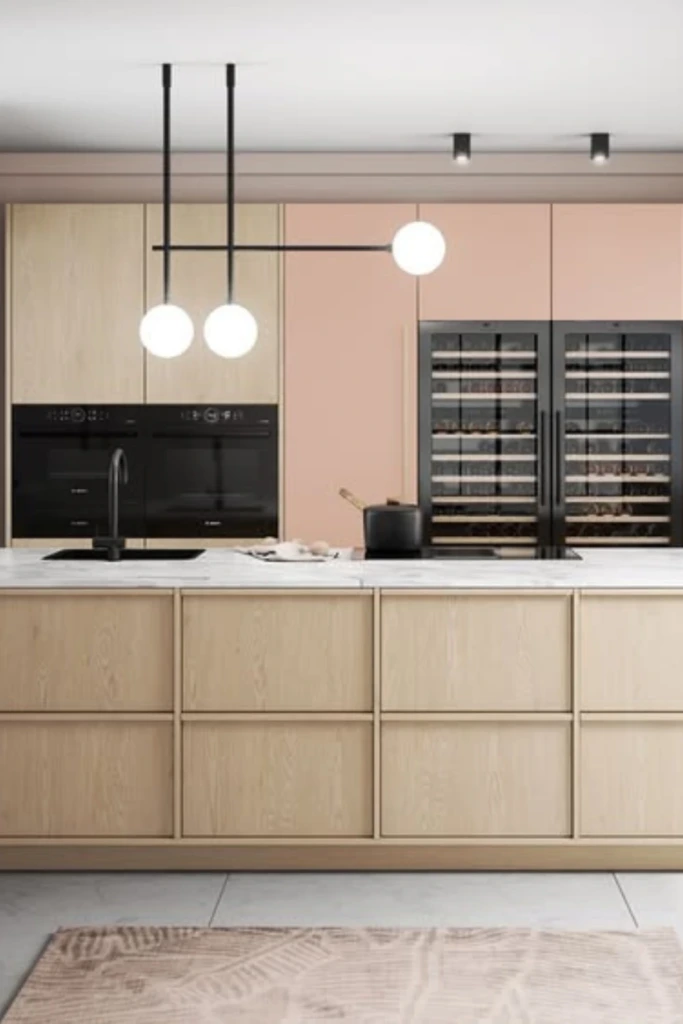
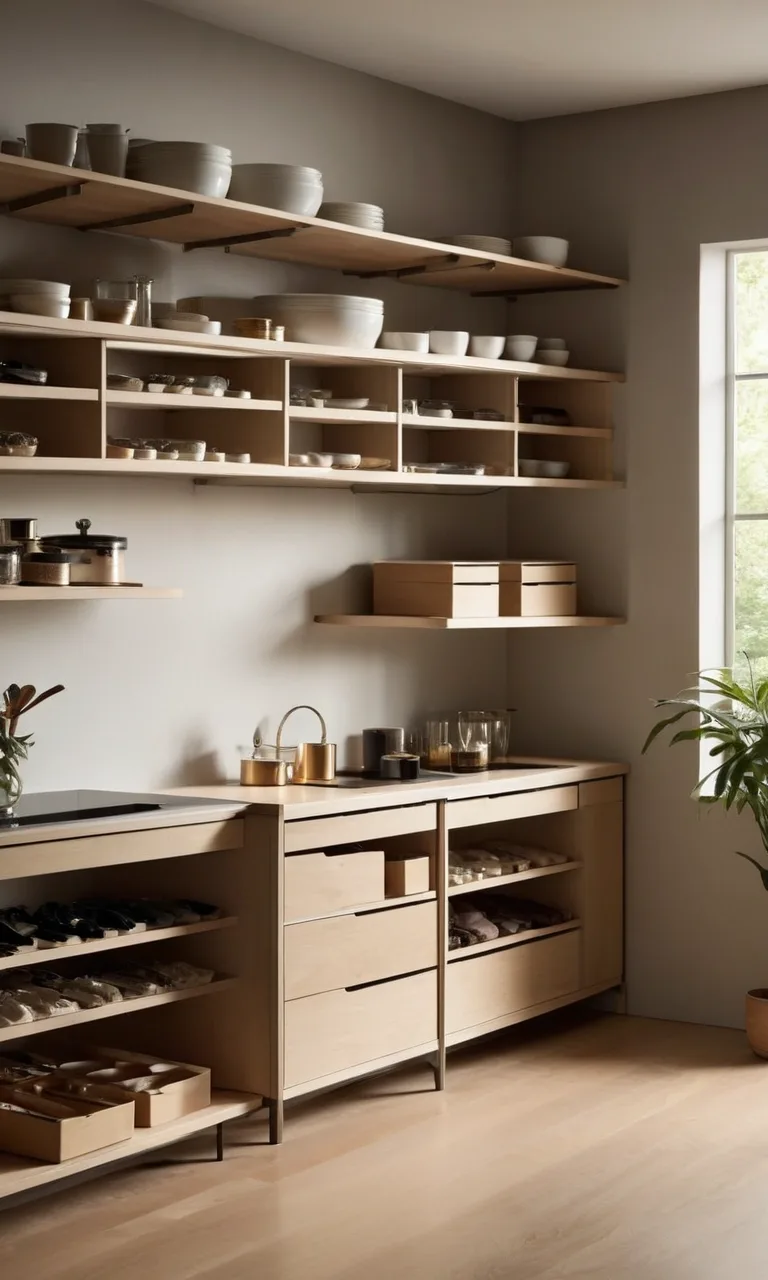
Cabinetry with simple, continuous fronts can make a kitchen appear more unified.
Handle-free doors, integrated pulls, or minimal hardware reduce visual interruptions across large storage areas.
However, the interior organization matters just as much as the exterior design.
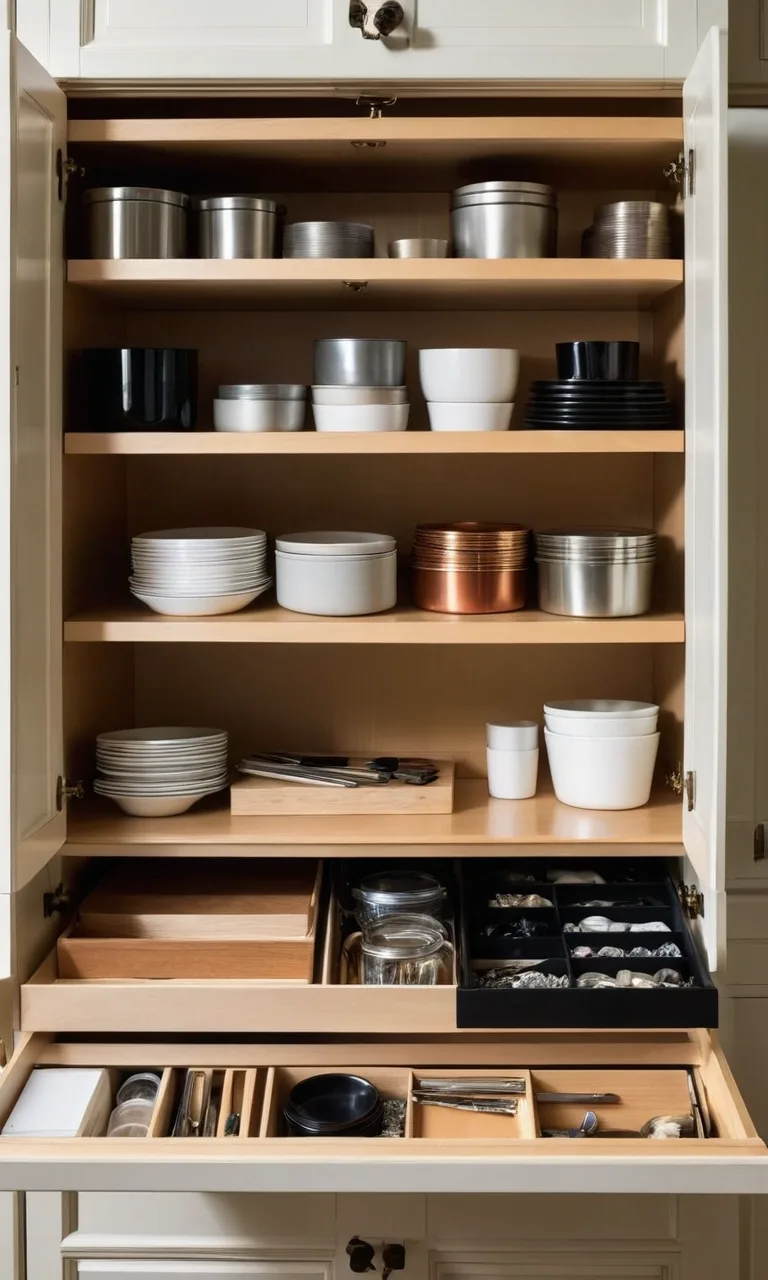
Arrange cabinets according to kitchen activities. Store cooking equipment near the stove, food preparation tools near the main worktop, and dinnerware near the serving area.
Pull-out drawers can improve access to deep cabinets, while interior dividers prevent smaller items from becoming mixed together.
You can achieve a similar effect without replacing existing cabinets by simplifying visible hardware and reducing countertop clutter.
The combination of understated design and practical storage creates a kitchen that is both attractive and efficient.
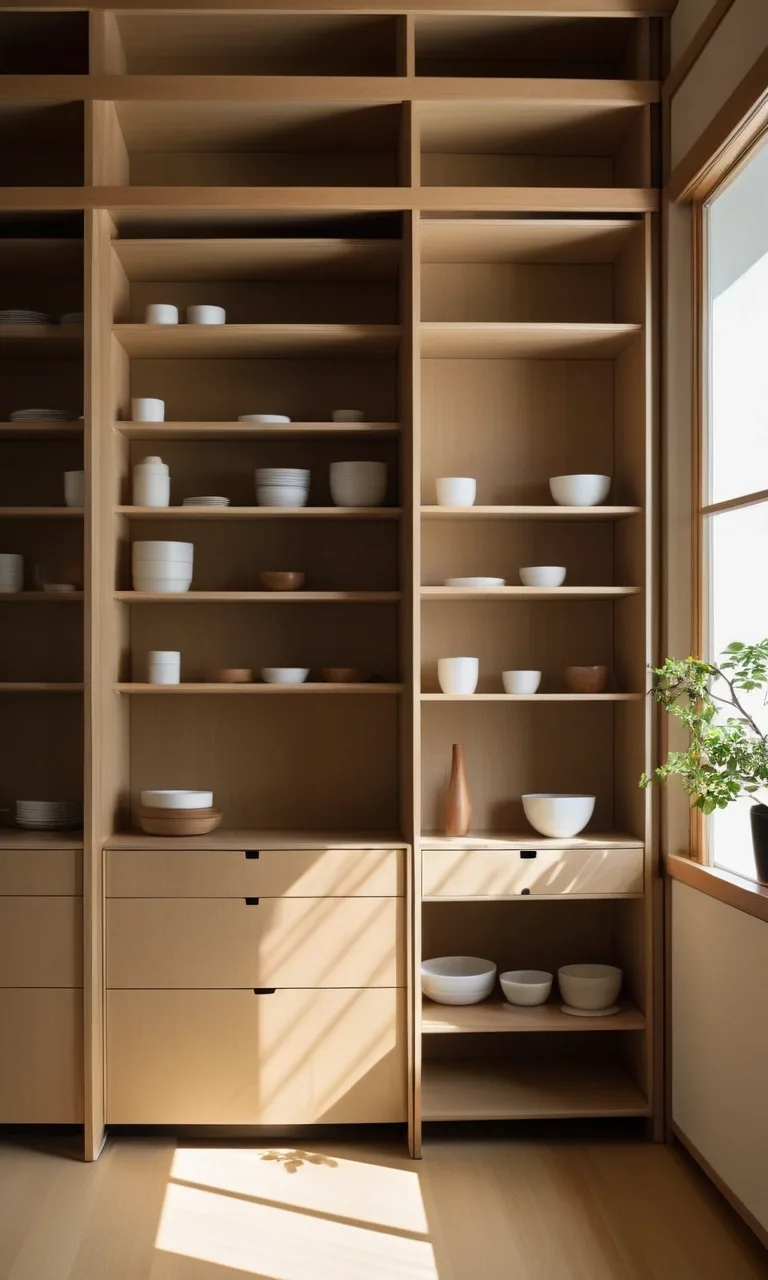
21. Intentional Empty Shelves
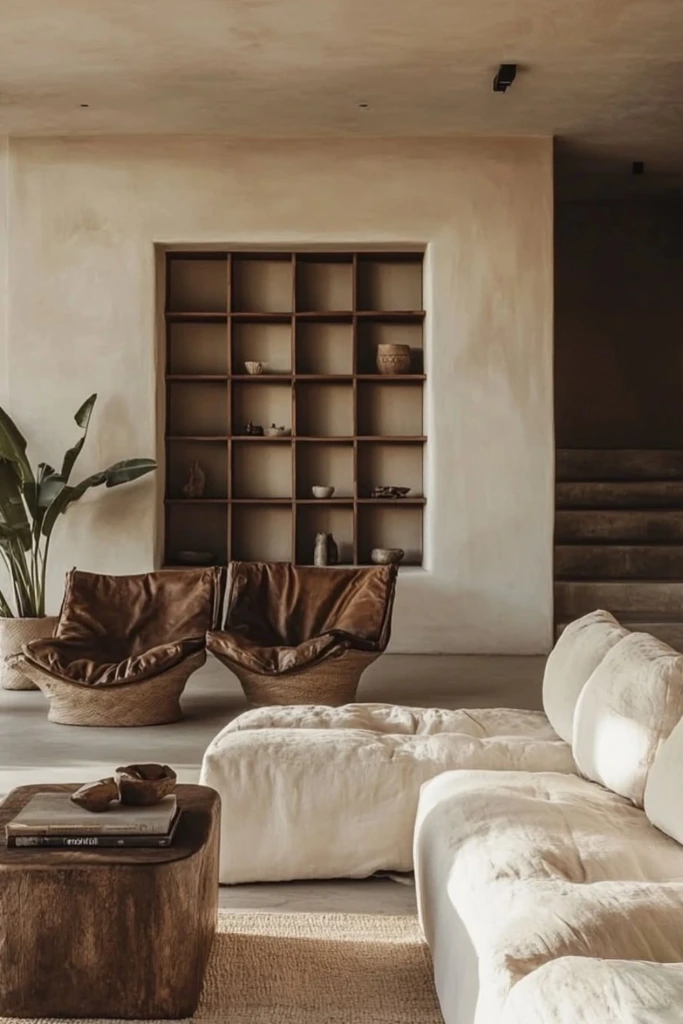
An unused section of shelving doesn't automatically need another decorative object.
Leaving some areas open can make a room feel less crowded and draw attention to the belongings you genuinely value.
Start by removing everything from a shelf and returning only the items that serve a purpose or contribute meaning