21 Playroom Organization Ideas for 2026
A well-organized playroom gives children more room to explore, create, and enjoy their favorite activities without leaving toys scattered everywhere. The secret isn't necessarily buying more storage or getting rid of half their belongings. It's creating a practical system that makes toys easy to find and simple to put away.
From colorful cube shelves and labeled baskets to dedicated reading corners and dress-up stations, small changes can make a big difference. The best setup depends on your available space, your child's age, and the kinds of toys your family uses most often.
These playroom organization ideas offer practical ways to make your space more functional, inviting, and easier to maintain.
How Do You Organize a Messy Playroom Without Throwing Toys Away?
Start by identifying why the mess keeps returning. Toys often end up on the floor because storage is difficult to access, different items are mixed together, or children aren't sure where things belong.
Instead of immediately decluttering, divide toys into manageable categories, such as building blocks, dolls, vehicles, puzzles, books, and art supplies. Assign each category a specific basket, drawer, or shelf so everything has a designated place.
Choose storage that children can reach independently. Low shelves, lightweight baskets, and picture labels help younger kids understand where toys belong without needing constant assistance. Keep frequently used items accessible and place occasional-use toys in higher or closed storage.
You can also introduce a simple cleanup routine at the end of playtime. When the organization system is easy to follow, children can learn to put things away while keeping their favorite toys.
1. Rainbow Decor
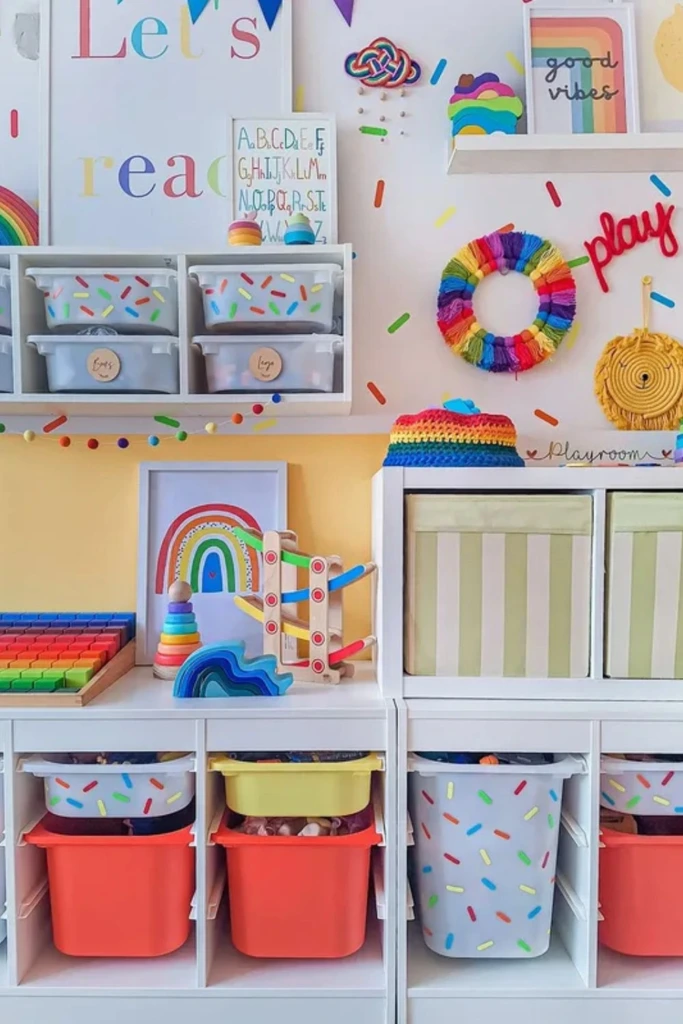
Bring personality into your playroom with colorful storage that makes tidying feel like part of the fun. A cube organizer with rainbow-colored baskets can brighten the room while giving every toy category a dedicated spot.
Use separate containers for building blocks, toy cars, puzzles, and small figures. If your children are still learning to read, add picture labels to help them identify the correct basket. Keeping the shelves low also makes it easier for little ones to retrieve and return their belongings.
Make use of the wall above the organizer for lightweight book displays or playful artwork. This approach adds visual interest without taking away valuable floor space.
2. Wooden Zones
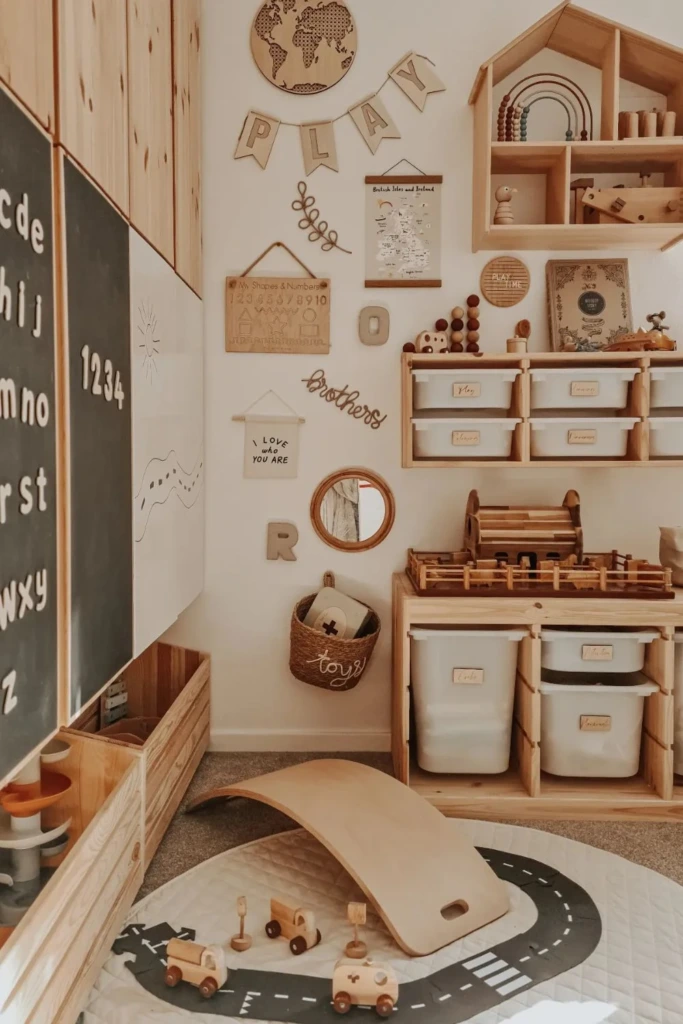
Natural wood shelving creates a warm, inviting foundation for a playroom. To make the space more functional, arrange toys according to the activities children enjoy rather than filling every shelf randomly.
Create separate areas for reading, building, drawing, and imaginative play. Store puzzles and educational games near the learning area, while blocks and construction toys belong closer to the building zone.
Use lower shelves for everyday favorites and reserve higher storage for decorative pieces or items that require adult supervision. Consistent placement helps children understand how the room works and makes cleanup less overwhelming.
3. Cube Sorting
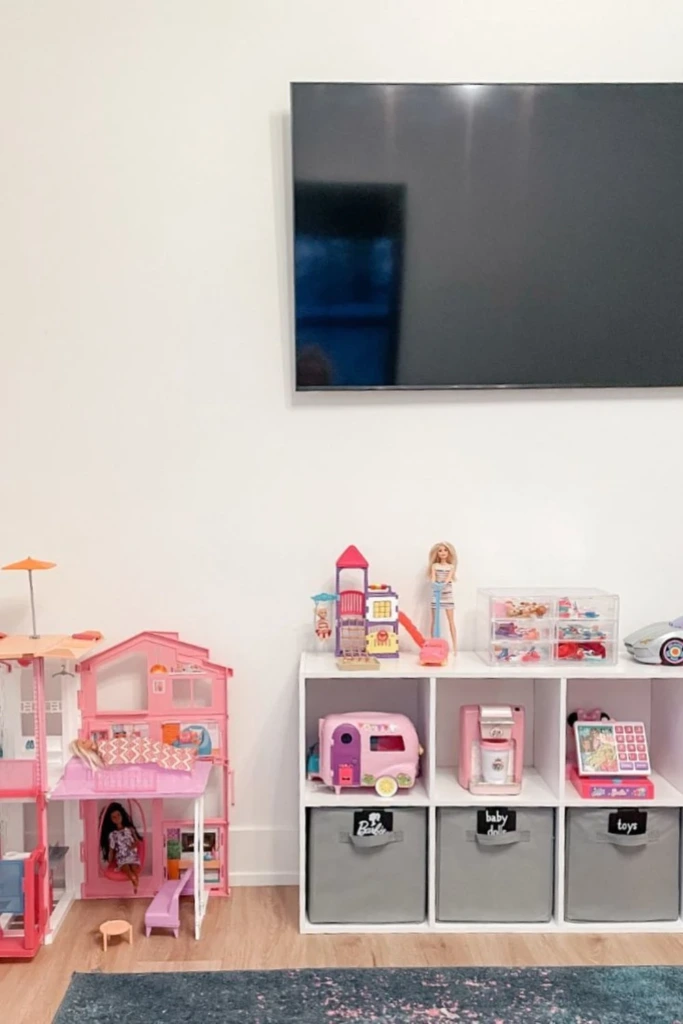
Cube shelving is a practical solution for families whose toys tend to accumulate in one oversized container. Each compartment provides a natural boundary for a different category, making the entire collection easier to manage.
Dedicate individual cubes to dolls, vehicles, books, stuffed animals, or construction sets. Add removable fabric baskets wherever small pieces would otherwise become mixed together. Leave a few compartments open for larger toys that children use frequently.
Position the unit against a wall to preserve the middle of the room for play. You can also use its top surface for a favorite playset, provided the display doesn't become overcrowded or difficult for children to reach safely.
4. Grid Shelves
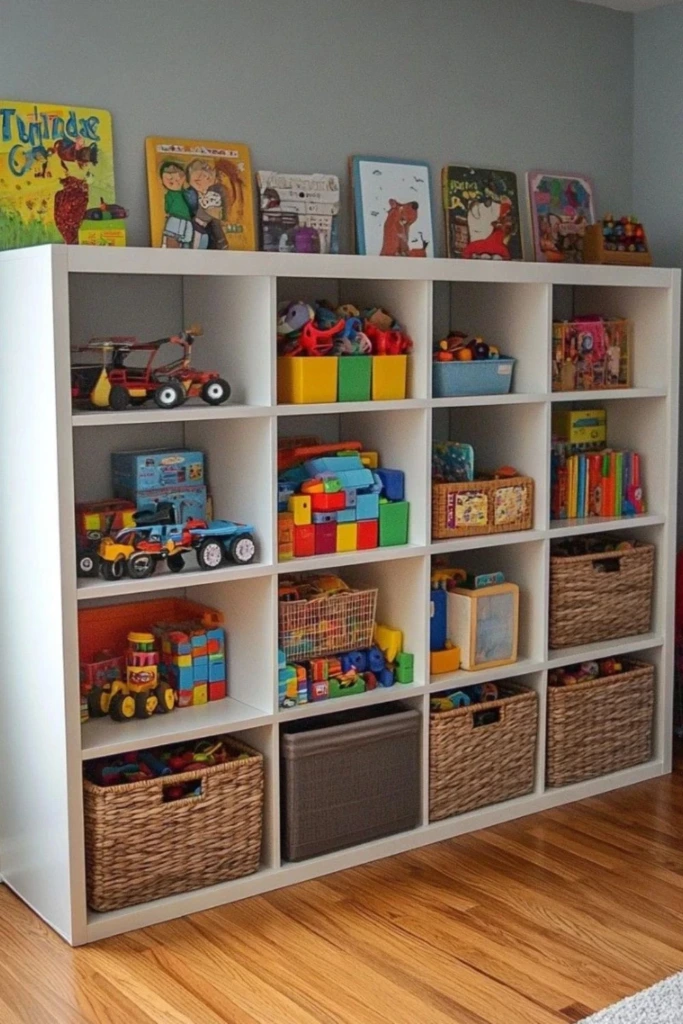
A wide grid shelf can turn an untidy collection of toys into an easy-to-navigate storage system. Its individual compartments are particularly useful when your children enjoy several types of play and need a clear distinction between supplies.
Reserve larger sections for bulky toys and smaller compartments for puzzles, vehicles, or books. Baskets placed in selected cubes conceal loose pieces while keeping everything grouped together.
Store the most frequently used items at a comfortable height for your child. Books and decorative objects can occupy higher shelves, while heavier toys should remain on lower levels.
The goal is to make each compartment serve a clear purpose. When toys have predictable locations, children spend less time searching and can help maintain the room more independently.
5. Play Stations
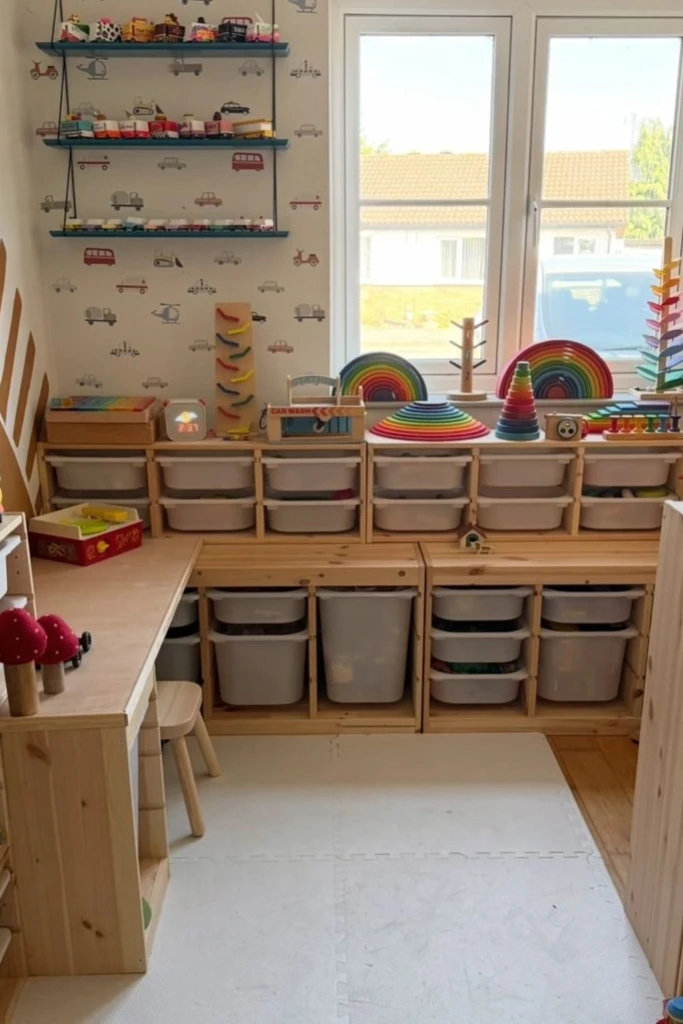
Give different activities their own small stations to prevent toys from spreading throughout the room. Even a modest playroom can accommodate distinct areas for building, puzzles, crafts, and pretend play.
Place frequently used supplies near the surface where children will use them. For example, building blocks can sit in baskets beneath a low table, while drawing materials belong beside an art station.
Low storage furniture helps children reach their belongings without assistance. If your room has a window, consider placing a play table nearby to take advantage of natural light.
Keep each station focused on one or two activities instead of displaying everything at once. This arrangement encourages more purposeful play and makes it easier to return items to their proper locations afterward.
6. Closet Storage
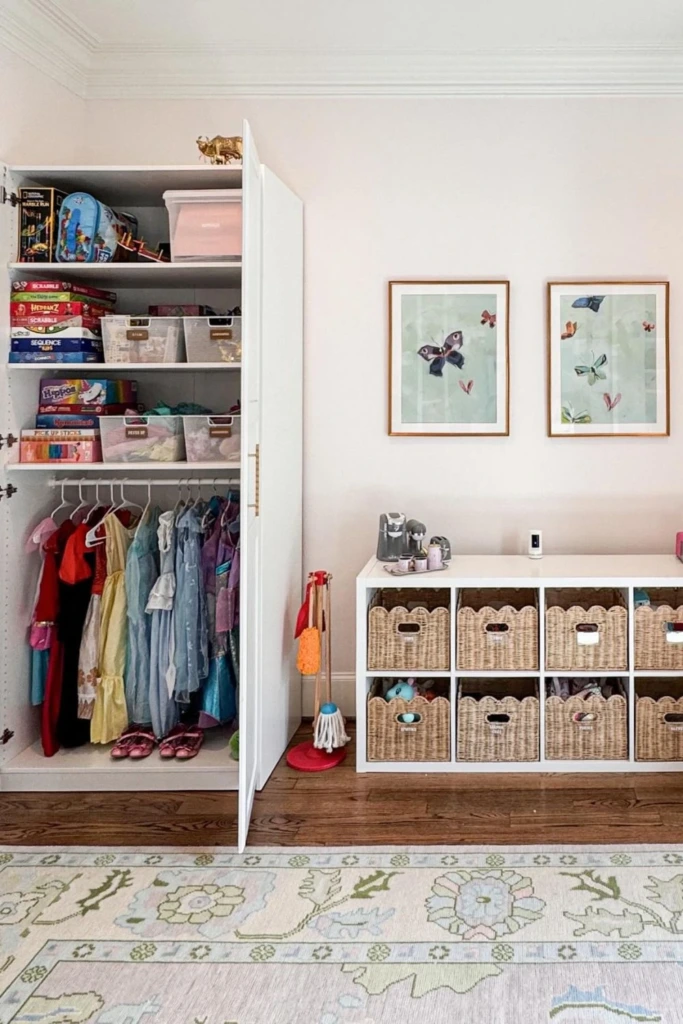
A closet can provide valuable hidden storage when toys, costumes, and craft materials compete for space in the main play area.
Use a low hanging rail for dress-up clothes, with hooks or small baskets for accessories. Reserve upper shelves for board games, seasonal toys, and activity kits that aren't needed every day. Transparent containers make it easier to identify smaller supplies without opening several boxes.
Keep everyday favorites in accessible baskets or a nearby cube organizer. This allows children to enjoy their toys without having to search through the closet whenever they want to play.
For shared bedrooms or compact playrooms, using vertical closet space can free up the floor for activities while keeping less frequently used belongings organized.
7. Wall Cubes
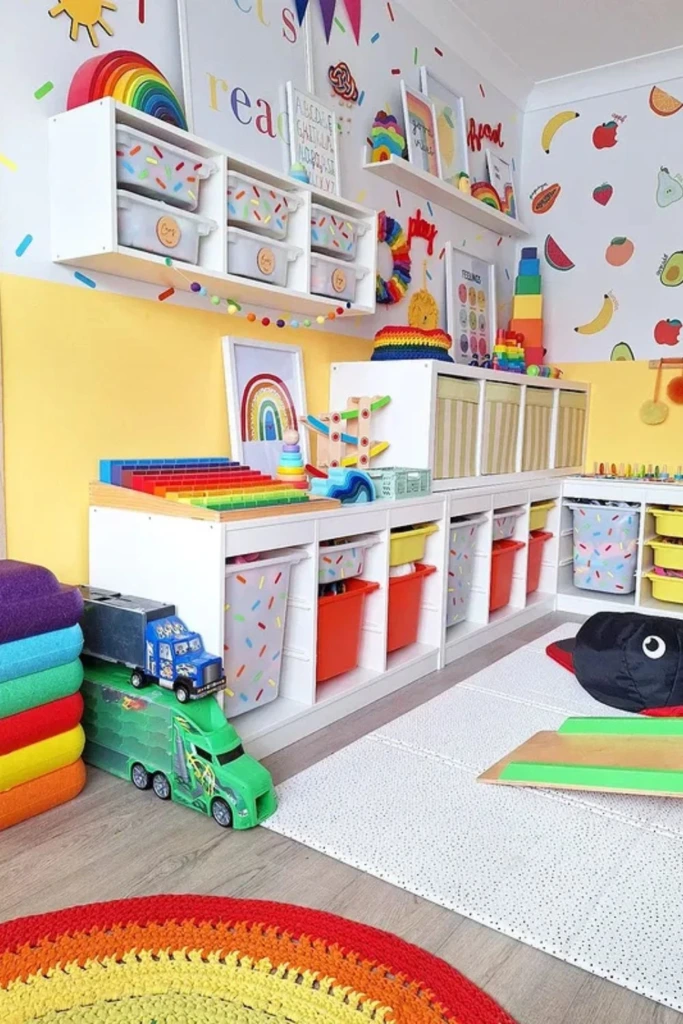
When floor space is limited, wall-mounted cube shelves can create additional storage without filling the room with furniture.
Use individual cubes for small toys, craft supplies, puzzles, or collectibles. Pair them with a low cabinet or basket organizer underneath to create a layered arrangement that accommodates different sizes of belongings.
Place lightweight items within children's reach only when the installation and contents are appropriate for their age. Keep heavy or fragile objects higher up and secure wall-mounted furniture properly.
This combination works especially well in narrow playrooms, where keeping the center open is important. Children have room to build, draw, or play on the floor while smaller items remain organized along the walls.
8. Bin Labels
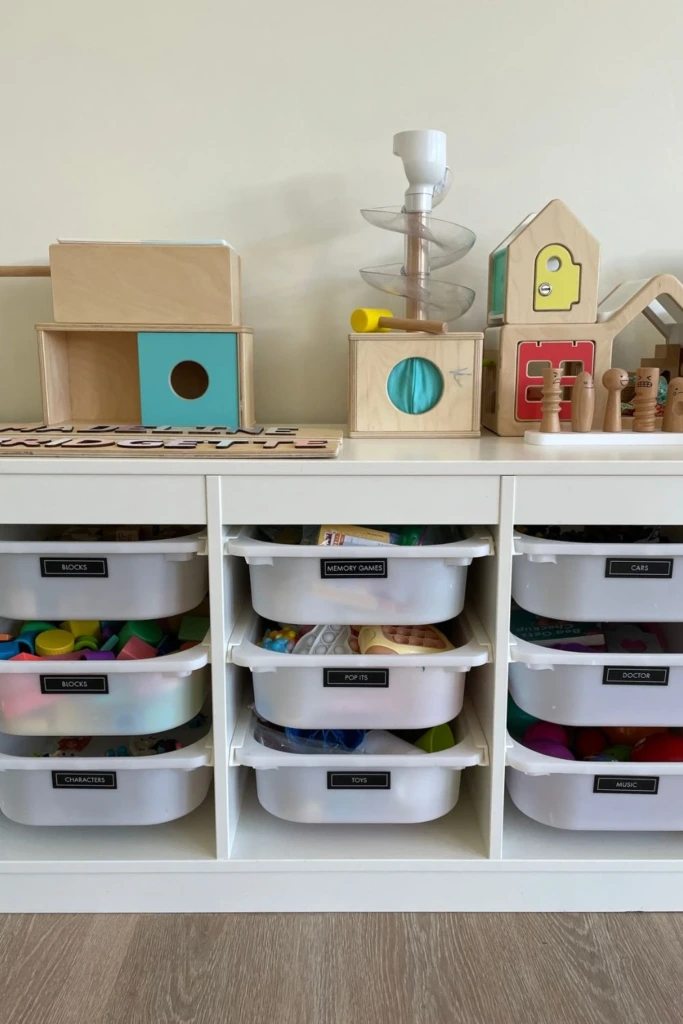
Labeled containers remove much of the guesswork from organizing toys. Instead of searching through several mixed bins, children can quickly identify the supplies they need.
Create a simple labeling system based on broad categories such as vehicles, dolls, blocks, puzzles, and art materials. Use words for older children and combine words with pictures for preschoolers who are still learning to read.
Clear bins are useful when you want to see the contents immediately, while opaque baskets can hide visual clutter. Choose containers that are lightweight and easy to handle, and avoid filling them so completely that children struggle to remove individual items.
Keep the most popular categories on lower shelves. Once children learn the system, putting toys away becomes a more manageable part of their daily routine.
9. Display Shelves
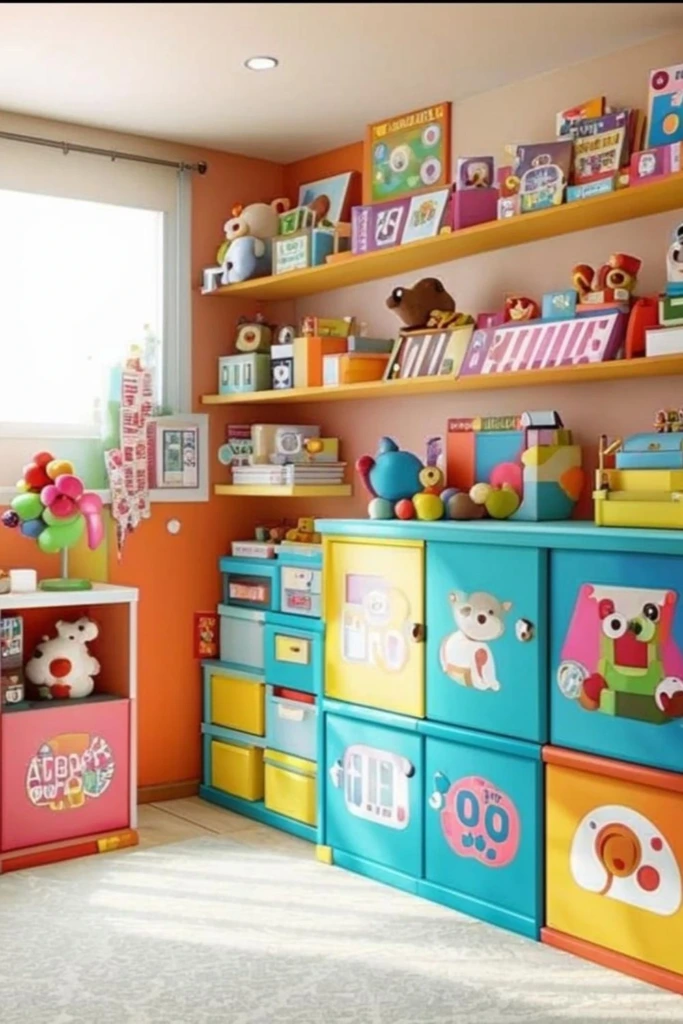
Display shelves make favorite books and small toys easier to notice. They're especially useful for belongings that children tend to forget about when they're hidden inside deep storage containers.
Arrange picture books with their covers facing outward so children can recognize familiar stories and choose what interests them. A few puzzles, collectibles, or small decorative toys can share the shelves without making the display feel crowded.
Use drawers or closed cabinets underneath for bulkier playthings and loose accessories. This creates a practical balance between visible favorites and items that benefit from concealed storage.
Rotate the displayed books and toys occasionally to keep the area interesting. You can refresh the shelves without purchasing anything new simply by bringing different items out of storage.
10. Glass Cabinets
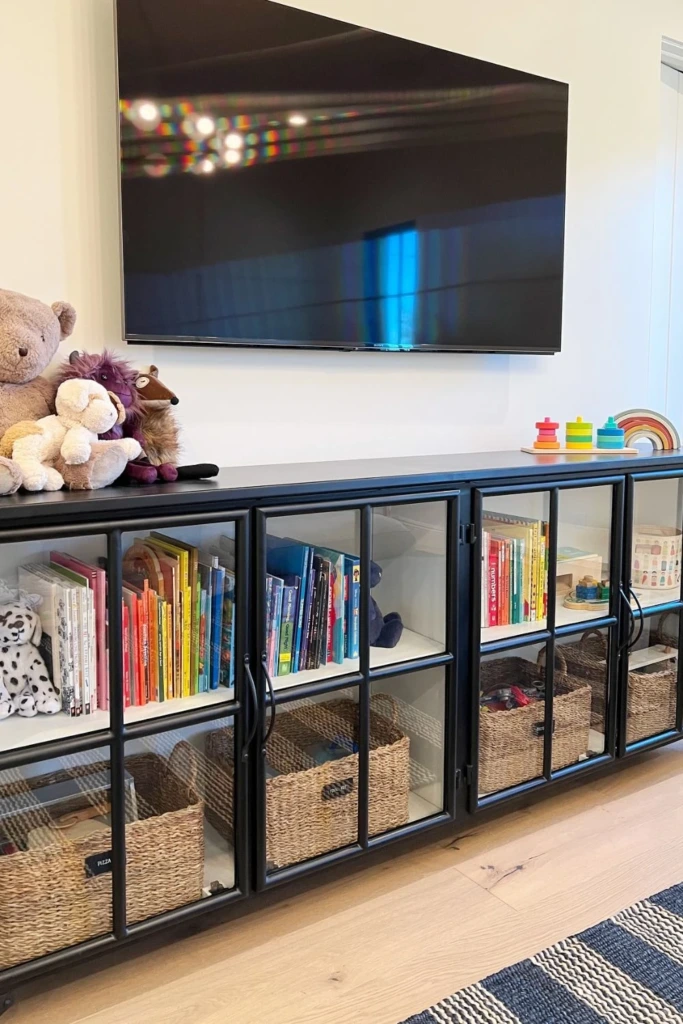
Glass-front cabinets offer a tidy appearance while allowing you to see what's stored inside. They're a useful option for families who want the playroom to blend with the style of the surrounding home.
Arrange books, puzzles, and selected toys on the shelves, then use baskets to group smaller pieces. The cabinet doors help reduce dust on stored belongings and keep the display looking more contained than completely open shelving.
Choose a cabinet with child-appropriate doors and secure it against tipping. If younger children use the room, keep fragile collectibles and unsuitable items out of reach.
Combining visible displays with concealed baskets makes it possible to maintain an attractive room without sacrificing everyday functionality.
11. Drawer System
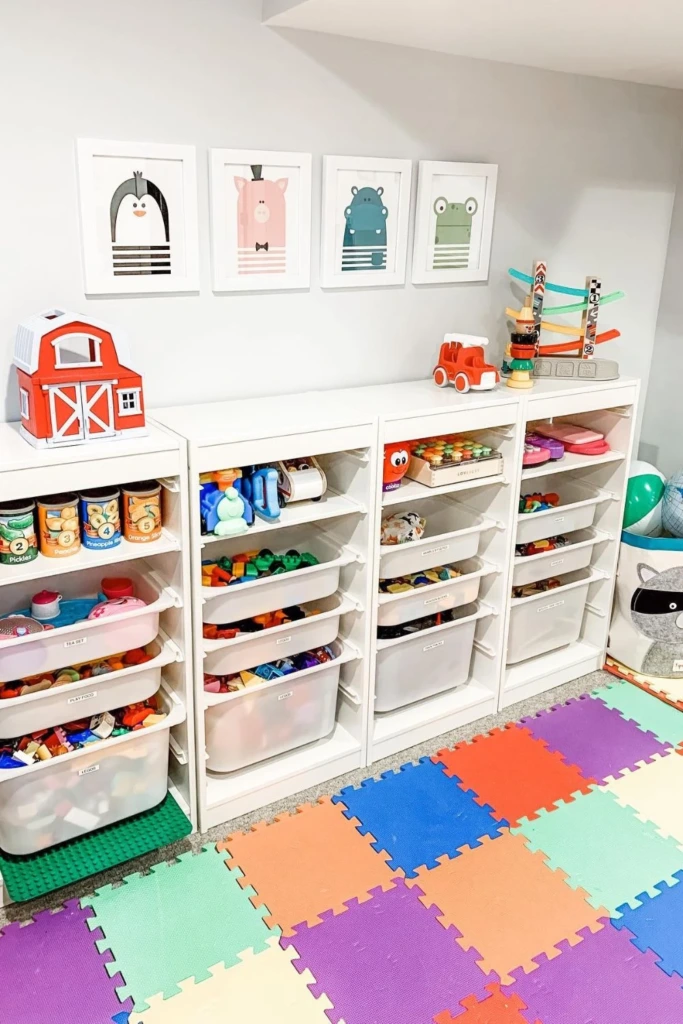
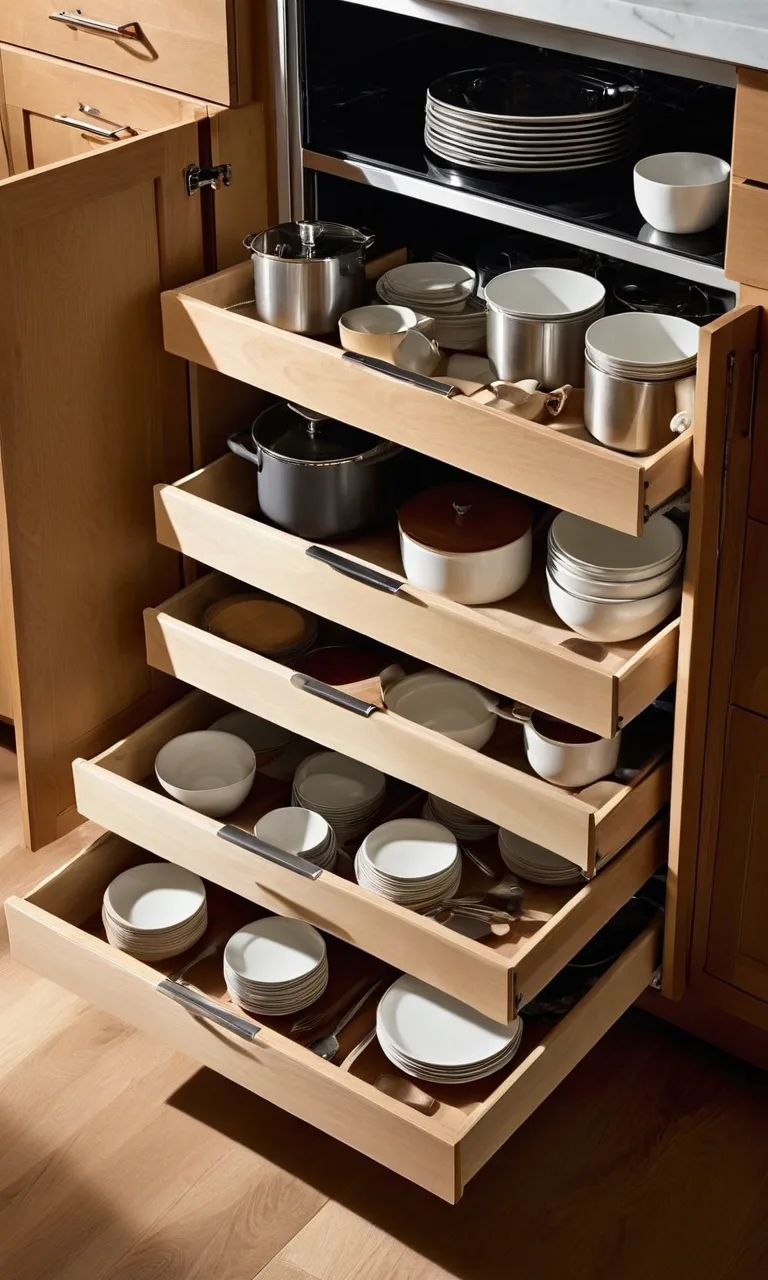
Small toys are particularly difficult to manage when they're stored in deep boxes. A drawer-based organizer provides separate compartments and lets children see more of their belongings at once.
Use shallow drawers for building pieces, miniature figures, craft materials, and other small objects. Larger drawers or bottom compartments can hold bulky toys that don't fit neatly elsewhere.
Attach clear labels to the drawer fronts so every category has an assigned location. This is especially helpful for construction sets and puzzles with many individual pieces.
A long drawer unit can also provide a useful surface for playsets or toy vehicles. Keep the drawers from becoming overloaded, and choose a design that children can open and close safely.
12. Category Wall
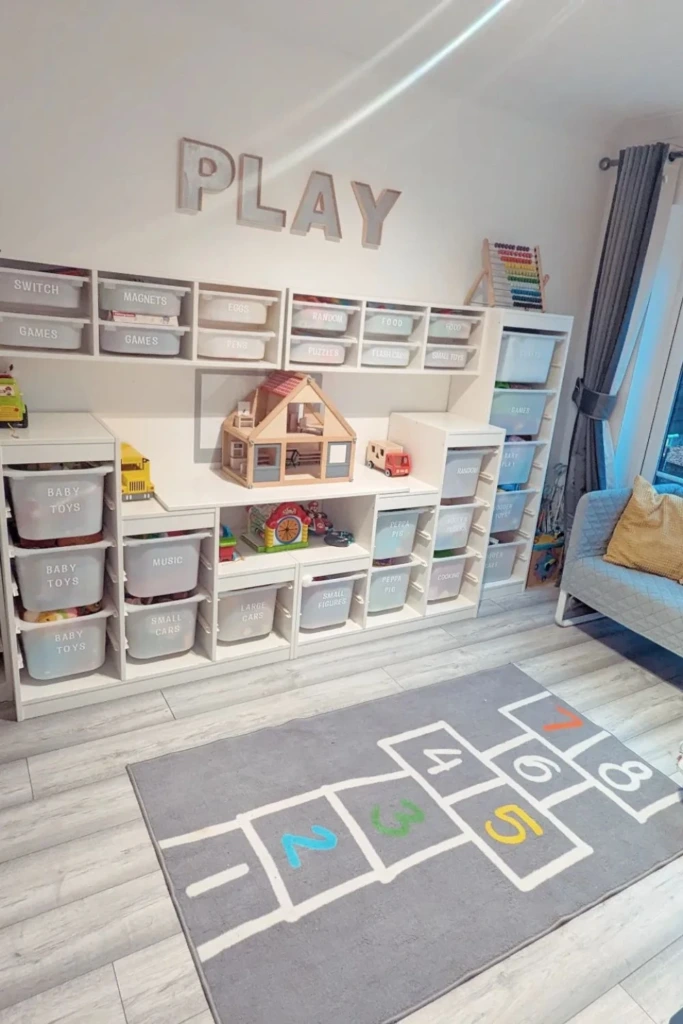
If your family owns a large collection of toys, dedicating one wall to storage can make the entire room easier to maintain.
Arrange the wall into clearly defined sections for books, puzzles, construction toys, vehicles, dolls, and games. Use matching containers where possible to create a consistent appearance, and label each section so children can recognize the correct destination.
Keep frequently used toys on lower shelves, reserving higher compartments for occasional-use items and supplies that need adult supervision. A clear tabletop or central shelf can accommodate larger playsets during active play.
This approach works particularly well when several children share a room because everyone can access the same organized system. It also makes it easier to notice when a category has become overcrowded.
13. Activity Corner
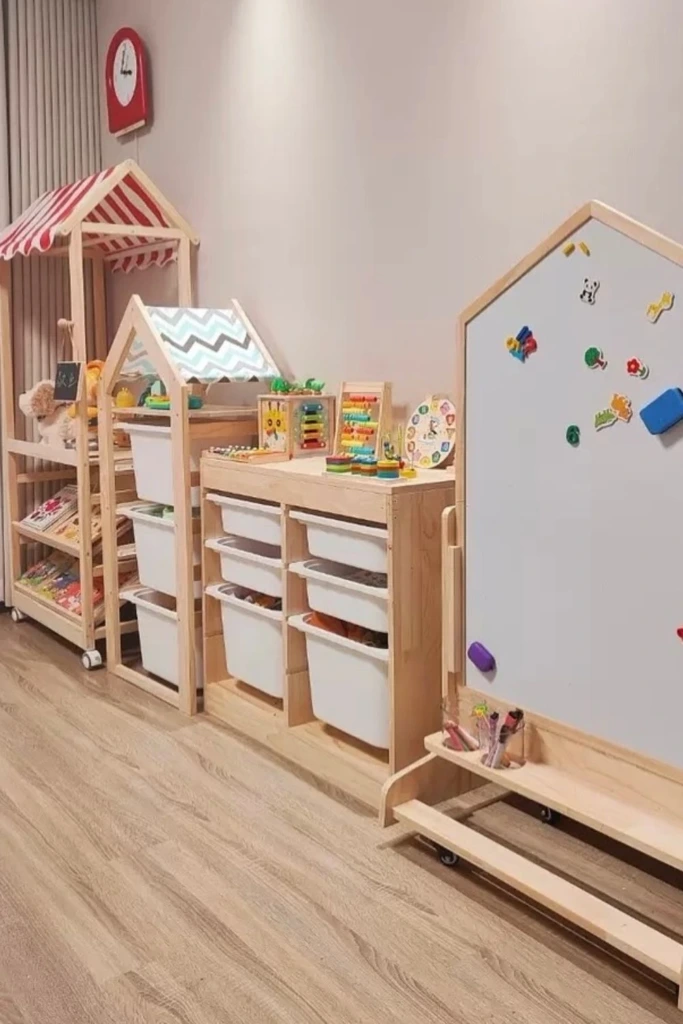
A dedicated activity corner gives children a convenient place to draw, paint, complete puzzles, or explore educational toys without taking over the entire playroom.
Start with a child-sized table and chairs. Store crayons, paper, washable paints, and other supplies in trays or small containers nearby. Place frequently used materials within easy reach, while keeping scissors, adhesives, and other potentially hazardous supplies secured according to your child's age.
A wall-mounted whiteboard or drawing surface can provide additional room for creative projects without requiring another piece of furniture.
Keep the table relatively clear between activities so children have enough space to work. Small storage units underneath or beside the table help make cleanup easier and leave the rest of the room available for other kinds of play.
14. Dress Rack
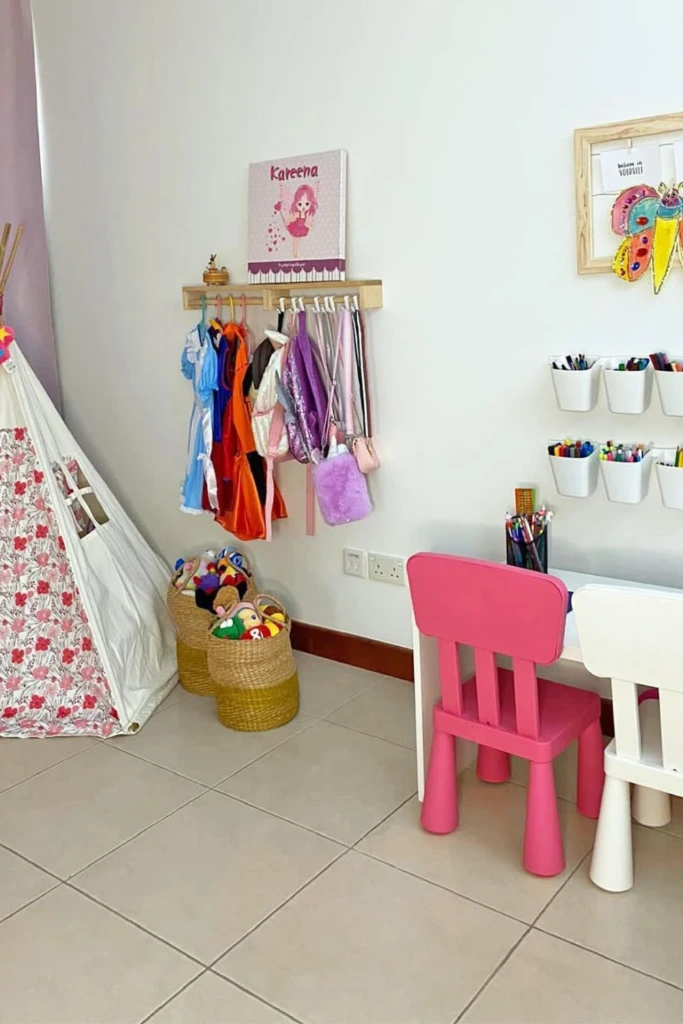
Dress-up costumes often become tangled or buried when they're stored with ordinary toys. A small costume rack keeps outfits visible and turns choosing a character into an enjoyable part of playtime.
Hang dresses, capes, jackets, and other lightweight costumes on a low rail that children can use independently. Place hats, masks, crowns, and accessories in separate baskets underneath so the smaller pieces don't disappear.
If space allows, position a play tent or small pretend-play area nearby. Children can change outfits and begin imaginative games without carrying costumes across the room.
Keep the rack stable and avoid placing heavy items on high hooks. A simple arrangement with a few favorite costumes is often more useful than an overcrowded collection.
15. Basket Cubes
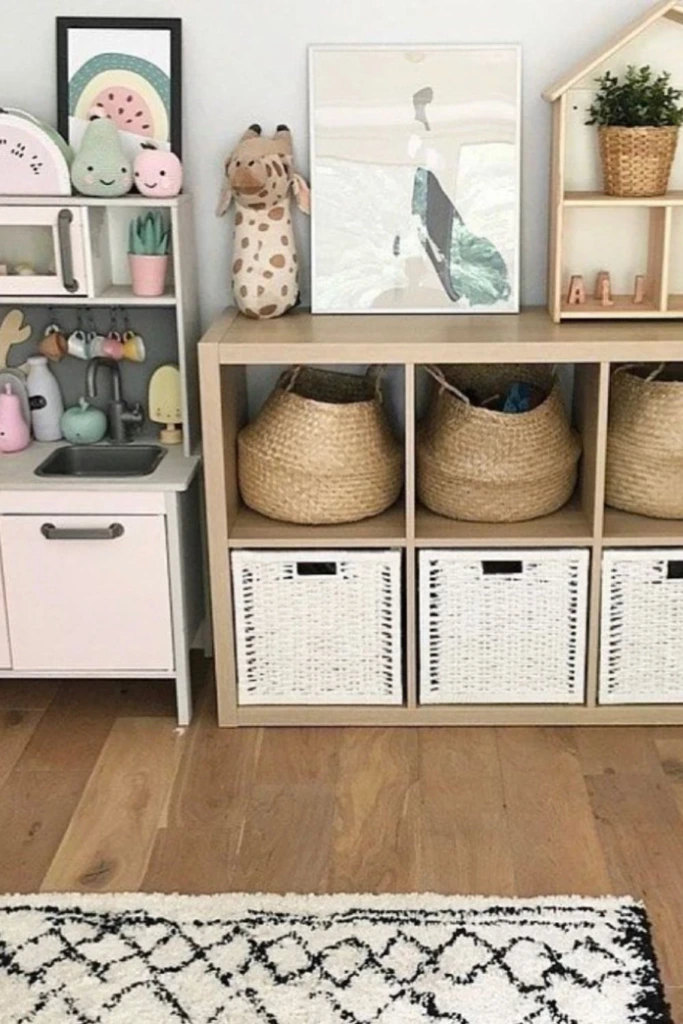
Woven baskets provide a softer alternative to brightly colored plastic bins. When fitted into cube shelving, they conceal scattered toys while maintaining a coordinated look.
Assign each basket a specific category, such as stuffed animals, play food, building blocks, or pretend-play accessories. Children can remove one basket at a time, play with its contents, and return it when finished.
Choose baskets that fit the shelves comfortably and are easy for small hands to lift. Picture labels can help children identify what's inside without needing to pull every container out.
The top of the organizer can hold a play kitchen, a dollhouse, or a small selection of favorite toys, provided the arrangement remains stable. This combination of hidden storage and selected displays keeps the playroom welcoming without making it feel crowded.
16. Open Shelves
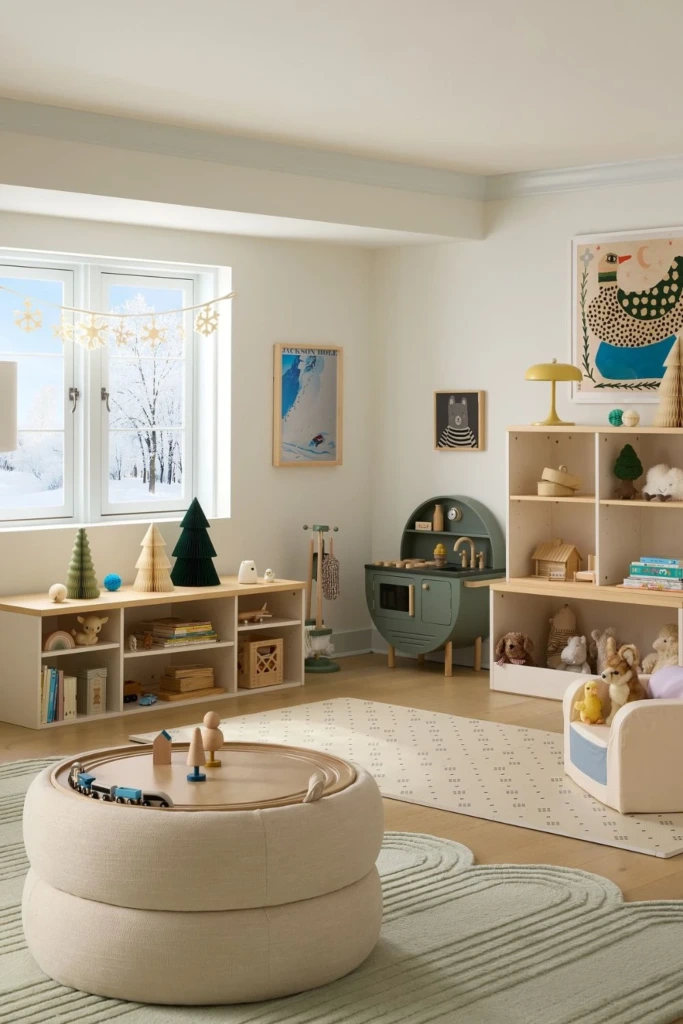
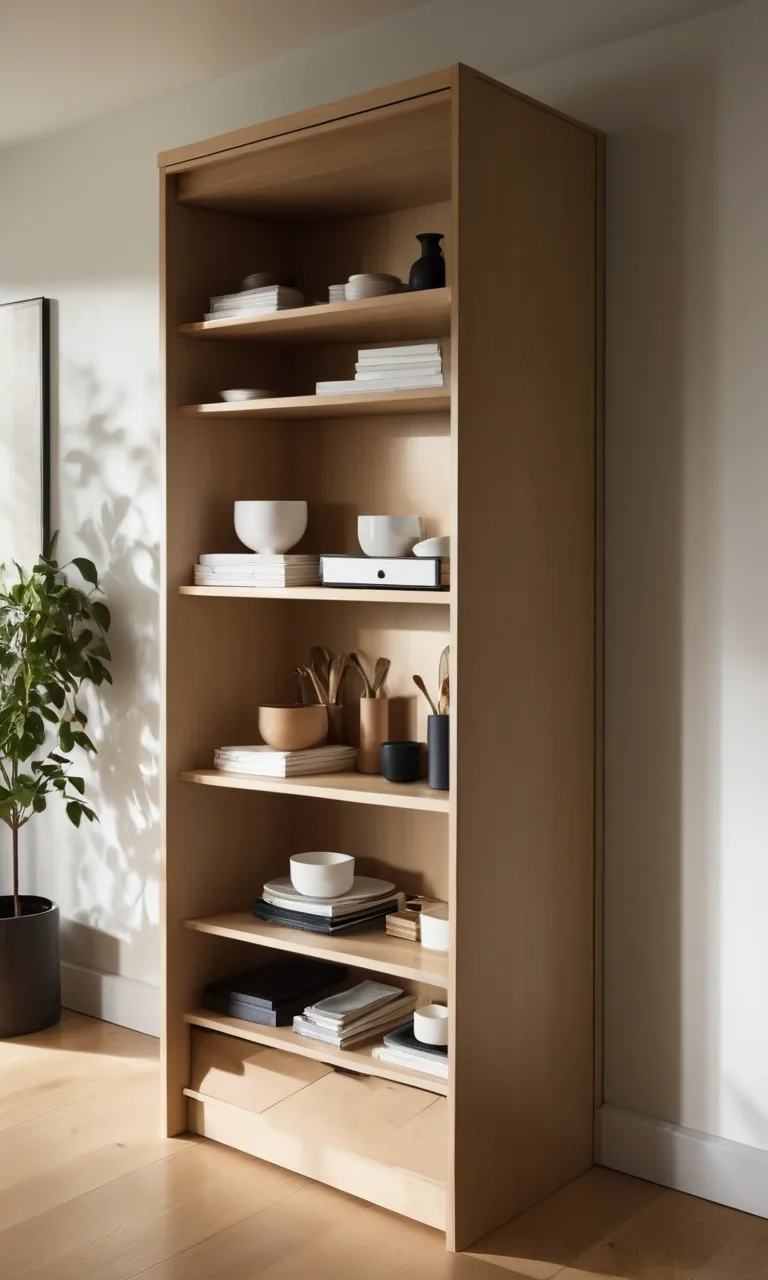
Open shelving is a good choice when children need to see their options before deciding what to play with. Unlike deep storage boxes, accessible shelves make it easier to locate favorite toys without emptying entire containers.
Arrange books, wooden toys, puzzles, and small playsets in separate sections. Place everyday favorites on the lower levels and keep less frequently used items higher up.
Try displaying only a manageable selection at a time. Too many visible toys can make the room feel busy and overwhelm children who have difficulty choosing an activity.
You can rotate toys periodically to introduce variety while keeping the overall setup simple. Add a few baskets for small pieces that don't stand neatly on their own, and leave enough space between objects for children to return them easily.
17. Corner Storage
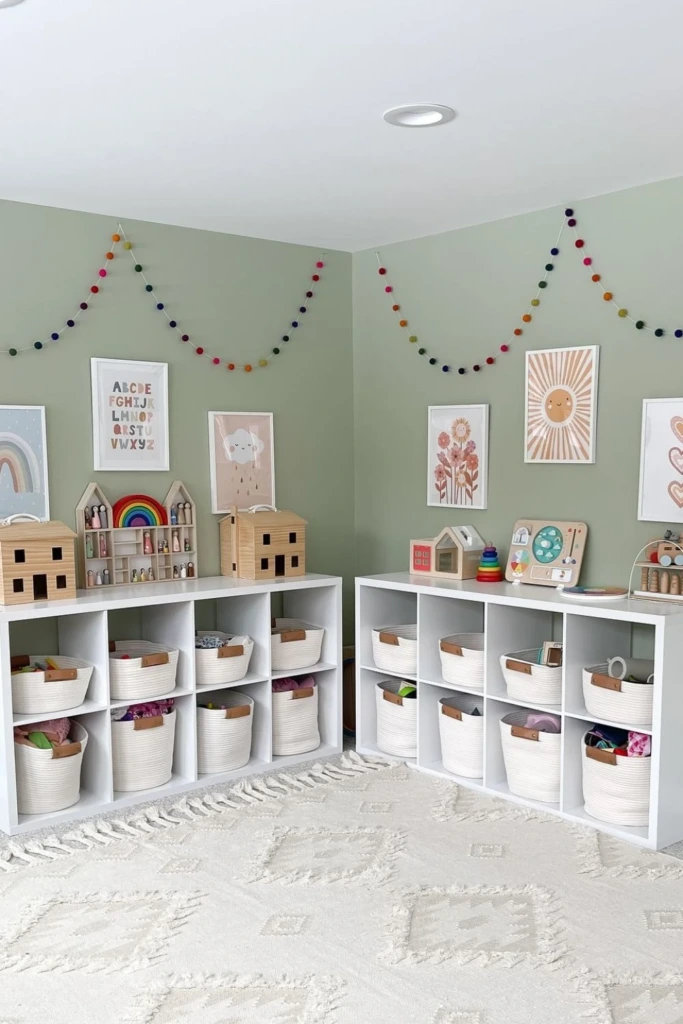
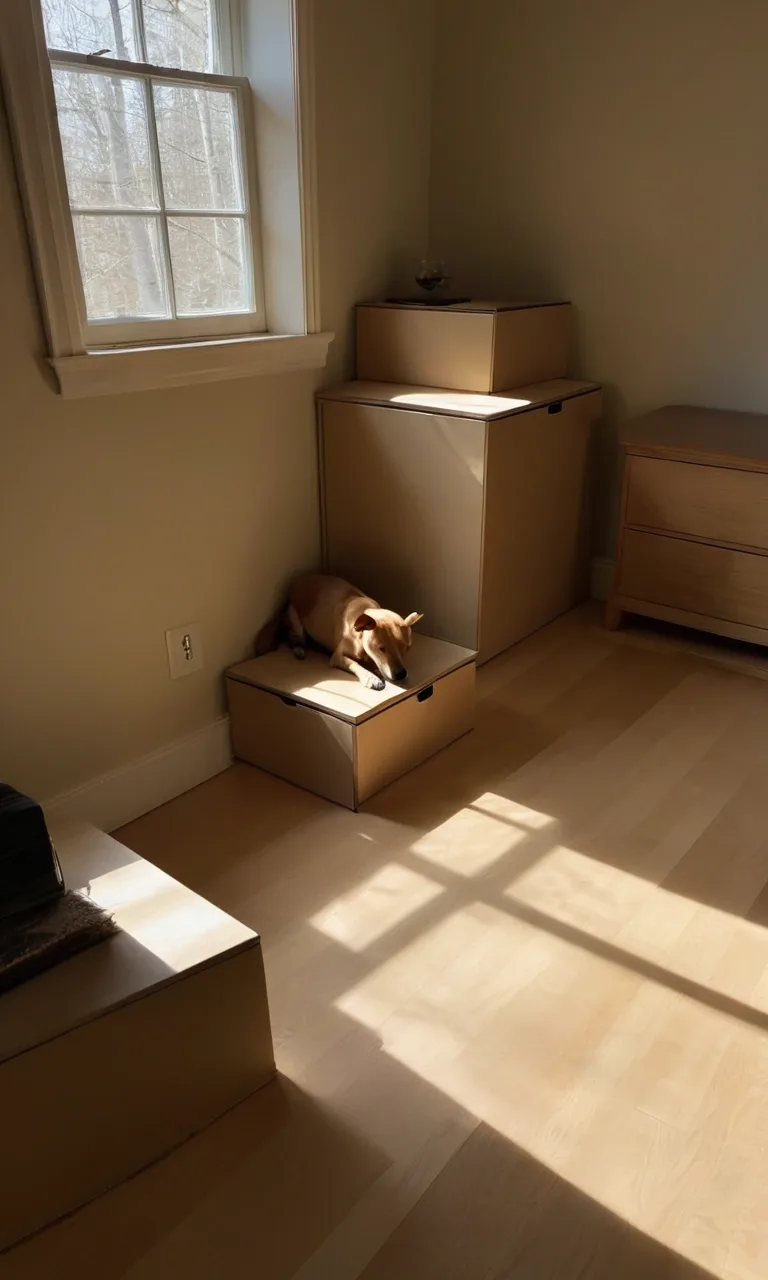
An unused corner can become a valuable storage area when the rest of the room has limited wall space.
Position shelving along adjoining walls or choose a corner unit designed to fit the available dimensions. Use baskets or containers to separate dolls, blocks, pretend-play accessories, and other toys that would otherwise accumulate on the floor.
Keep the arrangement practical by leaving frequently used belongings at accessible heights. Larger items, such as dollhouses or stacking toys, can sit on an appropriate stable surface if they don't obstruct play or create a tipping hazard.
Corner storage works particularly well in smaller rooms because it makes use of an area that might otherwise remain empty. Just be sure the furniture doesn't block doors, windows, or walking paths.
18. Built-ins
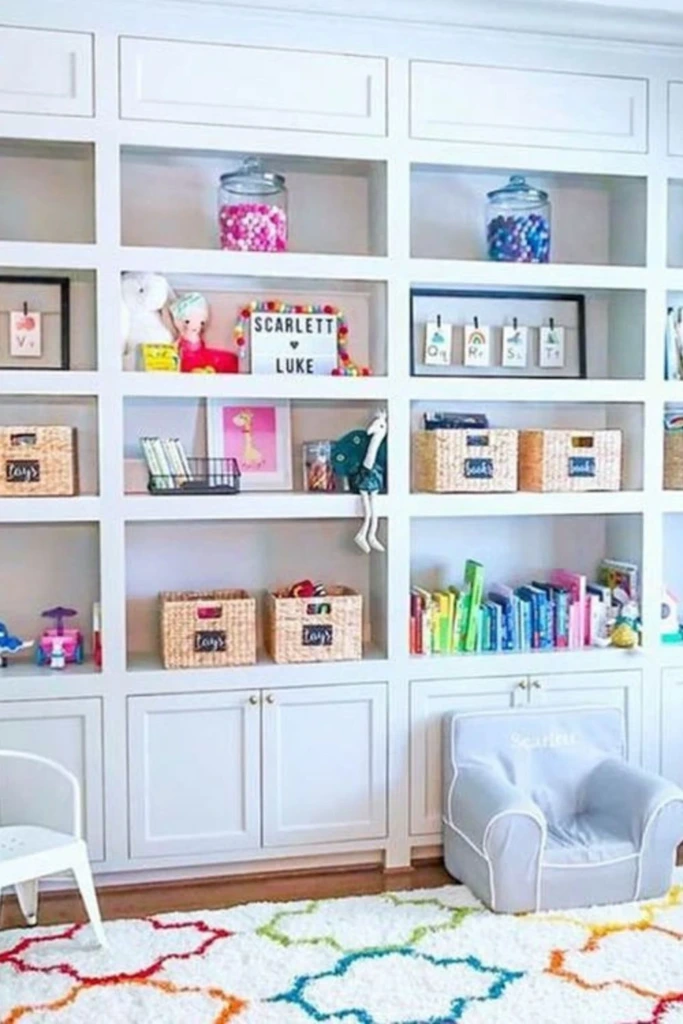
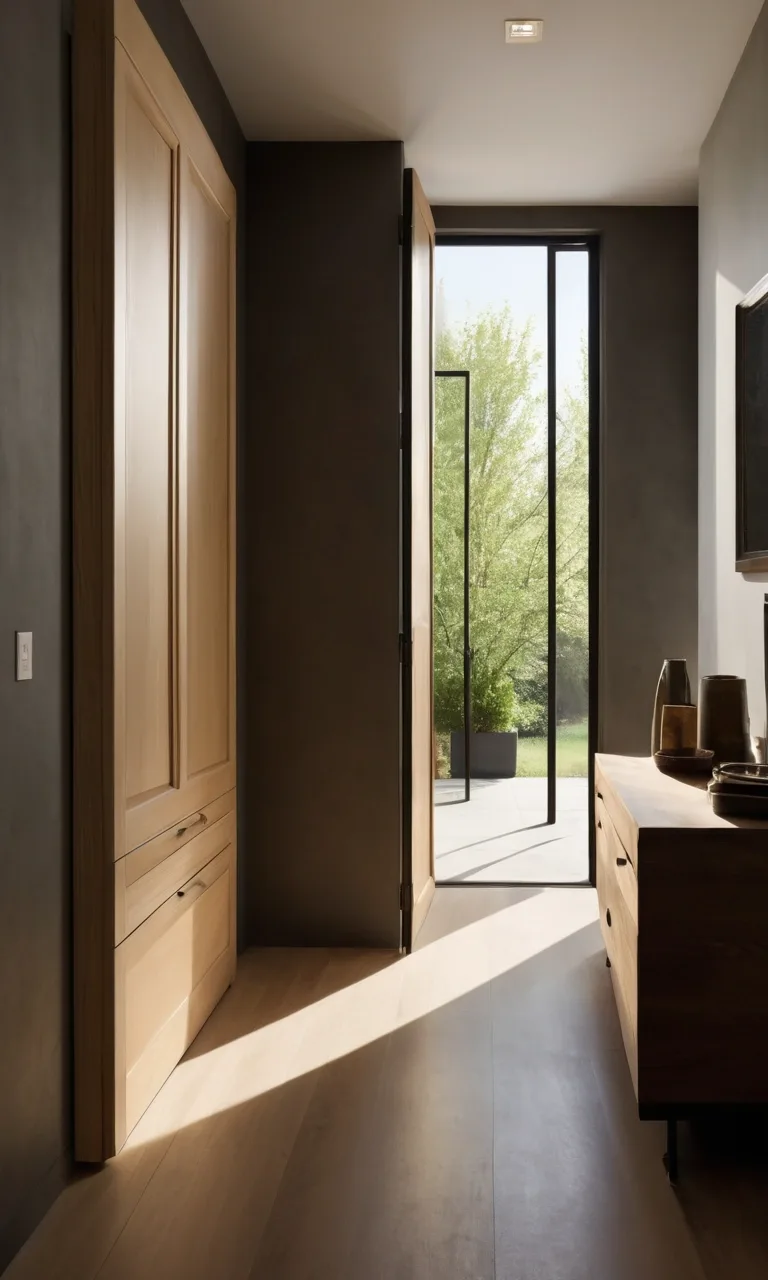
Built-in storage can provide a streamlined solution for a family room or larger playroom that needs to accommodate a substantial toy collection.
Plan the layout around how your family uses the space. Open shelves can hold books and favorite toys, while baskets organize smaller accessories. Lower cabinets and drawers provide concealed storage for bulky playthings, craft materials, and items that don't need to remain on display.
Use the upper shelves for lightweight decorations or belongings that adults manage. Keep everyday toys in easy-to-reach locations so children can participate in both playtime and cleanup.
Because built-ins are often designed around the room's dimensions, they can use wall space efficiently and create a consistent appearance. If you're planning a permanent installation, consider adjustable shelves so the storage can adapt as your children's interests change.
19. Book Cubes
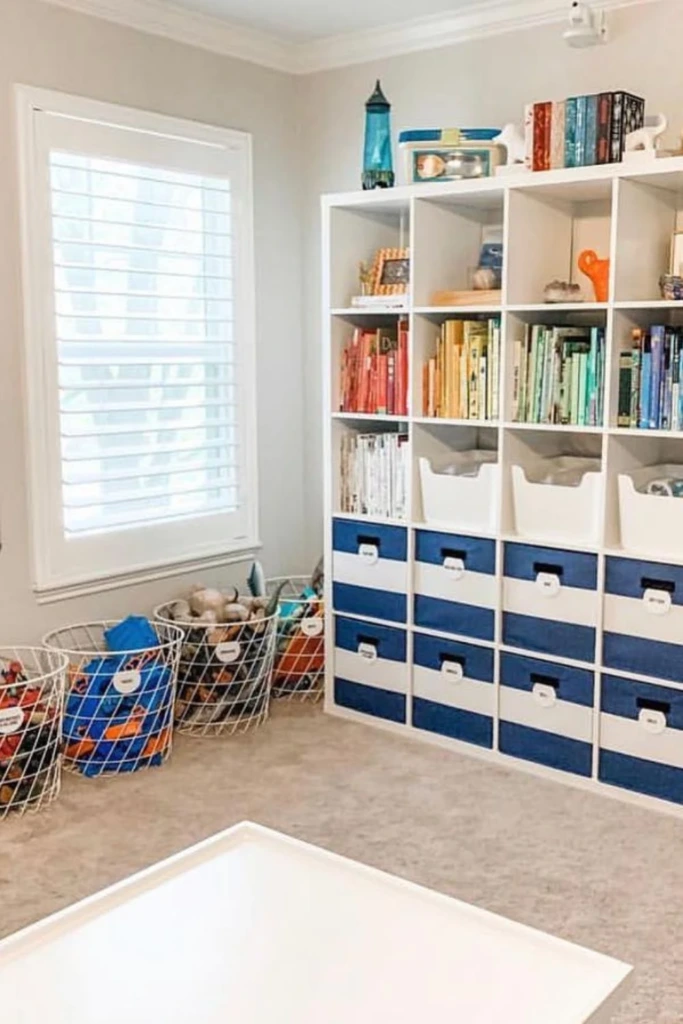
A cube bookcase can organize reading materials and toys in one compact unit. This is especially useful when a separate bookshelf would take up space needed for other activities.
Arrange books by subject, size, or reading preference so children can quickly locate their favorites. Keep frequently read stories on the most accessible shelves, and use fabric drawers or baskets in the lower compartments for puzzles, small toys, and craft supplies.
Larger toys that don't fit inside the cubes can go in a nearby basket. Avoid packing every compartment full, since children need enough room to remove and replace items without disturbing everything around them.
Combining visible books with concealed storage creates a useful balance between accessibility and tidiness. It also gives children an inviting place to discover stories and enjoy quieter activities.
20. Number Bins
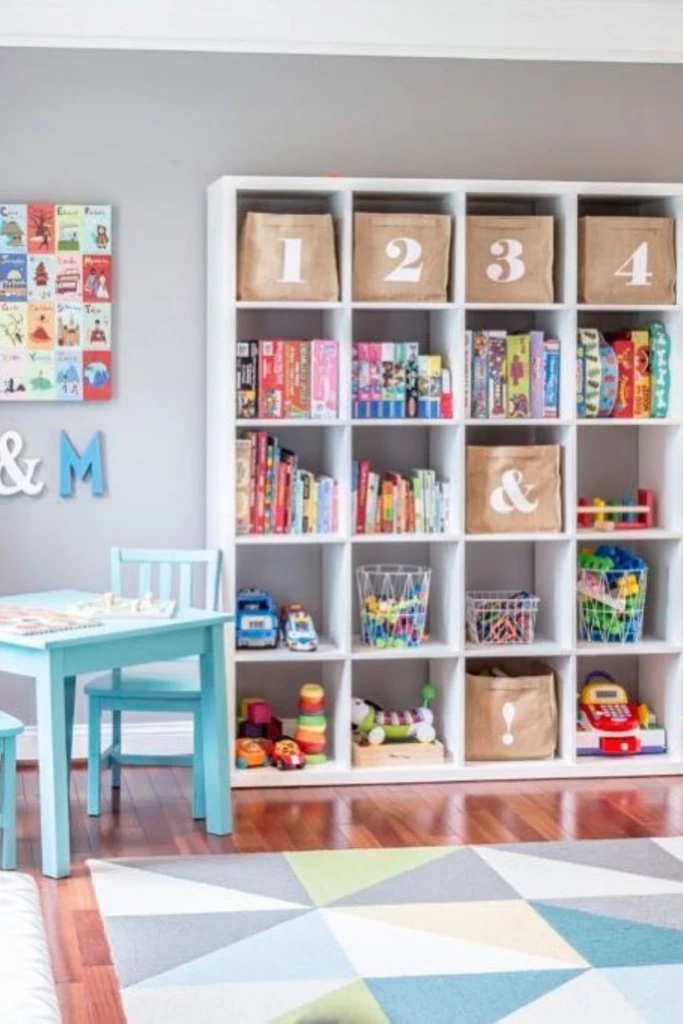
Numbered bins can make toy organization easier for children who respond well to simple visual routines. Rather than relying entirely on written labels, each container receives a number that corresponds to a familiar place on the shelf.
You can assign each number to a specific category, such as blocks, vehicles, puzzles, or art supplies. For younger children, combine the numbers with small pictures so they can identify the correct container more easily.
Keep the numbering consistent across the room, and avoid changing the categories frequently. The purpose is to create a system children can learn and remember.
Open compartments can hold books and larger toys that don't require containers. This arrangement is particularly helpful when you want one central storage station rather than several small organizers scattered throughout the room.
21. Basket Cubby
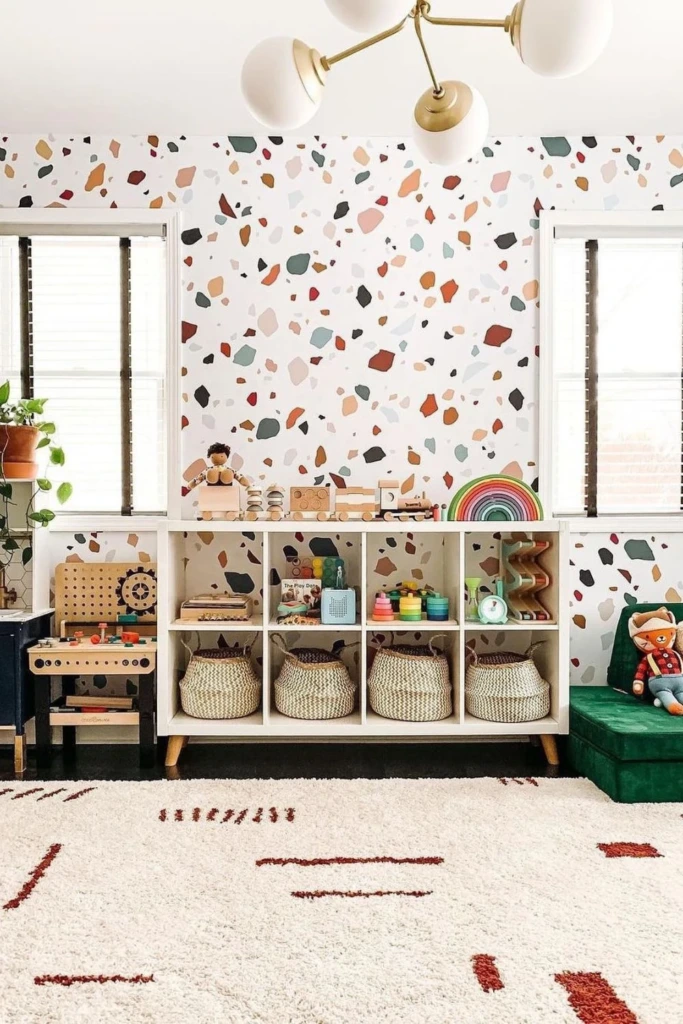
A basket cubby provides an easy way to group toys without displaying every small