12 Genius Ways to Store Fabric and Keep Your Sewing Space Organized
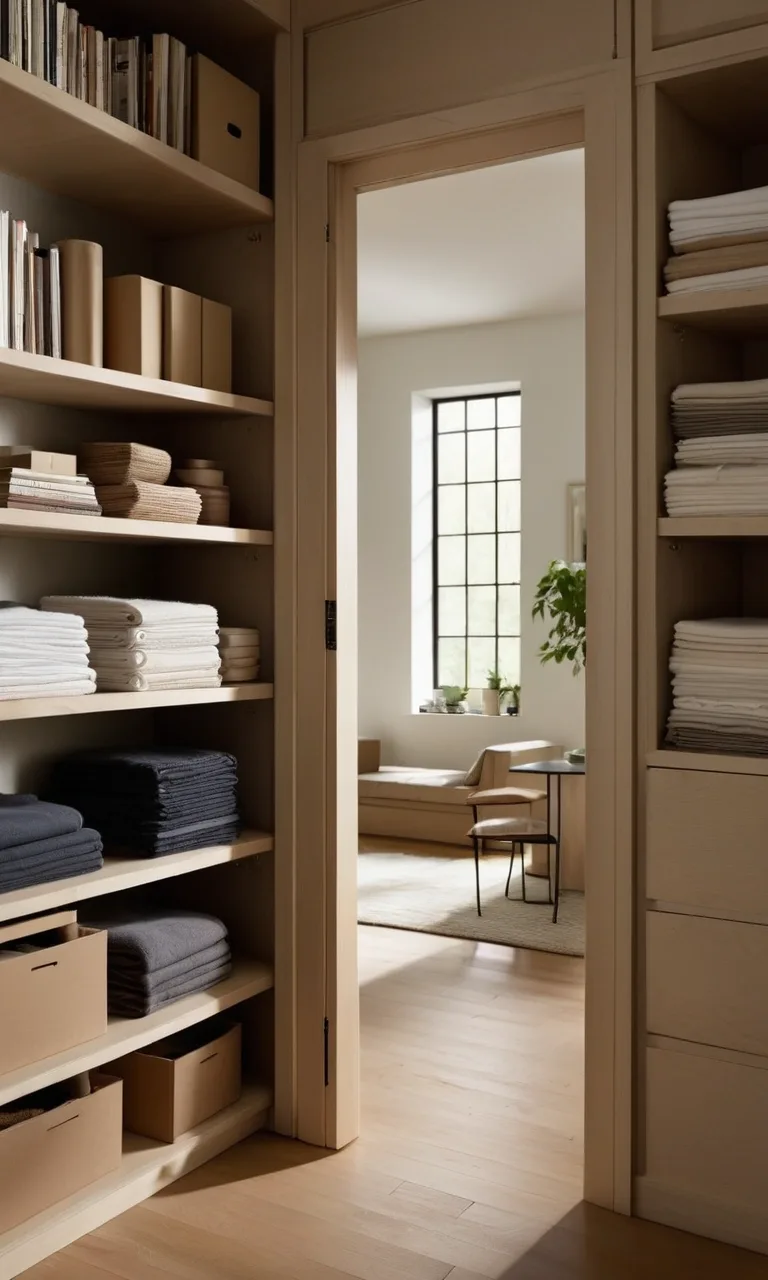
Whether you sew regularly, make quilts, or enjoy collecting beautiful textiles, keeping fabric organized can make every creative project easier. Proper storage helps prevent wrinkles, protects materials from dust and sunlight, and makes it simple to find the right color, pattern, or fabric type when inspiration strikes. From inexpensive household organizers to specialized fabric storage systems, these practical ideas can help you create a tidy sewing space without sacrificing accessibility.
1. Comic Book Boards for Mini Fabric Bolts
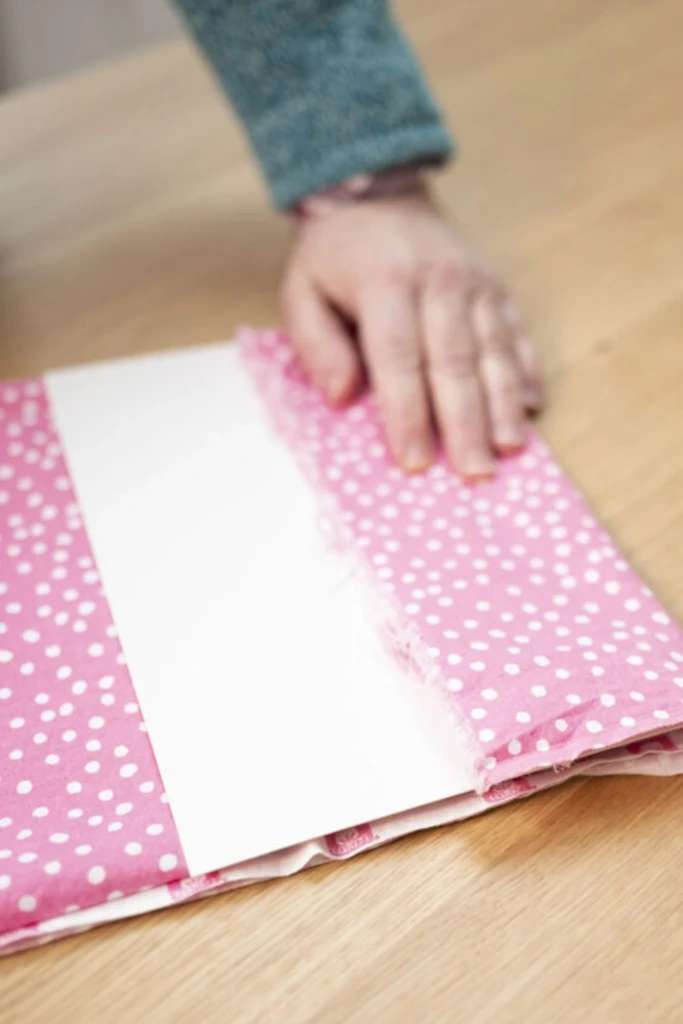
Comic book backing boards can serve as convenient templates for wrapping smaller pieces of fabric into neat, compact bundles. Their firm construction provides a flat surface that helps fabric maintain a consistent shape, making them especially useful for quilting cotton, craft fabric, and smaller yardage.
To create mini fabric bolts, wrap the material evenly around a board, keeping the edges aligned and the layers smooth. Secure the fabric with fabric-safe clips or small bands that will not leave marks. Label each bundle with the fabric type, color, pattern, and yardage so you can identify it quickly.
Store the finished bundles upright in a basket, drawer, or bookshelf. This approach works particularly well when you have many small cuts of fabric that would otherwise become tangled in a pile. Choose acid-free boards when possible, especially for valuable or long-term fabric collections, and avoid storing delicate textiles tightly wrapped for extended periods.
2. Clear Plastic Storage Bins
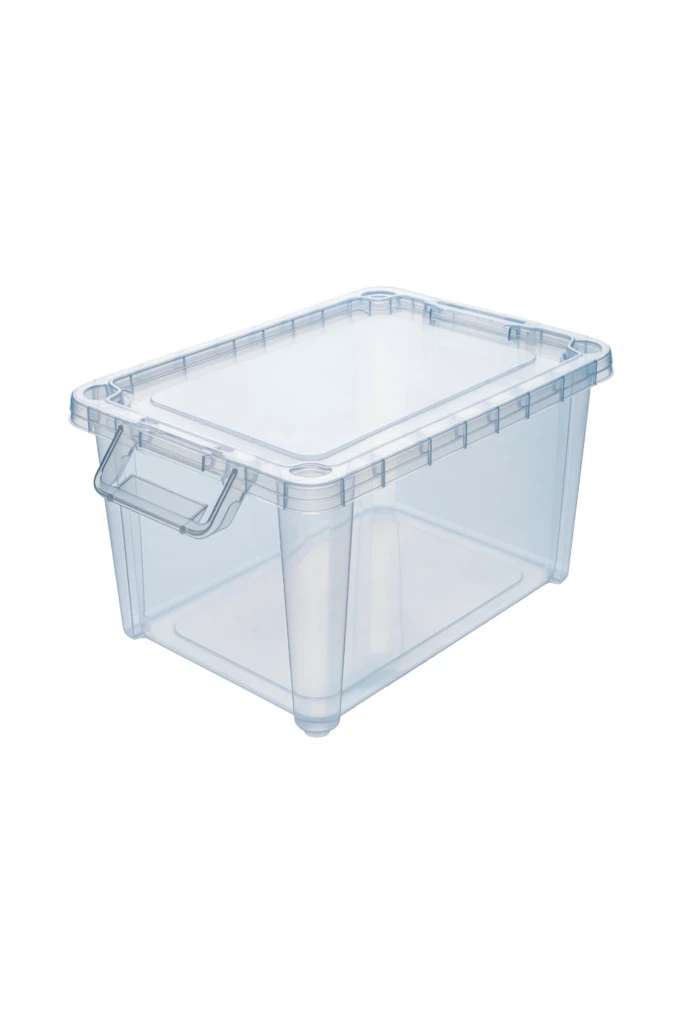
Clear plastic bins offer a straightforward way to protect fabric while keeping your collection visible. Because you can see the contents without opening every container, they are useful for organizing materials by color, project, season, or fabric composition.
Choose bins that comfortably accommodate folded fabric without forcing it into tight spaces. Shallow containers are often more practical than very deep ones because you can reach the bottom without removing everything above it. Add simple labels to the front to identify contents at a glance.
Before placing fabric inside, make sure it is clean and completely dry. For long-term storage, avoid trapping moisture in airtight containers, particularly in humid environments. Use a clean, dry storage area and check the fabric periodically for condensation, musty odors, or other signs of moisture.
Clear bins can fit beneath sewing tables, inside closets, or on sturdy shelves. If you stack them, place heavier containers at the bottom and avoid building stacks that are difficult to lift safely.
3. Rolling Carts with Multiple Tiers

A multi-tier rolling cart can turn unused floor space into a mobile fabric station. Its open shelves provide convenient access to frequently used materials, while the wheels make it easy to move supplies between your sewing table, cutting area, and storage closet.
Assign a different purpose to each level. For example, keep everyday cotton fabrics on the top shelf, larger cuts in the middle, and project leftovers or coordinating notions on the bottom. Small baskets can prevent narrow fabric pieces from sliding around or becoming mixed together.
A cart is especially useful if you work in a multipurpose room where sewing supplies need to be moved out of the way after each session. Select a model with smooth-rolling wheels and locking brakes so it remains stable while you work.
Keep the shelves within their recommended weight limits, and arrange heavier materials near the bottom to reduce the risk of tipping. Since open carts do not provide much protection from dust or sunlight, cover the fabric or choose a sheltered location if you plan to leave it there for extended periods.
4. Cube Storage Shelving Units
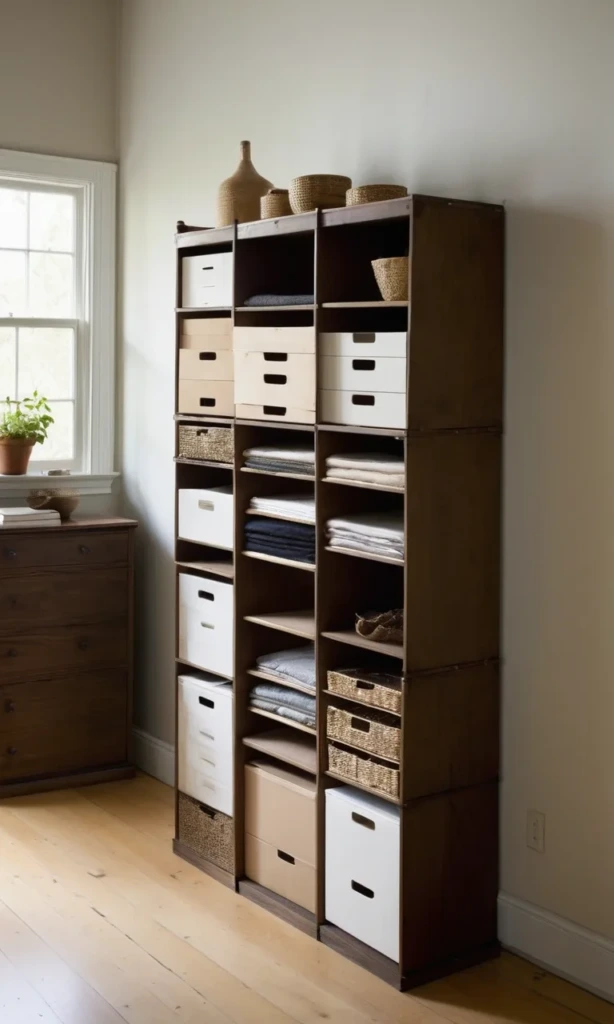
Cube shelving makes it easy to divide a large fabric collection into manageable categories. Each compartment creates a separate storage area, helping you keep similar materials together rather than mixing everything into one crowded shelf.
Fold fabrics into similar sizes so they fit neatly inside each cube. You might dedicate individual compartments to quilting cotton, linen, fleece, garment fabric, scraps, or materials reserved for upcoming projects. Fabric can be stacked directly inside the compartments or placed in baskets to keep smaller pieces contained.
One helpful technique is to arrange folded fabric vertically, like files in a cabinet. This allows you to see more of your collection and pull out a particular piece without disturbing the rest. Use labels on the cube openings or baskets to make the system even easier to maintain.
Cube shelves come in a range of sizes, making them suitable for sewing rooms, bedrooms, closets, and craft corners. Before buying a unit, measure your largest fabric folds and consider the available floor or wall space.
For safety, follow the manufacturer's assembly instructions and secure tall shelving to the wall when recommended. Avoid placing heavy stacks in compartments that are not designed to support them.
5. Slacks Hangers with Clips

Slacks hangers with clips can provide an effective hanging solution for fabric lengths that are awkward to fold or store in drawers. The clips hold the material in place, allowing you to suspend individual pieces from a closet rod and keep them separated.
This method is particularly useful for longer cuts, fabric reserved for garments, and materials you want to inspect easily before sewing. Group fabrics by project or type, and add labels to the hangers when you have several similar colors or prints.
Protect delicate textiles from clip marks by placing a small piece of clean, soft fabric between the clips and the material. Avoid clamping directly onto fragile edges, embellished sections, or areas that could stretch. If a fabric is heavy, slippery, or prone to creasing, test the hanger on a small section before using it for long-term storage.
Leave enough space between hangers for air circulation and easy browsing. A crowded closet can cause fabrics to crease and make individual pieces difficult to remove. Keep the hanging area away from direct sunlight and damp walls to help preserve the material's appearance and condition.
6. Magazine Racks for Folded Fabric
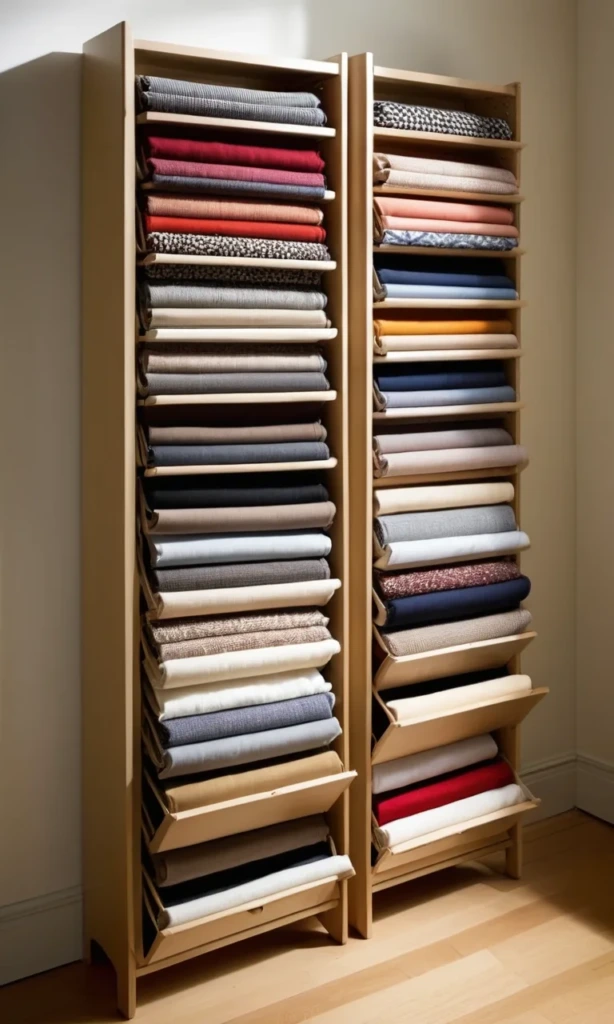
Magazine racks can be repurposed as compact organizers for folded fabric, particularly when you want to keep smaller cuts upright and visible. Their narrow compartments are useful for fat quarters, lightweight cotton, sample pieces, and fabric intended for small craft projects.
Fold each piece into a consistent rectangle before placing it inside the rack. Arrange the fabrics by color, print, or intended use so you can quickly browse your options. A rack with multiple sections can separate different categories without requiring additional boxes or drawers.
Desktop magazine holders work well for small collections, while larger freestanding racks can accommodate more material. Choose a design with smooth edges that will not snag the fabric, and check that its compartments are wide enough to avoid compressing thick textiles.
This solution is best for fabrics you use regularly because magazine racks generally leave the material exposed to dust and room light. For longer storage periods, position the rack in a clean cupboard or cover the fabric with a breathable protective layer.
7. Hanging Shoe Organizers
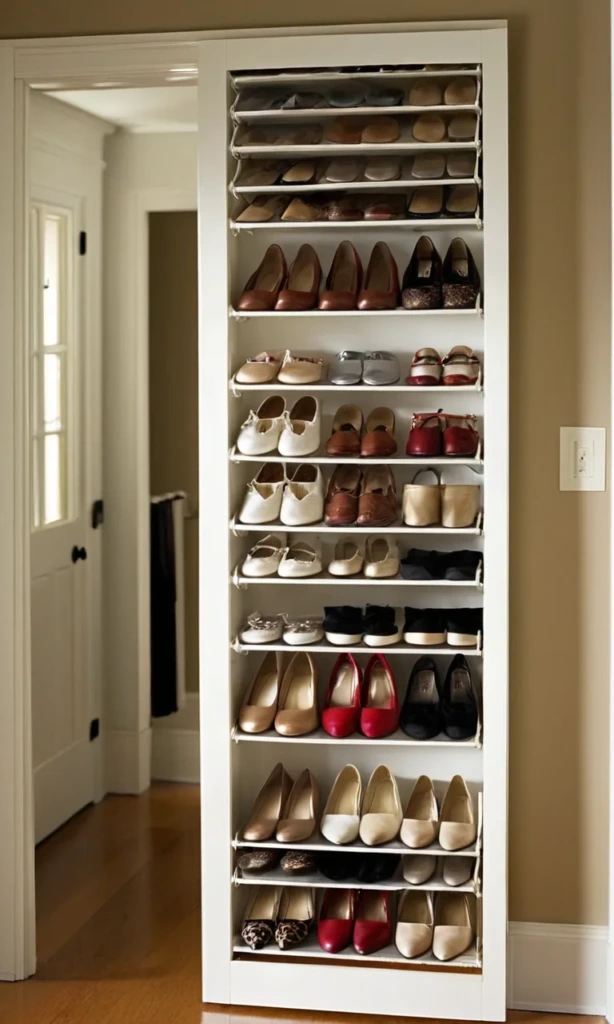
A hanging shoe organizer with multiple pockets can make excellent use of the vertical space behind a door or inside a closet. Although designed for footwear, its individual compartments can hold fabric scraps, fat quarters, small cuts, and lightweight sewing materials.
Sort the pockets according to your needs. One row might contain solid colors, another patterned cotton, and another fabric remnants sorted by size. If you regularly work on several projects, reserve separate pockets for the materials associated with each one.
Transparent pockets make it easier to identify the contents, but opaque organizers can also work well when labeled clearly. Before filling the organizer, check the pocket dimensions and weight capacity, particularly if you intend to store heavier fabrics such as denim or upholstery material.
Avoid overfilling the compartments, as excessive weight can stretch the pockets or pull the organizer away from its mounting points. Install it securely according to the manufacturer's instructions, and keep fabric away from damp areas or strong sunlight.
This method is especially helpful for small sewing spaces because it uses wall or door space rather than valuable tabletop or floor area.
8. Fabric Grid Storage Systems
Fabric grid storage systems use a framework of wire panels, metal grids, or modular sections to create flexible storage areas. Depending on the design, you can add hooks, clips, shelves, and baskets to accommodate different fabric sizes and sewing supplies.
For fabric storage, use the grid to support lightweight baskets or hanging organizers. Smaller pieces can be placed in labeled containers, while selected fabric lengths can hang from suitable hooks or clips. Keep the arrangement flexible so you can change the layout as your collection grows.
A grid system can be mounted on a suitable wall or assembled as a freestanding display. It is particularly useful when you want to combine fabric storage with easy access to scissors, measuring tapes, patterns, and other frequently used tools.
Make sure the grid, mounting hardware, and accessories are rated for the weight you intend to store. Secure wall-mounted panels to appropriate supports rather than relying on unsuitable fasteners. Keep heavier items low and avoid hanging fabric where it could interfere with doors, walkways, or work surfaces.
Because grid systems usually leave materials exposed, they work best in a reasonably clean room with limited direct sunlight. Baskets or protective covers can help reduce dust buildup.
9. Curtain Rods for Draping Fabric
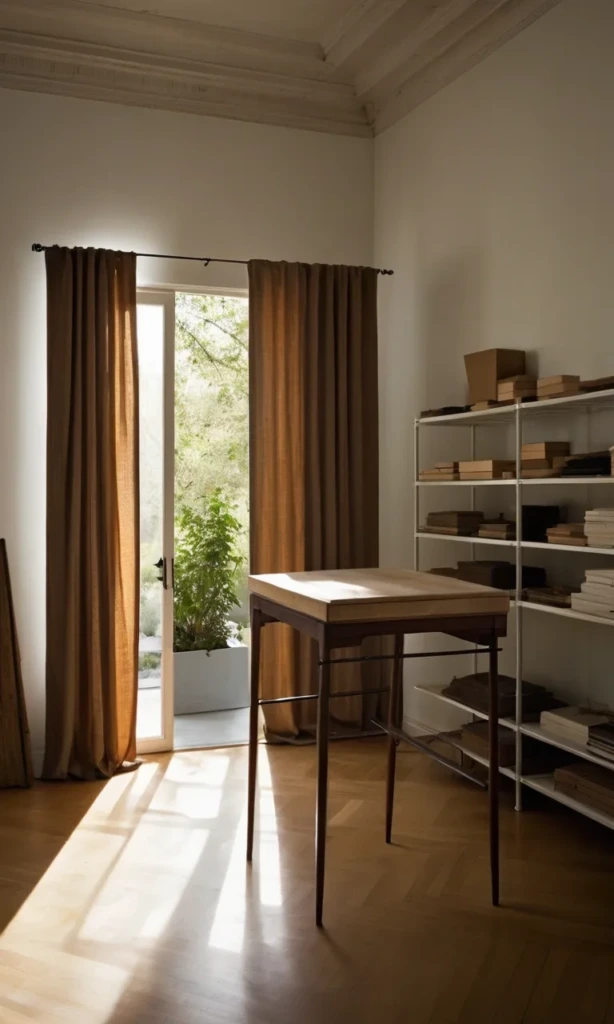
Curtain rods offer a simple way to hang fabric lengths without folding them into stacks. They can be particularly useful for long cuts, decorative textiles, and materials you want to keep visible while planning a project.
Install a sturdy rod across a suitable wall or inside a closet, ensuring that the brackets and fasteners can support the combined weight of the fabric. Depending on the textile, you can drape material directly over the rod or hang it from suitable rings and clips. Smooth, padded supports are preferable for delicate fabrics that may snag or develop pressure marks.
Arrange each fabric length with enough space to prevent overcrowding. Group similar materials together or use separate rods for different project categories. If the fabric is too long to hang freely, avoid letting it drag on the floor, where it can collect dust or become damaged.
Curtain rods can also serve as temporary staging areas when comparing colors and coordinating prints before cutting. However, fabrics displayed for long periods may fade if exposed to sunlight, and unsupported folds can develop creases. Rotate the material occasionally and move it to a protected location when it is not needed.
10. Commercial Fabric Wrap Boards
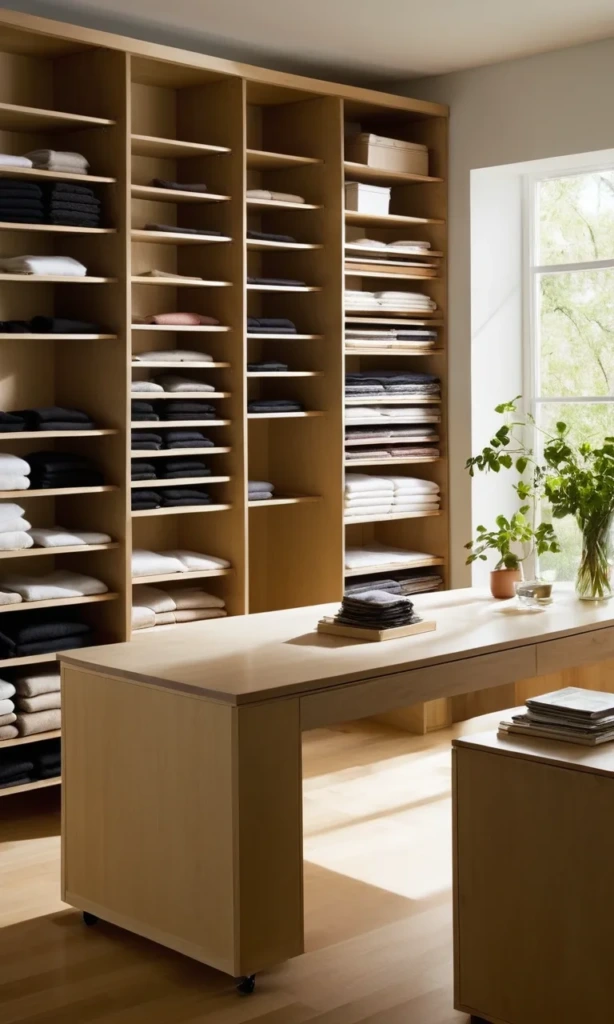
Commercial fabric wrap boards are designed to help keep textiles folded into uniform, manageable shapes. They are available in different sizes and materials, allowing you to choose a format that suits everything from quilting cotton to larger fabric cuts.
To use one, lay the fabric flat, align the edges, and wrap the material around the board with even tension. Smooth out wrinkles as you work, taking care not to stretch the fabric or pull delicate weaves out of shape. Secure the finished bundle with an appropriate fastener if needed.
Once wrapped, the boards can be stored upright on shelves or arranged in labeled bins. Their consistent dimensions make it easier to compare prints, retrieve individual pieces, and estimate which fabrics are available for a project.
Select board sizes based on your typical fabric cuts rather than forcing every piece onto the same format. Large or bulky textiles may require wider boards, while small remnants are often better stored in separate containers.
For long-term storage, use clean, smooth boards made from materials suitable for textile contact. Keep the finished bundles away from dampness and direct sunlight, and periodically inspect valuable fabrics for discoloration, creases, or signs of deterioration.
11. Storage Cubes with Handles and Lids
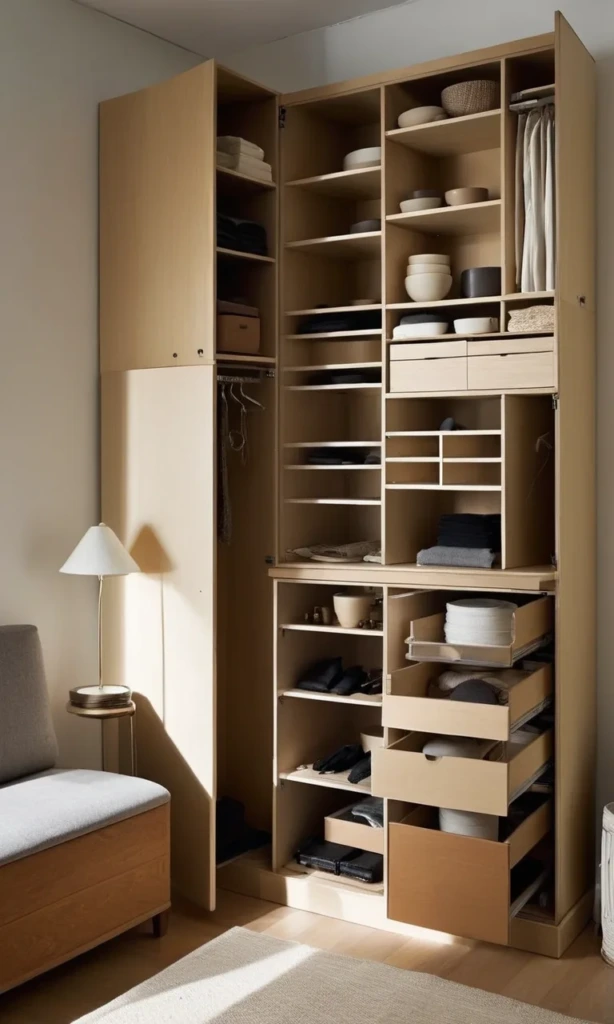
Storage cubes with handles and lids combine portability with protection from everyday dust. They are useful for fabric collections that need to be stored inside closets, on shelving, beneath worktables, or in shared living spaces.
Choose cubes that are large enough for your folded fabric but not so deep that you must unpack the entire container to find a single piece. Sort the contents into practical categories, such as fabric type, project, color family, or seasonal sewing supplies. Labels on the front or lid make identification much easier.
Handles allow you to move the cubes when rearranging your workspace, while lids help keep dust and household debris away from the material. Fabric storage cubes are often lightweight and easy to carry, although their structure and load capacity vary by design.
Do not pack textiles so tightly that they become difficult to remove or develop persistent creases. Ensure everything is fully dry before storing it, and avoid leaving damp fabric sealed inside a closed container. In humid conditions, check the contents regularly and use a dry, well-ventilated storage area.
If you stack several cubes, place the heavier ones below lighter containers and make sure the lids can support the arrangement. These organizers are a practical option when you want a neat appearance without investing in permanent cabinetry.
12. Wire Shelving Units
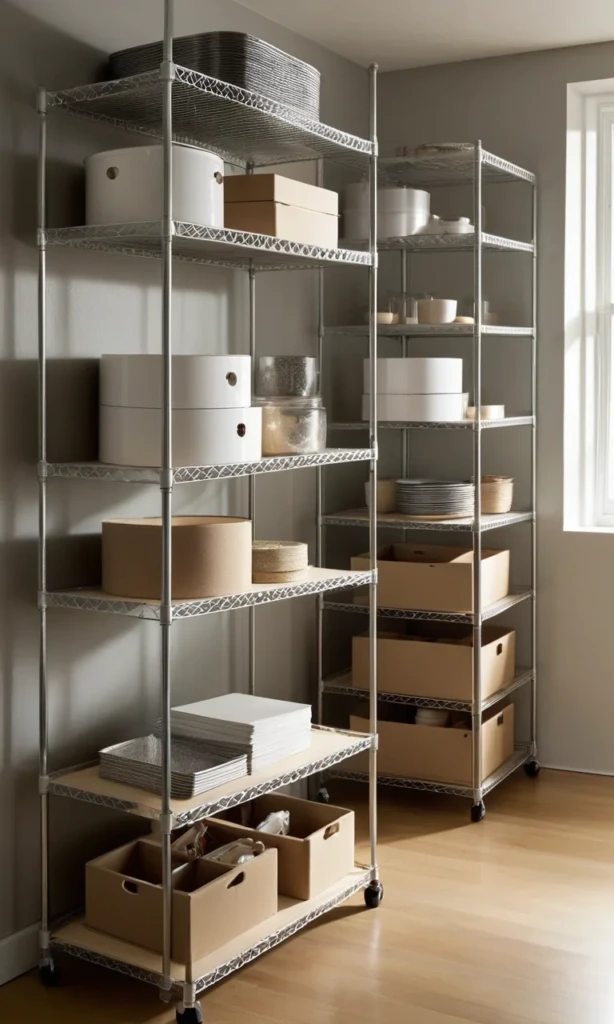
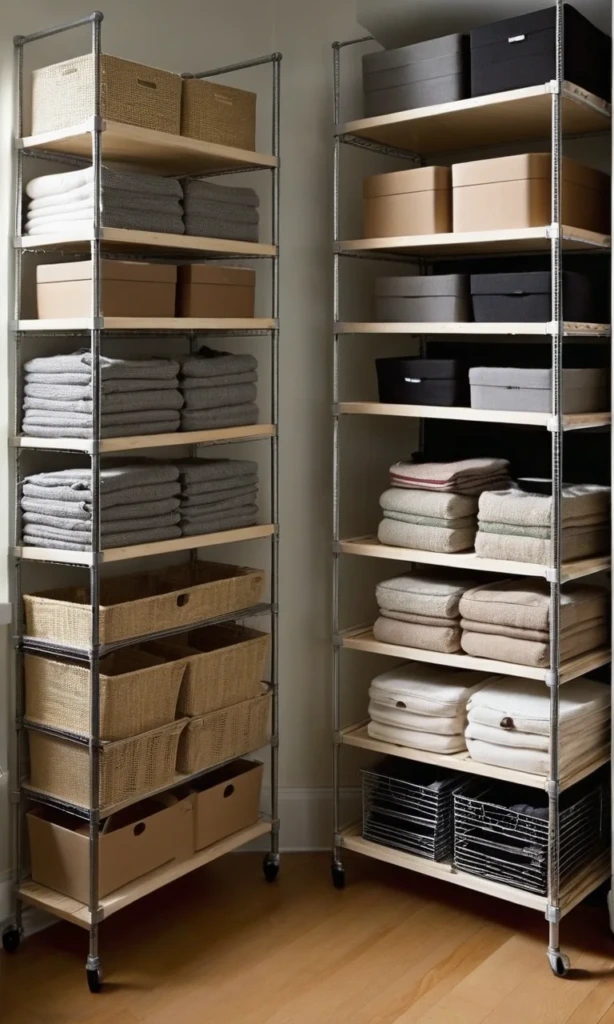
Wire shelving units offer adjustable, open storage for sewing rooms, craft areas, closets, and utility spaces. Their multiple levels make it possible to organize a large fabric collection while keeping materials accessible and allowing air to circulate around the shelves.
Arrange folded fabric in stacks according to type, color, or intended project. Use shallow bins or baskets for small remnants that might otherwise slip through the wire gaps. Shelf labels can help distinguish between everyday materials, specialty textiles, and fabrics reserved for future projects.
One advantage of wire shelving is its adaptability. Many systems allow you to change shelf heights as your collection grows or your storage needs change. Taller spaces can accommodate bulky fleece and upholstery fabric, while shorter sections work well for neatly folded cotton and lightweight materials.
Check the shelving unit's load limits before placing heavy fabric stacks on it, and distribute weight evenly. Assemble the structure correctly and anchor it when required by the manufacturer. If the wire surface catches or marks delicate textiles, use smooth shelf liners or place the fabric inside protective containers.
Since wire shelves are open, they do not fully protect fabric from dust or sunlight. Position the unit away from windows, heating sources, and damp areas, and cover stored textiles when appropriate. Regularly refolding and inspecting the fabric can also help prevent deep creases and reveal any moisture or pest problems before they worsen.
Final Thoughts
Organizing fabric does not require an expensive sewing-room makeover. Comic book boards, clear bins, rolling carts, cube shelves, hanging organizers, and wire racks can all help you create a system that suits your space and sewing habits.
Start by sorting your collection into manageable categories, then choose storage that fits the size, weight, and delicacy of your materials. Keep fabric clean and dry, protect it from excessive sunlight and dust, and leave enough room to retrieve pieces without disturbing everything else. With a practical storage routine, your fabrics will be easier to find, simpler to maintain, and ready for your next creative project.