Small Apartment Organization Ideas for a More Functional Home
Living in a small apartment can be comfortable and stylish, but keeping everything organized takes a little planning. When closets are limited, countertops fill up quickly, and one room serves several purposes, even everyday belongings can make the space feel crowded.
The good news is that you don't need a bigger apartment to create a more spacious, manageable home. Thoughtful furniture choices, smart storage, and simple daily habits can help you make better use of every corner.
These small apartment organization ideas focus on practical ways to reduce clutter, improve movement between rooms, and create a home that feels welcoming without sacrificing functionality.
What Are the Best Storage Solutions for Very Small Apartments?
The best storage solutions for a small apartment make use of overlooked spaces without obstructing walkways. Instead of filling every corner with cabinets and containers, look for opportunities to store belongings vertically, beneath furniture, and behind doors.
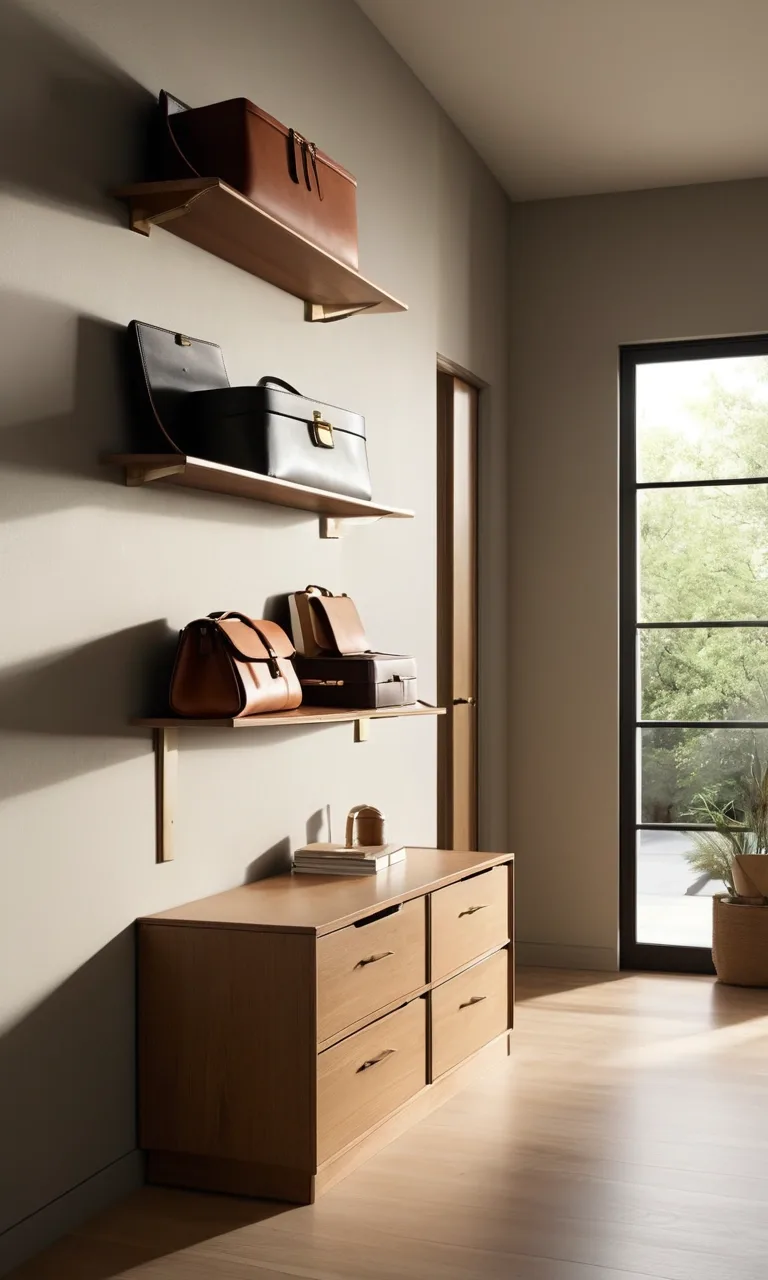
Wall-mounted shelves are useful for books, decorations, and everyday essentials. Under-bed organizers can hold spare bedding, seasonal clothing, and shoes. Hooks near the entrance keep bags and jackets accessible, while narrow shelving units provide storage in otherwise unused gaps.
Before purchasing organizers, sort through your belongings and decide what genuinely needs a permanent home. Measure available spaces carefully and choose containers that fit your shelves or cabinets. A few well-planned storage solutions usually work better than numerous mismatched bins.
What Furniture Works Best for Small Apartment Organization?
Furniture that serves more than one purpose is particularly valuable in a compact home. A bed with drawers, a storage ottoman, or a dining table that folds against the wall can provide useful functionality without requiring additional floor space.
Consider the size of each piece before bringing it home. Furniture should leave enough room to open drawers, pull out chairs, and move comfortably between areas. Lightweight designs with visible legs can also make a room appear less crowded.
Vertical Library
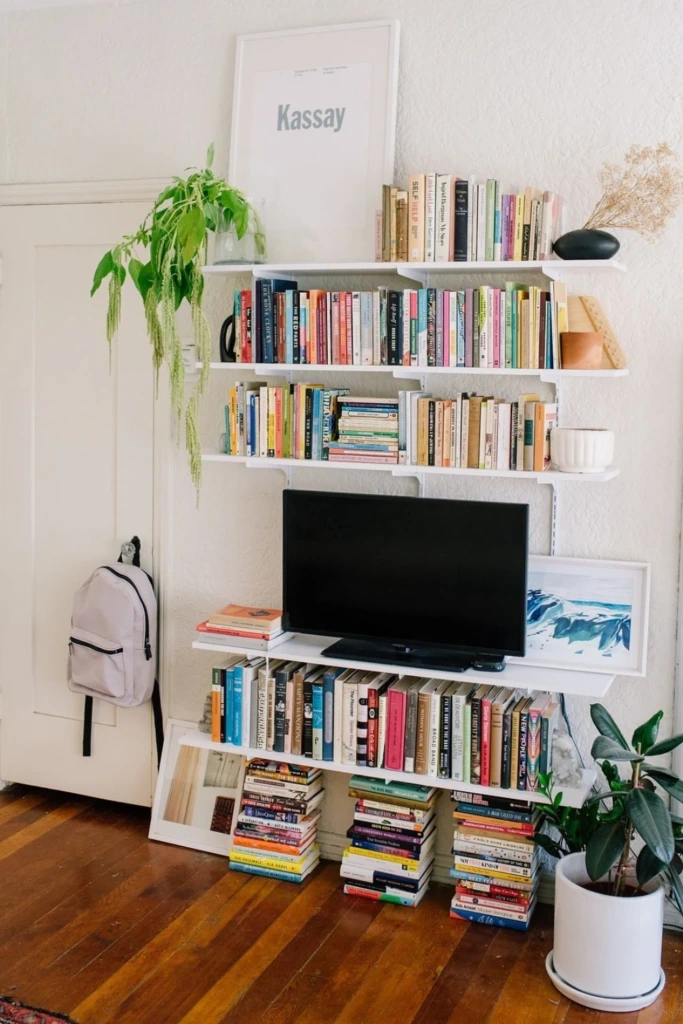
Turn an empty wall into a practical home library instead of allowing books to accumulate on tables and floors. Tall bookcases and securely installed floating shelves use vertical space while keeping reading materials easy to find.
Arrange books by category, size, or how frequently you use them. Place heavier items on lower shelves and reserve higher levels for lightweight objects you rarely need. You can also incorporate a few decorative pieces to make the arrangement feel intentional.
For renters, freestanding narrow bookcases may be preferable when drilling into walls is restricted. Always secure tall furniture appropriately to prevent tipping.
Soft Zoning
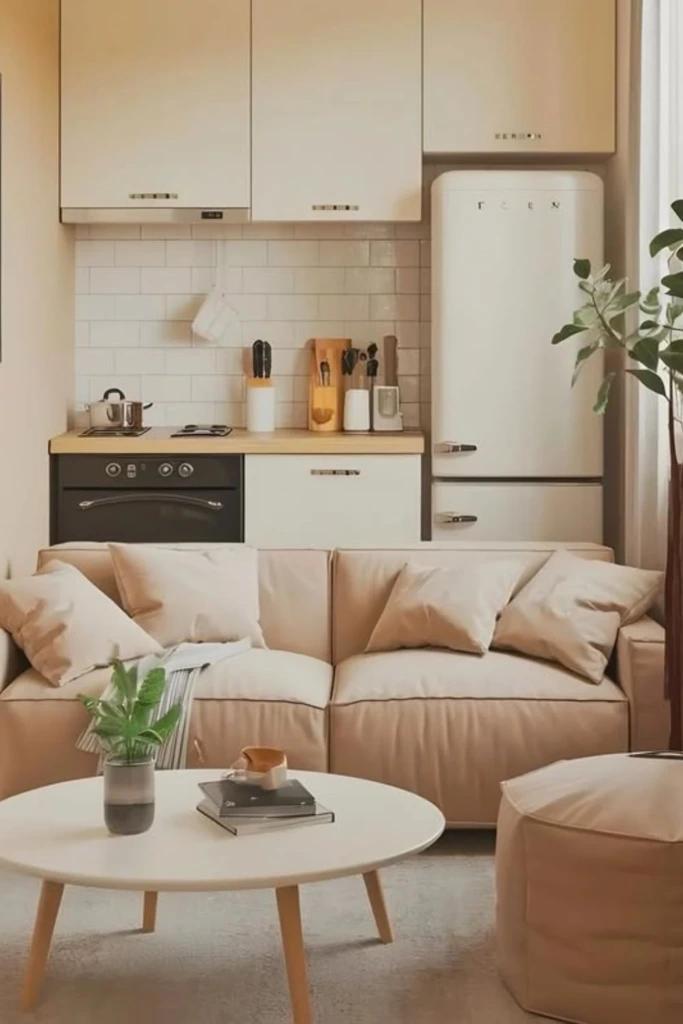
An open-plan apartment can feel disorganized when cooking, relaxing, and dining all happen within the same visual space. A sofa, area rug, or carefully positioned console table can establish separate zones without building a permanent wall.
Place the seating area so it defines the living space while preserving a clear path to the kitchen. Keep kitchen supplies in closed cabinets where possible, and avoid using every available surface for storage.
This arrangement helps the apartment feel more structured while maintaining the openness that makes a small home comfortable.
Stacked Laundry
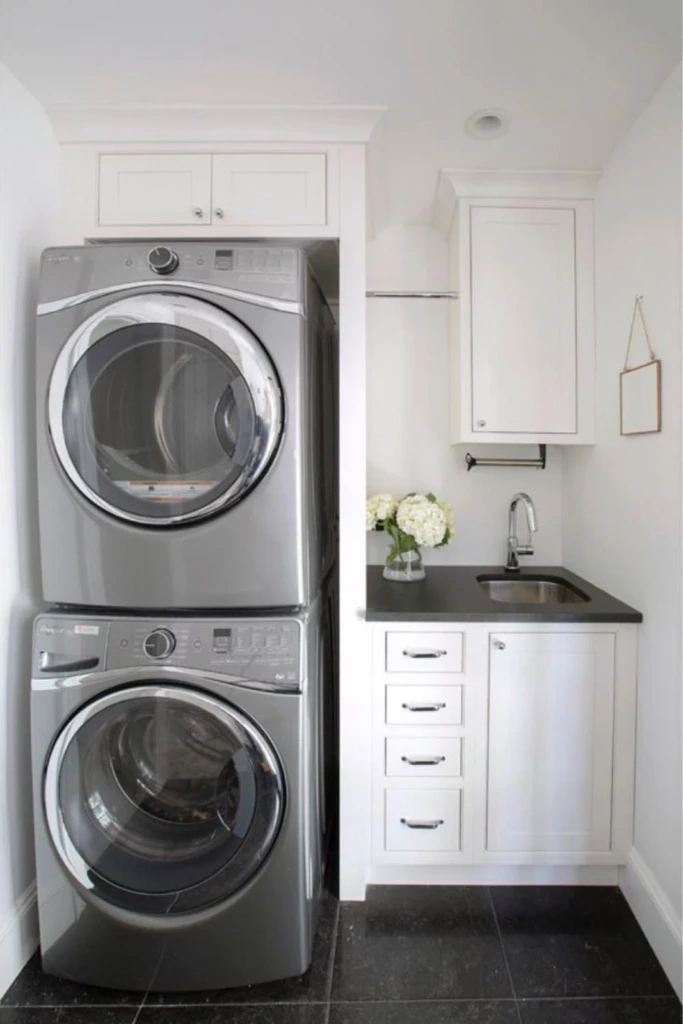
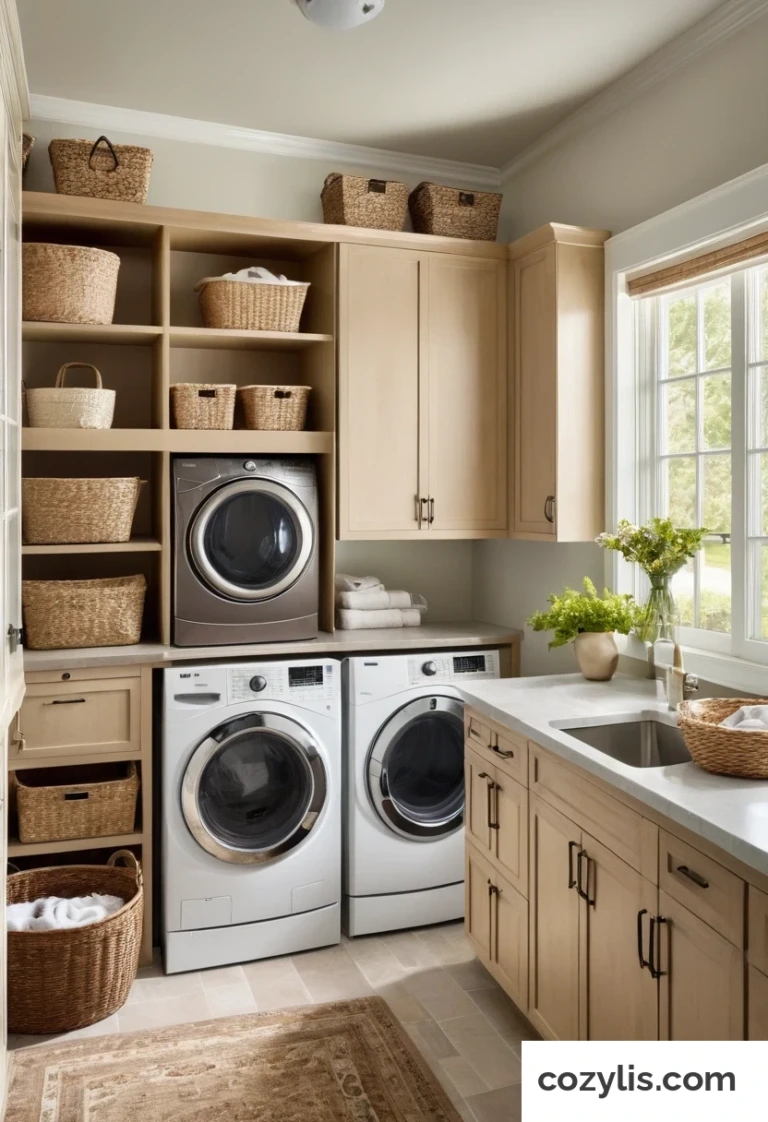
Laundry equipment can occupy a surprising amount of room, especially when a washer and dryer sit side by side. If the appliances and installation requirements permit, stacking them can free up valuable floor space.
Use the surrounding area for a slim laundry hamper, detergent storage, and a small shelf for supplies. Wall-mounted cabinets can keep products out of the way while leaving the floor available for cleaning.
Check manufacturer instructions, ventilation requirements, plumbing arrangements, and appliance compatibility before stacking machines. In apartments without dedicated laundry rooms, a compact rolling hamper or foldable drying rack can provide additional flexibility.
Loft Living
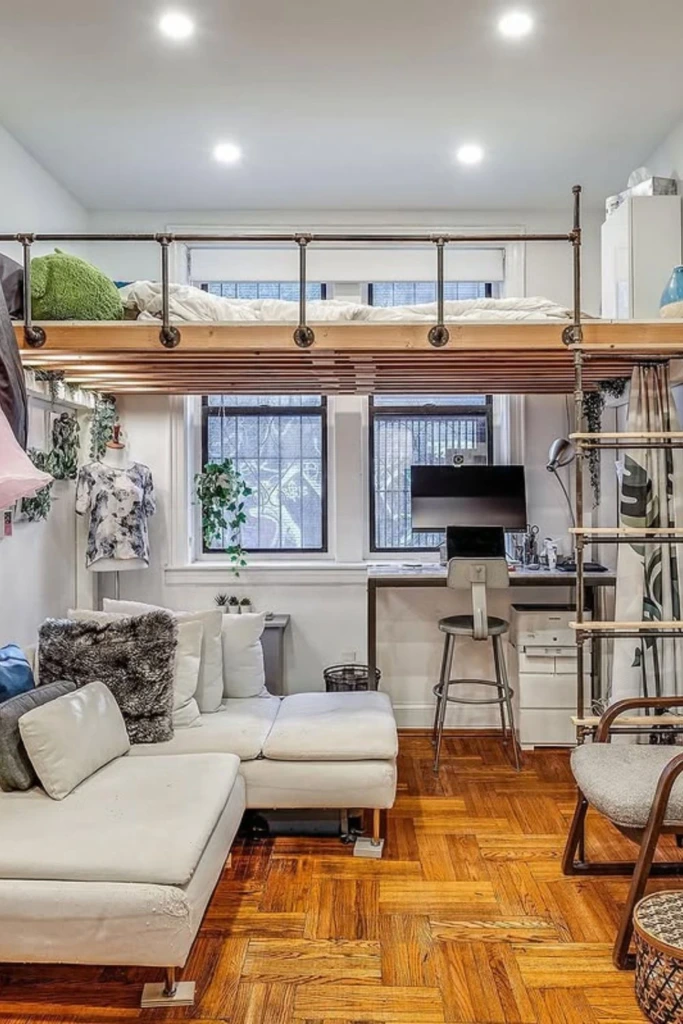
When an apartment has high ceilings, raising the sleeping area can create useful space underneath. A properly designed loft bed may accommodate a desk, a compact wardrobe, or a comfortable seating area.
Plan the lower zone according to your everyday needs rather than filling it with miscellaneous belongings. Good lighting, convenient access, and sufficient headroom make the arrangement more practical.
Loft beds are not suitable for every apartment. Check ceiling clearance, structural requirements, access, and any building restrictions before installing a raised sleeping platform.
Bar Storage
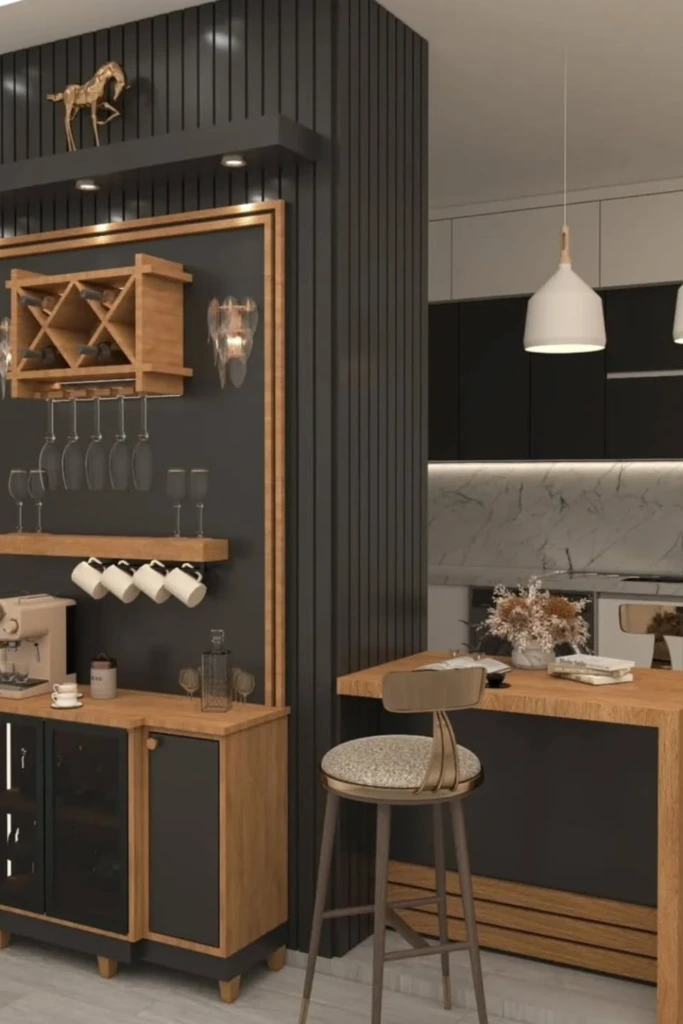
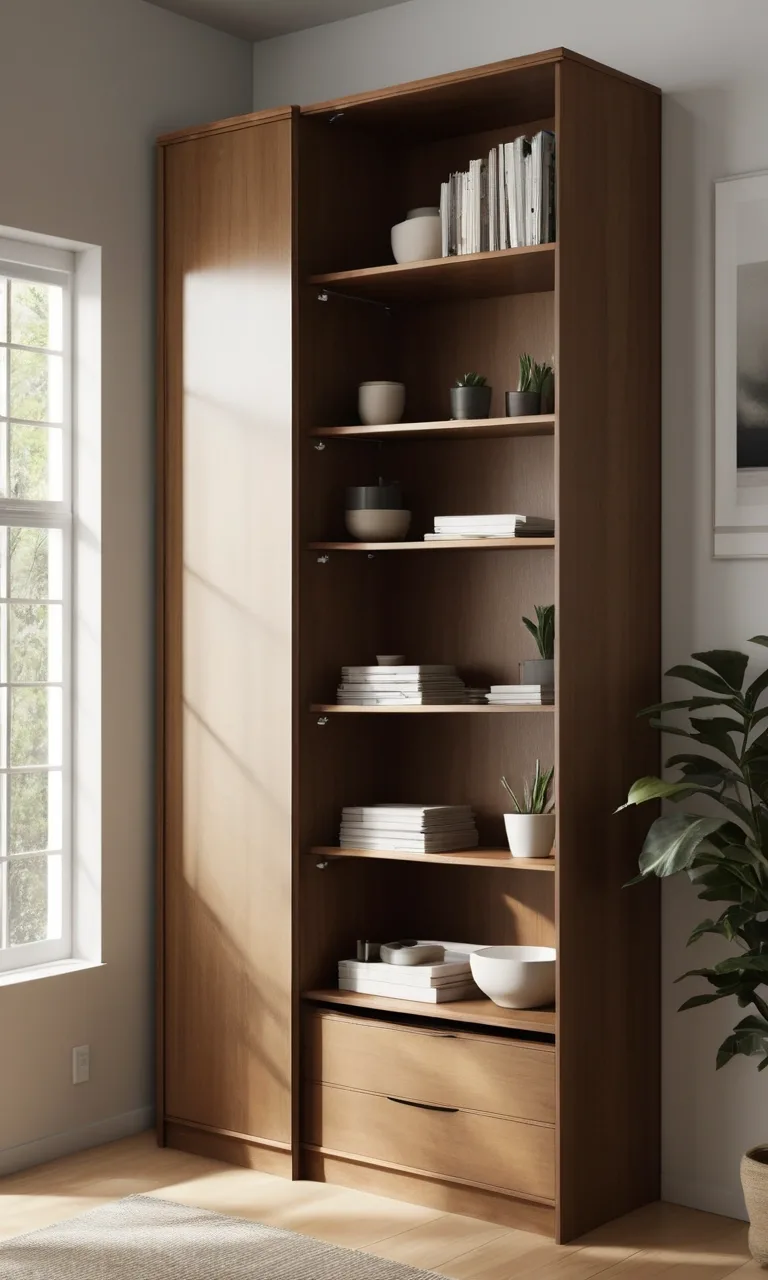
Entertaining supplies can quickly take over kitchen counters when bottles, glassware, and serving accessories lack designated storage. A narrow cabinet or compact shelving unit creates a central place for these items.
Use separate sections for glasses, serving trays, and accessories, and keep frequently used pieces at a comfortable height. If you rarely entertain, a small cabinet may be more useful than dedicating an entire wall to a bar setup.
Choose a location that doesn't interfere with kitchen work surfaces or the main walkway. The aim is to keep entertaining essentials organized without introducing another bulky piece of furniture.
Hidden Seating
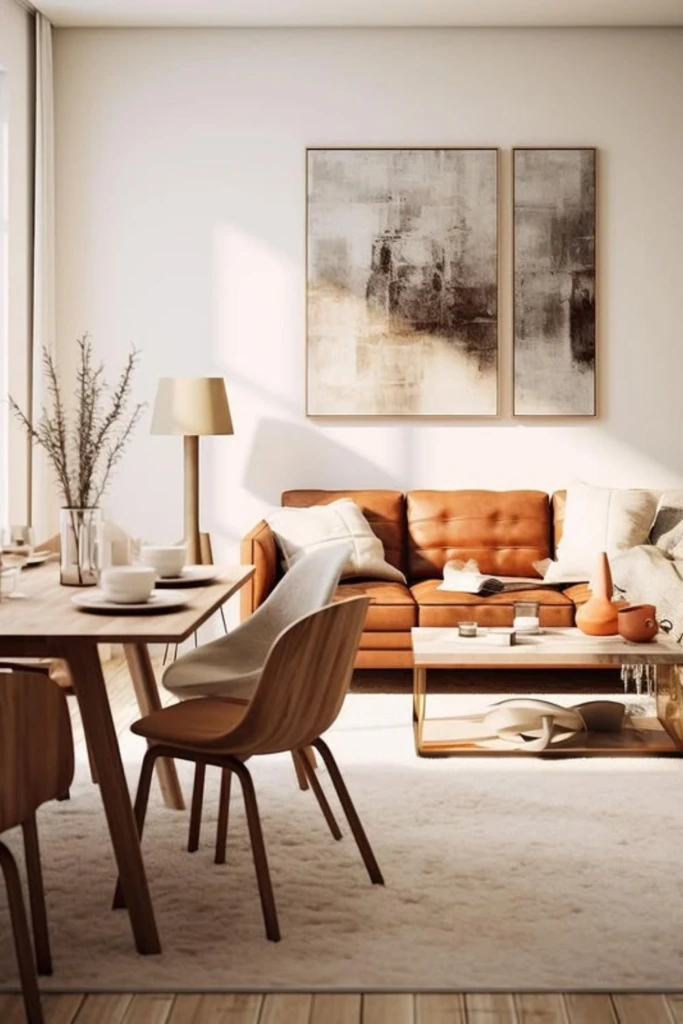
Seating can contribute to storage rather than simply occupy space. Storage ottomans, benches with lift-up seats, and compact sofas with built-in compartments can hold blankets, magazines, and other living room essentials.
Pair these pieces with a small coffee table or nesting tables that can be moved when more floor space is needed. Furniture with open space beneath it allows more of the floor to remain visible, helping the room feel lighter.
Keep hidden compartments reserved for specific categories so they don't become places where unrelated belongings accumulate.
Glass Storage
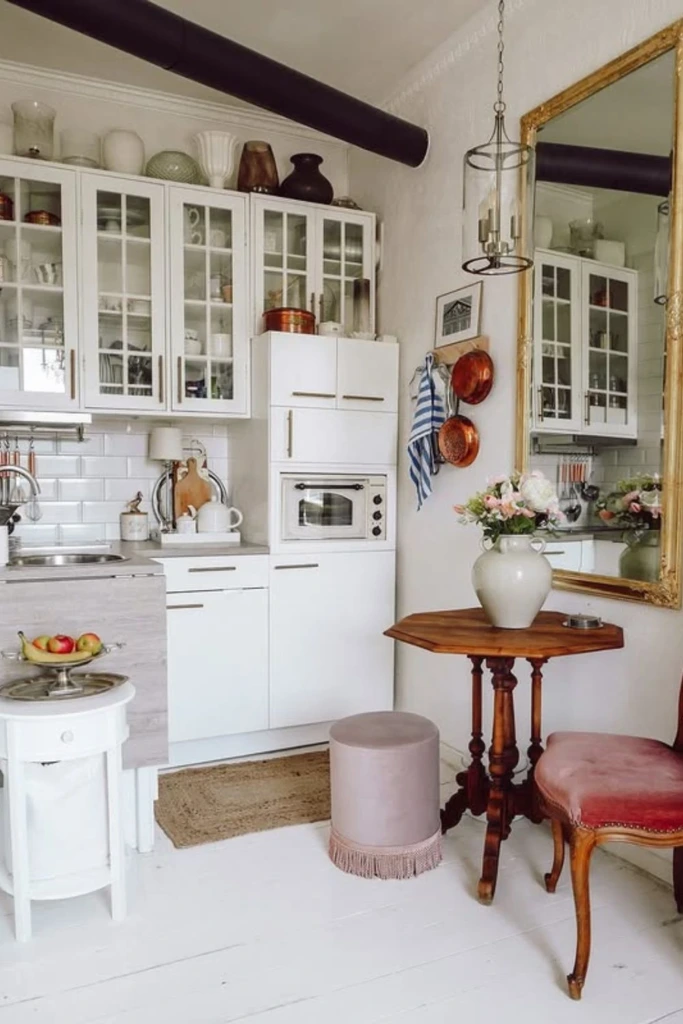
Glass-front cabinets can make a compact kitchen appear more open than a wall of solid cabinetry. They also make it easier to see where dishes and glasses belong.
For the best result, keep displayed items orderly and limit the number of colors or patterns. Store mismatched containers, cleaning products, and less attractive necessities behind solid cabinet doors.
Glass-front storage works particularly well for coordinated dishware and everyday glassware. If visual clutter is a concern, use opaque cabinets for most supplies and reserve glass doors for a smaller section.
Open Shelving
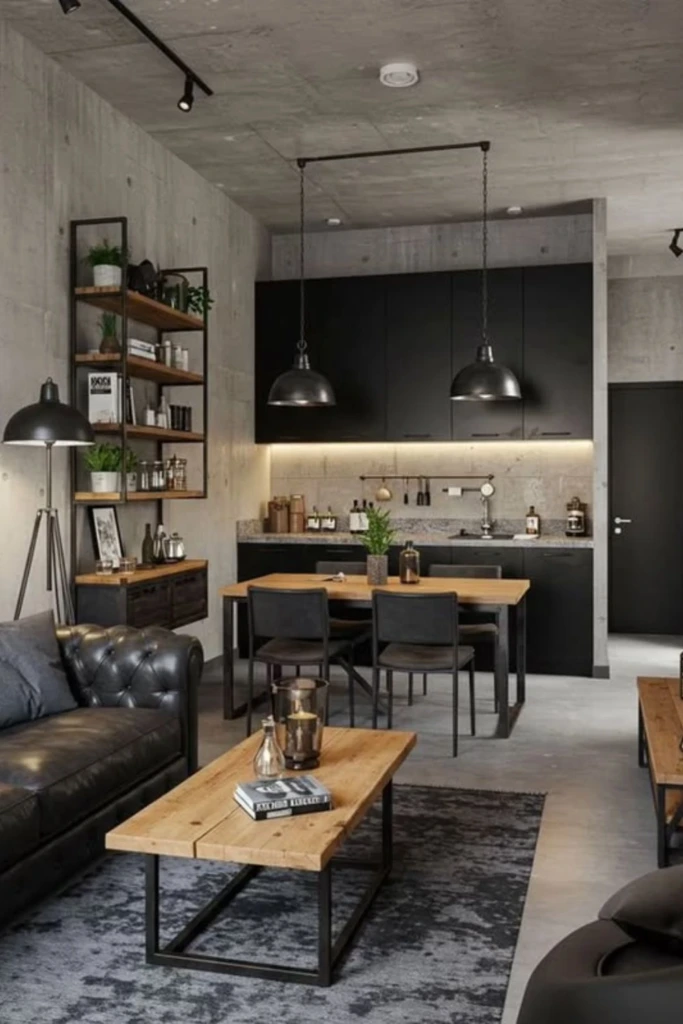
Open shelving offers accessible storage while allowing light and sightlines to pass through a compact apartment. A well-positioned shelving unit can separate the living room from the kitchen without completely dividing the space.
Use the shelves for items you regularly reach for, such as books, bowls, or a few decorative accessories. Group similar objects together and leave some empty space to prevent the unit from looking overcrowded.
If you use shelves as a room divider, choose a stable design and avoid placing heavy objects on high levels. A consistent color palette can help the entire arrangement look cohesive.
Loft Storage
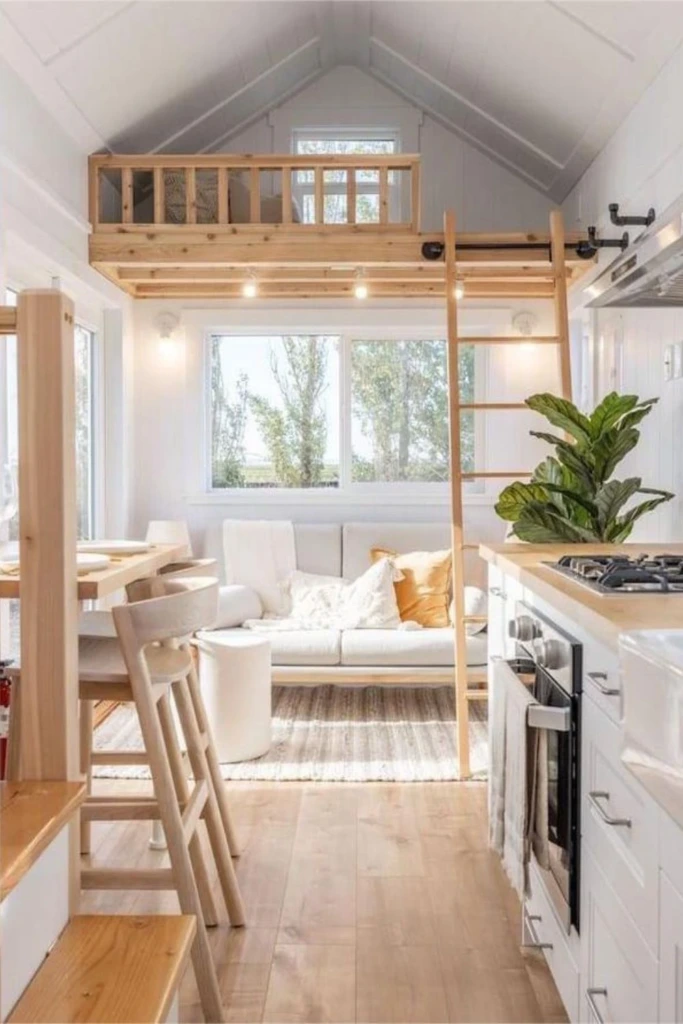
A mezzanine or elevated sleeping platform can make better use of an apartment with generous ceiling height. Moving the bed above the main living area leaves more room for a sofa, work desk, or dining arrangement below.
Built-in drawers and cabinets around the platform can provide additional storage without spreading furniture across the floor. A compact staircase with integrated drawers may also serve two purposes.
Because a permanent loft involves structural and safety considerations, professional planning is essential. For a simpler alternative, a raised bed frame with under-bed storage can offer some of the same benefits without major construction.
Sloped Storage
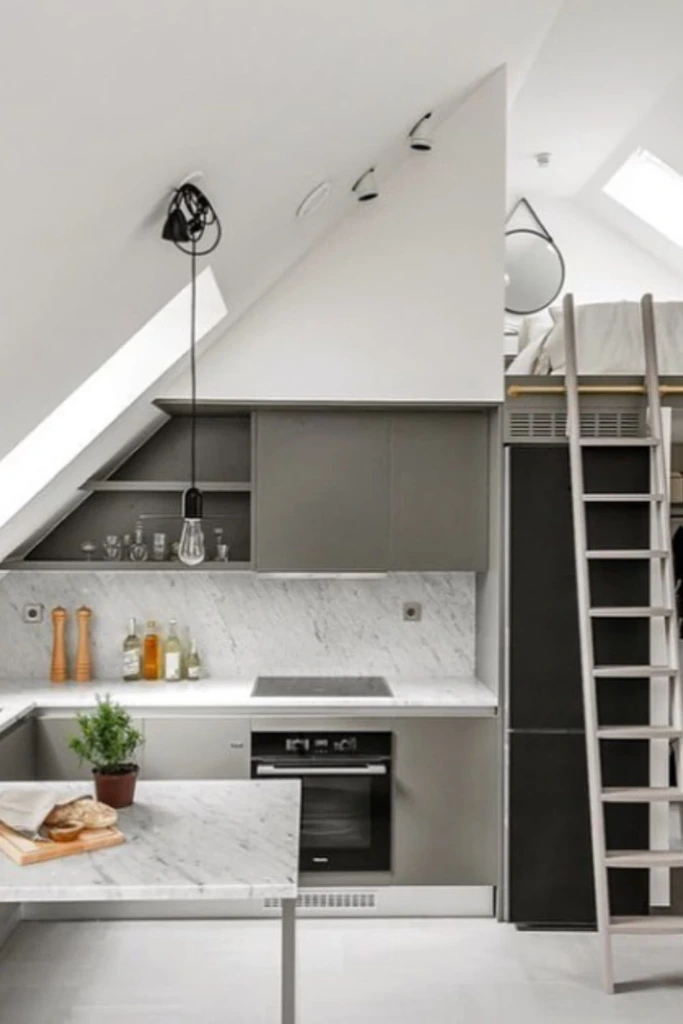
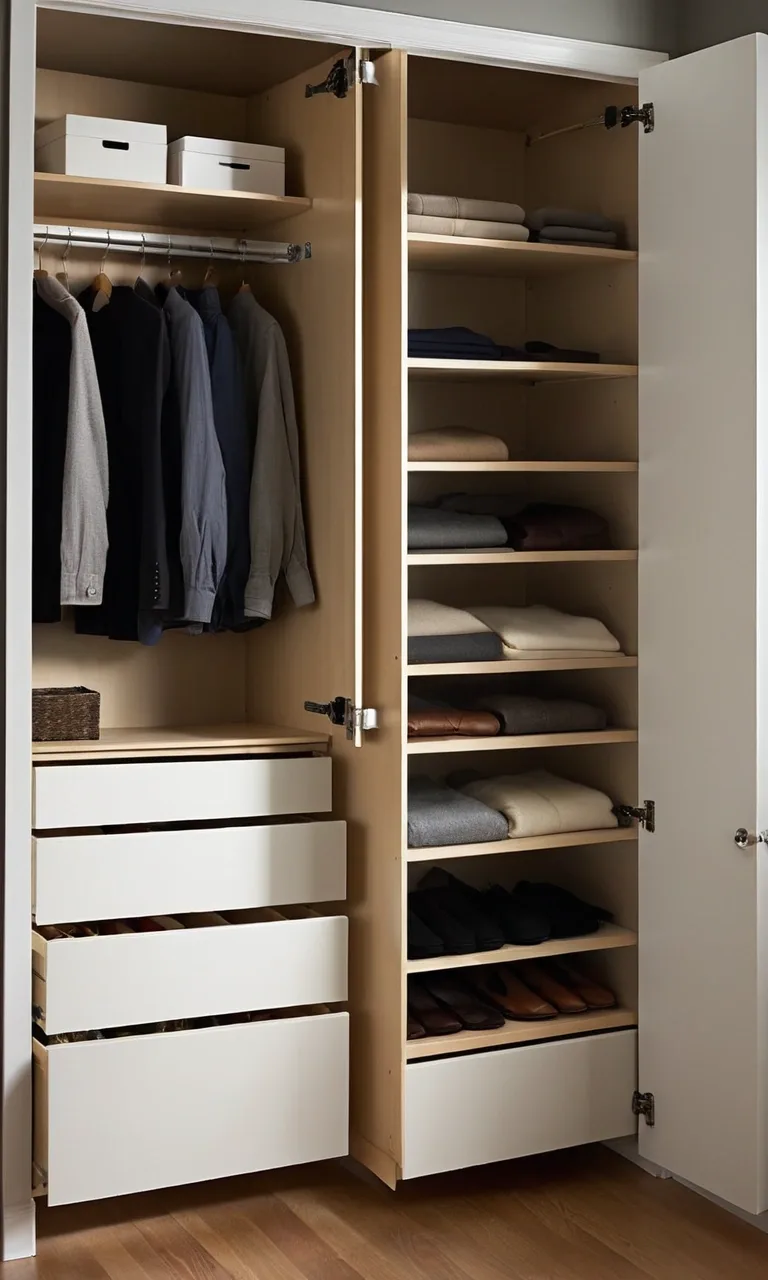
Sloping ceilings often create awkward spaces where standard wardrobes and shelving units won't fit. Low cabinets, fitted drawers, and custom shelves can turn these areas into useful storage.
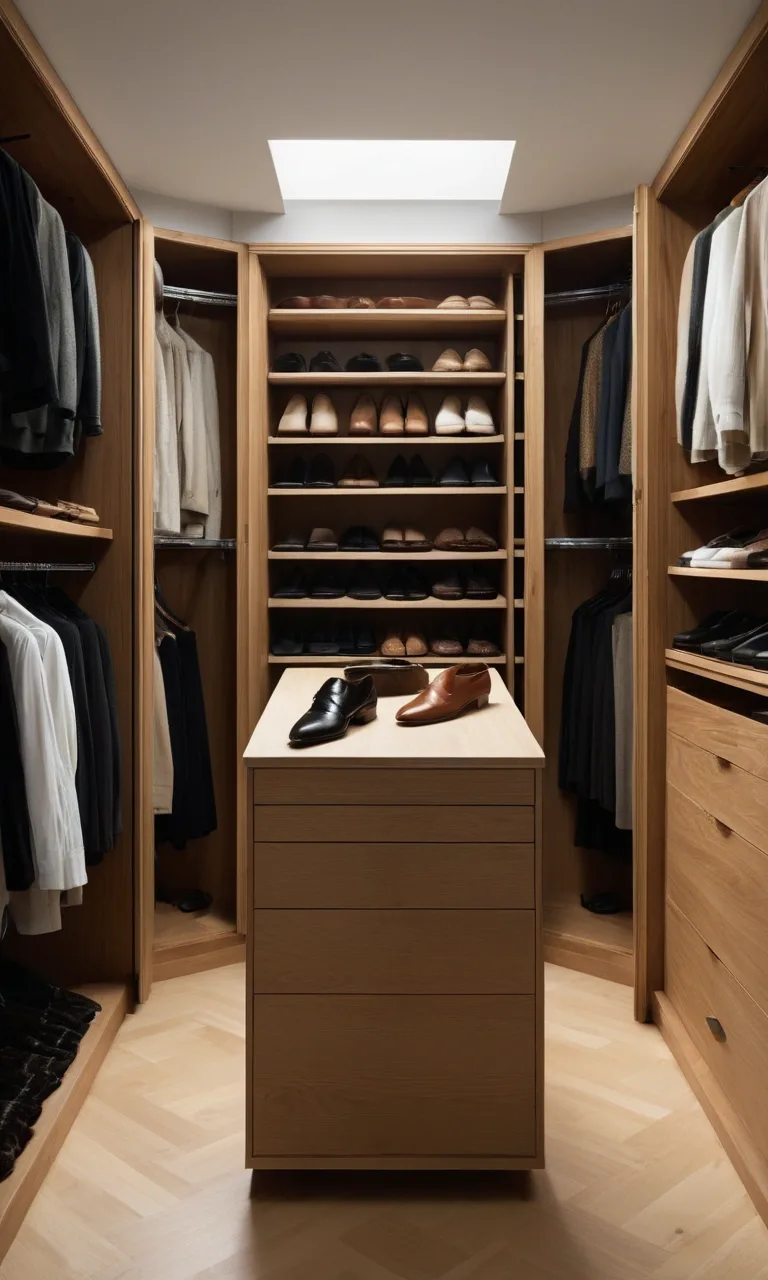
Use lower sections for shoes, folded clothing, luggage, or seasonal accessories. Items that need frequent access should remain within comfortable reach, while rarely used belongings can occupy less accessible compartments.
Measure the height and depth at several points before buying furniture. In an attic apartment, a combination of low storage and carefully positioned taller units can make the layout more efficient without overwhelming the room.
Wall Bed
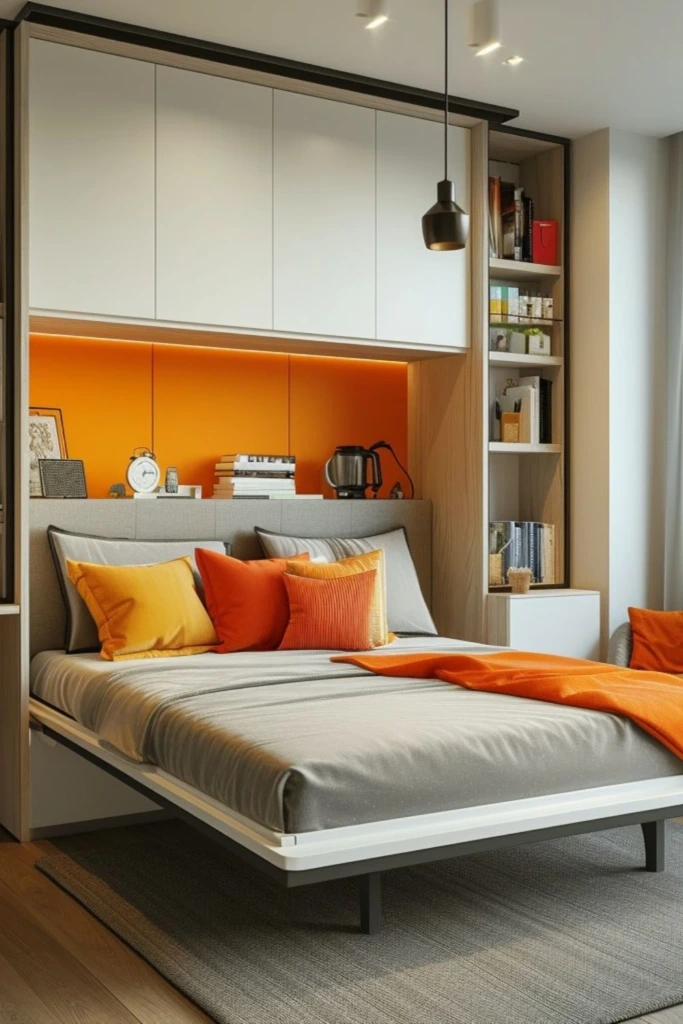
A wall bed is a practical option when a studio apartment needs to function as both a bedroom and a living room. When the bed is folded away, the surrounding area can become available for daytime activities.
Some designs incorporate shelving, cupboards, or a desk, reducing the need for separate furniture. Choose a model that fits the room's dimensions and leaves sufficient clearance for opening and closing the mechanism.
Check installation requirements and ensure the bed is secured according to the manufacturer's specifications. If a wall bed is outside your budget, a compact daybed or a folding guest bed may provide a simpler alternative.
Bed Alcove
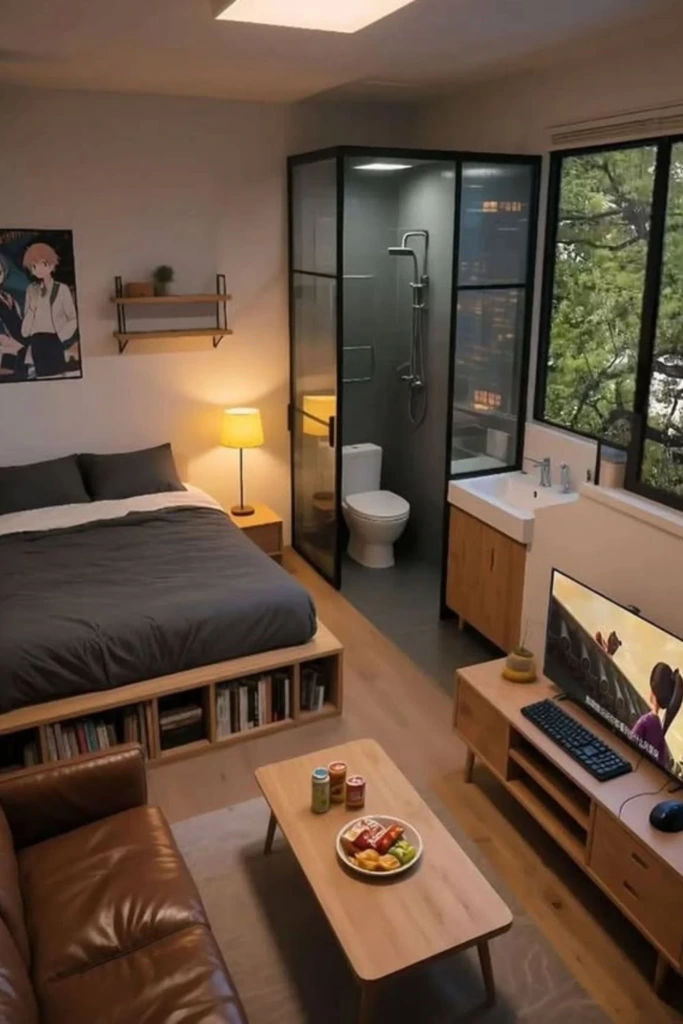
A recessed area or unused corner can become a dedicated sleeping nook. Positioning the bed against a wall helps preserve the main walking area and creates a clearer distinction between sleeping and living activities.
Use wall-mounted bedside shelves instead of bulky nightstands, and consider shallow drawers beneath the bed for extra storage. A small reading light and simple bedding can make the nook comfortable without adding unnecessary accessories.
If you are furnishing a studio, defining the sleeping area with a rug, curtain, or coordinated bedding can create a sense of separation without requiring a full partition.
Compact Layers
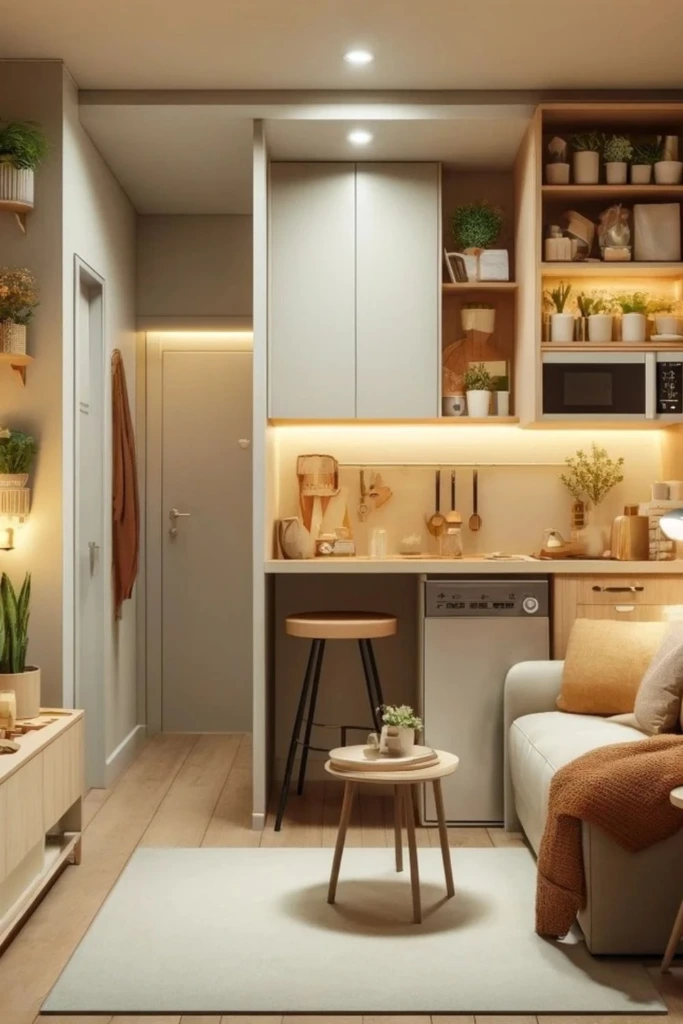
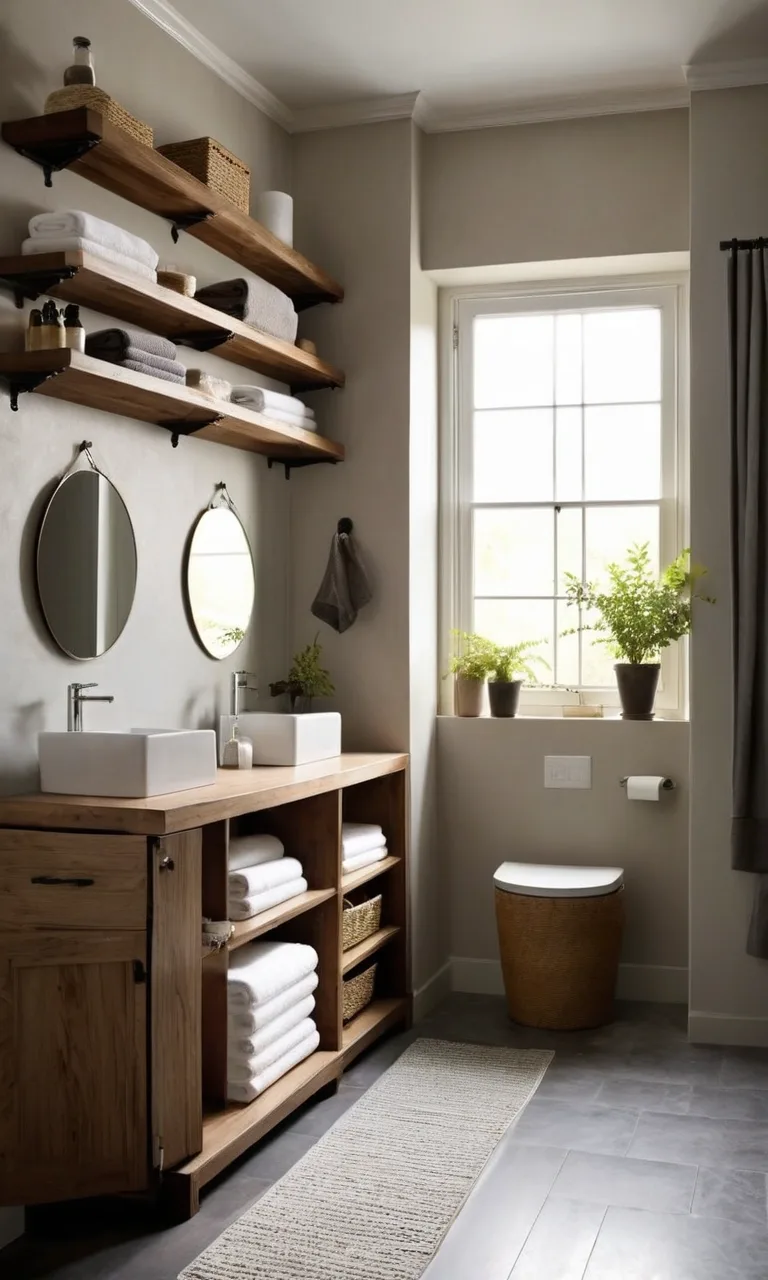
Instead of relying on a single oversized cabinet, distribute storage across several carefully chosen levels. Floating shelves, shallow cupboards, and narrow wall-mounted organizers can accommodate different types of belongings while preserving floor space.
Give each level a specific purpose. For example, keep everyday items at eye level, place decorative objects higher up, and reserve lower shelves for heavier belongings.
This approach works especially well in studios where the kitchen, sleeping area, and living space share the same room. Just avoid installing so many shelves that the walls begin to feel crowded.
Storage Base
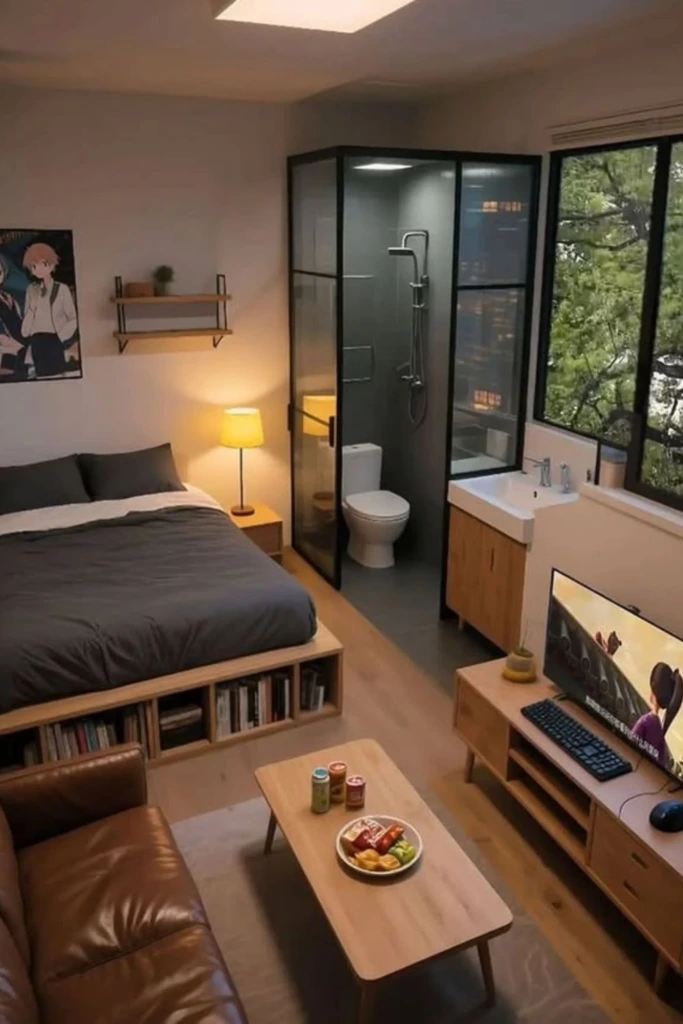
The space beneath a bed can accommodate far more than a few forgotten boxes. Storage drawers, low rolling containers, or a bed frame with built-in compartments provide a convenient place for linens, spare clothing, and seasonal items.
Measure the available clearance before purchasing containers, and select options that slide out easily. Use labeled boxes or dividers to keep categories separate and make items easier to retrieve.
If you prefer a neat appearance, choose matching containers that fit entirely beneath the frame. Avoid storing damp fabrics or belongings that need regular ventilation in unsuitable enclosed spaces.
Arch Division
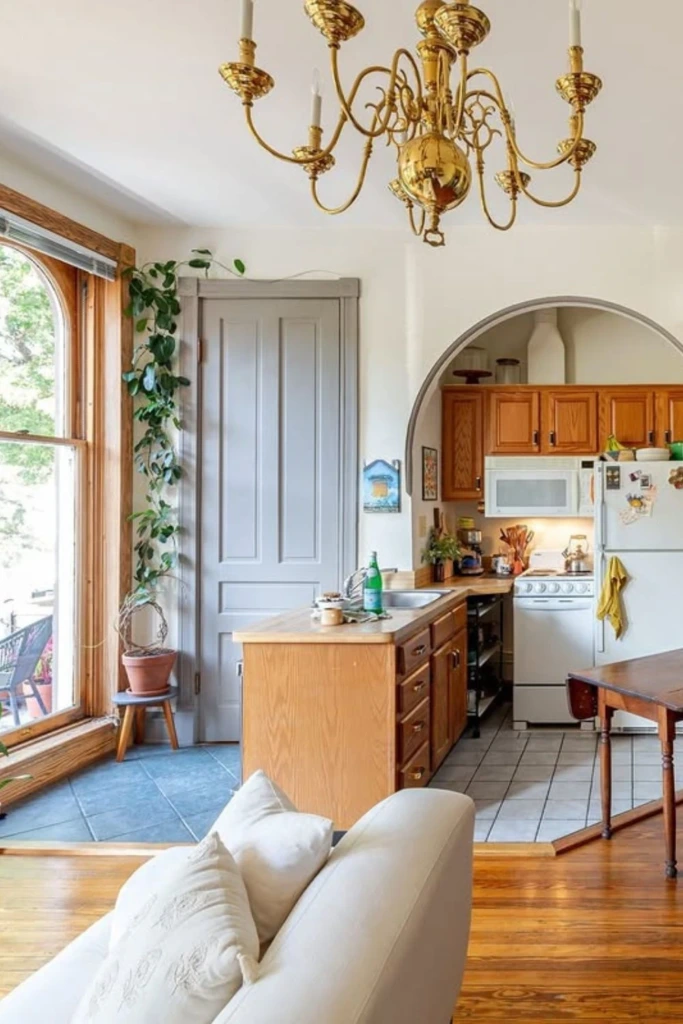
Architectural features can help distinguish areas of an apartment without filling the room with extra furniture. An existing arch or recessed opening may create a natural boundary between a kitchen and a sitting area.
Keep the transition between the two spaces uncluttered, and organize kitchen supplies within cabinets rather than on visible surfaces. This makes the separation feel intentional while maintaining a connected layout.
If your apartment doesn't have an architectural divider, you can achieve a similar effect with a rug, a change in lighting, or a narrow shelving unit. Creating a visual boundary doesn't necessarily require renovation.
Low Profile
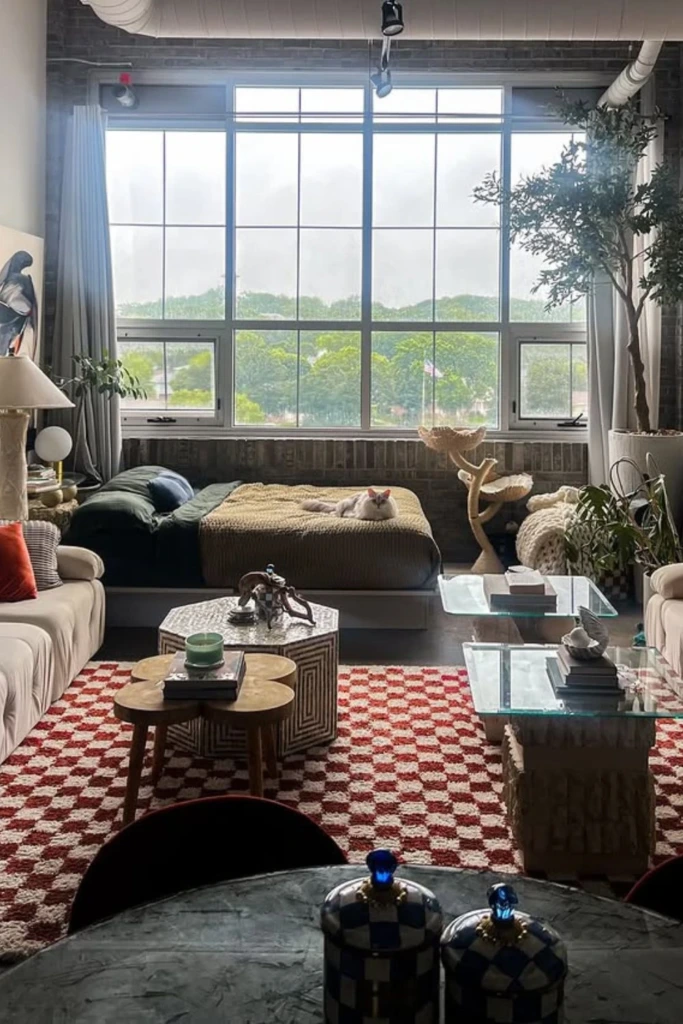
Low-profile furniture can make a small room feel more open, particularly when windows provide plenty of natural light. A low sofa or media console keeps the sightline across the room relatively clear.
Choose pieces that are appropriately scaled to the available floor area. A large, deep sofa may still overwhelm a room even if it sits close to the ground.
To maintain a balanced look, combine low furniture with a few vertical storage elements rather than filling every wall with tall cabinets. This gives you practical storage while preserving a sense of openness.
Soft Division
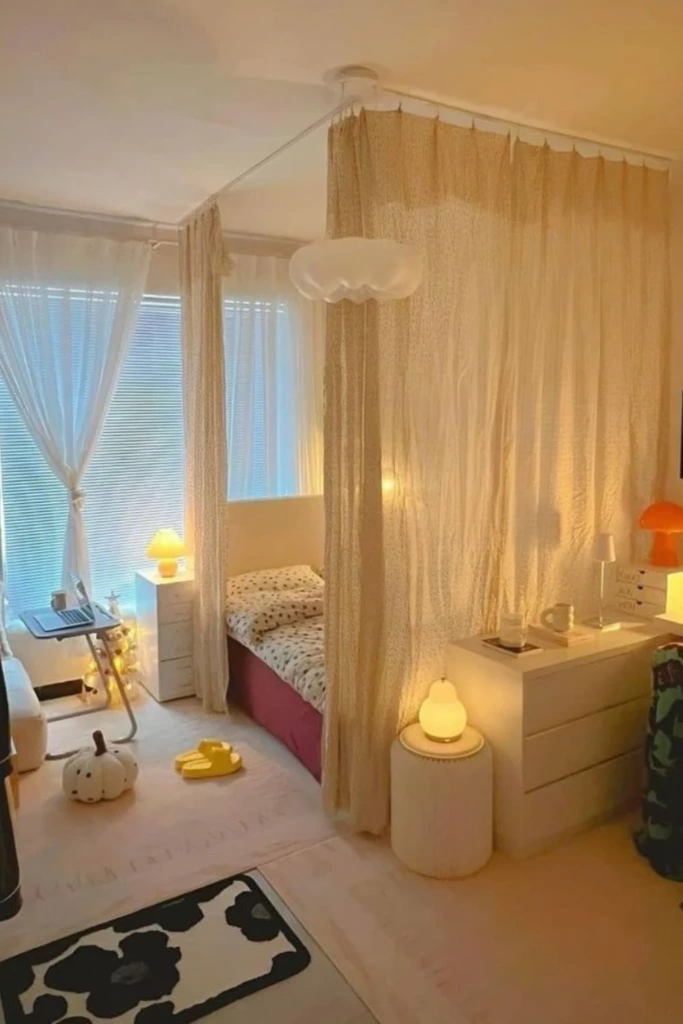
Curtains provide an adaptable way to separate a sleeping area from the rest of a studio. Sheer fabric allows light to pass through, while thicker curtains offer more privacy when needed.
Install a suitable curtain track and choose a fabric that complements the room. When the sleeping area is not in use, the curtains can be pulled back to restore the open layout.
Keep storage organized on both sides of the divider so the sleeping space doesn't become a dumping ground for clothes and bags. This solution is especially useful for renters who want separation without building a permanent wall.
Color Zoning
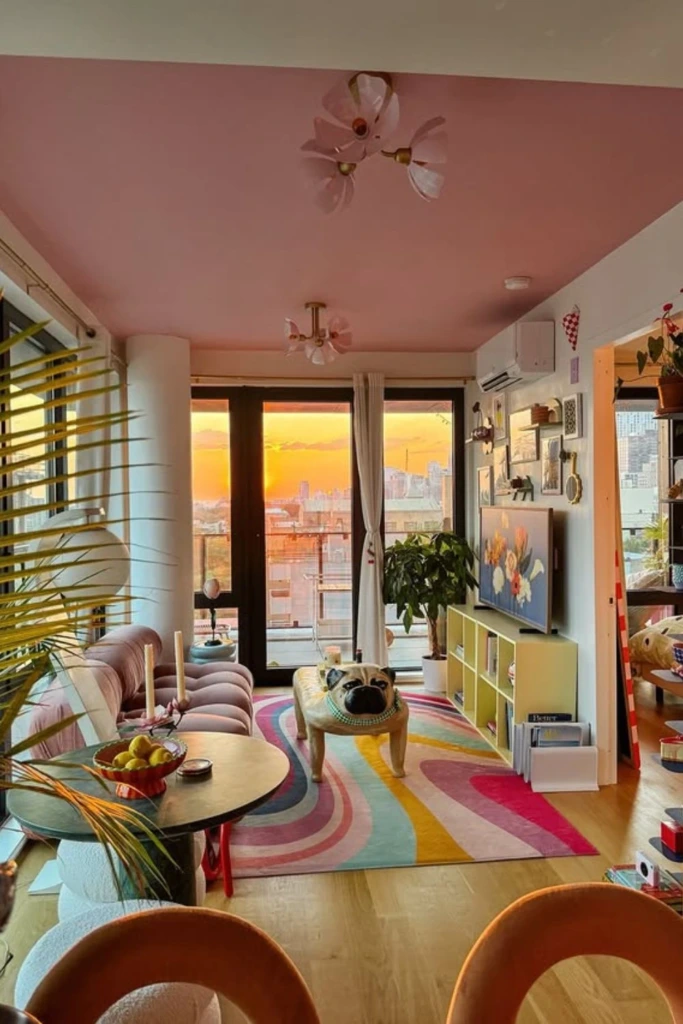
Color can help distinguish different activities within a single room. A particular rug, accent wall, or group of cushions can identify the living area, while coordinated bedding marks the sleeping zone.
You don't need dramatically different colors to create this effect. Two or three complementary shades can establish visual structure while keeping the apartment cohesive.
For example, use one accent color around your desk and a softer variation in the sitting area. Combine this with appropriately placed lighting and practical storage so each zone has a clear purpose.
Round Dining
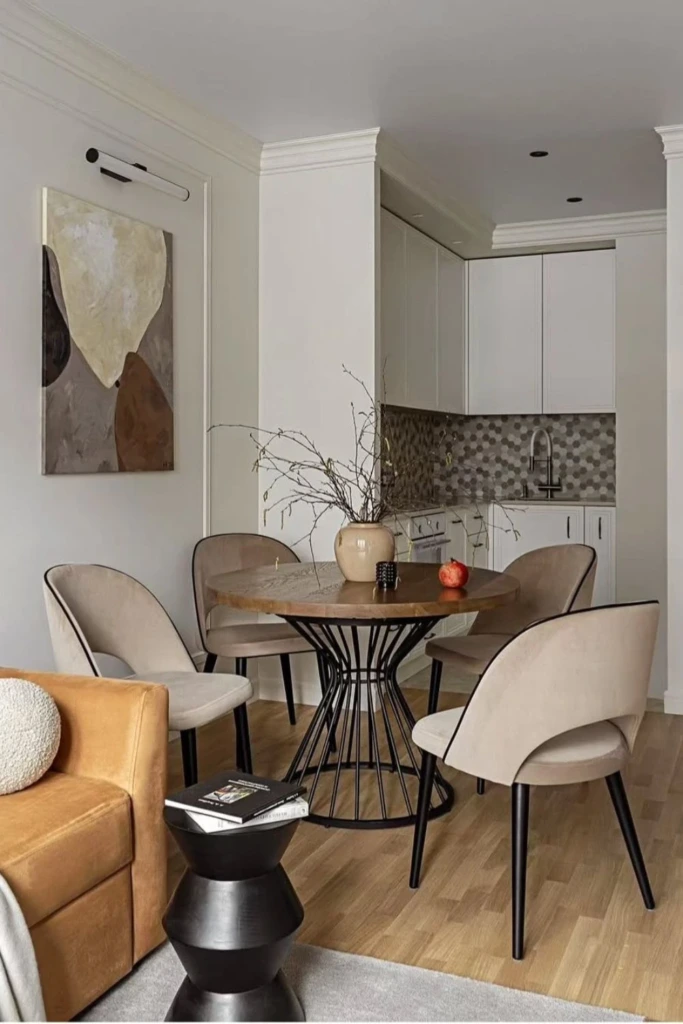
A round dining table can be easier to navigate around in a tight dining area because it has no protruding corners. A pedestal base also leaves more flexibility for positioning chairs.
Choose a diameter that allows people to sit comfortably without blocking nearby cupboards or doorways. When the table is not in use, push the chairs fully underneath to keep the area tidy.
If you rarely host guests, a small drop-leaf table may be even more practical. It provides a usable dining surface when needed and can be folded down to create additional space.
Ceiling Tracks
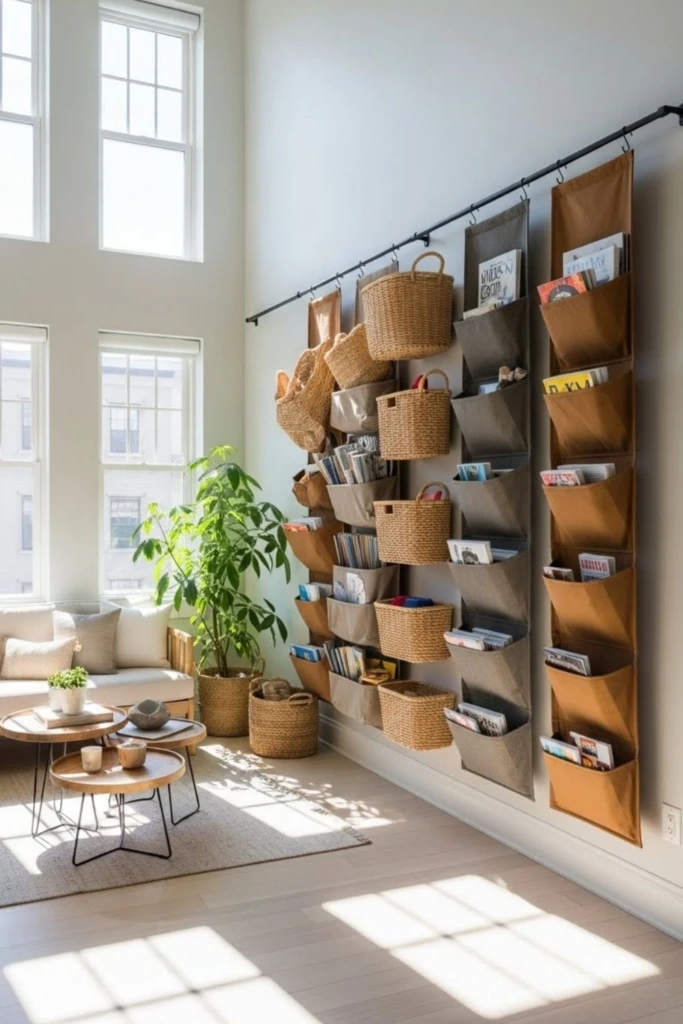
Ceiling-mounted tracks can support curtains, room dividers, or other lightweight hanging features in areas where wall space is limited. They can also help separate storage or sleeping zones without occupying floor space.
For storage, consider purpose-built hanging organizers suspended from an appropriate mounting system. Keep the load within the manufacturer's limits and ensure the ceiling can safely support the installation.
Avoid suspending heavy household objects overhead simply to save space. For most apartments, ceiling tracks are more useful for flexible partitions and lightweight accessories than for storing bulky belongings.
Mobile Walls
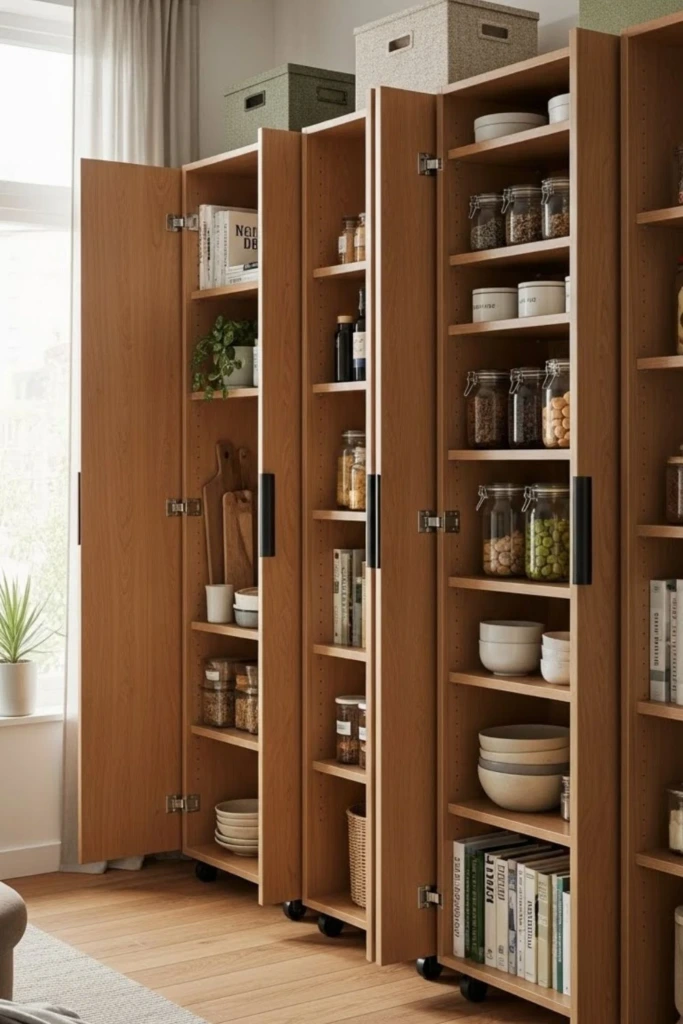
Rolling storage units make it easier to adjust your apartment's layout as your needs change. A narrow cabinet on locking casters can hold office supplies, craft materials, or household essentials and move out of the way when more floor space is needed.
Use these units to create temporary separation between a desk and a living area, or to bring frequently used supplies closer to where you work.
Choose a stable model with smooth-rolling wheels and secure drawers. Lock the casters during use, and avoid placing tall or heavy items in a way that could make the unit tip over.
Door Backs
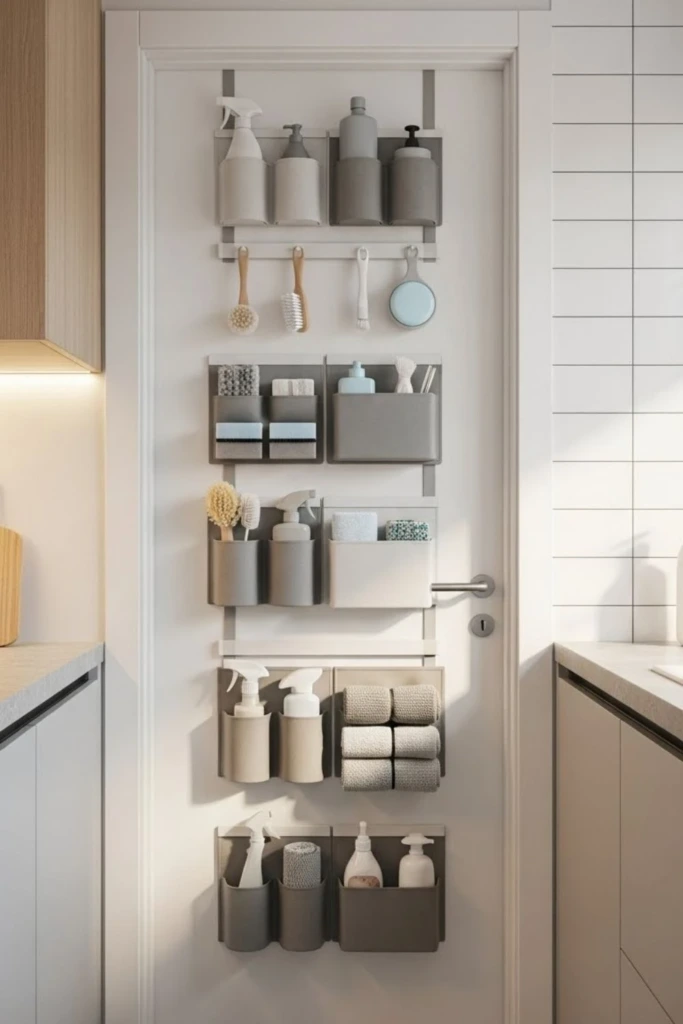
The backs of doors offer useful storage opportunities in apartments with limited cabinets. Hanging racks, pocket organizers, and slim hooks can hold cleaning products, toiletries, accessories, or pantry items.
Choose the organizer according to the door's location. A bathroom may benefit from pockets for personal care supplies, while a pantry door can accommodate lightweight packets and kitchen accessories.
Check the door's clearance before installing anything, especially if it opens into a narrow hallway. Keep the weight manageable so the door closes properly and the hinges are not subjected to unnecessary strain.
Depth Control
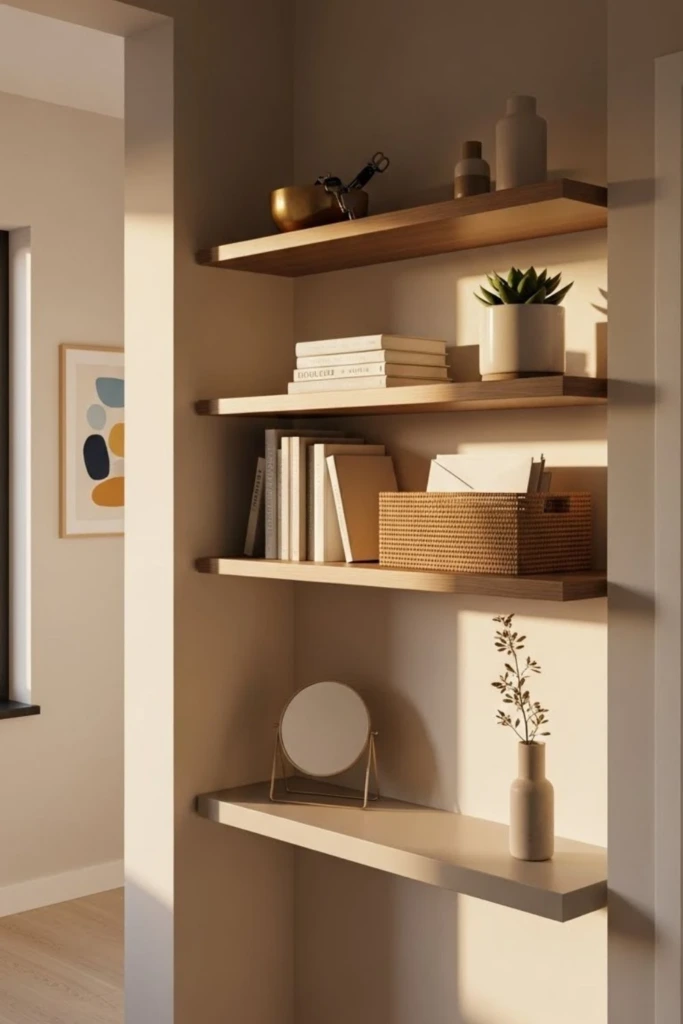
Deep storage isn't always the best option for a small apartment. Items placed at the back of deep shelves can become difficult to see, encouraging clutter and forgotten purchases.
Shallow shelves and narrow cabinets make it easier to identify belongings at a glance. They work particularly well near entryways, above desks, and along kitchen walls where only a modest amount of storage is needed.
Use deeper cupboards for larger objects such as cookware or appliances, and reserve shallow organizers for everyday essentials. This distinction helps prevent storage furniture from extending too far into walkways.
Corner Anchors
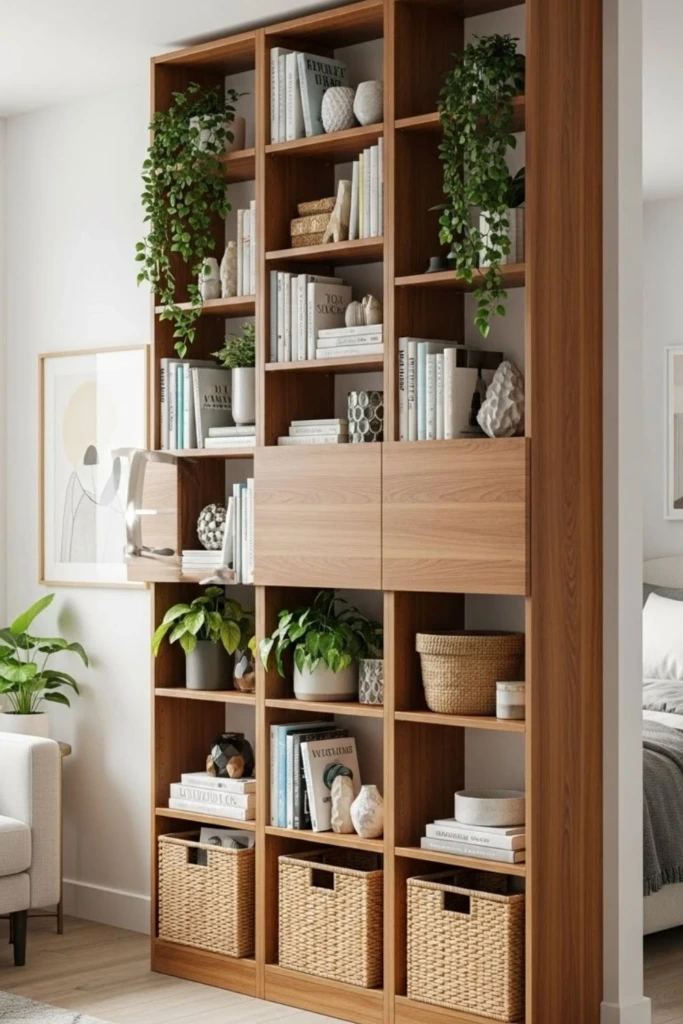
Corners often remain underused because standard furniture doesn't fit neatly into them. A corner shelf, triangular cabinet, or narrow vertical unit can turn an awkward area into a useful storage location.
Use the shelves for books, small baskets, plants, or decorative accessories. In a kitchen, a suitable corner organizer may also improve access to cookware and pantry items.
Measure both walls before choosing a unit, and make sure the furniture doesn't obstruct doors or windows. One thoughtfully selected corner piece can provide more value than several small organizers scattered around the apartment.
Routine Zones
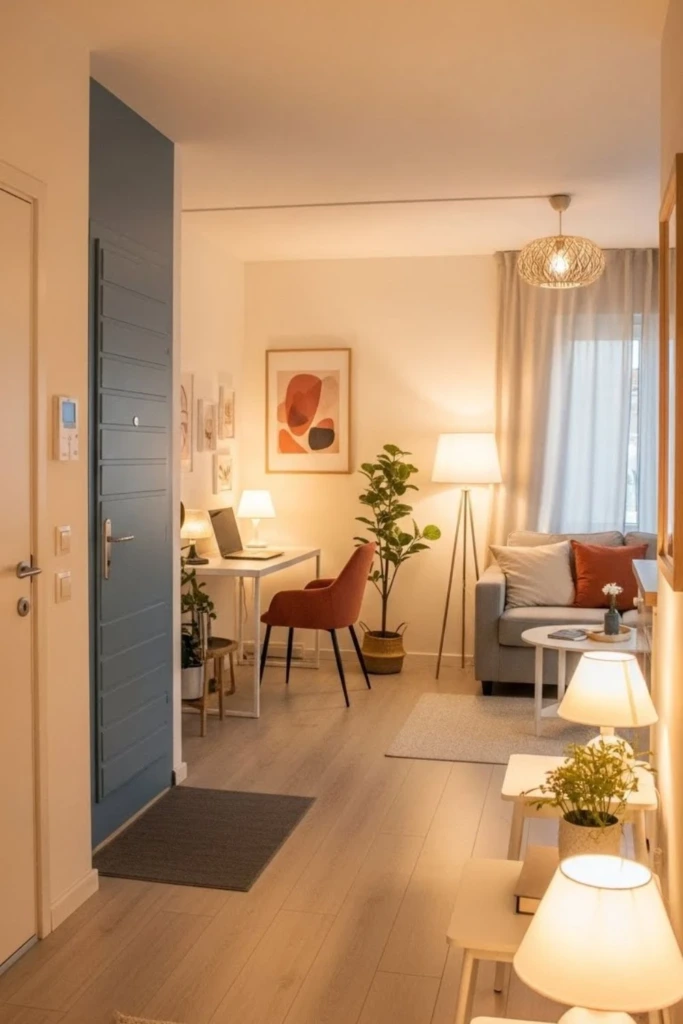
An organization system works best when it reflects the way you actually use your home. Instead of arranging belongings solely by room, create small activity zones that support everyday routines.
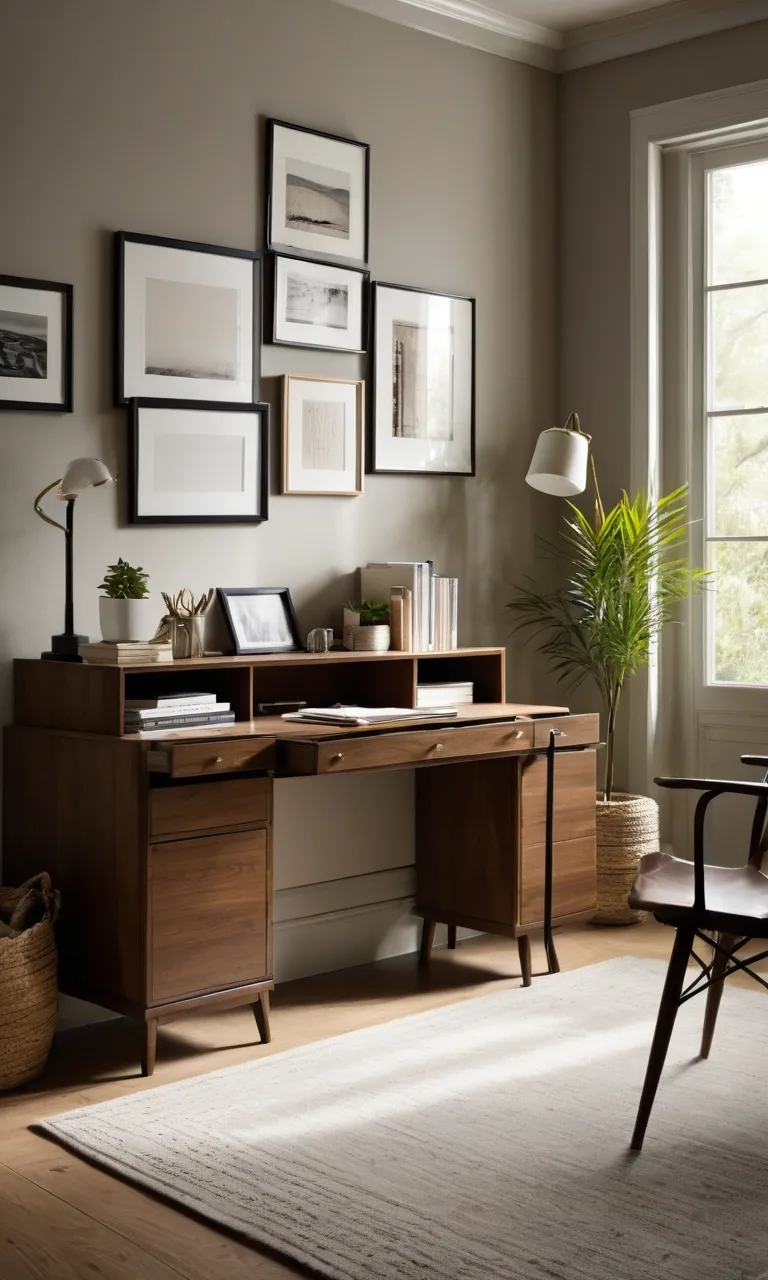
Near the entrance, keep keys, bags, shoes, and frequently used accessories together. At your desk, group chargers, stationery, and paperwork in one place. In the living area, give remote controls and reading materials a designated home.
Think about what you do when you arrive, prepare meals, work, and get ready for bed. Placing storage where each activity happens reduces unnecessary movement and makes it easier to put things away consistently.
How do I organize a small apartment without making it feel crowded?
Start by removing belongings you no longer use, then identify the items that need accessible storage. Prioritize furniture that fits the room, wall-mounted solutions, and organizers that make use of existing spaces beneath beds or inside cabinets.
Keep walkways clear and avoid filling every empty surface with decorative objects or storage containers. A smaller number of well-chosen furnishings often makes a room feel more spacious than an abundance of compact but unnecessary pieces.
Use light strategically, preserve access to windows, and keep frequently used items close to where you need them. Most importantly, organize one area at a time so you can determine which changes genuinely improve your daily routine.
Why does my apartment still feel messy after I organize it?
A room can look tidy immediately after cleaning but quickly become cluttered again if belongings don't have convenient, clearly defined places to return to. Storage that is difficult to access or unrelated to your daily habits often creates extra work rather than solving the problem.
Pay attention to where clutter repeatedly appears. If bags accumulate beside the entrance, add hooks or a designated bag shelf. If paperwork covers the dining table, establish a small filing area nearby.
Create a short daily reset routine to return items to their proper locations, clear frequently used surfaces, and prepare the apartment for the next day. Regular maintenance, realistic storage limits, and thoughtful furniture placement will help your organization system remain useful over time.