18 Pillow Storage Ideas for 2026 to Keep Your Home Organized
Extra pillows make a home feel cozy, whether they are used on beds, sofas, reading chairs, or guest room furniture. However, when pillows are not in use, they can quickly fill closets, crowd bedrooms, and make storage spaces difficult to manage. The right storage solution keeps them clean, protects their shape, and makes them easy to reach whenever you need them. From clever underbed options to decorative displays, these pillow storage ideas can help you make better use of your available space.
How Can You Store Extra Pillows Without Taking Up Too Much Space?
The best way to store extra pillows depends on how many you own, how frequently you use them, and the amount of room available. Start by sorting your pillows according to size, purpose, and season. Keep everyday cushions within easy reach and move spare guest pillows or seasonal decorative pillows into less frequently used spaces.
Look for storage opportunities that are already available in your home. The space beneath your bed, the upper shelves of a closet, and unused corners can all accommodate pillows without taking up valuable floor space. Fabric storage bags, stackable bins, and vacuum-sealed bags can also help control clutter when chosen appropriately for the pillow material.
Always store pillows after they have been thoroughly cleaned and dried. Avoid crushing delicate fillings for extended periods, and choose breathable containers when long-term ventilation is important. A simple system that keeps pillows protected and accessible will make your home feel more organized without requiring additional furniture.
1. Closet Shelves
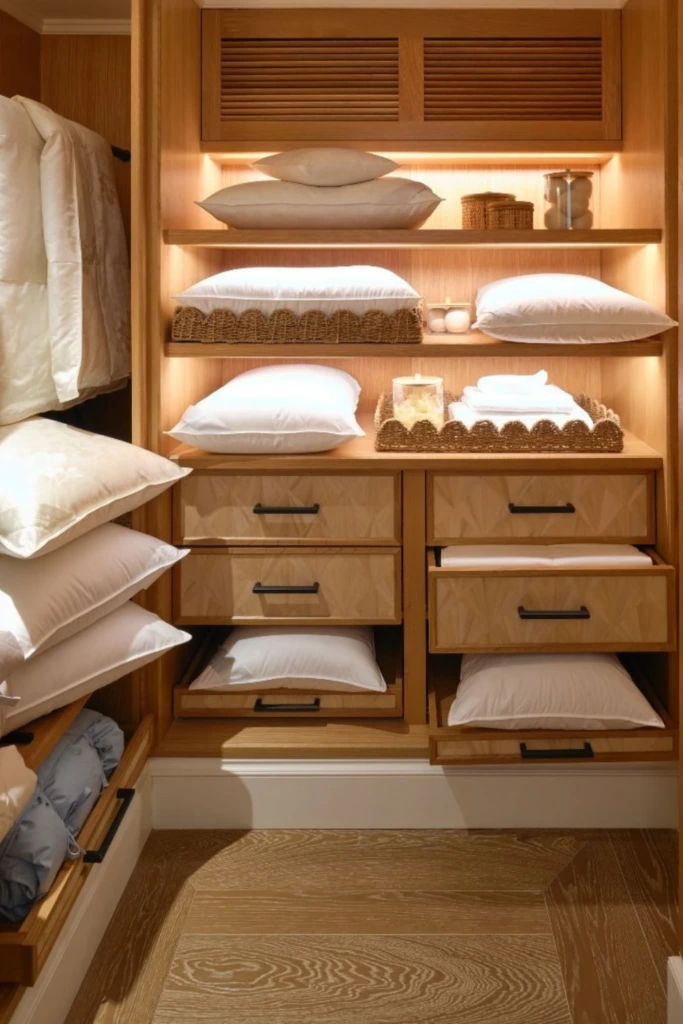
Closet shelves offer a practical place to keep spare pillows out of sight while maintaining easy access. If you have an existing wardrobe or linen closet, dedicate one shelf to extra pillows instead of mixing them with clothing, towels, and miscellaneous household items.
Place larger bed pillows at the bottom and smaller decorative cushions above them. Keep stacks manageable so you can remove one pillow without causing the entire pile to fall. Shelf dividers can help separate guest bedding from everyday cushions.
For open closet shelving, use washable fabric covers or breathable storage bags to reduce dust. If your shelves are high, reserve them for pillows that you only need occasionally. Frequently used pillows should stay at a comfortable height.
2. Wall Display

A wall display can turn attractive decorative pillows into part of your room's design rather than something that needs to be hidden away. This approach works especially well with coordinated cushion covers, textured fabrics, and pillows that complement the colors of your bedroom or living room.
Install sturdy wall-mounted shelves or purpose-built display ledges that are deep enough to support the pillows securely. Arrange cushions by color, pattern, or size to create a balanced appearance. Avoid placing them where they could fall onto a walkway, seating area, or bed.
This method is best for decorative pillows that are used regularly and benefit from being displayed. Because exposed pillows collect dust, give them a quick shake or gentle vacuuming with a suitable upholstery attachment as needed. For sleeping pillows or delicate fabrics, enclosed storage is generally a better choice.
3. Vertical Rack
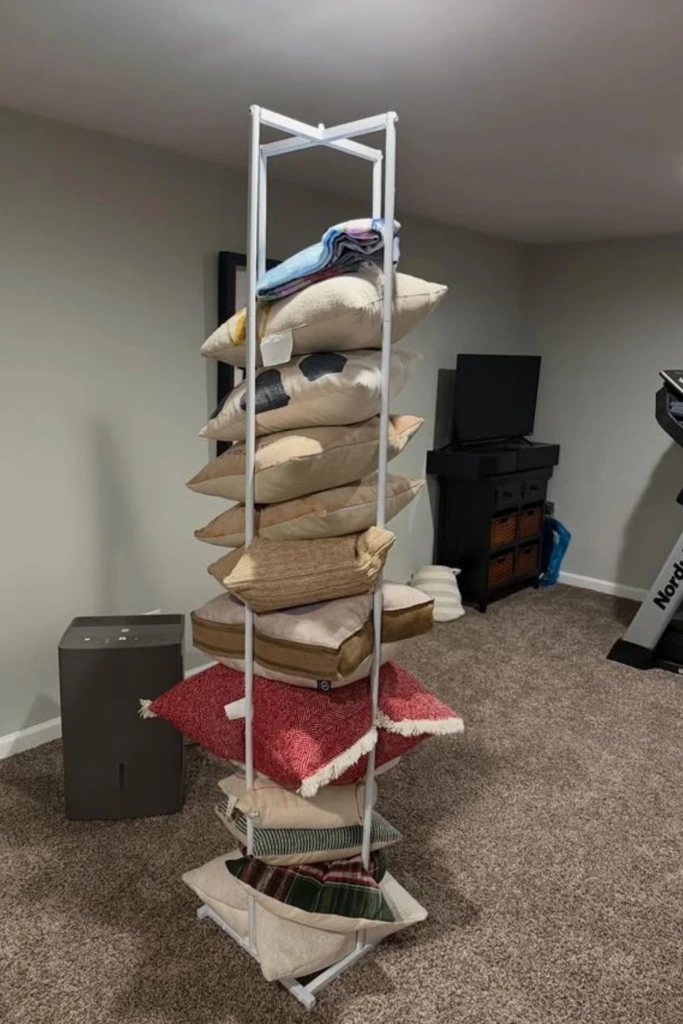
A vertical rack makes use of height instead of spreading pillows across the floor. It is particularly useful in compact bedrooms, small apartments, and guest rooms where every bit of available space matters.
Choose a rack with broad supports, secure construction, and enough room to hold pillows without bending or compressing them excessively. A freestanding design can fit beside a wardrobe, while a wall-mounted option may work in a dedicated linen storage area.
You can organize pillows by type, keeping sleeping pillows separate from sofa cushions and seasonal decorative pieces. Make sure the rack is stable and positioned away from damp walls or direct sunlight that could fade fabrics.
If you prefer a tidy appearance, cover the rack with a breathable fabric enclosure. This preserves the space-saving benefits while protecting the pillows from everyday dust.
4. Bed Bench
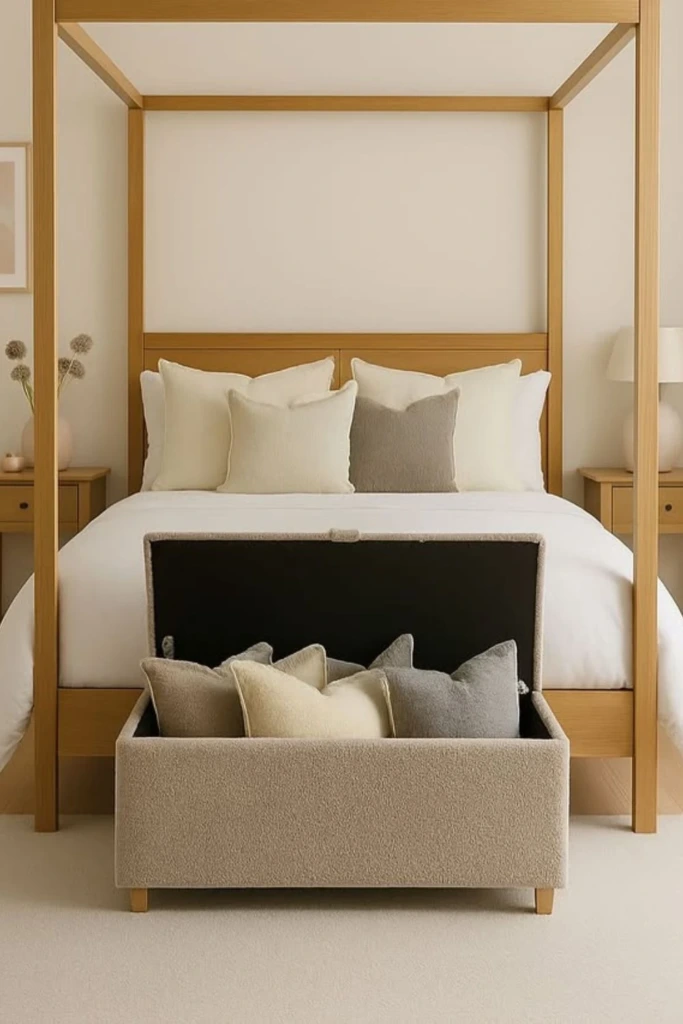
A bed bench with a storage compartment combines useful seating with hidden storage. Place one at the foot of your bed and use its interior to hold spare pillows for guests, seasonal cushions, or decorative pillows that are removed at night.
Before purchasing a bench, measure the pillows you intend to store and compare those dimensions with the usable interior space. Some benches have shallow compartments that accommodate small cushions but cannot fit standard bed pillows comfortably.
Choose a model with a lid that opens easily and does not press heavily against the contents. If the bench has a solid, enclosed interior, make sure the pillows are completely dry before storing them. Adding a clean fabric liner can help keep the compartment tidy.
A storage bench is especially convenient in bedrooms where a separate linen cabinet would take up too much room. It also provides a convenient spot to sit while getting dressed or arranging bedding.
5. Labeled Bins
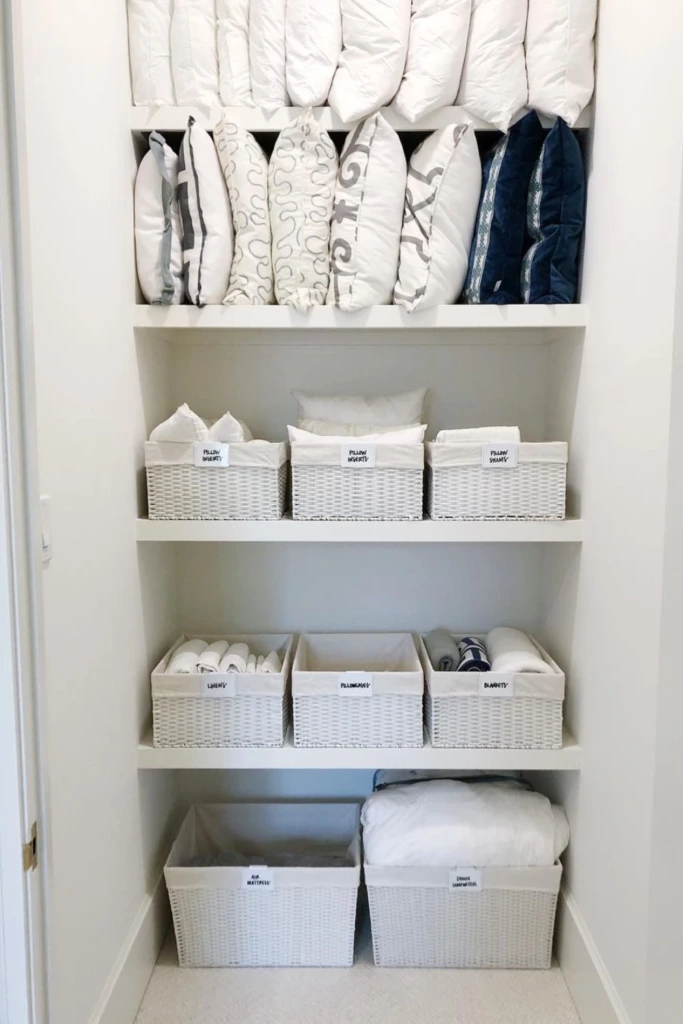
Labeled bins make pillow storage easier to maintain, especially when you have several sizes or different types of cushions. Use separate containers for guest pillows, decorative covers, seasonal cushions, and spare sleeping pillows.
Clear plastic bins allow you to identify the contents without opening each container. Opaque fabric bins create a softer appearance when placed on open shelves. Either option can work well, provided the container is large enough to hold its contents without excessive compression.
Add simple labels such as "Guest Pillows," "Living Room Cushions," or "Winter Bedding." If several family members use the storage area, clear labels help everyone return items to the correct place.
For long-term storage, choose containers that suit the filling and fabric. Breathable options are often preferable for natural-fill pillows, while clean, dry plastic bins can work for many synthetic pillows. Avoid sealing away moisture, which can lead to unpleasant odors or mildew.
6. Cube Organizer

A cube organizer provides separate compartments for storing pillows and coordinating bedroom accessories. Its modular design makes it useful in bedrooms, closets, playrooms, and living areas where a traditional linen cabinet may not fit.
Select cube compartments large enough to accommodate the pillows you own. Standard bed pillows may need larger cubes, while compact decorative cushions can fit into smaller openings. Fabric baskets inserted into the cubes offer a neat way to conceal pillows and protect them from dust.
You can assign individual compartments to different categories, such as guest bedding, sofa cushions, or spare pillow covers. This prevents items from becoming mixed together and makes it easier to find what you need.
For a polished appearance, coordinate the organizer's color with your existing furniture. Secure tall units according to the manufacturer's instructions, especially if children may climb on or pull at the shelves.
7. Carry Basket
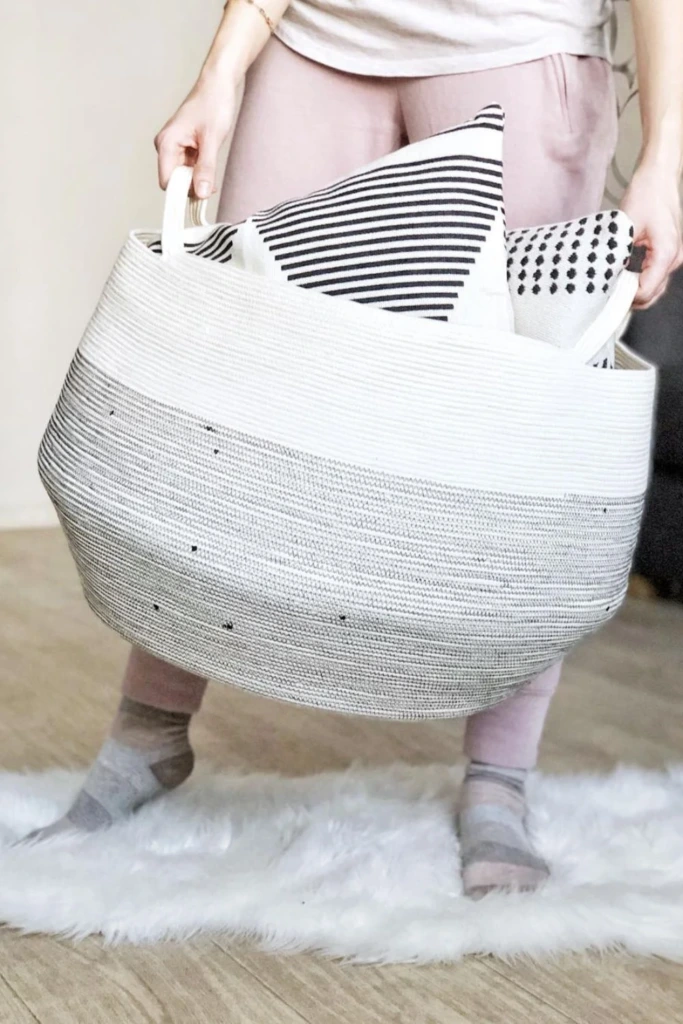
A carry basket is a simple and attractive way to store extra cushions near the sofa, bed, or reading nook. Unlike permanent shelving, it can be moved easily when you rearrange furniture or need to transport pillows to another room.
Choose a basket with enough depth to hold several pillows without forcing them into a tight bundle. Woven baskets provide a decorative, natural look, while fabric baskets offer softer sides that can accommodate bulky cushions.
A basket with handles is especially useful for carrying pillows between bedrooms and living areas. You can also keep frequently used throw pillows in the basket when they are not arranged on the sofa.
For better protection, place a washable liner inside the basket. Avoid leaving pillows in a damp wicker basket or directly against a surface that traps moisture. An open basket is best for short-term storage rather than protecting valuable pillows for months at a time.
8. Fabric Bags

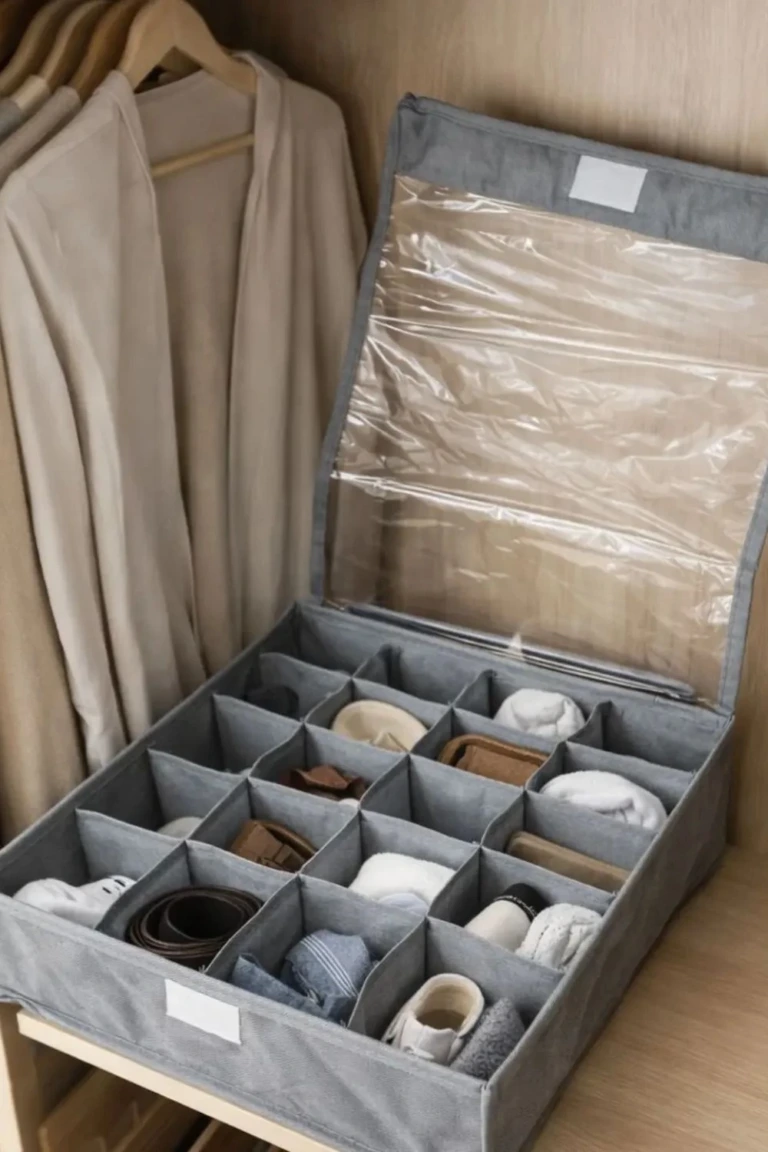
Fabric storage bags are a lightweight solution for keeping spare pillows together without using rigid containers. They are easy to place on closet shelves, beneath a bed, or inside a larger wardrobe.
Look for bags made from breathable materials, particularly when storing pillows filled with down, feathers, or other natural materials. A zippered closure helps limit dust, while a transparent window or label makes it easier to identify the contents.
Choose a bag with enough room for the pillows to sit naturally. Avoid squeezing several oversized pillows into one small bag, as prolonged compression can affect their loft and shape.
Fabric bags are also useful when rotating bedding between seasons or preparing a guest room. Wash or clean the bags according to their care instructions before filling them, and always make sure the pillows are dry.
For additional organization, use separate bags for different pillow sizes or rooms. This simple habit makes it easier to retrieve the right items without unpacking everything.
9. Floating Shelf
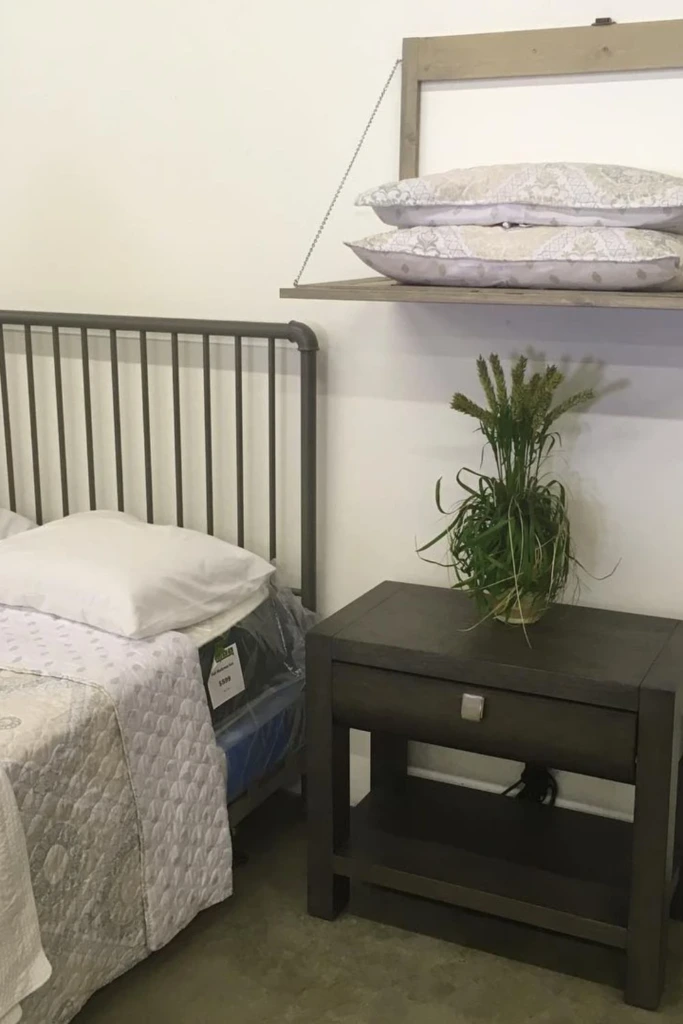
Floating shelves provide storage without the visual bulk of a freestanding cabinet. They can be installed above a dresser, beside a wardrobe, or along an unused bedroom wall to hold decorative pillows and smaller cushions.
Choose shelves with sufficient depth and a weight rating appropriate for the items you plan to display. Install them into suitable wall supports using the correct hardware, and keep the bottom of the shelf high enough to avoid interfering with furniture or everyday movement.
Arrange pillows in small groups instead of creating a tall, unstable pile. Mixing colors and textures can make the shelf feel intentional, particularly when the pillows coordinate with the room's bedding or curtains.
Because floating shelves leave the pillows exposed, this solution is better for cushions that are used often than for long-term storage of sleeping pillows. Dust the shelf regularly and rotate the displayed cushions to prevent one side from fading in strong sunlight.
10. Underbed Storage
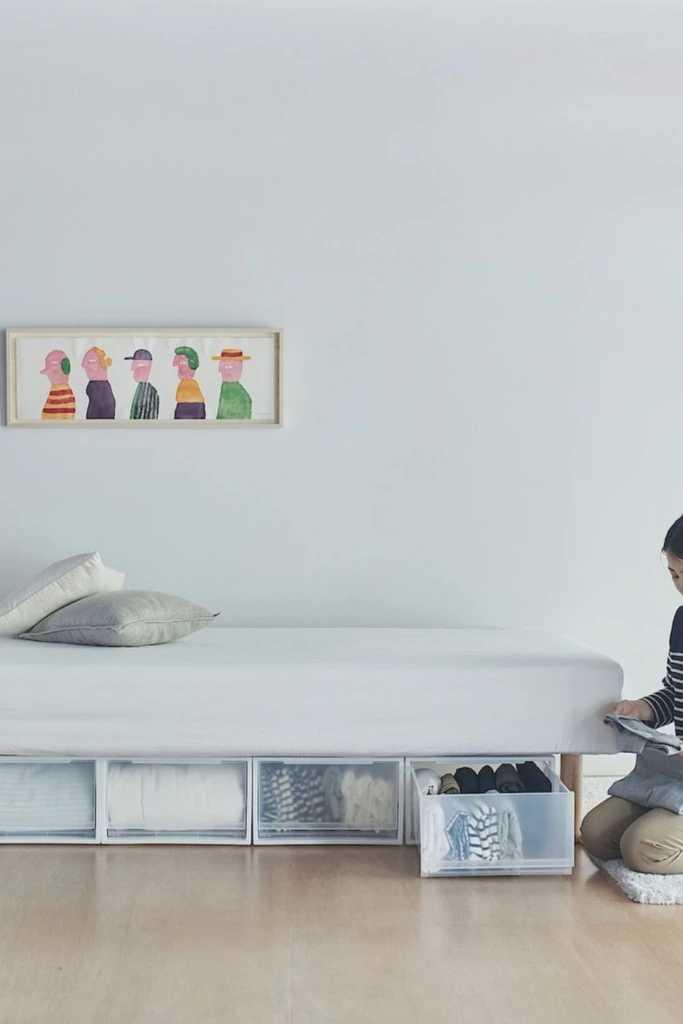
The space beneath a bed is valuable storage real estate, particularly in homes with limited closet space. Underbed storage containers can hold spare pillows without requiring another piece of furniture.
Measure the clearance beneath your bed before choosing a container. Low-profile storage bags work well when the gap is narrow, while wheeled boxes may be more convenient when there is enough height. Soft-sided organizers are useful for bulky pillows that need a little extra room.
Select a clean storage option with a lid or protective cover to reduce dust. Containers with wheels make it easier to retrieve pillows without dragging them across the floor. If your bed is positioned over carpet, check that the organizer can slide out comfortably.
Underbed storage is ideal for guest pillows, seasonal cushions, and decorative pillows that are not needed every day. However, inspect the area periodically for moisture and dust, especially if the bedroom has poor ventilation. Keep pillows away from damp flooring and avoid packing them so tightly that they lose their shape.
11. Rolling Drawer
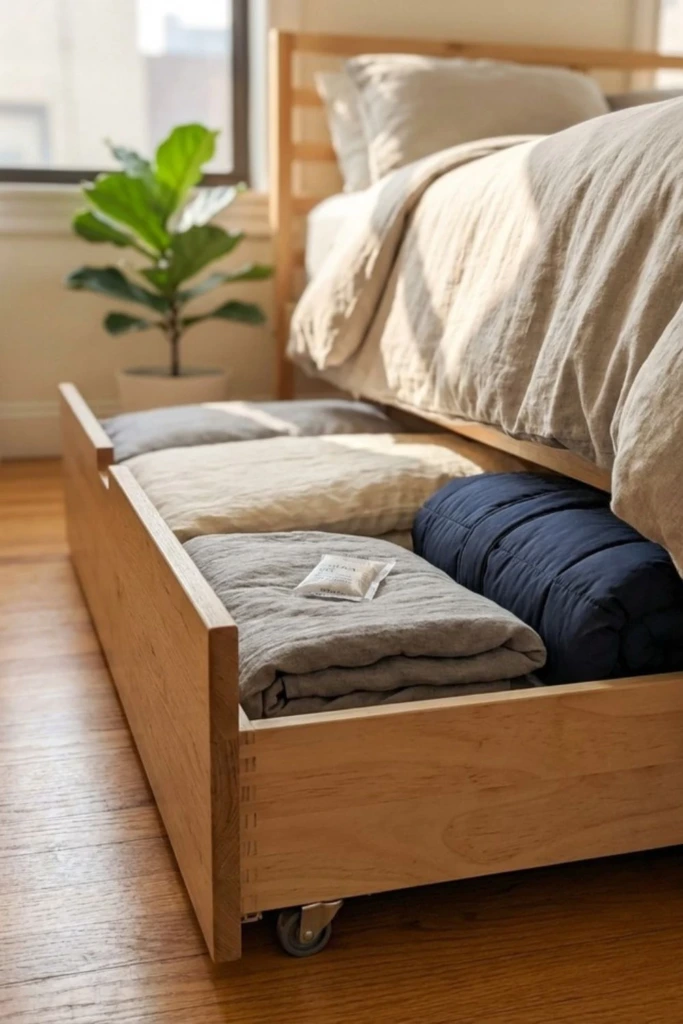
A rolling drawer makes pillow storage more accessible by allowing you to pull the entire container out from beneath a bed, a low shelf, or a suitable piece of furniture.
Choose a drawer with smooth-rolling casters and enough interior space for your largest pillows. A low, wide design is often more useful than a narrow container because pillows can lie flatter and remain easier to arrange.
Use a clean liner to protect the fabric from rough surfaces, and separate different pillow types with lightweight fabric dividers if needed. A lid can help reduce dust, while an open-top drawer provides quicker access to frequently used cushions.
This arrangement is especially convenient for guest rooms, where spare pillows may only be needed occasionally. Label the front of the drawer so you can find the contents without opening multiple storage containers.
Before loading it, check the drawer's weight capacity and ensure that the wheels can support the contents. Avoid placing it where it blocks access to other furniture or creates a tripping hazard.
12. Vacuum Bags
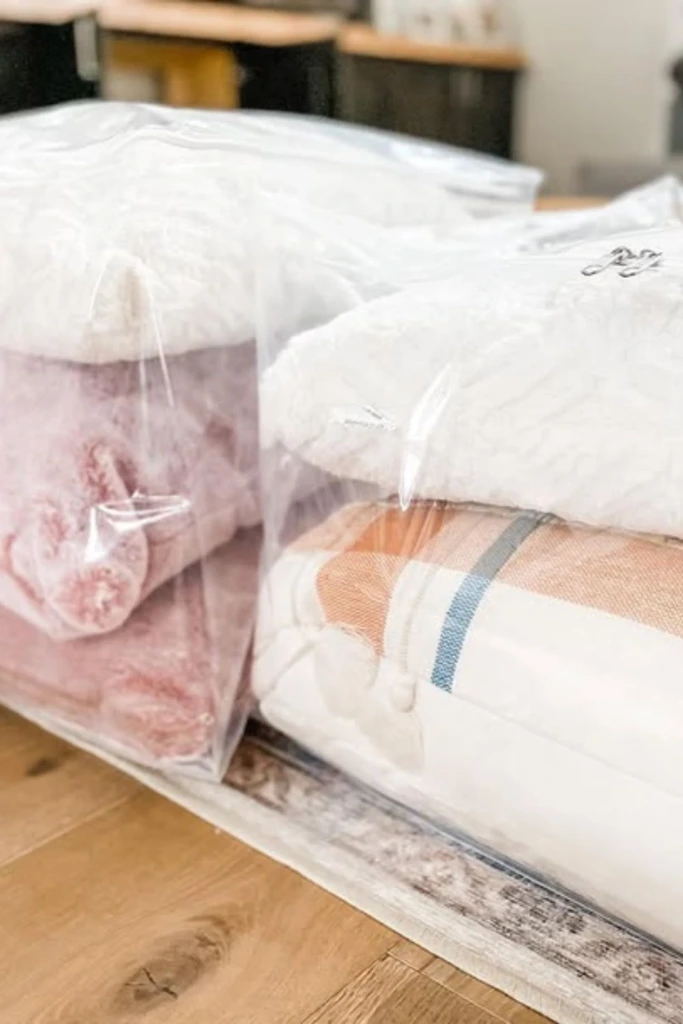
Vacuum storage bags reduce the volume of certain pillows by removing much of the air trapped inside their filling. They can be useful when storing bulky synthetic pillows in limited spaces, such as a closet or under a bed.
However, vacuum bags are not suitable for every pillow. Extended compression can damage delicate construction or reduce the loft of some fillings. Down, feather, memory foam, latex, and specialty pillows may require different care, so check the manufacturer's recommendations before using this method.
If the pillow is suitable, start with a clean, completely dry item. Place it inside a properly sized bag, follow the instructions for removing air, and avoid compressing it beyond the recommended level. Store the sealed bag in a cool, dry location away from sharp objects and excessive heat.
When you need the pillow again, remove it from the bag and allow sufficient time for it to regain its normal shape and loft. Gently fluff it as directed by the manufacturer.
Vacuum storage should generally be treated as a space-saving option for compatible pillows, not a universal solution for long-term storage. Breathable bags or roomy containers are often better for delicate or expensive pillows.
13. Stool Stack
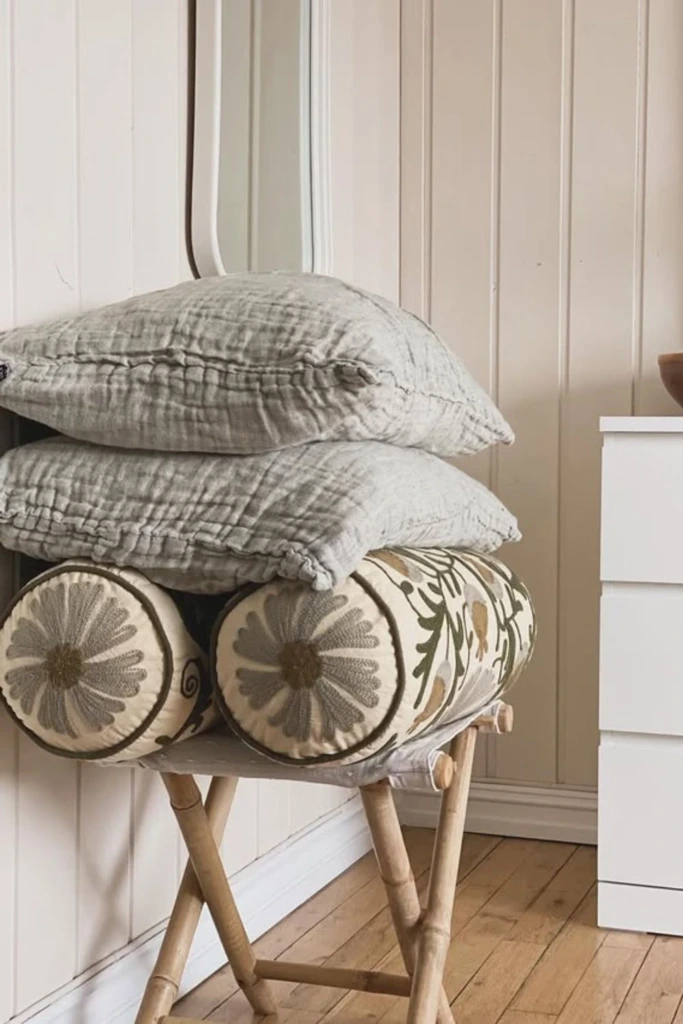
A stack of stools can provide a simple, flexible way to organize lightweight decorative pillows in a bedroom or living area. This idea works best when you already own sturdy nesting stools or have a small corner available for occasional cushion storage.
Place one or two pillows on a stable stool and use another suitable stool nearby for additional cushions. If the stools are designed to nest, keep them nested when they are not needed and arrange the pillows separately in a basket or on a nearby shelf.
Choose stools with smooth, clean surfaces that will not snag the pillow fabric. Avoid piling too many cushions on a narrow seat, since an unstable stack can fall when someone brushes past it.
This is more of a casual storage and display arrangement than a solution for protecting bedding over long periods. It is particularly useful for throw pillows that are frequently moved between a couch, accent chair, and bed.
For a more coordinated look, select stools that complement your room's furniture and keep the cushions arranged by color or size.
14. Open Shelves
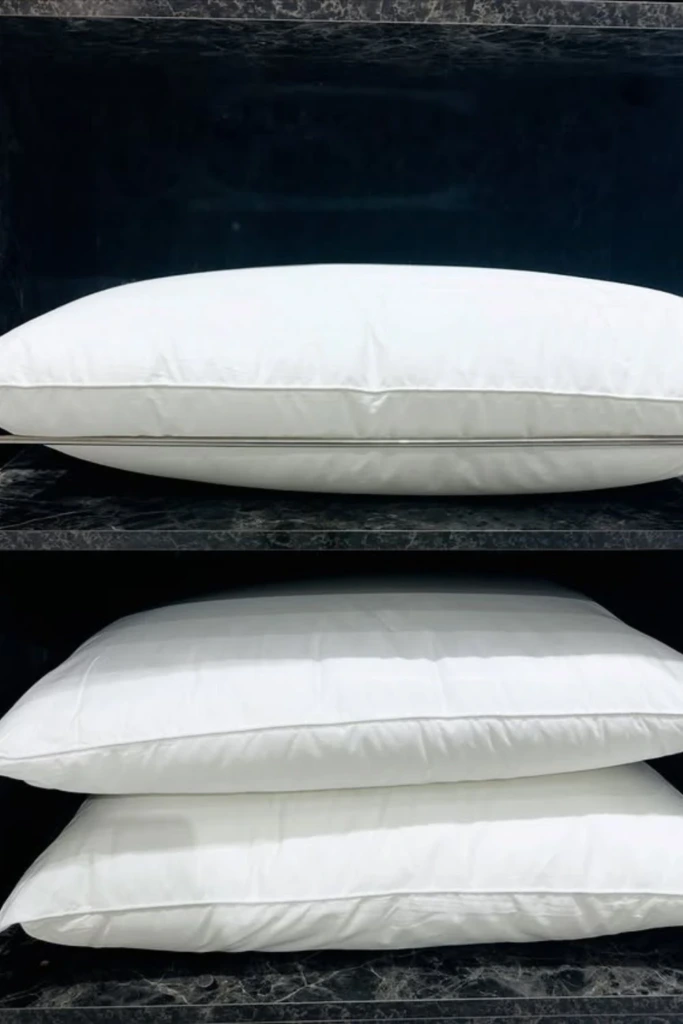
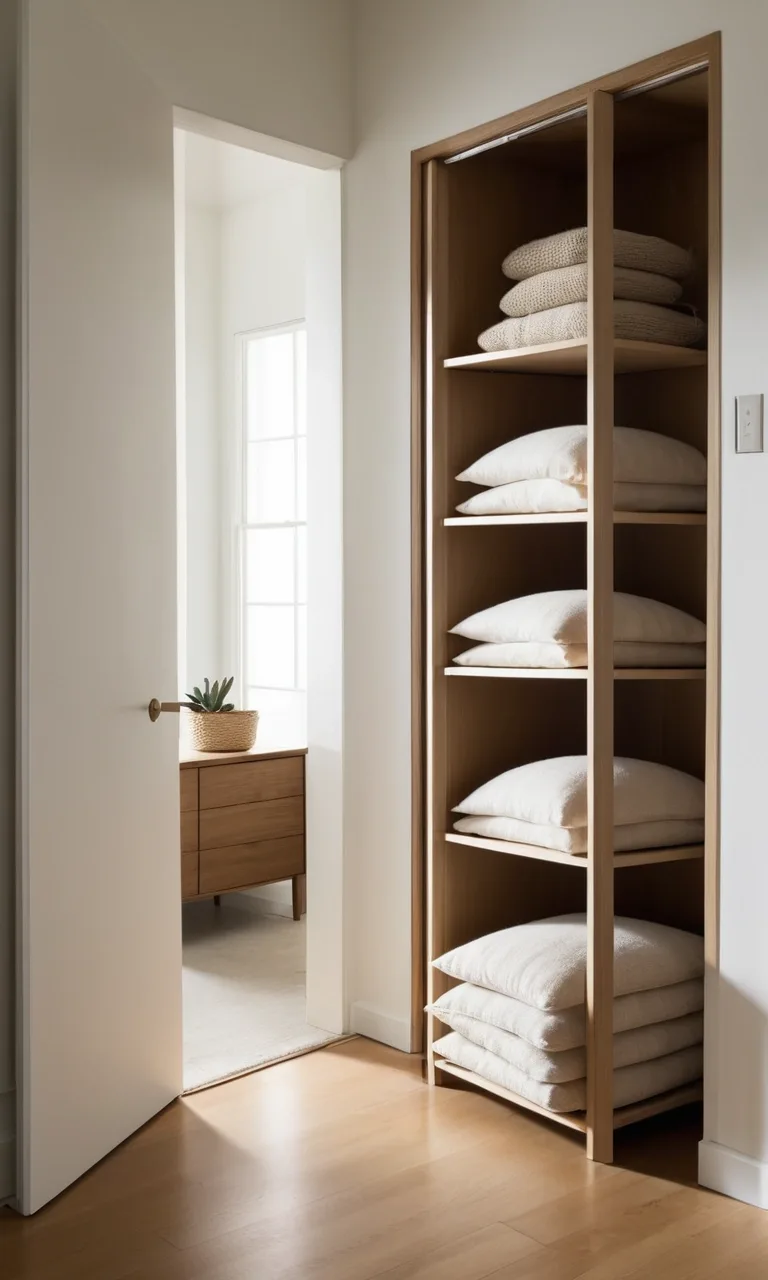
Open shelving makes extra pillows easy to see and retrieve. A bookcase-style unit or dedicated linen shelf can hold several cushions while keeping them accessible for daily use.
Arrange pillows in groups according to their purpose. Keep bed pillows together, separate sofa cushions from guest bedding, and reserve one shelf for seasonal decorative pieces. This organization prevents frequently used pillows from getting buried beneath less useful items.
For a neat appearance, fold or stack pillowcases separately and place them beside the matching pillows. Storage baskets can be added to lower shelves for smaller cushions or accessories.
Open shelves work best in dry, relatively dust-free rooms. Since the pillows are exposed, clean the shelves regularly and wash removable covers as recommended. If the storage unit is near a window, protect the fabrics from prolonged direct sunlight.
Make sure the shelving is sturdy enough to support the combined weight of the pillows and any additional items. Keep heavier objects on lower shelves and avoid building unstable piles that extend beyond the shelf edges.
15. Closet Stack
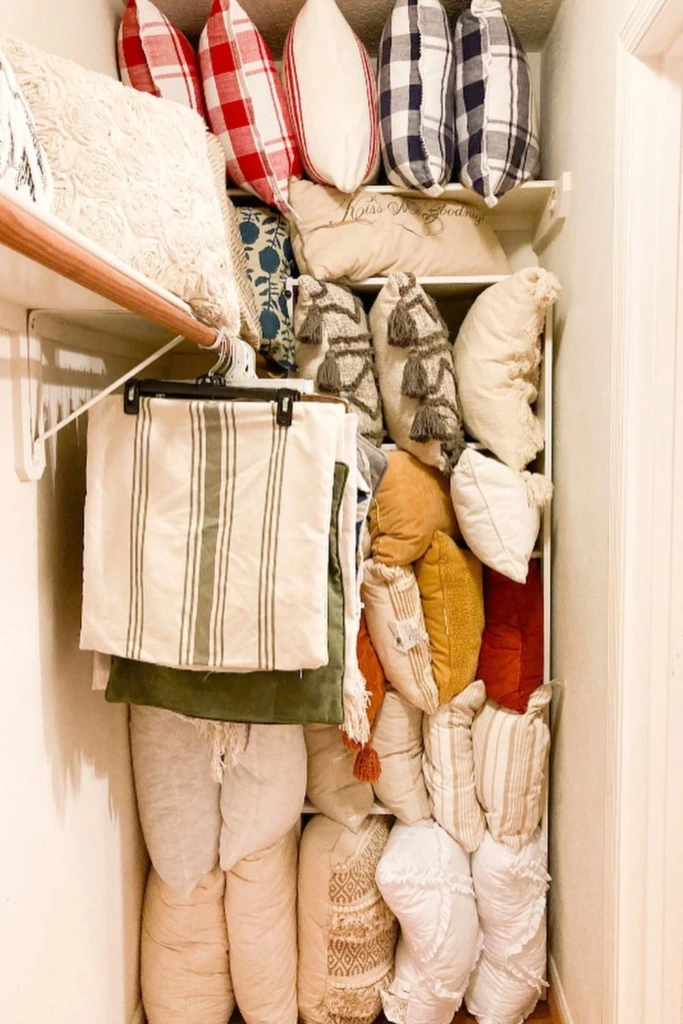
Stacking pillows inside a closet is an easy way to make use of existing storage space without buying additional organizers. This method is particularly helpful when you have several standard bed pillows or matching cushions that are used together.
Start by placing the largest pillows at the bottom and adding smaller ones above them. Keep each stack low enough that it remains stable when you remove an item. If your pillows vary significantly in size, create separate stacks rather than forcing them into one uneven pile.
Reserve a specific section of the closet for pillows so they do not become mixed with shoes, bags, or heavy objects. A clean shelf liner can protect the fabric, and a breathable cover can reduce dust when the closet is opened frequently.
Avoid pushing the closet door against overfilled shelves or squeezing the pillows between tightly packed belongings. The goal is to preserve their natural shape while using the available height efficiently.
For easier access, keep frequently used pillows near the middle of the closet and place occasional-use items on higher shelves.
16. Cabinet Stack
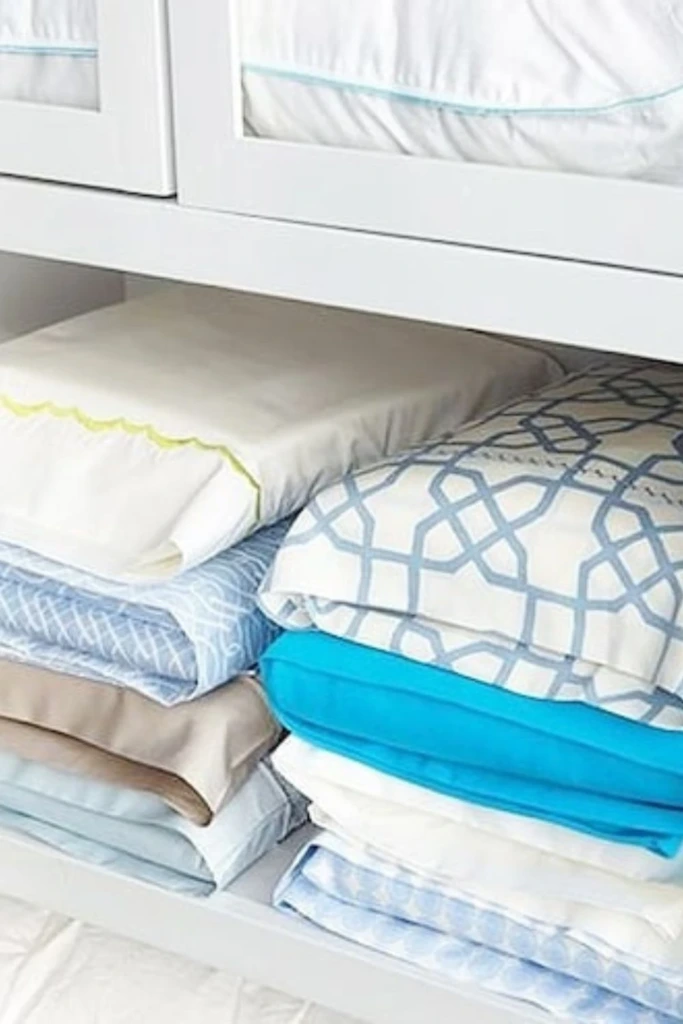
A cabinet offers a more enclosed alternative to open shelving and can keep spare pillows out of sight. It is a useful choice for bedrooms without a dedicated linen closet or for homes that need a central place to store guest bedding.
Choose a cabinet with shelves deep and tall enough to accommodate your pillows without bending them sharply. Stack similar pillows together, leaving enough room to remove one without disturbing the others. If the cabinet contains multiple shelves, assign each one to a particular pillow category.
A breathable fabric cover can help protect pillows from dust while allowing some air circulation. Avoid storing damp bedding inside a closed cabinet, and inspect the interior occasionally for musty smells or signs of moisture.
Cabinet storage can also accommodate pillowcases and protective covers in a separate basket. Keeping these accessories close to the matching pillows makes preparing a bed quicker and more convenient.
Before using an existing cabinet, remove clutter and clean the shelves. A dedicated, well-organized space helps you keep spare pillows in good condition while making better use of your furniture.
17. Display Cabinet
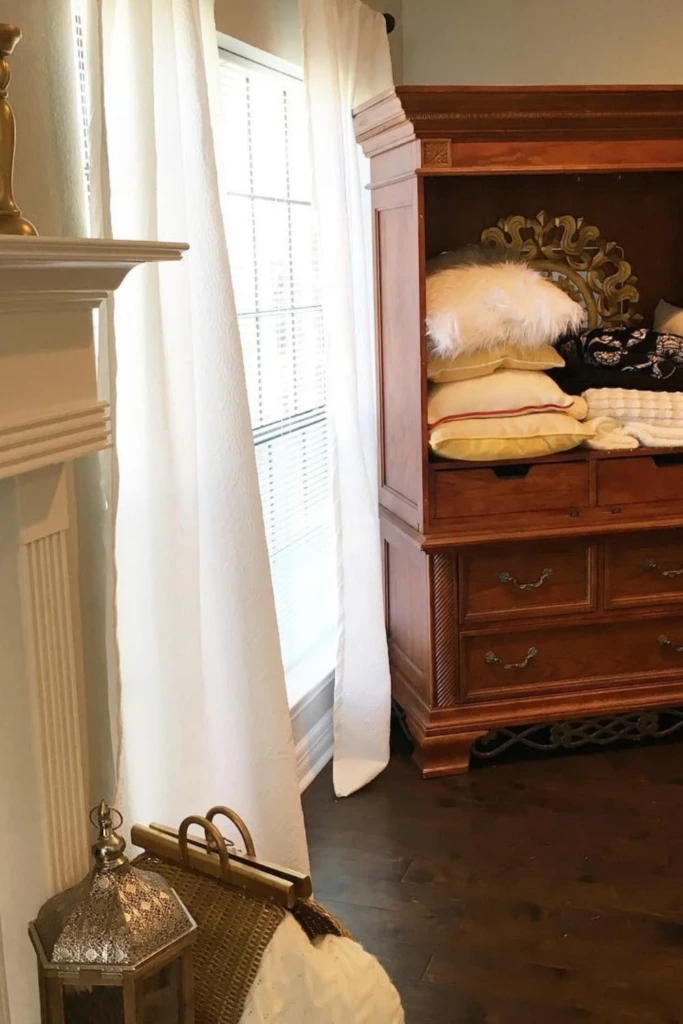
A display cabinet is an option for decorative cushions that contribute to your room's overall style. Cabinets with glass doors allow you to show off attractive fabrics and coordinated designs while offering more protection from dust than open shelves.
Arrange the pillows by color, pattern, or size to create a balanced display. Smaller cushions can sit at the front, while larger ones provide a backdrop. Leave enough room between items so the cabinet does not look overcrowded.
Check the shelf depth and cabinet door clearance before arranging your pillows. The doors should close without pressing against the fabric, and the shelves must be strong enough to support the contents.
Display cabinets are best suited to decorative pillows rather than bulky everyday sleeping pillows. For cushions made from delicate fabrics, choose a location away from strong sunlight and sources of heat.
Clean the glass and shelves regularly, and remove the pillows occasionally to check for dust or trapped moisture. This approach combines visible organization with a decorative feature that can complement a bedroom, sitting room, or guest area.
18. Lift Storage

Lift-up storage beds provide a hidden compartment beneath the mattress, making them useful for storing spare bedding without adding another piece of furniture. The mattress platform lifts to reveal a large area that can accommodate pillows, blankets, and other lightweight household textiles.
Before storing pillows, check the dimensions of the compartment and the bed manufacturer's storage recommendations. Place pillows in clean, suitable fabric bags to help protect them from dust and contact with the bed frame.
Avoid overfilling the compartment. The storage mechanism needs to operate freely, and bulky items must not interfere with the lifting hardware or create excessive pressure against the mattress platform.
A lift-up bed is particularly useful in small bedrooms where floor space is limited. It allows you to keep guest pillows and seasonal bedding nearby without leaving them visible.
Keep the compartment dry and inspect it periodically for dust or moisture. If your bed has a mechanical lifting system, follow the manufacturer's instructions when opening and closing it, and never exceed its specified storage limits.
FAQs
Pillow storage becomes easier when you consider the pillow's filling, how often you use it, and the conditions in the storage area. The following answers cover common questions about keeping spare pillows clean, fresh, and comfortable.
Where should you store pillows when not in use?
Store unused pillows in a clean, dry location away from direct sunlight, moisture, and excessive heat. A linen closet, bedroom cabinet, underbed organizer, or breathable fabric storage bag can work well, depending on the space available.
For pillows used regularly, choose a location that allows easy access without requiring you to unpack several containers. Guest pillows and seasonal cushions can be placed on higher closet shelves or beneath the bed.
Make sure pillows are completely dry before storing them, particularly after washing. Use breathable bags for pillows that need ventilation, and avoid placing them directly on dusty floors or in damp basements.
If you are storing pillows for an extended period, check them occasionally for unusual odors, moisture, or changes in condition. Proper storage helps preserve their cleanliness, comfort, and appearance.
What is the best way to store pillows without ruining them?
The safest storage method is one that protects pillows from moisture and dirt while allowing them to retain their natural shape. For most pillows, a roomy closet shelf, breathable fabric bag, or appropriately sized storage container is a good starting point.
Always follow the care label, since different fillings respond differently to compression. Some synthetic pillows may tolerate temporary compression, but memory foam, latex, down, and other specialty pillows may require more careful handling. Avoid vacuum sealing a pillow unless the manufacturer confirms that it is suitable.
Clean pillows according to their care instructions and allow them to dry completely before putting them away. Store them in a cool, dry place, away from direct sunlight and sources of heat.
Do not place heavy objects on top of stored pillows or force them into undersized containers. When taking pillows out of storage, gently fluff them and allow them to regain their normal shape before use.
Final Thoughts
Organizing extra pillows does not have to mean sacrificing closet space or adding bulky furniture to your home. Closet shelves, storage benches, baskets, underbed containers, and lift-up beds all offer practical ways to keep pillows tidy and accessible. Choose a method that suits your available space and the type of pillows you own, and make sure every pillow is clean and completely dry before storing it. With a little planning, you can protect your pillows, reduce clutter, and keep your home comfortable and organized throughout the year.