
26 Field Day Games Ideas for 2026

Field day is one of the most exciting ways to bring students, families, and friends together for outdoor fun. Whether you're planning a school celebration, summer camp activity, or community event, the right games can turn an ordinary afternoon into an unforgettable experience.
The best field day games combine movement, teamwork, friendly competition, and plenty of laughter. From energetic relay races to creative challenges that test balance and coordination, these 26 field day games ideas for 2026 offer something for different ages, abilities, and group sizes.
Team Relay Challenges
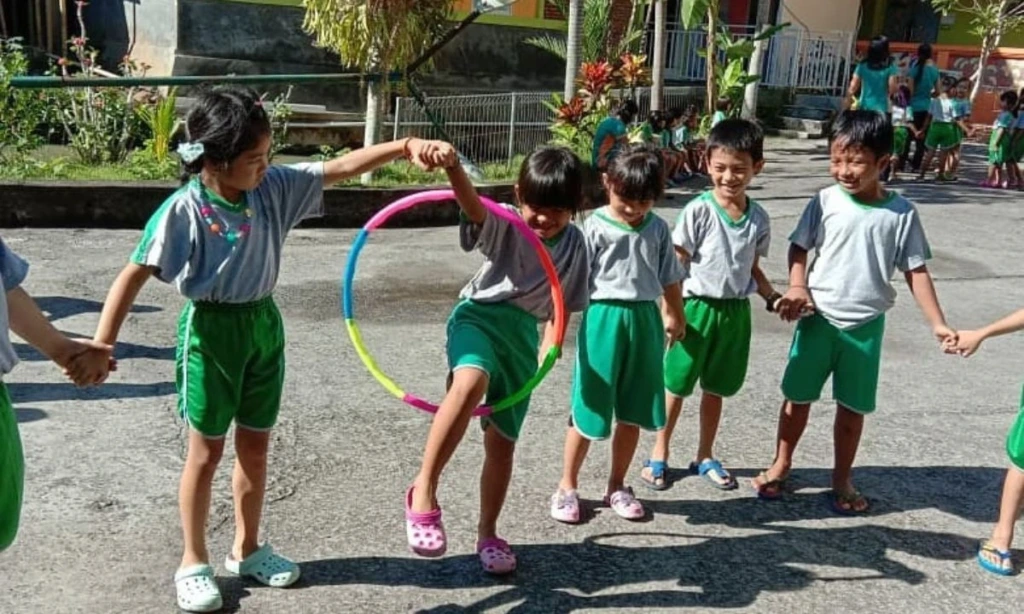
Team relay challenges bring excitement to field day events by encouraging participants to work together toward a shared goal. Instead of focusing entirely on individual speed, these activities reward communication, coordination, and teamwork.
Organizers can divide participants into evenly matched groups and create stations featuring different physical challenges. Each team member completes a task before passing the turn to the next player. Activities might involve carrying objects, navigating cones, balancing equipment, or completing short obstacle courses.
For a successful relay event, establish clear starting points, demonstrate each activity, and adjust distances according to participants' ages. Awarding points for cooperation and sportsmanship alongside finishing times helps everyone feel included.
Field Day Games
A memorable field day features a mixture of active competitions, skill-based activities, and cooperative games. Offering different challenges gives every participant an opportunity to enjoy the event, regardless of athletic experience.
Set up designated play areas with visible signs, organize equipment before participants arrive, and schedule short breaks between activities. Having a few noncompetitive stations also provides a welcome alternative for children who prefer less intense games.
The following 26 activities can be adapted for school playgrounds, parks, sports fields, and backyard gatherings.
Parachute Pop
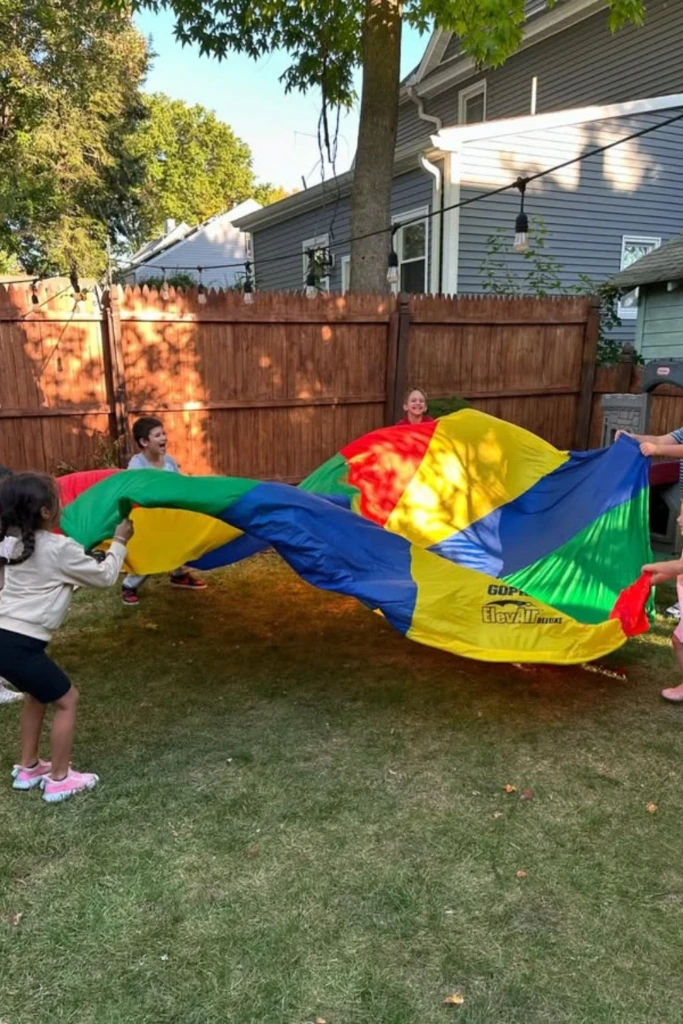
Parachute Pop is a colorful group activity that encourages cooperation and coordinated movement. Participants gather around a large recreational parachute, holding its edges while several lightweight foam balls are placed in the center.
When the organizer gives the signal, everyone lifts and lowers the parachute to send the balls bouncing into the air. The challenge is to keep the balls moving without allowing them to fall outside the parachute.
For an additional twist, assign different colors to teams and challenge players to bounce only their designated balls off the parachute. Younger children can simply enjoy creating waves together.
Use soft, lightweight balls and allow enough room between players to prevent accidental collisions.
Scoop Relay
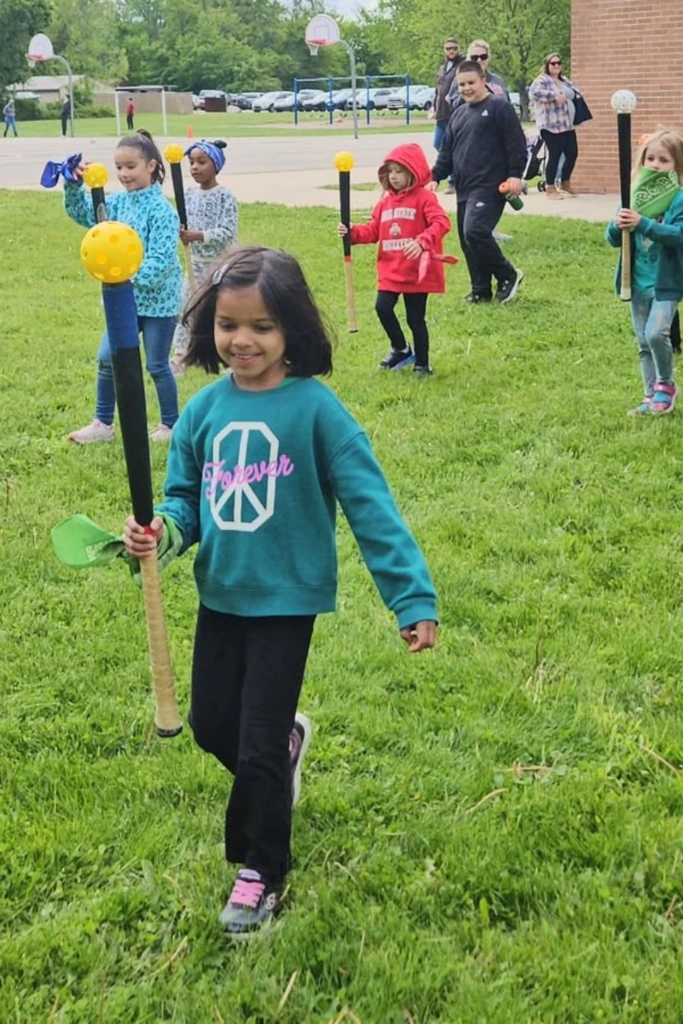
Scoop Relay transforms an ordinary race into a fun test of balance and concentration. Each participant carries a small plastic ball or beanbag in a large scoop while moving toward a designated turnaround point.
Players must return to their teammates without dropping the object. If it falls, they stop, retrieve it, and continue from where they lost control.
For younger participants, use larger scoops and shorter distances. Older students can navigate cones or carry smaller objects to increase the difficulty.
The first team to complete the relay wins, but participants quickly discover that controlled movement can be more effective than rushing.
Three-Legged Dash
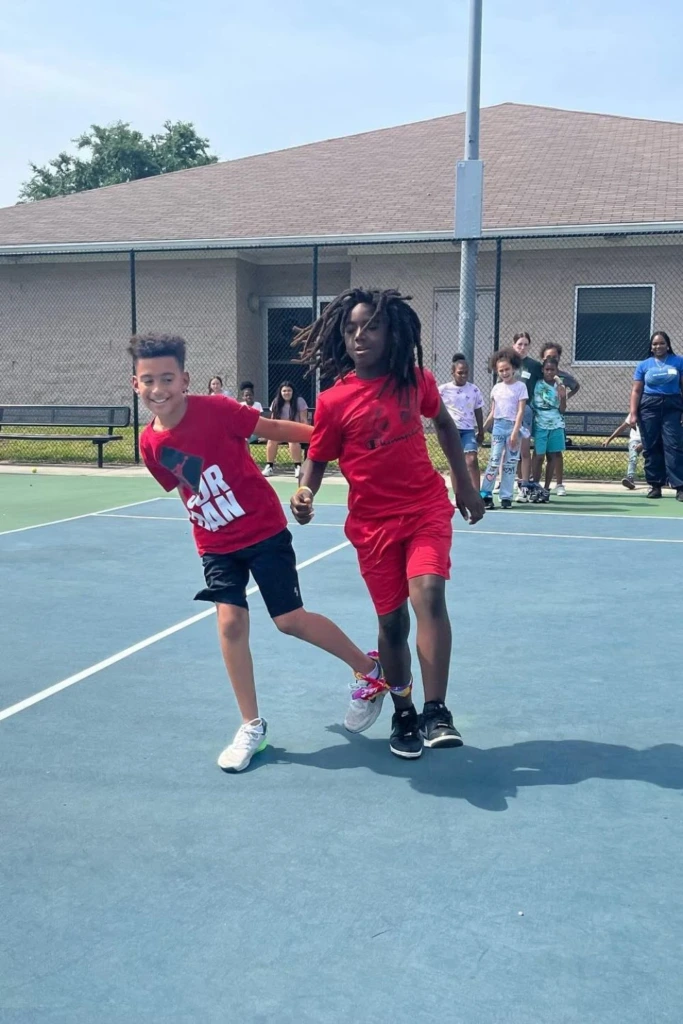
The Three-Legged Dash is a classic partner race that requires communication and synchronized movement. Two players stand side by side while their adjacent legs are loosely connected with a soft, quick-release fabric band.
Once the race begins, partners move together toward the finish line. Teams that establish a steady rhythm often perform better than those attempting to run at full speed.
Encourage participants to practice a few steps before starting. Matching partners with similar heights can also make coordination easier.
Choose a flat grassy surface, avoid tight restraints, and remind players to slow down rather than pull each other if they lose balance.
Giant Connect Four
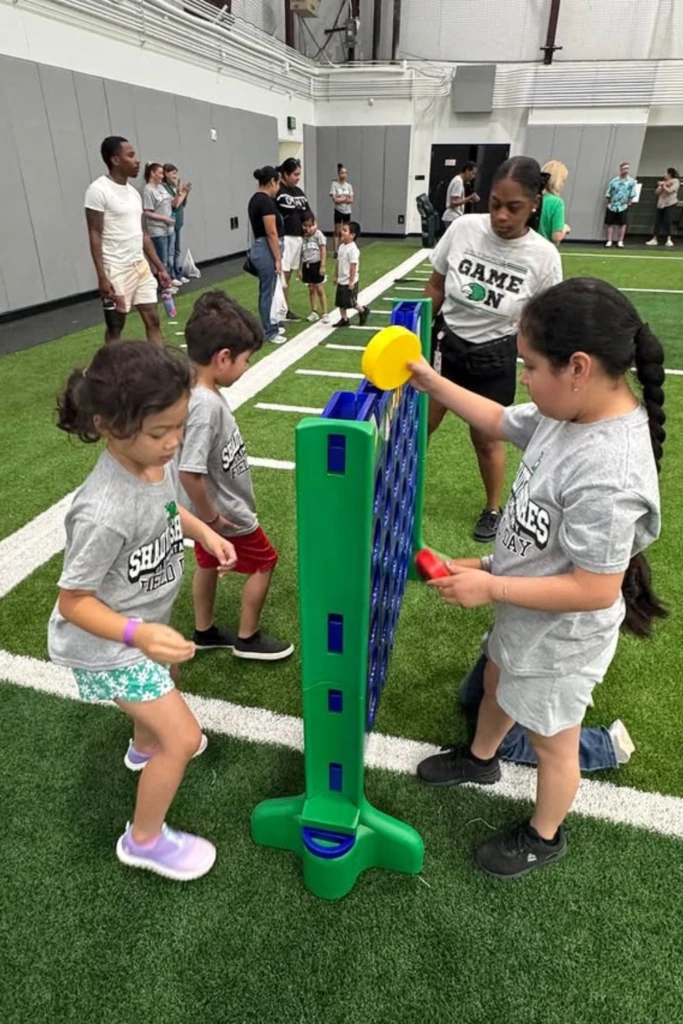
Giant Connect Four brings strategic thinking to an outdoor event. Using an oversized vertical game board, two players or teams take turns dropping colored discs into the available slots.
The objective is to create a line of four matching discs horizontally, vertically, or diagonally before the opposing team does.
To make the activity more energetic, place the discs several steps away from the board. Participants must collect a disc and return to the playing area before making their move.
This game works particularly well as a quieter station between physically demanding competitions. It encourages planning, observation, and teamwork without requiring intense exercise.
Obstacle Dash
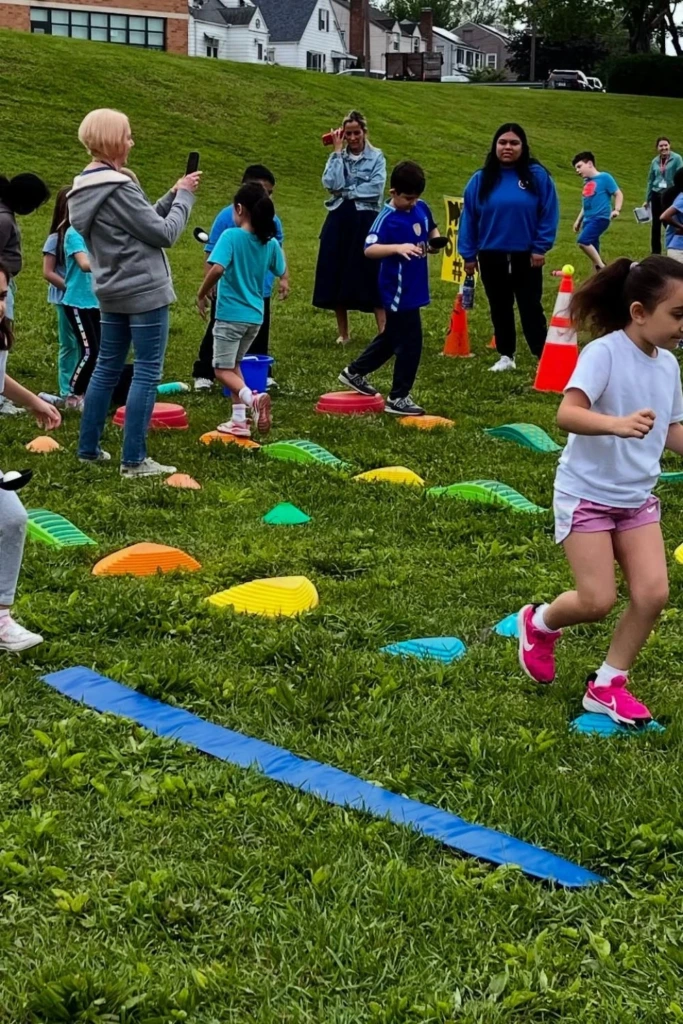
Obstacle Dash challenges participants to complete a series of physical tasks along a marked course. Organizers can create an engaging route using cones, low hurdles, hoops, balance markers, and crawling tunnels.
Players might begin by weaving between cones, stepping through hoops, crawling under a lightweight barrier, and finishing with a short sprint.
The course should match the participants' abilities, with alternative routes available for anyone who needs them.
Teams can compete through timed individual runs or a relay format. Keep obstacles stable, maintain clear pathways, and avoid challenges that require dangerous jumping or climbing.
Water Run
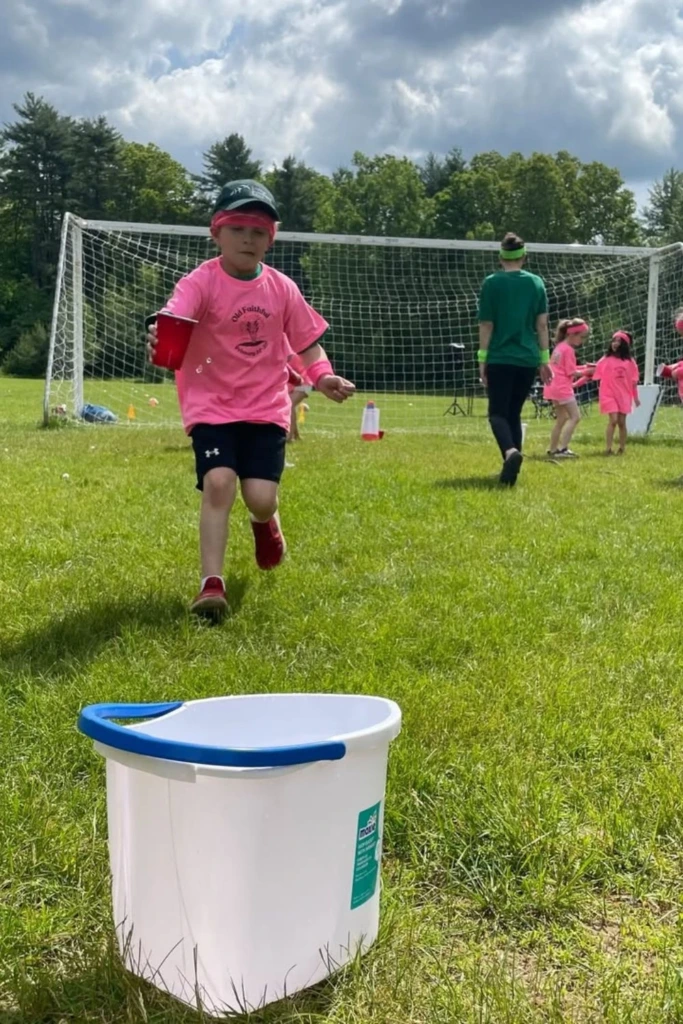
Water Run is a refreshing outdoor challenge for warm-weather field days. Teams line up beside a bucket of water, with an empty container positioned several meters away.
Each player fills a small cup, travels to the opposite container, pours in the remaining water, and returns to hand the cup to the next teammate.
After a set time, organizers measure the amount collected by each team. The group that transfers the most water wins.
For extra difficulty, introduce a winding route or require players to carry the cup with one hand.
Use non-slip surfaces, avoid overcrowding, and keep drinking water available separately so everyone stays hydrated.
Tug of War
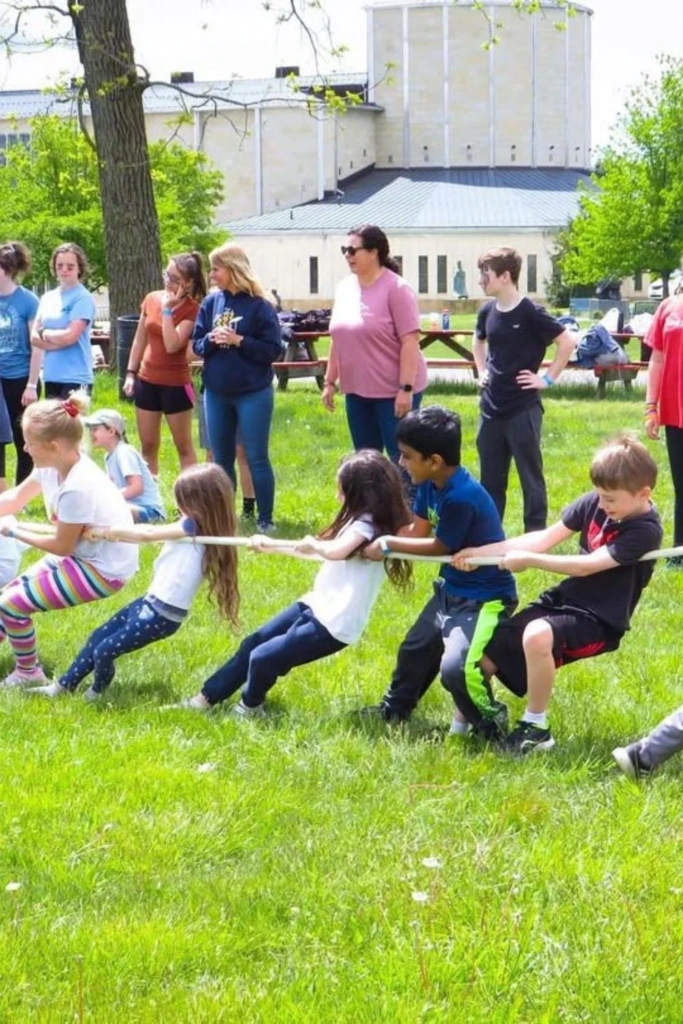
Tug of War remains a popular field day competition because it combines teamwork, strength, and strategy. Two evenly balanced groups stand on opposite sides of a marked center line while holding a sturdy rope.
At the starting signal, both teams pull steadily, attempting to move the opposing team across the designated boundary.
Good coordination matters more than simply pulling as hard as possible. Participants should maintain stable footing and communicate throughout the challenge.
Use a suitable rope on level ground, keep spectators clear, and prohibit wrapping the rope around hands or bodies. For younger children, a supervised cooperative pulling challenge may be more appropriate than a highly competitive match.
Egg Balance
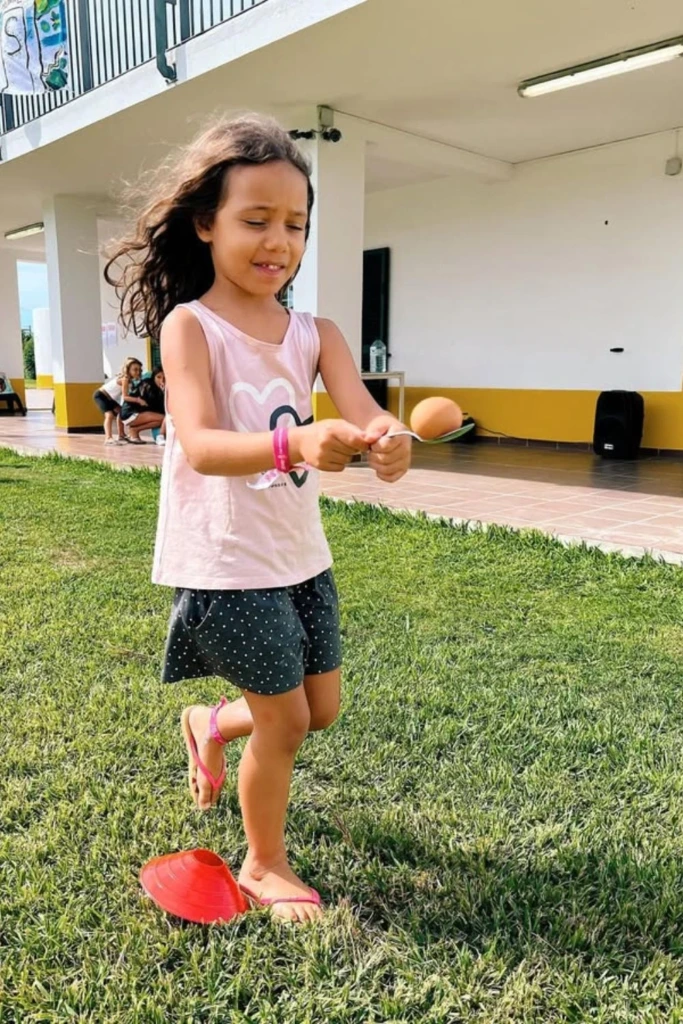
Egg Balance is a lighthearted race that tests patience and hand-eye coordination. Each participant carries a plastic egg or lightweight ball on a spoon while traveling between two markers.
The goal is to reach the finish without dropping the object. Participants who lose their balance must retrieve the egg before continuing.
Plastic eggs are especially convenient for school events because they eliminate broken shells and simplify cleanup.
Organizers can introduce turns, small obstacles, or team relay rules to create additional challenges. This activity is ideal for mixed-age groups because success depends on concentration rather than running speed alone.
Ring Walk
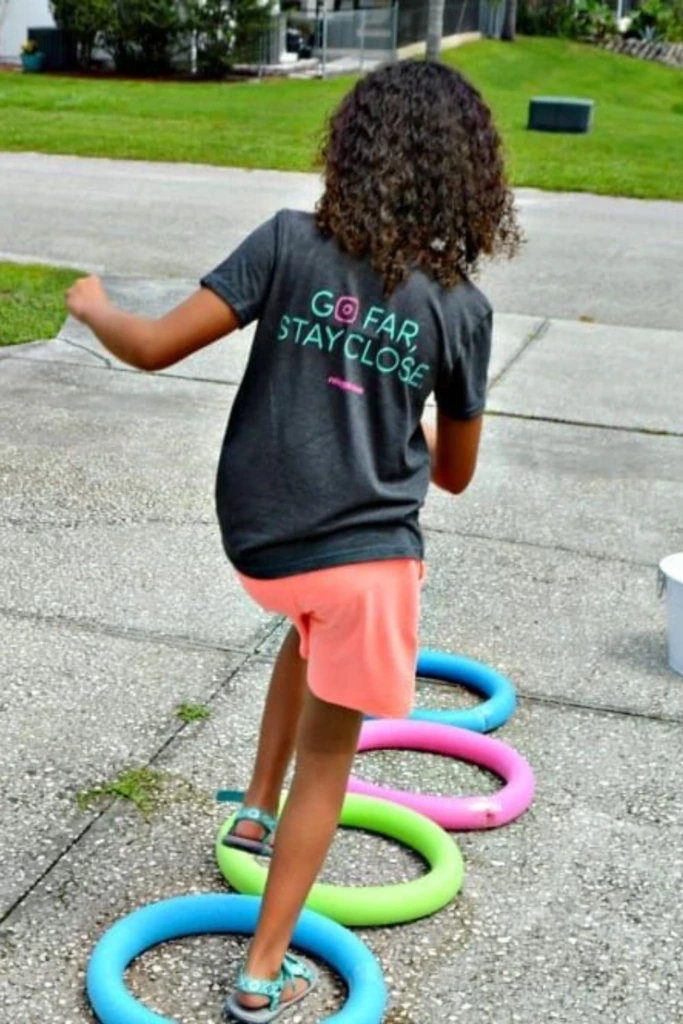
Ring Walk combines movement with a simple coordination challenge. Set up a pathway of large plastic rings or hoops on a grassy surface, leaving enough space for participants to move safely between them.
Players travel along the course by stepping into each ring in sequence without touching the surrounding ground outside the designated stepping areas.
For younger children, place the rings close together. Older participants can follow numbered patterns or complete the course while carrying a beanbag.
A relay variation allows teammates to take turns completing the pathway.
This activity supports spatial awareness, balance, and controlled movement while remaining easy to organize with minimal equipment.
Balloon Toss
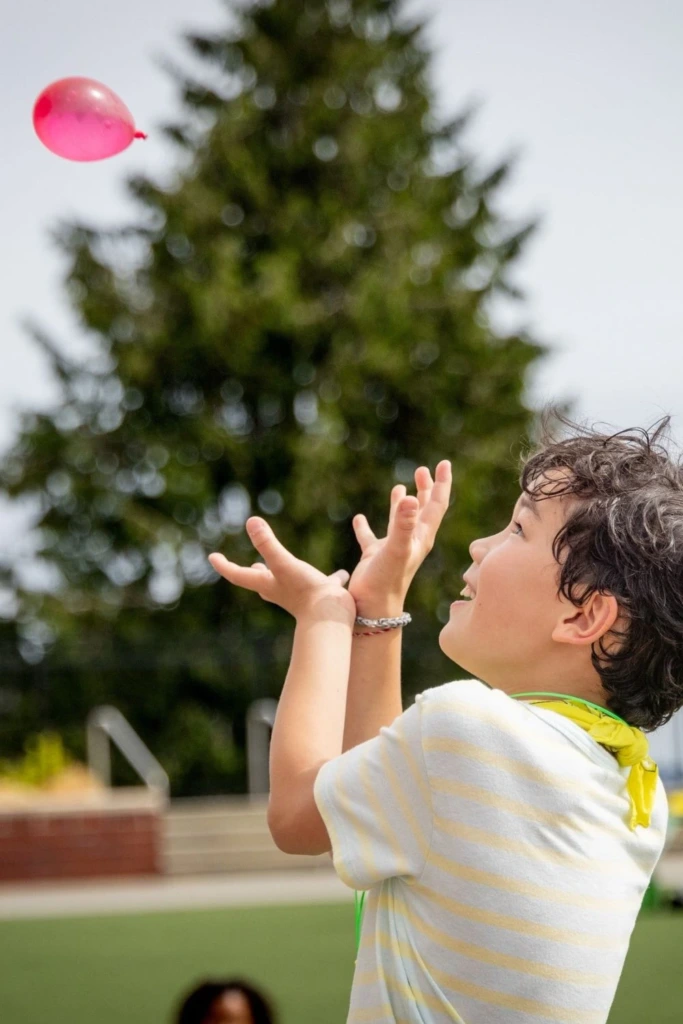
Balloon Toss is a cheerful partner activity that becomes increasingly challenging as the game progresses. Participants stand facing each other and gently throw a balloon back and forth.
After each successful catch, both partners take a small step backward, gradually increasing the throwing distance.
For a dry version, use ordinary air-filled balloons. For summer events, water balloons add excitement, provided the activity takes place in an appropriate outdoor area.
The winning pair can be the team that completes the greatest number of successful throws or manages the longest distance.
Collect balloon fragments immediately, keep them away from young children, and offer reusable soft balls as an alternative.
Wheelbarrow Race
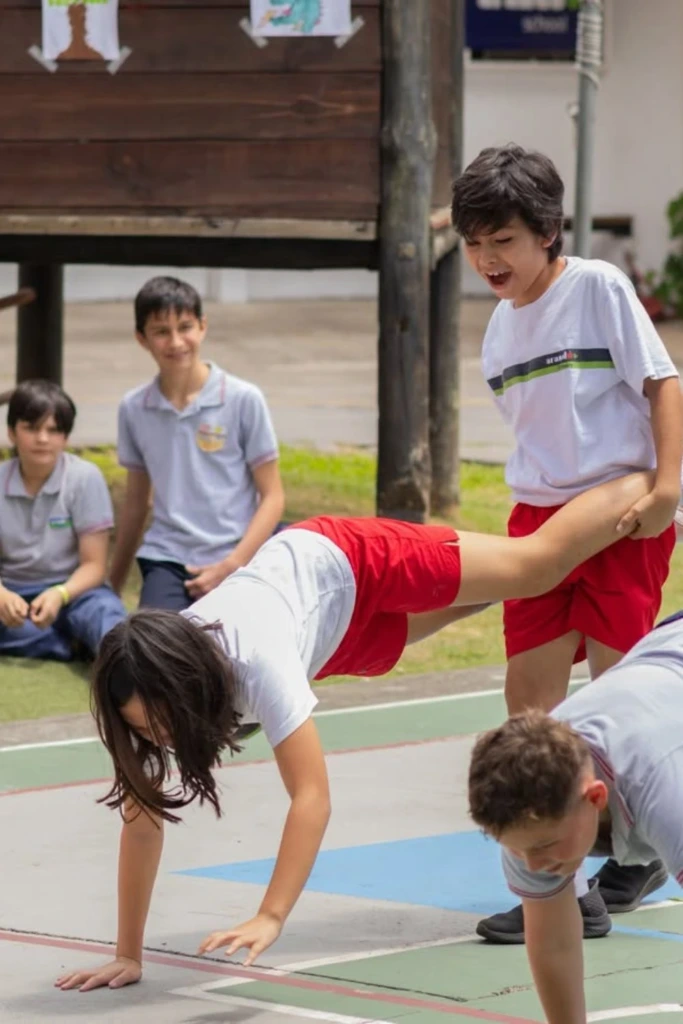
Wheelbarrow Race is a partner challenge in which one participant supports their body on their hands while a teammate holds their legs.
Together, they move toward a nearby finish line, with the front participant walking forward using their hands.
This activity requires upper-body strength, coordination, and trust between partners. Short courses work best, particularly for younger participants.
Organizers should demonstrate the correct technique and use a soft, even surface. Participants should avoid lifting their partner's legs too high or moving faster than the person supporting themselves can manage.
For an accessible alternative, teams can push lightweight toy wheelbarrows around cones instead.
Jump Rope
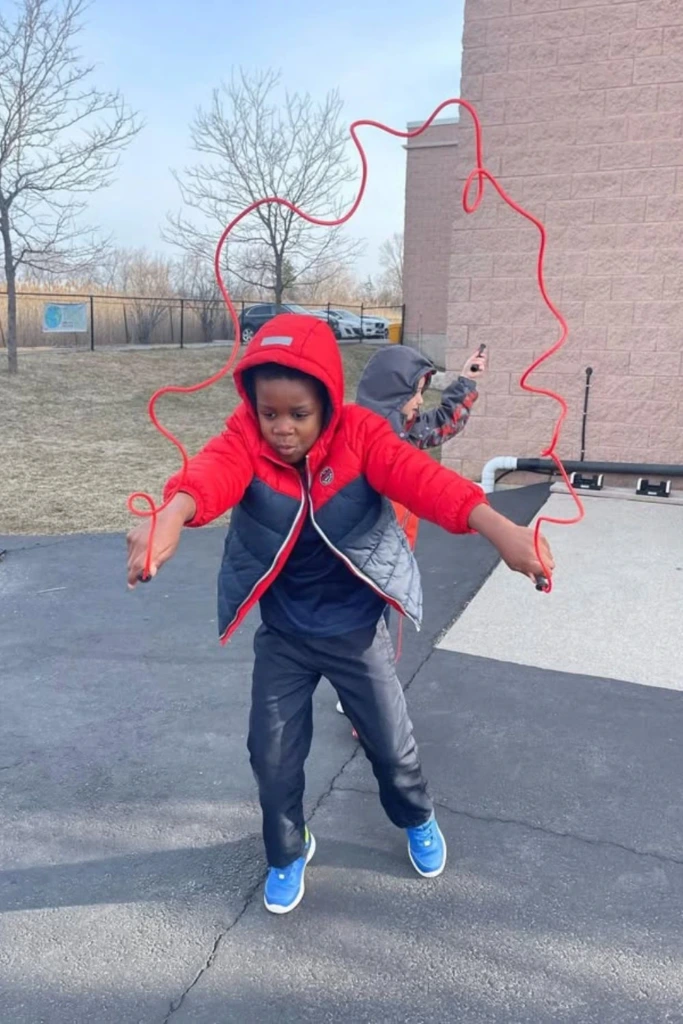
Jump Rope is a versatile field day activity that works for individual competitions, partner challenges, and group games.
Participants can compete to complete the highest number of successful jumps within a set time. Another option is a continuous-jumping challenge in which players try to maintain their rhythm without stopping.
For team play, use a long rope held by two volunteers while participants take turns entering, jumping, and exiting.
Different stations can feature basic jumps, alternating feet, or simple skipping patterns.
Provide ropes of suitable lengths and maintain sufficient space between players. Jump Rope encourages cardiovascular activity, timing, and coordination without requiring elaborate equipment.
Soccer Duel
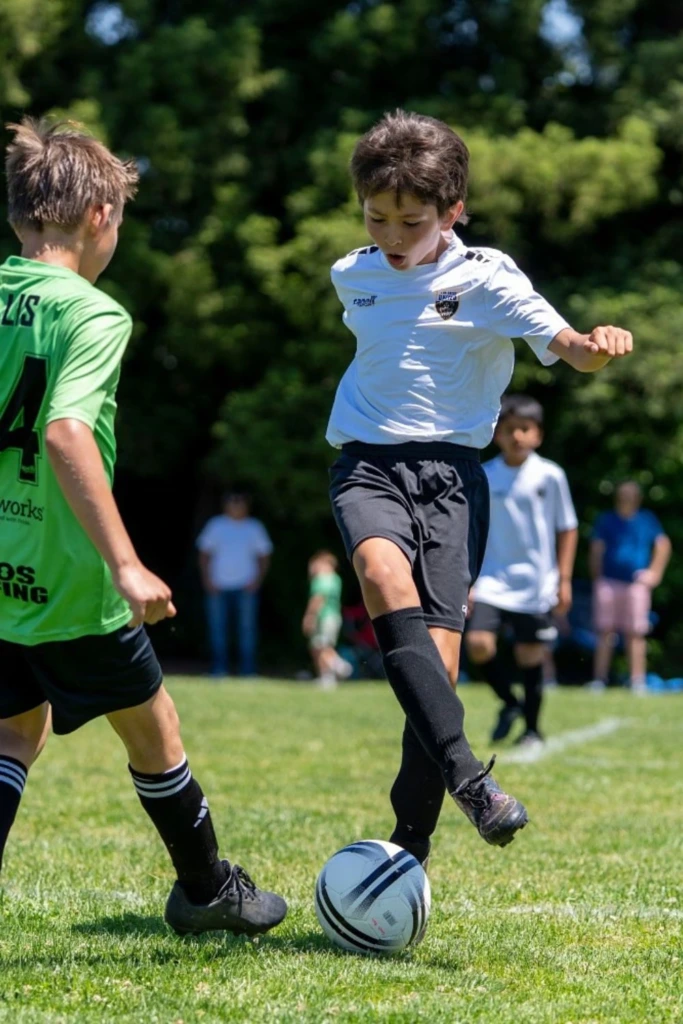
Soccer Duel creates an exciting one-on-one competition for participants who enjoy ball games. Mark a small playing area with cones and place a mini goal at each end.
Two players enter the field and attempt to score against each other during a short round. Games can last one or two minutes, allowing many participants to rotate through the station.
For younger children, use a larger ball and wider goals to make scoring easier.
Organizers can also create a team tournament in which individual victories contribute to a shared score.
Keep contact limited, prohibit sliding tackles, and provide clear boundaries to maintain a safe and enjoyable atmosphere.
Sprint Race
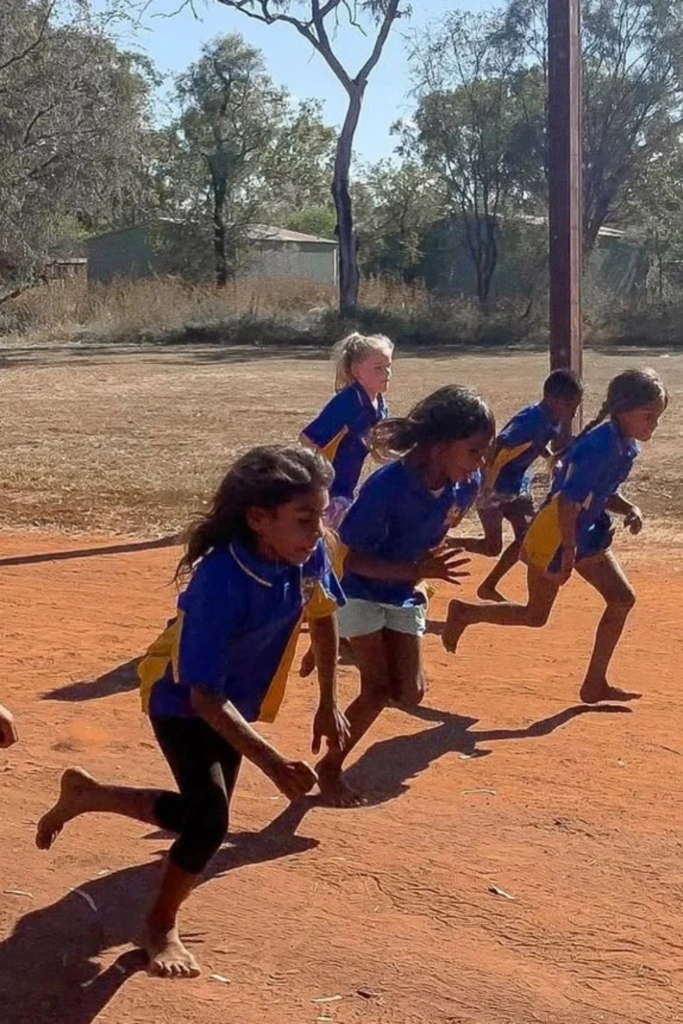
Sprint Race is one of the simplest field day activities to organize. Participants line up behind a marked starting line and race toward a clearly visible finish.
Distances should reflect the age and ability of the group. Younger children may enjoy short runs of approximately 15 to 25 meters, while older participants can tackle longer courses.
To keep the competition engaging, organize separate heats and allow participants to compete against others with similar abilities.
A relay version can also turn the activity into a team challenge.
Use level ground, provide adequate stopping space beyond the finish line, and emphasize personal improvement alongside winning.
Target Toss
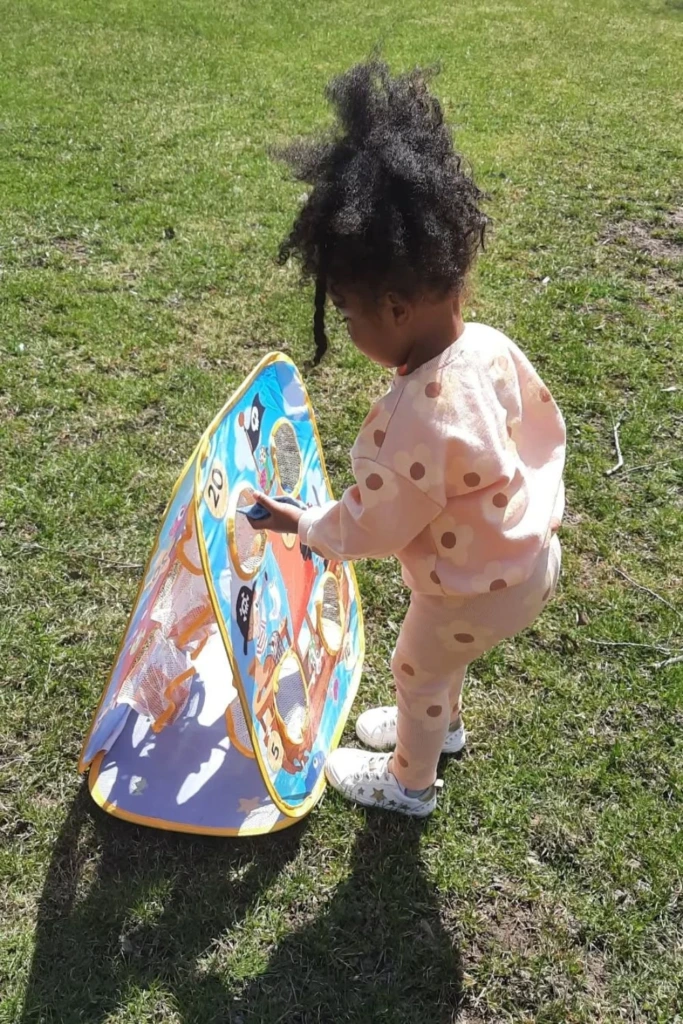
Target Toss challenges participants to demonstrate accuracy rather than speed. Arrange several buckets, hoops, or marked targets at different distances from a throwing line.
Players receive a fixed number of beanbags or soft balls and attempt to land them inside the targets.
Closer targets can award fewer points, while more distant targets offer higher scores. This allows participants to decide whether to prioritize easier throws or take greater risks.
For younger children, position targets nearby and use larger openings.
The game is easy to adapt for different abilities and provides an enjoyable break from running activities.
Balloon Squeeze
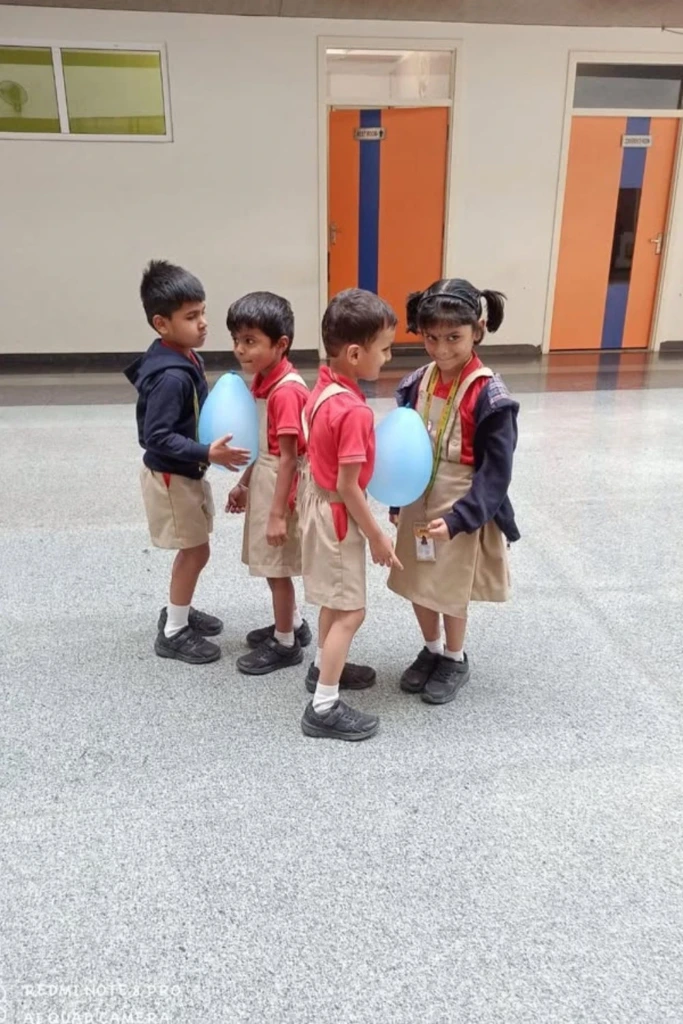
Balloon Squeeze is a funny partner race that requires teamwork and careful coordination. Two participants position an inflated balloon between their backs or sides without holding it with their hands.
At the starting signal, they move together toward the finish line while keeping the balloon in place.
If it drops, the pair stops and repositions it before continuing.
The challenge becomes more entertaining when teams must navigate gentle turns or move around cones.
Use loosely inflated balloons to reduce popping, avoid rough contact, and provide soft foam balls for participants who are uncomfortable with balloons.
Team Tug
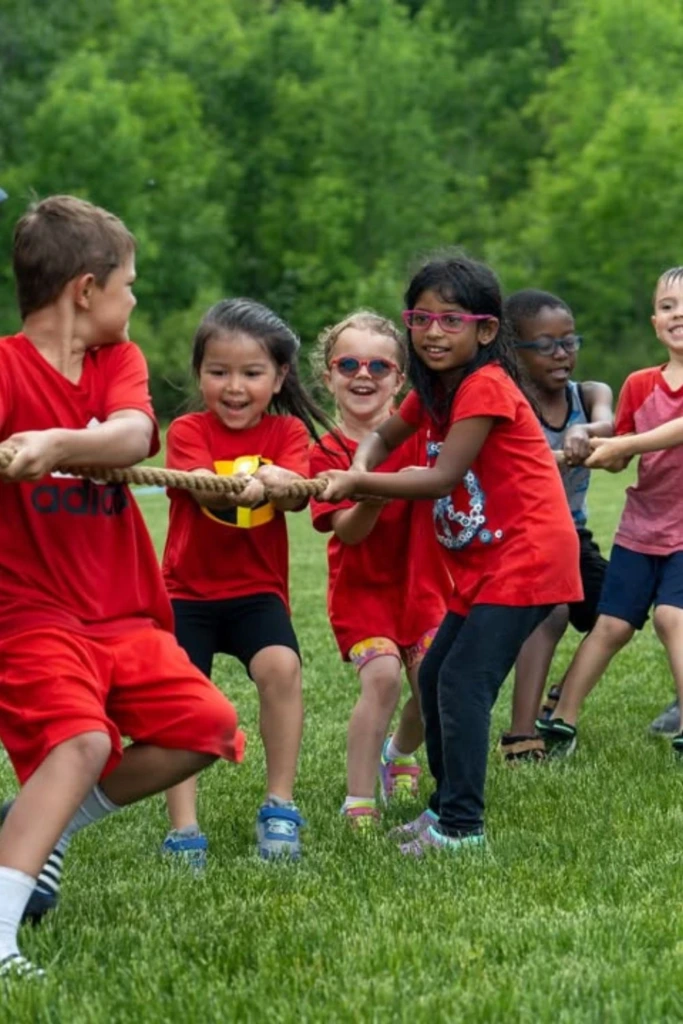
Team Tug offers a cooperative variation of traditional rope-pulling games. Rather than relying entirely on strength, teams must work together to move an object or complete a coordinated pulling task.
One option is to have participants use a rope to pull a lightweight sled or padded container along a marked course, provided the equipment is designed for that purpose.
Teams can be timed as they move the object from the starting point to the finish line.
Another variation involves several participants holding separate ropes attached to a lightweight ring and guiding it toward a target without touching it directly.
These challenges encourage communication, shared planning, and controlled movement while offering a different experience from conventional Tug of War.
Hurdle Hop
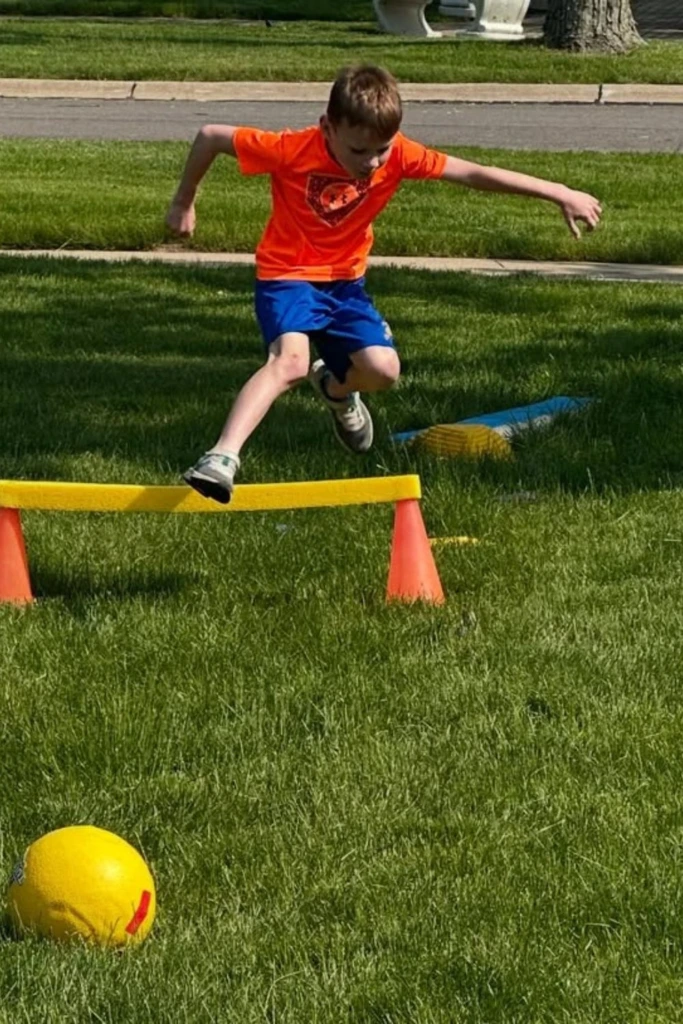
Hurdle Hop adds a jumping challenge to field day activities. Arrange a series of very low, soft obstacles along a straight pathway.
Participants move through the course by stepping or hopping over each obstacle before reaching the finish line.
Foam pool noodles placed close to the ground make convenient barriers because they are lightweight and easy to reposition.
Younger children can step over the obstacles, while older participants may choose controlled two-foot jumps.
For a relay version, each player completes the course before tagging the next teammate.
Avoid high hurdles and slippery surfaces, and allow enough landing space between obstacles.
Bucket Points
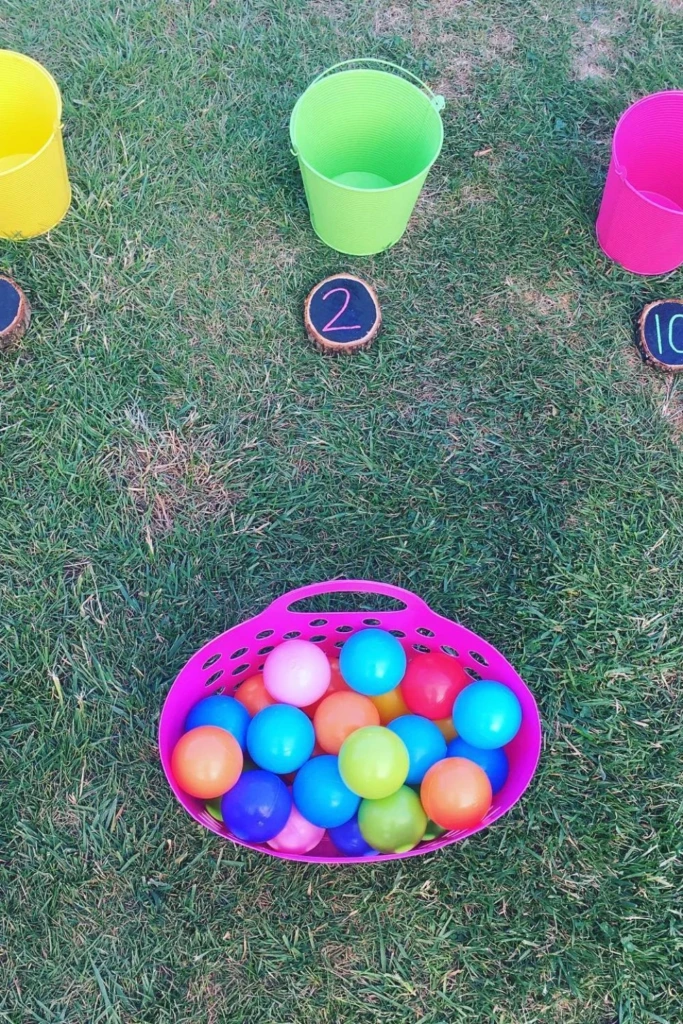
Bucket Points is a simple scoring game that can keep participants engaged for several rounds. Arrange buckets of different sizes and assign each one a point value.
Players stand behind a throwing line and attempt to toss beanbags or soft balls into the containers.
A large nearby bucket might award one point, while a smaller, more distant bucket could be worth five.
Participants can choose their targets based on confidence and strategy. After a predetermined number of throws, organizers calculate the scores.
This activity is especially useful for mixed-age events because distances and target sizes can be adjusted without changing the basic rules.
Mini Connect
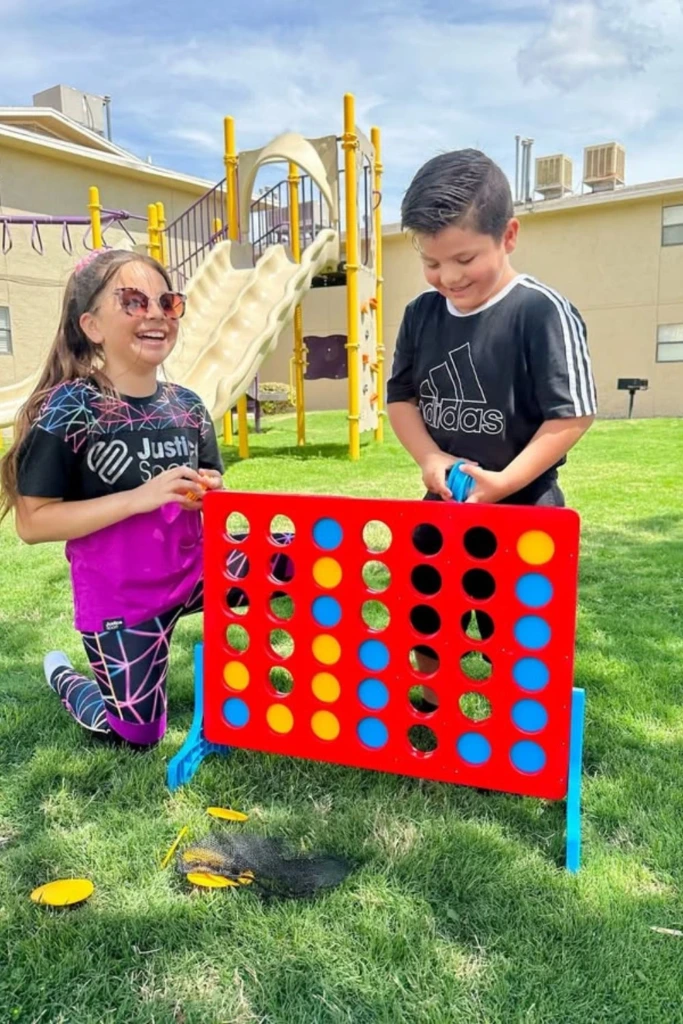
Mini Connect brings a compact strategy game into the field day rotation. Create a smaller version of a connect-style board using a tabletop grid, colored counters, or marked floor squares.
Two players take turns placing pieces, attempting to form a designated sequence before their opponent.
Unlike larger physical competitions, Mini Connect emphasizes observation, logical thinking, and decision-making.
For a team-based variation, teammates can discuss their next move before placing a counter. Organizers may introduce a short time limit to maintain a lively pace.
This game works well in shaded rest areas and provides an inclusive alternative to physically demanding stations.
Tunnel Crawl
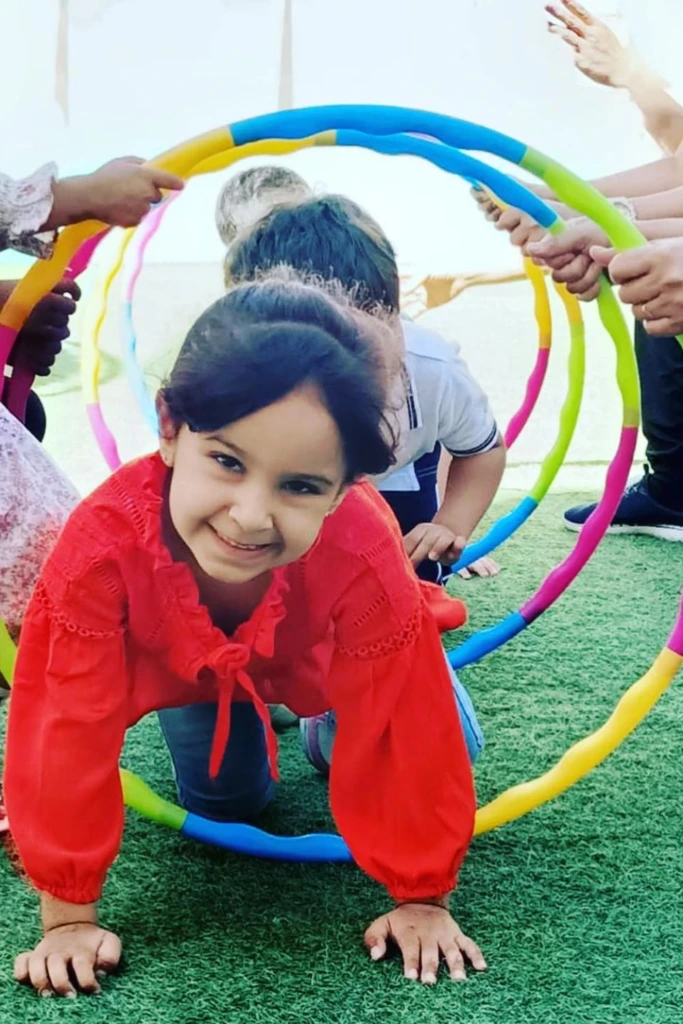
Tunnel Crawl is a playful obstacle activity that encourages agility and spatial awareness. Set up collapsible play tunnels or create a short crawling pathway using safe, lightweight equipment.
Participants enter at one end and move through the tunnel toward a marked exit.
The activity can operate as an individual timed challenge or as part of a larger relay course.
For younger children, use wide, straight tunnels that allow easy visibility. Older participants may enjoy a route featuring several connected sections.
Ensure tunnels remain ventilated, stable, and free of sharp edges. An organizer should supervise both ends, and participants should enter one at a time unless the tunnel is specifically designed for multiple users.
Cup Cascade
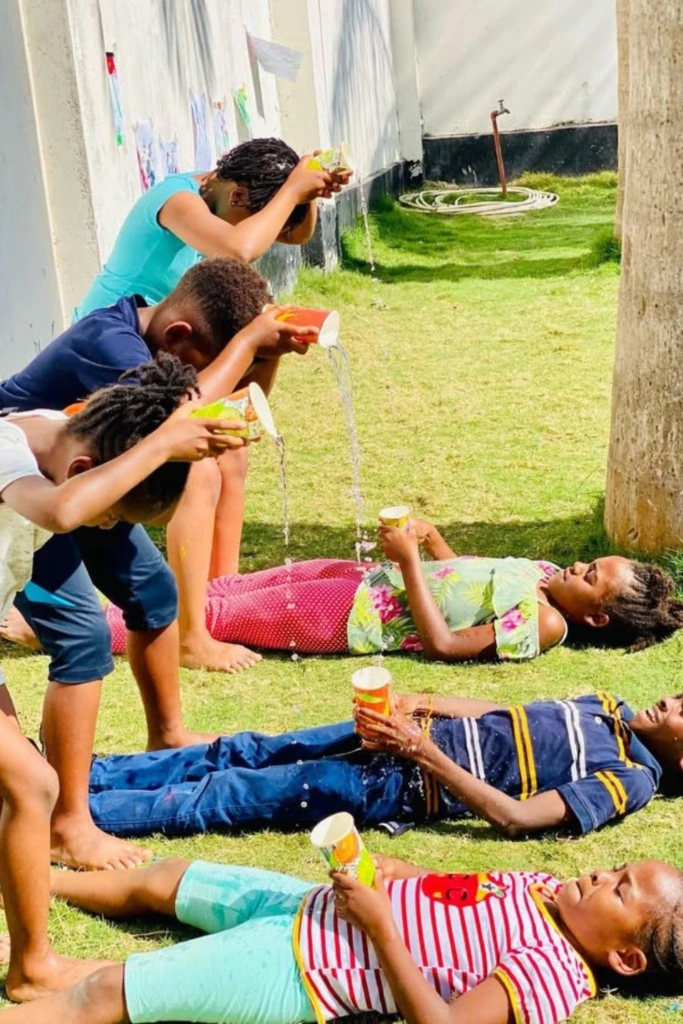
Cup Cascade is a fast-paced stacking challenge that tests coordination and concentration. Each participant receives a matching set of lightweight plastic cups arranged on a table.
At the starting signal, players build a pyramid using the cups and then return them to a single stack.
The first participant to complete the sequence correctly wins the round.
For a relay variation, teammates take turns building and dismantling the pyramid before passing control to the next player.
Younger children can use six cups, while older participants may enjoy more complex arrangements.
This activity requires very little space and makes an excellent indoor backup when outdoor weather becomes unsuitable.
Noodle Tunnel
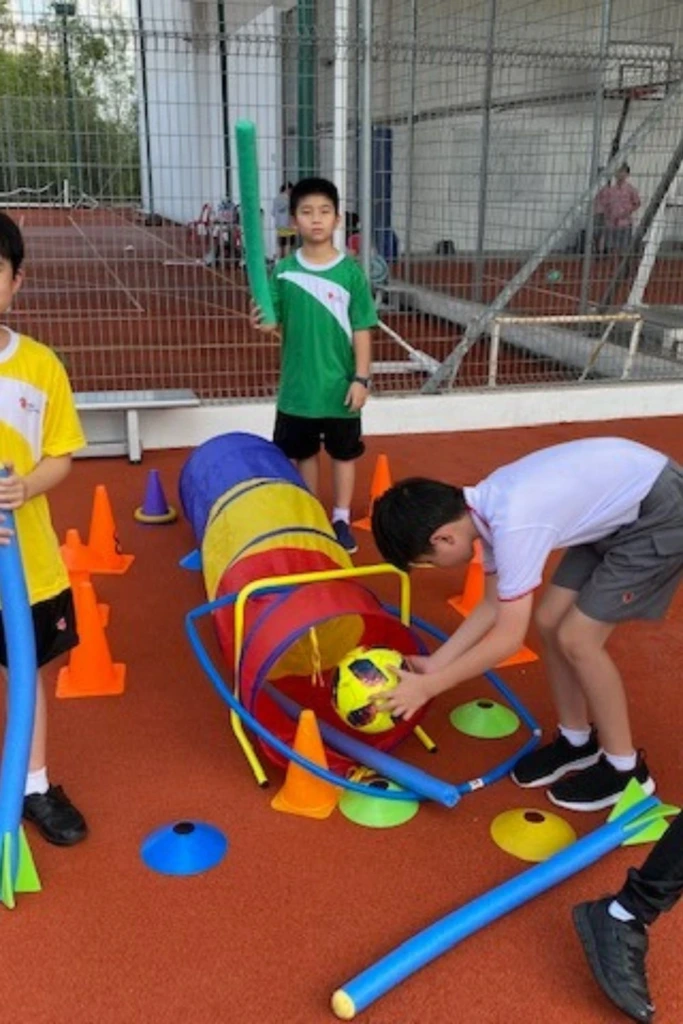
Noodle Tunnel uses flexible foam pool noodles to create a colorful pathway for crawling or moving through.
Organizers can bend the noodles into arches and secure them using stable, purpose-made supports positioned outside the travel path.
Participants move beneath the arches without knocking them out of place. The course can include straight sections, gentle curves, and varying arch heights.
For a team competition, players complete the tunnel one at a time, with the next participant beginning after their teammate exits.
This activity is particularly appealing to younger children because the equipment is soft and visually inviting.
Make sure each arch offers sufficient clearance and that supports cannot become tripping hazards.
Marble Run
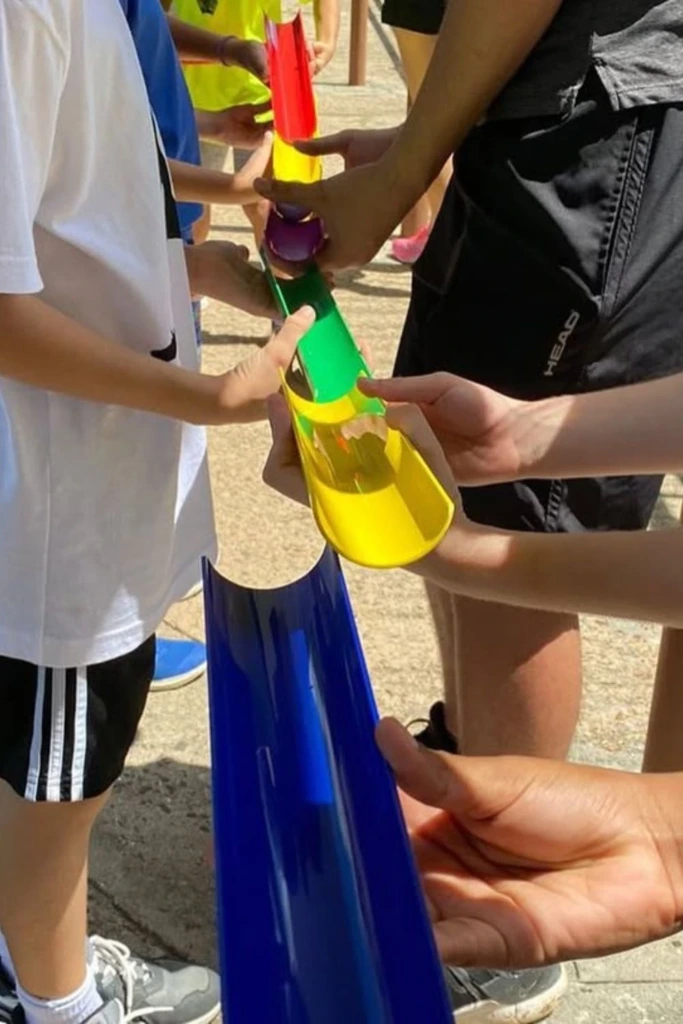
Marble Run introduces a creative problem-solving challenge to field day events. Teams receive short sections of plastic guttering, cardboard channels, or reusable ball-track pieces.
Their objective is to create a continuous pathway that guides a ball from the starting point into a collection container.
Participants must position the track sections carefully, adjusting their angles to maintain the ball's movement.
For a competitive version, teams can race to transport a set number of balls successfully without allowing them to fall.
Use larger balls rather than small marbles for younger children to avoid choking hazards.
Marble Run is especially valuable for combining teamwork with basic engineering concepts, experimentation, and patience.
Giant Soccer
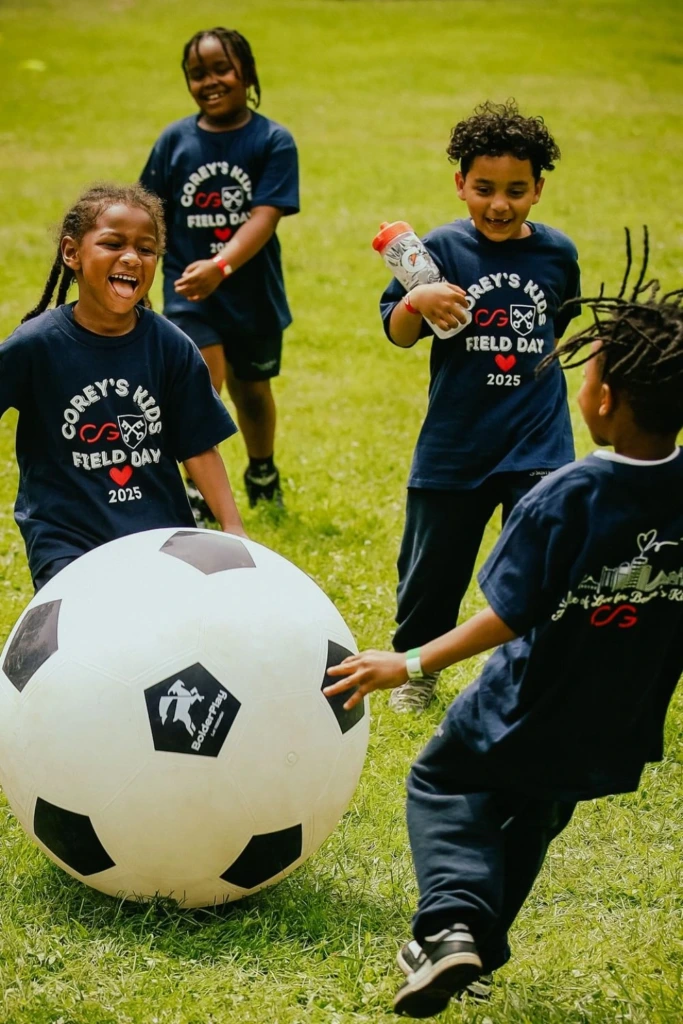
Giant Soccer takes a familiar sport and adds an oversized twist. Instead of using a standard soccer ball, participants play with a large, lightweight inflatable ball.
Create a spacious field with clearly marked goals and divide players into small teams.
The oversized ball moves differently from a traditional soccer ball, encouraging players to communicate and adjust their positioning.
Short matches of three to five minutes allow teams to rotate without excessive fatigue.
Choose a ball that is light enough to move safely, prohibit forceful body contact, and avoid using oversized balls that could knock younger participants off balance.
Giant Soccer can become one of the most memorable attractions at a school or community field day.
Tennis Rally
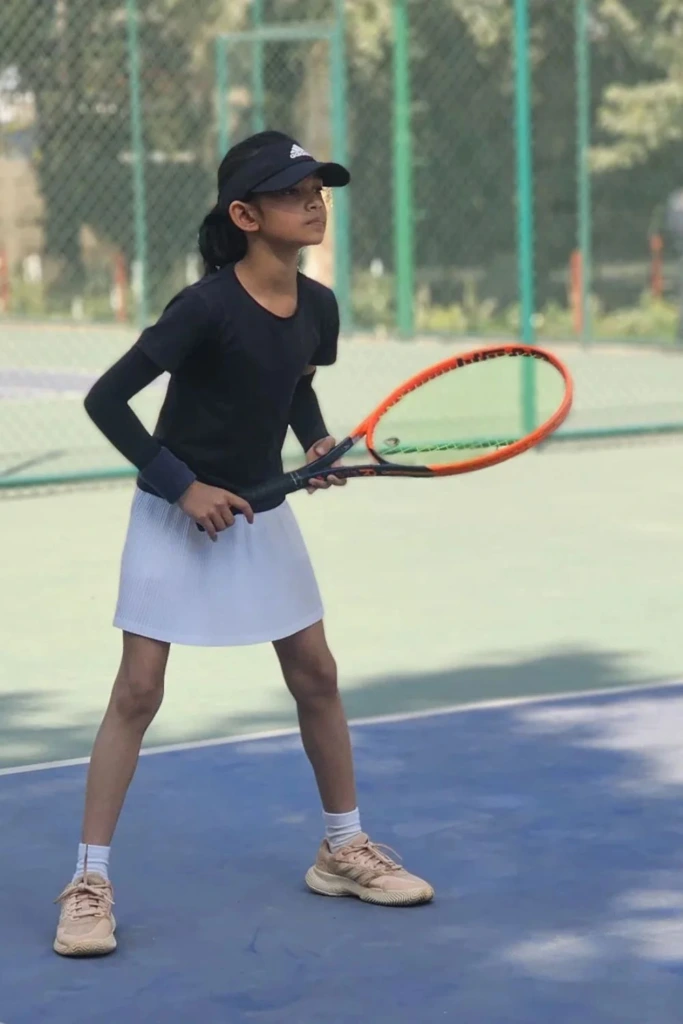
Tennis Rally is a cooperative racket challenge that focuses on control and consistency. Participants work in pairs to keep a soft tennis ball or foam ball moving back and forth for as many consecutive hits as possible.
The activity can be played across a low net or between two marked areas without a net.
Rather than competing to defeat an opponent, partners aim to achieve the longest uninterrupted rally.
Beginners can use larger rackets, slower foam balls, and shorter distances. More experienced participants may enjoy timed rallies or designated hitting zones.
Related Ideas You Might Love
Tennis Rally encourages hand-eye coordination, concentration, and cooperative play, making it a satisfying final station for a well-rounded field day.
A successful field day in 2026 doesn't require expensive equipment or complicated planning. Combining energetic races, creative teamwork activities, and quieter skill-based games can make the experience enjoyable for a wide range of participants. With clear instructions, thoughtful safety measures, and plenty of encouragement, these 26 field day games can help create an event filled with movement, connection, and lasting memories.





3 Comments