7 Countertop Organization Ideas Every Organized Kitchen Needs
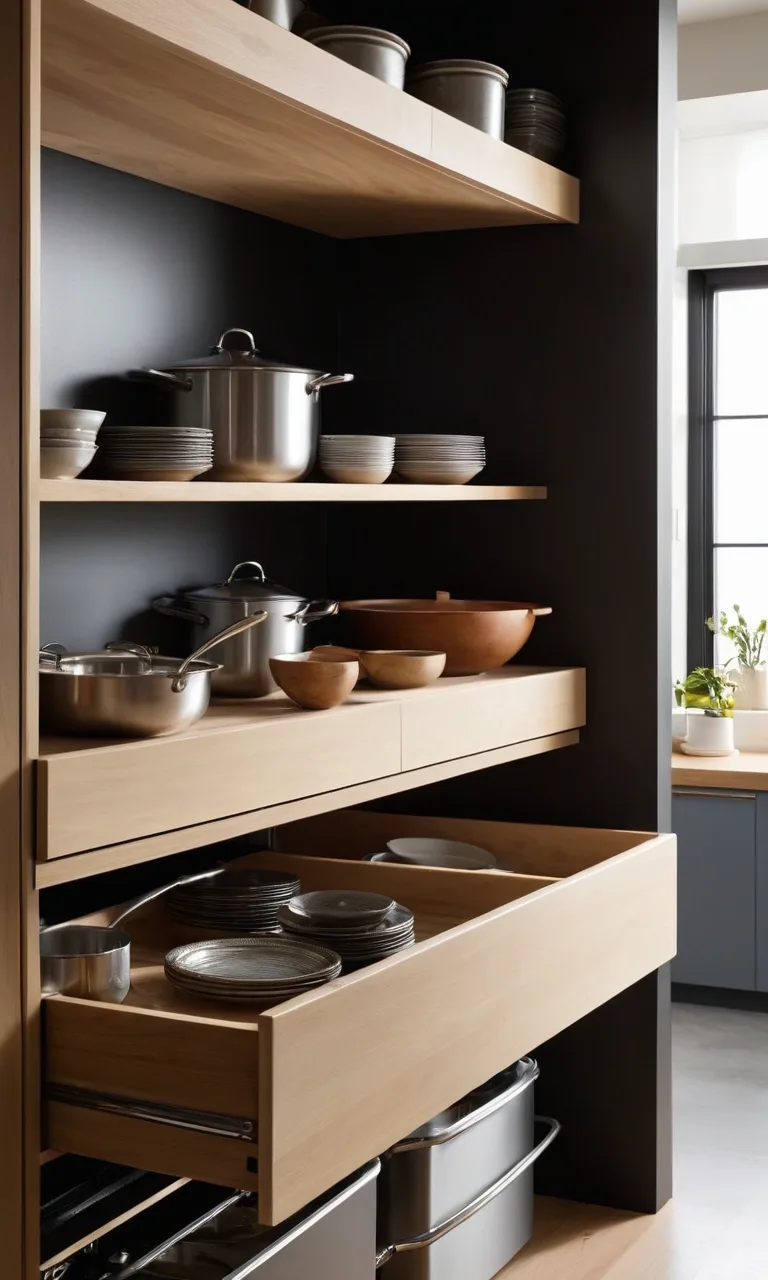
A kitchen countertop should make cooking easier, not become a dumping ground for appliances, utensils, grocery bags, and miscellaneous items. When every available surface is covered, preparing meals and cleaning up can quickly become frustrating.
Fortunately, you don't need expensive organizers or a complete kitchen renovation to create a more functional space. A few thoughtful changes can help you reclaim valuable workspace while keeping everyday essentials close at hand.
Whether you have a spacious kitchen or a compact cooking area, these seven countertop organization ideas can help you create a setup that feels practical, attractive, and easy to maintain.
Why Your Counter Feels Cluttered?
Countertop clutter often develops gradually. You leave out a coffee maker for convenience, place a shopping list beside the refrigerator, or set down a package that you intend to put away later. Before long, these small habits leave little room for actual cooking.
Another common problem is the lack of designated storage. When spices, cooking utensils, snacks, and small appliances don't have permanent homes, they naturally spread across whatever surfaces are available.
Limited cabinet space can make the situation more challenging, but it doesn't necessarily mean you need more storage furniture. Sometimes, the solution is simply to reconsider what deserves a place on the counter.
A functional kitchen balances accessibility with open workspace. By assigning specific places to frequently used items and finding better storage for everything else, you can make your kitchen easier to navigate, clean, and enjoy.
How to Keep Your Kitchen Countertop Organized?
An organized countertop starts with a simple system that suits your cooking habits. Rather than trying to keep every surface completely empty, focus on maintaining enough room for food preparation while ensuring essential items remain accessible.
The following strategies can help you build that system without making your daily routine more complicated.
1. Clear Everything Off First
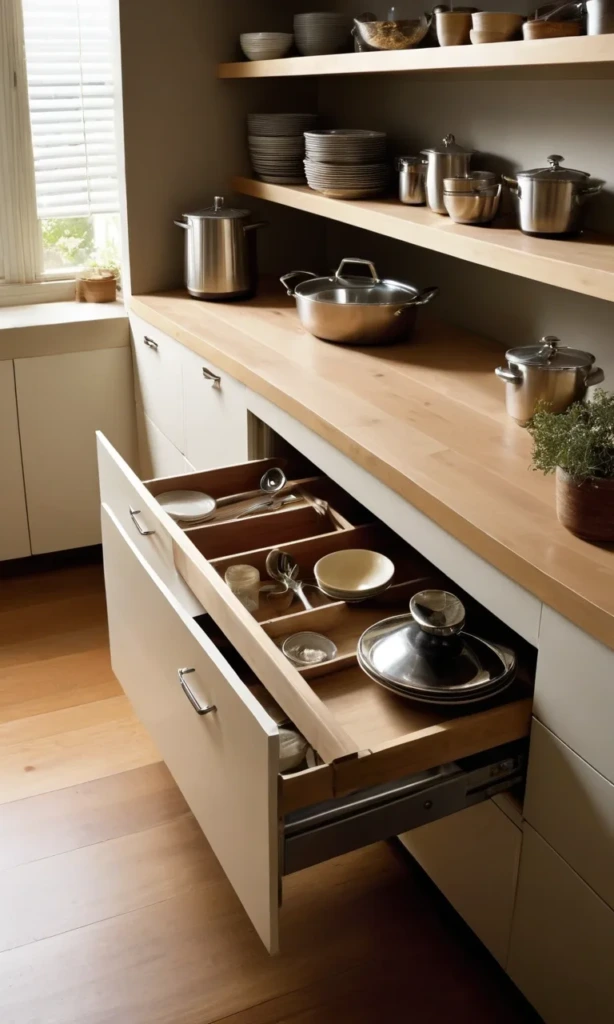
Before purchasing containers or rearranging appliances, remove everything from your kitchen countertop. This includes cooking tools, decorative objects, jars, papers, and appliances.
With the surfaces cleared, wipe away crumbs, grease, and spills. Starting with a clean workspace makes it easier to assess how much room you actually have and identify areas that need improvement.
Next, sort the removed items into practical categories:
Daily essentials: Things you regularly reach for while preparing meals or drinks.
Occasional-use items: Appliances and tools that are useful but don't need permanent countertop space.
Items that belong elsewhere: Mail, keys, paperwork, and household objects that have accumulated in the kitchen.
Unnecessary belongings: Broken tools, duplicate utensils, and products you no longer use.
Return only the items that serve a clear purpose. Find appropriate storage for everything else before putting anything back.
You can complete this reset in a short session rather than tackling the entire kitchen at once. Even clearing one section of counter can provide a useful starting point for a more organized layout.
2. Decide What Actually Belongs on the Counter
Once everything has been removed, choose which items genuinely benefit from being within easy reach. The goal isn't to eliminate every object but to make each item's presence worthwhile.
For example, a coffee machine may deserve a permanent spot if you use it every morning. A toaster might also be convenient to keep out, while a stand mixer used only for occasional baking could be stored in a cabinet.
Use these guidelines when deciding what stays:
Keep frequently used appliances accessible if they fit comfortably without restricting food preparation.
Store specialty gadgets and seasonal equipment when they're not needed.
Move paperwork, shopping bags, and unrelated household belongings to their proper locations.
Avoid keeping duplicate cooking tools on the countertop.
Leave enough open space for chopping vegetables, mixing ingredients, and assembling meals.
Your household's routine should determine the arrangement. Someone who prepares elaborate meals daily may need different countertop essentials from someone who mainly makes breakfast and reheats prepared food.
Also consider safety and maintenance. Keep appliances positioned according to their manufacturers' ventilation and clearance requirements, and avoid placing electrical equipment where it could be exposed to water or excessive heat.
A useful rule is to give every countertop item a specific purpose and a designated home. When an object no longer earns its place, move it to more suitable storage.
3. Group Items with Trays or Baskets
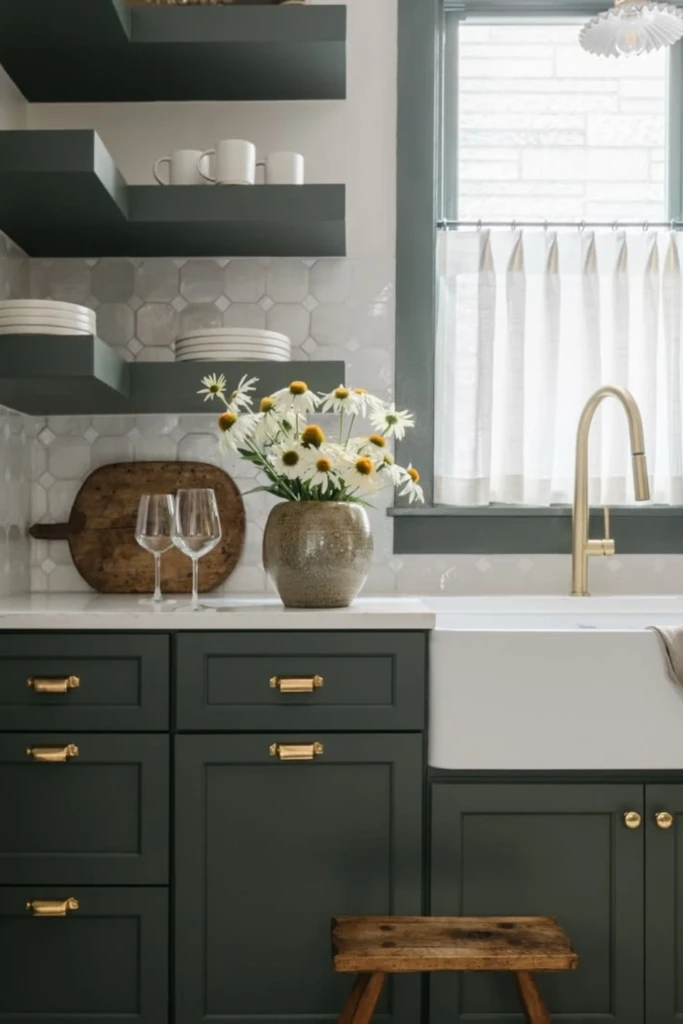
Small objects can make a countertop look disorganized even when there aren't many of them. A tray or compact basket helps bring these loose items together, creating a defined area that looks intentional.
For instance, place cooking oil, salt, pepper, and frequently used seasonings on a small, easy-to-clean tray near your main cooking area. Keep coffee, sweeteners, and a few mugs together on a separate station if you regularly prepare hot drinks.
You can also use shallow containers to organize:
Tea bags, coffee filters, and other beverage supplies.
Everyday condiments and seasoning containers.
Dishwashing supplies near the sink.
Fruit or individually packaged snacks.
Small cooking accessories that you use together.
Choose organizers that fit the available surface without making the counter feel crowded. Waterproof or washable materials are particularly useful around sinks and food preparation areas.
Another advantage of grouping items is easier cleaning. Instead of moving several separate containers whenever you wipe the counter, you can lift an organizer and clean underneath it.
Just remember that trays should contain useful items rather than become another place for miscellaneous clutter. Review their contents regularly, remove anything unnecessary, and avoid grouping too many supplies in one area.
4. Use Vertical Space to Your Advantage
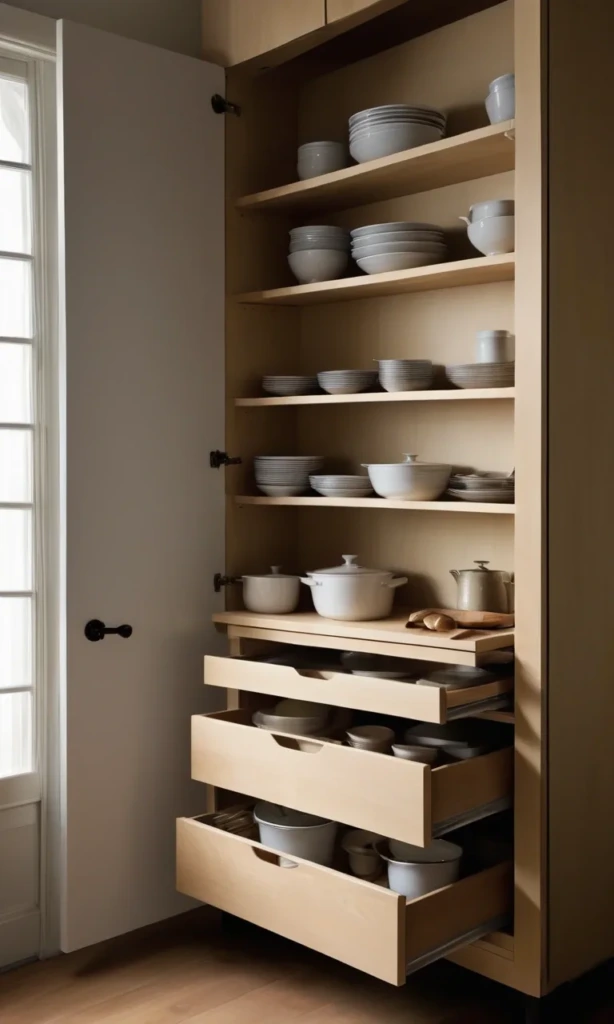
When horizontal workspace is limited, look upward. Walls, the undersides of cabinets, and suitable vertical surfaces can provide additional storage without taking over valuable countertop space.
Start by identifying areas that are convenient to reach but don't interfere with cooking, cleaning, or moving around the kitchen.
Consider these options:
Wall-mounted rails: Hang frequently used utensils or other suitable kitchen tools.
Mug hooks: Move selected mugs off the counter when the installation and cabinet design allow it.
Magnetic knife strips: Store knives securely on an appropriately installed strip, away from children's reach.
Under-cabinet racks: Keep lightweight cups, utensils, or other compatible items accessible.
Small wall shelves: Arrange spices and frequently used jars in a location that doesn't obstruct food preparation.
Cabinet-side organizers: Use suitable racks or adhesive storage accessories on available cabinet sides.
The best solution depends on your kitchen's layout. Renters may prefer removable organizers, while homeowners might consider permanent shelving or rails.
Before installing anything, check the wall or cabinet material, the organizer's weight limit, and the manufacturer's installation instructions. Avoid placing heavy items overhead where they could fall, and keep frequently used supplies within a comfortable reach.
It's also important to preserve safe cooking conditions. Don't position shelves or hanging items where they could interfere with burners, ventilation, or hot cookware.
Vertical storage works best when it supports your normal routine. Keep everyday tools accessible and reserve less convenient locations for items you rarely need.
5. Tuck Away Bulky Appliances Smartly
Large appliances can occupy a surprising amount of counter space, especially in smaller kitchens. Blenders, food processors, mixers, and air fryers are useful, but not all of them need to remain visible throughout the day.
Begin by evaluating how frequently you use each appliance. A machine used every morning might justify a permanent location, while equipment reserved for weekend cooking can usually be stored elsewhere.
Here are several practical storage options:
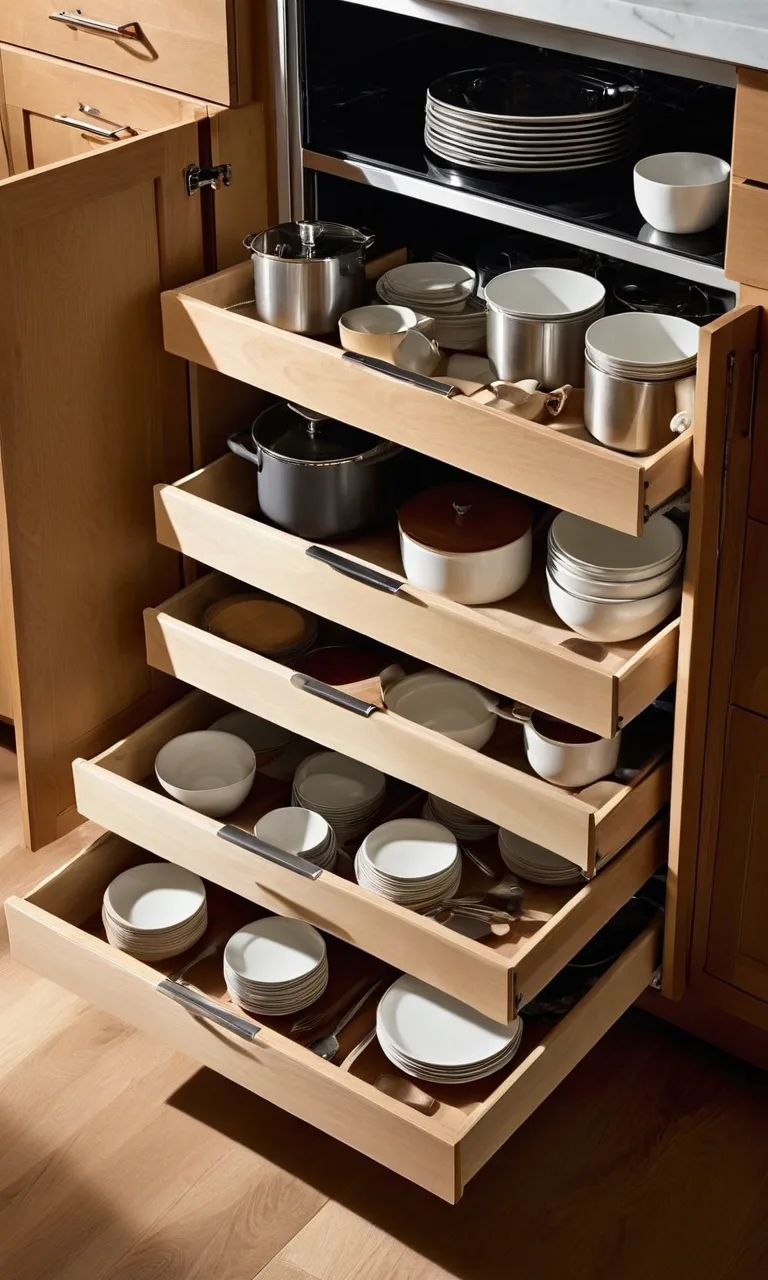
Lower cabinets: Store heavier appliances in sturdy cabinets where they can be lifted out safely.
Deep drawers: Use appropriately sized drawers for compact equipment and accessories.
Pantry shelves: Reserve a dedicated section for appliances used less frequently.
Labeled storage bins: Keep removable accessories, attachments, and related parts together.
Appliance lift mechanisms: Consider a compatible cabinet lift if you want to store a heavy appliance inside a cabinet while making it easier to access.
Before moving an appliance into enclosed storage, make sure it is cool, clean, dry, and disconnected from power as appropriate. Allow it to cool completely after use, and follow the manufacturer's storage guidance.
If cabinet space is limited, organize appliances by how often you use them rather than trying to hide everything. Keep the most frequently used equipment in accessible locations and move occasional-use items to higher or less convenient shelves, provided lifting them remains safe.
Avoid stacking heavy machines on unstable surfaces or forcing appliances into cabinets that don't offer sufficient clearance.
The aim is to make your workspace more open without creating extra work every time you prepare a meal. A good storage arrangement should make retrieving and putting away appliances straightforward.
6. Make It Look Good, Not Just Clean
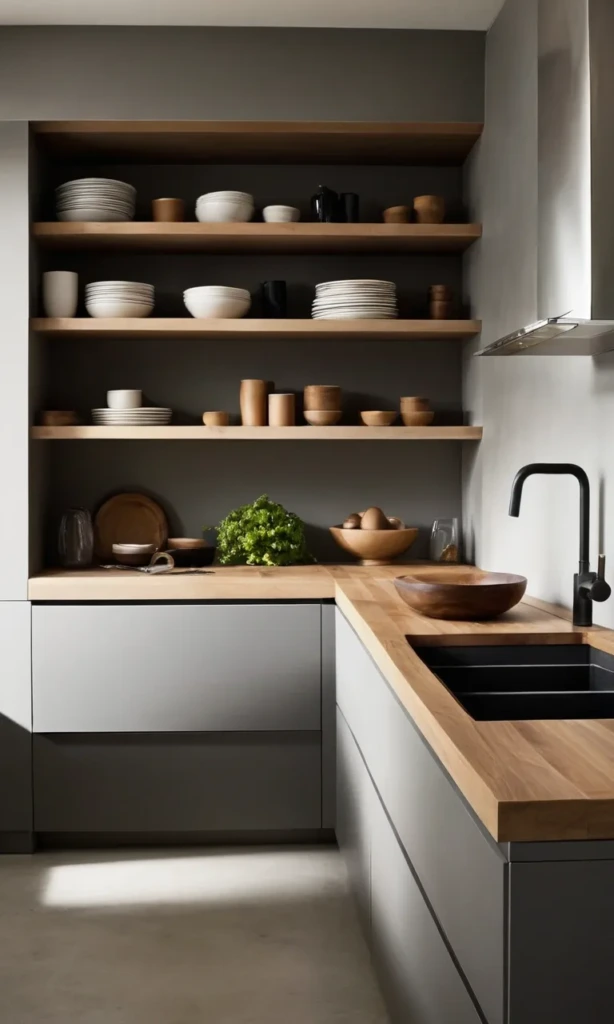
A well-organized kitchen can also feel inviting. Once you've reduced clutter and established practical storage zones, a few deliberate design choices can help your countertop look cohesive.
Begin by choosing a consistent color palette. Neutral shades, natural wood, glass, and muted colors can work together without making the space visually busy. You don't have to match every container, but coordinating a few visible accessories can create a more unified appearance.
Try these simple styling ideas:
Vary the heights: Combine a taller utensil holder with shorter jars or a shallow tray to create visual interest.
Coordinate materials: Pair complementary finishes, such as wood with ceramic or glass with stainless steel.
Display attractive essentials: Keep useful objects visible when they also contribute to the kitchen's appearance.
Leave open areas: Preserve clear sections of countertop instead of filling every available corner.
Add one decorative accent: A small plant suitable for the location, a simple vase, or an attractive dish towel can introduce personality.
Balance is more important than the number of decorations. A large collection of decorative containers may look appealing initially but can become inconvenient when you need space for cooking.
Choose accessories that are easy to clean, particularly near the stove and sink, where grease and moisture can accumulate. Wash decorative items regularly, and make sure plants or other accessories don't interfere with food preparation.
If your kitchen already has patterned countertops, colorful cabinets, or distinctive hardware, keep the styling relatively simple. A restrained arrangement can allow those existing features to stand out.
Ultimately, good countertop styling combines appearance with usability. The space should look pleasant while remaining easy to work in, wipe down, and maintain.
7. Try a Seasonal Rotation System
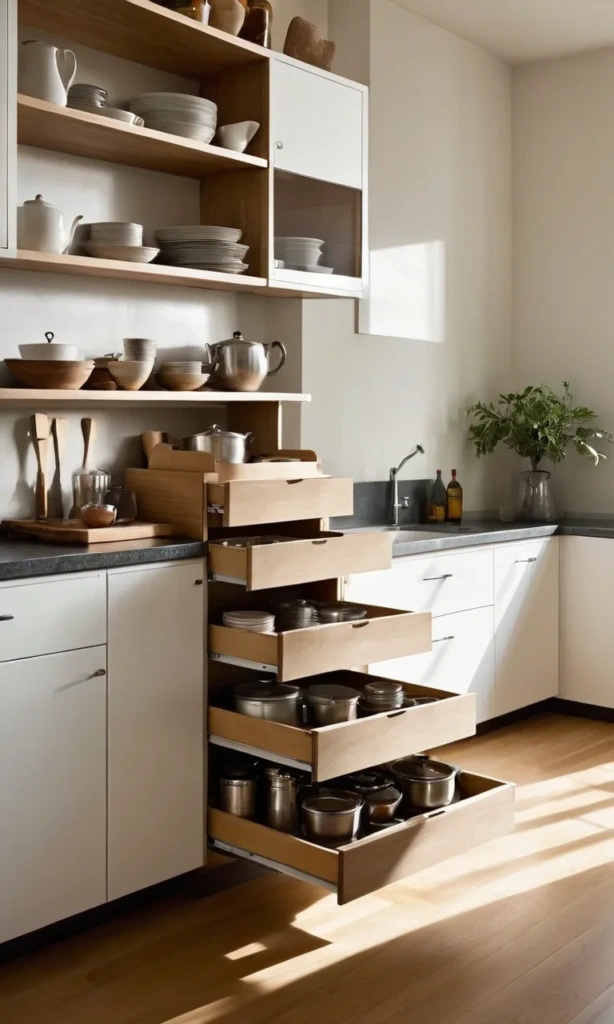
Your kitchen's needs can change throughout the year. Warmer months may call for more room to prepare cold drinks and fresh produce, while colder weather might mean making tea, coffee, or baked goods more frequently.
A seasonal rotation system allows you to adjust your countertop arrangement without reorganizing the entire kitchen.
During warmer months, you might keep a fruit bowl accessible, create a compact space for reusable water bottles, or make frequently used smoothie equipment easier to reach. In cooler seasons, you could arrange tea supplies together or bring out baking tools that you'll use more often.
You can also make small decorative changes by switching dish towels, reusable containers, or a tray to suit the season. These details offer a fresh look without requiring major purchases.
To make seasonal adjustments useful rather than purely decorative, follow a few simple practices:
Review which appliances and supplies you expect to use more frequently.
Move relevant items into convenient storage or an appropriate countertop zone.
Put away equipment that no longer serves your current routine.
Clean the surfaces and storage areas before returning items.
Check expiration dates on seasonal ingredients and discard anything unsuitable for use.
You don't need to change your kitchen setup every month. A review at the beginning of a new season, before a holiday gathering, or when your cooking habits change may be enough.
The benefit of this approach is flexibility. Your countertop arrangement can adapt to your lifestyle instead of forcing you to maintain a fixed setup that no longer suits your needs.
Final Thoughts
An organized kitchen countertop doesn't require expensive accessories, perfectly matching containers, or completely empty surfaces. What matters is creating a practical arrangement that gives everyday essentials a home while preserving enough room to prepare food comfortably.
Start by clearing the counter, deciding which items deserve to stay, and grouping related supplies. Use vertical storage where appropriate, move bulky appliances into suitable cabinets, and add a few decorative touches that complement the rest of your kitchen.
Once the initial organization is complete, maintain it with a simple daily habit: return items to their designated places after cooking and wipe down the surfaces regularly. A brief reset can prevent small messes from developing into a much larger project.
Most importantly, customize the system to your household. If you use your coffee machine every morning, keeping it accessible makes sense. If you cook frequently, prioritize preparation space over decorative accessories.
The best countertop organization system is one that makes everyday tasks easier, keeps cleaning manageable, and helps your kitchen feel comfortable and functional throughout the year.