These Genius Organization Hacks Will Change How You Live Forever
Keeping your home organized shouldn't feel like a never-ending project. Yet it's easy to spend hours tidying up, only to find clutter returning to the same countertops, drawers, and corners a few days later.
The secret to a more organized home isn't buying dozens of storage containers or following complicated cleaning schedules. It's creating practical systems that work with your everyday habits.
Whether you're dealing with a cramped apartment, overflowing cabinets, or a busy household, these clever organization hacks can help you use your space more efficiently and spend less time searching for things.
The best part? Most of these ideas are affordable, simple to implement, and easy to maintain.
Why Your Space Stays Messy?
A home can look spotless after a thorough cleaning and still become cluttered almost immediately. That's because cleaning removes dirt, while organizing addresses where your belongings belong.
Consider what happens when you arrive home carrying shopping bags, keys, mail, and a jacket. Without designated storage spots, those items naturally end up on the nearest available surface.
Over time, these temporary piles become permanent fixtures.
Another common issue is having more belongings than your storage space can comfortably accommodate. Even beautifully arranged shelves become difficult to maintain when they're packed too tightly.
To create lasting order, identify the places where clutter repeatedly accumulates.
Pay attention to your daily movements. Notice which items you frequently leave out, which cabinets are difficult to access, and where you waste time looking for essentials.
These observations reveal what your home actually needs.
Instead of forcing yourself to follow a rigid organizing system, arrange your belongings around the way you naturally use them.
The 10-Minute Declutter Rule That Changes Everything
One of the easiest ways to maintain an organized home is to dedicate ten minutes each day to a small decluttering task.
You don't need to empty an entire closet or rearrange every kitchen cabinet.
Start with an area small enough to finish comfortably.
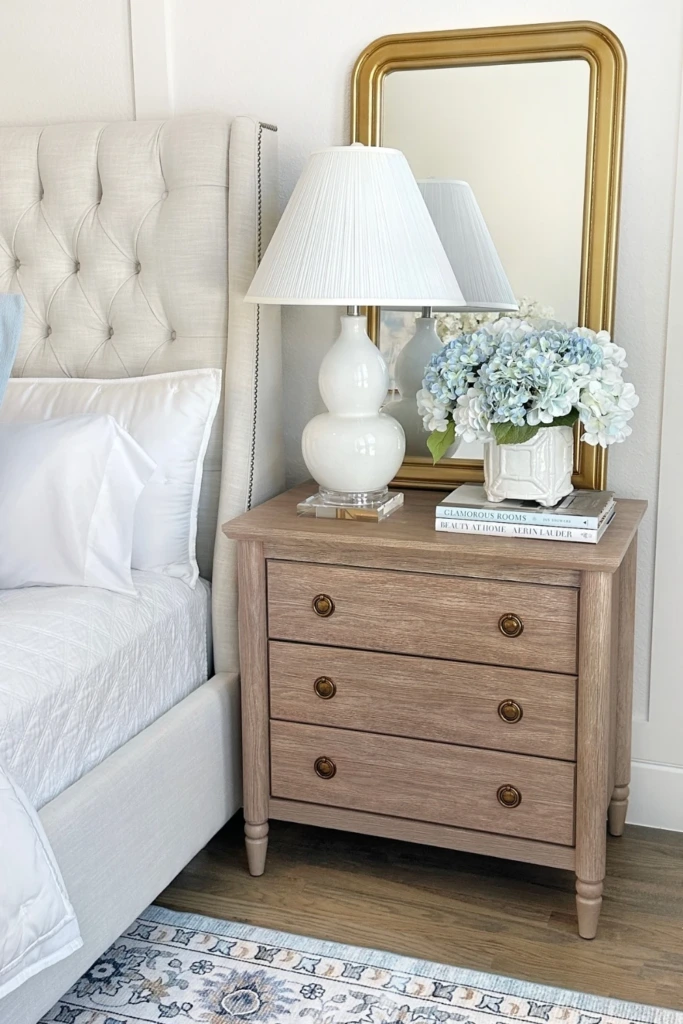
For example, you might organize your bedside drawer on Monday, clear the bathroom counter on Tuesday, and sort through a kitchen shelf on Wednesday.
Set a timer and work on that single area until the time is up.
Begin by removing obvious rubbish and returning misplaced belongings to their proper locations. Then identify anything broken, unnecessary, or no longer useful.
If an item requires more thought, place it in a separate box to review later rather than allowing one decision to consume the entire session.
The goal is steady improvement, not perfection.
Ten minutes might seem insignificant, but a daily routine adds up to more than an hour of organizing each week.
It also makes larger projects feel manageable because you're addressing clutter before it becomes overwhelming.
Grouping by Use: The ‘Cousins and Coworkers’ Trick
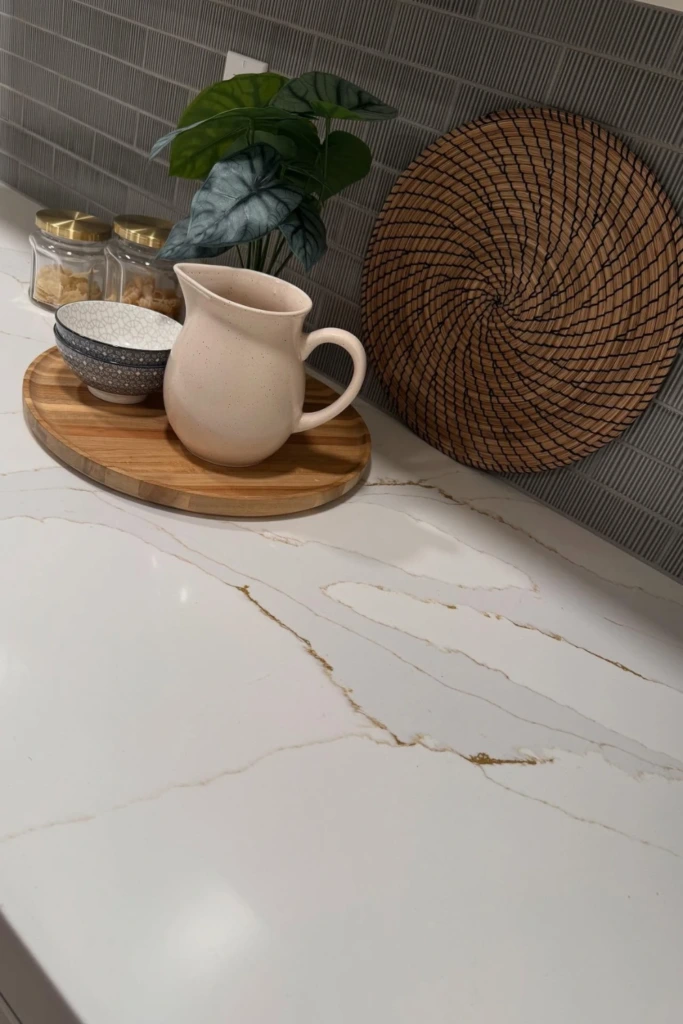
A practical way to organize household belongings is to think about how different items relate to one another.
Some objects belong together because they're similar. Others belong together because you regularly use them during the same activity.
Think of similar items as "cousins."
For instance, spare batteries, light bulbs, and basic electrical accessories could share a labeled utility storage area, with each category separated into smaller compartments.
Items used for the same task can be considered "coworkers."
Your morning coffee supplies are a perfect example. Keeping mugs, coffee, filters, and sweeteners near the coffee maker creates a convenient station that supports your daily routine.
The same principle works throughout your home.
Store gift wrap with ribbons, tape, and gift tags. Keep cleaning cloths near the appropriate cleaning products, following product safety and storage instructions. Arrange frequently used office supplies together near your workspace.
This approach reduces unnecessary movement between rooms and cabinets.
It also makes putting things away more intuitive because related objects already have a shared location.
Create Drop Zones to Stop Daily Clutter Pileups
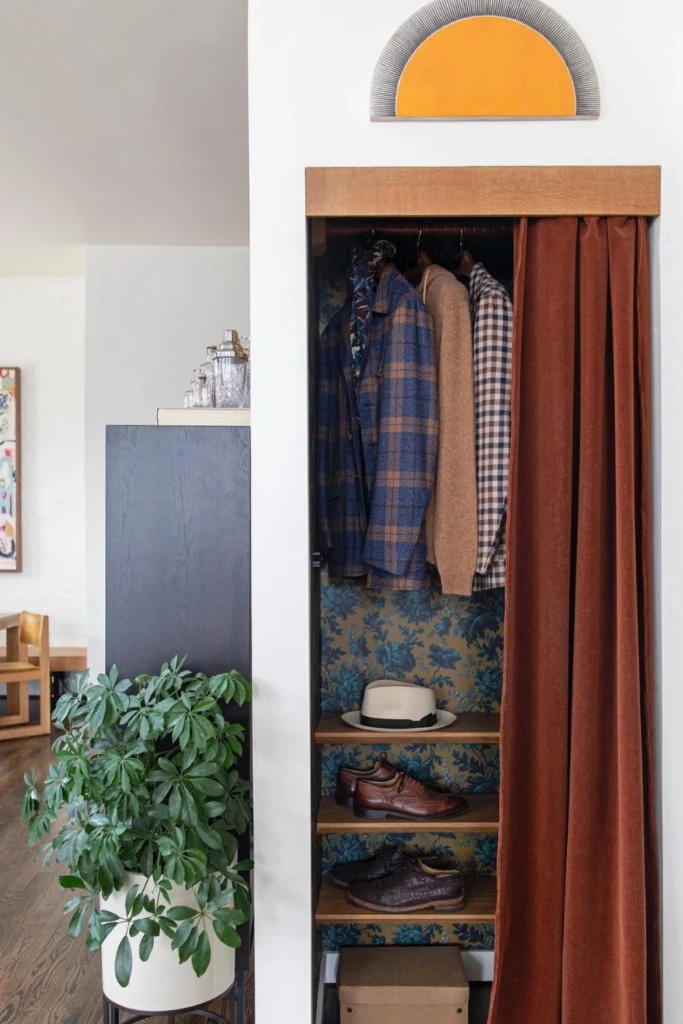
A drop zone is a dedicated space for belongings you routinely carry into and out of your home.
Without one, keys disappear beneath paperwork, bags collect on dining chairs, and shoes end up scattered around the entrance.
A thoughtfully arranged drop zone provides a convenient landing place for everyday essentials.
Place it Near the Entrance
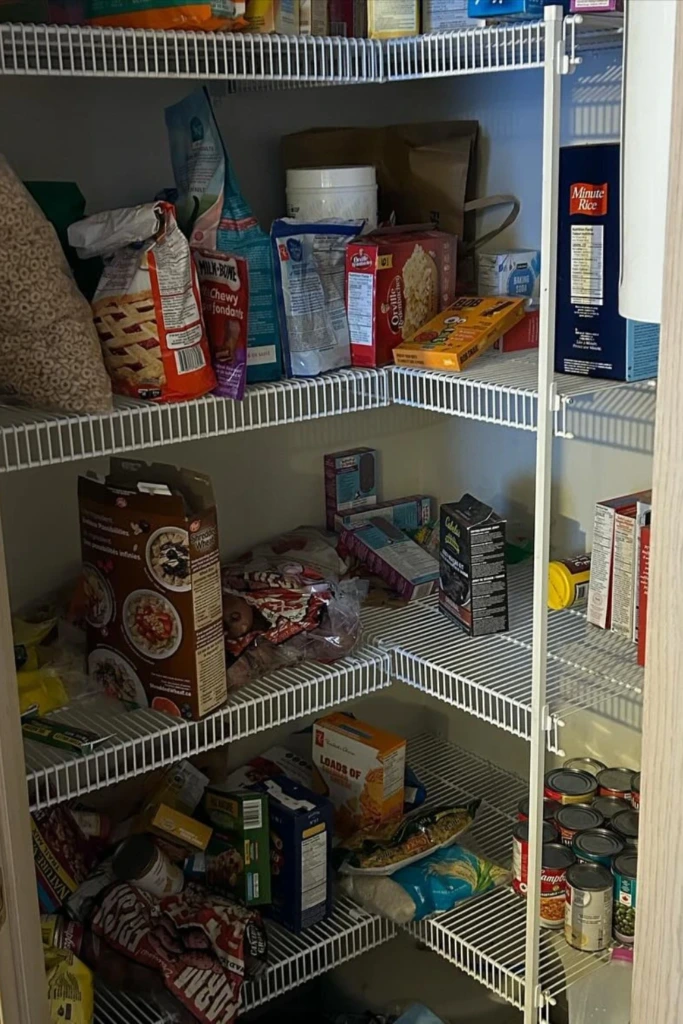
Choose an accessible spot close to the door your household uses most often.
This could be a narrow console table, a small wall-mounted shelf, or an unused section of an entryway cabinet.
The location matters more than the furniture itself.
When storage is positioned along your natural path, you're more likely to use it consistently.
For homes without a separate entryway, a small section of the hallway or living room can work just as well.
Use a Tray or Shallow Basket
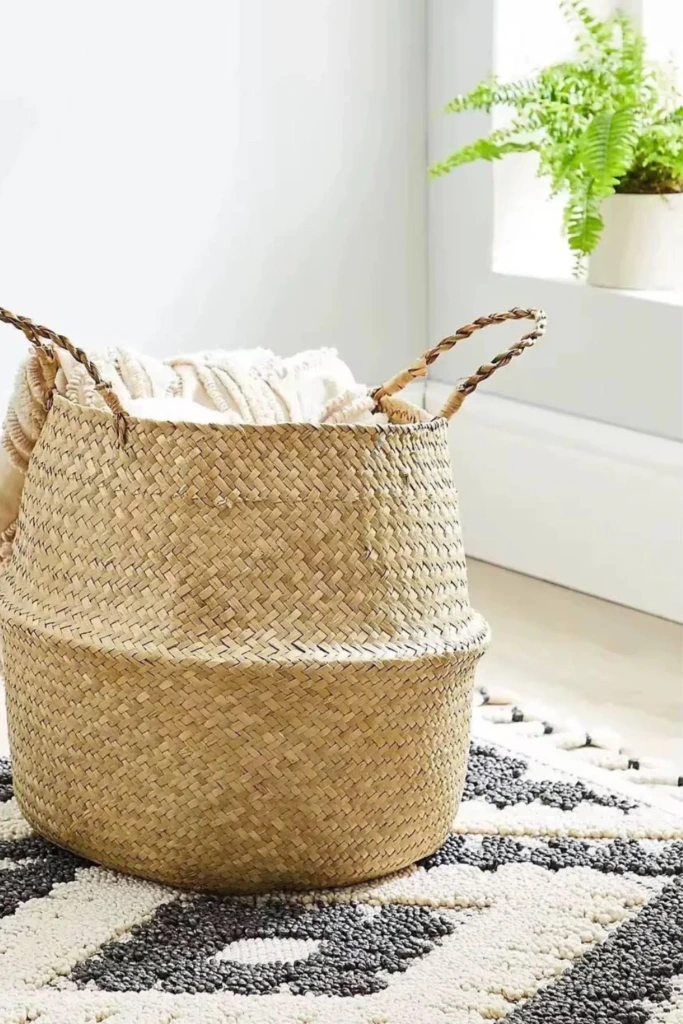
Small belongings are often responsible for surprisingly large amounts of visual clutter.
A decorative tray creates a defined space for items such as keys, wallets, and sunglasses.
Choose a container that's large enough for daily necessities without encouraging you to collect unrelated objects.
For shared households, consider individual baskets so everyone has a personal place for their belongings.
Add a Mail Bin or Vertical File
Paperwork can quickly overwhelm an otherwise tidy surface.
Install a wall-mounted letter holder or use a compact desktop file organizer to separate incoming documents.
Create simple categories for paperwork that requires action, documents that need filing, and outgoing mail.
Recycle unwanted advertisements promptly, and handle important letters during a scheduled weekly review.
Avoid storing sensitive paperwork in an exposed location where visitors can easily access it.
Hang Wall Hooks or Pegs
Wall hooks are particularly useful when floor space is limited.
Install sturdy hooks for coats, handbags, hats, and frequently used accessories.
Position them at comfortable heights for the people using them. Lower hooks can make it easier for children to hang up their own belongings.
Always choose suitable wall anchors and follow the manufacturer's weight recommendations.
Make it Part of Your Routine
Even a well-designed entryway needs a simple maintenance habit.
Whenever you return home, put your belongings in their assigned spots before moving into another room.
Spend a minute removing unnecessary items from the area each evening.
If the drop zone repeatedly becomes overcrowded, reduce what you store there or provide separate storage for less frequently used belongings.
Small Space? Think Vertical and Hidden
Limited square footage doesn't necessarily mean limited storage potential.
Many homes contain overlooked spaces that can accommodate everyday belongings without making rooms feel crowded.
Start by examining empty wall areas, unused cabinet sections, and the space beneath furniture.
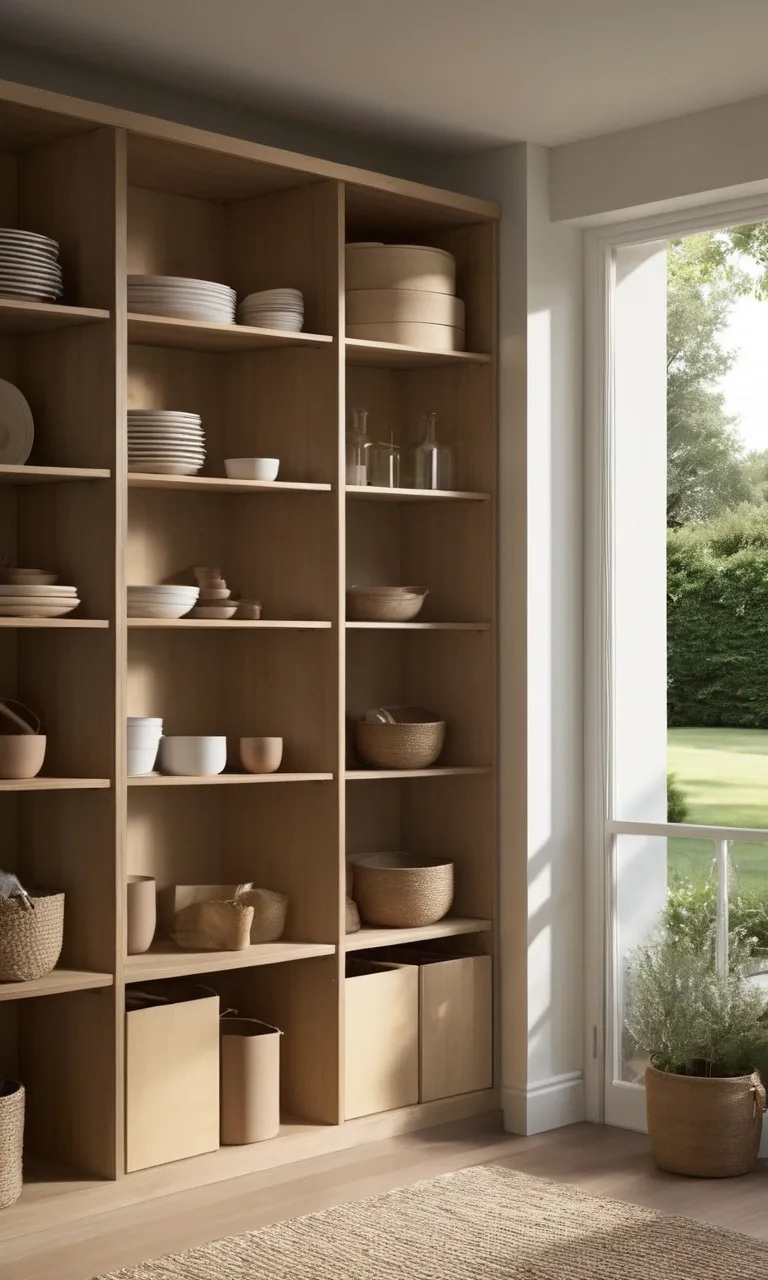
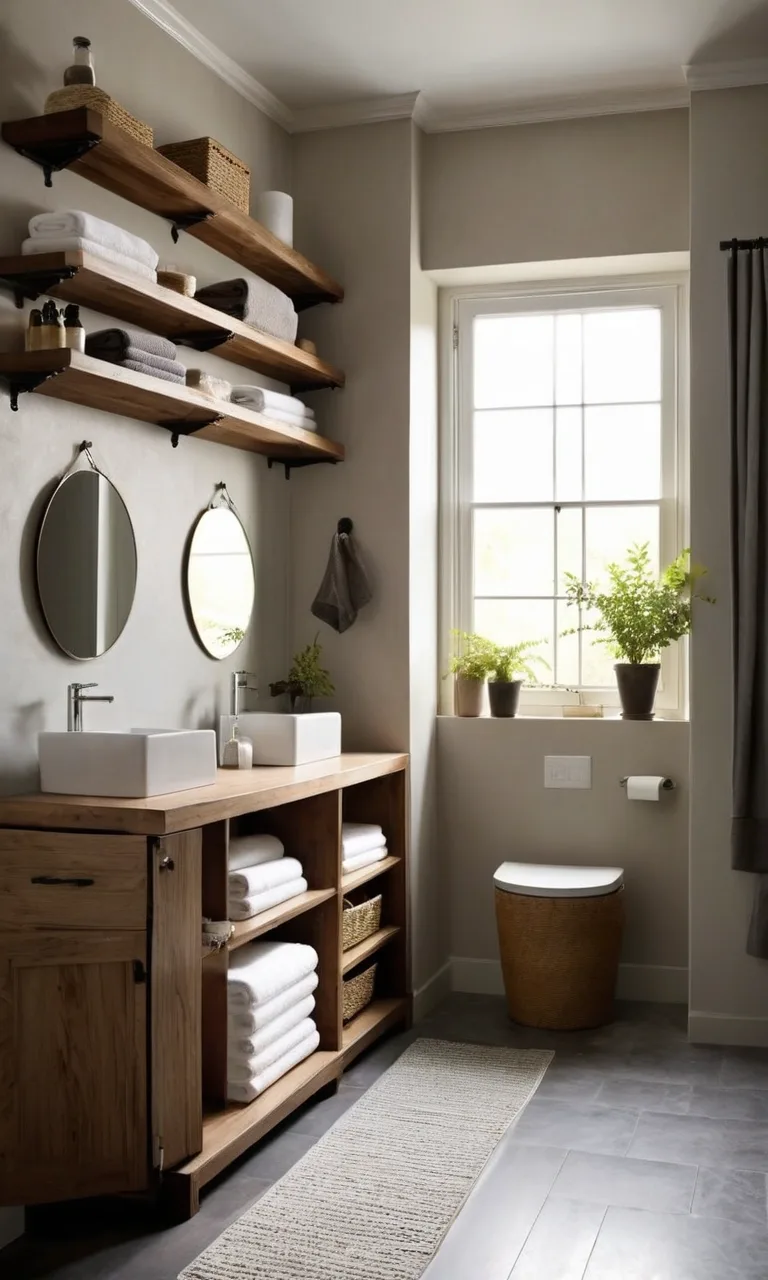
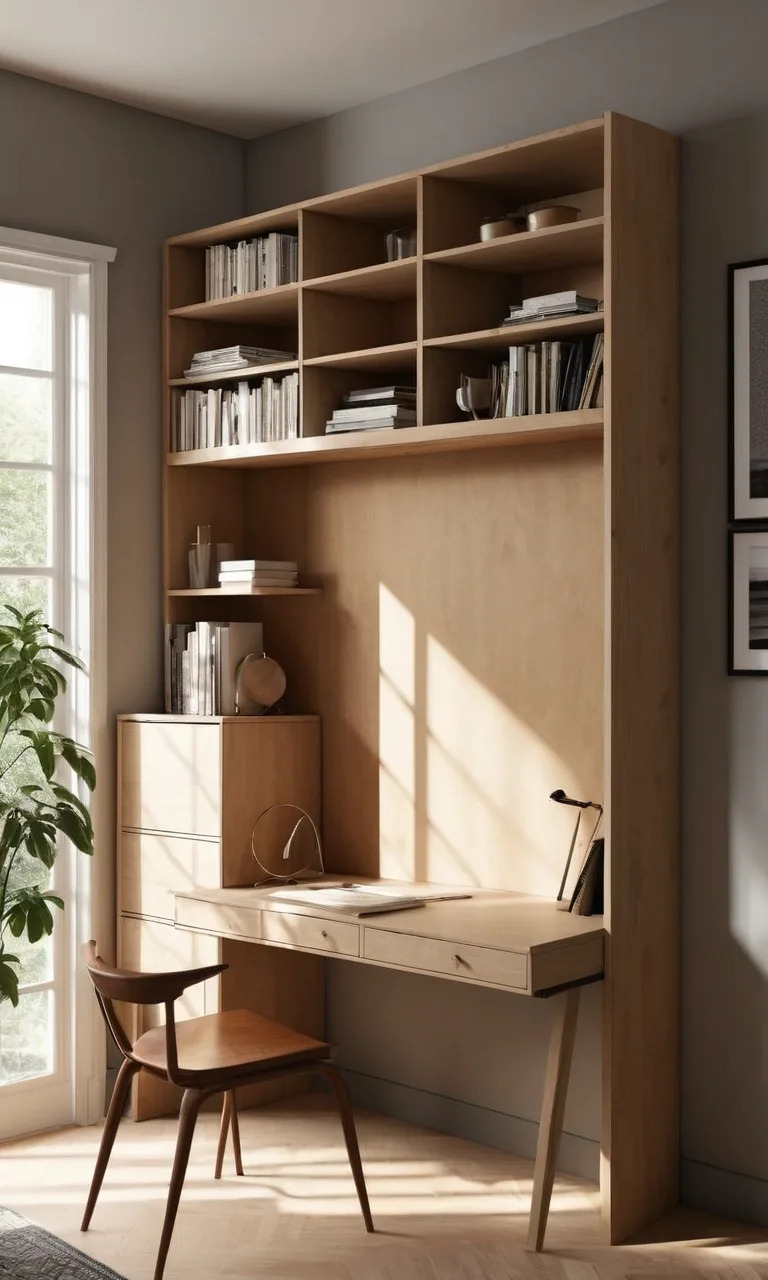
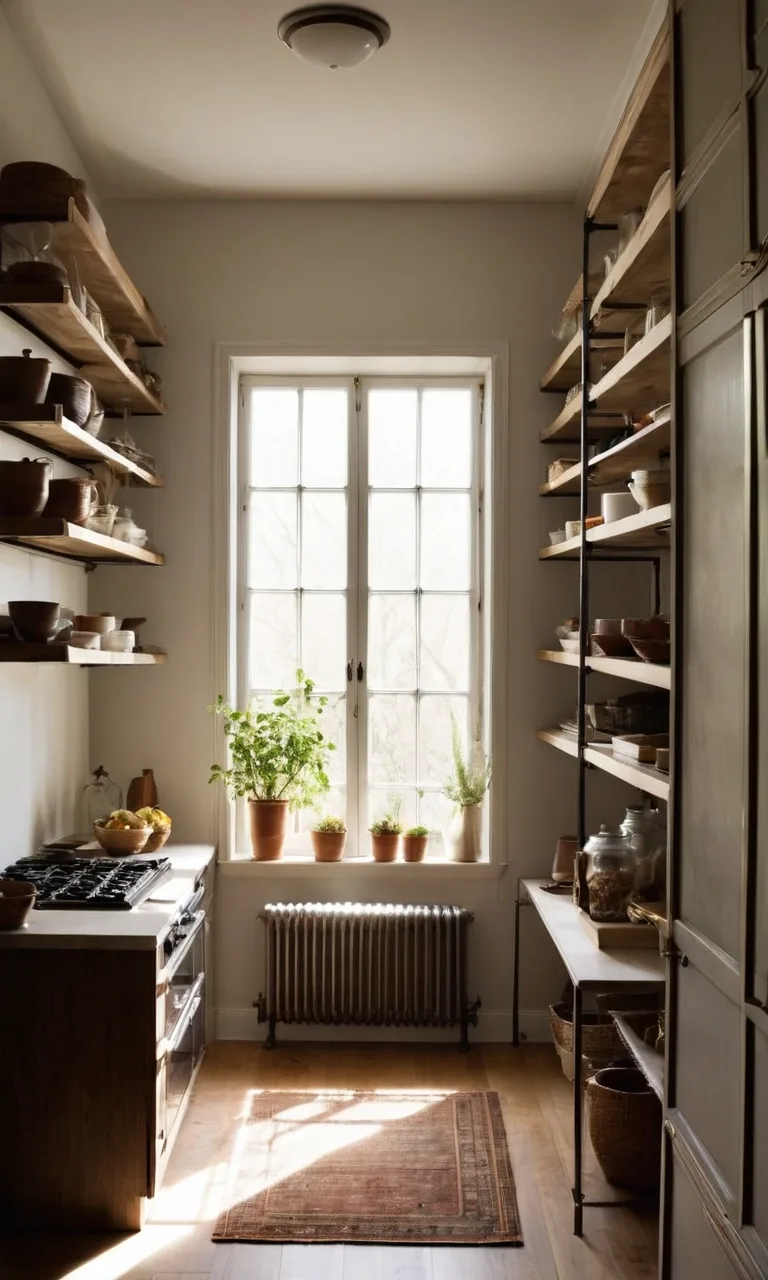
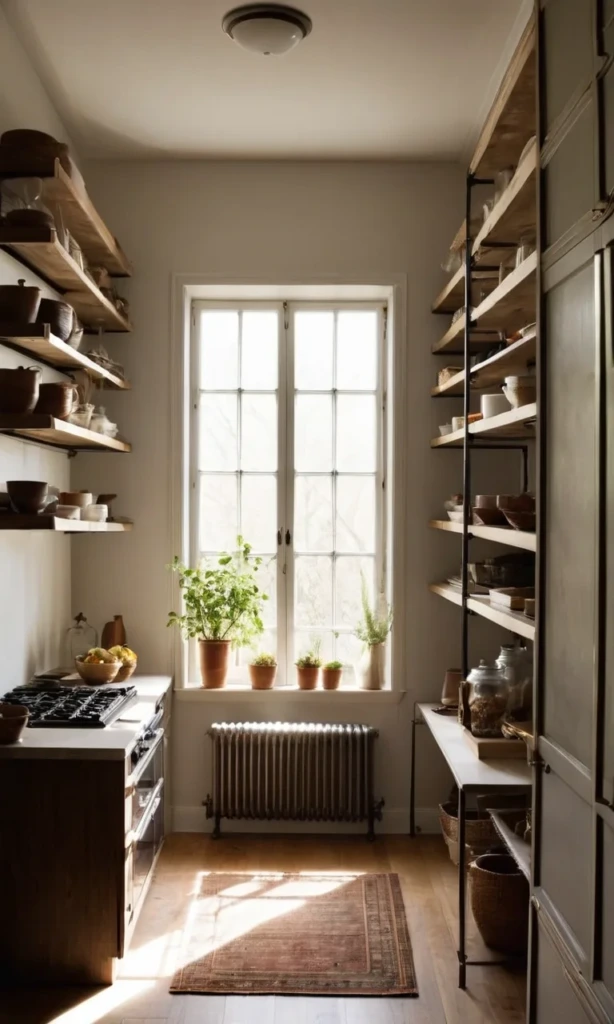
Floating shelves can hold books, decorative baskets, and lightweight accessories without taking up valuable floor space.
Over-the-door organizers work well for shoes, hair accessories, cleaning supplies, and other small items, provided they don't interfere with the door's operation.
Under-bed containers offer convenient storage for seasonal clothing, spare bedding, and occasional-use belongings.
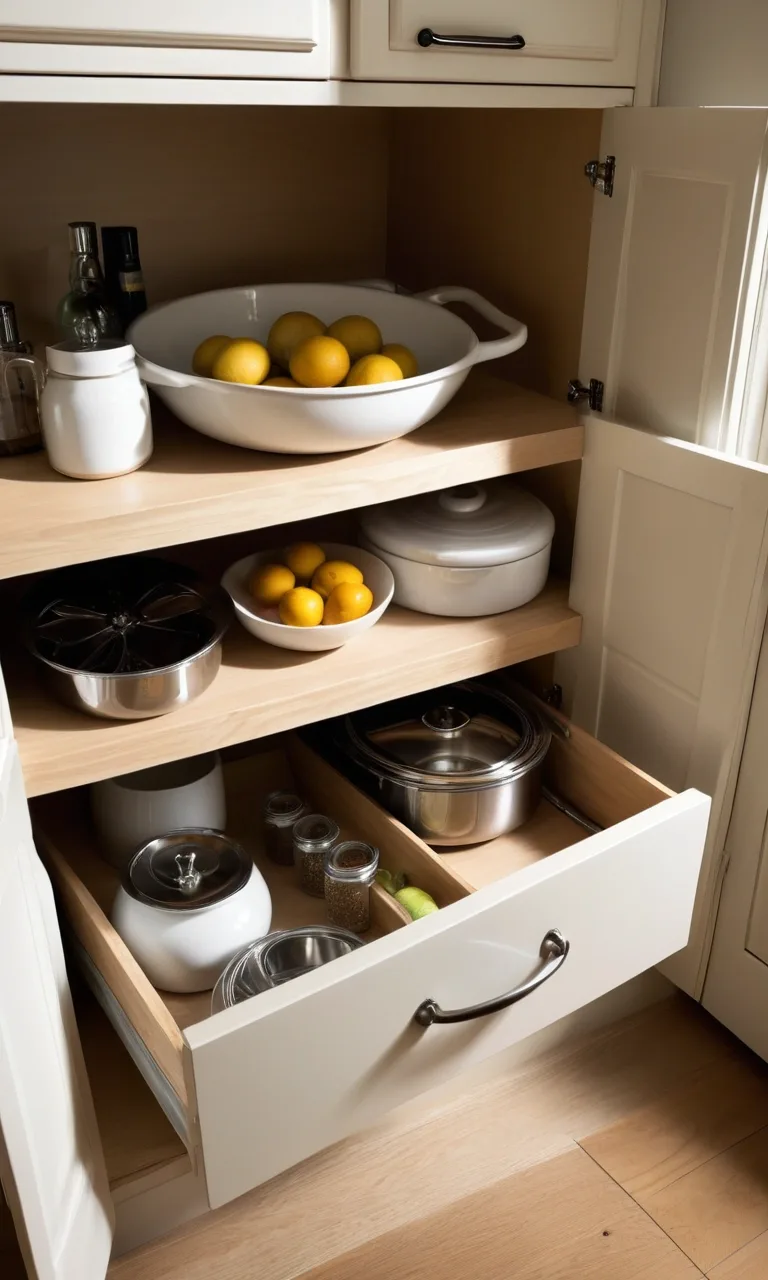
In kitchens, shelf risers can create additional levels inside cabinets, while pull-out organizers make deep storage areas easier to access.
Slim rolling carts can also fit into narrow gaps beside desks or cabinets.
However, avoid filling every available space simply because it exists.
Keep walkways clear, avoid obstructing ventilation or exits, and secure tall storage furniture where necessary.
The most effective small-space organization ideas increase accessibility without making your home feel overfilled.
Make It Visible, or You’ll Forget It Exists
An organized storage system should make it easy to identify what you own.
When belongings disappear into unmarked boxes or overcrowded drawers, you're more likely to forget about them and purchase duplicates.
Choosing the right containers can prevent this problem.
Storage Method
Visibility
Best For
Why It Works
Clear Plastic Bins
High
Pantry supplies, craft materials, toiletries
Contents remain visible without opening each container.
Open Baskets
Moderate to high
Blankets, everyday accessories, children's toys
Items are easy to access and return after use.
Labeled Opaque Bins
Moderate
Holiday decorations, spare cables, seasonal clothing
Clear labels identify contents while keeping visual clutter concealed.
Stackable Drawers
Varies by design
Office materials, closet accessories, bathroom supplies
Separate compartments make better use of vertical storage space.
Glass Jars / Containers
Very high
Dry foods, cotton rounds, laundry accessories
Transparent walls make quantities and contents easy to check.
Choose containers based on what you're storing rather than appearance alone.
Frequently used belongings should remain within comfortable reach, while seasonal items can occupy higher shelves or less accessible cabinets.
Labels are especially helpful for shared storage areas.
Use short, specific descriptions such as "Charging Cables," "Winter Accessories," or "Baking Supplies."
For food storage, choose food-safe containers and preserve any important expiration dates or preparation instructions.
A simple, understandable storage system is far more useful than an elaborate arrangement that requires constant rearranging.
Sustainable Storage That Looks Good
Creating a beautiful, organized home doesn't require purchasing an entirely new collection of storage products.
In fact, one of the most resource-conscious approaches is to use containers and furniture you already own.
Empty glass jars can hold craft supplies, while sturdy cardboard boxes can become drawer dividers when covered with decorative paper.
Unused ceramic bowls are useful for organizing jewelry, hair ties, and other small accessories.
If you need additional storage, consider durable materials such as bamboo, wood, metal, and washable fabric.
Woven baskets bring texture to open shelving, while wooden organizers can make desk drawers and kitchen cabinets feel more intentional.
Secondhand shops are another excellent place to find distinctive storage pieces.
Vintage wooden boxes, small cabinets, and decorative containers can add personality without requiring everything to match.
Before buying anything, measure the intended space and decide exactly what the container will hold.
Remember that sustainability depends on how products are made, used, and eventually discarded. A durable plastic container you already own may be a better choice than replacing it with something new solely for aesthetic reasons.
Prioritize long-lasting, reusable solutions that genuinely improve your home's functionality.
Organize Your Digital Life (Before It Overwhelms You)
Clutter isn't limited to physical spaces.
A computer filled with unidentified downloads, a phone overloaded with screenshots, and an inbox containing thousands of unread messages can make everyday tasks unnecessarily frustrating.
Digital organization deserves the same practical attention as household storage.
– Create a straightforward folder system: Arrange important documents into recognizable categories such as Personal, Work, Finances, and Photos. Use descriptive filenames so documents are easier to locate.
– Remove unnecessary applications: Review installed apps and uninstall those you no longer need. Check for important stored data or active subscriptions before removing them.
– Sort your photo collection: Delete unwanted duplicates and blurry images, then create albums for meaningful events, family memories, or important records.
– Reduce email clutter: Unsubscribe from newsletters you no longer read, create filters for recurring messages, and archive conversations you may need later.
– Protect important files: Maintain reliable backups using secure cloud storage, an external drive, or both. Enable multifactor authentication where available and verify that backups can be restored.
– Schedule a weekly digital reset: Spend around fifteen minutes reviewing downloads, clearing unnecessary files, and organizing recent documents.
Avoid deleting unfamiliar system files or records that may be required for financial, legal, or professional purposes.
Digital organization is most effective when your files are easy to locate, your information remains protected, and routine maintenance requires minimal effort.
Build Small Habits That Keep Things Organized
A successful organization system should continue working long after the initial cleanup.
The easiest way to achieve this is to connect small tidying habits with activities you already perform.
For example, clear the kitchen counter while waiting for your morning coffee, or return living room accessories to their places before going to bed.
Another useful strategy is the "one in, one out" approach.
Whenever you purchase a new clothing item, kitchen accessory, or decorative object, consider whether an older item can be donated, recycled, or responsibly discarded.
This helps prevent belongings from accumulating faster than your available storage can handle.
You can also introduce a brief evening reset.
Spend five minutes returning misplaced items, arranging cushions, putting away shoes, and clearing frequently used surfaces.
Assign a specific day each week to review areas that naturally attract clutter.
In households with several people, make responsibilities clear and age-appropriate. Shared spaces are easier to maintain when everyone understands where belongings should go.
Most importantly, allow your organizing methods to change as your needs evolve.
A storage arrangement that worked perfectly last year might become inconvenient after a move, a schedule change, or the arrival of new household members.
Regularly adjusting your systems keeps them useful rather than restrictive.
Final Thoughts
An organized home isn't defined by perfectly arranged shelves or matching storage containers. It's a space where everyday belongings are easy to find, simple to put away, and stored in places that make sense.
Small changes can make a meaningful difference.
A ten-minute decluttering routine, a convenient entryway drop zone, clearly labeled containers, and smarter use of vertical storage can all reduce the effort required to maintain order.
You don't need to transform every room at once.
Choose one area that regularly causes frustration, identify what's making it difficult to manage, and introduce a practical solution.
As those improvements become part of your daily routine, maintaining a tidy home can begin to feel less like a major chore and more like a natural part of everyday living.